

We use cookies to ensure our website works properly and to personalise your experience. Cookies policy
College of Pharmacy, Sonai, Department of Pharmaceutics, Savitribai Phule Pune, pune university.
Poor aqueous solubility remains a major challenge in the oral delivery of many active pharmaceutical ingredients, particularly those with dissolution-limited absorption. Solid self-emulsifying drug delivery systems (S-SEDDS) have emerged as promising lipid-based formulations that combine the solubilization advantages of liquid self-emulsifying drug delivery systems with the handling, stability, and manufacturing benefits of solid dosage forms. Despite substantial progress in formulation development, the relationship between solidification strategy, carrier properties, preservation of self-emulsification performance, and in vivo drug absorption remains insufficiently understood. This review critically examines the principles of S-SEDDS formulation, including excipients selection, formulation optimization, and major solidification approaches such as adsorption onto porous carriers, spray drying, freeze drying, melt granulation, hot-melt extrusion, and emerging additive manufacturing technologies. Key characterization parameters, including drug loading, flow properties, solid-state behavior, re dispersibility, droplet size, dissolution, precipitation tendency, lipid digestion, and stability, are discussed in relation to their relevance to product performance. Particular emphasis is placed on the interactions among formulation composition, solidification-induced structural changes, gastrointestinal dilution and digestion, and maintenance of drug solubilization. The review also evaluates applications of S-SEDDS in improving oral delivery of poorly water-soluble drugs and examines limitations in biopharmaceutical prediction, scale-up, excipients selection, and translation from laboratory findings to clinical performance. Finally, an integrated formulation-to-performance framework is proposed to connect material attributes, process parameters, critical quality attributes, and bio relevant performance endpoints. This perspective aims to identify evidence gaps and guide the rational development of robust, scalable, and clinically relevant S-SEDDS formulations.
Oral drug administration is widely used because it is convenient, generally acceptable to patients, and compatible with multiple dosage forms. Nevertheless, the development of effective oral formulations is frequently complicated by poor aqueous solubility, slow dissolution, inadequate permeability, and extensive presystemic metabolism. These factors may act independently or together to limit systemic drug exposure. In particular, drugs with dissolution-limited absorption can exhibit variable bioavailability when conventional formulations fail to maintain sufficient drug availability within gastrointestinal fluids [1–4].
Lipid-based drug delivery systems provide one strategy for addressing these challenges. They incorporate oils, surfactants, co surfactants, and, where appropriate, co solvents to facilitate drug solubilization and dispersion following contact with aqueous gastrointestinal fluids. Self-emulsifying drug delivery systems (SEDDS) are generally isotropic mixtures that spontaneously form oil-in-water dispersions under suitable aqueous conditions and gentle agitation. Depending on their composition and resulting dispersion characteristics, they are described as self-emulsifying, self-micro emulsifying, or self-nanoemulsifying systems, although terminology and size-based classifications vary across the literature [1–4].
The potential benefit of SEDDS extends beyond an increase in apparent aqueous solubility. Lipid digestion, drug partitioning between colloidal phases, intestinal fluid composition, precipitation kinetics, and drug permeability can all influence absorption. Therefore, a formulation that produces small droplets or high initial drug concentrations in a dissolution vessel does not necessarily produce a proportional improvement in oral bioavailability [2–5].
Despite their formulation advantages, conventional liquid SEDDS have practical limitations. These may include leakage from capsule shells, compatibility issues with packaging or capsule materials, limited dosage-form flexibility, and physical or chemical instability under particular storage conditions. Drug precipitation may also occur during storage or following dilution, especially when the drug concentration exceeds its equilibrium solubility in the changing formulation environment. These issues have motivated the development of solid SEDDS, in which the liquid or semisolid self-emulsifying formulation is immobilized, absorbed, encapsulated, or incorporated into a solid matrix [6–9].
S-SEDDS can be prepared using several approaches, including adsorption onto porous carriers, spray drying, freeze drying, melt granulation, hot-melt extrusion, and other granulation or particle-engineering techniques. The resulting materials may be filled into capsules, compressed into tablets, or incorporated into other solid dosage forms. Their performance depends not only on the original lipid formulation but also on the solid carrier, manufacturing process, residual moisture, mechanical treatment, and the conditions under which the formulation is redispersed [6–10].
An important distinction must therefore be made between successful solidification and successful preservation of self-emulsifying performance. A powder may exhibit acceptable flow and storage characteristics yet redisperse slowly, form a broader droplet-size distribution, release the drug incompletely, or promote precipitation after gastrointestinal dilution. Conversely, a carrier or matrix that improves powder handling may also modify wetting, drug partitioning, or release. The final product must consequently be evaluated as a coupled lipid–carrier–drug system rather than as a liquid formulation plus an inert solid.
Recent reviews have addressed the general transition from liquid to solid SEDDS and the role of solidification materials. A useful next step is to examine how the choice of material and process may influence performance across successive stages, from powder manufacture to gastrointestinal dispersion and drug absorption [8, 9]. This is especially important because the evidence available for individual formulations varies considerably: some studies report physicochemical characterization, others include animal pharmacokinetics, and only a subset may establish clinically relevant improvements.
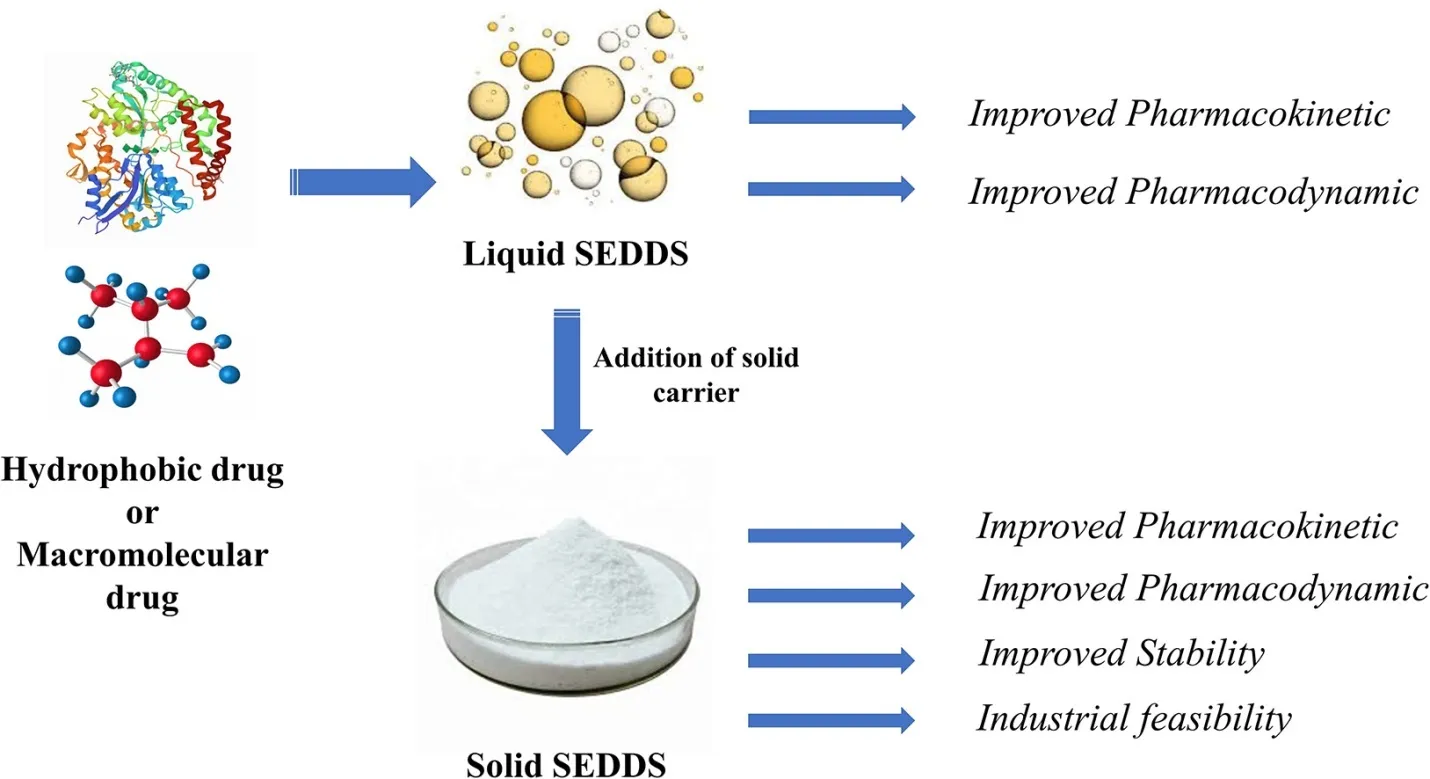
Figure 1: Solid Self Emulsifying Drug Delivery System.
1.1. Aim and scope of the review
The aim of this critical narrative review is to evaluate the relationships among formulation composition, solidification technology, solid-state and powder properties, redispersion behavior, and biopharmaceutical performance in S-SEDDS.
The specific objectives are to:
1. Explain the fundamental principles of S-SEDDS and the functions of formulation components.
2. Critically compare established solidification methods and emerging manufacturing approaches.
3. Evaluate characterization techniques according to the performance questions they answer.
4. Examine the applications and limitations of S-SEDDS for poorly water-soluble drugs.
5. Propose a formulation-to-performance framework that identifies relevant material attributes, process parameters, and quality attributes.
6. Identify research gaps in precipitation control, bio relevant testing, predictive modeling, scale-up, and clinical translation.
2. Fundamental principles and classification of S-SEDDS
2.1. Mechanism of self-emulsification
Self-emulsification involves the formation of a dispersed system when a suitable lipid–surfactant formulation encounters an aqueous medium. The process depends on formulation composition, interfacial properties, mixing conditions, and the physicochemical characteristics of the oil and surfactant phases [1–5].
The surfactant facilitates interfacial stabilization, while the oil phase provides a solvent environment for lipophilic drugs. Co surfactants or co solvents may improve drug solubilization and alter interfacial behavior. Upon dilution, the formulation may form droplets or other colloidal structures that support drug transport within the gastrointestinal environment.
However, the observed droplet size is not determined by surfactant concentration alone. Oil composition, surfactant hydrophilic–lipophilic characteristics, viscosity, dilution, temperature, and gastrointestinal components can all influence the resulting dispersion. Furthermore, the apparent drug concentration measured in a dispersed system may include drug associated with colloidal structures rather than molecularly dissolved drug alone [2–5].
2.2. Why solidification changes performance
Solidification introduces a second level of formulation complexity. The liquid precursor must first retain its ability to emulsify and solubilize the drug, while the solid product must possess acceptable mechanical, physical, and chemical properties.
Potential changes during solidification include:
2.3. Classification of S-SEDDS
S-SEDDS may be classified by their precursor formulation, solidification approach, or final dosage form.
Table 1: Classification S-Sedds with Example and Principal Development Quesitons
| Classification basis | Examples | Principal development question |
|---|---|---|
| Precursor system | SEDDS, SMEDDS, SNEDDS | Does the precursor maintain drug solubilization after dilution? |
| Solidification approach | Adsorption, spray drying, extrusion, freeze drying | Which process best preserves dispersion performance? |
| Solid carrier | Porous silica, magnesium aluminometasilicate, polymers, cellulose-based materials. | What liquid load can be retained without unacceptable powder properties? |
| Final dosage form | Capsule, tablet, granule, pellet | Does the dosage form release and redisperse the formulation appropriately? |
| Functional design | Supersaturable, modified-release, mucoadhesive or printed systems | Is the added function demonstrated without compromising core SEDDS performance? |
Terminology should be used consistently. A solid product that merely contains oil and surfactant is not necessarily a functional S-SEDDS; its ability to form a suitable dispersion after administration must be established.
3. Materials and formulation design
3.1. Oil phase
The oil phase provides a solvent environment for the drug and influences emulsification, digestion, and subsequent drug partitioning. Candidate materials include medium-chain and long-chain triglycerides, mixed glycerides, and other pharmaceutically acceptable lipid excipients.
Selection should be based on the drug's solubility in the lipid, the intended drug dose, lipid digestibility, compatibility with surfactants, and the likelihood of drug precipitation after dilution. Greater drug solubility in the undiluted oil phase is useful but insufficient as the sole selection criterion because the drug may become less soluble as the formulation disperses and undergoes digestion [2–5].
3.2. Surfactants and co surfactants
Surfactants reduce interfacial tension and support formation and stabilization of dispersed droplets. Nonionic surfactants are commonly investigated in oral lipid formulations, although their suitability depends on concentration, tolerability, compatibility, and the desired dispersion characteristics.
Co surfactants and co solvents may increase drug loading and facilitate self-emulsification. However, dilution of water-miscible co solvents can reduce solvent capacity and promote precipitation. High surfactant concentrations may also raise tolerability concerns or affect gastrointestinal function. The optimum composition must therefore balance emulsification, drug loading, precipitation risk, and excipients exposure.
3.3. Solid carriers
The carrier converts the liquid or semisolid formulation into a manageable solid. Important properties include porosity, pore-size distribution, specific surface area, surface chemistry, liquid-holding capacity, compressibility, moisture sensitivity, and compatibility with the lipid formulation.
Table 02: Solid Carrier Category, Potential Advantages and Potential Limitations
| Carrier category | Potential advantages | Potential limitations |
|---|---|---|
| Porous silica | High surface area and potential for liquid adsorption. | Excessive loading can cause oily or poorly flowing powders. |
| Magnesium aluminometasilicate | Adsorption capacity and potential usefulness in solid dosage forms. | Performance depends on grade, surface properties, and compatibility. |
| Cellulose-based materials | Broad use in solid dosage forms and potential for compaction | May require combinations with higher-capacity adsorbents. |
| Polymeric carriers | Can modify release, matrix structure, and drug precipitation. | Polymer–drug compatibility and processing behavior require evaluation. |
| Sugar-based carriers | May improve handling or serve as bulking agents. | Often require assessment of moisture sensitivity and liquid-holding capacity. |
| Mesoporous materials | Potential for high surface area and tailored drug–carrier interactions | Loading, release, safety, and scale-up need case-specific assessment. |
No carrier should be considered universally superior. A material that produces a free-flowing powder may retain the lipid phase strongly enough to delay release. Another may release the lipid rapidly but have inadequate loading capacity or poor compaction behavior. Carrier selection should therefore consider the full sequence of manufacture, storage, disintegration, dispersion, and drug release [6–10].
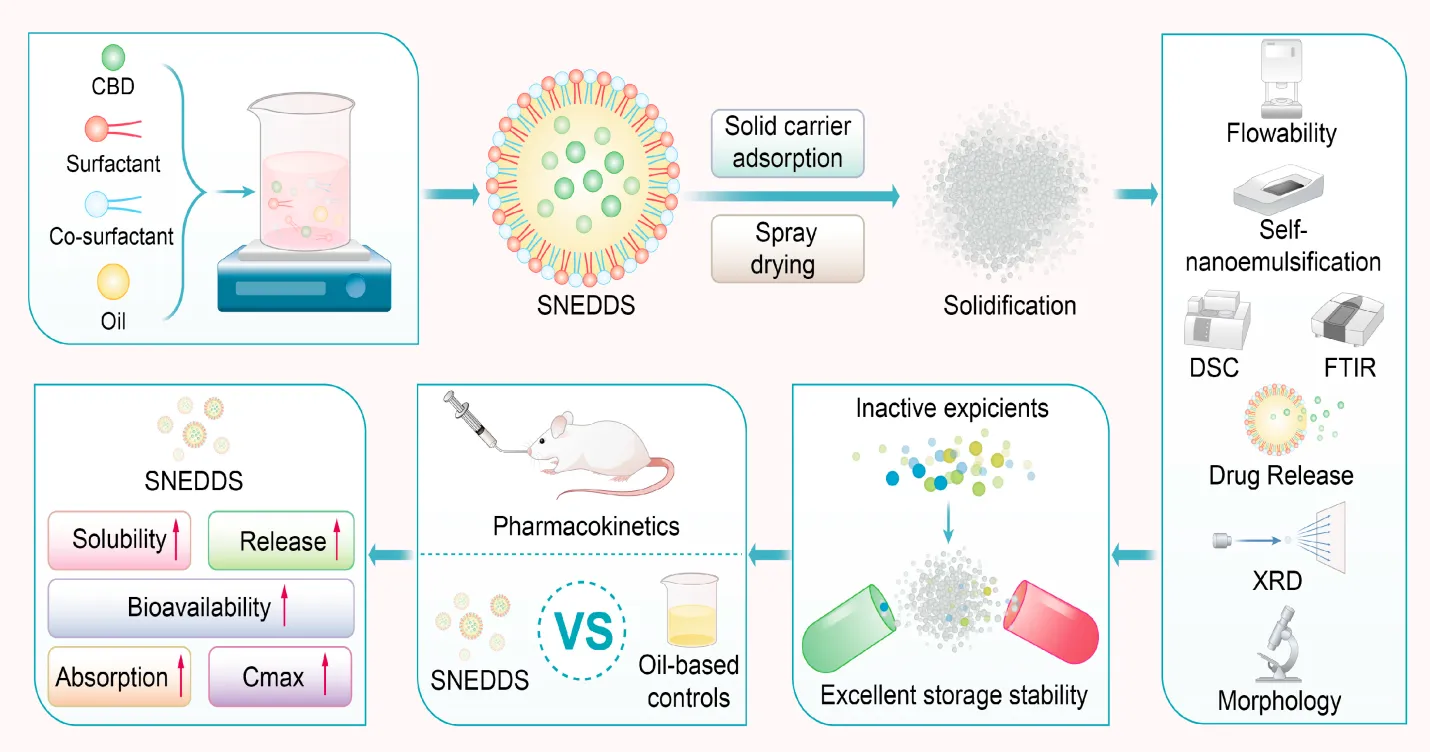
Figure 2: Formulation and Evaluation of Self Emulsifying Drug Delivery System.
3.4. Drug loading and excipient compatibility
Drug loading should be optimized against the intended dose and final dosage-form mass. Excessive loading can promote crystallization, reduce the amount of carrier available to immobilize the liquid phase, or increase the risk of precipitation after dispersion.
Preformulation studies should evaluate drug solubility in individual excipients and mixtures, compatibility under relevant storage conditions, and the possibility of drug crystallization during processing or storage. Differential scanning calorimetry (DSC), powder X-ray diffraction (PXRD), microscopy, and complementary spectroscopic methods can help identify changes in solid state, although no single test establishes all forms of molecular interaction.
A practical development strategy is to optimize the liquid precursor first and then determine whether its performance can be preserved after solidification. Simultaneously changing the drug concentration, oil composition, surfactant ratio, carrier, and process conditions makes it difficult to identify the cause of a performance change.
4. Preparation methods and their effects on performance
4.1. Adsorption onto solid carriers
Adsorption is one of the simplest routes to S-SEDDS. The liquid formulation is added gradually to a porous carrier and mixed until the lipid phase is distributed within or over the carrier particles. The resulting powder may be sieved and filled into capsules or blended with additional excipients for tablet manufacture [6–10].
The use of solid carriers sets S-SMEDDS apart from liquid SMEDDS and is a crucial determinant of formulation performance [17]. Optimum carriers should have a high lipid entrapment capacity (high capacity to contain therapeutic quantities of liquid SMEDDS), high redispersibility (good ability to disperse immediately upon contact with aqueous gastrointestinal fluids), good flowability, and sufficient mechanical strength for tableting. Carriers can be hydrophobic (Aerosil 200, Syloid XDP, Neusilin US2, Sylysia 350) or hydrophilic (mannitol, lactose, Fujicalin) [9]. The solidification capacity and drug entrapment efficiency are greater with hydrophobic silicates. Still, the size of the reconstituted droplets is larger, and the rate of drug release is slower than with hydrophilic carriers. Through capillary forces and hydrogen bond interactions, adsorbent carriers like Aerosil® 200 physically trap lipid droplets due to their high specific surface area (>200 m²/g) and abundance of surface silanol groups. During storage, these interactions considerably lessen lipid migration and exudation. Mannitol, on the other hand, primarily serves as a crystalline hydrophilic matrix, offering limited adsorption capacity. As a result, mannitol-based formulations primarily rely on physical entrapment rather than strong surface adsorption, which may increase the risk of lipid leakage at high liquid loading. It is important to note that in comparative pharmacokinetic studies, Atorvastatin S-SMEDDS made with a water-soluble carrier (mannitol) exhibited a relative bioavailability of 160-216%, which is better than the water insoluble carrier (Sylysia 12). Polymeric carriers such as hydroxypropyl methylcellulose (HPMC), polyvinylpyrrolidone (PVP), and Eudragit EPO act as precipitation inhibitors, preventing drug precipitation in the gastrointestinal tract and thereby improving oral bioavailability [18]. The presentation of reconstituted droplets after dispersion can be influenced by the carrier's hydrophobicity, in addition to surface area and adsorption capacity. More hydrophobic porous carriers (such as surface-modified silica materials) may improve retention of lipid components within the pore network and alter droplet liberation kinetics. In contrast, hydrophilic carriers (like mannitol) typically promote rapid wetting and release of the encapsulated lipid formulation. Effective presentation of finely dispersed droplets at the aqueous interface in the gastrointestinal tract may help maintain supersaturation and subsequent absorption by facilitating diffusion across the unstirred water layer of the intestine, a known barrier for highly lipophilic compounds [18].
4.2. Spray drying
Spray drying converts a liquid feed into powder through atomization and rapid solvent evaporation. In S-SEDDS development, the feed composition and carrier system must be suitable for the selected drying process. The method can produce powders that are amenable to downstream capsule filling or tablet manufacture [10, 11].
Spray drying is a process used to convert a liquid SMEDDS into powder by atomizing a solution or suspension of the drug, excipients, and a solid carrier into the drying chamber using heated nozzles. This is because the particles can be made fine, spherical, narrow in size distribution, and have excellent flow properties when the solvent evaporates quickly. Modern spray dryers allow fine-tuned control of inlet and outlet temperatures, feed rates, atomization pressures, and particle droplet size, enabling customization of particle morphology and dissolution characteristics. This has been extended to thermolabile substances and certain biological macromolecules by operating at reduced temperatures and under vacuum. In healthy rabbits, a single formulation of spray-dried Nimodipine S-SMEDDS (comprising ethyl oleate, Labrasol, Cremophor RH40 and dextran carrier) resulted in an area under the concentration-time curve (AUC) 2.6 times greater & a maximum plasma conc. (Cmax) 6.6 times higher than conventional tablets, with equivalent pharmacokinetic profiles (See figure 3.) [26].
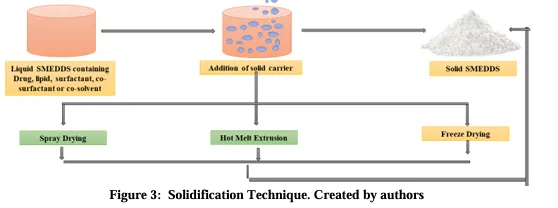
Figure 3: Solidification Technique
4.3. Freeze drying
Freeze drying removes frozen solvent by sublimation under reduced pressure. It may be useful for selected formulations that are unsuitable for conventional thermal drying, but it is not automatically appropriate for every SEDDS composition.
The resulting porous structure may facilitate wetting and dispersion. Nevertheless, the final product may have poor mechanical strength, high porosity, or moisture sensitivity. Cryoprotectants or bulking agents may be needed depending on the composition.
Performance evaluation should include residual moisture, solid-state properties, redispersion, storage stability, and dissolution.
Lyophilization involves a series of freeze-thaw-sublimation cycles of liquid SMEDDS, often in the presence of a cryoprotectant (mannitol, trehalose, or lactose). Products produced using the resulting technology have a high residual moisture content (95-99.5 percent), which is well-suited for thermo labile drugs, proteins, and peptides. The presence of cryoprotectants helps inhibit the formation of ice crystals, which may damage the emulsification structure and promote efficient reconstitution. The dissolution and bioavailability of freeze dried Fenofibrate S-SMEDDS 1% trehalose were found to be better than those of the marketed tablet. However, operating and equipment expenses are quite high in industrial applications [29], [30].
4.4. Melt granulation
Melt granulation uses a melt able binder or excipients to agglomerate formulation components. The approach may reduce or eliminate the need for an organic processing solvent.
Its main limitation is thermal compatibility. Drug degradation, changes in lipid structure, or altered drug distribution can occur if the processing temperature or exposure time is unsuitable. The solidified product must also retain adequate wetting and release characteristics.
4.5. Hot-melt extrusion
Hot-melt extrusion (HME) is a continuous processing technique in which formulation components are conveyed, mixed, and processed under controlled temperature and mechanical conditions. It can integrate mixing and solidification into a continuous manufacturing process.
A fenofibrate S-SEDDS study reported the development of an HME-based formulation using a design-of-experiments approach, illustrating how processing variables and formulation composition can be studied together [12].
In hot-melt extrusion, a thermoplastic polymer carrier (HPMC, HPMC-AS, HPC, or PVP-VA) is melted with the drug and lipid excipients, then fed into a twin-screw extruder at elevated temperatures and pressures, and extruded into granules/pellets. The benefits of the HME process are that it is completely solvent-free, can achieve high drug loading capacity, has excellent content uniformity, and can be produced at high speed. HME products are especially beneficial for moisture-sensitive drugs, as the liquid phase is not granulated. A representative study involved preparing Carvedilol S SMEDDS using HME, along with HPMC-AS and HPC as carriers, to achieve pH-dependent drug release (high at pH 6.8 and low at acidic pH), thereby facilitating targeting to the intestine. Thermal stress is the major drawback of HME: drugs that have a melting point or degradation temperature below the processing temperature (80-180 degrees Celsius) are not candidates for HME [27], [28].
4.6. Fluid-bed processing and other granulation methods
Fluid-bed techniques can deposit or distribute liquid formulation components over carrier particles or granules. They may provide useful control over particle growth and coating, but process performance depends on atomization, bed temperature, airflow, liquid feed rate, and the physical properties of the substrate.
Other methods, including melt coating and hybrid processing, can be considered when they offer a justified advantage in loading, manufacturability, or release. Each new approach should be evaluated against a clearly defined comparator rather than described as innovative solely because it uses a newer process.
4.7. Emerging technologies
Three-dimensional printing and other advanced manufacturing technologies could enable customized dosage forms, compartmentalized drug release, and more complex architectures. However, these remain formulation-specific research opportunities rather than established advantages for S-SEDDS generally.
The central question is whether a new technology produces a measurable improvement in dose flexibility, performance reproducibility, stability, or manufacturability while preserving the self-emulsifying mechanism.
Table 3: Comparative Evaluation of Solidification Technologies
| Method | Manufacturing considerations | Main performance risk to investigate | Development priority |
|---|---|---|---|
| Adsorption | Simple mixing and carrier selection | Insufficient liquid retention or delayed release | Determine optimal liquid-to-carrier ratio |
| Spray drying | Feed and drying conditions | Heat exposure, residual solvent, or altered solid state | Establish a process–structure–performance relationship |
| Freeze drying | Freezing and sublimation cycle | Moisture uptake and fragile powder structure | Optimize residual moisture and redispersion |
| Melt granulation | Binder melting and cooling | Thermal incompatibility or altered lipid behavior | Establish safe processing conditions |
| Hot-melt extrusion | Temperature, screw configuration, residence time | Heat/shear effects and non uniformity | Use design of experiments and process monitoring |
| Fluid-bed processing | Atomization and drying control | Non uniform deposition and granule variability | Evaluate content uniformity and batch reproducibility |
| 3D printing | Feed rheology and print parameters | Poor print fidelity or impaired release | Demonstrate functional benefit over conventional dosage forms |
The comparison is qualitative. It should not be interpreted as a quantitative ranking of technologies because performance depends on formulation composition and the specific process used.
5. Characterization of S-SEDDS
Characterization should establish whether the final product is physically suitable, chemically stable, capable of self-emulsification, and likely to maintain drug availability under relevant conditions. A critical approach distinguishes tests that measure a material property from tests that provide evidence of drug-delivery performance.
5.1. Powder flow and dosage-form properties
Angle of repose, bulk and tapped density, Carr's compressibility index, and Hausner ratio are commonly used to evaluate powder flow and packing. Particle-size distribution, moisture content, assay, and content uniformity provide complementary information about manufacturability and dosage-form consistency.
These tests do not establish that the powder will self-emulsify or improve drug absorption. A formulation can have excellent flow characteristics and still exhibit poor redispersion.
5.2. Solid-state characterization
DSC and PXRD are used to investigate thermal behavior and crystalline order. FTIR and related spectroscopic methods may help identify chemical interactions, while microscopy can reveal particle morphology and visible phase heterogeneity.
The disappearance of a drug melting endotherm does not, by itself, prove complete amorphization: dilution below the detection limit, dissolution into excipients during measurement, and other factors can produce similar observations. Solid-state conclusions should therefore be based on complementary methods and appropriate controls.
5.3. Self-emulsification and droplet characteristics
The final solid formulation should be redispersed under defined conditions, including medium composition, temperature, dilution ratio, and agitation. Relevant endpoints include emulsification time, visual dispersion, droplet-size distribution, polydispersity index (PDI), and, where appropriate, zeta potential.
Dynamic light scattering is useful for suitable colloidal dispersions but has limitations when samples are polydisperse or contain larger droplets, aggregates, or multiple phases. Dilution and sample preparation can also change the observed distribution.
A small mean droplet size should not be interpreted as sufficient evidence of superior performance. Drug precipitation, drug partitioning, dispersion stability, and the amount of drug retained in relevant colloidal phases also matter.
5.4. Dissolution and drug-release testing
Dissolution studies should compare the S-SEDDS with suitable controls, such as the unformulated drug, the corresponding liquid SEDDS, and, where appropriate, a marketed or established reference formulation.
The dissolution medium, dose, agitation, sampling schedule, and analytical method must be clearly reported. For lipid-based systems, conventional dissolution media may not reproduce the effects of gastrointestinal dilution, bile components, and lipid digestion. Consequently, the test should be selected according to the question being investigated rather than used as a universal predictor of bioavailability [2–5, 13].
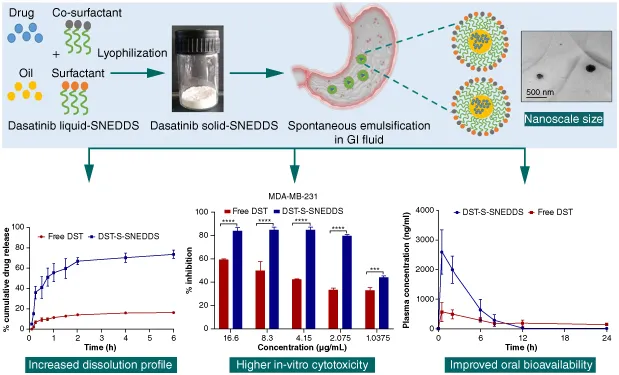
Figure 4: Solid Self Emulsifying Drug Delivery System of Dasatinib.
5.5. Drug precipitation and supersaturation
Supersaturation occurs when the drug concentration exceeds its equilibrium solubility under the relevant conditions. This state may support absorption, but it can be transient because nucleation and crystal growth may reduce the concentration of drug available in solution.
A useful evaluation records drug concentration over time after dispersion and, where feasible, distinguishes molecularly dissolved drug from drug associated with colloidal structures. Precipitation inhibitors may delay crystallization, but their effectiveness depends on the drug, polymer or other inhibitor, concentration, and medium.
The important endpoint is not simply the maximum drug concentration but the time-dependent concentration profile and the amount of drug that remains available for absorption.
5.6. In vitro lipolysis and bio relevant evaluation
For formulations containing digestible lipids, in vitro lipolysis can help characterize changes in drug distribution as lipids are hydrolyzed. Depending on the formulation, drug may redistribute between aqueous, colloidal, and precipitated phases during digestion.
Bio relevant testing should be considered when conventional dissolution does not adequately capture the formulation's mechanism. However, such methods also have limitations related to medium composition, experimental conditions, and translation to human gastrointestinal physiology. Their predictive value should be demonstrated rather than assumed [2–5, 13,14].
5.7. Stability studies
Stability studies should assess chemical assay, degradation products, moisture, appearance, flow, solid-state behavior, redispersion, and drug release over the intended storage period.
A powder can remain visually unchanged while undergoing chemical degradation or losing its ability to self-emulsify. Stability protocols should therefore include functional endpoints, not only appearance and drug content.
Table 4: Proposed Characterization-To-Performance Matrix
| Critical question | Primary measurements | Interpretation |
|---|---|---|
| Is the powder manufacturable? | Flow, density, particle size, moisture | Establishes powder handling and processing suitability |
| Is the drug physically stable? | DSC, PXRD, microscopy, assay | Detects relevant solid-state or chemical changes |
| Is self-emulsification preserved? | Emulsification time, droplet size, PDI | Assesses dispersion formation after solidification |
| Is the drug released effectively? | Dissolution and drug-content measurements | Establishes release behavior under specified conditions |
| Is drug precipitation controlled? | Time-dependent concentration and precipitated fraction | Evaluates maintenance of drug availability |
| Does lipid digestion change drug distribution? | In vitro lipolysis and phase analysis | Evaluates the effects of digestion on drug partitioning |
| Does the product remain functional during storage? | Stability-indicating assay, redispersion and dissolution | Assesses retention of key quality attributes |
6. Applications of S-SEDDS
6.1. Oral delivery of poorly water-soluble drugs
The principal application of S-SEDDS is the development of solid oral formulations for drugs whose absorption is limited, at least in part, by dissolution or solubilization. Incorporation into a lipid-based system can increase apparent solubilization and facilitate dispersion in gastrointestinal fluids [1–5].
The extent of benefit is drug-dependent. For compounds with poor permeability, extensive first-pass metabolism, or other absorption limitations, improving solubilization alone may not provide a sufficient increase in systemic exposure.
6.2. Enhancement of oral bioavailability
S-SEDDS may improve oral exposure when the formulation maintains drug availability during the absorption window. Nevertheless, higher dissolution, smaller droplets, or increased apparent solubility are not interchangeable with increased bioavailability.
A strong evaluation compares the solid formulation with an appropriate reference and reports relevant pharmacokinetic endpoints, such as area under the concentration–time curve and maximum plasma concentration, together with variability and study design.
6.3. Supersaturable systems
Supersaturable SEDDS incorporate strategies to reduce or delay drug precipitation after dilution. These may include suitable polymeric precipitation inhibitors or formulation designs that generate a transiently supersaturated state.
Solidification adds another variable: the inhibitor and drug must remain appropriately distributed and effective after processing and storage. Therefore, supersaturable S-SEDDS require time-dependent precipitation testing, not just an initial solubility measurement [15].
6.4. Modified-release systems
A solid carrier or matrix may alter drug release and potentially support modified-release designs. However, this function must be distinguished from the rapid dispersion often desired in conventional SEDDS.
A system intended for prolonged release must demonstrate that its release mechanism is reproducible and that any delay does not undermine the intended drug-solubilization or absorption benefit.
6.5. Other emerging applications
Research has explored or proposed combining SEDDS with mucoadhesive materials, targeted-delivery strategies, and advanced manufacturing approaches. These are promising design directions, but claims of targeting, improved therapeutic efficacy, or reduced toxicity require evidence appropriate to the specific formulation and biological model.
7.Limitations and Contemporary Mitigations
While S-SMEDDS may be a more promising alternative to liquid SMEDDS, several formulation and regulatory issues are pertinent for both formulation scientists and regulatory authorities. Drug precipitation during gastrointestinal dilution remains a problem for highly lipophilic drugs at high doses, and supersaturable S-SMEDDS containing precipitation inhibitors have been shown to provide sufficient post-dose supersaturation for 2–4 hours, allowing significant drug absorption by the intestine. This intrinsic variability in the food effects of lipid based formulations is being systematically addressed through mechanistic modeling of lipid digestion, quality-by-design (QbD) space exploration, and biorelevant dissolution testing in both fasted- and fed-state media [42]. Long-term gastrointestinal mucosal effects are a safety concern that can be directly addressed by the precipitation inhibitor based supersaturation approach, as it allows the formulation's surfactant content to be reduced. Antioxidant excipients (alpha tocopherol, citric acid, butylated hydroxytoluene), solid-carrier amorphous-stabilization capacity (maximum) during production (nitrogen purging), and vacuum-sealed packaging during storage are all methods used to minimize lipid oxidation and crystalline instability. Novel lipid excipients and carriers should be developed to meet all criteria for Generally Recognized as Safe (GRAS) status and the International Conference on Harmonization (ICH) Q3C and Q3D guidelines, and quality-by design control measures should be implemented to enable predictable regulatory submissions [43].
8.Future Directions Technologies and Emerging
The next ten years of S-SMEDDS research are poised to make progress in many transformative fronts [40]. Three-dimensional printing technology can be used to produce patient-personalized dosage forms, such as S-SMEDDS and compartmentalized tablets containing multiple lipid compartments with programmable release kinetics, which are ideal formulations for pediatric dosages, chronic polypharmacy, and personalized medicine [41]. Data from molecular descriptors and excipient physicochemical databases are used in conjunction with machine learning and artificial intelligence to predict the optimal formulation composition, droplet dynamics, and in vivo digestion behavior. Such computational methods can significantly shorten formulation development cycles and reduce reliance on empirical testing. Peptides and proteins, which have traditionally been inaccessible to lipid-based systems, can now be delivered orally via reverse micelle-based S-SMEDDS, lipid-polymer hybrid nanosystems, and protease-inhibitor-containing SMEDDS, which protect labile macromolecules from enzymatic degradation in the gastrointestinal tract and improve intestinal permeability. Site selective drug delivery to the small intestine, colon, and tumor microenvironment using pH-, enzyme-, or temperature responsive S-SMEDDS can mitigate the systemic toxicity of cytotoxic agents [41]. Hybrid nanostructures of S-SMEDDS with PLGA nanoparticles or liposomes are used to obtain dual phase release kinetics (immediate and sustained) and to improve penetration through mucus and oxidative stability. In recent years, sustainable manufacturing methods such as supercritical CO₂ extraction, solvent-less hot-melt extrusion, and continuous manufacturing systems have been implemented that adhere to the principles of green chemistry and enable online quality control [44].
9. Regulatory Considerations
FOR S-SMEDDS Despite their formulation benefits, S-SMEDDS often contain high surfactant concentrations (30–70% w/w), which may raise concerns about long-term safety and gastrointestinal irritation. Regulatory bodies must thoroughly evaluate excipients for toxicity, especially when used at higher-than-usual quantities. Excipients that are frequently used and have proven safety characteristics include: Excipient Capryol 90 Labrasol Cremophor EL Tween 80 Medium-chain triglycerides Regulatory Status Widely accepted pharmaceutical excipients Pharmaceutical grade excipients Approved but associated with hypersensitivity concerns GRAS and pharmaceutically accepted GRAS GRAS excipients may be beneficial with industrial translation and regulatory approval.
CONCLUSION
Solid self-emulsifying drug delivery systems offer a versatile approach to improving the formulation of selected poorly water-soluble drugs. Their advantages depend on the integration of lipid formulation design, carrier selection, solidification, and appropriate characterization. No single preparation method or solid carrier is universally optimal because the resulting product properties depend on drug characteristics, excipients composition, manufacturing conditions, and the intended dosage form.
The central conclusion of this review is that solidification should be evaluated as a performance-critical transformation rather than simply a conversion from liquid to powder. Acceptable flow, drug content and solid-state characteristics are necessary but do not independently establish effective self-emulsification or improved bioavailability. Redispersion, time-dependent drug availability, precipitation, lipid digestion, and stability should be assessed according to the intended mechanism of the formulation.
The proposed formulation-to-performance framework provides a structured approach for connecting material attributes and process parameters with final product quality and biopharmaceutical evidence. Its value lies in organizing existing evidence, identifying untested relationships, and guiding future comparative studies. Prospective validation across multiple drugs, carriers, and manufacturing processes will be necessary before the framework can be used predictively.
Future progress in S-SEDDS will depend on reproducible testing, better integration of biorelevant methods, systematic process optimization, and stronger links between laboratory performance and in vivo outcomes. These developments could support the design of solid lipid-based formulations that are not only manufacturable and stable but also demonstrably effective for their intended therapeutic purpose.
REFERENCES

Salunke Vaibhav, Solid Self-Emulsifying Drug Delivery Systems: From Liquid-to-Solid Transformation to Predictive Performance, Biopharmaceutical Risk, and Quality-by-Design, Int. J. of Pharm. Sci., 2026, Vol 4, Issue 11, 521-535. https://doi.org/10.5281/zenodo.23938035
 10.5281/zenodo.23938035