

We use cookies to ensure our website works properly and to personalise your experience. Cookies policy
D. K. Patil Institute of Pharmacy, Loha, Nanded, Maharashtra.
A simple, precise, accurate, robust, and stability-indicating reverse phase high performance liquid chromatographic (RP-HPLC) method was developed and validated for the simultaneous estimation of Ceftriaxone Sodium and Sulbactam Sodium in bulk and pharmaceutical dosage forms. The chromatographic separation was achieved using an Inertsil ODS C18 column with a mobile phase consisting of phosphate buffer (pH 3.5) and acetonitrile in the ratio of 60:40 v/v under isocratic conditions. The flow rate was maintained at 1.0 mL/min, and detection was carried out at 254 nm using a UV detector. The developed method produced sharp, symmetrical, and well-resolved peaks with retention times of 3.89 min for Sulbactam Sodium and 7.52 min for Ceftriaxone Sodium. The method was validated according to ICH Q2(R1) guidelines for system suitability, specificity, linearity, precision, accuracy, robustness, ruggedness, limit of detection (LOD), and limit of quantitation (LOQ). The calibration curves showed excellent linearity over the concentration ranges of 25–150 µg/mL for Ceftriaxone Sodium and 10–60 µg/mL for Sulbactam Sodium, with correlation coefficients close to unity. Accuracy studies demonstrated satisfactory recovery values within acceptable limits, while precision studies showed low %RSD values, confirming the reproducibility of the method. Forced degradation studies established the stability-indicating capability of the developed method. The method was successfully applied for the analysis of marketed injectable formulations without interference from excipients. Overall, the developed RP-HPLC method was found to be reliable, sensitive, and suitable for routine quality control and stability studies of Ceftriaxone Sodium and Sulbactam Sodium.
Ceftriaxone Sodium is a third-generation cephalosporin antibiotic widely used for the treatment of various bacterial infections due to its broad-spectrum antibacterial activity and high therapeutic efficacy. It acts by inhibiting bacterial cell wall synthesis, leading to bacterial cell death. Sulbactam Sodium is a β-lactamase inhibitor that enhances the antibacterial activity of β-lactam antibiotics by preventing enzymatic degradation caused by β-lactamase-producing microorganisms. The combination of Ceftriaxone Sodium and Sulbactam Sodium is extensively used in the treatment of severe respiratory tract infections, urinary tract infections, skin infections, septicemia, meningitis, and other bacterial diseases caused by resistant pathogens.
The increasing therapeutic use of combined injectable formulations containing Ceftriaxone Sodium and Sulbactam Sodium necessitates the development of reliable analytical methods for their simultaneous estimation in pharmaceutical dosage forms. Analytical methods employed for routine quality control should be accurate, precise, specific, rapid, and capable of distinguishing the active pharmaceutical ingredients from degradation products and formulation excipients. Stability-indicating analytical methods are particularly important because they provide information regarding the stability profile of drugs under various stress conditions and ensure the safety, efficacy, and quality of pharmaceutical formulations throughout their shelf life.
Reverse Phase High Performance Liquid Chromatography (RP-HPLC) is one of the most widely used analytical techniques in pharmaceutical analysis owing to its high sensitivity, selectivity, reproducibility, and suitability for simultaneous estimation of multiple analytes. Although several analytical methods have been reported for individual estimation of Ceftriaxone Sodium and Sulbactam Sodium, limited studies are available on simple and validated stability-indicating RP-HPLC methods for their combined estimation in pharmaceutical dosage forms.
Therefore, the present study was undertaken to develop and validate a simple, precise, accurate, robust, and stability-indicating RP-HPLC method for the simultaneous estimation of Ceftriaxone Sodium and Sulbactam Sodium in bulk and marketed formulations in accordance with ICH guidelines. The developed method was further evaluated for various validation parameters and applied for routine pharmaceutical analysis and stability studies.
MATERIALS AND METHODS:
Materials and Reagents:
The materials and instruments used in the present study were selected to ensure accuracy and reproducibility of the developed stability indicating RP-HPLC method for Ceftriaxone and Sulbactam. All solvents and chemicals employed during the analysis were of HPLC or Analytical Reagent (AR) grade. Ceftriaxone was procured from SM Pharma & Company Ltd., Pune, while Sulbactam was obtained from Swapnroop Drugs & Pharmaceuticals. Methanol and acetonitrile of HPLC grade were purchased from Advent, whereas potassium dihydrogen phosphate, orthophosphoric acid, and hydrogen peroxide were obtained from Merck. Hydrochloric acid and sodium hydroxide were procured from Dipa Chemical Industry. Milli-Q water was used throughout the analytical work. All analytical instruments were calibrated prior to use to ensure reliability and precision of the experimental results.
METHODOLOGY:
Characterization of Drugs
Ceftriaxone sodium and Sulbactam sodium were characterized prior to method development to confirm their identity, purity, and physicochemical properties. The characterization studies included organoleptic evaluation, melting point determination, solubility studies, FT-IR analysis, DSC analysis, and UV spectroscopic studies.
Organoleptic Evaluation
The drugs were visually examined for color, appearance, texture, and odor under normal laboratory conditions. The observed characteristics were compared with standard pharmacopeial descriptions to confirm the identity and quality of the drugs.
Melting Point Determination
The melting point of Ceftriaxone sodium and Sulbactam sodium was determined using the capillary tube method. Finely powdered drug samples were filled in sealed capillary tubes and analyzed using a digital melting point apparatus. The observed melting points were compared with reported values to assess purity and identity.
Solubility Studies
Solubility studies were carried out in various solvents including distilled water, methanol, ethanol, acetonitrile, and phosphate buffer (pH 6.8). Excess quantity of each drug was added to the solvents and allowed to equilibrate for 24 h at room temperature. The solubility behavior was visually observed and recorded.
FT-IR Spectroscopic Analysis
FT-IR spectroscopy was performed to identify characteristic functional groups of Ceftriaxone sodium and Sulbactam sodium. Drug samples were mixed with potassium bromide and compressed into pellets, and the spectra were recorded in the range of 4000–400 cm⁻¹. The obtained spectra were compared with standard reference spectra for confirmation of drug identity.
Differential Scanning Calorimetry (DSC)
DSC analysis was carried out to study the thermal behavior and crystallinity of both drugs. Accurately weighed samples were sealed in aluminum pans and heated over a temperature range of 30 °C to 300 °C under nitrogen atmosphere. Thermograms were analyzed for thermal transitions and drug stability.
UV–Visible Spectroscopic Analysis
UV spectroscopic analysis was performed to determine the absorption characteristics of Ceftriaxone sodium and Sulbactam sodium. Drug solutions were prepared and scanned in the wavelength range of 200–400 nm using a UV–Visible spectrophotometer to identify the wavelength of maximum absorbance (λmax).
Determination of λmax
Standard stock solutions of Ceftriaxone sodium and Sulbactam sodium were prepared separately and further diluted to obtain suitable concentrations. The prepared solutions were scanned between 200–400 nm against distilled water as blank, and the wavelength showing maximum absorbance was selected as λmax for further analytical studies.
Preparation of Calibration Curve
Calibration curves for both drugs were prepared using suitable serial dilutions from the stock solutions. The absorbance of each concentration was measured at the respective λmax, and calibration curves were plotted between concentration and absorbance. Regression equations and correlation coefficients were calculated to evaluate method linearity.
RP-HPLC Analysis
Chromatographic analysis was performed using a Shimadzu RP-HPLC system equipped with a quaternary pump, manual injector, UV detector, and LC-solution software. Separation was achieved using an Inertsil ODS C18 column (150 mm × 4.6 mm, 3.5 µm). Auxiliary instruments including a digital pH meter, ultrasonic bath sonicator, vacuum filtration assembly, and 0.45 µm membrane filters were used during analysis.
Method Development
The RP-HPLC method was developed by optimizing chromatographic parameters such as mobile phase composition, pH, flow rate, detection wavelength, and injection volume to obtain satisfactory separation and peak symmetry for Ceftriaxone sodium and Sulbactam sodium. Different combinations of aqueous buffers and organic solvents were evaluated during optimization trials.
Selection of Wavelength
The analytical wavelength was selected by scanning standard solutions of Ceftriaxone sodium and Sulbactam sodium in the range of 200–400 nm using a UV–Visible spectrophotometer. Based on overlay spectra, 254 nm was selected as the detection wavelength as both drugs exhibited appreciable absorbance at this wavelength.
Optimization of Mobile Phase
Various combinations of phosphate buffer with methanol and acetonitrile were evaluated to achieve good resolution and peak symmetry. The optimized mobile phase consisted of phosphate buffer (pH 3.5) and acetonitrile in the ratio of 60:40 v/v, which provided satisfactory chromatographic performance and shorter retention time.
Preparation of Mobile Phase
The phosphate buffer was prepared using potassium dihydrogen phosphate in Milli-Q water and the pH was adjusted to 3.5 with orthophosphoric acid. The buffer was mixed with acetonitrile in the ratio of 60:40 v/v, filtered through a 0.45 µm membrane filter, and sonicated prior to use.
Preparation of Standard Stock Solution
Standard stock solutions were prepared separately by dissolving 10 mg of Ceftriaxone sodium and Sulbactam sodium in 10 mL of mobile phase to obtain concentrations of 1000 µg/mL. Further dilutions were prepared using the mobile phase to obtain working standard solutions for analysis.
Degassing and Filtration of Mobile Phase
The prepared mobile phase was degassed using an ultrasonic bath sonicator for 15 min to remove dissolved gases. The mobile phase was further filtered through a 0.45 µm membrane filter under vacuum to remove particulate matter before chromatographic analysis.
Optimized Chromatographic Conditions
The optimized chromatographic separation was achieved using an Inertsil ODS C18 column with phosphate buffer (pH 3.5) and acetonitrile (60:40 v/v) as the mobile phase under isocratic elution mode. The flow rate was maintained at 1.0 mL/min with detection at 254 nm and injection volume of 20 µL. The total run time was 10 min at ambient temperature.
Chromatographic conditions were optimized to develop a simple, accurate, precise, and stability-indicating RP-HPLC method for simultaneous estimation of Ceftriaxone sodium and Sulbactam sodium. Different mobile phase compositions, pH conditions, flow rates, and detection wavelengths were evaluated to achieve satisfactory resolution, peak symmetry, and reproducibility. The optimized chromatographic conditions were selected based on system suitability parameters.
Method Validation
System Suitability Study
System suitability testing was carried out before analysis to verify the performance of the chromatographic system. Mixed standard solutions were injected repeatedly under optimized chromatographic conditions, and parameters such as retention time, peak area, theoretical plates, tailing factor, and resolution were evaluated to ensure acceptable chromatographic performance.
Specificity
Specificity of the developed method was evaluated by analyzing blank, placebo, standard, and sample solutions individually. The chromatograms were examined for interference at the retention times of Ceftriaxone sodium and Sulbactam sodium. The absence of interfering peaks confirmed the specificity of the method.
Precision
Precision of the developed RP-HPLC method was evaluated in terms of system precision, method precision, intraday precision, and inter-day precision. Repeated injections of standard and sample solutions were analyzed, and the percentage relative standard deviation (% RSD) values were calculated to assess repeatability and reproducibility of the method under the same and varied analytical conditions.
Accuracy
Accuracy of the method was assessed by recovery studies using the standard addition technique at different concentration levels. Known quantities of standard drugs were added to pre-analyzed sample solutions and analyzed in triplicate. The percentage recovery values obtained confirmed the accuracy of the developed method.
Linearity and Range
Linearity of the method was established by preparing standard solutions at different concentration levels for both drugs. The prepared solutions were analyzed under optimized chromatographic conditions, and calibration curves were plotted between concentration and peak area. The correlation coefficient values demonstrated good linearity within the selected concentration range.
Stability in Analytical Solution
The stability of analytical solutions was evaluated by analyzing prepared sample solutions immediately after preparation and after storage under room temperature and refrigerated conditions. The assay values obtained confirmed the stability of Ceftriaxone sodium and Sulbactam sodium in solution during the analysis period.
Limit of Detection and Limit of Quantification
The sensitivity of the developed RP-HPLC method was determined by evaluating the limit of detection (LOD) and limit of quantification (LOQ) based on calibration data and analytical response. The obtained values indicated the suitability of the method for detection and quantification of both drugs at low concentrations.
Robustness
Robustness of the method was evaluated by introducing small deliberate variations in chromatographic conditions such as flow rate. The effect of these changes on system suitability parameters and assay values was studied to assess the reliability of the method under varied analytical conditions.
Ruggedness
Ruggedness studies were carried out by performing the analysis under different laboratory conditions and temperature variations. The obtained chromatographic responses and % RSD values confirmed the reproducibility of the developed method under varied environmental conditions.
Forced Degradation Studies
Forced degradation studies were performed under acidic, alkaline, oxidative, thermal, and photolytic stress conditions to evaluate the stability-indicating capability of the developed RP-HPLC method. The stressed samples were analyzed chromatographically, and degradation behavior was assessed by observing degradation peaks and peak purity.
Photolytic Degradation Study
Photolytic degradation studies were conducted by exposing mixed standard drug solutions to UV light and direct sunlight for a specified period. The exposed samples were analyzed under optimized chromatographic conditions to evaluate the degradation pattern and stability of the drugs under light exposure.
Analysis of Marketed Formulation
The developed RP-HPLC method was applied for analysis of a marketed injectable formulation containing Ceftriaxone sodium and Sulbactam sodium. The formulation sample was prepared using the mobile phase, filtered, diluted appropriately, and analyzed under optimized chromatographic conditions to evaluate the applicability of the method for routine quality control analysis.
RESULTS AND DISCUSSION:
Characterization of Drugs
RP-HPLC method development was carried out for simultaneous estimation of ceftriaxone sodium and sulbactam sodium. Preliminary trials evaluated different mobile phases, column conditions, flow rates and wavelengths. The ultimate chromatographic parameters were determined based on peak symmetry, resolution, theoretical plates, and retention time reproducibility.
The drugs were characterized before chromatographic method development to verify identity, purity, and suitability for analysis. Organoleptic examination, melting point, solubility, Fourier-transform infrared spectroscopy, differential scanning calorimetry, ultraviolet-visible spectroscopy, and calibration studies were performed for ceftriaxone sodium and sulbactam sodium.
Organoleptic Characteristics
The organoleptic properties of ceftriaxone sodium and sulbactam sodium were examined and compared with reported descriptions. Both samples were white to yellowish or white to off-white powders, odourless, and slightly bitter. These observations supported preliminary identification and showed that the samples were free from visible contamination.
Melting Point Determination
The melting point determination was carried out to assess the purity and thermal behavior of Ceftriaxone sodium and Sulbactam sodium. The observed melting point ranges were sharp and consistent, indicating the absence of significant impurities. The experimentally determined values were found to be in close agreement with reported literature values, thereby confirming the identity and purity of both drugs.
Solubility Studies
The melting point determination was carried out to assess the purity and thermal behavior of Ceftriaxone sodium and Sulbactam sodium. The observed melting point ranges were sharp and consistent, indicating the absence of significant impurities. The experimentally determined values were found to be in close agreement with reported literature values, thereby confirming the identity and purity of both drugs.
Table 1: Preliminary Characterization Studies of Ceftriaxone Sodium and Sulbactam Sodium
|
Parameter |
Ceftriaxone Sodium |
Sulbactam Sodium |
Observation/Inference |
|
Color |
White to pale yellow |
White to off-white |
Complied with standard appearance |
|
Physical Appearance |
Crystalline powder |
Amorphous/Crystalline powder |
Uniform and free from impurities |
|
Odor |
Odorless |
Odorless |
Acceptable organoleptic property |
|
Melting Point (°C) |
158–162 °C |
190–195 °C |
Close to reported values indicating purity |
|
Solubility in Water |
Freely soluble |
Freely soluble |
Suitable for aqueous analysis |
|
Solubility in Methanol |
Sparingly soluble |
Slightly soluble |
Moderate solubility observed |
|
Solubility in Ethanol |
Slightly soluble |
Slightly soluble |
Limited solubility |
|
Solubility in Acetonitrile |
Practically insoluble |
Practically insoluble |
Poor solubility observed |
|
Solubility in Phosphate Buffer (pH 6.8) |
Freely soluble |
Freely soluble |
Suitable for RP-HPLC mobile phase |
FT-IR Spectroscopic Analysis of Ceftriaxone Sodium
The FT-IR spectrum of Ceftriaxone sodium exhibited characteristic absorption bands corresponding to β-lactam carbonyl, amide, C=N, aliphatic C–H, aromatic C=C, and sulfone functional groups. The observed peaks were in close agreement with reported reference spectra, confirming the structural integrity and purity of Ceftriaxone sodium.
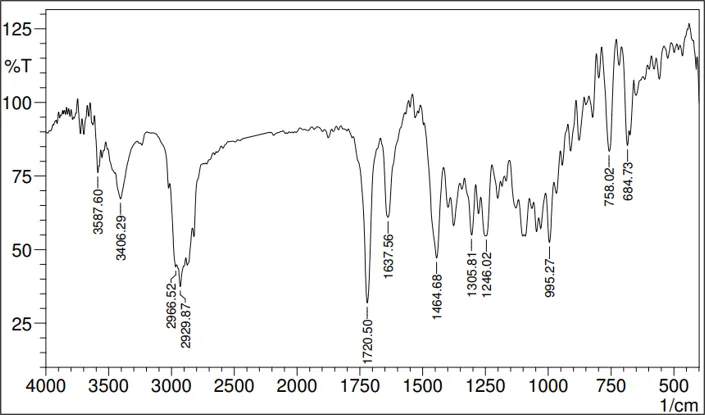
Figure 1: FTIR spectrum of Ceftriaxone Sodium
FT-IR Spectroscopic Analysis of Sulbactam Sodium
The FT-IR spectrum of Sulbactam sodium showed characteristic absorption peaks corresponding to β-lactam carbonyl, amide, sulfone, and C–S functional groups. The spectral pattern was consistent with reported literature values, confirming the identity and chemical stability of Sulbactam sodium.
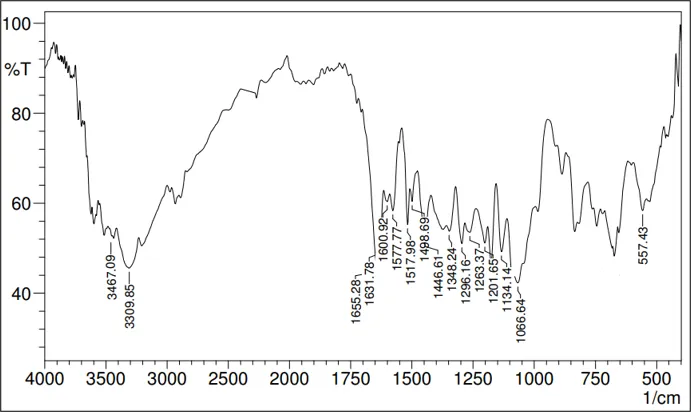
Figure 2: FTIR spectrum of Sulbactam Sodium
The FT-IR spectroscopic analysis confirmed the presence of all characteristic functional groups associated with Ceftriaxone sodium and Sulbactam sodium. The close agreement between observed and standard absorption peaks verified the identity, purity, and structural stability of both drugs, thereby supporting their suitability for subsequent RP-HPLC method development and validation studies.
DSC Analysis of Pure Drugs
DSC Analysis of Ceftriaxone Sodium
The DSC thermogram of Ceftriaxone sodium exhibited a sharp and distinct endothermic peak at 190.63 °C, indicating its crystalline nature and purity. The absence of additional thermal events or decomposition peaks confirmed the thermal stability of the drug within the studied temperature range. The obtained thermal behavior was found to be consistent with reported literature values, confirming the identity and purity of Ceftriaxone sodium.
DSC Analysis of Sulbactam Sodium
The DSC thermogram of Sulbactam sodium showed a well-defined endothermic peak at 114.34 °C, confirming its crystalline structure and purity. No additional endothermic or exothermic transitions were observed, indicating the absence of polymorphic conversion or thermal degradation. The observed thermal profile was in agreement with standard reported values, confirming the structural integrity of Sulbactam sodium.
Comparative Interpretation of DSC Results
The DSC studies confirmed the crystalline nature, thermal stability, and purity of both Ceftriaxone sodium and Sulbactam sodium. Ceftriaxone sodium exhibited comparatively higher thermal resistance than Sulbactam sodium. The absence of additional thermal transitions indicated that both drugs were free from impurities and suitable for stability-indicating RP-HPLC method development.
UV Spectroscopic Analysis
Determination of λmax
The UV spectroscopic analysis showed that Ceftriaxone sodium exhibited maximum absorbance at 241 nm, whereas Sulbactam sodium showed maximum absorbance at 223 nm. The obtained wavelengths were selected for further analytical and chromatographic studies due to their adequate sensitivity and specificity.
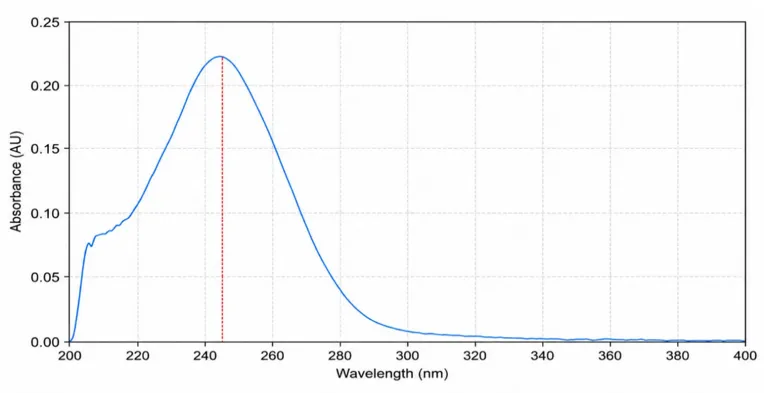
Figure 3: Maximum wavelength detection of Ceftriaxone
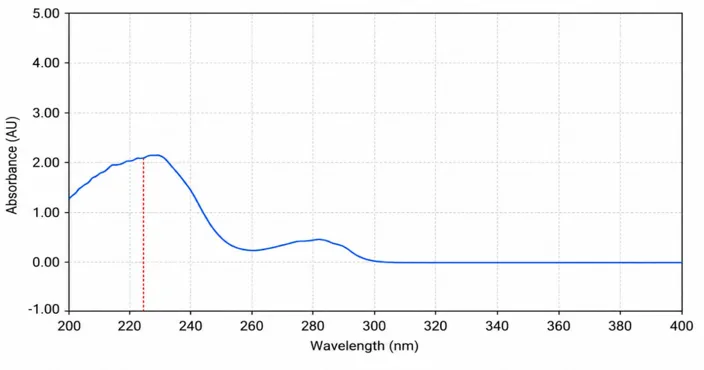
Figure 4: Maximum wavelength detection of Sulbactam
Calibration Curve Studies
Calibration Curve of Ceftriaxone Sodium
Ceftriaxone sodium exhibited good linearity within the concentration range of 5–30 µg/mL. The absorbance values increased proportionally with concentration, demonstrating compliance with Beer–Lambert’s law. The calibration curve showed a high correlation coefficient, indicating excellent linearity and suitability for quantitative analysis.
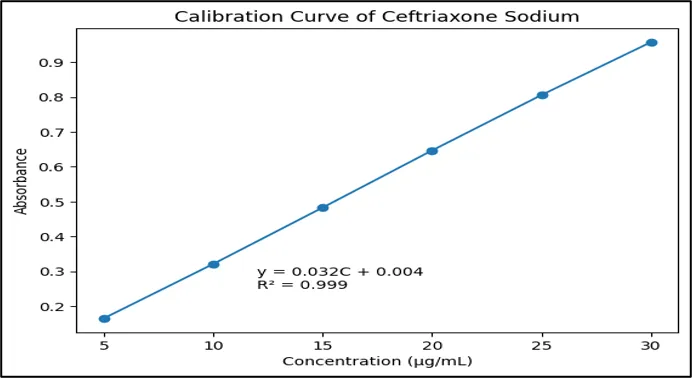
Figure 5: Calibration Curve of Ceftriaxone Sodium
Calibration Curve of Sulbactam Sodium
Sulbactam sodium showed satisfactory linearity in the concentration range of 5–25 µg/mL. A proportional increase in absorbance with concentration was observed, confirming the reliability and sensitivity of the analytical method for quantitative estimation.
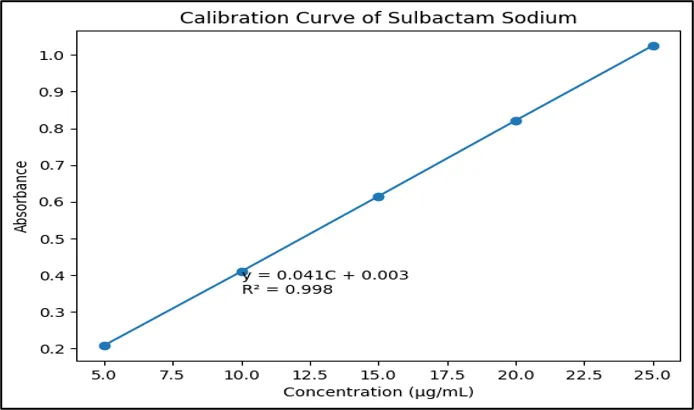
Figure 6: Calibration Curve of Sulbactam Sodium
The calibration studies demonstrated excellent linearity for both Ceftriaxone sodium and Sulbactam sodium, with correlation coefficient values close to unity. The results confirmed that the developed analytical method was reliable, reproducible, and suitable for quantitative estimation of both drugs in bulk and pharmaceutical dosage forms.
RP-HPLC Method Development
Development of RP-HPLC Method
The RP-HPLC method was developed to achieve efficient, reproducible, and stability-indicating separation of Ceftriaxone sodium and Sulbactam sodium. Different chromatographic parameters including mobile phase composition, pH, organic solvent selection, flow rate, and detection wavelength were optimized to obtain sharp peaks, acceptable retention times, and good resolution between both analytes.
Selection of Analytical Wavelength
The analytical wavelength was selected by scanning standard solutions of Ceftriaxone sodium and Sulbactam sodium in the UV region. Both drugs showed appreciable absorbance at 254 nm, which was selected as the common detection wavelength for RP-HPLC analysis. The selected wavelength provided adequate sensitivity and minimized interference from mobile phase components.
Optimization of Mobile Phase
Several combinations of aqueous phases and organic solvents were evaluated during optimization studies. Initial trials using water with methanol or acetonitrile produced poor chromatographic performance, including broad peaks and peak tailing. Introduction of phosphate buffer significantly improved peak shape and resolution. Among the organic modifiers tested, acetonitrile produced sharper peaks and shorter retention times compared to methanol. The optimized mobile phase consisting of phosphate buffer (pH 3.5) and acetonitrile (60:40 v/v) provided excellent resolution, symmetrical peaks, and stable baseline characteristics.
Preparation of Mobile Phase
The optimized mobile phase was prepared using phosphate buffer and acetonitrile in the ratio of 60:40 v/v. The pH of the phosphate buffer was adjusted to 3.5 using orthophosphoric acid. The prepared mobile phase was filtered through a 0.45 µm membrane filter and degassed by sonication prior to chromatographic analysis to ensure reproducible chromatographic performance. The optimized RP-HPLC conditions provided efficient separation, acceptable system suitability parameters, reproducible retention times, and good peak symmetry for both Ceftriaxone sodium and Sulbactam sodium. The developed method was found to be simple, robust, and suitable for subsequent validation studies and routine pharmaceutical analysis.
Optimization of Chromatographic Conditions and Method Development
Optimization of Chromatographic Conditions
Optimization of chromatographic conditions was carried out using a systematic trial-and-error approach to obtain efficient separation of Ceftriaxone Sodium and Sulbactam Sodium. Different chromatographic parameters including mobile phase composition, buffer system, pH, and organic modifier were varied during each trial, while other analytical conditions were kept constant. The chromatograms obtained from each trial were evaluated on the basis of peak shape, resolution, baseline stability, and reproducibility.
Preliminary Chromatographic Trials
Initial chromatographic trials using water and methanol as the mobile phase resulted in broad peaks, poor resolution, and baseline noise. Increasing the concentration of methanol slightly improved retention behavior; however, peak tailing was still observed. Trials performed using water and acetonitrile demonstrated improved retention but produced overlapping peaks and baseline drift, indicating unsatisfactory chromatographic performance.
Effect of Buffer System and pH
The introduction of phosphate buffer as the aqueous phase significantly improved peak symmetry and chromatographic efficiency. Further optimization of buffer pH in the acidic range reduced peak tailing and improved resolution between Ceftriaxone Sodium and Sulbactam Sodium. At pH 3.8, satisfactory separation was achieved, although slight peak tailing remained evident.
Optimized Chromatographic Conditions
The optimized chromatographic separation was achieved using phosphate buffer (pH 3.5) and acetonitrile in the ratio of 60:40 v/v under isocratic elution mode. The method produced sharp and symmetrical peaks with excellent resolution and stable baseline characteristics. Chromatographic analysis was performed using an Inertsil C18 column with a flow rate of 1.0 mL/min, injection volume of 20 µL, and detection wavelength of 254 nm.
Table 2: Various Trials and Optimization of Chromatographic Conditions
|
Trial No. |
HPLC System |
Chromatographic Conditions |
Observations |
Remarks |
|
1 |
Shimadzu LC-2010 (UV detector) |
Mobile Phase: Water : Methanol (70:30) Column: Inertsil C18 (250 × 4.6 mm, 5 µm) Flow rate: 1.0 mL/min Injection volume: 20 µL Mode: Isocratic Wavelength: 254 nm |
Broad peaks, poor resolution, noisy baseline |
Rejected |
|
2 |
Shimadzu LC-2010 (UV detector) |
Mobile Phase: Water : Methanol (60:40) Other conditions same as Trial 1 |
Slight improvement in retention, peak tailing observed |
Rejected |
|
3 |
Shimadzu LC-2010 (UV detector) |
Mobile Phase: Water : Acetonitrile (70:30) |
Better retention, but overlapping peaks and baseline drift |
Rejected |
|
4 |
Shimadzu LC-2010 (UV detector) |
Mobile Phase: Phosphate buffer (pH 4.0) : Acetonitrile (65:35) |
Improved peak shape, but resolution below acceptable limit |
Rejected |
|
5 |
Shimadzu LC-2010 (UV detector) |
Mobile Phase: Phosphate buffer (pH 3.8) : Acetonitrile (60:40) |
Good separation, slight peak tailing |
Rejected |
|
6 (Optimized) |
Shimadzu LC-2010 (UV detector) |
Mobile Phase: Phosphate buffer (pH 3.5) : Acetonitrile (60:40) Column: Inertsil C18 (250 × 4.6 mm, 5 µm) Flow rate: 1.0 mL/min Injection volume: 20 µL Mode: Isocratic Wavelength: 254 nm |
Sharp peaks, excellent resolution, stable baseline |
Accepted |
Blank Chromatogram
The blank chromatogram showed no interfering peaks at the retention times of Ceftriaxone Sodium and Sulbactam Sodium, confirming the specificity and selectivity of the developed RP-HPLC method.
Evaluation of Optimized Trial
Under optimized chromatographic conditions, Ceftriaxone Sodium exhibited a retention time of 3.892 min with a theoretical plate count of 4637 and asymmetry factor of 0.886, indicating efficient separation and symmetrical peak shape. Sulbactam Sodium showed a retention time of 7.521 min with a theoretical plate count of 4236 and asymmetry factor of 0.924, confirming satisfactory chromatographic performance and adequate resolution between both analytes.
The optimized RP-HPLC method provided efficient separation, reproducible retention times, acceptable system suitability parameters, and symmetrical peak characteristics for both drugs. The chromatographic performance confirmed that the developed method was simple, reliable, and suitable for subsequent validation studies as well as routine quality control analysis.
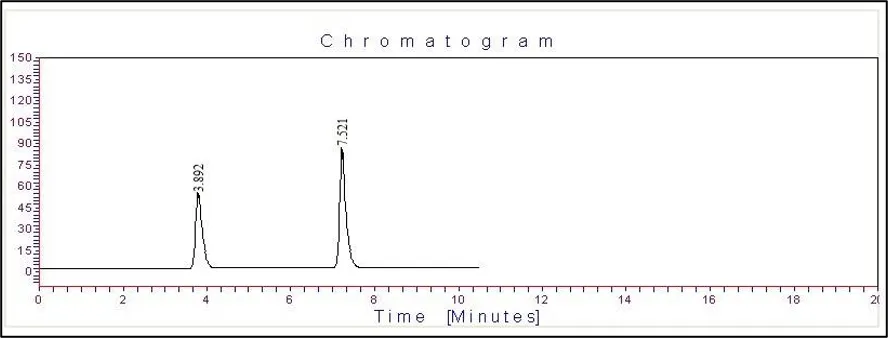
Figure 7: Optimized RP-HPLC chromatogram of Ceftriaxone Sodium and Sulbactam Sodium
Method Validation
System Suitability Study
System suitability testing was performed to verify the reproducibility and reliability of the chromatographic system before sample analysis. A mixed standard solution containing Ceftriaxone Sodium and Sulbactam Sodium was injected repeatedly under optimized chromatographic conditions. The obtained chromatograms were evaluated for peak area, retention time, tailing factor, and theoretical plate count. The %RSD values for peak area and retention time were found to be below 2%, indicating excellent repeatability of the chromatographic system. Theoretical plate counts and tailing factors were within acceptable limits, confirming satisfactory column efficiency and peak symmetry. These results demonstrated that the RP-HPLC system was suitable for routine analysis.
Specificity
Specificity of the developed RP-HPLC method was evaluated by analyzing blank, placebo, standard, and sample solutions individually under optimized chromatographic conditions. The blank and placebo chromatograms showed no interfering peaks at the retention times of Ceftriaxone Sodium and Sulbactam Sodium. Standard and sample chromatograms exhibited sharp and well-resolved peaks with identical retention times for both drugs. The absence of interfering or co-eluting peaks confirmed that the developed method was highly specific and capable of accurately estimating both analytes in the presence of formulation excipients.
Table 3: Results of Specificity Study
|
Solution Injected |
Retention Time of CEF (min) |
Retention Time of SUL (min) |
Interference at Drug RT |
Observation |
|
Blank (Mobile Phase) |
— |
— |
No |
No peaks observed |
|
Placebo |
— |
— |
No |
No interfering peaks |
|
Standard Solution |
7.52 |
3.89 |
No |
Sharp, well-resolved peaks |
|
Sample Solution |
7.52 |
3.89 |
No |
Peaks matched with standard |
Linearity and Range
The linearity of the developed method was evaluated over concentration ranges of 25–150 µg/mL for Ceftriaxone Sodium and 10–60 µg/mL for Sulbactam Sodium. Calibration curves showed a direct proportional relationship between concentration and peak area for both drugs. Correlation coefficient values close to unity indicated excellent linearity within the selected concentration range. Low %RSD values observed at all concentration levels demonstrated good repeatability and reliability of the analytical method. The developed RP-HPLC method was therefore found to be suitable for quantitative estimation of both drugs.
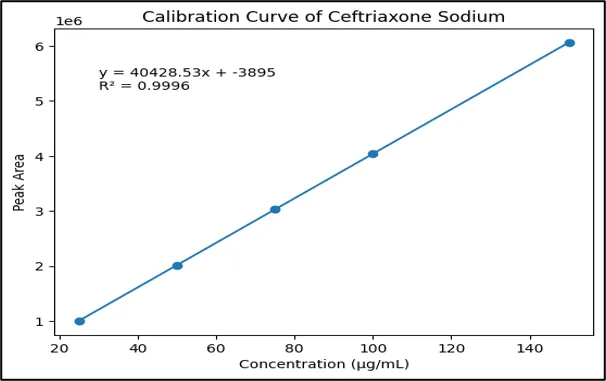
Figure 9.14: Calibration curve of Ceftriaxone Sodium
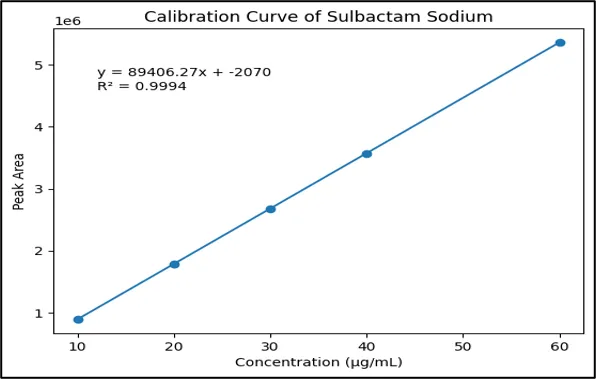
Figure 9.15: Calibration curve of Sulbactam Sodium
Precision
System Precision
System precision studies were carried out by repeated injection of mixed standard solutions under optimized chromatographic conditions. The obtained peak areas showed very low %RSD values for both Ceftriaxone Sodium and Sulbactam Sodium, confirming excellent repeatability and stability of the chromatographic system during analysis.
Method Precision
Method precision was evaluated using independently prepared sample solutions containing Ceftriaxone Sodium and Sulbactam Sodium. The assay values obtained for all preparations were found to be close to 100%, with %RSD values below 2%, indicating good repeatability and precision of the developed analytical method.
Table 4: Results of Method Precision Study (n = 6)
|
Sample No. |
% Assay (CEF) |
% Assay (SUL) |
|
1 |
99.8 |
99.6 |
|
2 |
100.1 |
100.1 |
|
3 |
100.3 |
100.4 |
|
4 |
99.9 |
99.8 |
|
5 |
100.2 |
100.6 |
|
6 |
100.0 |
100.2 |
|
Mean |
100.05 |
100.12 |
|
± SD |
0.19 |
0.34 |
|
%RSD |
0.19 |
0.34 |
Intraday and Inter-day Precision
Intraday and inter-day precision studies were carried out at different concentration levels for both drugs. The %RSD values obtained in both studies were below the acceptable limit, confirming excellent repeatability and intermediate precision of the developed RP-HPLC method under varying analytical conditions.
Ruggedness
Ruggedness studies were performed at different temperature conditions to evaluate the reproducibility of the developed RP-HPLC method under varied laboratory environments. The assay values for Ceftriaxone Sodium and Sulbactam Sodium remained consistent at all tested temperatures, and the %RSD values were found to be less than 2%. Minor variations in chromatographic responses did not significantly affect analytical performance, demonstrating that the method is rugged, reliable, and suitable for routine quality control analysis.
Accuracy (Recovery Study)
Recovery Study of Ceftriaxone Sodium
The accuracy of the developed RP-HPLC method was evaluated by recovery studies using the standard addition method at 80%, 100%, and 120% concentration levels. Ceftriaxone Sodium showed percentage recovery values ranging from 99.6% to 100.5%, with a mean recovery of 100.08% and %RSD value below 2%. These results confirmed the accuracy and reliability of the method for quantitative estimation of Ceftriaxone Sodium in pharmaceutical formulations.
Recovery Study of Sulbactam Sodium
Sulbactam Sodium exhibited recovery values ranging from 99.0% to 101.3% at different recovery levels. The mean recovery was found to be 100.20% with low %RSD values, indicating excellent agreement between the experimental and true values. The obtained results demonstrated that the developed RP-HPLC method was accurate and free from interference by formulation excipients.
The recovery values obtained for both Ceftriaxone Sodium and Sulbactam Sodium were close to 100%, and the %RSD values were within acceptable limits. These findings confirmed that the developed RP-HPLC method satisfies ICH acceptance criteria for accuracy and is suitable for routine quality control analysis.
Robustness
Effect of Flow Rate Variation
Robustness of the developed RP-HPLC method was evaluated by introducing deliberate variations in flow rate. Minor changes in retention time were observed when the flow rate was varied; however, the percentage assay values for both Ceftriaxone Sodium and Sulbactam Sodium remained within acceptable limits. The chromatographic peaks remained sharp and symmetrical under all tested conditions.
System Suitability under Robustness Conditions
System suitability parameters such as theoretical plate count and tailing factor were not significantly affected by deliberate flow rate variations. The obtained results demonstrated consistent chromatographic performance and confirmed the robustness of the developed RP-HPLC method.
The robustness study confirmed that small deliberate changes in chromatographic conditions did not significantly affect the analytical performance of the method. Therefore, the developed RP-HPLC method was found to be robust, reliable, and suitable for routine pharmaceutical analysis.
Table 5: Robustness Study – Effect of Flow Rate Variation
|
Flow Rate (mL/min) |
Retention Time (min) |
% Assay |
Observation |
||
|
CEF |
SUL |
CEF |
SUL |
||
|
0.8 |
8.12 |
4.25 |
99.6 |
99.4 |
Slight increase in retention time |
|
1.0 (Optimized) |
7.52 |
3.89 |
100.1 |
100.0 |
Sharp peaks, stable baseline |
|
1.2 |
6.84 |
3.45 |
100.3 |
100.2 |
Slight decrease in retention time |
Table 6: System Suitability Parameters under Robustness Conditions
|
Flow Rate (mL/min) |
Theoretical Plates (N) |
Tailing Factor |
||
|
CEF |
SUL |
CEF |
SUL |
|
|
0.8 |
142980 |
1084200 |
1.16 |
0.98 |
|
1.0 (Optimized) |
145338 |
1089366 |
1.15 |
0.98 |
|
1.2 |
143420 |
1078950 |
1.18 |
0.99 |
Limit of Detection and Limit of Quantitation
Sensitivity of the Developed Method
The sensitivity of the developed RP-HPLC method was evaluated by determining the limit of detection (LOD) and limit of quantitation (LOQ) for Ceftriaxone Sodium and Sulbactam Sodium. The obtained low LOD and LOQ values indicated that the developed method was highly sensitive and capable of detecting and quantifying both drugs at very low concentration levels with acceptable accuracy and precision.
Stability in Analytical Solution
Stability Study of Ceftriaxone Sodium
The stability study demonstrated that Ceftriaxone Sodium remained stable in analytical solution for 24 hours under both room temperature and refrigerated conditions. Only minimal variation in assay values was observed after storage, indicating no significant degradation during the analysis period.
Stability Study of Sulbactam Sodium
Sulbactam Sodium also showed good stability in analytical solution under both storage conditions. The percentage difference in assay values after 24 hours remained within acceptable limits, confirming the stability of the analyte during routine analytical procedures.
The analytical solution stability studies confirmed that both Ceftriaxone Sodium and Sulbactam Sodium were stable for at least 24 hours under room temperature and refrigerated conditions. These findings indicated that the developed RP-HPLC method is suitable for routine analysis without concern for solution instability.
Analysis of Marketed Formulation
The developed RP-HPLC method was successfully applied for quantitative estimation of Ceftriaxone Sodium and Sulbactam Sodium in Monocef-SB Injection. The assay values obtained for both drugs were found to be within pharmacopeial acceptance limits and showed excellent agreement with the labeled claim. The low %RSD values obtained during assay analysis demonstrated good precision and reproducibility of the developed method. No interference from formulation excipients was observed at the retention times of Ceftriaxone Sodium and Sulbactam Sodium, confirming the specificity and applicability of the method for routine quality control analysis of combined injectable formulations.
Table 7: Assay Results of Ceftriaxone Sodium and Sulbactam Sodium in Marketed Formulation (Monocef-SB Injection)
|
Sr. No. |
Peak Area of Standard |
Peak Area of Sample |
% Assay |
|||
|
CEF |
SUL |
CEF |
SUL |
CEF |
SUL |
|
|
1 |
2018943.3 |
178429.9 |
2020962.2 |
178965.2 |
100.10 |
100.30 |
|
2 |
2018943.3 |
178429.9 |
2022981.2 |
179143.6 |
100.20 |
100.40 |
|
3 |
2018943.3 |
178429.9 |
2016924.4 |
177359.3 |
99.90 |
99.40 |
|
Mean |
100.07 |
100.03 |
||||
|
± SD |
0.153 |
0.551 |
||||
|
%RSD |
0.15 |
0.55 |
||||
CONCLUSION:
In conclusion, a new stability-indicating RP-HPLC method was developed and validated for concurrent assessment of ceftriaxone sodium and sulbactam sodium in bulk and combined injectable dosage form. The technique is straightforward, swift, exact, and meticulous, sensitive, robust, and rugged, and it fulfils ICH Q2(R1) validation requirements. Validation results show that this procedure is appropriate for standard quality control, stability assessment, and regulatory compliance. analysis of ceftriaxone sodium and sulbactam sodium pharmaceutical products. Its successful application to a marketed formulation confirms practical and industrial usefulness. Overall, the study provides a scientifically sound and pharmaceutically relevant analytical approach for concurrent quantification of ceftriaxone sodium and sulbactam sodium in quality-assurance laboratories, improving analytical efficiency and supporting dependable therapeutic quality control.
CONFLICT OF INTERESTS:
The authors declare that there are no conflicts of interest.
REFERENCES


Sonali Kale, Dr. Narendra Patre, Stability Indicating RP-HPLC Method Development and Validation for Ceftriaxone and Sulbactam, Int. J. of Pharm. Sci., 2026, Vol 4, Issue 6, 1372-1391. https://doi.org/10.5281/zenodo.20564813
 10.5281/zenodo.20564813