

We use cookies to ensure our website works properly and to personalise your experience. Cookies policy
Srinivas college of Pharmacy, Valachil, Farangipete Post,Mangalore, Karnataka, India-574143
Diabetes mellitus is a chronic metabolic disorder characterized by hyperglycemia resulting from impaired insulin secretion, insulin resistance, or both. Insulin and antidiabetic medications can control blood glucose levels well but cannot help recover dysfunctional pancreatic ?-cells or change the pathological processes occurring in the body. Stem cell therapy has emerged as a promising regenerative approach that aims to restore pancreatic function and improve glycemic control. This review discusses the therapeutic potential of embryonic stem cells, adult stem cells, mesenchymal stem cells (MSCs), and induced pluripotent stem cells (iPSCs) in diabetes mellitus. Stem cells may act through differentiation into insulin-producing ?-like cells, stimulation of endogenous ?-cell regeneration, immunomodulation, anti-inflammatory and anti-apoptotic effects, paracrine signaling, and improvement of peripheral insulin sensitivity. Preclinical studies have demonstrated reductions in blood glucose, enhanced insulin secretion, and pancreatic islet regeneration, while early clinical studies have reported improvements in glycemic control, ?-cell function, and reduced insulin requirements. However, challenges including immune rejection, tumorigenicity, ethical concerns, limited long-term evidence, high treatment costs, and lack of standardized protocols remain. Future developments involving gene editing, biomaterials, encapsulation, personalized therapies, and artificial intelligence may improve the safety and efficacy of stem cell-based treatments.
Diabetes mellitus is a serious, chronic metabolic disorders that characterized by high sugar level either when the pancreas does not produce enough insulin, or when the body cannot effectively use insulin [1].
Diabetes mellitus (DM) is the most common endocrine disorder resulting from a defect in insulin secretion, insulin resistance or both [2]. Insulin is a hormone that regulates blood glucose. Hyperglycemia, also called as raised blood glucose or raised blood sugar, is a common effect of uncontrolled diabetes and over time leads to serious damage to many of the body's systems, especially the nerves and blood vessels [1]. There are three main types of diabetes mellitus: Type 1 DM results from the body's failure to produce enough insulin. This form was previously referred to as "insulin-dependent diabetes mellitus" (IDDM) or "juvenile diabetes". The cause is unknown. Type 2 DM begins with insulin resistance, a condition in which cells fail to respond to insulin properly. As the disease progresses a lack of insulin may also develop. This form was previously referred to as "non-insulin dependent diabetes mellitus" (NIDDM) or "adult-onset diabetes". The primary cause is excessive body weight and not enough exercise. Gestational diabetes, is the third main form and occurs when pregnant women without a previous history of diabetes develop a high blood glucose level [3].
Diabetes mellitus (DM) is one of the most prevalent non-communicable diseases worldwide and poses a significant burden on healthcare systems [4,5]. Although insulin therapy and oral antidiabetic agents are effective in managing blood glucose levels, they fail to restore endogenous insulin production or reverse disease progression [6,7]. Regenerative medicine, particularly stem cell therapy, offers a novel therapeutic strategy aimed at repairing or replacing damaged pancreatic tissue [8,9]. Stem cell therapy offers a paradigm shift by targeting these unmet needs through two complementary mechanisms: (1) Direct differentiation into glucose-responsive β-cells to replenish damaged islets; and (2) Immunomodulation via paracrine signalling to suppress autoimmune destruction in type 1 diabetes mellitus (T1DM) and mitigate chronic inflammation in type 2 diabetes mellitus (T2DM) [10].
DM is considered to be the most important predisposing factor for the development of various clinical conditions such as ischemic heart diseases, peripheral neuropathies, ulcerations, and delayed wound healings, consequently affecting the life expectancy of the patients [11]. Diabetes management involves strictly maintaining a person’s blood glucose level close to the normal range. There is a strong relationship between an elevated blood glucose level and the risk of complications and mortality in people with diabetes [1]. Various experimental and clinical studies suggest the involvement of free radicals in the progression of DM and its complications [11].
Pathophysiology of Diabetes Mellitus
DM is characterized by complex pathogenesis and varied presentation and any classification of this disorder, therefore, is arbitrary, but nevertheless useful, and is often influenced by the physiological conditions present at the time of assessment and diagnosis [12]. Diabetes can be classified into the following general categories: 1.Type 1 diabetes (due to autoimmune β-cell destruction, usually leading to absolute insulin deficiency, including latent autoimmune diabetes of adulthood) 2.Type 2 diabetes (due to a progressive loss of adequate β-cell insulin secretion frequently on the background of insulin resistance) 3.Specific types of diabetes due to other causes, e.g., monogenic diabetes syndromes (such as neonatal diabetes and maturity-onset diabetes of the young), diseases of the exocrine pancreas (such as cystic fibrosis and pancreatitis), and drug- or chemical-induced diabetes (such as with glucocorticoid use, in the treatment of HIV/AIDS, or after organ transplantation) 4.Gestational diabetes mellitus (diabetes diagnosed in the second or third trimester of pregnancy that was not clearly overt diabetes prior to gestation) [13].
The pathophysiology of diabetes is related to the levels of insulin within the body, and the body’s ability to utilize insulin. There is a total lack of insulin in type 1 diabetes, while in type 2 diabetes, the peripheral tissues resist the effects of insulin. Normally, the pancreatic beta cells release insulin
due to increased blood glucose concentrations. The brain in order for normal functions to occur continually requires glucose. Hypoglycemia, or low plasma glucose levels, is usually caused by drugs used in the treatment of diabetes, including insulin and oral antihyperglycemics. The pathophysiology of diabetes involves plasm concentrations of glucose signaling the central nervous system to mobilize energy reserves. It is based on cerebral blood flow and tissue integrity, arterial plasma glucose, the speed that plasma glucose concentrations fall, and other available metabolic fuels. Low plasma glucose causes a surge in autonomic activity. Diagnosis of hypoglycemia requires verification of low plasma glucose levels. Immediate treatment is the intake of glucose. The responses to hypoglycemia include decreased insulin secretion, increased secretion of glucose counter-regulatory hormones such as glucagon and epinephrine, a greater sympathoadrenal response, related symptoms, and finally, cognitive dysfunction, seizures, or coma [14].
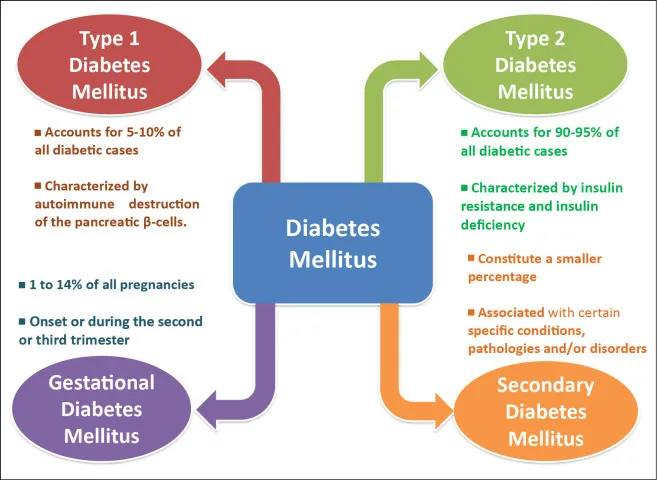
Fig.No. 1: Classification of Diabetes Mellitus into Type 1, Type 2, Gestational, and Secondary Diabetes Mellitus
Late hypoglycemia of occult diabetes may develop in some patients with impaired glucose tolerance, or early type 1 or type 2 diabetes. After a high-carbohydrate meal, the patient experiences hypoglycemia [14].
T1DM, also known as type 1A DM or as per the previous nomenclature as insulin-dependent diabetes mellitus (IDDM) or juvenile-onset diabetes, constitutes about 5–10% of all the cases of diabetes. It is an autoimmune disorder characterized by T-cell-mediated destruction of pancreatic β-cells, which results in insulin deficiency and ultimately hyperglycemia [12]. In this condition the immune system attacks and destroys the insulin producing beta cells of the pancreas. There is beta cell deficiency leading to complete insulin deficiency. Thus is it termed an autoimmune disease where there are anti insulin or anti-islet cell antibodies present in blood. These cause lymphocytic infiltration and destruction of the pancreas islets. The destruction may take time but the onset of the disease is rapid and may occur over a few days to weeks.
There may be other autoimmune conditions associated with type 1 diabetes including vitiligo and hypothyroidism. Type 1 diabetes always requires insulin therapy, and will not respond to insulin-stimulating oral drugs [13].
Type 2 diabetes mellitus
Insulin resistance (IR) and metabolic syndrome (MS) are often present in type 2 diabetes (T2D), which is defined by a nonautoimmune, heterogeneously increasing lack of sufficient islet β cell insulin production [15]. T2DM, also known as non-insulin-dependent diabetes mellitus (NIDDM) or adult-onset diabetes, as per the previous nomenclature, constitutes about 90–95% of all the cases of diabetes. This type of diabetes is characterized by two main insulin-related anomalies: insulin resistance and β-cell dysfunction [12]. The pathophysiology of type 2 diabetes mellitus is distinguished by insulin deficiency and insulin resistance, which have been linked to inflammatory cytokines in the plasma and high levels of fatty acids, leading to deficient glucose transport into target cells, elevated breakdown of fat, and increased hepatic glucose production . Consequent hyperglycemia is caused by the over secretion of glucagon and a deficiency of insulin by the glucagon-secreting alpha cell and the insulin-secreting beta cell, respectively. In the case of type 2 diabetes mellitus, the disease is diagnosed because patients cannot increase insulin secretion to make up for their insulin resistance, thereby causing a high level of glycemic value [16].
Gestational diabetes mellitus
GDM is defined as any degree of glucose intolerance or diabetes diagnosed at the outset or during pregnancy, usually the second or third trimester. This definition earlier also included any undetected T2DM which may begin prior to or occur at the time of pregnancy onset [12]. At the onset of pregnancy, it is noted that fasting and random blood are lower than the normal blood concentration value, and an exponential increase in blood glucose levels in the third trimester confirms gestational diabetes mellitus [16].
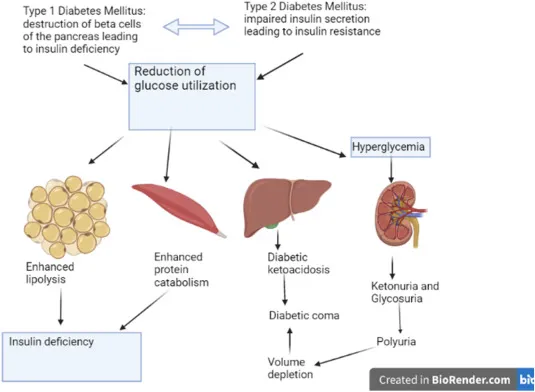
Fig.No. 2: Pathophysiology of Diabetes Mellitus and Its Metabolic Consequences
Insulin sensitivity changes during pregnancy in order to meet the metabolic demand of energy for the growing fetus. Insulin sensitivity rises in early pregnancy, facilitating glucose uptake into adipose cells and preparing to meet the higher energy requirements later during pregnancy. The cause of β-cell dysfunction is thought to be long-term, resulting in uncontrolled insulin synthesis in response to excess of chronic fuel. However, as pregnancy progresses, a surge in local and placental hormones such as estrogen, progesterone, leptin, cortisol, placental lactogen, and placental growth hormone promote insulin resistance . The alterations in β-cells can occur at any stage of the insulin signaling cascade: pro-insulin synthesis, post-translational modifications, and gene alterations associated with insulin signaling . Altered insulin signaling hampers the translocation of GLUT4, the primary translocator of glucose molecules in the plasma membrane of cells. In pregnancies with GDM, the insulin-stimulation rate by glucose uptake into cells is reduced by 54% compared to normal pregnancies [17].
Other types of diabetes
Besides T1DM, T2DM, and GDM, diabetes in various other forms, though in smaller percentages with respect to overall diabetic incidence scenario, has been found to be associated with some specific conditions including various pathologies and/or several disorders. The prominent among these types of diabetes include diabetes resulting from the monogenic defects in β-cell function and those due to genetic abnormalities in insulin action, endocrinopathies, exocrine pancreatic pathologies, and several other specific conditions.
Diabetes caused due to the monogenic defects in β-cell function
Diabetes resulting from monogenic defects in β-cell function constitutes only 0.6–2% of all the cases of diabetes and mainly includes maturity-onset diabetes of the young (MODY) and neonatal diabetes, besides other but rare types.
Maturity-onset diabetes of the young and Neonatal diabetes mellitus
MODY is a genetically, metabolically, and clinically heterogeneous group of mostly non-insulin-dependent diabetes, resulting from mutations in several specific genes involved in pancreatic β-cell function, which affects glucose sensing and subsequent insulin secretion with no or minimal defects, if any, in insulin action [12].
The genetic abnormalities lead to β-cell dysfunction and decreased β-cell mass due to increased apoptotic or non-apoptotic β-cell death. These defects also result in developmental abnormalities of pancreas and/or its islets or in very rare cases their complete absence leading to decreased production and secretion of insulin or hypoinsulinaemia and in the latter case an absolute insulin deficiency [12].
Endocrinopathies
Several endocrinopathies resulting in or from abnormal functioning of various hormones can lead to diabetes. Diabetes associated with these endocrine disorders usually occurs when a defect in insulin secretion and/or action is already present. Some endocrinopathies induce diabetes through inhibition of insulin secretion and these include somatostatinoma, which leads to the excessive secretion of somatostatin and primary hyperaldosteronism, which involves the hypersecretion and hyperactivity of the hormone, aldosterone [18].
Exocrine pancreatic pathologies
Several diseases of the exocrine pancreas have been found to cause diabetes but the contribution of these diseases to the overall incidence of diabetes is minimal with less than 0.5% of all the cases of diabetes resulting from the diseases of the exocrine pancreas. the exception of pancreatic neoplasia, lead to diabetes only when they are severe enough to cause extensive pancreatic damage, involving the endocrine pancreas, including the islets of Langerhans, which leads to a considerable reduction in the β-cell mass and impairment of β-cell function [19].
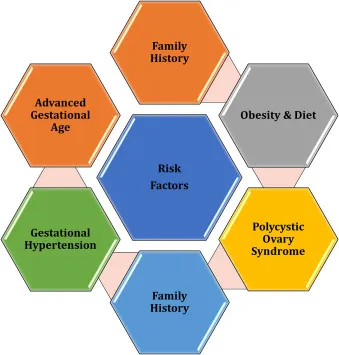
Fig.No. 3: Major Risk Factors Associated with Diabetes Mellitus
Stem Cells: An Overview
Stem cells are undifferentiated cells with the ability to self-renew and differentiate into specialized cell types. They play a crucial role in tissue repair and regeneration [20]. These cells can replicate, producing a pool of stem cells with the potential, under specific conditions (in vivo and in vitro), to differentiate and mature along multiple lineages, resulting in a range of tissue-specific cell phenotypes and morphotypes. Importantly, stem cells have the capacity for prolonged self-renewal and/or differentiation controlled by a myriad of intrinsic mechanisms that, in turn, are regulated by the local niche environment of each stem cell [21].
Stem cell therapy for diabetes is a regenerative medicine approach that uses mesenchymal stem cells to regenerate insulin-producing beta cells, reverse insulin resistance, and repair diabetic complications including neuropathy, nephropathy, and retinopathy [20]. The term ‘stem cell’ encompasses a diverse group of cell types extending beyond fetal development and even into adult life, when they may lose the ability to differentiate into any body cell type but can give rise to specialized cells. Bone marrow stem cells are examples of multipotent stem cells because they can differentiate into the several cell types of the haemopoietic system. Current knowledge of stem cells and how they might be used for treatment of diseases including Parkinson’s, diabetes, ischaemic injury and muscular disease are summarized in this review [22].
Stem cells are broadly classified based on their source and differentiation potential into embryonic stem cells, adult stem cells, and induced pluripotent stem cells. The regenerative and immunomodulatory properties of stem cells make them suitable candidates for treating chronic diseases like diabetes mellitus, where tissue damage is progressive and irreversible [20].
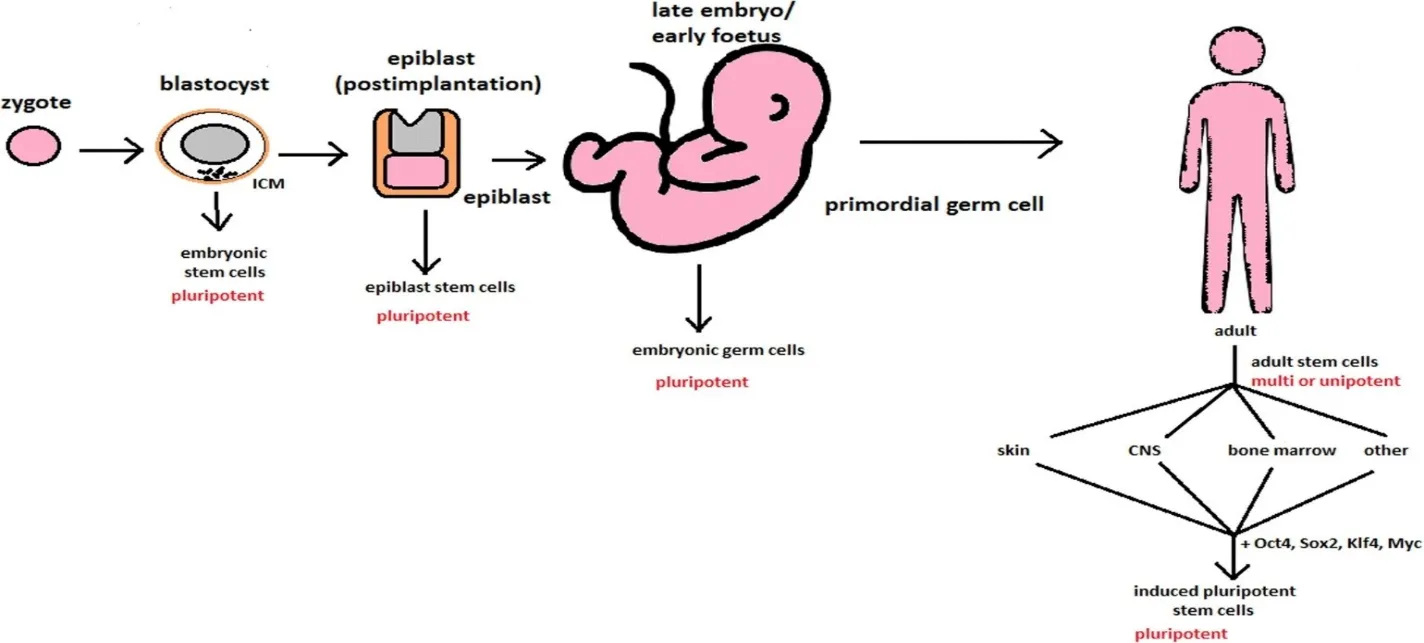
Fig.No. 4: Development and Sources of Pluripotent Stem Cells
Types of Stem Cells Used in Diabetes Therapy
1.Embryonic Stem Cells (ESCs)
Embryonic stem cells are derived from the inner cell mass of blastocysts and possess pluripotent differentiation potential [23]. During days 3-5 following fertilization and prior to implantation, the embryo (at this stage, called a blastocyst), contains an inner cell mass that is capable of generating all the specialized tissues that make up the human body [24].
The blastocyst is 3-5 days old and is a cell cluster under a hollow microscope. The differentiation of ESCs occurs when they come together to form embryoid bodies [25]. The differentiation of embryonic stem cells is spontaneous and uncontrolled. Therefore, they are defined by unlimited self-renewal and pluripotency. These pluripotent stem cells have the potential to become almost any cell type and are only found during the first stages of development [23].
ESCs can differentiate into insulin-producing pancreatic β-like cells under controlled laboratory conditions. However, ethical concerns, immune rejection, and risk of tumor formation limit their clinical application [24].
2. Adult Stem Cells
Adult stem cells (ASCs) can be derived from a series of adult tissues, such as skin, bone marrow, blood vessels, skin, muscle and bone. These stem cells may remain quiescent (non-dividing) for long periods of time until they are activated by a normal need for more cells to maintain and repair tissues [23]. They have the ability of multipotential differentiation, indicating their tissue origin. For example, hematopoietic stem cells (HSCs) and mesenchymal stem cells (MSCs) exist in bone marrow, while neural stem cells (NSCs) exist in the subventricular zone and hippocampus [26].
Adult stem cells are multipotent cells found in various tissues and are widely studied for diabetes therapy. Hematopoietic stem cells (HSCs) have been explored for immune modulation in Type 1 diabetes. Mesenchymal stem cells (MSCs), derived from bone marrow, adipose tissue, umbilical cord, and placenta, are the most extensively studied due to their safety profile and immunomodulatory effects. MSCs can improve insulin sensitivity, reduce inflammation, and promote β-cell regeneration [27].
The main role of ASCs in organisms is to maintain and repair the tissues in which they are located. They appear in the body after embryonic development [24].
3. Induced Pluripotent Stem Cells (iPSCs)
Induced pluripotent stem cells are generated by reprogramming adult somatic cells into a pluripotent state. Induced pluripotent stem cells are stem cells that are created in the laboratory, a happy medium between adult stem cells and embryonic stem cells [28]. iPSCs are created through the introduction of embryonic genes into a somatic cell (a skin cell for example) that cause it to revert back to a “stem cell like” state. For example, Gifford CA et al. reprogrammed patient-derived fibroblasts into pluripotent stem cells through the expression of OCT3/4, SOX2 and KLF4 [23].
iPSCs overcome ethical issues associated with ESCs and allow autologous transplantation, reducing immune rejection. However, genetic instability and tumorigenicity remain major concerns [24].
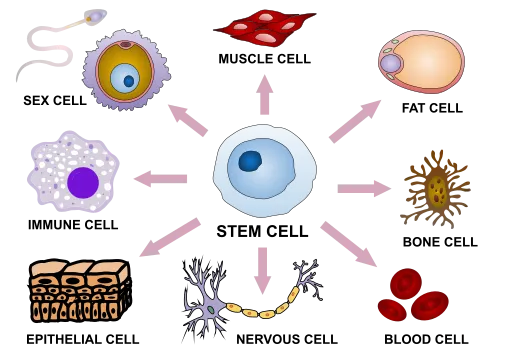
Fig.No. 5: Differentiation Potential of Stem Cells into Various Cell Types
Mechanisms of Action of Stem Cell Therapy in Diabetes
The mechanisms underlying stem cell therapy in diabetes mellitus include a combination of regenerative, immunological, and metabolic mechanisms that are complementary in restoring pancreatic function and enhancing insulin secretion and glycaemic control [29].
Differentiation into insulin-producing β-cells:
The most essential mechanism of action of stem cell therapy is the differentiation of stem cells into β-cells, which produce insulin. Under specific conditions in vitro and in vivo, stem cells (especially ES and iPS) can be directed to differentiate into β-like cells that perform similar functions as natural pancreatic cells by sensing blood glucose and producing insulin [29].
Stimulation of endogenous β-cell regeneration:
Besides the process of differentiation, stem cells increase proliferation and survival of the endogenous pancreatic β-cells due to secretion of bioactive molecules. This mechanism may restore the ability of the body to regenerate β-cells and thus, restore endogenous insulin production especially at an early stage of diabetes development [30].
Immunomodulation and suppression of autoimmune responses:
MSCs have very strong immunomodulating properties due to their influence on the function of both innate and adaptive immunity. In particular, they inhibit activation of autoreactive T-cells, decrease production of pro-inflammatory cytokines, and stimulate regulatory T-cells. This mechanism works especially efficiently in Type 1 diabetes, where β-cells are damaged due to autoimmune reactions [29].
Anti-inflammatory and anti-apoptotic effects:
Chronic inflammation and oxidative stress cause impairment of the functions of pancreatic β-cells. Therefore, secretion of anti-inflammatory cytokines and growth factors helps to protect β-cells from apoptosis and to maintain their functions [31].
Paracrine secretion of growth factors and cytokines:
One of the main mechanisms of stem cell therapy is associated with paracrine effects of stem cells. They secrete various growth factors, cytokines, and extracellular vesicles, which promote angiogenesis, repair tissue damage and provide for increased survival of islet cells [32].
Insulin sensitivity in peripheral tissues is increased:
The stem cells improve insulin sensitivity in peripheral tissues like muscles, liver, and adipose tissue by lowering inflammation in the body and improving glucose absorption. This helps lower insulin resistance and results in good blood sugar management, particularly for type 2 diabetes mellitus [32].
Overall effect of therapy:All the above-mentioned ways contribute to better glycemic regulation, re-establishment of pancreatic beta-cell mass, and prevention of complications. Therefore, stem cell therapy does not just treat the symptoms but works on the cause of the disease [32].
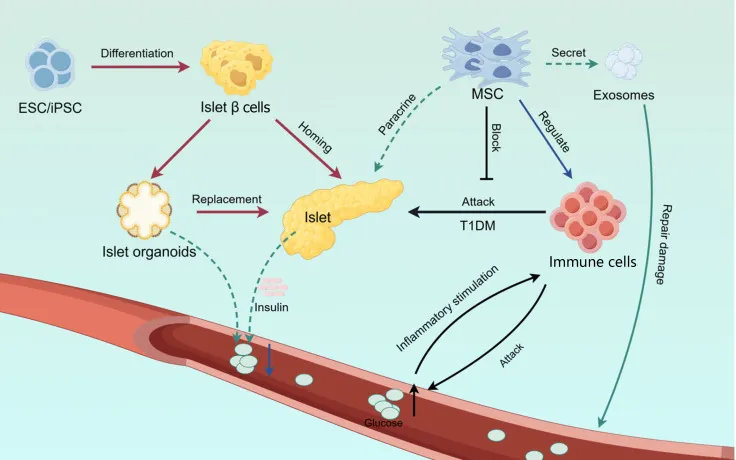
Fig.No. 6: Stem Cell-Based Therapeutic Approaches for Type 1 Diabetes Mellitus
MSCs might initiate endogenous insulin production and stimulate pancreatic islet β-cell regeneration. Under selective conditions, MSCs may differentiate into insulin-producing cells (IPCs) by directed differentiation . Yet, MSCs implement most of their reparative properties through release of a rich secretome comprising extracellular vesicles (EVs), cytokines, and myriad growth factors, including vascular endothelial growth factor, insulin-like growth factor, platelet-derived growth factor, and transforming growth factor -β, thereby stimulating intrinsic pancreatic islet regeneration and restoring β-cell function. MSCs can alleviate IR in insulin target tissues by increasing the function of glucose transporter-4, phosphorylation of insulin receptor substrate-1 and protein kinase-B, and inhibiting NOD-like receptor protein-3 inflammasome formation through immune regulation . While the mechanism by which MSCs alleviate IR remains incompletely understood, increasing evidence implicates immune dysfunction in T2DM and IR. Hence, the ability of MSCs to modulate multiple immune cells via their secretome might in turn improve pancreatic β-cell function and alleviate IR [33].
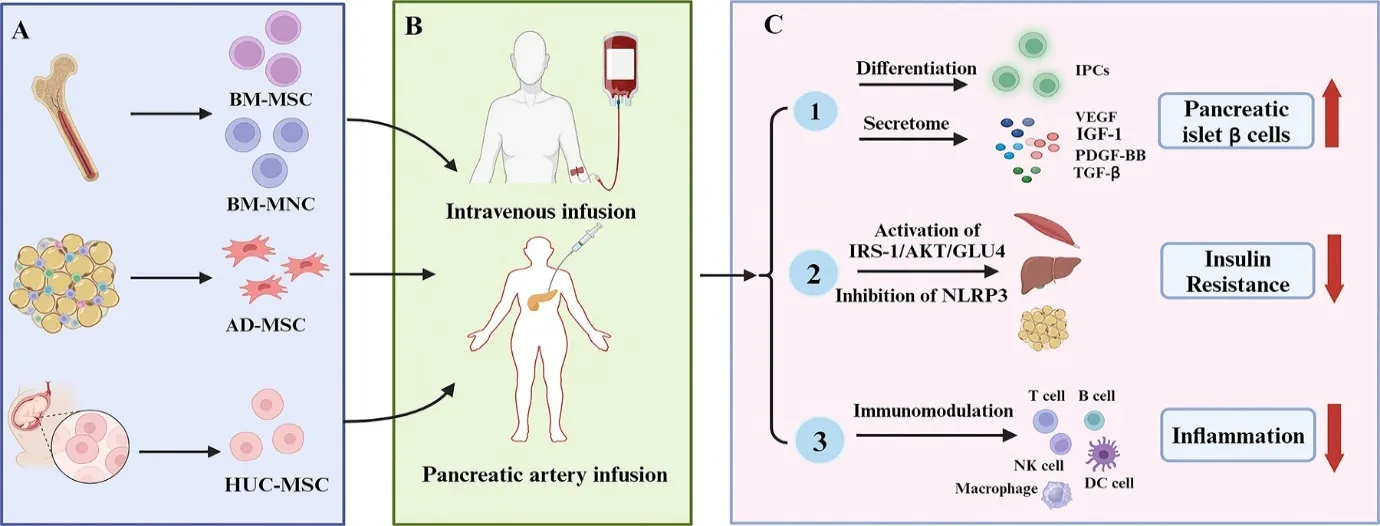
Preclinical Evidence from Animal Studies
Numerous preclinical studies using animal models of diabetes induced by streptozotocin have proven the effectiveness of stem cell therapy. Treatment with mesenchymal stem cells in diabetic rats has proved successful, as it resulted in a decrease in blood glucose levels, increase in insulin secretion and pancreatic islets regeneration [34].
There have been reports of improvement of diabetes complications such as nephropathy and neuropathy in animal studies. However, differences in animal models and human physiology prevent direct translation of these results [35].
In preclinical studies, a wide variety of researches have been carried out about the use of MSCs as a means of control over the development and progression of several autoimmune and inflammatory diseases [34]. In T1D rodent models, transplantation of MSCs resulted in reversal of hyperglycemia, restoration of pancreatic islets, increase in insulin production and creation of beneficial immunologic changes. On the basis of the obtained experimental results, some clinical trials have been performed worldwide to evaluate the safety and efficacy of MSCs derived from bone marrow, umbilical cord or menstrual blood in T1D patients treatment [35].
The therapeutic mechanisms of MSCs in patients with diabetes are mainly based on angiogenesis induction, immunomodulation, islet β cell regeneration and islet β cell apoptosis inhibition [36]. In agreement with published results, treatment with MenSC had similar therapeutic effects on STZ-induced T1D mice and resulted in significant reduction of FBG levels in them. Histological studies showed that MSC transplantation in T1D mice significantly increased insulin+ islet β cells in T1D mouse pancreas, and angiogenesis stimulation, antiapoptotic effect and islet β cell regeneration played an important role in it. Moreover, subsequent protein assays showed systemically reduced inflammation (decrease of IL-1β and TNFα expression) and increase of angiogenesis potential (increase in VEGF expression) in MSC treated mice [35]. Also, MSC treatment caused up-regulation of IL-6 expression in sera of T1D mice, and a low dose of IL-6 reversed the cytotoxic effects of IL-1β on islet β cells and increased insulin secretion by islet β cells. Moreover, MSC treatment increased islet β cell viability through anti-apoptosis and immunomodulation. Additionally, MenSCs are expected to become a promising alternative for the treatment of diabetes in the clinic because of their advantages, which include non-invasive isolation, abundance and high proliferative capacity [36].
Clinical Studies and Current Status
Several studies have already evaluated the safety and efficacy of stem cell therapy in diabetes. The treatment resulted in improvement in HbA1c levels, reduced insulin requirement, and improved β-cell function [37]. Although most of the studies demonstrate favorable results in terms of safety, the effectiveness and standardization of therapy are still lacking. Large scale randomized controlled trials are necessary before introduction to routine clinical practice.
The results of clinical trials suggest that stem cell therapy may be considered a promising method of diabetes treatment. Some of the patients treated with stem cells no longer need insulin injections. One of the clinical trials performed by Vertex Pharmaceuticals demonstrated that a dozen patients suffering from type 1 diabetes started producing insulin on their own after treatment with embryonic stem cells. Another study conducted in Brazil revealed that 21 adults with type 1 diabetes no longer needed insulin injections several years after treatment. However, in some patients, there was no improvement in their condition [38].
With an obesity epidemic and fast growing number of DM cases around the world, new ways to cure diabetes or obtain long-lasting therapeutic effect should be sought. So far, such methods as islet cell transplantation, pancreas transplantation, and the administration of anti-CD3 mAb have been approved for clinical use [39]. According to the United Network for Organ Sharing (UNOS) Data Registry Analysis, 60% of people achieved insulin independence after 4 years following the transplantation of the pancreas. Nevertheless, the surgery itself entails considerable mortality (78% survival rate in 1 year). The results of the Collaborative Islet Transplant Registry (CITR) revealed that 44% of patients became insulin independent within 3 years of transplant from 2007 to 2010, which is 27% more than for patients undergoing clinical islet transplant from 1999 to 2002. The increase of success rates of transplantation may be associated with better immunosuppressive strategies. On the other hand, the therapy with anti-CD3 mAb, despite being relatively safe, resulted in insulin independence in only 5% of subjects in 2-year period [37]. Nevertheless, islet cell transplantation is very effective in stopping the development of complications related to both short-term and long-term effects of DM. However, islet cell transplantation faces a number of difficulties; the problem of low amount of donors and their variability is particularly acute [38].
This suggests that the kind of cells injected plays an important role in the success of treatment. Intravenous infusion of CD34+ BM-HSC, obtained via leukapheresis of peripheral blood after G-CSF mobilization had the best result, since 58.9% of the treated T1DM patients were insulin-independent for a mean time span of 16 months. 7.53% of the T1DM patients also had their insulin requirement reduced by more than 50%. This shows that CD34+ BM-HSCs can be successfully used for the treatment of DM. On the contrary, intravenous infusion of UCB even though having the same amount of CD34+ cells as in BM-HSC, did not have any effect on the C-peptide levels, HbA1c levels, and insulin requirement levels of T1DM patients. This information has been derived from few studies, and needs verification through larger randomized trials [40].
Advantages of Stem Cell Therapy in Diabetes Mellitus
The use of stem cell therapy is a revolution in modern science. It exploits natural abilities of our bodies and is able to help treat several chronic diseases like diabetes, organ damage, and neuropathy [10].
Pluripotent stem cells, obtained from donated blastocysts, are the most effective method of treatment of diabetes and other chronic illnesses. Such stem cells activate repair in more than 220 types of cells, thus being able to repair organs and nerves [41].
Using stem cells to recover damaged parts of the pancreas will allow increasing insulin production and distributing it through the body. Stem cells can regenerate pancreatic beta cells, responsible for producing and secreting insulin. Restoration of natural insulin will reduce the need for insulin injections and can help to prevent many complications caused by diabetes, like organs failure [40].
It will allow people to improve their quality of life and return to an active way of life, which will help to regulate their glucose levels naturally [41].
Stem cells can be produced in many ways and from many sources. Different types of stem cells have different applications and clinical limitations. Embryonic stem cells (ESCs, isolated from inner cell mass of pre-implanted embryo) have several limitations: high tumorigenic risk, obvious host immune rejection and ethical controversy [39]. Thus, the clinical application of ESCs is questionable. The biological characteristics of induced pluripotent stem cells (IPSCs, derived from embryonic gonadal ridge or postnatal testes) are highly similar to ESCs, and their main advantage is the possibility of avoiding immune rejection and ethical controversies in ESCs transplantation by getting specific IPSCs from patients themselves. IPSCs-derived β cells are considered as one of the most promising sources of β cells for T1DM. However, IPSCs technology still faces the following problems: (1) high genetic variability between individual cell lines can lead to immature function of derived β cells. This mutation has been found to be repairable using genome editing tools such as CRISPR-Cas9 [41].
Table No.1: Advantages and disadvantages of different types of stem cells in Diabetes Mellitus
|
Cell types |
Advantages |
Disadvantages |
|
Embryonic stem cell |
High degree of differentiation |
ESCs is weak in directional differentiation and difficult to induce |
|
There are ethical issues: ESCs are usually allogeneic |
||
|
Teratoma, immune rejection and gene mutation may occur after transplantation |
||
|
Induced pluripotent stem cell |
IPSC technology does not use embryonic or egg cells, so ethical problems are less likely |
At present, the differentiation scheme of induced pluripotent stem cells is not mature, and the induction efficiency is low, the stability is poor, and the cost is high |
|
Proprietary stem cells can be made from a patient's own cells, so there is less immune rejection |
The use of virus vectors poses security problems |
|
|
Adult stem cell |
It is easy to achieve targeted differentiation, and some studies have shown that adult stem cells can be used to treat diabetes |
The direction of differentiation is limited, not omnipotent |
|
After transplantation, the ability of induced differentiated cells to secrete insulin was usually lower than that of normal islet β cells, and the cell survival rate was also lower |
||
|
The efficiency of inducing differentiation at different stages is still low based on reprogramming and small molecule screening |
Limitations and Challenges
Research on stem cell therapy for diabetes is a relatively new area of research; there is not enough data about the patient outcomes and the risks associated with the procedure. The method of cultivation and transplantation of stem cells influences the benefits and the risks of the treatment [42]. Pluripotent stem cells indicate reparative processes in more cell types than adult stem cells; that is why they are the optimal option for the treatment of diabetes [37].
At the moment, there are no serious adverse effects of the therapy. Still, it is necessary for the patients to think about the way of cultivating, storing, and transplanting stem cells in order to get the best results [42]. It is preferable to use fresh never frozen stem cells taken from donated ethically obtained blastocysts. Adult stem cells can be harvested with surgery and anesthesia, which involves certain risks [41].
The use of the therapy in diabetes mellitus treatment is not approved by the U.S. Food and Drug Administration; it is available only in particular regions, such as Mexico and Europe, and its results are studied by the international scientific community. The preliminary results indicate that stem cell therapy is able to go beyond conventional diabetes treatment methods [38].
Safety issues
In spite of the revolutionary opportunities of stem cell therapy in diabetes mellitus treatment, safety issues like tumorigenicity and immunogenicity remain major obstacles to clinical application. PSCs, both ESCs and iPSCs, have oncogenic risk due to uncontrolled proliferation [10].
Efficacy challenges
The clinical effectiveness of stem cell therapy in diabetes mellitus depends on three interdependent variables, namely post-transplantation survival, homing efficacy to target tissues, and functionality of transplanted cells. After the transplantation, exogenous stem cells, be them insulin-producing progenitors of β-cells or immunomodulatory mesenchymal stem cells (MSCs), become under immune surveillance immediately [42].
Ethical and regulatory challenges
The translation of stem cell therapies into clinical practice is hindered by complex ethical and regulatory challenges, particularly in relation to pluripotent cell sources. ESC research remains entangled in ethical debates due to the inherent requirement for embryo destruction. Germany’s Embryo Protection Act (1991) illustrates stringent regulations prohibiting the derivation of human ESCs, reflecting widespread concerns about the commodification of embryos, a risk that intensifies when using surplus in vitro fertilization embryos or tissues derived from abortions for cell line development [10].
Future Perspectives
Future advancements include gene-edited stem cells, encapsulation techniques to prevent immune rejection, combination therapies with biomaterials, and personalized stem cell treatments. Integration of artificial intelligence may further optimize stem cell differentiation and therapeutic outcomes [43].
For the treatment of diabetes, only 24 trials (16.8%) documented allogeneic stem cell therapy.
The use of stem cell therapy in diabetes treatment has been preliminarily validated through several preclinical studies and a limited number of clinical cases, showing potential, especially in immunomodulation and β-cell function restoration [42]. Breakthroughs in induced pluripotent stem cell (iPSC) technology have provided a new direction for diabetes treatment; however, available clinical data focus on short-term efficacy (1–2 years), and there is a lack of sufficient evidence for long-term efficacy, especially the sustainability of β-cell function recovery [41]. Although stem cell therapy shows remarkable promise, it still faces several challenges such as immune rejection, the durability of efficacy, and tumor risk. Too advance the clinical application of stem cell therapy in diabetes, future research should focus on the long-term efficacy and safety of stem cell therapy, the prevention and management of immune rejection, as well as its economic feasibility, to promote the maturity of this innovative therapy and revolutionize the treatment options for diabetes patients [44].
The present meta-analysis is, to our knowledge, the first attempt to systematically collect all available evidence and critically assess and quantify the safety and efficacy of stem cell therapy for DM. We include all types of stem cell therapies applied in both T1DM and T2DM patients [42].
Stem cell research for diabetes has moved fast over the last two years, and it is worth being precise about what each headline means. Zimislecel (formerly VX-880) is an allogeneic, stem cell–derived islet-cell therapy — a form of islet cell transplantation — developed by Vertex Pharmaceuticals for type 1 diabetes. In the phase 1–2 portion of its trial, all 12 participants who received a full dose regained measurable islet function, and 10 of 12 (83%) no longer needed injected insulin at one year [44]. Zimislecel is infused into the portal vein and requires lifelong immunosuppression; the most common serious adverse event was neutropenia. A phase 3 program is under way, and Vertex has said it plans regulatory submissions in 2026. As of this update, zimislecel is available only inside clinical trials [43].
For type 2 diabetes, a widely reported single-patient case from Shanghai (Cell Discovery, 2024) used islet tissue grown from the patient’s own reprogrammed endoderm stem cells, and the patient subsequently achieved insulin independence. This is an encouraging proof of concept — but it remains a single case at the research stage, not an approved therapy anywhere [44].
Role of Pharmacists and Researchers
Pharmacists and researchers play a critical role in clinical trial design, therapy monitoring, patient education, pharmacovigilance, and ensuring ethical compliance in stem cell–based therapies [45].
HSCT pharmacists play an important role in the HSCT unit at Shanghai Tongren Hospital, as they oversee and manage a wide range of pharmacy services to cater for patients with complex clinical trajectories. In this session, we will focus on the role of pharmacy services for patients who undergo HSCT in various aspects, including the transition of care, education, medication adherence, and research [46].
Each of the following sections details the various potential roles and responsibilities of the HCT pharmacist. First, the provision of evidence-based, comprehensive clinical services in the delivery of direct patient care is reviewed. Next, other areas of practice where the HCT pharmacist can provide valuable contributions including education, research, and quality improvement are described. Last, we propose ways in which the value of these contributions have been qualified and captured [47].
Direct Patient Care
Pharmacists are well trained to manage the complex medication regimens of HCT patients including medications that require therapeutic drug monitoring (TDM), therapies for comorbidities, toxicities of conditioning, and therapies for long-term complications. Beyond this, HCT pharmacists are also able to engage in critical transitions of care and provide patient education throughout the transplant process as well as during the post-transplantation follow-up care [47].
Medication management
Pharmacists are the ideal professionals to guide medication management in the HCT patient population [46]. Medication adherence is particularly challenging to reinforce in the setting of HSCT as post-transplant medications to prevent transplant-associated complications involving many drugs such as immunosuppressants, anti-infective drugs, and supplements [45].
Transition of care
The transition of care involves the coordination and continuity of healthcare. Critical points of transitions include admission and discharge from hospital, escalation, and de-escalation of care to and from intensive care units, and transitions to home or step-down care facilities [47].
Education
Education for HSCT and cellular therapy should be carried out not only for patients but also for caregivers. The contents should include but are not limited to, instructions to take the medications correctly Pharmacists also educate patients about potential drug-drug/drug-food/drug-herb interactions [46].
Research
Pharmacists are also involved in the management of clinical trials involving patients receiving HSCT or cellular therapy. There is an increasing number of clinical trials related to HSCT and cellular therapy, such as the combination of novel treatments with HSCT and B-cell maturation antigen (BCMA)-targeted CAR-T cell therapy [47].
HCT pharmacists can play an active role in assessing adherence to and managing toxicity from these therapies that are continued post-HCT, potentially having a positive impact on post-transplant disease control [46].
CONCLUSION
The use of stem cell therapy is another advanced and innovative approach that can be used in the management of diabetes mellitus as compared to the other available approaches. This is because it targets the pathology of the disease by stimulating the regeneration of beta cells in the pancreas instead of managing hyperglycemia only. Unlike other therapies such as medication and insulin administration, the use of stem cells can lead to regeneration of pancreatic beta cells, increased endogenous production of insulin, modulation of immune response, decreased inflammation, and increased insulin sensitivity. Out of all stem cells, mesenchymal stem cells and induced pluripotent stem cells are very effective because of their ability to regenerate tissues and regulate immune responses, among others. Preclinical studies have provided encouraging results while the clinical trials have reported positive effects such as improved glycemic control and reduced insulin dose in selected patients.
There are several issues that must be addressed before the implementation of stem cell therapy as a means of managing diabetes mellitus. These include safety issues, tumorigenesis, immune rejection, ethical concerns, very high costs of treatment, and lack of treatment guidelines. For this reason, large clinical trials that would provide information on efficacy and safety of this therapy are very important.
In summary, stem cell therapy can revolutionize the management of type 1 and type 2 diabetes mellitus through the provision of regenerative and disease-modifying approaches. Advances in stem cell biology, gene editing technology, tissue engineering, biomaterials, and personalized regenerative medicine will help to solve current challenges and speed up the use of this therapy in the future. In addition, the contribution of pharmacists, clinicians, and researchers in patient management, clinical trials, pharmacovigilance, and regulation of stem cell therapy will be very essential.
REFERENCES


Alveera Ancita Dsouza*, Midhuna K., Ashok Shenoy M., Stem Cells As A Promising Therapeutic Strategy For Diabetes Mellitus: A Comprehensive Review, Int. J. of Pharm. Sci., 2026, Vol 4, Issue 9, 190-208. https://doi.org/10.5281/zenodo.22233705
 10.5281/zenodo.22233705