
View Article

  • Stimuli-Responsive Nanoemulgels for Targeted Arthritis Therapy: pH-, Enzyme and ROS-Triggered Systems

  • East Point College of Pharmacy, Karnataka 560049, Affiliated to Rajiv Gandhi University of health sciences, Bengaluru, Karnataka- 560041

Abstract

Rheumatoid arthritis (RA) is a chronic autoimmune inflammatory disease characterized by persistent synovial inflammation, progressive cartilage degradation, oxidative stress, pannus formation, and irreversible bone erosion. Conventional therapeutic approaches including non-steroidal anti-inflammatory drugs (NSAIDs), corticosteroids, disease-modifying anti-rheumatic drugs (DMARDs), and biologics are associated with systemic toxicity, poor site specificity, low bioavailability, gastrointestinal complications, hepatotoxicity, nephrotoxicity, and poor patient compliance. In recent years, stimuli-responsive nanoemulgels have emerged as advanced smart drug delivery systems capable of achieving controlled and site-specific drug release in response to pathological stimuli present within inflamed arthritic joints. These systems exploit the acidic pH, elevated reactive oxygen species (ROS), and overexpressed enzymes such as matrix metalloproteinases (MMPs) and phospholipases in rheumatoid arthritis microenvironments for selective drug release. Nanoemulgels combine the advantages of nanoemulsions and hydrogels, providing improved drug solubilization, enhanced skin permeation, prolonged retention, controlled release, better spreadability, and improved therapeutic efficacy. Recent advances from 2020–2026 demonstrate significant improvements in transdermal delivery of methotrexate, diclofenac, celecoxib, etodolac, curcumin, ketoprofen, and biologics using pH-responsive, ROS-responsive, and enzyme-sensitive nanoemulgel systems. This review comprehensively discusses the pathophysiology of rheumatoid arthritis, principles of stimuli-responsive nanocarriers, formulation approaches, characterization techniques, therapeutic mechanisms, recent advancements, comparative benefits over conventional gels, clinical trials, translational challenges, and future perspectives of smart nanoemulgels for targeted arthritis therapy.

Keywords

Rheumatoid arthritis; Nanoemulgel; Stimuli-responsive drug delivery; pH-responsive systems; ROS-responsive systems; Enzyme-responsive nanocarriers; Targeted therapy; Smart nanomedicine

Introduction

× Popup Image

Rheumatoid arthritis (RA) is a chronic autoimmune inflammatory disorder characterized by persistent synovial inflammation, progressive cartilage destruction, bone erosion, and irreversible joint deformities that eventually lead to severe disability and impaired quality of life [1]. The disease affects approximately 0.5–1% of the global population and is more prevalent among women due to hormonal and immunological differences influencing disease susceptibility [2]. Apart from articular manifestations, RA is also associated with systemic complications including cardiovascular diseases, pulmonary fibrosis, osteoporosis, metabolic abnormalities, and neurological dysfunctions, thereby increasing patient morbidity and mortality [3].

The pathogenesis of rheumatoid arthritis involves complex interactions between genetic predisposition, environmental triggers, oxidative stress, immune dysregulation, and inflammatory cytokines [4]. Activated macrophages, fibroblast-like synoviocytes (FLS), dendritic cells, neutrophils, and T lymphocytes infiltrate the synovial membrane and secrete excessive amounts of pro-inflammatory mediators including tumor necrosis factor-alpha (TNF-α), interleukin-1β (IL-1β), interleukin-6 (IL-6), and interferon-gamma (IFN-γ), resulting in chronic inflammation and tissue destruction [5].

Although these therapies can effectively reduce inflammation and pain, their long-term use is associated with severe adverse effects including gastrointestinal ulceration, hepatotoxicity, nephrotoxicity, cardiovascular toxicity, immunosuppression, and systemic side effects [6]. In addition, poor aqueous solubility, inadequate synovial targeting, rapid systemic clearance, and low bioavailability limit the therapeutic efficiency of many anti-rheumatic drugs [7].

Topical and transdermal drug delivery systems have emerged as promising alternatives to oral administration because they bypass hepatic first-pass metabolism, minimize systemic toxicity, improve patient compliance, and provide localized delivery of therapeutic agents directly to inflamed joints [8]. To overcome these limitations, nanoemulgels have attracted substantial attention as advanced nanocarrier-based topical delivery systems [9].

Their nanoscale droplet size facilitates enhanced interaction with biological membranes and deeper penetration into skin layers [10]. More recently, stimuli-responsive nanoemulgels have emerged as smart drug delivery systems capable of releasing therapeutic agents selectively in response to pathological triggers such as acidic pH, elevated ROS levels, and overexpressed enzymes present in arthritic tissues [11].

These systems enable site-specific and controlled drug release while minimizing systemic exposure and off-target toxicity [12]. pH-responsive systems utilize the acidic synovial microenvironment to trigger drug release through polymer swelling, protonation, or bond cleavage [13]. Enzyme-responsive nanoemulgels exploit overexpressed enzymes such as matrix metalloproteinases for selective degradation of polymeric matrices and targeted drug liberation [14]. ROS-responsive systems contain oxidation-sensitive polymers and linkers that undergo structural degradation under oxidative stress conditions, thereby enabling selective drug release within inflamed joints [15].

Recent studies published have demonstrated remarkable enhancement in skin permeation, synovial accumulation, anti-inflammatory activity, and therapeutic efficacy using stimuli-responsive nanocarriers loaded with methotrexate, diclofenac, celecoxib, ketoprofen, etodolac, curcumin, and corticosteroids [16]. Furthermore, integration of nanoemulgels with cubosomes, microneedles, hydrogels, and nanostructured lipid carriers has improved transdermal delivery and sustained release behavior [17].           

2.Pathophysiology of Rheumatoid Arthritis:

Rheumatoid arthritis (RA) is a chronic systemic autoimmune disease characterized by persistent inflammation of synovial joints, progressive cartilage destruction, and bone erosion. The disease develops when the immune system mistakenly attacks self-antigens present in joint tissues, resulting in chronic inflammatory responses and joint deformity.[18]
One of the earliest pathological features of RA is synovitis, where immune cells infiltrate the synovial membrane and stimulate inflammation. The synovial lining becomes hyperplastic and thickened due to continuous activation of inflammatory cells and fibroblast-like synoviocytes.[19]
Activated CD4+ T cells play a central role in RA pathogenesis by stimulating macrophages, fibroblasts, and B cells to produce inflammatory mediators. B cells produce autoantibodies such as rheumatoid factor (RF) and anti-citrullinated protein antibodies (ACPAs), which contribute to chronic inflammation and immune complex formation.[20]
Cytokines including tumor necrosis factor-α (TNF-α), interleukin-1β (IL-1β), interleukin-6 (IL-6), and interleukin-17 (IL-17) are major mediators involved in RA progression. These cytokines stimulate inflammatory signaling pathways, synovial hyperplasia, osteoclast activation, and cartilage degradation.[21] .Activated macrophages and neutrophils generate excessive reactive oxygen species (ROS) in arthritic joints, leading to oxidative stress and tissue injury. ROS damage proteins, lipids, DNA, and extracellular matrix components while activating inflammatory pathways such as NF-κB and MAPK.[22]
Abnormal angiogenesis occurs extensively in inflamed synovial tissues and supports migration of inflammatory cells into arthritic joints. Vascular endothelial growth factor (VEGF), TNF-α, and IL-8 promote formation of new blood vessels that sustain chronic inflammation and pannus development.[23]
The rheumatoid arthritis microenvironment is characterized by acidic pH, elevated ROS levels, inflammatory enzymes, cytokines, hypoxia, and increased vascular permeability. These pathological features make RA highly suitable for stimuli-responsive drug delivery systems such as pH-, enzyme-, and ROS-responsive nanoemulgels.[24]           

3.Nanoemulgels:

Nanoemulgel is a nanoemulsion-based hydrogel system formed by incorporating nanoemulsion into a gel matrix, which enhances skin penetration and improves topical drug delivery. It combines the advantages of both nanoemulsion and hydrogel systems, providing better stability, controlled drug release, and improved patient compliance. Nanoemulgels possess desirable properties such as non-greasiness, thixotropy, easy spreadability, good adhesion, and higher drug solubilization capacity. They are especially useful for delivering lipophilic and poorly water-soluble drugs through the skin with enhanced permeation and bioavailability.[25]

Nanoemulgels (NEGs) are nano-sized emulsions incorporated into a gel system to improve the stability, viscosity, spreadability, and skin retention of nanoemulsions. They are highly effective for topical delivery of lipophilic and poorly water-soluble drugs, as the nano-sized droplets enhance drug permeation and bioavailability through the skin. The gel component increases adhesion and provides controlled drug release, while the nanoemulsion protects the drug from hydrolysis and enzymatic degradation.[26]

They possess nanosized droplets that enhance drug solubility, skin permeation, bioavailability, and therapeutic efficacy while the gel base improves viscosity, spreadability, and retention at the site of application. Due to their small droplet size and large surface area, nanoemulgels provide sustained and targeted drug release with improved patient compliance and reduced systemic side effects. These systems have gained considerable attention in arthritis therapy because they effectively enhance transdermal delivery of anti-inflammatory drugs into inflamed joints and provide prolonged therapeutic action.[27]

In this system, tiny oil droplets containing the drug are uniformly dispersed within a gel matrix, allowing the formulation to spread easily over the skin while remaining at the application site for a longer duration. This prolonged contact improves drug penetration through the skin and enhances therapeutic effectiveness, particularly for poorly water-soluble drugs. [28]

The gel matrix also increases the residence time of the formulation at the application site, enabling sustained drug release and better therapeutic performance. In addition, nanoemulgels are generally non-greasy, well tolerated, and less likely to cause irritation, making them more acceptable to patients than many conventional topical dosage forms. These advantages have encouraged their use in treating localized conditions such as arthritis, wound healing, inflammatory disorders, fungal infections, and other dermatological diseases, where enhanced skin penetration and prolonged drug action are important for achieving better clinical outcomes. [29]
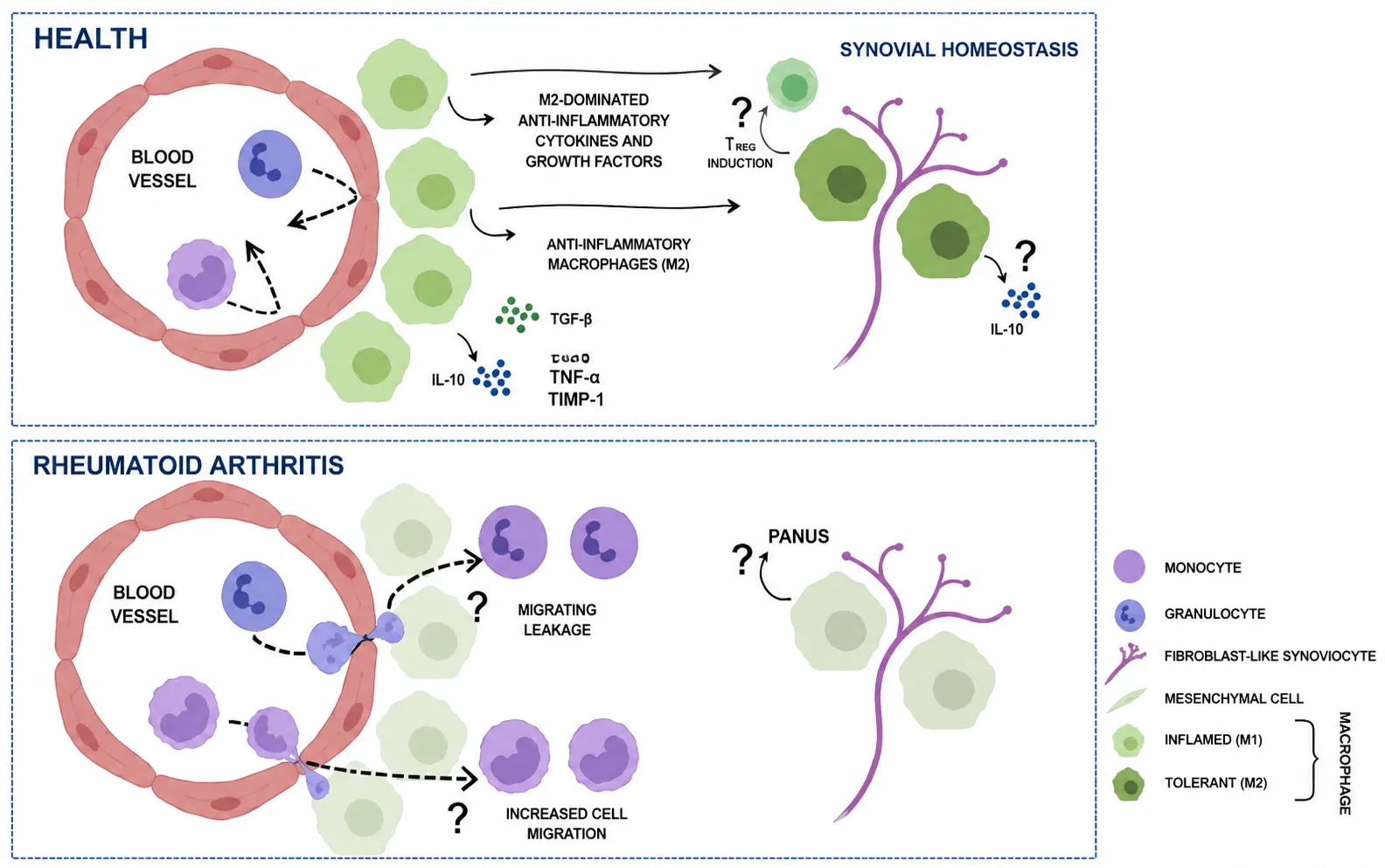


Fig1: Immune system comparison: health vs rheumatoid arthritis [30]


Reproduced from Alivernini S, Firestein GS, McInnes IB. The pathogenesis of rheumatoid arthritis. Immunity. 2022 Dec 13;55(12):2255-70.

4. Stimuli-Responsive Drug Delivery Systems:

Stimuli-responsive drug delivery systems (DDS) have emerged as a promising strategy to overcome the poor bioavailability, systemic toxicity, and rapid joint clearance associated with conventional arthritis therapeutics. Recent work has proposed organizing these systems around four independent exogenous triggers (photothermal, magnetothermal, sonodynamical, and electrical) paired with four endogenous stimuli (enzymatic, redox, pH, and electro-ionic), arguing that biosensor-guided, "on-program/on-demand" designs could enable programmable, site-specific drug release in both rheumatoid arthritis (RA) and osteoarthritis (OA) [31].

Complementing this framework, another review has classified stimuli-responsive nanomaterials more broadly into internal triggers (redox, pH, and enzymes) and external triggers (temperature, ultrasound, magnetic fields, light, voltage, and mechanical friction), linking each to specific joint pathology such as cartilage degeneration, synovitis, and subchondral bone destruction [32].  In the context of intra-articular hydrogel platforms, a recent review has highlighted that although disease-modifying antirheumatic drugs and biologics offer improved precision over older therapies, systemic administration generally fails to achieve sufficient local drug concentration in the joint, motivating hydrogel-based intra-articular carriers many of them stimuli-responsive as a route to sustained, site-specific delivery [33]. 

 At the level of specific formulations, a dual pH/redox-responsive nanogel loaded with geraniol has been shown to alleviate oxidative stress and cartilage matrix degradation in OA by modulating the Keap1-Nrf2-HO-1 signaling axis, illustrating how stimuli-responsive carriers can be mechanistically tied to disease-specific molecular pathways [34]. Finally, from a design-principles perspective, it has been argued that because therapeutic strategies for OA cannot be separated from the disease's underlying pathological progression, an ideal nanoparticle-based delivery system should be engineered to release its payload in direct response to specific pathological features of the cartilage microenvironment [35].

5. pH-Responsive Nanoemulgels for Arthritis Therapy:

pH-responsive drug delivery systems exploit the mildly acidic microenvironment of arthritic joints synovial fluid pH can fall from a healthy 7.4 to as low as 6.0–6.6 in inflamed or degenerating cartilage to trigger site-specific drug release. A review by Indian researchers has surveyed "smart" stimuli-responsive biomaterials for inflammatory arthritis, noting that pH- and enzyme-triggered platforms allow precise spatiotemporal control over drug release, minimizing systemic exposure while enabling real-time monitoring of disease progression in both OA and RA [36]. Complementing this, a review on polymeric hydrogel platforms for arthritis has highlighted that hydrogels engineered with ionizable functional groups can be tuned to swell or degrade selectively at the lower pH of inflamed joints, offering a versatile platform for sustained, tissue-like drug delivery with high intra-articular residence time [37]. Focusing specifically on RA, another review has traced how pH-, temperature-, redox-, and enzyme-responsive polymeric nanomaterials have been developed to accumulate therapeutic payloads preferentially at the inflamed synovium, though it notes that stimuli-sensitive nanocarrier design for inflammatory arthritis remains comparatively underexplored relative to other disease areas [38].

At the level of a specific formulation, a pH-responsive metal-organic framework (MIL-101-NH2) has been engineered to co-deliver curcumin and HIF-2α-targeting siRNA, gradually collapsing in the acidic OA microenvironment to release its anti-inflammatory and gene-silencing payloads together and downregulate pro-inflammatory cytokine levels [39]. Finally, reviewing polymeric hydrogel platforms for controlled arthritis drug delivery more broadly, researchers have emphasized that combining pH-responsive functional groups with protein/polysaccharide or synthetic polymer backbones can improve drug loading tunability and long-term release, directly improving therapeutic outcomes and patient compliance [40].

6. Enzyme-Responsive Nanoemulgels:

Enzyme-responsive drug delivery systems exploit the abnormal upregulation of proteolytic enzymes at diseased sites to achieve on-demand, spatially confined drug release. In both rheumatoid arthritis (RA) and osteoarthritis (OA), the inflamed synovium and degrading cartilage matrix exhibit markedly elevated activity of matrix metalloproteinases (MMPs), particularly MMP-1, MMP-2, MMP-9, and MMP-13, which are directly implicated in collagen breakdown, cartilage erosion, and joint destruction; carriers engineered with MMP-cleavable peptide linkers or enzyme-degradable polymeric shells can therefore be designed to remain stable in circulation and release their payload preferentially within the arthritic joint microenvironment [41].

A related dual-stimuli strategy combined acidic pH sensitivity with MMP-13 enzymatic responsiveness in a cartilage-targeting nano-micelle theranostic platform for OA, releasing its anti-inflammatory payload only when both the low pH and elevated MMP-13 activity characteristic of the osteoarthritic joint were present simultaneously, allowing tightly controlled, lesion-specific therapeutic delivery alongside real-time imaging of disease progression [42].

A broader review of injectable responsive hydrogel drug delivery platforms for OA further catalogued several MMP-cleavable systems, including a gene-loaded nanoparticle-in-hydrogel composite that released therapeutic microRNA in response to MMP activity within the joint cavity, a bilayer microsphere whose outer GelMA shell rapidly degraded in the MMP-rich OA microenvironment to release anti-inflammatory-loaded liposomes before exposing a cartilage-repair-promoting core, and a small-molecule MMP-12-cleavable linker (glycerol monostearate, TG-18) enabling inflammation-graded, sustained corticosteroid release confirmed in an anterior cruciate ligament transection-induced OA rat model [43].

7. ROS-Responsive Nanoemulgels:

ROS-responsive nanoemulgels are smart nanocarrier systems that selectively release drugs in inflammatory environments containing excessive reactive oxygen species (ROS), which are highly elevated in rheumatoid arthritis joints due to oxidative stress and immune cell activation. Thioketal-based ROS-sensitive polymers are widely used because they undergo cleavage in oxidative environments, enabling controlled and site-specific drug release while minimizing systemic toxicity. ROS-responsive systems containing sulfide, selenium, and boronic ester linkers have demonstrated enhanced targeting efficiency and improved anti-inflammatory activity in arthritic tissues.[44]

Dual-responsive ROS/pH-sensitive intelligent micelles have also been developed for rheumatoid arthritis therapy to improve targeting toward inflammatory macrophages and fibroblast-like synoviocytes. These systems exhibited improved drug accumulation, enhanced responsiveness to the arthritic microenvironment, and superior therapeutic efficacy compared with conventional formulations.[45]

Recent ROS-modulating nanomedicine systems for rheumatoid arthritis have shown significant reduction in inflammatory cytokines, oxidative stress, synovial hyperplasia, and bone erosion. ROS-responsive formulations also demonstrated enhanced macrophage targeting, improved antioxidant activity, and better suppression of inflammatory pathways compared with conventional formulations.[46]

Building on this platform, the same research group has developed a dasatinib-loaded nano-emulgel for rheumatoid arthritis, demonstrating that the optimized formulation significantly reduced LPS-induced TNF-α production in macrophage cell lines and decreased paw swelling in an adjuvant-induced arthritis model compared to controls [47].

Similarly, a ROS-responsive nanofiber membrane incorporating a thioketal-based responsive motif and reduced graphene oxide has been shown to release its antioxidative payload specifically in response to hydrogen peroxide, sustaining drug release for at least 66 days and reducing osteoarthritis severity scores by over 90% in an animal model [48].

8. Formulation of Stimuli-Responsive Nanoemulgels for Arthritis Therapy:

8.1 Preformulation Studies

Preformulation studies are initially carried out to understand the physicochemical properties of the selected drug before formulation development. Parameters such as solubility, partition coefficient, melting point, compatibility with excipients, and stability are evaluated because these factors directly influence nanoemulsion formation, drug loading, and permeation behavior. Drugs intended for arthritis therapy such as methotrexate, dasatinib, diclofenac, celecoxib, curcumin, and etodolac are commonly selected due to their anti-inflammatory potential and poor oral bioavailability. [49]

8.2 Solubility Screening of Excipients

The drug is screened in various oils, surfactants, and co-surfactants to identify components exhibiting maximum solubilization capacity. Excess quantity of drug is added separately into selected oils and surfactants followed by vortexing, shaking, and centrifugation. The supernatant is analyzed spectrophotometrically to determine drug solubility.[50]


Sl.no

Commonly used oils

Common surfactants

Common co-surfactants

1.

Isopropyl myristate[51]

Tween 80[53]

PEG 400 [56]

2.

Oleic acid[51]

Tween 20 [54]

Propylene glycol [57]

3.

Capryol 90 [52]

Cremophor RH 40 [55]

Transcutol-P [58]


Selection of suitable excipients is essential because higher drug solubility improves entrapment efficiency and nanoemulsion stability.

8.3 Selection of Stimuli-Responsive Components

Stimuli-responsive materials are incorporated into nanoemulgels to achieve targeted drug release specifically at inflamed rheumatoid joints. Selection depends on the pathological conditions of arthritis.[59]

pH responsive materials:

Examples:

  • Chitosan derivatives
  • Poly(acrylic acid) [60]
  • Eudragit polymers [61]

ROS-Responsive Materials

Research on oxidative-stress-responsive polymers focuses on utilizing chemical bonds that break or undergo structural transformation when exposed to high levels of reactive oxygen species. [62]

Examples:

  • Thioketal linkers [63]

Enzyme responsive materials:

Examples:

  • Hyaluronic acid [64]
  • Gelatin derivatives [65]
  • Matrix metalloproteinase-cleavable peptides [66]

These smart materials help achieve selective and sustained drug release at arthritic sites while minimizing systemic toxicity.

8.4 Preparation of Surfactant-Co-Surfactant Mixture (Smix)

The surfactant and co-surfactant are mixed in different ratios such as:

  • 1:1
  • 2:1
  • 3:1
  • 4:1

Tween 80 and PEG 400 are widely used combinations because they provide efficient emulsification and improve skin permeation. Smix lowers interfacial tension between oil and 

Different Smix ratios are prepared and visually observed for transparency, stability, and emulsification efficiency before selection of the optimized ratio. [67]

8.5 Construction of Pseudoternary Phase Diagram

A pseudoternary phase diagram is constructed using oil, Smix, and water to identify nanoemulsion regions.

Procedure:

  1. Oil and Smix are mixed in different ratios.
  2. Water is added dropwise under gentle stirring.
  3. Transparent and low-viscosity systems are identified as nanoemulsion regions.
  4. Turbid or phase-separated systems are excluded.

The phase diagram helps determine the optimal concentration range producing stable nanoemulsions with minimum droplet size and good thermodynamic stability. [67]

8.6 Preparation of Oil Phase

The oil phase is prepared by dissolving the selected drug in the optimized oil under continuous stirring. Surfactant mixture and stimuli-responsive polymers are then added into the oil phase.

Mild heating (40–60°C) and sonication are commonly employed to achieve complete solubilization of the drug and polymers. Preservatives such as methyl paraben and propyl paraben may also be incorporated to improve microbial stability.[68]

8.7 Preparation of Aqueous Phase

The aqueous phase is prepared separately by dissolving purified water along with hydrophilic additives such as:

  • Transcutol-P
  • Sodium metabisulfite

Continuous magnetic stirring and controlled heating are applied to ensure uniform dissolution and phase stability. [68]

8.8 Formation of Nanoemulsion

The oil phase is added slowly into the aqueous phase under continuous magnetic stirring or homogenization.

High-Energy Methods

  • High-speed homogenization
  • Ultrasonication
  • High-pressure homogenization

Process Conditions

  • Homogenization speed: 5000–15000 rpm
  • Sonication time: 5–15 min

These processes reduce droplet size into nanometer range and improve uniformity. Transparent or translucent appearance indicates successful nanoemulsion formation. [69]

8.9 Preparation of Gel Base

The gel base is prepared separately using gelling polymers such as:

  • Carbopol 934
  • Carbopol 940 [70]
  • Xanthan gum [71]

The polymer is dispersed slowly into purified water with continuous stirring and allowed to hydrate completely for several hours. Neutralizing agents such as triethanolamine or sodium hydroxide are added until gel formation occurs. [72]

8.10 Incorporation of Nanoemulsion into Gel Matrix

The optimized nanoemulsion is incorporated slowly into the prepared gel base under continuous gentle stirring. Excessive stirring is avoided because it may destabilize nanosized droplets.

The final nanoemulgel should exhibit:

  • Homogeneous appearance
  • Appropriate viscosity
  • Skin-compatible pH (5.5–6.5) [73]

9. Comparison Between Conventional Gels and  Stimuli responsive Nanoemulgels


Sl.no

Parameter

Conventional Gels

Stimuli-Responsive Nanoemulgels

1.

Droplet/particle size

No defined internal droplet phase; drug exists as dispersed molecules in a macroscopic polymer matrix.

Nanoscale oil droplets (typically 20–200 nm) dispersed within a gel matrix, giving a much larger surface area for drug loading and release. [74]

2.

Drug loading capacity

Limited, especially for lipophilic (poorly water-soluble) drugs, due to reliance on the aqueous gel phase.

Enhanced loading of lipophilic anti-arthritic drugs via the oil-droplet core, improving solubility and dissolution. [74]

3.

Skin permeation

Restricted by the stratum corneum; permeation enhancers often needed separately.

Nanoscale droplets substantially improve skin permeation. [74]

4.

Percutaneous barrier limitations

Conventional gels are often hindered by the skin's intrinsic barrier, reducing effective drug delivery to the joint.

Nanogel/nanoemulgel complexes have been engineered to overcome this percutaneous barrier more effectively, improving therapeutic delivery to arthritic tissue. [75]

5.

Bioavailability

Often low, particularly for topical gels of lipophilic drugs.

Improved bioavailability due to nanoscale dispersion, enhanced permeation, and responsive release. [75]

6.

Release mechanism

Passive diffusion-controlled release; largely uncontrolled release rate regardless of local tissue conditions.


Release triggered or accelerated by disease-specific stimuli (pH, ROS, enzymes temperature) present in the inflamed/arthritic joint microenvironment. [76]

7.

Systemic side effects

Comparatively higher since drug release is not confined to the diseased site

Comparatively lower, since responsive, targeted release reduces systemic drug exposure. [76]

9.

Site-specificity / targeting

Non-specific; drug released whether or not the target tissue is reached, leading to systemic loss.

Stimuli-responsive design allows release to be concentrated at the inflamed joint, reducing off-target exposure. [77]


10.Clinical Trials and Translational Research

Clinical trials involving nanoemulgels and nanotechnology-based systems for rheumatoid arthritis are currently focused on improving localized drug delivery, reducing systemic toxicity, enhancing bioavailability, and increasing therapeutic efficacy compared with conventional formulations. Recent studies demonstrated that curcumin-cyclosporine nanoemulgels significantly reduced inflammatory cytokines such as TNF-α and IL-6 while improving anti-inflammatory cytokine levels and reducing arthritic symptoms in experimental rheumatoid arthritis models. The developed nanoemulgel also showed enhanced skin permeation, prolonged drug release, and superior anti-arthritic activity compared with conventional topical therapies.[78]

Recent reviews on nanotechnology-based rheumatoid arthritis therapy reported ongoing development of multifunctional nanocarriers including liposomes, hydrogels, solid lipid nanoparticles, biomimetic nanoparticles, and stimuli-responsive systems for precision arthritis treatment. These advanced nanotherapeutic platforms demonstrated improved targeting toward macrophages, neutrophils, dendritic cells, and inflamed synovial tissues while minimizing   off-target adverse effects. [79]

Several recent patents from 2021–2024 have focused on nanotechnology-based DMARD delivery systems, responsive nanocarriers, lipid nanoparticles,targeted nanomedicines, and intelligent drug delivery systems for rheumatoid arthritis management. Patent literature reported the development of nanoformulations capable of improving drug accumulation in inflamed joints, reducing dosing frequency, and enhancing therapeutic outcomes through targeted delivery approaches.[80]

REFERENCES

  1. Gao Y, Zhang Y, Liu X. Rheumatoid arthritis: pathogenesis and therapeutic advances. MedComm. 2024 Mar;5(3):e509.
  2. O’Neil LJ, Alpízar-Rodríguez D, Deane KD. Rheumatoid arthritis: the continuum of disease and strategies for prediction, early intervention, and prevention. The Journal of rheumatology. 2024 Apr 1;51(4):337-49.
  3. Romão VC, Fonseca JE. Etiology and risk factors for rheumatoid arthritis: a state-of-the-art review. Frontiers in medicine. 2021 Nov 26;8:689698.
  4. Singh S, Tiwary N, Sharma N, Behl T, Antil A, Anwer MK, Ramniwas S, Sachdeva M, Elossaily GM, Gulati M, Ohja S. Integrating nanotechnological advancements of disease-modifying anti-rheumatic drugs into rheumatoid arthritis management. Pharmaceuticals. 2024 Feb 14;17(2):248.
  5. Anita C, Munira M, Mural Q, Shaily L. Topical nanocarriers for management of Rheumatoid Arthritis: A review. Biomedicine & Pharmacotherapy. 2021 Sep 1;141:111880.
  6. Fornasier M, Murgia S. Non-lamellar lipid liquid crystalline nanoparticles: a smart platform for nanomedicine applications. Frontiers in Soft Matter. 2023 Mar 15;3:1109508.
  7. Khan MS, Mohapatra S, Gupta V, Ali A, Naseef PP, Kurunian MS, Alshadidi AA, Alam MS, Mirza MA, Iqbal Z. Potential of lipid-based nanocarriers against two major barriers to drug delivery—skin and blood–brain barrier. Membranes. 2023 Mar 16;13(3):343.
  8. Sivadasan D, Sultan MH, Alqahtani SS, Javed S. Cubosomes in drug delivery—a comprehensive review on its structural components, preparation techniques and therapeutic applications. Biomedicines. 2023 Apr 7;11(4):1114.
  9. Fornasier M, Murgia S. Non-lamellar lipid liquid crystalline nanoparticles: a smart platform for nanomedicine applications. Frontiers in Soft Matter. 2023 Mar 15;3:1109508.
  10. Gorantla S, Batra U, Samshritha RN, Puppala ER, Waghule T, Naidu VG, Singhvi G. Emerging trends in microneedle-based drug delivery strategies for the treatment of rheumatoid arthritis. Expert Opinion on Drug Delivery. 2022 Apr 3;19(4):395-407.
  11. Hallan SS, Sguizzato M, Esposito E, Cortesi R. Challenges in the physical characterization of lipid nanoparticles. Pharmaceutics. 2021 Apr 14;13(4):549.
  12. Zhu C, Duan W, Jing H, Long J, Huang Y, Huang D, Wu C. Improving the stability and transdermal permeability of phycocyanin loaded cubosomes. Frontiers in Nanotechnology. 2024 Apr 11;6:1359219.
  13. Chandrakala V, Naik Bukke SP, Reddysushma K, Likitha J, Doreen N, Thalluri C, Goruntla N, Yadesa TM. Cubosomes for rheumatoid arthritis: enhancing anti-inflammatory drug delivery. Discover Materials. 2025 Jul 1;5(1):109.
  14. Waheed I, Ali A, Tabassum H, Khatoon N, Lai WF, Zhou X. Lipid-based nanoparticles as drug delivery carriers for cancer therapy. Frontiers in oncology. 2024 Apr 10;14:1296091.
  15. Kapoor KA, Pandit VI, Nagaich UP. Development and characterization of sustained release methotrexate loaded cubosomes for topical delivery in rheumatoid arthritis. Int J Appl Pharm. 2020;12(3):33-9.
  16. Alhakamy NA, Hosny KM, Rizg WY, Eshmawi BA, Badr MY, Safhi AY, Murshid SS. Development and optimization of hyaluronic acid-poloxamer in-situ gel loaded with voriconazole cubosomes for enhancement of activity against ocular fungal infection. Gels. 2022 Apr 14;8(4):241.
  17. Lima ES, Dos Santos D, Souza AL, Macedo ME, Bandeira ME, Junior SS, Fiuza BS, Rocha VP, dos Santos Fonseca LM, Nunes DD, Hodel KV. RNA combined with nanoformulation to advance therapeutic technologies. Pharmaceuticals. 2023 Nov 21;16(12):1634.
  18. Chatterjee A, Jayaprakasan M, Chakrabarty AK, Lakkaniga NR, Bhatt BN, Banerjee D, Narwaria A, Katiyar CK, Dubey SK. Comprehensive insights into rheumatoid arthritis: Pathophysiology, current therapies and herbal alternatives for effective disease management. Phytotherapy Research. 2024 Jun;38(6):2764-99.
  19. Lin YJ, Anzaghe M, Schülke S. Update on the pathomechanism, diagnosis, and treatment options for rheumatoid arthritis. Cells. 2020 Apr 3;9(4):880.
  20. Bedeković D, Bošnjak I, Šarić S, Kirner D, Novak S. Role of inflammatory cytokines in rheumatoid arthritis and development of atherosclerosis: a review. Medicina. 2023 Aug 26;59(9):1550
  21. .Alunno A, Carubbi F, Giacomelli R, Gerli R. Cytokines in the pathogenesis of rheumatoid arthritis: new players and therapeutic targets. BMC rheumatology. 2017 Nov 28;1(1):3.
  22. Anton ML, Cardoneanu A, Burlui AM, Mihai IR, Richter P, Bratoiu I, Macovei LA, Rezus E. The lung in rheumatoid arthritis—friend or enemy?. International Journal of Molecular Sciences. 2024 Jun 12;25(12):6460.
  23. Koch AE, Distler O. Vasculopathy and disordered angiogenesis in selected rheumatic diseases: rheumatoid arthritis and systemic sclerosis. Arthritis Research & Therapy. 2007 Aug 15;9(Suppl 2):S3.
  24. López-Armada MJ, Fernández-Rodríguez JA, Blanco FJ. Mitochondrial dysfunction and oxidative stress in rheumatoid arthritis. Antioxidants. 2022 Jun 12;11(6):1151.
  25. Huo X, Peng Y, Li H, Li C, Liao F, Miao C, Huang Y. The emerging role of vascular endothelial cell-mediated angiogenesis in the imbalance of RA synovial microenvironment and its clinical relevance. Frontiers in Pharmacology. 2025 Apr 4;16:1481089.
  26. Lal DK, Kumar B, Saeedan AS, Ansari MN. An overview of nanoemulgels for bioavailability enhancement in inflammatory conditions via topical delivery. Pharmaceutics. 2023 Apr 7;15(4):1187.
  27. Purwanto UR, Syukur M, Pebriani TH, Puspitaningrum I. Anti-inflammatory Effect and Physical Stability Test of Nanoemulgel Containing Marjoram (Origanum majorana L.) Essential Oil. In5th Borobudur International Symposium on Humanities and Social Science 2023 2024 Aug 2 (pp. 384-392). Atlantis Press.
  28. Lal DK, Kumar B, Saeedan AS, Ansari MN. An overview of nanoemulgels for bioavailability enhancement in inflammatory conditions via topical delivery. Pharmaceutics. 2023 Apr 7;15(4):1187
  29. .Morsy MA, Abdel-Latif RG, Nair AB, Venugopala KN, Ahmed AF, Elsewedy HS, Shehata TM. Preparation and evaluation of atorvastatin-loaded nanoemulgel on wound-healing efficacy. Pharmaceutics. 2019 Nov 13;11(11):609.
  30. Alivernini S, Firestein GS, McInnes IB. The pathogenesis of rheumatoid arthritis. Immunity. 2022 Dec 13;55(12):2255-70.
  31. Lim YY, Zaidi AM, Miskon A. Composing on-program triggers and on-demand stimuli into biosensor drug carriers in drug delivery systems for programmable arthritis therapy. Pharmaceuticals. 2022 Oct 27;15(11):1330.
  32. Zhang M, Hu W, Cai C, Wu Y, Li J, Dong S. Advanced application of stimuli-responsive drug delivery system for inflammatory arthritis treatment. Materials Today Bio. 2022 Mar 1;14:100223.
  33. Song MH, Yan Y, Chen B, Gong L, Chen L, Feng J, Han M, Liu C, Xiao C, Jin M, Gao Z. Advances in Intra-Articular Injection Hydrogel Drug Delivery Systems in the Treatment of Rheumatoid Arthritis. Pharmaceutics. 2025 Aug 27;17(9):1118.
  34. Pan J, Cai Y, Zhang C, Xu S. Intra-articular delivery of geraniol encapsulated by pH/redox-responsive nanogel ameliorates osteoarthritis by regulating oxidative stress and inflammation. Journal of Molecular Histology. 2023 Dec;54(6):579-91.
  35. Li X, Dai B, Guo J, Zheng L, Guo Q, Peng J, Xu J, Qin L. Nanoparticle–Cartilage interaction: pathology-based intra-articular drug delivery for osteoarthritis therapy, Nano-Micro Lett. 13 (2021) 149 .
  36. Nag S, Mohanto S, Ahmed MG, Subramaniyan V. “Smart” stimuli-responsive biomaterials revolutionizing the theranostic landscape of inflammatory arthritis. Materials Today Chemistry. 2024 Jul 1;39:102178.
  37. Gupta A, Lee J, Ghosh T, Nguyen VQ, Dey A, Yoon B, Um W, Park JH. Polymeric hydrogels for controlled drug delivery to treat arthritis. Pharmaceutics. 2022 Feb 28;14(3):540.
  38. Xie Y, Tuguntaev RG, Mao C, Chen H, Tao Y, Wang S, Yang B, Guo W. Stimuli-responsive polymeric nanomaterials for rheumatoid arthritis therapy. Biophysics Reports. 2020 Oct;6(5):193-210.
  39. Zhang ZJ, Hou YK, Chen MW, Yu XZ, Chen SY, Yue YR, Guo XT, Chen JX, Zhou Q. A pH-responsive metal-organic framework for the co-delivery of HIF-2α siRNA and curcumin for enhanced therapy of osteoarthritis. Journal of Nanobiotechnology. 2023 Jan 17;21(1):18.
  40. Gan X, Wang X, Huang Y, Li G, Kang H. Applications of hydrogels in osteoarthritis treatment. Biomedicines. 2024 Apr 22;12(4):923.
  41. Su Z, Chen Z, Lin J, Yu W, Zeng Y, Zhang W, Li Q, Lin Y, Liu Z, Zheng G, Li L. Neutrophil membrane-coated and MMP2-responsive nanoparticles deliver PIM1 inhibitor to alleviate inflammatory arthritis through inhibiting Th17 cell differentiation. Journal of Nanobiotechnology. 2026 Mar 14;24(1):379.
  42. Lan Q, Lu R, Chen H, Pang Y, Xiong F, Shen C, Qin Z, Zheng L, Xu G, Zhao J. MMP-13 enzyme and pH responsive theranostic nanoplatform for osteoarthritis. Journal of nanobiotechnology. 2020 Aug 27;18(1):117.
  43. Yin B, Xu J, Lu J, Ou C, Zhang K, Gao F, Zhang Y. Responsive hydrogel-based drug delivery platform for osteoarthritis treatment. Gels. 2024 Oct 26;10(11):696.
  44. Shen C, Gao M, Chen H, Zhan Y, Lan Q, Li Z, Xiong W, Qin Z, Zheng L, Zhao J. Reactive oxygen species (ROS)-responsive nanoprobe for bioimaging and targeting therapy of osteoarthritis. Journal of Nanobiotechnology. 2021 Nov 27;19(1):395.
  45. Guo RB, Zhang L, Liu Y, Kong L, Yu Y, Yang B, Wang ZJ, Zhang JY, Li XT. Treatment of rheumatoid arthritis using dual-targeted and dual-response intelligent micelles: a “three birds with one stone” strategy. Journal of nanobiotechnology. 2025 Feb 1;23(1):71.
  46. Pan G, Zhang Y, Liu D, Wang Y, Zhang H, Pan H, Hou Q, Kong X, Lv F, Xiao N, Zhang R. Programmable ROS modulation by nanomedicine for rheumatoid arthritis treatment. Materials Today Bio. 2025 Dec 18:102699.
  47. Donthi MR, Saha RN, Singhvi G, Dubey SK. Dasatinib-loaded topical nano-emulgel for rheumatoid arthritis: formulation design and optimization by QbD, in vitro, ex vivo, and in vivo evaluation. Pharmaceutics. 2023 Feb 22;15(3):736.
  48. Wu J, Qin Z, Jiang X, Fang D, Lu Z, Zheng L, Zhao J. ROS-responsive PPGF nanofiber membrane as a drug delivery system for long-term drug release in attenuation of osteoarthritis. NPJ Regenerative medicine. 2022 Nov 3;7(1):66.
  49. Pache MM, Pangavhane RR, Kadam TV, Chavan VR, Darekar AB. Curcumin-Loaded Nanoemulsions: Advances in Formulation Strategies and Anti-Inflammatory Therapeutic Applications. Journal of Drug Delivery & Therapeutics. 2026 Jan 1;16(1):146.
  50. Smail SS, Ghareeb MM, Omer HK, Al-Kinani AA, Alany RG. Studies on surfactants, cosurfactants, and oils for prospective use in formulation of ketorolac tromethamine ophthalmic nanoemulsions. Pharmaceutics. 2021 Mar 30;13(4):467.
  51. Nining N, Amalia A, Maharani N, Adawiyah SR. Effect of isopropyl myristate and oleic acid as the penetration enhancer on transdermal patch: characteristics and in-vitro diffusion. Egyptian Journal of Chemistry. 2023 Dec 1;66(12):251-9.
  52. Maded ZK, Sfar S, Taqa GA, Lassoued MA, Ben Hadj Ayed O, Fawzi HA. Development and optimization of Dipyridamole-and Roflumilast-Loaded nanoemulsion and nanoemulgel for enhanced skin permeation: formulation, characterization, and in vitro assessment. Pharmaceuticals. 2024 Jun 19;17(6):803.
  53. Ermawati DE, Yugatama A, Wulandari W. Optimization of olive oil, tween 80, and propylene glycol of selfnanoemulsifying drug delivery system of zinc oxide by D-optimal method. Jurnal Farmasi Sains Dan Komunitas. 2020 Nov 30;17(2):92-101.
  54. Fuentes K, Matamala C, Martínez N, Zúñiga RN, Troncoso E. Comparative study of physicochemical properties of nanoemulsions fabricated with natural and synthetic surfactants. Processes. 2021 Nov 9;9(11):2002.
  55. Pires PC, Fernandes M, Nina F, Gama F, Gomes MF, Rodrigues LE, Meirinho S, Silvestre S, Alves G, Santos AO. Innovative aqueous nanoemulsion prepared by phase inversion emulsification with exceptional homogeneity. Pharmaceutics. 2023 Jul 4;15(7):1878.
  56. Faheem AN, Ali A, Shamim A, Mohapatra S, Siddiqui A, Iqbal Z, Mirza MA. Development of a naproxen and gaultheria oil based topical nanoemulsion for the amelioration of osteoarthritis. RSC pharmaceutics. 2024 Aug 1;1(3):498-512.
  57. Sawan MS, Faisal MS, El-Megrab NA, El-Nahas HM. Development and Optimization of an Apremilast-Loaded Nanoemulsion Gel for Topical Psoriasis Treatment with In Vitro Anti-Inflammatory Studies Using RAW 264.7 Cells. Pharmaceuticals. 2026 Apr 28;19(5):691.
  58. Afzal O, Altamimi AS, Alamri MA, Altharawi A, Alossaimi MA, Akhtar MS, Tabassum F, Almalki WH, Singh T. Resveratrol-loaded chia seed oil-based nanogel as an anti-inflammatory in adjuvant-induced arthritis. Gels. 2023 Feb 3;9(2):131.
  59. Zhang M, Hu W, Cai C, Wu Y, Li J, Dong S. Advanced application of stimuli-responsive drug delivery system for inflammatory arthritis treatment. Materials Today Bio. 2022 Mar 1;14:100223.
  60. Singh J, Nayak P. pH‐responsive polymers for drug delivery: trends and opportunities. Journal of polymer science. 2023 Nov 15;61(22):2828-50.
  61. Huang L, Zhang W, Qiu S, Yang D, Tang Q, Huang J, Liu L, Kang Y, Tang S. pH-Responsive Cinnamaldehyde–Arginine Nanoprodrug for Targeted Rheumatoid Arthritis Therapy via Antioxidant Activity and Macrophage Reprogramming. Antioxidants. 2026 Apr 10;15(4):469.
  62. Deng Z, Liu S. Inflammation-responsive delivery systems for the treatment of chronic inflammatory diseases. Drug Delivery and Translational Research. 2021 Aug;11(4):1475-97.
  63. Rinaldi A, Caraffi R, Grazioli MV, Oddone N, Giardino L, Tosi G, Vandelli MA, Calzà L, Ruozi B, Duskey JT. Applications of the ROS-responsive thioketal linker for the production of smart nanomedicines. Polymers. 2022 Feb 11;14(4):687.
  64. Li Y, Wang X, Gao Y, Zhang Z, Liu T, Zhang Z, Wang Y, Chang F, Yang M. Hyaluronic acid-coated polypeptide nanogel enhances specific distribution and therapy of tacrolimus in rheumatoid arthritis. Journal of Nanobiotechnology. 2024 Sep 6;22(1):547.
  65. Du B, Feng S, Wang J, Cao K, Shi Z, Men C, Yu T, Wang S, Huang Y. Collagen-based micro/nanogel delivery systems: Manufacturing, release mechanisms, and biomedical applications. Chinese Medical Journal. 2025 May 20;138(10):1135-52.
  66. Chando A, Basudkar V, Gharat S, Momin M, Khan T. Development and preclinical assessment of nanoemulgel loaded with phytoconstituents for the management of rheumatoid arthritis. Drug Delivery and Translational Research. 2024 Feb;14(2):524-41.
  67. Saheli D, Sharadha M, MP V, Subhashree SA, Tripathy DJ. Formulation and evaluation of topical nanoemulgel of methotrexate for rheumatoid arthritis. International Journal of Applied Pharmaceutics. 2021;13:351-7.
  68. Gharat S, Basudkar V, Momin M. In-vitro and in-vivo evaluation of the developed curcumin-cyclosporine-loaded nanoemulgel for the management of rheumatoid arthritis. Immunological Investigations. 2024 Apr 2;53(3):490-522.
  69. Aldeeb RA, Ibrahim SS, Khalil IA, Ragab GM, El-Gazar AA, Taha AA, Hassan DH, Gomaa AA, Younis MK. Enhancing collagen based nanoemulgel for effective topical delivery of Aceclofenac and Citronellol oil: Formulation, optimization, in-vitro evaluation, and in-vivo osteoarthritis study with a focus on HMGB-1/RAGE/NF-κB pathway, Klotho, and miR-499a. Drug Delivery and Translational Research. 2024 Nov;14(11):3250-68.
  70. Okpalaku O, Uronnachi E, Okoye E, Umeyor C, Nwakile C, Okeke T, Attama A. Evaluating some essential oils-based and coconut oil nanoemulgels for the management of rheumatoid arthritis. Letters in Applied NanoBioScience. 2023;12(3):1-24.
  71. Bashir M, Ahmad J, Asif M, Khan SU, Irfan M, Y Ibrahim A, Asghar S, Khan IU, Iqbal MS, Haseeb A, Khalid SH. Nanoemulgel, an innovative carrier for diflunisal topical delivery with profound anti-inflammatory effect: In vitro and in vivo evaluation. International Journal of Nanomedicine. 2021 Feb 22:1457-72.
  72. Alhakamy NA, Kotta S, Ali J, Alam MS, Hosny KM, Shaik RA, Eid BG, Riadi Y, Asfour HZ, Ashy N, Md S. Formulation development, statistical optimization, in vitro and in vivo evaluation of etoricoxib-loaded eucalyptus oil-based nanoemulgel for topical delivery. Applied Sciences. 2021 Aug 9;11(16):7294.
  73. Amgaonkar YM, Kochar NI, Chandewar AV, Umekar MJ, Wadher KJ. Boswellic Acid Loaded Nanoemulgel for Rheumatoid Arthritis: Formulation Design and Optimization by QbD, in vitro, ex vivo, and in vivo Evaluation. Indian Journal of Pharmaceutical Education & Research. 2024 Apr 1;58(2).
  74. Pathak S, Singh R, Hussain A, Siddiqui NA, Mittal S, Gupta A. QbD approach for the development of tea tree oil-enhanced microemulgel loaded with curcumin and diclofenac for rheumatoid arthritis treatment. Gels. 2024 Sep 30;10(10):634.
  75. Jiao W, Wang X, Xu H, Fei Y, Jin Y. Smart hydrogel for the treatment of rheumatoid arthritis. Gels. 2026 Mar 4;12(3):209.
  76. Parvin N, Joo SW, Mandal TK. Biodegradable and stimuli-responsive nanomaterials for targeted drug delivery in autoimmune diseases. Journal of functional biomaterials. 2025 Jan 14;16(1):24.
  77. Ye Q, Zhang M, Li S, Liu W, Xu C, Li Y, Xie R. Controlled stimulus-responsive delivery systems for osteoarthritis treatment. International Journal of Molecular Sciences. 2024 Nov 2;25(21):11799.
  78. Aher KB, Bhosale S, Bhavar GB, Habeeb M, You HW. Development and optimization of polymeric nanosponges for enhanced delivery of diflunisal in rheumatoid arthritis. International Journal of Nano Dimension. 2025 Apr 1;16(2 (April 2025)).
  79. Laha A, Nasra S, Bhatia D, Kumar A. Advancements in rheumatoid arthritis therapy: a journey from conventional therapy to precision medicine via nanoparticles targeting immune cells. Nanoscale. 2024 Aug 15;16(32):14975-93.
  80. Singh S, Tiwary N, Sharma N, Behl T, Antil A, Anwer MK, Ramniwas S, Sachdeva M, Elossaily GM, Gulati M, Ohja S. Integrating nanotechnological advancements of disease-modifying anti-rheumatic drugs into rheumatoid arthritis management. Pharmaceuticals. 2024 Feb 14;17(2):248

Reference

  1. Gao Y, Zhang Y, Liu X. Rheumatoid arthritis: pathogenesis and therapeutic advances. MedComm. 2024 Mar;5(3):e509.
  2. O’Neil LJ, Alpízar-Rodríguez D, Deane KD. Rheumatoid arthritis: the continuum of disease and strategies for prediction, early intervention, and prevention. The Journal of rheumatology. 2024 Apr 1;51(4):337-49.
  3. Romão VC, Fonseca JE. Etiology and risk factors for rheumatoid arthritis: a state-of-the-art review. Frontiers in medicine. 2021 Nov 26;8:689698.
  4. Singh S, Tiwary N, Sharma N, Behl T, Antil A, Anwer MK, Ramniwas S, Sachdeva M, Elossaily GM, Gulati M, Ohja S. Integrating nanotechnological advancements of disease-modifying anti-rheumatic drugs into rheumatoid arthritis management. Pharmaceuticals. 2024 Feb 14;17(2):248.
  5. Anita C, Munira M, Mural Q, Shaily L. Topical nanocarriers for management of Rheumatoid Arthritis: A review. Biomedicine & Pharmacotherapy. 2021 Sep 1;141:111880.
  6. Fornasier M, Murgia S. Non-lamellar lipid liquid crystalline nanoparticles: a smart platform for nanomedicine applications. Frontiers in Soft Matter. 2023 Mar 15;3:1109508.
  7. Khan MS, Mohapatra S, Gupta V, Ali A, Naseef PP, Kurunian MS, Alshadidi AA, Alam MS, Mirza MA, Iqbal Z. Potential of lipid-based nanocarriers against two major barriers to drug delivery—skin and blood–brain barrier. Membranes. 2023 Mar 16;13(3):343.
  8. Sivadasan D, Sultan MH, Alqahtani SS, Javed S. Cubosomes in drug delivery—a comprehensive review on its structural components, preparation techniques and therapeutic applications. Biomedicines. 2023 Apr 7;11(4):1114.
  9. Fornasier M, Murgia S. Non-lamellar lipid liquid crystalline nanoparticles: a smart platform for nanomedicine applications. Frontiers in Soft Matter. 2023 Mar 15;3:1109508.
  10. Gorantla S, Batra U, Samshritha RN, Puppala ER, Waghule T, Naidu VG, Singhvi G. Emerging trends in microneedle-based drug delivery strategies for the treatment of rheumatoid arthritis. Expert Opinion on Drug Delivery. 2022 Apr 3;19(4):395-407.
  11. Hallan SS, Sguizzato M, Esposito E, Cortesi R. Challenges in the physical characterization of lipid nanoparticles. Pharmaceutics. 2021 Apr 14;13(4):549.
  12. Zhu C, Duan W, Jing H, Long J, Huang Y, Huang D, Wu C. Improving the stability and transdermal permeability of phycocyanin loaded cubosomes. Frontiers in Nanotechnology. 2024 Apr 11;6:1359219.
  13. Chandrakala V, Naik Bukke SP, Reddysushma K, Likitha J, Doreen N, Thalluri C, Goruntla N, Yadesa TM. Cubosomes for rheumatoid arthritis: enhancing anti-inflammatory drug delivery. Discover Materials. 2025 Jul 1;5(1):109.
  14. Waheed I, Ali A, Tabassum H, Khatoon N, Lai WF, Zhou X. Lipid-based nanoparticles as drug delivery carriers for cancer therapy. Frontiers in oncology. 2024 Apr 10;14:1296091.
  15. Kapoor KA, Pandit VI, Nagaich UP. Development and characterization of sustained release methotrexate loaded cubosomes for topical delivery in rheumatoid arthritis. Int J Appl Pharm. 2020;12(3):33-9.
  16. Alhakamy NA, Hosny KM, Rizg WY, Eshmawi BA, Badr MY, Safhi AY, Murshid SS. Development and optimization of hyaluronic acid-poloxamer in-situ gel loaded with voriconazole cubosomes for enhancement of activity against ocular fungal infection. Gels. 2022 Apr 14;8(4):241.
  17. Lima ES, Dos Santos D, Souza AL, Macedo ME, Bandeira ME, Junior SS, Fiuza BS, Rocha VP, dos Santos Fonseca LM, Nunes DD, Hodel KV. RNA combined with nanoformulation to advance therapeutic technologies. Pharmaceuticals. 2023 Nov 21;16(12):1634.
  18. Chatterjee A, Jayaprakasan M, Chakrabarty AK, Lakkaniga NR, Bhatt BN, Banerjee D, Narwaria A, Katiyar CK, Dubey SK. Comprehensive insights into rheumatoid arthritis: Pathophysiology, current therapies and herbal alternatives for effective disease management. Phytotherapy Research. 2024 Jun;38(6):2764-99.
  19. Lin YJ, Anzaghe M, Schülke S. Update on the pathomechanism, diagnosis, and treatment options for rheumatoid arthritis. Cells. 2020 Apr 3;9(4):880.
  20. Bedekovi? D, Bošnjak I, Šari? S, Kirner D, Novak S. Role of inflammatory cytokines in rheumatoid arthritis and development of atherosclerosis: a review. Medicina. 2023 Aug 26;59(9):1550
  21. .Alunno A, Carubbi F, Giacomelli R, Gerli R. Cytokines in the pathogenesis of rheumatoid arthritis: new players and therapeutic targets. BMC rheumatology. 2017 Nov 28;1(1):3.
  22. Anton ML, Cardoneanu A, Burlui AM, Mihai IR, Richter P, Bratoiu I, Macovei LA, Rezus E. The lung in rheumatoid arthritis—friend or enemy?. International Journal of Molecular Sciences. 2024 Jun 12;25(12):6460.
  23. Koch AE, Distler O. Vasculopathy and disordered angiogenesis in selected rheumatic diseases: rheumatoid arthritis and systemic sclerosis. Arthritis Research & Therapy. 2007 Aug 15;9(Suppl 2):S3.
  24. López-Armada MJ, Fernández-Rodríguez JA, Blanco FJ. Mitochondrial dysfunction and oxidative stress in rheumatoid arthritis. Antioxidants. 2022 Jun 12;11(6):1151.
  25. Huo X, Peng Y, Li H, Li C, Liao F, Miao C, Huang Y. The emerging role of vascular endothelial cell-mediated angiogenesis in the imbalance of RA synovial microenvironment and its clinical relevance. Frontiers in Pharmacology. 2025 Apr 4;16:1481089.
  26. Lal DK, Kumar B, Saeedan AS, Ansari MN. An overview of nanoemulgels for bioavailability enhancement in inflammatory conditions via topical delivery. Pharmaceutics. 2023 Apr 7;15(4):1187.
  27. Purwanto UR, Syukur M, Pebriani TH, Puspitaningrum I. Anti-inflammatory Effect and Physical Stability Test of Nanoemulgel Containing Marjoram (Origanum majorana L.) Essential Oil. In5th Borobudur International Symposium on Humanities and Social Science 2023 2024 Aug 2 (pp. 384-392). Atlantis Press.
  28. Lal DK, Kumar B, Saeedan AS, Ansari MN. An overview of nanoemulgels for bioavailability enhancement in inflammatory conditions via topical delivery. Pharmaceutics. 2023 Apr 7;15(4):1187
  29. .Morsy MA, Abdel-Latif RG, Nair AB, Venugopala KN, Ahmed AF, Elsewedy HS, Shehata TM. Preparation and evaluation of atorvastatin-loaded nanoemulgel on wound-healing efficacy. Pharmaceutics. 2019 Nov 13;11(11):609.
  30. Alivernini S, Firestein GS, McInnes IB. The pathogenesis of rheumatoid arthritis. Immunity. 2022 Dec 13;55(12):2255-70.
  31. Lim YY, Zaidi AM, Miskon A. Composing on-program triggers and on-demand stimuli into biosensor drug carriers in drug delivery systems for programmable arthritis therapy. Pharmaceuticals. 2022 Oct 27;15(11):1330.
  32. Zhang M, Hu W, Cai C, Wu Y, Li J, Dong S. Advanced application of stimuli-responsive drug delivery system for inflammatory arthritis treatment. Materials Today Bio. 2022 Mar 1;14:100223.
  33. Song MH, Yan Y, Chen B, Gong L, Chen L, Feng J, Han M, Liu C, Xiao C, Jin M, Gao Z. Advances in Intra-Articular Injection Hydrogel Drug Delivery Systems in the Treatment of Rheumatoid Arthritis. Pharmaceutics. 2025 Aug 27;17(9):1118.
  34. Pan J, Cai Y, Zhang C, Xu S. Intra-articular delivery of geraniol encapsulated by pH/redox-responsive nanogel ameliorates osteoarthritis by regulating oxidative stress and inflammation. Journal of Molecular Histology. 2023 Dec;54(6):579-91.
  35. Li X, Dai B, Guo J, Zheng L, Guo Q, Peng J, Xu J, Qin L. Nanoparticle–Cartilage interaction: pathology-based intra-articular drug delivery for osteoarthritis therapy, Nano-Micro Lett. 13 (2021) 149 .
  36. Nag S, Mohanto S, Ahmed MG, Subramaniyan V. “Smart” stimuli-responsive biomaterials revolutionizing the theranostic landscape of inflammatory arthritis. Materials Today Chemistry. 2024 Jul 1;39:102178.
  37. Gupta A, Lee J, Ghosh T, Nguyen VQ, Dey A, Yoon B, Um W, Park JH. Polymeric hydrogels for controlled drug delivery to treat arthritis. Pharmaceutics. 2022 Feb 28;14(3):540.
  38. Xie Y, Tuguntaev RG, Mao C, Chen H, Tao Y, Wang S, Yang B, Guo W. Stimuli-responsive polymeric nanomaterials for rheumatoid arthritis therapy. Biophysics Reports. 2020 Oct;6(5):193-210.
  39. Zhang ZJ, Hou YK, Chen MW, Yu XZ, Chen SY, Yue YR, Guo XT, Chen JX, Zhou Q. A pH-responsive metal-organic framework for the co-delivery of HIF-2α siRNA and curcumin for enhanced therapy of osteoarthritis. Journal of Nanobiotechnology. 2023 Jan 17;21(1):18.
  40. Gan X, Wang X, Huang Y, Li G, Kang H. Applications of hydrogels in osteoarthritis treatment. Biomedicines. 2024 Apr 22;12(4):923.
  41. Su Z, Chen Z, Lin J, Yu W, Zeng Y, Zhang W, Li Q, Lin Y, Liu Z, Zheng G, Li L. Neutrophil membrane-coated and MMP2-responsive nanoparticles deliver PIM1 inhibitor to alleviate inflammatory arthritis through inhibiting Th17 cell differentiation. Journal of Nanobiotechnology. 2026 Mar 14;24(1):379.
  42. Lan Q, Lu R, Chen H, Pang Y, Xiong F, Shen C, Qin Z, Zheng L, Xu G, Zhao J. MMP-13 enzyme and pH responsive theranostic nanoplatform for osteoarthritis. Journal of nanobiotechnology. 2020 Aug 27;18(1):117.
  43. Yin B, Xu J, Lu J, Ou C, Zhang K, Gao F, Zhang Y. Responsive hydrogel-based drug delivery platform for osteoarthritis treatment. Gels. 2024 Oct 26;10(11):696.
  44. Shen C, Gao M, Chen H, Zhan Y, Lan Q, Li Z, Xiong W, Qin Z, Zheng L, Zhao J. Reactive oxygen species (ROS)-responsive nanoprobe for bioimaging and targeting therapy of osteoarthritis. Journal of Nanobiotechnology. 2021 Nov 27;19(1):395.
  45. Guo RB, Zhang L, Liu Y, Kong L, Yu Y, Yang B, Wang ZJ, Zhang JY, Li XT. Treatment of rheumatoid arthritis using dual-targeted and dual-response intelligent micelles: a “three birds with one stone” strategy. Journal of nanobiotechnology. 2025 Feb 1;23(1):71.
  46. Pan G, Zhang Y, Liu D, Wang Y, Zhang H, Pan H, Hou Q, Kong X, Lv F, Xiao N, Zhang R. Programmable ROS modulation by nanomedicine for rheumatoid arthritis treatment. Materials Today Bio. 2025 Dec 18:102699.
  47. Donthi MR, Saha RN, Singhvi G, Dubey SK. Dasatinib-loaded topical nano-emulgel for rheumatoid arthritis: formulation design and optimization by QbD, in vitro, ex vivo, and in vivo evaluation. Pharmaceutics. 2023 Feb 22;15(3):736.
  48. Wu J, Qin Z, Jiang X, Fang D, Lu Z, Zheng L, Zhao J. ROS-responsive PPGF nanofiber membrane as a drug delivery system for long-term drug release in attenuation of osteoarthritis. NPJ Regenerative medicine. 2022 Nov 3;7(1):66.
  49. Pache MM, Pangavhane RR, Kadam TV, Chavan VR, Darekar AB. Curcumin-Loaded Nanoemulsions: Advances in Formulation Strategies and Anti-Inflammatory Therapeutic Applications. Journal of Drug Delivery & Therapeutics. 2026 Jan 1;16(1):146.
  50. Smail SS, Ghareeb MM, Omer HK, Al-Kinani AA, Alany RG. Studies on surfactants, cosurfactants, and oils for prospective use in formulation of ketorolac tromethamine ophthalmic nanoemulsions. Pharmaceutics. 2021 Mar 30;13(4):467.
  51. Nining N, Amalia A, Maharani N, Adawiyah SR. Effect of isopropyl myristate and oleic acid as the penetration enhancer on transdermal patch: characteristics and in-vitro diffusion. Egyptian Journal of Chemistry. 2023 Dec 1;66(12):251-9.
  52. Maded ZK, Sfar S, Taqa GA, Lassoued MA, Ben Hadj Ayed O, Fawzi HA. Development and optimization of Dipyridamole-and Roflumilast-Loaded nanoemulsion and nanoemulgel for enhanced skin permeation: formulation, characterization, and in vitro assessment. Pharmaceuticals. 2024 Jun 19;17(6):803.
  53. Ermawati DE, Yugatama A, Wulandari W. Optimization of olive oil, tween 80, and propylene glycol of selfnanoemulsifying drug delivery system of zinc oxide by D-optimal method. Jurnal Farmasi Sains Dan Komunitas. 2020 Nov 30;17(2):92-101.
  54. Fuentes K, Matamala C, Martínez N, Zúñiga RN, Troncoso E. Comparative study of physicochemical properties of nanoemulsions fabricated with natural and synthetic surfactants. Processes. 2021 Nov 9;9(11):2002.
  55. Pires PC, Fernandes M, Nina F, Gama F, Gomes MF, Rodrigues LE, Meirinho S, Silvestre S, Alves G, Santos AO. Innovative aqueous nanoemulsion prepared by phase inversion emulsification with exceptional homogeneity. Pharmaceutics. 2023 Jul 4;15(7):1878.
  56. Faheem AN, Ali A, Shamim A, Mohapatra S, Siddiqui A, Iqbal Z, Mirza MA. Development of a naproxen and gaultheria oil based topical nanoemulsion for the amelioration of osteoarthritis. RSC pharmaceutics. 2024 Aug 1;1(3):498-512.
  57. Sawan MS, Faisal MS, El-Megrab NA, El-Nahas HM. Development and Optimization of an Apremilast-Loaded Nanoemulsion Gel for Topical Psoriasis Treatment with In Vitro Anti-Inflammatory Studies Using RAW 264.7 Cells. Pharmaceuticals. 2026 Apr 28;19(5):691.
  58. Afzal O, Altamimi AS, Alamri MA, Altharawi A, Alossaimi MA, Akhtar MS, Tabassum F, Almalki WH, Singh T. Resveratrol-loaded chia seed oil-based nanogel as an anti-inflammatory in adjuvant-induced arthritis. Gels. 2023 Feb 3;9(2):131.
  59. Zhang M, Hu W, Cai C, Wu Y, Li J, Dong S. Advanced application of stimuli-responsive drug delivery system for inflammatory arthritis treatment. Materials Today Bio. 2022 Mar 1;14:100223.
  60. Singh J, Nayak P. pH?responsive polymers for drug delivery: trends and opportunities. Journal of polymer science. 2023 Nov 15;61(22):2828-50.
  61. Huang L, Zhang W, Qiu S, Yang D, Tang Q, Huang J, Liu L, Kang Y, Tang S. pH-Responsive Cinnamaldehyde–Arginine Nanoprodrug for Targeted Rheumatoid Arthritis Therapy via Antioxidant Activity and Macrophage Reprogramming. Antioxidants. 2026 Apr 10;15(4):469.
  62. Deng Z, Liu S. Inflammation-responsive delivery systems for the treatment of chronic inflammatory diseases. Drug Delivery and Translational Research. 2021 Aug;11(4):1475-97.
  63. Rinaldi A, Caraffi R, Grazioli MV, Oddone N, Giardino L, Tosi G, Vandelli MA, Calzà L, Ruozi B, Duskey JT. Applications of the ROS-responsive thioketal linker for the production of smart nanomedicines. Polymers. 2022 Feb 11;14(4):687.
  64. Li Y, Wang X, Gao Y, Zhang Z, Liu T, Zhang Z, Wang Y, Chang F, Yang M. Hyaluronic acid-coated polypeptide nanogel enhances specific distribution and therapy of tacrolimus in rheumatoid arthritis. Journal of Nanobiotechnology. 2024 Sep 6;22(1):547.
  65. Du B, Feng S, Wang J, Cao K, Shi Z, Men C, Yu T, Wang S, Huang Y. Collagen-based micro/nanogel delivery systems: Manufacturing, release mechanisms, and biomedical applications. Chinese Medical Journal. 2025 May 20;138(10):1135-52.
  66. Chando A, Basudkar V, Gharat S, Momin M, Khan T. Development and preclinical assessment of nanoemulgel loaded with phytoconstituents for the management of rheumatoid arthritis. Drug Delivery and Translational Research. 2024 Feb;14(2):524-41.
  67. Saheli D, Sharadha M, MP V, Subhashree SA, Tripathy DJ. Formulation and evaluation of topical nanoemulgel of methotrexate for rheumatoid arthritis. International Journal of Applied Pharmaceutics. 2021;13:351-7.
  68. Gharat S, Basudkar V, Momin M. In-vitro and in-vivo evaluation of the developed curcumin-cyclosporine-loaded nanoemulgel for the management of rheumatoid arthritis. Immunological Investigations. 2024 Apr 2;53(3):490-522.
  69. Aldeeb RA, Ibrahim SS, Khalil IA, Ragab GM, El-Gazar AA, Taha AA, Hassan DH, Gomaa AA, Younis MK. Enhancing collagen based nanoemulgel for effective topical delivery of Aceclofenac and Citronellol oil: Formulation, optimization, in-vitro evaluation, and in-vivo osteoarthritis study with a focus on HMGB-1/RAGE/NF-κB pathway, Klotho, and miR-499a. Drug Delivery and Translational Research. 2024 Nov;14(11):3250-68.
  70. Okpalaku O, Uronnachi E, Okoye E, Umeyor C, Nwakile C, Okeke T, Attama A. Evaluating some essential oils-based and coconut oil nanoemulgels for the management of rheumatoid arthritis. Letters in Applied NanoBioScience. 2023;12(3):1-24.
  71. Bashir M, Ahmad J, Asif M, Khan SU, Irfan M, Y Ibrahim A, Asghar S, Khan IU, Iqbal MS, Haseeb A, Khalid SH. Nanoemulgel, an innovative carrier for diflunisal topical delivery with profound anti-inflammatory effect: In vitro and in vivo evaluation. International Journal of Nanomedicine. 2021 Feb 22:1457-72.
  72. Alhakamy NA, Kotta S, Ali J, Alam MS, Hosny KM, Shaik RA, Eid BG, Riadi Y, Asfour HZ, Ashy N, Md S. Formulation development, statistical optimization, in vitro and in vivo evaluation of etoricoxib-loaded eucalyptus oil-based nanoemulgel for topical delivery. Applied Sciences. 2021 Aug 9;11(16):7294.
  73. Amgaonkar YM, Kochar NI, Chandewar AV, Umekar MJ, Wadher KJ. Boswellic Acid Loaded Nanoemulgel for Rheumatoid Arthritis: Formulation Design and Optimization by QbD, in vitro, ex vivo, and in vivo Evaluation. Indian Journal of Pharmaceutical Education & Research. 2024 Apr 1;58(2).
  74. Pathak S, Singh R, Hussain A, Siddiqui NA, Mittal S, Gupta A. QbD approach for the development of tea tree oil-enhanced microemulgel loaded with curcumin and diclofenac for rheumatoid arthritis treatment. Gels. 2024 Sep 30;10(10):634.
  75. Jiao W, Wang X, Xu H, Fei Y, Jin Y. Smart hydrogel for the treatment of rheumatoid arthritis. Gels. 2026 Mar 4;12(3):209.
  76. Parvin N, Joo SW, Mandal TK. Biodegradable and stimuli-responsive nanomaterials for targeted drug delivery in autoimmune diseases. Journal of functional biomaterials. 2025 Jan 14;16(1):24.
  77. Ye Q, Zhang M, Li S, Liu W, Xu C, Li Y, Xie R. Controlled stimulus-responsive delivery systems for osteoarthritis treatment. International Journal of Molecular Sciences. 2024 Nov 2;25(21):11799.
  78. Aher KB, Bhosale S, Bhavar GB, Habeeb M, You HW. Development and optimization of polymeric nanosponges for enhanced delivery of diflunisal in rheumatoid arthritis. International Journal of Nano Dimension. 2025 Apr 1;16(2 (April 2025)).
  79. Laha A, Nasra S, Bhatia D, Kumar A. Advancements in rheumatoid arthritis therapy: a journey from conventional therapy to precision medicine via nanoparticles targeting immune cells. Nanoscale. 2024 Aug 15;16(32):14975-93.
  80. Singh S, Tiwary N, Sharma N, Behl T, Antil A, Anwer MK, Ramniwas S, Sachdeva M, Elossaily GM, Gulati M, Ohja S. Integrating nanotechnological advancements of disease-modifying anti-rheumatic drugs into rheumatoid arthritis management. Pharmaceuticals. 2024 Feb 14;17(2):248

Photo
Jyothi M
Corresponding author

East Point College of Pharmacy, Karnataka 560049, Affiliated to Rajiv Gandhi University of health sciences, Bengaluru, Karnataka- 560041

Photo
Deekshitha S
Co-author

East Point College of Pharmacy, Karnataka 560049, Affiliated to Rajiv Gandhi University of health sciences, Bengaluru, Karnataka- 560041

Deekshitha S, Jyothi M, Stimuli-Responsive Nanoemulgels for Targeted Arthritis Therapy: pH-, Enzyme and ROS-Triggered Systems, Int. J. of Pharm. Sci., 2026, Vol 4, Issue 8, 3187-3202, https://doi.org/10.5281/zenodo.22040118

Related Articles
A Prospective Observational Study on Assessment of Awareness in ADRs of Antibiot...
Anjali CS, Dr. Sirajudheen MK, Dr. Kameswaran R, Safna Sherin E K, Wafa Moyin Alungal, Niranjana N M...
Next-Generation Hydrogels: Crosslinking Mechanisms and Applications...
Dhiraj sharma, Dr. Amar Pal Singh, Dr. Ajeet Pal Singh, Pardeep Kaur...
Formulation and Evaluation of Mouth Dissolving Film of Diflunisal...
Komal Tikariya, Dr. Umesh Atneriya, Ashwini Rathod, Dr. Dharmendra Solanki...
Healthcare Workers’ Perceptions of The Potential Role of Artificial Intelligen...
Larry Ebikekeme Wada, Joyce Chigeiro Wokem, Biobelemoye Gbarabe-Jack...
More related articles
Healthcare Workers’ Perceptions of The Potential Role of Artificial Intelligen...
Larry Ebikekeme Wada, Joyce Chigeiro Wokem, Biobelemoye Gbarabe-Jack...
Marine And Algal Drug Technology: An Overview Of Bioactive Compounds And Pharmac...
P.Vinaya Keerthi , B.Thangabalan, Y.Yeswanthi , S.K.Naziya , T.Srinivas Thota ...
Healthcare Workers’ Perceptions of The Potential Role of Artificial Intelligen...
Larry Ebikekeme Wada, Joyce Chigeiro Wokem, Biobelemoye Gbarabe-Jack...
Marine And Algal Drug Technology: An Overview Of Bioactive Compounds And Pharmac...
P.Vinaya Keerthi , B.Thangabalan, Y.Yeswanthi , S.K.Naziya , T.Srinivas Thota ...