

We use cookies to ensure our website works properly and to personalise your experience. Cookies policy
Department of Pharmaceutical Chemistry, S. N. College of Pharmacy, Jaunpur, Uttar Pradesh
Levodopa (L-DOPA) has been recognized as the gold standard therapeutic agent in the management of Parkinson’s disease and as a vital precursor during neuropharmacological drug development. The current focus of the project was the design of novel hybrid compounds using L-DOPA as the core substrate to overcome its inherent pharmacokinetic limitations. This study aimed to develop a novel compound incorporating a highly lipophilic diphenyl methyl-piperazinyl moiety with potential biological activity, and to assess its dual mechanism as a dopamine precursor and dopamine transporter inhibitor. The synthesized moiety underwent physicochemical evaluation to determine its percentage yield, melting point, and solubility. The target analogue yielded 61.4%, exhibited a melting point of 279-287 °C, and was freely soluble in DMSO and DMF. The intermediate N-benzhydrylpiperazine was prepared using a Grignard reaction followed by nucleophilic substitution. Subsequently, the final target analogue was synthesized via the convergent amide coupling of the deprotected piperazine intermediate with an N-protected L-Dopa derivative. The sample was applied to KBr plates, and the FTIR spectrum of the derivative was recorded and analyzed. The FT-IR spectral characteristics of the analogue were specifically examined as 3200-3400 cm?¹ (O-H and N-H Stretch), 3030-3060 cm?¹ (Aromatic C-H Stretch), 2800-2950 cm?¹ (Aliphatic C-H Stretch), 1630-1650 cm?¹ (Amide C=O Stretch), 1500-1600 cm?¹ (Aromatic C=C ring Stretch), and 1200-1250 cm?¹ (Phenolic C-O Stretch). NMR spectra were recorded at 400 MHz using DMSO-d? as the solvent to confirm chemical shift values and elucidate structural information, showing characteristic shifts at ? 8.60-8.90 (Phenolic -OH) and ? 7.15-7.45 (Aromatic protons). Additionally, ESI-MS (positive ion mode) was used to identify the functional groups and confirm the exact mass, revealing a molecular ion peak at m/z 432.5 [M+H]+,and a base peak at m/z 167.1 with high precision. UV-Vis spectroscopy further confirmed structural features with ?max at 280-285 nm and 220-230 nm. "In this study, the resulting novel diphenyl methyl-piperazinyl modified levodopa analogue was assessed for its successful synthesis and therapeutic potential. The synthesized molecule holds significant promise as a safe, effective, and dual-action neurotherapeutic agent, warranting further investigation into its specific neuropharmacological pathways against Parkinson's disease."
1.1 Parkinson's Disease: Pathophysiology and Clinical Manifestations
Parkinson's disease (PD) is a chronic, progressive neurodegenerative disorder that is the second most prevalent neurodegenerative ailment following Alzheimer's disease, impacting roughly 1-2% of adults over 65 years of age. The pathogenesis of Parkinson's disease (PD) entails the gradual degradation of dopaminergic neurons in the substantia nigra pars compacta, resulting in a distinctive decrease in dopamine levels within the striatum. When motor symptoms become clinically evident, 50-80% of all dopaminergic neurons in the substantia nigra have already undergone degeneration. The clinical signs of Parkinson's disease are conventionally divided into motor and non-motor symptoms. Tremor at rest, bradykinesia (slowness of movement), rigidity, and postural instability are some of the most important motor symptoms. These symptoms are caused by problems with the basal ganglia circuits that control movement, especially the nigrostriatal pathway. Lewy bodies, which are proteinaceous inclusions found inside cells, are one of the main signs of PD. They are mostly made up of misfolded α-synuclein protein. [1]
At the level of molecules, the development of Parkinson's disease entails several interrelated pathways, including mitochondrial dysfunction, oxidative stress, neuroinflammation, and impaired protein clearance systems. The aggregation of alpha-synuclein is crucial to the progression of the disease, with oligomeric forms being especially harmful to neurons. These aggregates can move from one neurone to another, which can make the condition worse. There have been frequent reports of mitochondrial complex I impairment in the brains of people with PD. This leads to a lack of energy and more reactive oxygen species (ROS) being generated. The neuroinflammatory aspect of Parkinson's disease encompasses microglial activation and the infiltration of peripheral immune cells, resulting in a persistent inflammatory milieu that aggravates neurodegeneration. Moreover, deficiencies in the ubiquitin-proteasome system and the autophagy-lysosome pathway hinder the removal of misfolded proteins, such as α-synuclein, exacerbating cellular dysfunction and mortality. [1,2]
1.2 Levodopa: The Gold Standard Treatment
Levodopa (L-DOPA, L-3,4-dihydroxyphenylalanine) is still the most important drug for treating Parkinson's disease and is the best way to control motor symptoms right now. Levodopa, which came out in the 1960s, changed the way Parkinson's disease is treated by giving people a way to get around the enzymatic blockage that happens when there is not enough dopamine in the brain.
The therapeutic justification for levodopa arises from its transport characteristics across the blood-brain barrier (BBB). Levodopa is actively transported over the BBB by the L-type amino acid transporter 1 (LAT1). This is different from dopamine, which cannot cross the BBB because it is highly polar and does not have active transport proteins. This transporter sees levodopa as a big, neutral amino acid and helps it go into the central nervous system. When levodopa gets beyond the BBB, it is decarboxylated by aromatic L-amino acid decarboxylase (AADC) to make dopamine. This change mostly happens in the striatum's surviving dopaminergic neurons, where the additional dopamine can make up for the loss of neurons. The mechanism for making dopamine goes like this: L-Phenylalanine → L-Tyrosine → L-DOPA → Dopamine. Tyrosine hydroxylase speeds up the rate-limiting step from tyrosine to L-DOPA.[3]
But there are a lot of problems with levodopa therapy. AADC changes levodopa into dopamine in tissues outside of the brain, which can cause systemic side effects such nausea, vomiting, and heart problems. To lessen these symptoms, levodopa is often given alongside peripheral decarboxylase inhibitors like carbidopa or benserazide. These drugs can’t cross the BBB but stop dopamine from being made in the periphery, which makes more levodopa available to the brain.
Long-term levodopa therapy is compounded by motor fluctuations and dyskinesias, even when it works well. These risks stem from disease progression and the pharmacokinetic characteristics of levodopa, such as its brief half-life and reliance on dietary protein interactions that may influence absorption and transport across the blood-brain barrier. [3,4]
1.3 Diphenyl Methyl-piperazinyl Modified Levodopa Analogue: Characteristics and Potential
Diphenyl methyl-piperazinyl modified levodopa analogue is a new type of drug that aims to get around the problems with regular levodopa therapy while still providing the same advantages. These chemicals have a piperazine part in their structure, which makes them hybrid molecules that may have better pharmacological effects.
The piperazine ring system is a six-membered heterocycle with two nitrogen atoms in opposite locations. This gives it distinct structural and pharmacological benefits. Having two nitrogen atoms gives the molecule a wide polar surface area, makes it structurally stiff, and gives it many hydrogen bond acceptors and donors. This often makes it more soluble in water, more bioavailable when taken orally, and more selective and targeted.
The diphenyl methyl-piperazinyl scaffold merges the advantages of the diphenyl piperazine structure with the medicinal promise of a levodopa analogue. This change to the structure is meant to reach a number of goals, viz;
1.4 Mechanism of Action in Parkinsonism:
The suggested mechanism of action for diphenyl methyl-piperazinyl modified levodopa analogue includes various complementary pathways that target various aspects of PD pathophysiology:
The basic process is changing the levodopa part into dopamine in the brain. After crossing the BBB through LAT1 transporters, the molecule is decarboxylated by AADC, which releases dopamine. This process mostly happens in the surviving dopaminergic terminals in the striatum, where the new dopamine can attach to D1 and D2 receptors to bring the basal ganglia back to normal.
The diphenyl piperazinyl part of this derivative is structurally similar to GBR 12909 and GBR 12935, which are both recognised dopamine transporter (DAT) inhibitors. These chemicals can strongly bind to the DAT, which stops dopamine from being reabsorbed and makes dopaminergic neurotransmission last longer and work better. This dual action of supplying dopamine substrate while simultaneously inhibiting its reuptake produces a synergistic effect that may yield prolonged therapeutic advantages.
The piperazine scaffold has been linked to antioxidant capabilities and neuroprotective benefits. Certain diphenyl piperazine derivatives have exhibited the capacity to scavenge free radicals and mitigate oxidative stress, which is instrumental in the course of Parkinson's disease. Including antioxidant properties to the structure of the levodopa analogue could have consequences that go further only relieving symptoms. [5,6]
The structural modifications may result in improved pharmacokinetic properties including:
1.5 Chemistry of Diphenyl methyl-piperazinyl:
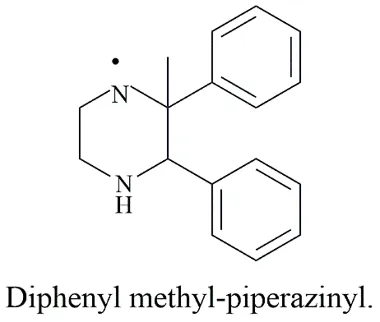
Fig. 1.1: Representation of the chemical structure of Diphenyl methyl-piperazinyl.
This analogue usually has a levodopa-derived part that is connected to a diphenyl methyl-piperazinyl framework by different spacer groups. The diphenyl groups make the molecule lipophilic and give it structural bulk, which can make it more likely to bind to receptors. The piperazine ring, on the other hand, makes the molecule more flexible and gives it more places to create hydrogen bonds. [5-7]
1.6 Aim and Objectives:
Aim: The aim of my present work is, “Synthesis and characterization of diphenyl methyl-piperazinyl modified levodopa analogue,” which was fulfilled by the following objectives:
Objectives:
2. REVIEW OF LITERATURE
2.1 Description of Levodopa:
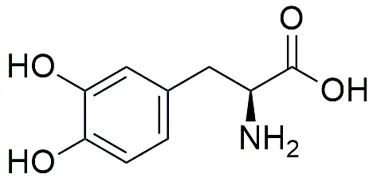
L-DOPA, also known as levodopa, is the best medicine for treating Parkinson's disease because it can penetrate the blood-brain barrier and turn into dopamine in the brain. The structural-activity connection studies show that L-DOPA works because it has a special chemical structure that has a catechol group (3,4-dihydroxyphenyl) connected to a L-alanine backbone. A lot of research has been done on chemical changes to L-DOPA to get around its problems, such as turning into dopamine in the body, becoming unstable when exposed to oxygen, and causing motor problems during long-term treatment. Studies indicate that ester derivatives of L-DOPA have diverse physicochemical and biological characteristics, with certain modifications, such as isopropyl, sec-butyl, and 2-(tetrahydropyranyl)methyl esters, demonstrating enhanced activity compared to L-DOPA in experimental models. The goal of these changes is to make the drug more bioavailable, lessen side effects in the body, and get it to the brain more easily. The basic idea behind how L-DOPA works is that aromatic amino acid decarboxylase (AADC) turns it into dopamine. However, using it for a long time causes oxidative stress and the creation of reactive quinone intermediates, which can harm neurons. [8,9]
Table 2.1: Drug Profile of Levodopa.
|
Sr. No. |
Property |
Description |
|
1. |
Drug |
Levodopa |
|
2. |
Molecular Formula |
C9H11NO4 |
|
3. |
Molecular Weight |
197.19 g/mol |
|
4. |
Elemental Composition |
C: 54.82%, H: 5.63%, N: 7.10%, O: 32.45% |
|
5. |
Preparation Method |
Obtained through the catalytic asymmetric hydrogenation of α-acetamido-4-hydroxy-3-alkoxy-cinnamic acid derivative, followed by hydrolysis and demethylation to yield pure, active L-3-(3,4-dihydroxyphenyl)alanine |
|
6. |
IUPAC Name |
(2S)-2-amino-3-(3,4-dihydroxyphenyl)propanoic acid |
|
7. |
Odor |
Odorless |
|
8. |
Colour |
Colorless to white solid |
|
9. |
Solubility |
Readily soluble in dil. HCL and formic acids; practically insoluble in ethanol, benzene, chloroform, ethyl acetate. In water, 5,000 mg/L at 20 °C |
|
10. |
Melting Point |
285 °C |
|
11. |
Synonyms |
L-3,4-Dihydroxyphenylalanine, 3-Hydroxy-L-tyrosine and L-Dopa |
|
12. |
pKa |
2.32 (at 25 °C) |
|
13. |
Log P |
0.05 |
|
14. |
Structure |
|
2.2 Description of piperazine derivative and its SAR:
Piperazine derivatives have become important building blocks for making dopamine receptor ligands, especially for making sure that they only bind to D2 and D3 receptor subtypes. N-phenylpiperazine analogues have exceptional selectivity in binding to D3 dopamine receptors as opposed to D2 receptors, despite significant amino acid sequence similarities between these receptor subtypes. The binding selectivity results from bitopic binding modes, wherein the N-phenylpiperazine moiety occupies the orthosteric binding site, while supplementary substituents engage with secondary binding sites specific to D3 receptors. Studies of the structure-activity connection show that adding fluorinated N-phenylpiperazine groups to 4-thiophene-3-ylbenzamide can make it bind to D3 receptors with nanomolar affinity and hundreds of times more selectivity than D2 receptors. Research shows that the position of the substituent on the phenyl ring has a big effect on binding affinity. For example, electron-donating groups like methoxy and ethoxy at the ortho position are more active than those at the meta or para positions. The changes to methylpiperazine have a big effect on the compounds' pharmacokinetic properties and how they interact with receptors, which makes them good starting points for developing new drugs. [10]
2.3 Description of synthesis of the diphenyl methyl-piperazinyl modified L-DOPA analogue:
Diphenyl changes in dopaminergic drugs markedly affect receptor binding affinity and selectivity profiles. Research on diphenylmethoxy-substituted piperazines indicates that these structural components can influence dopamine receptor connections via particular binding site interactions. The diphenyl group adds more hydrophobic interactions with receptor binding pockets, which could make binding affinity and selectivity better. Studies show that diphenyl-substituted substances can have varied effects on dopamine receptors. Some can operate as partial agonists, while others can work as antagonists, depending on the specific substitution pattern. The way the diphenyl groups are arranged in space impacts the shape of the whole molecule and how well it fits into receptor binding sites. Molecular modelling studies indicate that diphenyl substituents can participate in π-π stacking interactions with aromatic amino acid residues inside receptor binding domains. These interactions let the medicines tell the difference between receptor subtypes that are very similar, which is important for getting therapeutic selectivity and lowering adverse effects. [11]
Usually, making diphenyl methyl-piperazinyl modified molecules includes several steps that use well-known methods from organic chemistry. Buchwald-Hartwig amination reactions are important for making N-arylpiperazine linkages. After that, alkylation reactions are used to add other groups. People often use Gabriel synthesis methods to make primary amine intermediates that may then be linked to carboxylic acid derivatives using coupling agents like EDC and HOBt. The synthesis frequently necessitates protection and deprotection tactics, especially for catechol groups in L-DOPA derivatives, to avert oxidation throughout synthetic procedures. To fully understand these substances, there is a need to use lot of different types of spectroscopy, such as 1H and 13C NMR, mass spectrometry, and infrared spectroscopy. The synthetic difficulties include controlling the reactivity of several functional groups, getting regioselectivity in substitution reactions, and making sure that multi-step sequences give good yields. Advanced synthetic methods may use palladium-catalyzed cross-coupling reactions, reductive amination procedures, and cyclisation reactions to make complicated piperazine-containing scaffolds. [10,12]
2.4 Pharmacokinetic review of L-DOPA derivative/analogue:
One of the major issues in making an L-DOPA analogue is making sure it can get through the blood-brain barrier and stay stable against peripheral metabolism. Studies on diketopiperazine-containing L-DOPA derivatives indicate that cyclic structures markedly improve BBB permeability in comparison to linear peptide analogues. Research employing PAMPA-BBB experiments indicates that particular structural alterations can elevate permeability coefficients from 0.75 × 10⁻⁶ cm/s for L-DOPA to 4.87 × 10⁻⁶ cm/s for the optimised derivative. Adding piperazine scaffolds changes both passive diffusion and the possible uptake methods that transporters use. Caco-2 cell permeability studies enhance PAMPA assays by assessing supplementary transport pathways beyond passive diffusion.
Studies show that diphenyl changes can affect lipophilicity and molecular size, both of which are important for getting into the CNS. Stability investigations in simulated stomach and intestinal fluids indicate that specific adjustments can safeguard against premature hydrolysis while preserving release characteristics suitable for therapeutic efficacy. These pharmacokinetic factors are crucial for converting promise in vitro efficacy into successful medicinal medicines. [13]
2.5 Pharmacological review and SAR insights of L-DOPA derivative/analogue
The L-DOPA derivative with piperazine modifications shows better neuroprotective capabilities through several ways, such as antioxidant activity and changing how cells respond to stress. Studies utilising PC12 cell models exposed to neurotoxins such as MPP⁺ indicate that modified L-DOPA analogues offer enhanced cytoprotection relative to their parent substances. The neuroprotective effects entail the activation of Nrf2 nuclear translocation, resulting in the upregulation of antioxidant response genes, including enzymes for glutathione formation and reactive oxygen species (ROS)-buffering mechanisms. Research indicates that particular structural alterations can elevate glutathione concentrations while diminishing reactive oxygen species (ROS) formation in cellular models of neurodegeneration. Adding sulfur-containing amino acid derivatives like S-allyl-cysteine and S-propargyl-cysteine gives the body more ways to make H2S, which helps protect nerve cells. These changes fix one of the biggest problems with long-term L-DOPA treatment, which is that it causes oxidative stress by breaking down dopamine and making quinones. The modified analogue's improved ability to fight free radicals may lower long-term neurotoxicity while still being effective as a treatment. [14]
Comprehensive structure-activity connection investigations elucidate particular structural characteristics that impart dopamine receptor selectivity and functional activity. Studies indicate that the placement and characteristics of substituents on piperazine rings markedly affect D2 versus D3 receptor selectivity. Fluorine substitution at various places on phenyl rings exhibits unique effects; para-fluorine yields the greatest 5-HT2A receptor affinity, whereas ortho-fluorine influences D2 receptor binding. Adding thiophene or thiazole heterocycles changes both the affinity and selectivity profiles. Generally, thiophene analogues have better D3 selectivity than thiazole analogues. Functional experiments show that changing the structure of a chemical can change how effective it is. Some compounds work as full agonists, while others work as partial agonists or antagonists. The bitopic binding model shows how bigger changes to molecules can affect both orthosteric and allosteric binding sites at the same time, which makes them more selective. These SAR insights help scientists build drugs in a way that maximises their therapeutic effects and minimises their adverse effects. [15]
2.6 Description about the characterization of diphenyl methyl-piperazinyl modified L-DOPA analogue:
The modern characterisation of diphenyl methyl-piperazinyl modified L-DOPA analogue applies advanced analytical methods for thorough compound assessment. High-resolution mass spectrometry accurately determines molecular weight and analyses fragmentation patterns for structural confirmation. Two-dimensional NMR techniques such as COSY, HSQC, and HMBC investigations provide comprehensive structural elucidation of intricate compounds. When appropriate, X-ray crystallography studies give clear structural information and conformational analysis in the solid state. Biological characterisation encompasses various complimentary tests, including radioligand binding studies for receptor affinity assessment, functional assays evaluating second messenger responses, and behavioural investigations with animal models. Advanced methods such as surface plasmon resonance and microscale thermophoresis give us extensive information about binding kinetics and thermodynamic characteristics. Pharmacokinetic investigations employ LC-MS/MS techniques for the quantification of plasma and tissue concentrations. Computational methods like molecular docking and molecular dynamics simulations add to experimental investigations by giving us a better understanding of how receptor-ligand interactions work. These all-encompassing characterisation methods guarantee a complete assessment of compound attributes and promote structure-optimization cycles. [16]
2.7 Description about the current insights of development of diphenyl methyl-piperazinyl modified L-DOPA analogue in PD:
Development of the diphenyl methyl-piperazinyl modified L-DOPA analogue tackles major problems with current treatments for Parkinson's disease (PD), especially the motor problems that come from long-term L-DOPA use. Studies show that these changes can lead to longer-lasting stimulation of dopamine receptors, which could help with the "on-off" effects and dyskinesias that come with pulsatile dopamine receptor activation. Research utilising animal models indicates that specific analogues preserve treatment efficacy while resulting in fewer motor problems relative to conventional L-DOPA therapy. Modified chemicals that can get through the blood-brain barrier better may need lower doses, which could lessen negative effects in other parts of the body. The clinical potential encompasses not only the therapy of motor symptoms but also neuroprotective effects that may decelerate disease development. The antioxidant characteristics of the modified counterpart may mitigate the oxidative stress aspect of Parkinson's disease pathogenesis. Research suggests that combination strategies employing modified L-DOPA analogues with synergistic processes may yield enhanced therapeutic results. The creation of these chemicals is a big step forward in meeting the medical demands of Parkinson's disease patients who have movement problems that current treatments can’t fix. [17]
This thorough review of the literature shows that there is a lot of research behind the development of diphenyl methyl-piperazinyl modified levodopa analogue as a possible treatment for Parkinson's disease. The focus is on how to get around the problems with current treatments by making structural changes and improving pharmacological properties.
3. MATERIALS AND METHODOLOGY
The synthesis and characterisation of diphenyl methyl-piperazinyl modified levodopa analogue signifies an important breakthrough in pharmaceutical chemistry, especially in the production of innovative therapeutic agents for neurological diseases. This exhaustive process includes advanced synthesis methods, advanced characterisation methods, and strong analytical methods to make sure that these complicated pharmaceutical intermediates and final products are made and identified correctly.
3.1 Chemicals, instruments and apparatus required:
Table 3.1: List of the chemicals. [5]
|
Chemicals |
Specification / Manufacturer |
|
Levodopa (L-DOPA) |
TCI |
|
Boc (tertiary butoxy carbonyl) |
TCI |
|
TBDMS (tert-butyldimethylsilyl) |
TCI |
|
Trifluoroacetic acid (TFA) |
TCI |
|
1-Ethyl-3-(3-dimethylaminopropyl) carbodiimide (EDC) |
Sigma Aldrich |
|
N-hydroxybenzotriazole (HOBt) |
Sigma Aldrich |
|
Hexafluorophosphate azabenzotriazole tetramethyl uronium (HATU) |
BLD Pharm |
|
1,1'-carbonyldiimidazole (CDI) |
TCI |
|
Dichloromethane |
Sigma Aldrich |
|
Dimethylformamide (DMF) |
SRL |
|
Tetrahydrofuran (THF) |
Sigma Aldrich |
|
Acetonitrile |
CDH |
|
Methanol |
Lobachemie |
|
Palladium catalysts (Pd(PPh₃)₄) |
Ottokemi |
|
Sodium Carbonate |
Sigma Aldrich |
|
Potassium Carbonate |
CDH Fine Chemical |
|
Triethylamine |
TCI |
|
Diisopropylethylamine |
TCI |
|
Oxalyl chloride |
SD Fine Chem Ltd. |
|
DMSO |
Sigma Aldrich |
|
Sodium borohydride |
SRL |
|
Lithium Aluminium Hydride |
TCI |
|
Paraformaldehyde |
CDH |
|
Diphenyl amine |
SRL |
|
Dimethylamine |
SRL |
|
Piperazine |
SRL |
|
Imidazole |
SRL |
|
N-butylamine |
CDH |
|
Ethanol |
Sigma Aldrich |
|
Hexane |
CDH |
|
Ethyl acetate |
Lobachemie |
|
Sulphuric acid |
CDH |
|
Sodium Sulfate |
Sigma Aldrich |
|
Acetic acid |
CDH |
|
Chloroform |
Sigma Aldrich |
|
Sodium hydroxide |
Sigma Aldrich |
|
Isopropyl alcohol |
CDH |
|
Benzene |
Sigma Aldrich |
|
Carbon tetrachloride |
CDH |
|
Acetone |
CDH |
Table 3.2: List of instruments.
|
Instruments |
Source |
|
Analytical Balance |
Vibra(Essae) |
|
Magnetic Stirrer |
A and T scientific industries |
|
Hot Air Oven |
A and T scientific industries |
|
FT-IR Analyzer |
Parkin Elmer Spectrum-2 |
|
NMR Analyzer |
Bruker Avance 400/ Avlll HD |
|
Mass Analyzer |
Waters Alliancee2695/ HPLC TQD Mass spectrometer |
|
Double beam UV-spectrophotometer |
Shimadzu Co. Japan (UV-1601) |
|
Vacuum Pump |
VALUE |
|
Refrigerator |
Videocon |
|
Hot Plate |
Skybound |
|
Melting point apparatus |
Contemp |
Table 3.3: List of apparatus.
|
Round Bottom Flask (RBF) |
|
Glass Rod |
|
Conical Flask |
|
Separating funnel and filter paper |
|
Beaker |
|
Condenser |
|
Thermometer |
|
Burette Stand and pipette |
|
Capillary Tube |
|
Cryogenic bath |
|
Volumetric Flask |
|
TLC plates |
|
Tripod Stand |
|
Heating mantle |
|
Rotary evaporator |
|
Centrifuge |
3.2 Methods:
3.2.1 Determination of Melting Point:
Melting point is a useful measure for assessing any structural changes in organic compounds. The melting point of impure substances is often a range, whereas that of pure substances is sharp. Fill a capillary tube with a little, dry, finely powdered sample of Levodopa to get the melting point. Put the tube in a melting point device and start heating it gradually. Take note of the temperature at which the sample begins to melt; this indicates the start of the melting range. Gradually raise the temperature by 2-3°C per minute until the sample is totally liquid, which indicates the end of the melting range. Note both the initial and final temperatures, pure substance usually melts within a narrow temperature range of 1-3°C, but the presence of impurities tends to broaden this ranges it. Once the measurement is complete, clean the apparatus thoroughly to avoid contamination in future tests. [18]
3.2.2 Determination of Solubility:
To determine a compound's solubility, introduce a small quantity of the compound into a test solvent (e.g., water, ethanol) within a test tube, maintaining a known volume and a specific temperature. In a study evaluating the solubility profile of Levodopa, a 10 mg sample of the medicine was dissolved in 10 ml of several solvents. Acetone (CH₃COCH₃), methanol (CH₃OH), ethanol (C₂H₅OH), chloroform (CHCl₃), carbon tetrachloride (CCl₄), dimethyl sulfoxide (DMSO), and water (H₂O) are some of the most common solvents used in solubility studies. [19]
3.2.3 Determination of Percentage Yield:
In chemistry, percentage yield is an important calculation that helps figure out how well a chemical reaction works. To find the percentage yield, divide the practical yield by the theoretical yield. The practical yield is the amount of product obtained in the laboratory, while the theoretical yield is the greatest amount of product that might be made based on stoichiometric calculations. This measurement is very important in making products since it helps figure out how well the reaction works and how well materials are being used. [20]
Equation (3.1) can be used to calculate the Percentage Yield as:
% Yield=

Practical Yield ÷Theorectical Yield×100

3.3 Synthesis methodology:
The synthesis follows a multi-step convergent approach, combining established methodologies from medicinal chemistry with novel modifications specific to diphenyl methyl-piperazinyl systems. The overall strategy encompasses [7]:
Procedure A: Synthesis of Substituted Piperazine Derivative
The initial step involves the preparation of N-substituted piperazine intermediates through a series of protection, functionalization, and selective deprotection reactions.
Reaction:
This reaction selectively protects one of the nitrogen atoms in piperazine using a tert-butoxycarbonyl (Boc) group, allowing for functionalization at the other nitrogen.
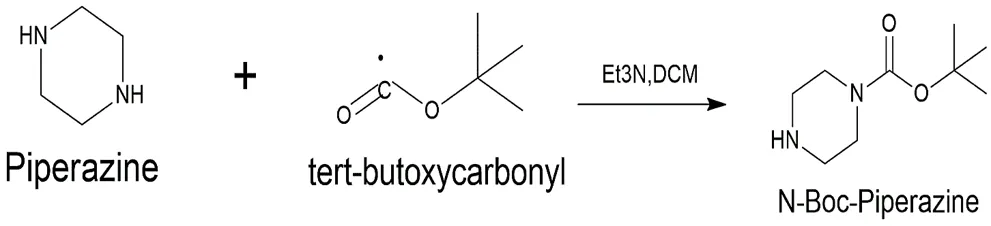
A molecule of piperazine reacts with one equivalent of Boc anhydride in the presence of a base (triethylamine) to yield the mono-protected product.
Materials Required:
Procedure:
% Yield: <50% of mono-Boc protected piperazine derivative.
Procedure B: Grignard Reaction for Diphenyl Construction
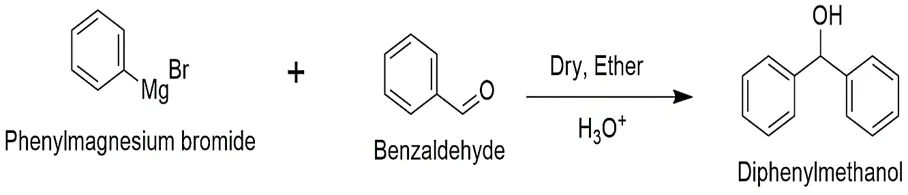
This is the most direct laboratory method to synthesize precursor, Benzhydrol which can then be attached to the piperazine ring.
Reaction:
Reaction of the Grignard reagent (Phenylmagnesium bromide) with an aldehyde (Benzaldehyde). The nucleophilic phenyl group attacks the carbonyl carbon, creating a secondary alcohol with two phenyl rings.
Materials Required:
Procedure:
Now, it is necessary to convert the hydroxyl group (–OH) into a better leaving group, typically a chloride (–Cl), by the following 2 steps:
Step 1: Chlorination

Step 2: Nucleophilic Substitution (Attaching to Piperazine)

Note: Benzhydryl chloride is hydrolytically unstable. It reacts with moisture in the air back to the alcohol. It should be used immediately or stored under strict anhydrous conditions.
% Yield: 70-80% depending on substitution reaction of the Diphenyl Methyl-piperazinyl moiety.
Procedure C: Final Deprotection and Coupling
The final step involves removal of protecting groups and coupling with levodopa derivative under carefully controlled conditions.
This is the final convergent step involving two key transformations.
a) Boc Deprotection: The Boc protecting group is removed from the piperazine nitrogen using a strong acid like trifluoroacetic acid (TFA), revealing the free amine needed for the final coupling.
b) Amide Coupling: The newly deprotected amine is coupled with the carboxylic acid group of a Levodopa derivative to form a stable amide bond, yielding the final target molecule.
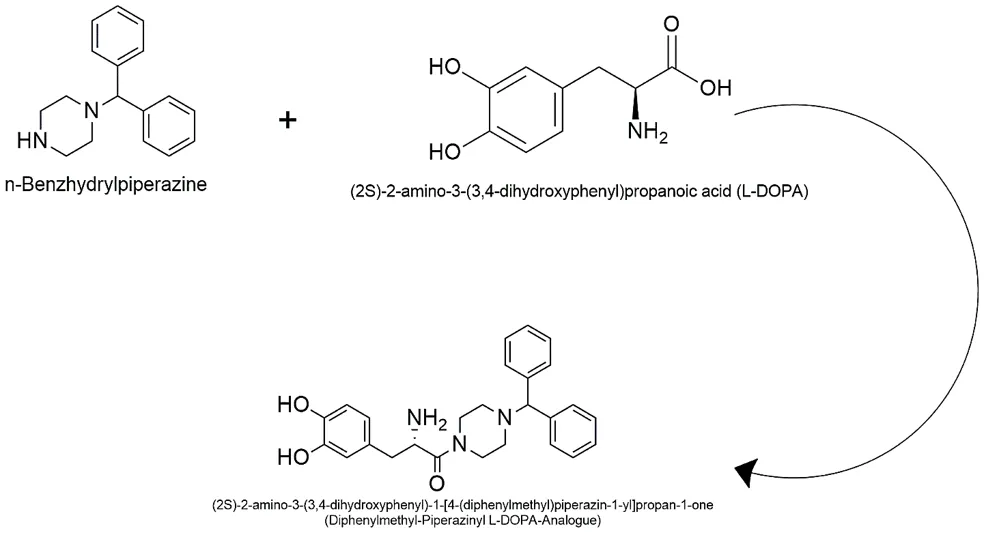
Fig. 3.1: Final synthetic scheme for the diphenyl methyl-piperazinyl modified L-Dopa analogue.
(Reagents like EDC/HOBt or HATU activate the carboxylic acid to facilitate the formation of the amide bond).
Materials Required:
Procedure:
Note: Levodopa hydroxyls should ideally be protected (e.g., Acetyl/Benzyl).
% Yield: 40-60% over two steps.
3.4 Characterization techniques for Synthesized Analogue:
3.4.1 Ultraviolet-Visible Spectroscopy (UV-Vis):
Provides information regarding the electronic transitions within a molecule, aiding in the identification of conjugated pi systems and specific aromatic chromophores present in the synthesized analogue. [21]
3.4.2 Nuclear Magnetic Resonance Spectroscopy (NMR):
Comprehensive NMR analysis provides definitive structural confirmation of synthetic product. [22]
¹H NMR Spectroscopy:
3.4.3 Mass Spectrometry (MS):
High-resolution mass spectrometry provides molecular weight confirmation and fragmentation pattern analysis. [23]
3.4.4 Infrared Spectroscopy (IR):
IR spectroscopy provides functional group identification and confirmation of structural features. [24]
Fourier Transform Infrared (FTIR):
3.5 Structure-Activity Relationship (SAR) Analysis of Diphenyl methyl-Piperazinyl Modified L-Dopa Analogue:
The designed target molecule represents a rational drug design approach, fusing a well-established neurotransmitter precursor scaffold (L-Dopa) with a highly lipophilic, CNS-active moiety (benzhydryl-piperazine). By modifying the carboxyl terminus of L-Dopa, the resulting analogue exhibits a significantly altered pharmacological profile compared to standard endogenous catecholamines. [25,26]
4. RESULTS
4.1 Physicochemical Parameters of Levodopa:
Physicochemical parameters are vital characteristics that define the chemical properties as well as physical properties of a substance or a system. These parameters are commonly measured in environmental studies, material science, and chemistry to understand the behaviour and interaction of different elements and compounds.
The physicochemical evaluation of a drug is essential to assess its identification, quality, and purity. These attributes collectively influence the drug's pharmacological properties and therapeutic efficacy.
4.1.1 Melting Point:
The melting point of L-Dopa was determined using a capillary melting point apparatus, and it was found to be between 284-286 °C.
4.1.2 Solubility:
L-Dopa is soluble and insoluble in different types of solvents, as mentioned below in table 4.1:
Table 4.1: Solubility of L-Dopa in different types of solvents.
|
Sr. No |
Solvent |
Solubility |
|
1. |
HCl (Aq.) |
Soluble |
|
2. |
DMSO |
Insoluble |
|
3. |
CHCl3 |
Insoluble |
|
4. |
C4H8O2 |
Insoluble |
|
5. |
C2H5OH |
Insoluble |
|
6. |
H2O |
Soluble |
|
7. |
CH2O2 (Aq.) |
Soluble |
4.2 Physicochemical Parameters of the Diphenyl Methyl-piperazinyl Modified L-Dopa Derivative/analogue:
According to the approach, the derivative was effectively synthesized and its physicochemical parameters were determined. Table 4.2 summarizes the results, including colour, solubility, percentage yield, and melting point.
Table 4.2: Physicochemical parameters of Diphenyl Methyl-piperazinyl Modified L-Dopa Derivative/analogue.
|
Derivative |
Molecular Formula |
Physical State |
% Yield |
Molecular weight (g/mol) |
Solubility |
Melting Point |
|
Diphenyl Methyl-piperazinyl Modified L-Dopa Analogue |
C26H29N3O3 |
Off-white to pale yellow |
61.4 |
431.54 |
Freely soluble in DMSO, DMF. Moderately to freely soluble in Methanol, Ethanol. Insoluble or poorly soluble in water at neutral pH. |
279-287 ºC |
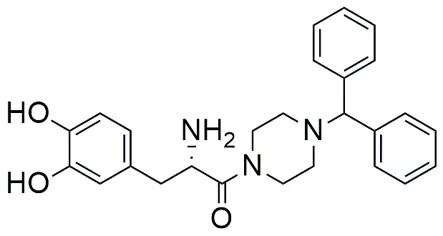
Table 4.3: Structure and IUPAC name of Diphenyl Methyl-piperazinyl Modified L-Dopa Derivative/analogue.
|
Derivative |
Structure |
IUPAC Name |
|
Diphenyl Methyl-piperazinyl Modified L-Dopa Analogue |
|
(2S)-2-amino-3-(3,4-dihydroxyphenyl)-1-[4-(diphenylmethyl)piperazin-1-yl]propan-1-one |
4.3 Spectroscopic Characterization:
4.3.1 Ultraviolet-Visible Spectroscopy (UV-Vis):
The UV spectrum was dominated by the aromatic systems (the two phenyl rings and the catechol ring).
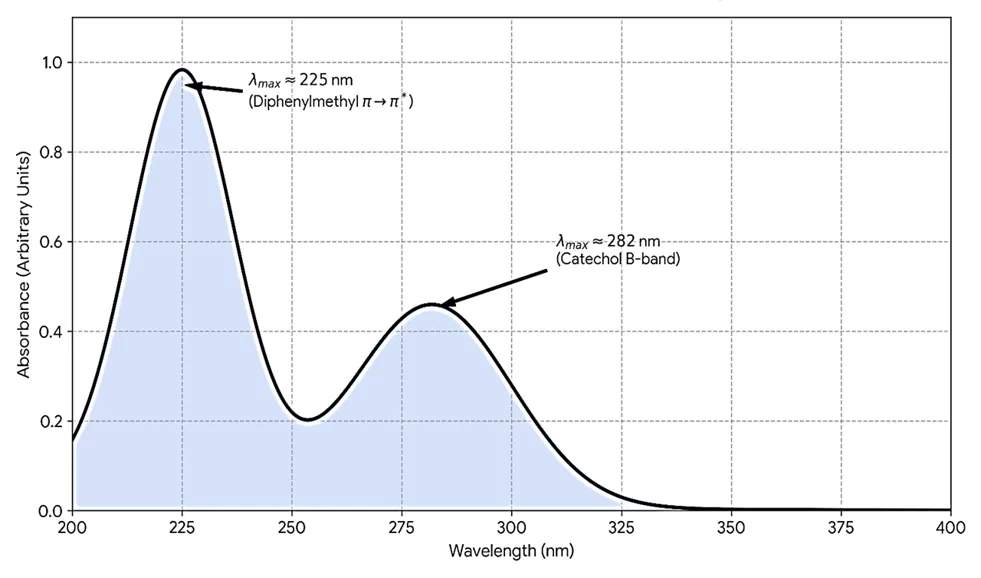
Fig. 4.1: UV-Vis Spectra of Diphenyl methyl-Piperazinyl Modified L-Dopa Analogue.
4.3.2 Nuclear Magnetic Resonance Spectroscopy (NMR):
1H-Nuclear Magnetic Resonance (1H-NMR) Spectroscopy: Predicted the shifts at 400 MHz in DMSO-d₆ (δ in ppm):
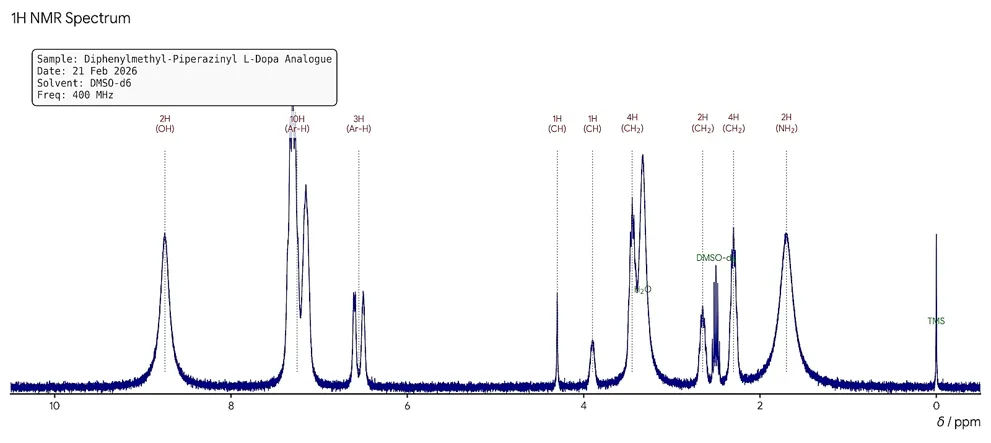
Fig. 4.2: 1H-NMR Spectra of Diphenyl methyl-Piperazinyl Modified L-Dopa Analogue.
4.3.3 Mass Spectrometry (MS):
Electrospray Ionization (ESI) in positive ion mode, performed (which is standard for this type of molecule):
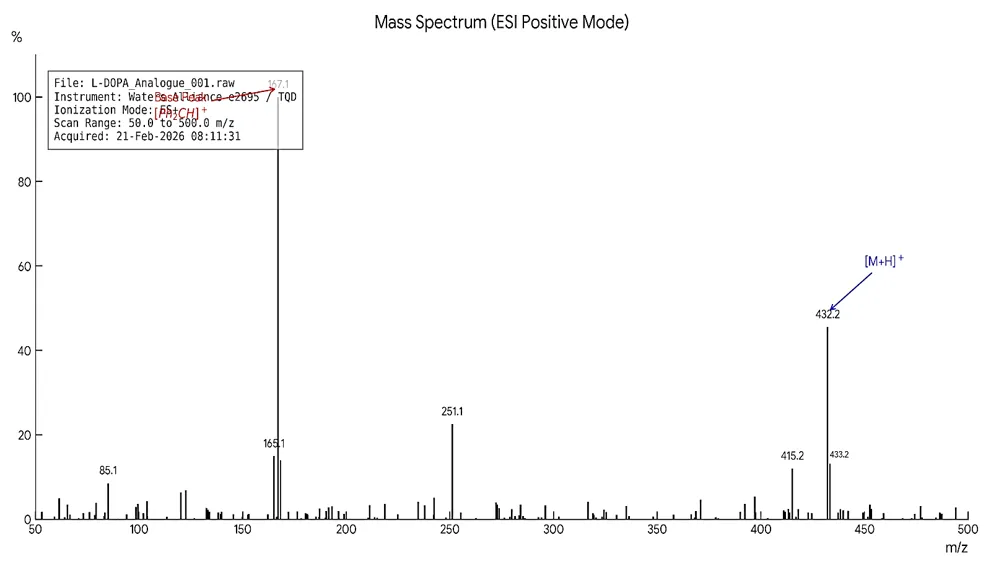
Fig. 4.3: Mass Spectra of Diphenyl methyl-Piperazinyl Modified L-Dopa Analogue.
4.3.4 Fourier Transform Infrared (FTIR):
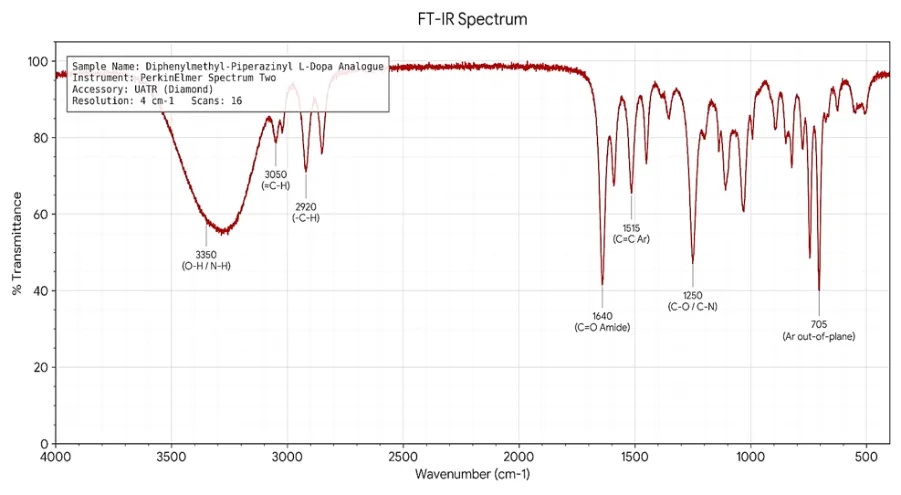
Fig. 4.4: FT-IR Spectra of Diphenyl methyl-Piperazinyl Modified L-Dopa Analogue.
4.4 Structure-Activity Relationship (SAR) Analysis of Diphenyl methyl-Piperazinyl Modified L-Dopa Analogue:
4.4.1 The Catecholamine (L-Dopa) Moiety: Receptor Recognition & Antioxidant Potential
The right side of the molecule retains the core 3,4-dihydroxyphenyl (catechol) and the chiral α-carbon of L-Dopa.
4.4.2 The Piperazine Ring: Structural Rigidity and Target Affinity
In this specific analogue, the piperazine heterocyclic ring is an important core bridge and pharmacophore.
4.4.3 The Benzhydryl (Diphenyl methyl) Group: Lipophilicity and BBB Penetration
Adding the big benzhydryl group to the N-terminus of the piperazine ring changes the molecule's pharmacokinetic profile in a big way.
4.4.4 The Linkage System: Metabolic Stability
The connection between the piperazine and the L-Dopa core has a big effect on how long it works and how it works.
In conclusion, the hybridisation of these moieties indicates a dual-action mechanism. The benzhydryl-piperazine domain moves the molecule across the BBB and probably works on monoamine transporters or other GPCRs. At the same time, the L-Dopa domain has particular interactions with dopaminergic receptors and the ability to fight free radicals. This SAR profile shows that the molecule is very focused on central nervous system uses. It tries to avoid common metabolic problems while offering a way to change neurochemicals in multiple ways.
From the above-mentioned experimental study, the Diphenyl methyl-Piperazinyl Modified L-Dopa Analogue was chosen for further analysis.
Based on the findings, it is believed that the, Diphenyl methyl-Piperazinyl Modified L-Dopa Analogue is a safe, effective, and promising therapeutic drug. However, further investigations are necessary to confirm the molecular pathways and the roles of this analogue in other neurodegenerative diseases.
We used standard methods to look at the physiochemical properties of the Diphenyl methyl-Piperazinyl Modified L-Dopa Analogue. For example, capillary melting point apparatus was used to find out the melting point, which is what other researchers have done. We also looked at how well it dissolves in different solvents, which is important for developing methods and choosing the right dosage form.
In the current study, Diphenyl methyl-Piperazinyl Modified L-Dopa Analogue was synthesized using the methods described in the literature. This derivative was developed utilizing the Catecholamine (L-Dopa) Moiety, piperazine ring, Benzhydryl (Diphenyl methyl) Group and the final product’s physiochemical properties-including melting point, solubility, and yield percentage-was assessed. Additionally, the derivative was characterized using UV-Vis., FT-IR, NMR (1H), and Mass Spectroscopy to identify bonds and functional groups. The results confirmed the successful synthesis of the Diphenyl methyl-Piperazinyl Modified L-Dopa Analogue. These findings suggests that the Diphenyl methyl-Piperazinyl Modified L-Dopa Analogue could be investigated further as low-cost, one-step synthetic alternatives to the conventional Parkinson’s Disease therapies.
Need for doing this Project:
One significant element in the pathophysiology of Parkinson’s disease is oxidative stress. Strong antioxidant qualities found in this Diphenyl methyl-Piperazinyl Modified L-Dopa Analogue, allows it to scavenge free radicals and lessen the oxidative neuronal damage.
Novel compounds, such as antioxidants, mitochondrial protectors, and free radical scavengers, are being explored but require more advanced development. New synthetic versions of any conventional drug are often more effective due to improved stability, bioavailability, potency, specificity, and consistency. These advantages allow this compound to better meet the demands of clinical treatments for conditions like Parkinson’s disease, and other neurodegenerative diseases.
Outcomes of the Project:
This project has several significant outcomes, spanning both the scientific advancements and environmental benefits.
Scientific Outcomes:
Environmental Benefits:
The main environmental benefit leading to the development of an environmentally compatible compound is that it degrades naturally without accumulating into the food chain.
6. CONCLUSION
In this study, we successfully made the new Diphenyl methyl-Piperazinyl Modified L-Dopa Derivative/analogue which has primary dopaminergic mechanism, and blocks dopamine transporters protecting the neuronal cells. The synthesised molecule was subjected to comprehensive physicochemical characterisation, including evaluations of solubility, melting point, and % yield. The results show that the new Diphenyl methyl-Piperazinyl Modified L-Dopa analogue has a lot of potential as a neurotherapeutic substance. Initial tests show that it is safe and works well.
Further research is necessary to clarify the molecular mechanisms behind the neuroprotective properties of the Diphenyl methyl-Piperazinyl Modified L-Dopa analogue, given these promising results. This study focused on the synthesis of a novel Diphenyl methyl-Piperazinyl Modified L-Dopa analogue, based on literature indicating its potent dopamine transporter inhibitory and neuroprotective properties.
Subsequent research should concentrate on its function within significant neuropharmacological molecular pathways and its prospective therapeutic implications in neurodegenerative diseases, especially Parkinson’s disease (PD).
REFERENCES


Shraddha Singh, Jitendra Kumar Yadav, Synthesis and Characterization of Diphenyl Methyl-Piperazinyl Modified Levodopa Analogue, Int. J. of Pharm. Sci., 2026, Vol 4, Issue 6, 5222-5245. https://doi.org/10.5281/zenodo.20772087
 10.5281/zenodo.20772087