

We use cookies to ensure our website works properly and to personalise your experience. Cookies policy
krishna Foundation's Jaywant Institute Of Pharmacy Wathar.
Gastrointestinal (GI) disorders represent a major global health challenge, affecting millions of individuals across all age groups and significantly contributing to morbidity, reduced quality of life, and healthcare expenditure. Common GI disorders, including gastroesophageal reflux disease, peptic ulcer disease, functional dyspepsia, irritable bowel syndrome, inflammatory bowel disease, diarrhea, constipation, and gastritis, often require long-term management. Although conventional pharmacotherapy has substantially improved patient outcomes, prolonged use of synthetic medications may be associated with adverse effects, drug resistance, treatment failure, and economic burden. Consequently, there has been growing scientific interest in traditional medicinal plants as complementary or alternative therapeutic options due to their broad pharmacological activities, favorable safety profiles, and long history of ethnomedicinal use.Traditional medicinal systems such as Ayurveda, Traditional Chinese Medicine, Unani, and various indigenous healthcare practices have utilized medicinal plants for centuries to prevent and treat gastrointestinal ailments. Numerous medicinal plants, including Zingiber officinale (ginger), Curcuma longa (turmeric), Mentha × piperita (peppermint), Foeniculum vulgare (fennel), Aloe vera, Glycyrrhiza glabra (licorice), Azadirachta indica (neem), Aegle marmelos (bael), Phyllanthus emblica (amla), Trigonella foenum-graecum (fenugreek), Ocimum tenuiflorum (holy basil), Cinnamomum verum (cinnamon), Syzygium aromaticum (clove), Coriandrum sativum (coriander), Piper nigrum (black pepper), Plantago ovata (psyllium), Matricaria chamomilla (chamomile), Allium sativum (garlic), and Punica granatum (pomegranate), have demonstrated significant therapeutic potential in experimental and clinical studies. Their beneficial effects are primarily attributed to diverse bioactive phytochemicals, including polyphenols, flavonoids, terpenoids, alkaloids, tannins, saponins, essential oils, and polysaccharides, which exert flavonoids, terpenoids, alkaloids, tannins, saponins, essential oils, and polysaccharides, which exert multiple pharmacological actions through synergistic mechanisms
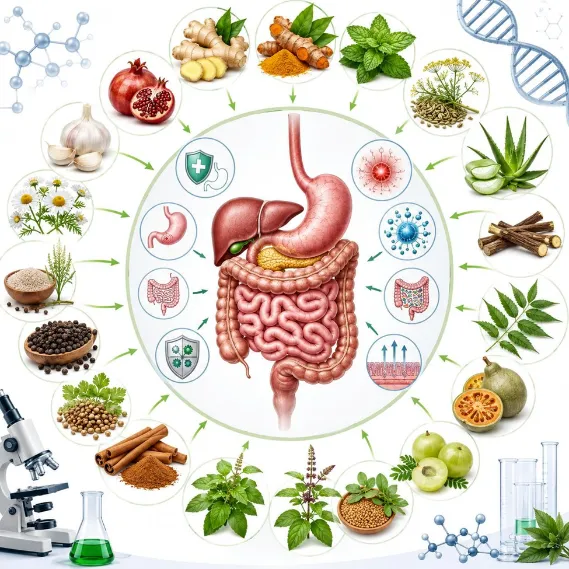
Figure 1. Traditional Medicinal Plants and Their Therapeutic Role in the Management of Gastrointestinal Disorders
3.1 Background
The gastrointestinal (GI) tract is a highly specialized organ system responsible for the digestion of food, absorption of nutrients, regulation of immune responses, maintenance of the intestinal microbiota, and preservation of overall metabolic homeostasis. Beyond its digestive functions, the gastrointestinal system plays an essential role in endocrine signaling, immune regulation, and bidirectional communication with the central nervous system through the gut–brain axis. Consequently, disturbances in gastrointestinal function can significantly impair nutritional status, immune competence, psychological well-being, and quality of life [1,2].
Gastrointestinal disorders comprise a heterogeneous group of acute and chronic diseases affecting the esophagus, stomach, small intestine, large intestine, rectum, and accessory digestive organs. Common disorders include gastroesophageal reflux disease (GERD), gastritis, peptic ulcer disease (PUD), inflammatory bowel disease (IBD), irritable bowel syndrome (IBS), functional dyspepsia, diarrhea, constipation, colorectal disorders, and gastrointestinal infections. These conditions collectively represent one of the leading causes of outpatient consultations, hospital admissions, and healthcare expenditure worldwide. Their incidence continues to increase because of population aging, unhealthy dietary habits, sedentary lifestyles, excessive alcohol consumption, smoking, psychological stress, obesity, microbial infections, and inappropriate use of medications such as non-steroidal anti-inflammatory drugs (NSAIDs) and antibiotics [2,3].
3.2 Global Burden of Gastrointestinal Disorders
Gastrointestinal diseases constitute a substantial global public health challenge, affecting billions of individuals annually. Functional gastrointestinal disorders, particularly irritable bowel syndrome, are among the most prevalent digestive conditions and are associated with chronic abdominal pain, altered bowel habits, impaired work productivity, and reduced health-related quality of life. Similarly, peptic ulcer disease, inflammatory bowel disease, infectious diarrhea, and chronic constipation continue to contribute significantly to morbidity and healthcare costs across both developed and developing countries. The growing prevalence of digestive diseases highlights the urgent need for safe, effective, and affordable therapeutic approaches capable of addressing both symptoms and underlying disease mechanisms [2,3].
3.3 Limitations of Conventional Therapy
Modern pharmacological management of gastrointestinal disorders includes proton pump inhibitors, histamine H₂-receptor antagonists, antacids, antibiotics, corticosteroids, immunosuppressants, biological agents, antispasmodics, laxatives, antidiarrheal drugs, and prokinetic agents. Although these medications have substantially improved disease management, long-term treatment is frequently associated with adverse drug reactions, recurrence after drug withdrawal, antimicrobial resistance, drug interactions, high treatment costs, and incomplete symptom control in many patients. Furthermore, chronic diseases such as IBS and IBD often require prolonged therapy, increasing the risk of medication-related complications and reducing patient adherence [3,4].
3.4 Importance of Traditional Medicinal Plants
Medicinal plants have been employed for the prevention and treatment of digestive disorders for thousands of years and remain an integral component of traditional healthcare systems, including Ayurveda, Traditional Chinese Medicine (TCM), Unani, Kampo, and numerous indigenous medicinal practices. According to the World Health Organization (WHO), traditional medicine continues to be widely utilized in more than 170 countries, with herbal medicines representing one of the most commonly used therapeutic modalities. Increasing scientific interest in medicinal plants has been driven by their accessibility, affordability, cultural acceptance, and the presence of multiple bioactive phytochemicals capable of acting on diverse molecular targets involved in gastrointestinal diseases [5,6].
Numerous medicinal plants, including Zingiber officinale (ginger), Curcuma longa (turmeric), Mentha × piperita (peppermint), Foeniculum vulgare (fennel), Aloe vera, Glycyrrhiza glabra (licorice), Azadirachta indica (neem), Aegle marmelos (bael), Phyllanthus emblica (amla), Ocimum tenuiflorum (holy basil), Plantago ovata (psyllium), and Matricaria chamomilla (chamomile), have demonstrated promising gastroprotective, anti-inflammatory, antioxidant, antimicrobial, anti-ulcer, antispasmodic, and immunomodulatory activities in experimental and clinical investigations. These therapeutic effects are largely attributed to bioactive constituents such as flavonoids, polyphenols, terpenoids, alkaloids, tannins, saponins, polysaccharides, and essential oils, which exert synergistic actions on inflammatory pathways, oxidative stress, gastric acid secretion, intestinal motility, mucosal integrity, and gut microbiota composition [3,7].
3.5 Need for an Evidence-Based Review
Despite the extensive traditional use of medicinal plants in gastrointestinal disorders, the available scientific evidence is dispersed across ethnobotanical surveys, pharmacological studies, phytochemical investigations, and clinical trials. Variability in plant species, extraction methods, dosage forms, quality control, standardization, and study design has limited the translation of traditional knowledge into evidence-based clinical practice. Moreover, concerns regarding herb–drug interactions, toxicity, regulatory approval, and conservation of medicinal plant resources necessitate comprehensive scientific evaluation before widespread therapeutic application [6,7].
3.6 Aim and Scope of the Review
The present review aims to provide a comprehensive and evidence-based overview of traditional medicinal plants used in the prevention and management of gastrointestinal disorders. The review discusses the classification of gastrointestinal diseases, ethnopharmacological significance of medicinal plants, major phytochemical constituents, pharmacological properties, molecular mechanisms of action, preclinical and clinical evidence, safety considerations, toxicity, herb–drug interactions, and regulatory challenges. Furthermore, emerging perspectives, including advanced phytochemical analysis, artificial intelligence-assisted drug discovery, omics technologies, nanotechnology-based herbal formulations, and evidence-based integrative medicine, are highlighted to identify future opportunities for the development of safe, effective, and standardized plant-derived therapeutics for gastrointestinal healthcare.
4. Literature Review
4.1 Historical Perspective of Medicinal Plants in Gastrointestinal Disorders
The use of medicinal plants for the treatment of gastrointestinal (GI) disorders dates back thousands of years and forms the foundation of many traditional healthcare systems. Ancient civilizations, including those of India, China, Egypt, Greece, and Mesopotamia, documented the therapeutic use of herbs for the management of digestive ailments such as abdominal pain, indigestion, diarrhea, constipation, intestinal infections, and gastric ulcers [8]. In India, the Ayurvedic system describes numerous medicinal plants with Deepana (appetite-stimulating), Pachana (digestive), Grahi (antidiarrheal), and Anulomana (mild laxative) properties. Similarly, Traditional Chinese Medicine (TCM) has long utilized herbal formulations to restore gastrointestinal homeostasis by regulating digestive function, reducing inflammation, and improving intestinal motility [9].
Over time, many of these traditionally used medicinal plants have been scientifically investigated, leading to the identification of biologically active phytochemicals responsible for their therapeutic effects. Modern pharmacological studies have confirmed that numerous herbal medicines possess gastroprotective, anti-inflammatory, antioxidant, antimicrobial, anti-ulcer, antispasmodic, immunomodulatory, and mucosal healing activities, thereby supporting many traditional claims [10].
4.2 Ethnopharmacological Significance
Ethnopharmacology plays a crucial role in identifying medicinal plants with potential therapeutic value. Knowledge accumulated through generations of traditional healers has guided researchers toward plants exhibiting significant pharmacological activity against gastrointestinal diseases. Ethnobotanical surveys conducted across Asia, Africa, Europe, and South America consistently report the widespread use of medicinal plants in the treatment of dyspepsia, peptic ulcer disease, diarrhea, inflammatory bowel disease, intestinal parasitic infections, constipation, and functional gastrointestinal disorders [8,11].
Medicinal plants are particularly valuable because they contain multiple bioactive constituents capable of acting on several biological targets simultaneously. Unlike many synthetic drugs that exert a single pharmacological action, herbal medicines often produce synergistic effects by modulating inflammation, oxidative stress, microbial growth, gastric acid secretion, intestinal motility, and epithelial repair. This multi-target therapeutic approach has generated increasing scientific interest in phytotherapy for chronic gastrointestinal diseases [11,12].
4.3 Phytochemicals Responsible for Gastrointestinal Protection
The therapeutic efficacy of medicinal plants is largely attributed to the presence of diverse phytochemicals. Polyphenols and flavonoids exhibit potent antioxidant and anti-inflammatory activities by scavenging reactive oxygen species (ROS) and inhibiting inflammatory signaling pathways. Terpenoids and essential oils contribute to antimicrobial, antispasmodic, and gastroprotective effects, whereas alkaloids influence gastrointestinal motility and neurotransmission. Tannins promote mucosal protection through protein precipitation and formation of a protective barrier over damaged tissues, while saponins enhance mucosal defense and facilitate ulcer healing. Polysaccharides present in several medicinal plants improve intestinal barrier integrity and support beneficial gut microbiota [10,13].
Recent advances in phytochemical research have enabled the identification of numerous active compounds, including curcumin from Curcuma longa, gingerols and shogaols from Zingiber officinale, menthol from Mentha × piperita, glycyrrhizin from Glycyrrhiza glabra, aloin from Aloe vera, eugenol from Syzygium aromaticum, cinnamaldehyde from Cinnamomum verum, and piperine from Piper nigrum. These phytochemicals have demonstrated significant therapeutic potential in experimental models of gastrointestinal diseases [12,14].
4.4 Experimental Evidence from Preclinical Studies
A substantial body of preclinical research has demonstrated the efficacy of medicinal plants in various experimental models of gastrointestinal disorders. Animal and in vitro studies have shown that herbal extracts can significantly reduce gastric ulcer formation, suppress inflammatory cytokines, enhance antioxidant enzyme activity, inhibit the growth of pathogenic microorganisms such as Helicobacter pylori, and accelerate mucosal regeneration [10,15].
For example, curcumin has been reported to inhibit the nuclear factor-kappa B (NF-κB) signaling pathway, thereby reducing the production of pro-inflammatory cytokines. Ginger extracts have shown antiemetic, anti-inflammatory, and gastroprotective properties through modulation of prostaglandin synthesis and oxidative stress. Peppermint oil has demonstrated relaxation of gastrointestinal smooth muscle by blocking calcium channels, making it beneficial in irritable bowel syndrome. Similarly, psyllium improves bowel function through increased fecal bulk and enhanced intestinal transit, while licorice stimulates mucus production and promotes ulcer healing [13–15].
4.5 Clinical Evidence Supporting Herbal Medicines
Clinical studies evaluating medicinal plants in gastrointestinal disorders have increased considerably during the past two decades. Several randomized controlled trials and systematic reviews have reported beneficial outcomes for herbal therapies in patients with functional dyspepsia, irritable bowel syndrome, constipation, ulcerative colitis, gastroesophageal reflux disease, and peptic ulcer disease [16].
Peppermint oil has demonstrated significant efficacy in reducing abdominal pain and improving overall symptoms in patients with irritable bowel syndrome. Curcumin has shown promising adjunctive benefits in maintaining remission in ulcerative colitis. Ginger has been widely studied for the management of nausea, vomiting, and functional dyspepsia. Psyllium has consistently demonstrated effectiveness in chronic constipation and bowel regulation. However, despite encouraging findings, many clinical studies remain limited by small sample sizes, short treatment durations, heterogeneity in herbal preparations, and variability in study methodologies [16,17].
4.6 Current Research Gaps
Although considerable progress has been made in herbal medicine research, several important limitations remain. Many medicinal plants continue to lack adequately powered multicenter clinical trials to establish their efficacy and long-term safety. Differences in plant species, geographical origin, cultivation conditions, harvesting time, extraction procedures, and phytochemical composition often result in inconsistent therapeutic outcomes. Furthermore, insufficient standardization of herbal products limits reproducibility across studies [17,18].
Another major challenge is the limited understanding of herb–drug interactions, pharmacokinetics, pharmacodynamics, and long-term toxicity of many medicinal plants. Regulatory frameworks governing herbal medicines also differ significantly among countries, creating challenges in quality assurance and clinical acceptance. Future research should focus on standardized herbal formulations, biomarker-guided clinical studies, advanced phytochemical characterization, and integration of modern technologies such as metabolomics, artificial intelligence, and systems pharmacology to strengthen the evidence base for medicinal plants in gastrointestinal disorders [18].
5. Methodology
5.1 Study Design
The present article was prepared as a narrative, evidence-based review to comprehensively summarize the current scientific literature regarding the use of traditional medicinal plants in the prevention and management of gastrointestinal (GI) disorders. The review integrates information from ethnopharmacological records, phytochemical investigations, experimental pharmacology, preclinical studies, clinical trials, systematic reviews, and international health organization reports. The primary objective was to critically evaluate the therapeutic potential, mechanisms of action, clinical evidence, safety, and future prospects of medicinal plants used for gastrointestinal diseases [19].
5.2 Literature Search Strategy
A comprehensive literature search was conducted using internationally recognized electronic scientific databases. Relevant articles were identified from PubMed/MEDLINE, Scopus, Web of Science, ScienceDirect, SpringerLink, Wiley Online Library, Taylor & Francis Online, Google Scholar, and the Cochrane Library. In addition, reports published by the World Health Organization (WHO) and standard textbooks related to medicinal plants, pharmacognosy, phytotherapy, gastroenterology, and pharmacology were consulted to obtain reliable background information [20].
The literature search included publications available in English from approximately 2000 to 2025, while selected classical publications and WHO documents of historical significance were also included where appropriate.
5.3 Search Keywords
The search strategy employed combinations of Medical Subject Headings (MeSH) terms and free-text keywords to maximize retrieval of relevant literature. The principal search terms included:
Boolean operators such as AND, OR, and NOT were used to improve the specificity and sensitivity of the literature search [20].
5.4 Inclusion Criteria
Studies were included in the review if they met one or more of the following criteria:
5.5 Exclusion Criteria
The following publications were excluded from the review:
5.6 Data Extraction and Synthesis
Relevant information from the selected studies was systematically extracted and organized according to predefined themes. Extracted data included:
The collected information was critically analyzed and synthesized into thematic sections to provide a comprehensive overview of the role of traditional medicinal plants in gastrointestinal disorders. Where possible, findings from experimental studies were correlated with available clinical evidence to assess translational relevance [21].
5.7 Quality Assessment
Preference was given to studies published in high-quality, peer-reviewed journals indexed in major scientific databases. Greater emphasis was placed on randomized controlled trials, systematic reviews, meta-analyses, and well-designed experimental studies. Reports from internationally recognized organizations, including the WHO, were also considered to ensure scientific reliability and credibility. Studies with strong methodological design, appropriate statistical analysis, and reproducible findings were prioritized during evidence synthesis [22].
5.8 Limitations of the Methodology
Although extensive efforts were made to include comprehensive scientific evidence, certain limitations should be acknowledged. Only publications available in the English language were considered, which may have excluded relevant studies published in other languages. Variability in herbal formulations, extraction techniques, dosage regimens, phytochemical composition, and study methodologies limited direct comparison among studies. Additionally, several medicinal plants have limited high-quality clinical evidence despite extensive traditional use, emphasizing the need for further large-scale, multicenter randomized controlled trials to validate their efficacy and safety [22].
6. Classification of Gastrointestinal Disorders
Gastrointestinal (GI) disorders comprise a diverse group of diseases affecting the esophagus, stomach, small intestine, large intestine, rectum, and associated digestive organs. These disorders may be classified according to their anatomical location, underlying etiology, pathophysiology, or clinical presentation. Understanding the classification of GI disorders is essential for selecting appropriate therapeutic strategies, including the rational use of traditional medicinal plants. Numerous medicinal plants exert beneficial effects through anti-inflammatory, antioxidant, antimicrobial, gastroprotective, immunomodulatory, and motility-regulating mechanisms, making them useful in different categories of gastrointestinal diseases [23].
6.1 Upper Gastrointestinal Disorders
Upper gastrointestinal disorders involve the esophagus, stomach, and duodenum. These conditions are among the most common digestive diseases encountered in clinical practice.
6.1.1 Gastroesophageal Reflux Disease (GERD)
GERD is a chronic condition characterized by the reflux of gastric contents into the esophagus due to dysfunction of the lower esophageal sphincter. Common symptoms include heartburn, acid regurgitation, chest discomfort, chronic cough, and dysphagia. Persistent acid exposure may lead to erosive esophagitis, Barrett’s esophagus, and esophageal adenocarcinoma. Conventional treatment primarily involves proton pump inhibitors (PPIs), H₂-receptor antagonists, and lifestyle modifications. Certain medicinal plants possessing gastroprotective and anti-inflammatory properties have demonstrated potential as complementary therapies [23,24].
6.1.2 Gastritis
Gastritis refers to inflammation of the gastric mucosa caused by factors such as Helicobacter pylori infection, prolonged NSAID use, alcohol consumption, autoimmune disorders, stress, and dietary irritants. Clinical manifestations include epigastric pain, nausea, vomiting, bloating, and indigestion. Chronic gastritis may progress to gastric ulceration and gastric malignancy if left untreated [24].
6.1.3 Peptic Ulcer Disease (PUD)
Peptic ulcer disease is characterized by mucosal ulceration occurring in the stomach or duodenum due to an imbalance between aggressive factors (gastric acid, pepsin, NSAIDs, H. Pylori) and mucosal defense mechanisms. Herbal medicines exhibiting gastroprotective, antioxidant, anti-secretory, and mucosal healing properties have shown promising anti-ulcer activity in experimental and clinical studies [23,25].
6.1.4 Functional Dyspepsia
Functional dyspepsia is a common functional gastrointestinal disorder characterized by postprandial fullness, early satiety, epigastric pain, and burning sensation without any identifiable structural abnormality. The disorder is associated with impaired gastric accommodation, delayed gastric emptying, visceral hypersensitivity, and psychosocial factors. Several herbal preparations have demonstrated symptomatic benefits by improving gastric motility and reducing inflammation [24].
6.2 Lower Gastrointestinal Disorders
Lower gastrointestinal disorders primarily affect the small intestine, colon, rectum, and anus.
6.2.1 Irritable Bowel Syndrome (IBS)
IBS is a chronic functional gastrointestinal disorder characterized by recurrent abdominal pain associated with altered bowel habits, including diarrhea, constipation, or alternating episodes of both. Although the exact pathogenesis remains unclear, abnormal gut motility, visceral hypersensitivity, intestinal inflammation, gut microbiota imbalance, and psychological stress are recognized contributing factors. Herbal medicines such as peppermint, fennel, chamomile, and psyllium have shown significant therapeutic benefits in IBS management [24,25].
6.2.2 Inflammatory Bowel Disease (IBD)
Inflammatory bowel disease includes two major chronic inflammatory disorders: Crohn’s disease and ulcerative colitis. These diseases result from complex interactions among genetic susceptibility, immune dysregulation, environmental factors, and intestinal microbiota. Persistent intestinal inflammation causes abdominal pain, chronic diarrhea, rectal bleeding, weight loss, and malnutrition. Several medicinal plants have demonstrated immunomodulatory, antioxidant, and anti-inflammatory activities that may complement conventional therapy [25].
6.2.3 Constipation
Constipation is characterized by infrequent bowel movements, difficult stool passage, excessive straining, and a sensation of incomplete evacuation. The condition may result from inadequate dietary fiber intake, dehydration, sedentary lifestyle, neurological disorders, endocrine diseases, or medication use. Bulk-forming herbal agents such as Plantago ovata (psyllium) are widely recognized for improving bowel regularity and stool consistency [23].
6.2.4 Diarrhea
Diarrhea involves increased stool frequency, reduced stool consistency, and excessive fluid loss. Acute diarrhea is commonly caused by bacterial, viral, or parasitic infections, whereas chronic diarrhea may result from inflammatory bowel disease, malabsorption syndromes, or functional disorders. Medicinal plants possessing antimicrobial, anti-secretory, anti-inflammatory, and intestinal mucosal protective properties have traditionally been used to control diarrheal diseases [24].
6.3 Gastrointestinal Infections
Gastrointestinal infections are caused by pathogenic bacteria, viruses, fungi, and parasites. Common pathogens include Helicobacter pylori, Escherichia coli, Salmonella spp., Shigella spp., Campylobacter jejuni, Clostridioides difficile, rotavirus, norovirus, and Giardia lamblia. These infections frequently produce diarrhea, abdominal pain, vomiting, dehydration, and systemic illness. Numerous medicinal plants exhibit broad-spectrum antimicrobial activity against gastrointestinal pathogens and may support conventional antimicrobial therapy [24,25].
6.4 Functional Gastrointestinal Disorders
Functional gastrointestinal disorders are characterized by persistent digestive symptoms without identifiable structural or biochemical abnormalities. According to the Rome IV criteria, these disorders include functional dyspepsia, irritable bowel syndrome, functional constipation, functional diarrhea, and functional abdominal pain syndrome. Their pathophysiology involves disturbances in the gut–brain axis, altered gastrointestinal motility, visceral hypersensitivity, immune activation, intestinal permeability, and gut microbiota alterations. Herbal medicines with antispasmodic, anxiolytic, and prokinetic properties have shown encouraging therapeutic outcomes in these disorders [25].
6.5 Gastrointestinal Disorders Associated with Oxidative Stress and Inflammation
Many gastrointestinal diseases are closely associated with excessive oxidative stress and chronic inflammation. Overproduction of reactive oxygen species (ROS), activation of inflammatory mediators such as nuclear factor-kappa B (NF-κB), cyclooxygenase-2 (COX-2), tumor necrosis factor-alpha (TNF-α), interleukins (IL-1β and IL-6), and disruption of epithelial barrier integrity contribute significantly to disease progression. Medicinal plants rich in flavonoids, phenolic acids, terpenoids, tannins, and other antioxidants help neutralize oxidative damage, suppress inflammatory signaling pathways, and promote mucosal healing [24,25].
6.6 Summary of Gastrointestinal Disorder Classification
Based on etiology and pathophysiology, gastrointestinal disorders can be broadly classified into:
This classification provides a scientific framework for understanding disease mechanisms and highlights the potential role of traditional medicinal plants in the prevention and management of diverse gastrointestinal disorders through multiple pharmacological pathways.
Traditional medicinal plants have been widely used for centuries in various healthcare systems, including Ayurveda, Traditional Chinese Medicine (TCM), Unani, and indigenous medicine, for the prevention and treatment of gastrointestinal (GI) disorders. These plants contain a diverse range of bioactive phytochemicals such as flavonoids, alkaloids, terpenoids, tannins, saponins, phenolic compounds, and essential oils, which exhibit anti-inflammatory, antioxidant, antimicrobial, gastroprotective, anti-ulcer, antispasmodic, and immunomodulatory activities. Such pharmacological properties contribute to the management of common GI disorders, including gastritis, peptic ulcer disease, gastroesophageal reflux disease, irritable bowel syndrome, inflammatory bowel disease, diarrhea, and constipation [24,25].
Several medicinal plants, including ginger (Zingiber officinale), turmeric (Curcuma longa), peppermint (Mentha × piperita), fennel (Foeniculum vulgare), aloe vera (Aloe vera), licorice (Glycyrrhiza glabra), neem (Azadirachta indica), bael (Aegle marmelos), amla (Phyllanthus mblica), fenugreek (Trigonella foenum-graecum), holy basil (Ocimum tenuiflorum), cinnamon (Cinnamomum verum), clove (Syzygium aromaticum), coriander (Coriandrum sativum), black pepper (Piper nigrum), psyllium (Plantago ovata), chamomile (Matricaria chamomilla), garlic (Allium sativum), and pomegranate (Punica granatum), have been extensively investigated for their beneficial effects on gastrointestinal health. Their therapeutic potential is supported by both traditional knowledge and modern scientific research, making them promising complementary agents in the management of GI disorders [25].
The medicinal plants included in your review paper are:
These 19 medicinal plants comprehensively cover the major traditional herbs commonly reported in the scientific literature for the prevention and management of gastrointestinal disorders.
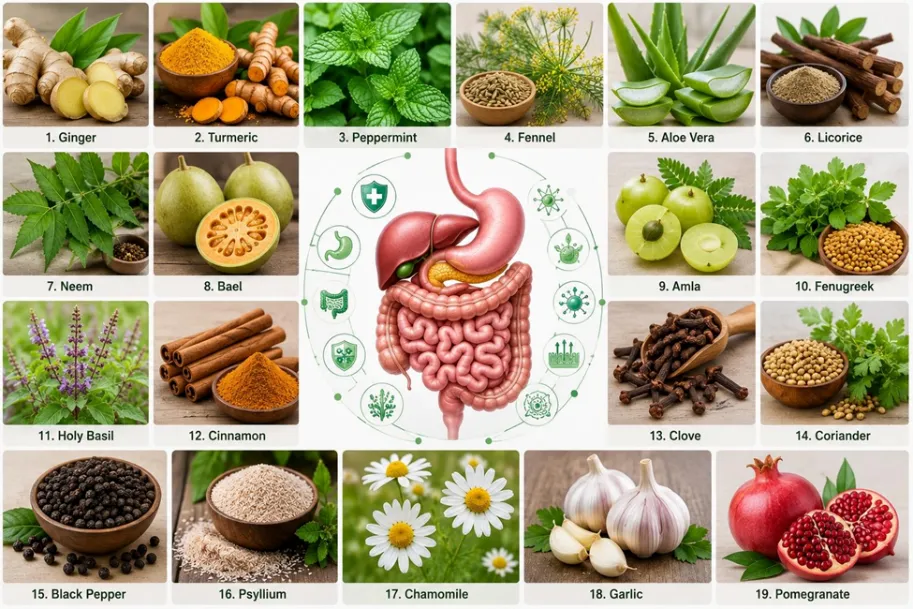
Figure 2. Major Traditional Medicinal Plants Used in the Management of Gastrointestinal Disorders
Traditional medicinal plants exert their therapeutic effects through multiple pharmacological mechanisms that target the underlying pathophysiology of gastrointestinal (GI) disorders. Their bioactive phytochemicals, including flavonoids, polyphenols, terpenoids, alkaloids, tannins, saponins, and essential oils, modulate inflammatory pathways, oxidative stress, microbial growth, gastric acid secretion, intestinal motility, and mucosal defense. These multitarget actions contribute to the prevention and management of various GI diseases, including gastritis, peptic ulcer disease, irritable bowel syndrome, inflammatory bowel disease, and infectious diarrhea [26].
7.1 Anti-inflammatory Mechanism
Inflammation is a major factor in the development of many gastrointestinal disorders. Several medicinal plants suppress the production of pro-inflammatory cytokines such as tumor necrosis factor-α (TNF-α), interleukin-1β (IL-1β), and interleukin-6 (IL-6). They also inhibit inflammatory signaling pathways, particularly nuclear factor-kappa B (NF-κB) and cyclooxygenase-2 (COX-2), thereby reducing mucosal inflammation and promoting tissue healing. Curcumin, gingerols, and eugenol are well-known phytochemicals with potent anti-inflammatory activity [26,27].
7.2 Antioxidant Mechanism
Oxidative stress contributes significantly to gastrointestinal mucosal injury by generating reactive oxygen species (ROS). Medicinal plants rich in flavonoids, phenolic acids, and vitamin C neutralize free radicals, enhance endogenous antioxidant enzymes such as superoxide dismutase (SOD), catalase (CAT), and glutathione peroxidase (GPx), and reduce lipid peroxidation. This antioxidant activity protects the gastric and intestinal mucosa from oxidative damage and supports tissue repair [27].
7.3 Antimicrobial Mechanism
Many medicinal plants exhibit broad-spectrum antimicrobial activity against gastrointestinal pathogens, including Helicobacter pylori, Escherichia coli, Salmonella spp., Shigella spp., and Campylobacter spp. Their phytochemicals disrupt microbial cell membranes, inhibit bacterial enzyme systems, interfere with nucleic acid synthesis, and prevent microbial adhesion, thereby reducing infection and inflammation within the gastrointestinal tract [26,28].
7.4 Gastroprotective Mechanism
Medicinal plants enhance the natural defense mechanisms of the gastric mucosa by increasing mucus and bicarbonate secretion, improving mucosal blood flow, stimulating prostaglandin synthesis, and strengthening epithelial barrier integrity. These effects protect the stomach lining from damage caused by gastric acid, pepsin, NSAIDs, alcohol, and oxidative stress, thereby reducing the risk of gastric ulcer formation [27,28].
7.5 Anti-ulcer Mechanism
The anti-ulcer activity of medicinal plants is mediated through multiple mechanisms, including inhibition of gastric acid secretion, enhancement of mucus production, acceleration of ulcer healing, reduction of oxidative stress, suppression of inflammatory mediators, and eradication of Helicobacter pylori. These combined effects promote regeneration of damaged gastric mucosa and improve ulcer healing [26,28].
7.6 Antispasmodic Mechanism
Certain medicinal plants relieve gastrointestinal spasms by relaxing intestinal smooth muscle. This action is primarily mediated through calcium channel blockade, modulation of cholinergic receptors, and regulation of smooth muscle contractility. Antispasmodic activity reduces abdominal pain, intestinal cramps, bloating, and discomfort associated with irritable bowel syndrome and functional gastrointestinal disorders. Peppermint oil and fennel are well-known examples of medicinal plants possessing significant antispasmodic effects [27].
8.1 Clinical Evidence
Several medicinal plants have demonstrated promising therapeutic effects in the management of gastrointestinal (GI) disorders through randomized controlled trials, observational studies, and systematic reviews. Peppermint oil has shown efficacy in reducing abdominal pain, bloating, and overall symptom severity in patients with irritable bowel syndrome (IBS). Curcumin has been reported to improve clinical outcomes and maintain remission in patients with ulcerative colitis when used as an adjunct to conventional therapy. Ginger has been widely studied for its effectiveness in relieving nausea, vomiting, and functional dyspepsia, while psyllium has consistently demonstrated benefits in chronic constipation by improving stool consistency and bowel frequency. Although these findings are encouraging, additional large-scale, multicenter clinical trials are needed to establish standardized dosages, long-term efficacy, and safety of herbal medicines in gastrointestinal disorders [29].
8.2 Safety
Medicinal plants are generally considered safe when used in appropriate doses and under professional supervision. However, their safety depends on several factors, including plant species, quality of raw materials, extraction methods, dosage, duration of treatment, and individual patient characteristics. Standardization and quality control are essential to ensure consistent therapeutic efficacy and minimize adverse effects. Healthcare professionals should be informed about patients’ use of herbal medicines to prevent potential complications [29].
8.3 Toxicity
Although most medicinal plants possess favorable safety profiles, excessive consumption or prolonged use may result in toxicity. For example, prolonged intake of licorice (Glycyrrhiza glabra) may cause hypertension, hypokalemia, and fluid retention due to glycyrrhizin. Excessive aloe vera latex may induce severe diarrhea and electrolyte imbalance, while high doses of garlic may increase the risk of bleeding. Therefore, appropriate dosage recommendations and long-term safety evaluations are necessary before routine clinical use [30].
8.4 Drug Interactions
Herba medicines may interact with conventional drugs by altering drug metabolism, absorption, distribution, or elimination. Garlic, ginger, and ginkgo may enhance the effects of anticoagulant and antiplatelet medications, increasing the risk of bleeding. Turmeric may influence the metabolism of drugs processed by cytochrome P450 enzymes, whereas psyllium may reduce the absorption of certain orally administered medications if taken simultaneously. Careful monitoring and appropriate dosing intervals are recommended when combining herbal and conventional therapies [29,30].
8.5 Contraindications
Certain medicinal plants should be used cautiously or avoided in specific patient populations. Pregnant and lactating women, young children, elderly individuals, and patients with severe hepatic, renal, or cardiovascular diseases should consult healthcare professionals before using herbal medicines. Individuals with known hypersensitivity to specific plant species should avoid their use. Furthermore, patients receiving multiple medications should be evaluated for potential herb–drug interactions before initiating herbal therapy [30].
Despite the increasing scientific evidence supporting the therapeutic potential of traditional medicinal plants in gastrointestinal (GI) disorders, several challenges limit their widespread clinical application and global acceptance. Addressing these issues is essential to ensure the safety, efficacy, quality, and standardization of herbal medicines.
9.1 Standardization
One of the major challenges in herbal medicine is the lack of standardized formulations. Variations in plant species, geographical origin, cultivation practices, harvesting time, extraction methods, and storage conditions can significantly affect the phytochemical composition and therapeutic efficacy of medicinal plants. Therefore, standardized protocols are necessary to ensure consistent quality and reproducible clinical outcomes [29].
9.2 Quality Control
Quality control remains a critical concern due to the possibility of contamination with heavy metals, pesticides, microorganisms, adulterants, and other impurities. Inadequate quality assurance may compromise the safety and effectiveness of herbal products. The implementation of Good Agricultural and Collection Practices (GACP), Good Manufacturing Practices (GMP), and advanced analytical techniques is essential to maintain product quality and authenticity [30].
9.3 Herbal–Drug Interactions
The concurrent use of herbal medicines with conventional drugs may lead to clinically significant herb–drug interactions. Certain medicinal plants can alter drug metabolism by affecting cytochrome P450 enzymes or drug transport proteins, potentially resulting in reduced therapeutic efficacy or increased toxicity. Greater awareness among healthcare professionals and patients is necessary to minimize these risks [29].
9.4 Dosage Variation
Unlike many conventional medicines, standardized dosage recommendations are lacking for numerous medicinal plants. Differences in plant parts, preparation methods, extraction procedures, and phytochemical concentrations contribute to variability in therapeutic responses. Establishing evidence-based dosage guidelines through well-designed clinical studies is essential [30].
9.5 Lack of Clinical Evidence
Although many medicinal plants have demonstrated promising results in laboratory and animal studies, high-quality clinical evidence remains limited for several species. Many published clinical trials involve small sample sizes, short follow-up periods, and methodological limitations. Large, multicenter randomized controlled trials are required to confirm their long-term efficacy and safety [29,30].
9.6 Regulatory Issues
Reglatory requirements for herbal medicines differ considerably among countries, leading to inconsistencies in product approval, quality standards, labeling, and post-marketing surveillance. The development of harmonized international regulatory guidelines would facilitate the safe integration of herbal medicines into modern healthcare systems [30].
9.7 Conservation Challenges
The growing demand for medicinal plants has resulted in overharvesting, habitat destruction, and depletion of several valuable plant species. Sustainable cultivation, conservation strategies, and responsible utilization of medicinal plant resources are essential to preserve biodiversity and ensure the long-term availability of these important therapeutic agents [29].
The growing global interest in traditional medicinal plants has created new opportunities for the development of evidence-based therapies for gastrointestinal (GI) disorders. Future research should focus on integrating traditional knowledge with modern scientific approaches to improve the efficacy, safety, and clinical acceptance of herbal medicines.
10.1 Advanced Phytochemical Research
Advanced analytical techniques, including high-performance liquid chromatography (HPLC), liquid chromatography–mass spectrometry (LC–MS), gas chromatography–mass spectrometry (GC–MS), and nuclear magnetic resonance (NMR), can facilitate the identification and characterization of bioactive phytochemicals responsible for therapeutic effects. These techniques will aid in the development of standardized herbal formulations with consistent quality and efficacy [29].
10.2 Artificial Intelligence
Artificial intelligence (AI) and machine learning have emerged as valuable tools in herbal drug discovery. AI can accelerate the identification of bioactive compounds, predict molecular targets, optimize herbal formulations, and analyze large pharmacological datasets. These technologies may significantly reduce the time and cost required for developing novel plant-based therapies for gastrointestinal diseases [30].
10.3 Omics Technologies
Modern omics approaches, including genomics, proteomics, metabolomics, and transcriptomics, provide comprehensive insights into the molecular mechanisms of medicinal plants. These technologies can improve the understanding of herb–host interactions, identify novel therapeutic biomarkers, and support precision medicine approaches in gastrointestinal disorders [30].
10.4 Personalized Herbal Medicine
Personalized herbal medicine aims to tailor treatment according to an individual’s genetic profile, gut microbiota composition, disease characteristics, and metabolic status. Such an approach may improve therapeutic outcomes while minimizing adverse effects and herb–drug interactions [29].
10.5 Nanotechnology
Nanotechnology-based herbal drug delivery systems, such as nanoparticles, liposomes, phytosomes, and nanoemulsions, have the potential to enhance the bioavailability, stability, targeted delivery, and therapeutic efficacy of phytochemicals. These advanced delivery systems may overcome limitations associated with poor solubility and low oral absorption of several plant-derived compounds [30].
10.6 Clinical Trials
Future research should prioritize large-scale, multicenter, randomized controlled clinical trials to establish the long-term efficacy, optimal dosage, and safety of medicinal plants in the treatment of gastrointestinal disorders. Standardized study protocols and internationally accepted outcome measures are essential to strengthen the evidence base [29].
10.7 Evidence-Based Traditional Medicine
Integrating traditional medicinal knowledge with modern pharmacological research and clinical evidence will facilitate the development of evidence-based herbal therapies. Standardization, quality assurance, pharmacovigilance, and regulatory harmonization will further enhance the credibility and acceptance of traditional medicine within conventional healthcare systems [30].
Incrasing collaboration among researchers, healthcare professionals, regulatory authorities, and the pharmaceutical industry will promote the global recognition of scientifically validated herbal medicines. Sustainable cultivation, conservation of medicinal plant resources, and adherence to international quality standards will ensure the safe and effective use of traditional medicinal plants in the management of gastrointestinal disorders worldwide [29,30].
CONCLUSION
Traditional medicinal plants have long been used in the prevention and management of gastrointestinal (GI) disorders and continue to play an important role in healthcare systems worldwide. A growing body of scientific evidence supports their therapeutic potential in the treatment of conditions such as gastritis, peptic ulcer disease, gastroesophageal reflux disease, irritable bowel syndrome, inflammatory bowel disease, diarrhea, and constipation. Their beneficial effects are primarily attributed to diverse bioactive phytochemicals that exhibit anti-inflammatory, antioxidant, antimicrobial, gastroprotective, anti-ulcer, and antispasmodic activities through multiple molecular pathways.Experimental and clinical studies have demonstrated that medicinal plants such as ginger, turmeric, peppermint, fennel, aloe vera, licorice, neem, bael, amla, fenugreek, holy basil, cinnamon, clove, coriander, black pepper, psyllium, chamomile, garlic, and pomegranate possess significant potential as complementary therapeutic agents for gastrointestinal disorders. Despite these promising findings, challenges related to standardization, quality control, dosage variability, herb–drug interactions, limited high-quality clinical evidence, and regulatory issues continue to restrict their widespread clinical application.Future research should focus on well-designed randomized controlled trials, advanced phytochemical characterization, modern drug delivery systems, artificial intelligence-assisted drug discovery, omics technologies, and evidence-based standardization of herbal formulations. Collaborative efforts among researchers, clinicians, regulatory agencies, and the pharmaceutical industry will be essential to translate traditional knowledge into safe, effective, and scientifically validated plant-based therapies.
In conclusion, traditional medicinal plants represent a valuable source of novel therapeutic agents for gastrointestinal disorders. Integrating traditional medicinal knowledge with modern scientific research offers a promising strategy for developing affordable, effective, and sustainable treatments that can improve gastrointestinal health and contribute to global healthcare in the future.
REFERENCES


Shinde Vedantika, Dr. Bhagyesh Janugade, Traditional Medicinal Plants Used in Gastrointestinal Disorders: An Evidence-Based Review of Phytochemistry, Pharmacological Mechanisms, Clinical Evidence, Safety, and Future Perspectives, Int. J. of Pharm. Sci., 2026, Vol 4, Issue 7, 3282-3299, https://doi.org/10.5281/zenodo.21393903
 10.5281/zenodo.21393903