

We use cookies to ensure our website works properly and to personalise your experience. Cookies policy
Department of Pharmacy, Oriental University, Indore (M.P)-453555.
The increasing use of fixed-dose combination (FDC) pharmaceutical products has created a growing demand for robust, sensitive, and stability-indicating analytical methods capable of simultaneously quantifying multiple active pharmaceutical ingredients (APIs) in the presence of impurities and degradation products. Chromatographic techniques, particularly reversed-phase high-performance liquid chromatography (RP-HPLC), ultra-high-performance liquid chromatography (UHPLC), ultra-performance liquid chromatography (UPLC), high-performance thin-layer chromatography (HPTLC), and liquid chromatography–mass spectrometry (LC–MS/MS), have become indispensable tools for pharmaceutical quality control and regulatory compliance. This review provides a comprehensive overview of recent advances in stability-indicating chromatographic methods for the simultaneous quantitative analysis of combination drug products. The principles of chromatographic method development, including selection of stationary phase, mobile phase optimization, gradient elution, and detector selection, are critically discussed. The review further highlights the integration of Analytical Quality by Design (AQbD) concepts, including Analytical Target Profile (ATP), Critical Quality Attributes (CQAs), Critical Method Parameters (CMPs), risk assessment, Design of Experiments (DoE), Response Surface Methodology (RSM), and lifecycle management for systematic analytical procedure development. Comprehensive coverage is provided on forced degradation studies, separation of degradation products, impurity profiling, method validation according to ICH Q2(R2), and current regulatory expectations under ICH Q1, Q3A, Q3B, Q14, USP, FDA, EMA, WHO, and ISO guidelines. Recent technological innovations such as core-shell and monolithic columns, nano-liquid chromatography, microfluidic platforms, artificial intelligence, machine learning, chemometrics, process analytical technology (PAT), digital chromatography, laboratory automation, robotics, and green analytical chemistry are also discussed. The review emphasizes the transition from conventional analytical approaches to intelligent, risk-based, and sustainable chromatographic platforms that support pharmaceutical quality, regulatory compliance, and continuous lifecycle management. Collectively, this review serves as an updated scientific resource for researchers, analysts, and regulatory professionals involved in the development and application of stability-indicating chromatographic methods for combination drug products.
Pharmaceutical analysis plays a vital role in ensuring the quality, safety, efficacy, and consistency of drug products throughout their lifecycle. It supports drug discovery, formulation development, quality control, stability testing, and regulatory approval. Among the available analytical techniques, chromatographic methods are widely employed because of their high sensitivity, selectivity, accuracy, and ability to separate active pharmaceutical ingredients (APIs), impurities, and degradation products in complex formulations.
The increasing use of fixed-dose combination (FDC) products, which contain two or more APIs in a single dosage form, has created a growing need for simultaneous analytical methods. These methods reduce analysis time, solvent consumption, and operational costs while enabling accurate quantification of multiple drugs in a single run. However, differences in the physicochemical properties and degradation behavior of individual APIs make method development more challenging.
Drug stability is a critical quality attribute that determines the ability of a pharmaceutical product to maintain its identity, potency, purity, and safety during storage. Environmental factors such as heat, light, humidity, oxidation, and pH can cause chemical degradation, leading to the formation of degradation products that may reduce therapeutic efficacy or pose safety concerns. Therefore, stability-indicating chromatographic methods are essential for separating APIs from their degradation products and impurities during stability studies.
Regulatory agencies, including the International Council for Harmonisation (ICH), the United States Food and Drug Administration (FDA), the European Medicines Agency (EMA), and the United States Pharmacopeia (USP), require validated stability-indicating methods for pharmaceutical quality assessment. Recent guidelines such as ICH Q14 and ICH Q2(R2) emphasize a science- and risk-based approach to analytical procedure development, validation, and lifecycle management.
Advances in chromatographic technologies, including HPLC, UHPLC, UPLC, HPTLC, and LC–MS/MS, have significantly improved analytical performance by offering higher resolution, shorter analysis times, greater sensitivity, and reduced solvent consumption. Furthermore, the integration of Analytical Quality by Design (AQbD), chemometrics, artificial intelligence, and green analytical chemistry has transformed modern method development into a more systematic, efficient, and sustainable process.
Combination Drug Products
Combination drug products, commonly known as fixed-dose combination (FDC) products, are pharmaceutical formulations that contain two or more active pharmaceutical ingredients (APIs) in a single dosage form at predetermined doses. These formulations are developed to improve therapeutic outcomes by targeting multiple disease pathways simultaneously while simplifying treatment regimens. Combination products are widely used in the management of chronic diseases such as hypertension, diabetes mellitus, cardiovascular disorders, tuberculosis, HIV/AIDS, and cancer. The increasing development of FDCs has also created a growing demand for robust stability-indicating analytical methods capable of simultaneously quantifying multiple APIs and their degradation products.
Advantages of Combination Drug Products
Combination drug products offer several clinical and pharmaceutical advantages over single-drug formulations. By incorporating multiple APIs into one dosage form, they simplify medication regimens, reduce dosing frequency, and improve patient adherence to long-term therapy. FDCs may also produce synergistic or complementary pharmacological effects, resulting in enhanced therapeutic efficacy while minimizing the risk of drug resistance in diseases such as tuberculosis and HIV. Furthermore, combination products can reduce manufacturing, packaging, transportation, and healthcare costs, making treatment more economical for both patients and healthcare systems.
Table 1. Advantages of Combination Drug Products
|
Advantage |
Description |
|
Improved patient compliance |
Simplifies treatment regimen and enhances adherence. |
|
Reduced pill burden |
Decreases the number of tablets or capsules taken daily. |
|
Synergistic therapeutic action |
Combines complementary mechanisms of action to improve efficacy. |
|
Cost effectiveness |
Reduces manufacturing, packaging, and treatment costs. |
|
Better disease management |
Improves therapeutic outcomes in chronic diseases. |
Challenges in the Analysis of Combination Drug Products
Despite their therapeutic benefits, combination drug products present significant analytical challenges during method development and validation. APIs within the same formulation often differ in their physicochemical properties, including polarity, solubility, pKa, and UV absorption characteristics, making simultaneous chromatographic separation difficult. Additionally, each drug may undergo distinct degradation pathways under stress conditions, resulting in multiple degradation products that must be effectively resolved. Peak overlap between APIs, impurities, and degradation products can compromise analytical accuracy, while formulation excipients may interfere with chromatographic detection and quantification. Consequently, the development of selective, robust, and stability-indicating chromatographic methods is essential for ensuring accurate quality assessment of combination drug products.
Table 2. Major Analytical Challenges in Combination Drug Products
|
Challenge |
Impact on Chromatographic Analysis |
|
Different physicochemical properties |
Difficult optimization of chromatographic conditions due to differences in polarity, solubility, and pKa. |
|
Different degradation pathways |
Formation of multiple degradation products requiring effective separation. |
|
Peak overlap |
Co-elution of APIs, impurities, or degradation products, reducing method specificity. |
|
Excipient interference |
Matrix components may interfere with peak detection, resolution, or quantification. |
Drug Stability
Drug stability is a critical quality attribute that ensures a pharmaceutical product maintains its identity, strength, quality, purity, and therapeutic efficacy throughout its storage period. Stability evaluation is an essential component of pharmaceutical development because it determines the appropriate storage conditions, packaging requirements, and shelf life of a drug product. Regulatory agencies require comprehensive stability studies to ensure that medicines remain safe and effective until their expiration date.
Stability Studies
Stability studies are systematic investigations conducted to evaluate the effect of environmental factors such as temperature, humidity, light, and oxidation on the quality of pharmaceutical products. These studies help establish the product's shelf life, recommended storage conditions, packaging system, and expiration date. According to ICH guidelines, stability studies include long-term, intermediate, accelerated, and stress (forced degradation) testing to assess the degradation behavior of drug substances and formulations.
Shelf Life
Shelf life is the period during which a pharmaceutical product is expected to remain within its approved quality specifications when stored under recommended conditions. It is determined using stability study data and represents the time during which the product maintains acceptable potency, purity, and safety. Once the shelf life expires, the product may undergo significant degradation, reducing its therapeutic effectiveness or generating potentially harmful degradation products.
Degradation Mechanisms
Drug degradation is the chemical or physical breakdown of pharmaceutical compounds caused by environmental or formulation-related factors. Understanding degradation mechanisms is essential for developing stability-indicating chromatographic methods capable of separating APIs from their degradation products.
(A) Hydrolysis
Hydrolysis is one of the most common degradation pathways, occurring when drug molecules react with water under acidic, alkaline, or neutral conditions. Functional groups such as esters, amides, lactams, and carbamates are particularly susceptible to hydrolysis, leading to reduced drug potency and the formation of degradation products.
Drug (Ester/Amide) + H₂O
↓
Acid/Base Catalysis
↓
Alcohol + Carboxylic Acid (or Amine)
(B) Oxidation
Oxidation involves the reaction of drug molecules with oxygen or oxidizing agents such as hydrogen peroxide. Drugs containing phenolic, amine, sulfide, or unsaturated functional groups are particularly prone to oxidative degradation. Oxidation may result in discoloration, potency loss, or formation of toxic impurities.
Drug + O₂ / H₂O₂
↓
Oxidation
↓
Oxidized degradation products
(C) Photolysis
Photolytic degradation occurs when pharmaceutical compounds are exposed to ultraviolet (UV) or visible light. Light energy induces molecular excitation, leading to bond cleavage, oxidation, isomerization, or rearrangement reactions. Photosensitive drugs therefore require protective packaging such as amber-colored containers.
Drug + UV / Visible Light
↓
Molecular Excitation
↓
Photodegradation Products
(D) Thermal Degradation
Thermal degradation results from exposure to elevated temperatures during manufacturing, transportation, or storage. Heat accelerates chemical reactions such as hydrolysis, oxidation, decarboxylation, and molecular rearrangements, thereby reducing drug stability.
Drug + Heat
↓
Chemical Decomposition
↓
Degradation Products
(E) Humidity-Induced Degradation
Moisture can significantly affect pharmaceutical stability by promoting hydrolysis, altering crystalline structure, and facilitating microbial growth in susceptible formulations. Hygroscopic drugs readily absorb atmospheric moisture, resulting in reduced stability and altered physicochemical properties.
Drug + Moisture
↓
Water Absorption
↓
Hydrolysis / Physical Changes
(F) Effect of pH
The stability of many pharmaceutical compounds is highly dependent on pH. Acidic or alkaline conditions can accelerate degradation reactions, particularly hydrolysis. Determining the optimum pH is therefore an important step in formulation development and chromatographic method optimization.
Table 3. Major Drug Degradation Mechanisms
|
Degradation Mechanism |
Causative Factor |
Commonly Affected Functional Groups |
Effect on Drug |
|
Hydrolysis |
Water, acidic or alkaline conditions |
Esters, amides, lactams |
Loss of potency and formation of hydrolytic products |
|
Oxidation |
Oxygen, hydrogen peroxide, free radicals |
Phenols, amines, sulfides |
Oxidized impurities and discoloration |
|
Photolysis |
UV and visible light |
Aromatic and conjugated compounds |
Structural modification and potency loss |
|
Thermal degradation |
Elevated temperature |
Heat-sensitive compounds |
Chemical decomposition |
|
Humidity |
Moisture and water vapor |
Hygroscopic drugs |
Hydrolysis and physical instability |
|
pH effects |
Acidic or alkaline environment |
pH-sensitive drugs |
Accelerated degradation and reduced stability |
STABILITY-INDICATING ANALYTICAL METHODS
Stability-indicating analytical methods (SIAMs) are essential tools in pharmaceutical analysis for evaluating the stability of drug substances and drug products. These methods are specifically designed to accurately quantify the active pharmaceutical ingredient (API) while effectively separating it from degradation products, process-related impurities, and formulation excipients. Consequently, SIAMs play a crucial role in stability studies, quality control, formulation development, and regulatory submissions.
A stability-indicating analytical method (SIAM) is a validated analytical procedure that accurately and specifically measures the active pharmaceutical ingredient without interference from degradation products, impurities, excipients, or other potential contaminants. These methods are commonly developed using chromatographic techniques such as RP-HPLC, UHPLC, UPLC, and LC–MS/MS due to their high selectivity and resolution.
Characteristics of Stability-Indicating Methods
An ideal stability-indicating analytical method should possess high specificity, sensitivity, accuracy, precision, and robustness. It should effectively resolve the API from all degradation products formed during forced degradation studies and demonstrate acceptable system suitability parameters. Furthermore, the method should be reproducible, capable of detecting low levels of impurities, and suitable for routine quality control as well as regulatory compliance.
Table 4. Characteristics of an Ideal Stability-Indicating Method
|
Characteristic |
Significance |
|
Specificity |
Separates API from impurities, excipients, and degradation products. |
|
Accuracy |
Provides results close to the true value. |
|
Precision |
Produces consistent and reproducible results. |
|
Sensitivity |
Detects low concentrations of analytes and impurities. |
|
Robustness |
Maintains performance despite small changes in analytical conditions. |
|
Resolution |
Achieves complete separation of closely eluting peaks. |
|
Linearity |
Demonstrates proportional response over the desired concentration range. |
Importance of Stability-Indicating Methods
Stability-indicating methods are indispensable throughout the pharmaceutical product lifecycle. They are used to monitor drug stability during storage, identify degradation pathways, quantify degradation products, establish shelf life, and ensure compliance with regulatory requirements. These methods also support formulation development, process optimization, impurity profiling, and quality assurance by providing reliable and reproducible analytical data.
Difference Between Assay Method, Stability-Indicating Assay, and Impurity Profiling
Although assay methods, stability-indicating assays, and impurity profiling are all used in pharmaceutical analysis, they differ in their objectives and analytical capabilities. Conventional assay methods determine only the content of the active ingredient, whereas stability-indicating assays specifically quantify the API in the presence of degradation products and impurities. In contrast, impurity profiling focuses on the identification, separation, quantification, and characterization of process-related impurities and degradation products to ensure product safety and regulatory compliance.
Table 5. Comparison of Analytical Methods
|
Parameter |
Assay Method |
Stability-Indicating Assay |
Impurity Profiling |
|
Primary objective |
Quantification of API |
Quantification of API in the presence of degradation products |
Identification and quantification of impurities and degradation products |
|
Degradation product separation |
Not essential |
Essential |
Essential |
|
Specificity |
Moderate |
High |
Very high |
|
Forced degradation studies |
Not required |
Required |
Required |
|
Stability evaluation |
No |
Yes |
Yes |
|
Regulatory application |
Routine quality control |
Stability studies and product release |
Impurity control and regulatory submissions |
|
Typical analytical techniques |
UV Spectrophotometry, HPLC |
RP-HPLC, UHPLC, UPLC, LC–MS/MS |
HPLC, UPLC, LC–MS/MS, HRMS |
CHROMATOGRAPHIC TECHNIQUES USED IN STABILITY-INDICATING ANALYSIS
Chromatographic techniques are the cornerstone of pharmaceutical analysis due to their high selectivity, sensitivity, and ability to simultaneously separate active pharmaceutical ingredients (APIs), impurities, excipients, and degradation products. Advances in stationary phases, detector technologies, and chromatographic instrumentation have significantly improved the efficiency, speed, and reliability of stability-indicating analytical methods. The choice of chromatographic technique depends on the physicochemical properties of analytes, analytical objectives, sensitivity requirements, and regulatory expectations.
Reverse-Phase High-Performance Liquid Chromatography (RP-HPLC)
Principle
RP-HPLC separates analytes based on differences in hydrophobic interactions between a non-polar stationary phase (typically C18 or C8 columns) and a relatively polar mobile phase. Compounds with greater hydrophobicity generally exhibit longer retention times.
Instrumentation
A typical RP-HPLC system consists of a solvent reservoir, degasser, high-pressure pump, injector, chromatographic column, detector (UV/PDA/DAD), and data acquisition software.
Advantages
RP-HPLC offers excellent resolution, high precision, reproducibility, wide applicability, and compatibility with a broad range of pharmaceutical compounds. It remains the most widely accepted technique for routine quality control and stability studies.
Applications
Recent Advances
Recent developments include core-shell columns, AQbD-based method development, automated method optimization, chemometric tools, and hyphenated techniques such as LC–MS for enhanced analytical performance.
Ultra-High Performance Liquid Chromatography (UHPLC)
UHPLC employs sub-2 μm particle columns and higher operating pressures than conventional HPLC, resulting in improved separation efficiency, enhanced sensitivity, and significantly shorter analysis times. UHPLC is particularly useful for high-throughput pharmaceutical laboratories requiring rapid stability studies, impurity analysis, and simultaneous determination of multiple APIs while reducing solvent consumption.
Ultra-Performance Liquid Chromatography (UPLC)
UPLC utilizes very small particle-size columns (typically <2 μm) combined with ultra-high operating pressures to achieve superior chromatographic efficiency. Compared with conventional HPLC, UPLC provides faster analysis, improved peak resolution, reduced mobile-phase consumption, and lower sample requirements. These characteristics support the principles of green analytical chemistry by minimizing solvent usage, waste generation, and overall environmental impact.
High-Performance Thin-Layer Chromatography (HPTLC)
HPTLC is an advanced planar chromatographic technique that enables simultaneous analysis of multiple samples with relatively low operational cost. It is widely used for pharmaceutical quality control, herbal drug standardization, and preliminary stability evaluation.
Advantages
Limitations
Liquid Chromatography–Tandem Mass Spectrometry (LC–MS/MS)
LC–MS/MS combines chromatographic separation with mass spectrometric detection, providing exceptional sensitivity and structural information. It is considered one of the most powerful techniques for identifying degradation products, impurity profiling, metabolite analysis, and structural elucidation. LC–MS/MS has become an indispensable tool during forced degradation studies and regulatory investigations where unknown degradation products must be characterized.
High-Performance Liquid Chromatography with Diode Array Detection (HPLC–DAD)
HPLC–DAD combines conventional HPLC separation with diode array detection, allowing simultaneous acquisition of UV spectra across multiple wavelengths. This technique is particularly valuable for assessing peak purity, detecting co-eluting compounds, and confirming chromatographic specificity during stability-indicating method development. HPLC–DAD also facilitates selection of optimum detection wavelengths for simultaneous estimation of combination drug products.
Ion-Pair Chromatography
Ion-pair chromatography is a modified reversed-phase technique used for the separation of highly polar or ionizable compounds. The addition of ion-pairing reagents to the mobile phase enhances retention and improves resolution of ionic analytes that are difficult to separate by conventional RP-HPLC. This technique is particularly useful for amino acids, peptides, quaternary ammonium compounds, and highly polar pharmaceutical substances.
Chiral Chromatography
Chiral chromatography is employed to separate optical isomers (enantiomers) using chiral stationary phases or chiral mobile-phase additives. Since different enantiomers may exhibit distinct pharmacological activity, toxicity, and metabolic behavior, chiral separation is increasingly important in pharmaceutical research, quality control, and regulatory submissions involving chiral drugs.
Two-Dimensional Liquid Chromatography (2D-LC)
Two-dimensional liquid chromatography integrates two chromatographic separation mechanisms within a single analytical workflow to significantly increase peak capacity and separation efficiency. This technique is particularly advantageous for complex pharmaceutical mixtures containing multiple APIs, degradation products, impurities, and excipients. Two-dimensional LC is increasingly utilized for impurity profiling, characterization of complex formulations, and comprehensive stability studies.
Green Chromatography
Green chromatography aims to minimize the environmental impact of analytical procedures by reducing solvent consumption, hazardous chemical usage, energy requirements, and analytical waste. Modern green chromatographic approaches employ eco-friendly mobile phases such as ethanol–water or methanol–water mixtures, shorter columns, lower flow rates, miniaturized systems, and UHPLC/UPLC technologies. The adoption of green analytical chemistry principles improves laboratory sustainability while maintaining analytical performance and regulatory compliance.
Table 6. Comparison of Major Chromatographic Techniques Used in Stability-Indicating Analysis
|
Technique |
Principle |
Major Advantages |
Limitations |
Common Applications |
|
RP-HPLC |
Separation based on hydrophobic interactions |
High accuracy, robustness, wide applicability |
Longer analysis time than UHPLC/UPLC |
Routine assay, stability studies, simultaneous estimation |
|
UHPLC |
High-pressure separation using sub-2 μm particles |
Higher resolution, faster analysis, reduced solvent consumption |
Higher instrumentation cost |
Stability studies, impurity profiling |
|
UPLC |
Ultra-high pressure with very small particle columns |
Excellent efficiency, rapid analysis, green analytical approach |
Expensive instrumentation and maintenance |
Pharmaceutical quality control, simultaneous analysis |
|
HPTLC |
Planar chromatographic separation |
Cost-effective, high sample throughput |
Lower sensitivity and resolution |
Herbal analysis, screening, routine quality control |
|
LC–MS/MS |
Chromatography coupled with mass spectrometry |
Structural elucidation, highest sensitivity |
High capital and operating cost |
Degradation product identification, impurity profiling |
|
HPLC–DAD |
HPLC with diode array spectral detection |
Peak purity assessment, spectral confirmation |
Lower structural information than MS |
Stability-indicating assays, wavelength optimization |
|
Ion-Pair Chromatography |
Separation of ionic analytes using ion-pair reagents |
Improved retention of polar compounds |
Method optimization can be complex |
Ionic and highly polar drugs |
|
Chiral Chromatography |
Separation using chiral stationary phases |
Enantiomeric purity determination |
High column cost |
Chiral drug analysis |
|
Two-Dimensional LC |
Sequential separation by two mechanisms |
Very high peak capacity and resolution |
Complex instrumentation |
Complex mixtures, impurity characterization |
|
Green Chromatography |
Sustainable chromatographic approaches |
Reduced solvent use, environmentally friendly |
Limited applicability for some methods |
Eco-friendly pharmaceutical analysis |
PRINCIPLES OF STABILITY-INDICATING METHOD DEVELOPMENT
The development of a stability-indicating chromatographic method is a systematic process aimed at achieving accurate, precise, and selective separation of active pharmaceutical ingredients (APIs) from degradation products, impurities, and excipients. An ideal method should provide adequate resolution, acceptable analysis time, high sensitivity, and robustness while complying with regulatory guidelines such as ICH Q14 and ICH Q2(R2). Method development generally begins with an understanding of the physicochemical properties of the analytes, followed by optimization of chromatographic parameters to achieve the desired analytical performance.
Selection of Chromatographic Column
Column selection is one of the most critical factors affecting chromatographic separation. The stationary phase should be chosen according to the polarity, molecular size, and chemical characteristics of the analytes. Reverse-phase C18 columns are the most widely used because of their broad applicability, excellent retention, and reproducible performance. However, C8, phenyl, cyano, and polar-embedded columns may be preferred for specific applications requiring different selectivity.
Selection of Mobile Phase
The mobile phase determines the retention behavior, peak resolution, and overall chromatographic performance. It generally consists of an aqueous buffer combined with an organic solvent such as acetonitrile or methanol. Proper optimization of the mobile-phase composition is essential to obtain symmetrical peaks, adequate resolution, and acceptable run time during simultaneous analysis of combination drug products.
Selection of Organic Solvent
Organic solvents influence analyte elution, peak shape, system pressure, and analysis time. Acetonitrile is preferred because it provides low viscosity, higher elution strength, and sharper peaks, whereas methanol is commonly selected for its lower cost and better selectivity for certain compounds. In green analytical approaches, ethanol is increasingly investigated as an environmentally friendly alternative.
Selection of Buffer
Buffers are incorporated into the mobile phase to maintain a constant pH and improve chromatographic reproducibility. Commonly used buffers include phosphate, acetate, ammonium acetate, and ammonium formate buffers. Buffer selection depends on the pKa of the analytes, compatibility with the detector, and the intended chromatographic technique, particularly when coupling with mass spectrometry.
Optimization of pH
The pH of the mobile phase significantly influences analyte ionization, retention time, peak symmetry, and resolution. Proper pH optimization minimizes peak tailing and enhances chromatographic selectivity. For ionizable compounds, the mobile-phase pH is generally adjusted close to or away from the analyte's pKa to achieve optimal separation and reproducibility.
Selection of Detection Wavelength
The detection wavelength should provide maximum sensitivity while minimizing baseline interference. Ultraviolet (UV), photodiode array (PDA), or diode array detectors (DAD) are commonly employed for pharmaceutical analysis. The wavelength is typically selected based on the maximum absorbance (λmax) of the analytes obtained from UV spectral scanning.
Optimization of Flow Rate
Flow rate directly affects retention time, resolution, column efficiency, and system pressure. Lower flow rates generally improve chromatographic resolution but increase analysis time, whereas higher flow rates shorten run time at the expense of reduced separation efficiency. An optimum flow rate is selected to balance analytical performance and operational efficiency.
Selection of Injection Volume
Injection volume should be optimized to obtain adequate detector response without causing peak broadening or column overloading. Typical injection volumes range from 2–20 μL, depending on the column dimensions, detector sensitivity, and analyte concentration.
Column Temperature
Column temperature influences solvent viscosity, analyte diffusion, retention behavior, and peak shape. Maintaining a controlled temperature improves method reproducibility and reduces variations in retention time. Most pharmaceutical chromatographic methods are performed between 25°C and 40°C, although higher temperatures may be employed for difficult separations.
Optimization Strategies
Systematic optimization is essential for developing robust and reliable stability-indicating methods. Traditionally, optimization was performed using a one-factor-at-a-time (OFAT) approach; however, modern analytical development increasingly relies on Analytical Quality by Design (AQbD) and Design of Experiments (DoE) to evaluate the simultaneous effects of multiple chromatographic variables. These strategies reduce development time, improve robustness, and ensure consistent method performance throughout the analytical lifecycle.
Common optimization parameters include:
Table 7. Commonly Used Chromatographic Conditions for Stability-Indicating RP-HPLC Methods
|
Parameter |
Commonly Used Conditions |
|
Column |
C18 (150 × 4.6 mm, 5 μm) or C18 (100 × 4.6 mm, 3.5 μm) |
|
Mobile phase |
Buffer : Acetonitrile or Buffer : Methanol |
|
Organic solvent |
Acetonitrile, Methanol, Ethanol |
|
Buffer |
Phosphate, Acetate, Ammonium acetate, Ammonium formate |
|
pH |
2.5–7.0 (depending on analyte pKa) |
|
Flow rate |
0.8–1.5 mL/min |
|
Detection wavelength |
210–350 nm (drug dependent) |
|
Injection volume |
5–20 μL |
|
Column temperature |
25–40°C |
|
Run time |
5–20 min |
Literature Review
│
▼
Drug Characterization
(Solubility, pKa, λmax)
│
▼
Selection of Column
│
▼
Optimization of Mobile Phase
(Buffer + Organic Solvent)
│
▼
Optimization of pH, Flow Rate,
Temperature & Detection Wavelength
│
▼
Trial Chromatographic Runs
│
▼
Method Optimization (AQbD/DoE)
│
▼
Forced Degradation Studies
│
▼
Method Validation (ICH Q2(R2))
│
▼
Routine Quality Control & Stability Testing
ANALYTICAL QUALITY BY DESIGN (AQbD)
Analytical Quality by Design (AQbD) is a systematic, science- and risk-based framework for developing robust, reliable, and lifecycle-oriented analytical methods. Unlike the conventional one-factor-at-a-time (OFAT) approach, AQbD employs statistical and multivariate tools to understand the relationship between analytical variables and method performance. The implementation of ICH Q14 and ICH Q2(R2) has further encouraged the adoption of AQbD for chromatographic method development by emphasizing predefined analytical objectives, risk assessment, and continuous improvement. The AQbD workflow begins with defining the Analytical Target Profile (ATP), followed by identification of Critical Quality Attributes (CQAs) and Critical Method Parameters (CMPs) that influence chromatographic performance. Risk assessment tools such as Fishbone (Ishikawa) diagrams and Failure Mode and Effects Analysis (FMEA) are used to identify potential sources of analytical variability. Statistical optimization using Design of Experiments (DoE) and Response Surface Methodology (RSM) enables simultaneous evaluation of multiple variables, while Monte Carlo simulation predicts method robustness under varying analytical conditions. Finally, a well-defined control strategy and lifecycle management ensure that the validated method consistently meets regulatory expectations throughout routine use.
Table 8. Components of the AQbD Approach
|
AQbD Element |
Purpose |
Common Tools/Examples |
|
Analytical Target Profile (ATP) |
Defines analytical objectives and performance requirements |
Assay, specificity, accuracy, precision |
|
Critical Quality Attributes (CQAs) |
Key analytical responses affecting method quality |
Resolution, tailing factor, retention time |
|
Critical Method Parameters (CMPs) |
Variables influencing chromatographic performance |
pH, flow rate, column, mobile phase |
|
Risk Assessment |
Identifies high-risk analytical variables |
Fishbone Diagram, FMEA |
|
Method Optimization |
Determines optimum analytical conditions |
DoE, Box–Behnken Design, CCD, RSM |
|
Robustness Evaluation |
Predicts analytical variability |
Monte Carlo simulation |
|
Control Strategy |
Maintains consistent method performance |
System suitability, SOPs |
|
Lifecycle Management |
Continuous monitoring and improvement |
ICH Q14, ICH Q2(R2) |
Forced Degradation Studies
Forced degradation studies are an integral part of stability-indicating method development because they provide information on the intrinsic stability of pharmaceutical substances and formulations under various stress conditions. According to ICH Q1A(R2), ICH Q1B, ICH Q2(R2), and ICH Q14, drug substances should be subjected to controlled stress conditions, including acidic, alkaline, oxidative, thermal, photolytic, and humidity exposure, to generate degradation products without causing complete decomposition of the analyte. Generally, 5–20% degradation is considered appropriate for demonstrating the specificity of a stability-indicating method. The degradation products formed during stress testing should be adequately separated from the parent drug with acceptable chromatographic resolution and peak purity. Appropriate optimization of stress conditions, including reagent concentration, exposure time, and temperature, is essential to achieve meaningful degradation while maintaining analyte integrity. Chromatographic evaluation should include assessment of peak purity, chromatographic resolution, degradation profile, and mass balance, where the combined percentage of the remaining drug and degradation products should be close to 100%, indicating comprehensive detection of degradation pathways.
Table 9. Common Forced Degradation Conditions
|
Stress Condition |
Typical Experimental Conditions |
Objective |
|
Acid hydrolysis |
0.1–1.0 N HCl |
Evaluate acid-induced degradation |
|
Alkali hydrolysis |
0.1–1.0 N NaOH |
Evaluate base-induced degradation |
|
Oxidative degradation |
3–30% H₂O₂ |
Assess oxidation susceptibility |
|
Thermal degradation |
60–105°C |
Evaluate heat stability |
|
Humidity stress |
≥75% Relative Humidity |
Assess moisture-induced degradation |
|
Photolytic degradation |
UV and visible light (ICH Q1B) |
Evaluate light stability |
SEPARATION OF DEGRADATION PRODUCTS
The separation of degradation products is a fundamental requirement for the development of stability-indicating chromatographic methods. During stability studies, pharmaceutical compounds may degrade into structurally related impurities that can affect drug quality, safety, and efficacy. Therefore, the analytical method should accurately separate the active pharmaceutical ingredient (API) from degradation products, process-related impurities, and formulation excipients. Appropriate selection and optimization of chromatographic conditions are essential to ensure reliable identification, quantification, and regulatory compliance.
Separation Strategies
The successful separation of degradation products depends on systematic optimization of chromatographic parameters, including the stationary phase, mobile-phase composition, pH, flow rate, and elution mode. Modern chromatographic techniques such as RP-HPLC, UHPLC, UPLC, and LC–MS/MS provide high selectivity and sensitivity for separating complex mixtures. Method optimization should focus on achieving adequate peak resolution, symmetrical peak shape, acceptable retention time, and minimal interference from excipients or impurities.
Resolution and Peak Purity
Chromatographic resolution is one of the most important indicators of separation efficiency. Adequate resolution between the API and degradation products is essential to ensure accurate quantification and prevent peak overlap. In general, a resolution value of 2.0 or greater is considered acceptable for baseline separation. Peak purity analysis, commonly performed using photodiode array (PDA/DAD) or mass spectrometric detection, confirms that the analyte peak is free from co-eluting impurities or degradation products. Together, resolution and peak purity demonstrate the specificity of a stability-indicating method.
Gradient Optimization and Column Selection
Gradient elution is widely employed for the simultaneous separation of compounds with different polarities. By gradually changing the composition of the mobile phase during analysis, gradient optimization improves peak resolution, reduces analysis time, and enhances separation efficiency. Equally important is the selection of an appropriate chromatographic column. Reverse-phase C18 columns are the most commonly used; however, C8, phenyl, cyano, and polar-embedded columns may be selected depending on the physicochemical properties of the analytes and degradation products.
Impurity Profiling
Impurity profiling involves the detection, separation, identification, and quantification of process-related impurities and degradation products present in pharmaceutical formulations. It plays a crucial role in quality control, stability evaluation, and regulatory submissions by ensuring that impurity levels remain within acceptable limits specified by ICH guidelines. Advanced analytical techniques such as LC–MS/MS and LC–HRMS are increasingly employed for structural characterization and confirmation of unknown degradation products.
Table 10. Strategies for Separation of Degradation Products
|
Strategy |
Purpose |
Outcome |
|
Column selection |
Improve chromatographic selectivity |
Better resolution and peak symmetry |
|
Mobile-phase optimization |
Optimize analyte retention |
Improved peak shape and reproducibility |
|
pH optimization |
Control analyte ionization |
Enhanced selectivity and retention |
|
Gradient elution |
Separate compounds with different polarities |
Improved resolution and shorter analysis time |
|
Flow-rate optimization |
Balance efficiency and run time |
Consistent chromatographic performance |
|
Detector selection (PDA/DAD/LC–MS) |
Confirm peak identity and purity |
Increased specificity and sensitivity |
METHOD VALIDATION:
Method validation is a systematic process used to demonstrate that an analytical procedure is suitable for its intended purpose and consistently produces reliable, accurate, and reproducible results. Validation is an essential component of stability-indicating chromatographic methods because it ensures that the developed method can accurately quantify active pharmaceutical ingredients (APIs) in the presence of degradation products, impurities, and excipients. International regulatory agencies, including the International Council for Harmonisation (ICH Q2(R2)), the United States Pharmacopeia (USP <1225>), and the United States Food and Drug Administration (FDA), recommend comprehensive validation of analytical methods before their routine application in pharmaceutical quality control and stability studies.
Validation Parameters
A validated stability-indicating chromatographic method should demonstrate adequate specificity, selectivity, accuracy, precision, linearity, sensitivity, robustness, and reproducibility. Specificity confirms that the analyte is accurately measured without interference from impurities, degradation products, or excipients, while selectivity reflects the method's ability to distinguish closely related compounds. Accuracy is evaluated through recovery studies, whereas precision is assessed in terms of repeatability and intermediate precision under different analytical conditions. The method should also exhibit acceptable linearity over the intended concentration range, with suitable limits of detection (LOD) and quantification (LOQ). Robustness and ruggedness ensure that minor variations in chromatographic conditions or laboratory environments do not significantly affect analytical performance.
System Suitability and Statistical Evaluation
System suitability testing is performed before routine sample analysis to verify the performance of the chromatographic system. Parameters such as retention time, theoretical plates, tailing factor, resolution, and repeatability are evaluated to ensure acceptable chromatographic performance. In addition, measurement uncertainty and statistical evaluation are increasingly recognized as important components of analytical validation. Statistical tools, including standard deviation, relative standard deviation (%RSD), confidence intervals, regression analysis, and analysis of variance (ANOVA), are commonly used to assess method reliability, precision, and overall analytical performance.
Table 11. Validation Parameters According to ICH Q2(R2), USP, and FDA
|
Validation Parameter |
Purpose |
Typical Acceptance Criteria* |
|
Specificity |
Measures analyte without interference from impurities or degradation products |
No interfering peaks |
|
Selectivity |
Distinguishes analyte from closely related compounds |
Complete chromatographic separation |
|
Accuracy |
Closeness of measured value to the true value |
Recovery generally 98–102% |
|
Precision |
Reproducibility of analytical results |
%RSD ≤ 2.0% |
|
Repeatability |
Precision under identical conditions |
%RSD ≤ 2.0% |
|
Intermediate precision |
Precision across analysts, days, or instruments |
%RSD within predefined limits |
|
Linearity |
Proportional response over concentration range |
Correlation coefficient (R²) ≥ 0.999 |
|
Range |
Concentration interval with acceptable performance |
Defined according to intended application |
|
LOD |
Lowest detectable analyte concentration |
Signal-to-noise ratio ≈ 3:1 |
|
LOQ |
Lowest quantifiable analyte concentration |
Signal-to-noise ratio ≈ 10:1 |
|
Robustness |
Resistance to small method variations |
No significant change in results |
|
Ruggedness |
Reproducibility under different laboratory conditions |
Consistent analytical performance |
|
System suitability |
Verifies chromatographic system performance |
Meets predefined acceptance limits |
|
Measurement uncertainty |
Estimates confidence in reported results |
Evaluated using statistical methods |
|
Statistical evaluation |
Confirms reliability and validity of analytical data |
ANOVA, regression analysis, %RSD, confidence interval |
*Acceptance limits may vary depending on the analytical procedure, regulatory guideline, and product-specific requirements.
RECENT ADVANCES IN CHROMATOGRAPHIC METHOD DEVELOPMENT
Recent advances in chromatographic method development have significantly improved the efficiency, sensitivity, robustness, and sustainability of pharmaceutical analysis. Continuous innovations in stationary-phase technology, miniaturized analytical systems, artificial intelligence (AI), automation, and green analytical chemistry have transformed conventional chromatographic workflows into intelligent and highly efficient analytical platforms. Modern chromatographic systems not only provide faster and higher-resolution separations but also facilitate real-time monitoring, predictive optimization, and automated decision-making. These technological developments support the implementation of Analytical Quality by Design (AQbD), Process Analytical Technology (PAT), and regulatory expectations outlined in ICH Q14 and ICH Q2(R2), enabling the development of reliable and lifecycle-oriented stability-indicating analytical methods. Recent progress in AI-assisted optimization, chemometric data analysis, and sustainable chromatography is expected to further enhance pharmaceutical quality control and analytical productivity.
Advanced Chromatographic Technologies
The development of advanced stationary phases and miniaturized chromatographic systems has considerably enhanced analytical performance. Core-shell columns provide higher separation efficiency, sharper peaks, and reduced analysis time by minimizing band broadening, while monolithic columns offer excellent permeability and lower back pressure, enabling rapid analysis at higher flow rates. Emerging techniques such as nano-liquid chromatography (Nano-LC) and microfluidic chromatography require minimal sample and solvent volumes while providing high analytical sensitivity, making them particularly suitable for biomolecules and trace-level pharmaceutical analysis. These technologies improve chromatographic efficiency, reduce solvent consumption, and support the principles of green analytical chemistry.
Artificial Intelligence, Automation, and Digital Chromatography
Artificial intelligence has become an important tool in chromatographic method development by enabling intelligent optimization of experimental conditions, automated peak identification, retention time prediction, and real-time data interpretation. Machine learning (ML) algorithms analyze complex chromatographic datasets to predict optimal chromatographic conditions and improve method robustness, whereas chemometric techniques facilitate multivariate data analysis, pattern recognition, and process optimization. Integration of Process Analytical Technology (PAT) with digital chromatography enables continuous monitoring of analytical performance and supports real-time quality assurance. Furthermore, laboratory automation, robotic sample handling, and digital data management systems reduce human intervention, improve reproducibility, and increase laboratory productivity by enabling automated sample preparation, instrument operation, and analytical reporting.
Green Analytical Chemistry and Future Perspectives
Green analytical chemistry has emerged as an essential component of modern chromatographic method development by promoting environmentally sustainable analytical practices. Current approaches focus on reducing hazardous solvent consumption, minimizing energy requirements, shortening analytical run times, and utilizing environmentally friendly mobile phases such as ethanol and water-based solvent systems. Miniaturized chromatographic techniques, UHPLC systems, and solvent-efficient columns significantly reduce chemical waste while maintaining analytical performance. Continuous analytical monitoring through digital platforms, combined with AI-assisted decision-making and automated laboratory systems, represents the next generation of intelligent chromatography. These advances are expected to improve analytical sustainability, regulatory compliance, operational efficiency, and pharmaceutical quality assurance while supporting the transition toward smart, autonomous analytical laboratories.
Table 12. Recent Advances in Chromatographic Method Development
|
Recent Advancement |
Principle |
Major Advantages |
Pharmaceutical Applications |
|
Core-shell columns |
Superficially porous particles |
High efficiency, sharp peaks, reduced analysis time |
Stability studies, impurity profiling |
|
Monolithic columns |
Continuous porous stationary phase |
Low back pressure, rapid separation |
High-throughput pharmaceutical analysis |
|
Nano-LC |
Miniaturized liquid chromatography |
High sensitivity, low sample and solvent consumption |
Bioanalysis, peptide and protein analysis |
|
Microfluidic chromatography |
Lab-on-a-chip technology |
Portable, rapid, low reagent consumption |
Point-of-care and pharmaceutical analysis |
|
Artificial intelligence |
Intelligent method optimization |
Predictive optimization and automated decision-making |
Method development and validation |
|
Machine learning |
Data-driven predictive models |
Retention prediction, peak classification |
AQbD and chromatographic optimization |
|
Chemometrics |
Multivariate statistical analysis |
Pattern recognition and data interpretation |
Method optimization and quality control |
|
Process Analytical Technology (PAT) |
Real-time analytical monitoring |
Continuous process control |
Pharmaceutical manufacturing |
|
Digital chromatography |
Digital data acquisition and analytics |
Improved traceability and decision support |
Smart analytical laboratories |
|
Automation |
Automated analytical workflow |
Reduced human error and increased throughput |
Routine quality control |
|
Robotics |
Automated sample handling |
High reproducibility and efficiency |
High-throughput screening |
|
Green analytical chemistry |
Sustainable analytical practices |
Reduced solvent consumption and environmental impact |
Eco-friendly pharmaceutical analysis |
|
Continuous monitoring |
Real-time process surveillance |
Early detection of analytical deviations |
Lifecycle management and quality assurance |
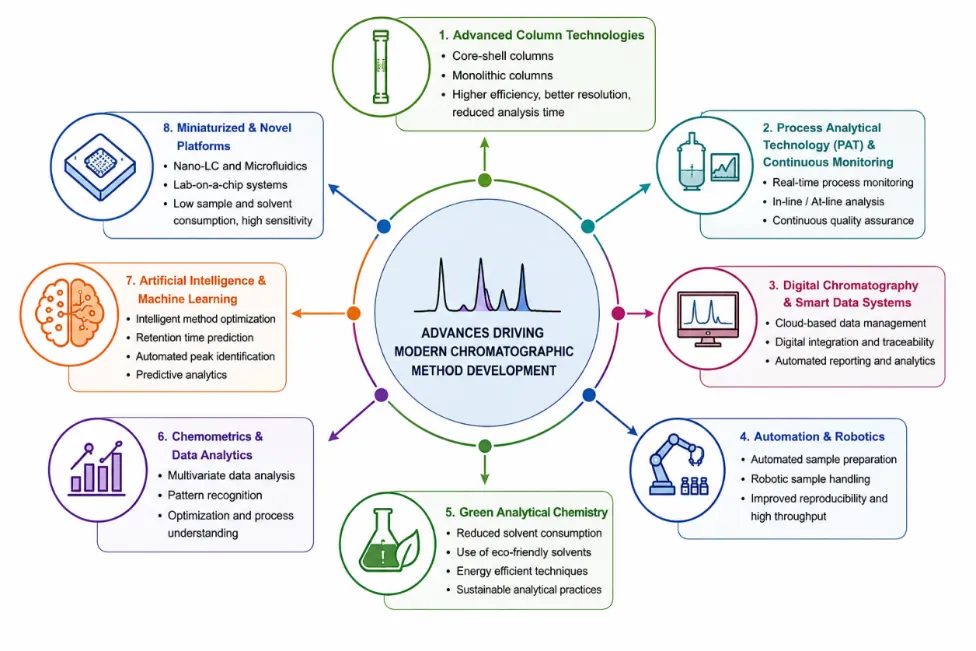
Figure 1. Recent Advances in Chromatographic Method Development
REGULATORY PERSPECTIVES:
Regulatory guidelines play a pivotal role in the development, validation, and lifecycle management of stability-indicating chromatographic methods. Harmonized regulatory frameworks established by organizations such as the International Council for Harmonisation (ICH), United States Pharmacopeia (USP), U.S. Food and Drug Administration (FDA), European Medicines Agency (EMA), World Health Organization (WHO), International Organization for Standardization (ISO), and major pharmacopoeias provide standardized scientific principles for analytical method development, validation, impurity control, and pharmaceutical quality assurance. These guidelines ensure that analytical methods consistently produce accurate, precise, reliable, and reproducible results throughout the product lifecycle. Recent revisions of ICH Q2(R2) and the introduction of ICH Q14 have shifted regulatory expectations toward a science-based, risk-based, and lifecycle-oriented approach to analytical procedure development, integrating Analytical Quality by Design (AQbD) concepts and facilitating more flexible post-approval change management.
International Regulatory Guidelines
The ICH quality guidelines constitute the foundation of modern pharmaceutical analytical development. ICH Q1 provides recommendations for stability testing of new drug substances and products under long-term, intermediate, accelerated, and photostability conditions. ICH Q2(R2) establishes harmonized principles for analytical procedure validation, including specificity, accuracy, precision, linearity, robustness, detection limits, quantitation limits, and measurement uncertainty. Complementing this guideline, ICH Q14 provides a comprehensive framework for analytical procedure development by introducing Analytical Target Profiles (ATP), knowledge management, risk assessment, robustness evaluation, control strategies, and lifecycle management. In addition, ICH Q3A(R2) and ICH Q3B(R2) define regulatory requirements for identifying, qualifying, and controlling impurities in drug substances and drug products, thereby supporting impurity profiling and stability-indicating method development. These harmonized guidelines have significantly strengthened the consistency of pharmaceutical quality assessment worldwide.
Global Regulatory Agencies and Pharmacopoeias
International regulatory agencies and official pharmacopoeias provide complementary requirements for analytical procedures and pharmaceutical quality control. The USP establishes general chapters for analytical method validation, chromatographic system suitability, and verification of compendial procedures. The FDA recommends scientifically justified analytical procedure development, validation, and lifecycle management in accordance with ICH guidelines while emphasizing data integrity, risk management, and regulatory flexibility for post-approval analytical changes. The EMA adopts harmonized ICH guidance for analytical development and validation throughout the European Union. Similarly, the WHO publishes guidance for pharmaceutical quality assurance, analytical method validation, and stability studies that supports global medicine quality, particularly in resource-limited settings. The ISO quality management standards, especially ISO 17025 and ISO 9001, contribute to laboratory competence, quality management systems, traceability, and continual improvement. In addition, official pharmacopoeias such as the European Pharmacopoeia (Ph. Eur.), British Pharmacopoeia (BP), Japanese Pharmacopoeia (JP), and Indian Pharmacopoeia (IP) provide harmonized monographs, chromatographic procedures, acceptance criteria, and quality specifications for pharmaceutical products.
Recent Regulatory Updates
Recent regulatory developments have transformed analytical method development from a validation-focused approach to a comprehensive lifecycle management strategy. The adoption of ICH Q2(R2) and ICH Q14 introduces enhanced concepts such as Analytical Target Profiles, risk-based analytical development, multivariate experimental design, control strategies, robustness evaluation, and science-based management of post-approval analytical changes. These updates also recognize advanced analytical technologies, multivariate analytical procedures, and real-time analytical approaches while strengthening the integration of AQbD principles into regulatory submissions. Consequently, modern regulatory expectations encourage continuous improvement, analytical flexibility, digitalization, and lifecycle management to ensure consistent pharmaceutical quality and regulatory compliance.
Table 13. Major Regulatory Guidelines for Chromatographic Method Development
|
Guideline |
Scope |
Major Regulatory Focus |
|
ICH Q1 Series |
Stability testing |
Long-term, accelerated, intermediate and photostability studies |
|
ICH Q2(R2) |
Analytical method validation |
Validation characteristics, measurement uncertainty, lifecycle validation |
|
ICH Q3A(R2) |
Impurities in drug substances |
Identification, qualification and reporting of impurities |
|
ICH Q3B(R2) |
Impurities in drug products |
Control of degradation products and formulation impurities |
|
ICH Q14 |
Analytical procedure development |
AQbD, ATP, risk assessment, control strategy and lifecycle management |
|
USP <1225> |
Validation of compendial procedures |
Analytical validation and system suitability |
|
FDA Guidance |
Pharmaceutical analytical procedures |
Validation, data integrity and regulatory flexibility |
|
EMA Guidance |
Analytical development |
Harmonized implementation of ICH quality guidelines |
|
WHO Guidelines |
Pharmaceutical quality assurance |
Analytical methods, stability studies and quality control |
|
ISO Standards |
Laboratory quality systems |
Laboratory competence, traceability and quality management |
CONCLUSION
Stability-indicating chromatographic methods have become indispensable for ensuring the quality, safety, efficacy, and regulatory compliance of modern pharmaceutical products, particularly fixed-dose combination formulations. Advances in chromatographic instrumentation, stationary-phase technology, and analytical software have significantly enhanced the sensitivity, selectivity, and robustness of simultaneous drug estimation while enabling efficient separation of degradation products and impurities. The implementation of Analytical Quality by Design (AQbD) has transformed analytical method development from an empirical trial-and-error process into a systematic, science- and risk-based approach supported by statistical optimization, knowledge management, and lifecycle monitoring. Furthermore, recent regulatory developments, particularly ICH Q14 and ICH Q2(R2), have reinforced the importance of analytical procedure development, comprehensive validation, measurement uncertainty, and continuous performance verification throughout the analytical lifecycle.
Emerging technologies, including core-shell and monolithic columns, nano-liquid chromatography, microfluidic systems, artificial intelligence, machine learning, chemometrics, digital chromatography, process analytical technology (PAT), laboratory automation, robotics, and green analytical chemistry, are reshaping pharmaceutical analysis by improving analytical efficiency, reducing environmental impact, and enabling real-time quality assurance. Future research is expected to focus on intelligent and autonomous chromatographic systems that integrate predictive analytics, digital laboratory platforms, and sustainable analytical practices. Such innovations will further strengthen pharmaceutical quality control, facilitate regulatory flexibility, and support continuous manufacturing initiatives. Overall, stability-indicating chromatographic methods will remain central to pharmaceutical research, quality assurance, and regulatory science, providing reliable analytical solutions for the development, evaluation, and lifecycle management of increasingly complex combination drug products.
CONFLICT OF INTEREST
The authors declare that there are no conflicts of interest.
REFERENCES

Ajinkya Gulhane, Dr. Neelima Naneriya, Recent Advances in Stability-Indicating Chromatographic Methods for Simultaneous Quantitative Analysis of Combination Drug Products: Principles, Method Development Strategies, Validation, And Regulatory Perspectives, Int. J. of Pharm. Sci., 2026, Vol 4, Issue 8, 736-763, https://doi.org/10.5281/zenodo.21802665
 10.5281/zenodo.21802665