

We use cookies to ensure our website works properly and to personalise your experience. Cookies policy
Pravara Rural College Of Pharmacy, Pravaranagre,Loni, India.
Mosquito-borne diseases, particularly malaria, continue to pose a major global public health challenge, especially in tropical and subtropical regions. The present study focuses on the formulation and evaluation of a herbal mosquito repellent cream using natural phytochemicals as a safe and eco-friendly alternative to synthetic mosquito repellents. The oil-in-water (O/W) emulsion cream was prepared using a combination of natural ingredients including citronella oil, eucalyptus oil, clove oil, neem oil, and Phyllanthus emblica extract. The oil phase and aqueous phase were heated separately, followed by gradual emulsification with continuous stirring and cooling to obtain a stable cream formulation.Future research may focus on microencapsulation of essential oils to extend the duration of protection, large-scale clinical trials in malaria-endemic regions, and the development of specialized formulations for children and individuals with sensitive skin
Herbal mosquito repellents prepared from plant-derived essential oils have gained considerable attention due to their biodegradability, low toxicity, pleasant fragrance, and minimal side effects. Essential oils such as citronella oil, eucalyptus oil, clove oil, and neem oil possess natural mosquito-repellent properties by masking human odour and interfering with the mosquito’s ability to detect its host. In addition, Phyllanthus emblica (Alma) extract provides antioxidant and skin-protective benefits, making the formulation more suitable for topical application.
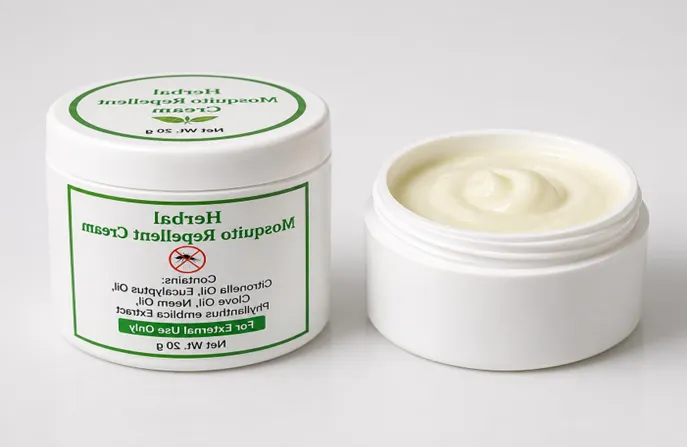
In the present study, an oil-in-water (O/W) herbal mosquito repellent cream was formulated using selected natural phytochemicals and evaluated for its physicochemical properties, skin compatibility, stability, and mosquito repellency. The prepared cream showed good spreadability, a skin-friendly pH, no phase separation or skin irritation, and provided effective mosquito protection for approximately 2–3 hours. This formulation demonstrates the potential of herbal ingredients as a safe, effective, and environmentally friendly alternative to conventional mosquito repellent cream .
Composition of cream
|
Ingredients |
%w/w composition |
|
Citronella oil |
3.0 |
|
Eucalyptus oil |
2.0 |
|
Neem oil |
2.0 |
|
Clove oil |
1.0 |
|
Phyllanthus emblica extract |
1.0 |
Pharmacognostic Profile of Ingredients Used in the Formulation
|
Ingredients |
Biological sources |
Chemical constituents |
Medicinal uses |
|
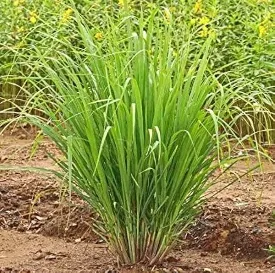
Citronella oil
|
Volatile oil obtained from the leaves of Cymbopogon nardus or Cymbopogon winterianus (Family: Poaceae) |
Citronellal, Citronellol, Geraniol, Limonene |
Natural mosquito repellent, insect repellent, antimicrobial, provides pleasant fragrance. |
|
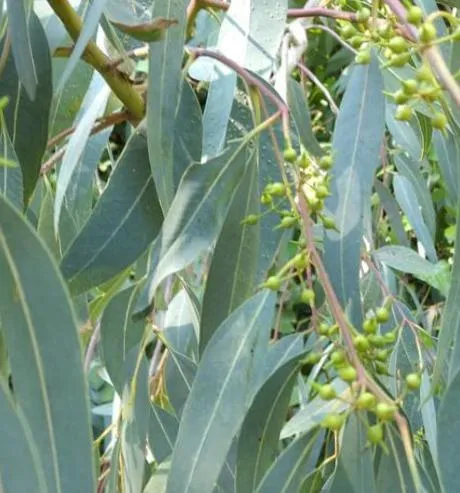
Eucalyptus oil
|
Volatile oil obtained from fresh leaves of Eucalyptus globules (Family: Myrtaceae) 1,8-Cineole (Eucalyptol), α-Pinene, Limonene, Terpineol |
1,8-Cineole (Eucalyptol), α-Pinene, Limonene, Terpineol |
Mosquito repellent, antiseptic, anti-inflammatory, cooling effect, antimicrobial. |
|
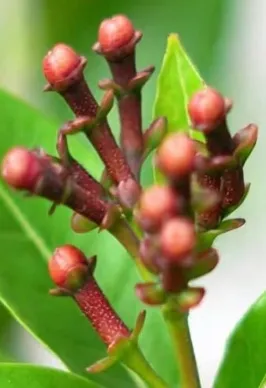
Clove oil
|
Volatile oil obtained from dried flower buds of Syzygium aromaticum (Family: Myrtaceae) Eugenol, Eugenyl acetate, β-Caryophyllene Mosquito repellent, analgesic, antimicrobial, antioxidant, preservative. |
Eugenol, Eugenyl acetate, β-Caryophyllene |
Mosquito repellent, analgesic, antimicrobial, antioxidant, preservative. |
|
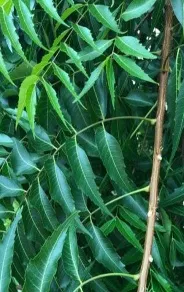
Neem oil
|
Fixed oil obtained from the seeds of Azadirachta indica (Family: Meliaceae) |
Azadirachtin, Nimbin, Nimbidin, Salannin |
Natural insect repellent, insecticidal, antifungal, antibacterial, anti-inflammatory, skin protective. |
|
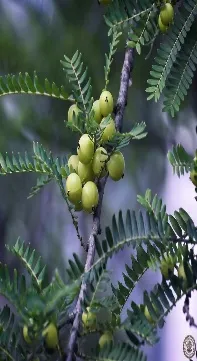
Phyllanthus emblica extract (Amla)
|
Dried fruits of Phyllanthus emblica Linn. (Family: Phyllanthaceae) |
Vitamin C (Ascorbic acid), Gallic acid, Ellagic acid, Emblicanin A & B, Tannins |
Antioxidant, skin nourishing, anti-inflammatory, antimicrobial, promotes skin health and protects against oxidative damage. |
Formula : For making 20 gm of cream
|
Ingredients |
Quantity |
|
Citronella oil |
0.60ml |
|
Eucalyptus oil |
0.40ml |
|
Clove oil |
0.20 ml |
|
Neem oil |
0.40ml |
|
Phyllanthus emblica (amla) extract |
0.20ml |
|
Emulsifying wax |
2 gm |
|
Cetyl alcohol |
1 gm |
|
Glycerine |
2 ml |
|
Purified water |
13.20ml |
Procedure:
Step 1: Weighing of Ingredients
Accurately weigh all ingredients according to the formulation for 20 g cream.
Step 2: Preparation of Oil Phase
Transfer emulsifying wax and cetyl alcohol into a clean beaker. Add citronella oil, eucalyptus oil, clove oil, and neem oil. Heat the mixture on a water bath at 70–75°C until the wax melts completely and a clear oil phase is obtained.
Step 3: Preparation of Aqueous Phase
In another beaker, dissolve glycerin in the required quantity of purified water. Add the Phyllanthus emblica extract and stir until uniformly dispersed. Heat the aqueous phase separately to 70–75°C.
Step 4: Emulsification
Slowly add the hot aqueous phase to the hot oil phase with continuous stirring using a magnetic stirrer or glass rod. Stir continuously for 10–15 minutes until a smooth and homogeneous oil-in-water (O/W) emulsion is formed.
Step 5: Cooling
Continue stirring while allowing the emulsion to cool gradually to room temperature (25–30°C). Continuous stirring during cooling prevents phase separation and produces a smooth cream.
Step 6: Homogenization
Homogenize the cream for 3–5 minutes to improve uniformity, texture, viscosity, and spread ability.
Step 7: Filling and Storage
Transfer the prepared cream into a clean, dry, airtight cream container. Label the container with required ingredients.
Storage condition
Store the cream in a cool, dry place away from direct sunlight.
Evaluation parameters:
|
Parameters |
Method |
Observation |
|
Appearance |
Visual inspection |
Smooth, homogeneous, off-white cream with no lumps. |
|
color |
Visual inspection |
Off-white to pale cream. |
|
odour |
Organoleptic evaluation |
Pleasant herbal aroma due to essential oils. |
|
PH |
Measured using a digital pH meter (1 g cream dispersed in 10 mL distilled water) |
4.7(eco friendly) |
|
Viscosity |
Measured using a Brookfield Viscometer |
Smooth, optimum viscosity suitable for topical application. |
|
Spreadability |
Slide method |
Cream spreads easily with uniform consistency. |
|
Homogeneity |
Visual examination after application on a glass slide Uniform texture, free from coarse particles and lumps. |
Uniform texture, free from coarse particles and lumps. |
|
Washability |
Wash with tap water |
Easily washable without leaving excessive residue. |
|
Phase Separation |
Stored at room temperature for 30 days |
No phase separation observed. |
|
Skin Irritation Test (Patch Test) |
Applied on a small area of skin for 24 hours |
No redness, itching, swelling, or irritation observed. |
|
Mosquito Repellency Test |
Arm-in-cage or cage test |
Effective mosquito repellency for 2–3 hours. |
|
Stability Study |
Stored at room temperature and accelerated conditions |
No significant change In colour, odour, pH, viscosity, or phase separation. |
|
Extrudability (if packed in tube) |
Measure ease of cream extrusion |
Cream extrudes uniformly with slight pressure. |
CONCLUSION
The present study successfully formulated and evaluated a herbal mosquito repellent cream using natural phytochemicals, including citronella oil, eucalyptus oil, clove oil, neem oil, and Phyllanthus emblica extract. The cream was prepared using the oil-in-water (O/W) emulsion technique and exhibited desirable physicochemical properties such as smooth texture, good spreadability, pleasant odour, skin-friendly pH (4.7), and no phase separation. The formulation was found to be non-irritant during the skin patch test and remained stable throughout the evaluation period. Further studies involving long-term stability testing, optimization of the formulation, and large-scale clinical evaluation are recommended to enhance its efficacy and commercial applicability.
RESULT
The herbal mosquito repellent cream was successfully formulated using an oil-in-water (O/W) emulsion method. The prepared cream was smooth, homogeneous, and off-white in appearance with a pleasant herbal odour. It exhibited a skin-friendly pH of 4.7 and showed good spreadability without phase separation. The formulation remained stable throughout the evaluation period and caused no skin irritation during the patch test. Mosquito repellency studies indicated effective protection for approximately 2–3 hours. The cream demonstrated satisfactory physicochemical properties, good stability, and effective mosquito repellent activity, suggesting its suitability for topical application.
REFERENCES

P K Lavare, P C Kunde, Herbal Mosquito Repellent Cream, Int. J. of Pharm. Sci., 2026, Vol 4, Issue 8, 764-768, https://doi.org/10.5281/zenodo.21802765
Severity: 8192
Message: substr(): Passing null to parameter #1 ($string) of type string is deprecated
Filename: frontend/article.php
Line Number: 706
Severity: 8192
Message: substr(): Passing null to parameter #1 ($string) of type string is deprecated
Filename: frontend/article.php
Line Number: 706
Severity: 8192
Message: substr(): Passing null to parameter #1 ($string) of type string is deprecated
Filename: frontend/article.php
Line Number: 706
 10.5281/zenodo.21802765
Severity: 8192
Message: substr(): Passing null to parameter #1 ($string) of type string is deprecated
Filename: frontend/article.php
Line Number: 890
Severity: 8192
Message: substr(): Passing null to parameter #1 ($string) of type string is deprecated
Filename: frontend/article.php
Line Number: 890
Severity: 8192
Message: substr(): Passing null to parameter #1 ($string) of type string is deprecated
Filename: frontend/article.php
Line Number: 925
Severity: 8192
Message: substr(): Passing null to parameter #1 ($string) of type string is deprecated
Filename: frontend/article.php
Line Number: 925
Severity: 8192
Message: substr(): Passing null to parameter #1 ($string) of type string is deprecated
Filename: frontend/article.php
Line Number: 925
Severity: 8192
Message: substr(): Passing null to parameter #1 ($string) of type string is deprecated
Filename: frontend/article.php
Line Number: 957
Severity: 8192
Message: substr(): Passing null to parameter #1 ($string) of type string is deprecated
Filename: frontend/article.php
Line Number: 957
Severity: 8192
Message: substr(): Passing null to parameter #1 ($string) of type string is deprecated
Filename: frontend/article.php
Line Number: 957