

We use cookies to ensure our website works properly and to personalise your experience. Cookies policy
1Vice principal of Pharmacy, Lokmanya Tilak Institute of Pharmacy, Navi Mumbai, Maharashtra, India.
2,3,4Lokmanya Tilak Institute of Pharmacy, Navi Mumbai, Maharashtra, India.
5Principal of Pharmacy, Lokmanya Tilak Institute of Pharmacy, Navi Mumbai, Maharashtra, India.
Tridax procumbens L., commonly known as coat buttons or Mexican daisy, is a medicinal plant belonging to the family Asteraceae and is widely distributed in tropical and subtropical regions. Traditionally used in various systems of medicine, the plant has attracted considerable scientific interest due to its diverse phytochemical composition and reported therapeutic properties. This review provides an overview of the pharmacognostic profile, phytochemical constituents and therapeutic potential of T. procumbens, with emphasis on its botanical identification, microscopic characteristics and pharmacological relevance. The pharmacognostic evaluation includes macroscopic and microscopic features of different plant parts, powder microscopy, quantitative leaf constants and physicochemical parameters, which contribute to plant authentication and quality assessment. Phytochemical investigations have reported the presence of several classes of secondary metabolites, including flavonoids, alkaloids, tannins, saponins, steroids, terpenoids and carotenoids. These constituents are associated with various pharmacological activities, including antioxidant, antimicrobial, anti-inflammatory, wound-healing, antidiabetic, hepatoprotective and immunomodulatory effects. Evidence from experimental studies involving in vitro investigations and animal models highlights the potential therapeutic applications of this plant. Furthermore, the review considers the available research on its phytochemical characterization and pharmacological activities to understand the relationship between its chemical constituents and reported biological effects. Despite promising findings, variations in extraction methods, phytochemical composition, study designs and standardization approaches limit direct comparison between investigations. Further research involving compound isolation, characterization, toxicity assessment, standardized preparations and well-designed clinical studies is necessary to establish its therapeutic efficacy and
Tridax procumbens L., commonly known as coat buttons or Mexican daisy, is a medicinal weed belonging to the family Asteraceae. Although native to tropical America, it is now distributed across tropical regions, including the Indian subcontinent. The plant commonly grows along roadsides, in cultivated fields, grasslands and other disturbed habitats (1) The plant is known by several regional names, including Mexican daisy, coat button and Tridax daisy in English; Jayanti Veda in Sanskrit; Gharma in Hindi; Dagadipala in Marathi; Vettukkaaya-thalai in Tamil/Siddha; and Akala kohadi in folk usage (2)
Tridax procumbens has a history of use in traditional medicine, particularly within Indian systems of medicine, where it has been employed for its healing properties and to control haemorrhage. The leaves have received particular attention because of their reported medicinal applications, prompting scientific investigation into the plant's phytochemical composition and pharmacological potential. (3) The plant has attracted considerable scientific interest because of its traditional medicinal significance and the diverse biological activities reported in the literature. Its investigation may contribute to understanding its potential pharmaceutical applications, although traditional use and preliminary experimental findings should not be interpreted as proof of clinical efficacy (1) (4)
The phytochemical constituents reported in T. procumbens include flavonoids, alkaloids, tannins, saponins, steroids, carotenoids and terpenoids. These constituents have been investigated in relation to the plant's biological properties and potential therapeutic applications (1) (4)
Various studies have reported pharmacological activities, including antioxidant, antimicrobial, antifungal, anti-inflammatory, wound-healing, antidiabetic, hepatoprotective and immunomodulatory effects (1) (4) (5) . However, these activities encompass different types of experimental evidence, and their significance must be assessed according to the methods, models and findings of individual studies. Pharmacognostic evaluation is important for the identification, authentication and quality control of medicinal plants. In T. procumbens, its morphological and anatomical characteristics, together with its phytochemical profile, provide a basis for characterising the plant material used in research and assessing its suitability for further pharmaceutical investigation.(6)
Reliable characterisation is particularly relevant when comparing findings from different studies, as the plant material and methods used for its evaluation may influence the reported results. Pharmacognostic and phytochemical information should therefore be considered alongside pharmacological findings when interpreting the plant's potential applications (6) The present review aims to critically examine the pharmacognostic characteristics, phytochemical constituents and pharmacological activities of Tridax procumbens L. It also seeks to evaluate the available research, identify limitations in the reported evidence, and discuss research gaps and future directions relevant to the plant's quality standardisation and pharmaceutical applications (5) (7)
1.1 TAXANOMY AND NOMENCLATURE
The Tridax procumbens taxonomy falls under the Domain of Eukaryota, kingdom: Plantae, sub-kingdom: Tracheobionta, Phylum: Spermatophyta, Subphylum: Angiospermae, Class: Dicotyledons, Sub-class: Asteridae, Order: Asterales,Family of Asteraceae or compositae. Genus: Tridax and Species: Tridax procumbens. The other species of this genus include T. balbisioides and T. trilobata. The plant is known to possess remarkable medicinal properties. The name Tridax refers to the three lobes of the ray flowers while procumbens refers to the prostrate, trailing habit of the stems. (8)
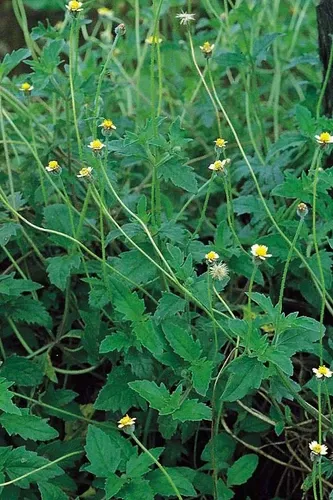
Figure 1: Tridax Procumbens Plant
Table 1: Taxonomic Classification of Tridax Procumbens L.(9)
| Taxonomic rank | Classification |
|---|---|
| Kingdom | Plantae |
| Clade | Angiosperms |
| Clade | Eudicots |
| Order | Asterales |
| Family | Asteraceae |
| Subfamily | Asteroideae |
| Tribe | Millerieae |
| Genus | Tridax L. |
| Species | Tridax procumbens L. |
1.2 BOTANICAL DISTRIBUTION AND HABITAT
T. procumbens originally came from Central America but it is now distributed all over the tropical and subtropical regions of the world. It grows with annual crops, along roadsides, pastures, fallow land, dikes, railroads, riverbanks, meadows, dunes and waste areas. It was introduced in Nigeria as an ornamental plant but it has later spread in other tropical countries. It is classified as a noxious weed in Alabama, Florida, Minnesota, North and South California and Vermont. InGuatemala T. procumbens is a weed distributed over a wide range and it can be found in both dry and damp soil (10)
METHODOLOGY
A literature search was performed using Science Direct, Google Scholar, Google Patent, PubMed, ACS, Mendeley Desktop databases. Keywords used to perform the literature search plant location, botanical study, traditional uses, phytochemicals, pharmacological activities formulations, molecular docking, patents were used. Literature search results were on a T. procumbens containing 1) Methodology including extraction method, identification, yield of different phytochemicals belonging to varied classes were fully analysed. 2) Pharmacological study includes; extraction method, dosage, in vitro cell line, in vivo model, MIC/MFC, control of anticancer activity, antimicrobial activity, antioxidant activity and wound healing activity. Literature search included original research articles, review articles, research reports from peer review journals until 2021. Publications, review articles, reports were included in English. Non-English language, Masters and Ph.D. student thesis, conference proceedings, abstracts and unpublished data were excluded. Based on this systematic search strategy 488 potentially relevant publications were found, 101 of these papers were studied and are described below after excluding.
3. PHARMACOGNOSTIC CHARACTERISTICS
3.1 MACROSCOPIC IDENTIFICATION
Macroscopic studies were carried out by using organoleptic evaluation method. The shape, size, colour, odour, taste, base, texture, margin, apex of leaves and various plant parts of Tridax procumbens Linn. were observed. (11)
Table 2: Macroscopic Characteristics
| Sr. No | Image | Plant part | Characteristics |
|---|---|---|---|
| 1. | Leaf | Green colour, characteristic odour, acrid taste, size of 3-7 cm long and 1-5 cm wide in the table, ovate to lanceolate shape, opposite arrangement, rough surface, acute apex, irregularly toothed margin and short petiole. (11) | |
| 2. | Stem | Green colour, characteristic odour, acrid taste, size of 23-46 cm, cylindrical shape, smooth texture and soft fracture. (12) | |
| 3. | Root | Brown colour, characteristic odour, acrid taste, size of 15-32 cm, tortuous shape, rough texture and soft fracture. (11) | |
| 4. | Flower | White ray florets and yellow disc florets, terminal capitulum, approximately 1-2 cm in diameter, and a long, slender peduncle. (13) | |
| 5. | Fruit | Oblong, ribbed achenes with bristles and a pappus of white hairs that helps in wind dispersal. (13) | |
| 6. | Calyx | It is represented by scales or reduced to pappus. (14) | |
| 7. | Seed | The plant Seeds have pendulous embryo, endosperm is absent. (14) |
3.2 MICROSCOPIC CHARECTRISTICS
The microscopic characters of Tridax procumbens L. were studied by making the transverse sections (T.S.) of petiole, leaf, stem, and root. The anatomical features include the epidermis, hypodermis, general cortex, endodermis, pericycle, vascular bundles, and pith. The observations are summarized below.
Table 3: Microscopic Characteristics of Different Plant Parts of Tridax Procumbens L.(15) (16) (17) (18)
| Plant part | Epidermis and hypodermis | Ground tissue / cortex | Vascular tissue | Distinctive microscopic features | Image |
|---|---|---|---|---|---|
| Petiole | Single-layered epidermis with cuticle and simple multicellular trichomes (3–5 cells); hypodermis consists of 1–2 layers of collenchymatous cells. | Cortex consists of approximately 4–5 layers of parenchymatous cells. Pith contains 3–4 layers of parenchymatous cells. | Five open-type vascular arcs or bundles, varying in size from the centre towards the margins. | Kidney-shaped towards the distal end and crescent-shaped towards the laminal side. | |
| Leaf | Single-layered epidermis on both upper and lower surfaces, covered by a thick cuticle. Simple, multicellular covering trichomes (3–6 cells), more abundant on the dorsal surface, with swollen basal cells | Single layer of palisade cells beneath the epidermis, followed by 5–7 layers of mesophyll parenchyma with few intercellular spaces. | Midrib contains a centrally located collateral vascular bundle surrounded by parenchymatous cells containing dark-coloured contents. | Dorsiventral structure; midrib shows a slight depression on the ventral surface and a slight projection on the dorsal surface. | |
| Midrib | Single-layered epidermis; hypodermis consists of two layers of collenchymatous cells. | General cortex comprises approximately 4–5 layers of parenchymatous cells. Pith consists of approximately 6–7 layers of parenchymatous cells. | Open-type vascular bundle | Endodermis and pericycle are not distinctly observed. | |
| Stem | Single-layered epidermis covered with a cuticle. Hypodermis consists of approximately 2–3 layers of collenchymatous cells. | General cortex comprises approximately 4–5 layers of parenchymatous cells. Pith is well developed, consisting of approximately 15–20 layers of parenchymatous cells. | Open-type vascular bundles with prominently observed interfascicular cambium. | Distinctly developed hypodermal collenchyma and parenchymatous ground tissue. | |
| Root | Single-layered epidermis followed by approximately two layers of hypodermal cells. | General cortex consists of approximately three layers of parenchymatous cells. Pith contains approximately 4–5 layers of parenchymatous cells. | Open-type vascular bundles; xylary rays and vessel elements are prominently visible. | Endodermis is distinctly visible as a single layer of barrel-shaped cells, and the pericycle is present. |
3.3 QUANTITATIVE MICROSCOPY -
Table 4: Reported Quantitative Leaf Constants of Tridax Procumbens L. (19)
| Quantitative parameter | Upper epidermis | Lower epidermis |
|---|---|---|
| Vein-islet number (per mm²) | 32.33 | 20.66 |
| Vein-termination number (per mm²) | 32.66 | 19.66 |
| Trichome number (per mm²) | 9.66 | 21.33 |
| Stomatal index (%) | 30.12 | 36.31 |
| Palisade ratio | 3.62 | - |
3.4 POWDER MICROSCOPY
The powder of Tridax procumbens is dark green, finely divided, odourless and slightly bitter. The microscopic examination of the powder reveals presence of distinctive elements like glandular and non-glandular trichomes, base of trichomes, fibres, stone cells, laticiferous vessels with surrounding parenchyma, vascular elements with spiral and reticular thickening, stomata, calcium silicates and cells containing crystals. The trichomes are mostly uniseriate.
The trichomes are of two types:
(A) Non-glandular multicellular trichomes having long acutely pointed ends and (B) Glandular trichomes having bi-cellular stalk. There is no distinct surface pattern. Trichomes are one of the important morphological characters of Asteraceae for identification of closely related species. The presence of glandular trichomes with bi-cellular stalk have been reported as characteristic features of T. Procumbens. The pharmacognostical parameters can be obtained by studying the powder microscopically. A small quantity of the powder is prepared by mounting on a glass slide with a few drops of water, glycerol ethanol mixture or a suitable clearing agent and examined under a microscope after covering with a cover slip. (19) (12)
3.5 PHYSIOCHEMICAL EVALUATION
Physicochemical Analysis
Physicochemical analysis of Tridax procumbens L. was performed. Various physiochemical parameters like Loss on drying, Total ash, Acid insoluble ash, Water soluble ash, Alcohol and Water-soluble extractive values of powdered drugs were studied based on WHO guidelines for quality control of herbal drugs. It gives valuable information about the amount of moisture; inorganic matter and the soluble compounds present in the crude drug.
Extractive Value
The extractive values give an idea of the number of constituents extracted from the crude drugs using various solvents. Based on the type of constituents to be analysed various solvents are selected. Water soluble extractives are preferred for drugs containing water soluble constituents. Alcohol soluble extractives are used for drugs containing constituents like tannins, glycosides and Resins. Ether soluble extractives are used for drugs containing lipid and volatile constituents. Extractive values were determined by following the methods mentioned in Indian pharmacopoeia.
Alcohol soluble extractive value: A known quantity of the powdered drug was macerated with 100 ml of 95% ethanol in a tightly stoppered flask for 24 hrs with occasional shaking. The contents were filtered. The filtrate was taken in a measuring cylinder. Specific volume was taken and evaporated to dryness on water bath and dried at 1050C. Then the weight was recorded. Water soluble extractive value was determined by following the method.
The extractive values of Tridax procumbens L. were found to be highest in water (13.2%) followed by methanol (7.17%) and least in petroleum ether (6.2%). The powdered drug showed greater number of constituents that can be extracted when extracted with water. (20) (21)
Ash Value
The ash values give valuable information about the inorganic matter present in the herbal drugs. The inorganic matter consists mainly of phosphates, carbonates and silicates. The ash values are an important parameter to determine the quality and purity of herbal medicines. Ash values help to find out the number of inorganic constituents naturally present in the plant and also if any foreign inorganic impurities like sand, dust and soil are present. Physiological ash shows the amount of naturally occurring inorganic constituents. The variation in the ash values indicates the difference in the quantity of minerals. Total ash, Water soluble ash, Acid insoluble ash and Sulphated ash values were determined by following the methods given in Indian pharmacopoeia.
The physicochemical analysis of _Tridax procumbens_ L. showed that the total ash value was 4.8% (w/w), Acid insoluble ash value was 3.05% (w/w) and Water-soluble ash value was 2.14% (w/w). This indicated that there was a low amount of inorganic matter and silica present in the crude drug. (20) (22)
Loss on Drying (LOD)
The loss on drying was estimated. A known quantity of drug was taken in a preweighed evaporating dish. Dry in hot air oven at 1050C until constant weight is obtained. The percentage of loss on drying is 8.30%.(23)
4. PHYTOCHEMISTRY AND PHYTOCONSTITUENTS
4.1 PHYTOCHEMICAL CONSTITUENTS
Chemical Constituents: Phytochemical screening revealed the presence of alkaloids, carotenoids, flavonoids (catechins and flavones), and tannins throughout. It contains abundant amounts of carotenoids and saponins. According to the plant's proximate profile, it is rich in calcium, potassium, and sodium. Cancer-fighting ability. The leaves of the Tridax plant mainly contain crude proteins (26%), crude fibre (17%), soluble carbohydrates (39%), and calcium oxide (5%). Reports also indicate that its flowers contain luteolin, glucoluteolin, quercetin, and isoquercetin. Nevertheless, the plant has also been associated with fumaric acid, flsitosterol, and tannin. When tested against aglucosidase, oleanolic acid, which Tridax produced in good quantities, was found to be a promising antidiabetic drug. (20)
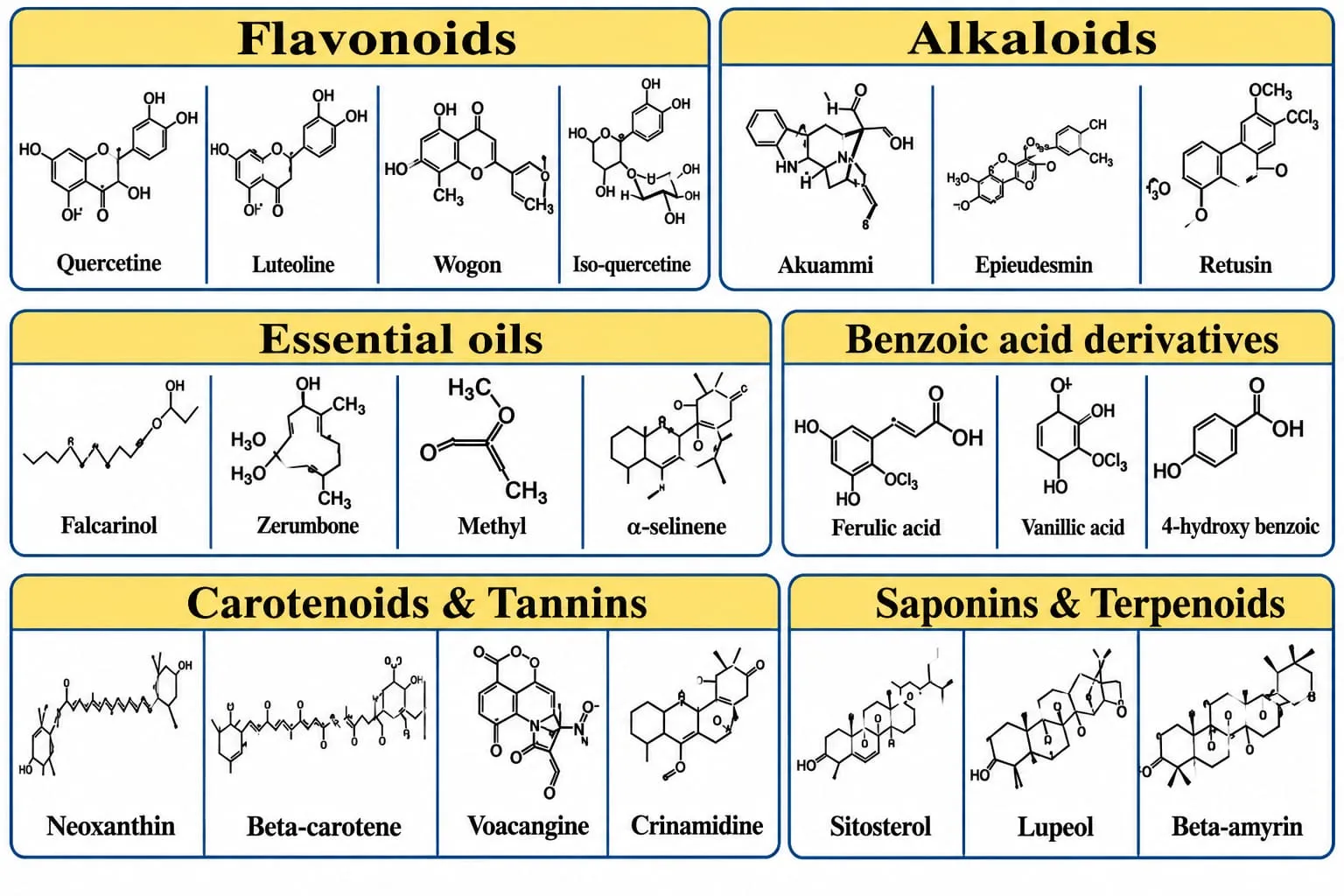
Figure 2: Major Phytochemicals of Tridax procumbens.(24)
4.2 PHYTOCHEMICAL SCREENING
Phytochemical screening is an important step in identifying bioactive constituents present in medicinal plant samples. Qualitative phytochemical screening can be carried out on the ethanolic extract of Tridax procumbens to identify alkaloids, flavonoids, tannins, saponins, steroids, triterpenoids, glycosides, anthraquinones, carbohydrates and other phytochemicals using standard chemical tests based on colour changes, precipitation and foaming. Qualitative phytochemical screening was carried out using methods described using tests for alkaloids, flavonoids, steroids, tannins, saponins, cardiac glycosides and anthraquinones. Quantitative phytochemical estimation can also be carried out using spectrophotometer and colourimetric methods.
1.Qualitative Phytochemical Screening
1.1. Alkaloids
The ethanolic extract is mixed with dilute hydrochloric acid, then gently heated, allowed to cool, and filtered. The resulting filtrate can be used to check for the presence of alkaloids. To confirm alkaloids, the following tests can be performed.
1.2. Flavonoids
Flavonoids can be identified using a variety of colour tests. An alkaline reagent test can be carried out by adding 10% sodium hydroxide and if a strong yellow colour is produced then the sample likely contains flavonoids. Shinoda’s test can be carried out by adding magnesium foil and concentrated hydrochloric acid to the alcoholic extract. If a strong cherry red colour is produced then the sample likely contains flavanones. If an orange-red colour is produced then the sample likely contains flavonols. Concentrated sulphuric acid can be added and the sample maybe coloured yellow or orange. Alternatively, fluorescence can be observed under ultra violet and visible light after adding ammonia. The colour reaction can be observed by adding amyl alcohol, sodium acetate and ferric chloride.(26)
1.3. Steroids
Steroids can be identified using Salkowski’s test and Liebermann-Burchard test. Salkowski’s test can be carried out by dissolving the extract in chloroform and adding an equal amount of concentrated sulphuric acid. If a red colour appears in the chloroform layer and a green fluorescence in the sulphuric acid layer then the sample likely contains steroidal constituents. Liebermann-Burchard test can be carried out by adding chloroform, acetic anhydride, glacial acetic acid and concentrated sulphuric acid. If a bluish green colour appears then the sample likely contains sterols.(25)
1.4. Tannins and Phenolics
Tannins and phenolics can be identified using ferric chloride, basic lead acetate and potassium ferricyanide. Adding ferric chloride to the extract may produce a green, dark blue or green/black colour indicating tannins and phenolics. Adding basic lead acetate produces a white precipitate indicating tannins. Potassium ferricyanide and ammonia can be added producing a deep red colour indicating a positive result. The sample can be treated with ferric chloride by adding 4ml of the extract to 4ml of ferric chloride solution producing a green colour indicating the presence of condensed tannins.(27)
1.5. Saponins
The foam test can be carried out to identify saponins. A small amount of either the alcoholic or aqueous extract can be added to around 20ml of distilled water and gently shaken in a graduated cylinder for 15minutes. If a stable foam layer forms around 1cm high then the sample may contain saponins.(28)
1.6. Glycosides
Legal’s, Baljet’s and Keller-Killiani tests can be carried out to identify glycosides. Legal’s test can be carried out by dissolving the extract in pyridine and adding sodium nitroprusside solution under alkaline conditions. A pink-red to red colour indicates a positive result. Baljet’s test can be carried out by adding sodium picrate solution. A yellow to orange colour indicates a positive result.(25)
Keller-Killiani test can be carried out by extracting the powdered plant material in 70% alcohol, filtering and adding water and lead acetate. The filtrate can then be extracted in chloroform. The residue can be dissolved in glacial acetic acid containing ferric chloride solution and carefully layered with concentrated sulphuric acid. If a reddish-brown ring forms at the boundary and the upper layer turns a bluish green colour then a positive result is indicated for the target cardiac glycosides.(29) Top of Form
1.7. Anthraquinones
To identify free anthraquinones 0.5g of the extract can be shaken with 5ml of chloroform for 5minutes and filtered. The filtrate can then be shaken with an equal amount of ammonia solution. If a pink/violet/red colour appears in the ammonia layer then the sample may contain free anthraquinones.
Borntrager’s test can be carried out to identify anthraquinone glycosides. The extract can be treated with dilute sulphuric acid, boiled, filtered and extracted with chloroform. Ammonia solution can be added to the chloroform layer. If a red colour appears in the ammonia layer, then a positive result is indicated.(25)
1.8. Carbohydrates/Sugars
Molisch’s test can be carried out to identify carbohydrates. Alpha naphthol solution can be added to the extract and concentrated sulphuric acid can be carefully added down the side of the test tube. If a purple or reddish violet ring appears at the boundary then the sample may contain carbohydrates.
Fehling’s and Benedict’s tests can be carried out to identify reducing sugars. Fehling’s test can be carried out by adding equal amounts of Fehling’s A and Fehling’s B to the extract and heating. If a brick red precipitate forms then reducing sugars are present. Benedict’s test can be carried out by adding Benedict’s reagent to the extract, boiling for around 2minutes and cooling. If a red precipitate forms then a positive result is indicated.(29) (28)
1.9. Triterpenoids
Noller’s test can be carried out to identify triterpenoids. 2-3 granules of tin metal can be dissolved in thionyl chloride solution. Plant extract can be added and heated. If a pink colour appears then a positive result is indicated.(25)
2. Quantitative Estimation of Phytochemicals
Quantitative analysis can be carried out to determine how much of each phytochemical group is present in the plant extract. The following methods can be carried out.
2.1. Alkaloid
Bromocresol Green (BCG) reagent and phosphate buffer (pH 4.7) can be used to estimate the alkaloid content. 500µl of plant extract can be added to 500µl of the reagent mixture and 3ml of chloroform. The top blue layer can be removed and the absorbance of the yellow bottom layer can be measured at 470nm. Atropine can be used as a reference with varying concentrations.(29)
2.2. Total Carbohydrate
The anthrone method can be used to estimate the total carbohydrate content. 500µl of plant extract can be added to 2ml of 0.2% anthrone reagent in 95% ice cold sulphuric acid. The sample can be heated in a boiling water bath for 8minutes and quickly cooled. The colour can then be measured at 630nm. Dextrose can be used as a standard with a concentration of 1mg/ml.(30)
2.3. Total Flavonoid
The aluminium chloride colorimetric method can be used to estimate the total flavonoid content. 500µl of plant extract can be added to 1.5ml of methanol, 0.1ml of 10% aluminium chloride, 0.1ml of 1M potassium acetate and 2ml of distilled water. Leave to stand at room temperature for 30minutes and measure the absorbance at 420nm. Quercetin can be used as a standard with a concentration of 0.5mg/ml.(28) (31)
2.4. Total Phenolics
The Folin-Ciocalteu reagent method can be used to estimate the total phenolic content. 500µl of plant extract can be added to 1.5ml of 10% Folin-Ciocalteu reagent and 1ml of 2% sodium carbonate solution. Shake and leave to stand at room temperature for 15minutes. Absorbance can then be measured at 765nm. Gallic acid can be used as a reference with a concentration of 0.05mg/ml.(30) (32)
2.5. Total Saponin
The vanillin-sulphuric acid method can be used to estimate the total saponin content. 500µl of leaf extract can be dissolved in 500µl of 80% methanol. This can then be added to 1ml of 1% vanillin in ethanol. Add 2.5ml of 0.02N sulphuric acid. Incubate in a water bath at 60°C for 10minutes and measure the absorbance at 544nm. Diosgenin can be used as a standard dissolved in hot ethanol with a concentration of 1mg/ml.(33)
2.6. Total Tannin
The vanillin-hydrochloride method can be used to estimate the total tannin content. Equal volumes of 8% hydrochloric acid in methanol and 4% vanillin in methanol should be mixed. 500µl of the plant extract can be added to 2.5ml of the prepared vanillin-hydrochloride reagent and measured at 500nm. Tannic acid can be used as a reference.(34)
2.7. Protein
Bradford’s method (1976) can be used to estimate protein content with bovine serum albumin (BSA) as a reference.Bottom of Form
Xanthoproteic test: the extract was treated with a few drops of concentrated HNO3, and the formation of yellow indicates the presence of proteins.(35)
5. PHARMACOLOGICAL ACTIVITIES
The diverse array of secondary metabolites present in Tridax procumbens contributes to its broad pharmacological potential, as summarized in Table 4. Various studies have investigated the biological activities of this species, reporting potential benefits in anemia management, hepatoprotection, immune modulation, antioxidant defense, and anticancer, antibacterial, antifungal, antiparasitic, antiplasmodial, and antiviral applications. These findings highlight the potential of T. procumbens as a source of bioactive compounds that may support the development of future therapeutic agents and help bridge traditional medicinal practices with modern pharmacological research. However, despite its promising biological properties, its translation into established allopathic medicines remains limited. Further research is needed to isolate and characterize its active constituents, elucidate their mechanisms of action, and establish their safety, efficacy, and therapeutic relevance. In addition, the influence of extraction methods, processing conditions, and compound-isolation procedures on the stability, composition, and biological activity of these constituents requires systematic investigation. Addressing these research gaps may facilitate the rational development of standardized formulations and support the potential pharmaceutical applications of T. procumbens.
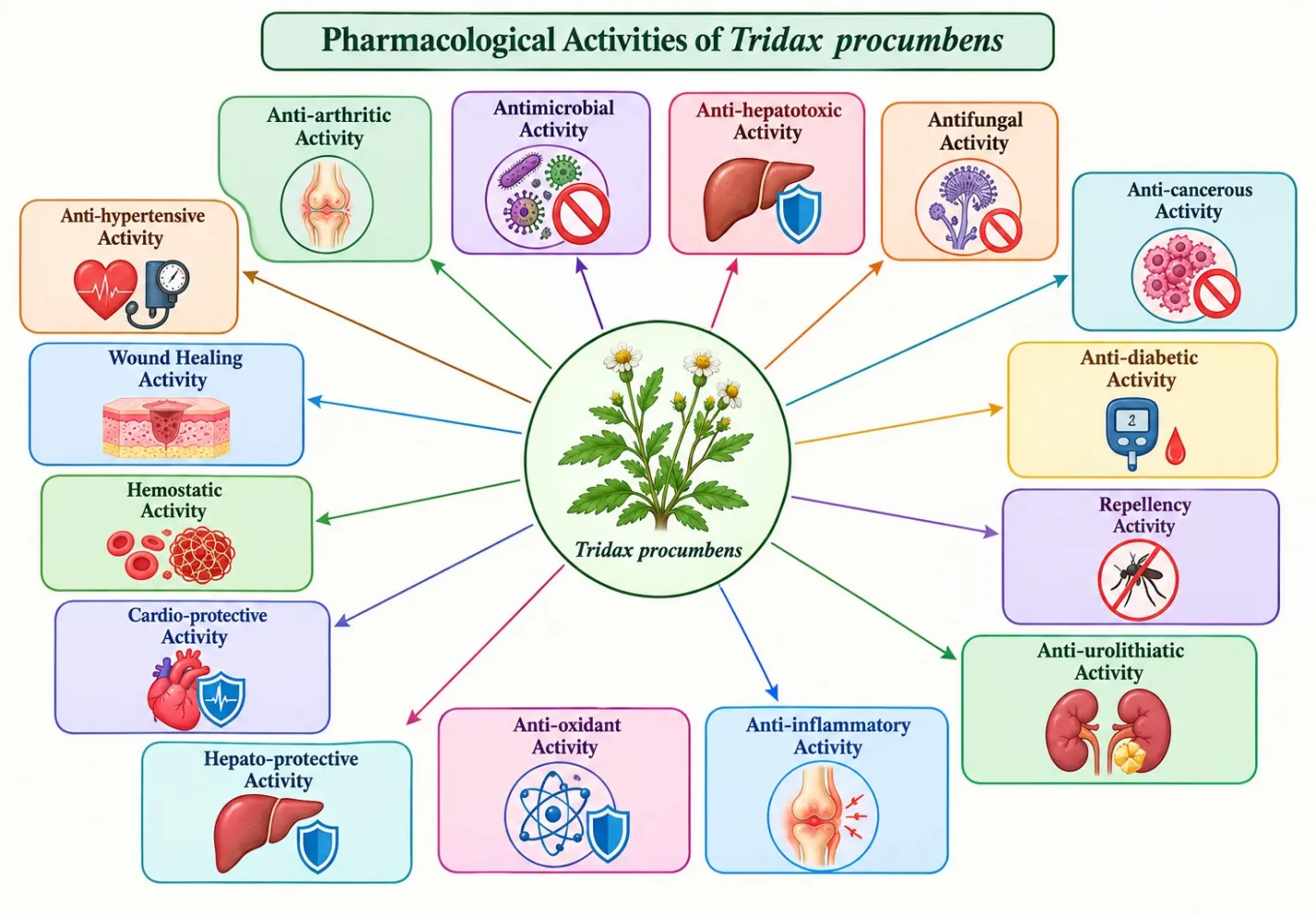
5.1 Wound healing
The wound-healing capacity of Tridax procumbens has been studied in a range of experimental models, which lends support to its traditional application in treating skin wounds. Research in rats and mice has indicated that aqueous and ethanolic extracts of the plant encourage wound contraction, boost tensile strength, and improve the development of granulation tissue. Alongside these effects, higher levels of hydroxyproline, collagen and hexosamine were observed, all of which are linked to collagen synthesis and tissue repair. Extracts from the whole plant also showed greater lysyl oxidase activity, pointing to a possible involvement in collagen cross-linking and stabilization of the extracellular matrix. In some experimental studies, the ethanolic extract produced stronger wound contraction and tensile strength than the aqueous extract. Fumaric acid has been suggested as one of the constituents responsible for this activity. In addition, studies using Caenorhabditis elegans and cell-based scratch assays revealed possible wound-repair effects linked to nicotinamide and other phytocompounds, with glycogen synthase kinase-3 proposed as a potential molecular target. Taken together, these results suggest that T. procumbens may aid tissue repair via mechanisms involving collagen formation, extracellular matrix remodelling and cell proliferation, though more research is needed to confirm its efficacy and safety in humans.(8) (36)
5.2 Repellency Activity
Tridax procumbens show high insecticidal and larvicidal activity against Anopheles stephensi mosquitoes (Malaria vector). Essential oil of Tridax procumbens leaves obtained by steam distillation show significant topical repellent activity against the mosquito vector. The insect repellent activity of 2%, 4% and 6% of essential oil showed more than 300 minutes of protection at a concentration of 6%. Insect repellents prevent arthropods from coming close, landing on and biting human and animal skin. They work by disrupting the insect’s sense of smell, stopping them coming close to the skin. The essential oils extracted from T. procumbens leaves contain various compounds including α-terpinene, α-terpineol and β-pinene. This could be linked to the insect repelling properties of the plant. Extracts from the leaves using hexane, chloroform, ethyl acetate and acetone have shown larvicidal activity against A. stephensi with the chloroform and acetone showing higher activity. Decoctions from the plant using aqueous and ethanolic solvents have shown anti-plasmodial activity against chloroquine resistant Plasmodium falciparum (Ghosh, et al. 2019). Overall Tridax procumbens shows potential as an insect repellent and mosquito control agent. However further experimentation is needed to confirm its safety on skin.(37) (38)
5.3 Antimicrobial Activity
In experimental studies, Tridax procumbens has shown antimicrobial potential against a range of bacterial and fungal species. reported antibacterial activity of leaf extracts prepared using different organic solvents, while observed inhibitory effects against microorganisms such as Escherichia coli, Staphylococcus aureus, Bacillus subtilis and Proteus mirabilis further reported that the ethanolic leaf extract exhibited activity against selected nosocomial pathogens, including Pseudomonas aeruginosa. The essential oil obtained from the flowers has also demonstrated antibacterial and antifungal effects against selected microorganisms. Recent research has explored combining T. procumbens extract with chitosan to enhance its antimicrobial potential against wound-associated microorganisms. The findings indicate that the plant's bioactive constituents may prove useful in the development of antimicrobial formulations. Nevertheless, additional studies are needed to establish their safety, effectiveness and therapeutic relevance in humans.(39) (40) (41)
5.4 Anticancer effect
Tridax procumbens has shown to have anticancer effects in a range of in vitro and in vivo studies. This is thought to be due to bioactive compounds found within the plant, including flavonoids, tannins, saponins, terpenes and lupeol. The anticancer effect of extracts and essential oil has been tested on a range of cancer cell lines using methods such as MTT Assay and Trypan Blue Exclusion Assay. The essential oil was found to have cytotoxic effects against MCF-7 breast cancer cells. This could be due to the terpenes present including α-pinene and β-pinene. Ethanol, acetone and methanol leaf extracts were also found to have cytotoxic effects against A-549 lung cancer cells and MCF-7 breast cancer cells. However, aqueous extracts were found to have less potent effects in some cases. PC3 prostate cancer cells were found to have significant cytotoxic effects when treated with acetone flower extracts. Cell death varied between studies. Lupeol isolated from T. procumbens was found to have inhibitory effects on A-549 lung cancer cell viability. It had effects on the regulation of cell cycle, COX-2, clonogenic survival and DNA fragmentation. The essential oil was found to significantly inhibit the metastasis of B16-F10 melanoma cells in the lungs of animals. It reduced tumour angiogenesis and caused apoptosis. The crude aqueous extract was nanoformulated using Polyvinylpyrrolidone (PVP) and reported to increase anticancer, antioxidant and anti-inflammatory properties. This shows that T. procumbens could be a good source of anticancer compounds but further research into mechanism of action, toxicity and clinical trials would be required to determine therapeutic efficacy.(42) (43)
5.5 Haemostatic Activity
Traditionally Tridax procumbens has been used as a hemostatic and experimental studies have been carried out to see its effect on blood coagulation. The leaves were found to have haemostatic activity as an ethanolic extract reduced clotting time in an in-vitro study using human blood samples (44) . In addition, a decrease in haemorrhage time was observed in a study using aqueous leaf extract to reduce blood coagulation (45) . This supports the traditional use of this plant as a Haemostatic. Further experiments were carried out which showed that ethanolic extracts reduced clotting times in an in-vitro study using different blood groups. A study identified that the plant contained a serine protease which had pro-coagulant activity and platelet aggregation properties. Further studies are needed to understand how this plant can be applied to manage bleeding.(46) Top of Form
5.6 Anti-Arthritic Activity
Studies on experimental animals have demonstrated the potential anti-arthritic activity of Tridax procumbens. (47) investigated the effect of ethanolic extract of whole plant on adjuvant induced arthritis in rats. A dose dependent decrease in paw edema was observed, along with improvement in some hematological and biochemical parameters. Ethanolic extract showed significant decrease in joint inflammation and cartilage destruction when examined by radiography. (48) demonstrated the anti-arthritic activity of methanolic extract by reducing the paw edema and improving the antioxidant and hematological parameters in arthritic rats. This suggests that the anti-arthritic activity of T.procumbens might be due to its anti-inflammatory and antioxidant activities. Further studies are required to validate its safety and efficacy in humans.
5.7 Antihypertensive Activity:
The plant has been shown to have antihypertensive properties in experimental models which supports its use in treating hypertension in Benin and other regions. It has been reported that the aqueous leaf extracts caused significant and dose dependent decreases in mean arterial blood pressure in anaesthetised animals. The higher doses also reduced heart rate. The ethyl acetate and dichloromethane fractions of the aqueous extract of the aerial parts of the plant showed significant reduction of mean arterial pressure in rats with L-NAME induced hypertension. These effects were comparable to captopril a commonly used antihypertensive drug. These fractions also contain alkaloids and flavonoids. There is evidence to suggest that the plant could act as an antihypertensive agent by inducing vasodilatory effects, preventing vascular smooth muscle contraction and affecting endothelial cells. The aqueous leaf extract caused concentration dependent relaxation of phenylephrine induced contraction in isolated aortic arteries. This was linked to NO mediated relaxation in addition to modulation of cGMP and cAMP pathways. Flavonoids like quercetin and luteolin could also cause cardiovascular effects by regulating blood pressure, vasodilation and increasing NO production. It has also been reported that aqueous leaf extract caused decreases in systolic, diastolic and mean arterial pressures in rats with L-NAME induced hypertension. Overall, this shows the plant has good antihypertensive properties but more pharmacological, toxicological and clinical research is needed to determine its effectiveness in humans.(49) (50)
5.8 Hepatoprotective Activity:
In vivo studies using experimental animals have shown that Tridax procumbens possesses significant hepatoprotective activity. The plant exhibits significant protection against liver damage caused by various toxins (e.g. paracetamol, CCl4, D-GalN/LPS, isoniazid, rifampicin) when administered the extracts e.g. ethanolic, methanolic and aqueous extracts. The administration of ethanolic extract protected against liver damage caused by paracetamol, by reducing the increased serum levels of ALT, AST and ALP. It also increased antioxidant enzyme activity. The chloroform insoluble fraction of ethanolic extract also showed protection by restoring changes in liver functions, bilirubin and lipid levels in rats suffering from D-GalN/LPS induced hepatitis. The methanolic extract of flowers also exhibited significant hepatoprotective effects which may be attributed to high phenolics and antioxidant activity. This protection may be achieved by free radical scavenging, decreasing lipid peroxidation and increasing levels of endogenous anti-oxidants such as SOD, catalase and glutathione peroxidase. These actions may aid in protecting cell integrity and decrease oxidative damage to the liver. While these results provide evidence that Tridax procumbens contains some phytochemicals with hepatoprotective activity, more studies are needed to determine what the active constituents are, what toxicity it possesses and what effect it will have on humans. (51) (52) Top of Form
5.9 Cardioprotective Effects:
Tridax procumbens has shown potential cardioprotective action in experimental models of isoproterenol-induced myocardial infarction and doxorubicin-induced cardiotoxicity. Oral administration of hydroalcoholic extract of T. procumbens (100 and 200 mg/kg) caused improvements in dyslipidaemia in rats by reducing levels of total cholesterol, triglycerides, low density lipoprotein cholesterol (LDL-C), very low-density lipoprotein (VLDL-C) and increasing levels of high-density lipoproteins (HDL-C). This was accompanied by changes in lipid peroxidation and paraoxonase activity. This indicated that the extract had a cardioprotective effect. Shanmugapriya and Maneemegalai showed that the combination of ethanolic extracts of T. procumbens leaves and Boerhavia diffusa roots could reduce inflammatory markers and cardiac damage after administration of isoproterenol in rats. Studies have also shown that aqueous extracts of T. procumbens and Chromolaena odorata can provide protection to the heart when exposed to doxorubicin by reducing markers of cardiac damage such as creatine kinase, lactate dehydrogenase and aspartate aminotransferase. This may be due to the antioxidant activity of the extract, reduced lipid peroxidation and changes in lipid metabolism. However, the effects seen from the combination of plant extracts cannot be put down to T. procumbens alone and more research is needed to determine how it provides protection to the heart.(53) (54)
5.10 Anti-urolithiatic activity:
T. procumbens has been shown to have anti-urolithiatic properties in vitro. It has been found to decrease calcium oxalate and calcium phosphate crystal formation, two key components of kidney stones. In one study, aqueous, ethanolic and hydro-alcoholic extracts of leaf tissue were obtained through hot maceration and tested for their ability to dissolve experimentally created calcium oxalate and calcium phosphate stones. The extracts showed significant potential to dissolve stones and
therefore, may be useful at decreasing mineral build-up. Phytochemical analysis showed that the plant contains alkaloids, flavonoids, saponins, phenolics and triterpenoid saponins. The presence of flavonoids may assist in preventing crystal deposition and clumping within the renal tubules. Additionally, T. procumbens may decrease stone formation due to its potential to decrease crystal formation. This suggests that T. procumbens may have preventative and treatment potential for urolithiasis. However, the evidence presented is based on in vitro studies and would need to be backed up with appropriate animal model testing and clinical trials to confirm the mechanism of action, safety and efficacy in humans.(6)
5.11 Anti-Inflammatory:
This species has been demonstrated to have potent anti-inflammatory effects within the body through many mechanisms. Anti-inflammatory effects can be caused through the inhibition of inflammatory mediators, enzyme inhibition and reducing the levels of oxidative stress. Inflammation can cause an increase in inflammatory mediators including histamines, serotonin, bradykinin and prostaglandins causing vasodilation, increased vascular permeability and edema. This plant may have anti-inflammatory effects by reducing these inflammatory mediators. Many active compounds have been found within the plant, including bergenin, centaureidin, centaurein and quercetin. Some of the compounds found can inhibit cyclo-oxygenase enzymes, (COX-1 and COX-2), responsible for the synthesis of prostaglandins. This will reduce inflammation, swelling and pain. Another compound found in the plant is quercetin, a type of flavonoid with analgesic and anti-inflammatory effects. The modulation of NF-κB within the plant may cause a reduction in inflammatory responses by reducing inflammatory gene expression. Inhibition of inducible nitric oxide synthase can also help reduce excessive nitric oxide production. This shows that this plant may have multiple mechanisms for producing an anti-inflammatory effect. The antioxidant effects within the plant (demonstrated by free radical scavenging assays, including DPPH and ABTS) may help increase anti-inflammatory effects by reducing oxidative stress. Oxidative stress can cause an increase in inflammatory signalling thus antioxidant compounds may assist in controlling inflammation. Overall, it appears that this species has anti-inflammatory effects due to the modulation of inflammatory mediators, inhibition of cyclo-oxygenase, modulation of inflammatory signalling pathways, inhibition of excessive nitric oxide production and antioxidant effects. This supports the potential of this species as a source of bioactive compounds with further anti-inflammatory research. However, the proposed mechanisms require well designed studies to confirm their relevance.(55) (56)
5.12 Anti Diabetic:
Tridax procumbens has long been used in traditional medicine to help treat diabetes mellitus in the form of whole plant and leaf extracts. Due to the possible anti-diabetic properties, scientific interest has been sparked due to its hypoglycaemic effects and ability to inhibit enzymes involved in carbohydrate metabolism. Research has shown that Tridax procumbens leaf extracts do possess α-amylase inhibitory activity. α-Amylase is an enzyme involved in digestion, breaking down complex carbohydrates. Inhibiting α-amylase will reduce carbohydrate digestion, meaning less glucose is released from carbohydrates to be absorbed in the intestines. Inhibiting α-glucosidase also provides a further way of controlling postprandial glucose levels. This is particularly useful for individuals with Type 2 diabetes mellitus to help control high glucose levels. The anti-diabetic properties of Tridax procumbens may be due to the phytochemicals contained within such as flavonoids, tannins and saponins. These can interact with carbohydrate metabolising enzymes helping to inhibit them. Flavonoids have been found to inhibit α-amylase. This can depend on the concentration of each phytochemical present as well as the structure, how hydroxylated and conjugated they are. Overall, Tridax procumbens may have anti-diabetic properties due to the combination of different constituents. Overall, Tridax procumbens appears to have good potential as a source of natural anti-diabetic agents due to it showing α-amylase inhibitory and lowering glucose levels. Further work is required to determine if it does have therapeutic benefits. This could be done by isolating active compounds, looking into the mechanism and toxicity. Overall, the results show that Tridax procumbens should be looked into as a possible complementary source of anti-diabetic compounds.(57) (58)
5.13Anti oxidant:
Tridax procumbens exhibits significant antioxidant activity, primarily attributed to its phytochemical constituents, including phenolic compounds, flavonoids, tannins, anthraquinones, carotenoids, and vitamins A and C. The total phenolic content of the plant has been reported as 12 mg/g gallic acid equivalents (GAE), indicating its potential as a natural source of antioxidants. Phenolic compounds and flavonoids contribute to antioxidant activity through free radical scavenging and the inhibition of oxidative damage.
Mechanism of action: Free radicals and reactive oxygen species (ROS), including hydroxyl radicals, superoxide anions, and peroxyl radicals, can damage cellular components such as DNA, proteins, and membrane lipids, resulting in oxidative stress and cellular dysfunction. The antioxidant constituents of T. procumbens neutralize these reactive species by donating electrons or hydrogen atoms, thereby limiting oxidative damage. The plant has also been reported to reduce lipid peroxidation and enhance enzymatic and non-enzymatic antioxidant defenses. Its flavonoid content may contribute to hepatoprotective activity by reducing oxidative stress. Furthermore, its antioxidant effects may protect red blood cell membrane lipids from oxidation, thereby reducing membrane damage and hemolysis, as indicated by osmotic fragility studies. The essential oils of T. procumbens have also demonstrated free radical scavenging activity in the DPPH assay, with reported activity increasing with concentration and, in some studies, exceeding that of ascorbic acid.
Overall, the antioxidant potential of T. procumbens may contribute to cellular protection against oxidative stress and support its investigation for therapeutic applications. However, further studies are required to establish its efficacy and underlying mechanisms in humans.(59) (43)
CONCLUSION
Tridax procumbens L. is an important medicinal plant belonging to the family Asteraceae. The plant shows great potential in pharmaceutical and therapeutic applications. The pharmacognostic studies of the plant like macroscopic and microscopic characters, quantitative leaf constants and physiochemical constants help in plant identification, authentication and quality assessment. The phytochemical screening of Tridax procumbens L. showed various secondary metabolites like flavonoids, alkaloids, tannins, saponins, terpenoids, steroids and carotenoids. This plant has shown interesting results in antioxidant, antimicrobial, anti-inflammatory, wound healing, antidiabetic and hepatoprotective activities. Different extraction methods, plant parts, analytical methods and experimental conditions make it difficult to compare results. Further research is needed to confirm the safety and efficacy of this plant. Investigation on isolation and characterization of active constituents, formulation of standardized extracts and formulations, toxicological studies and well planned clinical studies need to be studied. Overall, this plant can be considered as a promising medicinal plant and needs further scientific studies.
REFERENCES

Anju K. R., Sanika Gholap, Vidhi Shet, Sarth Minde, Shrutika Patil, Tridax Procumbens L: An Overview of Its Pharmacogenetic Profile, Phytochemistry, and Therapeutic Potential, Int. J. of Pharm. Sci., 2026, Vol 4, Issue 11, 976-995. https://doi.org/10.5281/zenodo.23972515
 10.5281/zenodo.23972515