View Article

  • Tulsi (Ocimum tenuiflorum L.): A Comprehensive Review on Medicinal Potential, Cultural Importance, Essential oil Chemo-diversity and Genetic Basis of Purple coloration

  • 1School of Botany, Maa Shakumbhari University, Saharanpur, Uttar Pradesh, India- 247120
    2Department of Botany, Chaudhary Charan Singh University, Meerut, India - 250004
    3Directorate of Environment, Lucknow, Uttar Pradesh, India-226010
    4Department of Biotechnology, Amity Institutes of Biotechnology, Amity University of Haryana, Manesar, Gurugram, India 122413
     

Abstract

Tulsi (Ocimum tenuiflorum), a well-known medicinal plant has been extensively used in traditional systems of medicine. In recent time, the curiosity about the medicinal properties of Tulsi has increased. The current review articles encompass the pharmacological aspects of Tulsi on human health, including neuroprotective, and anticancer properties; reports of anti-inflammatory, antimicrobial, anti-stress, anti-fertility, and anti-diabetic potential of O. tenuiflorum . In this review, the essential oil chemo-diversity of O. tenuiflorum has also discussed. Furthermore, the molecular mechanism of action of essential oils and genetic basis of purple coloration has been deliberated in detail. This comprehensive review deals with the most recent scientific findings on potential uses of Tulsi plant in human health.

Keywords

Lamiaceae, Tulsi, Ocimum, Anthocyanin, Essential oil, Eugenol, Taxonomy, Apoptosis

Introduction

× Popup Image

Lamiaceae family is the sixth largest family of flowering plants which composed of approximately 236 genera and about 7000 species[1-4]. It is globally significant for its essential oils, culinary herbs, traditional medicines, and ornamental value. The rich profile of secondary metabolites supports lucrative agricultural, pharmaceutical, and cosmetic industry applications. The plants of Lamiaceae also plays a central ecological role in pollinator support[5]. The family  Lamiaceae is famous for its powerful, distinct aromas. This family provides ubiquitous herbs used to flavor dishes and also for extraction of essential oils. Plants including Basils (Ocimum L.), Mint (Mentha L.), Bushmint (Hyptis Jacq.), Beefsteak plant (Perilla frutescens (L.) Britton),  Chia (Salvia hispanica L.), Rosemary (Salvia rosmarinus Spenn.), Lemon Balm (Melissa officinalis L.) Patchouli (Pogostemon Desf.), Thyme (Thymus vulgaris L.), Lavender (Lavandula angustifolia Mill.), Cuban oregano or Indian Borage (Coleus amboinicus Lour.) and Oregano (Origanum vulgare L.) have been in use for a long time. These plants define the taste of countless global cuisines[6,7,8]. Represented widely in botanical therapeutics, these plants are known for synthesizing characteristic volatile essential oils with potent antioxidant, antimicrobial, and anti-inflammatory properties. They are essential in traditional medicine, aromatherapy, and modern drug discovery experiments for treating ailments ranging from cardiovascular issues to pain management. Plants in this family produce highly concentrated essential oils—stored in specialized leaf hairs called glandular trichomes—which are released when the leaves are crushed or brushed[9,10].

Genus Ocimum L. (Commonly known as Basils) are an important group of aromatic species in subfamily Nepetoideae (Dumortier) Luerssen. of family Lamiaceae. Cultivated for thousands of years, its history spans profound cultural reverence in India, traditional medicinal uses in Africa, and widespread culinary uses in Europe [11]. The genus Ocimum includes several species such as O. tenuiflorum L., O. gratissimum L., O. basilicum L., O. kilimandscharicum Gürke, O. americanum L., Ocimum campechianum Mill. and O. × africanum Lour., which are cultivated worldwide for their essential oil, medicinal and culinary uses. The name Ocimum comes from the Ancient Greek word ōkimon, which implies to basil [12,13]. The common name "basil" is derived from the Greek word basilikos, meaning "royal" or "kingly," as in ancient times this herb was used in making of royal perfumes.

Hinduism venerates the Tulsi plant as a sign of devotion, purity, regard and heavenly protection[14]. Tulsi leaves are regarded as earthly embodiment of the goddess Lakshmi, the wife of Lord Vishnu, and no traditional worship of Vishnu or Krishna would be complete without Tulsi [15]. The “Padma Purana” claims that Tulsi was the embodiment of Vrinda, a highly esteemed devotee. She became the sacred plant because of her undying devotion to Vishnu. This mythology is embodied into reality, through distribution of members of Ocimum genus found in the vicinity of famous Hindu shrines. During the Tulsi Vivah festival, which marks the auspicious conclusion of the Chaturmas era, it is customary to marry the Tulsi plant to Shaligram, a precious stone that represents Lord Vishnu [16].

Medicinal plants are widely employed by traditional medical practitioners for the treatment of various ailments. Natural product based therapies are preferred over synthetic drugs due to their cost-effectiveness, easy availability, and fewer side effects. The leaves, seeds, and roots of Tulsi (O. tenuiflorum) have been used extensively in Ayurvedic medicines. Traditionally, Tulsi is recognized for its diverse medicinal properties and considered as “Herb for all problems”. Two forms of Tulsi are Krishna Tulsi (purple) and Ram Tulsi (green), both of which possess useful chemical compositions and therapeutic values [17]. Tulsi has been used to treat cold, cough, malaria, dengue, bronchitis, asthma, sore throat, influenza, cardiovascular disorders, eye diseases, oral infections, insect bites, stress, and kidney stones [18,19]. In this context, O. tenuiflorum, or Tulsi, has been used as a safer herb remedy for disease prevention and treatment. The use of Tulsi demonstrated significant health-promoting effects through the modulation of multiple biological activities. Scientific studies have established its therapeutic potential including antioxidant, anti-inflammatory, antimicrobial, antidiabetic, hepatoprotective, and wound-healing properties [8,20,21]. In addition, bioactive constituents of Tulsi have shown remarkable potential in cancer management by inhibiting cancer initiation, development, and progression[22]. Studies also indicate a synergistic effect of Tulsi components when used alongside conventional anticancer drugs, which leads to reduced tumor growth [23]. However, further molecular-level investigations and human clinical trials are necessary to fully validate its role in chronic disease prevention and management. This comprehensive review summarizes and highlights the medicinal importance, essential oil chemo-diversity, cultural importance and genetic basis of coloration of purple and green forms of O. tenuiflorum (Tulsi).

Genus Ocimum in India:

Indian species (According to Plants of the world online database)-

  1. O. tenuiflorum L. (Holy Basil, common pot herb in India).
  2. O. gratissimum L. (Shrubby Basil, Tree Basil, Clove Basil).
  3. O. americanum L. (Growing wild all over India).
  4. O. basilicum L. (Sweet Basil, common pot her, cultivated throughout India).
  5. O. x africanum Lour. (Natural Hybrid between O. basilicum and O. americanum).
  6. O. kilimandscharicum Gurke (Kilimanjaro basil).
  7. O. filamentosum Forssk. (Growing as Wild).

Taxonomic treatment:

Ocimum tenuiflorum L. Sp. Pl.: 597 (1753). Type: Lectotype Linn. Herbarium 749.13(microfiche). (http://linnean-online.org/6666/)

Synonyms: Ocimum sanctum L., Mant. Pl. 1:85 (1767) as Ocymum; Type: Cultivated; Lectotype: Linn. Herbarium 749.7(microfiche) (http://linnean-online.org/6660/). Ocimum hirsutum Benth., In Wallich Pl. Asiat. Rar. 2: 14 (1830) as Ocymum Type: India, Courtallum, Wallich Ctalogue 2717A (Isolectotype: K). Ocimum sanctum L. var. Hirsutum (Benth.) Hook.f., Fl. Brit. India 4: 609 (1885). As hirsuta. Type: as of Ocimum hirsutum Benth. Ocimum villosum Roxb., Hort. Bengal. 44 (1814)  nomina nuda; Fl. Ind. ed. 1832, 3: 13 (1832) as OcymumOcimum tomentosum Lam., Encycl. 1: 387 (1785) as Ocymum tomentosum; Type: Lamarck (P-LA, microfiche).

Vernacular names: Tulsi, Tulasi, Holy basil, Sacred tulsi, Sri Tulsii, Visnuvallabha, Krishna Toolsai, Haripriya, Trittavu, Nala-tirtava. In India it is known as ‘Queen of Herbs’.

Distribution: Tropical part of the world mainly India, Africa, South east China, Cambodia, Philippines, Sri Lanka, West Asia to Arabia, Malaya to Australia (Flora of British India).

Etymology: Latin-‘tenuiflorum’ referred to its slender nature of flowering parts. Latin-sanctum=holy in English.

Description:

Erect much branched aromatic herb, 30-70cm tall, base woody, with multicellular and unbranched soft hairs all over the plant, green or purple. Leaves opposite, green or purple, petiolate, oblong, elliptic, acute, entire or somewhat serrate, hairs present on both surfaces, gland dotted. Inflorescence loose, slender, 6.8-8-inch, 1.6 mm wide. Bracts sessile, shorter than calyx, 4.5-3.5 mm, hairy on both surfaces, cordate or broadly ovate, with acuminate apex 0.5 mm. Pedicels about 4 mm. Calyx at anthesis 4 mm, enlarged in fruit to 7.2 mm, 4mm wide, hairy, glandular, long hairs at the base of calyx, inside glabrous. Corolla white or purple, 4.5 mm long and 3mm wide;  tube on lower side glabrous, inflated part with short glandular hairs, lobes on outer side hairy. Stamens exerted, posterior pair with hairs on lower side of filaments. Ovaries glabrous, 4.5 mm long, style glabrous, stigma bifid. Nutlets brown ellipsoid (Figure 1 & 2).
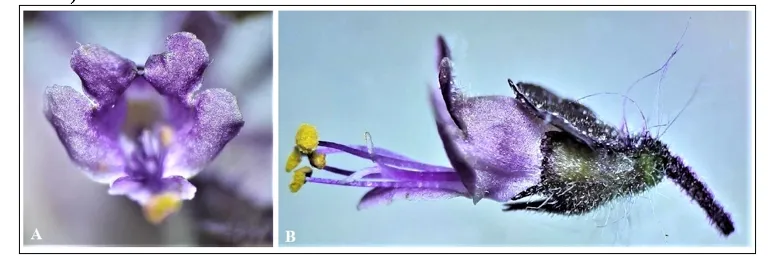
 

Figure 1. O. tenuiflorum, A. Front view of flower showing lobes of corolla; B. Complete flower.
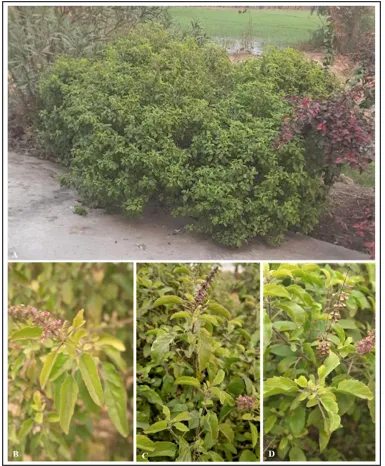


Figure 2. O. tenuiflorum, A. Habit; B. & C. Flowering; D. Fruiting twig.

Cultural importance:

Tulsi considered as one of the most sacred and revered plant in Indian culture. It is worshipped in Hindu religion and is regarded as a symbol of purity, devotion, and spiritual wellness. According to Hindu mythology, Tulsi is believed to be an earthly manifestation of Goddess Lakshmi, the consort of Lord Vishnu. Because of this belief, the plant is often planted in home gardens and near temples [24]. Many families perform daily prayers and offer water, flowers, and lamps to the Tulsi plant during morning and evening worship. It is believed that worshipping Tulsi brings peace, prosperity, and protection from negative energies. Tulsi leaves are considered essential in the worship of Lord Vishnu and Lord Krishna. Devotees offer Tulsi leaves during prayers, rituals, and festivals because they are believed to please these deities greatly. In many religious ceremonies, food offerings are considered incomplete without Tulsi leave [24]. Tulsi malas (garlands made from Tulsi stems) are also worn by devotees for spiritual purification and devotion. One of the important cultural ceremonies associated with Tulsi is “Tulsi Vivah,” celebrated mainly in the Hindu month of Kartik (October–November). In this ritual, Tulsi is symbolically married to Lord Vishnu or Krishna. The ceremony marks the beginning of the Hindu marriage season in many regions of India [25]. Family members often light lamps near the plant in the evening and circumambulate it as part of daily rituals. Tulsi is valued not only for religious reasons but also for its environmental benefits. It is believed to purify the air and repel insects because of its aromatic essential oils. Traditionally, people considered Tulsi as a plant that creates a positive and healthy air around homes and temples [26].

Ethnomedicinal and Ayurvedic Significance:

O. tenuiflorum (most commonly known as O. sanctum) has been used for thousands of years in Ayurveda due to its extensive healing properties. Often referred to as the “Elixir of Life,” Tulsi holds immense religious, spiritual, and medicinal importance [27]. Ancient Ayurvedic texts such as the Charaka Samhita mention Tulsi for its therapeutic potential [28]. Tulsi is one of the finest examples of Ayurveda’s holistic approach to health. It is known to balance Kapha and Vata doshas and is believed to penetrate deep tissues, normalize bodily functions, and enhance immunity [29,30]. Tulsi is considered an adaptogenic herb, helping the body adapt to physical, chemical, and emotional stress while maintaining internal balance [26]. It is characterized by a strong aroma and a slightly bitter and pungent taste due to presence of eugenol. Ayurvedic practitioners believe Tulsi promotes longevity, vitality, and overall well-being. Traditionally, it has been consumed in various forms such as herbal tea, dried powder, or fresh leaves. Dried Tulsi leaves have also been used for centuries to protect stored grains from insect infestation [28,31]. Tulsi extract can be incorporated into herbal mouthwash formulations because of its antimicrobial and anti-inflammatory properties [26].

Major phytochemicals and essential oil chemo-diversity:

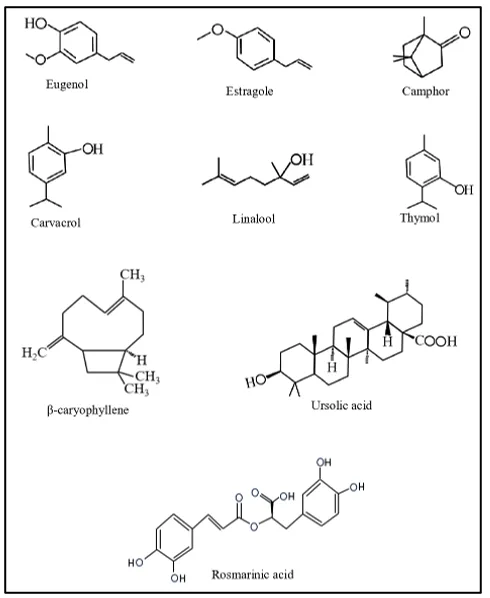
For assessment of essential oil chemo-diversity seven research works were consulted (Table 1). From the results of these works it has been reported that the essential oil of O. tenuiflorum is primarily Phenylpropanoid rich. Eugenol and methyl eugenol forms the major percentage fraction of total essential oil. However,  Monoterpenoids constitute highest in term of number of different chemical entities. According to five research works consulted (Germany, Australia, USA, Brazil, and Iran), O. tenuiflorum essential oil is eugenol rich. Two studies from India showed different scenario, one from South India found to be Methyl eugenol rich and other from Northern India, Methyl chavicol rich. Extracts obtained from the fresh leaves and stems of O. tenuiflorum contain several phenolic compounds known for their antioxidant properties. These include cirsilineol, circimaritin, isothymusin, apigenin, and rosmarinic acid, along with significant amounts of eugenol. Other constituents such as carvacrol and the sesquiterpene hydrocarbon caryophyllene are also present. Additionally, two flavonoids orientin and vicenin have been isolated from the aqueous leaf extract of O. tenuiflorum. Tulsi contains a wide range of bioactive secondary metabolites. These phytochemicals are responsible for its medicinal properties. Major phytochemicals of essential oil  of O. teuiflorum are eugenol, methyl eugenol, β-elemene and E-caryophyllene, β-caryophyllene [32]. Eugenol, methyl eugenol and caryophyllene are most widely distributed and occurs in higher amount among the population of O. tenuiflorum [33]. Beside these essential oil components, Ursolic acid is also a major phytochemical constituent of O. tenuiflorum  leaves [34-37]. Further, eugenol (principal component of essential oil), ursolic acid, rosmarinic acid, linalool, caryophyllene, flavonoids, tannins, saponins, alkaloids, and phenolic are most commonly occurring compounds (Figure, 3). These compounds exhibit antimicrobial, antioxidant, anti-inflammatory, antidiabetic, and cardioprotective activities (Table 2).

Table 1. Chemotypes and major essential oil components of O. tenuiflorum essential oil reported in different countries.

Compounds

Germany[37]

Australia[20]

USA[32]

Brazil[38]

Iran[39]

South India[40]

North India[41]

1,8-cineole

11.0

-

5.9

-

20.45

-

-

α-pinene

0.1

0.22

-

-

0.66

0.2

0.48

α-bergamotene

0.9

0.72

1.6

-

-

-

-

α-bisabolene

9.4

-

-

-

-

-

-

α-bisabolol

0.4

5.38

-

-

-

-

-

α-cadinene

-

-

7.3

-

-

-

-

α-humulene

2.0

0.19

0.5

1.5

1.27

0.8

-

α-terpineol

0.5

3.05

1.2

-

0.42

-

0.5

β-elemene

-

-

-

-

-

2.5

-

β-pinene

0.4

0.61

0.1


1.73

0.1

0.55

δ-terpineol

-

0.68

-

-

-

-

-

Camphor

-

24.15

-

-

-

-

-

Caryophyllene oxide

-

-

1.3

-

-

0.6

1.4

Eugenol

38.2

23.67

51.5

59.4

24.63

-

-

Estragole

-

9.6

-


11.40

-

-

(E)-β-Caryophyllene

-

-

-

29.4

-

5.5

-

Fenchone

-

0.1

-

-

-

-

-

Geraniol

-

-

0.3

-

-

-

0.15

Germacrene d

2.4

3.77

0.5

-

-

-

0.37

Limonene

0.2

1.36

0.1

-

-

-

4.39

Linalool


0.06

0.4

-

0.15

-

21.84

Methyl chavicol

14.4

-

-

-

-

-

44.63

Methyl eugenol

-

-

-

-

-

72.5

-

Myrcene

0.2

0.32

-

-

0.93

-

-

Ocimene oxide

-

1.17

-

-

-

-

-

Octen-3-ol

-

0.18

-

-

-

-

-

Sabinene

0.1

0.14

-

-

0.49

-

-

Trans-β-farnesene

-

-

2.2

-

-

-

-

Trans-β-guaiene

-

-

10.9

-

-

-

-


Figure 3. Molecular structure of some major compounds reported in O. tenuiflorum.

Table 2. Therapeutic effects of major chemical components reported in O. tenuiflorum.

Compound

Class

Therapeutic effects

References

Eugenol


Phenylpropanoid

Analgeisc/antinociceptive/anti-inflammatory/local anesthetic

[42,43]

Estragole


Phenylpropanoid

Genotoxic

[44]

Camphor


Bicyclic monoterpene ketone

Anti-microbial/anti-viral/

analgesic


[45,46,47]

Linalool

Acyclic monoterpenoid

Antigirardial/antimicrobial, anti-inflammatory

[48,49]

Ursolic acid


triterpenoid

Anti- arthritic/ Anti-inflammatory

[50]

β-caryophyllene

-

Antibiotic/ anti-inflammatory/ anticancer

[51,52]

Pharmacological and Therapeutic properties:

Regular consumption of Tulsi prevents disease, improve longevity, enhance skin health, and promote mental clarity, memory enhancer and emotional stability [53,54,55]. Modern scientific research supports these traditional claims and has demonstrated that Tulsi exhibits wide range of pharmacological activities, including: antimicrobial (antibacterial, antiviral, antifungal, antiprotozoal) [56, 30], antioxidant and anti-inflammatory [57-61], antidiabetic and anti-hyperlipidemic, hepatoprotective and nephroprotective, neuroprotective and cardioprotective, anticancer and chemo-preventive [62], immunomodulatory [29, 30], anti-asthmatic [18,19,63], antitussive and antipyretic [64], adaptogenic and anti-stress effects [65, 29]. These properties help the human body cope with physical, chemical, infectious, and emotional stressors, restoring physiological and psychological balance. Tulsi stimulates digestive enzymes, reduces acidity, and protects the stomach lining. It helps to relieve respiratory disorders (asthma, cough, bronchitis) indigestion, bloating, and gastric discomfort [26]. It is commonly used as a first-aid remedy for respiratory, digestive, and skin disorders. Ayurvedic literature also recognizes its use in treating tumors. Scientific studies confirm its role as an immunomodulatory, cytoprotective, and anticancer agent [22,29]. Table, 3 elaborates the  therapeutic potential of various parts of O. tenuiflorum.

Antioxidant and Detoxification:

Many health benefits of Tulsi are attributed to its antioxidant-rich phytochemical composition particularly phenolic compounds [38,60,65]. Krishna Tulsi has been reported to possess higher antioxidant capacity compared to other varieties. Laboratory studies indicate that Tulsi enhances endogenous antioxidant defenses by increasing glutathione levels and activating antioxidant enzymes such as superoxide dismutase and catalase. Tulsi protects against chemically induced toxicity by reducing oxidative stress, prevents DNA damage, and cellular injury and acts as chemo preventive agent [66]. It enhances liver detoxification processes by activating cytochrome P450 enzymes, thereby facilitating the metabolism and elimination of harmful toxins [67,68].

In Chemically and Physically induced Stress:

Numerous experimental studies have documented Tulsi’s protective effects against environmental toxicants, including pesticides, pharmaceuticals, heavy metals, and radiation. Tulsi has been shown to prevent damage to vital organs such as the liver, kidneys, and brain by mitigating immune, and cellular damage induced by toxic exposures [29,30].

Anticancer Activity:

Tulsi exhibits strong anti-cancerous properties. It is rich in various phytochemicals including eugenol, urosolic acid, apigenin, cryophellene, carvacrol, cirsimerritin, estragole, linalool and rosamaric acids. These phytochemicals exhibit neuro-protective, anti-carcinogenic, radioprotective, anti-hypertensive and anti-leukodermal effects[22]. It has been reported that in prostate cancer, Tulsi exhibit anticancer effects. Treatment with the ethanolic extraction of Tulsi results in the decrease of Bcl-2 level and elevated the caspase 9 and caspase 3. In lung cancer cell lines, it is reported that extract of Tulsi shows cleaved poly ADP-ribose polymerase (PARP), activated caspase-9 and caspase-3 proteins at the same time, and induce release of cytochrome C into the cytoplasm. Additionally, in cancer cells, ethanolic extracts of O. tenuiflorum reduced the phosphorylation of Akt and extracellular signal-regulated kinase (ERK), raised the ratio of proapoptotic protein Bax to antiapoptotic protein Bcl-2 [69]. A549 cells angiogenesis is disrupted by OS ethanolic extract, which may be the outcome of cell migration and proliferation being disrupted due to downregulation of αvβ3, MMP-2, and MMP-9 [70]. Following O. tenuiflorum essential oil  treatment, anti-apoptotic genes (BCL-2 and BCL-xL) were dramatically down-regulated and pro-apoptotic genes (TP53, BAX, and BAK) were significantly up-regulated. Additionally, AGS (Adenocarcinoma of the Gastric Stomach) cells treated with O. tenuiflorum essential oil  showed markedly elevated gene expression for CASP8, CASP9, and CASP3 [71].   Another study reported cytotoxic effects of phytochemical constituent of Tulsi against the A375 malignant melanoma cell line by inducing the apoptosis pathways [72]. Studies have demonstrated that ethanolic extracts of O. tenuiflorum significantly reduced tumor cell size and increased the lifespan of mice bearing Sarcoma-180 solid tumors. Oral administration of leaf extract significantly reduced tumor size and increases  survival rates of experimental animals [73]. Furthermore, O. tenuiflorum has been reported to protect cellular DNA from oxidation. The anti-tumor and anti-cancer effects of Tulsi are primarily attributed to eugenol, beta-caryophyllene and β-elemene components of essential oil [51, 73, 74, 22].

Antidiabetic Activity:

O. tenuiflorum exhibits notable antidiabetic properties [60]. Hydroalcoholic extracts of O. tenuiflorum have shown significant hypoglycemic activity in streptozotocin and nicotinamide-induced diabetic rats. Ethanol extracts have also been found to reduce hyperglycemia in alloxan-induced diabetic rats [75].

Antifertility Activity:

Benzene and petroleum ether extracts of Tulsi leaves have demonstrated significant antifertility effects in female rats, showing approximately 80% and 60% activity, respectively. In Kerala, Tulsi leaves have been used by females and doctors for birth control measures [76]. Ursolic acid, a major constituent of Tulsi leaves, is believed to be responsible for antifertility activity [77].

Antibacterial Activity:

The antibacterial potential of aqueous, alcoholic, chloroform extracts, and essential oil of O. tenuiflorum leaves has been tested against pathogenic microorganisms such as Escherichia coli, Pseudomonas aeruginosa, Salmonella typhimurium, and Staphylococcus aureus. The extracts were found to be effective against both Gram-positive and Gram-negative bacteria [78]. Fresh leaf essential oil exhibited stronger antibacterial activity compared to dried leaf oil. However, in the case of antifungal activity, dried leaves were observed to be more effective [79, 80].

Health benefits of Tulsi in daily life:

Tulsi is widely valued for its diverse health benefits. The leaves act as a nerve tonic, enhancing memory and cognitive function [81]. Tulsi help clear mucus from the bronchial passages, strengthen the stomach, and promote sweating [82]. The seeds possess mucilaginous properties and has been used in foods [83].

Boosts Immunity:

Tulsi possesses powerful immunomodulatory properties that enhance the body’s defense mechanisms. Bioactive compounds such as eugenol, rosmarinic acid and ursolic acid stimulate immune cells, making the body more resistant to infections [29, 84].

Promotes Respiratory Health:

Tulsi has been used as a major remedy for cold and cough in every Indian household. It is effective in treating respiratory disorders such as asthma, bronchitis, and COPD (Chronic Obstructive Pulmonary Disease). Its expectorant and anti-inflammatory properties help clear mucus and reduce congestion [57-61]. Tulsi steam inhalation provides relief in cold [85].

Supports Cardiovascular Health:

Tulsi helps lower the cholesterol levels, regulate blood pressure, and protect the heart from oxidative damage, thereby reducing the risk of cardiovascular diseases [26].

Cultivation:

Tulsi grows in tropical and warm regions. It is widely grown in Asia and Africa. It is distributed and cultivated throughout the India. The phytochemical diversity and hence medicinal properties of plants depend upon the type of the soil, weather and variations in the rainfall. For cultivation, seedlings are transplanted in a pot after germination.  Further, for getting good vegetative growth and more branching,  pinching  of  flowering twigs is a common practice. Tulsi requires less water and good sunlight condition for healthy growth. During winters severe frost and low temperature can dry out the plant as a result of chilling stress. To overcome this, the pot should be transferred to a shaded area where there is some sunlight is available but no frost [8, 94].

Table 3. Therapeutic potential of different parts of O. tenuiflorum reported in literature.

No.

Therapeutic potential

Part used

References

1.

Immunomodulator

Leaf

[35]

2.

Antiviral

-

[56,30]

3.

Adaptogenic

-

[68]

4.

Antiartritic

Leaf

[50]

5.

Preservative

Leaves

[86]

6.

Antixoidant

Leaves

[65; 29; 54, 60]

7.

Anti-inflammatory

Leaves/root/whole plant/seeds

[57,60]

8.

Chemo-preventive

Seed/leaves

[62,66]

9.

Memory enhancer/ neuroprotective

Plant/leaves

[53,54,55]

10.

Antifungal

Aerial part/leaves

[41,79,87]

11.

Antibacterial

Aerial part

[79]

12.

Anti-cancer

Leaves

[88]

13.

Antimicrobial

Leaves

[89]

14.

Antipyretic

Leaves/root

[58,64]

15.

Anti-diabetic

Leaves/whole plant

[75,90,91]

16.

Anti-asthmatic/antitussive

Leaves

[18]

17.

Anthelmintic

Leaves

[92]

18.

Antiplasmodial

Leaf, stem, root, flower

[93]

Molecular mechanism of essential oil action:

Essential oils activate apoptosis (programmed cell death) in tumor cells by generating reactive oxygen species (ROS), inducing release of cyt. c from mitochondrial which activates caspase proteins. On molecular level eugenol shows a pro-apoptotic effect by decreasing the expression of the anti-apoptotic protein Bcl-2 and by increasing pro-apoptotic proteins such as Bax. This increased the Bax/Bcl-2 ratio, which activates mitochondrial apoptotic pathways, and leads to caspase-mediated cell death. Studies on cervical, breast, and oral cancer cells have demonstrated that eugenol suppresses Bcl-2 expression and promotes apoptosis, suggesting its potential role as an anticancer phytochemical [95,96]. Eugenol increases the expression of Bax, a pro-apoptotic protein involved in mitochondrial apoptosis. Enhanced Bax levels promote mitochondrial membrane permeabilization, cytochrome-c release, and activation of caspases, leading to programmed cell death [97,98,99]. Thus, eugenol induces apoptosis through the mitochondrial pathway by promoting Cyt-c release [22].

Eugenol inhibits the occurrence of cyclooxygenase-2 (COX-2) and hence reduces inflammation. Cyclooxygenase-2 (COX-2) enzyme produces prostaglandins, lipid compounds that drive inflammation, pain, and fever [100]. As a potent antioxidant eugenol neutralizes free radicals and prevents the formation of ox-LDL. Further it inhibits oxidized low-density lipoprotein (ox-LDL) binding to LOX-1 (Lectin-like oxidized low-density lipoprotein receptor-1) receptors. In case of LOX-1 binding to ox-LDL, reactive oxygen species (ROS) production occurs which induces inflammatory response. Binding of LOX-1 also triggers endothelial cell dysfunction, apoptosis, and the formation of foam cells. Research indicates that eugenol reduces both PCSK9 and LOX-1 expression, especially in stress-induced or leukemia cells, by interfering with oxidized LDL pathways [101] (Figure, 4).
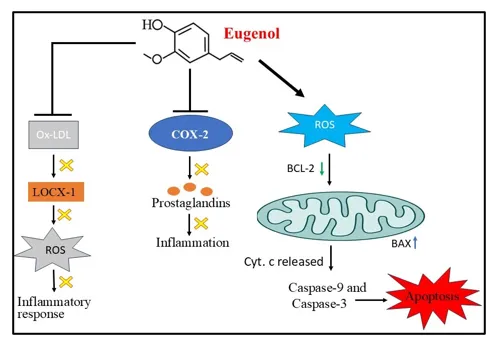
 

Figure 4. Molecular signaling induced by eugenol in generating apoptosis and reducing inflammation.

Genetic basis of purple pigmentation:

The two forms, Green (Rama Tulsi ) and purple (Shyama Tulsi) have been categorized on the basis of accumulation of high amount of anthocyanin pigment in purple form (Figure, 5). Anthocyanins are water-soluble natural phenolic compounds belongs to flavonoid class, which are synthesized in the cytoplasm and stored inside vacuoles of flowers, leaves, fruits, roots, and epidermal cells [102,103]. Anthocyanin gives vibrant purple color to flowers of many plants. UV-B (280-315 nm) radiation is a powerful factor for anthocyanin biosynthesis. Anthocyanins play key roles as natural sunscreens (acts as natural filter), safeguard plant cells from oxidative damage (by neutralizing reactive oxygen species), and photo-oxidation (absorbs excess energy) [104]. These pigments have therapeutic properties and act as free radicle scavenger [102, 103]. In purple form (Shyama or Krishna Tulsi) anthocyanin pigment present in leaves, stem, and inflorescences. The difference in the coloration of both forms depends upon the expression of early and late genes involved in anthocyanins synthesizing pathway [103]. In genus Ocimum, studies indicates that biosynthesis of anthocyanin pigments requires a complex interaction between both structural and regulatory genes. The occurrence of pigmentation does not have any relation with the essential oil characteristics [103,105]. Environmental conditions (light and temperature) also affect the coloration. Both forms have commercial applications and are sold in the market. According to some sources purple form is rich in genotoxic compound, methyl eugenol [17].
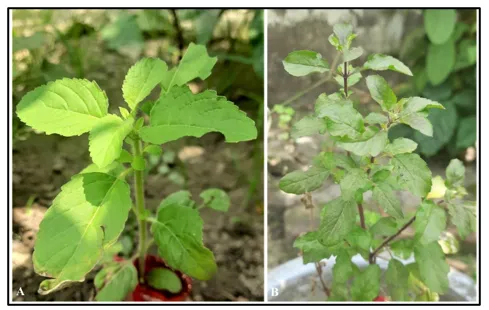
Figure 5. Two forms of O. tenuiflorum; A. Green form (Shri or Rama Tulsi) and B. Purple form (Krishna or Shyama Tulsi).

Anthocyanins are synthesized via flavonoid producing phenylpropanoid pathway. Chalcone synthase (CHS), chalcone isomerase (CI), dihydroflavonol 4-reductase (DFR) and anthocyanidin synthase (ANS) are key enzymes in this pathway [106]. The transcription factors OsHY5 (LONG HYPOCOTYL 5), TT8 (OsbHLH basic helix loop-helix), and MYB (Myeloblastosis) family proteins are involved in regulation of genes responsible for enzymes involved in anthocyanin synthesis [103,107]. The intensity of purple pigmentation depends on the differential expression level of early (OsCHS-chalcone synthase and OsCHI-chalcone isomerase) and late genes (OsDFR- dihydroflavonol 4-reductase and OsANS- anthocyanidin synthase) of anthocyanin producing pathway. In purple form both OsCHS and OsCHI are highly expressed in comparison to green form. Further, in purple form OsHY5 and OsbHLH are also highly expressed [103]. Finally, purple coloration does not constitute a fixed or stable trait in genus Ocimum but it has been found to be unstable and instances have been reported where purple reverted to parental green form [105,108].

CONCLUSION:

Tulsi is an invaluable gift to mankind. The relevancy and effectiveness of Tulsi as a potent remedy is established by evidences ranging from ancient texts to recent modern scientific findings. To harness its chemical properties, one can derive health benefits by consuming it in various convenient forms—such as decoctions, syrups, teas, or powder in daily life. It would be best to grow a Tulsi plant in a pot at home and use the fresh leaves.

Credit authorship contribution statement

S.D. Writing – original draft, Investigation, Data curation; A.T. –Writing, Conceptualization; K.S Writing – resources; H.S.– Writing, review & editing; M.S. -Review & editing.

Declaration of competing interest

The authors declare that they have no known competing financial interests or personal relationships that could have appeared to influence the work reported in this review.

Acknowledgments

The authors would like to thank Head of Department, School of Botany, Maa Shakumbhari University, Saharanpur, Uttar Pradesh, India and Head of Department, Department of Botany, Chaudhary Charan Singh University, Meerut for their kind administrative support

REFERENCES

  1. Harley RM, Atkins S, Budantsev AL, Cantino PD, Conn BJ, Grayer R, Harley MM, Kok R, Krestovskaja T, Morales R, Paton AJ, Ryding O and Upson T. Labiatae. In: Kadereit JW. (Ed.), Families and Genera of Vascular Plants, Vol. VII. Springer, Berlin Heidelberg, 2004; 167–275.
  2. APG IV. An update of the Angiosperm Phylogeny Group classification for the orders and families of flowering plants: APG IV. Botanical Journal of the Linnean Society 2016; 181: 1-20.
  3. Li B, Cantino PD, Olmstead RG, Bramley GL, Xiang C-L, Ma Z-H, Tan Yun-Hong and Zhang Dian-Xiang. A large-scale chloroplast phylogeny of the Lamiaceae sheds new light on its subfamilial classification. Scientific Reports 2016; 6: 34343.
  4. Moshari-Nasirkandi A, Alirezalu A, Alipour H and Amato J. Screening of 20 species from Lamiaceae family based on phytochemical analysis, antioxidant activity and HPLC profiling. Scientific Reports 2023; 13: 16987.
  5. Venkatesh YN, Neethu T, Ashajyothi M, Kumar V, Hiremath C. Pollinator activity and their role on seed set of medicinal and aromatic Lamiaceae plants. J Apicultural Research 2024; 63(5): 1136-44.
  6. Zhao F, Chen YP, Salmaki Y, Drew BT, Wilson TC, Scheen AC, Celep F, Bräuchler C, Bendiksby M, Wang Q, Min DZ, Peng H, Olmstead RG, Li B, and Xiang CL. An updated tribal classification of Lamiaceae based on plastome phylogenomics. BMC Biology 2021; 19(2): 1-27.
  7. Chakrabartty I, Mohanta YK, Nongbet A, Mohanta TK, Mahanta S, Das N, Saravanan M and Sharma N. Exploration of Lamiaceae in Cardio Vascular Diseases and Functional Foods: Medicine as Food and Food as Medicine. Frontiers in Pharmacology 2022; 13: 894814.
  8. Tyagi A, Sarma K, Mohammad I, Doli, Gupta D, Gauri, and Kant R. Ocimum basilicum (Sweet Basil): History, culture, uses and cultivation. In: Ecology and Biodiversity, Ed. Publisher: Bhumi publishing, Kolhapur, Maharashtra, India. 2025; 62-74.
  9. Carović-Stanko K, Petek M, Grdiša M, Pintar J, Bedeković D, Herak ĆM and Šatović Z. Medicinal plants of the family Lamiaceae as functional foods – a review. Czech Journal of Food Sciences 2016; 34: 377-390.
  10. Tyagi A, Yadav A, Yadav A, Saini L, Kumar V, Jain P, Mohammad I, Ansari M, El EH, Abdel-Gawad F, Obaid S, Siddiqui S and Malik V. Vibrational Spectroscopic Methods for the Identification and Distinction of Essential Oils in Genus Ocimum L.: A Chemometric Approach. J King Saud University – Science 2022; 34: 102355.
  11. Kalita M and Devi N. A taxonomic review of the genus Ocimum L. (Ocimeae, Lamiaceae). Plant Science Today 2023; 10.14719/pst.2552.
  12. Lal RK, Mishra A, Gupta P, Chanotiya CS and Sarkar S. Chapter – 2; Breeding for qualitative and quantitative traits and varietal development in Genus Ocimum at CSIR-CIMAP, India: the past and recent accomplishment. In book: Studies in Medicinal & Aromatic Crops (ISBN No. 978-1-913482-36-7) Robert Boyle Manager Rubicon Publications 2021.
  13. Wirtu SF, Mishra AK, Jule LT, and Ramaswamy K. Ocimum basilicum and Ocimum americanum: A Systematic Literature Review on Chemical Compositions and Antimicrobial Properties. Natural Product Communications 2024; 19(4): 1-17.
  14. Miller R and Miller S. Tulsi Queen of Herbs: India's Holy Basil; The Green Isle Enterprise: Salt Spring Island, BC, Canada, 2003.
  15. Paramkusha M. Pharmaceutical preparation of “Tulsi sharkara” a holistic preparation with Vishnusahasranama. World Journal of Pharmaceutical Research 2015; 4(10): 1824-1832.
  16. Walters H. Cornerstones: Shaligrams as Kin. J Religion 2022; 102(1): 93.
  17. Shaibi M, Balaji R and Parani M. Molecular differentiation of the green and purple Tulsi (Ocimum tenuiflorum L.) and its application in authentication of market samples. J Plant Biochemistry and Biotechnology 2024; 33: 265–269.
  18. Vinaya M, Kudagi BL, Kamdod MA and Swamy M. Bronchodilator activity of Ocimum sanctum Linn. (Tulsi) in mild and moderate asthmatic patients in comparison with albutamol: a single-blind cross-over study. International J Basic and Clinical Pharmacology 2017; 6(3): 511-517.
  19. Nadig P and Laxmi S. Study of anti-tussive activity of Ocimum sanctum Linn. in guinea pigs. Indian J Physiology and Pharmacology 2005; 49(2): 243-245.
  20. Yamani HA, Pang EC, Mantri N, Deighton MA. Antimicrobial activity of Tulsi (Ocimum tenuiflorum) essential oil and their major constituents against three species of bacteria. Frontiers in Microbiology 2016; 7: 195885.
  21. Bhattarai K, Bhattarai R, Pandey RD, Paudel B, Bhattarai HD. A comprehensive review of the phytochemical constituents and bioactivities of Ocimum tenuiflorum. The Scientific World Journal 2024; 2024(1): 8895039.
  22. Hasan MR, Alotaibi BS, Althafar ZM, Mujamammi AH, Jameela J. An Update on the Therapeutic Anticancer Potential of Ocimum sanctum L.: “Elixir of Life.” Molecules 2023; 28(3): 1193.
  23. Almatroodi SA, Alsahli MA, Almatroudi A and Rahmani AH. Ocimum sanctum: Role in Diseases Management Through Modulating Various Biological Activity. Pharmacognosy Journal 2020; 12(5): 1198-1205.
  24. Sen DJ. Panchamrita: The five nectars of God. World J Pharmaceutical and Life Science 2018; 4(4): 73-75.
  25. Karle BA, Kulkarni AA, Deshmukh SR, Pansare PA and Lamrood PY. Ritual Plants of Maharashtra: Documentation, Analysis, and Cultural Significance. The Bioscan 2025; 20: 114–124.
  26. Nayak A, Sahu N and Sharma D. Multiple Health Benefits of Tulsi Plant. In book: Medicinal Plants and its Benefits in Our Day to Day Life (Volume - 8), Integrated Publication Delhi, 2022; 141.
  27. Shrivastava V, Tomar RS, Mishra RK, Jyoti A and Kaushik S. Medicinal potential of some mythologically important plants of India: A review. International J Multidisciplinary and Current Research 2014; 2(1): 99-103.
  28. Pattanayak P, Behera P, Das D and Panda SK. Ocimum sanctum Linn. A reservoir plant for therapeutic applications: An overview. Pharmacognosy Reviews 2010; 4(7): 95-105.
  29. Mondal S, Verma S, Bamola VD, Naik SN, Mirdha BR, Mehta N and Mahapatra SC. Double blinded randomized controlled trial for immunomodulatory effects of Tulsi (Ocimum sanctum Linn.) leaf extract on healthy volunteers. J Ethnopharmacology 2011; 136(3): 452-456.
  30. Shree P, Mishra P, Selvaraj C, Singh SK, Chaube R, Garg N and Tripathi YB. Targeting COVID-19 (SARS-COV-2) main protease through active phytochemicals of ayurvedic medicinal plants- Withania somnifera (Ashwagandha), Tinospora cordifolia (Giloy) and Ocimum sanctum (Tulsi)- a molecular docking study. J Biomolecular Structure and Dynamics 2020; 1-14.
  31. Biswas NP and Biswas AK. Evaluation of some leaf dusts as grain protectant against rice weevil Sitophilus oryzae (Linn.). Environment and Ecology 2005; 23(3): 485-488.
  32. Sims CA, Juliani HR, Mentreddy SR and Simon JE. Essential Oils in Holy Basil (Ocimum tenuiflorum L.) as Influenced by Planting Dates and Harvest Times in North Alabama. J Medicinally Active Plants 2013; 2(3): 33-41.
  33. Vasudevan 1999.
  34. Srinivasulu K, Sivakumar E and Changamma C. The effective use of ursolic acid and Ocimum sanctum (Linn.) leaf extract on some marker carbohydrate metabolites in male albino rats. International J Pharmaceutical Sciences and Research 2017; 8(11): 4624-4636.
  35. Mondal S, Mirdha BR and Mahapatra SC. The science behind sacredness of Tulsi (Ocimum sanctum Linn.). Indian J Physiology and Pharmacology 2009; 53(4): 291-306.
  36. Silva MGV, Vieria IGP, Mendes FN, Albuquesque IL, Santos RND, Silva FO and Morais SM. Variation of ursolic acid content in eight Ocimum species from North Eastern Brazil. Molecules 2008; 13(10): 2482-2487.
  37. Laakso I, Seppänen-Laakso T, Herrmann-Wolf B, Kühnel N and Knobloch K. Constituents of the essential oil from the holy basil or Tulsi plant, Ocimum sanctum. Planta Medica 1990; 56: 527.
  38. Trevisan MTS, Silva MGV, Pfundstein B, Spiegelhalder B and Owen RW. Characterization of the volatile pattern and antioxidant capacity of essential oil from different species of the genus Ocimum. J Agriculture and Food Chemistry 2006; 54: 4378-4382.
  39. Saharkhiz MJ, Kamyab AA, Kazerani NK, Zomorodian K, Pakshir K and Rahimi MJ. Chemical Compositions and Antimicrobial Activities of Ocimum sanctum L. Essential Oils at Different Harvest Stages. Jundishapur J Microbiology 2014; 8(1): e13720.
  40. Kothari SK, Bhattacharya AK, Ramesh S, Garg SN and Khanuja SPS. Volatile Constituents in Oil from Different Plant Parts of Methyl Eugenol-Rich Ocimum tenuiflorum L.f. (syn. O. sanctum L.) Grown in South India. J Essential Oil Research 2005; 17(6): 656–658.
  41. Khan A, Ahmad A, Akhtar F, Yousuf S, Xess I, Khan LA and Manzoor N. Ocimum sanctum essential oil and its active principles exert their antifungal activity by disrupting ergosterol biosynthesis and membrane integrity. Research in Microbiology 2010; 161(10): 816-23.
  42. Park CK, Kim K, Jung SJ, Kim MJ, Ahn DK, Hong S-D, Kim JS and Oh SB. Molecular mechanism for local anesthetic action of eugenol in the rat trigeminal system. Pain 2009; 144(1-2): 84-94.
  43. Daniel AN, Sartoretto SM, Schmidt G, Caparrozassef SM, Bersani-Amado CA and Cuman RKN. Antiinflammatory and antinociceptive activities of eugenol essential oil in experimental animal model. Revista Brasileira de Farmacognosia 2009; 19(1b): 212-217.
  44. Dusemund B, Reitjens IMCM, Abraham K, Cartus A and Schrenk D. Undesired plant derived compounds in food. Chemical contaminants and residues in food 2015; 379-424.
  45. Setzer WN, Vagler B, Schmidt JM, Leahy JG and River R. Antimicrobial activity of Artemisia douglasiana leaf essential oil. Fitoterapia 2004; 75(2): 192-200.
  46. Sivropoulou A, Nikolaou C, Papanikolaou E, Kokkini S, Lanarar T and Arsenakis M. Antimicrobial, cytotoxic and antiviral activities of Salvia fruticosa essential oil. J Agriculture and Food Chemistry 1997; 45(8): 3197-3201.
  47. Nascimento JC, Barbosa LCA, Paula VF, David JM, Fontana K, Silva LAM and Franca RS. Chemical composition and antimicrobial activity of essential oils of Ocimum canum Sims. and Ocimum selloi Benth. Anais da Academia Brasileira de Ciencias 2011; 83(3): 787-799.
  48. Almeida I, Alviano DS, Vieira DP, Alves PB, Blank AF, Lopes HCS, Alviano CS and Rosa MdoSS. Antigirardial activity of Ocimum basilicum essential oil. Parasitology Research 2007; 101: 443-452.
  49. Mughal MH. Linalool: A mechanistic treatise. J Nutrition, Food Research and Technology 2018; 2(1): 1-5.
  50. Ahmad A, Abuzinadah MF, Alkreathy HM, Banaganapalli B and Mujeeb M. Ursolic acid rich Ocimum sanctum L. leaf extract loaded nanostructured lipid carriers ameliorate adjuvant induced arthritis in rats by inhibition of COX-1, COX-2, TNF-α and IL-1: Pharmacological and docking studies. PLOS ONE 2018; 13(3): e0193-451.
  51. Legault J and Pichette A. Potentiating effect of beta-caryophyllene on anticancer activity of alpha-humulene, isocaryophyllene and paclitaxel. J Pharmacy and Pharmacology 2007; 59(12): 1643-1647.
  52. Fidyt K, Fiedorowicz A, Strazadala L and Szumny A. β-caryophyllene and β-caryophyllene oxide- natural compounds of anticancer and analgesic properties. Cancer Medicine 2016; 5(10): 3007-3017.
  53. Joshi H and Parle M. Chlorogenic basis of memory improving effect of Ocimum tenuiflorum Linn. Indian J Pharmaceutical Science 2006; 68(3): 364-365.
  54. Yanpallewar SU, Rai S, Kumar M and Acharya SB. Evaluation of antioxidant and neuroprotective effect of Ocimum sanctum on transient cerebral ischemia and long term cerebral hyperfusion. Pharmacology Biochemistry and Behaviour 2004; 79(1): 155-164.
  55. Mataram MBA, Hening P, Harjanti FN, Karnati S, Wasityastuti W, Nugrahaningsih DAA, Kusindarta DL and Wihadm H. The neuroprotective effect of ethanolic extract of Ocimum sanctum Linn. in the regulation of neuronal density in hippocampus areas as central autobiography memory on the rat model of Alzheimer's disease. J Clinical Neuroanatomy 2020; 111: 101885.
  56. Ghoke SS, Sood R, Kumar N, Pateria AK, Bhatia S, Mishra A, Dixit R, Singh VK, Desai DN, Kulkarni DD, Dimri V and Singh VP. Evaluation of antiviral activity of Ocimum sanctum and Acacia arabica leaves extracts against H9N2 virus using embryonated chicken egg model. BMC Complementary and Alternative Medicines 2018; 18(1): 174.
  57. Thakur K and Pitre KS. Anti-inflammatory activity of extracted eugenol from Ocimum sanctum Linn. leaves. Rasayan J Chemistry 2009; 2(2): 472-747.
  58. Godhwani S, Godhwani GL and Vyas DS. Ocimum sanctum: An experimental study evaluating its anti-inflammatory, analgesic and antipyretic activity in animals. J Ethnopharmacology 1987; 21: 153-163.
  59. Kumar A, Agarwal K, Maurya AK, Shanker K, Bushra U, Tandon S and Bawankule DU. Pharmacological and phytochemical evaluation of Ocimum sanctum root extracts for its antiinflammatory, analgesic and antipyretic activities. Pharmacognosy Magazine 2015; 11(42): 217.
  60. Mehta V, Sharma A, Kailkura P and Malairaman U. Antioxidant, anti-inflammatory and antidiabetic activity of hydroalcoholic extract of Ocimum sanctum: an in-vitro and in-silico study. Asian J Pharmaceutical and Clinical Research 2013; 9(5): 44-49.
  61. Singh S, Nair V, Jain S and Gupta YK. Evaluation of anti-inflammatory activity of plant lipids containing α-linolenic acid. Indian J Experimental Biology 2008; 46: 453-456.
  62. Manikandan P, Letchoumy PV, Prathiba D and Siddvaram V. Combinatorial chemopreventive effect of Azadirachta indica and Ocimum sanctum on oxidant-antioxidant status, cell proliferation, apoptosis and angiogenesis in a rat for stomach carcinogenesis model. Singapore Medical Journal 2008; 49(10): 814-822.
  63. Singh S and Agrawal SS. Anti-asthmatic and anti-inflammatory activity of Ocimum sanctum. International J Pharmacognosy 1991; 29(4): 306-310.
  64. Balakrishna V, Pamu S and Pawar D. Evaluation of anti-pyretic activity of Ocimum sanctum Linn. using Brewer's Yeast induced pyrexia in albino rats. J Innovation in Pharmaceutical Sciences 2017; 1(2): 55-58.
  65. Barbosa CdeO, Morais SMde, Sousa HAde, Martins VC, Neto JFC, Vieria IGP, Pereira RdeCA, Rodrigues ALM and Carioca JOB. Chemical composition and antioxidant potential of essential oils from different Ocimum species (Basil). Brazilian J Development 2021; 7(3): 24422-24442.
  66. Prakash J and Gupta SK. Chemopreventive activity of Ocimum sanctum seed oil. J Ethno-Pharmacology 2000; 72: 29-34.
  67. Rastogi S, Shukla Y, Paul BN, Chowdhuri DK, Khanna SK and Das M. Protective effect of Ocimum sanctum on 3-methylcholanthrene, 7,12-dimethylbenz (a) anthracene and aflatoxin B1 induced skin tumorigenesis in mice. Toxicology and Applied Pharmacology 2007; 224: 228–40.
  68. Cohen MM. Tulsi- Ocimum sanctum: A herb for all reasons. J Ayurveda and Integrative Medicine 2014; 5(4): 251-259.
  69. Magesh V, Lee JC, Ahn KS, Lee HJ, Lee HJ, Lee EO, et al. Ocimum sanctum induces apoptosis in A549 lung cancer cells and suppresses the in vivo growth of lewis lung carcinoma cells. Phytother Res 2009; 23(10): 1385–91.
  70. Wihadmadyatami H, Hening P, Kustiati U, Kusindarta DL, Triyono T, Supriatno S. Ocimum sanctum Linn. ethanolic extract inhibits angiogenesis in human lung adenocarcinoma (a549) cells. Vet World 2020; 13(9): 2028–32.
  71. Boonyanugomol W, Rukseree K, Prapatpong P, Reamtong O, Baik SC, Jung M, et al. An In Vitro Anti-Cancer Activity of Ocimum tenuiflorum Essential Oil by Inducing Apoptosis in Human Gastric Cancer Cell Line. Medicina 2021; 57(8): 784.
  72. Moyo B, Mhlongo M, Sitole L. Cytotoxic activity of Ocimum tenuiflorum crude extracts against an A375 malignant melanoma cell line. South Afr J Bot 2024; 175: 514–22.
  73. Xie Q, Li F, Fang L, Liu W and Gu C. The antitumor efficacy of β-elemene by changing tumor inflammatory environment and tumor microenvironment. BioMed Research International 2020; 1-13.
  74. Abdullah ML, Hafez MM, Al-Hoshani A and Al-Shabanah O. Anti-Metastatic and Anti-Proliferative Activity of Eugenol against Triple Negative and HER2 Positive Breast Cancer Cells. BMC Complementary & Alternative Medicine 2018; 18(1): 321.
  75. Mousavi L, Salleh RM and Murugaiyah V. Antidiabetic and In Vitro Enzyme Inhibition Studies of Methanol Extract of Ocimum tenuiflorum Linn Leaves and Its Fractions. Tropical Life Sciences Research 2020; 31(1): 141-158.
  76. Verma S. Chemical constituents and pharmacological action of Ocimum sanctum (Indian holy basil-Tulsi). J Phytopharmacology 2016; 5(5): 205-207.
  77. Ampofo-Yeboah A, Lambrechts H, Brink D, Hiten F and Afriyie-Gyawu E. Analysis of Oleanolic Acid and Ursolic Acid, Potential Antifertility Agents in Moringa (Moringa oleifera) Seed. J Agricultural Science and Technology 2013; A 3: 989-999.
  78. Tabassum T, Islam A, Andalib KMS, Sarker B, Mia M, Ahmed KS, Hossain H and Habib A. Antibacterial Activity of Ocimum tenuiflorum against Drug Resistant Bacteria Isolated from Raw Beef. J Microbiology and Biotechnology 2025; 35: e2409028.
  79. Dharmagadda VSS, Tandon M and Vasudevan P. Biocidal activity of the essential oil of the Lantana camara, Ocimum sanctum and Tagetes patula. J Scientific and Industrial Research 2005; 64(1): 53-56.
  80. Biswas P. Evaluation of antibacterial activities of leaf extracts of two medicinal plants Ocimum canum Sims. and Ocimum tenuiflorum Linn. J Microbiology and Biotechnology Research 2017; 3(3): 20-23.
  81. Patel R, Prakasam A, Joseph RP, Patel R and Patel B. Ancient herb, modern applications: Immunological potential of Ocimum tenuiflorum in respiratory and neuropsychological health. Pharma Nutrition 2026; 35: 100475.
  82. Prakash P and Gupta N. Therapeutic uses of Ocimum sanctum Linn (Tulsi) with a note on eugenol and its pharmacological actions: a short review. Indian J Physiology and Pharmacology 2005; 49(2): 125-31.
  83. Shamsnejati S, Chaibakhsh N, Pendashteh AR and Hayeripour S. Mucilaginous seed of Ocimum basilicum as a natural coagulant for textile wastewater treatment. Industrial Crops and Products 2015; 69.
  84. Arya R, Faruquee HM, Shakya H, Rahman SA, Begum MM, Biswas SK, Apu MAI, Islam MA, Sheikh MMI and Kim JJ. Harnessing the Antibacterial, Anti-Diabetic and Anti-Carcinogenic Properties of Ocimum sanctum Linn (Tulsi). Plants 2024; 13(24): 3516.
  85. Shuman K, Raju R and Jogdeo B. Effectiveness of steam inhalation with Tulsi leaves among children with upper respiratory tract infection. International J Applied Research 2018; 4(7): 80-83.
  86. Anbarasu K and Vijayalakshmi G. Improved shelf life of protein rich Tofu using Ocimum sanctum (Tulsi) extract to benefit Indian rural population. J Food Science 2007; 72(8): 300-305.
  87. Balakumar S, Rajan S, Thirunalasundari T and Jeeve S. Antifungal activity of Ocimum sanctum Linn. (Lamiaceae) on clinically isolated dermatophytic fungi. Asian Pacific J Tropical Medicines 2011; 4(8): 654-657.
  88. Bhattacharyya P and Bishayee A. Ocimum sanctum Linn. (Tulsi): an ethnomedicinal plant for the prevention and treatment of cancer. Anti-Cancer Drugs 2013; 24(7): 659-666.
  89. Mallikarjun S, Rao A, Rajesh G, Shenoy R and Pai M. Antimicrobial efficacy of Tulsi leaf (Ocimum sanctum) extract on periodontal pathogen: An in vitro study. J Indian Society of Periodontology 2016; 20: 145-150.
  90. Hannan JMA, Marenah L, Ali L, Rokeya B, Flatt PR and Abdel-Wahab YHA. Ocimum sanctum leaf extracts stimulate insulin secretion from perfused pancreas, isolated islets and clonal pancreatic beta cells. J Endocrinology 2006; 189: 127–136.
  91. Halim EM and Mukhopadhyay AK. Effect of Ocimum sanctum (Tulsi) and vitamin E on biochemical parameters and retinopathy in streptozotocin induced diabetic rats. Indian J Clinical Biochemistry 2006; 21(2): 181-188.
  92. Buchineni M, Pathapati RM and Kandati J. Anthelmintic activity of Tulsi leaves (Ocimum sanctum Linn.) An in-vitro comparative study. Saudi J Medicinal and Pharmaceutical Sciences 2015; 1(2): 47-49.
  93. Inbaneson SJ, Ravikumar S and Suganthi P. In vitro antiplasmodial effect of ethanolic extract of traditional medicinal plant Ocimum species against Plasmodium falciparum. Asian Pacific J Medicine 2012; 103-106.
  94. Singh S, Tripathi A, Chanotiya FCS, Barnawal D, Singh P, Patel V, Vajpayee P and Kalra A. Cold stress alleviation using individual and combined inoculation of ACC deaminase producing microbes in Ocimum sanctum. Environmental Sustainability 2020; 3(3): 289-301.
  95. Fisher TC, Milner AE, Gregory CD, Jackman AL, Aherne GW, Hartley JA, Dive C and Hickman JA. bcl-2 modulation of apoptosis induced by anticancer drugs: Resistance to thymidylate stress is independent of classical resistance pathways. Cancer Research 1993; 53: 3321–3326.
  96. Fathy M, Fawzy MA, Hintzsche H, Nikaido T, Dandekar T and Othman EM. Eugenol Exerts Apoptotic Effect and Modulates the Sensitivity of HeLa Cells to Cisplatin and Radiation. Molecules 2019; 24(21): 3979.
  97. Rossé T, Olivier R, Monney L, Rager M, Conus S, Fellay I, Jansen B and Borner C. Bcl-2 prolongs cell survival after Bax-induced release of cytochrome c. Nature 1998; 391(6666): 496-9.
  98. Bezerra DP, Militão GCG, de Morais MC and de Sousa DP. The Dual Antioxidant/Prooxidant Effect of Eugenol and Its Action in Cancer Development and Treatment. Nutrients 2017; 9(12): 1367.
  99. Ali D, Tripathi A, Al Ali H, Shahi Y, Mishra KK, Alarifi S, Alkahtane AA and Manohardas S. ROS-dependent Bax/Bcl2 and caspase 3 pathway-mediated apoptosis induced by zineb in human keratinocyte cells. OncoTargets and Therapy 2018; 11: 489-497.
  100. He JH, Li XJ, Wang SP, Guo X, Chu HX, Xu HC and Wang YS. Eugenol Inhibits Ox-LDL-Induced Proliferation and Migration of Human Vascular Smooth Muscle Cells by Inhibiting the Ang II/MFG-E8/MCP-1 Signaling Cascade. J Inflammation Research 2024; 17: 641-653.
  101. Zia S, Batool S and Shahid R. Could PCSK9 be a new therapeutic target of Eugenol? In vitro and in silico evaluation of hypothesis. Medical Hypotheses. 2020; 136:109-513.
  102. Chanoca A, Kovinich N, Burkel B, Stecha S, Bohorquez-Restrepo A, Ueda T, Eliceiri KW, Grotewold E and Otegui MS. Anthocyanin Vacuolar Inclusions Form by a Microautophagy Mechanism. Plant Cell 2015; 27(9): 2545-59.
  103. Suthar MK and Saran PL. Anthocyanins from Ocimum sanctum L., a promising biomolecule for development of cost-effective and widely applicable pH indicator. 3 Biotech 2020;10(9) :388.
  104. Li X, Ren Q, Zhao W, Liao C, Wang Q, Ding T, Hu H and Wang M. Interaction between UV-B and plant anthocyanins. Funct Plant Biol. 2023; 50(8): 599-611.
  105. Phippen WB and Simon JE. Anthocyanin inheritance and instability in purple basil (Ocimum basilicum L.). The Journal of Heredity 2000; 91(4):289-96.
  106. Tyagi A, Tyagi T, Sarma K, Sharma Y, Tyagi N, Sharma H and Kant R. Dietary Flavonoids: Source, Anti-Oxidant and Anti-Cancer Potentials. Studies in Science of Science 2025; 43(2): 158-185.
  107. Yan H, Pei X, Zhang H, Li X, Zhang X, Zhao M, Chiang VL, Sederoff RR, Zhao X. MYB-Mediated Regulation of Anthocyanin Biosynthesis. Int J Mol Sci. 2021 Mar 18;22(6):3103.
  108. Koroch A, Simon JE and Juliani  HR. Essential oil composition of purple basils, their reverted green varieties (Ocimum basilicum) and their associated biological activity. Industrial Crops and Products 2017; 107(3/4): 526-530.

Reference

  1. Harley RM, Atkins S, Budantsev AL, Cantino PD, Conn BJ, Grayer R, Harley MM, Kok R, Krestovskaja T, Morales R, Paton AJ, Ryding O and Upson T. Labiatae. In: Kadereit JW. (Ed.), Families and Genera of Vascular Plants, Vol. VII. Springer, Berlin Heidelberg, 2004; 167–275.
  2. APG IV. An update of the Angiosperm Phylogeny Group classification for the orders and families of flowering plants: APG IV. Botanical Journal of the Linnean Society 2016; 181: 1-20.
  3. Li B, Cantino PD, Olmstead RG, Bramley GL, Xiang C-L, Ma Z-H, Tan Yun-Hong and Zhang Dian-Xiang. A large-scale chloroplast phylogeny of the Lamiaceae sheds new light on its subfamilial classification. Scientific Reports 2016; 6: 34343.
  4. Moshari-Nasirkandi A, Alirezalu A, Alipour H and Amato J. Screening of 20 species from Lamiaceae family based on phytochemical analysis, antioxidant activity and HPLC profiling. Scientific Reports 2023; 13: 16987.
  5. Venkatesh YN, Neethu T, Ashajyothi M, Kumar V, Hiremath C. Pollinator activity and their role on seed set of medicinal and aromatic Lamiaceae plants. J Apicultural Research 2024; 63(5): 1136-44.
  6. Zhao F, Chen YP, Salmaki Y, Drew BT, Wilson TC, Scheen AC, Celep F, Bräuchler C, Bendiksby M, Wang Q, Min DZ, Peng H, Olmstead RG, Li B, and Xiang CL. An updated tribal classification of Lamiaceae based on plastome phylogenomics. BMC Biology 2021; 19(2): 1-27.
  7. Chakrabartty I, Mohanta YK, Nongbet A, Mohanta TK, Mahanta S, Das N, Saravanan M and Sharma N. Exploration of Lamiaceae in Cardio Vascular Diseases and Functional Foods: Medicine as Food and Food as Medicine. Frontiers in Pharmacology 2022; 13: 894814.
  8. Tyagi A, Sarma K, Mohammad I, Doli, Gupta D, Gauri, and Kant R. Ocimum basilicum (Sweet Basil): History, culture, uses and cultivation. In: Ecology and Biodiversity, Ed. Publisher: Bhumi publishing, Kolhapur, Maharashtra, India. 2025; 62-74.
  9. Carovi?-Stanko K, Petek M, Grdiša M, Pintar J, Bedekovi? D, Herak ?M and Šatovi? Z. Medicinal plants of the family Lamiaceae as functional foods – a review. Czech Journal of Food Sciences 2016; 34: 377-390.
  10. Tyagi A, Yadav A, Yadav A, Saini L, Kumar V, Jain P, Mohammad I, Ansari M, El EH, Abdel-Gawad F, Obaid S, Siddiqui S and Malik V. Vibrational Spectroscopic Methods for the Identification and Distinction of Essential Oils in Genus Ocimum L.: A Chemometric Approach. J King Saud University – Science 2022; 34: 102355.
  11. Kalita M and Devi N. A taxonomic review of the genus Ocimum L. (Ocimeae, Lamiaceae). Plant Science Today 2023; 10.14719/pst.2552.
  12. Lal RK, Mishra A, Gupta P, Chanotiya CS and Sarkar S. Chapter – 2; Breeding for qualitative and quantitative traits and varietal development in Genus Ocimum at CSIR-CIMAP, India: the past and recent accomplishment. In book: Studies in Medicinal & Aromatic Crops (ISBN No. 978-1-913482-36-7) Robert Boyle Manager Rubicon Publications 2021.
  13. Wirtu SF, Mishra AK, Jule LT, and Ramaswamy K. Ocimum basilicum and Ocimum americanum: A Systematic Literature Review on Chemical Compositions and Antimicrobial Properties. Natural Product Communications 2024; 19(4): 1-17.
  14. Miller R and Miller S. Tulsi Queen of Herbs: India's Holy Basil; The Green Isle Enterprise: Salt Spring Island, BC, Canada, 2003.
  15. Paramkusha M. Pharmaceutical preparation of “Tulsi sharkara” a holistic preparation with Vishnusahasranama. World Journal of Pharmaceutical Research 2015; 4(10): 1824-1832.
  16. Walters H. Cornerstones: Shaligrams as Kin. J Religion 2022; 102(1): 93.
  17. Shaibi M, Balaji R and Parani M. Molecular differentiation of the green and purple Tulsi (Ocimum tenuiflorum L.) and its application in authentication of market samples. J Plant Biochemistry and Biotechnology 2024; 33: 265–269.
  18. Vinaya M, Kudagi BL, Kamdod MA and Swamy M. Bronchodilator activity of Ocimum sanctum Linn. (Tulsi) in mild and moderate asthmatic patients in comparison with albutamol: a single-blind cross-over study. International J Basic and Clinical Pharmacology 2017; 6(3): 511-517.
  19. Nadig P and Laxmi S. Study of anti-tussive activity of Ocimum sanctum Linn. in guinea pigs. Indian J Physiology and Pharmacology 2005; 49(2): 243-245.
  20. Yamani HA, Pang EC, Mantri N, Deighton MA. Antimicrobial activity of Tulsi (Ocimum tenuiflorum) essential oil and their major constituents against three species of bacteria. Frontiers in Microbiology 2016; 7: 195885.
  21. Bhattarai K, Bhattarai R, Pandey RD, Paudel B, Bhattarai HD. A comprehensive review of the phytochemical constituents and bioactivities of Ocimum tenuiflorum. The Scientific World Journal 2024; 2024(1): 8895039.
  22. Hasan MR, Alotaibi BS, Althafar ZM, Mujamammi AH, Jameela J. An Update on the Therapeutic Anticancer Potential of Ocimum sanctum L.: “Elixir of Life.” Molecules 2023; 28(3): 1193.
  23. Almatroodi SA, Alsahli MA, Almatroudi A and Rahmani AH. Ocimum sanctum: Role in Diseases Management Through Modulating Various Biological Activity. Pharmacognosy Journal 2020; 12(5): 1198-1205.
  24. Sen DJ. Panchamrita: The five nectars of God. World J Pharmaceutical and Life Science 2018; 4(4): 73-75.
  25. Karle BA, Kulkarni AA, Deshmukh SR, Pansare PA and Lamrood PY. Ritual Plants of Maharashtra: Documentation, Analysis, and Cultural Significance. The Bioscan 2025; 20: 114–124.
  26. Nayak A, Sahu N and Sharma D. Multiple Health Benefits of Tulsi Plant. In book: Medicinal Plants and its Benefits in Our Day to Day Life (Volume - 8), Integrated Publication Delhi, 2022; 141.
  27. Shrivastava V, Tomar RS, Mishra RK, Jyoti A and Kaushik S. Medicinal potential of some mythologically important plants of India: A review. International J Multidisciplinary and Current Research 2014; 2(1): 99-103.
  28. Pattanayak P, Behera P, Das D and Panda SK. Ocimum sanctum Linn. A reservoir plant for therapeutic applications: An overview. Pharmacognosy Reviews 2010; 4(7): 95-105.
  29. Mondal S, Verma S, Bamola VD, Naik SN, Mirdha BR, Mehta N and Mahapatra SC. Double blinded randomized controlled trial for immunomodulatory effects of Tulsi (Ocimum sanctum Linn.) leaf extract on healthy volunteers. J Ethnopharmacology 2011; 136(3): 452-456.
  30. Shree P, Mishra P, Selvaraj C, Singh SK, Chaube R, Garg N and Tripathi YB. Targeting COVID-19 (SARS-COV-2) main protease through active phytochemicals of ayurvedic medicinal plants- Withania somnifera (Ashwagandha), Tinospora cordifolia (Giloy) and Ocimum sanctum (Tulsi)- a molecular docking study. J Biomolecular Structure and Dynamics 2020; 1-14.
  31. Biswas NP and Biswas AK. Evaluation of some leaf dusts as grain protectant against rice weevil Sitophilus oryzae (Linn.). Environment and Ecology 2005; 23(3): 485-488.
  32. Sims CA, Juliani HR, Mentreddy SR and Simon JE. Essential Oils in Holy Basil (Ocimum tenuiflorum L.) as Influenced by Planting Dates and Harvest Times in North Alabama. J Medicinally Active Plants 2013; 2(3): 33-41.
  33. Vasudevan 1999.
  34. Srinivasulu K, Sivakumar E and Changamma C. The effective use of ursolic acid and Ocimum sanctum (Linn.) leaf extract on some marker carbohydrate metabolites in male albino rats. International J Pharmaceutical Sciences and Research 2017; 8(11): 4624-4636.
  35. Mondal S, Mirdha BR and Mahapatra SC. The science behind sacredness of Tulsi (Ocimum sanctum Linn.). Indian J Physiology and Pharmacology 2009; 53(4): 291-306.
  36. Silva MGV, Vieria IGP, Mendes FN, Albuquesque IL, Santos RND, Silva FO and Morais SM. Variation of ursolic acid content in eight Ocimum species from North Eastern Brazil. Molecules 2008; 13(10): 2482-2487.
  37. Laakso I, Seppänen-Laakso T, Herrmann-Wolf B, Kühnel N and Knobloch K. Constituents of the essential oil from the holy basil or Tulsi plant, Ocimum sanctum. Planta Medica 1990; 56: 527.
  38. Trevisan MTS, Silva MGV, Pfundstein B, Spiegelhalder B and Owen RW. Characterization of the volatile pattern and antioxidant capacity of essential oil from different species of the genus Ocimum. J Agriculture and Food Chemistry 2006; 54: 4378-4382.
  39. Saharkhiz MJ, Kamyab AA, Kazerani NK, Zomorodian K, Pakshir K and Rahimi MJ. Chemical Compositions and Antimicrobial Activities of Ocimum sanctum L. Essential Oils at Different Harvest Stages. Jundishapur J Microbiology 2014; 8(1): e13720.
  40. Kothari SK, Bhattacharya AK, Ramesh S, Garg SN and Khanuja SPS. Volatile Constituents in Oil from Different Plant Parts of Methyl Eugenol-Rich Ocimum tenuiflorum L.f. (syn. O. sanctum L.) Grown in South India. J Essential Oil Research 2005; 17(6): 656–658.
  41. Khan A, Ahmad A, Akhtar F, Yousuf S, Xess I, Khan LA and Manzoor N. Ocimum sanctum essential oil and its active principles exert their antifungal activity by disrupting ergosterol biosynthesis and membrane integrity. Research in Microbiology 2010; 161(10): 816-23.
  42. Park CK, Kim K, Jung SJ, Kim MJ, Ahn DK, Hong S-D, Kim JS and Oh SB. Molecular mechanism for local anesthetic action of eugenol in the rat trigeminal system. Pain 2009; 144(1-2): 84-94.
  43. Daniel AN, Sartoretto SM, Schmidt G, Caparrozassef SM, Bersani-Amado CA and Cuman RKN. Antiinflammatory and antinociceptive activities of eugenol essential oil in experimental animal model. Revista Brasileira de Farmacognosia 2009; 19(1b): 212-217.
  44. Dusemund B, Reitjens IMCM, Abraham K, Cartus A and Schrenk D. Undesired plant derived compounds in food. Chemical contaminants and residues in food 2015; 379-424.
  45. Setzer WN, Vagler B, Schmidt JM, Leahy JG and River R. Antimicrobial activity of Artemisia douglasiana leaf essential oil. Fitoterapia 2004; 75(2): 192-200.
  46. Sivropoulou A, Nikolaou C, Papanikolaou E, Kokkini S, Lanarar T and Arsenakis M. Antimicrobial, cytotoxic and antiviral activities of Salvia fruticosa essential oil. J Agriculture and Food Chemistry 1997; 45(8): 3197-3201.
  47. Nascimento JC, Barbosa LCA, Paula VF, David JM, Fontana K, Silva LAM and Franca RS. Chemical composition and antimicrobial activity of essential oils of Ocimum canum Sims. and Ocimum selloi Benth. Anais da Academia Brasileira de Ciencias 2011; 83(3): 787-799.
  48. Almeida I, Alviano DS, Vieira DP, Alves PB, Blank AF, Lopes HCS, Alviano CS and Rosa MdoSS. Antigirardial activity of Ocimum basilicum essential oil. Parasitology Research 2007; 101: 443-452.
  49. Mughal MH. Linalool: A mechanistic treatise. J Nutrition, Food Research and Technology 2018; 2(1): 1-5.
  50. Ahmad A, Abuzinadah MF, Alkreathy HM, Banaganapalli B and Mujeeb M. Ursolic acid rich Ocimum sanctum L. leaf extract loaded nanostructured lipid carriers ameliorate adjuvant induced arthritis in rats by inhibition of COX-1, COX-2, TNF-α and IL-1: Pharmacological and docking studies. PLOS ONE 2018; 13(3): e0193-451.
  51. Legault J and Pichette A. Potentiating effect of beta-caryophyllene on anticancer activity of alpha-humulene, isocaryophyllene and paclitaxel. J Pharmacy and Pharmacology 2007; 59(12): 1643-1647.
  52. Fidyt K, Fiedorowicz A, Strazadala L and Szumny A. β-caryophyllene and β-caryophyllene oxide- natural compounds of anticancer and analgesic properties. Cancer Medicine 2016; 5(10): 3007-3017.
  53. Joshi H and Parle M. Chlorogenic basis of memory improving effect of Ocimum tenuiflorum Linn. Indian J Pharmaceutical Science 2006; 68(3): 364-365.
  54. Yanpallewar SU, Rai S, Kumar M and Acharya SB. Evaluation of antioxidant and neuroprotective effect of Ocimum sanctum on transient cerebral ischemia and long term cerebral hyperfusion. Pharmacology Biochemistry and Behaviour 2004; 79(1): 155-164.
  55. Mataram MBA, Hening P, Harjanti FN, Karnati S, Wasityastuti W, Nugrahaningsih DAA, Kusindarta DL and Wihadm H. The neuroprotective effect of ethanolic extract of Ocimum sanctum Linn. in the regulation of neuronal density in hippocampus areas as central autobiography memory on the rat model of Alzheimer's disease. J Clinical Neuroanatomy 2020; 111: 101885.
  56. Ghoke SS, Sood R, Kumar N, Pateria AK, Bhatia S, Mishra A, Dixit R, Singh VK, Desai DN, Kulkarni DD, Dimri V and Singh VP. Evaluation of antiviral activity of Ocimum sanctum and Acacia arabica leaves extracts against H9N2 virus using embryonated chicken egg model. BMC Complementary and Alternative Medicines 2018; 18(1): 174.
  57. Thakur K and Pitre KS. Anti-inflammatory activity of extracted eugenol from Ocimum sanctum Linn. leaves. Rasayan J Chemistry 2009; 2(2): 472-747.
  58. Godhwani S, Godhwani GL and Vyas DS. Ocimum sanctum: An experimental study evaluating its anti-inflammatory, analgesic and antipyretic activity in animals. J Ethnopharmacology 1987; 21: 153-163.
  59. Kumar A, Agarwal K, Maurya AK, Shanker K, Bushra U, Tandon S and Bawankule DU. Pharmacological and phytochemical evaluation of Ocimum sanctum root extracts for its antiinflammatory, analgesic and antipyretic activities. Pharmacognosy Magazine 2015; 11(42): 217.
  60. Mehta V, Sharma A, Kailkura P and Malairaman U. Antioxidant, anti-inflammatory and antidiabetic activity of hydroalcoholic extract of Ocimum sanctum: an in-vitro and in-silico study. Asian J Pharmaceutical and Clinical Research 2013; 9(5): 44-49.
  61. Singh S, Nair V, Jain S and Gupta YK. Evaluation of anti-inflammatory activity of plant lipids containing α-linolenic acid. Indian J Experimental Biology 2008; 46: 453-456.
  62. Manikandan P, Letchoumy PV, Prathiba D and Siddvaram V. Combinatorial chemopreventive effect of Azadirachta indica and Ocimum sanctum on oxidant-antioxidant status, cell proliferation, apoptosis and angiogenesis in a rat for stomach carcinogenesis model. Singapore Medical Journal 2008; 49(10): 814-822.
  63. Singh S and Agrawal SS. Anti-asthmatic and anti-inflammatory activity of Ocimum sanctum. International J Pharmacognosy 1991; 29(4): 306-310.
  64. Balakrishna V, Pamu S and Pawar D. Evaluation of anti-pyretic activity of Ocimum sanctum Linn. using Brewer's Yeast induced pyrexia in albino rats. J Innovation in Pharmaceutical Sciences 2017; 1(2): 55-58.
  65. Barbosa CdeO, Morais SMde, Sousa HAde, Martins VC, Neto JFC, Vieria IGP, Pereira RdeCA, Rodrigues ALM and Carioca JOB. Chemical composition and antioxidant potential of essential oils from different Ocimum species (Basil). Brazilian J Development 2021; 7(3): 24422-24442.
  66. Prakash J and Gupta SK. Chemopreventive activity of Ocimum sanctum seed oil. J Ethno-Pharmacology 2000; 72: 29-34.
  67. Rastogi S, Shukla Y, Paul BN, Chowdhuri DK, Khanna SK and Das M. Protective effect of Ocimum sanctum on 3-methylcholanthrene, 7,12-dimethylbenz (a) anthracene and aflatoxin B1 induced skin tumorigenesis in mice. Toxicology and Applied Pharmacology 2007; 224: 228–40.
  68. Cohen MM. Tulsi- Ocimum sanctum: A herb for all reasons. J Ayurveda and Integrative Medicine 2014; 5(4): 251-259.
  69. Magesh V, Lee JC, Ahn KS, Lee HJ, Lee HJ, Lee EO, et al. Ocimum sanctum induces apoptosis in A549 lung cancer cells and suppresses the in vivo growth of lewis lung carcinoma cells. Phytother Res 2009; 23(10): 1385–91.
  70. Wihadmadyatami H, Hening P, Kustiati U, Kusindarta DL, Triyono T, Supriatno S. Ocimum sanctum Linn. ethanolic extract inhibits angiogenesis in human lung adenocarcinoma (a549) cells. Vet World 2020; 13(9): 2028–32.
  71. Boonyanugomol W, Rukseree K, Prapatpong P, Reamtong O, Baik SC, Jung M, et al. An In Vitro Anti-Cancer Activity of Ocimum tenuiflorum Essential Oil by Inducing Apoptosis in Human Gastric Cancer Cell Line. Medicina 2021; 57(8): 784.
  72. Moyo B, Mhlongo M, Sitole L. Cytotoxic activity of Ocimum tenuiflorum crude extracts against an A375 malignant melanoma cell line. South Afr J Bot 2024; 175: 514–22.
  73. Xie Q, Li F, Fang L, Liu W and Gu C. The antitumor efficacy of β-elemene by changing tumor inflammatory environment and tumor microenvironment. BioMed Research International 2020; 1-13.
  74. Abdullah ML, Hafez MM, Al-Hoshani A and Al-Shabanah O. Anti-Metastatic and Anti-Proliferative Activity of Eugenol against Triple Negative and HER2 Positive Breast Cancer Cells. BMC Complementary & Alternative Medicine 2018; 18(1): 321.
  75. Mousavi L, Salleh RM and Murugaiyah V. Antidiabetic and In Vitro Enzyme Inhibition Studies of Methanol Extract of Ocimum tenuiflorum Linn Leaves and Its Fractions. Tropical Life Sciences Research 2020; 31(1): 141-158.
  76. Verma S. Chemical constituents and pharmacological action of Ocimum sanctum (Indian holy basil-Tulsi). J Phytopharmacology 2016; 5(5): 205-207.
  77. Ampofo-Yeboah A, Lambrechts H, Brink D, Hiten F and Afriyie-Gyawu E. Analysis of Oleanolic Acid and Ursolic Acid, Potential Antifertility Agents in Moringa (Moringa oleifera) Seed. J Agricultural Science and Technology 2013; A 3: 989-999.
  78. Tabassum T, Islam A, Andalib KMS, Sarker B, Mia M, Ahmed KS, Hossain H and Habib A. Antibacterial Activity of Ocimum tenuiflorum against Drug Resistant Bacteria Isolated from Raw Beef. J Microbiology and Biotechnology 2025; 35: e2409028.
  79. Dharmagadda VSS, Tandon M and Vasudevan P. Biocidal activity of the essential oil of the Lantana camara, Ocimum sanctum and Tagetes patula. J Scientific and Industrial Research 2005; 64(1): 53-56.
  80. Biswas P. Evaluation of antibacterial activities of leaf extracts of two medicinal plants Ocimum canum Sims. and Ocimum tenuiflorum Linn. J Microbiology and Biotechnology Research 2017; 3(3): 20-23.
  81. Patel R, Prakasam A, Joseph RP, Patel R and Patel B. Ancient herb, modern applications: Immunological potential of Ocimum tenuiflorum in respiratory and neuropsychological health. Pharma Nutrition 2026; 35: 100475.
  82. Prakash P and Gupta N. Therapeutic uses of Ocimum sanctum Linn (Tulsi) with a note on eugenol and its pharmacological actions: a short review. Indian J Physiology and Pharmacology 2005; 49(2): 125-31.
  83. Shamsnejati S, Chaibakhsh N, Pendashteh AR and Hayeripour S. Mucilaginous seed of Ocimum basilicum as a natural coagulant for textile wastewater treatment. Industrial Crops and Products 2015; 69.
  84. Arya R, Faruquee HM, Shakya H, Rahman SA, Begum MM, Biswas SK, Apu MAI, Islam MA, Sheikh MMI and Kim JJ. Harnessing the Antibacterial, Anti-Diabetic and Anti-Carcinogenic Properties of Ocimum sanctum Linn (Tulsi). Plants 2024; 13(24): 3516.
  85. Shuman K, Raju R and Jogdeo B. Effectiveness of steam inhalation with Tulsi leaves among children with upper respiratory tract infection. International J Applied Research 2018; 4(7): 80-83.
  86. Anbarasu K and Vijayalakshmi G. Improved shelf life of protein rich Tofu using Ocimum sanctum (Tulsi) extract to benefit Indian rural population. J Food Science 2007; 72(8): 300-305.
  87. Balakumar S, Rajan S, Thirunalasundari T and Jeeve S. Antifungal activity of Ocimum sanctum Linn. (Lamiaceae) on clinically isolated dermatophytic fungi. Asian Pacific J Tropical Medicines 2011; 4(8): 654-657.
  88. Bhattacharyya P and Bishayee A. Ocimum sanctum Linn. (Tulsi): an ethnomedicinal plant for the prevention and treatment of cancer. Anti-Cancer Drugs 2013; 24(7): 659-666.
  89. Mallikarjun S, Rao A, Rajesh G, Shenoy R and Pai M. Antimicrobial efficacy of Tulsi leaf (Ocimum sanctum) extract on periodontal pathogen: An in vitro study. J Indian Society of Periodontology 2016; 20: 145-150.
  90. Hannan JMA, Marenah L, Ali L, Rokeya B, Flatt PR and Abdel-Wahab YHA. Ocimum sanctum leaf extracts stimulate insulin secretion from perfused pancreas, isolated islets and clonal pancreatic beta cells. J Endocrinology 2006; 189: 127–136.
  91. Halim EM and Mukhopadhyay AK. Effect of Ocimum sanctum (Tulsi) and vitamin E on biochemical parameters and retinopathy in streptozotocin induced diabetic rats. Indian J Clinical Biochemistry 2006; 21(2): 181-188.
  92. Buchineni M, Pathapati RM and Kandati J. Anthelmintic activity of Tulsi leaves (Ocimum sanctum Linn.) An in-vitro comparative study. Saudi J Medicinal and Pharmaceutical Sciences 2015; 1(2): 47-49.
  93. Inbaneson SJ, Ravikumar S and Suganthi P. In vitro antiplasmodial effect of ethanolic extract of traditional medicinal plant Ocimum species against Plasmodium falciparum. Asian Pacific J Medicine 2012; 103-106.
  94. Singh S, Tripathi A, Chanotiya FCS, Barnawal D, Singh P, Patel V, Vajpayee P and Kalra A. Cold stress alleviation using individual and combined inoculation of ACC deaminase producing microbes in Ocimum sanctum. Environmental Sustainability 2020; 3(3): 289-301.
  95. Fisher TC, Milner AE, Gregory CD, Jackman AL, Aherne GW, Hartley JA, Dive C and Hickman JA. bcl-2 modulation of apoptosis induced by anticancer drugs: Resistance to thymidylate stress is independent of classical resistance pathways. Cancer Research 1993; 53: 3321–3326.
  96. Fathy M, Fawzy MA, Hintzsche H, Nikaido T, Dandekar T and Othman EM. Eugenol Exerts Apoptotic Effect and Modulates the Sensitivity of HeLa Cells to Cisplatin and Radiation. Molecules 2019; 24(21): 3979.
  97. Rossé T, Olivier R, Monney L, Rager M, Conus S, Fellay I, Jansen B and Borner C. Bcl-2 prolongs cell survival after Bax-induced release of cytochrome c. Nature 1998; 391(6666): 496-9.
  98. Bezerra DP, Militão GCG, de Morais MC and de Sousa DP. The Dual Antioxidant/Prooxidant Effect of Eugenol and Its Action in Cancer Development and Treatment. Nutrients 2017; 9(12): 1367.
  99. Ali D, Tripathi A, Al Ali H, Shahi Y, Mishra KK, Alarifi S, Alkahtane AA and Manohardas S. ROS-dependent Bax/Bcl2 and caspase 3 pathway-mediated apoptosis induced by zineb in human keratinocyte cells. OncoTargets and Therapy 2018; 11: 489-497.
  100. He JH, Li XJ, Wang SP, Guo X, Chu HX, Xu HC and Wang YS. Eugenol Inhibits Ox-LDL-Induced Proliferation and Migration of Human Vascular Smooth Muscle Cells by Inhibiting the Ang II/MFG-E8/MCP-1 Signaling Cascade. J Inflammation Research 2024; 17: 641-653.
  101. Zia S, Batool S and Shahid R. Could PCSK9 be a new therapeutic target of Eugenol? In vitro and in silico evaluation of hypothesis. Medical Hypotheses. 2020; 136:109-513.
  102. Chanoca A, Kovinich N, Burkel B, Stecha S, Bohorquez-Restrepo A, Ueda T, Eliceiri KW, Grotewold E and Otegui MS. Anthocyanin Vacuolar Inclusions Form by a Microautophagy Mechanism. Plant Cell 2015; 27(9): 2545-59.
  103. Suthar MK and Saran PL. Anthocyanins from Ocimum sanctum L., a promising biomolecule for development of cost-effective and widely applicable pH indicator. 3 Biotech 2020;10(9) :388.
  104. Li X, Ren Q, Zhao W, Liao C, Wang Q, Ding T, Hu H and Wang M. Interaction between UV-B and plant anthocyanins. Funct Plant Biol. 2023; 50(8): 599-611.
  105. Phippen WB and Simon JE. Anthocyanin inheritance and instability in purple basil (Ocimum basilicum L.). The Journal of Heredity 2000; 91(4):289-96.
  106. Tyagi A, Tyagi T, Sarma K, Sharma Y, Tyagi N, Sharma H and Kant R. Dietary Flavonoids: Source, Anti-Oxidant and Anti-Cancer Potentials. Studies in Science of Science 2025; 43(2): 158-185.
  107. Yan H, Pei X, Zhang H, Li X, Zhang X, Zhao M, Chiang VL, Sederoff RR, Zhao X. MYB-Mediated Regulation of Anthocyanin Biosynthesis. Int J Mol Sci. 2021 Mar 18;22(6):3103.
  108. Koroch A, Simon JE and Juliani  HR. Essential oil composition of purple basils, their reverted green varieties (Ocimum basilicum) and their associated biological activity. Industrial Crops and Products 2017; 107(3/4): 526-530.

Photo
Archasvi Tyagi
Corresponding author

School of Botany, Maa Shakumbhari University, Saharanpur, Uttar Pradesh, India- 247120

Photo
Shubhi Dhiman
Co-author

School of Botany, Maa Shakumbhari University, Saharanpur, Uttar Pradesh, India- 247120

Photo
Kuntal Sarma
Co-author

Department of Biotechnology, Amity Institutes of Biotechnology, Amity University of Haryana, Manesar, Gurugram, India 122413

Photo
Harshdeep Sharma
Co-author

Department of Botany, Chaudhary Charan Singh University, Meerut, India - 250004

Photo
Manjari Sharma
Co-author

Department of Botany, Chaudhary Charan Singh University, Meerut, India - 250004

Shubhi Dhiman, Archasvi Tyagi*, Kuntal Sarma, Harshdeep Sharma, Manjari Sharma, Tulsi (Ocimum Tenuiflorum L.): A Comprehensive Review On Medicinal Potential, Cultural Importance, Essential Oil Chemo-Diversity And Genetic Basis Of Purple Coloration. Int. J. of Pharm. Sci., 2026, Vol 4, Issue 8, 368-387,.https://doi.org/10.5281/zenodo.21779735

More related articles
Formulation & Evaluation of Solanum Nigrum Anti-In...
Ashlesha Zol , Vidya Lonkar, Pruthwij Rale, Shivani Malave ...
Mixed Hydrotropic Solid Dispersion Technique - A G...
Athmika Haika, Praveena V.A, Gayathri P.M., Divyamol A.K., Aswath...
Formulation And Evaluation of Herbal Hair Serum Containing Embelia Ribes Seeds E...
Akanksha Putale, Nikita Mali, Samruddhi Gaikwad, Baburao Chandakavathe...
Next-Generation Nanomedicine: Recent Advances in the Fabrication, Characterizati...
Divyamol A. K, Shabnam Shibu Sekumeeran, Praveena V A, Krishna Haridas, Gayathri P M, Athmika S Haik...
Biological Evaluation of Lead Benzoic Acid-Based Urease Inhibitors Against Helic...
Pooja Mairal, Dr. Mohammed Imran Siraj Ahmed, Dr. Mehraj Kazi...
Related Articles
1, 4 - NAPHTHOQUINONE: DRUG DESIGN, SAR AND MOLECULAR DOCKING STUDIES FOR ANTI-T...
Avinash Shinde, Vyankatesh Atigidad, Saloni Dalavi, Karan Bhedse, Avishkar Kamble, Vidya Chougule...
Development And Validation Of RP-HPLC Method For Simultaneous Estimation Of Dapa...
Shruti Bhayde, Dr. Sachin Dudhe , Dr. Snehal Karmankar ...
Formulation & Evaluation of Solanum Nigrum Anti-Inflammatory Cream ...
Ashlesha Zol , Vidya Lonkar, Pruthwij Rale, Shivani Malave ...
More related articles
Formulation & Evaluation of Solanum Nigrum Anti-Inflammatory Cream ...
Ashlesha Zol , Vidya Lonkar, Pruthwij Rale, Shivani Malave ...
Mixed Hydrotropic Solid Dispersion Technique - A Green Solubilization Pathway: A...
Athmika Haika, Praveena V.A, Gayathri P.M., Divyamol A.K., Aswathy Mohan, Shabnam Shibu, Krishna Har...
Formulation & Evaluation of Solanum Nigrum Anti-Inflammatory Cream ...
Ashlesha Zol , Vidya Lonkar, Pruthwij Rale, Shivani Malave ...
Mixed Hydrotropic Solid Dispersion Technique - A Green Solubilization Pathway: A...
Athmika Haika, Praveena V.A, Gayathri P.M., Divyamol A.K., Aswathy Mohan, Shabnam Shibu, Krishna Har...