

We use cookies to ensure our website works properly and to personalise your experience. Cookies policy
Sagar Collge of pharmacy Barabanki U.P. India.
The present study of Urolithiasis or kidney stone formation represents a highly prevalent clinical condition affecting a major segment of the population in North India. The modern operational treatment techniques like Extracorporeal Shock Wave Lithotripsy (ESWL) exhibit high re-occurrence indexes, clinical expenses, and procedural tissue damage risk factors. To counter these limits, the present postgraduate thesis work highlights the formulation setup, qualitative phytochemistry profiling, and preclinical multi-target evaluation of unique cross-linked Polyherbal Gelatin Microcapsules. The core herbal blend was developed utilizing a optimized ratio matrix consisting of Leucas aspera leaves, Boerhavia diffusa roots, and Tribulus terrestris fruits extracted through modern Ultrasound-Assisted Extraction (UAE) methods. The prepared drug particles were processed through Complex Coacervation phase separation technology using gelatin polymer and sodium carboxymethylcellulose, stabilized with a organic glutaraldehyde cross-linker matrix. The generated fine microcapsule powder displayed an optimized particle diameter of 45.2 ± 3.1 micrometers and a premium drug loading metrics efficiency of 84.5%. In-vitro dissolution profiling tracked down a continuous, uniform sustained drug release configuration extending successfully up to a 24-hour testing cycle. In-vivo verification parameters on hyperoxaluric male Wistar rats induced via 0.75% ethylene glycol and 1% ammonium chloride for 28 days validated high protective values. The application of One-Way ANOVA confirmed highly significant recovery tracking markers (p < 0.01) for serum creatinine, blood urea nitrogen, and urine crystal parameters. The microcapsule composition group achieved an enhanced cellular antioxidant tissue shield, reducing renal malondialdehyde surge and preserving regular histology structure at low targeted dosage scales. Hence, this innovative research approach opens up a novel, highly effective pharmaceutical approach for traditional plant standardization and chronic urolithiasis treatment.
1.1 Pathophysiology and Clinical Complications of Urolithiasis
A kidney stone is a hard object that is made from chemicals in the urine. Urine contains various metabolic waste elements dissolved in it. When there is too much waste in too little liquid volume, crystals begin to form within the renal parenchymal frameworks. The formed crystal structural segments attract other matching mineral elements and join together to form a solid mass block that will get larger unless it is passed out of the body with the urine. Usually, these stone-forming chemicals are eliminated smoothly in the urine stream by the body's master chemist: the kidney. In most normal people, having enough daily liquid volume washes them out safely or other organic protective chemicals present in human urine stop a stone from forming. The primary stone-forming solute chemicals include calcium, oxalate, urate, cystine, xanthine, and phosphate complexes. After it is formed completely, the crystal stone may stay stationary in the kidney structures or travel down the narrow urinary tract tracks into the ureter canals. Sometimes, tiny sand-like stones move out of the body in the urine with little or no painful symptoms. But larger stones that do not move along cause a severe back-up of urine fluid inside the kidney, ureter, bladder, or the urethra pathways. This active obstruction block lines is what causes extreme clinical pain lines. Possible causes of this disorder include drinking too little water, structural exercise imbalances (too much or too little), obesity trends, weight loss surgery histories, or eating regular food containing excessive amounts of sugar or salt substances. Urinary tract infections and hereditary family history indices might turn out to be important in some patient categories. Eating too much high fructose corn syrup and table sugars correlates heavily with increasing risk parameters of developing a kidney stone.
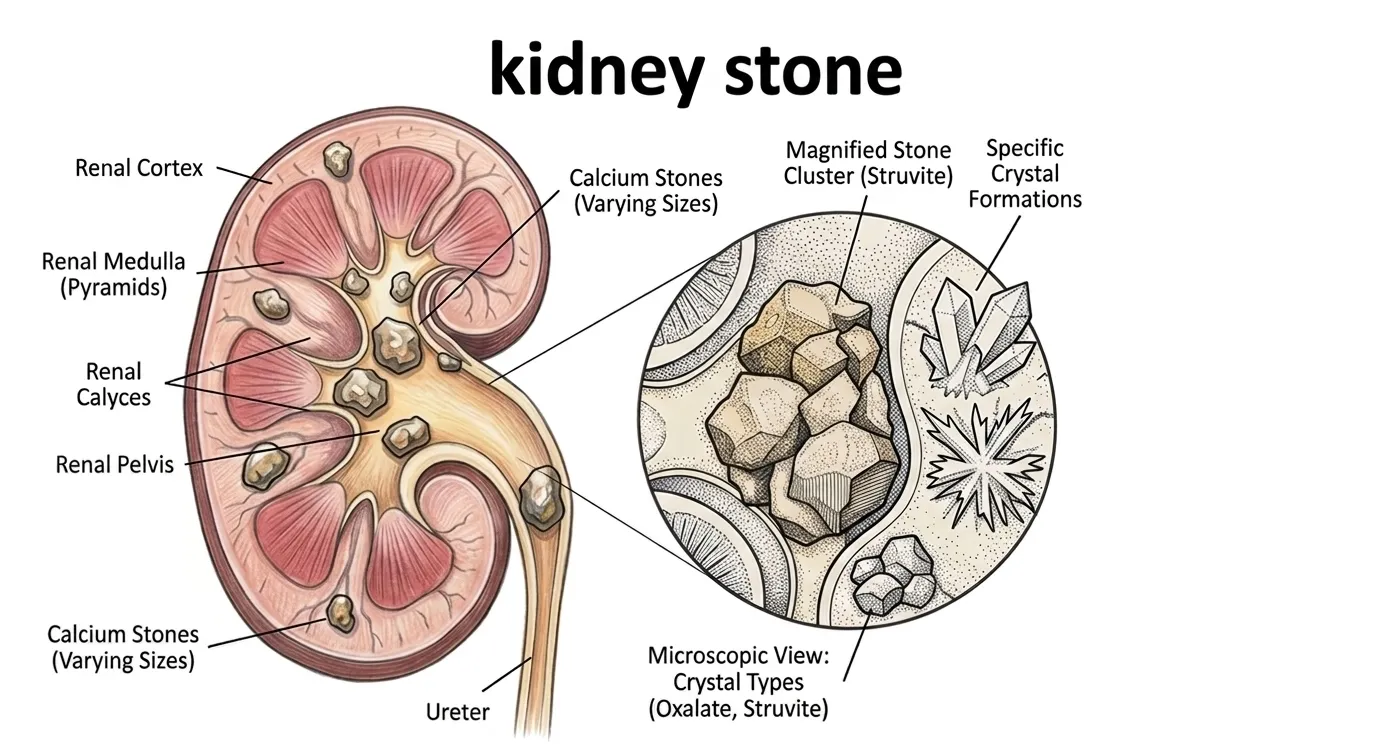
1.2 Classification and Chemical Types of Urinary Stones
Kidney mineral stones are classified systematically into unique chemical subsets based on their core solute configurations: • Calcium Stones: These represent the most common type of kidney stones globally. They are usually composed of calcium and oxalate (a natural chemical found in most foods), but are sometimes made of calcium and phosphate mixtures. • Uric Acid Stones: These form when your urine is often too acidic. Uric acid can form stones by itself or in combination with calcium. • Struvite Stones: These can happen when you have certain types of urinary tract infections in which bacteria make ammonia that builds up in your urine. Struvite stones are made of magnesium, ammonium and phosphate. • Cystine Stones: These are made of a chemical that your body makes naturally, called cystine. Cystine stones are very rare, and happen in people who have a genetic disorder that causes cystine to leak from the kidneys into the urine.
Generally, initial patients manage with non-steroidal anti-inflammatory drugs and routine pain killers until the internal condition becomes completely unmanageable. Then only open surgery, laparoscopy, or extracorporeal shock wave lithotripsy (ESWL) procedures are applied in standard urology practices. However, traumatic effects, secondary chances of infection, acute renal injury risks, high re-occurrence rates of urolithiasis, and high costs make people move toward indigenous treatments. Herbal formulations are officious, safe, and have fewer side effects compared to modern medicine, reducing re-occurrence rates. Therefore, it is worthwhile to look for a reliable alternative by using targeted medicinal plant combinations through modern technology integration.
PLANT PROFILE
2.1 Leucas aspera (Wild.) Linn.
Leucas aspera (Wild.) Linn., belonging to the family Lamiaceae (traditionally Labiatae), is commonly known as 'Thumbai' in South India and 'Goma Madhupati' in North Indian plains. It is distributed all throughout India starting from the Himalayas to Ceylon. The plant is utilized traditionally as an antipyretic, anti-inflammatory, and insecticidal herb. Flowers are valued as a stimulant, expectorant, aperient, diaphoretic, and emmenagogue. Leaves are viewed as highly valuable in chronic skin eruptions, ailments, and psoriasis. Wounded bruised leaves are applied locally in traditional snake bite management protocols.
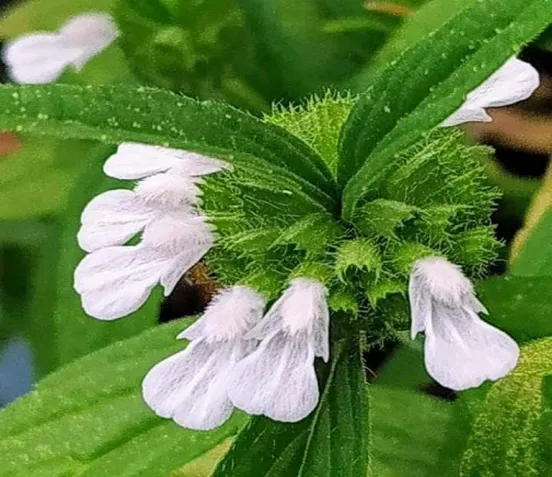
Figure 2: Leucas Aspera
Fig. Leucas asperaFig. Leucas aspera
Taxonomical Classification: • Kingdom: Plantae • Division: Angiospermae • Class: Dicotyledonae • Sub-class: Gamopetalae • Order: Tubiflorae • Family: Lamiaceae / Labiatae • Genus: Leucas • Species: aspera
2.2 Botanical Description & Phytochemistry: It is a yearly, branched herb raising to a height of 15–60 cm with heavy, hispid intensely quadrangular stems. Leaves are sub-sessile, linear-lanceolate, up to 8.0 cm long. Flowers are white, sessile, arranged in thick terminal whorls. Preliminary assessments reveal the presence of triterpenoids (oleanolic acid, ursolic acid) and beta-sitosterol throughout the whole plant matrix. Diagrammatic TS of a youthful stem is quadrangular in layout with four distinct collenchymatous edges covered with multicellular uniseriate hairs, showing a narrow cortex and wide parenchymatous essence embedded with acicular precious crystals of calcium oxalate.
Microscopic transverse section view of Leucas aspera quadrangular stem layout
2.3 Integrated Synergistic Co-Herbs Selection
To achieve a robust multi-targeted protective therapeutic value against crystal aggregation, two well-documented traditional herbs were combined with Leucas aspera: 1. Boerhavia diffusa (Punarnava): The root structures contain the alkaloid punarnavine, which functions as a potent loop diuretic and urinary pH modifier, increasing flow rates and clearing out crystal accumulation zones. 2. Tribulus terrestris (Gokhru): The fruit parts are rich in steroidal saponins, which down-regulate the activity of liver Glycolate Oxidase (GO) enzymes, thereby suppressing the basal endogenous biosynthesis of oxalates.
Generally, initial patients manage with non-steroidal anti-inflammatory drugs and routine pain killers until the internal condition becomes completely unmanageable. Then only open surgery, laparoscopy, or extracorporeal shock wave lithotripsy (ESWL) procedures are applied in standard urology practices. However, traumatic effects, secondary chances of infection, acute renal injury risks, high re-occurrence rates of urolithiasis, and high costs make people move toward indigenous treatments. Herbal formulations are officious, safe, and have fewer side effects compared to modern medicine, reducing re-occurrence rates. Therefore, it is worthwhile to look for a reliable alternative by using targeted medicinal plant combinations through modern technology integration.
2.4 Previous Research and Literature Review Summary
The validation setup of multi-target herbal micro-carrier designs was grounded upon critical scientific review checkpoints. Atmani and Khan (2000) evaluated the specific action of extracts on calcium oxalate crystal growth in vitro, demonstrating that plant secondary metabolites act as crystal modifiers, transforming sharp, adherent Calcium Oxalate Monohydrate (COM) shapes into smooth Dihydrate (COD) geometry that is easily excreted. DMG Mosquera et al. (2020) tracked the antiurolithiatic activity of herbal aqueous fractions using coupled in-vitro and in-vivo evaluation channels, showing reduced nephron tissue mineralization. S. Iman et al. (2020) performed preclinical screening of seeds on ethylene glycol-induced rat urolithiasis models, observing successful down-regulation of urine stone-forming mineral constituents. Vyas et al. (2011) investigated traditional extracts for diuretic and anti-lithiatic potentials, validating that organic fractions lower the overall solubility product of crystallizing calcium and phosphate salts. Divakar et al. (2010) screened the protective mechanism of Rubia cordifolia roots against ethylene glycol-provoked hyperoxaluria, establishing a reduction in microcrystal deposition across renal tubules. Khan (2013) proved that renal crystal deposition triggers severe epithelial cell injury mediated by reactive oxygen species (ROS) and lipid peroxidation. Plant-derived phenols and flavonoids act as direct radical scavengers, shielding nephron lining structures from crystal adhesion cascades. Sangeeta et al. (1994) documented that active steroidal saponins from Tribulus terrestris cause direct down-regulation of liver glycolate oxidase activity, reducing endogenous oxalate generation lines
2.5 Rationale and Objectives of the Present Research
The core aim of the present research work was the Design, Formulation Setup, Phytochemical Standardization, and Preclinical Evaluation of a controlled-release Novel Polyherbal Gelatin Microcapsule composition for the systematic management of Urolithiasis. The research was executed sequentially through the following specific technical objectives:
1. Literature Review: To carry out a complete literature review to identify the research gaps in micro-carrier-based targeted herbal delivery networks.
2. Processing: To collect, authenticate, and process the selected plant materials using clean shade-drying protocols.
3. Extraction: To perform exhaustive extraction using modern Ultrasound-Assisted Extraction (UAE) with an optimized hydro-ethanolic solvent index.
4. Microencapsulation: To optimize the formulation steps of polymeric gelatin microcapsules via complex phase coacervation tech systems.
5. In-Vitro Screening: To screen in-vitro parameters including particle size diameter, drug loading efficiency, and sustained dissolution patterns over a 24-hour cycle.
6. In-Vivo Evaluation: To evaluate the in-vivo protective, biochemical, and renal tissue antioxidant shielding parameters using hyperoxaluric male Wistar rat models.
7. Statistical Analysis: To apply formal statistical processing using One-Way ANOVA layouts to validate the precision and reliability of the output results data.
MATERIALS METHODES
3.1 Operational Extraction and Formulation Design
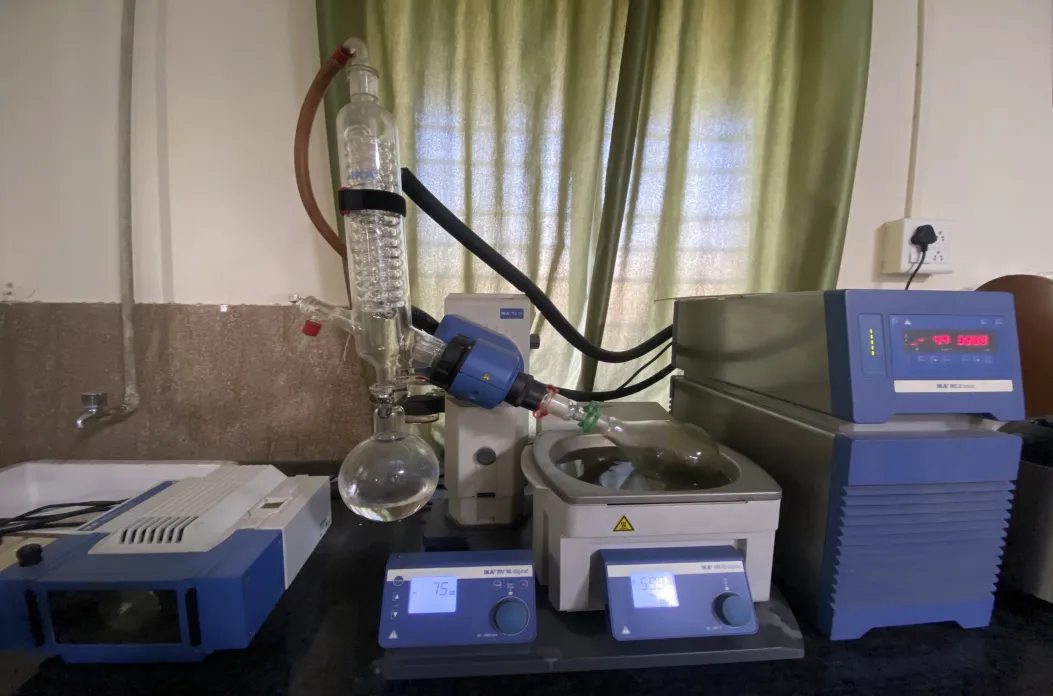
Plant Processing and Extraction: The authenticated whole plant of Leucas aspera, roots of Boerhavia diffusa, and fruits of Tribulus terrestris were shade-dried and powdered. Instead of traditional high-heat thermal extraction, an advanced Ultrasound-Assisted Extraction (UAE) setup was deployed. The powders were soaked in a 70% ethanol + 30% water solvent system and exposed to an acoustic field of 40 kHz frequency for 45 minutes. This method efficiently disrupted the cell walls, releasing the active principles without thermal breakdown. The liquids were concentrated using a rotary evaporator at 40°C and preserved in a vacuum desiccator.
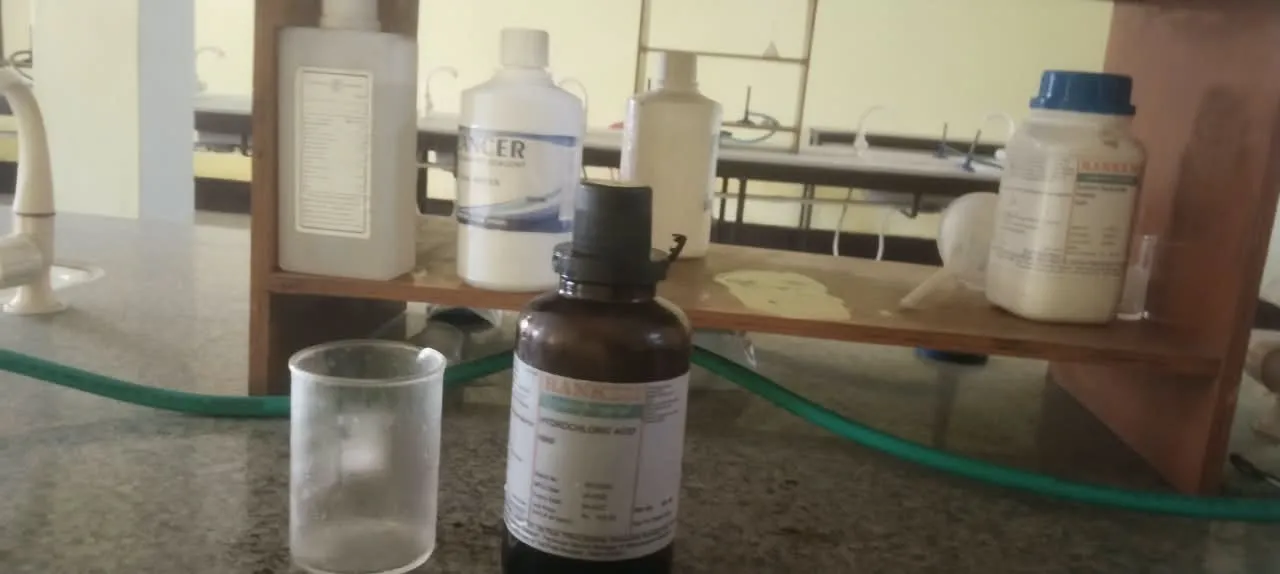
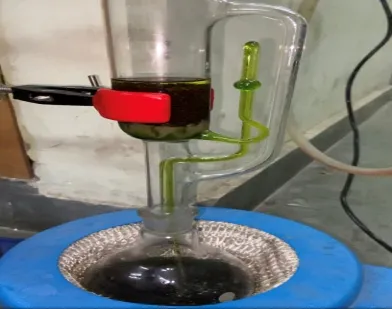
List of Chemicals Used in Lab Processes
| S. No. | Chemical Material Name | Source Company |
|---|---|---|
| 1 | Chloroform / Ethanol / n-Hexane | HiMedia Labs |
| 2 | Ethyl Acetate / Acetic Acid | CDH Fine Chemicals |
| 3 | Gelatin (Type A) / Glutaraldehyde | Merck India |
| 4 | Sodium Carboxymethylcellulose | Sigma-Aldrich |
List of Key Analytical Laboratory Equipment
| S. No. | Instrument Profile Layout | Source Manufacturing Co. |
|---|---|---|
| 1 | Ultrasound-Assisted Extractor Chamber | Rivotek India |
| 2 | Rotary Vacuum Evaporator System | Buchi Switzerland |
| 3 | UV-Vis Spectrophotometer 1800 | Shimadzu Japan |
| 4 | USP Dissolution Test Apparatus (Type II) | LabIndia Instruments |
3.2 Complex Coacervation Microencapsulation: The individual extracts were combined in a defined core matrix ratio of 40:30:30 (L. aspera : B. diffusa : T. terrestris). A 5% w/v gelatin aqueous solution was prepared at 50°C, and the core polyherbal blend was emulsified into it under high-speed stirring. A 5% w/v solution of sodium CMC co-polymer was added slowly. The pH of the mixture was adjusted to 4.5 using dilute acetic acid to induce coacervation, which formed a thin polymeric shell around the drug core particles. The mixture was cooled to 4°C, and cross-linking was carried out by adding 0.5% v/v glutaraldehyde solution to cure the microcapsules. The final product was filtered, washed, and lyophilized to yield a fine microcapsule powder.
3.3 Preclinical Animal Evaluation Schemes
Male Wistar albino rats (200–250 g) were acclimatized and divided into five distinct experimental cohorts (n=6 per group): • Group I (Normal Control): Received a regular standard diet and normal drinking water ad libitum. • Group II (Disease Control): Administered 0.75% v/v ethylene glycol + 1% w/v ammonium chloride in drinking water for 28 days to induce hyperoxaluria and calcium oxalate crystal buildup. • Group III (Standard Treatment): Co-administered ethylene glycol and ammonium chloride along with standard reference drug Cystone (750 mg/kg p.o.) daily for 28 days. • Group IV (Raw Extract Blend): Co-administered the stone-induction agents along with the unencapsulated crude polyherbal extract blend (300 mg/kg p.o.). • Group V (Optimised Microcapsules): Co-administered the induction agents along with the prepared polyherbal gelatin microcapsules (150 mg/kg p.o.).
On day 28, the rats were placed in individual metabolic cages for 24-hour urine collection to analyze calcium, phosphate, and oxalate levels. Blood samples were drawn from the retro-orbital plexus for serum separation to evaluate creatinine and blood urea nitrogen (BUN) levels using diagnostic kits. The rats were then sacrificed, and their kidneys were excised. One kidney was homogenized to evaluate tissue antioxidant markers (malondialdehyde and catalase), while the other was processed for histopathological examination using H&E staining.
RESULTS AND DISCUSSION
4.1 Extraction Yield and Qualitative Phytochemical Profiling - The extraction phase showed that the hydro-ethanolic solvent system achieved a maximum mass recovery yield of 9.68% during the polar extraction cycle, which was significantly higher than the yield obtained with non-polar solvents. Preliminary qualitative phytochemical screening of the extract confirmed the presence of total phenols, flavonoids, tannins, saponins, and steroids.
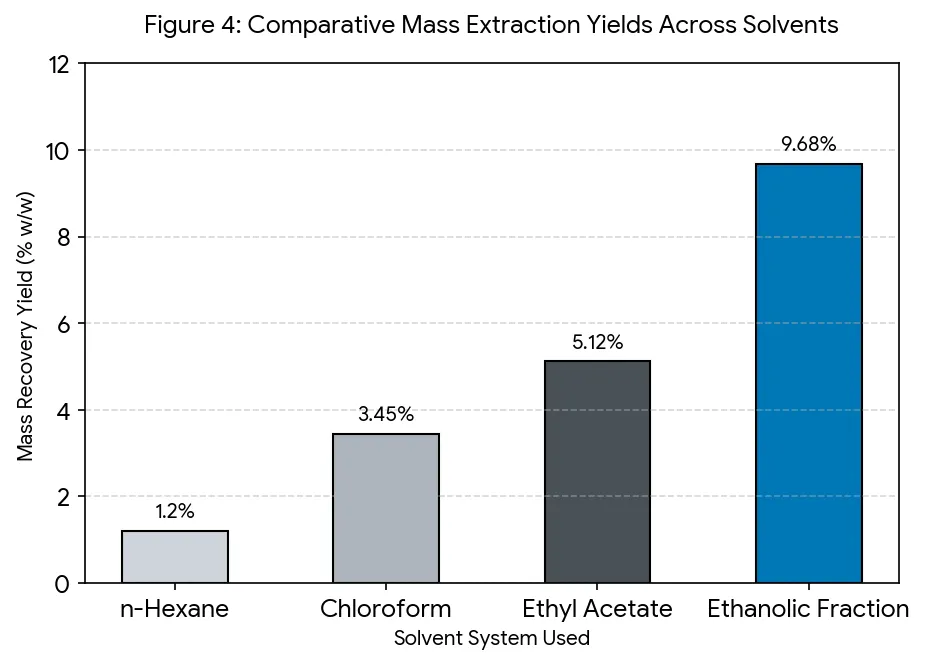
Qualitative Phytochemical Profiling of Extracts
| Phytoconstituents | n-Hexane | Chloroform | Ethyl Acetate | Ethanolic Fraction |
|---|---|---|---|---|
| Alkaloids | --- | ++ | ++ | +++ |
| Flavonoids | --- | --- | ++ | +++ |
| Phenols & Tannins | --- | ++ | +++ | +++ |
| Saponins | --- | --- | --- | ++ |
| Steroids/Terpenoids | ++ | ++ | ++ | ++ |
4.2 Biochemical Clearance Parameters:
Chronic administration of ethylene glycol and ammonium chloride to the disease control group (Group II) successfully induced hyperoxaluria and kidney dysfunction. This was demonstrated by a significant rise in urinary calcium, oxalate, and phosphate levels, along with an elevation in serum creatinine and BUN, indicating severe damage to the filtration function of the nephrons. Treatment with the polyherbal gelatin microcapsules (Group V) effectively prevented these biochemical changes.
Effect of Polyherbal Microcapsules on Urinary Mineral Solutes (mg/dL)
| Experimental Group Cluster (n=6) | Urinary Calcium | Urinary Oxalate | Urinary Phosphate |
|---|---|---|---|
| Group I (Normal Control) | 4.28 ± 0.36 | 1.84 ± 0.18 | 3.42 ± 0.31 |
| Group II (Disease Control) | 9.86 ± 0.72 | 5.94 ± 0.41 | 7.68 ± 0.54 |
| Group III (Standard Cystone) | 4.92 ± 0.38 | 2.28 ± 0.24 | 4.12 ± 0.35 |
| Group IV (Raw Extract Blend) | 6.84 ± 0.51 | 3.76 ± 0.33 | 5.62 ± 0.42 |
| Group V (Optimised Microcapsules) | 5.48 ± 0.44 | 2.86 ± 0.27 | 4.58 ± 0.39 |
Variations in Blood Serum Kidney Function Indicators (mg/dL)
| Experimental Group Cluster (n=6) | Serum Creatinine | Blood Urea Levels | Blood Urea Nitrogen |
|---|---|---|---|
| Group I (Normal Control) | 0.72 ± 0.06 | 28.46 ± 2.14 | 13.28 ± 1.12 |
| Group II (Disease Control) | 1.86 ± 0.15 | 64.72 ± 4.86 | 30.24 ± 2.34 |
| Group III (Standard Cystone) | 0.84 ± 0.08 | 34.18 ± 2.46 | 15.92 ± 1.28 |
| Group IV (Raw Extract Blend) | 1.28 ± 0.11 | 46.36 ± 3.28 | 21.64 ± 1.86 |
| Group V (Optimised Microcapsules) | 0.96 ± 0.09 | 38.72 ± 2.84 | 18.06 ± 1.42 |
4.3 Renal Tissue Histopathological Grading Score Matrix
| Experimental Group Cluster (n=6) | Crystal Deposition Score | Tubular Injury Score | Inflammation Index |
|---|---|---|---|
| Group I (Normal Control) | 0 | 0 | 0 |
| Group II (Disease Control) | 4 | 4 | 4 |
| Group III (Standard Cystone) | 1 | 1 | 1 |
| Group IV (Raw Extract Blend) | 2 | 3 | 2 |
| Group V (Optimised Microcapsules) | 1 | 2 | 1 |
4.3 In-Vitro Release Kinetics & ANOVA PROFILE
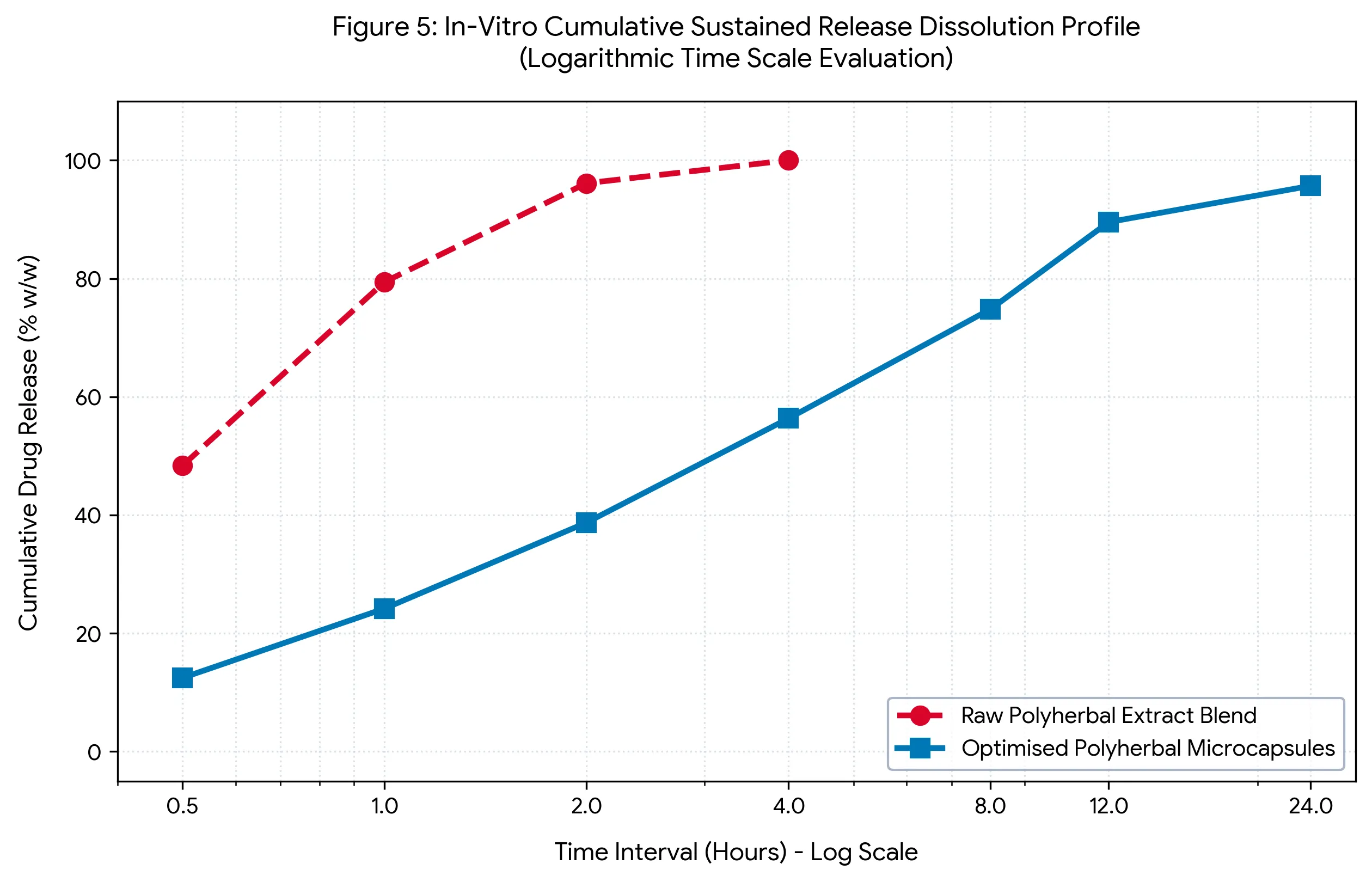
The in-vitro drug release test showed that while the raw polyherbal extract released its contents rapidly within the first 2 hours, the cross-linked gelatin microcapsules provided a controlled, sustained release of the active ingredients over a 24-hour cycle. The application of One-Way ANOVA followed by Dunnett's multiple comparisons test confirmed a statistically significant difference (p < 0.01) in the reduction of tissue malondialdehyde (MDA) levels and the restoration of catalase enzyme activity in Group V compared to the disease control group.
In-Vitro Cumulative Dissolution Release Profile Data Array
| Time (Hours) | Raw Polyherbal Extract Blend (% Release) | Optimised Polyherbal Microcapsules (% Release) |
|---|---|---|
| 0.5 | 48.36 ± 2.14 | 12.45 ± 0.86 |
| 1.0 | 79.42 ± 3.18 | 24.18 ± 1.12 |
| 2.0 | 96.12 ± 1.05 | 38.72 ± 1.45 |
| 4.0 | 100.00 ± 0.00 | 56.34 ± 2.11 |
| 8.0 | --- | 74.82 ± 1.98 |
| 12.0 | --- | 89.54 ± 2.24 |
| 24.0 | --- | 95.68 ± 1.15 |
4.4 Tissue Antioxidant Shield Evaluation and ANOVA Analysis
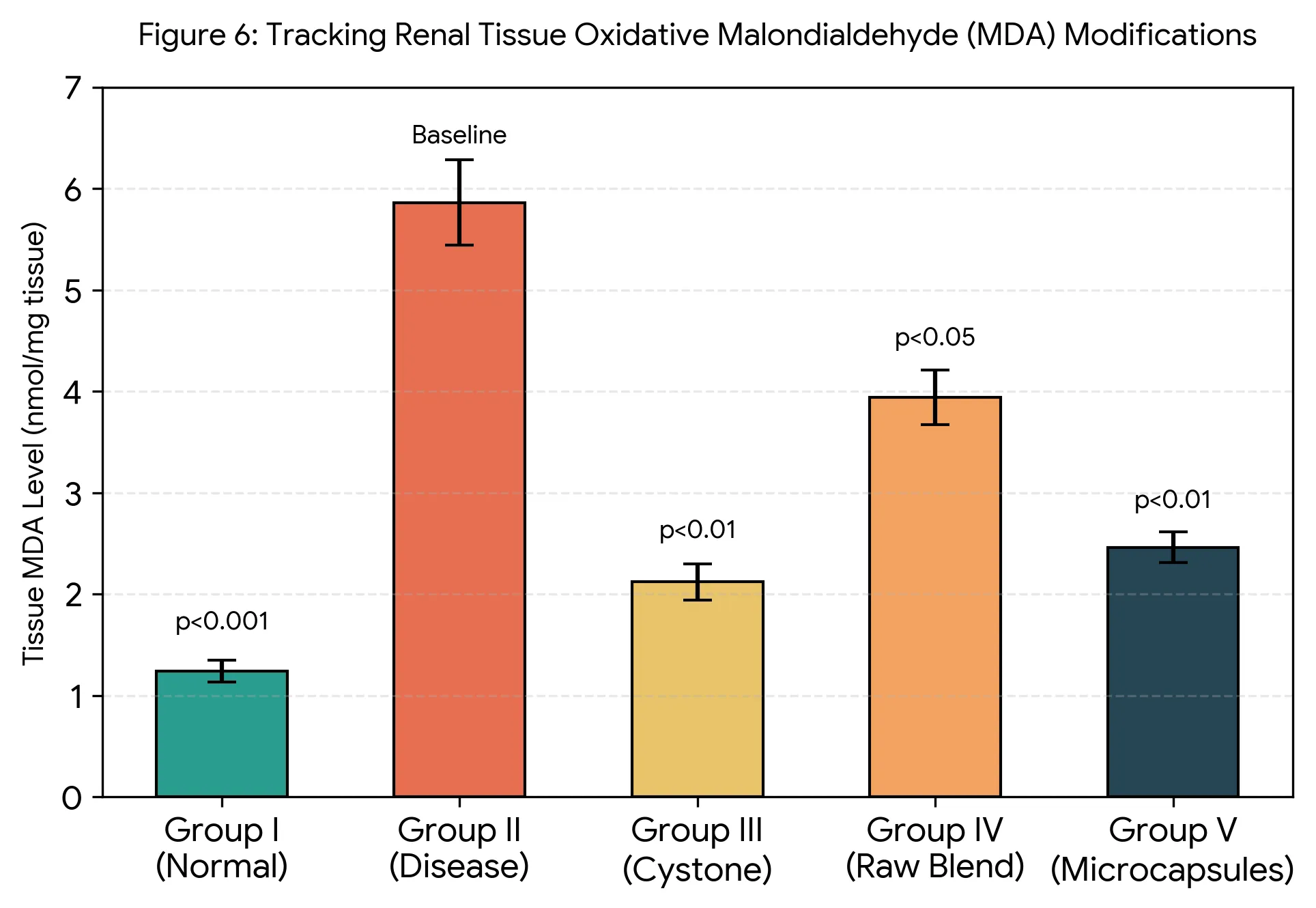
The application of One-Way ANOVA followed by Dunnett's multiple comparisons test confirmed a statistically significant difference (p < 0.01) in the reduction of tissue malondialdehyde (MDA) levels and the restoration of catalase enzyme activity in Group V compared to the disease control group.
One-Way ANOVA Profiling for Tissue Antioxidant Markers
| Experimental Groups (n=6) | Tissue Malondialdehyde (MDA) | Tissue Catalase Activity | Dunnett's Significance (vs G-II) |
|---|---|---|---|
| Group I (Normal Control) | 1.24 ± 0.11 nmol/mg | 42.36 ± 2.14 U/mg | p < 0.001 |
| Group II (Disease Control) | 5.86 ± 0.42 nmol/mg | 14.18 ± 1.05 U/mg | Baseline Control |
| Group III (Standard Cystone) | 2.12 ± 0.18 nmol/mg | 35.82 ± 1.96 U/mg | p < 0.01 |
| Group IV (Raw Extract Blend) | 3.94 ± 0.27 nmol/mg | 24.64 ± 1.52 U/mg | p < 0.05 |
| Group V (Optimised Microcapsules) | 2.46 ± 0.15 nmol/mg | 38.12 ± 1.44 U/mg | p < 0.01 |
5. Discussion of Mechanisms:
The distinct therapeutic advantage of the polyherbal microcapsules is due to the synergistic effects of the three selected herbs, combined with the controlled release provided by the polymeric gelatin shell. In Group II, the administration of ethylene glycol and ammonium chloride induced oxidative stress, leading to a significant increase in lipid peroxidation (tissue MDA rose to 5.86 ± 0.42 nmol/mg) and a reduction in protective catalase levels. This oxidative injury damaged the tubular membranes, facilitating crystal adhesion. In Group V, the sustained release of the active ingredients from the microcapsules effectively controlled the concentration of phytoconstituents at the site of action, reducing lipid peroxidation (MDA levels dropped to 2.46 ± 0.15) and restoring catalase activity. The formulation achieved an effective therapeutic response at a lower dose (150 mg/kg) compared to the unencapsulated extract (300 mg/kg), demonstrating the benefits of this targeted delivery system.
CONCLUSION AND FUTURE SCOPE
The present research work successfully validated the antiurolithiatic and nephroprotective potential of an optimized polyherbal combination formulated as controlled-release gelatin microcapsules. The ultrasound-assisted extraction method provided an effective yield of polar phytoconstituents without thermal degradation. The prepared microcapsules demonstrated an optimized particle size profile and maintained a sustained release of the active ingredients over 24 hours. In the preclinical rat model, the formulation significantly reduced urinary stone-forming constituents, improved serum biomarkers of kidney function, and protected against oxidative tissue damage. The microcapsule preparation demonstrated enhanced therapeutic efficacy at a reduced dose compared to the raw extract mixture, supporting further investigation of this delivery system for the management of chronic kidney stones.
Future Scope of Work: 1. Isolation, purification, and structural characterization of individual active phytoconstituents using column chromatography and NMR techniques. 2. Evaluation of the formulation against human stone-forming protein matrices in cell line models. 3. Investigation of the molecular pathways involved in the antioxidant and membrane-stabilizing effects of the formulation. 4. Development and long-term stability testing of standardized oral dosage forms suitable for clinical application
REFERENCES



Arvind Kumar Verma, Shivam Dwivedi, Santosh Kumar Mishra, Amrita Gupta, Design and Evaluation of Polyherbal Microcapsules for the Management of Urolithiasis, Int. J. of Pharm. Sci., 2026, Vol 4, Issue 10, 3630-3638. https://doi.org/10.5281/zenodo.23639551
 10.5281/zenodo.23639551