

We use cookies to ensure our website works properly and to personalise your experience. Cookies policy
1 Shikshan Maharshi Guruvarya R. G. Shinde Mahavidyalaya, Paranda Dharashiv (Osmanabad), 413502, Maharashtra, India
2 Shriman Bhausaheb Zadbuke Mahavidyalaya, Barshi, Solapur, Maharashtra, India 413401
3 School of Pharmacy and Emerging Science, Baddi University of Emerging Science and Technology, Baddi, India.
4 Advance Institute of Biotech and Paramedical Sciences (188), Kanpur, India.
5 Chameli Devi Institute of Pharmacy, Khandwa Road, Umrikheda, Indore, Madhya Pradesh, India 452020
6 Department of Pharmacy, D. D. College of Pharmacy, Dehradun, Uttarakhand, India.
7 Department of Microbiology, Dr. N.G.P. Arts and Science College, Coimbatore, Tamil Nadu, India.
Oxidative stress is a key biological process, which is involved in the pathogenesis and evolution of many female-specific health issues and is caused by the active hormonal regulation, reproductive needs and endocrine alterations throughout the female lifespan. Antioxidants are very important in the maintenance of redox homeostasis and the elimination of oxidative damage thus maintaining physiological equilibrium and prevention of disease. The scientific interest has focused on ?-carotene and quercetin as natural antioxidants amid the list of the most potent antioxidants, on the one hand, and anti-inflammatory, hormone-modulatory properties, on the other hand, of the most basic antioxidant compounds in nature present in diet. This review offers the general discussion of the chemistry, dietary sources, metabolism, and bioavailability of ?-carotene and quercetin, and their specific application in female physiology and health results. Their biological action mechanisms, such as the free-radical scavenging, the regulation of the endogenous antioxidant defenses and the inflammatory pathway modulation and the influence on estrogenian signals are of utmost importance. Moreover, there is a discussion in relation to the role of these antioxidants in female specific conditions like reproductive disorders, pregnancy related oxidative stress, heart disease, osteoporosis, endometriosis, and health issues related to menopause. The new findings of the synergistic activity of ?-carotene and quercetin, both in a dietary system and in nutraceutical systems, are also considered, as well as the results of preclinical and clinical research. Taken altogether, the accessible data indicate that these antioxidants have a great potential as the elements of preventive and supportive measures concerning female health. Combining the existing knowledge in science, the presented review underlines the significance of the antioxidant consumption patterns and provides a future view of the use of gender-specific nutritional and therapeutic programs to enhance the health and quality of life of women.
The relationship between the antioxidant defense mechanisms and oxidant generation is a complex process that affects human health. ROS and reactive nitrogen species are natural by-products of cellular metabolism and continuously produced without recess [1]. Nevertheless, when generation of these reactive species surpasses the ability of the endogenous antioxidant systems, there is an oxidative stress condition. Oxidative stress has been broadly identified as a key factor in the etiology and pathogenesis of many chronic diseases, such as cardiovascular diseases, metabolism syndrome, neurodegenerative, cancer and inflammatory diseases. Notably, the effect of oxidative stress is not homogenous among all groups of people and increased evidence suggests that women face special oxidative stress because of hormonal fluctuations, reproductive physiology, pregnancy-related metabolic stresses, and endocrine variations with age. Female health is defined by lifelong dynamic physiological processes, which are puberty, menstrual cycling, pregnancy, lactation, and menopause [2]. All of these phases are linked to the change in the oxidative metabolism, inflammatory reaction, and antioxidant demands. The effects of estrogen and other sex hormones as antioxidants or pro-oxidants are dependent on the level of hormones, distribution in the body and the metabolic process. Although it has been demonstrated that the presence of estrogen is known to increase the expression of antioxidant enzymes and scavenging of free radicals in normal physiological conditions, hormonal disorders or loss especially in the case of menopause leads to high levels of oxidative burden [3]. Therefore, oxidative stress-mediated pathologies in women, including osteoporosis, cardiovascular disease, reproductive disorders, neurocognitive decline and hormone-dependent cancers, are particularly susceptible to oxidative stress. Against this background, dietary antioxidants have received much focus as affordable, preventive, and accessible tools to counter the effect of oxidative stress and enhance the health outcome of females. The highly diverse list of naturally occurring antioxidants has included β-carotene and quercetin, the compounds of special interest because of their strong antioxidant action, their broad spectrum of biological effects and their ubiquitous abundance in the commonly consumed plant foods. Their mechanisms of action, applicability to female physiology, and possible synergies are also vital to the development of evidence-based nutritional and therapeutic interventions that are more specific to women [4].
Oxidative Stress and its Relevance to Female Health
Oxidative stress is caused by the inability of cellular antioxidant defense mechanisms to cope with the production of reactive oxygen species, which result in oxidative damage of lipids, proteins, and nucleic acids. Lipid peroxidation disrupts membrane stability, cellular signaling, protein oxidation modulates enzyme activity and cellular structural stability, and oxidative damage of DNA leads to mutagenesis and genomic instability. All these molecular processes interfere with cellular homeostasis and facilitate the development of diseases [5]. Oxidative stress in women has a different pattern because it is affected by physiology and hormones. The menstrual cycle per se is correlated with cyclic change of oxidative status, as the oxidative markers were high during the luteal stage and menstruation. Another vital period of high-level oxidative stress is pregnancy, which is provoked by the high level of metabolism, respiration of mitochondria in the body, and the production of ROS by the placenta. As moderate oxidative stress in pregnant women contributes to placental growth and fetal signaling, excessive oxidative stress has been associated with preeclampsia, gestational diabetes, intrauterine growth restriction and preterm delivery [6]. Oxidative and inflammatory imbalances are closely linked with reproductive diseases like polycystic ovary syndrome (PCOS) and endometriosis. In PCOS, the high oxidative stress is associated with insulin resistance, hyperandrogenism, and ovarian dysfunction whereas in endometriosis, oxidative stress leads to chronic inflammation, ectopic tissue implantation and pain. In the same way, oxidative stress is important in female related disorders with age especially in menopause. Low antioxidant defense is accompanied by poorer antioxidant defense during menopause causing an increase in oxidative damage, bone loss, endothelial dysfunction, and a rise in cardiovascular risk. In addition, oxidative stress has become a major cause of cancers that are linked to hormones, such as breast, ovarian, and endometrial cancer. Estrogen metabolism may also produce reactive intermediates that may cause oxidative damage to DNA and therefore high carcinogenicity risk in the absence of antioxidant defenses. In this way, oxidative stress is more than the pathophysiology; it is a common biological determinant connecting reproductive well-being, metabolic stability, aging, and susceptibility to chronic diseases in the women [7-10].
Role of Dietary Antioxidants in Disease Prevention
The dietary antioxidants are a vital addition to natural antioxidant mechanisms like superoxide dismutase, catalase, and glutathione peroxidase. These compounds inactivate free radicals, bind metal ions, alter redox sensitive signaling pathways and regulate inflammation. Epidemiological and clinical researches continuously show that diets high in fruits, vegetables and plant-derived bioactive compounds are linked with lesser occurrence of chronic illness and better overall health conditions [11]. Dietary antioxidants are of a special concern to women because of the higher oxidative requirements of the reproductive phases and hormonal changes. Appropriate consumption of antioxidants has been linked to a better fertility rate, a decrease in the risk of pregnancy complications, better immune responses, and the prevention of degenerative diseases related to age. Antioxidants also have effects in estrogen metabolism and signaling, which adds to balancing of hormones and decreasing oxidative estrogen metabolites reaction involved in carcinogenesis. Besides a direct radical scavenging action, dietary antioxidants have pleiotropic biological actions [12]. They regulate the production of inflammatory cytokines, block pro-oxidant enzymes, increase mitochondrial functionality, and stimulate cellular defense mechanisms including the nuclear factor erythroid 2-related factor 2 (Nrf2) signaling cascade. All these activities lead to cytoprotection, metabolic control, and tissue homeostasis. Although synthetic antioxidants are available, natural dietary antioxidants are also becoming more popular because of their safety profile, bioactivity and synergistic relationships in food complexes. Plant antioxidants tend to work together, with larger protection afforded a compound than alone. This has created an increasing interest in determining particular antioxidants that demonstrate good mechanistic and therapeutic promise to human health in females [13-15].
Rationale for Focusing on β-carotene and quercetin
β-carotene and quercetin are structurally different, but functionally complementary antioxidants that are commonly present in the human diet in colorful vegetables and fruits, i.e. carrots, sweet potatoes, spinach and pumpkin. It is a significant food source of vitamin A that is also important in vision, immunity, epithelial health and reproductive system [16]. Besides proving to be a provitamin A, β-carotene also has powerful antioxidant effect by neutralizing singlet oxygen and scavenging peroxyl radicals thus CAM inhibiting lipid peroxidation on the membranes of the cell. β-carotene is an important factor in the reproductive physiology, pregnancy outcomes, skin support and immune modulation of women. Sufficient intake of β-carotene has been linked with better fertility, less risk of pregnancy-related complications, augment antioxidant condition during pregnancy, or photoaging protection. Moreover, its immune-modulating effect and epithelial health make it especially applicable in preventing infections and inflammatory diseases that among the women are disproportionately common. Quercetin is a flavonoid that is found in large amounts in onions, apples, berries, tea, and leafy vegetables and has also drawn a lot of attention due to its potent effect against antioxidants, anti-inflammatory and cardioprotective effects. In contrast, quercetin is highly active in aqueous cellular spaces and has extensive regulatory actions on inflammatory, apoptotic, and metabolic signaling pathways in contrast to b-carotene, which acts largely in lipid environment [17]. Quercetin is a good antioxidant, lipid peroxidation inhibitor, and pro-inflammatory mediator (tumor necrosis factor-a and interleukins). The application of quercetin to female health cuts across various lines. It has been shown to have positive outcomes in disorders like PCOS due to its effect on increasing insulin sensitivity and decreasing the level of oxidative stress. Quercetin also assists in cardiovascular health, in enhancing the functioning of the endothelial cells, lowering blood pressure, and altering lipid metabolism- an aspect that is specifically significant to postmenopausal women who are at higher risk of cardiovascular diseases. Further on, quercetin has neuroprotective and mood-stabilizing effects, which could be used as potential agents in terms of mental health and cognitive abilities in women [18-20]. The reason behind the combined attention to β-carotene and quercetin is that the two in a combination have complementary mechanisms of action, tissue location and biological effects. Whereas β-carotene is nearly exclusive in safeguarding lipid membranes and facilitating processes that need vitamin A, quercetin has widespread cytosol and nuclear impacts by inhibiting and activating oxidative and inflammatory pathways. Newer studies indicate that a combination of consuming carotenoids and flavonoids has the potential of acting synergistically to produce antioxidant and anti-inflammatory effects on the cell and increase its overall resilience. Although there is substantial research in the individual antioxidants there is a relative lack of integrative reviews in the relevance of β-carotene and quercetin together and regarding women health specifically [21]. After the special oxidative problems encountered by women at various life stages, special consideration of these antioxidants can provide important information on their preventive and curative potential. This review will thus be an attempt to summarize existing findings on the antioxidant action, biologically-important and health-promotional roles of β-carotene and quercetin with special focus on their application in female health promotion as well as the prevention of oxidative stress-related illness [22].
Overview of Antioxidants in Female Health
The antioxidant defense system in female physiology exemplifies a highly synchronized system that incorporates endogenous and exogenous dietary components in ensuring redox homeostasis exists in a variety of biological settings. The initial response to oxidative damage is composed of endogenous antioxidants which are enzymatic systems (superoxide dismutase, catalase and glutathione peroxidase) and non-enzymatic molecules (glutathione, uric acid, bilirubin and coenzyme Q10). These endogenous antioxidants are closely monitored on both cellular and mitochondrial levels and are essential in the counteraction of reactive oxygen species produced during normal metabolism, immune responses and hormonal biosynthesis [23]. Nevertheless, laxity of endogenous antioxidant systems depends on genetic influences, nutritional, environmental exposures and the physiological conditions unique to women including menstruation, pregnancy and menopause. Since oxidative burden rises in these phases it can happen that endogenous mechanisms cannot adequately support this, requiring the exogenous help of exogenous antioxidants in the diet. Exogenous antioxidants are mostly gained in plant-based food and comprise vitamins, carotenoids, flavonoids, phenolic acids, and various bioactive phytochemicals which increase the capacity to antioxidants by direct free-radical scavenging and indirect alteration of redox-sensitive signaling pathways [24]. These nutritional substances have the effect of not only strengthening natural defense systems but also help to safeguard against cumulative oxidative damage related to chronic illness development and aging in women in the long run. Interplay of endogenous and exogenous antioxidants is of a special interest in the female physiology because hormonal variations produce a significant impact on redox homeostasis and antioxidant enzyme activities. The main female sex hormone estrogen is a dual antioxidant because it functions as both direct and indirect antioxidant by its phenolic structure and gene regulation, respectively [25]. In physiological circumstances, estrogen increases the activity of the major antioxidant enzymes and contributes to the functionality of the mitochondria, thus lessening oxidative stress and maintaining cell integrity. This estrogen effect protection is seen in the reproductive years wherein women tend to have lower oxidative stress indicators and fewer prevalence rates of some oxidative stress related illnesses than their male counterparts of the same age group [26]. Nevertheless, hormonal disproportions, including those found in polycystic ovary syndrome, infertility, and menstrual abnormalities, disturb this protective balance and result in an increased level of oxidative stress and inflammation. Pregnancy is a distinct redox problem with an augmented oxygen utilization, placental oxidative stress, and amplified metabolic load where a brilliant adaptive antioxidant response is necessary to maintain maternal and fetal wellness. Though regulated oxidative signaling is a crucial part of placental development and immunological tolerance, high oxidative stress levels cause undesirable consequences, which raises the significance of proper antioxidant supply during pregnancy. Menopausal transition is a critical change in redox homeostasis because the falling levels of estrogen are linked to reduced antioxidant enzyme activity, heightened lipid peroxidation, dysfunctional endothelium, and faster tissue aging [27-29]. This change increases the risk of cardiovascular disease, osteoporosis, metabolic and neurodegenerative disorders in women to a significant level, which is why it is important to provide antioxidant support specifically at the later stages of life. Gender-specific antioxidant needs also further differentiate female physiology versus that of males since women undergo hormonal changes that are cyclical, women are reproductive and changes in metabolism that vary according to their life stage change antioxidant requirements [30].
The nutritional antioxidant needs of women depend not just on age and body content; but also on such factors as the loss of menstrual blood or iron, pregnancy, lactation, and hormone therapy. e.g. iron deficiency (common in women of reproductive age) may increase oxidative stress, by affecting oxygen delivery and mitochondrial dysfunction, and raising the need to use dietary antioxidants to maintain redox homeostasis [31]. Furthermore, the inter-relationship of the antioxidant and estrogen signaling would imply that women can have a positive effect on certain antioxidant profiles promoting hormonal metabolism and reducing pro-oxidant estrogen byproducts. The level of antioxidant needs and oxidative susceptibility of women are further controlled by lifestyle factors, such as dietary patterns, stress exposure, physical activity, and environmental toxin burden. Taken together, these points highlight that there is no generalizable antioxidant physiology in women across populations, but rather it has to be conceptualized within the format of the gender-specific biology. The unique interaction between endogenous defenses, dietary antioxidants and hormonal regulation offers a basis to formulate personalized nutrition programs and preventive therapies to maximize the redox status, maintain reproductive and metabolic well-being, and lower the risk of oxidative stress diseases in the long run in women [32-35].
β-Carotene: Chemistry, Sources and Bioavailability
β-carotene is a naturally occurring carotenoid, which is a tetraterpene (a family of carotenoids) with a highly conjugated polyene chain of alternating double and single bonds: this accounts for its characteristic orange color and strong antioxidant ability. β-carotene is structurally a symmetrical molecule with the structure of two b-ionone rings connected by a long hydrocarbon chain, which allows this compound to be an efficient quencher of singlet oxygen and neutralizes free radicals formed by the delocalization of electrons [36]. This conjugated system enables β-carotene to capture reactive oxygen species and dissipate excess energy as heat, thus oxidative damage to cell lipids, especially in biological membranes is prevented. In contrast to the water-soluble antioxidants, the characteristic action of β-carotene is to provide in lipid-rich conditions to stabilize the membrane and avert the peroxidation of polyunsaturated fatty acids. Β-carotene also regulates redox-sensitive pathways in addition to direct radical scavenging as well as affects gene expression which is associated with cellular differentiation, immune regulation and inflammatory regulation [37]. It has an antioxidant activity which depends on the environment, where it is a protective factor at physiological oxygen tension but shows different redox behaviour at conditions of excessive oxidative load, and thus the value of a balanced consumption is important. Dietary β-carotene is also commonly found in plant foods and especially in plant foods with deep color like carrots, sweet potatoes, pumpkin, spinach, kale, mangoes and papaya wherein it functions as a photoprotective pigment which is important to the health of plants [38]. When consumed, β-carotene dissociates in the food matrix during food digestion, becomes a part of the mixed micelles in the presence of dietary lipids and bile salts, and is taken up by intestinal enterocytes by both passive diffusion and transporter-mediated action. A fraction of the β-carotene absorbed in the intestinal mucosa is both absorbed and transferred in chylomicrons to be transported through the lymphatic system to the peripheral tissues, with another fraction being cleaved enzymatically [39]. The metabolism of β-carotene is tightly connected to its provitamin A action where it can be directly split by the β-carotene 15,15'-monooxygenase enzyme to produce retinal, an active biologically available vitamin A aldehyde which can then be reduced to retinol or oxidized to retinoic acid [40]. This conversion is an important physiological reaction, because vitamin A cannot be substituted by anything; it is essential in vision, epithelial health, immunity, reproduction and fetal development. The controlled metabolism of β-carotene to vitamin A is a safety benefit compared to preformed vitamin A, and lowers the chances of hypervitaminosis and provides sufficient retinoid intake based on physiological requirement. Retinoic acid, which is synthesized out of b-carotene, has a pivotal role in transcription of genes by binding to nuclear retinoid receptors and consequently affects the cellular differentiation, growth, and tissue remodeling processes of particular importance to female reproductive health, pregnancy, and tissue maintenance. In addition to its presence as a precursor of vitamin A, intact β-carotene is accumulated in tissues, including liver, adipose tissue, skin, and ovaries where it has antioxidant defense, immune modulation, and photoprotection. β -carotene has high bioavailability which is also different and varies depending on various dietary, physiological and genetic factors [41]. The composition of the food matrix can have a strong impact on absorption efficiency, whereby β-carotene contained in cook or processed vegetable foods tends to have more bioavailability than β-carotene sources that have not undergone cooking or processed food products because of increased release between plant cell walls. Dietary fat is a decisive factor, since lipids trigger the secretion of bile and the creation of micelles, which helps in the intestinal absorption.
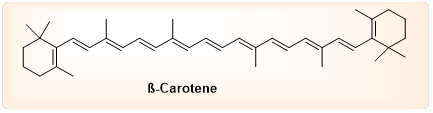
Fig.1: Structure of β -carotene
There are also individual physiological influences such as age, nutritional condition, intestinal health and hormonal environment on β-carotene bioavailability and it has been postulated that women hormone variation can alter carotenoid metabolism as well as tissue distribution. Intra-individual variation is also promoted by genetic polymorphisms in carotenoid transporters and cleavage enzymes in terms of conversion and circulating β-carotene concentrations. Moreover, other lifestyle factors like smoking, alcohol intake and exposure to environmental pollutants have the ability to change the metabolism and antioxidant activity of the β-carotene by elevating the oxidative demand and enzyme activity [42]. Another factor to be considered the relationship between β-carotene and other dietary antioxidants is also a significant determinant of its biological activity because when antioxidants are found in complex food patterns, they develop synergistic relationships that lead to an improvement in the overall antioxidant capacity and an optimal redox balance. All these factors collectively contribute to the importance of β-carotene as a multifunctional antioxidant and a vital nutritional element. These factors are also essential towards the best intake of β-carotene, and the best use of this compound in enhancing health, especially in females, whose physiological needs of antioxidants are orchestrated by hormonal activities, fertility demands, and life-stage specific inhibitory needs Fig.2.

Fig.2: β-carotene Pharmacological activities
Quercetin Chemistry Sources and Bioavailability
Quercetin is a major representation of the flavonoid family and falls under the flavonol subclass and is characterized by its polyphenolic structure on which its strong antioxidant and extensive biological effects are based. Quercetin is chemical with three rings that include an aromatic benzene ring that is linked to a heterocyclic pyrone ring with several hydroxyl groups that are strategically oriented at 3, 5, 7, 3' and 4 positions. Such hydroxyl functional structure can easily donate electrons and transfer of hydrogen atoms, which allow quercetin to counter a broad range of reactive oxygen and nitrogen species [43]. Such a presence of catechol group in the B-ring and existence of a double bond between the C2 and C3 sites, in combination with the 4-oxo functional group, increases its radical-scavenging ability and metal-chelating activity. Such structural properties not only enable direct antioxidant activity, but also enable quercetin to regulate redox-sensitive signaling pathways implicated in the inflammatory response, apoptosis and cellular stress responses Fig.3. Quercetin in nature is found mostly in the form of glycosylated derivatives, whereby sugar moieties are conjugated on the aglycone backbone, which affects its solubility, stability and its biological behavior. The dietary quercetin is generally abundant in a wide variety of plant foods which is indicative of its action as a protection secondary metabolite in plants. Onions, apples, berries, grapes, citrus fruits, green leafy vegetables, broccoli, and capers are good sources of richness, and the same applies to the beverages, which are tea and red wine [44]. Quercetin levels in food differ significantly across the plant species, growing conditions, maturity, processing techniques, and storage, which adds to the high variation of dietary intake among populations. When ingested, the quercetin glycosides are first hydrolyzed in the gastrointestinal tract either by intestinal enzymes or by the gastrointestinal microbiota, to release the aglycone-form that can be absorbed. Quercetin is absorbed in the small intestine and enters the cells of the small intestine by passive diffusion, transporter mechanisms, and undergoes a vast amount of phase II metabolism. After absorption, quercetin is quickly conjugated in the intestinal mucosa and in the liver by glucuronidation, sulfation, and methylation processes leading to the production of different circulating metabolites instead of free quercetin [45]. These conjugated forms are the most common that are found in the plasma and tissues and therefore carry out most of the biological effects that quercetin is known to produce. Quercetin pharmacokinetics are characterized by a comparably low oral bioavailability, high rate of metabolism and dissimilar systematic exposure with optimal plasma concentrations usually attained several hours following oral intake. In spite of this, quercetin metabolites have long circulation times, and tissue distribution, which means that they can remain biologically active over an extended period. The quercetin and its conjugates concentrate in the liver, kidney, lung and brain with antioxidant, anti-inflammatory and cytoprotective action. Metabolism and disposition of quercetin also depend on various factors such as the health of the intestines, the composition of microbiota, enzyme activities, age, hormones, and the genetic variability all of which lead to differences in response in different individuals. One problem that is worth considering in relation to the use of quercetin is its poor aqueous solubility, instability in physiological conditions, and a large metabolism in the first pass. It is because of these limitations that significant research is undertaken into methods that would be able to increase the absorption and systemic availability of quercetin. The diet can have a huge part in regulating bioavailability since the availability of fats and some food constituents can enhance solubilization and absorption in the intestines. [46]

Fig.3: Structure of Quercetin
Also, quercetin is released and absorbed by the food matrix in which it is taken, where whole-food sources often contain synergistic compounds in which it increases bioactivity. Improved bioavailability has also been achieved due to the progress in formulation science which has led to the creation of new delivery systems such as nanoemulsions, liposomes, phospholipid complexes, polymer-based carriers that prevent quercetin degradation and regulated release. Quercetin has also been demonstrated to have an increased stability and absorption when co-administered with other bioactive agents, including vitamin C or other flavonoids, by suppressing oxidative degradation and altering metabolic pathways [47]. The chemical properties, dietary pattern, metabolic conversion and bioavailability limitation of quercetin collectively highlights the difficulty in the process of extrapolating the powerful antioxidant in vitro effects on the reproducibility of the effects in vivo [48]. These factors need to be fully understood to maximize quercetin intake and formulation especially in women where hormonal regulation, metabolic needs, and oxidative stress profiles could affect the pharmacokinetics and the therapeutic potential of this versatile flavonoid Fig.4.

Fig.4: Quercetin pharmacological activities
Mechanisms of Antioxidant Action
Antioxidants have a network of interrelated effects mediating their protective effects that all maintain cellular redox homeostasis, prevent oxidative damage and control signaling pathways which are important in female physiology. On the simplest level, the antioxidants are able to act as free-radical scavengers by simply absorbing the reactive oxygen and nitrogen species directly, before these highly reactive compounds can propagate chain reactions and cause lipid, protein, and nucleic acid damage. This scavenging has been based on an electron donation process, hydrogen atom transfers or dissipation of energy to stabilize free radicals and transform them into less reactive species. In addition to a neutralizing effect, the antioxidants are involved in redox modulation, which balances the production of oxidants with the antioxidant capability of the body, thus the ability to proceed with the physiological redox signaling without developing pathological oxidative stress. Regulated redox signaling plays a role in cell proliferation, cell differentiation, activation of immune responses and hormone production, and oxidative overload destabilizes these tightly regulated pathways [49]. The buffering effect of antioxidants on short-term surges of oxidative activity is of special interest in the physiology of females, whose redox status varies throughout the menstrual cycle, during pregnancy and during menopause. Besides the direct radical scavenging, antioxidants can control endogenous defense systems through modulated expression and activities of antioxidant enzymes. This regulation is executed by the regulation of transcription factors and signaling cascades which regulate cellular responses to stress resulting in the activation of enzymes like superoxide dismutase, catalase and glutathione peroxidase [50]. Antioxidants increase these intrinsic defenses, thereby making their protective properties not only last longer than simple chemical neutralization protection, but also increase their overall resilience to oxidative attacks. The enzyme control is particularly applicable in high metabolic tissue or unstable oxygenation-need tissues, including reproductive organs, cardiovascular system, and the central nervous system. The antioxidants also conserve intracellular concentrations of non-enzymatic antioxidants, such as glutathione, by lowering oxidative usage and regeneration cycles, thus maintaining an optimal intracellular redox condition. The other important aspect of antioxidant action is the ability to regulate inflammatory and immune responses closely related to oxidative stress. Reactive oxygen species is a signaling molecule in immune activation, and overproduction or sustained oxidative signaling enhances the inflammatory cascade and leads to tissue injury. Antioxidants prevent this process by inhibiting the synthesis of pro-inflammatory mediators, preventing the activation of redox-sensitive transcriptional factors, and oxidative activation of inflammatory enzymes. With such activities, antioxidants lower the incidence of chronic low-grade inflammation, a condition that is becoming more of a cause of metabolic imbalances, heart diseases, reproductive impairment, and aging degeneration in women [51]. The immunomodulatory actions of antioxidants also help in maintaining a balance in the immune survey by enhancing the innate immune system and suppressing the excessive generation of inflammatory power that may impair tissue integrity. The balance is especially applicable to female-specific inflammatory disorders, where oxidative stress and immune dysregulation co-exist and augment the development of the disease. Another aspect of antioxidant action complexity is the fact that their action interacts with estrogen pathways, which is a key factor in female health. Estrogen has both direct and indirect effects on redox balance, and antioxidants may regulate these activities by acting on estrogen metabolism, receptor signaling, and gene expression [52].
The nature of the estrogen chemical structure means that the hormone has inherent antioxidant activity, although its metabolic action can also result in the production of reactive intermediates that can cause oxidative damage in the event that these are not neutralized properly. Antioxidants aid in detoxification of these intermediates and thus prevent oxidative DNA injury and minimize development of pro-oxidant estrogen metabolites. In addition, the redox-sensitive pathway regulation by antioxidants may also regulate estrogen receptor to alter growth, differentiation, and apoptotic reaction in cells. The interaction has significant consequences to hormone-responsive tissues like the breast, endometrium and bone where the oxidative stress may respond to estrogen signaling, as well as, participate in pathological pathways. In the reproductive years, estrogen and antioxidant interaction enhance vascularity, bone and metabolic stability, whereas in the menopausal period, the estrogen concentration decreases and this natural defense depends more on the antioxidants to neutralize the escalating oxidative stress. Taken together, these processes prove that the action of antioxidants is much broader than radical neutralization, which includes enzyme regulation, inflammatory response, immunomodulation, and hormone-redox interactions. These combined antioxidant pathways are very important in male and female physiology because hormonal processes and life-stage changes determine oxidative requirements, ensuring cell integrity, contributing to physiological adaptation, and minimizing the vulnerability to oxidative stress-related diseases throughout the lifespan [53].
Role of β-carotene in Female Health
β-carotene has complex and physiologically important effect on female health as it has a dual activity of being a potent antioxidant and a major dietary precursor of vitamin A, a micronutrient required by many biological processes. When applied to the context of reproductive health and fertility, it is clear that having sufficient β-carotene levels is strongly linked with the optimal functioning of the ovaries, hormonal balance, and oocyte quality. This ability of β-carotene to help protect the reproductive tissues by neutralizing reactive oxygen species and enhancing the ability of the ovaries to be antioxidants is important to control the integrity of cells during the folliculogenesis and ovulation processes in response to the ability of the ovaries to respond to follicular growth and ovulation. Moreover, b-carotene, when converted to retinoids, has the effect on gene expression of embryonic signaling, cellular differentiation, and endometrial receptivity processes, which are vital in the process of successful conception and implantation. The need of β-carotene during pregnancy is even more increased because the maternal level of oxidative stress rises as a result of a higher level of metabolic activity, increased oxygen uptake, and the production of reactive oxygen species by the placenta. A controlled oxidative signaling is required in placental development and immune adaptation, but excessive oxidative stress has been implicated in adverse pregnancy outcomes including preeclampsia, glycemic pregnancy, and fetal growth restriction [54]. β-carotene has been found to contribute to the establishment of redox balance and the protection of maternal and fetal tissues against oxidative injury. Its provision of vitamin A, especially in the form of provitamin A is critical especially in pregnancy, where vitamin A is vital in the formation of fetal organs, immune system, and the formation of the visual system. In contrast to the pre-existing vitamin A, β-carotene delivers a controlled and less toxic supply of retinoids, reducing the chances of toxicity and providing enough supply as needed by the body. The β-carotene rich food consumed by mothers has been linked to better nutrition status, increased immunity, and facilitation of good epithelial tissue integrity and these are essential to maternal health and fetal wellness. In addition to reproductive and maternal health, β-carotene is important in the health of skin and offers photoprotection and these effects are particularly important when excessive exposure to the environment and hormonal effects on the female skin are considered. Β-carotene is a lipid-soluble antioxidant which is deposited in the skin and it protects against ultraviolet-induced oxidative damage by quenching singlet oxygen, and inhibiting lipid peroxidation in cell membranes. This photo protective effect helps in the maintenance of skin elasticity, reduction of photo ageing as well as the overall preservation of the skin appearance. Also, β-carotene enhances epithelial cell differentiation and barrier by converting into retinoic acid that controls keratinocyte turnover and skin renewal. The indicated effects are especially significant to women: hormonal fluctuations during the menstrual cycle, pregnancy, and menopause affect skin hydration, collagen production, and predisposition to oxidative stress. Adequate intake of β-carotene is therefore not only beneficial as far as aesthetics of the skin is concerned but also helping in the functional strength of the skin against environmental stress factors. Another important area where β-carotene has significant effects throughout the female lifespan is the visual health. B-carotene, a precursor of retinal, which is one of the major constituents of the visual pigment rhodopsin is an essential substance of normal vision, especially in low-light environments. Adequate levels of β-carotene are known to favor retinal activity, integrity of photoreceptors and adaptation to light, whereas deficiency is linked to poor vision and vulnerability to ocular diseases [55].
The nature of the estrogen chemical structure means that the hormone has inherent antioxidant activity, although its metabolic action can also result in the production of reactive intermediates that can cause oxidative damage in the event that these are not neutralized properly. Antioxidants aid in detoxification of these intermediates and thus prevent oxidative DNA injury and minimize development of pro-oxidant estrogen metabolites. In addition, the redox-sensitive pathway regulation by antioxidants may also regulate estrogen receptor to alter growth, differentiation, and apoptotic reaction in cells. The interaction has significant consequences to hormone-responsive tissues like the breast, endometrium and bone where the oxidative stress may respond to estrogen signaling, as well as, participate in pathological pathways. In the reproductive years, estrogen and antioxidant interaction enhance vascularity, bone and metabolic stability, whereas in the menopausal period, the estrogen concentration decreases and this natural defense depends more on the antioxidants to neutralize the escalating oxidative stress. Taken together, these processes prove that the action of antioxidants is much broader than radical neutralization, which includes enzyme regulation, inflammatory response, immunomodulation, and hormone-redox interactions. These combined antioxidant pathways are very important in male and female physiology because hormonal processes and life-stage changes determine oxidative requirements, ensuring cell integrity, contributing to physiological adaptation, and minimizing the vulnerability to oxidative stress-related diseases throughout the lifespan [56].
Besides playing the vision role, β-carotene helps in protecting eyes tissues against oxidative stress that is a leading cause of age-related eye conditions. Oxidative damage is especially sensitive of the retina, because of its large metabolic rate, light exposure and high content of polyunsaturated fatty acids. β-carotene neutralizes the effects of reactive oxygen species, therefore, preserving retinal structure and retinal functionality and potentially lowering the risk or development of age-related ocular diseases. This protective factor is particularly important in the case of women, who might have an augmented oxidative vulnerability as they get older and during menopause. Taken together, the roles of β-carotene in reproductive health, maternal nutrition, skin protection, and visual remain very important in the importance of β-carotene as the most important nutritional antioxidant of women. The importance of proper dietary consumption of foods rich in β-carotene can be emphasized by its ability to promote physiological functions at various life stages as a component of a compound measure to enhance the health, well-being, and healthy aging of women [57].
Role of Quercetin in Female Health
Quercetin has now become a biologically relevant flavonoid with a wide applicability to female health because of its antioxidant, anti-inflammatory and metabolic regulatory activities that overlap with major physiological events in the female lifespan. Quercetin also creates a role in the regulating of oxidative and inflammatory cascades that affect the endocrine communication and the uterus [58]. The estrogen and progesterone level vary periodically with the menstrual cyclicity, and can alter the oxidative stress and inflammatory mediators in the reproductive tissues. The high levels of oxidative stress in the menstrual cycle have been linked to dysmenorrhea, irregular cycle and premenstrual discomfort. By preventing the formation of reactive oxygen species and inhibiting pro-inflammatory mediators, quercetin facilitates maintaining a healthy uterine environment, and it can potentially correct menstrual symptoms caused by inflammation. It also has an impact on estrogen metabolism via quercetin altered enzyme activity in hormone biotransformation, which together with hormonal balance helps reduce the build-up of pro-oxidant estrogen metabolites that are likely to disrupt reproductive homeostasis. Its ability to communicate with redox regulated signaling pathways further enhances endocrine stability especially in women with hormonal fluctuations or cycle disturbances related to stress. Quercetin has also shown significant therapeutic efficacy in polycystic ovary syndrome as a widespread endocrine-metabolic disorder marked by hyperandrogenism, insulin resistance, chronic inflammation, and oxidative stress. The role of oxidative stress in the pathophysiology of PCOS is that it enhances insulin resistance and ovarian dysfunction. Quercetin helps in the regulation of metabolism by enhancing insulin sensitivity, regulating glucose uptake, and oxidative damage in metabolic tissues. Its anti-inflammatory properties also suppress chronic low-grade inflammation that is a prime cause of endocrine dysfunction in PCOS. Quercetin can enhance ovulatory processes and hormonal regulation by indirectly promoting redox stability and metabolic regulation, which underscores the importance of quercetin as an adjunct nutrition element in the treatment of this disease. Cardiovascular protection is another important field where quercetin has a considerable advantage to women especially with the higher risks of cardiovascular associated with older age and menopausal transition. The main factors in the development of endothelial dysfunction, hypertension, and atherosclerosis are oxidative stress and inflammation, which disproportionately affect women following the loss of estrogen-mediated vascular protection. Quercetin is helpful in heart disease because it improves endothelial activity, decreases the oxidative alteration of lipids, and alters the vascular tone by its action on the availability of nitric oxide. Its antioxidant properties prevent the oxidative damage of the vascular cells, and anti-inflammatory properties restrain the further development of vascular inflammation and plaque formation. Moreover, quercetin has been demonstrated to affect lipid metabolism and blood pressure control, which leads to the inclusion of the cardiovascular profiles in women with high risks of cardiometabolic diseases. In addition to cardiometabolic benefits, quercetin is also significantly involved in neuroprotection and mental health, which are currently becoming part of the overall women health. Female brain is especially vulnerable to oxidative stress and inflammatory signaling, which have been identified to play a role in mood disorders, cognitive impairment and neurodegeneration. Quercetin passes the blood-brain barrier and has neuroprotective effects through reduced oxidative damage, inhibited neuroinflammation, and neuronal survival pathways [59].
These practices could help in maintaining cognitive and emotional stability especially in times of hormonal change (after child birth and during menopause), which is a time when women are more susceptible to mood swings and cognitive imbalances. Quercetin promotes the mental resilience and overall health of the nervous system by regulating oxidative and inflammatory processes in the central nervous system. All these functions of quercetin in menstrual regulation, metabolic homeostasis, cardiovascular protection and neuroprotection are important to highlight why quercetin is a multifunctional dietary antioxidant with specific applications to female health. The fact that it can deal with interrelated oxidative, inflammatory, and hormonal processes points to the fact that it can become an ingredient of dietary and preventive measures, which would enhance the health outcomes of women at various stages of their life.
Antioxidants in Female Health
Antioxidants are essential in reducing the pathophysiological processes underlying a variety of female-specific diseases most of which have a close association with oxidative stress, chronic inflammatory and hormonal imbalances. Oxidative stress plays a central role in carcinogenesis in breast and tumors of the gynaecological cancer by mediating the occurrence of DNA damage, genome instability, and cell signaling abberations. Menopause The estrogen metabolism, especially in receptor-positive tissues like breast, ovary and endometrium can produce reactive intermediates which can cause oxidative damage unless neutralized [54]. Antioxidants are associated with cancer preventive effects and control progression by neutralizing reactive oxygen species, decreasing oxidative DNA, and controlling cell proliferation, apoptosis and angiogenesis signaling pathways. Dietary antioxidants can reduce the etiology and development of hormone-dependent malignancies by promoting detoxication mechanisms and redox homeostasis, and promoting cellular stability to environmental and metabolic stressors. In non-oncological settings, the antioxidants have their place to be in bone health and bone metabolism regulation, especially in the prevention of osteoporosis, which is almost entirely a disease of women. The bone remodelling can be seen as a tightly regulated process which consists of the balance between bone formation and bone resorption, oxidative stress was proved to disrupt this balance by stimulating osteoclastic activity and suppressing the work of osteoblasts. Menopause increases bone tissue oxidative stress which contributes to bone loss, and risk of fractures due to estrogen deficiency. Antioxidants can be used to neutralize these effects, through alleviating the oxidative effects, supporting the differentiation of osteoblasts, and regulating the effects of inflammatory mediators that can affect bone resorption. These processes would suggest that sufficient levels of antioxidant status are essential in maintaining bone mineral density and bone structure, which would indicate the relevance of diets rich in antioxidants in the prevention of age-related skeletal diseases in women [57]. Endometriosis is one more female-specific disease where oxidative stress and chronic inflammation are in the middle of the stage of the disease development and severity of the symptoms. The pathogenesis of the ectopic proliferation of endometrial tissue has been linked to an increase in reactive oxygen species and inflammatory cytokine in the pelvic microclimate, which leads to a cascade of self-enhancing oxidative damage and immune dysregulation. Antioxidants also play a role in managing endometriosis, through the reduction of oxidative stress, inhibition of inflammatory signals and the oxidative activation of immune cells that perpetuate chronic inflammation. Antioxidants can potentially relieve pain, reduce the progression of lesions, and enhance the general state of reproductive health in afflicted women through alleviation of oxidative burden. The oxidative stress of menopause is a more generalized physiological issue, affecting a range of organ systems, which affect an increase in the level of chronic diseases in postmenopausal women. Menopause results in decreased intrinsic antioxidant defense, increased oxidative stress, endothelial impairment, and metabolic imbalance as well as faster tissue aging. Antioxidants are compensatory in such a transition as they aid redox processes, decrease inflammation, and mitigate against oxidative damage in cardiovascular, skeletal and neural tissues. Antioxidants can be used in the prevention of diseases and enhancement of the quality of life in postmenopausal females through the ability to regulate oxidative and inflammatory processes. Taken together, these observations would support the key role of antioxidants in treating female-specific conditions that occur due to the interplay of oxidative stress, inflammation, and hormonal alterations [58].
Synergistic Effects of β-carotene and quercetin
The β-carotene and quercetin interaction of is an interesting demonstration of nutritional synergy, where structurally and functionally different antioxidants are interacting to generate complementary biologic effects, which may be compounded. Even though both compounds have independent antioxidant and anti-inflammatory action, when used jointly within a biological system, b-carotene, being a lipid-soluble antioxidant, acts at the most within cell membranes and lipoproteins by quenching of the singlet oxygen, and quercetin, which has both lipophilic and hydrophilic properties, acts at the most in several cellular compartments, such as the cytosol and nucleus. This spatial complementation provides a broad-spectrum redox protection since β-carotene stabilizes membrane structures and quercetin neutralizes intracellular signaling and inflammatory cascade reactivating reactive species. Collectively these compounds can achieve redox homeostasis by not only direct scavenging of reactive oxygen and nitrogen species, but also by altering signal transduction pathways involved in oxidative stress response and inflammation. The synergistic effect of quercetin and β-carotene on preventing inflammatory mediator and signaling molecule activity, as well as β-carotene maintenance of cellular integrity and immune system, leads to the decrease of inflammatory responses amplification caused by oxidative damage. This combined antioxidant and anti-inflammatory effect is especially pertinent in chronic disease since oxidative stress and inflammation support each other and cause disease in age and hormonal changes, especially among women who are older and more vulnerable to oxidative stress. Dietary synergy is not limited to interactions of molecules, but to the development and administration of these antioxidants in nutraceutical and functional foods. Β-carotene and quercetin are frequently co-opted in complex plant matrices that contain other vitamins, minerals, and phytochemicals in whole-food diets, which provides a milieu in which absorption, metabolism and biological activity are maximized in a cooperative manner. The combination of β-carotene and quercetin into a nutraceutical formulation is an effort to recreate or add to this natural synergy to enhance its stability, bioavailability, and specific delivery. The co-delivery of these compounds by the use of lipid based carriers, encapsulation techniques and controlled release systems has been made more possible by advances in formulation science, ensuring their availability at sites of oxidative and inflammatory stress. Food-to-food interaction contributes also to optimizing the possible shortcomings related to isolated antioxidants because a combination of compounds may diminish pro-oxidant activities during extreme oxidative conditions and promote balanced redox regulation. Preclinical research findings confirm the notion that combined antioxidant supplement intervention yields a higher protective effect than uni-compound interventions, and experimental models showed better oxidative damage reduction, inflammatory phenotype, and tissue protection with co-administration of carotenoids and flavonoids. The following findings indicate that the synergistic effect of β-carotene and quercetin might cause simultaneous effect on various molecular targets leading to stronger biological effects. Although in its early stages of development, clinical evidence shows that diets with a varied mix of antioxidants are linked to better health outcomes so that the importance of combined intake of antioxidants is warranted in human populations [59].
Observational studies are in agreement that large intake of fruits and vegetables that contain both carotenoids and flavonoids is associated with lower rates of chronic diseases, and that multi-component antioxidant interventions data are emerging that may be beneficial in comparison to single supplementation. Even though clinical trials that better define the best dosage, formulation and target population are still required, available evidence highlights the possible benefits of β-carotene and quercetin synergy as components of combined nutritional interventions. Together, the synergistic antioxidant and anti-inflammatory action, dietary/nutraceutical synergy and supportive preclinical and clinical evidence supports the necessity of focusing on antioxidant interactions and not on isolated action. The joint effects of β-carotene and quercetin in terms of oxidative stress, inflammation, and hormonal control in the framework of female health present an opportunity to improve preventive and supportive measures to achieve physiological balance and a healthy environment in the long term [60].
Future Perspectives
The increasing number of studies that shows the importance of dietary antioxidants in regulating oxidative stress, inflammation, and hormone-driven pathways indicate great potential areas in the future to implement the dietary antioxidants in female health promotion and disease prevention. With the current rise in knowledge regarding redox biology, antioxidants like b -carotene and quercetin have become the so-called nutritional supplements which are starting to gain an extension to bioactive agents with possible therapeutic implications. Further studies will probably be done to understand exact molecular mechanisms by which these compounds play their role in cellular signaling, gene expression, and metabolic regulation in female specific physiological and pathological settings. These levels of understanding will be vital in determining important periods, during the female lifespan, when antioxidant needs and therapeutic sensitivity may vary significantly such as adolescence, reproductive period, pregnancy, and menopause. Current developments in nutrigenomics and individualized nutrition present good opportunities to manipulate antioxidant consumption according to personal genetic composition, hormonal condition, and metabolic demands, thus increasing the effectiveness with reducing variability in response. Therapeutically speaking, the incorporation of the β-carotene and quercetin into functional foods, nutraceuticals, and adjunctive treatment options is a feasible and available solution to the health outcomes of women. The new formulation and delivery methods will help to address the current limitations of bioavailability and stability to achieve a desired delivery to particular tissues and prolong biologic activity. Moreover, possible synergistic effects of antioxidants, coupled with standard therapies should be considered, especially in the treatment of chronic inflammatory diseases, metabolic syndromes, and metabolic diseases, which are dependent on hormones. Clinical trials that are rigorous, which are gender-specific in nature with endpoints that are gender-specific will be of significant benefit in determining evidence-based guidelines in the area of optimum dosage, safety and long-term benefits. Dietary patterns including antioxidants might be at the center of attention of preventive care and lifestyle-based interventions in reducing the disease burden and improving the quality of life of women as the scope of prevention, as the most prevalent methods and tactics of improving the population, grows increasingly focused on preventive care strategies. Taken in totality, these possible prospects highlight the therapeutic promise of antioxidants as part and parcel of holistic, gender-sensitive healthcare systems that would bring nutritional science closer to preventive and personalized medicine.
CONCLUSION
Antioxidants have a core role in sustaining physiological homeostasis and antioxidative protective effect, which is a primary process underpinning most female specific health issues. The changing hormonal fluctuations, reproductive and endocrine transformations throughout the female lifespan create highly unique oxidative environments that can affect disease sensitivity and overall health. β-carotene and quercetin, as exemplary dietary antioxidants that have complementary biochemical properties, show high potential to aid redox balance, control inflammation, and impact hormone-related pathways that are central to female health. Their unique but complementary action facilitates extensive protection of the cellular compartments, which promotes tissue integrity and functional resilience. The evidences presented in this review demonstrate the suitability of β-carotene in reproductive health, maternal nutrition, skin protection, and visual functions, and highlight the importance of quercetin as an antioxidant and a safe precursor of vitamin A. The abilities of quercetin to respond to oxidative, inflammatory, and endocrine signaling pathways, on the other hand, demonstrate the multifaceted advantages of this compound. In combination, these compounds demonstrate the importance of having a diversified approach to antioxidants, especially in the context of female-related disorders, including hormone-sensitive cancer, osteoporosis, endometriosis, and oxidative stress associated with menopause, where redox imbalance and inflammation have major roles in disease development. Notably, the synergistic effects between β-carotene and quercetin support the idea that antioxidant activity is best achieved in complex dietary systems and not in individual supplementation. The balance between physiological requirements and the reduction of potential risks of excessive consumption of individual agents is offered by the coordinated antioxidant protection provided by diets high in fruits, vegetables and plant-based bioactive compounds. Although preclinical and observational data suggest the use of combined antioxidants in enhancing health, there is a need to develop additional well-constructed clinical trials to determine definitive therapeutic procedures and elucidate the best intake habits among various populations of women. To sum up, β-carotene and quercetin are the prospects of integrative nutritional approaches to the promotion of female health at any life stage. Their potential in managing interrelated oxidative, inflammatory and hormonal effects makes them useful resources in preventive medicine and supplementary therapy. It will be necessary to continue studies related to gender-specific results, individualized nutrition, and improved delivery systems to translate the antioxidant knowledge into the evidence-based activities, which help to improve the health and quality of life of a woman in the long-run perspective.
REFERENCES

Prakash Sarwade, Kavita Gaisamudre, Lakshay Gupta, Mohd. Zubair Arshad, Jay Gupta, Roshan Kumar, Senthil Prabhu Sivasamy, Unlocking the Benefits of Antioxidants Beta Carotene and Quercetin Potential for Female Health, Int. J. of Pharm. Sci., 2026, Vol 4, Issue 1, 3052-3074. https://doi.org/10.5281/zenodo.18379932
 10.5281/zenodo.18379932