

We use cookies to ensure our website works properly and to personalise your experience. Cookies policy
1 Senior Pharmacovigilance Associate, Indian Pharmacopoeia Commission, Ministry of Health and Family Welfare, Govt of India
2 Junior Resident, Department of Pharmacology and Therapeutics, King George’s Medical University, Lucknow, Uttar Pradesh, India
3 Senior Resident, Department of Pharmacology and Therapeutics, King George’s Medical University, Lucknow, Uttar Pradesh, India
4 Assistant Professor, Department of Pharmacology, Era’s Lucknow Medical College & Hospital, Lucknow, Uttar Pradesh, India
Pharmacovigilance (PV) plays a crucial role in protecting public health by identifying, assessing, and preventing adverse drug reactions (ADRs). In India, the development of PV has been influenced by both global experiences and the country’s unique healthcare challenges. Early efforts in drug safety monitoring were limited and fragmented; however, global incidents such as the thalidomide tragedy emphasized the urgent need for structured and reliable pharmacovigilance systems. A major turning point came with the launch of the Pharmacovigilance Programme of India (PvPI) in 2010, which aligned national practices with international standards. Over the years, India’s PV system has grown significantly, with the establishment of a wide network of Adverse Drug Reaction Monitoring Centres (AMCs) and integration with global databases through the WHO–Uppsala Monitoring Centre. Recent advancements have further strengthened the system, including the introduction of the Adverse Drug Monitoring System (ADRMS), multilingual IVRS-based helpline, QR code-enabled reporting, and mobile and web-based platforms. These innovations have improved accessibility, simplified reporting processes, and encouraged greater participation from healthcare professionals as well as patients. In addition, capacity-building initiatives such as skill development programmes have enhanced awareness and practical competence in ADR reporting. Despite these achievements, several challenges remain, including underreporting, gaps in awareness, and infrastructural limitations across different healthcare settings. Looking ahead, the integration of advanced technologies such as artificial intelligence and real-time data monitoring is expected to make pharmacovigilance more proactive and efficient. This review presents a comprehensive overview of the evolution, current framework, achievements, challenges, and future directions of pharmacovigilance in India, highlighting its vital role in ensuring patient safety and promoting the rational use of medicines.
Pharmacovigilance (PV) is a specialized scientific and regulatory discipline concerned with identifying, evaluating, understanding, and preventing adverse effects or any other drug-related problems across the entire life cycle of a medicinal product.[1] Its scope extends beyond the pre-approval clinical trial phase to include post-marketing surveillance, where medicines are exposed to a much broader and more diverse population under real-world conditions.[2] The need for reliable pharmacovigilance systems became internationally recognized following a series of drug safety crises, most notably the thalidomide tragedy of the early 1960s, which underscored the severe consequences of insufficient drug monitoring.[3] This event stimulated global collaboration, ultimately leading to the establishment of the WHO Programme for International Drug Monitoring (1968), which created a structured mechanism for worldwide drug safety surveillance and marked a pivotal shift towards proactive public health protection.[4] In addition to pharmacovigilance systems, global harmonization of pharmacopeial standards plays an important role in ensuring drug safety and quality.[5] The pharmacopeial Discussion Group (PDG) brings together major pharmacopoeias, including the European Pharmacopoeia, Japanese Pharmacopoeia, United States Pharmacopeia, and Indian Pharmacopoeia, to align analytical procedures and acceptance criteria across regions. This harmonization reduces variability in drug quality assessment and minimizes the burden on manufacturers, ultimately supporting consistent safety standards and complementing pharmacovigilance efforts worldwide.
India’s Pharmaceutical Context and the Imperative of Patient Safety
India occupies a distinctive and influential role in the global pharmaceutical sector.[6] As the largest producer of generic medicines and an important hub for clinical research, the country caters to a vast domestic population while also supplying international markets.[7] This scale of activity introduces unique challenges for adverse drug reaction (ADR) monitoring compared with Western healthcare systems. India’s pharmaceutical market is characterized by the availability of an estimated 60,000–80,000 drug formulations, along with a highly heterogeneous population in terms of genetics, ethnicity, and healthcare access.[8] Factors such as widespread polypharmacy and instances of irrational prescribing further heighten the risk of drug-related problems.[9] Thus, establishing a robust, adaptable, and nationally coordinated pharmacovigilance system is not only a regulatory requirement but also a crucial public health priority tailored to the country’s demographic and market complexities.
Scope of the Review
This paper presents a comprehensive review of the development and progressive strengthening of pharmacovigilance in India. It traces the country’s transition from initial, fragmented efforts to the creation of the Pharmacovigilance Programme of India (PvPI), highlighting its structure, operations, and stakeholder roles. The review also evaluates key accomplishments, ongoing challenges, and recent advancements including regulatory reforms and technological innovations shaping the system. By providing an evidence-based overview, this work aims to enhance understanding of India’s evolving pharmacovigilance landscape and to serve as a useful resource for researchers, policymakers, and industry professionals committed to advancing drug safety and rational medicine use.
Historical Evolution and the Establishment of a National Programme
Early Initiatives and Foundational Challenges (1980s–2009)
India’s efforts to institutionalize pharmacovigilance began in the early 1980s but were marked by inconsistency and limited success.[10] The Drugs Controller General of India (DCGI) initially set up five national ADR monitoring centers, which later expanded to twelve in 1986.[11] Despite these efforts, the programs struggled due to insufficient funding, weak infrastructure, and limited awareness among healthcare professionals. As a result, many centers became inactive.
In 1987, the Indian Council of Medical Research (ICMR) carried out a multi-institute project that collected nearly 58,000 ADR case reports, but this initiative also failed to evolve into a sustained program.[12] A more structured step came in 1998, when India joined the WHO Programme for International Drug Monitoring, with the All-India Institute of Medical Sciences (AIIMS), New Delhi, designated as the National Coordination Centre (NCC).[1] However, this linkage did not translate into a fully functional national framework. Another attempt was made in November 2004 with the launch of the National Pharmacovigilance Programme (NPP) under the Central Drugs Standard Control Organization (CDSCO).[13] Supported by the World Bank with an annual grant of USD 100,000 for five years, the NPP was expected to foster ADR reporting practices.[14] Although it generated a large number of reports, the program was discontinued in 2009 after funding ended. These repeated failures highlighted a fundamental problem: the absence of dedicated domestic funding and a stable institutional structure. Heavy reliance on external support left the system vulnerable to disruptions and unable to meet the needs of a large and diverse country like India.
The Establishment of the Pharmacovigilance Programme of India (PvPI) in 2010
Acknowledging the urgent need for a sustainable and comprehensive system, the Ministry of Health and Family Welfare (MoHFW) launched the Pharmacovigilance Programme of India (PvPI) in July 2010.[15] AIIMS, New Delhi, was again chosen as the initial NCC, and the program began with a modest but structured network of 22 Adverse Drug Reaction Monitoring Centers (AMCs). This represented a more determined and systematic approach toward building a long-term framework for drug safety monitoring.[16]
Strategic Shift to the Indian Pharmacopoeia Commission (IPC)
A major turning point occurred on April 15, 2011, when the NCC for PvPI was transferred from AIIMS, New Delhi, to the Indian Pharmacopoeia Commission (IPC), Ghaziabad.[17] This move was not simply administrative but a deliberate policy decision to provide the program with a stable, autonomous, and specialized institutional base. By situating PvPI within the IPC an organization already mandated with setting pharmaceutical standards, the government ensured stronger coordination, better resource stability, and insulation from bureaucratic delays that had hindered earlier efforts.[18] This transition reflected a more mature and forward-looking policy approach, signaling India’s commitment to developing a resilient, self-sustaining pharmacovigilance system capable of addressing its unique pharmaceutical and public health challenges.
Table 1: Key Milestones in Indian Pharmacovigilance History
|
Year |
Milestone / Programme |
Key Details |
Outcome / Impact |
|
1982 |
Early ADR Monitoring Centres |
Five centres established by the Drugs Controller General of India (DCGI). |
Fragmented initiative Lacked awareness, infrastructure, and sustained funding.[19] |
|
1986 |
Expanded ADR Monitoring Network |
A nationwide system with 12 centres created.[20] |
Limited success due to inadequate resources and weak institutional support. |
|
1998 |
WHO Programme for International Drug Monitoring |
India joined the WHO programme; AIIMS, New Delhi, designated as the National Coordination Centre (NCC).[21] |
Failed to achieve its full potential Underutilized despite global affiliation. |
|
2004 |
National Pharmacovigilance Programme (NPP) |
Launched by CDSCO with World Bank support (USD 100,000 annually for 5 years).[14] |
Discontinued in 2009 after funding ended Exposing reliance on external support and lack of sustainable domestic structure. |
|
July 2010 |
Pharmacovigilance Programme of India (PvPI) |
Operationalized by MoHFW; NCC initially established at AIIMS, New Delhi, with 22 ADR Monitoring Centres (AMCs).[22] |
Marked a decisive step towards a permanent, structured national PV system. |
|
April 2011 |
NCC Relocated to IPC |
National Coordination Centre shifted to the Indian Pharmacopoeia Commission (IPC), Ghaziabad.[23] |
Strengthened autonomy, stability, and coordination, ensuring institutional continuity. |
|
2017 |
WHO Collaborating Centre Status |
IPC-PvPI recognized as a WHO Collaborating Centre for Pharmacovigilance.[24] |
Brought global recognition; validated India’s PV system as mature and internationally relevant. |
|
Dec 2023 |
Gazette Notification G.S.R. 922(E) |
Amendment to Drugs and Cosmetics Rules, 1945, under revised Schedule M made PV systems mandatory for all manufacturers.[25] |
Significant regulatory reform; mandated industry-wide compliance and greater accountability |
|
Feb 2025 |
PvPI Guidance Document v2.0 for MAHs[26] |
Updated IPC guidelines |
Strengthening ADR reporting compliance and improving pharmacovigilance quality in India |
The Operational Framework: Key Stakeholders and Their Roles
The Pharmacovigilance Programme of India (PvPI) functions through a multi-tiered structure that integrates regulatory authorities, healthcare institutions, and the pharmaceutical industry. Together, these stakeholders ensure a coordinated and comprehensive approach to post-marketing drug safety.
Central Regulatory Authority: Central Drugs Standard Control Organization (CDSCO)
The Central Drugs Standard Control Organization (CDSCO) is India’s National Regulatory Authority (NRA) for pharmaceuticals.[27] Its responsibilities include approving new drugs, regulating clinical trials, and setting standards for drugs, cosmetics, and medical devices. Within the PvPI framework, CDSCO acts on safety signals and recommendations from the Programme, enabling regulatory measures such as label revisions, usage restrictions, or drug withdrawals to protect public health.[28]
National Coordination Centre: Indian Pharmacopoeia Commission (IPC)
Since 2011, the Indian Pharmacopoeia Commission (IPC), Ghaziabad, has served as the National Coordination Centre (NCC) for PvPI. IPC oversees the nationwide network of Adverse Drug Reaction Monitoring Centre’s (AMCs), manages data submission to WHO’s global VigiBase through VigiFlow, and collaborates with national and international partners.[29] It also plays a critical role in training, capacity building, and providing technical guidance to strengthen pharmacovigilance practices across the country.
Backbone of Surveillance: Adverse Drug Reaction Monitoring Centre’s (AMCs)
AMCs, located in medical colleges, corporate hospitals, and public health programs, form the operational foundation of PvPI. They collect Individual Case Safety Reports (ICSRs) from healthcare professionals, patients, and public health systems, conduct preliminary causality assessments, and forward validated data to IPC.[30] AMCs also promote awareness among healthcare providers and students to foster a culture of spontaneous reporting.
Industry’s Role: Marketing Authorization Holders (MAHs)
Marketing Authorization Holders (manufacturers and importers) have defined pharmacovigilance obligations under CDSCO’s guidance.[31] They are required to maintain a functional PV system with trained staff, collect and assess adverse events, and submit Periodic Safety Update Reports (PSURs) as per Schedule Y of the Drugs and Cosmetics Rules.
A major regulatory development is the Gazette Notification G.S.R. 922(E) (December 28, 2023), which amended the Drugs Rules, 1945, under revised Schedule M. Effective February 1, 2025, all manufacturers must establish a pharmacovigilance system, regardless of size. This landmark reform introduces mandatory compliance, enhancing accountability and embedding industry as a legally responsible partner in the national drug safety framework.
Table 2: Roles and Responsibilities of Key PvPI Stakeholders
|
Stakeholder |
Primary Role |
Key Responsibilities |
Regulatory Basis & Tools |
|
Central Drugs Standard Control Organization (CDSCO) |
National Regulatory Authority (NRA) |
Approves new drugs and clinical trials; lays down standards; oversees drug and medical device safety; receives and acts on safety recommendations from PvPI.[32] |
Drugs and Cosmetics Act, 1940 & Rules, 1945 New Drugs and Clinical Trials (NDCT) Rules, 2019. New Drugs and Clinical Trials (Amendment) Rules, 2024. |
|
Indian Pharmacopoeia Commission (IPC) |
National Coordination Centre (NCC) for PvPI |
Central hub for all national PV activities Coordinates the AMC network; contributes data to WHO's VigiBase Provides training and consultancy Analyzes reported data to generate regulatory recommendations for CDSCO. |
PvPI Guidance Documents Collaboration with WHO, UMC.[33] |
|
Adverse Drug Reaction Monitoring Centres (AMCs) |
Decentralized Surveillance & Reporting |
Collects and follows up on ADR reports from healthcare professionals and patients; performs initial causality assessments Sensitizes local communities and professionals to reporting culture; submits data to the NCC-IPC via VigiFlow. |
VigiFlow software Suspected Adverse Drug Reaction Reporting Form.[34] |
|
Marketing Authorization Holders (MAHs) |
Post-Marketing Surveillance and Reporting |
Establishes a PV system with qualified manpower Collects and assesses all adverse events; prepares and submits Periodic Safety Update Reports (PSURs) and Individual Case Safety Reports (ICSRs) to the regulatory authority. |
CDSCO Pharmacovigilance Guidance for MAHs; Drugs Rules, 1945 & revised Schedule M.[35] |
Noteworthy Achievements and Upgradations
Since its inception, the Pharmacovigilance Programme of India (PvPI) has evolved from a fragmented initiative into a robust national system. Its progress is reflected in the expansion of surveillance capacity, impactful regulatory measures, integration of digital tools, and growing international recognition.
Expansion of the AMC Network
One of the most significant achievements of PvPI is the rapid growth of its Adverse Drug Reaction Monitoring Centre (AMC) network. From 22 centers in 2010, the program expanded to 150 by 2014 and now includes around 1050 AMCs.[36][37] Many of these are integrated with major public health initiatives such as the National Tuberculosis Elimination Programme (NTEP) and the National AIDS Control Programme (NACP). This extensive coverage has greatly increased the reporting of adverse events and strengthened India’s pharmacovigilance infrastructure.
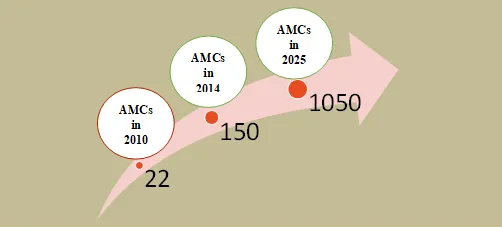
Figure 1: Expansion of ADR monitoring centers in India
Data-Driven Regulatory Interventions
PvPI has demonstrated its effectiveness by converting safety signals into regulatory action. A notable example is the identification of carbamazepine-induced Stevens-Johnson Syndrome (SJS) in Indian patients, linked to the HLA-B*1502 allele.[38] Based on these findings, the Drugs Controller General of India (DCGI) mandated label warnings and recommended genetic screening before prescribing carbamazepine. This intervention highlights the importance of population-specific pharmacovigilance in safeguarding patients.
Digital Innovations and Reporting Tools
To address underreporting, PvPI has introduced several technological solutions. Tools such as the "ADR PvPI" mobile app, an online reporting portal, and a toll-free helpline have simplified the submission of adverse event reports by healthcare professionals and patients.[22] These digital platforms have streamlined data collection, enhanced accessibility, and encouraged wider participation, marking a shift from paper-based to real-time reporting. A notable recent advancement in India’s pharmacovigilance system is the launch of the Adverse Drug Monitoring System (ADRMS) online portal by the Indian Pharmacopoeia Commission in August 2024.[18] ADRMS is an indigenously developed platform that enables easy reporting of adverse events related to medicines, vaccines, and medical devices by healthcare professionals, patients, and industry stakeholders. With features such as a user-friendly interface and direct participation of Marketing Authorization Holders (MAHs), it enhances data integration, accessibility, and real-time reporting. This initiative represents a significant step toward a more efficient and technology-driven pharmacovigilance system in India.
Another important initiative is the relaunch of the Pharmacovigilance Programme of India (PvPI) toll-free helpline (1800-180-3024) as a multilingual Interactive Voice Response System (IVRS) by the Indian Pharmacopoeia Commission. This upgraded system enables patients and healthcare professionals to report adverse drug reactions and seek information in multiple languages, thereby improving accessibility and inclusivity. By integrating IVRS technology with bilingual query resolution and user-friendly reporting, this initiative strengthens public engagement, enhances pharmacovigilance awareness, and promotes patient-centric drug safety monitoring in India. To further simplify adverse drug reaction reporting, QR code-based reporting systems have been introduced, enabling healthcare professionals and patients to directly access reporting forms through quick smartphone scanning.[39] This approach reduces procedural barriers, improves ease of access, and encourages real-time reporting, thereby contributing to increased participation and strengthening pharmacovigilance practices.
Global Contributions and Recognition
PvPI’s growth has also elevated India’s presence in the international drug safety arena. The program contributes extensively to VigiBase, the WHO global ICSR database managed by the Uppsala Monitoring Centre.[40] In 2017, the Indian Pharmacopoeia Commission (IPC)-PvPI was designated a WHO Collaborating Centre for Pharmacovigilance in Public Health Programs and Regulatory Services an acknowledgment of India’s growing role in shaping global drug safety policies.
Critical Analysis: Persistent Challenges and Barriers
Despite significant progress, India’s pharmacovigilance system continues to face structural, regulatory, and behavioral hurdles that limit its effectiveness. A critical appraisal of these challenges highlights areas needing urgent attention.
Underreporting of Adverse Drug Reactions
Underreporting remains the single most pressing challenge for PvPI. Studies suggest that only a small proportion of actual ADRs are reported. Multiple factors contribute: limited awareness of reporting mechanisms, insufficient training, and the perception among healthcare providers that reporting is time-consuming or of little clinical value. Heavy workloads, fear of medicolegal consequences, and a belief that a single report will not make a difference further discourage participation. Although many professionals support the idea of pharmacovigilance in principle, this does not consistently translate into active reporting.
Limitations in Data Quality and Representativeness
The scarcity of reports also leads to incomplete and poor-quality submissions, which reduces their scientific utility. Low “completeness scores” weaken causality assessments and restrict the identification of meaningful safety signals. Additionally, the relatively small dataset fails to reflect India’s vast genetic and demographic diversity. This gap often forces regulators to depend on international data, particularly from Western countries, when making safety decisions an arrangement that may overlook population-specific risks.
Weaknesses in Regulatory Oversight and Enforcement
Historically, regulatory enforcement in pharmacovigilance has lacked consistency. Private healthcare institutions, which serve a large segment of the population, have traditionally contributed little to ADR reporting. The absence of strict obligations for manufacturers and healthcare providers compounded this weakness. Recent reforms, including the 2023 amendment to Schedule M of the Drugs Rules mandating PV systems for all manufacturers from 2025, mark a crucial step toward stronger accountability. However, effective implementation and monitoring will be essential for success.
Sociological and Educational Barriers
Behavioral and educational shortcomings remain deeply rooted barriers. Many postgraduate students, junior doctors, and nurses receive minimal training in pharmacovigilance. Even when they are aware of ADR reporting, they may not feel responsible for it or lack confidence in what and how to report. Infrastructure disparities between states and institutions further exacerbate uneven participation, resulting in a fragmented national reporting culture.
Table 3: Analysis of Key Challenges and Proposed Solutions
|
Challenges |
Specific Manifestations/Causes |
Proposed Solutions |
|
Underreporting |
Lack of awareness and knowledge among healthcare professionals Fear of medicolegal liability Time constraints due to heavy workload Perception that reporting is tedious.[41] |
Digital and user-friendly reporting tools (mobile apps, online portals) Continuous medical education and training, Mandatory reporting requirements. |
|
Data Quality and Completeness |
Incomplete forms due to a lack of knowledge on what to report Low volume of reports leading to insufficient data for robust signal detection Limited surveillance from the private sector. |
Integration of AI to automate data entry and quality checks, Leveraging big data from diverse sources like electronic health records (EHRs), Mandatory reporting across all healthcare sectors.[42] |
|
Regulatory & Enforcement Gaps |
Historical lack of mandatory reporting for all manufacturers. Low compliance from the private sector Insufficient regulatory oversight and audits of PV systems. |
New regulatory mandate via revised, Schedule M to make PV systems compulsory for all manufacturers, Implementation of regular PV inspections and audits by the CDSCO, Stronger legal frameworks and punitive measures for non-compliance. |
|
Sociological & Behavioural Barriers |
Feelings of lethargy or indifference. Lack of time to engage in reporting. Insufficient training in medical and pharmacy curricula. |
Strategic awareness campaigns (e.g., National Pharmacovigilance Week), Integration of pharmacovigilance into all health curricula Formal training for healthcare professionals on ADR reporting procedures.[43] |
Future Directions and Strategic Imperatives
To consolidate India’s achievements in pharmacovigilance and position itself as a global leader in drug safety, the Pharmacovigilance Programme of India (PvPI) must adopt a forward-looking strategy. Four key priorities define this trajectory: fostering a culture of mandatory reporting, harnessing advanced technologies, broadening surveillance beyond conventional boundaries, and strengthening education and training.
Building a Culture of Mandatory and Proactive Reporting
A paradigm shift is required to move away from reliance on voluntary ADR reporting. The recent amendment to Schedule M, which makes pharmacovigilance systems compulsory for all manufacturers, marks an important regulatory milestone in ensuring accountability within the pharmaceutical industry. To achieve comprehensive safety monitoring, this mandate should be complemented by compulsory reporting requirements for healthcare professionals across both public and private sectors. Such systemic changes can significantly enhance the volume, reliability, and representativeness of safety data.
Harnessing Advanced Technologies: AI, Machine Learning, and Big Data
Technology integration is a strategic necessity for the future of PvPI. Artificial Intelligence (AI) and Machine Learning (ML) offer powerful tools to address persistent challenges such as underreporting and poor data quality. These technologies can automate labor-intensive processes like case validation and data entry, allowing staff to focus on higher-level analysis. More importantly, AI-driven analytics can process diverse and unstructured datasets including electronic health records, social media, and patient-reported outcomes to identify complex or early safety signals that traditional methods may overlook. By embracing predictive analytics, PvPI can evolve from a reactive system to a proactive, prevention-oriented drug safety model.
Expanding the Scope of Surveillance: A Holistic Public Health Strategy
For pharmacovigilance to serve as a comprehensive public health safeguard, its scope must extend beyond allopathic medicines. While the PvPI already covers vaccines and major public health programs, future surveillance should systematically include traditional systems of medicine (Ayurveda, Yoga, Unani, Siddha, and Homeopathy: AYUSH), biologics, herbal products, and counterfeit or substandard drugs. A broadened surveillance system would reflect the reality of India’s diverse healthcare practices and help protect patients from risks across the entire therapeutic spectrum.
Strengthening Education, Training, and Capacity Building
Capacity building remains central to sustaining pharmacovigilance in the long term. Embedding pharmacovigilance in medical, pharmacy, and nursing curricula will help inculcate reporting as a professional responsibility from the outset of training. Regular workshops, refresher programs, and sensitization campaigns for practicing healthcare professionals will further reinforce this culture. Initiatives like National Pharmacovigilance Week, which raise awareness among both healthcare providers and the public, should be expanded and institutionalized. The Indian Pharmacopoeia Commission conducts a Skill Development Programme (SDP) under the Pharmacovigilance Programme of India (PvPI) to train healthcare professionals, students, and industry personnel in adverse drug reaction detection and reporting.[44] Delivered in both online and offline modes, the programme enhances practical skills, improves awareness, and supports effective pharmacovigilance practice in India. Continuous investment in education and training will help overcome behavioral barriers and ensure that pharmacovigilance becomes an integral part of routine clinical practice.
CONCLUSION
The Pharmacovigilance Programme of India (PvPI) has evolved from fragmented efforts into a structured and stable national system. Establishing it at the Indian Pharmacopoeia Commission provided much-needed continuity and coordination. Over time, the Programme has expanded its AMC network, strengthened regulatory actions, and improved reporting through digital tools. Recent initiatives such as ADRMS, IVRS-based helpline, QR code reporting, and skill development programmes have made pharmacovigilance more accessible and patient-friendly. India’s contribution to global databases and its recognition as a WHO Collaborating Centre highlight its growing international role.
However, challenges like underreporting, limited awareness, and uneven participation still exist. These issues affect the quality and completeness of safety data. The system is now at an important stage of growth. New regulatory mandates and the use of technologies like artificial intelligence and real-time data monitoring can further strengthen it. Expanding surveillance to include traditional medicines and biologics is also essential. With continued focus on awareness, training, and innovation, PvPI can become more efficient and proactive. Strengthening these areas will help India move towards a more reliable and globally influential pharmacovigilance system, ensuring better patient safety and rational use of medicines.
REFERENCES




Anoop Kumar, Tripthy Shetty, Rashmi Chandra, Shoebul Haque, Upgradation of the Indian Pharmacovigilance System: Developments, Achievements, and Way Forward, Int. J. of Pharm. Sci., 2026, Vol 4, Issue 8, 5357-5369. https://doi.org/10.5281/zenodo.22220138
 10.5281/zenodo.22220138