

We use cookies to ensure our website works properly and to personalise your experience. Cookies policy
Dayanand Institute Of pharmacy, Latur.
Sphingosomes are emerging lipoidal vesicular drug-delivery systems composed primarily of sphingolipids, particularly sphingomyelin, frequently combined with cholesterol and other formulation components. Their sphingolipid-rich bilayer provides a relatively ordered membrane structure that can support drug retention, membrane stability and controlled release. This review summarizes the development, composition, structural features, preparation approaches, drug-loading mechanisms, characterization parameters, factors influencing formulation performance, routes of administration, pharmaceutical applications, recent advances, clinical status, challenges and future perspectives of sphingosomes. Sphingosomes can accommodate hydrophilic drugs within the aqueous core and lipophilic drugs within the lipid bilayer, while amphiphilic molecules may be distributed at the membrane–aqueous interface. Passive and active loading approaches can be used depending on drug properties and formulation design. Common preparation approaches include thin-film hydration, reverse-phase evaporation, ethanol injection, freeze–thaw processing and microfluidic preparation. Important quality attributes include vesicle size, polydispersity index, morphology, zeta potential, lamellarity, drug-loading capacity, entrapment efficiency, drug content, in-vitro release and storage stability. Sphingosomes have potential applications in oral, topical, transdermal, ocular, intravenous, pulmonary and nasal delivery, and have been investigated for anticancer, antifungal and antiviral therapy as well as delivery of vaccines, proteins, peptides and nucleic acids. Recent research directions include targeted and PEGylated systems, stimuli-responsive delivery, combination therapy, microfluidic manufacturing, AI-assisted formulation optimization and theranostic applications. Despite these advantages, scale-up, cost, sterilization, long-term stability, reproducibility, regulatory requirements and limited clinical translation remain important barriers. Further standardized characterization, safety evaluation, scalable manufacturing and clinical studies are required to establish sphingosomes as clinically.useful drug-delivery platforms
Vesicular drug-delivery systems are advanced carrier platforms in which therapeutic agents are encapsulated or incorporated into vesicles composed predominantly of lipids, surfactants or other amphiphilic materials. These systems are designed to improve drug solubility, stability, bioavailability and release characteristics while potentially reducing nonspecific distribution and toxicity. Liposomes, niosomes, transfersomes, ethosomes, phytosomes and sphingosomes represent important classes of vesicular carriers.
Conventional drug-delivery approaches may be limited by poor aqueous solubility, low bioavailability, rapid degradation, short circulation time, nonspecific distribution and frequent dosing. Lipid-based carriers were developed to address several of these limitations by providing protection of the drug, controlled release and opportunities for site-specific delivery. Within this continuing evolution, sphingosomes have emerged as sphingolipid-rich vesicular systems based mainly on sphingomyelin, often in combination with cholesterol.
The present review consolidates the available material on sphingosomes with emphasis on their composition, structure, preparation, loading and release mechanisms, characterization, formulation variables, administration routes, applications, recent research trends, limitations, clinical status and future opportunities.
2. Development and Evolution of Sphingosomes
The development of sphingosomes is closely associated with the evolution of lipid-based vesicular drug delivery. The establishment of liposomes in the 1960s demonstrated that lipid bilayers could act as carriers for therapeutic substances. Subsequent research sought to improve membrane stability, drug retention, circulation time and targeting. These efforts led to diverse vesicular systems and eventually increased interest in sphingolipids as membrane-forming materials.
Sphingomyelin attracted attention because it is a naturally occurring membrane sphingolipid with distinctive physicochemical properties and an ability to interact with cholesterol. Sphingolipid-rich vesicles were therefore investigated as carriers capable of providing stable membranes, improved drug retention and controlled delivery. The evolution can be viewed as a progression from conventional lipid vesicles toward specialized carriers with greater opportunities for targeting and multifunctional delivery.
Recent directions described in the source material include ligand-functionalized and PEGylated systems, stimuli-responsive vesicles, combination delivery, biological drug delivery, microfluidic preparation, AI-assisted formulation optimization and theranostic systems.
3. Definition, Composition and Structure
Sphingosomes are lipoidal vesicular drug-delivery systems composed mainly of sphingolipids, particularly sphingomyelin, frequently combined with cholesterol and other suitable excipients. A typical vesicle consists of a closed lipid bilayer surrounding an aqueous internal compartment. This architecture enables incorporation of both hydrophilic and lipophilic therapeutic agents.
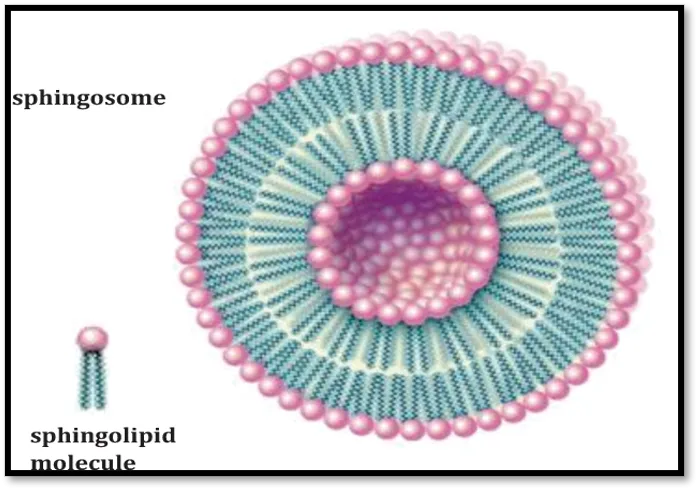
Figure 1. Schematic representation of a sphingosome showing the sphingolipid-rich bilayer and aqueous core.
3.1 Major Components
• Sphingomyelin: The principal membrane-forming sphingolipid that contributes to bilayer formation, membrane organization, rigidity and drug retention.
• Cholesterol: Modulates membrane packing, rigidity, permeability and stability and can reduce premature drug leakage when used at an appropriate concentration.
• Drug: Hydrophilic drugs are predominantly associated with the aqueous core, whereas lipophilic drugs are mainly incorporated within the hydrophobic membrane region.
• Optional additives: Charged lipids, antioxidants, stabilizers, PEG-containing components and targeting ligands may be incorporated according to formulation objectives.
3.2 Drug Localization
Drug localization depends primarily on solubility, polarity, lipophilicity and membrane interactions. Hydrophilic molecules are mainly entrapped in the aqueous core, lipophilic molecules preferentially partition into the bilayer, and amphiphilic molecules may occupy the membrane–aqueous interface. Localization directly influences encapsulation efficiency, retention and release.
4. Potential Advantages of Sphingosomes
• Relatively high membrane stability due to the ordered sphingolipid-rich bilayer.
• Improved drug retention and potentially reduced premature leakage.
• Controlled or sustained drug release.
• Protection of encapsulated drugs from environmental degradation.
• Ability to accommodate both hydrophilic and lipophilic drugs.
• Potential improvement in solubility, bioavailability and circulation characteristics for suitable drugs.
• Opportunities for targeted, site-specific and stimuli-responsive delivery.
• Potential reduction in nonspecific exposure when appropriate targeting and release strategies are used.
5. Mechanisms of Drug Loading and Release
5.1 Passive Loading
In passive loading, the drug is incorporated during vesicle formation. Hydrophilic drugs are introduced into the aqueous phase and become associated with the internal aqueous compartment, whereas lipophilic drugs are incorporated into the membrane. Loading performance is influenced by drug solubility and lipophilicity, drug-to-lipid ratio, sphingomyelin and cholesterol concentrations, aqueous-core volume, vesicle size, hydration conditions, preparation method and drug–lipid interactions.
5.2 Active or Remote Loading
Active loading involves the use of a transmembrane chemical or electrochemical gradient to load a drug into preformed vesicles. After establishment of an appropriate internal gradient, the drug is added externally and, when its chemical properties are suitable, crosses the membrane and becomes preferentially retained within the vesicle. This approach can provide high loading and retention for appropriate drug molecules but is dependent on drug ionization, membrane permeability and gradient characteristics.
5.3 Drug Release
Drug release can occur through diffusion across the bilayer, membrane permeabilization, vesicle degradation or disruption, membrane fusion and, in specially engineered systems, responses to pH, temperature, enzymes or other biological stimuli. The rate and extent of release depend on lipid composition, membrane rigidity, drug properties and the surrounding biological environment.
6. Methods of Preparation
6.1 Thin-Film Hydration
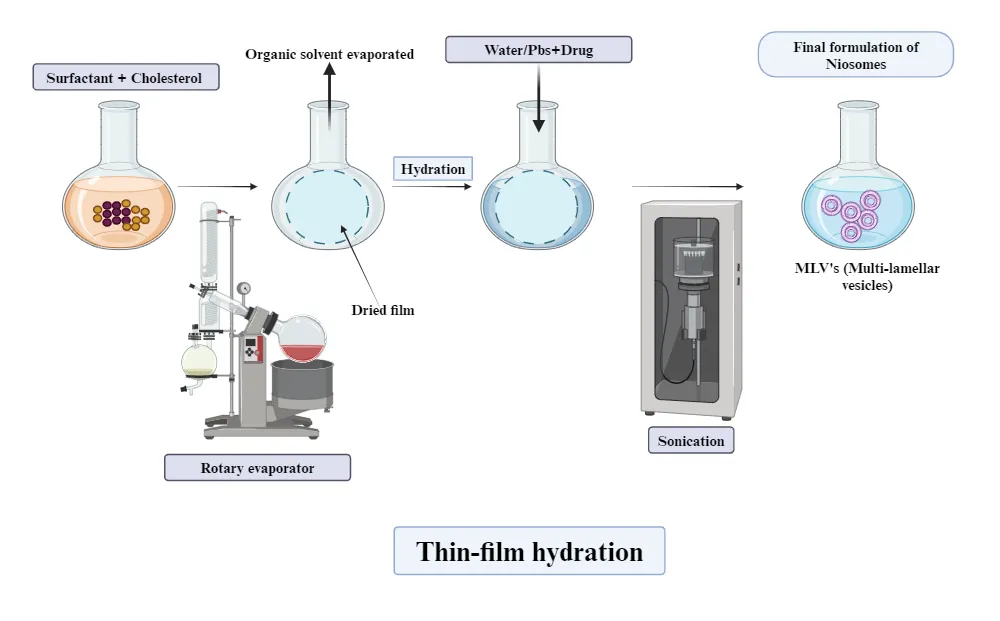
Figure 2. Schematic representation of the thin-film hydration method for vesicular preparation.
Sphingolipid and cholesterol are dissolved in an appropriate organic solvent, followed by solvent removal under reduced pressure to form a thin lipid film. Hydration with an aqueous medium produces vesicles, which may then be processed by sonication or extrusion. The method is simple and suitable for laboratory-scale work but may initially produce relatively large and heterogeneous multilamellar vesicles.
6.2 Reverse-Phase Evaporation
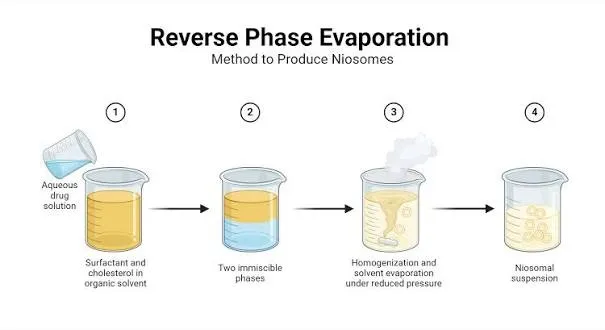
Figure 3. Schematic representation of the reverse-phase evaporation method for vesicular preparation.
Lipids are dissolved in an organic phase and combined with an aqueous drug solution to form a water-in-oil emulsion. Removal of the organic solvent promotes bilayer formation and vesicle production. The approach can provide good entrapment of water-soluble drugs, although complete removal of solvent can be challenging.
6.3 Ethanol Injection
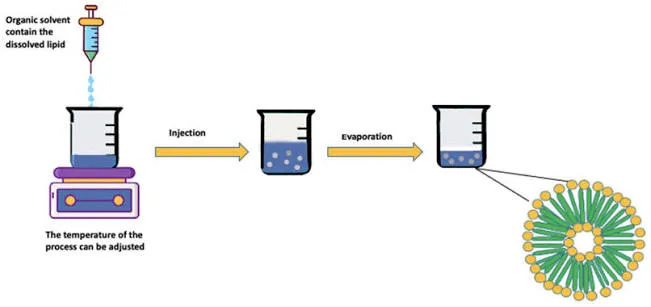
Figure 4. Schematic representation of the injection method for vesicular preparation, showing addition of an organic lipid solution to an aqueous phase followed by solvent evaporation.
Lipids dissolved in ethanol are injected into an aqueous phase under controlled stirring. Rapid mixing and solvent dilution promote lipid self-assembly. The method is relatively simple but residual ethanol must be controlled or removed.
6.4 Freeze–Thaw Processing
Repeated freezing and thawing temporarily disrupts and reorganizes vesicle membranes and may improve drug distribution and entrapment. Excessive cycling can, however, promote aggregation or leakage.
6.5 Microfluidic Preparation
Microfluidic methods use controlled mixing of lipid and aqueous streams in microscale channels. Rapid and reproducible mixing can support formation of vesicles with relatively controlled particle size and offers potential advantages for process development and scale-up, although specialized equipment and process control are required.
7. Characterization of Sphingosomes
Comprehensive characterization is essential to establish vesicle formation, quality, stability and performance. Key attributes include particle size, size distribution, morphology, surface charge, lamellarity, drug loading, entrapment efficiency, drug content, release and stability.
• Particle size and size distribution: commonly measured by dynamic light scattering (DLS); size influences stability, cellular uptake, release and distribution.
• Polydispersity index (PDI): provides an indication of size-distribution uniformity; lower values generally indicate a more homogeneous dispersion.
• Zeta potential: provides information about surface charge and aggregation tendency.
• Morphology: evaluated using TEM, SEM, cryo-TEM or AFM to confirm vesicle shape, surface features and structural integrity.
• Lamellarity: describes the number of bilayers and can be assessed using microscopy and other suitable analytical techniques.
• Drug loading and entrapment efficiency: quantify the drug-carrying capacity and fraction of added drug successfully incorporated.
• Drug content: determines the actual amount of drug present and may be measured by UV-visible spectrophotometry or HPLC.
• In-vitro drug release: evaluates the rate and extent of drug release under laboratory conditions.
• DSC: evaluates thermal behavior, phase transitions and possible drug–lipid interactions.
• FTIR: identifies functional groups and possible chemical interactions through characteristic spectral changes.
• XRD: evaluates crystalline or amorphous characteristics and possible changes after drug incorporation.
• NMR: can provide information about molecular environment, lipid organization and interactions.
8. Factors Influencing Formation and Performance
Formulation performance is governed by the composition of the vesicle and the processing environment. Sphingolipid type and concentration determine membrane formation and rigidity, while cholesterol modifies packing, permeability and stability. The sphingolipid-to-cholesterol ratio must therefore be optimized for each drug and formulation objective.
Drug properties—including solubility, molecular size, lipophilicity, ionization, concentration and chemical stability—strongly influence loading and release. The hydration medium, pH, ionic strength and temperature also affect vesicle formation. Sonication conditions influence particle size and uniformity; insufficient processing may leave larger vesicles, whereas excessive sonication can promote lipid damage, leakage or heating.
9. Cellular Uptake and Biological Delivery
Sphingosomes can interact with cells through adsorption, endocytosis and membrane fusion. Adsorption brings the vesicle into close contact with the cell surface and may facilitate subsequent internalization. During endocytosis, vesicles enter intracellular compartments where environmental changes or vesicle destabilization may promote drug release. Membrane fusion can facilitate direct transfer of vesicular contents or membrane-associated drug. These processes are influenced by vesicle size, surface charge, membrane composition and any targeting modifications.
10. Routes of Administration
• Oral: May protect drugs in the gastrointestinal environment and improve absorption, solubility and controlled release for suitable compounds.
• Topical: Can support localized skin delivery and potentially improve penetration and residence at the application site.
• Transdermal: May facilitate prolonged systemic delivery while avoiding gastrointestinal degradation and first-pass metabolism.
• Ocular: May increase retention at the ocular surface and provide prolonged drug release.
• Intravenous: Provides direct systemic availability and opportunities for controlled and targeted distribution.
• Pulmonary: Can provide direct delivery to the respiratory tract and potentially improve local drug concentration.
• Nasal: Offers a well-perfused absorption surface and may provide local or systemic delivery with avoidance of gastrointestinal degradation.
11. Pharmaceutical and Therapeutic Applications
• Cancer therapy: Sphingosomes are being investigated for controlled delivery of anticancer drugs, improved stability and potential reduction of unwanted exposure.
• Antifungal therapy: Encapsulation may improve the delivery, stability and controlled release of antifungal agents.
• Antiviral therapy: Sphingosomal carriers may protect antiviral drugs and improve delivery to target cells.
• Vaccines: They may serve as carriers for antigens and immunologically active components and support antigen delivery to antigen-presenting cells.
• Gene delivery: Sphingosomes may protect DNA, RNA and other genetic materials and facilitate intracellular delivery.
• Protein and peptide delivery: Encapsulation can protect sensitive macromolecules from degradation and support controlled release.
• Brain targeting: Surface-engineered systems may be investigated for improved delivery to brain tissues and transport across the blood–brain barrier.
• Ocular delivery: Vesicular retention and controlled release may support prolonged ocular exposure.
• Pulmonary delivery: Inhalable formulations may provide direct local delivery to the lungs.
12. Comparison with Other Vesicular Systems
|
Feature |
Liposomes |
Niosomes |
Sphingosomes |
|
Principal membrane material |
Phospholipids |
Non-ionic surfactants |
Sphingolipids, especially sphingomyelin |
|
Stability |
Good but composition-dependent |
Generally good |
Potentially high due to ordered sphingolipid-rich membranes |
|
Drug leakage |
May occur depending on membrane composition |
Variable |
Potentially reduced with suitable sphingolipid/cholesterol composition |
|
Drug loading |
Hydrophilic and lipophilic drugs |
Hydrophilic and lipophilic drugs |
Hydrophilic and lipophilic drugs |
|
Cost |
Can be relatively high |
Often comparatively economical |
May be higher because of specialized lipids and processing |
|
Development status |
Well-established platform |
Well-investigated platform |
Emerging research platform |
13. Recent Advances and Emerging Trends
Recent work described in the source material has broadened the scope of sphingolipid-based vesicular systems. Areas of interest include targeted delivery through ligand or peptide functionalization, PEGylation for improved colloidal behavior, stimuli-responsive release, combination delivery of drugs and genetic materials, biological drug delivery, microfluidic manufacturing and AI-assisted optimization of formulation variables. Theranostic systems that combine therapeutic and diagnostic functions represent another emerging direction.
The source material also describes recent preclinical investigations involving anticancer applications and combined drug/gene delivery. These developments indicate growing interest in multifunctional sphingosomal systems, although the available evidence remains primarily developmental and preclinical.
14. Clinical Status and Regulatory Considerations
Sphingosomes remain an emerging experimental drug-delivery platform. The supplied material does not identify a widely established marketed pharmaceutical product specifically classified as a sphingosome, and it describes clinical translation as limited. Preclinical studies have demonstrated potential in areas such as cancer therapy and targeted delivery, but further clinical validation is needed.
Potential pharmaceutical development would require rigorous assessment of quality, safety, efficacy, sterility, stability, particle size, drug loading, reproducibility, manufacturing consistency and long-term biological effects. Standardized analytical methods and scalable manufacturing processes will be essential for regulatory development.
15. Challenges and Limitations
• High production cost associated with specialized sphingolipids, equipment and controlled processing.
• Scale-up difficulties in maintaining particle size, drug loading, stability and batch-to-batch consistency.
• Potential lipid oxidation and other chemical instability during storage.
• Sterilization challenges because processing conditions may alter vesicle structure or drug content.
• Long-term stability concerns including aggregation, fusion, leakage and changes in particle size.
• Limited clinical and commercial translation compared with established drug-delivery platforms.
• Complexity of multifunctional and targeted systems, which may increase manufacturing and regulatory burden.
• Need for more complete pharmacokinetic, biodistribution, immunogenicity and long-term safety data.
16. FUTURE PERSPECTIVES
Future research should focus on rational optimization of sphingolipid composition and membrane structure to improve stability, loading and controlled release. Targeted systems using ligands, antibodies or peptides may improve selective interaction with disease-associated cells. Stimuli-responsive systems may provide more precise release in response to disease-related biological signals.
Further opportunities include delivery of proteins, peptides, vaccines and nucleic acids; combination therapy; advanced surface engineering; microfluidic and solvent-minimized manufacturing; and computational or AI-assisted formulation optimization. Translation will ultimately depend on reproducible large-scale manufacturing, robust quality control, comprehensive safety evaluation and well-designed clinical trials.
CONCLUSION
Sphingosomes represent an emerging sphingolipid-based lipoidal vesicular platform with potential to address several limitations of conventional drug delivery. Their sphingomyelin-rich membrane, frequently combined with cholesterol, can provide an organized and relatively stable bilayer capable of accommodating both hydrophilic and lipophilic therapeutic agents. The platform offers opportunities for controlled release, improved drug retention, protection of sensitive molecules and targeted delivery. Diverse preparation and characterization strategies have been explored, and applications extend from small-molecule drugs to proteins, peptides, vaccines and nucleic acids.
Despite encouraging formulation and preclinical findings, sphingosomes have not yet achieved broad clinical or commercial adoption. Cost, scale-up, sterilization, long-term stability, reproducibility, regulatory requirements and limited clinical evidence remain important barriers. Future studies should therefore move beyond formulation optimization toward standardized characterization, mechanistic biological studies, scalable manufacturing, comprehensive safety assessment and clinical evaluation. With these advances, sphingosomes may become a useful component of next-generation targeted and controlled drug-delivery systems.
REFERENCES


Dr. Sachitanand Biradar, Sai Kondlyade, Vaishnavi Dhore, Sphingosomes: A Novel Lipoidal Vesicular Drug Delivery System – A Review, Int. J. of Pharm. Sci., 2026, Vol 4, Issue 10, 249-258, https://doi.org/10.5281/zenodo.23119843
 10.5281/zenodo.23119843