

We use cookies to ensure our website works properly and to personalise your experience. Cookies policy
Department of Pharmacy, SIMS College of Pharmacy, Guntur,India
Three-dimensional printing, also known as additive manufacturing, is emerging as a transformative platform for pharmaceutical dosage form development because it enables precise control over dose, geometry, release behavior, and patient-specific customization. This review summarizes the evolution of 3D printing in pharmaceutics, the principles of digital-to-physical manufacturing, and the main technologies used for drug products, including fused deposition modeling, stereolithography, selective laser sintering, inkjet printing, binder jetting, and semi-solid extrusion. Recent applications in immediate-release, sustained-release, polypill, pediatric, and implantable systems are highlighted, along with the first FDA-approved 3D-printed drug, Spritam (levetiracetam), which marked a major milestone in the field. The review also discusses key barriers such as regulatory uncertainty, quality control, limited printable materials, drug stability, cost, and scalability, while considering emerging directions such as AI-assisted design, 4D printing, bioprinting, and smart drug delivery systems. Overall, 3D printing offers substantial promise for personalized and on-demand medicine, but broader clinical translation will require robust manufacturing standards, harmonized regulations, and stronger process-control strategies.
Pharmaceutical dosage forms have traditionally been designed to provide safe and effective delivery of medicines to large patient populations. However, standard formulations are not always suitable for every individual because patients differ in age, body weight, disease condition, swallowing ability, metabolic rate, and therapeutic need. These differences have strengthened interest in personalized medicine, where the dose and form of a medicine can be adjusted to suit a specific patient rather than a broad population. In this setting, 3D printing has emerged as a highly promising technology for the development of flexible, patient-centered dosage forms (1-3).
Three-dimensional printing, also known as additive manufacturing, is a process in which a product is built layer by layer from a digital model. In pharmaceutics, this approach offers a major advantage over conventional manufacturing because it allows control over tablet shape, internal structure, porosity, drug distribution, and release behavior. Instead of relying on a fixed production mold or a single formulation design, 3D printing makes it possible to produce customized dosage forms on demand. This capability is especially important for pediatric medicines, geriatric formulations, polypills, controlled-release systems, and implantable drug delivery devices. As a result, 3D printing is increasingly viewed as a tool that can help move pharmaceutical science toward precision medicine (2-5).
One of the most important strengths of this technology is its ability to create complex dosage forms that are difficult to achieve using conventional methods. For example, a printed tablet can be designed to release the drug immediately, slowly, or in multiple phases depending on the clinical objective. Internal channels, porous structures, layered designs, and geometrical modifications can all be used to influence dissolution and drug release.This means that the same active ingredient can be turned into different dosage forms simply by changing the digital design and printing parameters. Such flexibility is highly valuable during formulation development because it supports rapid prototyping and faster optimization (3,5,7).The field of pharmaceutical 3D printing has grown rapidly because of progress in printer design, digital modeling, and material science. Several printing technologies are now being explored for drug product development, including fused deposition modeling, stereolithography, selective laser sintering, inkjet printing, binder jetting, and semi-solid extrusion. Each method has distinct strengths and limitations in terms of resolution, temperature requirements, material compatibility, and final product properties(2,4,6,8).The approval of Spritam, the first 3D-printed drug product, was a landmark moment in the field. (8,10).
History and Evolution of 3D Printing in Pharmaceuticals:
Initially developed as an industrial rapid-prototyping method, 3D printing's early applications were primarily in engineering and product design for creating physical models from digital files. Its adaptation for biomedical and pharmaceutical research was spurred by the need for personalized medicines and flexible manufacturing. This led to 3D printing's transition from general manufacturing to drug delivery and dosage form design (3,7). The approval of Spritam, the first 3D-printed drug, was a significant milestone, demonstrating its viability for regulated medicinal products beyond experimental use. This event boosted confidence and encouraged further research into printable formulations, process control, and clinical applications (8,9).Today, pharmaceutical 3D printing is a multidisciplinary field involving pharmaceutics, engineering, materials science, and digital design, moving beyond basic tablet prototypes to explore new dosage forms, administration routes, and customized therapies, making it a rapidly growing area in pharmaceutical science (4,5,6,7).
Principles of 3D Printing:
The fundamental principle of 3D printing involves converting a digital design into a physical object by building it layer by layer. Software then slices this design into thin layers to guide the printer. During printing, materials are deposited, melted, fused, cured, or solidified in a controlled sequence to create the final dosage form, often followed by post-processing steps like drying or polishing. This digital workflow offers formulators significant control, allowing drug release to be modified by designing the internal architecture, shape, density, or porosity of the dosage form. This contrasts with conventional tableting, where design options are often limited by compression and coating methods, highlighting how, in 3D printing, the design itself is integral to the formulation strategy (5,1).
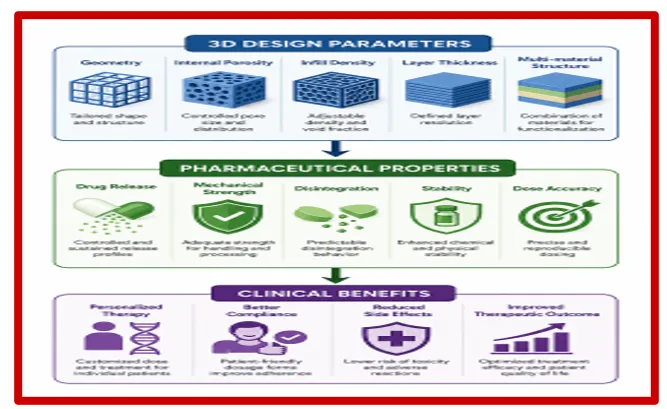
Figure:1 Relationship Between Dosage Form Design and Therapeutic Outcome:
Novelty: Explains the design-property-performance relationships
Materials Used in Pharmaceutical 3D Printing:
The success of pharmaceutical 3D printing is heavily reliant on the selection of appropriate materials (4,11).
Polymers are the most significant class of materials, providing structure and influencing drug release. They are used in various forms, including filaments for extrusion-based printing, powders, resins, and semi-solid systems. The chosen polymer must be compatible with both the printing process and the active ingredient, and it must support the desired mechanical strength and dissolution profile (8,11,12).
Plasticizers are often incorporated to enhance flexibility and improve processing, particularly in filament-based printing (8,7).
Active pharmaceutical ingredients (APIs) must maintain their stability during printing and retain their biological activity post-manufacturing (4,11,6).
Excipients are vital for binding, swelling, disintegration, flow, and controlling drug release (11,6).
Hydrogels are particularly useful for responsive systems due to their ability to absorb water and alter properties after administration (7,6).
These materials collectively form the foundation for printable pharmaceutical formulations (4,11,6).
Table:1 Polymers used in pharmaceutical 3D printing:
|
Polymer |
Type |
Role in 3D printing |
Key properties |
Common applications |
|
Polyvinyl alcohol (PVA) |
Synthetic |
FDM filament matrix, binder |
Water-soluble, printable, flexible |
Oral solid dosage forms |
|
Polyvinylpyrrolidone (PVP) |
Synthetic |
Matrix former, stabilizer |
Good solubility, film-forming |
Solid dispersions, printlets |
|
Hydroxypropyl methylcellulose (HPMC) |
Semi-synthetic |
Matrix former, viscosity enhancer |
Biocompatible, swelling, controlled release |
Sustained-release tablets |
|
Ethyl cellulose |
Semi-synthetic |
Release modifier |
Water-insoluble, good film strength |
Extended-release systems |
|
Polylactic acid (PLA) |
Synthetic |
Structural polymer |
Biodegradable, thermoplastic |
Implantable and prototype formulations |
|
Polycaprolactone (PCL) |
Synthetic |
Long-term release matrix |
Biodegradable, low melting point |
Implants, sustained delivery |
|
PEG-based polymers |
Synthetic |
Plasticizer, solubilizer, matrix component |
Flexible, hydrophilic |
Oral and topical formulations |
|
Gelatin |
Natural |
Gel former, binder |
Biocompatible, biodegradable |
SSE and bioprinting systems |
|
Alginate |
Natural |
Hydrogel matrix |
Mucoadhesive, crosslinkable |
Controlled delivery and bioprinting |
|
Chitosan |
Natural |
Film former, mucoadhesive polymer |
Biocompatible, cationic, biodegradable |
Buccal and wound-related systems |
Types of 3D Printing Technologies:
The text outlines several key 3D printing technologies used in pharmaceutical applications
This is one of the most researched technologies in pharmaceutical printing. It involves heating a polymer filament and extruding it through a nozzle in a controlled manner. Its main advantages are simplicity, low cost, and the ability to produce mechanically strong solid products. However, the high processing temperatures can be a limitation for heat-sensitive drugs and materials, making it more suitable for stable compounds and thermoplastic polymers (4,1).
This method uses light to cure liquid photopolymer resins layer by layer. It offers excellent resolution and surface finish, making it attractive for precise dosage forms. A primary limitation is the requirement for suitable photo-curable materials, which are still relatively scarce for pharmaceutical use. Careful control of photoinitiators and curing conditions is also necessary to prevent drug degradation. Despite these challenges, SLA shows strong potential for creating highly detailed structures (1,3,5).
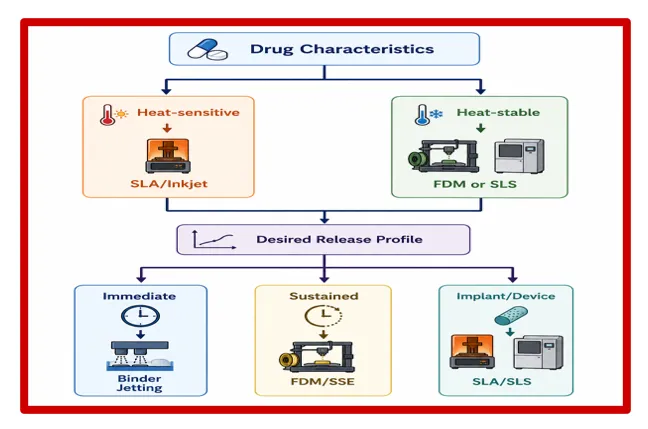
Figure 2. Decision Tree for Selecting a 3D Printing Technology:
Novelty: Focuses on technology selection rather than only listing technologies.
Table : 2 Comparison of 3D printing technologies
|
Technology |
Working principal |
Common materials |
Key advantages |
Main limitations |
Pharmaceutical relevance |
|
Fused Deposition Modeling (FDM) |
Thermoplastic filament is melted and extruded layer by layer. |
Polymers, drug-loaded filaments |
Low cost, simple operation, good mechanical strength |
High processing temperature, limited drug/polymer choices |
Widely used for personalized oral dosage forms |
|
Inkjet Printing |
Droplets of ink are deposited on a substrate in a controlled pattern. |
Photopolymer resins |
High resolution, smooth surface finish |
Limited pharmaceutically acceptable resins, potential phototoxicity |
Useful for precise structures and complex geometries |
|
Stereolithography (SLA) |
UV light cures photosensitive resin selectively. |
Polymers, excipients, powders |
No need for support structures, good porosity control |
High equipment cost, heat exposure, powder handling issues |
Suitable for fast-dissolving and porous tablets |
|
Selective Laser Sintering (SLS) |
Laser fuses powder particles layer by layer. |
Drug solutions, binders, pigments |
High precision, low material waste |
Limited dose loading, nozzle clogging |
Useful for dose adjustment and surface patterning |
|
Semi-solid Extrusion (SSE) |
Semi-solid paste or gel is extruded through a nozzle. |
Gels, pastes, suspensions |
Room-temperature processing, suitable for heat-sensitive drugs |
Lower resolution, slower printing |
Good for pediatric and geriatric formulations |
|
Binder Jetting |
Liquid binder is selectively deposited onto a powder bed. |
Powders and binders |
No heat requirement, good porosity |
Lower mechanical strength, post-processing often needed |
Used for rapidly disintegrating oral forms |
Applications in Dosage Form Development:
3D printing offers significant versatility in developing various pharmaceutical dosage forms, catering to diverse therapeutic needs and patient-specific requirements (4,8).
These can be designed for rapid disintegration, leading to quick drug action (5,1).
Precise control over internal geometry and diffusion pathways allows for predictable drug release profiles, potentially reducing dosing frequency (4,8,3).
Combining multiple active pharmaceutical ingredients (APIs) into a single dosage form is particularly beneficial for managing chronic conditions (8,3,7).
These are designed to dissolve quickly in the mouth, improving convenience for patients who have difficulty swallowing (5,1,7).
The ability to create individualized doses and patient-friendly formulations makes 3D printing highly suitable for pediatric use (4,5,12).
These are being developed for long-term and localized treatment, offering targeted drug therapy over extended periods (3,6,8).
Advantages of 3D Printing in Pharmaceuticals:
1.Personalization:
Dose strength, shape, size, and release characteristics can be tailored to individual patients, enhancing therapeutic precision and reducing the risk of incorrect dosing (4,8).
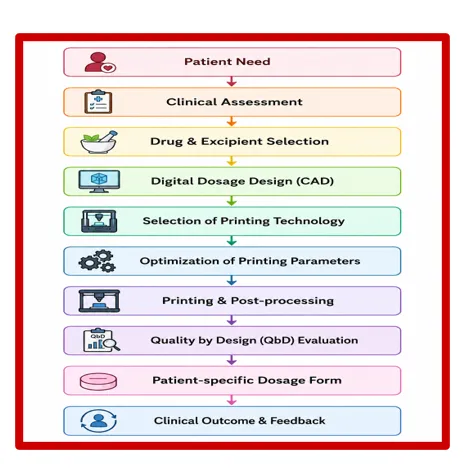
Figure: 3 Roadmap for Personalized Pharmaceutical 3D Printing:
Novelty: Includes patient-centric manufacturing and feedback, unlike conventional workflow diagrams.
2.Complex Dosage Forms:
The technology allows for the creation of intricate dosage forms that are difficult or impossible to produce with traditional manufacturing methods (2,3).
3.Reduced Waste: Material is deposited only where needed, making the process efficient, especially for small-batch and on-demand production (1,7).
4..Rapid Prototyping: Researchers can quickly test multiple designs without altering the entire manufacturing process (3,4,12).
5.Improved Patient Compliance: Medicines can be made easier to swallow, combine multiple drugs, or require less frequent dosing (5,7,8).
Challenges and Limitations:
Despite its advantages, pharmaceutical 3D printing faces several significant hurdles:(3,4,5).
1.Regulatory Issues: A lack of specific regulatory guidelines for printed medicines poses a barrier, as they must meet strict standards for quality, reproducibility, and safety (3,6,12).
2.Quality Control:
Ensuring consistent quality is challenging due to the influence of numerous factors, including material properties, printer calibration, and post-processing steps. Small variations can impact drug content and release.(1,5,12).
3.Drug Stability:
Some active ingredients may degrade due to heat, light, or mechanical stress during the printing process (4,7,8).\
4.Limited Printable Materials:
The range of suitable pharmaceutical-grade materials is restricted, limiting the types of products that can be manufactured (3,5,6).
5.Cost and Scalability:
Many printing systems are still too slow or expensive for large-scale commercial use, making them best suited for specialized applications (1,6,7).
Table: 3 Advantages and limitations of each technology
|
Technology |
Advantages |
Limitations |
|
FDM |
Low cost, simple setup, good reproducibility, useful for geometrically complex oral forms |
Heat exposure can degrade APIs, filament production is needed, not ideal for very sensitive drugs |
|
SSE |
Low thermal stress, useful for semisolids and biologics, supports individualized doses |
Lower shape stability, may require drying or curing, rheology must be carefully controlled |
|
SLA / DLP |
Very high resolution, smooth finish, excellent for microdevices and microneedles |
Restricted material choice, risk of photoinitiator toxicity, requires post-curing and washing |
|
SLS |
Solvent-free, no need for support structures, good for porous tablets |
Thermal load may damage drugs, powder handling can be difficult, equipment is expensive |
|
Binder Jetting |
Good for porous, fast-disintegrating tablets, suitable for high dose loading |
Mechanical strength may be low, binder and drying conditions must be optimized |
|
Inkjet / DOD |
Precise dosing, low waste, good for multilayer and multimaterial systems |
Nozzle clogging, limited viscosity range, low solid loading capacity |
Regulatory Perspectives:
The regulatory landscape for pharmaceutical 3D printing is still evolving. Adherence to Good Manufacturing Practice is crucial since printed medications must be created in controlled, validated environments. The concept of Quality by Design is particularly pertinent here, as it fosters a thorough understanding of critical quality attributes, essential material characteristics, and key process parameters. This is vital for a digital manufacturing approach where even minor alterations can impact product efficacy. Future regulatory advancements are expected to center on validating print files, enabling decentralized production, and ensuring process traceability (1,7).Regulatory bodies will need to establish protocols for inspecting and approving on-demand printed dosage forms, particularly in hospitals or specialized facilities (1,5,12). To facilitate the transition from research-focused production to wider clinical application, clear standards will be imperative. Consequently, regulatory science will be pivotal in shaping the future of this technology (3,4,8).
Recent Advances:
Between 2022 and 2026, numerous developments have ignited interest in pharmaceutical 3D printing. The use of artificial intelligence is aiding
in design optimization and forecasting formulation behavior (4,5,6).Four-dimensional printing has emerged, introducing materials that respond to environmental changes such as humidity, temperature, or pH over time (1,6,12).Furthermore, bioprinting is bridging the gap between pharmaceutical science and tissue engineering, leading to advanced biomedical constructs (3,6,8).The significance of smart drug delivery systems is rising, as they enable targeted or responsive release. There’s also growing attention on combination therapies and polypills, which streamline treatment plans (4,5,7).These innovations indicate that the field is evolving from traditional tablet design toward more dynamic and multifunctional systems, a trend likely to persist as advancements in printing technology and material science continue (5,6).
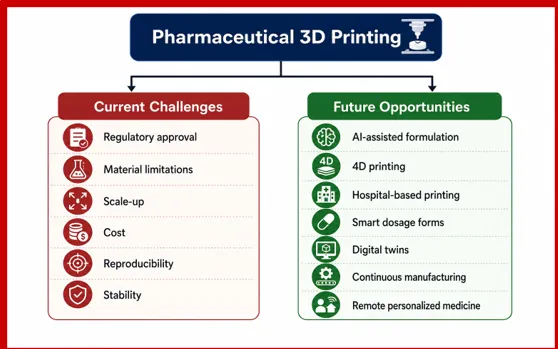
Figure 4. Current Challenges and Future Opportunities:
Novelty: Shows the transition from current barriers to future innovations.
Future Perspectives:
The trajectory of pharmaceutical 3D printing is closely linked to the concepts of personalized medicine and on-demand manufacturing. Printing within hospitals could empower healthcare professionals to create customized dosage forms directly at the point of care, especially benefiting pediatric, geriatric, oncology, and rare disease patients. On-demand production may also alleviate inventory challenges by allowing medications to be produced as needed, rather than stored in advance. The integration of artificial intelligence and machine learning has the potential to enhance formulation design, process monitoring, and quality predictions. As 3D printing systems become more dependable and regulatory benchmarks are established, the use of this technology in pharmaceuticals is expected to become more commonplace. The ultimate goal is to develop a flexible, digitally driven manufacturing model capable of producing medications tailored to the specific needs of each patient.
Table: 4 Recent studies (2022–2026) on pharmaceutical 3D printing:
|
Year |
Study focus |
Printing technology |
Main contribution |
|
2022 |
Review of 3D printing in pharmaceutics |
Multiple technologies |
Summarized progress in personalized medicines, dosage form design, and regulatory challenges |
|
2022 |
3D-printed solid oral dosage rms |
FDM, SLS, binder jetting |
Highlighted the potential of 3D printing for oral personalization and modified release |
|
2023 |
Advanced characterization of 3D-printed oral dosage forms |
Multiple technologies |
Emphasized the need for orthogonal characterization and quality control |
|
2023 |
Review of polymer materials for pharmaceutical printing |
FDM / extrusion-based systems |
Discussed polymer suitability, thermal behavior, and formulation limitations |
|
2024 |
Recent advances in pharmaceutical dosage form printing |
Multiple technologies |
Reported growing interest in oral, implantable, and microstructured dosage systems |
|
2024 |
Polymers and processing in extrusion-based printing |
FDM, SSE |
Focused on polymer selection, rheology, and extrusion behavior |
|
2025 |
Commercial and translational 3D-printed medicines |
Multiple technologies |
Discussed clinical translation, manufacturing scalability, and product quality |
|
2025 |
Personalized and multifunctional dosage forms |
FDM, inkjet, SSE |
Showed progress in patient-specific dosing and multi-drug designs |
|
2026 |
Regulatory and quality considerations in 3D-printed drugs |
Multiple technologies |
Highlighted standardization, GMP, and in-hospital manufacturing challenges |
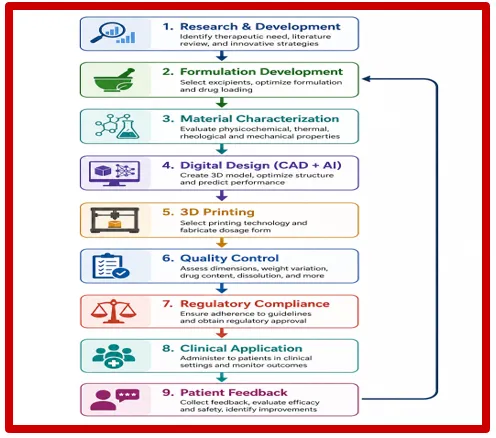
Figure 5. Integrated Pharmaceutical 3D Printing Ecosystem (Unique Concept).
Novelty: Represents pharmaceutical 3D printing as a continuous innovation cycle rather than a linear process.
CONCLUSION:
Three-dimensional printing has evolved from a specialized research area to a vital platform for creating custom oral, parenteral, and topical dosage forms that cater to individual patient requirements. It provides exceptional control over dosage, release profiles, and the spatial arrangement of multiple medications within a single unit, facilitating complex treatments like polypills and chronotherapeutic systems that traditional manufacturing struggles to replicate.
Significant regulatory achievements, such as the FDA's approval of the first 3D-printed tablet, have confirmed the clinical viability of this technology. Ongoing advancements in process analytical technologies and digital workflows are enhancing quality assurance for printed products. Currently, 3D printing shows the greatest promise for small-batch, high-value applications, such as pediatric, geriatric, and orphan indications, or adaptive clinical trials, rather than large-scale commercial production, where traditional methods are more cost-effective.
Looking to the future, the integration of advanced printing methods (like inkjet, fused deposition modeling, and stereolithography), smart materials, and 4D concepts is anticipated to broaden the options available for responsive and multifunctional dosage forms. To realize this potential, future research should concentrate on establishing strong relationships between materials, processes, and performance, developing uniform regulatory guidelines for additive manufacturing, and connecting with digital health tools for comprehensive personalized therapy. In essence, 3D printing should be seen not as a substitute for traditional pharmaceutical manufacturing, but as a complementary approach that introduces new opportunities in precision dosing and patient-centered drug delivery.
Recent progress in AI-assisted design, 4D printing, bioprinting, and smart delivery systems indicates that this field is poised for rapid expansion. In the near future, 3D printing is expected to assume an increasingly significant role in personalized medicine, decentralized production, and innovative pharmaceutical developments
REFERENCES


Thota Srinivasrao, Mohammed Zainab*, K.Pravallika, Kolla Naga Venkata Satya Sai, Himaja, Dr.T.Thangabalan, 3D Printing In Pharmaceutical Dosage Form Development: Recent Advances, Challenges, And Future Perspectives, Int. J. of Pharm. Sci., 2026, Vol 4, Issue 8, 5050-5064. https://doi.org/ 10.5281/zenodo.22201430
 10.5281/zenodo.22201430