

We use cookies to ensure our website works properly and to personalise your experience. Cookies policy
Department of Pharmacology, HIMT College of Pharmacy.
Gentamicin is a broad-spectrum aminoglycoside antibiotic widely used for the treatment of severe Gram-negative bacterial infections. Despite its clinical efficacy, its therapeutic application is frequently limited by nephrotoxicity, which primarily affects the proximal renal tubules and may result in acute kidney injury. Gentamicin-induced nephrotoxicity is mediated through multiple interconnected mechanisms, including excessive generation of reactive oxygen species, oxidative stress, inflammatory signaling, mitochondrial dysfunction, apoptosis, endoplasmic reticulum stress, and progressive fibrotic changes. This review comprehensively summarizes the current understanding of gentamicin-induced nephrotoxicity, its underlying molecular mechanisms, experimental models used for nephroprotective evaluation, and the evidence supporting the renoprotective efficacy of medicinal plants and their phytoconstituents. The review also discusses the principal mechanisms of herbal nephroprotection, emphasizing modulation of oxidative stress, inflammatory pathways, mitochondrial integrity, apoptosis, and key signaling pathways, including Nrf2, NF-?B, MAPK, and PI3K/Akt. Furthermore, challenges associated with clinical translation, including variability in herbal extracts, lack of standardization, safety concerns, herb–drug interactions, and limited clinical evidence, are critically examined. Emerging approaches such as nanotechnology-based herbal drug delivery systems and translational research strategies are also highlighted. Overall, herbal medicines represent a promising complementary approach for preventing gentamicin-induced renal injury; however, standardized formulations, rigorous clinical trials, and comprehensive safety evaluations are essential to facilitate their successful integration into evidence-based nephroprotective therapy.
The kidneys play a fundamental role in maintaining physiological homeostasis by regulating fluid and electrolyte balance, eliminating metabolic waste products, controlling blood pressure, maintaining acid-base equilibrium, and producing hormones essential for erythropoiesis and bone metabolism. Owing to their exceptionally high blood flow and their ability to concentrate endogenous and exogenous substances, the kidneys are particularly vulnerable to toxic insults caused by therapeutic agents, environmental chemicals, and metabolic by-products. Drug-induced nephrotoxicity has emerged as one of the most significant adverse effects associated with modern pharmacotherapy, accounting for a substantial proportion of acute kidney injury (AKI) cases reported in hospitalized patients [1]. Despite remarkable advances in drug development and patient monitoring, nephrotoxic medications continue to present major clinical challenges because they often compromise renal function, prolong hospital stays, increase healthcare costs, and elevate patient morbidity and mortality. Among these nephrotoxic agents, aminoglycoside antibiotics, particularly gentamicin, remain indispensable in the treatment of severe bacterial infections despite their well-recognized nephrotoxic potential [2].
Gentamicin has maintained an important position in clinical practice for several decades owing to its potent bactericidal activity against a wide range of Gram-negative pathogens, favorable pharmacokinetic profile, rapid onset of action, and relatively low cost. It is frequently prescribed for life-threatening infections including septicemia, urinary tract infections, intra-abdominal infections, respiratory tract infections, neonatal sepsis, infective endocarditis, and complicated hospital-acquired infections. Nevertheless, the therapeutic benefits of gentamicin are substantially limited by its dose-dependent nephrotoxicity, which develops in a considerable proportion of patients receiving prolonged therapy or high cumulative doses. Experimental investigations have demonstrated that gentamicin preferentially accumulates within the renal proximal tubular epithelial cells, initiating a cascade of oxidative stress, mitochondrial dysfunction, inflammatory responses, apoptosis, and structural degeneration that ultimately impair renal function. Consequently, understanding the molecular basis of gentamicin-induced nephrotoxicity and identifying effective nephroprotective interventions have become priorities in nephrology, pharmacology, and pharmaceutical research [3].
In recent years, increasing attention has been directed toward medicinal plants and naturally occurring phytochemicals as promising therapeutic strategies for mitigating drug-induced renal injury. Herbal medicines contain diverse classes of bioactive constituents, including flavonoids, polyphenols, alkaloids, terpenoids, saponins, tannins, glycosides, and polysaccharides, many of which possess potent antioxidant, anti-inflammatory, anti-apoptotic, and cytoprotective properties. Numerous experimental studies have reported that herbal extracts and isolated phytochemicals can attenuate gentamicin-induced renal damage by scavenging reactive oxygen species, restoring endogenous antioxidant defense systems, suppressing inflammatory mediators, preserving mitochondrial integrity, modulating intracellular signaling pathways, and improving renal histopathology. These findings have generated considerable interest in exploring herbal nephroprotective agents as complementary or adjunctive therapies capable of reducing renal toxicity without compromising the antibacterial efficacy of gentamicin [4].
The present review aims to comprehensively summarize current knowledge regarding herbal nephroprotective agents against gentamicin-induced nephrotoxicity by integrating evidence from experimental pharmacology, molecular biology, toxicology, and phytomedicine. Particular emphasis is placed on elucidating the mechanisms responsible for gentamicin-mediated renal injury, critically evaluating the nephroprotective efficacy of medicinal plants and their bioactive constituents, discussing the molecular pathways underlying their protective actions, and highlighting future opportunities for translational research. By consolidating existing evidence, this review seeks to provide researchers, clinicians, pharmacologists, and pharmaceutical scientists with an updated understanding of herbal nephroprotection and to facilitate the development of safer and more effective therapeutic approaches for preventing aminoglycoside-associated renal toxicity [5].
Drug-induced nephrotoxicity represents one of the most common and clinically significant adverse drug reactions encountered in medical practice. The kidneys receive approximately 20–25% of the cardiac output despite constituting less than 1% of total body weight, exposing renal tissues to exceptionally high concentrations of circulating drugs, metabolites, and xenobiotics. In addition to their extensive blood supply, the kidneys actively concentrate many substances through glomerular filtration, tubular secretion, and tubular reabsorption, thereby increasing the exposure of renal tubular epithelial cells to potentially toxic compounds. These unique physiological characteristics make the kidneys particularly susceptible to structural and functional damage following exposure to nephrotoxic medications [6].
The growing prevalence of chronic diseases, expanding use of polypharmacy, increasing life expectancy, and widespread administration of potent antimicrobial, anticancer, immunosuppressive, and analgesic agents have collectively contributed to the rising incidence of drug-induced kidney injury worldwide. Elderly individuals, critically ill patients, individuals with diabetes mellitus or hypertension, patients with pre-existing renal impairment, and those receiving multiple nephrotoxic medications simultaneously represent particularly vulnerable populations. In these patients, even modest declines in renal function may significantly increase hospitalization rates, healthcare expenditures, and the risk of progression toward chronic kidney disease or end-stage renal disease [7].
Drug-induced nephrotoxicity encompasses a broad spectrum of pathological manifestations, including acute tubular necrosis, acute interstitial nephritis, glomerular injury, crystal nephropathy, thrombotic microangiopathy, osmotic nephrosis, and chronic tubulointerstitial fibrosis. The severity of renal damage depends on multiple factors, including drug dosage, duration of therapy, patient age, hydration status, genetic susceptibility, concurrent diseases, and interactions with other medications. Clinically, affected patients may present with elevated serum creatinine, increased blood urea nitrogen, reduced glomerular filtration rate, electrolyte disturbances, oliguria, proteinuria, or complete acute kidney injury requiring renal replacement therapy [8].
From a mechanistic perspective, drug-induced nephrotoxicity is mediated through multiple overlapping pathways involving oxidative stress, mitochondrial dysfunction, inflammatory activation, endothelial injury, impaired microcirculation, DNA damage, lysosomal disruption, and programmed cell death. These complex mechanisms have stimulated extensive research aimed at identifying pharmacological and non-pharmacological interventions capable of preserving renal function during drug therapy. Consequently, the search for safe, effective, and affordable nephroprotective agents has become an important area of biomedical investigation [9].
The socioeconomic consequences of drug-induced nephrotoxicity extend beyond individual patient outcomes. Hospital admissions related to acute kidney injury impose a substantial financial burden on healthcare systems worldwide because affected patients often require prolonged hospitalization, intensive monitoring, dialysis support, and long-term follow-up. Preventing nephrotoxicity therefore represents not only an important clinical objective but also a significant public health priority. This has encouraged the exploration of innovative nephroprotective strategies, including the use of naturally derived therapeutic agents with multitarget pharmacological properties [10].
Gentamicin is a broad-spectrum aminoglycoside antibiotic that has remained an essential component of antimicrobial therapy for more than five decades. Originally introduced because of its potent activity against aerobic Gram-negative bacteria, gentamicin continues to play a vital role in the management of serious infections caused by organisms such as Escherichia coli, Klebsiella pneumoniae, Pseudomonas aeruginosa, Proteus species, Enterobacter species, and Serratia species. In addition, gentamicin is frequently administered in combination with β-lactam antibiotics or glycopeptides to achieve synergistic antibacterial activity against selected Gram-positive organisms, particularly in the treatment of infective endocarditis [11].
The antibacterial action of gentamicin results from its irreversible binding to the 30S ribosomal subunit of susceptible bacteria, leading to inhibition of protein synthesis, production of abnormal proteins, disruption of bacterial membrane integrity, and rapid bacterial cell death. Unlike bacteriostatic antibiotics, gentamicin exhibits concentration-dependent bactericidal activity and possesses a significant post-antibiotic effect, allowing continued suppression of bacterial growth even after plasma drug concentrations decline. These pharmacodynamic characteristics make gentamicin particularly effective in the treatment of severe and rapidly progressing infections [12].
Clinically, gentamicin is widely prescribed for septicemia, neonatal sepsis, complicated urinary tract infections, pyelonephritis, intra-abdominal infections, hospital-acquired pneumonia, postoperative infections, burns, osteomyelitis, pelvic inflammatory disease, and febrile neutropenia. It also serves as an important therapeutic option in resource-limited healthcare settings because of its relatively low cost and broad antimicrobial spectrum. During outbreaks involving multidrug-resistant Gram-negative bacteria, gentamicin frequently remains one of the few effective treatment options available, emphasizing its continuing clinical importance despite the availability of newer antimicrobial agents [13].
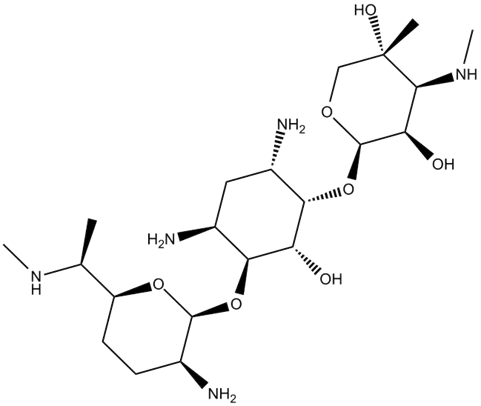
Fig 2: Gentamicin Chemical Structure
Despite its therapeutic effectiveness, gentamicin possesses a relatively narrow therapeutic index. Small increases in systemic exposure may substantially elevate the risk of nephrotoxicity and ototoxicity, requiring careful dosage adjustment based on renal function, body weight, age, and serum drug concentration monitoring. Approximately 90% of administered gentamicin is eliminated unchanged through glomerular filtration, making renal function a major determinant of drug clearance. Impaired renal function can further increase drug accumulation, creating a vicious cycle that exacerbates nephrotoxicity [14].
The kidney is the principal target organ for gentamicin toxicity because proximal tubular epithelial cells actively internalize the drug through receptor-mediated endocytosis involving megalin and cubilin receptors. Following intracellular accumulation, gentamicin disrupts lysosomal membranes, impairs mitochondrial function, increases reactive oxygen species production, activates inflammatory signaling pathways, induces apoptosis, and causes tubular necrosis. These pathological events collectively contribute to reduced glomerular filtration rate and impaired renal function [15].
Numerous preventive approaches have been proposed to minimize gentamicin-induced nephrotoxicity; however, none has completely eliminated the risk of renal injury in clinical practice. Current management primarily focuses on dose optimization, therapeutic drug monitoring, adequate hydration, avoidance of concurrent nephrotoxic medications, and regular assessment of renal function throughout treatment. Although these measures reduce the incidence of nephrotoxicity, they remain largely preventive rather than protective because they do not directly interfere with the molecular mechanisms responsible for renal injury [16].
Therapeutic drug monitoring has become a cornerstone of gentamicin therapy, enabling clinicians to maintain serum concentrations within the therapeutic range while minimizing toxic exposure. Nevertheless, considerable interindividual variability in drug pharmacokinetics often complicates dose adjustment, particularly among critically ill patients, neonates, elderly individuals, and patients with fluctuating renal function. Furthermore, serum drug concentrations do not always accurately reflect intracellular accumulation within renal tubular epithelial cells, where toxicity primarily develops [17].
Adequate hydration is another widely recommended preventive measure because it improves renal perfusion and facilitates urinary excretion of nephrotoxic compounds. However, hydration alone cannot prevent intracellular gentamicin uptake or inhibit oxidative stress, inflammatory activation, or apoptosis. Similarly, reducing treatment duration may decrease cumulative toxicity but is not always clinically feasible when prolonged antimicrobial therapy is required to eradicate severe infections [18].
Several synthetic pharmacological agents possessing antioxidant or anti-inflammatory properties have demonstrated nephroprotective effects in experimental studies. However, many have failed to achieve widespread clinical application because of limited efficacy, potential adverse effects, pharmacokinetic interactions, inconsistent experimental findings, or insufficient clinical evidence. Consequently, there remains no universally accepted pharmacological agent specifically approved for preventing gentamicin-induced nephrotoxicity [19].
Another major limitation involves the relatively late detection of renal injury. Conventional biomarkers such as serum creatinine and blood urea nitrogen often increase only after substantial nephron damage has already occurred. Although novel biomarkers including kidney injury molecule-1 (KIM-1), neutrophil gelatinase-associated lipocalin (NGAL), cystatin C, and urinary N-acetyl-β-D-glucosaminidase have shown promise for early detection, their routine clinical use remains limited by issues related to cost, availability, and standardization [20].
Medicinal plants have served as valuable therapeutic resources for centuries and continue to contribute significantly to contemporary drug discovery and healthcare. According to the World Health Organization, a substantial proportion of the global population relies on traditional herbal medicine as a primary or complementary form of healthcare. The renewed interest in plant-derived therapeutics reflects increasing recognition of their diverse pharmacological activities, relatively favorable safety profiles, and abundance of bioactive phytochemicals capable of modulating multiple disease pathways simultaneously [21].
The nephroprotective potential of herbal medicines has become an area of intensive scientific investigation because renal injury involves complex interactions among oxidative stress, inflammation, mitochondrial dysfunction, apoptosis, autophagy, fibrosis, and vascular alterations. Unlike many synthetic agents that target a single molecular pathway, herbal extracts frequently contain multiple bioactive compounds capable of exerting synergistic therapeutic effects across several pathogenic mechanisms. This multitarget approach may provide greater protection against complex disorders such as drug-induced nephrotoxicity [22].
A wide variety of medicinal plants have demonstrated nephroprotective activity against gentamicin-induced renal injury in experimental studies. Numerous investigations have reported beneficial effects for plants belonging to diverse botanical families, including Curcuma longa, Moringa oleifera, Camellia sinensis, Withania somnifera, Nigella sativa, Phyllanthus niruri, Tinospora cordifolia, Boerhaavia diffusa, Punica granatum, Terminalia chebula, and many others. Their protective effects have been attributed primarily to abundant phytochemicals such as flavonoids, phenolic acids, tannins, lignans, alkaloids, terpenoids, saponins, carotenoids, and essential oils [23].
These phytoconstituents exhibit remarkable antioxidant activity by neutralizing reactive oxygen species, enhancing endogenous antioxidant enzymes including superoxide dismutase, catalase, glutathione peroxidase, and glutathione reductase, and reducing lipid peroxidation. Simultaneously, many herbal compounds suppress inflammatory mediators such as tumor necrosis factor-alpha, interleukin-1β, interleukin-6, cyclooxygenase-2, inducible nitric oxide synthase, and nuclear factor-kappa B. Several medicinal plants additionally preserve mitochondrial membrane potential, regulate apoptotic proteins including Bax and Bcl-2, inhibit caspase activation, stimulate autophagic repair mechanisms, and activate cytoprotective pathways such as nuclear factor erythroid 2-related factor 2 (Nrf2) [24].
Table 1: Herbal Medicinal Plants Reported for Protection Against Gentamicin-Induced Nephrotoxicity and Their Proposed Nephroprotective Mechanisms
|
Medicinal Plant |
Major Bioactive Constituents |
Primary Nephroprotective Mechanism |
Effects Against Gentamicin-Induced Nephrotoxicity |
|
Curcuma longa (Turmeric) |
Curcumin, demethoxycurcumin |
Antioxidant, anti-inflammatory, anti-apoptotic |
Reduces oxidative stress, suppresses NF-κB signaling, improves renal histology, lowers serum creatinine and urea [25] |
|
Moringa oleifera (Drumstick) |
Quercetin, kaempferol, chlorogenic acid |
Antioxidant and anti-inflammatory |
Restores antioxidant enzymes, decreases lipid peroxidation, protects renal tubules |
|
Camellia sinensis (Green Tea) |
EGCG, catechins, flavonoids |
Free radical scavenging, anti-inflammatory |
Decreases ROS generation, preserves glomerular function, reduces tubular degeneration |
|
Withania somnifera (Ashwagandha) |
Withanolides, sitoindosides |
Adaptogenic, antioxidant |
Prevents apoptosis, improves renal antioxidant status, attenuates inflammation [26] |
|
Nigella sativa (Black Seed) |
Thymoquinone, nigellidine |
Antioxidant, anti-inflammatory |
Reduces serum creatinine, urea, and tubular necrosis; inhibits inflammatory cytokines |
|
Phyllanthus niruri (Stonebreaker) |
Lignans, flavonoids, ellagitannins |
Antioxidant and nephroprotective |
Improves renal function markers and minimizes oxidative damage |
|
Tinospora cordifolia (Guduchi) |
Tinosporaside, berberine, diterpenoids |
Immunomodulatory and antioxidant |
Enhances endogenous antioxidant defenses and reduces renal inflammation |
|
Boerhaavia diffusa (Punarnava) |
Punarnavine, boeravinones |
Diuretic, antioxidant |
Prevents tubular injury, improves glomerular filtration, decreases renal oxidative stress [27] |
|
Punica granatum (Pomegranate) |
Punicalagin, ellagic acid |
Polyphenolic antioxidant |
Inhibits lipid peroxidation, restores antioxidant enzymes, protects renal tissue |
|
Terminalia chebula (Haritaki) |
Chebulagic acid, chebulinic acid |
Antioxidant and anti-inflammatory |
Reduces inflammatory mediators and improves renal architecture |
|
Azadirachta indica (Neem) |
Nimbin, azadirachtin, quercetin |
Antioxidant, anti-inflammatory |
Attenuates tubular necrosis, reduces oxidative stress, improves kidney function |
|
Ocimum sanctum (Ocimum tenuiflorum, Holy Basil/Tulsi) |
Eugenol, ursolic acid, rosmarinic acid |
Antioxidant and immunomodulatory |
Protects proximal tubules, decreases oxidative injury, improves renal biomarkers [28] |
|
Zingiber officinale (Ginger) |
Gingerols, shogaols |
Antioxidant and anti-inflammatory |
Reduces ROS production, suppresses inflammation, improves renal morphology |
|
Allium sativum (Garlic) |
Allicin, S-allyl cysteine |
Antioxidant and anti-fibrotic |
Restores antioxidant status, prevents tubular degeneration and fibrosis |
|
Emblica officinalis (Phyllanthus emblica, Amla) |
Ascorbic acid, emblicanin A & B |
Potent antioxidant |
Enhances glutathione levels, reduces oxidative stress, improves renal function |
|
Glycyrrhiza glabra (Licorice) |
Glycyrrhizin, liquiritigenin |
Anti-inflammatory and antioxidant |
Suppresses cytokine production and protects renal tubular cells |
|
Silybum marianum (Milk Thistle) |
Silymarin, silybin |
Antioxidant and membrane stabilizer |
Prevents lipid peroxidation, preserves mitochondrial integrity, improves renal biomarkers |
|
Aloe vera |
Aloin, aloe-emodin, polysaccharides |
Antioxidant and anti-inflammatory |
Reduces tubular damage and improves kidney antioxidant capacity |
|
Terminalia arjuna (Arjuna) |
Arjunolic acid, tannins |
Antioxidant and cytoprotective |
Decreases oxidative injury and preserves renal tissue architecture [29] |
|
Ginkgo biloba |
Ginkgolides, bilobalide, flavonoids |
Antioxidant and microcirculatory enhancer |
Reduces oxidative damage and improves renal blood flow |
The rapidly expanding literature on herbal nephroprotective agents highlights the growing recognition of phytomedicine as a promising approach for mitigating gentamicin-induced renal injury. However, available evidence remains dispersed across numerous pharmacological, toxicological, nephrological, ethnopharmacological, and natural product journals, making it challenging for researchers and clinicians to obtain a comprehensive understanding of current advances in the field. Variability in experimental methodologies, animal models, herbal preparations, phytochemical compositions, dosage regimens, treatment durations, outcome measures, and mechanistic investigations further complicates interpretation of existing findings and identification of the most promising therapeutic candidates [30].
The primary objective of this review is to comprehensively synthesize current experimental evidence regarding the nephroprotective effects of medicinal plants and phytochemicals against gentamicin-induced nephrotoxicity. The review discusses the pharmacological basis of gentamicin nephrotoxicity, the molecular mechanisms responsible for renal injury, and the experimental models commonly employed for evaluating nephroprotective activity. Particular attention is devoted to summarizing medicinal plants investigated in preclinical studies, identifying their major bioactive constituents, evaluating their protective efficacy, and explaining the molecular pathways through which they exert renoprotective effects [31].
In addition to summarizing experimental evidence, this review critically examines current limitations within the field, including challenges related to phytochemical standardization, reproducibility of experimental findings, dose optimization, bioavailability, safety assessment, herb–drug interactions, and translational applicability. Emerging therapeutic strategies involving purified phytochemicals, standardized herbal formulations, combination therapies, nanotechnology-based delivery systems, and systems pharmacology approaches are also discussed as potential directions for future investigation [32].
A comprehensive literature search was conducted to identify relevant studies investigating the nephroprotective effects of herbal medicines against gentamicin-induced nephrotoxicity. The search was performed using two internationally recognized bibliographic databases, Scopus and Web of Science (WoS Core Collection), selected for their extensive coverage of high-quality, peer-reviewed scientific literature in the fields of pharmacology, toxicology, nephrology, natural products, and pharmaceutical sciences.
(Scopus): TITLE-ABS-KEY(("gentamicin" OR "aminoglycoside") AND (nephrotoxicity OR "kidney injury" OR "renal toxicity" OR nephroprotection) AND (herbal OR plant* OR phytochemical* OR phytotherapy OR "medicinal plant*" OR extract*))
(Web of Science): TITLE-ABS-KEY (("gentamicin" OR "aminoglycoside") AND (nephrotoxicity OR "renal toxicity" OR "kidney injury" OR nephroprotection) AND (herbal OR plant* OR phytochemical* OR phytotherapy OR "medicinal plant*" OR extract*))
Included studies which are:
Excluded:
Records identified from Scopus and Web of Science were exported into reference management software. Duplicate records were removed before title and abstract screening. Subsequently, full-text articles were assessed for eligibility according to the predefined inclusion and exclusion criteria. Studies fulfilling all eligibility requirements were included in the qualitative synthesis.
The included studies were narratively synthesized according to the medicinal plant investigated, phytochemical constituents, experimental models, mechanisms of nephroprotection, and therapeutic outcomes. Particular emphasis was placed on antioxidant, anti-inflammatory, anti-apoptotic, and molecular signaling mechanisms involved in mitigating gentamicin-induced renal injury.
Gentamicin-induced nephrotoxicity is one of the most extensively studied forms of drug-induced renal injury and remains a major limitation in the clinical use of aminoglycoside antibiotics. Although gentamicin is highly effective against a broad spectrum of Gram-negative bacterial infections, its therapeutic application is often constrained by its nephrotoxic potential. Approximately 10–25% of patients receiving prolonged or high-dose gentamicin therapy develop varying degrees of renal impairment, with the proximal tubular epithelial cells serving as the primary site of injury. The nephrotoxic effects of gentamicin are dose- and duration-dependent and are influenced by patient-specific factors such as age, pre-existing renal disease, dehydration, diabetes, and concurrent administration of other nephrotoxic drugs. The pathogenesis involves intracellular drug accumulation followed by oxidative stress, mitochondrial dysfunction, inflammation, apoptosis, and tubular necrosis, ultimately leading to impaired renal function. Understanding the pharmacological characteristics, mechanisms of renal accumulation, pathological changes, and biomarkers associated with gentamicin-induced nephrotoxicity is essential for developing effective nephroprotective interventions [33].
Gentamicin is a bactericidal aminoglycoside antibiotic produced by Micromonospora purpurea and is widely used for the treatment of serious infections caused by aerobic Gram-negative bacteria. It exerts its antibacterial activity by irreversibly binding to the 30S ribosomal subunit of susceptible bacteria, thereby inhibiting protein synthesis, inducing translational errors, and ultimately causing bacterial cell death. Gentamicin exhibits concentration-dependent killing and a prolonged post-antibiotic effect, making it particularly effective in the management of severe systemic infections such as septicemia, complicated urinary tract infections, hospital-acquired pneumonia, neonatal sepsis, and infective endocarditis when used in combination with other antibiotics [34].
Following parenteral administration, gentamicin is poorly metabolized and is eliminated almost entirely by glomerular filtration in an unchanged form. Because of its hydrophilic nature and limited plasma protein binding, the drug readily distributes into extracellular fluid but shows selective accumulation in renal cortical tissue. Although therapeutic drug monitoring and once-daily dosing strategies have reduced toxicity, the narrow therapeutic index of gentamicin continues to necessitate careful monitoring of renal function throughout treatment [35].
The kidneys are the principal target organs for gentamicin toxicity due to their ability to selectively accumulate the drug within proximal tubular epithelial cells. Gentamicin is freely filtered through the glomerulus and subsequently reabsorbed by proximal tubular cells via receptor-mediated endocytosis, primarily involving the megalin and cubilin receptor complex located on the apical membrane. Once internalized, the drug accumulates within lysosomes, endosomes, and other intracellular organelles, where it may remain for prolonged periods because of its slow intracellular elimination [36].
Excessive intracellular accumulation disrupts lysosomal integrity, impairs mitochondrial function, increases the generation of reactive oxygen species, and activates inflammatory and apoptotic signaling pathways. These events progressively damage tubular epithelial cells, resulting in impaired reabsorption, tubular necrosis, and decline in renal function. The extent of renal accumulation largely determines the severity of nephrotoxicity and increases with repeated dosing and prolonged treatment duration [37].
Gentamicin-induced nephrotoxicity generally develops after several days of therapy and is characterized by a gradual decline in renal function. Clinically, affected patients may present with elevated serum creatinine, increased blood urea nitrogen, reduced glomerular filtration rate, mild proteinuria, enzymuria, electrolyte disturbances, and decreased urinary concentrating ability. In more severe cases, acute kidney injury may occur, requiring discontinuation of therapy and supportive medical management [38].
Most cases are non-oliguric and reversible following withdrawal of the drug, provided that renal damage is detected early. However, delayed diagnosis or prolonged exposure may lead to persistent tubular dysfunction and increased risk of chronic kidney disease, particularly in susceptible patient populations such as the elderly or individuals with pre-existing renal impairment [39].
Histopathological examination remains one of the most reliable methods for evaluating gentamicin-induced renal injury in experimental studies. The characteristic lesions are predominantly localized in the renal cortex and involve degeneration of proximal tubular epithelial cells. Common microscopic findings include tubular epithelial cell swelling, cytoplasmic vacuolization, loss of brush border, tubular dilatation, cellular desquamation, tubular necrosis, inflammatory cell infiltration, and interstitial edema [40].
With increasing severity of injury, glomerular congestion, vascular alterations, and interstitial fibrosis may also be observed. These structural abnormalities correlate closely with biochemical indicators of renal dysfunction and provide direct evidence of the protective effects of potential nephroprotective agents in experimental models [41].
Assessment of kidney injury relies on both conventional and emerging biomarkers that reflect structural and functional changes in the kidney. Traditional biochemical markers include serum creatinine, blood urea nitrogen (BUN), creatinine clearance, urinary protein, and electrolyte levels, which are routinely used to evaluate renal function. Although widely accepted, these markers often become abnormal only after substantial renal damage has occurred [42].
Recent research has focused on more sensitive biomarkers capable of detecting kidney injury at earlier stages. These include kidney injury molecule-1 (KIM-1), neutrophil gelatinase-associated lipocalin (NGAL), cystatin C, N-acetyl-β-D-glucosaminidase (NAG), and urinary microalbumin. In experimental studies, oxidative stress markers such as malondialdehyde (MDA), reduced glutathione (GSH), superoxide dismutase (SOD), catalase (CAT), and glutathione peroxidase (GPx), together with inflammatory cytokines and apoptotic proteins, are frequently evaluated to determine the extent of renal injury and the nephroprotective efficacy of herbal interventions [43].
Gentamicin-induced nephrotoxicity is a multifactorial process involving a complex network of molecular and cellular events that ultimately result in renal dysfunction. Although the proximal tubular epithelial cells are the primary targets of injury, the toxic effects extend to multiple intracellular organelles and signaling pathways. Following its accumulation within renal tubular cells, gentamicin disrupts cellular homeostasis by inducing excessive production of reactive oxygen species, activating inflammatory cascades, impairing mitochondrial function, promoting programmed cell death, triggering endoplasmic reticulum stress, and stimulating fibrotic remodeling. These interconnected mechanisms amplify cellular injury and contribute to both acute and chronic renal damage. A comprehensive understanding of these molecular events is essential for identifying therapeutic targets and developing effective nephroprotective agents, particularly those derived from medicinal plants with multitarget pharmacological properties [44].
Oxidative stress is considered the principal mechanism underlying gentamicin-induced nephrotoxicity. Following uptake by proximal tubular epithelial cells, gentamicin stimulates the excessive generation of reactive oxygen species (ROS), including superoxide anions, hydroxyl radicals, hydrogen peroxide, and reactive nitrogen species. Under physiological conditions, these reactive molecules are neutralized by endogenous antioxidant defense systems; however, excessive ROS production overwhelms cellular antioxidant capacity, leading to oxidative stress [45].
The resulting imbalance causes lipid peroxidation of cellular membranes, oxidation of proteins, DNA damage, and impairment of essential cellular enzymes. Gentamicin also reduces the activity of important antioxidant enzymes such as superoxide dismutase (SOD), catalase (CAT), glutathione peroxidase (GPx), and decreases intracellular levels of reduced glutathione (GSH). Increased concentrations of malondialdehyde (MDA), a marker of lipid peroxidation, are consistently observed in experimental models of gentamicin nephrotoxicity. Collectively, these oxidative alterations compromise membrane integrity, impair tubular cell function, and initiate downstream inflammatory and apoptotic pathways that exacerbate renal injury [46].
Inflammation plays a central role in the progression of gentamicin-induced kidney injury by amplifying oxidative damage and promoting tissue destruction. Oxidative stress activates several intracellular signaling pathways, particularly nuclear factor-kappa B (NF-κB), which serves as a major regulator of inflammatory gene expression. Activation of NF-κB leads to increased production of pro-inflammatory cytokines including tumor necrosis factor-alpha (TNF-α), interleukin-1β (IL-1β), interleukin-6 (IL-6), and various chemokines that recruit inflammatory cells into renal tissue [47].
Gentamicin also stimulates the expression of cyclooxygenase-2 (COX-2), inducible nitric oxide synthase (iNOS), and adhesion molecules, further enhancing inflammatory responses and vascular dysfunction. The infiltration of macrophages, neutrophils, and other immune cells into the renal interstitium contributes to the release of additional inflammatory mediators and reactive oxygen species, creating a self-perpetuating cycle of oxidative stress and inflammation. Persistent activation of these signaling pathways accelerates tubular injury and delays renal recovery [48].
Mitochondria are highly susceptible to gentamicin-induced oxidative injury because of their central role in cellular energy metabolism and endogenous ROS production. Accumulation of gentamicin within renal tubular cells disrupts mitochondrial membrane integrity, impairs electron transport chain activity, and reduces adenosine triphosphate (ATP) synthesis. These alterations lead to mitochondrial depolarization, excessive ROS generation, calcium imbalance, and opening of the mitochondrial permeability transition pore [49].
Loss of mitochondrial function severely compromises cellular metabolism and increases the susceptibility of renal tubular cells to apoptosis and necrosis. In addition, damaged mitochondria release pro-apoptotic factors such as cytochrome c into the cytoplasm, initiating caspase activation and programmed cell death. Mitochondrial dysfunction therefore represents a critical link between oxidative stress and irreversible cellular injury in gentamicin-induced nephrotoxicity [50].
Cell death is a defining feature of gentamicin-induced renal injury and occurs through both apoptosis and necrosis, depending on the severity and duration of toxic exposure. Mild to moderate cellular stress primarily activates apoptosis, a regulated process characterized by chromatin condensation, DNA fragmentation, cell shrinkage, and formation of apoptotic bodies. Gentamicin induces apoptosis by altering the balance between pro-apoptotic proteins such as Bax and anti-apoptotic proteins such as Bcl-2, resulting in activation of caspase-9 and caspase-3 through the mitochondrial pathway [51].
With increasing cellular damage and depletion of intracellular ATP, necrosis becomes more prominent. Necrotic cells undergo membrane rupture, cytoplasmic swelling, and uncontrolled release of intracellular contents into the surrounding tissue. This process further stimulates inflammatory responses and aggravates renal injury. The coexistence of apoptosis and necrosis contributes significantly to tubular epithelial cell loss and impairment of renal function observed during gentamicin therapy [52].
The endoplasmic reticulum (ER) plays a vital role in protein folding, calcium homeostasis, and maintenance of cellular function. Gentamicin-induced oxidative stress disrupts ER homeostasis, leading to accumulation of unfolded or misfolded proteins and activation of the unfolded protein response (UPR). Although the UPR initially functions as an adaptive mechanism to restore normal ER activity, persistent or excessive stress eventually triggers apoptotic signaling pathways [53].
Activation of ER stress-related proteins such as glucose-regulated protein 78 (GRP78), C/EBP homologous protein (CHOP), and activating transcription factor-4 (ATF4) has been reported in experimental models of gentamicin nephrotoxicity. Sustained ER stress promotes calcium dysregulation, enhances oxidative stress, and interacts with mitochondrial apoptotic pathways, thereby accelerating tubular epithelial cell death. Increasing evidence suggests that attenuation of ER stress represents a promising therapeutic target for reducing gentamicin-induced renal injury [54].
Although gentamicin-induced nephrotoxicity is often reversible after discontinuation of therapy, severe or repeated exposure may lead to chronic structural alterations within the kidney. Persistent oxidative stress, inflammation, and tubular cell loss activate profibrotic signaling pathways, particularly transforming growth factor-beta (TGF-β), which stimulates fibroblast proliferation and excessive deposition of extracellular matrix proteins such as collagen and fibronectin [55].
Progressive interstitial fibrosis is accompanied by tubular atrophy, capillary rarefaction, and irreversible remodeling of renal tissue, ultimately contributing to chronic kidney disease. Continuous activation of inflammatory cytokines and myofibroblasts further perpetuates extracellular matrix accumulation and loss of functional nephrons. These pathological changes emphasize the importance of early therapeutic intervention to interrupt molecular pathways responsible for fibrosis before irreversible renal damage develops. Herbal nephroprotective agents possessing antioxidant, anti-inflammatory, and antifibrotic properties have therefore attracted considerable attention as potential strategies for preventing the progression of gentamicin-induced acute kidney injury into chronic renal disease [56].
Table 2: Molecular Mechanisms Underlying Gentamicin-Induced Nephrotoxicity
|
Mechanism |
Major Molecular Events |
Consequences on Kidney |
Potential Herbal Target |
|
Oxidative stress |
Excess ROS generation, lipid peroxidation, antioxidant depletion |
Tubular epithelial cell damage |
Antioxidants (polyphenols, flavonoids) |
|
Inflammation |
Activation of NF-κB, TNF-α, IL-1β, IL-6, COX-2 |
Inflammatory cell infiltration and tissue injury |
Anti-inflammatory phytochemicals |
|
Mitochondrial dysfunction |
ATP depletion, mitochondrial membrane depolarization |
Cellular energy failure |
Mitochondrial protective compounds [57] |
|
Apoptosis |
Bax upregulation, Bcl-2 downregulation, caspase activation |
Programmed cell death |
Anti-apoptotic phytochemicals |
|
Endoplasmic reticulum stress |
CHOP, GRP78, ATF4 activation |
Protein misfolding and apoptosis |
ER stress modulators |
|
Fibrosis |
TGF-β activation, collagen deposition |
Chronic kidney disease |
Anti-fibrotic herbal constituents [58] |
Over the past two decades, extensive experimental research has demonstrated that numerous medicinal plants and their bioactive constituents possess significant nephroprotective activity against gentamicin-induced renal injury. These herbal agents have been evaluated predominantly in animal models, where they have consistently shown the ability to preserve renal function, attenuate oxidative stress, suppress inflammation, reduce apoptosis, and improve renal histoarchitecture. The nephroprotective effects of medicinal plants are largely attributed to their diverse phytochemical composition, including polyphenols, flavonoids, alkaloids, terpenoids, saponins, tannins, and essential oils. Unlike conventional synthetic agents that often target a single molecular pathway, herbal medicines exert multitarget effects by simultaneously modulating oxidative stress, inflammatory signaling, mitochondrial dysfunction, and cellular survival pathways. Experimental findings indicate that these phytoconstituents significantly reduce serum creatinine and blood urea nitrogen levels, restore endogenous antioxidant enzymes, decrease lipid peroxidation, and protect renal tubular epithelial cells from gentamicin-induced damage. The following sections summarize the major classes of medicinal plants investigated for their nephroprotective potential and highlight their mechanisms of action [59].
Polyphenols constitute one of the largest groups of naturally occurring phytochemicals and are widely recognized for their potent antioxidant and anti-inflammatory activities. Medicinal plants rich in polyphenols have shown remarkable efficacy in protecting renal tissues from gentamicin-induced oxidative injury. These compounds effectively neutralize reactive oxygen species, inhibit lipid peroxidation, enhance endogenous antioxidant defenses, and preserve cellular membrane integrity. Polyphenols also regulate multiple signaling pathways associated with inflammation and apoptosis, thereby limiting renal tissue damage [60].
Several polyphenol-rich plants have demonstrated nephroprotective activity in experimental studies. Camellia sinensis (green tea), Punica granatum (pomegranate), Emblica officinalis (amla), Terminalia chebula, Terminalia arjuna, and Vitis vinifera (grape) are among the most extensively investigated species. Their principal bioactive compounds, including epigallocatechin gallate (EGCG), ellagic acid, punicalagin, gallic acid, tannins, and resveratrol, have consistently reduced oxidative stress markers while improving renal biochemical parameters and histopathological architecture. These findings indicate that polyphenol-rich medicinal plants provide effective protection against gentamicin-induced nephrotoxicity primarily through their antioxidant and cytoprotective properties [61].
Flavonoids are a major subclass of polyphenolic compounds widely distributed throughout the plant kingdom. They possess strong free radical scavenging activity and have been extensively investigated for their nephroprotective potential. Flavonoids protect renal cells by reducing oxidative stress, suppressing inflammatory cytokine production, inhibiting apoptosis, and improving mitochondrial function. In addition, many flavonoids activate the nuclear factor erythroid 2-related factor 2 (Nrf2) signaling pathway, leading to enhanced expression of endogenous antioxidant enzymes [62].
Several medicinal plants rich in flavonoids have demonstrated significant protection against gentamicin-induced kidney injury. These include Moringa oleifera, Ocimum sanctum (Ocimum tenuiflorum), Phyllanthus niruri, Ginkgo biloba, and Boerhaavia diffusa. Their flavonoid constituents, such as quercetin, kaempferol, rutin, catechins, and luteolin, have been shown to decrease serum creatinine and blood urea nitrogen levels, reduce malondialdehyde formation, restore glutathione concentrations, and preserve normal renal histology. Collectively, these studies support the role of flavonoids as key phytochemicals responsible for the nephroprotective effects of numerous medicinal plants [63].
Alkaloids are nitrogen-containing secondary metabolites that exhibit diverse pharmacological properties, including antioxidant, anti-inflammatory, antimicrobial, and cytoprotective activities. Although comparatively fewer studies have focused exclusively on alkaloid-rich plants, available experimental evidence suggests that these compounds contribute significantly to renal protection by modulating oxidative stress and inflammatory responses. Certain alkaloids also stabilize mitochondrial function, regulate apoptotic signaling pathways, and improve cellular resistance to toxic injury [64].
Medicinal plants such as Tinospora cordifolia, Berberis aristata, Boerhaavia diffusa, and Rauwolfia serpentina contain pharmacologically active alkaloids including berberine, tinosporine, punarnavine, and reserpine derivatives. Experimental studies have demonstrated that these plants improve renal function, decrease inflammatory cytokine production, reduce tubular necrosis, and preserve normal renal architecture following gentamicin administration. Their multitarget pharmacological activities suggest that alkaloids represent promising candidates for future nephroprotective drug development [65].
Terpenoids and essential oils comprise another important class of bioactive phytochemicals with considerable nephroprotective potential. These compounds possess strong antioxidant, anti-inflammatory, antimicrobial, and membrane-stabilizing properties that contribute to renal protection. Many terpenoids inhibit lipid peroxidation, preserve mitochondrial membrane integrity, suppress inflammatory mediator production, and reduce apoptosis in renal tubular epithelial cells [66].
Several medicinal plants rich in terpenoids and essential oils have shown beneficial effects in gentamicin-induced nephrotoxicity models. Curcuma longa (curcumin), Nigella sativa (thymoquinone), Zingiber officinale (gingerols and shogaols), Allium sativum (allicin), Azadirachta indica (azadirachtin and nimbin), and Rosmarinus officinalis (rosemary) have been widely investigated. Experimental studies consistently report reductions in oxidative stress, inflammatory infiltration, tubular degeneration, and renal dysfunction following treatment with these herbal agents. Their broad spectrum of biological activities makes terpenoid-rich medicinal plants valuable candidates for complementary nephroprotective therapy [67].
Traditional systems of medicine such as Ayurveda, Traditional Chinese Medicine, Unani, and other indigenous healthcare practices have long utilized medicinal plants for the management of renal disorders. Many of these traditionally used herbs have subsequently been validated through experimental studies demonstrating their protective effects against gentamicin-induced nephrotoxicity. Their therapeutic efficacy is generally attributed to the synergistic action of multiple phytochemicals rather than a single active constituent [68].
Among the most extensively studied traditional medicinal plants are Withania somnifera (Ashwagandha), Tinospora cordifolia (Guduchi), Boerhaavia diffusa (Punarnava), Phyllanthus niruri (Bhumi Amla), Tribulus terrestris, Aerva lanata, Hygrophila auriculata, and Crataeva nurvala. Experimental evidence indicates that these herbs improve renal biochemical parameters, reduce oxidative damage, suppress inflammatory signaling, and preserve normal kidney morphology. Their long history of traditional use combined with growing scientific evidence supports their continued investigation as potential nephroprotective agents [69].
Table 3: Major Phytochemical Classes and Their Nephroprotective Actions
|
Phytochemical Class |
Representative Compounds |
Primary Mechanism |
Major Biological Effects |
|
Polyphenols |
Curcumin, Resveratrol, EGCG |
Antioxidant |
ROS scavenging, reduced lipid peroxidation |
|
Flavonoids |
Quercetin, Kaempferol, Rutin |
Antioxidant, anti-inflammatory |
Enhanced SOD, CAT and GSH |
|
Alkaloids |
Berberine, Punarnavine |
Anti-inflammatory |
Reduced cytokine production |
|
Terpenoids |
Thymoquinone, Ursolic acid |
Anti-apoptotic |
Mitochondrial protection |
|
Phenolic acids |
Gallic acid, Ellagic acid |
Antioxidant |
Reduced oxidative damage |
|
Tannins |
Chebulagic acid |
Anti-inflammatory |
Improved renal architecture |
|
Saponins |
Diosgenin, Ginsenosides |
Cytoprotective |
Reduced tubular injury [70] |
Herbal medicines exert nephroprotective effects through a wide range of interconnected molecular and cellular mechanisms that collectively counteract the pathological events associated with gentamicin-induced nephrotoxicity. Unlike conventional therapeutic agents that generally act on a single target, medicinal plants contain diverse phytochemicals capable of simultaneously modulating oxidative stress, inflammation, apoptosis, mitochondrial dysfunction, cellular signaling pathways, and tissue repair processes. Bioactive compounds such as polyphenols, flavonoids, alkaloids, terpenoids, saponins, tannins, and phenolic acids work synergistically to preserve renal structure and function by restoring cellular homeostasis and preventing progressive kidney injury. Experimental studies have consistently demonstrated that herbal interventions reduce biochemical indicators of renal dysfunction, improve antioxidant status, suppress inflammatory responses, preserve renal histoarchitecture, and promote recovery following gentamicin exposure. The major mechanisms responsible for these nephroprotective effects are discussed below [71].
Oxidative stress is the primary driver of gentamicin-induced renal injury, making antioxidant activity the most important mechanism of herbal nephroprotection. Numerous medicinal plants contain naturally occurring antioxidants that directly scavenge reactive oxygen species (ROS), inhibit lipid peroxidation, and protect cellular macromolecules from oxidative damage. By reducing excessive ROS production, these phytochemicals prevent oxidation of membrane lipids, proteins, nucleic acids, and intracellular enzymes, thereby preserving the structural integrity of renal tubular epithelial cells [72].
In addition to direct free radical scavenging, herbal medicines enhance endogenous antioxidant defense systems by increasing the activity of antioxidant enzymes including superoxide dismutase (SOD), catalase (CAT), glutathione peroxidase (GPx), glutathione reductase (GR), and by restoring intracellular reduced glutathione (GSH) levels. Simultaneously, they reduce malondialdehyde (MDA), a major indicator of lipid peroxidation. Polyphenols, flavonoids, and phenolic acids are particularly effective in maintaining redox balance, thereby limiting oxidative damage and interrupting the cascade of events leading to renal dysfunction [73].
Inflammation is a major contributor to the progression of gentamicin-induced nephrotoxicity and is closely associated with oxidative stress. Herbal medicines effectively suppress inflammatory responses by inhibiting the production of pro-inflammatory cytokines and reducing infiltration of immune cells into renal tissues. Many phytochemicals downregulate inflammatory mediators such as tumor necrosis factor-alpha (TNF-α), interleukin-1β (IL-1β), interleukin-6 (IL-6), cyclooxygenase-2 (COX-2), and inducible nitric oxide synthase (iNOS), thereby limiting tissue injury and vascular dysfunction [74].
Several medicinal plants also inhibit activation of the nuclear factor-kappa B (NF-κB) signaling pathway, which serves as a central regulator of inflammatory gene expression. Suppression of NF-κB decreases cytokine production and prevents amplification of inflammatory responses. As a result, herbal treatment reduces interstitial inflammation, tubular degeneration, edema, and subsequent loss of renal function. The combined antioxidant and anti-inflammatory properties of medicinal plants provide significant protection against gentamicin-induced kidney injury [75].
Programmed cell death through apoptosis is another critical mechanism contributing to gentamicin-induced renal injury. Excessive oxidative stress and mitochondrial dysfunction activate intrinsic apoptotic pathways, leading to irreversible loss of renal tubular epithelial cells. Herbal medicines counteract this process by regulating the expression of apoptosis-related proteins and maintaining cellular survival pathways [76].
Experimental studies have demonstrated that numerous phytochemicals decrease the expression of pro-apoptotic proteins such as Bax while simultaneously increasing the expression of anti-apoptotic proteins including Bcl-2. Herbal interventions also inhibit activation of caspase-9 and caspase-3, thereby preventing DNA fragmentation and cellular apoptosis. Preservation of viable tubular epithelial cells contributes to improved renal morphology, maintenance of tubular integrity, and restoration of kidney function following gentamicin administration [77].
Mitochondria are essential for ATP production and maintenance of cellular energy homeostasis. Gentamicin-induced oxidative stress disrupts mitochondrial membrane integrity, impairs oxidative phosphorylation, increases calcium overload, and promotes excessive production of reactive oxygen species. These alterations result in ATP depletion and activation of mitochondrial-dependent apoptotic pathways [78].
Many herbal medicines exhibit strong mitochondria-protective properties by stabilizing mitochondrial membranes, preserving mitochondrial membrane potential, improving ATP synthesis, and reducing mitochondrial oxidative stress. Certain phytochemicals also prevent opening of the mitochondrial permeability transition pore and inhibit the release of cytochrome c into the cytoplasm, thereby suppressing apoptosis. Preservation of mitochondrial function ensures continued energy production and enhances the survival of renal tubular epithelial cells under conditions of toxic stress [79].
The nephroprotective actions of herbal medicines involve regulation of several intracellular signaling pathways that coordinate oxidative stress responses, inflammation, apoptosis, and cell survival. Among these, the nuclear factor erythroid 2-related factor 2 (Nrf2) pathway plays a pivotal role in maintaining antioxidant defense. Activation of Nrf2 promotes transcription of antioxidant genes encoding enzymes such as heme oxygenase-1 (HO-1), superoxide dismutase, catalase, and glutathione-related enzymes, thereby enhancing cellular resistance to oxidative injury [80].
Conversely, many medicinal plants suppress activation of the NF-κB pathway, leading to reduced expression of inflammatory cytokines and inflammatory enzymes. Herbal phytochemicals also modulate mitogen-activated protein kinase (MAPK) signaling by inhibiting stress-induced activation of ERK, JNK, and p38 pathways, thereby reducing inflammation and apoptosis. In addition, activation of the phosphoinositide 3-kinase/protein kinase B (PI3K/Akt) pathway promotes cellular survival, stimulates antioxidant responses, and inhibits apoptotic signaling. The coordinated regulation of these interconnected pathways contributes significantly to the multitarget nephroprotective effects observed with herbal medicines [81].
Beyond preventing cellular injury, several medicinal plants facilitate renal recovery by promoting tissue repair and regeneration following gentamicin-induced damage. Herbal bioactive compounds stimulate proliferation of surviving renal tubular epithelial cells, enhance protein synthesis, improve cellular metabolism, and support restoration of normal nephron architecture. These regenerative effects accelerate recovery of renal function and reduce the extent of permanent structural damage [82].
Certain medicinal plants also inhibit excessive extracellular matrix deposition and suppress profibrotic mediators such as transforming growth factor-beta (TGF-β), thereby preventing progression toward chronic kidney disease. Improvement in renal microcirculation, reduction of inflammatory infiltration, and restoration of antioxidant balance further create a favorable environment for tissue healing. Histopathological studies consistently demonstrate that herbal treatment decreases tubular necrosis, cellular degeneration, interstitial edema, and inflammatory infiltration while preserving glomerular and tubular architecture. These findings indicate that medicinal plants not only protect the kidney from initial injury but also enhance endogenous repair mechanisms, highlighting their potential as promising therapeutic agents for the prevention and management of gentamicin-induced nephrotoxicity [83].
Table 4: Molecular Mechanisms of Herbal Nephroprotection Against Gentamicin-Induced Nephrotoxicity
|
Mechanism |
Major Molecular Targets |
Representative Phytochemicals |
Protective Outcome |
|
Antioxidant |
ROS, MDA, SOD, CAT, GPx, GSH |
Curcumin, EGCG, Quercetin |
Reduced oxidative stress |
|
Anti-inflammatory |
TNF-α, IL-1β, IL-6, COX-2, iNOS |
Thymoquinone, Curcumin |
Reduced inflammation |
|
Anti-apoptotic |
Bax, Bcl-2, Caspase-3, Caspase-9 |
Withanolides, Berberine |
Reduced tubular cell apoptosis [84] |
|
Mitochondrial protection |
ATP, Cytochrome c, Mitochondrial membrane potential |
Gingerols, Resveratrol |
Preserved mitochondrial function |
|
Signaling pathway modulation |
Nrf2/HO-1, NF-κB, MAPK, PI3K/Akt |
Polyphenols, Flavonoids |
Enhanced cell survival and antioxidant defense |
|
Renal regeneration |
TGF-β, Growth factors, ECM proteins |
Punarnavine, Tannins |
Tissue repair and reduced fibrosis [85] |
Despite the substantial body of experimental evidence supporting the nephroprotective potential of herbal medicines against gentamicin-induced nephrotoxicity, their translation into routine clinical practice remains limited. Numerous medicinal plants and isolated phytochemicals have demonstrated promising antioxidant, anti-inflammatory, anti-apoptotic, and cytoprotective effects in preclinical studies. However, several scientific, technical, regulatory, and clinical challenges continue to hinder their successful development as standardized therapeutic agents. These challenges include variability in herbal preparations, lack of standardized extraction protocols, insufficient toxicological evaluation, inadequate pharmacokinetic data, limited clinical evidence, and concerns regarding herb–drug interactions. Addressing these limitations through multidisciplinary research and well-designed translational studies is essential to bridge the gap between laboratory findings and clinical application [86].
Most evidence supporting the nephroprotective efficacy of herbal medicines is derived from in vivo animal models, particularly Wistar and Sprague–Dawley rats, with relatively few investigations employing advanced in vitro or translational models. Although these experimental systems provide valuable insights into the mechanisms of gentamicin-induced renal injury, they cannot fully replicate the complexity of human kidney physiology, disease progression, or interindividual variability. Differences in metabolic rate, immune responses, drug metabolism, and renal function between animals and humans may significantly influence treatment outcomes and limit direct clinical extrapolation [87].
Another important limitation is the lack of methodological uniformity among published studies. Considerable variation exists in gentamicin dosage, duration of treatment, animal species, routes of administration, herbal extract preparation, treatment schedules, and outcome assessment. Such heterogeneity makes comparison across studies difficult and complicates the identification of the most effective nephroprotective agents. In addition, many studies employ relatively small sample sizes, evaluate only short-term therapeutic effects, and focus primarily on conventional biochemical markers without investigating long-term renal recovery or molecular mechanisms in sufficient detail [88].
Standardization remains one of the greatest challenges in herbal medicine research. The therapeutic efficacy of medicinal plants is influenced by numerous factors, including plant species, geographical origin, climatic conditions, cultivation practices, harvesting season, plant part used, extraction solvent, processing methods, and storage conditions. These variables can lead to significant differences in phytochemical composition and biological activity, even among preparations derived from the same plant species [89].
Furthermore, many experimental studies fail to quantify the concentrations of major bioactive constituents responsible for nephroprotective activity. Without proper phytochemical characterization and quality control, reproducibility becomes difficult and comparison among different investigations remains limited. Future research should emphasize standardized extraction procedures, chemical fingerprinting, identification of bioactive markers, and implementation of Good Agricultural and Collection Practices (GACP) and Good Manufacturing Practices (GMP) to ensure consistency, quality, and reproducibility of herbal formulations [90].
Although herbal medicines are generally regarded as safer than synthetic drugs, this perception does not guarantee their complete safety. Natural products may produce adverse effects, exhibit organ toxicity at high doses, or interact with concurrently administered medications. Since gentamicin is commonly prescribed in hospitalized patients receiving multiple therapeutic agents, the possibility of herb–drug interactions should be carefully considered before recommending herbal nephroprotective therapies [91].
Many phytochemicals influence drug-metabolizing enzymes, membrane transport proteins, and renal excretory mechanisms, potentially altering the pharmacokinetics and pharmacodynamics of gentamicin or other co-administered drugs. Unfortunately, comprehensive toxicological evaluations, pharmacokinetic studies, and interaction studies remain limited for many medicinal plants. Long-term safety data are also lacking. Therefore, systematic assessment of toxicity, dose optimization, therapeutic windows, and interaction profiles is necessary before widespread clinical application can be recommended [92].
Recent advances in nanotechnology have created new opportunities for improving the therapeutic efficacy of herbal medicines. Many plant-derived bioactive compounds exhibit poor aqueous solubility, low bioavailability, rapid metabolism, and limited tissue distribution, thereby reducing their clinical effectiveness despite promising pharmacological activity. Novel drug delivery systems have the potential to overcome these limitations by enhancing drug stability, improving absorption, prolonging circulation time, and enabling targeted delivery to renal tissues [93].
Various nanocarrier systems, including polymeric nanoparticles, liposomes, solid lipid nanoparticles, nanostructured lipid carriers, nanoemulsions, phytosomes, dendrimers, and polymeric micelles, have shown considerable promise in improving the delivery of herbal phytochemicals. These advanced formulations may increase therapeutic efficacy while reducing systemic toxicity and dosing frequency. Integration of nanotechnology with phytomedicine therefore represents a promising strategy for developing next-generation nephroprotective therapies against gentamicin-induced kidney injury [94].
Despite encouraging preclinical findings, clinical evidence supporting the nephroprotective efficacy of herbal medicines remains scarce. Most medicinal plants have not progressed beyond laboratory investigations, and only a limited number have been evaluated in well-designed randomized controlled clinical trials. Consequently, the safety, efficacy, optimal dosage, treatment duration, and long-term therapeutic benefits of many herbal interventions remain uncertain in human populations [95].
Future translational research should prioritize multicenter clinical trials involving standardized herbal formulations with clearly defined phytochemical profiles. Studies should include pharmacokinetic and pharmacodynamic evaluations, assessment of renal biomarkers, quality-of-life measures, and long-term follow-up to establish clinical effectiveness and safety. Collaboration among pharmacologists, nephrologists, toxicologists, pharmaceutical scientists, clinicians, and regulatory agencies will be essential for accelerating the translation of promising experimental findings into evidence-based therapeutic applications [96].
Future investigations should focus on developing standardized, scientifically validated herbal nephroprotective agents with clearly established mechanisms of action and favorable safety profiles. Advanced molecular techniques, including transcriptomics, proteomics, metabolomics, systems biology, and network pharmacology, should be employed to better understand the complex interactions between phytochemicals and renal signaling pathways. Artificial intelligence and computational drug discovery approaches may further facilitate the identification of novel phytoconstituents with enhanced nephroprotective potential [97].
Greater emphasis should also be placed on isolation of active compounds, pharmacokinetic characterization, toxicity assessment, dose optimization, and formulation development. Emerging technologies such as nanomedicine, targeted drug delivery systems, and combination therapies involving phytochemicals and conventional drugs offer promising avenues for improving therapeutic outcomes. In addition, harmonization of experimental protocols, establishment of internationally accepted quality standards, and increased investment in translational and clinical research will be essential for transforming herbal nephroprotective agents from promising experimental therapies into safe, effective, and clinically accepted interventions for the prevention and management of gentamicin-induced nephrotoxicity [98].
CONCLUSION
Gentamicin remains one of the most effective and widely prescribed aminoglycoside antibiotics for the treatment of severe bacterial infections; however, its clinical utility continues to be limited by its well-documented nephrotoxic effects. The development of gentamicin-induced nephrotoxicity is a multifactorial process involving oxidative stress, excessive generation of reactive oxygen species, inflammatory activation, mitochondrial dysfunction, apoptosis, endoplasmic reticulum stress, and progressive fibrotic remodeling. These interconnected molecular events primarily affect the proximal tubular epithelial cells, leading to impaired renal function and, in severe cases, acute kidney injury. A comprehensive understanding of these pathogenic mechanisms has facilitated the identification of several therapeutic targets for preventing or minimizing renal damage.
The evidence reviewed in this article demonstrates that herbal medicines possess considerable potential as nephroprotective agents against gentamicin-induced kidney injury. A wide variety of medicinal plants, including Curcuma longa, Nigella sativa, Moringa oleifera, Withania somnifera, Boerhaavia diffusa, Tinospora cordifolia, Phyllanthus niruri, and several others, have consistently shown renoprotective effects in experimental models. These beneficial effects are largely attributed to their rich phytochemical composition, including polyphenols, flavonoids, alkaloids, terpenoids, phenolic acids, tannins, and saponins. Through their multitarget pharmacological actions, these bioactive compounds effectively reduce oxidative stress, suppress inflammatory responses, inhibit apoptosis, preserve mitochondrial integrity, regulate critical signaling pathways such as Nrf2, NF-κB, MAPK, and PI3K/Akt, and promote recovery of renal tissue architecture.
Experimental studies have consistently reported improvements in both biochemical and histopathological parameters following herbal treatment. Restoration of antioxidant enzyme activity, reduction in serum creatinine and blood urea nitrogen levels, suppression of lipid peroxidation, preservation of glomerular and tubular morphology, and attenuation of inflammatory cytokine production collectively support the therapeutic promise of medicinal plants in mitigating gentamicin-induced nephrotoxicity. These findings highlight the advantage of herbal medicines in targeting multiple pathological mechanisms simultaneously, an approach that may offer greater therapeutic benefit than interventions directed toward a single molecular pathway.
Despite these encouraging findings, several important challenges remain before herbal nephroprotective agents can be routinely integrated into clinical practice. The majority of available evidence is derived from preclinical animal studies, while high-quality clinical trials evaluating standardized herbal formulations remain limited. Furthermore, considerable variability in plant sources, extraction methods, phytochemical composition, dosage regimens, and experimental protocols affects reproducibility and limits direct comparison among studies. Additional concerns regarding long-term safety, pharmacokinetics, herb–drug interactions, and regulatory standardization must also be addressed to ensure safe and effective clinical application.
Future research should therefore focus on the development of standardized herbal formulations with well-characterized phytochemical profiles, comprehensive toxicological evaluation, and rigorous quality control. Advances in molecular biology, systems pharmacology, metabolomics, artificial intelligence, and nanotechnology-based drug delivery systems provide exciting opportunities to enhance the bioavailability, efficacy, and targeted delivery of plant-derived nephroprotective compounds. Well-designed multicenter randomized controlled clinical trials, together with translational research integrating mechanistic, pharmacokinetic, and clinical outcomes, will be essential to establish the therapeutic value of these agents in human populations.
Funding and Conflict of Interest Statement: The authors declare that no specific funding was received for this study from any public, commercial, or not-for-profit funding agency. The authors further declare that they have no financial associations, competing interests, employment relationships, consultancy roles, stock ownership, honoraria, or other potential conflicts of interest that could have influenced the work reported in this manuscript. All authors have approved the final version of the manuscript and take full responsibility for its content.
REFERENCES


Km Kajal, Mohammad Sabir, Mohammad Altaf, Akrati Pathak, Vaibhav Kumar katara, Md. Manawwar Alam, Herbal Nephroprotective Agents Against Gentamicin-Induced Nephrotoxicity: Mechanisms, Experimental Evidence And Future Perspectives, Int. J. of Pharm. Sci., 2026, Vol 4, Issue 7, 4915-4944, https://doi.org/10.5281/zenodo.21563161
 10.5281/zenodo.21563161