View Article

Abstract

Epilepsy is a chronic neurological disorder characterized by recurrent, unprovoked seizures resulting from abnormal electrical activity in the brain. Despite the availability of several antiepileptic drugs, a significant proportion of patients remain drug-resistant and experience adverse effects with long-term therapy. This has led to increasing interest in medicinal plants with neuroprotective potential. Centella asiatica is a traditional medicinal herb widely used for neurological disorders, including epilepsy. Experimental evidence suggests that its neuroprotective and anticonvulsant effects are mediated through modulation of GABAergic neurotransmission and antioxidant mechanisms.Despite substantial progress in the development of antiepileptic drugs (AEDs), epilepsy remains a major therapeutic challenge. Approximately one-third of patients continue to experience seizures despite optimal pharmacological therapy, a condition referred to as drug-resistant epilepsy. Long-term AED use is also associated with adverse effects such as cognitive impairment, sedation, hepatotoxicity, endocrine dysfunction, and teratogenicity, underscoring the need for safer and more effective therapeutic alternatives.

Keywords

Epilepsy; Neuroprotection; Centella asiatica; GABAergic modulation; Antioxidant activity

Introduction

× Popup Image

Epilepsy is one of the most common chronic neurological disorders, affecting millions of individuals worldwide. It is defined by the occurrence of recurrent, unprovoked seizures caused by excessive and synchronous neuronal firing in the brain.1

 The disorder may arise due to genetic abnormalities, brain trauma, infections, metabolic disturbances, or unknown etiologies and is associated with significant neurological and psychosocial consequences.2

A major challenge in epilepsy management is pharmaco-resistance, where approximately one-third of patients fail to achieve adequate seizure control with existing antiepileptic drugs. In addition, prolonged use of these drugs often results in adverse effects such as sedation, cognitive impairment, hepatotoxicity, and teratogenicity, necessitating the search for safer therapeutic alternatives.3

Recurrent seizures contribute to progressive neuronal damage, particularly in vulnerable regions such as the hippocampus. This neuronal loss is associated with memory impairment, behavioral changes, and increased risk of sudden unexpected death in epilepsy, emphasizing the need for neuroprotective strategies along side seizure control.4
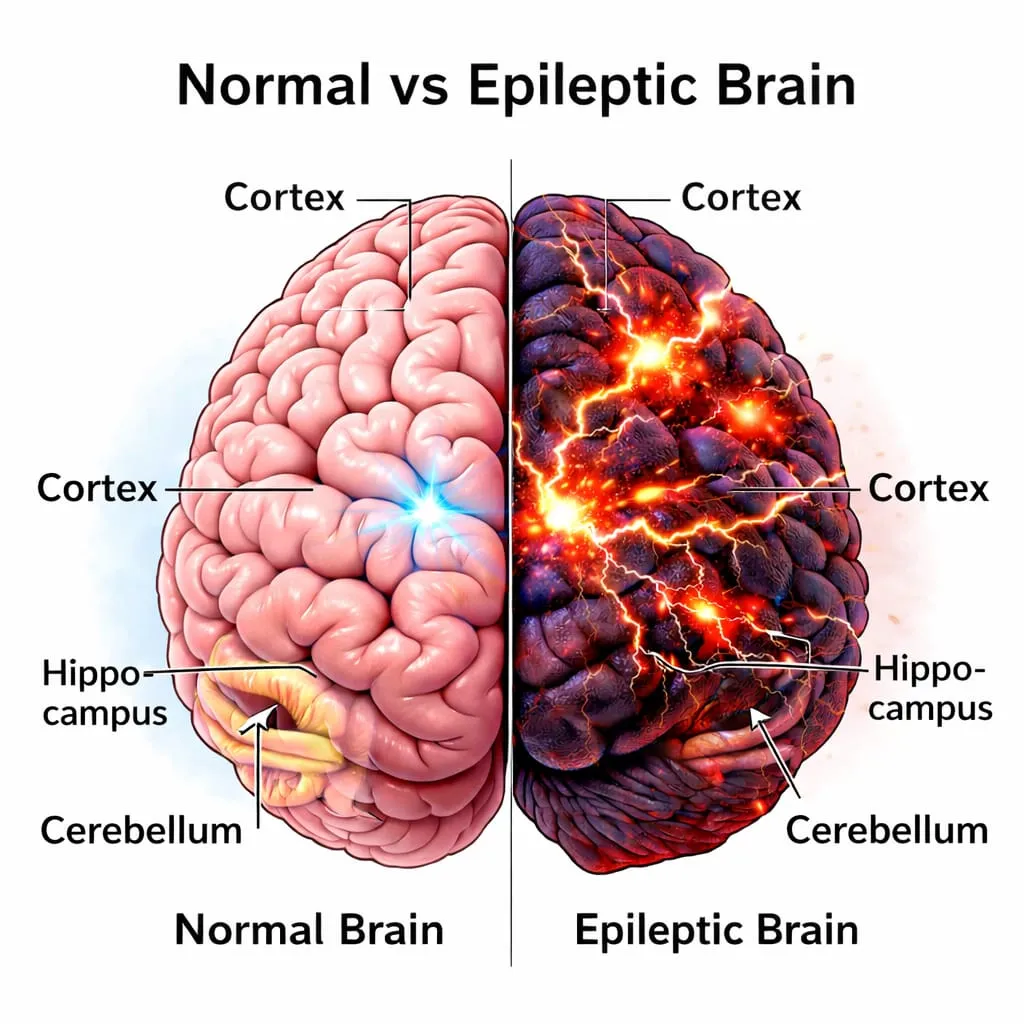


Fig 1 Normal Brain v/s Epileptic Brain


REVIEW OF LITERATURE

Brinkhaus B et al  reported that Centella asiatica exhibits significant neuroprotective and antioxidant properties primarily due to the presence of triterpenoid saponins such as asiaticoside and madecassoside. Their findings indicate that these bioactive compounds reduce oxidative stress and enhance neuronal function. The study supports the therapeutic potential of Centella asiatica in neurological disorders by protecting neurons from oxidative damage and improving overall brain health.

Veerendra Kumar MH et al  demonstrated that Centella asiatica significantly reduced oxidative stress markers and enhanced antioxidant enzyme levels in experimental models. The authors observed improvements in cognitive function along with neuronal protection. Their findings confirm that the plant extract strengthens endogenous antioxidant defense systems, thereby protecting brain tissue from oxidative injury.

Orhan IE et al  review emphasized the traditional and pharmacological significance of Centella asiatica. The plant was reported to possess antioxidant, anti-inflammatory, anxiolytic, and neuroprotective properties. The review suggested that these pharmacological actions collectively support its potential role in managing neurological disorders, including epilepsy.

Shinomol GK et al authors identified oxidative stress as a major contributing factor in epileptogenesis. Their findings showed increased lipid peroxidation and decreased antioxidant defense mechanisms in epilepsy models. The study concluded that antioxidant therapy may help reduce seizure-induced neuronal damage and could be beneficial in epilepsy management.

Reddy DS – CNS Neuroscience & Therapeutics et al highlighted the importance of impaired GABAergic neurotransmission in seizure initiation and propagation. The study emphasized that enhancing GABA activity is an effective mechanism for controlling seizures. This finding is significant in understanding how neuroprotective agents like Centella asiatica may exert anticonvulsant effects through modulation of inhibitory neurotransmission.

Kumar A et al  reported that Centella asiatica extract reduced oxidative damage and improved antioxidant enzyme activity in brain tissue. The plant extract demonstrated protective effects against neuronal injury, further confirming its neuroprotective and antioxidant potential in neurological conditions.

Gupta YK et al  concluded that oxidative stress plays a crucial role in seizure-induced neuronal damage. They suggested that antioxidant agents can enhance the therapeutic efficacy of conventional antiepileptic drugs. Their findings support the inclusion of antioxidant-rich plants like Centella asiatica as adjunct therapy in epilepsy.

Fernando CD et al developed an optimized enzymatic colorimetric assay for evaluating hydrogen peroxide scavenging activity in plant extracts. The method is applicable for assessing the antioxidant capacity of medicinal plants such as Centella asiatica, thereby providing a reliable technique for measuring its free radical scavenging potential.

Patel S et al  analyzed various medicinal plants with anticonvulsant properties and identified Centella asiatica as a promising candidate. Its antioxidant and neuroprotective activities were highlighted as key mechanisms contributing to its potential effectiveness in seizure management.

Pandey A et al  review confirmed the strong antioxidant activity of Centella asiatica and emphasized its potential in preventing oxidative neuronal damage. The authors suggested that its antioxidant properties make it beneficial in neurological disorders such as epilepsy, where oxidative stress plays a major pathological role.

AIM AND OBJECTIVES

Aim:

To determine the effect of phytoconstituents of Centella asiatica on Epilepsy disease and used to evaluate the antioxidant activity of Centella asiatica

Primary Objectives:

  • To evaluate the anticonvulsant/neuroprotective potential of Centella asiatica leaf extracts, focusing on modulation of the GABAergic system and antioxidant mechanisms.

Secondary Objectives:

  • To assess antioxidant activity of Centella asiatica extracts in vitro and in vivo.
  • To investigate mechanisms of action through biochemical assays including GABA levels, ATPase activity, oxidative stress markers (SOD, CAT, MDA).
  • To perform in silico molecular docking of C. asiatica bioactive compounds with GABA_A receptor and other seizure-relevant targets.
  • To carry out phytochemical profiling of extracts to identify potential anticonvulsant compounds. To validate ADME/Tox and drug-like properties of lead compounds from C. Asiatic. 5

PATHOPHYSIOLOGY OF EPILEPSY

The pathophysiology of epilepsy involves an imbalance between excitatory and inhibitory neurotransmission in the central nervous system. Excessive glutamatergic activity and reduced

γ-aminobutyric acid (GABA)-mediated inhibition lead to neuronal hyperexcitability and seizure generation.

The underlying pathophysiology involves a complex interaction of molecular, cellular, and structural alterations that collectively promote neuronal hyperexcitability and hypersynchronization. A disruption in the balance between excitatory and inhibitory neurotransmission is considered a central mechanism in seizure generation. Excessive glutamatergic signaling and reduced γ-aminobutyric acid (GABA)-mediated inhibition increase neuronal excitability and facilitate the initiation of epileptic discharges. In addition, alterations in ion channel function, synaptic plasticity, neuroinflammatory pathways, and oxidative stress contribute significantly to seizure development and disease progression.6

Ion channel dysfunction, including abnormalities in voltage-gated sodium, calcium, and potassium channels, further contributes to abnormal neuronal firing and seizure propagation. These molecular alterations disrupt normal synaptic transmission and neuronal membrane stability.

Oxidative stress plays a crucial role in epileptogenesis. Repeated seizures lead to excessive production of reactive oxygen species, resulting in lipid peroxidation, protein oxidation, mitochondrial dysfunction, and neuronal apoptosis, thereby worsening disease progression. 7

  • Epileptogenesis

Epileptogenesis refers to the gradual process through which a previously normal brain develops a persistent predisposition to generate spontaneous recurrent seizures. This process may be initiated by various neurological insults, including traumatic brain injury, stroke, central nervous system infections, genetic abnormalities, brain tumors, or prolonged seizures such as status epilepticus. Following the initial insult, a cascade of molecular and cellular events is activated, ultimately transforming normal neuronal networks into hyperexcitable epileptic circuits. 6

At the molecular level, epileptogenesis is associated with long-term alterations in gene expression, neurotransmitter receptor distribution, ion channel activity, and synaptic architecture. These changes promote excessive excitatory neurotransmission while reducing inhibitory control. Structural remodeling of neuronal networks, particularly within the hippocampus, contributes significantly to seizure susceptibility. One of the hallmark features of temporal lobe epilepsy is mossy fiber sprouting, in which aberrant excitatory connections form recurrent feedback circuits that facilitate spontaneous seizure generation.7

Neuroinflammation and oxidative stress are increasingly recognized as major contributors to epileptogenesis. Activation of microglia and astrocytes results in the sustained release of pro-inflammatory cytokines, chemokines, and other mediators that alter neuronal excitability and synaptic plasticity. Simultaneously, excessive production of reactive oxygen species damages cellular membranes, proteins, and nucleic acids, thereby accelerating neuronal dysfunction and promoting chronic seizure susceptibility. These pathological mechanisms collectively lower the seizure threshold and contribute to the establishment of epilepsy.8
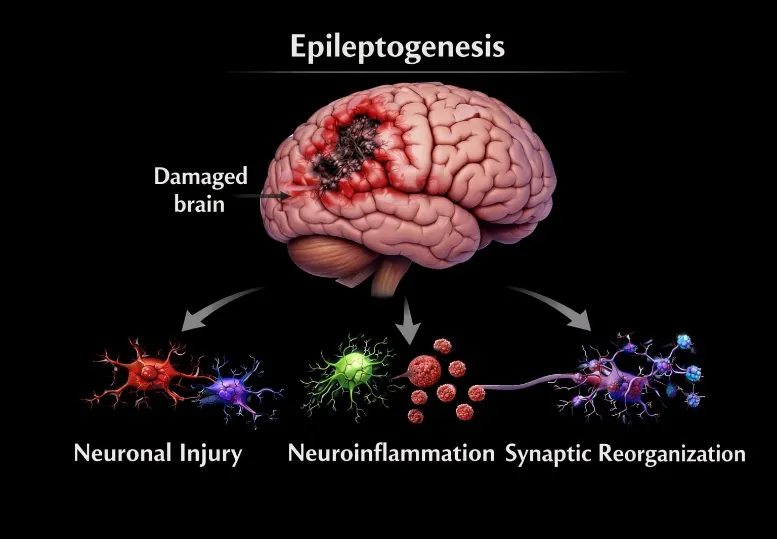


Fig 2 Epileptogenesis


  • Ictogenesis

Ictogenesis refers to the mechanisms responsible for the initiation, amplification, and propagation of an individual seizure episode. While epileptogenesis explains how epilepsy develops, ictogenesis explains how a seizure actually starts and spreads within the brain.

At seizure onset, a localized group of neurons undergoes sudden depolarization due to excessive excitatory input or failure of inhibitory control. This leads to paroxysmal depolarization shifts, characterized by prolonged membrane depolarization and high-frequency action potential firing.

Once initiated, these abnormal discharges rapidly synchronize neighboring neurons through excitatory synaptic connections and gap junctions. 9

The propagation of seizures involves the spread of hypersynchronous electrical activity across cortical and subcortical networks. Impaired GABAergic inhibition plays a key role during this phase, as inhibitory interneurons fail to contain excitatory bursts.

Elevated extracellular potassium levels and glutamate accumulation further facilitate seizure spread by depolarizing adjacent neurons.

Termination of seizures occurs when inhibitory mechanisms temporarily overcome excitatory drive; however, repeated ictogenic events contribute to neuronal injury and promote epileptogenesis.10
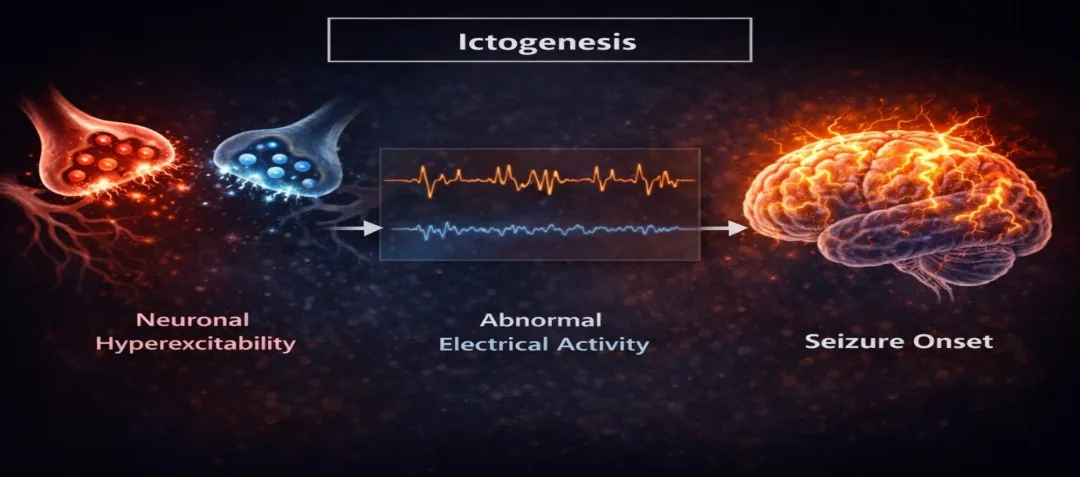


Fig 3 Ictogenesis


  • Neurotransmitter Imbalance (Excitatory–Inhibitory Imbalance)

A fundamental mechanism underlying epilepsy is the chronic imbalance between excitatory and inhibitory neurotransmission in the brain.

Under physiological conditions, neuronal excitability is tightly regulated by a balance between glutamate-mediated excitation and GABA-mediated inhibition.

 In epilepsy, this balance is shifted toward excitation, resulting in neuronal hyperexcitability and hypersynchrony.

Excessive glutamatergic transmission occurs due to increased release of glutamate, upregulation of NMDA and AMPA receptors, and impaired glutamate reuptake by astrocytes. Sustained activation of these receptors leads to calcium influx, excitotoxic neuronal damage, and seizure propagation.

Conversely, GABAergic inhibition is compromised in epilepsy due to reduced GABA synthesis, altered GABA_A receptor subunit composition, decreased receptor sensitivity, or impaired chloride ion homeostasis.

Dysfunction of inhibitory interneurons further weakens seizure containment. The loss of inhibitory tone allows excitatory signals to spread uncontrollably, resulting in recurrent seizures.

This neurotransmitter imbalance not only triggers seizures but also contributes to long-term neuronal injury and epileptogenesis.11
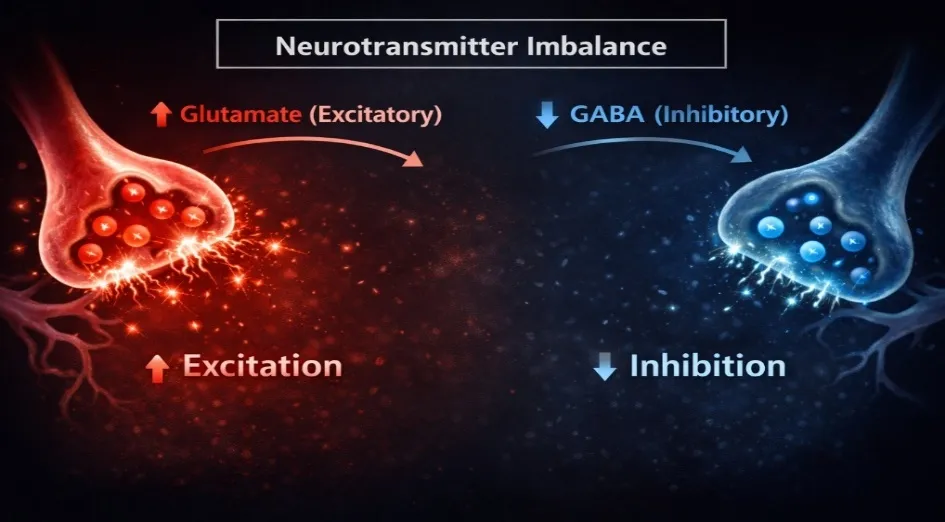


Fig 4 Neurotransmitter Imbalance


  • Ion Channel Dysfunction (Channelopathies)

Ion channel dysfunction is a major contributor to neuronal hyperexcitability in epilepsy. Neuronal firing depends on the precise regulation of sodium (Na⁺), potassium (K⁺), calcium (Ca²⁺), and chloride (Cl⁻) ion channels.

Genetic mutations or acquired dysfunction of these channels disrupt membrane excitability and synaptic transmission.

Voltage-gated sodium channel abnormalities prolong depolarization and facilitate repetitive firing of action potentials.

Potassium channel dysfunction impairs repolarization, preventing neurons from returning to their resting membrane potential.

Altered calcium channel activity increases neurotransmitter release and intracellular calcium levels, enhancing excitatory signaling and excitotoxicity.

Chloride channel dysregulation, particularly involving GABA_A receptor-associated channels, reverses inhibitory signaling and paradoxically promotes neuronal excitation.

 These channelopathies are commonly observed in both idiopathic and acquired epilepsies and are key targets of many antiepileptic drugs. Persistent ion channel dysfunction sustains hyperexcitable neuronal networks and promotes both ictogenesis and epileptogenesis.12
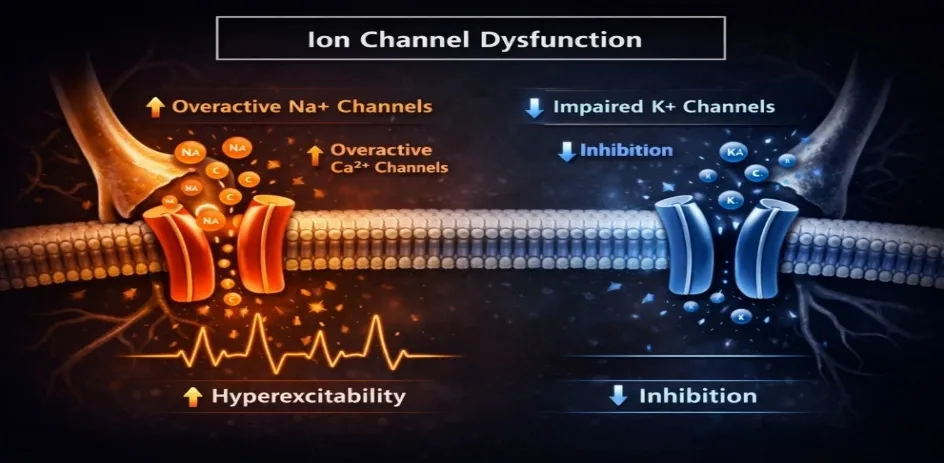


Fig 5 Ion Channel Dysfunction


SIGNS AND SYMPTOMS OF EPILEPSY
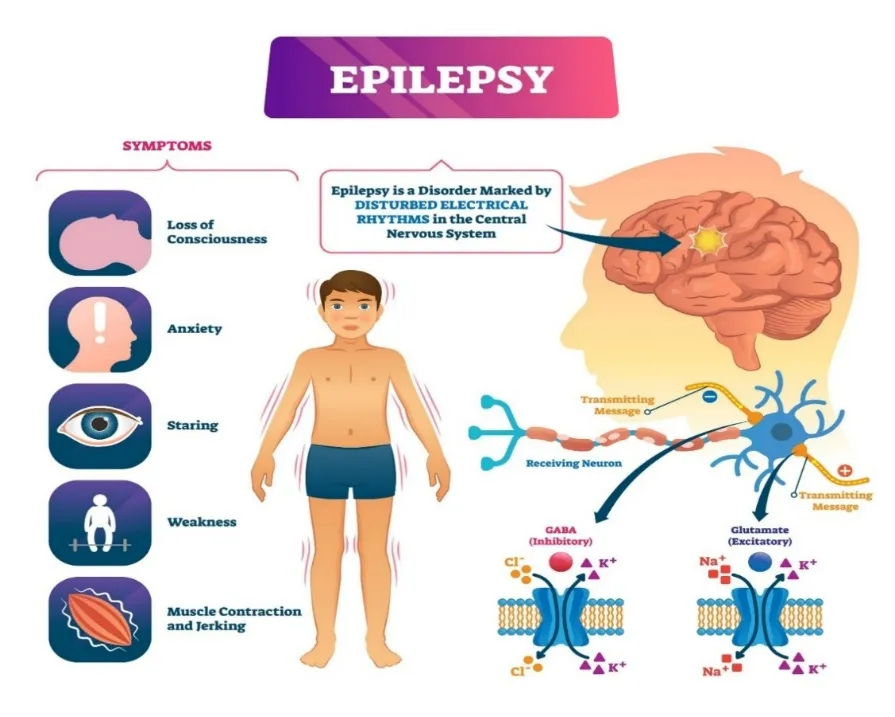
 

  1. The clinical manifestations of epilepsy vary depending on the brain region involved and the type of seizure. Common symptoms include sudden loss of consciousness, involuntary muscle contractions, sensory disturbances, automatisms, and postictal confusion.
  2. The postictal phase may include headache, drowsiness, confusion, muscle soreness, and transient neurological deficits such as Todd’s paralysis.
  3. In severe cases, prolonged seizures or status epilepticus may lead to respiratory compromise, metabolic disturbances, and significant neuronal injury. Thus, the clinical presentation of epilepsy is highly heterogeneous and reflects the underlying neuroanatomical and pathophysiological mechanisms involved.13
  4. Apart from seizures, patients often experience comorbid conditions such as anxiety, depression, cognitive impairment, and sleep disturbances, which significantly reduce quality of life and complicate disease management.
  5. One of the most common manifestations is sudden loss of consciousness, particularly in generalized seizures where both hemispheres of the brain are involved. Patients may suddenly become unresponsive and unaware of their surroundings. In many cases, seizures are accompanied by involuntary muscle contractions, which may appear as jerking movements (clonic activity), muscle stiffness (tonic activity), or a combination of both. These motor symptoms can lead to falls, injuries, or biting of the tongue during the episode.
  6. In addition to motor symptoms, many individuals experience sensory disturbances, especially in focal seizures where only a specific part of the brain is affected. These disturbances may include abnormal sensations such as tingling, numbness, visual disturbances, flashing lights, distorted sounds, unusual smells, or a sudden feeling of fear. These sensations are sometimes referred to as an aura, which acts as an early warning sign that a seizure is about to occur.
  7. Another characteristic feature of some seizures is the presence of automatisms, which are repetitive, involuntary movements performed without conscious control. Examples include lip smacking, chewing movements, swallowing, rubbing the hands, or aimless walking. These behaviour’s often occur during focal seizures with impaired awareness, and the individual usually has no memory of the event afterward.
  8. After the seizure ends, patients typically enter a recovery period known as the postictal phase. During this stage, the brain gradually returns to its normal level of activity. However, individuals may experience several symptoms such as headache, extreme fatigue, drowsiness, confusion, and difficulty concentrating. Muscle soreness is also common due to the intense muscle contractions that occurred during the seizure.14


Fig 6 Signs and Symptoms


CENTELLA  ASIATICA

Centella asiatica (L.) (Gotu Kola, Indian Pennywort, Brahmi) Urban is a perennial herb belonging to the family Apiaceae and is widely distributed in tropical and sub-tropical regions. Centella asiatica is a small, creeping perennial herb commonly found in tropical and subtropical regions. The plant is characterized by fan‑shaped green leaves with long petioles and small white or pink flowers. Leaves are typically collected during the flowering season, washed thoroughly, shade‑dried, and powdered. Botanical authentication is carried out by a qualified taxonomist, and voucher specimens are deposited in a recognized herbarium.

It has been used for centuries in traditional medicine systems such as Ayurveda, Siddha, and Traditional Chinese Medicine for the treatment of neurological disorders, including epilepsy.

The plant is traditionally regarded as a brain tonic and rejuvenating herb, prescribed for improving memory, reducing anxiety, and enhancing cognitive function. Its long-standing ethnomedical use suggests potential neuroprotective properties.15

Another important aspect of Centella asiatica is its ability to modulate neurotransmitter systems in the brain, which may help regulate neuronal excitability and improve cognitive performance.

Studies suggest that extracts of the plant may influence gamma-aminobutyric acid (GABA), serotonin, and acetylcholine pathways, thereby supporting its traditional use in improving mental clarity, reducing stress, and stabilizing neural activity.

In addition to its neurological benefits, Centella asiatica also exhibits antioxidant and cytoprotective properties that help neutralize free radicals and reduce oxidative damage in brain tissues. Since oxidative stress plays a key role in disorders such as Epilepsy, these protective effects may contribute to its potential therapeutic role in seizure management.

 The ability of the plant to enhance antioxidant enzyme activity and protect neuronal integrity further supports its value as a neuroprotective herbal remedy.16
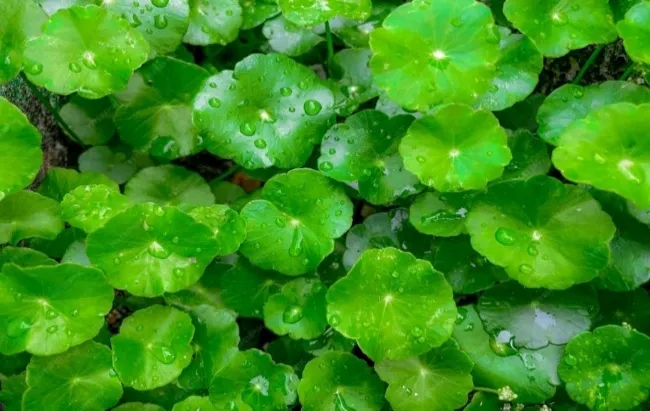


Fig 7 Centella asiatica

CULTIVATION PRACTICES

  • Soil & Climate: Prefers a mild climate. It flourishes best in acidic, moist clayey or sandy loam soils that are rich in organic matter.
  • Shade: Requires partial to full shade (around 50% shade is ideal) for maximum herb and asiaticoside (active compound) yield.
  • Propagation: Typically propagated vegetatively using runners (stolon cuttings) spaced about 30 × 15 cm apart.
  • Fertilization & Water: Requires consistently high soil moisture and benefits from basal applications of Farmyard Manure (FYM) combined with NPK (Nitrogen, Phosphorus, Potassium).
  • Harvesting: As a perennial crop, the leaves and stems can be harvested throughout the growing season.

GEOGRAPHICAL DESCRIPTION

  • Native Range: Widely distributed throughout the tropical and subtropical regions of Asia, Africa, Australia, and Oceania.
  • Habitat: Thrives natively in damp, marshy, and shaded locations such as river banks, paddy fields, and swampy areas. It is found in the wild from sea level up to elevations of 2,100 meters.
  • Regional prominence: Deeply integrated into the ecosystems and traditional pharmacopeia’s of countries like India, Sri Lanka, Malaysia, and Indonesia.

ROLE OF CENTELLA ASIATICA IN EPILEPSY

  • Traditional Use in Apasmara (Epilepsy)

In Ayurveda, epilepsy is referred to as Apasmara. Centella asiatica was used as part of herbal formulations to manage seizure disorders. GABAergic Modulation (Traditional Perspective) Though not described in modern biochemical terms, traditional texts suggest that the herb calms excessive nervous activity, which aligns with its possible GABA-enhancing effects.

Neuroprotective Role: It has been traditionally used to protect brain function and maintain neuronal health, which is important in chronic seizure disorders.

  • Reduction of Nervous Irritability

The herb was believed to reduce hyperexcitability of the nervous system, thereby potentially decreasing seizure frequency.

  • Memory Improvement in Epileptic Patients

Since epilepsy can impair cognition, Centella asiatica was traditionally used to improve memory and concentration in affected individuals.

  • Stress Reduction (Trigger Control)

Stress is a known trigger for seizures. As a calming herb, Centella asiatica may help   reduce stress-induced seizure episodes.

  • Antioxidant Support

Traditional belief in its rejuvenating properties correlates with its antioxidant potential, which may help reduce oxidative stress linked to epilepsy.

PHYTOCHEMICAL CONSTITUENTS OF CENTELLA ASIATICA  AND IT’S ANTI-OXIDANT PROPERTIES

Phytochemical investigations have revealed that C. asiatica contains a wide range of bioactive compounds, including: -

  • Triterpenoid saponins: asiaticoside, madecassoside
  • Triterpenic acids: asiatic acid, madecassic acid
  • Flavanoids and phenolic compounds
  • Volatile oils and sterols

These compounds are known for their antioxidant, neuroprotective, and anti‑inflammatory properties, which may contribute to the anticonvulsant effects of the plant.17

  1. Triterpenoid Saponins
  1. Triterpenoid saponins are the principal bioactive constituents of Centella asiatica and are largely responsible for its neuroprotective and antioxidant properties. Chemically, they are pentacyclic triterpenes conjugated with sugar moieties, which enhance their solubility and biological activity.
  2. These compounds play a critical role in stabilizing neuronal membranes, modulating neurotransmitter release, and protecting neural tissue from oxidative damage induced by seizures.
  3. The major triterpenoid saponins identified in C. asiatica include asiaticoside and madecassoside, which serve as chemical markers of the plant.18
  • Asiaticoside
  1. Asiaticoside is a pentacyclic triterpenoid glycoside extensively studied for its antioxidant and neuroprotective properties. It exerts protective effects against neuronal injury by preserving mitochondrial integrity and reducing oxidative stress in brain tissues.
  2.  Asiaticoside has been shown to improve neuronal survival, enhance synaptic plasticity, and promote neurite outgrowth, which is particularly beneficial in epilepsy-associated neurodegeneration.
  3. Experimental studies demonstrate that asiaticoside attenuates seizure-induced neuronal damage by modulating oxidative stress pathways and inhibiting apoptotic signaling.

Antioxidant Activity of Asiaticoside:

  • Direct free radical scavenging: Asiaticoside directly neutralizes reactive oxygen species such as superoxide anions and hydroxyl radicals by donating hydrogen atoms or electrons. This reduces oxidative burden in neuronal cells and prevents free radical-mediated membrane damage.
  • Enhancement of endogenous antioxidant enzymes: Asiaticoside significantly increases the activity of superoxide dismutase, catalase, and glutathione peroxidase. By upregulating these enzymes, it strengthens intrinsic antioxidant defense mechanisms in the brain.
  •  Inhibition of lipid peroxidation: It suppresses peroxidation of polyunsaturated fatty acids in neuronal membranes, thereby maintaining membrane fluidity and preventing seizure-induced neuronal dysfunction.
  •  Mitochondrial protection: Asiaticoside prevents mitochondrial membrane depolarization and preserves ATP synthesis, reducing oxidative stress-induced neuronal apoptosis.19
  • Madecassoside
  1. Madecassoside is structurally similar to asiaticoside and exhibits potent antioxidant and anti-inflammatory properties. It plays a significant role in protecting neurons against oxidative and inflammatory insults associated with epilepsy.
  2. Madecassoside has been shown to reduce oxidative DNA damage, inhibit neuroinflammation, and improve neuronal viability in experimental models.
  3.  Its antioxidant action complements its anti-inflammatory effects, making it a multifunctional neuroprotective compound.

Antioxidant Activity of Madecassoside:

  • Reduction of intracellular ROS generation: Madecassoside suppresses excessive production of reactive oxygen species in neuronal cells exposed to oxidative stress, thereby limiting cellular injury.
  • Protection of biomolecules: It prevents oxidative damage to DNA, proteins, and membrane lipids, preserving cellular integrity during recurrent seizures.


  • Support of glutathione system: Madecassoside enhances reduced glutathione levels and supports glutathione-dependent detoxification pathways in neural tissues.
  • Inhibition of oxidative stress-induced inflammation: By reducing oxidative stress, madecassoside indirectly suppresses redox-sensitive inflammatory signaling pathways that exacerbate seizure activity.20
  1. Triterpenic Acids

Triterpenic acids are aglycone derivatives of triterpenoid saponins and exhibit higher lipophilicity, enabling efficient penetration across the blood–brain barrier. These compounds play a crucial role in central nervous system protection and are particularly relevant in neurological disorders such as epilepsy. The primary triterpenic acids present in Centella asiatica include asiatic acid and madecassic acid.

  • Asiatic Acid

Asiatic acid is a pentacyclic triterpenic acid formed by hydrolysis of asiaticoside. Due to its lipophilic nature, asiatic acid readily crosses the blood–brain barrier and accumulates in brain tissue.

It exhibits strong antioxidant, anti-apoptotic, and neuroprotective activities. Asiatic acid has been reported to reduce seizure severity and protect hippocampal neurons from oxidative injury in experimental epilepsy models. It also modulates inhibitory neurotransmission, further contributing to its anticonvulsant effects.

Antioxidant Activity of Asiatic Acid:

  • Scavenging of reactive oxygen species: Asiatic acid directly neutralizes free radicals such as hydroxyl radicals and superoxide ions, reducing oxidative stress in neuronal cells.


  • Mitochondrial stabilization: It protects mitochondrial membranes from oxidative damage, prevents calcium-induced mitochondrial dysfunction, and maintains energy homeostasis in neurons.
  • Inhibition of lipid peroxidation: Asiatic acid suppresses peroxidative degradation of membrane lipids, preserving neuronal membrane integrity during seizure activity.
  • Anti-apoptotic action via redox regulation: By reducing oxidative stress, asiatic acid inhibits activation of caspase-dependent apoptotic pathways and prevents neuronal cell death.21
  • Madecassic Acid
  1. Madecassic acid is another important triterpenic acid present in Centella asiatica. It contributes to the plant’s neuroprotective activity by reducing oxidative damage and supporting neuronal survival.
  2. Madecassic acid has been shown to protect neurons from oxidative stress-induced degeneration and improve cellular resistance to metabolic stress.

Antioxidant Activity of Madecassic Acid:

  • Free radical neutralization: Madecassic acid scavenges reactive oxygen species, thereby reducing oxidative burden in neuronal tissues.
  • Enhancement of antioxidant enzymes: It increases the activity of endogenous antioxidant enzymes, maintaining redox balance in the brain.
  • Protection against oxidative neuronal injury: By limiting oxidative stress, madecassic acid prevents structural damage to neurons and synapses.
  • Maintenance of mitochondrial integrity: It supports mitochondrial function and prevents oxidative energy failure in neuronal cells.22
  1. Flavonoids and Phenolic Compounds
  1. Flavonoids and phenolic compounds are polyphenolic constituents of Centella asiatica that significantly contribute to its antioxidant potential. These compounds play a vital role in neutralizing seizure-induced oxidative stress and protecting neuronal structures.
  2. In plants, flavonoids and phenolic compounds play a protective role against oxidative stress, ultraviolet radiation, and pathogenic attack.
  3. In humans, these compounds exhibit diverse pharmacological activities such as antioxidant, anti-inflammatory, neuroprotective, cardioprotective, and anticancer effects. 
  4. Due to their ability to modulate oxidative pathways and protect cellular macromolecules, flavonoids and phenolic compounds are considered major contributors to the therapeutic potential of medicinal plants used in neurological disorders.23

Antioxidant Activity of Flavonoids and Phenolic Compounds

  • Free Radical Scavenging Activity: Flavonoids and phenolic compounds act as primary antioxidants by directly scavenging reactive oxygen and nitrogen species such as superoxide anions, hydroxyl radicals, and peroxynitrite.

The hydroxyl groups present on their aromatic rings donate hydrogen atoms or electrons to free radicals, stabilizing them and terminating oxidative chain reactions.

 This mechanism significantly reduces oxidative stress in neuronal tissues exposed to seizure-induced damage.


  •  Inhibition of Lipid Peroxidation: Lipid peroxidation is a major consequence of oxidative stress, leading to loss of membrane integrity and altered neuronal excitability. 24

Flavonoids and phenolic compounds inhibit both initiation and propagation phases of lipid peroxidation by neutralizing lipid radicals and protecting polyunsaturated fatty acids in neuronal membranes.

This action helps maintain membrane stability and prevents seizure-related neuronal dysfunction.

  • Metal Ion Chelation: Transition metal ions such as iron and copper catalyze the formation of highly reactive hydroxyl radicals via Fenton and Haber–Weiss reactions.

Flavonoids and phenolic compounds chelate these metal ions through their hydroxyl and carbonyl groups, thereby reducing metal-catalyzed free radical generation. This mechanism provides indirect but potent antioxidant protection in the brain.25

CONCLUSION

  1. Collectively, Centella asiatica demonstrates promising neuroprotective, antioxidant, and potential GABAergic modulatory actions across in vivo, in vitro, and in silico approaches. Animal studies substantiate anticonvulsant efficacy, enzyme normalization, and reduced oxidative damage.
  2. In vitro assays confirm robust antioxidant activity, while computational models aid in predicting molecular interactions and drug-likeness.
  3. It emerges as a promising herbal candidate for epilepsy management due to its dual action on GABAergic neurotransmission and oxidative stress pathways.
  4. Its rich phytochemical profile, demonstrated in-vitro studies and supportive in silico evidence highlight its therapeutic potential. Further systematic studies and clinical validation may pave the way for the development of safer and more effective plant-based antiepileptic agents.
  5. Centella asiatica represents an important natural therapeutic resource in the search for safer and more effective treatments for neurological disorders. The increasing global interest in herbal medicines highlights the value of such traditional plants as potential alternatives or adjuncts to conventional antiepileptic therapies.
  6. Overall, the integration of traditional knowledge with modern scientific research can facilitate the development of innovative plant-derived therapeutic strategies, positioning Centella asiatica as a valuable candidate for future drug development in the management of epilepsy and related neurological disorders.

REFERENCES

  1. Fisher RS, Acevedo C, Arzimanoglou A, et al. ILAE official report: A practical clinical definition of epilepsy. Epilepsia. 2014;55(4):475–482.
  2. Löscher W, Potschka H, Sisodiya SM, Vezzani A. Drug resistance in epilepsy. Nature Reviews Neurology. 2020;16:547–564.
  3. Brinkhaus B, Lindner M, Schuppan D, Hahn EG. Chemical, pharmacological and clinical profile of Centella asiatica. Phytomedicine. 2000;7(5):427–448.
  4. James JT, Dubery IA. Pentacyclic triterpenoids from Centella asiatica. Phytochemistry. 2009;70(8):905–913.Nair AB, Jacob S. Herbal neuroprotective agents in epilepsy management. J Nat Remedies. 2021;21(3):156–164.
  5. Zimmerman C, Yarnell E. Herbal medicines for the management of seizures and epilepsy. Altern Complement Ther. 2018;24(6):266–273.
  6. Pitkänen A, Engel J Jr. Past and present definitions of epileptogenesis and its biomarkers. Neurotherapeutics. 2014.
  7. Jiruska P, de Curtis M, Jefferys JGR, Schevon CA, Schiff SJ, Schindler K. Synchronization and desynchronization in epilepsy. Brain. 2013;136(10):2960–2975.
  8. Shinomol GK, Muralidhara. Oxidative stress in epilepsy: implications for therapeutic intervention. Neurochem Res. 2011Pitkänen A, Engel J Jr. Past and present definitions of epileptogenesis and its biomarkers. Neurotherapeutics. 2014.
  9. Jiruska P, et al. Synchronization and desynchronization in epilepsy. Brain. 2013.
  10. Trevelyan AJ, Schevon CA. How inhibition influences seizure propagation. Neuropharmacology. 2013.
  11. Stafstrom CE. Persistent sodium current and its role in epilepsy. Epilepsy Curr. 2007.
  12. Uppala PK, Praveen Kumar K. Anticonvulsant activity of Centella asiatica in experimental animal models. PharmaBitika. 2014;5(2):73–79.
  13. Löscher W, Schmidt D. Drug resistance in epilepsy: Clinical impact, potential mechanisms, and new therapeutic approaches. Epilepsia. 2011.
  14. Sharma V, Pandey D. Pharmacognostic and phytochemical evaluation of Centella asiatica. Pharmacogn Commun. 2019;9(2):85–91.
  15. Gupta YK, Briyal S. Anticonvulsant potential of some medicinal plants. Indian J Pharmacol. 2020;52(2):69–78.
  16. Ramesh BN, Girish TK. Effect of ethanolic extract of Centella asiatica on oxidative stress and neuronal damage. J Ethnopharmacol. 2018; 215:103–110.
  17. Lee KY, et al. Neuroprotection by asiaticoside. J Ethnopharmacol. 2012.
  18. Zhang X, et al. Antioxidant and anti-inflammatory effects of madecassoside. Int Immunopharmacology. 2014.
  19. James JT, Dubery IA. Pentacyclic triterpenoids from the medicinal herb Centella asiatica (L.) Urban. Phytochemistry. 2009;70(8):905–913.
  20. Mato L, et al. Asiatic acid protects neurons against oxidative stress and mitochondrial dysfunction. Neurochem Int. 2011;59(5):639–648.                   
  21. Boots AW, Haenen GRMM, Bast A. Health effects of quercetin: From antioxidant to nutraceutical. Eur J Pharmacol. 2008;585(2–3):325–337.
  22. Rice-Evans CA, Miller NJ, Paganga G. Structure–antioxidant activity relationships of flavonoids and phenolic acids. Free Radic Biol Med. 1996;20(7):933–958.
  23. Rice-Evans CA, Miller NJ, Paganga G. Structure–antioxidant activity relationships of flavonoids and phenolic acids. Free Radic Biol Med. 1996;20(7):933–958.
  24. Fisher RS. Animal models of epilepsy. Brain Res Rev. 1989.
  25. Benzie IFF, Strain JJ. Ferric reducing antioxidant power assay. Anal Biochem. 1996.

Reference

  1. Fisher RS, Acevedo C, Arzimanoglou A, et al. ILAE official report: A practical clinical definition of epilepsy. Epilepsia. 2014;55(4):475–482.
  2. Löscher W, Potschka H, Sisodiya SM, Vezzani A. Drug resistance in epilepsy. Nature Reviews Neurology. 2020;16:547–564.
  3. Brinkhaus B, Lindner M, Schuppan D, Hahn EG. Chemical, pharmacological and clinical profile of Centella asiatica. Phytomedicine. 2000;7(5):427–448.
  4. James JT, Dubery IA. Pentacyclic triterpenoids from Centella asiatica. Phytochemistry. 2009;70(8):905–913.Nair AB, Jacob S. Herbal neuroprotective agents in epilepsy management. J Nat Remedies. 2021;21(3):156–164.
  5. Zimmerman C, Yarnell E. Herbal medicines for the management of seizures and epilepsy. Altern Complement Ther. 2018;24(6):266–273.
  6. Pitkänen A, Engel J Jr. Past and present definitions of epileptogenesis and its biomarkers. Neurotherapeutics. 2014.
  7. Jiruska P, de Curtis M, Jefferys JGR, Schevon CA, Schiff SJ, Schindler K. Synchronization and desynchronization in epilepsy. Brain. 2013;136(10):2960–2975.
  8. Shinomol GK, Muralidhara. Oxidative stress in epilepsy: implications for therapeutic intervention. Neurochem Res. 2011Pitkänen A, Engel J Jr. Past and present definitions of epileptogenesis and its biomarkers. Neurotherapeutics. 2014.
  9. Jiruska P, et al. Synchronization and desynchronization in epilepsy. Brain. 2013.
  10. Trevelyan AJ, Schevon CA. How inhibition influences seizure propagation. Neuropharmacology. 2013.
  11. Stafstrom CE. Persistent sodium current and its role in epilepsy. Epilepsy Curr. 2007.
  12. Uppala PK, Praveen Kumar K. Anticonvulsant activity of Centella asiatica in experimental animal models. PharmaBitika. 2014;5(2):73–79.
  13. Löscher W, Schmidt D. Drug resistance in epilepsy: Clinical impact, potential mechanisms, and new therapeutic approaches. Epilepsia. 2011.
  14. Sharma V, Pandey D. Pharmacognostic and phytochemical evaluation of Centella asiatica. Pharmacogn Commun. 2019;9(2):85–91.
  15. Gupta YK, Briyal S. Anticonvulsant potential of some medicinal plants. Indian J Pharmacol. 2020;52(2):69–78.
  16. Ramesh BN, Girish TK. Effect of ethanolic extract of Centella asiatica on oxidative stress and neuronal damage. J Ethnopharmacol. 2018; 215:103–110.
  17. Lee KY, et al. Neuroprotection by asiaticoside. J Ethnopharmacol. 2012.
  18. Zhang X, et al. Antioxidant and anti-inflammatory effects of madecassoside. Int Immunopharmacology. 2014.
  19. James JT, Dubery IA. Pentacyclic triterpenoids from the medicinal herb Centella asiatica (L.) Urban. Phytochemistry. 2009;70(8):905–913.
  20. Mato L, et al. Asiatic acid protects neurons against oxidative stress and mitochondrial dysfunction. Neurochem Int. 2011;59(5):639–648.                   
  21. Boots AW, Haenen GRMM, Bast A. Health effects of quercetin: From antioxidant to nutraceutical. Eur J Pharmacol. 2008;585(2–3):325–337.
  22. Rice-Evans CA, Miller NJ, Paganga G. Structure–antioxidant activity relationships of flavonoids and phenolic acids. Free Radic Biol Med. 1996;20(7):933–958.
  23. Rice-Evans CA, Miller NJ, Paganga G. Structure–antioxidant activity relationships of flavonoids and phenolic acids. Free Radic Biol Med. 1996;20(7):933–958.
  24. Fisher RS. Animal models of epilepsy. Brain Res Rev. 1989.

Benzie IFF, Strain JJ. Ferric reducing antioxidant power assay. Anal Biochem. 1996.

Photo
Farheen Taj
Corresponding author

Department Of Pharmacology ; Ikon Pharmacy College

Photo
Akash R S
Co-author

Department Of Pharmacology ; Ikon Pharmacy College

Photo
Kavana K
Co-author

Department Of Pharmacology ; Ikon Pharmacy College

Photo
Kiran Kumar D C
Co-author

Department Of Pharmacology ; Ikon Pharmacy College

Photo
Shivarajan R
Co-author

Department Of Pharmacology ; Ikon Pharmacy College

Farheen Taj, Akash R. S., Kavana K., Kiran Kumar D. C., Shivaranjan R., Exploring Centella Asiatica as A Neuroprotective Agent in Epilepsy Via Gabaergic Modulation and Antioxidant Activity, Int. J. of Pharm. Sci., 2026, Vol 4, Issue 7, 4876-4889, https://doi.org/10.5281/zenodo.21562793

More related articles
Pharmacotherapy Of Migraine: Recent Advances and F...
Pagar Nayana , Pagar Durgesh , Pagar Aakanksha ...
Recent Advances in Nanotherapeutics for Neurologic...
Goday Swapna , Avala Jyothika, Savitikada Khasimbee, Mungara Mano...
A Review of Alum and Kaolin Particles in Pharmacog...
Jayant Kale, Avinash Hatkar, Sandip Phoke, Dr. Sunil Jaybhaye...
Related Articles
Herbal Nephroprotective Agents Against Gentamicin-Induced Nephrotoxicity: Mechan...
Mohammad Sabir, Md. Manawwar Alam, Vaibhav Kumar katara, Akrati Pathak, Mohammad Altaf, Km Kajal...
Pharmacotherapy Of Migraine: Recent Advances and Future Perspectives...
Pagar Nayana , Pagar Durgesh , Pagar Aakanksha ...
More related articles
Pharmacotherapy Of Migraine: Recent Advances and Future Perspectives...
Pagar Nayana , Pagar Durgesh , Pagar Aakanksha ...
Recent Advances in Nanotherapeutics for Neurological Disorders...
Goday Swapna , Avala Jyothika, Savitikada Khasimbee, Mungara Manoj, P. Jyothi...
A Review of Alum and Kaolin Particles in Pharmacognosy: Traditional Uses, Physic...
Jayant Kale, Avinash Hatkar, Sandip Phoke, Dr. Sunil Jaybhaye...
Pharmacotherapy Of Migraine: Recent Advances and Future Perspectives...
Pagar Nayana , Pagar Durgesh , Pagar Aakanksha ...
Recent Advances in Nanotherapeutics for Neurological Disorders...
Goday Swapna , Avala Jyothika, Savitikada Khasimbee, Mungara Manoj, P. Jyothi...
A Review of Alum and Kaolin Particles in Pharmacognosy: Traditional Uses, Physic...
Jayant Kale, Avinash Hatkar, Sandip Phoke, Dr. Sunil Jaybhaye...