

We use cookies to ensure our website works properly and to personalise your experience. Cookies policy
Department of Pharmacology, Divine College of Pharmacy, Satana.
Migraine is a highly prevalent and disabling neurological disorder characterized by recurrent episodes of moderate-to-severe headache accompanied by nausea, vomiting, photophobia, and phonophobia. Advances in the understanding of migraine pathophysiology have shifted the concept of migraine from a purely vascular disorder to a complex neurovascular disease involving the trigeminovascular system, cortical spreading depression, neurogenic inflammation, and the release of calcitonin gene-related peptide (CGRP). Conventional pharmacological therapies, including nonsteroidal anti-inflammatory drugs (NSAIDs), triptans, ergot derivatives, beta-blockers, antiepileptics, antidepressants, and calcium channel blockers, continue to play important roles in the acute and preventive management of migraine. However, these therapies are often limited by inadequate efficacy, adverse effects, contraindications, and medication-overuse headache. Recent therapeutic advances have introduced mechanism-based treatments such as CGRP monoclonal antibodies, gepants, and ditans, which provide improved efficacy, better tolerability, and expanded treatment options, particularly for patients with cardiovascular comorbidities or treatment-resistant migraine. Emerging strategies including neuromodulation, biomarker-guided therapy, pharmacogenomics, artificial intelligence-assisted clinical decision-making, and novel molecular targets such as PACAP and transient receptor potential (TRP) channels are expected to further transform migraine management. This review summarizes the current understanding of migraine pathophysiology, classification, pharmacological treatment, recent therapeutic advances, and future perspectives, highlighting the transition toward personalized and precision-based approaches aimed at improving long-term clinical outcomes and quality of life.
Migraine is a complex neurological disorder characterized by recurrent headache attacks with variable intensity, duration, and associated symptoms. It is considered one of the leading causes of disability worldwide, affecting individuals across different age groups and significantly influencing physical, emotional, and social well-being. According to the World Health Organization, migraine is among the most disabling neurological conditions, contributing substantially to years lived with disability.Migraine attacks commonly present as unilateral, pulsating headaches that may last from several hours to days. Symptoms such as nausea, vomiting, photophobia, and phonophobia frequently accompany headache episodes. Some individuals experience migraine with aura, which involves reversible neurological symptoms including visual disturbances, sensory changes, or speech difficulties before or during an attack.The pathophysiology of migraine involves complex interactions between neuronal excitability, inflammation, vascular mechanisms, and neurotransmitter pathways. Activation of the trigeminovascular system and release of inflammatory neuropeptides, particularly calcitonin gene-related peptide (CGRP), play important roles in migraine development. Understanding these mechanisms has contributed to the discovery of novel therapeutic targets.Pharmacological management of migraine is broadly divided into acute and preventive approaches. Acute therapies aim to terminate or reduce the severity of an ongoing attack and include analgesics, NSAIDs, triptans, gepants, and ditans. Preventive therapies are recommended for patients with frequent or severe attacks and include beta-blockers, antiepileptic drugs, antidepressants, botulinum toxin type A, and newer CGRP-targeted agents.Despite significant progress, current migraine treatments have limitations, including incomplete effectiveness, medication overuse headache, tolerability issues, and lack of response in certain patient populations. Recent developments in migraine pharmacotherapy have focused on mechanism-based treatments designed to provide better efficacy and safety. The emergence of CGRP monoclonal antibodies and oral CGRP receptor antagonists represents a major advancement in migraine prevention and acute management. This review aims to summarize the existing pharmacological approaches for migraine treatment, evaluate recent therapeutic advances, and discuss future directions for improving individualized migraine care. Historically, migraine was considered primarily a vascular disorder caused by cerebral vasodilation. However, advances in neuroimaging, molecular neuroscience, and neuropharmacology have fundamentally changed this concept. Migraine is now recognized as a disorder of brain excitability involving activation of the trigeminovascular system, cortical spreading depression, neurogenic inflammation, and release of neuropeptides, particularly calcitonin gene-related peptide (CGRP). These discoveries have transformed therapeutic strategies by enabling the development of disease-specific drugs that directly target migraine pathophysiology rather than merely alleviating symptoms.(1,3,6)
Conventional pharmacotherapy has relied heavily on nonspecific medications originally developed for hypertension, epilepsy, or depression. Although effective in many patients, these therapies are associated with limitations such as delayed onset of preventive benefit, adverse drug reactions, contraindications, medication-overuse headache, and poor long-term adherence. The past decade has witnessed unprecedented progress in migraine therapeutics. The introduction of CGRP monoclonal antibodies has revolutionized preventive therapy by providing highly specific, long-acting agents with favorable tolerability. Similarly, orally active CGRP receptor antagonists (gepants) and the selective 5-HT1F agonist lasmiditan have expanded treatment options for acute migraine, especially in patients who cannot use triptans because of cardiovascular disease. Emerging research is also focusing on pharmacogenomics, precision medicine, biomarkers, artificial intelligence-based prediction of migraine attacks, RNA-based therapeutics, gene editing technologies, microbiome modulation, and digital therapeutics. These innovations may further improve treatment personalization and clinical outcomes while minimizing adverse effects.(1,3,6)
TRIGGERS FOR MIGRAINE
Migraine attacks can be triggered by a variety of internal and external factors. These triggers include environmental conditions, certain foods, hormonal or physiological changes, and lifestyle-related influences that may activate the brain mechanisms involved in migraine. The importance and frequency of specific triggers can differ across regions because of variations in cultural, social, and environmental conditions. In India, research examining migraine triggers remains limited, highlighting the need for more studies in this area. A clear understanding of these triggering factors is essential for identifying individual risk factors, improving patient education, and developing effective strategies for migraine prevention and management.(10,13,16)
TABLE 1: Triggers For Migraine(10,13,16)
|
Environmental triggers |
Odours, bright lights, noise, and other excessive sensory stimuli. Painful stimuli that trigger migraine usually occur in the head and neck. The most common of these are neck injury and spasm, temporomandibular joint pain, and sinus inflammation. 40% of migraineurs report that they are affected by weather changes. |
|
Food triggers |
Byproducts of food aging are found in fermented products like red wine, aged cheeses, and yeast in fresh bread and yogurt. Foods with chemicals similar to the neurotransmitters that our brains use are coffee, chocolate, MSG, and the nitrates used as preservatives in many of our prepackaged foods. |
|
Physiologic triggers |
Stress, fatigue, lack of sleep, or alter their sleep schedule, sleeping too much, hunger, exercise, pain, hormone changes, like the drop in estrogen levels before the menstrual period or after menopause. |
CLASSIFICATION OF MIGRAINE (ICHD-3)(1)
The classification of migraine has been challenging because there are no specific biological or clinical markers that definitively identify the disorder. In addition, individuals may experience more than one migraine subtype or have both migraine and tension-type headache, making diagnosis more complex. The overlap of symptoms and the limited validity of some diagnostic criteria have also made it difficult to establish clear boundaries between migraine and other primary headache disorders. To address these challenges, the International Headache Society (IHS), through its Headache Classification Committee, developed standardized diagnostic criteria that define the different migraine subtypes and improve the consistency of diagnosis in both clinical practice and research.(8,9)
TABLE 2: Classification Of Migraine (Ichd-3)(8,9)
|
Type |
Characteristics |
|
Migraine without aura |
Most common form; recurrent unilateral throbbing headache with nausea and sensitivity to light and sound |
|
Migraine with aura |
Transient neurological symptoms (usually visual) precede or accompany headache |
|
Chronic migraine |
≥15 headache days/month for >3 months, with migraine features on ≥8 days/month |
|
Hemiplegic migraine |
Migraine associated with reversible motor weakness |
|
Vestibular migraine |
Recurrent vertigo associated with migraine symptoms |
|
Menstrual migraine |
Migraine attacks temporally related to menstruation |
NEUROBIOLOGY AND PATHOPHYSIOLOGY OF MIGRAINE(2)
Migraine is currently recognized as a complex neurovascular disorder involving abnormal neuronal excitability, dysfunction of the trigeminovascular system, release of inflammatory neuropeptides, altered sensory processing, and genetic susceptibility. Earlier concepts attributed migraine primarily to vascular changes; however, contemporary evidence demonstrates that neuronal activation precedes vascular alterations. The headache phase results from activation of nociceptive pathways, peripheral and central sensitization, and sustained neurotransmitter release.(2)
The pathophysiology of migraine involves interactions among the cerebral cortex, brainstem, hypothalamus, trigeminal ganglion, meningeal blood vessels, and higher cortical pain-processing centers. Several neurotransmitters and neuromodulators—including calcitonin gene-related peptide (CGRP), serotonin (5-HT), glutamate, dopamine, nitric oxide (NO), and pituitary adenylate cyclase-activating peptide (PACAP)—play central roles in initiating and sustaining migraine attacks. These discoveries have led to targeted therapies that interfere with specific molecular pathways.(4,5,6,8)
Genetic factors play an important role in determining an individual’s susceptibility to migraine. Many people with migraine have a family history of the disorder, suggesting inherited influences on brain function. Genetic variations can affect ion channels, neurotransmitter systems, and mechanisms responsible for maintaining normal neuronal activity. These changes may increase the tendency of neurons to become overactive in response to internal or external stimuli. Rare inherited conditions, such as familial hemiplegic migraine, have been associated with mutations affecting calcium channels and other proteins involved in regulating nerve cell communication. These genetic alterations contribute to increased cortical excitability and make the nervous system more sensitive to migraine triggers. Several neurotransmitters influence the development and progression of migraine. Serotonin (5-hydroxytryptamine or 5-HT) plays an important role in regulating pain transmission and vascular responses. Abnormal serotonin activity can influence trigeminal nerve activation and contribute to migraine symptoms. This mechanism explains why medications such as triptans, which act on specific serotonin receptors, are effective in reducing migraine attacks.(4,5,6,8)
PATHOPHYSIOLOGY OF MIGRAINE (1,3)
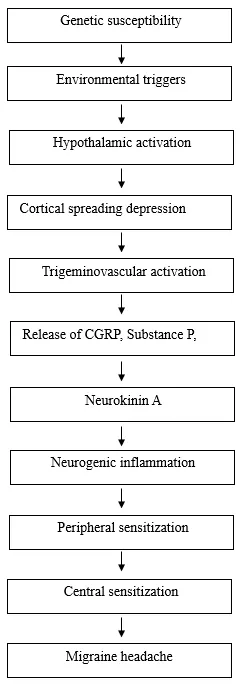
TABLE 3. Major Neurotransmitters in Migraine(2)
|
Neurotransmitter |
Primary Action |
Pharmacological Target |
|
CGRP |
Vasodilation, pain transmission |
Monoclonal antibodies, gepants |
|
Serotonin |
Inhibits CGRP release |
Triptans, ditans |
|
Glutamate |
Cortical spreading depression |
Topiramate |
|
Nitric oxide |
Vasodilation |
Experimental NOS inhibitors |
|
Dopamine |
Nausea, premonitory symptoms |
Dopamine antagonists |
|
Substance P |
Neurogenic inflammation |
Investigational target |
|
PACAP |
Trigeminal activation |
PAC1 antagonists (under investigation) |
TABLE 4. Major Pharmacological Targets in Migraine(8)
|
Target |
Physiological Role |
Representative Drugs |
|
5-HT1B receptor |
Cranial vasoconstriction, inhibition of CGRP release |
Sumatriptan, Rizatriptan |
|
5-HT1D receptor |
Inhibits neuropeptide release |
Triptans |
|
5-HT1F receptor |
Reduces neuronal excitability without vasoconstriction |
Lasmiditan |
|
CGRP receptor |
Pain transmission, vasodilation |
Erenumab, Ubrogepant |
|
CGRP ligand |
Neurogenic inflammation |
Fremanezumab, Galcanezumab, Eptinezumab |
TABLE 5 . Pharmacological treatment of migraine based on therapeutic target(16,18)
|
Therapeutic Target |
Drug Class |
Representative Drugs |
Mechanism of Action |
Clinical Use |
Limitations |
|
Pain and inflammation |
NSAIDs |
Ibuprofen, Naproxen, Diclofenac |
Inhibit COX-1/COX-2 enzymes, reducing prostaglandin synthesis |
First-line treatment for mild-to-moderate migraine |
Gastrointestinal irritation, renal toxicity, medication-overuse headache |
|
Central pain modulation |
Analgesics |
Paracetamol (Acetaminophen) |
Inhibits central prostaglandin synthesis |
Mild migraine or combination therapy |
Limited efficacy in severe attacks; hepatotoxicity in overdose |
|
Serotonin (5-HT1B/1D) receptors |
Triptans |
Sumatriptan, Zolmitriptan, Rizatriptan, Eletriptan |
Cranial vasoconstriction and inhibition of CGRP release |
Moderate-to-severe acute migraine |
Contraindicated in patients with cardiovascular disease |
|
Serotonin (5-HT1F) receptors |
Ditans |
Lasmiditan |
Inhibits trigeminal pain pathways without vasoconstriction |
Acute migraine in patients with cardiovascular risk |
Dizziness, sedation, driving restrictions after use |
|
CGRP receptor |
Gepants |
Ubrogepant, Rimegepant, Atogepant, Zavegepant |
Block CGRP receptor-mediated nociceptive signaling |
Acute treatment and preventive therapy |
Cost and limited long-term clinical experience |
|
CGRP ligand/receptor |
Monoclonal antibodies |
Erenumab, Fremanezumab, Galcanezumab, Eptinezumab |
Neutralize CGRP signaling to prevent migraine attacks |
Prevention of episodic and chronic migraine |
High cost, injectable administration |
RECENT ADVANCES IN PHARMACOTHERAPY OF MIGRAINE()6,3
The therapeutic landscape of migraine has undergone significant transformation over the last decade due to improved understanding of migraine neurobiology. Earlier pharmacological approaches mainly focused on symptomatic relief using nonsteroidal anti-inflammatory drugs (NSAIDs), ergot derivatives, and serotonin receptor agonists (triptans). However, these therapies are associated with limitations including inadequate response, recurrence of headache, medication-overuse headache, and contraindications in patients with cardiovascular disorders.(6)
The identification of the trigeminovascular pathway and the discovery of calcitonin gene-related peptide (CGRP) as a key mediator of migraine pathogenesis have resulted in the development of mechanism-based therapies. Recent advances include CGRP monoclonal antibodies, small molecule CGRP receptor antagonists (gepants), selective serotonin 5-HT1F receptor agonists (ditans), neuromodulation approaches, and emerging molecular targets such as PACAP and TRP channels.(6,3)
These newer therapies provide improved efficacy, better tolerability, and reduced cardiovascular risks compared with traditional medications. Current research is focused on precision medicine, pharmacogenomics, artificial intelligence-based treatment selection, and novel biological targets for individualized migraine management.
Recent advances in migraine management have shifted from conventional therapies such as antiepileptics and triptans toward targeted therapies, including calcitonin gene-related peptide (CGRP)-based treatments, selective serotonin receptor agonists, neuromodulation devices, and personalized medicine. These novel approaches aim to improve efficacy, reduce adverse effects, and provide better outcomes for patients with both episodic and chronic migraine.(3)
TABLE 5. Recent Advances In Pharmacotherapy Of Migraine(18)
|
Sr. No. |
Recent Advances |
Mechanism of Action |
Key Findings |
Current Status |
|
1 |
CGRP monoclonal antibodies (Erenumab, Fremanezumab, Galcanezumab, Eptinezumab) |
Block calcitonin gene-related peptide (CGRP) pathway involved in migraine pathophysiology |
Significantly reduce monthly migraine days with good long-term tolerability |
FDA-approved for migraine prevention |
|
2 |
Gepants (Ubrogepant, Rimegepant, Atogepant, Zavegepant) |
Oral CGRP receptor antagonists |
Effective in acute treatment and prevention of migraine with fewer cardiovascular concerns than triptans |
Approved for acute and/or preventive treatment |
|
3 |
Ditans (Lasmiditan) |
Selective 5-HT1F receptor agonist |
Effective for acute migraine without vasoconstriction; suitable for patients with cardiovascular disease |
FDA-approved for acute migraine |
|
4 |
Neuromodulation |
Non-invasive stimulation of trigeminal or vagus nerves |
Provides pain relief with minimal adverse effects in selected patients |
Increasing clinical use |
|
5 |
Personalized Medicine |
Biomarker-guided therapy and individualized treatment |
Improves treatment selection and reduces trial-and-error prescribing |
Emerging approach |
|
6 |
Artificial Intelligence |
Machine learning for diagnosis and prediction of migraine attacks |
Enhances diagnostic accuracy and supports personalized management |
Under research and early clinical application |
FUTURE PROSPECTS OF MIGRAINE PHARMACOLOGY(17)
Migraine pharmacology is rapidly evolving from non-specific symptomatic treatments toward targeted, personalized therapies. Advances in understanding migraine pathophysiology, particularly the role of calcitonin gene-related peptide (CGRP), neuroinflammation, and genetic factors, are driving the development of safer and more effective medications. The following areas represent the major future prospects in migraine pharmacology.(17)
TABLE 6. Future Prospects Of Migraine Pharmacology(17)
|
Future Direction |
Description |
Potential Impact |
|
Next-generation CGRP therapies |
Development of longer-acting CGRP monoclonal antibodies and oral CGRP receptor antagonists with improved efficacy and safety. |
Better long-term prevention with fewer adverse effects and improved patient adherence. |
|
Novel molecular targets |
Investigation of PACAP, PAC1 receptor antagonists, orexin receptors, nitric oxide pathways, glutamate receptors, and ion channels. |
New treatment options for patients who do not respond to current therapies. |
|
Combination therapy |
Combining CGRP-targeted drugs with conventional preventive agents or neuromodulation. |
Enhanced efficacy and reduced migraine frequency in refractory patients. |
|
Neuromodulation-assisted pharmacotherapy |
Integration of non-invasive neuromodulation devices with pharmacological treatment. |
Reduced medication dependence and improved quality of life. |
|
Improved drug delivery systems |
Development of nasal sprays, transdermal patches, sustained-release formulations, nanoparticles, and microneedle systems. |
Faster onset of action, improved bioavailability, and greater patient convenience. |
|
Neuroinflammation-targeted therapies |
Drugs targeting inflammatory cytokines, microglial activation, and oxidative stress. |
Disease-modifying therapies that may prevent migraine progression. |
|
Digital health integration |
Wearable devices and smartphone applications to monitor symptoms, triggers, medication use, and treatment response. |
Improved adherence and real-time disease management. |
|
Preventive therapies for chronic migraine |
Development of safer long-term preventive medications with minimal cardiovascular and neurological adverse effects. |
Reduced disability and improved long-term patient outcomes. |
CONCLUSION
Migraine is a complex neurological disorder that contributes significantly to disability and reduced quality of life worldwide. Advances in the understanding of migraine mechanisms, particularly the role of the trigeminovascular system and CGRP pathway, have transformed treatment strategies from nonspecific symptom control to targeted pharmacological approaches. Conventional therapies such as NSAIDs, triptans, beta-blockers, antiepileptics, and antidepressants remain useful; however, limitations related to adverse effects, contraindications, and variable treatment response highlight the need for improved options. The development of CGRP monoclonal antibodies, gepants, and ditans has marked a major advancement in migraine management by providing effective and better-tolerated therapies for acute and preventive treatment. Emerging approaches, including neuromodulation, novel molecular targets, and combination therapies, may further benefit patients with refractory migraine. Future research focusing on precision medicine, pharmacogenomics, biomarkers, artificial intelligence, and innovative drug delivery systems is expected to support individualized treatment selection and optimize therapeutic outcomes.
Overall, the continuous evolution of migraine pharmacotherapy offers promising opportunities to reduce disease burden, improve treatment adherence, and enhance the quality of life of individuals affected by migraine. Further clinical studies and improved accessibility of advanced therapies will be essential for achieving more effective and personalized migraine care.
AKNOWLEGDEMENT
The authors express their sincere appreciation to all researchers, scientists and experts whose working has provided to the development of this review article on creams. We would like to extend our special thanks to our project guide Mr. Durgesh S. Pagar Sir for providing us with the necessary resources and support to complete this review
REFERENCES
Ashina M, Buse DC, Ashina H, Pozo-Rosich P, Peres MFP, Lee MJ, et al. Migraine: integrated approaches to clinical management and future directions. Lancet. 2021;397(10283):1505-1518




Pagar Nayana, Pagar Aakanksha, Pagar Durgesh, Dr. Chandrashekhar Patil, Pharmacotherapy Of Migraine: Recent Advances and Future Perspectives, Int. J. of Pharm. Sci., 2026, Vol 4, Issue 7, 4890-4899, https://doi.org/10.5281/zenodo.21562927
 10.5281/zenodo.21562927