

We use cookies to ensure our website works properly and to personalise your experience. Cookies policy
Dr. Shivajirao Kadam College of Pharmacy, Kasabe Digraj, Sangli (MS), India. 416305
The use of computer-based simulations (CBS), virtual patients (VPs), and artificial intelligence (AI) is transforming pharmacy education with integrated and safe learning environments. This review analyzes how MyDispense, PharmG, and AI clinical labs stimulate decision-making, prescription communication, and pharmacy students’ confidence. During the COVID-19 pandemic, such tools proved flexibility and scalability in supporting experiential learning in virtual and hybrid techniques. AI provides adaptive feedback, predictive modeling, and scenario personalization on top of tailored training that addresses personalized medicine and advanced drug delivery design. Multiple studies in the literature demonstrating improved competence, satisfaction, and professional readiness as a result of simulation integration in curricula strengthen the case. Virtual simulation, along with high expenses, technology gaps, and remote faculty interaction, is an proved supplement. To overcome a gap in digital technology and physical simulation, the evidence suggests an hybrid approach. Virtualsimulation in pharmacy education is sure to have a transformative impact.
A group of experts at Dartmouth College first proposed the idea that technology were possibly designed to acquire and utilise knowledge in 1956, which is when the term "artificial intelligence" (AI) was first used. A crucial component of many AI tools is machine learning, which the Drug Administration describes as "an artificial intelligence method that can be utilised to Create and improve software algorithms that can react to and learn from data.The application of AI in healthcare has grown in recent decades, particularly with the introduction of digital health and electronic health records. Clinical diagnosis, radiologic diagnosis, and machine learning enhanced diabetes management to enable designed insulin administration based on patient safety and systems that provide guidance.Some examples of this growth in artificial intelligence and digital health include ongoing glucose monitoring.[1]The usage of simulation in the classroom is still growing quickly. Computer-based simulation (CBS) and virtual patients (VPs) are two examples of educational technologies that help teachers with experiential learning opportunities about the expectations and needs of the pharmacy profession. "A simulation-based educational program created to supply an opportunity with inputs as well as results specifically limited to a computing device, typically accompanied with a display unit and a keypad or other assistive device," is how the Organisation over Healthcare Research and Quality, also known as AHRQ, defines computer-based simulation.[2]An increasingly common method of teaching pharmacy skills, such as choosing and counselling patients about over-the-counter medications, is virtual simulation.[3]
The most frequently employed simulations technologies in health professions education are games, task trainers, manikins, and standardised patients (SPs). All things considered, simulation provides a controlled setting where students can practise using the attitudes, abilities, and knowledge they have learnt in didactics without running the risk of endangering patients. Essentially, simulation gives students realism and something to hold on .
Try several strategies, take your time with patient situations, and boost your confidence. Communication, interprofessional dynamics, care plan development, compounding, prescription mistakes, and cultural competency have all been evaluated using simulations.Throughout numerous other abilities. It has been demonstrated that the information and abilities gained in simulation scenarios transfer to and influence real-world practice.[4]
Through the process of remote involvement made possible by virtual simulations, students from different academic fields can interact. Of course, with the aim to satisfy the curriculum goals during the COVID-19 epidemic, distant simulations were necessitate.[4]The methods for training the upcoming generation of chemists must change along with the pharmaceutical profession. Artificial intelligence (AI) has the potential to completely transform pharmacy education by changing how students learn, hone, and practise clinical skills. AI technologies are rapidly being used to improve clinical simulation labs, which have long been a mainstay for healthcare professions education, to produce more dynamic, customised, and responsive training environments.[5]
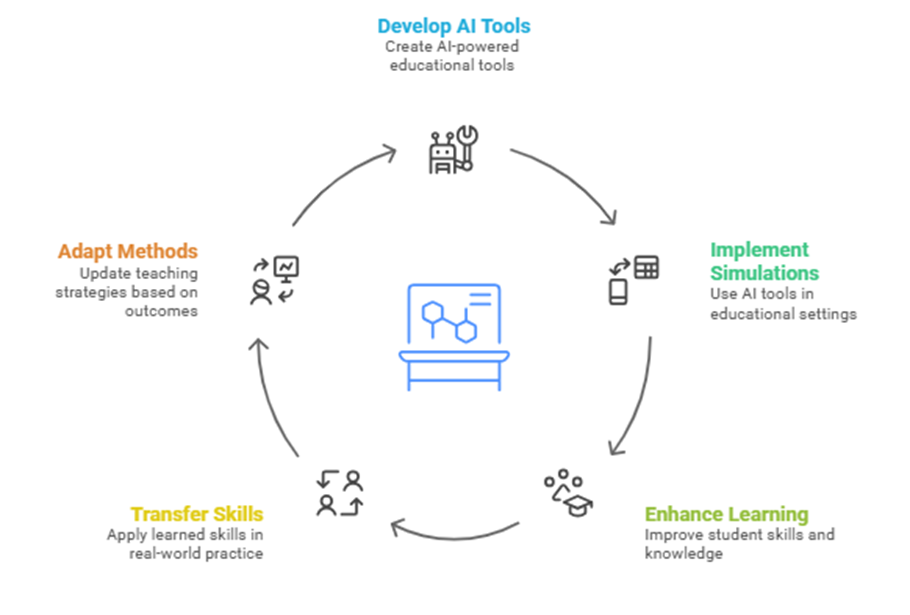
Figure 1: AI-Enhanced Pharmacy Education Cycle
Computer?based simulation (CBS) enables pharmacy students to engage in realistic virtual clinical scenarios, sharpening decision-making through active, evidence-based learning. This systematic narrative review surveyed five major databases, identifying 1,801 studies, of which 43 met full-text analysis criteria. Most were descriptive, assessing outcomes like self-esteem, satisfaction, knowledge, and retention, while a smaller number explored student perspectives and attitudes. The global distribution was broad, with studies primarily from the United States, Australia, and the United Kingdom. The review evaluated eight major CBS tools—including EHR?Go, MyDispense, SimPharm, and others—using eight dimensions: feedback type, grading, user mode (individual vs. team), cost, hardware requirements, practice setting (community or hospital), scenario sharing, and interface design. Feedback was typically immediate or delayed; most tools supported individual and team-based learning. While standard hardware sufficed for most simulators, high-end systems (like Pharmacy Simulator) benefited from more powerful equipment. Notably, MyDispense and Pharmacy Simulator allow open scenario sharing, while others rely on developer-provided or prebuilt scenarios. Tools such as Pharmacy Game require teamwork and integration with external apps for grading. Overall, CBS offers notable flexibility and effectiveness in pharmacy education—but educators should align tool features carefully with curricular goals and institutional needs.
The research highlights how pharmacy education has fallen behind more general developments by following the slow development in instructional technology in the field, from chalkboards to slideshows. However, in order to close the gap, educators are investigating immersive technologies like virtual reality (VR), as the ACPE places a strong emphasis on compassion for patients and problem-solving abilities. The review is based on a thorough literature search that was conducted using search phrases such as "virtual reality," "augmented reality," "mixed reality," and "pharmacy education" across databases such as PubMed, Scopus, ERIC, Google, and Google Scholar.
Early attempts at virtual learning, which were restricted to standard screens and 2D simulations, showed some degree of success in solidifying lab and didactic notions. Additional educational experiences and greater senses of presence are now possible because to developments in immersive virtual reality (VR), such as headset displays, full-body tracking, and haptic feedback. Students may now visually explore blood arteries, understand molecular pharmacokinetics, and engage with realistic clinical scenarios thanks to VR applications. However, there are certain difficulties with the technology: AR/MR headsets can be uncomfortable for users, are frequently large, have a short battery life, and have a small field of vision.
The review essay emphasizes how virtual education is becoming more and more significant and useful for pharmacy education. Traditional education suffers a number of difficulties, including strict scheduling, expensive expenses, and restricted access to trained teachers. As information technology has advanced, electronic learning, or e-learning, has become a more flexible, affordable, and self-paced option that improves student involvement. E-learning does have several drawbacks, though, such as a lack of immediate feedback, little social connection, and a requirement for strong self-motivation. In order to overcome these drawbacks, blended learning—a mix of in-person and online instruction—has become popular in pharmacy school.
Many research cited in the article demonstrate how incorporating resources like computerized simulators, 3D simulations, virtually patients, as well as virtual mentors into the curriculum greatly enhances pharmacy students' comprehension of pharmacotherapy, their ability to communicate, and their capacity for clinical judgment. Before engaging with actual patients, trainees can practice and gain confidence in realistic, low-risk environments created by these virtual technologies. By offering interactive, real-world settings, programs such as Web 2.0 platforms and Medications Therapy Management (MTM) significantly improve learning. The article's overall conclusion is that virtual education is essential for enhancing pharmacy education as well as preparing students towards professional practice, even though it cannot completely replace conventional teaching techniques.
During the COVID-19 pandemic, Griffith University's Pharmacy Game (PharmG), which was created as part of an international partnership headed at the College of Groningen, was successfully virtualized as well as made into a hybrid model. PharmG, which began to serve as an immersive, by-person simulation in which student teams controlled their own pharmacies, was converted to a hybrid model in 2021 and a fully virtual version in 2020. The simulation continued to accomplish important learning objectives like improved communication, teamwork, confidence, and competence by utilizing Microsoft Teams as the main platform and Microsoft Forms, Microsoft Stream, Power Apps, Power Virtual Agents, and Big Interview. The design-based, iterative process of virtualization was guided by student input and scholarly thought. The virtual as well as hybrid simulations, in spite of early difficulties and a significant workload, promoted collaboration, digital fluency, and the development of a professional identity while giving staff member’s comprehensive data on student performance and engagement.
Despite lockdowns and other limitations, the virtual as well as hybrid simulations allowed for the continuous delivery of essential experience learning. While some students complained about isolation and platform switching, most students had favorable experiences, especially with regard to teamwork and the development of practical communication and problem-solving abilities. The effective utilization of Microsoft's ecosystem demonstrated how future versions may be combined onto the same Power App platform to improve data tracking, simplify administration, and expedite delivery. All things considered, PharmG's metamorphosis serves as an example of how technology can adapt pharmacy education and provides a useful model for remote as well as hybrid professional training throughout disruptive times.
With an emphasis on the game Mimycx, the essay explores the use of computer games as a contemporary instructional tool in pharmacy education. Students in this study solved health-related quests like Poor Sounds (a polluted groundwater scenario) with Household Visit (substance abuse case) in groups using avatars. The objective was to determine whether, in contrast to conventional classroom instruction, these games could enhance engagement, communication, and teamwork. The interactive, problem-solving method made studying more interesting for the students, who also became more accustomed to gaming principles.But not every result was favorable. After the second game, many students lost interest because of technological difficulties like freezes, login problems, and errors. Notwithstanding these annoyances, the study revealed that online activities have a great potential to improve pharmacy education by making it more engaging, interactive, and successful in developing practical skills. They could significantly contribute to improving active learning and cooperation in pharmacy courses with better and more dependable technology.
This review examined the use of computer-based simulations (CBS) and virtual patients (VPs) in pharmacy education. While real-life practice is scarce, as throughout pandemics or when uncommon cases are difficult to locate, these tools enable trainees to get experience actual relevant scenarios of patients on a computer. Nineteen studies from various nations that focused on learners in pharmacy from their first year until pre-registration were included in the study.The results demonstrated that pupil understanding, rational thinking, and communication abilities were enhanced by VPs and CBS. Additionally, when using these resources to learn, students expressed feeling more assured, involved, and content. Exam results were even better in several trials when compared to traditional instruction. All things considered, VPs and CBS provide pharmacy students with a secure and engaging means of applying what they have learned in the classroom to actual situations, improving their readiness for patient care.
A thorough examination of the way machine learning and AI are changing the pharmaceutical sector can be found in the review paper entitled "Artificial Intelligence for Pharmacy Research and Drug Delivery Design." By identifying illness targets, forecasting medication–target interactions, and screening possible compounds, it emphasizes AI's involvement in drug discovery and speeds up approvals while lowering research expenses. AI technologies can reduce the need for animal testing by improving pharmacokinetic and toxicity predictions. Additionally, by evaluating patient-specific data, AI helps personalized medicine by enhancing treatment outcomes and adherence.The paper highlights the use of AI in pharmacokinetics/pharmacodynamics (PK/PD) modeling, process optimization, dosage form design, and drug formulation in addition to discovery. The development of sophisticated delivery systems including small particles, tiny needles and long-acting injectables is supported by machine learning, which helps anticipate the solubility of medicines, stability, and release characteristics. AI improves quality control, continuous production, and regulatory compliance in manufacturing, resulting in safer and more affordable pharmaceutical products. Furthermore, substantial clinical and animal research are no longer necessary thanks to powered by artificial intelligence mathematical models including physiological based pharmacokinetic (PBPK) simulations. According to the authors, AI will propel the transition beyond Pharmacy 4.0 to Pharma 5.0, allowing for wearable real-time monitoring, patient-specific medication, and more effective clinical trial designs. To fully integrate it, though, obstacles like data quality, moral dilemmas, and legal frameworks need to be resolved. All things considered, the paper emphasizes how AI not only boosts productivity and creativity in pharmaceutical research and development but also has revolutionary potential to promote patient-centered healthcare delivery.
How computer molecular simulation and artificially intelligent (AI) can enhance the discovery of drugs and pharmaceutical education is examined in the article "Application along with Training of Computerized Protein Simulation, Embedded Techniques and Artificial intelligence (AI) in Medicine Research and Development." It highlights the main obstacles to creating anti-inflammatory tumor medications, such as recurring research, shoddy clinical trial procedures, and legal obstacles associated with emerging biotechnologies. While AI facilitates massive analysis of data, target projection, and decision support, researchers can use molecular simulations for modeling medication–target relationship relationships, determine active sites, and conduct virtual screens. As seen by the creation of medications like a drug called methotrexate, also known as docetaxel, and imatinib mesylate, these techniques collectively greatly increase the effectiveness and safety of drug discovery as compared to conventional procedures.The essay highlights how these technologies can be used to train and educate future researchers in addition to furthering research. Intelligent robots, training programs, and AI-powered virtual learning platforms enable students to participate more actively in drug development, develop their technical and clinical skills, and strengthen their problem-solving ability. Personalized learning is also supported by teaching systems that use AI and molecular modeling, which enables educators to modify their methods to meet the demands of their pupils. Overall, the study finds that combining AI with computer molecular simulation boosts student interest, aptitude, and creativity in pharmaceutical education while also speeding up drug discovery and enhancing safety.
The research explored the impact of MyDispense on the education of pharmacy students. Employing a Questionnaires finished prior to and following the intervention indicated that 81 students demonstrated considerable advancements in contentment, assurance, clinical expertise, and decision-making. It seems that the text you intended to provide is incomplete. Please provide the full text you would like me to paraphrase.findings show that MyDispense improves clinical understanding, medication oversight, and skills in making decisions.The COVID-19 pandemic required significant social changes, especially the implementation of maintaining distance to minimize virus spread. Though successful in curbing transmission, these actions adversely affected areas such as education and healthcare. Consequently there has been a growing dependence on simulations and artificial intelligence to uphold productivity in the lack of conventional social interactions.The Turkish edition of MyDispense was created through a partnership involving Alt?nba?.and Monash University, originally introduced at Alt?nba? University in the Fall of 2020 ascomponent of an advanced pharmaceutical clinical course. A quasi-experimental, exploratory study was administered through pre- and post-intervention surveys, including 23 MyDispenseworkouts. Students examined patient cases, assessed prescriptions, and submitted.professional choices regarding the distribution of medications, encompassing reasons andoptions if needed. Exercises were finished on the MyDispense platform, which alsooffered input and monitored student achievement and development via administrative accounts. Differences in all four dimensions of the questionnaire between pre and post-test were statistically meaningful (p<0.05)
As pharmacy evolves, education must adapt—AI-powered clinical simulation labs are emerging as transformative tools in training future pharmacists. These labs enhance traditional simulations by offering realistic patient interactions, adaptive feedback, and personalized learning. This paper explores their design, educational benefits, case studies, and implementation strategies, advocating for their broader adoption to meet accreditation standards and prepare students for modern, patient-centered practice. AI-powered clinical simulation labs are transforming pharmacy education by offering immersive, realistic, and adaptive learning environments. Key components include AI-driven virtual patients, decision support algorithms, dynamic case branching, data analytics dashboards, EHR simulators, and AI-enhanced debriefing tools. These elements help students build critical skills in clinical decision-making, communication, interprofessional collaboration, patient safety, and time management.
Case studies from the University of North Carolina and the University of Toronto show that students using AI-based simulations demonstrate improved confidence, clinical reasoning, OSCE performance, and preparedness for real-world rotations.
To implement these labs, institutions must conduct needs assessments, train faculty, select customizable platforms, integrate simulations into curricula, orient students, and continuously refine the approach using data. However, challenges such as high costs, faculty resistance, algorithm bias, ethical concerns, and overdependence on technology must be addressed.
Looking ahead, advancements like natural language processing, emotion recognition, AR/VR integration, and adaptive learning will further enhance simulation capabilities. Ultimately, AI-powered simulation labs offer scalable, safe, and effective training environments that prepare pharmacy students for patient-centered, data-driven practice.
METHODOLOGY
Several internet databases, including Google, PubMed, Scopus, and Google Scholar, were used to conduct a thorough and methodical search of the literature for this study [35, 36]. To guarantee thorough coverage of pertinent studies, a variety of keywords, including "virtual simulation," "pharmacy education," "clinical pharmacy," "computer-based simulation," "virtual patients," "MyDispense," "PharmG," "artificial intelligence," and "drug delivery design," were used separately and in different Boolean combinations [36, 37]. The search technique was created to catch both current and fundamental developments in AI-enabled teaching aids and virtual simulation technology [38, 39]. Peer-reviewed original research papers, systematic reviews, narrative reviews, and educational evaluations pertinent to pharmacy education were the main emphasis, and only English-language publications were taken into account [36, 40].
In order to determine their applicability to the review's goals, the identified papers were first reviewed using their titles and abstracts [36]. The eligibility of full-text articles was then assessed, with a focus on studies that investigated the effects of artificial intelligence and virtual simulations on learning outcomes like clinical reasoning, prescription accuracy, communication skills, medication management, and student confidence [37, 41]. Studies assessing well-known simulation platforms like MyDispense and PharmG, as well as AI-based clinical laboratories and drug delivery design tools that assist personalized medicine teaching, received particular attention [37, 42]. In order to assess these technologies' scalability, adaptability, and efficacy in virtual and hybrid learning settings, literature discussing their involvement during the COVID-19 epidemic was also included[4,43].
The study design, kind of simulation or AI tool employed, educational setting, learner demographic, and reported outcomes were the main topics of data extraction [36, 44]. The gathered data was analyzed using a qualitative narrative synthesis technique, which made it possible to compare various simulation modalities, such as virtual, physical, and hybrid models [35, 44]. Critical analysis was also done on identified issues such high implementation costs, technology constraints, faculty training needs, and decreased face-to-face interaction. The dependability of the results was strengthened by taking into account the methodological quality and educational relevance of the chosen research [37, 40]. All things considered, this method allowed for a thorough evaluation of the available data and new developments, assisting in the identification of gaps and potential future paths for incorporating artificial intelligence and virtual simulation into pharmacy education [38, 41].

FIGURE 2: Challenges in Integrating AI and Virtual Simulation in Pharmacy Education
The results in this case show how valuable virtual simulations (including computer-based modules, virtual patients, and AI-based systems) are for enhancing pharmacy education. To a certain extent, software like MyDispense, PharmG, and EHR-based simulators enables learners to engage in repetitive prescription assessment in a controlled environment to hone their clinical disposition and prescription-related communication skills. Studies demonstrate that simulations improve confidence, decision-making, error detection, and counselling skills. Also, many studies quantitatively determine statistically significant levels of competence and satisfaction, along with the studies that make the claim that simulations enhance confidence.
The outcomes of the artificial intelligence (AI) have been augmented by the offering of tailored corrective feedback, feedback on scenario-based learning, and scenario-based learning. AI platforms certainly enhance the pace of learning and in the process, the prescription of tailored medicine and managed education, clinical, training, and practice integration. These tools were very useful during the COVID-19 pandemic when blended and fully remote models provided seamless learning in practice and fostered digital skills and professional identity. The challenges of expensive technology, faculty opposition, insufficient training in simulation pedagogy, and evaluation of the algorithms.
Notwithstanding these drawbacks, the majority of the data points to virtual simulations as a useful addition to conventional education and clinical rotations. The most sustainable strategy is the hybrid model, which combines digital platforms with practical experience to guarantee that students acquire the hard and soft skills required for patient-centered care. Realizing the full potential of simulation-based pharmacy education will need careful alignment with curriculum objectives, faculty development, and the incorporation of AI-driven analytics.
The evidence indicates that hybrid models of integrating simulation and real-world practice are optimally effective. Such models merge the technical gains from CBS and AI with social and emotional learning that comes from real life contact with patients. Also, because simulation supports interprofessional education, pharmacy students are able to practice with medical, nursing and other allied students in team care. This fosters understanding of their respective professions, enhances communication, and strengthens cooperative approaches to problem solving.
As for the future, the effectiveness of virtual simulations will continue to depend on alignment with planning goals, the uniformity of assessment frameworks, and ongoing funding. Research in the future ought to consider the longitudinal effects on practice, the cost-effectiveness, and the capacity of AI to evaluate students and identify unique custom gaps in performance based on outcome driven data.
The results of this study, rather, reinforce that virtual simulation is a core component of modern pharmacy education and practice. Supporting that argument, the results show that designing virtual simulations with safety, flexibility, and technological advancement allows students to gain the clinical, technical, and interpersonal skills desired in a patient-centered, technology-based healthcare system
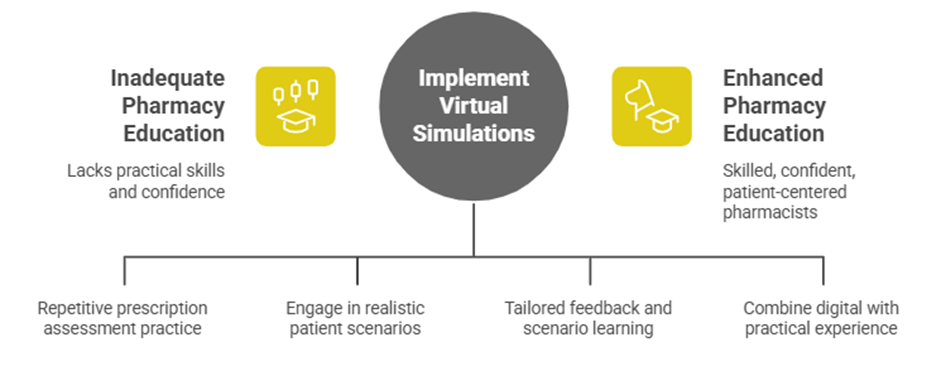
FIGURE 3: Enhancing Pharmacy Education with Virtual Simulations
CONCLUSION
The upcoming future of pharmacy education technology such as virtual patients and computer programs with integrated AI will be handsomely complemented by virtual simulations. They encourage clinically relevant technique practice in judgement, decision-making, communication, and practice professionalism in an increasing confident scenario ‘emotionally safe’ virtual space by reinforcing skills in safe, repeatable, and enjoyable virtual environments. II-Enhanced personalized education with AI could be adaptive feedback technology, scenario generation, and predictive modelling innovations bridging untethered outcomes and personalized for medicine and drug delivery design education outcomes.
Virtual simulations, while still costly for institutions, as well as difficult to create and implement for instructors, contain the potential to revolutionize the education technology for pharmacy practice. Investment in any technology is always slower than the underlying developments, and they will be needed to keep pace with the untethered change in the practice. Alongside the actual practice of the pharmacy, these will ensure the balance of still scarce and needed relational skills.
The learners should be given practice and mentored in these centres in order to replenish the pharmacy practice instruments with the needed technology and advanced competencies. In tandem, pharmacy and practice educators should be able to integrate the entire spectrum of technology into their curricula including pedagogically framed virtual technology to enable students, rather than simulate these learners, to invent their own future. Virtual simulation is a potent envision blueprint technology devoid any of physics restraints.
REFERENCES







Manali Bavadekar, Balaji Jadhav, Yash Kulkarni, Vaishanavi Kolekar, Vaishnavi Bagal, Vedika Shinde, Aditya Deshmane, Integrative Virtual Simulation and Artificial Intelligence Frameworks for Transformative Pharmacy Education and Precision Therapeutics, Int. J. of Pharm. Sci., 2026, Vol 4, Issue 2, 4310-4323. https://doi.org/10.5281/zenodo.18790572
 10.5281/zenodo.18790572