

We use cookies to ensure our website works properly and to personalise your experience. Cookies policy
IVM’s Krishnarao Bhegade Institute of Pharmaceutical Education and Research, Talegaon Dabhade, Pune, Maharashtra, India
Dalbergia sissoo (Shisam) is a widely recognized medicinal plant valued for its pharmacological and ethnomedicinal importance. This review compiles and analyzes available literature on its morphology, taxonomy, chemical composition, and therapeutic potential. The plant contains diverse bioactive compounds including flavonoids, phenolics, isoflavones, tannins, terpenoids, and glycosides, predominantly present in leaves, bark, and roots. Numerous studies report its significant anti-inflammatory, antioxidant, analgesic, antipyretic, and osteoprotective activities, attributing these effects to specific phytoconstituents such as caviunin isoflavonoids and dalbergin. Hydroalcoholic and methanolic extracts have been found to be particularly effective in isolating these bioactive compounds. The review highlights the therapeutic relevance of D. sissoo and its potential as a natural source for pharmacological applications and formulation development, thereby providing a scientific basis for future research and utilization in traditional and modern medicine.
Herbal medicine is the use of plants or plant parts like leaves, roots or flowers to treat illness and improve health, a practice found in almost every culture around the world. These medicines are made from phytoconstituents in plants and have been used for thousands of years, often focusing on overall well-being rather than just curing specific diseases.
Archeological and historical evidence shows that humans have used herbs for healing for at least 60,000 years, with written records from civilization like India, Egypt, China, Greece, and Sumer documenting the use of hundreds of medicinal plants. These systems, such as Ayurveda and Traditional Chinese Medicines, emphasize a holistic approach, focusing on restoring balance to the body and mind. Herbal Medicine remains widely used today, especially in Asia and Africa, and has contributed significantly to modern pharmacology, with many current drugs originating from plant sources.[1]
Dalbergia sissoo which is commonly known as Shisam and India rosewood is a medium to large deciduous tree that is indigenous to the Indian subcontinent and is found in Afghanistan, Assam, parts of Iran, and Southest Asia. It is valued not only for its important role in traditional medicine, where different components of the plant such as bark, leaves and wood are used to cure a variety of illness, including blood disorders, inflammation, skin conditions, and digestive issues.
The genus Dalbergia sissoo includes around 300 species, with 25 found in India. Many are valued for their high quality, aromatic timber, especially the rosewoods known for their fragrance and durability. The name Dalbergia honors the Swedish brothers Nils and Carl Dalberg. Dalbergia sissoo, native to India and the state tree of Punjab, is valued for its medicinal properties and cultural uses. It thrives in diverse soils and climates, tolerating temperatures from near freezing to 50℃ and rainfall from 500 to 2000 mm annually.
The tree grows best in well-drained soils, including sandy and saline types, but its seedlings do not tolerate shade. [2-4]
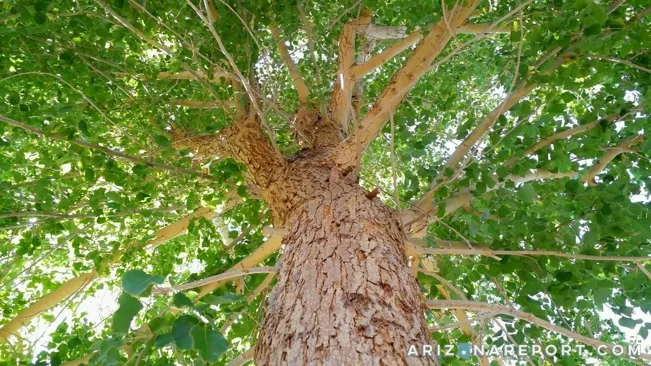
Fig. 1 Tree of Dalbergia sissoo
Taxonomical classification provides a systematic way to identify and categorize Dalbergia sissoo within the plant kingdom, highlighting its scientific placement and relationship and relationship to other species.
Table 1: Taxonomical classification of Dalbergia sissoo
|
Kingdom |
Plantae |
|
Division |
Magnoliophyta |
|
Class |
Magnoliopsida |
|
Order |
Fabales |
|
Family |
Fabaceae |
|
Sub Family |
Faboideae |
|
Genus |
Dalbergia |
|
Species |
D. sissoo |
|
Scientific Name |
Dalbergia sissoo |
Several scientific synonyms have been used for Dalbergia sissoo in literature.
Dalbergia sissoo is known by several common names in different languages and regions, reflecting its widespread use and cultural significance.
|
Language |
Names |
|
Sanskrit |
Shinshapa, aguru |
|
English |
Indian Rosewood, Bombay Blackwood, Indian teakwood, Indian Dalbergia, North Indian rosewood |
|
Hindi |
Shisham, sissu, sissai, sisam |
|
Bengali |
Shishu |
|
Kannada |
Beeti, shista baage, agaru, bindi |
|
Tamil |
Sissoo, gette |
|
French |
Arbre de shisham, ébénier jaune, ebénier juane, palissandre d'Asie, |
|
Spanish |
Sisu |
|
Chinese |
yìn dù huáng tán |
Dalbergia sissoo is a medium to large tree of about 25 meters high with grey yellow trunk, 2-3 meters in diameter.
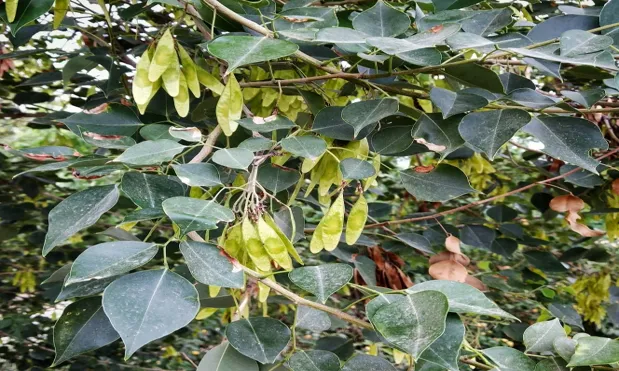
Fig. 2 Leaves of Dalbergia sissoo
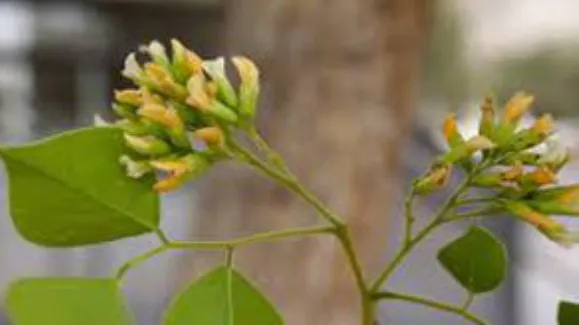
Fig. 3 Flowers of Dalbergia sissoo
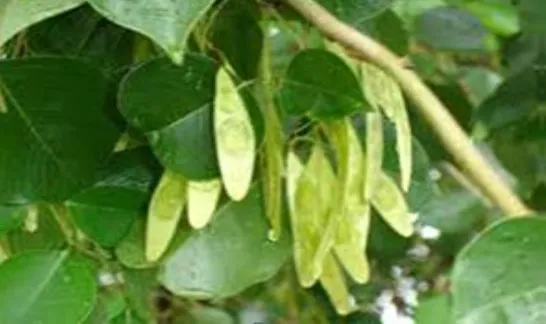
Fig. 4 Pods of Dalbergia sissoo
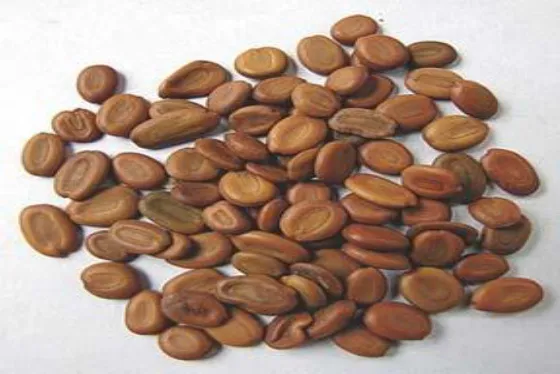
Fig. 5 Seeds of Dalbergia sisso
Dalbergia sissoo is found mainly in the sub-Himalayan regions of South Asia, but it has also been introduced and neutralized in many tropical and subtropical areas around the globe.
Dalbergia sissoo contains various chemical constituents including flavonoids, isoflavones, alkaloids, tannins, saponins, sterols, and polysaccharide, which contribute to its medicinal properties and biological activities.
Leaves: isoflavone-O-glycoside.
Flowers: Biochenin A, tectorigenin, 7,4-dimethyl tectorigenin and 7-O- methyl tectorigenin.
Green Pods: Mesoinisitol, 7-O-methyle tectorigenin and 4’-rhamnoglucoside.
Mature Pods: isocaviumin, tectorigenin, dalbergin and dalbergichromene.
Stem bark: Dalberginone, dalbergin, methyl dalbergin and dalbergichromene.
Heartwood: Dalbergin, nordalberginones, dalbergichromene, fixed oil and essential oils
Leaves: The leaves of the plant are traditionally utilized by rural communities in Nepal and India to manage non-specific diarrhea in animals. In ayurveda, the leaf juice is recommended for treating disorders of the eyes and nose. Conventionally, the same juice is also administered to relieve scabies, syphilis, body burning sensations, scalding urine, and various digestive ailments. A leaf decoction serve as a remedy for gonorrhoea, whereas leaf extracts are employed in the treatment of sore throat, dysentery, syphilis, gonorrhea and certain heart conditions. Fresh leaf juice is used in the management of Menorrhagia. Moreover, the leaves have been reported to exhibit analgesic, antioxidant, antidiabetic, antipyretic, and anticancer activities.
Bark: The bark of Dalbergia sissoo has been traditionally employed as an aphrodisiac, expectorant, aperitif, anthelmintic and antipyretic agent. It is also used in managing various ailments, including anal disorders, dysentery, dyspepsia, leukoderma, and other skin diseases. Additionally, the bark is believed to be beneficial in Vata-related conditions such as sciatica and hemiplegia and is used in the treatment of bone disorders like oteoporesis.
Seed: The oil extracted from the seeds of Dalbergia sissoo has been traditionally recognized for its therapeutic benefits in treating various skin ailments. It is found to be effective in alleviating burning sensations on the skin, blue itching, and scabies. In addition, the seed oil is believed to possess soothing, antimicrobial, and healing properties, which contribute to its use in managing inflammatory and infectious skin conditions.
Wood: The wood of Dalbergia sissoo has traditionally been valued for its anthelmintic and antileprotic properties. The aerial parts of the plant exhibits spasmolytic, aphrodisiac, and expectorant activities, supporting its broad medicinal significance in traditional systems. Various parts of the plant are employed in the treatment of multiple ailments such as blood disorders, burning sensations, skin eruptions like boils and scabies, vomiting, scalding urine, stomach complaints, syphilis, and infections of the eyes and nose. Both the bark and wood are known to aid in managing dyspepsia and dysentery, while the heartwood is specifically utilized for the treatment of herpes, vitiligo, and fever.
Roots: Roots of Dalbergia sissoo are traditionally utilized for the treatment of dysentery and diarrhoea. They are believed to help regulated intestinal functions, reduce inflammation, and restore normal bowel movements.
Whole Plant: Traditionally, the whole plant of Dalbergia sissoo has been employed in unani medicine for the treatment of various skin ailments and gonorrhoea. Its therapeutic use in such preparations is attributed to the plant’s antimicrobial, anti-inflammatory, and healing properties, which help in managing infections and promoting skin health.
Dalbergia sissoo is widely recognized in traditional medicine for its significant role in treating menorrhagia, primarily due to its hemostatic properties found in leaf juice and decoctions. The leaf extract is traditionally used to control excessive menstrual bleeding. The plant’s pharmacological activities, including anti-inflammatory and analgesic effects, further support its efficacy in managing bleeding disorders and associated pain, making it a valuable herbal remedy for menorrhagia in Ayurvedic and folk practices. [15]
Alcohol extracts of Dalbergia sissoo leaves exhibited dose-dependent analgesic activity in mice, likely due to flavonoids inhibiting prostaglandin synthesis. The bark extract showed strong peripheral (non-narcotic) analgesic effects, with 1000 mg/kg significantly prolonging pain response latency, while lower doses (300 and 500 mg/kg) had minimal effect. [16-17]
Dalbergia sissoo extracts (leaf, bark, and root) exhibit significant anti-inflammatory activity in various in vivo and in vitro models, primarily via inhibition of prostaglandin synthesis, membrane stabilization, and modulation of inflammatory mediators. Key compounds, including caviunin isoflavonoids and nordalbergin, show potential for managing rheumatoid arthritis, osteoarthritis, and sepsis, demonstrating both anti-inflammatory and antioxidant effects without notable gastric toxicity. [18-24]
Dalbergia sissoo leaves, bark, and root extracts exhibit strong antioxidant activity across various in vitro assays (DPPH, ferric reducing power, ferrous chelation, hydrogen peroxide scavenging), largely due to flavonoids, polyphenols, and phenolic compounds. Aqueous and methanolic extracts, particularly from stem bark and roots, show superior activity, with water-soluble leaf polysaccharides and D. sissoo-mediated cerium oxide nanorods demonstrating notable radical scavenging and immunomodulatory effects. [25-34]
Ethanolic extracts of D. sissoo leaves, seeds, and stem bark show notable analgesic and antipyretic activities in both peripheral and central models. Leaf extracts produced moderate analgesia and significant antipyrexia, while seed extracts acted through flavonoid-mediated prostaglandin inhibition. Stem bark extract at 1000 mg/kg demonstrated the strongest analgesic response, exceeding lower doses and even aspirin. [35-37]
Dalbergia sissoo demonstrates strong osteoprotective potential across preclinical and clinical studies. Ethanolic leaf and heartwood extracts enhance osteoblast activity, callus formation, mineralization, and fracture healing—often outperforming standard treatments like 17-β-estradiol. Neoflavonoids such as dalbergin and dalbergiphenol improve bone micro-architecture and strength while reducing bone loss in ovariectomized models without estrogen-like side effects. Butanol fractions from leaves and pods further support new bone formation and anti-resorptive effects. Clinical evidence also confirms that D. sissoo leaf preparations reduce inflammatory markers (TNF-α, ALP) in postmenopausal women, supporting its therapeutic value in osteoporosis. [38-43]
|
Sr. No. |
Product Name |
Ingredient |
Manufacturer |
Uses |
|
1 |
Reunion Tablet |
Dalbergia sissoo extract, Cissus Quadrangularis extract |
Pharmanza herbal |
bone fractures, weak bones, and joint pain, Accelerates the healing of fractures and bone disorders |
|
2 |
Bonefix- Forte tablet
|
Cissus Quadrangularis, Withania Somnifera, Dalbergia sissoo |
Swastik life sciences |
diabetes, high cholesterol, hemorrhoids bone health |
|
3 |
Sheesham churna |
Dalbergia sissoo leaves |
Planet Ayurveda |
Maintains the healthy body weight |
|
4 |
Safi Natural blood purifier
|
Dalbergia sissoo, Sana, Revand Chini, Neem, Chiraita and Tulsi.. etc |
Hamdard Laboratories India |
Purifies blood, Improves digestion, Cures acne, Beautifies skin |
|
5 |
Hemosaf |
Dalbergia sissoo, Cassia angustifolia, Rheum emodi, Cassia sophera, Ocimum sanctum, Operculina turpethum, Rosa damascene etc. |
Drug International Limited |
Acne vulgaris, pimples and boils, skin eruptions, impurities in blood, chronic & temporary constipation, general lassitude, heat rash and itching, epistaxis. |
REFERENCES


Shalaka Katkar, G. K. Brahma, Prajakta Vidhate, Aaryan Satpute, Apurva Kamble, A Multifunctional Medicinal Plant: Morphological, Phytochemical and Pharmacological Profile of Dalbergia sissoo, Int. J. of Pharm. Sci., 2026, Vol 4, Issue 6, 300-308. https://doi.org/10.5281/zenodo.20491510
 10.5281/zenodo.20491510