

We use cookies to ensure our website works properly and to personalise your experience. Cookies policy
1,2 Department of Pharmacy, Shri J J T University, Vidyanagari, Jhunjhunu, Rajasthan, India
3 KVM College of Pharmacy, Kokkothamangalam P O, Cherthala, Kerala, India
Wrightia tinctoria is an important medicinal plant traditionally used for the treatment of psoriasis, inflammation, microbial infections, and various skin disorders. The present study aimed to evaluate the phytochemical composition and antioxidant activity of the ethanolic leaf extract of Wrightia tinctoria using conventional phytochemical screening, TLC, and LC-MS analysis. Fresh leaves of Wrightia tinctoria were collected, authenticated, shade-dried, and extracted using ethanol through Soxhlet extraction. About 500 g of powdered leaf material yielded 68.5 g of crude extract with a percentage yield of 13.7%. Preliminary phytochemical screening was performed using standard qualitative tests. TLC analysis was carried out using silica gel plates, and LC-MS analysis was used for the identification of bioactive compounds. Antioxidant activity was evaluated using the DPPH radical scavenging assay at concentrations ranging from 0.390625–100 µg/mL, with ascorbic acid used as the standard reference. Phytochemical analysis confirmed the presence of alkaloids, proteins, steroids, terpenoids, carbohydrates, tannins, saponins, and phenols, while flavonoids, glycosides, quinones, amino acids, and sugars were absent. TLC analysis showed characteristic Rf values of 0.88–0.90 for alkaloids, 0.89–0.97 for flavonoids and phenols, and 0.90–0.95 for tannins. LC-MS analysis identified major compounds including lupeol (426.73 g/mol), stigmasterol (412.69 g/mol), ?-sitosterol (414.71 g/mol), rutin (610.52 g/mol), indirubin (262.26 g/mol), indigotin (262.26 g/mol), and ursolic acid methyl ester (470.72 g/mol). In the antioxidant assay, the extract exhibited 82% inhibition at 100 µg/mL, whereas ascorbic acid showed 97.22% inhibition. The ethanolic leaf extract of Wrightia tinctoria contains diverse bioactive phytochemicals with significant antioxidant and therapeutic potential. The findings scientifically validate its traditional medicinal applications and support its future use in herbal and pharmaceutical formulations.
Wrightia tinctoria belonging to the family Apocynaceae, is a small deciduous medicinal tree widely distributed in tropical and subtropical regions of India, Sri Lanka, and Southeast Asia (1). The plant has gained remarkable attention in traditional and modern medicine due to its diverse therapeutic properties and rich phytochemical composition (2). In traditional Ayurvedic and Siddha systems of medicine, different parts of the plant, particularly the leaves, bark, seeds, and latex, have been extensively used for the treatment of psoriasis, skin disorders, diarrhea, dysentery, piles, jaundice, toothache, and various inflammatory conditions (3). Among these plant parts, the leaves are considered pharmacologically important because they contain a broad spectrum of bioactive secondary metabolites responsible for multiple biological activities (4). The increasing prevalence of chronic diseases and the growing interest in plant-derived natural products have encouraged researchers to investigate medicinal plants scientifically for their phytochemical constituents and therapeutic potential. In this context, phytochemical analysis serves as a crucial step in identifying the biologically active compounds present in medicinal plants and understanding their medicinal significance. Conventional phytochemical screening methods provide preliminary information regarding the presence or absence of major classes of phytoconstituents such as alkaloids, flavonoids, tannins, saponins, terpenoids, glycosides, steroids, phenols, and carbohydrates (5). These conventional qualitative tests are simple, economical, and useful for establishing the phytochemical profile of medicinal plant extracts. Conventional methods alone are insufficient for precise identification and characterization of complex phytochemicals because medicinal plants contain numerous compounds in varying concentrations. Therefore, advanced analytical techniques are increasingly employed to complement traditional phytochemical screening and to provide detailed molecular information about the chemical constituents present in plant extracts. Among modern analytical techniques, Liquid Chromatography–Mass Spectrometry (LC-MS) has emerged as one of the most powerful and reliable tools for phytochemical analysis due to its high sensitivity, selectivity, and accuracy in detecting and identifying phytocompounds (6). LC-MS combines the separation capability of liquid chromatography with the molecular identification ability of mass spectrometry, enabling the characterization of complex mixtures of natural products even at trace levels. This technique is particularly useful for identifying phenolic compounds, flavonoids, alkaloids, terpenes, and other bioactive metabolites present in medicinal plants (7). The ethanolic extraction method is widely preferred in phytochemical investigations because ethanol effectively dissolves a broad range of polar and moderately non-polar compounds while maintaining the biological activity of the extracted constituents (8). Ethanolic extracts are also considered relatively safe and suitable for pharmacological studies compared to extracts prepared using highly toxic solvents. Several studies have demonstrated that ethanolic extracts of Wrightia tinctoria possess significant pharmacological activities including antioxidant, antimicrobial, anti-inflammatory, antidiabetic, anticancer, hepatoprotective, wound healing, and anti-psoriatic effects (9). These biological activities are mainly attributed to the presence of important phytochemicals such as flavonoids, triterpenoids, phenolic acids, sterols, and alkaloids (10). Despite the medicinal importance of Wrightia tinctoria, comprehensive phytochemical profiling of its leaf ethanolic extract using both conventional and advanced analytical approaches remains limited. Therefore, systematic phytochemical investigation is essential to identify the active compounds responsible for its therapeutic properties and to support its traditional medicinal applications with scientific evidence. Detailed phytochemical analysis of its ethanolic leaf extract can provide valuable insights into its chemical diversity and medicinal potential. Furthermore, understanding the phytochemical profile of the plant may help in correlating specific compounds with biological activities and could pave the way for future pharmacological and clinical studies. Hence, the present study focuses on the conventional phytochemical screening and LC-MS based phytochemical analysis of Wrightia tinctoria leaf ethanolic extract in order to identify the major bioactive constituents present in the plant. The findings of this study may contribute to the growing body of knowledge on medicinal plants and support the therapeutic utilization of Wrightia tinctoria in traditional and modern healthcare systems.
MATERIALS AND METHODS
Wrightia tinctoria collection, Identification
Fresh leaves of Wrightia tinctoria were collected from a healthy, disease-free plant population growing in its natural habitat during the appropriate season to ensure maximum phytochemical content. The collected plant material was thoroughly washed with distilled water to remove adhering dust and impurities, shade-dried at room temperature to preserve thermolabile constituents, and then finely powdered using a mechanical grinder to increase the surface area for efficient extraction. The plant was botanically authenticated by a qualified taxonomist, and a voucher specimen was prepared and deposited in a recognized herbarium for future reference, ensuring the authenticity and reproducibility of the research (11).
Preparation of the Wrightia tinctoria extraction by Soxhlet extraction.
Ethanolic extracts of Wrightia tinctoria were prepared from dried plant material using the Soxhlet extraction technique to obtain concentrated phytochemical fractions suitable for pharmacological investigations. Mature plant samples collected from authenticated regions of Kerala were washed thoroughly and shade-dried at room temperature for about one week to preserve thermolabile bioactive compounds and reduce moisture content. The dried material was powdered using a mechanical grinder and sieved to achieve a uniform particle size before extraction. Approximately 250 g of powdered sample was packed into filter paper thimbles and placed in the Soxhlet apparatus. Extraction was carried out using 95% ethanol under reflux conditions for 6–8 hours, allowing repeated solvent percolation for efficient recovery of ethanol-soluble metabolites such as flavonoids, phenolics, tannins, and terpenoids. The collected extract was filtered and concentrated under reduced pressure using a rotary evaporator at low temperature to prevent degradation of sensitive compounds. The resulting semisolid extract was stored in airtight amber containers at 4°C for further experimental studies.
Calculation of Percentage of yield of Wrightia tinctoria ethanolic extract.
The concentrated ethanolic extracts of Wrightia tinctoria were subjected to lyophilization to obtain a stable, dry powder form. After completion of Soxhlet extraction and removal of ethanol using a rotary evaporator under reduced pressure, the semi-solid extract was frozen at −20°C to −40°C for sufficient time to ensure complete solidification. The frozen samples were then transferred to a lyophilizer, where the material was subjected to freeze-drying under vacuum conditions. During this process, ice crystals formed within the extract sublimed directly from solid to vapor phase without passing through the liquid state, thereby preventing degradation of heat-sensitive phytoconstituents. The lyophilization cycle was continued until all moisture was completely removed, resulting in a dry, porous powder. The dried extracts were carefully collected, weighed to determine final yield, and stored in airtight containers at low temperature to protect them from moisture, oxidation, and light until further pharmacological evaluation. Calculated using the formula Percentage Yield = Actual Yield\Theoretical Yield X 100), this percentage serves as a critical indicator of the efficiency of the extraction procedure (12, 13).
Phytochemical analysis of Wrightia tinctoria ethanolic extract
Preliminary phytochemical evaluation of the ethanolic leaf extract of Wrightia tinctoria was conducted using a series of standard qualitative analytical procedures to identify the major classes of secondary metabolites present in the plant material. The dried ethanolic extract was dissolved appropriately and subjected to various chemical tests designed to detect bioactive constituents such as alkaloids, flavonoids, carbohydrates, glycosides, tannins, phenols, saponins, steroids, terpenoids, amino acids, proteins, quinones, and reducing sugars. Alkaloids were identified through the use of Dragendorff’s and Mayer’s reagents, where the appearance of an orange-red or cream-colored precipitate indicated a positive reaction. Flavonoids were analyzed by the Shinoda method in which magnesium ribbon and concentrated hydrochloric acid produced a pink or scarlet coloration, confirming the presence of flavonoid compounds. Carbohydrates were determined using Molisch’s test, characterized by the formation of a brownish-purple ring at the interface after the addition of sulfuric acid, while reducing sugars were detected by Fehling’s test through the development of a brick-red precipitate upon heating (14, 15). Glycosides were confirmed by the appearance of a yellow to orange coloration after treatment with sodium hydroxide solution. Tannins and phenolic compounds were assessed using ferric chloride and lead acetate tests, producing dark blue, green, or yellow precipitates depending on the type of phenolic constituents present. Saponins were evaluated through the froth formation test, where persistent foam or a honeycomb-like froth indicated a positive result. Steroids and terpenoids were identified by reactions involving chloroform and concentrated sulfuric acid, leading to characteristic red or greyish-yellow color developments. Quinones were detected by the addition of sodium hydroxide solution, which resulted in a blue-green or reddish coloration. Amino acids and proteins were examined using Millon’s reagent and mercuric chloride solution respectively, where white precipitates or yellow coloration indicated positive reactions. Each test was carefully performed under controlled laboratory conditions to ensure reliable observations and accurate interpretation of the results. These conventional phytochemical screening methods provided preliminary evidence regarding the diverse range of bioactive constituents present in the ethanolic extract of the plant, thereby supporting its potential medicinal and pharmacological significance. The identification of these secondary metabolites suggests that the extract may possess various biological properties, including antioxidant, antimicrobial, anti-inflammatory, and therapeutic activities. Such phytochemical investigations serve as an essential initial step in understanding the chemical composition of medicinal plants and provide a scientific basis for further advanced analytical studies such as liquid chromatography–mass spectrometry (LC–MS) for detailed compound characterization and isolation.
Thin layer chromatography separation
Thin layer chromatography (TLC) was carried out using pre-coated silica gel 60 F254 aluminum plates measuring 7.5 cm × 10 cm (Merck, Germany). The ethanolic extract of Wrightia tinctoria was reconstituted in an appropriate solvent to obtain a final concentration of 100 mg/mL for chromatographic evaluation. Using a fine capillary tube, 10 µL of the prepared extract solution was carefully applied as discrete spots on the TLC plate. Each spot was placed approximately 1 cm above the lower edge of the plate and 1.5 cm from the lateral margin, maintaining uniformity throughout the experiment. Four spots were applied per plate, ensuring a distance of about 1.5 cm between adjacent applications to avoid overlapping during development. All application conditions were kept constant to ensure reproducibility. The prepared plates were introduced into a glass developing chamber previously saturated with the selected mobile phase solvent system. The chromatograms were allowed to develop up to a distance of 80 mm from the point of application. After development, the plates were removed from the chamber and dried on a hot plate to evaporate residual solvent. The separated spots obtained under different solvent systems were then observed and documented for further analysis.
Phytochemical examination of the ethanolic extract of Wrightia tinctoria using LC-MS.
Wrightia tinctoria is widely known in traditional medicine for its therapeutic potential, which is mainly associated with its diverse phytochemical composition. To characterize the bioactive constituents, present in the ethanolic leaf extract, liquid chromatography–mass spectrometry (LC–MS) analysis was carried out using a Waters SQD2 LC–MS system coupled with a quadrupole time-of-flight mass spectrometer and electrospray ionization source. Prior to analysis, the dried extract was dissolved in HPLC-grade methanol, sonicated for complete solubilization, and filtered through a 0.22 μm membrane filter before injection into the instrument. Chromatographic separation was initially performed using a Phenomenex C8 column with methanol containing formic acid as the mobile phase under controlled flow conditions. Additional metabolite profiling was conducted using an XBridge C18 column with a gradient mobile phase composed of formic acid in water and acetonitrile, allowing improved separation of compounds with different polarities. Mass spectra were recorded in full-scan mode over a wide m/z range in both positive and negative ionization modes to detect a broad spectrum of phytochemicals. Simultaneous UV monitoring at 270 nm using a diode array detector further supported compound detection, particularly for phenolic and aromatic metabolites. Identification of compounds was achieved by evaluating retention times, mass fragmentation patterns, and spectral characteristics in comparison with reference databases and published reports. The combined analytical approach enabled detailed metabolite profiling and generated a reliable chemical fingerprint of the leaf extract, supporting further studies on the pharmacological and therapeutic relevance of the identified compounds.
Antioxidant activity of ethanolic extract of Wrightia tinctoria
The antioxidant activity of EEWT was determined using the DPPH assay with Ascorbic acid as the reference standard. A 0.1 mM DPPH solution was prepared in methanol, and varying concentrations (0.390625, 0.78125, 1.5625, 3.125, 6.25, 12.5, 25, 50, and 100 µg/mL) of EEWT and ascorbic acid were prepared by serial dilution. For the assay, 1 mL of each sample concentration was mixed with 1 mL of DPPH solution and incubated in the dark at room temperature for 30 minutes. The absorbance was then measured at 517 nm using a UV–Visible spectrophotometer, with methanol and DPPH serving as the control. The percentage inhibition of DPPH radicals was calculated using the formula: % inhibition = [(A_control − A_sample)/A_control] × 100 (16).
RESULTS AND DISCUSSION
Wrightia tinctoria collection, Identification and extraction
The leaves of Wrightia tinctoria were systematically collected, authenticated, and processed to obtain a suitable extract for further formulation studies. Fresh and disease-free leaves were obtained from a verified natural habitat and botanically confirmed by an expert to ensure the authenticity of the plant species. The collected material was washed thoroughly, shade-dried to retain sensitive bioactive compounds, and pulverized into fine powder for improved extraction efficiency. Ethanolic extraction was performed using a Soxhlet apparatus, resulting in the formation of a concentrated dark green extract rich in phytochemical constituents. Ethanol was selected as the extraction solvent due to its ability to dissolve a wide range of polar and semi-polar compounds effectively. The extraction procedure yielded a uniform and stable crude extract without visible impurities after filtration and solvent evaporation. The overall methodology adopted for collection, authentication, and extraction proved efficient and reproducible, producing high-quality Wrightia tinctoria leaf extract appropriate for phytochemical evaluation.
Calculation of Percentage of yield of Wrightia tinctoria ethanolic extract.
500 g of dried and finely powdered leaf material was extracted using ethanol in a Soxhlet apparatus. Following extraction and removal of the solvent, 68.5 g of thick crude extract was obtained. The calculated yield of the ethanolic extract was 13.7%, demonstrating that ethanol was an effective solvent for isolating a considerable amount of phytochemical constituents from the leaves of Wrightia tinctoria.
Phytochemical analysis of Wrightia tinctoria ethanolic extract
Preliminary phytochemical screening of the ethanolic leaf extract of Wrightia tinctoria revealed the presence of several important bioactive constituents that may contribute to its medicinal properties. The extract showed positive results for alkaloids in Dragendorff’s test, indicating the occurrence of nitrogen-containing compounds with potential pharmacological activity. Proteins were also detected through the mercuric chloride test, while steroids and terpenoids were found to be present, suggesting possible anti-inflammatory and therapeutic potential. The Molisch test confirmed the presence of carbohydrates, and tannins were identified by the lead acetate test, indicating the existence of phenolic compounds with antioxidant properties. In addition, the extract tested positive for saponins and phenols, which are known for their antimicrobial and free radical scavenging activities. On the other hand, flavonoids were absent in the magnesium test, and negative results were also observed for sugars, quinones, amino acids, glycosides, and tannins in the ferric chloride test. The overall phytochemical profile demonstrated that the ethanolic extract of Wrightia tinctoria leaves contains several biologically active metabolites that may be responsible for its traditional medicinal applications and therapeutic significance.
Table 1: Preliminary phytochemical screening of the ethanolic leaf extract of Wrightia tinctoria.
|
Sr.no |
Test |
Presence |
|
1. |
Alkaloids - Dragendroff’s test |
+ |
|
2. |
Flavonoids - Magnesium test |
- |
|
3. |
Sugar |
- |
|
4. |
Protein 1- Mercuric chloride test |
+ |
|
5. |
Steroids |
+ |
|
6. |
Quinones |
- |
|
7. |
Terpenoids |
+ |
|
8. |
Carbohydrates- Molish test |
+ |
|
9. |
Tannin 1- Lead acetate test |
+ |
|
10. |
Tannin 2- Ferric chloride test |
- |
|
11. |
Amino acid - Millon’s test |
- |
|
12. |
Saponins |
+ |
|
13. |
Phenols |
+ |
|
14. |
Glycoside - Sodium hydroxide test |
- |
Thin layer chromatography separation
Thin Layer Chromatography (TLC) analysis of the ethanolic leaf extract of Wrightia tinctoria confirmed the presence of several important phytochemical constituents based on their retention factor (Rf) values and specific detecting reagents. Alkaloids were identified with Rf values of 0.90 and 0.88 after spraying with Mayer’s reagent, indicating the occurrence of alkaloidal compounds in the extract. Flavonoids exhibited Rf values of 0.89 and 0.97 when treated with 10% ferric chloride reagent, suggesting the presence of flavonoid derivatives. Tannins were also detected using 10% ferric chloride spray, producing Rf values of 0.90 and 0.95, which confirmed the existence of tannin compounds in the extract. Similarly, phenolic compounds showed characteristic Rf values of 0.89 and 0.97 upon reaction with ferric chloride reagent, indicating the abundance of phenolic constituents. The TLC profile demonstrated clear separation and identification of major phytochemicals present in the ethanolic extract of Wrightia tinctoria leaves. These findings support the results of preliminary phytochemical screening and indicate that the plant possesses diverse bioactive compounds with potential medicinal and therapeutic importance.
Table 2: TLC analysis in the ethanolic extract of Wrightia tinctoria
|
Sr. No |
Constituents |
Retention factor |
Retention agents |
|
1. |
Alkaloids |
0.9 0.88 |
Mayers spray |
|
2. |
Flavonoids |
0.89 0.97 |
10% Ferric chloride |
|
3. |
Tannin |
0.9 0.95 |
10% Ferric chloride |
|
4. |
Phenols |
0.89 0.97 |
10% Ferric chloride |
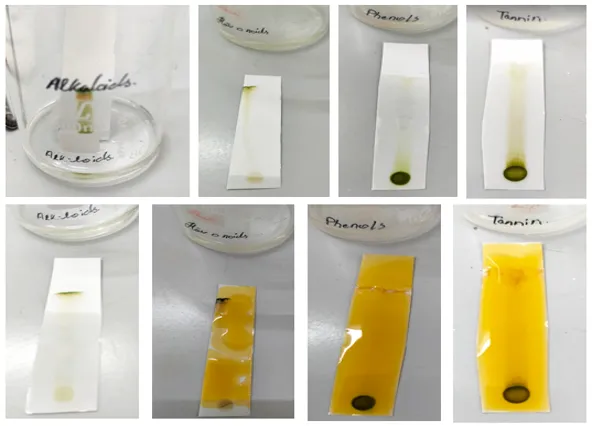
Figure 1: TLC analysis in the ethanolic extract of Wrightia tinctoria
Phytochemical examination of the ethanolic extract of Wrightia tinctoria using LC-MS.
The molecular weight analysis of the ethanolic extract of Wrightia Tinctoria leaf was conducted using a Liquid Chromatography-Mass Spectrometry (LC-MS/MS-8045 Shimadzu) system (Figure 4). To prepare for analysis, a 10µl aliquot of the ethanolic extract was diluted and vortexed immediately after centrifugation at 10,000 rpm for 10 minutes. The resulting supernatant solution underwent filtration using Whatman filter paper (Grade 41), and the filtrate was stored at -18°C for subsequent phytochemical analysis. In the chromatographic separation, 0.5% (v/v) acetic acid and 100% methanol were employed as solvents. The elution process followed an isocratic profile: (i) 55% solvent acetic acid from 0 to 10 minutes, (ii) 65% from 11 to 20 minutes, and (iii) 35% at 21-30 minutes of the total run time. The Photodiode Array (PDA) detector, set at 340 nm wavelength, monitored the chromatographic peaks. The column temperature was maintained at 30°C during the analysis. For mass spectrometric analysis, the system operated in the positive ionization mode with a mass range spanning from 150 m/z to 1000 m/z. The parameters for ionization included a capillary voltage of 3.50 kV, a cone voltage of 30 V, an extractor voltage of 3V, a gas flow rate of 30 L/Hr, and a collision gas flow of 0.18 mL/Min. This analytical approach allows for the identification and characterization of molecular compounds present in the ethanolic extract. The comprehensive analysis covers a wide mass range, providing insights into the diverse molecular constituents of the extract. The integration of LC-MS/MS techniques enhances the accuracy and sensitivity of the analysis, contributing to a detailed understanding of the phytochemical composition of the Wrightia Tinctoria leaf extract (Figure 2).
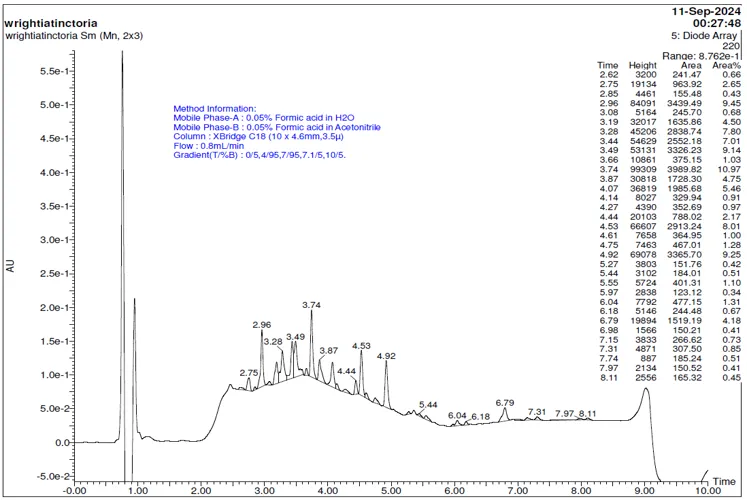
Figure 2: LC-MS analysis of ethanolic extract of Wrightia Tinctoria leaf.
Table 3: LC-MS analysis of ethanolic extract of Wrightia Tinctoria leaf.
|
Sr. No |
Phytochemical Name |
Molecular Weight (g/mol) |
|
1 |
Octadecanoic acid, methyl ester (Stearic acid ME) |
298.5 |
|
2 |
Lupeol |
426.73 |
|
3 |
Stigmasterol |
412.69 |
|
4 |
β-Sitosterol |
414.71 |
|
5 |
Indigotin (Indigo) |
262.26 |
|
6 |
Indirubin |
262.26 |
|
7 |
Tryptanthrin |
248.24 |
|
8 |
Isatin |
147.13 |
|
9 |
Anthranilate (Methyl anthranilate) |
151.16 |
|
10 |
Rutin |
610.52 |
|
11 |
Ursolic acid methyl ester |
470.72 |
|
12 |
Hydroquinone |
110.11 |
|
13 |
Heptadecanoic acid, 14-methyl-, methyl ester |
298.5 |
The LC-MS analysis of the ethanolic leaf extract of Wrightia tinctoria revealed the presence of several biologically active phytoconstituents with significant pharmacological importance. The identification of compounds such as lupeol, stigmasterol, β-sitosterol, and ursolic acid methyl ester indicates the presence of triterpenoids and phytosterols known for their anti-inflammatory, antioxidant, antimicrobial, hepatoprotective, and anticancer activities. Fatty acid esters including octadecanoic acid methyl ester and heptadecanoic acid, 14-methyl-, methyl ester were also detected, suggesting possible antioxidant and membrane-protective properties. The occurrence of indigo-related compounds such as indigotin and indirubin is particularly noteworthy, as these compounds are traditionally associated with the therapeutic use of Wrightia tinctoria in skin disorders, especially psoriasis. Indirubin has been widely reported for its anti-inflammatory and antiproliferative effects, while tryptanthrin exhibits antimicrobial, anticancer, and anti-inflammatory activities. The presence of isatin and methyl anthranilate further supports the medicinal potential of the extract due to their known antimicrobial and biological activities. In addition, rutin, a well-known flavonoid glycoside with strong antioxidant and vascular protective properties, was identified in the extract, indicating its potential role in free radical scavenging and cellular protection. Hydroquinone detected in the analysis may also contribute to antioxidant activity. The diversity of compounds identified through LC-MS analysis demonstrates the rich phytochemical composition of Wrightia tinctoria leaves and validates its traditional medicinal applications. These findings suggest that the ethanolic extract possesses multiple bioactive metabolites that may act synergistically to produce therapeutic effects. Therefore, the study supports the potential use of Wrightia tinctoria as a valuable natural source for the development of herbal formulations and future pharmacological investigations.
Antioxidant activity of ethanolic extract of Wrightia tinctoria
The present study evaluated the antioxidant potential of EEWT in comparison with the standard reference compound, ascorbic acid, across a wide concentration range (0.390625–100 µg). The results clearly demonstrate a concentration-dependent increase in percentage inhibition for both samples, indicating that their radical scavenging activity improves as the dose increases. However, ascorbic acid consistently exhibited higher inhibitory activity than EEWT at all tested concentrations, confirming its well-established role as a potent antioxidant. At the highest concentration (100 µg), ascorbic acid achieved 97.22% inhibition, approaching near-complete radical scavenging, whereas EEWT showed a comparatively lower inhibition of 82%. This trend persists across all concentrations, with ascorbic acid maintaining superior activity. For instance, at 50 µg, ascorbic acid recorded 90.52% inhibition compared to 71.65% for EEWT, and at 25 µg, the values were 81.27% and 62.53%, respectively. These differences suggest that although EEWT possesses notable antioxidant properties, its efficacy is lower than that of the standard compound. The difference in activity is particularly pronounced at lower concentrations. At 0.390625 µg, ascorbic acid demonstrated 11.67% inhibition, while EEWT exhibited only 4.32%. Similarly, at 0.78125 µg, the inhibition values were 23.02% for ascorbic acid and 9.13% for EEWT. This indicates that ascorbic acid is more effective even at minimal concentrations, likely due to its well-defined chemical structure and high electron-donating capacity, which enables efficient neutralization of free radicals.
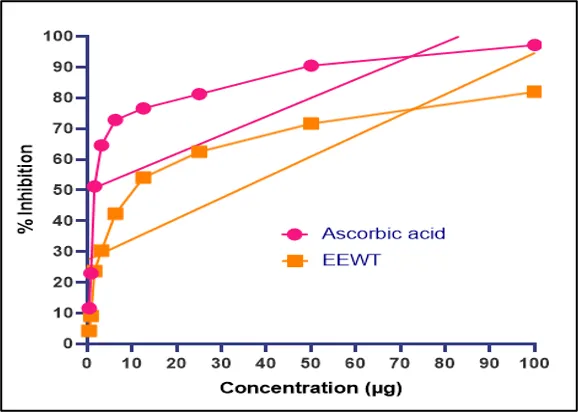
Figure 3: Concentration-dependent antioxidant activity of EEWT compared with ascorbic acid. The percentage inhibition of free radicals increases with concentration (0.390625–100 µg) for both samples. Ascorbic acid exhibits consistently higher scavenging activity than EEWT across all concentrations, though EEWT shows a steady dose-dependent increase, indicating notable antioxidant potential.
CONCLUSION
The present investigation demonstrated that the ethanolic leaf extract of Wrightia tinctoria possesses a rich and diverse phytochemical composition with promising biological significance. The extraction process using ethanol produced a satisfactory yield of 13.7%, indicating effective recovery of bioactive constituents from the plant material. Preliminary phytochemical screening confirmed the presence of several important secondary metabolites including alkaloids, steroids, terpenoids, tannins, saponins, phenols, proteins, and carbohydrates, which are commonly associated with therapeutic properties. TLC analysis further validated the occurrence of these phytoconstituents through characteristic retention factor values and clear chromatographic separation. Advanced LC-MS analysis enabled the identification of several pharmacologically important compounds such as lupeol, stigmasterol, β-sitosterol, rutin, indirubin, indigotin, tryptanthrin, and ursolic acid methyl ester, highlighting the medicinal value of the plant. The extract also exhibited considerable antioxidant activity in the DPPH assay, suggesting its potential role in reducing oxidative stress and related disorders. The study scientifically supports the traditional medicinal applications of Wrightia tinctoria and emphasizes its potential as a valuable natural source for future herbal formulations, pharmaceutical research, and therapeutic product development.
CONFLICT OF INTEREST: Nil
REFERENCES


Soumya A, Dr. Kamal Sachdev, Dr. Beena P, Conventional and LC-MS Based Phytochemical Analysis of Wrightia Tinctoria Leaf Ethanolic Extract, Int. J. of Pharm. Sci., 2026, Vol 4, Issue 6, 288-299. https://doi.org/10.5281/zenodo.20491147
 10.5281/zenodo.20491147