

We use cookies to ensure our website works properly and to personalise your experience. Cookies policy
Department of Pharmaceutics, The Oxford College of Pharmacy, Rajiv Gandhi University of Health Sciences, Hongasandra, Bengaluru, 560068
Diabetes is a metabolic disorder which is characterised by elevated blood, decreased insulin production and defective insulin action or in case both. The elevated levels of glucose can lead to other system complication. The symptoms include polyuria, polydipsia, polyphagia, catabolic weight loss, fatigue, blurred vision and delayed wound healing and many more. The prevalence study shows that the incidence of getting diagnosed with diabetes have increased 3 times, and the epidemic study shows that in India the prevalence 71 million in 2021 is expected to rise up to 125 million by 2045. Oral drug delivery is most preferred route of administration due to its higher patient compliance, but the conventional dosage forms are having some issues like high dose, repeated administration, dose dumping and adverse effects which have decreased the patient compliance. Sustained release can be described as the type novel systems in which the drug release from the dosage form is prolonged. The main advantages are minimise dose, reduced dosing frequency, lower fluctuations and reduced toxicity making it better alternative for conventional dosage form because for diseases which are having longer treatment regimens these conventional dosage forms decreases patient compliance so it is essential to move to towards novel systems. Sustained release dosage forms have formulated using various strategies like dissolution controlled systems, diffusion controlled systems, ion exchange resins, osmotic controlled systems, bi-layer systems or combination therapy, micropaticulate systems, nanoparticulate systems and trans-dermal systems.
Diabetes mellitus (DM) is a metabolic disorder which is characterised by elevated or increased levels of blood glucose, decreased insulin manufacturing, diminished insulin activity or in some cases both. The elevation of sugar in blood can collapse other systems like renal, nervous, cardiovascular, ophthalmic and many more. The symptoms of DM are abnormal urine production or frequent urination, frequent urge to drink, sudden loss of body mass, decreased eye sight. Protracted complications comprise of permanent loss of eye sight, kidney failure, nerve impairment damage, ulceration of foot, in advanced cases leading to amputation, gastric diseases, cardiovascular disease like amplified possibility of atherosclerosis, hypertension, sensual difficulties and many other diseases. [1]
DM is classified based on various factors, those are
T1DM: is rare type of DM which is affecting 5-10% of diabetic population. It is also termed as insulin dependent DM. In the above type insulin producing β are destroyed by the autoimmune process. The rate destruction of β cells varies from patient to patient, in a subset of patients they are rapid and among certain patient slow.
T2DM: is the most exposed category and affects 90-95% of diabetic population. In this kind there is an imbalance between insulin producing beta cells and insulin action causing insulin resistance. Major symptoms take time to show and are severe. [2]
Gestational diabetes: is subdivision which affects mostly expectant mothers, this type has no signs or symptoms, but mild symptoms like thirst and frequent urination. And people with a history of gestational diabetes are prone to advance type2DM.
Causes and symptoms of DM
T1DM: It advances when body’s defence mechanism attacks pancreatic beta cells. Genetic factors, ecological factors like living, work lifestyles set off defence mechanism to attack beta cells in type1DM. The symptoms are, inadequate insulin to maintain homeostasis due lack beta cells we can see that fatigue, elevated plasma sugar.
T2DM: It is most usual kind of DM and most of the cases of DM diagnosed are of this type. This type advances when the pancreas does not yield enough insulin, the insulin produced is not utilized by the body and this is state is referred as insulin resistance. So the lack of insulin to neutralize the elevated blood glucose to maintain balance, and glucose level rises. The exact cause of T2DM is not known but these factors are known to cause, overweight, family history, age factor, as age increase risk of developing diabetes increases. But even younger age population susceptible if healthy lifestyle is not followed. Smoking, tobacco consumption, alcohol consumption are some life style factors known to cause T2DM. some factors cannot be controlled but maintaining healthy lifestyles it can be prevented. The other causes like genetic mutation, monogenic diabetes, cystic fibrosis, hemochromatosis, endocrine diseases like Cushing’s syndrome, acromegaly, hyperthyroidism and hypothyroidism, damaged pancreas causes diabetes. [3]
The symptoms include frequent urination, elevated thirst, over eating, blurred vision, fatigue, unclear vision, delayed healing of wound and sores, more susceptible urinary renal tract and bladder, candidiasis, felling tired, trouble breathing, nausea vomiting, pain, numbness, tingling in the feet or hands, sexual problems, chest pain and many more. [4]
Prevalence: The prevalence study shows that incidence getting diagnosed with DM in the age bracket of 20 to 79 has rose to 3 folds since 2000 rising from 151 million which is 4% of total population to 537.5 million which is 10% of total population and it is projected to ascend up to 12.8% by 2045. [4] the epidemic study in India shows an increase from 33million cases in 2000 to 72 million cases in 2021 and is expected to rise to 125 million cases by 2045. [5]
Diagnosis, treatment and Control.
Diagnosis:
Table 1: Diagnostic Parameters for DM.
|
Evaluation |
A1C |
Fasting plasma Glucose |
Oral Glucose tolerance test |
Random plasma glucose test |
|
Normal |
Below 5.7% |
Below 99 mg/dl |
Below 139 mg/dl |
N/A |
|
Prediabetes |
5.7%- 6.4% |
100 to 125 mg/dl |
140-199 mg/dl |
N/A |
|
Diabetes |
Above 6.5% |
Above 126 mg/dl |
Above 200 mg/dl |
Above 200 mg/dl |
Treatment. [9]
Pharmacological therapy: Early introduction of pharmacologic therapy improves the glycose balance in body and reduced long term complications in type2DM, and there are variety of categories which are discussed in table2
Table 2 Pharmacological therapies. [9]
|
Class |
Drugs |
|
Biguanides |
Metformin |
|
Sulfonylureas |
Glyburides, glipizide and glimepiride |
|
Meglitinides |
Repaglinide and nateglinide |
|
Alpha glucosidase inhibitors |
Acrabose, miglitol and voglibose |
|
Thiazolidinedione’s |
Pioglitazone, rosiglitazone |
|
Glucagonlike peptide-1 agonists |
Exenatide, liraglutide and dulaglutide. |
|
Glucose dependent insulinotropicpolypeptide agonist |
Trizepatide, |
|
Dipeptidyl peptidase 4 inhibitors |
sitagliptin, saxagliptin, linagliptin |
|
Selective sodium glucose transporter-2 inhibitors |
Canagliflozin , empagliflozoin, dapagliflozin |
|
Others |
Insulin, Amylinomimetics and bile acid sequestrants. |
Management
Dietary modifications, weight loss, Mediterranean style diet, high protein vs high carbohydrate diet, trans palmitoleate, advanced glucation end products, activity modifications, laboratory modifications and personal development along with medical therapy can control DM.
An introduction to sustained release technology.
Oral drug delivery system is the uttermost preferred because of many reasons, some of them are easy to administer, faster action, minimally invasive, less side effects and many more. The main drawbacks related to conventional dosage form are the frequent administration, higher dose, dose dumping and side effects are the constraints addressed, so to address the issues we are moving to a novel approach, and sustained release technology is one of them.
Diseases like diabetes and hypertension are having a long term treatment regimen so traditional medications are not ideal for agents with short elimination half-life, low bioavailability and narrow therapeutic index. So it is mandatory to shift towards novel drug delivery systems.
Sustained release drug delivery systems (SRDDS): It is termed as a technology where the therapeutic agent delivery from the dosage form is prolonged to show enhanced therapeutic activity and is independent of time. [10,11]
Advantages
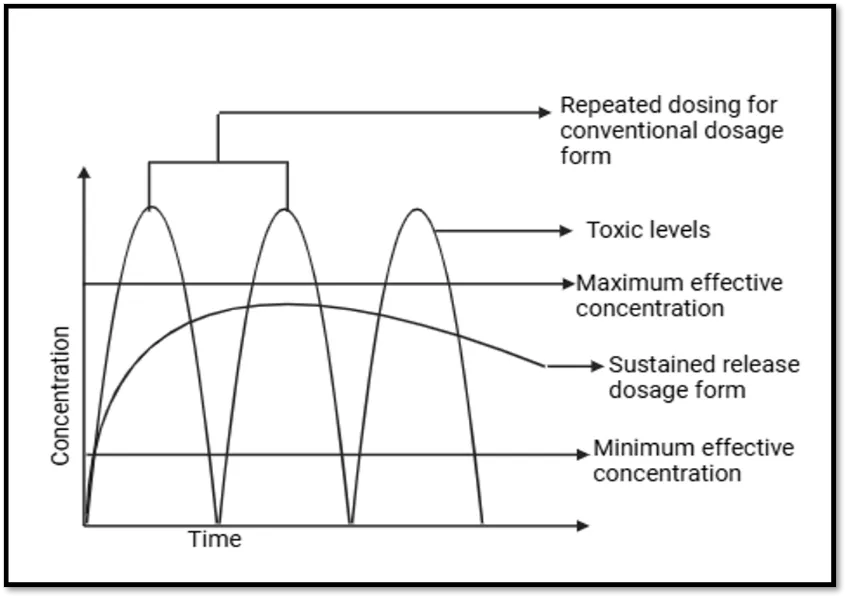
Fig:1 schematic representation of drug plasma profile of conventional dosage forms v/s sustained Release dosage forms (Prepared by Biorender.com)
Ideal requirements for drug to be formulated as sustained release dosage forms. [11,12]
Table 3: Physicochemical parameters.
|
Parameters |
Range |
|
Molecular weight |
<1000 Daltons |
|
Solubility |
>0.1 mg/ml |
|
Partition Coefficient |
High |
|
Pka |
Unionised |
|
Absorption |
Diffusion |
|
Release |
Should not be affected by GI contents. |
Pharmacokinetic parameters.
Table 4: Pharmacokinetic parameters
|
Parameter |
Range |
|
Half life |
Should be between 0.5 to 8 hrs |
|
Clearance |
Should be independent of dose |
|
distribution |
For higher apparent volume of distribution higher dose is required |
|
Bioavailability |
75% and more |
|
Intrinsic absorption rate |
Higher than release rate |
Types of SRDDS.
Diffusion sustained release systems.
In this this of system diffusion is the mechanism which takes place. Diffusion is the process in which the movement of drug molecules from the zone of higher concentration to a zone of lower concentration is termed as diffusion controlled systems.
It is denoted by ficks law of diffusion
J= -D dc/dx
D= Diffusion coefficient
dc/dx= change of concentration ‘c’ with distance ‘x’. [12]
Diffusion reservoir systems
In this system the API is enclosed by a polymer which insoluble and the API will partition with the polymer membrane and release in to the required area of interest. The medication delivery occurs amidst diffusion mechanism. The advantages include constant delivery mechanism and the release rates can be adjusted by changing the polymer or its concentration. [12]
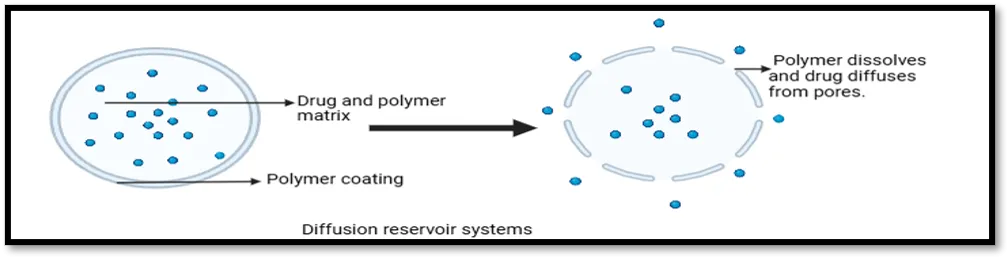
Fig 2: Schematic Representation of Diffusion reservoir system (Prepared using Biorender.com)
Diffusion Matrix systems
In this system the homogeneous mixture of API and polymer is prepared to form of matrix. It is cast-off for sustained release systems. The medication is either dissolved or dispersed .as we know the API is mixed to get a uniform dispersion with an insoluble polymer to become non soluble matrix. The deliverance of API is influenced by the dispersing rate not the dissolution of matrix. [13]
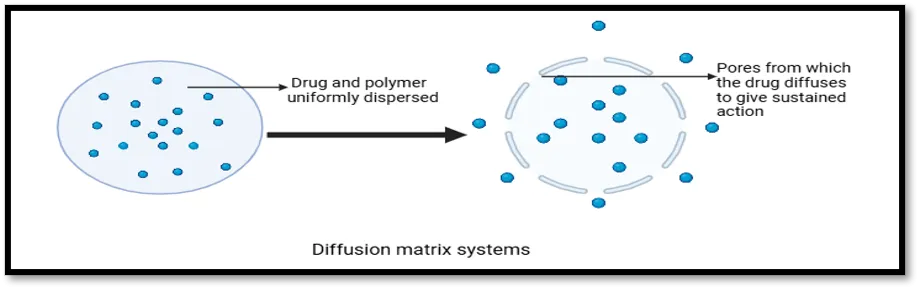
Fig:3 Schematic representation of diffusion matrix systems.(Prepared usingBiorender.com)
Dissolution sustained release systems
Dissolution sustained release systems could be described as the subclass where medication delivery may be achieved by diminishing the dissolution of the medication in required site, by inclusion of API in an insoluble polymer and coating the API along a slow dissolving polymers and width of the coating should be maintained according to the required drug release. [14] drugs which are having usually low solubility are mostly preferred for sustained. These systems are generally manufactured for the drugs which are stability in acidic medium or enteric coated dosage forms.
dc/dt = KDA(Cs-C)
dc/dt= Dissolution rate.
KD= Dissolution rate constant.
C= Concentration of drug.
Soluble reservoir systems:
The API is encapsulated with a slow dissolving polymer which usually dissolves when it is reached at the required site and it consists of alternate layers and the width of coat is going to provide prolonged delivery.
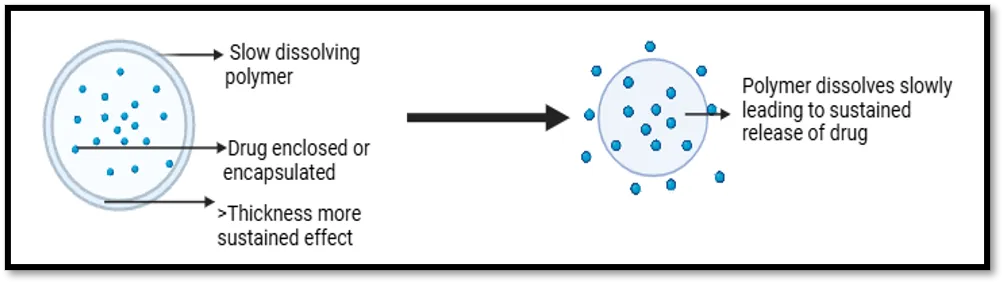
Fig 4: Schematic representation of soluble reservoir systems (Prepared usingBiorender.com)
Soluble matrix systems:
The medication and the polymer is made into a matrix and here the polymer dissolves slowly which provides prolonged release of drug. The kind of polymer employed and thickness is going to influence drug conveyance. Aqueous dispersions, congealing and circular agglomeration are the process used for the preparation. [15]
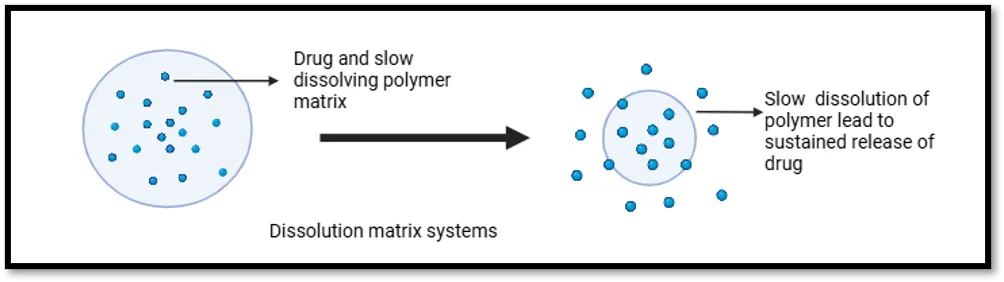
Fig 5: Schematic representation of soluble matrix systems (Prepared usingBiorender.com)
Ion exchange resin a potent polymer for sustained release.
An ion exchange resin (IER) can be defined as polymer which consists of electric charge sites which acts by exchange of one ion with another. The ion exchange process (IEP) takes place in human cell membrane, cell wall and other structures of structures of body which makes these resins ideal for delivery of drug. These resins are mainly employed for taste masking, rapid dissolution, powder processing aid, stability, deliquescence and disintegration are processing variables. In formulations employed for modified release, transdermal drug delivery, nasal drug delivery and ophthalmic drug delivery. These resins are having therapeutic activity also. [16]
Ion exchange could be specified as the process of reversible exchange of ions among duet states with no change chemical and physical properties of the active constituents. Derived from the ionic species to be interchanged. And could be classified as cationic exchange and anionic exchange and similarly the resins are called as cationic exchange resins and anionic exchange resins. The process of ionic exchange is usually competitive in nature. [17]
The drug which is present in the ionic form is mixed with an ideal ion exchange resin to obtain a complex called resinate. The mechanism of ion exchange is the API is immobilised on the required resin [18]. The interactivity among the medication and resin is usually chemical in nature but physical adsorption also takes place and this interaction are commonly termed as adsorption. The IEP is usually a double decomposition process, where ion exchange resin is able to provide the ion which is further used to exchange the one which is adsorbed from the solution. The ion which is existing on the resin which is being exchanged form of the API is termed as counter ion. [19]
When the dosage form is consumed and it reaches the site of action. The ionic strength and the pH microclimate is going to decide drug release through complex. IEP takes place mostly due the existence of counter ions presents at the delivery site which is ideal for the exchange of ions and the medication is released. After the API delivered from resin complex because of its biodegradable nature it gets eliminated from the system. [20]
Osmotic systems as sustained release:
Osmotic systems have proven to be one effective strategy to get sustained release output. Osmosis could be stated precisely as the process where the movement of drug molecules from a region of higher concentration to region of lower concentration through a membrane and the driving force is the variance in the osmotic pressure across the membrane. Dissolution of API in the core produces osmotic pressure difference between the external and internal environment results in drug release. The principle of osmosis is employed in the sustained drug delivery. [21]
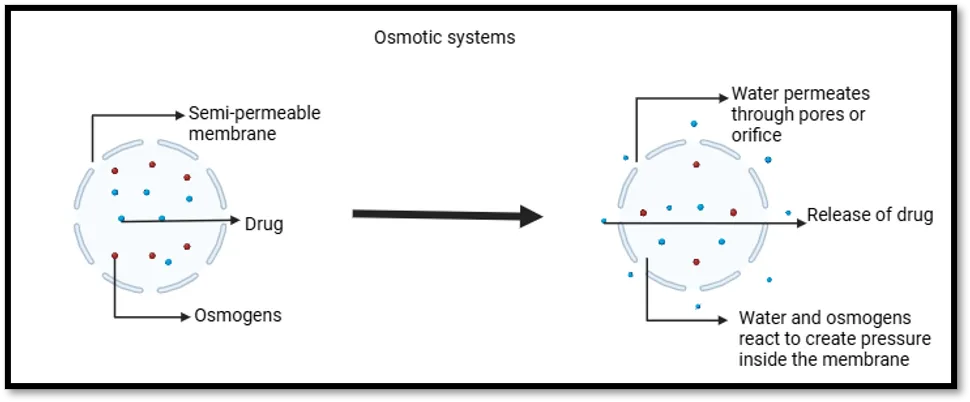
Fig 6: Diagrammatic presentation of Osmotic systems (Prepared usingBiorender.com)
These osmotic pumps can be formulated either as a single or multi compartment systems. It consists of a core which consists of drug which is enclosed by a semi permeable membrane Which consists of osmogens are to create the necessary osmotic pressure. [22] As the water enters the tablet core, the water which is present in the core generates hydrostatic pressure across the semi permeable membrane which expels the drug solution outside via the pores or the semi-permeable membrane. Release profile through the tablet is constant until the osmotic pressure is maintained, so by maintaining the optimum osmotic pressure up to a required time we can obtain sustained zero order release of drug. [23]
Shinde SD et.al formulated Osmotic DDS for saxagliptine. It is an antidiabetic drug which belongs the class of DPP-4 inhibitors. The main problem which is addressed here is its small half-life of around 2.5 hours which when formulated as conventional dosage form needs repeated administration, which is not ideal for patients. The experiment was enhanced using factorial design with 3 independent variables and 2 levels. The independent variables are drug osmogene ratio, concentration of pore former and % weight gain, hardness and in-vitro drug was selected as dependent variables. Here carbapol and HPMC K 100 utilized as flux controlling polymer which is non-innocuous, non-irritant and biocompatible which is having less systemic toxicity due to dose dumping. Gum acacia and PVP-K30 was employed as a binder. Tablets were formulated by making use of moist agglomeration method. They were covered with cellulose acetate phthalate which is used to stop the medication delivery in the stomach. Once the tablets pass the acidic environment and reaches intestine the pores are generated on the membrane by osmotic pressure. After conducting all the evaluation studies we can come to a conclusion that formulated dosage forms showed better release profiles, efficacy and better compliance than the conventional dosage forms. [24]
Bi-layer tablets for sustained release.
Persistent disease conditions which are having longer dosage regimens and more number of drugs to be administered can cause compliance issues which is not ideal for patients and to solve this one of the technique is bilayer systems.
These tablets consists of more than 1 drug with two sub divisions out of which first one is instant release layer which discharge the drug instantly to maintain optimum drug plasma concertation in shorter amount of time, the further layer releases the API in controlled or prolonged manner to maintain the optimum drug plasma concentration for extended amount of time by the various polymers .[25] The various merits of bilayer tablets are improved patient compliance which is achieved by reduction in the dose, improved and less hectic dosage regimen, in this type of combination therapy the contact of both the drug is prevented so there is not negative impact on bioavailability, improved stability and this method is cost effective and ideal for large scale production. [26]
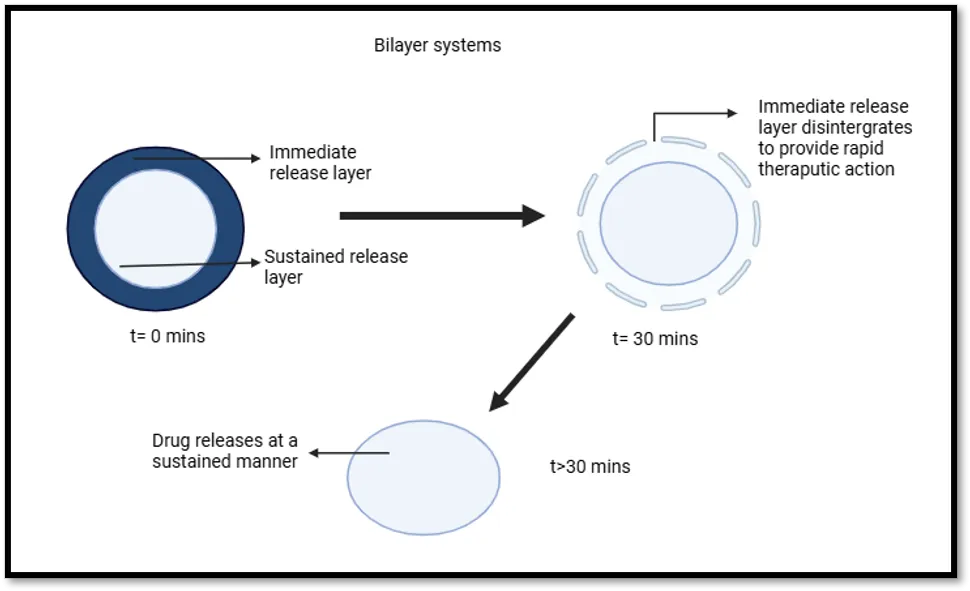
Fig 7: Schematic representation of Bilayer systems (Prepared usingBiorender.com)
Various approaches in the bilayer tablets technology are floating drug delivery system, intragastric bilayer floating tablet, multiple unit types floating pills, polymeric bio-adhesive system, swelling system.
Various technologies used are OROS push pull technology, L-OROS Tm technology, DUROS technology, EN SO TROL technology, Ro tab bilayer, Gemini technology, programmable oral drug absorption system (PRODAS), Erodible moulded multilayer tablets.
The types of bilayer tablets are single sides press, double sided tablet press and bilayer tablet press with displacement. [27]
Ngoc Nha Thao Nguyen et.al have formulated bilayer tablets using two drugs sitagliptin which belongs to class dipeptidyl peptidase-4 inhibitors as immediate release and metformin.as a sustained release layer. The tablets were prepared using 2-layer tablet press machine. First the sustained release granules were punched to form first layer with the pressure 7±2 Kg/cm2 and the immediate release granules were punched upon then first layer with a pressure of 18±3 Kg/cm2 to for bilayer tablets. The results show that the enhanced dosage form showed immediate release of drug more than 95% at 30 minutes and the sustained release layer prolonged the delivery of drug up to 10 hours. [28]
Harika Ryakala et.al developed bilayer tablets using multiple therapeutic agents to treat multiple diseases. The reason behind this is most of diabetic victims are affected from hypertension, so by using bilayer system we can decrease the number of medicines making it more patient compliant. The immediate release layer consists of nebivolol an antihypertensive agent, prepared by employing numerous super disintegrating agents like crospovidone, croscarmellose sodium and sodium starch glycolate. The sustained release layer consists nateglinide anti-hyper glycaemic agent, formulated using of polymers like HPMC E15, ethyl cellulose, guar and xanthum gum. rapid delivery part was made by making use of dry granulation method and sustained release was formulated by using moist agglomeration method. Dissolution was done to obtain optimized formula for both which will further be compressed as bilayer tablets. the bilayer tablets were made. first SR layer was punched using low compression force and next the immediate was placed above in die cavity and punched using optimum using optimum compression force. The outcomes show us 97% medication transported from via first layer at 30 mins and 97% medication was transported at 12 hrs from the sustained release layer. [29]
From the above studies we can conclude that bilayer systems are better and practical strategy. The main advantages of this system is enhancing the patient compliance with respect to combination therapy, where the patients have to take multiple drugs which makes it less comfortable for patients. Repeated dosing can have prevented and for two diseases we can combine it into a single one.
Microparticulate and nanoparticulate systems for sustained release.
In recent years the microparticulate and nanoparticulate drug delivery systems have attained a ton of recognition because of its potential to address issues regarding the drug delivery, like low solubility, low permeability, pre systemic metabolism, low specificity and reduction in toxicity leading to better patient compliance.
Microparticulate systems: it can be stated as a type of DDS, where it contains micro size solid particles or micro droplets of liquid which consists of natural or synthetic polymer coating with optimum thickness for prolonged, controlled release of drugs. [30]
Size range : 0.1μmto 200μm
Nanoparticulate systems: can be defined as type of DDS where it comprises of Nano size solid particles or Nano size droplets of liquids which are mainly containing natural or synthetic polymer coating with optimum thickness for prolonged, controlled release of drugs. [31]
Today research is extensively being conducted on microparticulate and nanoparticulate systems since the distinctive attributes mould the transportation of drug to target site more efficiently, some of those are
An ideal nanoparticulate and microparticulate system should possess these unique characteristics:
It should easily permeate through GI epithelial membrane which can achieved by selecting an ideal polymer, commensurate with the description of delivering site, median particle size, Molecular weight distribution, surface charge, hydrophilicity and morphology should be adjusted according to delivery site. [33]
It must possess elevated retention period in systemic circulation and increased mean residence time in the targeted site. [34]
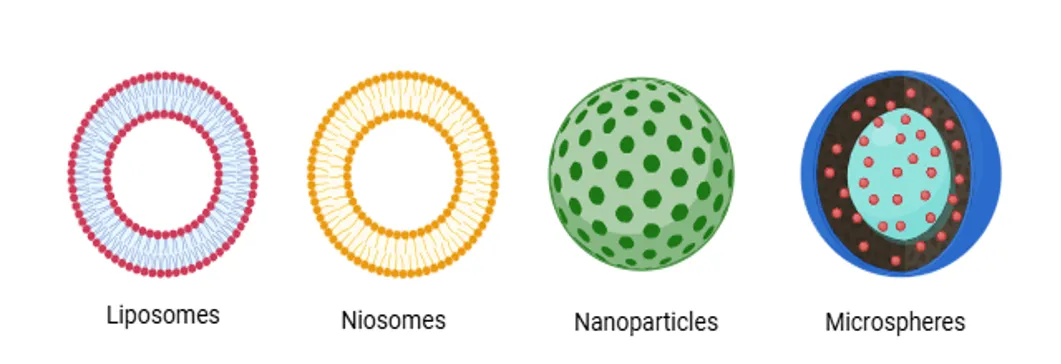
Fig 8: Various carriers used in nanoparticulate and microparticulate systems
There are countless number of research where these approaches are employed and they are;
Sustained release polymeric nanoparticles of nateglinide was formulated by dispersion solvent evaporation method followed by ultrasonification technique. In this method a specific quantity of poly ε-carprolactonce (PCL) was used as a polymer at different concentrations was dissolved in solvent methylene chloride in which drug was dissolved previously. polyvinyl alcohol (PVA) which is employed as a stabilizer, PCL mixture was added to PVA solution. Emulsification was started using mechanical stirring with moderate speed for a time of 30 minutes to obtain oil in water type of emulsion. The emulsion was subjected to ultrasonification for different time intervals in order to reduce the globule size. required quantity of Polyvinyl alcohol was attached to the above mixture and the atop solution was subjected to evaporation to evaporate methylene to form nanoparticles. Further centrifugation and lyophilisation was performed to obtain nanoparticles. Evaluation studies further revealed that the optimized formulation showed effective drug retarding properties when compared to conventional dosage forms. By this we can say that nanoparticulate systems may be employed as an alternative to conventional drug delivery systems. [42]
Sustained release saxagliptin microspheres were prepared by ionotropic gelation method. Saxagliptin anti-diabetic drug which belongs to DPP-4 inhibitors.in the above work mucoadhesive gastro retentive microparticulate system was developed. The microspheres were formulated by employing sodium alginate as polymer and using different coating polymers like ethyl cellulose, pectin and CaCl2 in 3 different batches. The first batch was prepared using sodium alginate and CaCl2 as coating polymer. Sodium alginate was dissolved in water followed by saxagliptin was dispersed into mixture using magnetic stirrer, the mix was introduced by making use of a syringe into CaCl2 solution. Microspheres was formed immediately and left for 1 hr for jellification. They were filtered, washed and dried. Similarly, microspheres were prepared using other coating polymers. The results tell us that larger the proportion of the polymer the drug release is decreased so to retard the medication delivery for an extended time. we need to increase the concentration of the polymer. The API delivery description shows us most of the polymers in lesser concentration have shown optimum release. By the above experiment we come to know that ionotropic gelation technique is inexpensive when differentiated to alternative techniques in laboratory and industrial scale. [43]
From the above studies we conclude that microparticulate and nanoparticulate DDS boast greater advantages which can solve the issues related drug administration and patient compliance.
|
Therapeutic agent |
Carrier type |
Constraints |
Methods of preparation |
Key findings |
|
Insulin. |
Insulin loaded chitosan nanoparticle |
Stability issues, metabolised in gastric pH and permeability issues. |
Complete caocervation technique. |
|
|
Insulin. |
Insulin loaded alginate microparticles |
Instable in gastric pH and permeability issues. |
Controlled polymerisation method. |
|
|
Insulin. |
Insulin loaded dextran nanoparticles |
Unstable in acidic conditions and permeability issues. |
Ionic condensation method. |
|
|
Insulin. |
Insulin loaded solid lipid nanoparticles |
High pre-systemic metabolism rate and impermeable through GI membrane |
Solvent emulsion evaporation method |
|
|
vildagliptin, |
Polymeric nanoparticles |
Short Half life |
Ionic Gelation method |
|
|
Sitagliptin
|
Liposomes |
Short half-life, low bioavailability and low membrane permeation. |
Thin film dispersion method |
|
|
Pioglitazone. |
Niosomes |
Short half-life and highly susceptible to first pass metabolism. |
Modified ether injection method |
|
Transdermal drug delivery system (TDDS)
Oral route is the utmost preferred one, but it is having limitations like first pass metabolism, low solubility, low permeability and adverse effects makes the dosage form less compatible to patients who are suffering from chronic illness like diabetes mellitus, whose treatment regimen over a longer period of time. So to overcome this we should move towards TDDS.
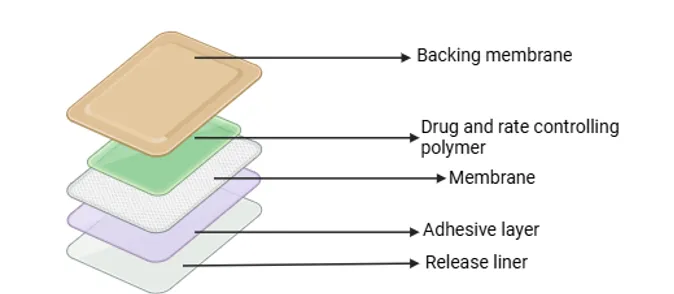
Fig:9 Schematic representation of TDDS (Prepared by Biorender.com)
TDDS can be termed as a kind of novel dosage form which is administered to the skin by applying on it, and drug is released in determined velocity in plasma is called as TDDS. [44] the main advantages of this systems are it increase the bioavailability, decreases first pass metabolism, gastric irritation is reduced, decreased average dose, steady blood plasma levels are maintained etc. [45]
There are various different classes of anti-diabetic drugs which are having low bioavailability, first pass metabolism, solubility, permeability and adverse effects which made researchers to start research towards TDDS. The most Widely used drugs like glibenclamide, glipizide, gliclazide, glimiperide, pioglitazone, repaglinide, metformin, vigabose are drugs which have been formulated as TDDS. In past 20-30 years’ research have been extensively done because it has a good acceptance rate among patients. [46]
Here are some of the research done in past which gives an insight about the TDDS.
Glibenclamide is classified as a type of sulphonylureas which is employed to treat type2DM. Glibenclamide is prone to pre-systemic effect, decreasing its bioavailability, it has limited half-life which needs frequent administration and we can see see-saw fluctuations in blood plasma levels, it has shown gastric irritation in patients making it non-compliant for long term use, it belongs to class 2 BCS which is having low solubility and high permeability making it an ideal suitor for TDDS.
Manoj k Mishra et.al formulated microcapsules and transdermal patches and compared which delivery system provides better outcome. The Skin patch were prepared by solvent casting method, HPMC was cast off as velocity limiting polymer at different concentrations. Glibenclamide loaded microcapsules was formulated by use of iontropic gelation technique. Both the microcapsules and medication patch were evaluated. The results show that the medication patches showed better prolonged delivery of the API when compared to microcapsules and hence avoiding pre-systemic effect, improved bioavailability and patient compliance. [47]
Repaglinide is antidiabetic drugs which comes under the category of meglitinide. it binds to the beta cells to escalate the production of insulin. It belongs to BCS class 2 drug which indicates low solubility and high permeability. The API is highly susceptible to pre-systemic effect which indicates decreased bioavailability to 56%. [D]
Prajapati et.al prepared and tested transdermal patches by making use of drop-cast technique utilizing varying concentrations of HPMC K100, PVP K30. After evaluation the results shows that drug release at 12 hrs was around 92.34%. and they figured out that medium amount of both the polymers are ideal for the formulation of transdermal matrix patches. [48]
As there are many studies which shows that by formulating transdermal patches we can observe high patient compliance, decreased dose, avoid first pass metabolism and degradation due to other factors, increased bioavailability and reduction in adverse effects.
FUTURE DIRECTIONS
Diabetes mellitus is a complicated condition that may necessitate the lifelong use of insulin or anti-hyperglycaemic medications. This is challenging because there should be no negative side effects, the medication is not administered frequently, and that patient compliance is increased. Therefore, sustained release technology has the potential to enhance patient compliance and serve as an effective substitute for traditional dosing.
In recent times sustained release technology has transformed the drug delivery systems by decreasing the frequency of administration, decreasing dose, maintaining optimum drug plasma concentration, decreasing adverse effects and improving patient compliance.
These systems can be developed in a manner that it can target a specific cell, tissue and organ which can enhance the therapeutic efficacy. [57,58]
CONCLUSION
Sustained release technology For DM is having a significant advancement in improving patient compliance, optimizing therapeutic outcomes and decreasing side effects. There are various strategies like diffusion controlled systems, dissolution controlled systems, osmotic systems, ion exchange resins, bilayer tablets, nanoparticle and micro particulate systems and transdermal drug delivery systems gave revolutionised DM management. These approaches not only decrease the frequency of administration but improve glycaemic control, reduce the chance of hypoglycaemia and increase patient compliance.
REFERENCES

Aniket Bellad, Dr. Vikram T, Gururaj Kulkarni, Anna Balaji, A Comprehensive Overview on Various Sustained Release Formulation Strategies for Diabetes mellitus, Int. J. of Pharm. Sci., 2026, Vol 4, Issue 8, 640-657. https://doi.org/10.5281/zenodo.21800675
 10.5281/zenodo.21800675