

We use cookies to ensure our website works properly and to personalise your experience. Cookies policy
Institute of Pharmacy & Research, Badnera, Amravati
Polymeric nanoparticles are solid particles or particulate dispersions that have dimensions in the spectrum of 10-1000 nm. They signify a hopeful medication delivery system of regulated and focused delivery. The application of polymeric nanoparticles in medications Delivery is a method designed to enhance therapeutic outcomes while reducing negative impacts. Owing to their diminutive dimensions, they demonstrate distinctive physicochemical and biological characteristics such as an increased reactive surface along with a capacity to cross cellular and tissue barriers, rendering them a beneficial material for biomedical uses. The current overview emphasizes techniques for preparation, Characterization and possible therapeutic uses of polymeric nanoparticles.
Over the past few decades, there has been a significant research focus in the field of medication delivery utilizing nanoparticles as vehicles for small and big molecules. Polymeric nanoparticle systems from polymers that are both biodegradable and biocompatible are fascinating choices for regulated medication distribution and medication targeting. Polymeric nano-sized particles are particulate suspensions or solid particles with dimensions in the spectrum of 10-1000 nm. The medication is dissolved, caught, enclosed, or linked to a nanoparticle matrix. They have been employed in vivo to safeguard the chemical compound in the bloodstream, limit entry of the medication to the selected locations and to administer the medication at a regulated and steady pace to the location of effect. Different polymers have been utilized in delivery studies. since they can efficiently transport the medication to a specific location and thereby enhance the healing effect, whilst reducing adverse effects.
Based on polymer nanoparticles efficiently transport medications, proteins, and DNA aimed at specific cells and organs. Their nanometre-scale encourages efficient penetration across cells membranes and equilibrium in the circulatory system. Based on the technique of preparation Nanoparticles, nanospheres, or nanocapsules may be acquired. Nanospheres possess a monolithic structure. matrix arrangement where medications are distributed or adsorbed on their surfaces or contained within the particles. Nanocapsules serve as the vesicular system in where the medication is limited to a space made up of a inner fluid core encased by a polymeric membrane. In this instance, the active ingredient is typically dissolved in the inner core, but could also be adsorbed to the surface of the capsule [1].
The term “nanoparticle” includes both Nanocapsules and nanospheres, which differ in their structure. Nanocapsules consist of a lipid core where the medication is typically dissolved, enclosed by a polymeric coating that regulates the drug's release characteristics from the nucleus. Nanospheres consist of a continuous polymeric structure wherein the medication can be held within or adhered to their exterior. These two kinds of polymeric nanoparticles identified as a fundamental component of the reservoir system. Nanospheres rely on a continuous polymeric structure that can hold the drug within or adsorb it onto their surfaces surface. These two forms of polymeric nanoparticles are identified as a storage system (nanocapsule) and matrix structure (nanosphere) [2].
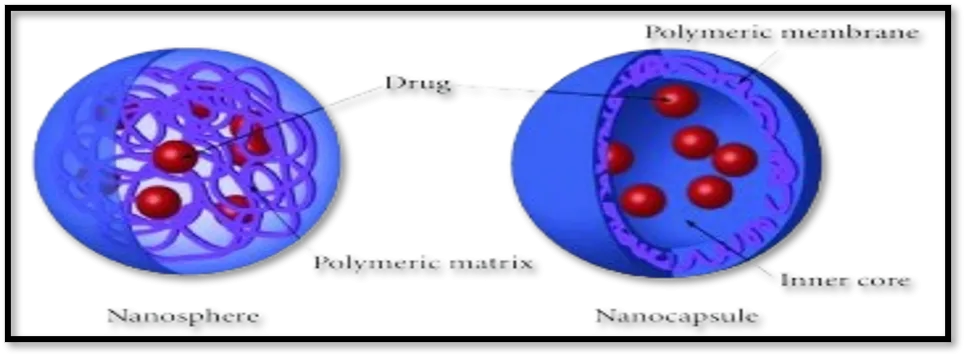
Figure 1. Types of polymeric nanoparticles
Advantages
The advantages of using nanoparticles as a drug delivery system are as follows:
Polymers used in the preparation of nanoparticles
The polymers utilized for the production of nanoparticles are as stated:
Table 2 Various polymers their physicochemical properties characteristics and role in drug delivery system.
|
Polymers |
Physicochemical properties |
Characteristics |
Role in drug delivery |
Ref. |
|
Natural Polymers |
||||
|
Albumin |
Albumin is a spherical protein. Protein that dissolves in water, that engages with fatty acids.
|
Albumin is a multifaceted protein transporter. It decomposes naturally, biocompatible and devoid poisonousness and immune response. |
It raises the pharmacokinetic processes. Aiming at the ligands Medication transport and bodily tissue engineering.
|
[5] |
|
Chitosan |
Solid crystalline structure, Incapable of dissolving in water.
|
Non-hazardousness Decomposable, biocompatible and antibacterial properties. |
It provides the controlled release. It can be a burden of multiple kinds of molecules comprising, DNA, Medications, and factors that promote growth. Employed in the process of healing wounds, and tissue fabrication. |
[6] |
|
Cellulose |
It cannot be dissolved in water. Dissolvable in an organic solvent. It possesses significant tensile strength. power.
|
It is not harmful. Decomposable, and compatible with biological systems. It can be synthesized chemically adapted to achieve bio adhesive polymers. |
Medication and genetic material transport System. Controlled release
|
[7] |
|
Agarose |
Agarose is a straight polysaccharide Elevated viscosity.
|
Outstanding compatibility with biological systems. Responsible thermos Gelation characteristics. |
Cellular growth Control drug delivery. |
[8] |
|
Dextrose |
Outstanding solubility thermal viscosity consistency, and flow properties characteristics.
|
Dextran is a sophisticated glucan created by a primary D-glucose sequence, comprising molecular mass reaching 440 MDa. |
Polymeric transport system (medication, anticancer compound) in medication distribution and treatment movement. |
[9] |
|
Synthetic Polymer |
||||
|
Polylactic acid (PLA) |
Small molecular mass Dissolvable in solvent Appropriate degradation speed. |
Compatible with biological systems Thermoplastic.
|
Tissue engineering Inflammatory response. Drug Delivery system.
|
[10] |
|
Polyglycolic acid (PGA) |
Insoluble in the majority of organic solvents, fairly elevated power superb fuel barrier characteristics. |
Excellent, biodegradable, elevated water-attracting and swift Deterioration. |
Reduce the non-specific biodistribution and accumulation Protein delivery Enhance the therapeutic efficacy. |
[11] |
|
Polycaprolactone (PCL) |
Small molecular weight Partially crystalline.
|
It is a man-made polymer. Biodegradable and naturally biocompatible. |
Possible function in periodontal illness, biomaterials, and medication transport. |
[12] |
|
Polyvinyl alcohol (PVA) |
Water-dissolvable synthetic polymers.
|
Biodegradable replica of biological polymers.
|
Improve the mechanics attributes, and diminish the size of particles in nanoparticles, utilized in medication distribution networks. |
[13] |
|
Poly lactide co glycolic acid (PLGA) |
Outstandingly replicable characteristics, tangible and mechanical characteristics, tensile strength and decomposition rate. |
Biodegradable materials and biological compatibility.
|
Controlled drug carrier aim nanoparticles to particular cells/ tissues. Medical applications
|
[14] |
Methods of Preparation of Polymeric Nanoparticles
Nanoparticles can be synthesized from different substances like proteins and man-made polymers. The choice of matrix substances is influenced by numerous factors such as:
Nanoparticles can be prepared by following methods:
1. Solvent Evaporation Method
In this method, the polymer is dissolved in an organic solvent such as dichloromethane, chloroform, or ethyl acetate, which also solubilizes the water-insoluble drug. The polymer–drug solution is then emulsified into an aqueous phase containing a surfactant to form an oil-in-water (o/w) emulsion. After obtaining a stable emulsion, the organic solvent is removed by reduced pressure or continuous stirring. Evaporation of the solvent leads to the formation of nanoparticles. Particle size is influenced by the type and concentration of stabilizer, polymer concentration, and homogenization speed. Smaller particles are typically achieved using high-speed homogenization or ultrasonication [16].
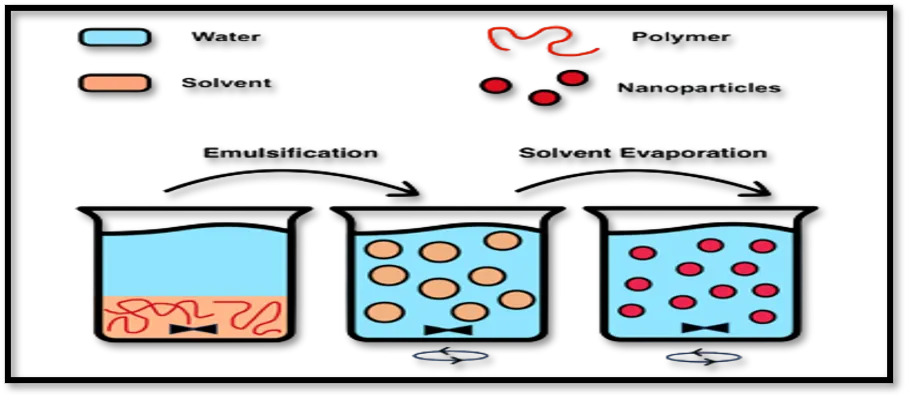
Figure 2. A schematic representation of the solvent evaporation technique.
2. Polymerization Method
In this approach, monomers are polymerized in an aqueous medium to form nanoparticles. The drug may be incorporated either during polymerization or adsorbed onto the nanoparticles after formation. Following polymerization, the nanoparticle suspension is purified to remove stabilizers and surfactants. This purification is typically carried out by ultracentrifugation. The nanoparticles are then resuspended in a surfactant-free isotonic medium. This method has been documented for the production of nanoparticles [17].
3. Salting Out Method
In this approach, acetone is chosen as the water-miscible organic solvent due to its pharmaceutical acceptability and low toxicity. In this method, water-soluble polyvinyl alcohol (PVA) is dissolved in a highly concentrated aqueous salt solution. This aqueous phase is then mixed with a polymer solution prepared in acetone. Although acetone is fully miscible with pure water, the high salt concentration prevents immediate phase mixing. Upon emulsification, the addition of pure water induces acetone diffusion into the aqueous phase. This solvent diffusion ultimately leads to the formation of nanoparticles [18].
4. Nanoprecipitation method
Generally, this technique is employed for the entrapment of hydrophobic drugs, although it has also been modified for use with hydrophilic drugs. Polymers and drugs are dissolved in a polar, water-miscible solvent such as acetone, acetonitrile, ethanol, or methanol. The solution is subsequently added in a controlled fashion (i.e., drop-by-drop) into an aqueous solution containing a surfactant. Nanoparticles are formed immediately due to rapid solvent diffusion. Ultimately, the solvent is eliminated under reduced pressure [19].
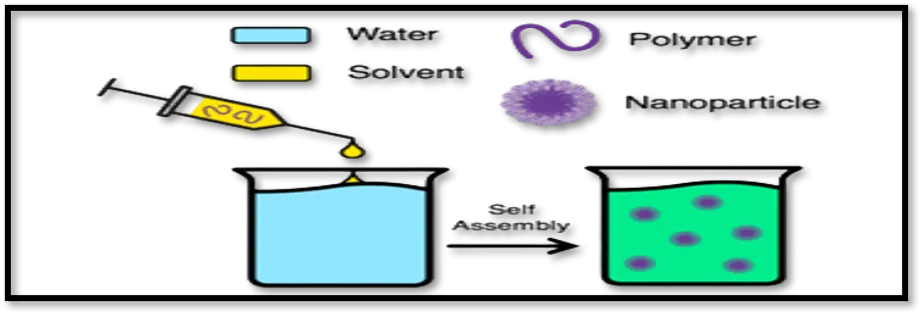
Figure 3. A schematic representation of nanoprecipitation.
5. Spray Drying Method
In this approach, chitosan is initially dissolved in acetic acid; the drug is either dissolved or dispersed within the solution, and subsequently, an appropriate cross-linking agent is introduced; this solution or dispersion is then atomized in a stream of hot air. The atomization process results in the creation of small droplets, from which the solvent evaporates, resulting in the formation of free-flowing powders. The particle size is influenced by the size of the nozzle, the spray flow rate, the atomization pressure, the inlet air temperature, and the degree of cross-linking [20].
6. Ionotropic Gelation
The ionotropic gelation technique is a commonly employed method for creating polymeric nanoparticles. This approach relies on the ionic crosslinking of a polymer with multivalent counter-ions, which leads to the spontaneous generation of nanoparticles under mild, aqueous conditions, frequently at room temperature. The procedure entails the electrostatic interaction between species with opposite charges, such as cationic and anionic, resulting in gelation and the formation of nanoparticles that are appropriate for drug delivery and biomedical applications [21].
CHARACTERIZATION OF NANOPARTICLES
Nanoparticle characterization is a field of nanometrology that deals with the measurement of the physical and chemical properties of nanoparticles. Different types of characterization methods are used to characterize polymeric nanoparticles [22].
1. Particle Size
The most crucial factors for characterizing nanoparticles are their particle size distribution and morphology. Electron microscopy is used to determine both the shape and size of the particles. Nanoparticles are primarily utilized in drug delivery and targeting. Research has shown that the size of the particles influences the rate of drug release. Smaller particles provide a greater surface area, which means that a larger portion of the drug attached to them is exposed on the surface, resulting in quicker drug release [23].
2. Zeta Potential
Every NP possessing a net surface charge is enveloped in an ionic solution by a counteracting charged outer layer closely attached to the particle and an ionic electrical double layer slightly attached to the particle surrounding this layer. The zeta potential of a nanoparticle may exert a considerable influence on its actions within a medication delivery system. Particles at the nanoscale containing Zeta potentials exceeding ± 30 mV are regarded as strongly cationic and strongly anionic, correspondingly. Typically, nanoparticles exhibiting a greater zeta potential possess a more intense electrostatic repulsion, which can aid in stabilizing them and keeping them from compiling [24].
3. Fourier Transform Infrared (FTIR) spectroscopy
FTIR spectroscopy quantifies infrared light absorption across wavelengths to reveal functional groups and structural features in polymeric nanoparticles. It identifies distinct peaks for chemical bonds in the polymer and encapsulated drug, confirming their presence, interactions, effective loading, and molecular compatibility without degradation. FTIR also detects contaminants or structural changes from formulation. Thus, it ensures the chemical composition, stability, and suitability of nanoparticles for drug delivery [25].
4. X-ray diffraction (XRD)
X-ray diffraction (XRD) serves as a valuable technique for investigating the crystalline makeup of nanoparticles. It is employed to ascertain fundamental material characteristics, including crystal structure, crystallite dimensions, and internal strain. The specific diffraction patterns observed are contingent upon the crystal's arrangement and the wavelength of light that interacts with it. Diffraction arises from the constructive interference of X-rays reflected from various planes within the material's periodic lattice [26].
5. Scanning Electron Microscopy (SEM)
Scanning electron microscopy (SEM) facilitates morphological examination through direct visualization. While electron microscopy techniques offer significant benefits for morphological and sizing analyses, they yield restricted insights into size distribution and the actual average of a population. The average size determined by SEM aligns with findings from dynamic light scattering [27].
6. Differential Scanning Calorimetry (DSC)
It is a method that consistently assesses the observed specific heat of a system depending on the temperature. It is utilized to assess the stability and framework of nanoparticles and it is likewise utilized to ascertain the conformation, as the material transition will vary based on the nanoparticle formulation.
7. UV-Visible Spectroscopy
It is a type of spectroscopy that radiates light with wavelengths ranging from 190 to 800 nm, commonly utilized for measuring compounds density and additionally dimensions and form in certain instances. It possesses has been utilized to establish the conjugation and proportion of attachment of biomolecules to nanomedicines. It is the an easy, quick, and economical method that can be applied for different types of nanomaterials [28].
8. In Vitro Drug Release
The Dissolution test apparatus was employed for the in vitro drug release investigations. The dissolution apparatus vessel was filled with the dissolution medium, and the drug's release was monitored at a predetermined rate to guarantee consistent agitation and avoid microbead sedimentation at a constant temperature. Throughout the dissolution process, aliquots were extracted at regular intervals and replenished with the same volume of fresh medium. These withdrawn samples were then filtered using Whatmann filter paper and diluted with the identical dissolution media. The absorbance was subsequently determined using a UV-Visible Spectrophotometer. The cumulative percentage of drug released was calculated at each time point, and a graph was generated [29].
APPLICATION
FUTURE PERSPECTIVE
The future of polymeric nanoparticles (PNPs) in drug delivery appears extremely promising, driven by ongoing progress in polymer science, nanotechnology, and biomedical research. Recent advances are increasingly focused on developing stimuli-responsive nanoparticles that can release drugs in response to specific biological conditions such as pH, temperature, enzymes, or redox environments, leading to more precise and effective treatment at the target site. Another growing area of interest is the creation of surface-modified and ligand-targeted nanoparticles, which can selectively deliver drugs to cancer cells, inflamed tissues, or specific intracellular compartments, thereby reducing unwanted side effects. In addition, the combination of polymeric nanoparticles with gene therapy, CRISPR technology, and mRNA delivery systems is expected to significantly contribute to the advancement of personalized and precision medicine.
Future studies are likely to focus on environment-friendly, cost-effective, and scalable manufacturing techniques to support large-scale production and regulatory acceptance. The development of nanoparticles, capable of simultaneous diagnosis and therapy, will further enhance disease monitoring and treatment outcomes. Overall, polymeric nanoparticles are expected to play a vital role in next-generation drug delivery systems, offering safer, more efficient, and patient-specific therapeutic solutions for a broad range of medical applications.
CONCLUSION
Over the last several decades, scientists have explored alternative methods of delivering drugs to enhance the effectiveness of various medications. Nanotechnology is an intriguing and innovative area that holds promise for advancements in numerous applications within drug delivery in pharmaceutical research. Polymeric nanoparticles have gained considerable attention as an advanced and flexible drug delivery platform because of their small size, biocompatibility, and ability to deliver drugs in a controlled and targeted manner. Their distinctive physicochemical and biological properties allow them to efficiently carry a wide range of therapeutic agents, including drugs, proteins, and genetic material, across biological barriers while reducing unwanted systemic side effects. Both natural and synthetic polymers can be used to design polymeric nanoparticles with customized properties. Various preparation techniques make it possible to precisely control particle size, surface characteristics, and drug loading, while thorough characterization ensures their stability, safety, and overall performance as drug carriers. In summary, polymeric nanoparticles offer clear advantages in improving therapeutic effectiveness, enhancing bioavailability, and minimizing adverse effects. With ongoing research and technological progress, these nano systems are expected to play an increasingly important role in future pharmaceutical and biomedical applications, leading to safer, more targeted, and patient-friendly treatment strategies.
REFERENCES


Aastha Mun, S. G. Bonde, P. S. Keche, Dr. S. J. Dighade, A Comprehensive Review on Advances in Polymeric Nanoparticles for Drug Delivery: Formulation, Characterization, and Applications, Int. J. of Pharm. Sci., 2026, Vol 4, Issue 6, 7566-7576. https://doi.org/10.5281/zenodo.21055198
 10.5281/zenodo.21055198