

We use cookies to ensure our website works properly and to personalise your experience. Cookies policy
G.H.Raisoni Institute Of Life Sciences, Nagpur , Maharashtra ,India.
Excessive exposure to ultraviolet (UV) radiation causes sunburn, premature ageing, oxidative cell damage and skin cancer. Synthetic chemical sunscreen filters, though effective, may be unstable, irritating or phototoxic. Herbal sunscreens, based on plant phytochemicals such as flavonoids, polyphenols, carotenoids and vitamins, offer UV absorption, antioxidant and anti-inflammatory activity along with better safety and an eco-friendly profile. This review discusses the types of UV radiation, causes of sunburn, types of sunscreens, ideal sunscreen properties and compatible skin types. It also covers four photoprotective herbs: Chamomile (Matricaria chamomilla), Green tea (Camellia sinensis), Moringa (Moringa oleifera) and Punarnava (Boerhaavia diffusa). Their key constituents, mechanisms of photoprotection and reported in-vitro SPF values are summarised. Evaluation parameters (pH, viscosity, spreadability, in-vitro SPF, stability and skin irritation) and the future scope of polyherbal sunscreens are also outlined. Further optimisation, standardisation and clinical validation are needed before such products reach the market.
In some ancient culture 1990, the sun was considered a source of energy for their cultural worship; in the 2000s, many plant products, like their extracts, oils, and powders, were used in cosmetics as natural herb-based preparations [1]. In this review, we are discussing herbs/plant-based sunscreen formulations depending on their photoprotective mechanisms. Sunlight contains ultraviolet radiation (UV) rays, which cause harmful effects on the skin. When the skin is too much or daily exposes to UV radiation, sunburn occurs on skin [1]. Sunburn leads to various skin problems like skin irritation, inflammation, premature ageing (earlier wrinkles, pores), cell damage due to ROS (Reactive Oxygen Species) caused by UV radiation, which interacts with other body components and even risks of skin cancer [2]. Sunlight is responsible for the production of vitamin D, which is very beneficial for growth and development of the body [1]. Sunscreen is known as a sunblock agent, which is a dermatological product in market that is used to apply on skin [1]. Sunscreen are topical formulation designed to prevent skin from UV radiation or UVB rays and provide broad-spectrum protection. This herbal sunscreen preparation contains plant-based ingredients or natural oils which are safe, effective, ecofriendly in nature, contains high SPF value (Sun Protecting Factor) [3]. These herbal extracts used in traditional medicines contain natural components like Turmeric (Curcuma longa), Aloe vera (Aloe barbadensis), Neem (Azadirachta indica), Liquorice (Glycyrrhiza glabra), etc that can absorb UV radiation and have antioxidant, anti-inflammatory, and antimicrobial properties for developing natural sunscreen [4,5].
MATERIALS AND METHODS:
A detailed study of literature was conducted through various journals. Databases to date. Published scientific data and online journals were collected & reviewed. The primary source of data collection was online databases. such as PubMed, Google Scholar, ResearchGate and ScienceDirect.
ULTRAVIOLET RADIATION: -
The sun sends out optical radiation, which is energy on the electromagnetic spectrum; ultraviolet (UV) is defined as that part of the electromagnetic spectrum that consists of three parts: infrared, visible and ultraviolet. ultraviolet. These properties are determined by their wavelengths The shorter the wavelength the higher the energy output and the more damage . UV radiation is 5% of the total solar radiation that reaches the Earth. they cause. The radiation is strongest in the summer and when the sun is highest in the sky, usually between 10 AM and 5 PM. between 10 AM and 5 PM. It is strongest at the equator, decreasing at higher latitudes and is most intense at altitudes. UVR is absorbed by water and is reflected by surfaces like snow. Surfaces like snow. Environmental changes, such as air pollution, cause Thinning of the ozone layer also means more radiation reaches the skin. The UV index is a measure of UV at a particular time and place The effects of UV exposure depend on intensity and duration [2]. It can be divided into UVA (400-315nm), UVB (315-280nm) and UVC (280-100nm). nm). UVC has the shortest wavelength and therefore the potential to cause the most harm. Almost all UVC is absorbed by the ozone layer. UVA forms about 95 per cent of the UVR that penetrates the ozone to the Earth's surface, and the rest is a small fraction in UVB [6]. Sunburn, occurring after prolonged exposure to sunlight, is caused by UVB. marked by erythema. Exposure induces the production of reactive UVB radiation exposure generates reactive oxygen species (ROS) that damage cellular DNA directly and cause mutagenesis and carcinogenesis. Carcinogenesis: it also plays a role in vitamin D production in the skin and has immunosuppressive effects, which is why phototherapy is used in treating inflammatory dermatoses such as psoriasis. Key skin chromophores, including DNA and amino acids, which absorb UVB, are present mainly in the epidermis of the skin, thus inhibiting UVB penetration beyond this layer [7].
UVB is responsible for sunburn that follows prolonged sunlight exposure, characterised by erythema. Exposure stimulates the generation of reactive oxygen species and damages cellular DNA directly, triggering mutagenesis and carcinogenesis; it also plays a role in vitamin D production in the skin and has immunosuppressive effects, hence the role of phototherapy in inflammatory dermatosis, such as psoriasis. Key skin chromophores, including DNA and amino acids, which absorb UVB, are present mainly in the epidermis of the skin, therefore inhibiting UVB penetration beyond this layer [7].
Table 1: Effect of Sun Radiation on Human Skin
| Radiation type | Wavelength | Effects on human skin | Visible to the human eye |
|---|---|---|---|
| UVC | 100–290 nm (short-wave UV) | DNA damage | No |
| UVB | 290–320 nm (mid-range UV) | Sunburn DNA damage Skin cancer |
No |
| UVA | 320–400 nm (long-wave UV) | Tanning Skin aging DNA damage Skin cancer |
No |
| Visible (VIS) | 400–800 nm | None currently known | Yes |
| Infrared (IR) | 800–120,000 nm | Heat sensation | No |
CAUSES OF SUNBURN: -
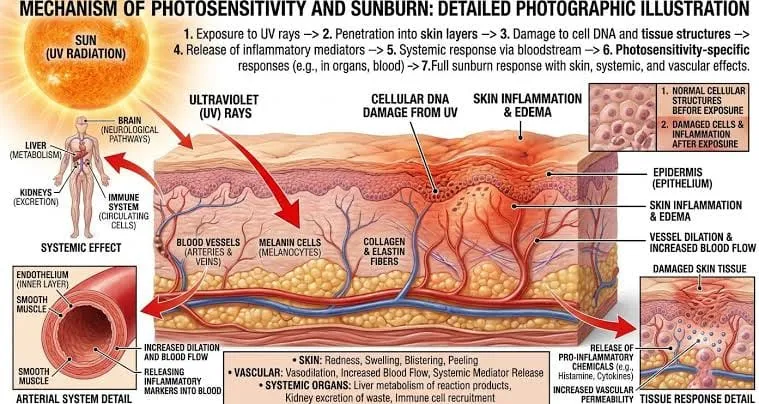
• MECHANISM OF SUNBURN:
1) UV radiation penetrates the skin and is absorbed by DNA and other cellular molecules [7, 9]. 2) DNA damage occurs, mainly due to the formation of pyrimidine dimers [9]. 3) UV exposure also generates Reactive Oxygen Species (ROS), which cause oxidative stress [7, 9]. 4) Oxidative stress also damages skin cells and cell components [9]. 5) UVB radiation induces a biological stress response in skin cells [10]. 6) This response triggers inflammation as the body tries to repair UV-induced damage [9, 10]. 7) In the course of inflammation, cytokines and prostaglandins are released as inflammatory mediators [9]. 8) These mediators induce vasodilation, increasing blood flow in the involved area of skin [9]. 9) Increased blood flow causes redness (80–120,000), warmth, and a feeling of swelling [9]. 10) UV-induced damage also stimulates nerve endings, resulting in pain and a burning sensation. In severe cases, excessive inflammation can cause fluid accumulation and blister formation [9]
Together, these effects produce the characteristic symptoms of sunburn, including redness, pain, swelling, and blistering.
TYPES OF SUNSCREENS:
1. Chemical (Organic) Sunscreens
Chemical sunscreens function by absorbing UV radiation and transforming it into heat to avoid damaging the skin. This sunscreen is created from synthetic organic compounds. This preparation is typically lightweight, easy to apply, and smooth on the skin, with no whitening of the sunscreen. This organic filter can become unstable when exposed to sunlight, leading to the breakdown of molecules interacting with the body's components and even the risk of skin cancer. Commonly used chemical UV filters are avobenzone and dibenzoyl methane, which may produce byproducts that cause skin irritation, skin burns, rashes, etc. [2, 11]
Common Chemical UV Filters [2,11]
Main Physical UV Filters
2. Physical (Inorganic) Sunscreens
Physical sunscreen, or mineral sunscreen, reflects and scatters UV rays to safeguard skin from UV exposure. Physical sunscreen uses natural UV filters such as Zinc Oxide and Titanium dioxide. This sunscreen is best for sensitive skin because they are safe, less irritating and more stable than chemical sunscreen. Suitable for all skin types, such as normal skin, oily skin and dry skin. Mineral sunscreen absorbs quickly, with no 20 to 30 minute wait time. Physical sunscreen is prepared using inorganic UV filters such as (ZnO) and (TiO2) that can penetrate the skin [2, 11, 12].
3. Herbal Sunscreen
Herbal sunscreen is better than physical and chemical sunscreens. Herbal sunscreen is made from phytochemicals derived from different herbs. These sunscreens are eco-friendly, safe, have reduced toxicity potential and are compatible with skin. This type of sunscreen is prepared with herbal-based products for natural sunscreen. These products are antioxidant, UV-absorbing, anti-inflammatory and have free radical scavenging effects. The plant extracts are rich in Vitamins A, C, E that helps to maintain healthy skin by reducing skin problems like hyperpigmentation, pre-mature aging and wrinkles. Flavonoids, polyphenols and phenolic compounds derived from plants have properties similar to synthetic sunscreen agents in that they protect against UV radiation. Also, antioxidants are good, since they help to get rid of free radicals formed by the sun’s rays. The challenge of creating a sunscreen that gives total protection against UV rays is still a problem. However, antioxidants in herbal sunscreen provide additional protection from UV rays [2,11,13].
Herbs having Photoprotective activity
1. Chamomile (Matricaria chamomilla)
2. Green tea (Camellia sinensis)
3. Punarnava (BOERHAAVIA DIFFUSA)
4. Moringa
Ideal properties of a sunscreen:
The ideal sunscreen should be able to absorb a wide range of ultraviolet (UV) radiation, which is responsible for sunburn and must be stable upon exposure to sunlight; its efficacy of which it is expected to be demonstrated.
• It should give full protection to the skin against damage from solar radiation. The ingredient should stay on the outer layer of skin even after sweating, bathing and swimming.
• It must penetrate the skin easily
. • It should not be easily washed out by water.
• Be safe, effective, chemically inert and stable, and non-irritating [2].
SKIN TYPES: -
Herbal sunscreen is a formulation with herbal extracts, natural ingredients and antioxidants that is compatible with all skin types. They are generally gentle with low irritation profiles, so they can be safely used on sensitive, dry, oily, combination and normal skin. These are good for sensitive and dry skin, as most of the herbal ingredients like Turmeric, Neem, Aloe vera, Pomegranate, etc. have moisturising, antioxidant and smoothing properties [11].
Compatible Skin Types [11]
• Normal skin - This skin type is already smooth and gentle, it is easily compatible, so we can use any type of herbal sunscreen.
• Dry skin - Herbal sunscreen with moisturising, hydrating agents is apt for dry skin type sunscreen.
•Oily skin – For oily skin type sunscreen, a herbal-based sunscreen with absorbing agents and pore-blocking agents is suitable.
• Acne-prone skin – Sunscreen with anti-inflammatory botanical extracts (like neem, green tea) is good for acne-prone skin.
• Combination skin – Most common type of skin; in this formulation, a combination of dry and oily type of sunscreen-based ingredients can
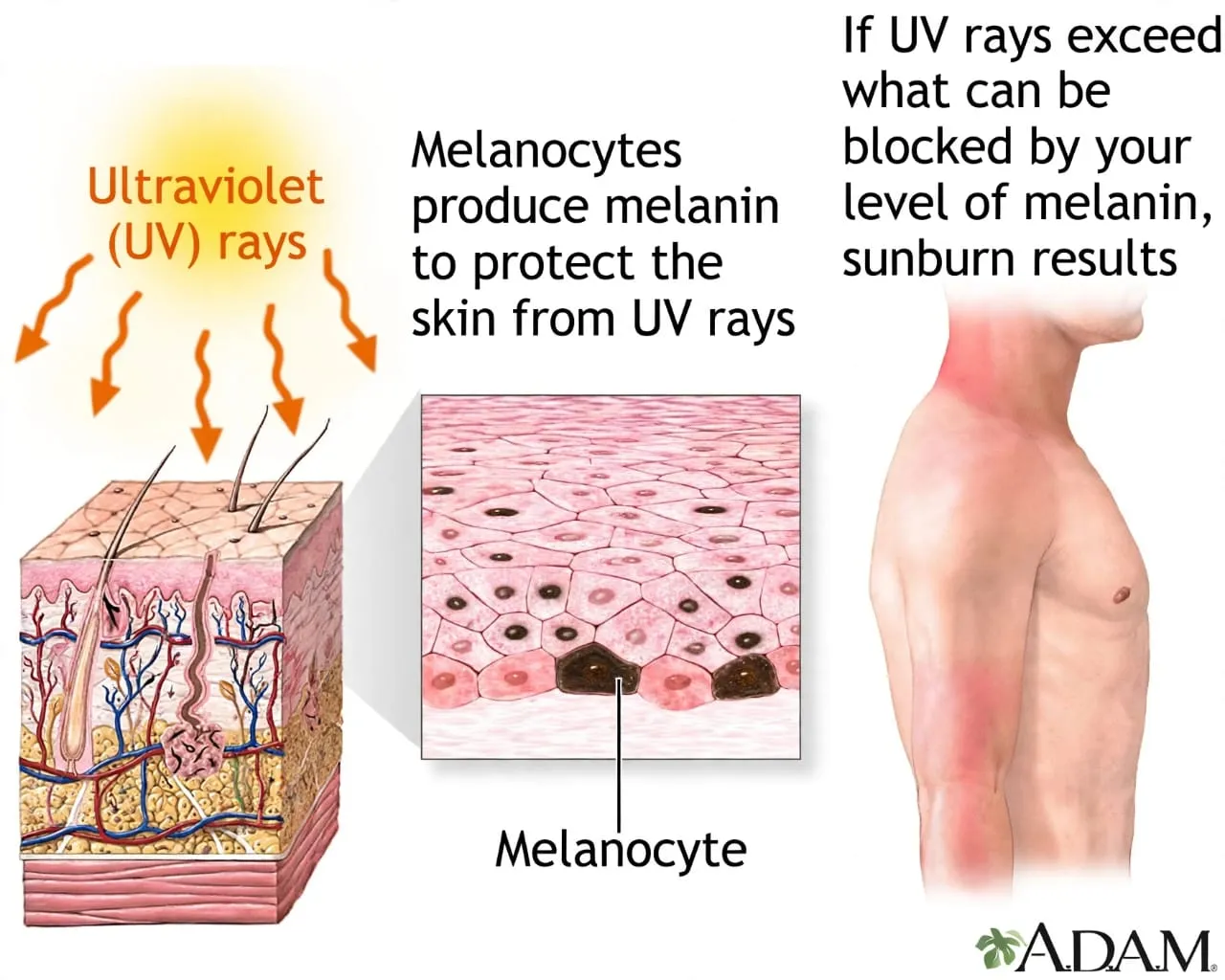
Table None: Photoprotective Herbal Drugs – Biological Source, Constituents, SPF Value and Activity
| Sr. No. | Herbal drug | Biological source | Active constituents | Photoprotective role | SPF value | Activity | Citation |
|---|---|---|---|---|---|---|---|
| 1. | Punarnava | Boerhavia diffusa L. (Nyctaginaceae); root / whole plant | Punarnavine (alkaloid), punarnavoside, flavonoids [14] | UV absorption in the 290–350 nm range by 5% and 10% extract [15]; antioxidant action helps neutralise UV-induced free radicals [14] | Reported for 5% and 10% extract [15]; value to be confirmed from the original paper | Antioxidant (in vitro, root extract) [14] | [14,15] |
| 2. | Chamomile | Matricaria chamomilla L. (Asteraceae); flowers/petals | Apigenin, α-bisabolol, flavonoids, terpenoids [16] | Absorbs UV-B (290–320 nm); SPF increases with extract concentration [17]; apigenin-containing extract enhanced photoprotection in a sunscreen formulation [18] | 5.30 (2 ppm), 19.38 (4 ppm), 40.16 (6 ppm) – ethanolic petal extract [17] | Anti-inflammatory, antioxidant, wound healing, skin soothing [16] | [16–18] |
| 3. | Green tea | Camellia sinensis L. (Theaceae); leaves | Catechins, caffeine, flavonols, organic acids [19] | UV absorption by catechins and caffeine (about 280 nm); absorbance continues beyond 290 nm [19,20] | > 30 (ethanolic leaf extract, 2000 µg/mL) | High flavonoid content (TFC 298.3 mg QUE/g extract); no significant NO inhibition in LPS-stimulated RAW 264.7 cells at tested doses | [19–21] |
| 4. | Moringa | Moringa oleifera L. (Moringaceae); leaves | Phenolic acids and derivatives (caffeic, p-coumaric, ferulic) [22] | UV absorption by phenolic acids (peaks below 347 nm) [22,23] | > 30 (ethanolic leaf extract, 2000 µg/mL) | Strong antioxidant (DPPH IC50 13.1 ± 0.4 µg/mL) | [21–23] |
MECHANISM OF ACTION OF MAIN CHEMICAL CONSTITUENTS
1. Flavonoids (Apigenin, Luteolin, Quercetin, Kaempferol)
Flavonoids have conjugated ring structures that allow them to absorb specific wavelengths of the UV spectrum. They also neutralise reactive oxygen species (ROS) that help to reduce oxidative stress and UV-induced skin damage [8,21].
2. Polyphenols/Catechins (EGCG, Chlorogenic Acid)
Antioxidant activities of polyphenols and catechins, especially EGCG and chlorogenic acid, are obtained by scavenging ROS. They can help to reduce UV-induced DNA damage and inflammation, thus contributing to protection against photoaging [19,24,25].
3. Coumarins (Umbelliferone, Herniarin)
Coumarins are plant-derived compounds characterised by UV-absorbing properties. Umbelliferone has been investigated for its biological effects on skin; however, its photostability and safety in sunscreen formulations need to be assessed [8].
4. Terpenoids/Essential Oils (α-Bisabolol, Chamazulene)
Terpenoids, e.g. α-bisabolol, have anti-inflammatory and antioxidant activities. They may help to reduce the inflammatory response, redness and swelling associated with skin irritation [16,18].
5. Alkaloids (Punarnavine)
Punarnavine is an alkaloid reported in Boerhavia diffusa (Punarnava). Research on this plant identifies potential antioxidant and anti-inflammatory activities among its constituents. However, direct evidence that punarnavine inhibits UV-induced cytokine release in skin requires further investigation [14].
6. Rotenoids (Boeravinones A–F)
Punarnavine is an alkaloid reported in Boerhavia diffusa (Punarnava). Research on this plant has reported that its constituents may have antioxidant and anti-inflammatory activities. However, further studies are required to provide direct evidence that punarnavine suppresses UV-induced cytokine release in skin [14].
7. Carotenoids (β-Carotene)
β-Carotene is an antioxidant that quenches singlet oxygen and scavenges some reactive oxygen species. This activity can protect cellular lipids and other biological structures from oxidative damage caused by UV exposure [22,23].
8. Isothiocyanates (Moringin)
Moringin is an isothiocyanate isolated from Moringa oleifera with anti-inflammatory activity and may enhance the cellular antioxidant defense system. These effects have been shown in experimental models but require further study for its effectiveness in sunscreen formulations [22,26].
9. Phytosterols (β-Sitosterol)
β-Sitosterol is a plant sterol that has anti-inflammatory and skin-supporting properties. Its possible role in skin-barrier maintenance and the reduction of UV-induced inflammation should be further investigated in sunscreen preparations [14,22].
10. Vitamin C (Ascorbic Acid)
Vitamin C is a potent antioxidant, mopping up free radicals and helping to regenerate vitamin E. It also induces collagen synthesis and inhibits collagen degradation, protecting skin structure from photoaging [22,23].
11. Vitamin E (Tocopherol)
Vitamin E is a lipid soluble antioxidant that protects the cell membranes from lipid peroxidation. When combined with vitamin C, it may provide complementary antioxidant protection against oxidative damage caused by UV [22,23].
PHOTOPROTECTIVE ACTIVITY OF HERBS:
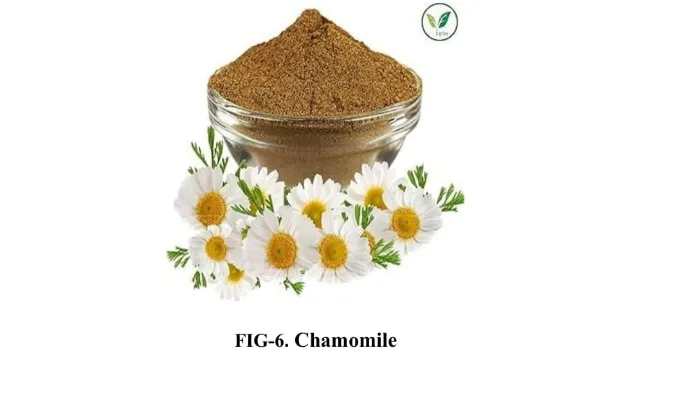
Chamomile (Matricaria chamomilla, family Asteraceae) contains the flavonoids apigenin, luteolin and quercetin, and the terpenoid α-bisabolol [16]. It absorbs ultraviolet (UV) radiation, reduces UV-induced oxidative stress and relieves inflammation associated with sunburn [16,18]. The in vitro studies revealed the SPF values of the ethanolic petal extract as 5.30, 19.38 and 40.16 at 2, 4 and 6 ppm, respectively [17].
Table 4: Organoleptic Properties of Chamomile (Matricaria Chamomilla), Flower Extract/Powder
| Parameter | Observation |
|---|---|
| Colour | Yellow to yellowish brown (extract: golden yellow to brown) |
| Odour | Aromatic, sweet, apple-like |
| Taste | Slightly bitter, aromatic |
| Texture | Fine powder, light and fluffy |
Green tea (Camellia sinensis, family Theaceae) contains catechins (EGCG, EGC and ECG) and other polyphenols. It filters UVB radiation and decreases the oxidative stress induced by UV [19,20].
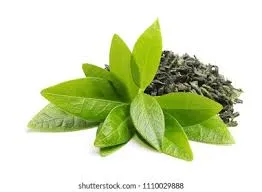
Table 2: Organoleptic Properties of Green Tea (Camellia Sinensis), Leaf Extract/Powder
| Parameter | Observation |
|---|---|
| Colour | Green to yellowish green (extract: pale yellow to brownish green) |
| Odour | Characteristic, grassy, fresh |
| Taste | Bitter, astringent |
| Texture | Fine powder, slightly hygroscopic |
The formulations containing green tea leaf extract showed SPF values of 0.54, 2.03 and 2.41 by the Mansur method [27].
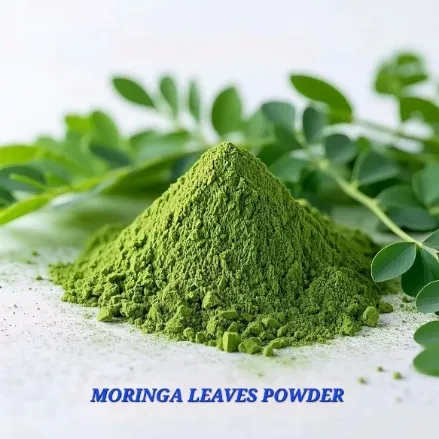
Moringa (Moringa oleifera, family Moringaceae) is rich in quercetin, kaempferol, chlorogenic acid, β-carotene, vitamins C and E. It has antioxidant and UV-absorbing activity [22,23,26,28]. [29] The ethanolic leaf extract showed an SPF value of 45.683 at the concentration of 1500 ppm.
Table 3: Organoleptic Properties of Moringa (Moringa Oleifera), Leaf Powder / Extract
| Parameter | Observation |
|---|---|
| Colour | Dark green to olive green |
| Odour | Characteristic, mild herbal/earthy |
| Taste | Slightly bitter, mildly pungent |
| Texture | Fine, smooth powder |
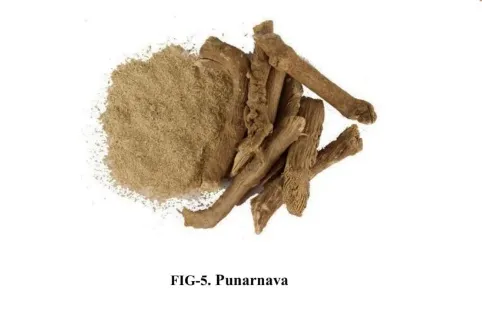
Punarnava (Boerhavia diffusa, family: Nyctaginaceae) contains punarnavine, boeravinones and flavonoids like quercetin and kaempferol. It has anti-inflammatory and antioxidant activity, which helps in protecting skin against UV-induced damage [14,15].
Table 1: Organoleptic Properties of Punarnava (Boerhavia Diffusa), Root / Whole Plant Powder
| Parameter | Observation |
|---|---|
| Colour | Light brown to yellowish brown |
| Odour | Characteristic, mild earthy |
| Taste | Bitter, slightly astringent |
| Texture | Fine to coarse powder |
METHODOLOGY
Extraction Procedure
Selected plant materials (Punarnava, Chamomile, Green tea and Moringa) were collected and authenticated by the qualified botanist. The plant parts were washed thoroughly with water to remove dirt and foreign matter and shade dried at room temperature and ground into a coarse powder. An appropriate solvent, e.g. water, ethanol or methanol, was used to extract the powdered material by an appropriate extraction technique, e.g. maceration or Soxhlet extraction. The filtered extract was concentrated under reduced pressure or by evaporation on a water bath to give a semi-solid residue. The dried extracts were stored at 4 °C in airtight containers until further use for standardisation, SPF screening, formulation and evaluation.
Figure None: Flow Chart of the Extraction Procedure
Plant collection and authentication
↓
Washing, shade drying and powdering (coarse powder)
↓
Extraction (water/ethanol/methanol) by maceration or Soxhlet extraction
↓
Filtration of the extract
↓
Concentration under reduced pressure/water bath (semi-solid residue)
↓
Storage in airtight containers at 4 °C
↓
Standardisation, SPF screening, formulation and evaluation
EVALUATION PARAMETERS:-
1. Physical Parameters
The colour, odour, and appearance of the formulation were checked organoleptically. Colour and appearance were visually observed for uniformity, texture and phase separation. The odour was assessed by applying a small amount of the preparation on the skin [21].
2. Determination of pH
The pH of the formulation was determined by a calibrated digital pH meter. The formulation (1 g) was suspended in 100 mL of distilled water and incubated for a fixed time before measurement. The pH should be compatible with that of the skin (approx. 5–7) to prevent irritation [21]. The measurement was performed in triplicate and expressed as mean standard deviation.
3. Determination of Viscosity
Viscosity was measured with a Brookfield viscometer using the appropriate spindle. The formulation was taken in a beaker, and the spindle was dipped to the marked groove and readings were taken at different rotational speeds (rpm). The viscosity was calculated by multiplying the dial reading by the corresponding instrument factor [21].
4. Spreadability
The spreadability was determined by the parallel plate method. A known amount of the formulation was placed between two glass slides and a fixed weight was applied for a specified time. The diameter of the spread or the time taken for the slides to separate were noted. Short time means better spreadability [30].
5. Homogeneity and Washability
Homogeneity was assessed by spreading a thin layer of the formulation on a glass slide and observing for lumps or coarse particles. The washability was evaluated by applying the formulation on the skin and washing it with water to determine the ease of removal [30].
6. In Vitro Sun Protection Factor (SPF) Determination
In vitro SPF was measured on a UV–visible spectrophotometer. A dilute solution of the formulation (0.1% w/v) was prepared in ethanol, and the absorbance was recorded in the range of 290–320 nm at 5 nm intervals. Each sample was run in triplicate [21]. The SPF was calculated from the Mansur equation [30,31].
7. Stability Testing
The stability of the formulation was evaluated by centrifugation and freeze-thaw cycles [30]. The centrifugation test was conducted by centrifuging the formulation at a fixed speed for a specified time and observed for phase separation. Samples were subjected to the freeze–thaw test in which they were kept at alternate low and high temperatures (e.g. 4 °C and 40 °C) and tested for alterations in colour, odour, pH, viscosity and phase separation, according to the ICH Q1A (R2) guidelines [33]. All tests were performed in triplicate.
8. Skin Irritation Study
A patch test was performed by applying the formulation on a defined area of skin and monitoring for erythema and oedema after a fixed duration of time. Responses were graded using the Draize scale [34].
FUTURE SCOPE OF THE STUDY:-
Polyherbal sunscreens containing Moringa oleifera, Punarnava, green tea and chamomile have been reported to show promising photoprotective potential, but more research is needed.
Optimisation: The ratio of the four herbs should be optimized to achieve a synergistic broad-spectrum (UVA and UVB) effect [21].
Standardisation: Extracts should be standardised on marker compounds (flavonoids, catechins, apigenin) for reproducible SPF [21].
Formulation-level SPF studies: Most reported SPF values are for extracts alone, and limited data are available for Punarnava [21,35]. Need studies on the final formulation.
Novel delivery systems: Nanoemulsions, liposomes and solid lipid nanoparticles can enhance stability and skin retention [21,28].
Clinical evaluation: Confirmation of SPF, water resistance, and long-term safety requires in vivo studies on human volunteers [21].
Safety and stability: Combined herbs need to be studied for irritation, phototoxicity and long-term stability [21].
Eco-friendly alternative: These formulations can replace synthetic filters like oxybenzone and octinoxate [21].
Regulatory standards: Specific guidelines for quality control of herbal sunscreens should be set up [35].
Advantages of Herbal Sunscreen Cream
Skin-friendly: Herbal sunscreens soothe and do not irritate, whereas chemical filters can lead to allergic reactions, irritation or hormonal disruption after penetrating the skin [1].
Lower toxicity: Herbal sunscreens are reported to be safe with less or no toxicity when compared to synthetic formulation [2].
Broad-spectrum potential: The main ingredients of natural sunscreens can block both UVA and UVB radiation [1].
Multifunctional action: Polyphenols and flavonoids absorb UV across the UVA and UVB range and also have antioxidant and anti-inflammatory effects [4].
Suitable for all ages: Natural sunscreens are generally regarded as safe for people of all ages, including children and those with sensitive skin [1].
Reduced dependence on synthetic filters: Plant extracts can reduce the amount of synthetic UV filters required to some degree [4].
Added skin benefits: It also contains ingredients such as aloe vera, turmeric and vitamin E which provide moisturising, anti-ageing and anti-inflammatory benefits [1].
Limitations of Herbal Sunscreen Cream
Lower SPF: Extracts at low concentrations showed SPF less than 10 and thus could not be used as a single sunscreen. One herbal preparation had an SPF of 6–7, whereas a commercial product had an SPF of about 50.
Lower photostability: The herbal formulation showed an AUCI of 0.82 as against 0.91 for the commercial product, indicating partial resistance to UV degradation.
Stability issues: Lotions exposed to direct sunlight showed a slight rise in pH, suggesting degradation of bioactive components due to UV and heat.
Acidity and irritation: At 4–5% extract concentration, pH dropped to approximately 5 or below, which may cause burning and irritation
Colour and formulation difficulty: The base is coloured by extractives. At concentrations above 5%, they are difficult to disperse evenly.
Allergy risk: Those allergic to daisy-family plants or ragweed may react to chamomile [16].
Application-dependent efficacy: Protection is dependent on the quantity applied, reapplication, perspiration and exposure to water [1].
Limited clinical data: Most evidence is in vitro, so in vivo and long-term stability studies are still needed [1,6].
CONCLUSION
Herbal sunscreens made from Punarnava, Chamomile, Green tea and Moringa have antioxidant, anti-inflammatory and weak UV-absorbing effects and are therefore a promising and skin-friendly supplement to photoprotective products. Their main strengths are multifunctionality and good acceptability. However, its main weaknesses are low SPF, variable quality, stability problems and limited clinical proof. They are best used currently as supportive actives in combination with approved UV filters rather than as stand-alone high-protection sunscreens. Future work should be directed toward standardised extraction, delivery via nanocarriers for improved stability and penetration, uniform SPF and photostability testing and well-designed clinical trials.
REFERENCES



Vaishnavi Mahakalkar, Pooja Raut, Dr. V. S. Babu Agala, A Comprehensive Review on Polyherbal Sunscreen Containing Moringa Oleifera and Other Medicinal Plants for UV Protection, Int. J. of Pharm. Sci., 2026, Vol 4, Issue 11, 3911-3922. https://doi.org/10.5281/zenodo.24415129
 10.5281/zenodo.24415129