

We use cookies to ensure our website works properly and to personalise your experience. Cookies policy
1M. Pharm, Sage Institute of Research and Technology- Pharmacy, Sanjeev Agrawal Global Educational University, Bhopal- 462 022, Madhya Pradesh, India.
2Professor, Sage Institute of Research and Technology- Pharmacy, Sanjeev Agrawal Global Educational University, Bhopal- 462 022, Madhya Pradesh, India.
3Professor, Dean, Faculty of Pharmaceutical Sciences, Sanjeev Agrawal Global Educational University, Bhopal- 462 022, Madhya Pradesh, India.
The present study investigated the protective and nootropic potential of methanolic seed extract of Trapa natans against scopolamine-induced amnesia in rodents. The extract was prepared by Soxhlet extraction and evaluated for preliminary phytochemical constituents, total phenolic content, total flavonoid content, and in-vitro antioxidant activity. Acute oral toxicity was assessed according to OECD Guideline 423. The anti-amnesic activity was evaluated using the Morris Water Maze, Elevated Plus Maze, and Passive Avoidance Test, while brain biochemical parameters, including acetylcholinesterase (AChE), malondialdehyde (MDA), reduced glutathione (GSH), superoxide dismutase (SOD), and catalase (CAT), were estimated. The extract contained phenolics, flavonoids, tannins, glycosides, and saponins, with total phenolic and flavonoid contents of 128.4 ± 2.15 mg GAE/g and 67.3 ± 1.42 mg QE/g extract, respectively. It demonstrated concentration-dependent DPPH radical-scavenging activity, with an IC?? of 92.4 µg/mL. In behavioural assessments, extract treatment at 100 and 200 mg/kg improved memory-related parameters compared with the scopolamine control. Biochemical findings also indicated reduced AChE activity and MDA levels, alongside improved GSH, SOD, and CAT levels. These findings suggest that T. natans seed extract possesses potential anti-amnesic and antioxidant activity in the scopolamine-induced rodent model.
Learning and memory are essential cognitive functions that enable individuals to acquire, retain, and retrieve information. These processes depend on coordinated neuronal activity, synaptic plasticity, and the interaction of several neurotransmitter systems. The hippocampus plays an important role in the formation and consolidation of new memories, while acetylcholine is closely associated with attention, learning, and memory processing. Alterations in cholinergic neurotransmission and neuronal function can therefore contribute to cognitive impairment.¹,²
Oxidative stress is another important factor associated with neuronal dysfunction and cognitive decline. An imbalance between the generation of reactive oxygen species and the body's antioxidant defence mechanisms can promote lipid peroxidation and cellular damage. Malondialdehyde (MDA) is commonly used as an indicator of lipid peroxidation, whereas reduced glutathione (GSH), superoxide dismutase (SOD), and catalase (CAT) contribute to endogenous antioxidant defence. Changes in these biochemical markers are relevant to investigations of oxidative injury and neuroprotection.²,⁷
Scopolamine-induced amnesia is an experimental model commonly used to investigate cholinergic dysfunction and evaluate potential memory-enhancing agents. Scopolamine acts as a muscarinic acetylcholine receptor antagonist and produces learning and memory deficits in experimental animals. The model provides a basis for evaluating anti-amnesic activity through behavioural tests and associated biochemical parameters. Previous investigations have also examined the effects of plant-derived preparations in experimental memory impairment, including research involving Trapa species.⁴,⁸
Trapa natans L., commonly known as water chestnut, is an aquatic plant used as a food source and in traditional medicinal practices. Its different plant parts have been reported to contain phenolic compounds, flavonoids, and tannins, which are of interest because of their antioxidant properties. Previous studies and reviews have described the nutritional and phytochemical characteristics of T. natans and its antioxidant potential.⁹–¹¹ However, findings obtained from different plant parts, varieties, and extraction procedures cannot be directly assumed to represent the activity of a methanolic seed extract. Further experimental evaluation of the seed extract is therefore relevant.
The present study was undertaken to investigate the protective and nootropic potential of methanolic T. natans seed extract against scopolamine-induced amnesia in rodents. The investigation included preliminary phytochemical screening, estimation of total phenolic and flavonoid contents, and in-vitro antioxidant assessment. Its pharmacological activity was evaluated using the Morris Water Maze, Elevated Plus Maze, and Passive Avoidance Test. Brain acetylcholinesterase activity and oxidative stress-related biochemical parameters, including MDA, GSH, SOD, and CAT, were also assessed to examine possible cholinergic and antioxidant effects.
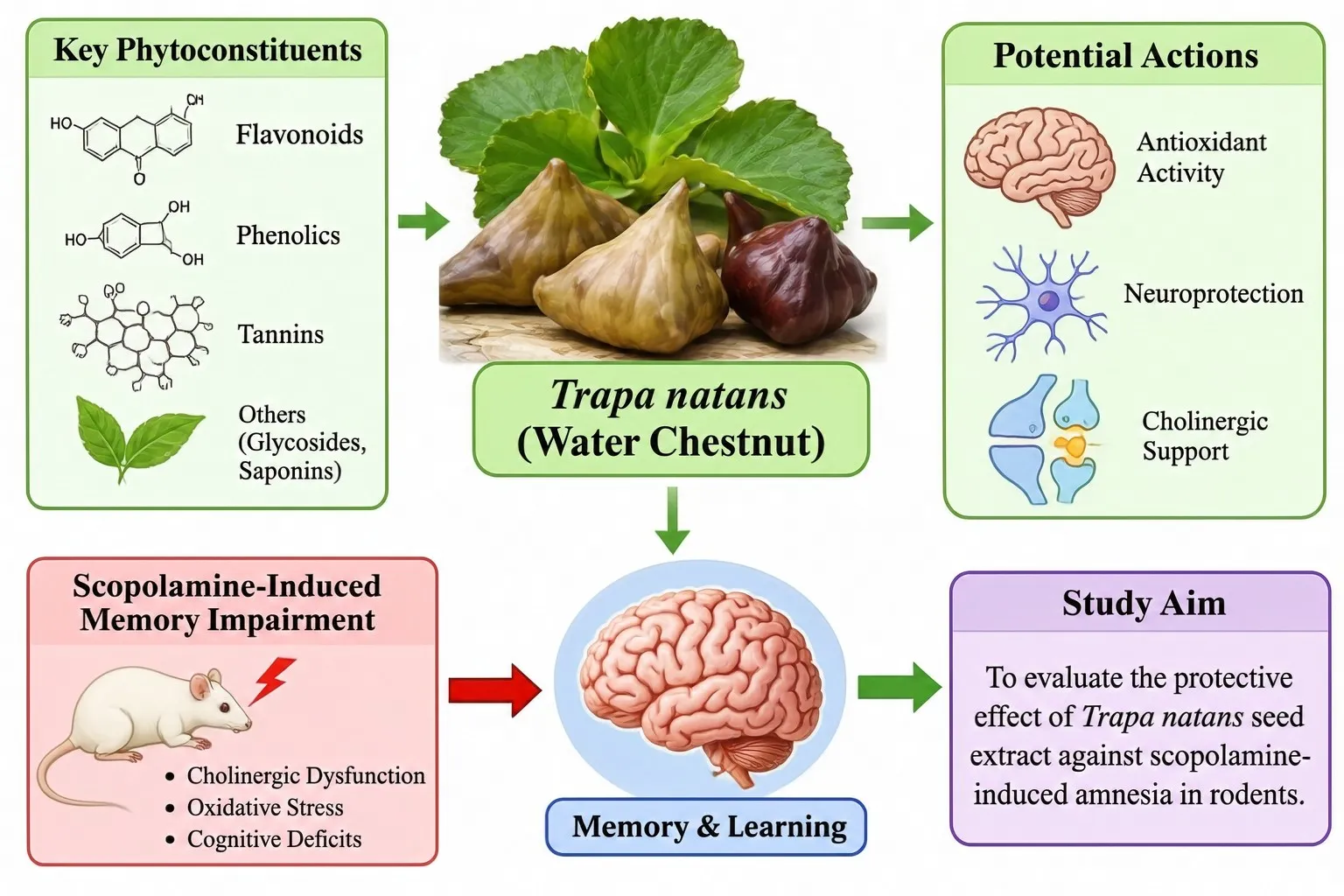
Figure 1: Schematic Representation of the Study Rationale Illustrating Scopolamine-Induced Cognitive Impairment and the Potential Antioxidant and Neuroprotective Effects of Trapa Natans Seed Extract.
MATERIALS AND METHODS
2.1 Plant Material and Chemicals
Mature, dried seeds of Trapa natans L. (water chestnut) were used for the preparation of the methanolic seed extract. The plant material was obtained from a local source and was reported to have been botanically authenticated. The voucher specimen number and details of the authentication facility should be included in the final manuscript.
Methanol, scopolamine hydrobromide, donepezil hydrochloride, 2,2-diphenyl-1-picrylhydrazyl (DPPH), Folin–Ciocalteu reagent, aluminium chloride, gallic acid, quercetin, trichloroacetic acid, thiobarbituric acid, and Ellman's reagent [5,5′-dithiobis-(2-nitrobenzoic acid), DTNB] were among the chemicals and reagents used. Other reagents included those required for the estimation of antioxidant biochemical markers.
2.2 Preparation of Trapa natans Seed Extract
The collected seeds were cleaned to remove adhering dirt and foreign matter and were shade-dried. The dried seeds were pulverized into a coarse powder. The powdered material was subjected to continuous hot extraction using methanol in a Soxhlet apparatus for approximately 48 hours, until the siphoning solvent appeared clear.
The methanolic extract was concentrated under reduced pressure using a rotary evaporator. The resulting viscous extract was dried, weighed, and stored in an airtight container at 4°C until further use.
2.3 Preliminary Phytochemical Screening
The prepared methanolic extract was subjected to preliminary qualitative phytochemical screening using standard procedures described in the phytochemical literature. The screening was performed to identify the presence of major secondary metabolite groups, including alkaloids, flavonoids, phenolic compounds, tannins, glycosides, and saponins.
2.4 Quantitative Phytochemical Estimation
2.4.1 Total Phenolic Content
The total phenolic content (TPC) of the methanolic seed extract was determined using the Folin–Ciocalteu colorimetric method. Gallic acid was used as the reference standard, and the results were expressed as milligrams of gallic acid equivalents per gram of extract (mg GAE/g extract).
2.4.2 Total Flavonoid Content
The total flavonoid content (TFC) was estimated using the aluminium chloride colorimetric method. Quercetin was used as the reference standard. The absorbance of the developed colour was measured at 415 nm using a UV–Visible spectrophotometer, and the results were expressed as milligrams of quercetin equivalents per gram of extract (mg QE/g extract).
2.5 In Vitro Antioxidant Evaluation
2.5.1 DPPH Radical Scavenging Assay
The free-radical scavenging activity of the extract was evaluated using the DPPH radical scavenging assay. Different concentrations of the methanolic extract were assessed for their ability to reduce the stable DPPH radical. The decrease in absorbance was measured at 517 nm using a UV–Visible spectrophotometer. The percentage inhibition was determined, and the IC₅₀ value was calculated to represent the concentration required to produce 50% radical scavenging activity.
2.5.2 Phosphomolybdenum Total Antioxidant Capacity
The total antioxidant capacity of the extract was evaluated using the phosphomolybdenum method. This assay is based on the reduction of molybdenum (VI) to molybdenum (V) by antioxidant constituents, resulting in the formation of a green-coloured phosphomolybdenum complex. The absorbance was measured at 695 nm using a UV–Visible spectrophotometer. The antioxidant capacity was expressed as ascorbic acid equivalents per gram of extract (mg AAE/g extract).
2.6 Acute Oral Toxicity Study
The acute oral toxicity study was conducted according to OECD Guideline 423. Female Wistar rats received the methanolic seed extract at a limit dose of 2000 mg/kg orally. Animals were observed continuously for 4 hours following administration and subsequently monitored daily for 14 days for signs of toxicity, behavioural changes, and mortality.
Based on the reported absence of mortality and observable adverse effects at the tested dose, two doses of the extract, 100 and 200 mg/kg, were selected for the pharmacological evaluation.
2.7 Experimental Animals
Wistar albino rats weighing 150–200 g were used for the pharmacological investigation. The animals were maintained in polypropylene cages under controlled environmental conditions, with a 12-hour light/dark cycle and a temperature of 25 ± 2°C. Standard pellet diet and water were provided ad libitum.
The thesis identifies the animal facility as a CPCSEA-approved facility. The actual animal ethics committee name, approval number, and the sex of animals used in the main pharmacological experiment should be specified in the final manuscript.
2.8 Experimental Design and Treatment Schedule
The animals were divided into five experimental groups, with six animals in each group (n = 6).
Table 1: Experimental Design and Treatment Schedule
| Group | Experimental Group | Treatment Administered | Dose | Route of Administration | Number of Animals |
|---|---|---|---|---|---|
| Group I | Normal Control | Normal saline (vehicle control) | 1 mL/kg | Oral / Intraperitoneal | 6 |
| Group II | Scopolamine Control | Scopolamine hydrobromide | 1 mg/kg | Intraperitoneal | 6 |
| Group III | Standard Control | Donepezil hydrochloride | 5 mg/kg | Oral | 6 |
| Group IV | Test Group – Low Dose | Trapa natans methanolic seed extract | 100 mg/kg | Oral | 6 |
| Group V | Test Group – High Dose | Trapa natans methanolic seed extract | 200 mg/kg | Oral | 6 |
The extract and standard drug were administered daily. Scopolamine hydrobromide (1 mg/kg, intraperitoneally) was administered 30 minutes before behavioural testing on the final day to induce cognitive impairment. The extract doses were administered orally, using 0.5% carboxymethylcellulose (CMC) suspension as the vehicle, as described in the thesis.
2.9 Behavioural Assessment of Learning and Memory
The effects of the methanolic seed extract on learning and memory were evaluated using the following behavioural models:
2.9.1 Morris Water Maze Test
The Morris Water Maze (MWM) test was used to evaluate spatial learning and memory. Rats were trained to locate a hidden platform in a water-filled tank using spatial cues. Escape latency, defined as the time required to locate the hidden platform, was recorded during the acquisition phase. A probe trial was performed to assess memory retention by recording the time spent in the target quadrant.
2.9.2 Elevated Plus Maze Test
The Elevated Plus Maze (EPM) test was used to assess learning and memory through transfer latency. Transfer latency was defined as the time taken by an animal to enter a closed arm of the maze. The latency recorded on the first day was considered the acquisition measure, while the latency recorded on the subsequent day was used to assess memory retention.
2.9.3 Passive Avoidance Test
The Passive Avoidance Test (PAT) was employed to evaluate associative learning and memory retention. The test was based on the animal's ability to remember and avoid the compartment previously associated with a mild foot shock. Retention latency was recorded as an indicator of memory retention.
2.10 Biochemical Estimation
Following completion of the behavioural assessments, the animals were sacrificed and brain tissue was collected for biochemical investigations. The following parameters were evaluated:
Acetylcholinesterase (AChE) activity: Estimated to assess changes in cholinergic function.
Malondialdehyde (MDA): Estimated as an indicator of lipid peroxidation and oxidative damage.
Reduced glutathione (GSH): Measured to assess the endogenous non-enzymatic antioxidant status.
Superoxide dismutase (SOD): Evaluated to determine the activity of an important enzymatic antioxidant defence.
Catalase (CAT): Estimated to assess the enzymatic breakdown of hydrogen peroxide.
2.11 Statistical Analysis
The experimental data were expressed as mean ± standard error of the mean (SEM). Statistical comparisons among the experimental groups were performed using one-way analysis of variance (ANOVA), followed by Tukey's multiple-comparison test. A p-value of less than 0.05 was considered statistically significant.
RESULTS
3.1 Preparation of Trapa natans Seed Extract
The methanolic Soxhlet extraction of Trapa natans seeds produced a dark-brown, semi-solid extract. The extract was concentrated under reduced pressure and stored at 4°C for subsequent phytochemical and pharmacological investigations. The percentage extractive yield was not reported.
3.2 Preliminary Phytochemical Screening
Preliminary phytochemical screening of the methanolic seed extract revealed the presence of phenolic compounds, flavonoids, tannins, glycosides, and saponins. These findings indicated the presence of several classes of secondary metabolites in the extract.
Table 2: Preliminary Phytochemical Screening of Trapa natans Methanolic Seed Extract
| S. No. | Phytochemical Constituents | Result |
|---|---|---|
| 1 | Phenolic compounds | Present |
| 2 | Flavonoids | Present |
| 3 | Tannins | Present |
| 4 | Glycosides | Present |
| 5 | Saponins | Present |
3.3 Quantitative Phytochemical Estimation
The total phenolic content of the methanolic seed extract was found to be 128.4 ± 2.15 mg GAE/g extract. The total flavonoid content was 67.3 ± 1.42 mg QE/g extract.
Table 3: Total Phenolic and Total Flavonoid Contents of the Extract
| S. No. | Parameter | Method/Standard | Result |
|---|---|---|---|
| 1 | Total phenolic content (TPC) | Folin–Ciocalteu method; gallic acid standard | 128.4 ± 2.15 mg GAE/g extract |
| 2 | Total flavonoid content (TFC) | Aluminium chloride method; quercetin standard | 67.3 ± 1.42 mg QE/g extract |
3.4 In Vitro Antioxidant Activity
3.4.1 DPPH Radical Scavenging Activity
The methanolic seed extract exhibited concentration-dependent DPPH radical scavenging activity. The percentage inhibition increased from 22.6 ± 1.14% at 25 µg/mL to 86.7 ± 1.09% at 400 µg/mL. The reported IC₅₀ value was 92.4 µg/mL.
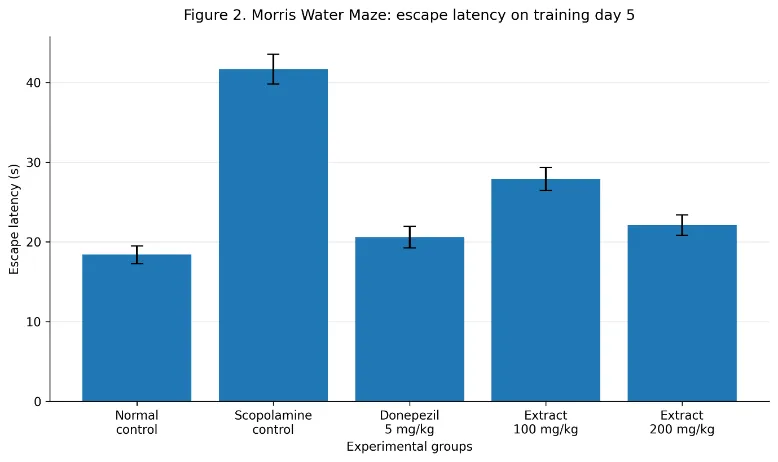
Figure 2: DPPH Radical-Scavenging Activity of Methanolic Trapa Natans Seed Extract at Different Concentrations.\
Table 4: DPPH Radical Scavenging Activity of Trapa natans Seed Extract
| S. No. | Concentration (µg/mL) | Percentage Inhibition (Mean ± SEM) |
|---|---|---|
| 1 | 25 | 22.6 ± 1.14 |
| 2 | 50 | 38.4 ± 1.32 |
| 3 | 100 | 55.9 ± 1.28 |
| 4 | 200 | 71.3 ± 1.21 |
| 5 | 400 | 86.7 ± 1.09 |
| 6 | IC₅₀ | 92.4 µg/mL |
3.4.2 Phosphomolybdenum Total Antioxidant Capacity
The total antioxidant capacity of the methanolic seed extract, determined using the phosphomolybdenum method, was reported as 214.6 ± 4.72 mg AAE/g extract.
Table 5: Total Antioxidant Capacity of Trapa natans Seed Extract
| S. No. | Parameter | Method | Result |
|---|---|---|---|
| 1 | Total antioxidant capacity | Phosphomolybdenum assay | 214.6 ± 4.72 mg AAE/g extract |
3.5 Acute Oral Toxicity Study
The acute oral toxicity study was conducted according to OECD Guideline 423 at a dose of 2000 mg/kg orally in female Wistar rats. The animals were monitored for 4 hours following administration and subsequently for 14 days. No mortality or observable adverse effects were reported during the observation period.
3.6 Behavioural Assessment of Learning and Memory
3.6.1 Morris Water Maze Test
The Morris Water Maze test was performed to assess spatial learning and memory. On training day 5, the scopolamine control group exhibited a higher escape latency (41.7 ± 1.86 seconds) compared with the normal control group (18.4 ± 1.12 seconds). Treatment with T. natans extract reduced the escape latency to 27.9 ± 1.44 seconds and 22.1 ± 1.28 seconds at doses of 100 and 200 mg/kg, respectively.
During the probe trial, the time spent in the target quadrant was lower in the scopolamine control group (14.7 ± 0.83 seconds) than in the normal control group (32.5 ± 1.04 seconds). Extract treatment increased the target-quadrant time to 24.2 ± 1.16 seconds at 100 mg/kg and 28.7 ± 1.09 seconds at 200 mg/kg.
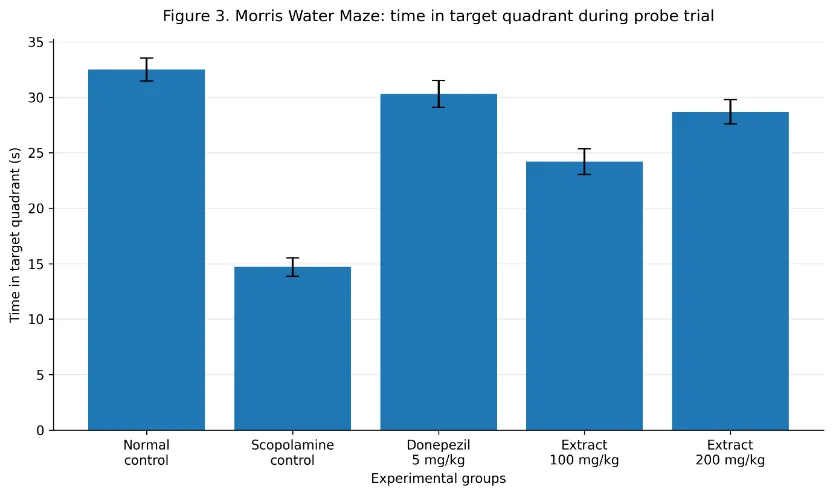
Figure 3: Effect of Trapa Natans Seed Extract on Escape Latency in the Morris Water Maze on Training Day 5
Table 6: Effect of Trapa natans Extract on Morris Water Maze Performance
| S. No. | Experimental Group | Escape Latency on Day 5 (sec) | Time in Target Quadrant (sec) |
|---|---|---|---|
| 1 | Normal Control | 18.4 ± 1.12 | 32.5 ± 1.04 |
| 2 | Scopolamine Control | 41.7 ± 1.86 | 14.7 ± 0.83 |
| 3 | Donepezil (5 mg/kg) | 20.6 ± 1.35 | 30.3 ± 1.22 |
| 4 | Extract (100 mg/kg) | 27.9 ± 1.44 | 24.2 ± 1.16 |
| 5 | Extract (200 mg/kg) | 22.1 ± 1.28 | 28.7 ± 1.09 |
3.6.2 Elevated Plus Maze Test
The transfer latency recorded during the acquisition and retention phases was increased in the scopolamine control group compared with the normal control group. Treatment with the methanolic seed extract reduced transfer latency at both tested doses.
On day 1, transfer latency was 31.6 ± 1.17 seconds in the scopolamine control group, compared with 12.8 ± 0.74 seconds in the normal control group. Extract treatment reduced the value to 22.4 ± 1.02 seconds at 100 mg/kg and 16.7 ± 0.81 seconds at 200 mg/kg.
On day 2, the transfer latency was 35.1 ± 1.41 seconds in the scopolamine control group and 10.2 ± 0.63 seconds in the normal control group. The corresponding values following extract treatment were 19.6 ± 0.94 seconds and 14.2 ± 0.77 seconds at 100 and 200 mg/kg, respectively.
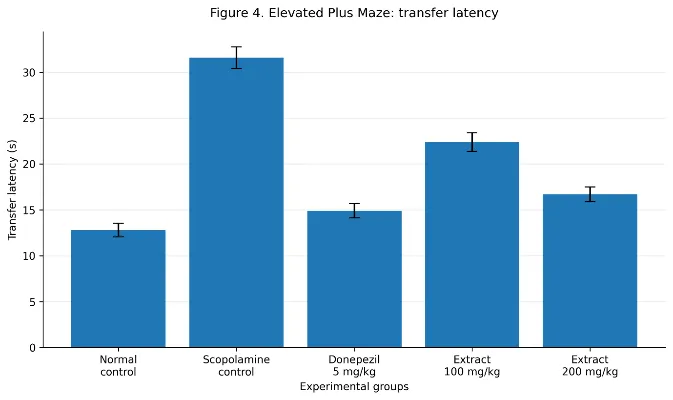
Figure 4: Effect of Trapa Natans Seed Extract on Transfer Latency of Elevated Plus Maze.
Table 7: Effect of Trapa natans Extract on Transfer Latency in the Elevated Plus Maze
| S. No. | Experimental Group | Acquisition (Day 1) (sec) | Retention (Day 2) (sec) |
|---|---|---|---|
| 1 | Normal Control | 12.8 ± 0.74 | 10.2 ± 0.63 |
| 2 | Scopolamine Control | 31.6 ± 1.17 | 35.1 ± 1.41 |
| 3 | Donepezil (5 mg/kg) | 14.9 ± 0.78 | 12.8 ± 0.69 |
| 4 | Extract (100 mg/kg) | 22.4 ± 1.02 | 19.6 ± 0.94 |
| 5 | Extract (200 mg/kg) | 16.7 ± 0.81 | 14.2 ± 0.77 |
3.6.3 Passive Avoidance Test
The scopolamine control group showed a reduced retention latency of 63.8 ± 3.44 seconds compared with 153.4 ± 6.18 seconds in the normal control group. Administration of T. natans extract increased retention latency to 118.3 ± 4.62 seconds at 100 mg/kg and 134.8 ± 5.11 seconds at 200 mg/kg.
Table 8: Effect of Trapa natans Extract on Passive Avoidance Performance
| S. No. | Experimental Group | Retention Latency (sec) |
|---|---|---|
| 1 | Normal Control | 153.4 ± 6.18 |
| 2 | Scopolamine Control | 63.8 ± 3.44 |
| 3 | Donepezil (5 mg/kg) | 141.6 ± 5.27 |
| 4 | Extract (100 mg/kg) | 118.3 ± 4.62 |
| 5 | Extract (200 mg/kg) | 134.8 ± 5.11 |
3.7 Biochemical Estimation
3.7.1 Acetylcholinesterase Activity
The reported AChE activity was higher in the scopolamine control group (9.14 ± 0.25) than in the normal control group (5.28 ± 0.19). Treatment with T. natans extract reduced the reported AChE activity to 7.12 ± 0.22 at 100 mg/kg and 6.01 ± 0.20 at 200 mg/kg.
Table 9: Effect of Trapa natans Extract on Brain Acetylcholinesterase Activity
| S. No. | Experimental Group | AChE Activity |
|---|---|---|
| 1 | Normal Control | 5.28 ± 0.19 |
| 2 | Scopolamine Control | 9.14 ± 0.25 |
| 3 | Donepezil (5 mg/kg) | 5.76 ± 0.21 |
| 4 | Extract (100 mg/kg) | 7.12 ± 0.22 |
| 5 | Extract (200 mg/kg) | 6.01 ± 0.20 |
3.7.2 Malondialdehyde Levels
The MDA level was increased in the scopolamine control group (3.91 ± 0.12 nmol/mg protein) compared with the normal control group (1.84 ± 0.07 nmol/mg protein). Extract treatment reduced the MDA level to 2.78 ± 0.10 and 2.24 ± 0.09 nmol/mg protein at doses of 100 and 200 mg/kg, respectively.
Table 10: Effect of Trapa natans Extract on Brain Malondialdehyde Levels
| S. No. | Experimental Group | MDA (nmol/mg protein) |
|---|---|---|
| 1 | Normal Control | 1.84 ± 0.07 |
| 2 | Scopolamine Control | 3.91 ± 0.12 |
| 3 | Donepezil (5 mg/kg) | 2.11 ± 0.08 |
| 4 | Extract (100 mg/kg) | 2.78 ± 0.10 |
| 5 | Extract (200 mg/kg) | 2.24 ± 0.09 |
3.7.3 Reduced Glutathione Levels
The GSH level was reduced in the scopolamine control group (3.12 ± 0.17 µmol/mg protein) compared with the normal control group (7.14 ± 0.24 µmol/mg protein). Treatment with the extract increased GSH levels to 5.08 ± 0.19 and 6.12 ± 0.21 µmol/mg protein at doses of 100 and 200 mg/kg, respectively.
Table 11: Effect of Trapa natans Extract on Brain Reduced Glutathione Levels
| S. No. | Experimental Group | GSH (µmol/mg protein) |
|---|---|---|
| 1 | Normal Control | 7.14 ± 0.24 |
| 2 | Scopolamine Control | 3.12 ± 0.17 |
| 3 | Donepezil (5 mg/kg) | 6.51 ± 0.22 |
| 4 | Extract (100 mg/kg) | 5.08 ± 0.19 |
| 5 | Extract (200 mg/kg) | 6.12 ± 0.21 |
3.7.4 Superoxide Dismutase Activity
The SOD activity was lower in the scopolamine control group (5.41 ± 0.26 U/mg protein) than in the normal control group (9.84 ± 0.31 U/mg protein). Following treatment with the extract, SOD activity increased to 7.46 ± 0.28 U/mg protein at 100 mg/kg and 8.72 ± 0.29 U/mg protein at 200 mg/kg.
Table 12: Effect of Trapa natans Extract on Brain Superoxide Dismutase Activity
| S. No. | Experimental Group | SOD (U/mg protein) |
|---|---|---|
| 1 | Normal Control | 9.84 ± 0.31 |
| 2 | Scopolamine Control | 5.41 ± 0.26 |
| 3 | Donepezil (5 mg/kg) | 9.21 ± 0.30 |
| 4 | Extract (100 mg/kg) | 7.46 ± 0.28 |
| 5 | Extract (200 mg/kg) | 8.72 ± 0.29 |
3.7.5 Catalase Activity
Catalase activity was reduced in the scopolamine control group (34.7 ± 1.66) compared with the normal control group (62.3 ± 2.11). Treatment with T. natans extract increased catalase activity to 49.6 ± 1.88 and 55.2 ± 1.94 at doses of 100 and 200 mg/kg, respectively.
Table 13: Effect of Trapa natans Extract on Brain Catalase Activity
| S. No. | Experimental Group | CAT (µmol H₂O₂ decomposed/min/mg protein) |
|---|---|---|
| 1 | Normal Control | 62.3 ± 2.11 |
| 2 | Scopolamine Control | 34.7 ± 1.66 |
| 3 | Donepezil (5 mg/kg) | 58.9 ± 2.02 |
| 4 | Extract (100 mg/kg) | 49.6 ± 1.88 |
| 5 | Extract (200 mg/kg) | 55.2 ± 1.94 |
3.8 Overall Findings
The reported results showed that scopolamine administration was associated with impaired performance in the behavioural tests, increased AChE activity and MDA levels, and reduced GSH, SOD, and CAT levels. Treatment with the methanolic seed extract of Trapa natans produced improvements in the measured behavioural and biochemical parameters at both tested doses. Across the reported outcomes, the 200 mg/kg dose generally showed greater improvement than the 100 mg/kg dose.
DISCUSSION
The present study investigated the potential anti-amnesic and antioxidant effects of the methanolic seed extract of Trapa natans against scopolamine-induced cognitive impairment in rodents. The findings demonstrated that the extract contained phenolic and flavonoid constituents, exhibited in vitro antioxidant activity, and was associated with improvements in behavioural and biochemical parameters at the tested doses. The overall findings suggest a possible relationship between the antioxidant properties of the extract and its observed effects on learning and memory.
4.1 Phytochemical Profile of the Extract
Preliminary phytochemical screening revealed the presence of phenolic compounds, flavonoids, tannins, glycosides and saponins in the methanolic seed extract. The quantitative estimation further demonstrated a total phenolic content of 128.4 ± 2.15 mg GAE/g extract and a total flavonoid content of 67.3 ± 1.42 mg QE/g extract.
The presence of these phytochemical groups provides a possible basis for the antioxidant activity observed in the subsequent in vitro experiments. Phenolic and flavonoid compounds are recognised for their ability to participate in redox reactions and free-radical scavenging. However, the individual compounds responsible for the observed activities were not identified in the present study. Further chromatographic and spectroscopic investigations would be required to characterise the active constituents of the extract.
4.2 In Vitro Antioxidant Activity
The methanolic seed extract demonstrated concentration-dependent DPPH radical scavenging activity. The percentage inhibition increased from 22.6 ± 1.14% at 25 µg/mL to 86.7 ± 1.09% at 400 µg/mL, with a reported IC₅₀ value of 92.4 µg/mL. The phosphomolybdenum assay also demonstrated total antioxidant capacity of 214.6 ± 4.72 mg AAE/g extract.
These findings indicate that the extract possesses in vitro radical-scavenging and reducing capacity. The antioxidant activity may be associated with the phenolic and flavonoid constituents detected during phytochemical screening. Since oxidative stress is one of the factors associated with neuronal dysfunction, the antioxidant properties of the extract provide a possible explanation for some of the beneficial changes observed in the biochemical parameters of treated animals.
Nevertheless, in vitro antioxidant activity alone does not establish the ability of the extract or its constituents to reach the brain or exert antioxidant effects in vivo.
4.3 Effect on Learning and Memory
Scopolamine administration was associated with impaired performance in the behavioural assessments, as indicated by increased escape latency in the Morris Water Maze, increased transfer latency in the Elevated Plus Maze and reduced retention latency in the Passive Avoidance Test. These changes were consistent with impaired learning and memory performance in the experimental model.
Treatment with the methanolic seed extract improved the measured behavioural outcomes at both tested doses. In the Morris Water Maze, the escape latency on training day 5 decreased from 41.7 ± 1.86 seconds in the scopolamine control group to 27.9 ± 1.44 seconds and 22.1 ± 1.28 seconds in the 100 and 200 mg/kg extract-treated groups, respectively. Similarly, the time spent in the target quadrant increased from 14.7 ± 0.83 seconds in the scopolamine control group to 24.2 ± 1.16 seconds and 28.7 ± 1.09 seconds, respectively.
The Elevated Plus Maze findings also showed reduced transfer latency following extract administration during both acquisition and retention assessments. In the Passive Avoidance Test, retention latency increased from 63.8 ± 3.44 seconds in the scopolamine control group to 118.3 ± 4.62 seconds at 100 mg/kg and 134.8 ± 5.11 seconds at 200 mg/kg.
The improvements observed across these behavioural models suggest that the extract may have a beneficial effect on different aspects of learning and memory. The higher dose generally produced greater improvement than the lower dose across the reported behavioural parameters. However, confirmation of a statistically significant dose-dependent effect requires examination of the original ANOVA and post-hoc comparison results.
4.4 Effect on Acetylcholinesterase Activity
Acetylcholinesterase is responsible for the hydrolysis of acetylcholine, a neurotransmitter involved in learning and memory processes. Alterations in cholinergic neurotransmission are associated with cognitive impairment, and the scopolamine model is commonly used to investigate cholinergic-related memory deficits.
In the present study, AChE activity was higher in the scopolamine control group (9.14 ± 0.25) than in the normal control group (5.28 ± 0.19). Treatment with T. natans seed extract reduced the reported activity to 7.12 ± 0.22 and 6.01 ± 0.20 at doses of 100 and 200 mg/kg, respectively.
The reduction in AChE activity following extract administration suggests a possible influence on cholinergic function. This finding may be associated with the improved behavioural performance observed in the treated groups. However, the present findings do not establish direct inhibition of AChE by the extract or identify the compounds responsible for this effect. Further enzyme-inhibition and mechanistic studies are necessary to clarify the underlying mechanism.
4.5 Effect on Oxidative Stress and Antioxidant Parameters
Oxidative stress is associated with the excessive generation of reactive oxygen species and an imbalance in endogenous antioxidant defence mechanisms. In the present study, scopolamine administration was associated with increased MDA levels and reduced GSH, SOD and CAT levels, indicating alterations in the measured oxidative stress-related parameters.
4.5.1 Effect on Lipid Peroxidation
MDA is commonly used as an indicator of lipid peroxidation. The MDA level increased from 1.84 ± 0.07 nmol/mg protein in the normal control group to 3.91 ± 0.12 nmol/mg protein in the scopolamine control group. Treatment with the extract reduced MDA levels to 2.78 ± 0.10 nmol/mg protein at 100 mg/kg and 2.24 ± 0.09 nmol/mg protein at 200 mg/kg.
The reduction in MDA levels suggests that extract treatment may have attenuated lipid peroxidation under the experimental conditions. This observation is consistent with the antioxidant activity demonstrated in the in vitro assays.
4.5.2 Effect on Reduced Glutathione
GSH is an important endogenous antioxidant involved in maintaining cellular redox balance. In the present investigation, the GSH level was reduced in the scopolamine control group (3.12 ± 0.17 µmol/mg protein) compared with the normal control group (7.14 ± 0.24 µmol/mg protein). Treatment with T. natans extract increased GSH levels to 5.08 ± 0.19 and 6.12 ± 0.21 µmol/mg protein at doses of 100 and 200 mg/kg, respectively.
The observed increase in GSH levels indicates a possible improvement in endogenous antioxidant status following extract treatment.
4.5.3 Effect on Superoxide Dismutase and Catalase
SOD and CAT are important enzymatic components of the cellular antioxidant defence system. In the present study, SOD activity decreased from 9.84 ± 0.31 U/mg protein in the normal control group to 5.41 ± 0.26 U/mg protein in the scopolamine control group. Extract treatment increased SOD activity to 7.46 ± 0.28 U/mg protein at 100 mg/kg and 8.72 ± 0.29 U/mg protein at 200 mg/kg.
Similarly, CAT activity was reduced in the scopolamine control group (34.7 ± 1.66) compared with the normal control group (62.3 ± 2.11). Treatment with the extract increased CAT activity to 49.6 ± 1.88 and 55.2 ± 1.94 at doses of 100 and 200 mg/kg, respectively.
The restoration of these antioxidant parameters suggests that the extract may help improve endogenous antioxidant defence under the experimental conditions. The findings, together with the reduction in MDA levels, support a possible contribution of antioxidant activity to the observed behavioural improvements.
CONCLUSION
The present study provides preliminary evidence that methanolic Trapa natans seed extract may improve learning and memory performance in scopolamine-induced amnesia in rodents. The extract also demonstrated in-vitro antioxidant activity and favourable changes in brain AChE, MDA, GSH, SOD and CAT levels. The effects were generally more pronounced at 200 mg/kg than at 100 mg/kg.
These findings suggest the potential anti-amnesic and antioxidant properties of Trapa natans seed extract. Further studies are required to identify its active constituents, establish the underlying mechanisms and confirm its safety and efficacy.
6. Acknowledgment
The authors sincerely thank Dr. Jitendra Banweer, Professor and Dean, and Dr. Sarika Shrivastava, Professor, Sanjeev Agrawal Global Educational University, Bhopal, for their valuable guidance, supervision and support. The authors also acknowledge the cooperation of the non-teaching and administrative staff during the research work.
REFERENCES


Abhishek Kushwaha, Sarika Shrivastava, Jitendra Banweer, Evaluation of the Protective Effect of Trapa Natans Seed Extract Against Scopolamine-Induced Amnesia in Rodents, Int. J. of Pharm. Sci., 2026, Vol 4, Issue 11, 3923-3934. https://doi.org/10.5281/zenodo.24415172
 10.5281/zenodo.24415172