

We use cookies to ensure our website works properly and to personalise your experience. Cookies policy
Department of Pharmacy.Lokmanya Tilak Institute of Pharmacy, Kharghar, 410210, Maharashtra, India.
Portulaca oleracea L., commonly known as purslane, is an edible and medicinal plant belonging to the family Portulacaceae. Owing to its nutritional richness and diverse pharmacological properties, it has attracted considerable scientific interest as a potential source of bioactive compounds with relevance to human health. The plant contains several biologically active constituents, including alpha-linolenic acid, flavonoids, alkaloids, polysaccharides, phenolic compounds and essential nutrients. Experimental investigations and emerging clinical evidence have demonstrated its potential antioxidant, anti-inflammatory, hypoglycemic, hypolipidemic and cardioprotective activities. These biological effects may be associated with the modulation of glucose homeostasis, lipid metabolism, oxidative stress, inflammatory responses, blood pressure regulation and endothelial function. Consequently, increasing attention has been directed towards its potential role in the prevention and management of cardiometabolic disorders, including metabolic syndrome, type 2 diabetes mellitus (T2DM), non-alcoholic fatty liver disease (NAFLD) and associated cardiovascular complications. However, the translation of these promising findings into clinical applications remains challenging due to variations in plant preparation, extraction methods, dosage, treatment duration and study designs, as well as inconsistencies in reported outcomes. Furthermore, concerns regarding its oxalate content, bioavailability and long-term safety highlight the need for more comprehensive investigations. This review critically examines the botanical characteristics, traditional uses, phytochemical composition, pharmacological properties and underlying molecular mechanisms of Portulaca oleracea L., with particular emphasis on its potential benefits for cardiovascular and metabolic health.
Diabetes mellitus is a chronic metabolic disorder characterised by persistent hyperglycemia due to either defective insulin secretion or action[4]. In recent decades, the prevalence of diabetes has significantly increased, becoming a major public health concern. In 2019, there were approximately 463 million adults worldwide suffering from diabetes mellitus, this equated to nearly 1 in 11 adults. The prevalence of diabetes globally is expected to significantly increase in the coming years [2]. Diabetes is associated with various complications, particularly cardiovascular diseases (CVDs). The presence of diabetes greatly increases the risk of developing coronary artery disease, myocardial infarctions, strokes, heart failure and other cardiovascular complications. Additionally, the presence of hypertension, dyslipidemia, insulin resistance and chronic inflammation results in endothelial dysfunction, accelerated atherosclerosis and increased cardiovascular risk [3]. CVDs remain as a leading cause of death globally. In 2019, approximately 18.6 million deaths were due to cardiovascular disease [1].
As the prevalence of diabetes and subsequent cardiovascular complications has increased, so has the desire to find effective preventative measures and therapeutic strategies. Although pharmacological interventions are essential to manage blood glucose levels and reduce cardiovascular risk, long term management may require multiple therapeutic strategies. Therefore, much attention has been given to the potential of medicinal plants and bioactive compounds found in nature. Many medicinal plants have been historically utilised in traditional medicine practices including Ayurveda and Traditional Chinese Medicine to manage metabolic and cardiovascular diseases. There has been increasing interest in researching medicinal plants due to their diverse phytochemical profiles and potential anti-oxidant, anti-inflammatory, metabolic and cardio-protective properties [8-13].
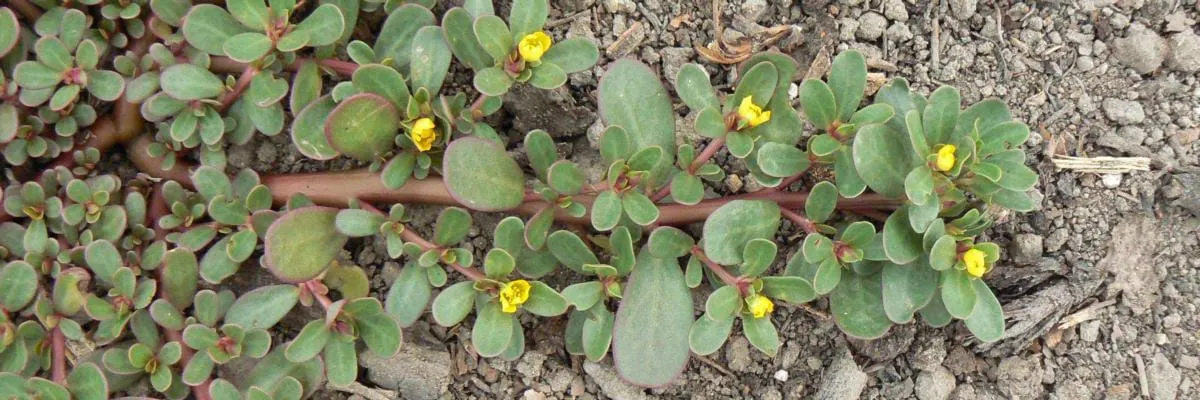
Portulaca oleracea L., also known as purslane, is an underutilised edible and medicinal plant belonging to the Portulacaceae family. It is a succulent herbaceous annual found in tropical and temperate regions and has historically been used as a vegetable [14-17]. Purslane has gained significant interest due to its high nutritional value and diverse phytochemical profile. It contains many bioactive compounds including omega-3 polyunsaturated fatty acids (particularly alpha-linolenic acid), flavonoids, alkaloids (such as oleraceins), polysaccharides, phenolic compounds, vitamins and essential minerals [5-13].
Recent experimental and clinical studies have evaluated the pharmacological properties of P. oleracea. These include its anti-oxidant, anti-inflammatory, hypoglycemic, hypolipidemic and potential cardiac protective properties. The reported biological activities suggest it could play a role in regulating glucose metabolism, lipid metabolism, oxidative stress, inflammation and vascular function. Studies have also shown its potential therapeutic relevance in the management of T2DM, metabolic syndrome, dyslipidemia and NAFLD [8-13, 22-37]. However, there is limited data available at present. Many of the pharmacological effects reported have been identified from in-vitro and animal studies. Clinical studies are limited and can often provide conflicting results. Therefore, the benefits of purslane seen in experimental studies cannot yet be considered as effective in the treatment of cardiovascular and metabolic diseases.
Despite the positive findings, there is still much to learn about the therapeutic potential of P. oleracea. Variation in the part of plant used, extraction method, formulation, dose, duration of treatment and population may explain the varied results seen. Conflicting results in clinical studies have been seen with regard to its effect on glycaemic control, lipid metabolism and blood pressure regulation therefore more well designed randomised controlled trials are required [24-26, 34-39]. Although the bioactive compounds make it look as though it may have potential to benefit cardiovascular health, further research is required to understand the exact mechanisms responsible for its effects on endothelial function, oxidative stress, inflammation and atherosclerosis [40,41]. Oxalates are present in purslane and it has been reported to cause oxalate nephropathy therefore it is important to understand its safety, appropriate consumption levels and potential risks [42,43].
Due to the high nutritional value, diverse phytochemical profile and potential pharmacological properties, it is important to thoroughly evaluate Portulaca oleracea L. This review critically evaluates the botanical properties, traditional uses, phytochemical profile, pharmacological properties and mechanisms of action of P. oleracea. It evaluates the experimental and clinical evidence available to determine whether it can help regulate glycaemic control, lipid metabolism, blood pressure, endothelial function and related cardiometabolic risk factors. Limitations, safety concerns and gaps in research are discussed to determine areas of future research. This will determine whether P. oleracea can be considered as a complementary treatment option for cardiovascular and metabolic diseases.
Traditional properties and uses
Portulaca oleracea L. is a medicinal and edible plant but has been largely overlooked. . Traditionally it has been recognised for its ability to act as a cooling agent, reducing inflammation, aiding diuresis, acting as an astringent and therapeutic cleansing the blood . The plant contains many bioactive compounds which contribute to its high potential. These include omega-3 fatty acids, flavonoids, alkaloids, polysaccharides, vitamins and minerals[9,14] .
Portulaca has traditionally been used within traditional medicine for managing inflammatory conditions, fevers, gastrointestinal issues and urological conditions . Due to its nutrient composition and biological activity it has gained interest for its potential use within cardiovascular and metabolic conditions. Key properties have been identified below[9,14].
1. Cardioprotective – Portulaca contains omega-3 fatty acids, including alpha-linolenic acid, which has gained research interest due to its association with lipid metabolism and cardiovascular health. The plant also contains antioxidant compounds which are gaining interest for their potential cardioprotective effects [5-8, 24,30,45].
2. Anti-diabetic – Portulaca has been traditionally consumed as a medicinal vegetable. In experiments and clinical trials it has shown potential hypoglycemic effects. Improvements in glucose control and insulin levels were noted to occur[22-28] .
3. Hypolipidemic – Portulaca contains omega-3 fatty acids and flavonoids therefore has great potential for research. Research has shown potential lowering effects of total cholesterol, triglycerides and other lipid parameters[6-8,24,30,34,36] .
4. Antioxidant – Portulaca contains many antioxidant phytochemicals. Flavonoids, phenolic compounds and vitamins have been found to be present which may help reduce the negative effects caused by oxidative stress . Oxidative stress plays a significant role in the development of atherosclerosis, diabetes and other cardiovascular complications[8,12,18,19,35,40] .
5. Anti-inflammatory – Portulaca has been known historically for its anti-inflammatory properties . However, in experiments it has demonstrated potential effects on inflammatory pathways . Chronic low grade inflammation is associated with insulin resistance, metabolic syndrome and cardiovascular diseases[9,12,35,36] .
6. Anti-hypertensive and Diuretic – Portulaca has traditionally been associated with diuretic properties. Potential effects on fluid balance, vascular function and blood pressure have gained research interest[9,38,39] .
7. Anti-atherosclerotic – Due to the antioxidants and anti-inflammatory properties of portulaca it may have potential protective effects against atherosclerosis . Potential effects on lipid oxidation and vascular inflammation were noted to occur[12,18,19,41] .
Overall Portulaca oleracea L. has great potential as it holds historical significance within medicine, is high in nutrients and has a diverse range of phytochemicals. Therefore it has great potential for future research to be conducted regarding cardiovascular and metabolic conditions. This includes diabetes mellitus, dyslipidemia, hypertension and metabolic syndrome[8-13,24-26,38,39] .
Historically it has been highly valued due to its high nutrient and therapeutic properties. Portulaca has been utilised within Ayurveda, Unani, Traditional Chinese Medicine and many folk medical systems . Traditionally it has been recognised for its ability to act as a cooling agent, reducing inflammation, aiding diuresis, acting as an astringent and therapeutic cleansing the blood . The plant contains many bioactive compounds which contribute to its high potential. These include omega-3 fatty acids, flavonoids, alkaloids, polysaccharides, vitamins and minerals[9,14] .
Plant Profile
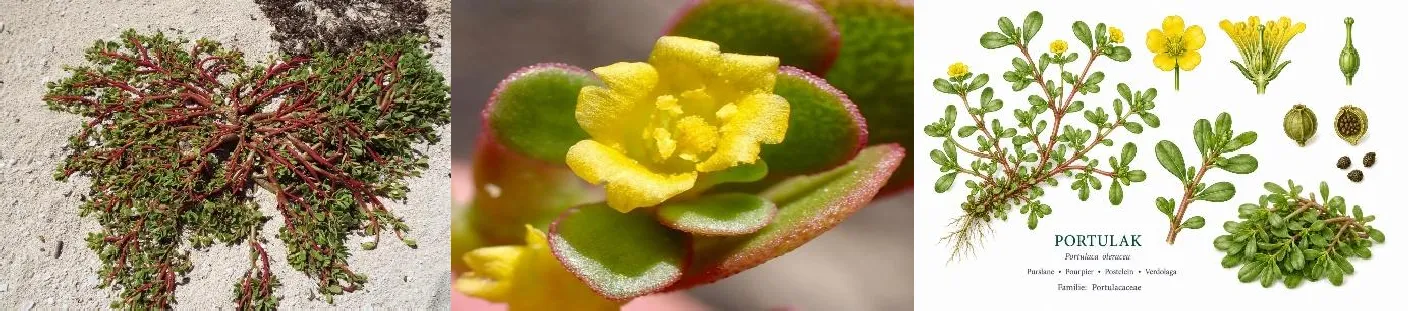
Botanical classification
Taxonomic category Classification
Kingdom Plantae
Subkingdom Tracheobionta
Division Magneliophyta
Class Magnoliopsida
Order Caryophyllales
Family Portulacaceae
Genus Portulaca
Species Portulaca oleraceae L.[15-17]
Botanical information
Particulars Description
Botanical name Portulaca oleraceae L.
Common name Purslane,Common Purslane,Garden Purslane
English name Purslane
Hindi name Kulfa,Kulpha
Marathi name Bhuigoli,Mhotighol
Sanskrit name Lonika
Tamil name Paruppukeerai,Pulikeerai
Telugu name Pappukoora
Family Portulacaceae
Habit Annual succulent herb
Plant type Edible and medicinal plant [15-17]
Geographical Distribution
Portulaca oleracea is distributed in many areas across the tropics, sub-tropics and temperate zones. It is commonly seen in areas such as India, Africa, Europe, Asia and Americas. It can be found growing in a variety of locations including gardens, farmland, roadsides, wasteland and moist or disturbed areas. Due to having succulent leaves and stems it can survive in fairly dry environments[7,8,15-17].
Morphological features
• Habit: A small herbaceous annual succulent that typically grows low to the ground. It has a creeping habit. Often found in cultivated soils, gardens and wastelands[15-17].
• Roots: The plant has a tap root with many laterals[15-17]
• Stems: The plant has smooth stems that are succulent. These stems are very branched and typically grow in a prostrate fashion. The stems can be reddish or purple[15-17].
• Leaves: The leaves are simple, fleshy and smooth. They can be obovate or spatulate. Leaves are arranged alternately (or sometimes subopposite) on the stem[15-17].
• Flowers: Small yellow flowers found in terminal clusters. Typically 5-petaled, with many stamens and a multi-lobed stigma[15-17].
• Fruits: The fruit is a small ovoid capsule that opens across when ripe releasing many seeds[15,17].
• Seeds: The seeds are small, rounded or kidney shaped. They are dark brown to black with a typical granular surface[15-17].
Microscopical features
Microscopic analysis provides several important diagnostic characteristics for identification, authentication and pharmacognostic standardization of Portulaca oleracea L. Anatomical studies have mainly focussed on the leaves, stems and roots with observations made on the tissue organization and cell types present [18].
Leaf anatomy
The leaf cross-section displays isobilateral anatomy with the adaxial epidermis being concave and the abaxial epidermis convex. The epidermal cells are rectangular to polygonal with slight lobing and the anticlinal cell walls are thin and wavy. The leaves display amphistomaty with the stomata being present on both the abaxial and adaxial epidermis. Stomata are mainly paracytic with two subsidiary cells parallel to the guard cells. The mesophyll contains large parenchyma cells with thin cell walls. This contributes to the succulent leaves. The lamina thickness varies with approximately 600 µm at the midrib and 450 µm in the wing sections. The vascular tissue consists of a small central vascular bundle and two larger lateral vascular bundles forming a slight arc. The vascular bundles are collateral with the xylem and phloem surrounded by a layer of enlarged bundle sheath cells creating a Kranz anatomy. Calcium oxalate crystals are abundant in the mesophyll in the form of druses, mainly present in the ground tissue and vascular bundles. The druse size is approximately 10-20 µm. Prominent lateral veins create vein islets with often one vein end present [18]
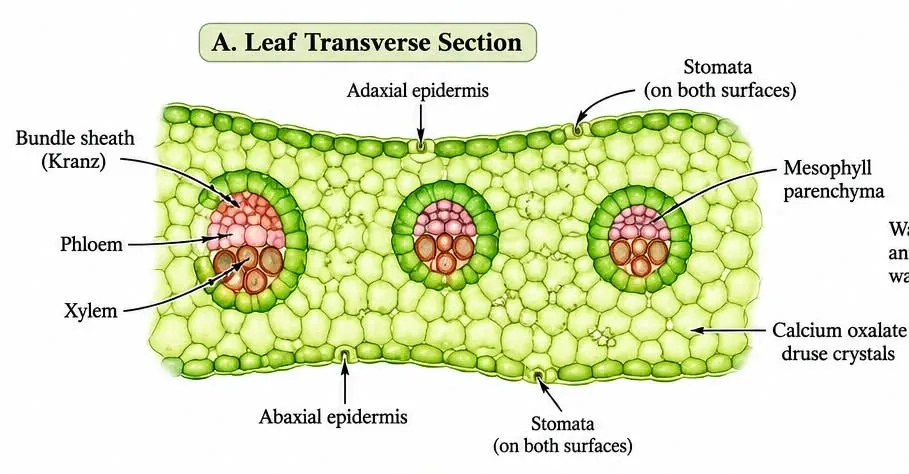
Figure None: Schematic Representation of the Major Microscopic and Anatomical Characteristics of Portulaca Oleracea L.
Leaf epidermis
Detailed analysis of the leaf epidermis revealed polygonal epidermal cells with undulating or wavy anticlinal walls on both the adaxial and abaxial sides. Paracytic stomata were found on both surfaces confirming amphistomaty. Irregular distribution of stomata were observed around the middle of the leaf. The length of the stomata varied with approximately 3.88 ± 0.20 µm for the adaxial epidermis and 4.26 ± 0.11 µm for the abaxial epidermis. The width of the stomata was also different with approximately 2.95 ± 0.15 µm for the adaxial epidermis and 3.80 ± 0.25 µm for the abaxial epidermis. The stomata number was approximately 13.25 and 14.00 for the adaxial and abaxial epidermis respectively. These characteristics can be useful for identifying and authenticating P. oleracea [19].
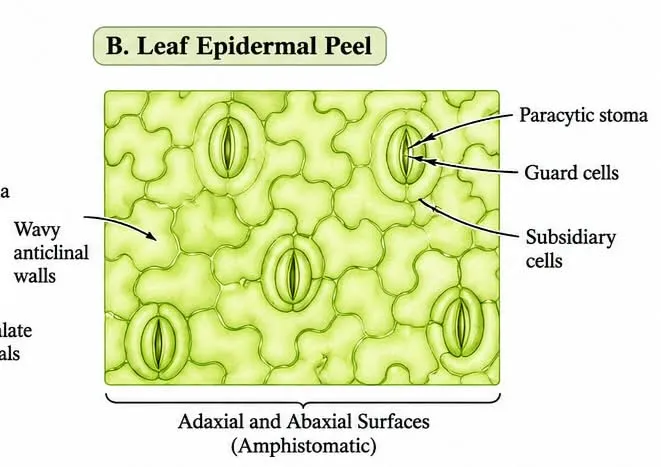
Figure None: Schematic Representation of the Major Microscopic and Anatomical Characteristics of Portulaca Oleracea L.
Stem anatomy
The stem cross-section displayed a circular shape with a distinct epidermis, wide cortex and well-developed central pith. The epidermis consists of thin rectangular cells with a distinct cuticle covering them. The size of the epidermis was approximately 60 µm. The cortex was approximately 800 µm wide with one to two layers of collenchyma cells followed by large parenchyma cells with thin cell walls. The vascular bundles were collateral with the xylem towards the internal side and phloem towards the external side. The central pith was wide with parenchyma similar to those in the cortex. Xylem cells had thick walls and a angular shape with calcium oxalate crystals also reported [18].The endodermis was prominent and the vascular bundles formed a circular arrangement around the central pith which consisted of parenchyma cells [20].
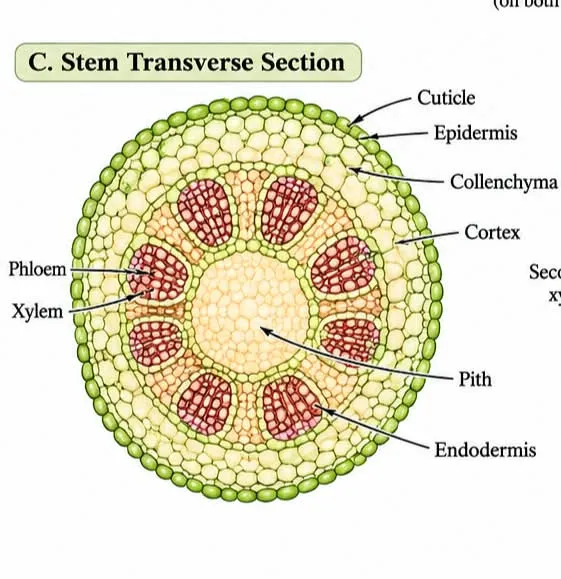
Figure None: Schematic Representation of the Major Microscopic and Anatomical Characteristics Portulaca Oleracea L.
Root anatomy
The young root cross-section displayed primary growth with diarch or triarch primary xylem and a narrow cortex. The mature root displayed secondary growth with a central primary xylem surrounded by a wide secondary xylem. The periderm consisted of between two to three layers of phellem, one layer of phelloderm and one layer of phellogen. The cortex consisted of approximately four to six layers of parenchyma cells with thin cell walls and elongated in a tangential direction. The vascular cylinder was well developed consisting of seven to eight radial fan shaped xylem bundles alternating with wide parenchyma rays. Phloem was present alongside the xylem bundles. Calcium oxalate crystals were abundant in the xylem cells of the mature root[18].
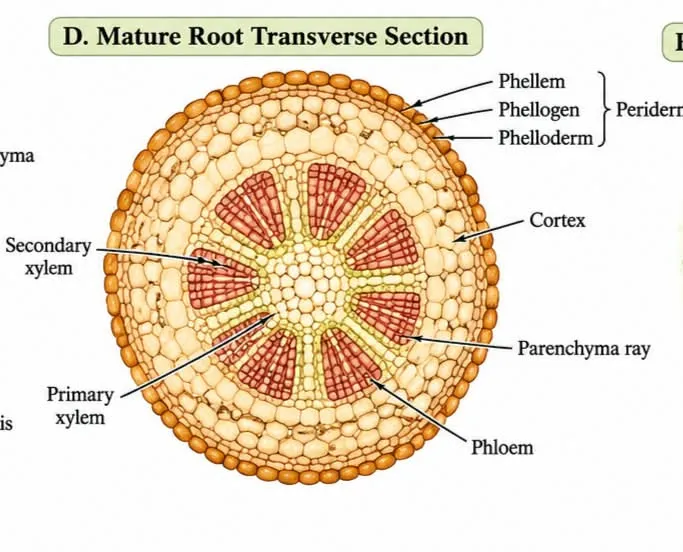
Figure None: Schematic Representation of the Major Microscopic and Anatomical Characteristics of Portulaca Oleracea L.
Other anatomical features
Analysis of the vegetative and reproductive organs showed the vascular bundles, collenchyma cells, periderm and druse crystals. Vascular bundles were continuous throughout the leaf, petiole and stem. The root displayed clear xylem and phloem tissues that carry water, minerals and photosynthates [21].
Overall, the microscopic characteristics of P. oleracea including amphistomaty with paracytic stomata, isobilateral mesophyll, Kranz bundle sheath, calcium oxalate druses, collateral vascular bundles and distinctive root anatomy can be used as diagnostic characteristics for identification and pharmacognostic standardization[18,19,20,21]. This can help ensure the botanical authenticity of the material.
Phytochemical constituents
There are a number of biologically active constituents present within this plant .
[8,9,11-13,18,19]
Phytochemical group Major reported constituents
Fatty acids Alpha-linolenic acid,linoleic acid,oleic acid
Flavanoids Quercetin,kaempferol,apigenin
Alkaloids Oleraceins
Phenolic compounds Caffeic acid,ferulic acid
Vitamins Vitamin A,vitamin C,vitamin E
Minerals Potassium,magnesium,calcium,iron
Polysaccharides Various plant polysaccharides
[5-8,11-13,18,19]
These are of interest due to their potential to act as antioxidants, anti-inflammatory, and regulate glucose and lipids in the body . [8,10-13,18,19,22,24]
Bioactive phytochemicals in purslane
Portulaca oleracea contains a range of phytochemicals, with composition varying by plant part, cultivar, growing conditions and extraction method . Several analyses report α-linolenic acid (ALA), an essential omega-3 fatty acid, among the major fatty acids in purslane . Its nutritional relevance is established, but the amount present varies across samples; proposed vascular effects should not be assumed to occur directly from eating purslane[5-8,11-13,45] .
Purslane also contains secondary metabolites, including flavonoids such as myricetin, kaempferol, apigenin, luteolin and quercetin, as well as nitrogen-containing compounds such as oleraceins and polysaccharides . These constituents have shown antioxidant or other biological activities in chemical assays and experimental models. Proposed effects on endoplasmic-reticulum stress, insulin sensitivity and intestinal glucose handling remain dependent on the compound, preparation and model studied; they are not established clinical mechanisms in humans[8,11-13,18,19,22,40] .
Table 2: Selected Phytochemicals of Portulaca Oleracea L. with Reported Relevance
| SR NO |
PHYTOCHEMICAL / CLASS / FORMULA |
2D CHEMICAL STRUCTURE | REPORTED RELEVANCE |
REFERENCES |
|---|---|---|---|---|
| 1 | Quercetin Flavonoid (flavonol) C₁₅H₁₀O₇ |
Antioxidant and anti-inflammatory activities reported in experimental studies. | [8,11,12,18,19] | |
| 2 | Kaempferol Flavonoid (flavonol) C₁₅H₁₀O₆ | Antioxidant and anti-inflammatory activities reported; also studied for metabolic effects. | [8,11,12,18,19,22] | |
| 3 | Caffeic acid Phenolic acid C₉H₈O₄ | Phenolic antioxidant; may contribute to the plant’s radical-scavenging activity. | [8,12,1819] | |
| 4 | Oleracein A Phenolic alkaloid C₂₄H₂₅NO₁₁ | Reported as an antioxidant phenolic alkaloid isolated from purslane. | [8,11,12,19] | |
| 5 | α-Linolenic acid (ALA) Omega-3 polyunsaturated fatty acid C₁₈H₃₀O₂ |
Major omega-3 fatty acid in purslane; relevant to lipid and inflammatory pathways. | [5-8,45] | |
| 6 | β-Carotene Carotenoid C₄₀H₅₆ | Provitamin A carotenoid with antioxidant properties. | [7,8,11,12] | |
| 7 | Portulene Diterpenoid C₂₀H₃₂O₄ | A purslane diterpenoid reported to have antimicrobial and hepatoprotective activity in experimental studies. | [20] | |
| 8 | Portuloside A Monoterpene glucoside C₁₆H₂₆O₇ | A monoterpene glucoside isolated from purslane; biological activity should be interpreted cautiously. | [21] |
Activity of Purslane in Metabolic Disorders
1. Antidiabetic Activity
Purslane's anti-diabetic properties have been investigated in both pre-clinical and clinical trials . These investigations have included its capacity to regulate blood glucose levels and its influence on insulin sensitivity via mechanisms such as PI3K/Akt and AMPK pathways .The majority of these mechanisms are derived from pre-clinical and animal studies . Experimental studies have examined purslane for its effects on pancreatic function, inflammation and antioxidant activity in diabetes models . Certain studies have reported alterations in inflammatory mediators and antioxidant activity . At present, no evidence indicates that purslane offers dependable protection to pancreatic β-cells or prevents diabetes complications . Meta-analyses of randomised controlled trials have demonstrated some improvement in fasting plasma glucose . Yet findings for HbA1c, Insulin and HOMA-IR were inconsistent . Various factors may account for this, such as the plant type, preparation method, dose and duration of administration . Clinical studies have also investigated how purslane seed powder and extract affect patients with non-alcoholic fatty liver disease . One example is an 8-week study that used 700 mg per day of purslane extract . These findings applied only to the specific product and do not provide evidence that purslane prevents vascular complications linked to diabetes[22-28,31-33] .
2. Anti-obesity
Purslane has been studied for its effects on body weight, waist circumference and other anthropometric measures . This effect has been proposed to occur through various mechanisms, including changes to lipid metabolism . Much of the research into the mechanism of action is pre-clinical, and there is insufficient evidence to recommend purslane as an established weight loss agent . Some studies have examined the effects of purslane on anthropometric parameters in humans . This has involved an 8-week study that used purslane extract along with dietary guidance in patients with non-alcoholic fatty liver disease . This revealed alterations in particular metabolic and body fat parameters . This involved a specific product and population, and the study was short in duration. Clinical studies have examined how purslane seed powder affects metabolic and anthropometric parameters . Some of these included dietary advice . A meta-analysis of studies involving purslane found modest changes in body weight and BMI . This differed depending on the population and the intervention . Overall, there is insufficient research on purslane to show that it reliably reduces body fat, given the limited number of studies and the varying doses and preparations[10,29,31,33,37,39] .
3. Hepatoprotective Activity
Non-alcoholic fatty liver disease (NAFLD) is now more commonly referred to as Metabolic dysfunction-associated steatotic liver disease (MASLD). This is strongly linked to metabolic risk factors . Purslane contains compounds that may influence lipid metabolism and oxidative stress pathways .These are based on pre-clinical evidence . A randomised, double-blind trial was carried out to examine 700 mg per day of hydroethanolic purslane extract in adults with NAFLD . The study ran for 8 weeks and showed changes in specific liver and metabolic parameters . This is specific to the product used and the population studied, and it cannot be taken as evidence that purslane can reverse liver fibrosis or prevent long-term complications . A systematic review and meta-analysis was carried out examining clinical studies of patients with NAFLD . This showed some reduction in specific parameters, including triglycerides, total cholesterol, LDL cholesterol, fasting plasma glucose, HOMA-IR and Alanine aminotransferase . Not all parameters showed a significant change . In addition, some parameters did not provide a reliable estimate in the sensitivity analysis . The certainty of the results was constrained by the number of trials and their quality . Based on changes to biochemical markers, there is no evidence that purslane lowers liver fat, prevents disease progression, or reduces cardiovascular events[31-33,37,44] .
Activity of Purslane in Cardiovascular Diseases
1. Antihyperlipidemic Activity
Purslane has been investigated for how it affects lipid profiles, including triglycerides, total cholesterol, LDL, and HDL . Bioactive compounds present in the plant may account for this .The size and consistency of the effect differed . Purslane has also been examined in pre-clinical research investigating atherosclerosis . A 2025 study examined the effects of an ethanolic extract of purslane in macrophages treated with ox-LDL and in an induced rat model . This revealed changes in lipid metabolism and arterial lesions . The extract led to increased expression of ABCA1 and ABCG1 (cholesterol transporters) and greater cholesterol efflux . The study also found decreased expression of CD36 and MSR1 (cholesterol uptake) . This indicates possible effects on cholesterol metabolism . However, these findings are experimental and require independent replication. Clinical studies and meta-analyses have in some cases shown changes in triglycerides, total cholesterol, LDL, and HDL . Yet there is no evidence that purslane, through improved lipid biomarkers, prevents atherosclerosis, heart attacks, stroke, or cardiovascular deaths[24,30,34,36,41,44] .
2. Antihypertensive Activity
Purslane has been investigated for its effects on blood pressure . Some clinical studies have indicated that purslane supplementation may influence blood pressure . Nevertheless, the findings differ once they are combined . Purslane contains minerals and flavonoids, which have been cited as factors contributing to its vascular effects . Any claims about mechanisms must be backed by supporting evidence. A meta-analysis of 5 randomised controlled trials revealed a slight reduction in systolic blood pressure . The pooled WMD for this was -3.06 mmHg (95% CI -6.02 to -0.11, P = 0.042), with very high heterogeneity (I² = 95.5%) . Diastolic blood pressure showed no significant changes (WMD -0.62 mmHg, 95% CI -2.01 to 0.87, P = 0.386) . This offers some evidence of an effect on systolic blood pressure, although there was considerable variation among the studies [38,39].
3. Endothelial Protection
Hyperglycemia may play a part in endothelial dysfunction . This is linked to oxidative stress and disturbances in cell signalling . Experimental studies have examined the effects of purslane extract on diabetic obese mice, isolated aortas and endothelial cells . One experimental study demonstrated that purslane extract enhanced endothelial dependent relaxation and altered the AMPK/eNOS pathway . The same study also reported changes in oxidative stress and endoplasmic reticulum stress . This offers possible explanations for the vascular effects seen in experimental models . There is, however, no evidence that it improves endothelial function or prevents cardiovascular events in humans. The effects of purslane extract on oxidative and endoplasmic reticulum stress have been investigated in experimental models . Further effects, including anti-inflammatory ones, have also been suggested . Certain human studies and meta-analyses have reported changes in specific inflammatory markers, such as C reactive protein . Yet the results differ . This is only evidence of changes to biomarkers and does not show direct protection of cardiac capillaries or the prevention of ferroptosis or cardiovascular events[35,40].
Future perspectives
Future research on Portulaca oleracea Linn. should focus on establishing its actual clinical benefits for cardiovascular and metabolic disorders through well-designed and reliable studies . Greater attention should be given to developing standardised, chemically characterised formulations, with clear information on plant origin, harvesting conditions, extraction methods and the concentration of active compounds . Further preclinical studies are also needed to understand the mechanisms behind its potential effects, particularly those involving AMPK, eNOS, oxidative stress and cholesterol regulation . Well-designed randomised controlled trials with adequate sample sizes, appropriate follow-up periods and clearly defined outcomes are essential to evaluate its effects on blood glucose, lipid profiles, blood pressure and liver health . In addition, future studies should investigate suitable dosages, different formulations, long-term tolerability and possible safety concerns, including oxalate content, kidney health, drug interactions and use during pregnancy and lactation .Most importantly, long-term clinical studies are needed to determine whether the observed improvements in metabolic and cardiovascular risk factors can lead to meaningful health benefits when purslane is used alongside conventional treatments . Until stronger evidence is available, purslane should be considered a promising medicinal food plant that requires further investigation [8-13,24-26,38-43] .
CONCLUSION
Purslane has great value as a plant containing many phytochemicals and has many pharmacological effects. The active compounds of purslane including omega 3 fatty acids, flavonoids, alkaloids and phenolic acids cause the many benefits such as anti-hypertensive, anti-hyperlipidemic, anti-diabetic, hepato-protective and protection to endothelial cells. Due to the plants potential to manage various diseases such as cardiovascular disease and diabetes it is an important plant within modern medicine. With its wide range of pharmacological effects and high nutritional value purslane has great potential as a functional nutraceutical and could be used as a therapeutic to prevent and treat diseases. Further research on this plant should be done to provide detailed clinical trials to back up the therapeutic effects and ensure it is safe for humans.
REFERENCES

Dr. Anjali Wanegaonkar, Vaishnavi Dhavan, Nuzhat Ansari, Sairaj Mulghe, Bhavik Shinde, Shrutika Patil, From Traditional Medicine to Modern Therapeutics:The Cardiometabolic Potential of Purslane, Int. J. of Pharm. Sci., 2026, Vol 4, Issue 11, 3935-3949. https://doi.org/10.5281/zenodo.24415243
 10.5281/zenodo.24415243