

We use cookies to ensure our website works properly and to personalise your experience. Cookies policy
1M. Pharm, Sage Institute of Research and Technology- Pharmacy, Sanjeev Agrawal Global Educational University, Bhopal- 462 022, Madhya Pradesh, India.
2Professor, Sage Institute of Research and Technology- Pharmacy, Sanjeev Agrawal Global Educational University, Bhopal- 462 022, Madhya Pradesh, India.
3Professor, Dean, Faculty of Pharmaceutical Sciences, Sanjeev Agrawal Global Educational University, Bhopal- 462 022, Madhya Pradesh, India.
Cognitive impairment is a major neurological concern associated with aging and neurodegenerative disorders, and oxidative stress and impaired cholinergic neurotransmission are among the mechanisms implicated in its progression. Trapa natans L. (water chestnut) has traditionally been used as a food and medicinal plant and has attracted pharmacological interest because of its phenolic, flavonoid and other bioactive constituents. However, the evidence supporting its cognitive-enhancing and neuroprotective effects remains limited and heterogeneous. This review summarizes the current experimental evidence on the nootropic and neuroprotective potential of T. natans, with particular emphasis on behavioral outcomes, oxidative stress-related mechanisms, and the scopolamine-induced model of cognitive impairment. Available preclinical evidence indicates that hydroalcoholic extracts of the dried fruits of T. natans var. bispinosa can improve performance in elevated plus-maze and passive-avoidance paradigms and attenuate scopolamine-induced memory impairment in mice. Importantly, the available cognitive study did not demonstrate an alteration in brain acetylcholinesterase activity, indicating that direct acetylcholinesterase inhibition should not currently be considered an established mechanism. Additional experimental evidence suggests antioxidant activity of T. natans extracts, including reduction of lipid peroxidation and modulation of antioxidant enzymes in an experimental aging model, while in vitro studies have demonstrated free-radical-scavenging activity of fruit-rind extracts.
Cognitive function encompasses a range of mental processes including learning, memory, attention, and executive function, which are essential for daily life activities. Impairment in these processes is a defining feature of neurodegenerative disorders such as Alzheimer’s disease (AD), Parkinson’s disease, and other forms of dementia. Among these, AD is the most prevalent, characterized by progressive memory loss, cognitive decline, and behavioral disturbances.
The pathophysiology of cognitive impairment is complex and multifactorial, involving several interconnected mechanisms such as cholinergic dysfunction, oxidative stress, neuroinflammation, and synaptic degeneration. The cholinergic hypothesis remains one of the most widely accepted theories, suggesting that a decline in acetylcholine levels due to increased activity of acetylcholinesterase (AChE) leads to memory deficits. Consequently, AChE inhibitors such as donepezil are widely used in clinical practice.
Another critical factor contributing to neurodegeneration is oxidative stress, which results from an imbalance between reactive oxygen species (ROS) production and the antioxidant defense system. Excessive ROS leads to lipid peroxidation, protein oxidation, and DNA damage, ultimately causing neuronal death and cognitive dysfunction.
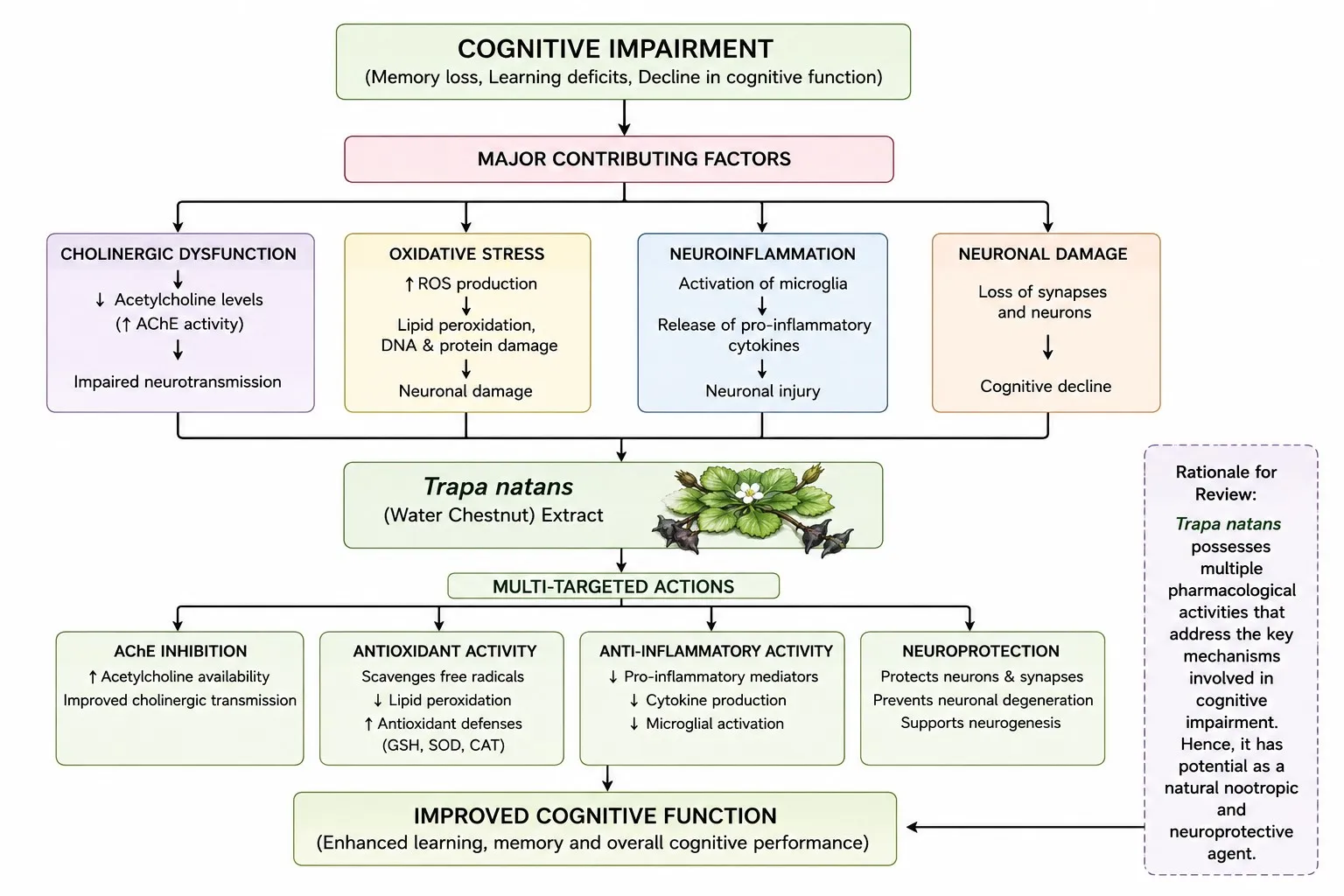
Figure 1: Major Pathological Mechanisms Involved in Cognitive Impairment and Neurodegeneration.
Despite the availability of synthetic drugs, their use is often limited by adverse effects and modest efficacy. Therefore, there is an increasing demand for natural compounds with multi-target actions, particularly those derived from medicinal plants.
2. Taxonomic and Nomenclatural Considerations
Trapa natans L. is established as the primary taxonomic designation in the current review, but significant variations in nomenclature appear in pharmacological and phytochemical literature, especially in studies from the Indian subcontinent. The Plants of the World Online (POWO) currently recognizes Trapa natans L. as an accepted species and Trapa natans var. bispinosa (Roxb.) Makino as an accepted infraspecific taxon, with Trapa bispinosa Roxb. regarded as a synonym for Trapa natans var. bispinosa.
This review encompasses pertinent pharmacological and phytochemical studies that have been reported under both Trapa natans var. bispinosa and Trapa bispinosa Roxb., preserving the original taxonomic names utilized by the researchers. This method aims to acknowledge the historical and contextual variations in nomenclature while refraining from conflating all experimental materials associated with these names, which may not be pharmacologically or chemically identical.
It is crucial to note that taxonomic synonymy does not imply that the experimental materials share equivalence regarding aspects such as plant part, geographical origin, cultivar, extraction methods, processing conditions, phytochemical makeup, dosages, or experimental preparations. Consequently, findings obtained under T. bispinosa or T. natans var. bispinosa are treated as evidence pertinent to the specific taxonomic entity or nomenclature referenced in the initial studies, rather than as direct evidence for all T. natans preparations.
For instance, one study examining the cognitive effects of a hydroalcoholic extract from dried fruits specifically identified the experimental material as Trapa natans L. var. bispinosa. It evaluated various parameters in mice, including transfer latency, passive avoidance, scopolamine-induced amnesia, and brain acetylcholinesterase activity. Conversely, other investigations cited Trapa bispinosa Roxb. for their experimental materials. Findings from these studies are discussed with original nomenclature preserved, ensuring that the conclusions drawn do not imply a comprehensive mechanism valid across all T. natans extracts or plant parts.
Thus, this review utilizes T. natans L. as the central taxonomic name, while retaining T. natans var. bispinosa and T. bispinosa Roxb. where applicable to accurately reflect the nomenclature indicated in the original literature.
3. Scope and Rationale of the Review
Natural products have gained considerable attention as potential therapeutic agents for cognitive disorders due to their multifaceted pharmacological properties. Medicinal plants rich in bioactive phytoconstituents such as flavonoids, phenolics, and tannins have demonstrated significant neuroprotective effects in various experimental models.
Trapa natans (water chestnut), an aquatic plant widely used in traditional medicine, has been reported to possess a variety of pharmacological activities including antioxidant, anti-inflammatory, antidiabetic, and neuroprotective effects. The presence of polyphenolic compounds suggests its potential role in modulating oxidative stress and improving cognitive function.
The present review focuses on:
3. Pathophysiology of Cognitive Impairment
3.1 Cholinergic Dysfunction
The cholinergic system plays a central role in learning and memory. Acetylcholine (ACh) is a key neurotransmitter involved in synaptic plasticity and signal transmission in the hippocampus and cortex. In neurodegenerative conditions, increased activity of acetylcholinesterase leads to rapid degradation of ACh, resulting in impaired neurotransmission and memory deficits.
Pharmacological inhibition of AChE has been shown to improve cognitive function, forming the basis of current therapeutic strategies.
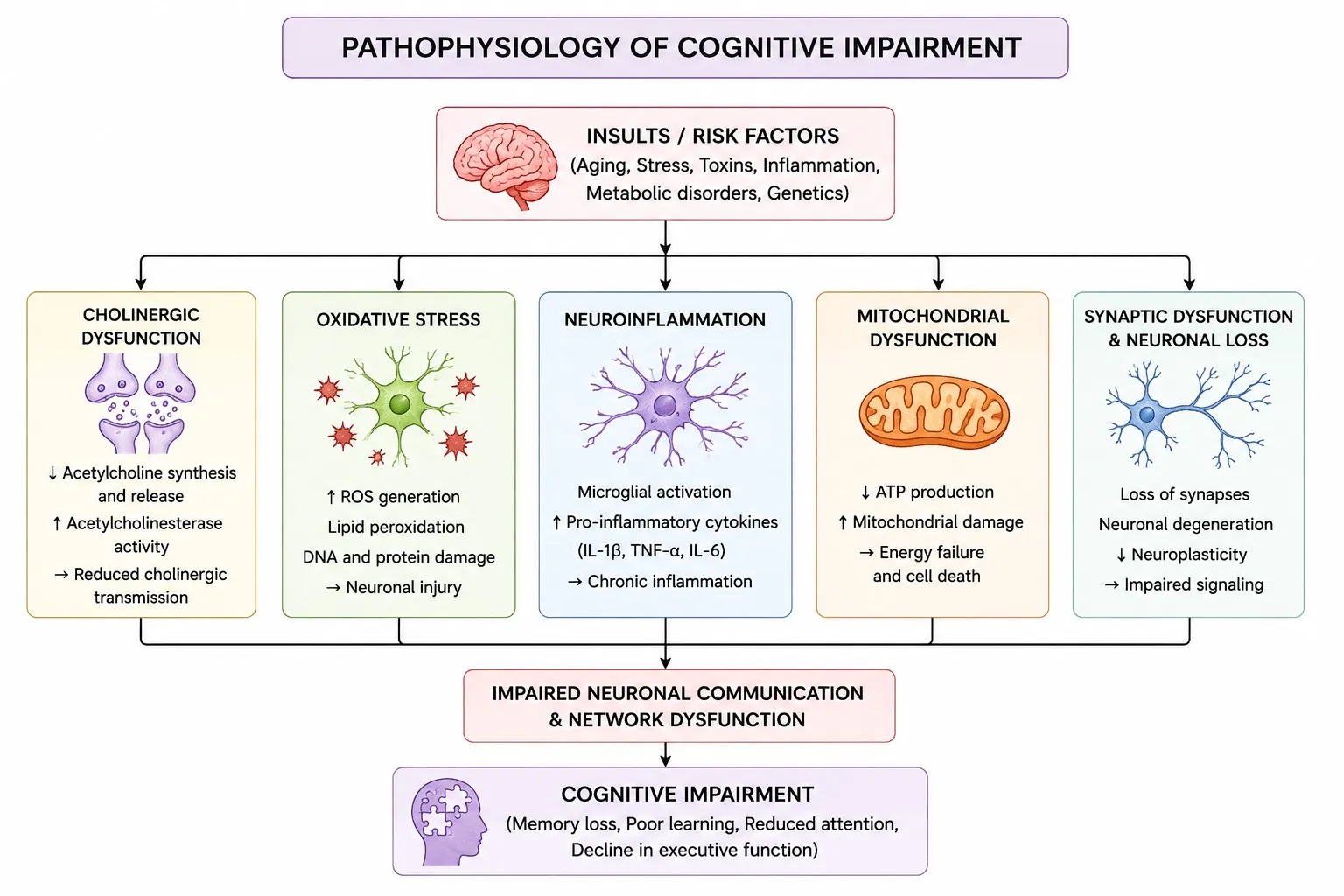
Figure 2: Pathophysiology of Cognitive Impairment
3.2 Oxidative Stress and Neurodegeneration
Oxidative stress is a major contributor to neuronal damage. Reactive oxygen species such as superoxide anions, hydroxyl radicals, and hydrogen peroxide damage cellular components, particularly lipid-rich neuronal membranes.
Markers such as:
are commonly used to evaluate oxidative stress in experimental models.
3.3 Scopolamine-Induced Amnesia Model
Scopolamine, a muscarinic receptor antagonist, is widely used to induce memory impairment in experimental animals. It mimics cholinergic dysfunction similar to that observed in Alzheimer’s disease by:
This model is extensively used to evaluate potential nootropic and neuroprotective agents.
4. Phytochemistry of Trapa natans
The therapeutic potential of Trapa natans is primarily attributed to its rich and diverse phytochemical composition. Various studies have reported that different parts of the plant, particularly the seeds and pericarp, contain a wide range of biologically active compounds.
The major phytoconstituents include:
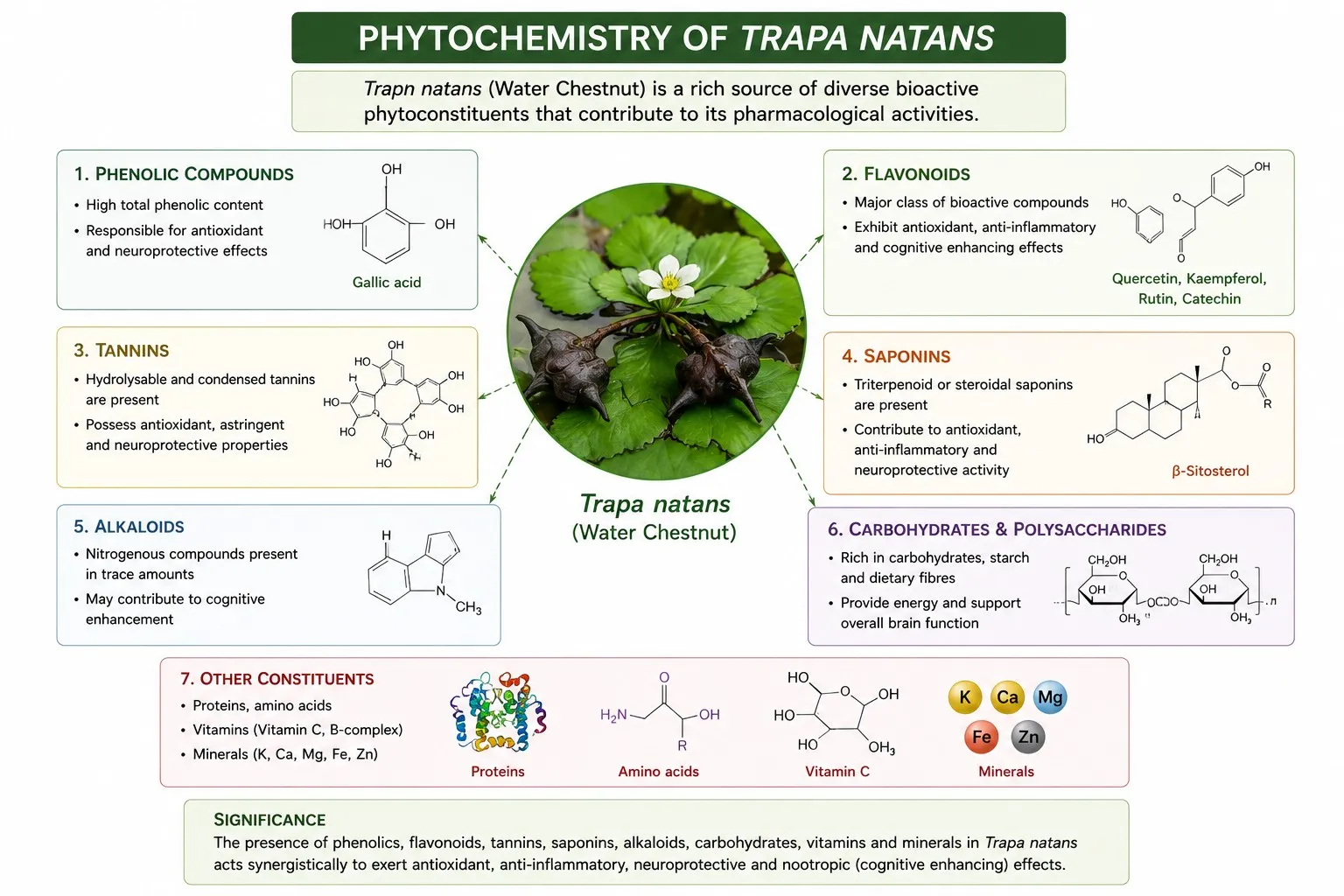
Figure 3: Phytochemistry of Trapa Natans
Table 1: Mechanistic Overview of the Neuroprotective and Nootropic Effects of Trapa Natans
| Evidence domain | Experimental evidence | Specific finding | Mechanistic interpretation | Evidence status |
|---|---|---|---|---|
| Cognitive/behavioral activity | Hydroalcoholic extract of dried fruits of T. natans var. bispinosa in mice | 250 and 500 mg/kg improved transfer latency and passive-avoidance performance; the extract attenuated scopolamine-induced impairment | Supports a cognitive-enhancing effect in the investigated experimental models | Direct preclinical evidence |
| Brain AChE | Same cognitive study | Brain AChE levels were not altered by extract pretreatment | Does not support direct AChE inhibition as the established explanation for the observed behavioral effects | Direct evidence against a simple AChE-inhibition claim |
| Brain oxidative stress | Hydroalcoholic fruit extract in D-galactose-induced aging model | Reduced lipid peroxidation and fluorescence products; restored catalase and glutathione peroxidase activity | Supports an antioxidant/anti-oxidative-stress contribution to the observed brain effects | Direct preclinical evidence |
| In-vitro antioxidant activity | Aqueous fruit-rind extract | Radical-scavenging and reducing activities were demonstrated; phenolic, flavonoid and tannin contents were quantified | Indicates antioxidant capacity of the investigated extract | Direct in-vitro evidence |
| Phenolic/flavonoid contribution | Chemical profiling of T. natans plant materials | Phenolic acids and flavonoids have been identified by chromatographic methods | These compounds provide a plausible chemical basis for antioxidant activity | Supported chemical evidence; pharmacological attribution remains uncertain |
| Cholinergic modulation | Scopolamine model + AChE measurement | Behavioral protection occurred without alteration of measured brain AChE | Other cholinergic mechanisms remain possible, but direct AChE inhibition is not established | Mechanistically unresolved |
| Nrf2/antioxidant signaling | No adequate T. natans-specific cognitive study identified | Nrf2-related mechanisms may be biologically plausible for polyphenol-rich preparations | Requires direct measurement of Nrf2/HO-1/NQO1 or related endpoints in T. natans models | Proposed |
| Neuroinflammation/microglia | No adequate T. natans-specific cognitive evidence identified | Direct effects on microglia or brain cytokines are not established | Possible based on broader phytochemical literature, but should not be presented as demonstrated for T. natans cognition | Proposed/unverified |
| Synaptic plasticity/hippocampal protection | No sufficient direct evidence identified in the reviewed cognitive studies | No direct measurement of synaptic plasticity was established | May be investigated in future mechanistic studies | Proposed/unverified |
| Multi-target nootropic action | Behavioral and antioxidant findings from separate experimental studies | Cognitive and antioxidant effects have been reported independently | A multi-pathway mechanism is possible but has not been experimentally demonstrated as an integrated mechanism | Hypothesis requiring validation |
Phenolic compounds and flavonoids are particularly significant due to their strong antioxidant properties, which enable them to neutralize reactive oxygen species and prevent oxidative damage to neuronal cells. Tannins further contribute to free radical scavenging and membrane stabilization.
The presence of these compounds suggests that Trapa natans has the potential to exert multi-target pharmacological effects, making it a suitable candidate for managing complex disorders like cognitive impairment.
5. Pharmacological Activities of Trapa natans
5.1 Antioxidant Activity
Among the various pharmacological properties attributed to Trapa natans, its antioxidant activity has received considerable scientific attention. Oxidative stress is a major pathological factor implicated in aging, neurodegeneration, cognitive decline, and several chronic diseases. It results from an imbalance between the generation of reactive oxygen species (ROS) and the endogenous antioxidant defense mechanisms of the body. Excessive ROS production leads to lipid peroxidation, protein oxidation, DNA damage, and ultimately cellular dysfunction and death.
Numerous in-vitro and in-vivo studies have demonstrated that Trapa natans possesses potent antioxidant activity. Extracts of the plant have exhibited significant free radical scavenging potential in various antioxidant assays, particularly the DPPH radical scavenging assay, indicating their ability to neutralize reactive oxygen species effectively. Furthermore, the plant has been reported to possess high total antioxidant capacity, reflecting its ability to donate electrons and reduce oxidative damage. Experimental investigations have also shown that Trapa natans significantly reduces lipid peroxidation, as evidenced by decreased levels of malondialdehyde (MDA), a key biomarker of oxidative stress.
The antioxidant activity of Trapa natans is primarily attributed to its rich content of phenolic compounds, flavonoids, tannins, and other polyphenolic constituents. These phytochemicals function as natural antioxidants by scavenging free radicals, chelating transition metal ions, and enhancing endogenous antioxidant enzyme systems. By reducing oxidative stress and protecting neuronal cells from oxidative injury, Trapa natans contributes significantly to the preservation of neuronal integrity and cognitive function.
5.2 Neuroprotective Activity
The neuroprotective potential of Trapa natans has emerged as an important area of pharmacological research due to its ability to counteract several mechanisms involved in neuronal degeneration. Neurodegenerative disorders such as Alzheimer's disease, Parkinson's disease, and other forms of dementia are characterized by progressive neuronal loss, synaptic dysfunction, and impairment of cognitive functions. Oxidative stress, neuroinflammation, mitochondrial dysfunction, and neurotransmitter imbalance are considered major contributors to these pathological conditions.
Experimental studies have demonstrated that extracts of Trapa natans provide substantial protection against oxidative stress-induced neuronal damage. The plant has been shown to preserve neuronal membrane integrity, improve cellular antioxidant status, and reduce the accumulation of toxic oxidative metabolites. Additionally, treatment with Trapa natans has been associated with improved synaptic function and maintenance of neuronal communication pathways that are essential for learning and memory processes.
Particularly noteworthy is its protective effect on the hippocampus, a brain region critically involved in memory formation and cognitive processing. By preventing degeneration of hippocampal neurons and preserving synaptic plasticity, Trapa natans contributes to improved cognitive performance. The neuroprotective effects observed in experimental models suggest that the plant may have therapeutic potential in preventing or slowing the progression of neurodegenerative disorders.
5.3 Anti-inflammatory Activity
Neuroinflammation has been increasingly recognized as a critical factor in the pathogenesis of cognitive impairment and neurodegenerative diseases. Chronic activation of inflammatory pathways within the central nervous system leads to the release of pro-inflammatory cytokines, activation of microglial cells, and generation of reactive oxygen species, all of which contribute to neuronal damage and cognitive dysfunction.
Bioactive constituents present in Trapa natans, particularly polyphenols and flavonoids, have demonstrated significant anti-inflammatory properties. Experimental studies indicate that the plant extract can inhibit the production of various pro-inflammatory mediators and suppress the release of cytokines involved in neuroinflammatory responses. Furthermore, Trapa natans has been reported to modulate microglial activation, thereby reducing inflammatory damage within neuronal tissues.
The anti-inflammatory activity of Trapa natans complements its antioxidant and neuroprotective effects, creating a multifaceted mechanism of action that is particularly beneficial in neurodegenerative disorders. By attenuating neuroinflammation, the plant helps preserve neuronal function and supports cognitive health.
5.4 Nootropic (Cognitive Enhancing) Activity
The most promising pharmacological property of Trapa natans is its nootropic or cognitive-enhancing activity. Nootropic agents are substances that improve cognitive functions such as learning, memory, attention, and information processing without causing significant adverse effects. The increasing prevalence of cognitive disorders has generated considerable interest in identifying natural compounds capable of enhancing memory and protecting against cognitive decline.
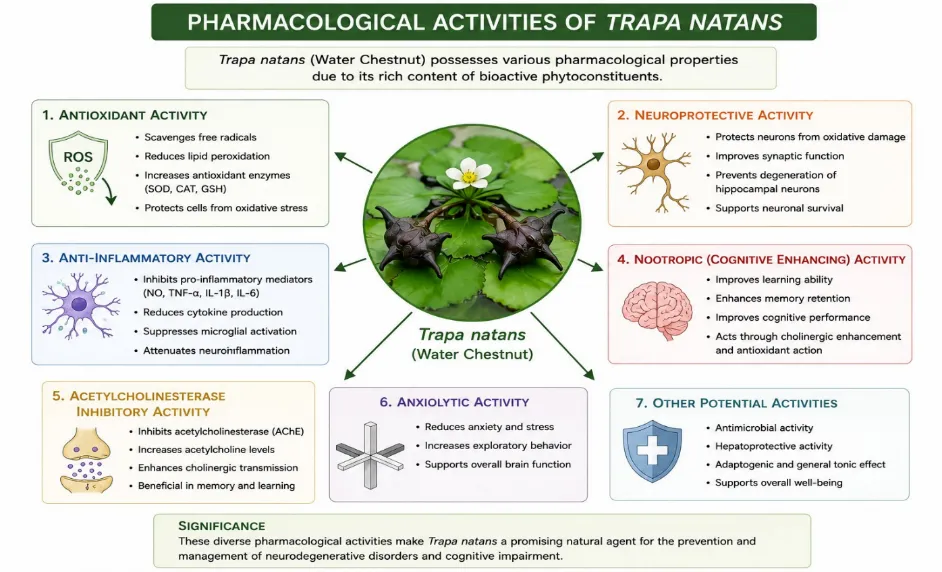
Figure 4: Phramacological Activities of Trapa Natans
Several experimental studies have demonstrated that Trapa natans extract significantly improves learning ability, memory retention, and overall cognitive performance in animal models. These effects have been consistently observed in established behavioral paradigms such as the Morris Water Maze, Elevated Plus Maze, and Passive Avoidance Test. In these models, treatment with Trapa natans has been associated with reduced escape latency, decreased transfer latency, and increased retention latency, all of which indicate improved cognitive function.
The cognitive-enhancing effects of Trapa natans are believed to arise from multiple complementary mechanisms. One important mechanism involves inhibition of acetylcholinesterase (AChE), leading to increased availability of acetylcholine within the synaptic cleft and enhancement of cholinergic neurotransmission. Since cholinergic dysfunction is strongly associated with memory impairment and Alzheimer's disease, restoration of acetylcholine levels contributes significantly to improved learning and memory. In addition, the potent antioxidant activity of the plant reduces oxidative stress-induced neuronal damage, thereby preserving neuronal function and supporting cognitive processes.
The combined cholinergic, antioxidant, anti-inflammatory, and neuroprotective properties of Trapa natans provide a strong scientific basis for its potential use as a natural nootropic agent. These multifaceted pharmacological actions make the plant a promising candidate for the prevention and management of cognitive impairment, age-related memory decline, and neurodegenerative disorders.
6. Mechanisms of Action in Cognitive Enhancement
The cognitive-enhancing effects of Trapa natans are mediated through multiple mechanisms:
6.1 Inhibition of Acetylcholinesterase (AChE)
One of the primary mechanisms involves inhibition of acetylcholinesterase, leading to increased availability of acetylcholine in the synaptic cleft.
Flavonoids and phenolic compounds present in the extract are known to contribute to this inhibitory effect.
6.2 Antioxidant Defense Mechanism
The extract enhances endogenous antioxidant systems by:
This leads to protection of neuronal membranes and preservation of synaptic function.
6.3 Modulation of Oxidative Stress Pathways
Polyphenols in Trapa natans may activate intracellular antioxidant pathways such as:
This mechanism is crucial in preventing neurodegeneration.
6.4 Protection Against Scopolamine-Induced Neurotoxicity
Scopolamine induces memory impairment by blocking muscarinic receptors and increasing oxidative stress. Trapa natans extract counteracts these effects by:
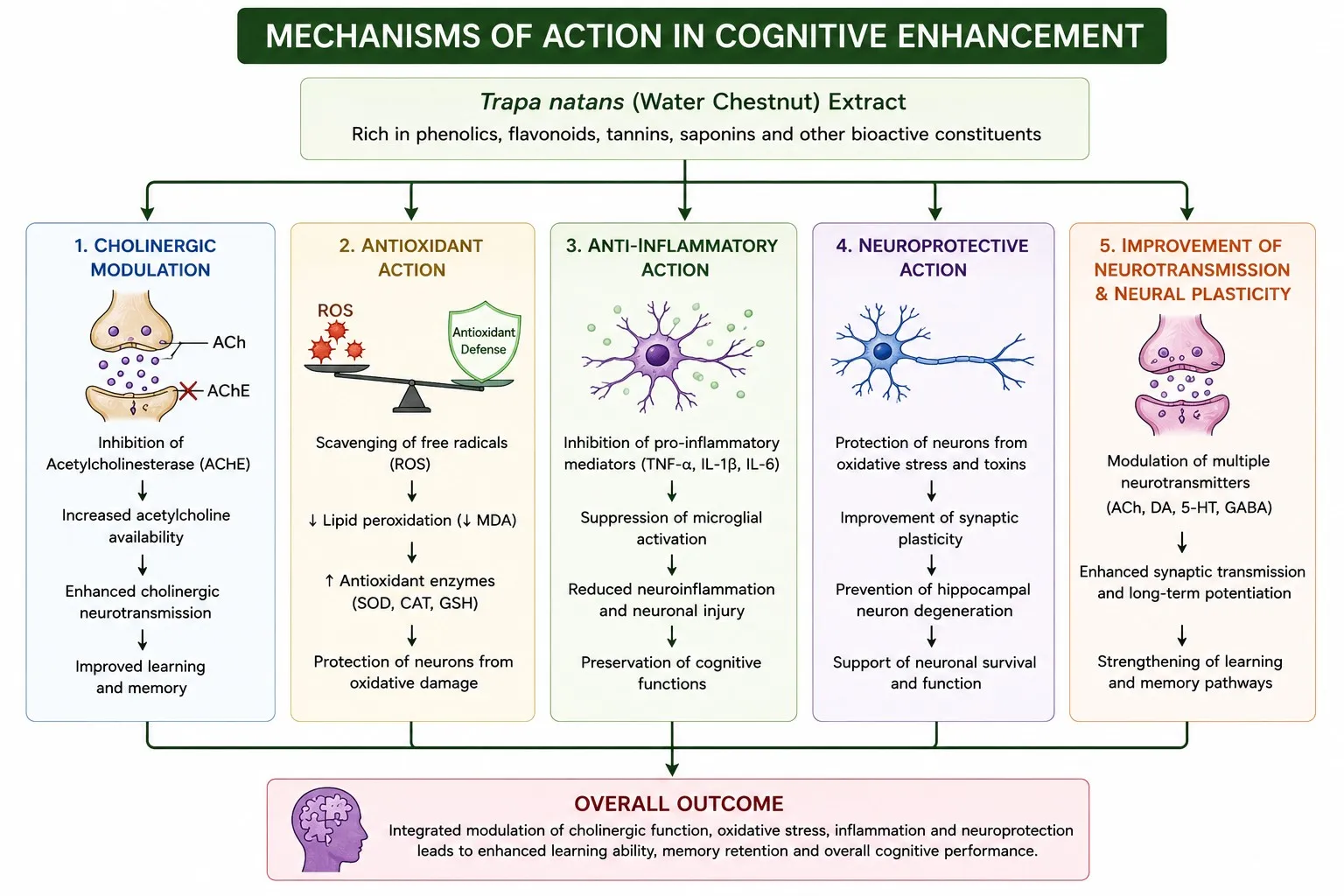
Figure 5: Mechanisms of Action in Cognitive Enhancement
7. Preclinical Evidence for Cognitive and Memory-Related Effect
7.1. Elevated Plus Maze
The Elevated Plus Maze (EPM) has been used to investigate learning and memory in rodents by measuring transfer latency, defined as the time required for an animal to enter an enclosed arm from an open arm. In a study of the hydroalcoholic extract of dried fruits identified as Trapa natans L. var. bispinosa, Ambikar and Vyawahare investigated transfer latency in mice at oral doses of 100, 250 and 500 mg/kg, using piracetam (150 mg/kg, orally) as a reference treatment. The authors reported that the 500 mg/kg dose significantly reduced transfer latency on days 2 and 9, whereas the 250 mg/kg dose was effective on day 9. The study also evaluated the extract in a scopolamine-induced amnesia paradigm.
These results provide preliminary evidence of an effect on performance in the EPM-based memory task. However, the findings should not be interpreted as proof of a specific molecular mechanism. In particular, the study reported no alteration in brain acetylcholinesterase (AChE) levels following extract pretreatment; therefore, direct AChE inhibition cannot be established as the explanation for the observed behavioral effects.
7.2. Passive-Avoidance Task
Passive-avoidance paradigms assess retention of an aversive experience by measuring the latency to perform a previously punished response. In the study by Ambikar and Vyawahare, the hydroalcoholic dried-fruit extract of T. natans var. bispinosa was investigated at 100, 250 and 500 mg/kg orally, with piracetam (150 mg/kg, orally) as the reference standard. The authors reported increased step-down latency at the 250 and 500 mg/kg doses in the passive-avoidance paradigm. The extract was also reported to attenuate scopolamine-induced impairment in the behavioral tasks assessed.
These findings support a preliminary cognitive or memory-related effect in the particular experimental conditions studied. Nevertheless, they do not independently establish that the extract inhibits AChE, activates Nrf2, suppresses neuroinflammation or protects hippocampal synapses. Such mechanisms require direct experimental measurement.
7.3. Morris Water Maze
The Morris Water Maze (MWM) evaluates spatial learning and memory using measures such as escape latency during training and time spent in the target quadrant during a probe trial. Although this test is widely used in experimental studies of cognitive impairment, a Trapa natans-specific MWM study supporting the claims in the original manuscript could not be verified from the sources examined for this revision.
Accordingly, the previous statements that T. natans reduces MWM escape latency or increases target-quadrant retention time should be removed unless a primary study directly documenting these outcomes is identified. General studies describing scopolamine-induced MWM deficits establish the behavior of the experimental model, not the efficacy of T. natans.
7.4. Interpretation of the Behavioral Evidence
The available direct cognitive evidence is preliminary and is concentrated in EPM transfer-latency and passive-avoidance paradigms. The reported behavioral effects warrant further investigation but should not be generalized to all memory domains or experimental models. The absence of a change in measured brain AChE levels in the available cognitive study also indicates that the behavioral findings cannot be attributed to demonstrated AChE inhibition.
Future investigations should use chemically characterized extracts, adequately powered and controlled animal studies, and multiple validated behavioral paradigms. Behavioral outcomes should be assessed alongside relevant biochemical or molecular endpoints to determine whether antioxidant changes, cholinergic effects or other mechanisms contribute to the observed responses.
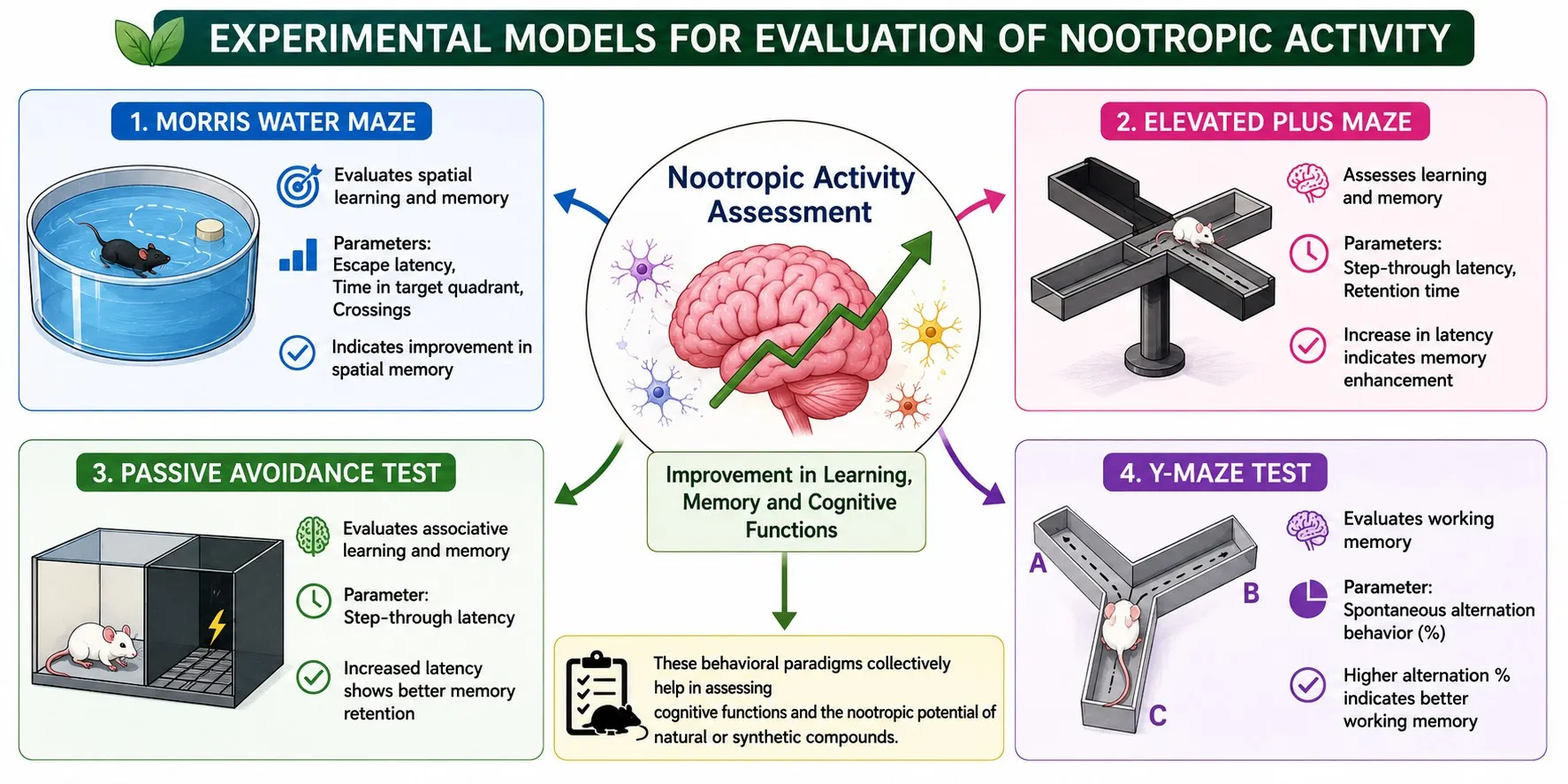
Figure 6: Experimental Models for Evaluation of Nootropic Activity
8. Integration of Behavioral and Biochemical Findings
The cognitive-enhancing effects of Trapa natans observed in various behavioral models are strongly supported by corresponding biochemical alterations associated with cholinergic function and oxidative stress. The combined evaluation of behavioral and biochemical parameters provides valuable insight into the underlying mechanisms responsible for the neuroprotective and nootropic effects of the plant extract.
One of the most significant biochemical findings is the reduction in acetylcholinesterase (AChE) activity following treatment with Trapa natans. Acetylcholinesterase is the enzyme responsible for the hydrolysis of acetylcholine, a neurotransmitter that plays a crucial role in learning, memory formation, and cognitive processing. Increased AChE activity, as observed in scopolamine-induced amnesia, results in depletion of acetylcholine levels and subsequent impairment of cholinergic neurotransmission. Treatment with Trapa natans significantly decreases AChE activity, thereby enhancing the availability of acetylcholine at synaptic junctions and improving neuronal communication. This restoration of cholinergic function is reflected in improved performance in behavioral tests such as the Morris Water Maze, Elevated Plus Maze, and Passive Avoidance Test.
In addition to cholinergic modulation, Trapa natans exerts a pronounced protective effect against oxidative stress, which is recognized as a major contributor to neuronal dysfunction and neurodegenerative disorders. Scopolamine administration is known to increase the production of reactive oxygen species (ROS), leading to oxidative damage of neuronal membranes and cellular components. This damage is commonly assessed by measuring malondialdehyde (MDA), a marker of lipid peroxidation. Experimental studies have demonstrated that treatment with Trapa natans significantly reduces MDA levels, indicating inhibition of lipid peroxidation and protection of neuronal membrane integrity. The reduction in oxidative damage contributes substantially to the preservation of cognitive functions and neuronal viability.
Furthermore, the neuroprotective effects of Trapa natans are accompanied by enhancement of endogenous antioxidant defense mechanisms. The extract has been shown to significantly increase the levels of reduced glutathione (GSH), superoxide dismutase (SOD), and catalase (CAT), which constitute the primary antioxidant defense system of the brain. GSH acts as a major intracellular antioxidant by neutralizing free radicals and maintaining cellular redox balance, while SOD catalyzes the conversion of superoxide radicals into less reactive species. Catalase further detoxifies hydrogen peroxide into water and oxygen, thereby preventing oxidative injury. Restoration of these antioxidant enzymes indicates improved resistance of neuronal tissue to oxidative stress and contributes to the maintenance of normal cognitive function.
The simultaneous improvement in behavioral performance and normalization of biochemical markers suggests a strong correlation between the cognitive-enhancing effects of Trapa natans and its ability to modulate both cholinergic neurotransmission and oxidative stress pathways. The observed decrease in AChE activity, reduction in lipid peroxidation, and enhancement of antioxidant enzyme levels collectively support the hypothesis that Trapa natans exerts its neuroprotective effects through a dual mechanism of action. Such a multifaceted pharmacological profile is particularly advantageous in the management of complex neurodegenerative disorders, where multiple pathological processes contribute to cognitive decline.
Overall, the integration of behavioral and biochemical findings provides compelling evidence that Trapa natans possesses significant nootropic and neuroprotective potential. By simultaneously enhancing cholinergic function and strengthening endogenous antioxidant defenses, the plant emerges as a promising natural therapeutic candidate for the prevention and management of memory impairment, cognitive dysfunction, and neurodegenerative diseases.
9. Comparative Analysis with Other Nootropic Medicinal Plants
Several medicinal plants have been extensively investigated for their cognitive-enhancing and neuroprotective properties, owing to their ability to modulate multiple pathological pathways involved in neurodegenerative disorders. Among these, Bacopa monnieri (Brahmi), Ginkgo biloba, Curcuma longa (Turmeric), and Withania somnifera (Ashwagandha) have received considerable scientific attention and are widely recognized as promising natural nootropic agents.
Bacopa monnieri is one of the most extensively studied herbal nootropics and has been reported to improve learning, memory acquisition, and cognitive performance through antioxidant activity, enhancement of cholinergic neurotransmission, and modulation of synaptic plasticity. Similarly, Ginkgo biloba has demonstrated beneficial effects on cognitive function by improving cerebral blood flow, reducing oxidative stress, and protecting neurons against ischemic and inflammatory damage. Curcuma longa, primarily due to its active constituent curcumin, exhibits potent antioxidant and anti-inflammatory activities and has been shown to inhibit amyloid aggregation, attenuate neuroinflammation, and improve cognitive performance in experimental models. Likewise, Withania somnifera has been reported to exert neuroprotective effects through modulation of neurotransmitter systems, reduction of oxidative stress, promotion of neurite outgrowth, and enhancement of synaptic connectivity.
Interestingly, accumulating evidence suggests that Trapa natans possesses pharmacological characteristics comparable to these established medicinal plants. The plant is rich in polyphenolic compounds, flavonoids, tannins, and other bioactive constituents that contribute to its potent antioxidant potential. Experimental studies have demonstrated that Trapa natans effectively scavenges free radicals, reduces lipid peroxidation, restores endogenous antioxidant enzymes, and improves cognitive performance in behavioral models of learning and memory. Furthermore, its ability to inhibit acetylcholinesterase activity suggests a beneficial role in enhancing cholinergic neurotransmission, a mechanism that closely resembles that of currently available anti-Alzheimer’s medications.
Behavioral studies employing models such as the Morris Water Maze, Elevated Plus Maze, and Passive Avoidance Test have further demonstrated the memory-enhancing effects of Trapa natans. Improvements in spatial learning, memory retention, and cognitive performance observed in these models indicate that the plant possesses significant nootropic potential. The observed effects are likely mediated through a synergistic interaction between its antioxidant, anti-inflammatory, and cholinergic modulatory properties.
Despite these promising findings, Trapa natans remains comparatively underexplored when compared with well-established nootropic plants such as Bacopa monnieri, Ginkgo biloba, Curcuma longa, and Withania somnifera. Most available studies are limited to preclinical investigations, and there is a lack of comprehensive clinical evidence validating its efficacy and safety in humans. Additionally, detailed molecular studies investigating specific signaling pathways, receptor interactions, and pharmacokinetic characteristics are scarce. Therefore, although Trapa natans exhibits considerable potential as a natural cognitive enhancer and neuroprotective agent, further systematic research is required to establish its therapeutic utility and facilitate its development as a standardized herbal intervention for cognitive disorders and neurodegenerative diseases.
CONCLUSION
The present review highlights the significant neuroprotective and nootropic potential of Trapa natans, supported by its rich phytochemical profile and multifaceted pharmacological actions. The available evidence indicates that the plant exerts its cognitive-enhancing effects through a dual mechanism involving cholinergic modulation and antioxidant activity.
Experimental studies using scopolamine-induced amnesia models demonstrate that Trapa natans improves learning and memory, reduces acetylcholinesterase activity, and enhances endogenous antioxidant defenses. These findings suggest that the plant may serve as a promising natural therapeutic agent for the management of cognitive impairment and neurodegenerative disorders.
However, further research, particularly clinical studies and mechanistic investigations, is necessary to fully establish its therapeutic potential and translate preclinical findings into clinical applications.
REFERENCES


Abhishek Kushwaha, Sarika Shrivastava, Jitendra Banweer, Neuroprotective and Nootropic Potential of Trapa Natans: Current Evidence, Proposed Mechanisms and Research Gaps, Int. J. of Pharm. Sci., 2026, Vol 4, Issue 11, 3897-3910. https://doi.org/
 10.5281/zenodo.24415053