

We use cookies to ensure our website works properly and to personalise your experience. Cookies policy
Institute of Pharmaceutical Science and Research, Sardar Patel University, Balaghat
A number of problems, including type 2 diabetes mellitus, hypertension, cardiovascular illnesses, dyslipidemia, and fatty liver disease, are linked to obesity, a chronic metabolic disorder marked by an excessive build-up of body fat. The prevalence of obesity has dramatically increased worldwide due to rapid lifestyle changes, poor eating habits, and decreased physical exercise. Due to side effects, low patient compliance, high costs, and weight increase, current treatment methods, including as medication, bariatric surgery, and lifestyle modification, frequently exhibit limits. Medicinal plants are therefore being investigated as safer and more successful substitutes for managing obesity. Many phytochemical components, including flavonoids, alkaloids, tannins, phenolic compounds, saponins, and terpenoids, are present in Mimosa pudica L., sometimes referred to as "Lajwanti" or sensitive plant. By lowering oxidative stress, boosting lipid metabolism, and improving glucose regulation, these bioactive substances' antioxidant, anti-inflammatory, antidiabetic, hepatoprotective, and hypolipidemic properties may aid in the management of obesity. Studies that are now available point to its potential as a supporting natural medicinal agent, despite the lack of concrete proof addressing its anti-obesity efficacy. To determine its effectiveness, safety, and mode of action in the treatment of obesity, more experimental and clinical research is needed.
Excess body fat builds up in the body and interferes with normal health in obesity, a long-term metabolic condition. Since its incidence is rising quickly in both rich and developing nations, it is currently regarded as one of the biggest global public health issues. The rising prevalence of obesity is mostly caused by changes in lifestyle, a high-calorie diet, decreased physical activity, urbanization, and sedentary behaviours.(1,2) In addition to increasing body weight, obesity is associated with other major health issues. It raises the risk of cardiovascular disease, dyslipidemia, fatty liver disease, type 2 diabetes mellitus, hypertension, and other metabolic disorders. In addition to causing oxidative stress, chronic inflammation, insulin resistance, and aberrant lipid metabolism, excess adipose tissue might interfere with normal bodily processes.(3,4) Lifestyle changes, dietary restriction, regular exercise, behavioral therapy, medication, and, in extreme situations, bariatric surgery are all common methods of managing obesity. Despite the availability of synthetic anti-obesity medications, their long-term usage may be restricted by side effects, high cost, low patient compliance, and weight increase following cessation. Due to these restrictions, scientists are concentrating more on natural products and medicinal herbs as safer substitutes for managing obesity.(4,11) Bioactive substances such flavonoids, alkaloids, tannins, phenolic compounds, glycosides, and terpenoids are abundant in medicinal plants. These phytochemicals may exhibit hypolipidemic, anti-inflammatory, antioxidant, and metabolic regulation properties. Because obesity is intimately linked to oxidative stress, inflammation, lipid imbalance, and metabolic dysfunction, these characteristics may be helpful in managing obesity.(15) Mimosa pudica L., a medicinal herb in the Fabaceae family, is also referred to as the sensitive plant or "Lajwanti." For ailments like inflammation, wound healing, diarrhea, diabetes, liver diseases, and microbial infections, it has long been employed in various medical systems. According to numerous research, Mimosa pudica has a number of pharmacological actions and significant phytochemical components.(16, 18) Mimosa pudica has been demonstrated in experiments to have antioxidant, anti-inflammatory, hepatoprotective, antidiabetic, antibacterial, and wound-healing properties. These actions imply that the plant may be helpful in the treatment of obesity and metabolic issues related to obesity. However, there is currently little direct scientific proof of Mimosa pudica's anti-obesity effects, and more thorough research is needed to validate its effectiveness and mode of action.(20, 30)
Thus, the goal of the current review is to compile the information that is currently available regarding the phytochemical components, pharmacological actions, and potential anti-obesity effects of Mimosa pudica leaf extract. This review also emphasizes the need for more investigation to assess its potential as a natural medicinal agent for managing obesity.

Figure 1: Obesity In Humans
1.1 OVERVIEW OF OBESITY
An abnormal or excessive build-up of body fat that may be harmful to health is the hallmark of obesity, a chronic metabolic condition. Body mass index (BMI), which is computed from height and body weight, is frequently used to measure it. Overweight is often defined as having a BMI of 25–29.9 kg/m², and obesity is defined as having a BMI of 30 kg/m² or higher. However, obesity is a complicated syndrome that involves excess adipose tissue, altered metabolism, hormonal imbalance, inflammation, and an increased risk of chronic diseases; it should not be understood simply as increased body weight.(1,2) Due to significant dietary and lifestyle changes, the prevalence of obesity has risen dramatically in recent decades. Positive energy balance has been attributed to increased consumption of processed foods, refined carbs, saturated fats, calorie-dense foods, and sugary drinks. Triglycerides in adipose tissue are the primary way that excess energy is stored when calorie intake exceeds energy expenditure for an extended length of time, resulting in progressive weight increase and fat buildup.(2,3) Instead of being merely a place to store fat, adipose tissue is now regarded as an active endocrine organ. Leptin, adiponectin, resistin, and inflammatory cytokines are among the bioactive compounds known as adipokines that it secretes. In addition to causing insulin resistance, oxidative stress, chronic low-grade inflammation, and abnormalities in lipid metabolism, extra adipose tissue in obesity modifies the normal release of these mediators.(6,7) Type 2 diabetes mellitus, hypertension, cardiovascular disorders, dyslipidemia, non-alcoholic fatty liver disease, osteoarthritis, sleep apnea, and several types of cancer are all linked to obesity. These issues are primarily associated with excess body fat, particularly visceral obesity, which has an impact on inflammatory pathways, lipid control, glucose metabolism, and vascular function.(1,7) One of the key determinants of the health risk associated with obesity is the distribution of body fat. Because visceral fat is metabolically active, central or abdominal obesity—also referred to as android obesity—has a stronger correlation with metabolic syndrome and cardiovascular problems. Gynoid obesity, on the other hand, is generally thought to be less detrimental than abdominal fat accumulation and mostly involves fat deposition around the hips and thighs.(6,8) Rather than having a single cause, obesity is the result of multiple factors working together. Its development may be influenced by a number of variables, including genetic susceptibility, bad eating habits, inactivity, psychological stress, insufficient sleep, hormonal imbalance, environmental factors, and socioeconomic shifts. The development of obesity depends on intricate interactions between behavior, metabolism, endocrine control, and inflammation, even though energy imbalance is the primary mechanism.(2,7) Diet-induced obesity models are frequently employed in experimental research to examine obesity and assess possible anti-obesity medications. Because they mimic a number of characteristics of human obesity, including body weight gain, dyslipidemia, insulin resistance, oxidative stress, and inflammatory alterations, high-fat diet-induced obesity models in rodents are especially helpful. These models can also be used to examine natural substances and medicinal plants that may have anti-obesity properties.(9,10)
Overall, excessive fat accumulation, adipose tissue dysfunction, oxidative stress, inflammation, insulin resistance, and aberrant lipid metabolism are all components of obesity, which is a complicated metabolic condition. Obesity management necessitates a comprehensive strategy that combines lifestyle modification, pharmaceutical assistance when necessary, and investigation of safer natural therapeutic agents due to the numerous pathways implicated in its genesis and progression.(7,8)

Figure 2: Overview of Obesity
1.2 Current Treatment Approaches for Obesity
Since obesity is not caused by a single issue, treating it requires a multifaceted, long-term strategy. Dietary restriction, frequent exercise, behavioral modifications, medication, and, in extreme situations, surgery are all common components of management. In addition to lowering body weight, the primary goal of obesity treatment is to enhance metabolic health and lower the risk of comorbidities such diabetes, hypertension, dyslipidemia, cardiovascular disease, and fatty liver disease.(11,13) The first and most crucial step in managing obesity is thought to be changing one's lifestyle. A balanced low-calorie diet, cutting back on high-fat and high-sugar meals, controlling portion sizes, consuming more foods high in fiber, and engaging in regular exercise are all part of it. Exercise lowers fat mass, increases energy expenditure, enhances insulin sensitivity, and helps with long-term weight control. However, patient compliance and ongoing motivation are necessary for lifestyle improvement, which is frequently challenging to sustain over an extended period of time.(13,14) When changing one's lifestyle is insufficient to lose weight or when obesity is linked to other metabolic issues, pharmacological treatment is utilized. Anti-obesity medications mostly work by improving metabolic regulation, lowering fat absorption, or decreasing hunger. One of the most popular anti-obesity medications is orlistat. It works by blocking the gastrointestinal lipase enzymes, which lessens the intestinal absorption of dietary fat. While it can aid in weight loss, its usage is frequently linked to gastrointestinal adverse effects, including diarrhoea, flatulence, greasy stools, and abdominal pain.(11,12) Another anti-obesity medication used in the past to control weight was sibutramine. Through central nervous system mechanisms, it primarily increases satiety and decreases food intake. However, cardiovascular safety issues, such as elevated blood pressure and heart rate, restricted its use. The long-term use of various synthetic anti-obesity medications is still a big issue due to these negative effects.(12,13) Patients with severe obesity may be candidates for bariatric surgery, particularly if their obesity is linked to major problems and other forms of treatment have failed. Significant and long-lasting weight loss can result from surgical procedures including sleeve gastrectomy and gastric bypass. Additionally, obesity-related diseases including type 2 diabetes and hypertension are improved by these operations. Surgery, however, is costly and may result in long-term follow-up, nutritional deficits, and complications.(13) Due to physiological adjustments such decreased metabolic rate, increased appetite, and hormonal shifts, many patients experience weight gain even after successful weight loss. This makes managing obesity over the long-term challenging and emphasizes the need for safer and more long-lasting treatment approaches.(14) Herbal medicines and natural items are being investigated as alternative or supporting therapy for managing obesity due to the side effects, expense, and limits of synthetic drugs and surgical methods. Medicinal plants may work in a variety of ways, including lowering oxidative stress, enhancing lipid metabolism, reducing inflammation, and controlling hunger or the absorption of fat. Plant-based therapy is a significant field of research in the treatment of obesity because of its multi-targeted nature.(15)
One well-known medicinal plant in the Fabaceae family is Mimosa pudica L. Because of its unusual capacity to fold its leaves when touched or disturbed, it is frequently referred to as the sensitive plant, touch-me-not plant, shame plant, or "Lajwanti." One of the most distinctive characteristics of the plant is its unique leaf movement, which is caused by variations in turgor pressure in the pulvinus region.(16, 17) The plant is a tiny, semi-erect or creeping herb that is frequently found in tropical and subtropical areas. It typically grows in waste areas, meadows, roadsides, open spaces, and agricultural fields. The stem is thin, branching, and frequently has tiny prickles all over it. The compound, bipinnate leaves have several tiny leaflets placed on both sides. The fruits are tiny pods that carry seeds, while the flowers are tiny, round-headed, pink to purple flowers.(17, 18)
Mimosa pudica has long been used to treat a variety of illnesses in many medical systems. The entire plant, as well as its leaves, roots, stems, and seeds, have all been utilized medicinally. Inflammation, wounds, diarrhea, dysentery, urinary disorders, diabetes, skin ailments, and liver-related issues have all historically been treated with it.(16,20)
The presence of several bioactive phytochemical compounds is the primary cause of Mimosa pudica's therapeutic significance. Flavonoids, alkaloids, tannins, glycosides, phenolic chemicals, terpenoids, saponins, and steroids have all been found in the plant, according to various research. Numerous pharmacological properties, including as antioxidant, anti-inflammatory, antibacterial, antidiabetic, hepatoprotective, and wound-healing effects, are attributed to these components.(18, 20) Mimosa pudica has drawn attention from scientists as a possible therapeutic plant because of its extensive traditional use and rich phytochemical profile. Its hypolipidemic, antidiabetic, anti-inflammatory, and antioxidant qualities may help treat metabolic diseases like obesity. However, further thorough scientific research is still needed to fully understand its direct anti-obesity activity.(16,18,20)
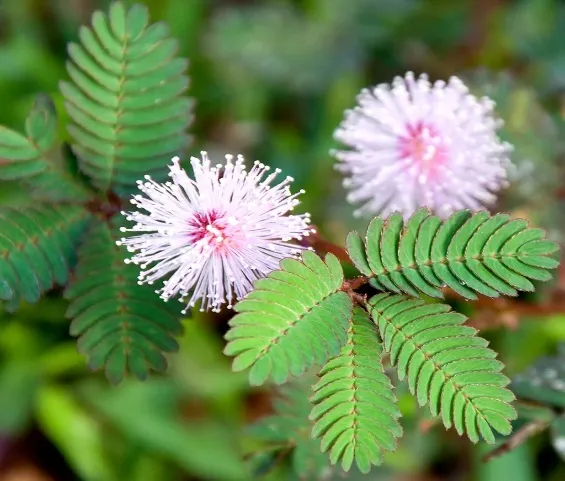
Figure 3: Mimosa pudica
2.1 Taxonomy and Classification of Mimosa pudica
For accurate identification and scientific research of medicinal plants, taxonomy is crucial. Accurate pharmacological and phytochemical evaluation is supported by proper classification, which also helps to prevent confusion with other related plant species. Mimosa pudica L., a medicinal plant in the Fabaceae family, is sometimes referred to as "Lajwanti," "sensitive plant," "touch-me-not," and "shame plant". The plant's delicate leaf movement is its most distinguishing feature. The leaf stalk droops and the leaflets fold inward when touched or disturbed. Changes in turgor pressure in the leaf's pulvinus area are the cause of this reaction. Mimosa pudica is easily recognized in natural settings thanks to this distinctive characteristic. (21, 22)
Table No.1 Taxonomical Classification of Mimosa Pudica
|
S.NO |
Taxonomic Rank |
Classification |
|
1. |
Kingdom |
Plantae |
|
2. |
Subkingdom |
Tracheobionta |
|
3. |
Division |
Magnoliophyta |
|
4. |
Class |
Magnoliopsida |
|
5. |
Subclass |
Rosidae |
|
6. |
Order |
Fabales |
|
7. |
Family |
Fabaceae |
|
8. |
Subfamily |
Mimosoideae |
|
9. |
Genus |
Mimosa |
|
10. |
Species |
Mimosa pudica Linn. |
2.2 Geographical Distribution of Mimosa pudica
Mimosa pudica L. is found all over the world in tropical and subtropical areas. It typically grows quickly and spreads naturally in warm, humid climates. Although the plant is thought to be native to tropical America, its adaptability and ease of seed dissemination have allowed it to spread to many parts of Asia, Africa, Australia, and other tropical regions. Mimosa pudica is widely distributed throughout India, particularly in grasslands, open spaces, roadsides, agricultural fields, waste sites, and damp areas. It is frequently observed as a common weed in fields and uncultivated areas, and it grows well during the rainy season. Although the plant can thrive in a variety of soil types, it thrives in wet, well-drained soil that receives enough sunlight. Mimosa pudica is widely used in traditional medicine, in part because of its widespread availability. Due to the plant's easy accessibility in rural and semi-urban locations, local populations have utilized its leaves, roots, stems, and seeds for a variety of therapeutic uses. It is a significant plant in ethnomedical and folk medicine due to its presence in natural environments. Environmental factors that affect Mimosa pudica development and phytochemical composition include soil type, rainfall, temperature, sunlight, and season. This is significant since growth circumstances and geographic location might affect the concentration of bioactive components. Therefore, before employing plant material for pharmacological research, it must be properly collected, identified, and standardized.(23,24)
2.3 Phytochemical Constituents of Mimosa pudica
Herbal medicines' therapeutic qualities are mostly attributed to phytochemicals, which are naturally occurring bioactive substances found in plants. Mimosa pudica's leaves, roots, stems, seeds, and whole plant extract all contain a range of phytochemical components. Flavonoids, alkaloids, tannins, phenolic compounds, glycosides, saponins, terpenoids, steroids, and other secondary metabolites are some of these components.(25, 26) Among the significant phytochemical groups found in Mimosa pudica are flavonoids. Their anti-inflammatory and antioxidant qualities are well-known. Flavonoid-containing plants may aid in lowering free radical damage and enhancing metabolic health because oxidative stress and inflammation are major contributors to metabolic disruption in obesity. (26,27) Mimosa pudica also contains phenolic chemicals, which support its ability to scavenge free radicals. These substances may lessen lipid peroxidation and aid in shielding cells from oxidative damage. Since oxidative stress and obesity are strongly related, phenolic substances may promote Mimosa pudica's potential therapeutic role in obesity-related problems.(26) Another significant class of components present in Mimosa pudica is tannins. They have wound-healing, antibacterial, antioxidant, and astringent qualities. Additionally, tannins may affect nutrient absorption and digestion, which may be important in metabolic diseases. Their presence validates the plant's historic use for ailments like inflammation, wounds, and diarrhoea.(25) Mimosa pudica has also been reported to contain alkaloids. Numerous biological actions, including as analgesic, anti-inflammatory, antibacterial, and metabolic impacts, are known to be produced by these substances. Mimosine, a non-protein amino acid found in the plant, is one of the distinctive substances linked to Mimosa pudica. The plant's overall pharmacological profile may be influenced by alkaloids.(25, 27) Because Mimosa pudica's saponins are known to influence lipid and cholesterol metabolism, they may be significant in studies pertaining to obesity. Saponins may improve the lipid profile by preventing the intestinal absorption of lipids and cholesterol. This characteristic offers a potential method of support for the plant's anti-obesity potential.(27) Among the phytochemical components of Mimosa pudica, terpenoids and steroids have also been discovered. These substances may have hepatoprotective, antioxidant, and anti-inflammatory properties. These components may be helpful in promoting metabolic balance because obesity is frequently linked to inflammation and liver-related metabolic disruption.(25, 26) Depending on the section of the plant, the extraction solvent, the region, the season, and the extraction technique, Mimosa pudica's phytochemical content might change. In comparison to some aqueous extracts, ethanolic and methanolic extracts are typically found to have greater concentrations of phenolic and flavonoid chemicals. For consistent pharmacological activity, standardization of extraction techniques is crucial.(26, 27) Overall, Mimosa pudica's therapeutic usefulness is supported by the presence of flavonoids, phenolics, tannins, alkaloids, saponins, terpenoids, and glycosides. Its antioxidant, anti-inflammatory, antidiabetic, antibacterial, hepatoprotective, and perhaps anti-obesity properties are mostly caused by these chemicals. However, more research is needed to separate and pinpoint the precise active substances that play a part in managing obesity.(25, 26, 27)
Table no.1 Phytochemical Constituents of Mimosa Pudica
|
S.NO |
Phytochemical Constituent |
Major Biological Activities |
Possible Role in Obesity Management |
|
1. |
Flavonoids |
Antioxidant, anti-inflammatory |
Reduce oxidative stress, improve metabolic |
|
2. |
Phenolic Compounds |
Antioxidant, anti-inflammatory, lipid peroxidation inhibition |
Improve insulin sensitivity and lipid metabolism |
|
3. |
Tannins |
Astringent, antimicrobial,antioxidant, wound healing |
May inhibit lipid |
|
4. |
Alkaloids |
Anti-inflammatory, analgesic,antimicrobial, metabolic effects |
May influence appetite |
|
5. |
Mimosine |
Characteristic non-protein |
May contribute to |
|
6. |
Saponins |
Hypolipidemic, cholesterol-lowering activity |
Reduce intestinal |
|
7. |
Terpenoids |
Anti-inflammatory, antioxidant, |
Help regulate |
|
8. |
Steroids |
Anti-inflammatory and metabolic regulatory activity |
Support regulation of |
|
9. |
Glycosides |
Various Pharmacological |
May contribute to overall |
|
10. |
Amino Acids |
Nutritional and metabolic |
Support cellular and |
Because type 2 diabetes and obesity are strongly associated, Mimosa pudica's antidiabetic properties are also significant in connection to obesity. Management of obesity may be indirectly aided by improvements in insulin sensitivity and glucose metabolism. According to some research, Mimosa pudica extracts may improve glucose control, which may be advantageous for metabolic issues related to obesity.(27, 32) Nevertheless, there is scant and inconclusive direct evidence supporting Mimosa pudica's anti-obesity effects. According to one study, mice given a high-fat diet did not exhibit any discernible anti-obesity activity from Mimosa pudica seed mucilage. This discovery is significant because it demonstrates that different plant parts may have different therapeutic effects. The type of extract, phytochemical makeup, dose, length of therapy, and animal model chosen can all affect the activity.(36) Because Mimosa pudica leaves are rich in bioactive components and have demonstrated a number of pharmacological activities linked to obesity mechanisms, including antioxidant, anti-inflammatory, antidiabetic, and hepatoprotective properties, the leaf extract may still be regarded as promising. Together, these actions may bolster its potential function in controlling metabolic disorders linked to obesity.(25, 26, 30) Because diet-induced obesity animal models exhibit characteristics of human obesity, including weight increase, lipid imbalance, insulin resistance, oxidative stress, and inflammation, they are frequently used to assess anti-obesity drugs. Future research on Mimosa pudica leaf extract utilizing models of obesity brought on by a high-fat diet can help determine whether the plant has actual anti-obesity activity or merely beneficial metabolic effects.(37)
Overall, Mimosa pudica's phytochemical richness and variety of pharmacological actions make it a promising medicinal plant for managing obesity. Strong scientific validation is still required, though, and this can be achieved through carefully planned animal experiments, standardized leaf extracts, dose-response analysis, toxicity studies, and thorough mechanism-based research. Thus, it can be said that Mimosa pudica may have indirect anti-obesity potential, but more study is needed to determine its direct effectiveness in treating obesity.(35, 36, 37) The ability of medicinal plants to influence many metabolic pathways related to fat storage, lipid metabolism, oxidative stress, inflammation, glucose regulation, and energy balance is typically associated with their potential to prevent obesity. Mimosa pudica's reported phytochemical constituents and pharmacological activities suggest that it may support obesity management through antioxidant, anti-inflammatory, hypolipidemic, antidiabetic, and hepatoprotective mechanisms, despite the lack of direct mechanistic evidence specifically related to the plant (25, 26, 27).
4. Mechanism of Anti-Obesity Action of Mimosa pudica
4.1 Reduction of Oxidative Stress
One of the key elements in the onset and development of obesity is oxidative stress. Reactive oxygen species, which can cause lipid peroxidation, cellular damage, insulin resistance, and chronic inflammation, are produced more frequently when there is excess adipose tissue. These alterations exacerbate metabolic problems linked to obesity.(8) Flavonoids, phenolic chemicals, and tannins—all of which have antioxidant properties—are found in Mimosa pudica. These substances may aid in lowering oxidative damage in metabolic tissues and scavenging free radicals. Mimosa pudica may help prevent obesity-related harm to adipose tissue, liver tissue, and other metabolic organs by reducing oxidative stress.(25, 26)
4.2 Modulation of Lipid Metabolism
Lipid metabolism regulation is a key area of focus for managing obesity. Increased triglycerides, total cholesterol, low-density lipoprotein, and improper fat deposition are frequently linked to obesity. By decreasing cholesterol absorption, increasing lipid utilization, and preventing fat accumulation, phytochemicals found in medicinal plants may help improve lipid profiles.(33, 35) Saponins, flavonoids, tannins, and phenolic substances found in Mimosa pudica may have a role in lipid regulation. While flavonoids and phenolic compounds may lessen lipid peroxidation and enhance metabolic balance, saponins may obstruct the intestinal absorption of lipids and cholesterol. The potential anti-obesity effect of Mimosa pudica leaf extract may be supported by these effects.(25, 27)
4.3 Anti-Inflammatory Mechanism
One of the main characteristics of obesity is chronic low-grade inflammation. Visceral fat in particular encourages the release of inflammatory mediators that interfere with lipid metabolism and insulin signaling. Type 2 diabetes mellitus, metabolic syndrome, and cardiovascular illnesses are all made more likely by this inflammatory condition.(8) In experiments, Mimosa pudica has demonstrated anti-inflammatory properties. In animal trials, the hydroalcoholic extract of the entire plant has been shown to lessen inflammation. Flavonoids, tannins, terpenoids, and other bioactive components that aid in reducing inflammatory reactions may be the cause of this activity. Thus, Mimosa pudica's anti-inflammatory properties may help regulate obesity in an indirect way. (30)
4.4 Improvement of Glucose Metabolism and Insulin Sensitivity
Type 2 diabetes and obesity are strongly associated illnesses. Obesity is frequently associated with insulin resistance, which leads to improper glucose metabolism, increased fat storage, and metabolic problems. Thus, enhancing insulin sensitivity and glucose control is a crucial supporting mechanism in the management of obesity.(7) According to reports, Mimosa pudica may have antidiabetic properties. Its phytochemicals, particularly flavonoids and phenolic compounds, may help lower oxidative stress linked to diabetes and enhance glucose metabolism. Improved glucose regulation may indirectly lessen metabolic problems associated with obesity.(27,32)
4.5 Hepatoprotective and Metabolic Support
The liver is essential for energy balance, detoxification, glucose control, and lipid metabolism. Fatty liver and oxidative liver damage are two liver-related metabolic disorders that are frequently linked to obesity. Therefore, protecting liver function may be crucial for managing problems related to obesity.(7) Experimental research has demonstrated the hepatoprotective properties of Mimosa pudica leaf extract. Its anti-inflammatory and antioxidant qualities may contribute to this beneficial impact. Mimosa pudica may help preserve normal lipid metabolism and lessen obesity-related hepatic consequences by promoting liver function and lowering oxidative damage.(29)
4.6 Possible Reduction of Lipid Absorption
Certain phytochemical components found in Mimosa pudica, particularly tannins and saponins, may affect how well dietary fats are absorbed and digested. It is well known that saponins interact with cholesterol and may reduce intestine absorption. Additionally, digestion and nutrient utilization may be impacted by tannins. These effects may promote body weight regulation and lessen excessive fat absorption.(25, 27) This mechanism is significant since lowering the absorption of dietary fat is one of the proven methods for treating obesity. However, further direct experimental proof is required for Mimosa pudica's inhibitory effect on lipid absorption.
4.7 Limitation of Available Evidence
Although Mimosa pudica's phytochemical and pharmacological profile points to potential anti-obesity benefits, there is currently no concrete proof. According to one study, mice given a high-fat diet did not exhibit any discernible anti-obesity activity from Mimosa pudica seed mucilage. This suggests that the plant component utilized, extract type, dosage, length of therapy, and phytochemical content may all affect anti-obesity effectiveness.(36) Because leaves include a variety of bioactive chemicals that may differ from seed mucilage, leaf extract may require additional research. To validate its precise anti-obesity mechanism, more research utilizing standardized Mimosa pudica leaf extract in diet-induced obesity models is required.(36, 37)
4.8 Overall Mechanistic View
Mimosa pudica may have an anti-obesity effect through a variety of methods, such as lowering oxidative stress, reducing inflammation, improving lipid metabolism, improving glucose regulation, hepatoprotective activity, and maybe lowering lipid absorption. These combined effects imply that Mimosa pudica leaf extract may function as a natural remedy for metabolic disorders linked to obesity. To determine its direct anti-obesity efficacy and mechanism of action, however, further thorough experimental, molecular, and clinical research is needed. (35, 36, 37)
CONCLUSION
Excessive fat buildup and several metabolic problems are linked to obesity, a complicated metabolic condition. Interest in safer natural alternatives has grown due to the shortcomings of existing therapeutic methods. Mimosa pudica is a medicinal plant having significant phytochemical components and a variety of pharmacological actions, such as hepatoprotective, anti-inflammatory, antidiabetic, antioxidant, and potentially lipid-regulating properties. According to the literature currently available, Mimosa pudica leaf extract may help manage obesity by influencing inflammation, oxidative stress, lipid metabolism, and glucose regulation. Direct proof of its anti-obesity effects is still few, though. To establish its effectiveness and safety, more study utilizing standardized leaf extract, diet-induced obesity models, toxicity assessment, and clinical investigations is necessary. All things considered, Mimosa pudica leaf extract seems to be a good natural option for upcoming studies on obesity and related metabolic diseases.
REFERENCES


Aadarsh Kavde, Tejswini Rinhayat, Jeevan Das Mandale, Dr.Rajesh Mujariya, Dr.Manjeet Singh, A Comprehensive Review on the Anti-Obesity Potential of Mimosa pudica Leaf Extract, Int. J. of Pharm. Sci., 2026, Vol 4, Issue 5, 8031-8043. https://doi.org/ 10.5281/zenodo.20457869
 10.5281/zenodo.20457869