

We use cookies to ensure our website works properly and to personalise your experience. Cookies policy
SIMS College Of Pharmacy.
Artificial Intelligence (AI) has become a transformative technology in modern pandemic preparedness and response, enabling significant advances across public health, epidemiology, diagnostics, and vaccine research. This review explores the broad applications of AI in managing global infectious disease outbreaks, highlighting its contribution to improving disease surveillance, prediction, prevention, and clinical decision-making. By integrating data-driven analytical approaches, AI supports health authorities in making timely and evidence-based interventions during rapidly evolving public health emergencies. The review first examines the challenges that pandemics pose to healthcare systems, particularly in developing nations, and discusses how AI enhances epidemiological modelling to improve outbreak forecasting and response planning. Computational models such as the Susceptible-Infectious-Recovered (SIR) and Susceptible-Infectious-Susceptible (SIS) frameworks, when combined with AI techniques, provide more accurate predictions of disease transmission, enabling efficient allocation of healthcare resources and optimization of vaccination strategies. In addition, machine learning and predictive analytics uncover complex transmission patterns and identify risk factors that may not be apparent through conventional statistical approaches. Furthermore, the manuscript highlights the growing role of AI in accelerating vaccine discovery, optimizing clinical trial design, and strengthening disease surveillance systems. Advanced machine learning and deep learning algorithms facilitate rapid analysis of biomedical data, supporting the identification of vaccine candidates and improving clinical research efficiency. AI-powered surveillance platforms also enhance early detection, contact tracing, real-time monitoring, and forecasting of infectious disease outbreaks. Overall, this review demonstrates that AI has become an essential component of pandemic management by integrating epidemiological modelling, intelligent forecasting, surveillance, and vaccine development into a unified framework. It emphasizes the importance of continued interdisciplinary research, ethical implementation, and responsible integration of ai technologies to improve preparedness and resilance against future pandemics and other emerging public health threats
Vaccination represents one of the greatest achievements in medical science, significantly reducing illness and mortality caused by infectious diseases across the globe. Since the early development of immunization by pioneers such as Edward Jenner, vaccines have evolved into an essential component of public health programs (1,3). They are now widely regarded as among the most effective and economical strategies for preventing infectious diseases and limiting the spread of harmful pathogens. Despite these remarkable successes, the conventional vaccine development process remains complex, lengthy, and resource-intensive. (2,3)Traditional vaccine development involves several sequential stages, beginning with the identification and isolation of the disease-causing organism, followed by the selection of appropriate antigenic targets, formulation of vaccine candidates, preclinical evaluation, and multiple phases of clinical testing(1,6,9). Each of these stages requires extensive laboratory research, rigorous safety assessments, and regulatory evaluation, often resulting in development timelines extending over many years before a vaccine becomes available for public use. The initial stage focuses on isolating and thoroughly characterizing the target pathogen. This task can be technically challenging, especially when dealing with newly emerging or poorly characterized infectious agents. Following pathogen identification, researchers must determine suitable antigens capable of inducing a strong protective immune response while maintaining an acceptable safety profile.(8,6,16) Antigen discovery frequently depends on extensive experimental screening, making the process laborious, costly, and sometimes unpredictable.
Once promising antigens have been identified, they are incorporated into vaccine formulations designed to effectively stimulate the immune system. Developing an effective immunogen requires a detailed understanding of immune mechanisms, including antigen processing and presentation, to ensure the generation of durable and protective immunity. Furthermore, vaccine formulations must satisfy additional requirements such as stability during storage, safety in recipients, scalability for large-scale manufacturing, and suitability for widespread distribution(1,7,17). These scientific and manufacturing challenges collectively contribute to the prolonged timeline and high cost associated with traditional vaccine development.
1.1 mechanism of action of a vaccine
Vaccines help the immune system recognize and defend against infectious diseases before a person is exposed to them. By preparing the body's natural defense mechanisms, vaccination significantly lowers the risk of developing severe illness and reduces the likelihood of transmitting infections to others(2,5,7). Vaccines may provide protection against a single disease or several diseases, and in many cases, multiple vaccines can be administered during the same visit to protect against different infections. Most vaccines contain either a weakened or inactivated form of a microorganism, or only a specific component of it known as an antigen(1,5,7). Once administered, the immune system identifies the antigen as a foreign substance and triggers an immune response. This response involves the activation of immune cells that produce specific antibodies and generate immunological memory. If the vaccinated individual is later exposed to the actual pathogen, the immune system rapidly recognizes it and mounts a swift and effective response by producing the appropriate antibodies and activating immune cells(5,7) . This rapid immune reaction prevents or greatly reduces the severity of the disease. Unlike immunity acquired through natural infection, vaccine-induced immunity provides protection without exposing individuals to the risks associated with the disease itself(2,5). Natural infection may result in serious complications and also increases the possibility of transmitting the pathogen to other peoples
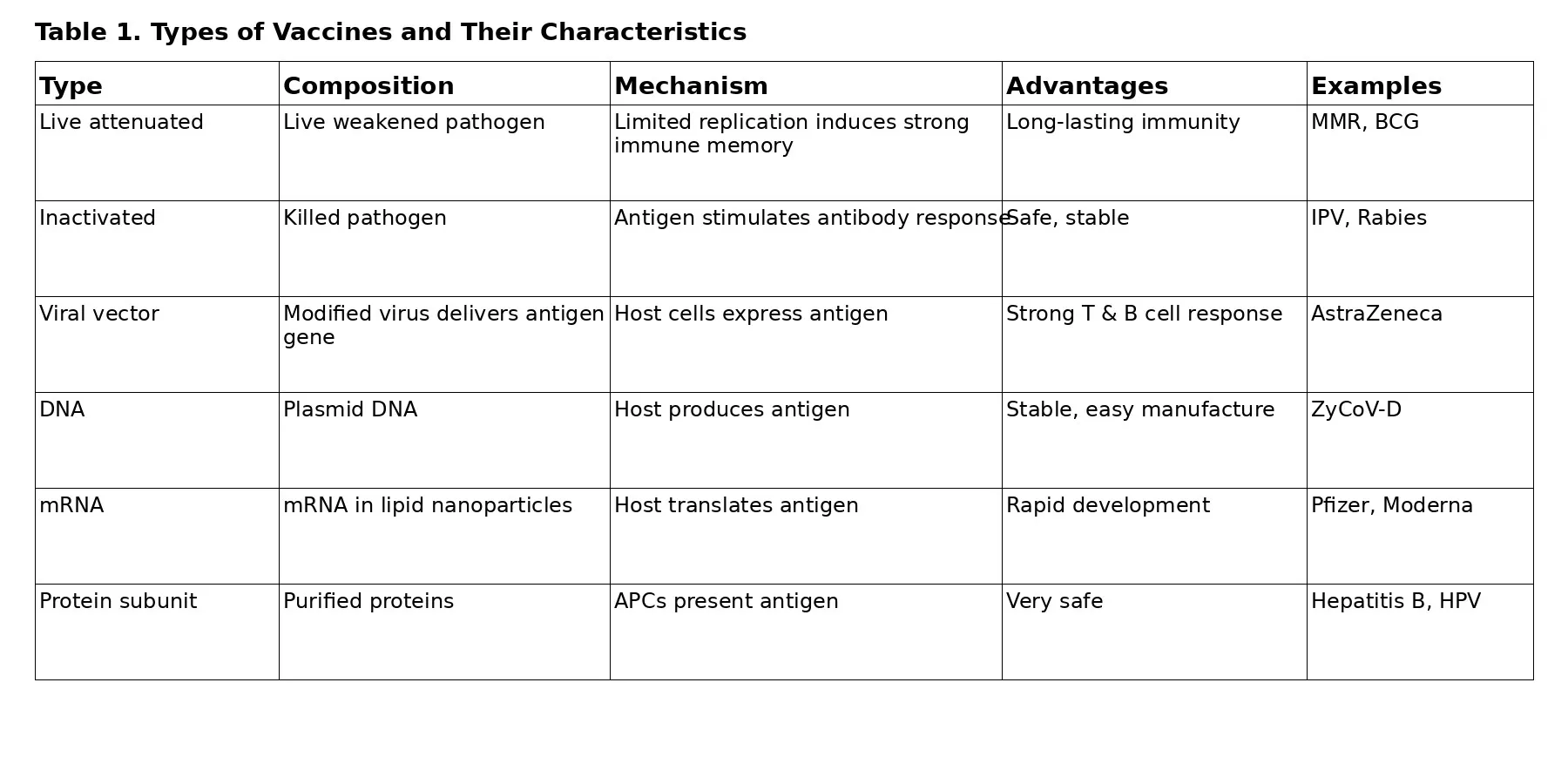
1.2 table - 2 : application of vaccines (2,3,5)
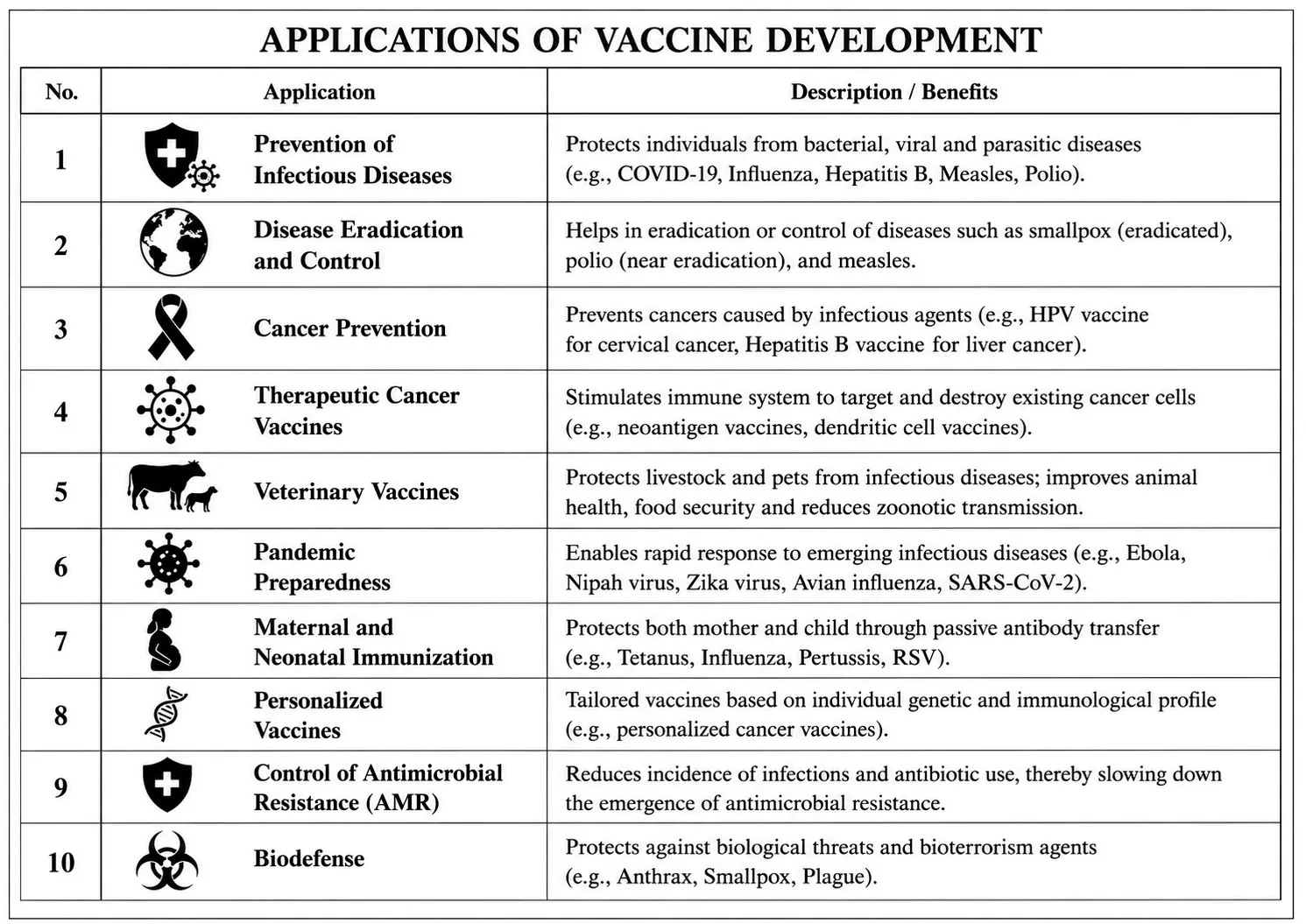
Table -3 : application of ai in vaccine development (10,11,22,24)
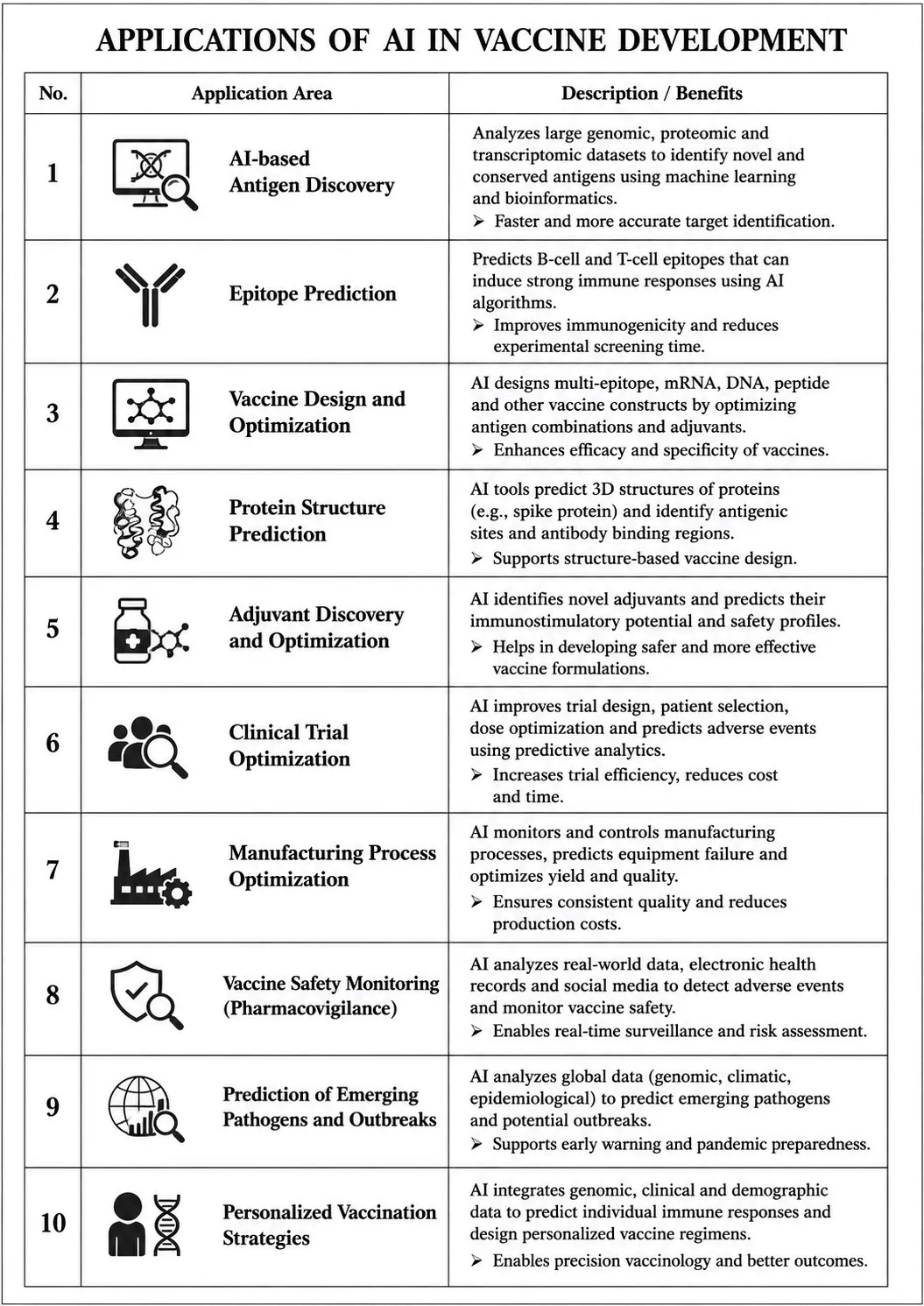
1.4. AI in vaccine development
In this early stage of vaccine development, researchers explore their idea for a potential vaccine. Vaccine development often takes 10-15 years of laboratory research (9,16) usually at a company in private industry, then introduce the artificial intelligence in vaccine development Which reduces the time period for development of vaccine and helps in various stages of vaccine development( 10,20,21)
The application of artificial intelligence (AI) in vaccine development has fundamentally changed the way vaccines are discovered, designed, and evaluated(10,21). This umbrella review synthesizes findings from multiple review studies, demonstrating that AI contributes to nearly every stage of the vaccine development pipeline, including antigen identification, vaccine design, optimization, public health implementation, and preparedness for emerging infectious diseases. The collective evidence indicates that AI has the potential to accelerate vaccine innovation, improve the precision of candidate selection, and strengthen responses to future pandemics(20,21).Nevertheless, several methodological and ethical challenges remain, emphasizing the need for further refinement and responsible implementation of AI technologies.(20,21) The reviewed studies consistently highlight the growing importance of AI in advancing vaccine research. One systematic review reported that machine learning algorithms can rapidly identify promising antigenic targets(29), particularly within the SARS-CoV-2 spike protein, thereby improving the efficiency of vaccine candidate discovery (29). Another review demonstrated that deep learning approaches support the development of multiepitope vaccines by integrating diverse biological and immunological datasets to optimize vaccine constructs (22). In addition, AI-based computational frameworks have been shown to enhance peptide vaccine development through accurate prediction of immunogenic epitopes, reducing the time and resources required for experimental screening (11,22). Furthermore, evidence from another review emphasized the role of AI-powered reverse vaccinology in prioritizing high-potential vaccine candidates, enabling a more targeted and systematic approach to vaccine design (11,17). Taken together, these findings demonstrate that AI is reshaping vaccine development by improving speed, accuracy, and efficiency(10,20,21). However, limitations related to data quality, heterogeneity of datasets, transparency of AI models, and interpretability of predictions continue to present significant challenges that should be addressed in future research. (20,21) In the vaccine development using artificial intelligence we discuss about the
SARS-coV-2 how the ai identify the spike protein and develop the vaccine and public health implementation
DISCUSSION: Role of Artificial Intelligence in SARS-CoV-2 Vaccine Development
2. Emergence of SARS-CoV-2 and the
Role of Artificial Intelligence in Vaccine Development
2.1 Emergence of SARS-CoV-2
Coronavirus disease 2019 (COVID-19) emerged in late 2019 after clusters of atypical pneumonia were reported in Wuhan, China(8,9). The disease was subsequently linked to a novel coronavirus, severe acute respiratory syndrome coronavirus 2 (SARS-CoV-2), which rapidly spread across continents through efficient human-to-human transmission. Owing to its widespread global impact, the World Health Organization declared COVID-19 a pandemic in March 2020 (20). The pandemic highlighted the urgent need for rapid vaccine development and demonstrated the importance of combining advances in virology, immunology, computational biology(9,16). and artificial intelligence (AI) to accelerate responses to emerging infectious diseases. (10,20,21)
SARS-CoV-2 belongs to the genus Betacoronavirus within the Coronaviridae family. Coronaviruses are enveloped viruses possessing a positive-sense(8,18), single-stranded RNA genome of approximately 30 kb, making them among the largest known RNA viruses. Several human coronaviruses(8), including HCoV-229E, HCoV-NL63, HCoV-OC43, and HCoV-HKU1, generally cause mild respiratory infections such as the common cold. In contrast, SARS-CoV, Middle East respiratory syndrome coronavirus (MERS-CoV), and SARS-CoV-2 have caused severe respiratory disease associated with considerable morbidity and mortality(8,18). Their zoonotic origins further emphasize the need for continuous surveillance and preparedness against future coronavirus outbreaks (23,24).
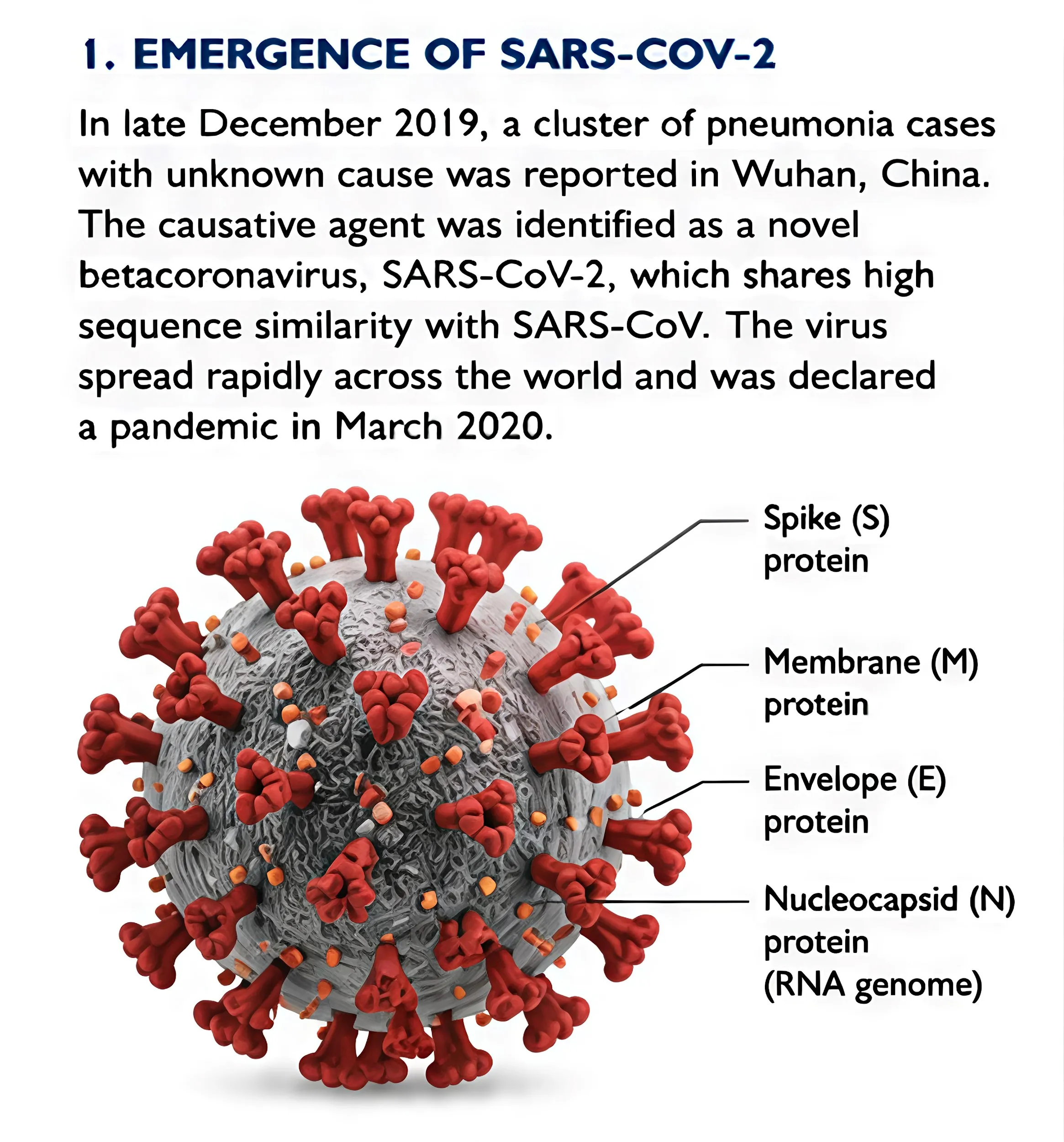
2.2 Spike Protein as the Primary Vaccine Target
The SARS-CoV-2 genome encodes several structural proteins, including the spike (S), membrane (M), envelope (E), and nucleocapsid (N) proteins(8,19). Among these, the spike glycoprotein is the principal antigen targeted by most COVID-19 vaccines(19). This trimeric surface protein mediates viral attachment and entry into host cells through interaction with the angiotensin-converting enzyme 2 (ACE2) receptor.(18,19)
The receptor-binding domain (RBD), located within the S1 subunit of the spike protein, directly recognizes ACE2 and initiates infection. Following receptor engagement, structural rearrangements in the S2 subunit promote membrane fusion, allowing the viral RNA genome to enter the host cell cytoplasm and begin replication. Because neutralizing antibodies(18) directed against the spike protein—particularly the RBD—can block viral attachment and entry, the spike protein became the preferred antigen for vaccine development(8,19). Previous research on SARS-CoV and MERS-CoV further supported this strategy by demonstrating that spike-directed immune responses provide effective protection against coronavirus infection.(14,19)
2.3 Artificial Intelligence for Antigen Identification
Traditional identification of vaccine antigens typically requires extensive laboratory experimentation, making vaccine development both time-consuming and resource-intensive. During the COVID-19 pandemic(10,17), AI significantly accelerated this process by analyzing viral genomic and protein sequence data to identify highly immunogenic targets suitable for vaccine development.(10,11,22)
Machine learning and deep learning algorithms were used to screen thousands of viral protein sequences, predict conserved antigenic regions, and evaluate their likelihood of stimulating protective immune responses(11,22). Computational models integrated genomic information, protein structure, evolutionary conservation, and immunological databases to identify candidate epitopes with greater speed than conventional experimental methods. (11,22)
AI-assisted immunoinformatics platforms predicted both B-cell and T-cell epitopes capable of inducing humoral and cellular immunity(22). These systems also evaluated antigen conservation among circulating viral variants, reducing the possibility of immune escape. Structural prediction algorithms enabled researchers to examine the three-dimensional organization of viral proteins and identify surface-exposed regions accessible to neutralizing antibodies. Consequently, the receptor-binding domain of the spike protein was rapidly confirmed as one of the most promising vaccine antigens. (19)
AI further improved antigen discovery by integrating multiple biological datasets simultaneously(10,22). Instead of relying on a single experimental technique, computational frameworks combined genomic, proteomic, transcriptomic, and structural information to prioritize vaccine targets with greater confidence.This multidisciplinary approach substantially reduced the time required for antigen selection during the early stages of the pandemic. (10,21)
2.4 AI-Assisted Vaccine Design
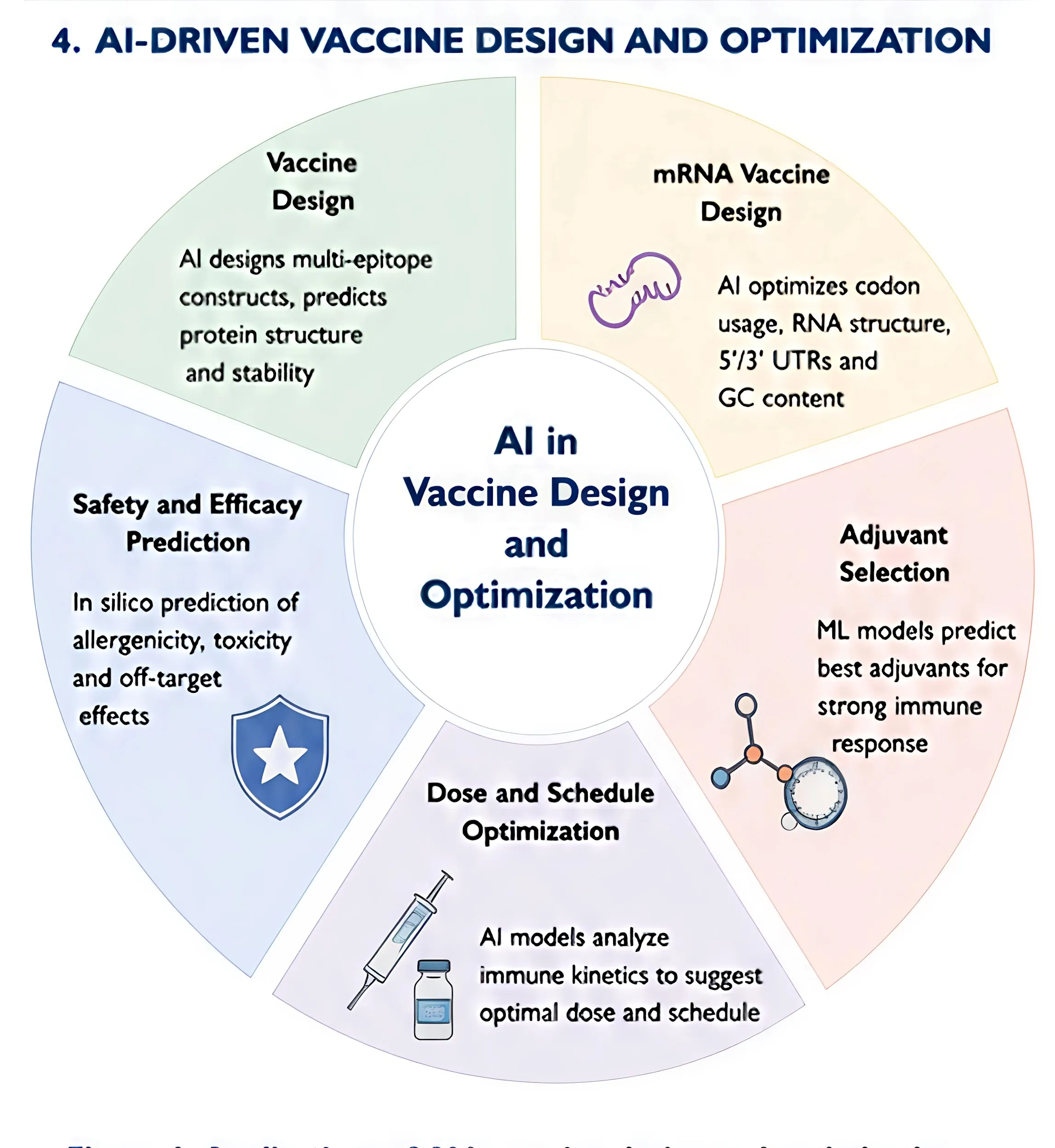
Following antigen selection, AI contributed extensively to vaccine design by optimizing antigen sequences, predicting protein stability, and modeling immune responses before laboratory validation(10,11). Computational approaches allowed researchers to evaluate numerous vaccine candidates in silico, thereby reducing experimental workload and accelerating vaccine development. (20,21)
Deep learning models predicted antigen folding, stability, and structural integrity, ensuring that vaccine antigens retained conformations capable of inducing potent neutralizing antibodies(12). AI-assisted molecular modeling also examined interactions between the spike protein and the ACE2 receptor, enabling scientists to identify structural features essential for protective immunity. (12,19)
For mRNA vaccine development, AI algorithms optimized codon usage, messenger RNA secondary structure, untranslated regions, and nucleotide composition to improve antigen expression and stability within host cells(9,29). These computational optimizations contributed to enhanced protein production and improved vaccine performance.
AI additionally facilitated multi-epitope vaccine design by selecting combinations of highly immunogenic B-cell and T-cell epitopes from different regions of the viral genome(22). This strategy broadened immune protection and increased the likelihood of generating durable immune memory. Machine learning also predicted potential allergenicity, toxicity, and adverse immune reactions, allowing unsuitable vaccine constructs to be eliminated before entering laboratory testing.
2.5 AI for Vaccine Optimization
Artificial intelligence played a crucial role in optimizing vaccine formulations throughout preclinical and clinical development(10,20). Predictive models analyzed experimental datasets to estimate vaccine efficacy, immunogenicity, and safety while minimizing costly trial-and-error experimentation(20,21).
Machine learning algorithms assessed factors such as antigen dose, delivery platform, adjuvant selection, and immunization schedules to identify combinations likely to produce robust immune responses(10,21). AI simulations also modeled antibody kinetics, T-cell activation, and immune memory formation, providing valuable insights into vaccine-induced protection(20).
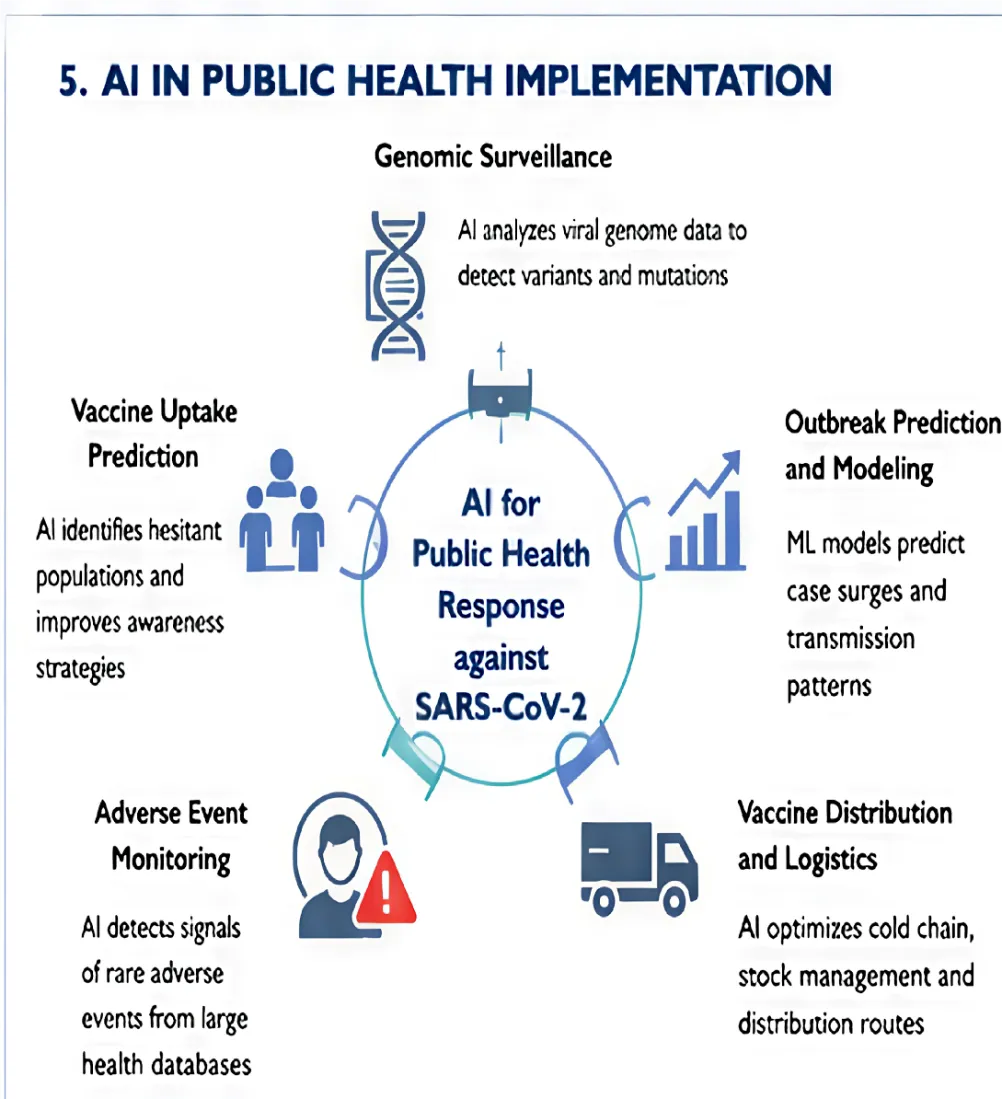
Another major application involved monitoring viral evolution. SARS-CoV-2 accumulated mutations throughout the pandemic, leading to the emergence of variants with altered transmissibility and immune escape potential(28,29). AI-based genomic surveillance systems continuously analyzed millions of viral sequences submitted to international databases(28), enabling early identification of variants of concern and supporting timely updates to vaccine formulations(28,29).
2.6 AI in Public Health Implementation
Beyond vaccine discovery, AI became an essential tool for public health management during the COVID-19 pandemic(20,23). AI systems analyzed epidemiological, clinical, demographic, and mobility data to predict disease transmission patterns, identify outbreak hotspots, and estimate healthcare resource requirements(23,24). Predictive models supported governments in planning vaccination campaigns by identifying high-risk populations, estimating vaccine demand, and optimizing distribution logistics. AI-assisted scheduling systems improved vaccination efficiency while reducing wastage of temperature-sensitive vaccines(23). Machine learning was also employed to monitor vaccine safety through analysis of electronic health records and pharmacovigilance databases(20,21). Automated algorithms rapidly detected unusual patterns of adverse events following immunization, enabling regulatory authorities to investigate potential safety concerns promptly(20).
Furthermore, AI-assisted genomic surveillance identified newly emerging SARS-CoV-2 variants capable of reducing vaccine effectiveness(28,29). Continuous monitoring of viral evolution informed decisions regarding booster doses and updated vaccine formulations. These applications demonstrate that AI extends far beyond vaccine design and serves as an important component of pandemic preparedness, surveillance, and public health decision-making(28,29).
Overall, the COVID-19 pandemic demonstrated that integrating artificial intelligence with virology, immunology, and vaccine science can dramatically accelerate vaccine development while improving precision and efficiency(9,10). AI-supported antigen discovery, rational vaccine design, optimization of vaccine candidates, and public health implementation collectively transformed the response to SARS-CoV-2 and established a framework for addressing future emerging infectious diseases(20,21,28).
3.1 super antigen or universal vaccine
A recent advancement by researchers at the University of Cambridge, led by Professor Jonathan Heeney in collaboration with the biotechnology company DIOSynVax,(26) has introduced a promising strategy for developing a universal coronavirus vaccine. Unlike conventional COVID-19 vaccines, which are mainly designed to protect against a specific virus or variant(26,30), this vaccine aims to provide broad protection against many members of the coronavirus family, including future variants that may emerge( 27,30).The researchers used artificial intelligence (AI) and machine learning to analyze thousands of coronavirus genetic sequences(26). AI identified highly conserved regions of viral proteins that remain almost unchanged across different coronaviruses(26,27). These conserved regions were then combined to create a single engineered antigen, referred to as a "super-antigen." In this context, the term super-antigen does not refer to the harmful bacterial superantigens that cause toxic shock syndrome(26). Instead, it describes a computationally designed antigen that contains multiple conserved immune targets capable of inducing broad protective immunity(27,30)..
The AI-designed super-antigen is intended to train the immune system to recognize a wide range of coronaviruses rather than a single viral strain(27,30). This approach could reduce the need for frequent vaccine updates as new variants appear and may also provide protection against future zoonotic coronaviruses with pandemic potential (24,30)Early Phase I clinical trials showed that the vaccine was safe, well tolerated, and capable of inducing a broad immune response(26). Another innovative feature of this vaccine is its needle-free DNA vaccine delivery system, which uses a microfluidic jet injector to deliver the vaccine through the skin without a conventional needle. This method may improve patient acceptance, simplify large-scale vaccination programs, and reduce the risk of needle-related injuries(23,26).
Overall, the Cambridge AI-designed universal coronavirus vaccine represents a significant step toward the development of next-generation vaccines. By integrating artificial intelligence with immunology and vaccine engineering, researchers hope to create vaccines that offer long-lasting protection against both current and future coronavirus outbreaks(10,20,26).
In this it shows how the ai is working in vaccine development and uses of ai in vaccines development and the recent meracle the “universal vaccine” which show no side effects on phase 1 trails and they want to conduct a larger phases 2 trails with 200 to 300 healthy adults to achieve the new vaccine by using artificial intelligence (26).
FUTURE PANDEMICS AND THE ROLE OF ARTIFICIAL INTELLIGENCE
Despite significant advances in vaccine development, the emergence of future pandemics remains a major global health concern. Continuous viral evolution, increased human–animal interactions, climate change, urbanization, and global travel increase the likelihood of new infectious diseases emerging(23,24). Viruses such as influenza, coronaviruses, avian influenza viruses, Nipah virus, Ebola virus, and other unknown pathogens with pandemic potential (often referred to as "Disease X") may cause future outbreaks(24). Artificial intelligence (AI) is expected to play a critical role in strengthening pandemic preparedness and response(20,21). AI can rapidly analyze genomic sequences of newly identified pathogens, detect mutations, predict antigenic regions,(10,11,22) and assist researchers in designing effective vaccine candidates within a much shorter time than conventional approaches(10,22). Machine learning algorithms can also monitor viral evolution, predict the emergence of new variants, and recommend updates to existing vaccines(28,29). In addition to vaccine development, AI supports public health by analyzing epidemiological data to predict disease spread, identify outbreak hotspots, optimize vaccine distribution, and improve surveillance systems(23,24). AI-powered platforms can integrate clinical, genomic, and environmental data to provide early warning signals for potential epidemics, allowing health authorities to implement timely control measures(24). The development of AI-assisted universal vaccines, such as the computationally designed coronavirus vaccine being investigated by researchers at the University of Cambridge(26,30), represents an important step toward broad protection against multiple virus strains and future emerging pathogens. Continued collaboration between artificial intelligence, biotechnology, genomics, and public health will be essential for improving global preparedness and minimizing the impact of future pandemics(24,30). AI is therefore expected to become a cornerstone of next-generation vaccine development and global infectious disease management(20,21,24).
CONCLUSION
Artificial intelligence has emerged as a transformative force in vaccine development, fundamentally changing the way vaccines are discovered, designed, evaluated, and implemented(20,21). Unlike conventional approaches that require years of laboratory research and extensive experimental screening, AI integrates machine learning, deep learning, bioinformatics, and computational biology to accelerate every stage of the vaccine development pipeline(10,11,22). From rapid antigen identification and epitope prediction to vaccine optimization, safety assessment, and real-time genomic surveillance, AI has significantly reduced development time while improving the precision and efficiency of vaccine research(10,20). The COVID-19 pandemic clearly demonstrated the value of AI by enabling the rapid identification of the SARS-CoV-2 spike protein as a key vaccine target and supporting the development of highly effective vaccines in record time(8,9,19,29). Furthermore, recent advances such as the AI-designed universal coronavirus vaccine developed by the University of Cambridge highlight the enormous potential of AI to create broad-spectrum vaccines capable of protecting against current and future coronavirus variants(26,30). Beyond vaccine discovery, AI continues to strengthen public health through disease surveillance, outbreak prediction, vaccination planning, and monitoring of vaccine safety(23,24). Although challenges related to data quality, algorithm transparency, ethics, and regulatory approval remain, continued interdisciplinary collaboration will help overcome these limitations(10,20). Overall, AI is expected to become a cornerstone of next-generation vaccinology, providing faster, safer, and more adaptable solutions for combating emerging infectious diseases and improving global preparedness for future pandemics(10,20,21,24)
REFERENCES
Elsevier – Plotkin’s Vaccines (8th Edition)�
WHO – Vaccines and Immunization�https://www.who.int/
(Philosophical Transactions of the Royal Society B, 2014) :file:///doi.org/10.1098/rstb.2013.0433%0a%0a
2020;586(7830):516-527.SARS-CoV-2 vaccines in development - PubMed
2022;7:98. https://www.nature.com/npjvaccines
2021;22(2):1386-1400.https://doi.org/10.1126/science.abb8923
AlphaFold. Nature. 2021;596:583-589.https://doi.org/10.1038/s41586-021-03819-2
2021;184(4):861-
2021;21:73-82. https://doi.org/10.1038/s41577-020-00480-0
2021;371:759-760. https://doi.org/10.1126/science.abg9855
Elsevier – Plotkin’s Vaccines (8th Edition)??
WHO – Vaccines and Immunization??https://www.who.int/
(Philosophical Transactions of the Royal Society B, 2014) :file:///doi.org/10.1098/rstb.2013.0433%0a%0a
2020;586(7830):516-527.SARS-CoV-2 vaccines in development - PubMed
2022;7:98. https://www.nature.com/npjvaccines
2021;22(2):1386-1400.https://doi.org/10.1126/science.abb8923
AlphaFold. Nature. 2021;596:583-589.https://doi.org/10.1038/s41586-021-03819-2
2021;184(4):861-
2021;21:73-82. https://doi.org/10.1038/s41577-020-00480-0
2021;371:759-760. https://doi.org/10.1126/science.abg9855




Thota. Srinivas Rao, Dr. T. Thangabalan, D. Akash, R. Pishan, T. Devi Sowjanya, accine Development and The Role of Artificial Intelligence, Int. J. of Pharm. Sci., 2026, Vol 4, Issue 8, 2981-2993, https://doi.org/10.5281/zenodo.22027223
 10.5281/zenodo.22027223