

We use cookies to ensure our website works properly and to personalise your experience. Cookies policy
Chhatrapati Shivaji College of Pharmacy Deori, Gondia, Maharashtra, India
Gingivitis is a common, non-destructive inflammatory disease of the gingival tissues primarily caused by the accumulation of dental plaque. It represents the initial and reversible stage of periodontal disease. However, if left untreated, it may progress to periodontitis, leading to irreversible attachment loss and tooth loss. Globally, plaque-induced gingivitis affects nearly 75% of the population across all age groups, highlighting the need for effective preventive and therapeutic strategies. Herbal toothpastes incorporate plant-based ingredients such as Andrographis Paniculata (Bhui Neem) , Aloe vera, Clove, and Lemongrass oil which possess well-documented antimicrobial, anti-inflammatory, antioxidant properties. Several clinical studies have demonstrated that herbal dentifrices significantly reduce plaque index, gingival bleeding, inflammation, and improve salivary pH when used regularly. The available evidence suggests that herbal toothpaste can serve as an effective adjunct to routine oral hygiene practices for the prevention and management of gingivitis. However, further well-designed clinical trials are required to standardize formulations and confirm long-term efficacy and safety..
Gingivitis is a relatively harmless inflammation of the gum tissues, with linked blood loss and exudation. Gingivitis might transform to periodontitis, inflammation that prolongs deep into the tissues and triggers loss of supporting connective tissue as well as alveolar bone is known as periodontitis. [1] The most common form of gingivitis, and the most common form of periodontal disease overall, is in response to bacterial plaque that is attached to tooth surfaces, termed plaque-induced gingivitis.Gingivitis is reversible with good oral hygiene; however, without treatment, gingivitis can progress to Periodontitis, in which the inflammation of the gums results in tissue destruction and bone resorption around the teeth. Periodontitis can ultimately lead to tooth loss[1]
Prevention and management of gingivitis mainly focus on mechanical plaque control (brushing and flossing), along with chemical plaque control agents such as mouthwashes containing chlorhexidine, essential oils, or herbal extracts. In recent years, herbal formulations containing plant extracts like Andrographis paniculata, and have shown promising antibacterial and anti- inflammatory potential in reducing gingival inflammation and plaque accumulation. [2]
Objectives :
Benefits of Herbal Toothpaste
Plant profile
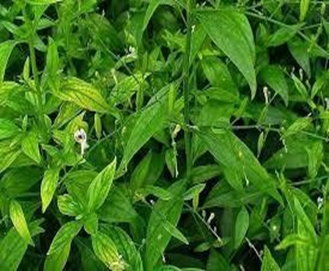
Fig. Andrographis Paniculata
Synonym:
Andrographis Paniculata
Biological Source : It consists of the leaves or the entire a parts of Andrographis Paniculata belong to Family Acanthaceae.
Pharmacological Uses [3]
2.Clove Oil
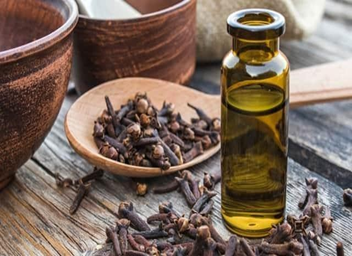
Fig.Clove oil
Synonym : Clove oil, Eugenol
Biological source : Clove oil is obtained by steam
distillation of dried flower buds leaves or stem of Syzyumaromaticum
Family : Myrtaceae
Pharmacological uses [4]
Dental Care : Clove oil is an effective topical analgesic for relieving toothaches, gum pain, and mouth ulcers. Eugenol-based compounds (such as a mixture with zinc oxide) are also used by dentists as a temporary filling material and for root canal sealing due to their numbing and germicidal effects
Anti-inflammatory Effects: The eugenol in clove oil can suppress the expression of inflammatory mediators and is beneficial for reducing swelling and irritation in various conditions, including some forms of arthritis and lung inflammation.
Potential Anticancer Properties: Preliminary research suggests that compounds in clove oil may have an inhibitory effect on the proliferation of various cancer cells and could enhance the effects of conventional chemotherapy, though more research is needed in this area.
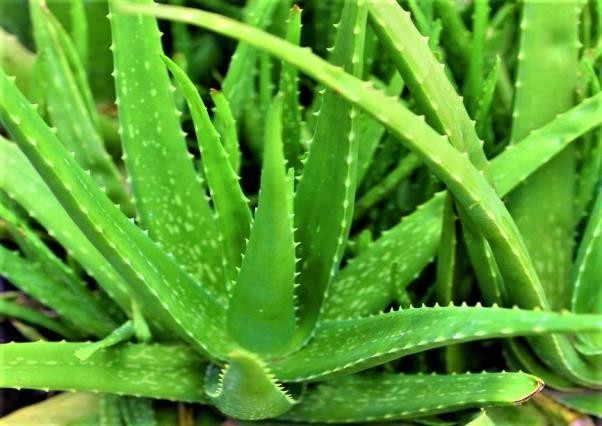
Fig . Aloevera
Synonym : Aloe barbadensis Mill
Biological source : Aloevera consist of the dried latex or fresh gel obtained from the leaves of aloe vera.
Family : Asphodelaceae\Liliaceae
Pharmacological use [5]
Anti-inflammatory and Antiseptic: Compounds like bradykinase, lupeol, and salicylic acid provide anti-inflammatory and analgesic effects, reducing pain, itching, and swelling.
4.Stevia
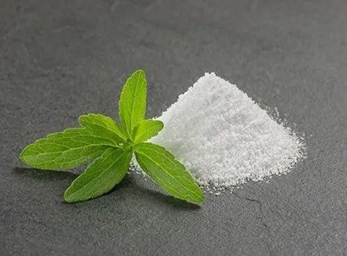
Fig.Stevia Powder
Synonym : Stevia, Sugar leaf
Biological Source : Stevia consist of the dried leaves of the plant Steviarebaudiana bertoni
Family : Asteraceae
Pharmacological Uses [6]
5.Lemon Grass
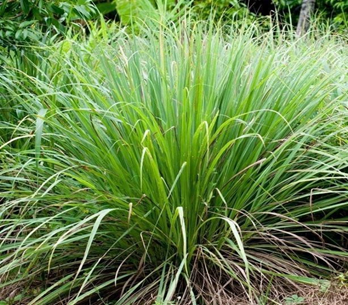
Fig. No. 7: Lemon Grass
Synonym : Lemon Grass
Biological Source : Lemongrass oil is obtained from the fresh or dried leaves of the plant cymbopogoncitratus
Family : Poaceae
Pharmacological uses
Antimicrobial Activity: Lemongrass essential oil exhibits potent antibacterial, antifungal, and antiviral properties. It is used topically to help treat fungal infections like athlete's foot, ringworm, and dandruff, and has shown activity against drug-resistant bacteria in lab studies.
Anti-inflammatory and Analgesic Effects: The plant contains anti-inflammatory compounds, such as citral and geranial, that help reduce pain and swelling associated with conditions like arthritis, muscle cramps, and headaches.
6. Xanthan Gum
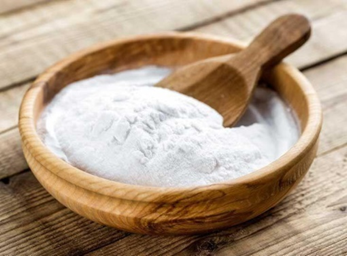
Synonym : Corn sugar gum
Biological Source : Xanthan gum is naturally extracellular polysacride
obtained From the fermentation of the carbohydrate
Family : Xanthomonadales
Pharmacological uses
Laxative: When taken orally in high doses, xanthan gum acts as a bulk-forming laxative. It swells in the digestive tract, binds water, and stimulates intestinal function to relieve constipation.
Treating Dysphagia (Swallowing Disorders): Xanthan gum is used to thicken liquids and foods for individuals with difficulty swallowing, reducing the risk of choking or aspiration without changing the taste or appearance of the product . Saliva Substitute: In some specific mouthwashes and toothpastes, it helps lock in moisture, acting as a saliva substitute for patients suffering from chronic dry mouth conditions.
Potential Health Benefits (Adjunct): Preliminary research suggests that when consumed with meals, it may help lower blood sugar spikes and cholesterol levels, though it is not a primary treatment for these conditions.
Evaluation of Herbal toothpaste
Formulation of Material toothpaste
|
Extract of Andrographi’s leaves |
4ml |
|
Xanthan gum |
20gm |
|
Stevioside |
11gm |
|
Citral |
2gm |
|
Aloe vera |
10gm |
|
Peppermint oil |
3gm |
Evaluation Parameters
CONCLUSION
The review conclude that the Herbal toothpaste of Andrographis paniculata is safe and effective and natural alternative to chemical toothpaste. The phytochemicals present in herbs provide antimicrobial , anti Inflammatory.Making the formulation benefical for maintaining oral hygiene and managing condition such as Plaque , Gingivities .has complaired tooth herbal toothpaste , it show few side effect and better for long term use. Though further clinical studies are recommended to confirm its long term efficacy and safety.
REFERENCES




Lakeshri Lanje, Kirti Aswale, Shrutika Ukey, A Comprehensive Review on The Formulation and Evaluation of Herbal Toothpaste by Using Andrographis Paniculata, Int. J. of Pharm. Sci., 2026, Vol 4, Issue 3, 2199-2203. https://doi.org/10.5281/zenodo.19129866
 10.5281/zenodo.19129866