

We use cookies to ensure our website works properly and to personalise your experience. Cookies policy
Department of Pharmacology, The Oxford College of Pharmacy, Bengaluru, Karnataka, India.
Non-alcoholic fatty liver disease (NAFLD) is a prevalent metabolic syndrome characterized by high accumulation of fat in liver parenchyma, leading to a spectrum of disorders ranging from hepatic steatosis, non-alcoholic steatohepatitis (NASH), fibrosis, cirrhosis, among others. The prevalence of non-alcoholic fatty liver disease is high due to the inactive lifestyle, obesity, unhealthy diet, T2DM, and metabolic syndrome. Diabetes mellitus is among the chronic metabolic disorders that contribute to reduced insulin sensitivity, predisposing individuals to high blood sugar levels. In our review, we discuss the close relationship between NAFLD and T2DM, focusing on the bidirectional link between the two illnesses. Insulin sensitivity is a key element in NAFLD’s etiology and progression through promoting fat buildup, inflammation, oxidative stress, and liver damage. Additionally, NAFLD increases the risk of developing T2DM by enhancing insulin sensitivity and metabolic abnormality. Individuals suffering from NAFLD and T2DM are, therefore, at risk of liver illness development.
Non-alcoholic fatty liver disease (NAFLD) refers to a spectrum of liver disorders ranging from hepatic steatosis, non-alcoholic steatohepatitis (NASH), fibrosis, cirrhosis. Diabetes mellitus is a metabolic disorder caused by absolute or relative lack of insulin production or inappropriate usage leading to increased levels of blood sugar¹. Type 1 diabetes, also called Juvenile diabetes or insulin-dependent diabetes is a form of diabetes mellitus that occurs when the pancreas produces little or no insulin. Type 2 diabetes, on the other hand, is a metabolic disorder whereby the body fails to utilize adequate insulin or produce insulin.
Diabetes mellitus affects over 422 million individuals globally with the majority of the number belonging to low to middle-class economies with 1.5 million deaths recorded yearly. Diabetes mellitus has increased tremendously in prevalence in the past decades, especially in southeast Asian countries such as India, Bangladesh, Maldives, Mauritius, Sri Lanka, Nepal, and the western pacific regions with the latter recording the highest prevalence of 50% of all diabetes cases worldwide⁶.
Non-alcoholic fatty liver disease (NAFLD) has over the last three decades emerged as one of the leading causes of cirrhosis in the United States with a large proportion of patients presenting with cryptogenic cirrhosis. In fact, NAFLD is the most common cause of chronic liver disease in the western world (America) and is strongly correlated with obesity and type 2 diabetes mellitus². Fat infiltration in more than 5% of the liver parenchyma due to excessive use of alcohol, certain medications, and genetic disorders leads to hepatocellular cancer (HCC) and cirrhosis in NAFLD³. In fact, in the current times, NAFLD has become one of the leading causes of mortality in liver-related diseases and is associated with expensive liver transplant procedures or advanced liver malignancies such as 1̊ liver cancer⁵.
The prevalence of NAFLD is on the rise globally, mainly because of unhealthy lifestyles and diet, or the fact that it remains undocumented. Although it is not documented, the prevalence of NAFLD in the common population is estimated to range between 20–30% in western countries and 5%–18% in Asia with higher prevalence in patients presenting with type 2 diabetes mellitus, metabolic syndrome, and obesity (body mass index [BMI] >30 kg/m²)¹⁰.
Pathophysiology of non-alcoholic fatty liver disease
Non-alcoholic fatty liver disease (NAFLD) has been the subject of intense research to unravel its etiology and pathogenesis. Despite the multiple studies, the exact mechanism has not been elucidated. The Multi-hit hypothesis has been proposed for the pathogenesis of NAFLD. This hypothesis suggests that several factors contribute to NAFLD pathogenesis¹³. The first hit is the abnormal accumulation of triglycerides which cause steatosiS¹³. The second hit comprises of oxidative stress, endoplasmic reticulum stress, mitochondrial dysfunction, inflammatory cytokines, adipokines, gut microbiota, and glucocorticoids, resulting in increased intrahepatic fat content and liver damage. The third hit is the cascade of cell death events triggered by hepatocyte injury.
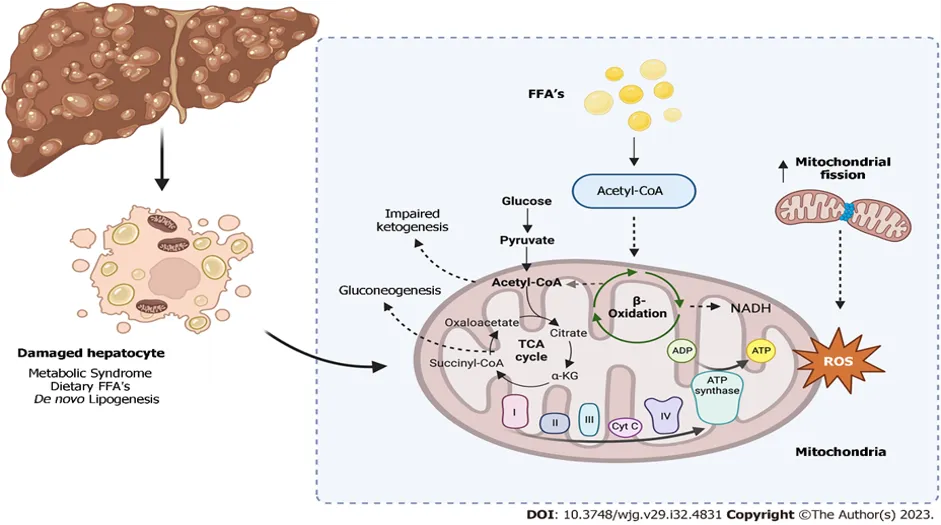
Figure :1 Pathophysiology of non- alcoholic fatty liver disease13.
Pathophysiology of diabetes mellitus
The fundamental basis of diabetes mellitus pathophysiology relies upon the physiology of sugar metabolism and insulin production. Carbohydrates in food are digested into glucose molecules that are further absorbed from the gastrointestinal tract into the bloodstream. The increased level of glucose in the blood stimulates beta cells of the pancreas to produce insulin that facilitates the transportation of glucose across the cell membrane by specifically binding to cell receptors⁶.
Therefore, an increase in the level of insulin causes a decrease in blood glucose levels as well as a decrease in insulin production. Any disorder that disrupts normal insulin production or function results in altered glucose homeostasis. Insufficient levels of insulin cause decreased cellular glucose uptake resulting in increased blood sugar levels (hyperglycemia). Similar defects in the utilization of glucose by target cells or tissues can also lead to hyperglycemia even in the presence of normal insulin levels. On the contrary, the increased production of insulin causes hypoglycemia due to the enhanced utilization of glucose by cells leaving less amount of glucose in the blood⁷.
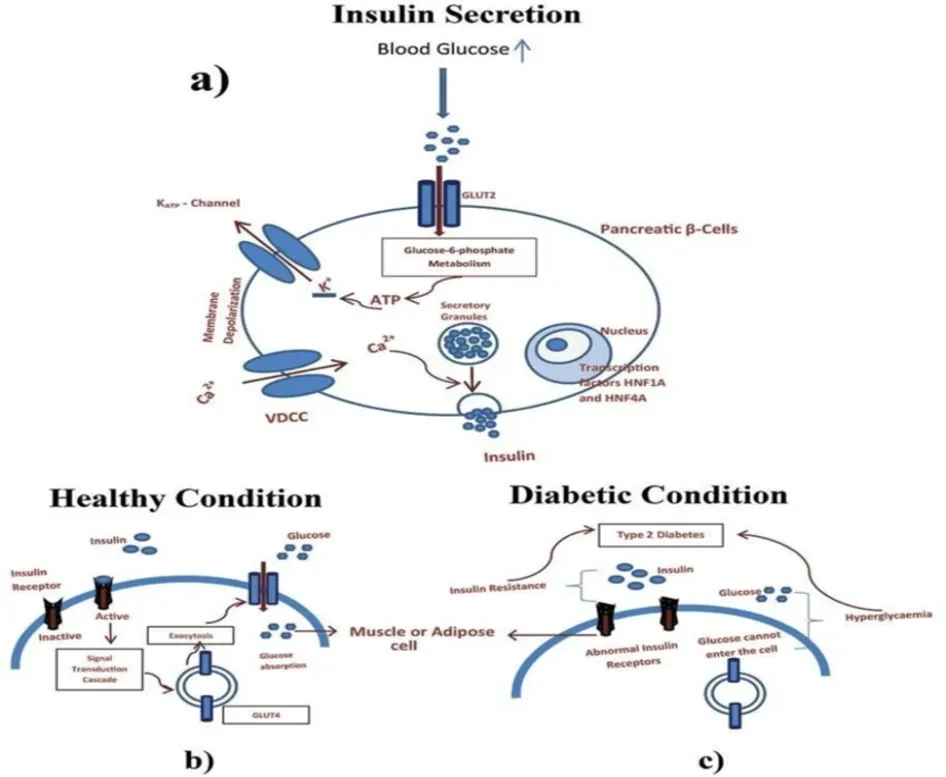
Figure: 2 Pathophysiology of diabetes mellitus14.
Etiology of non- alcoholic fatty liver disease
The main cause of NAFLD are:
Metabolic syndrome is associated with hepatic fat and is involved in differential diagnosis of fatty liver disease of common type¹².
Etiology of diabetes mellitus
The main reason for diabetes mellitus is damage of beta cells of pancreas due to:
Diabetes varies and there is no common cause from one person to another⁶.
Mechanistic link between NAFLD and diabetes mellitus
NAFLD patients have metabolic risk factors like obesity, T2DM and dyslipidaemia. NAFLD is a complication of T2DM and is also a major risk factor for the development of cirrhosis and hepatocellular carcinoma. One of the Japanese studies has found that causes of NAFLD are obesity, low-high density lipoprotein cholesterol, hypertriglyceridemia, glucose intolerance and hypertension. One of the Korean studies, demonstrated that obesity, geriatrics and hypertriglyceridemia are risk for the development of NAFLD with active fat deposition. A research study from the Japan said that the male and female with metabolic syndrome at base line were prone to develop NAFLD. Insulin sensitivity/ resistance and diabetes are the main risk factors for the development of NAFLD. Recent studies have shown that insulin resistance in adipose tissue is an important predictor of liver histology in people with NAFLD and may lead to the initiation of fibrosis. Studies conducted in south Korea examined the effect of NAFLD on the risk of frequent development of T2DM in patients who have an impaired fasting glucose level².
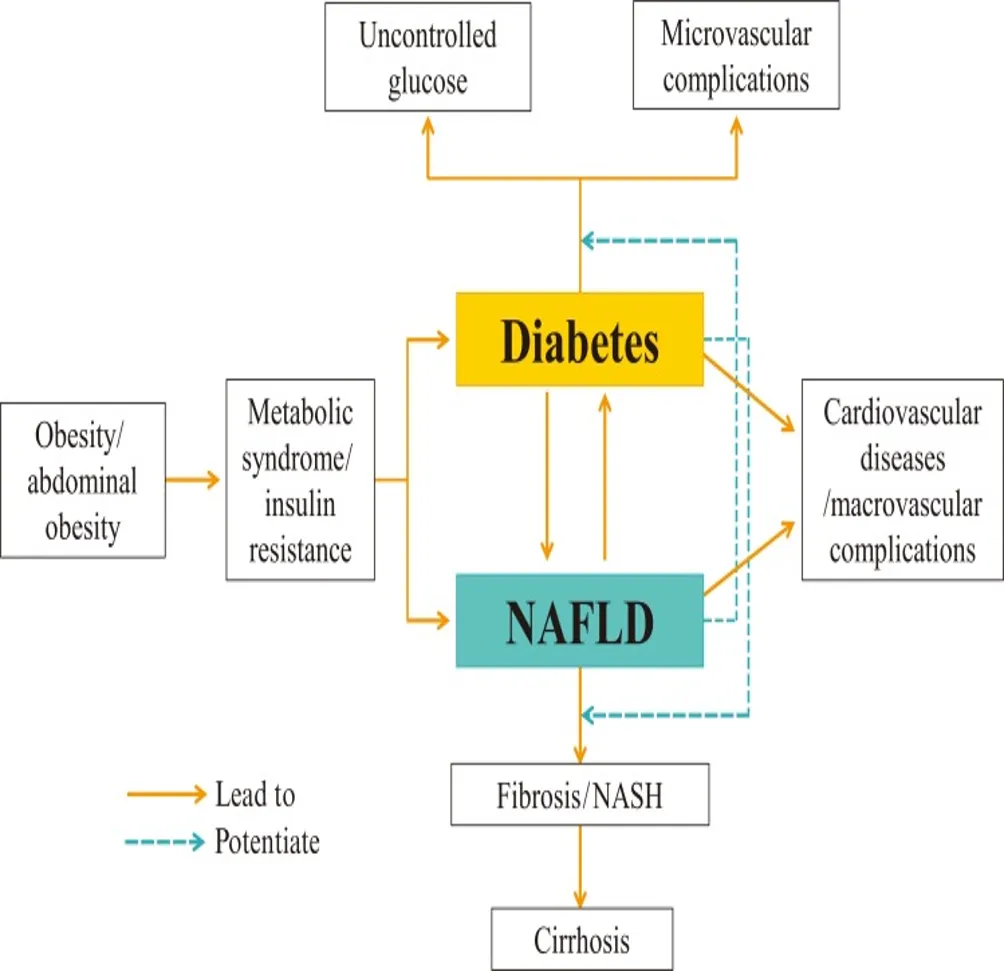
Figure3: relationship between diabetes, NAFLD and their consequences. NASH and NAFLD8.
NAFLD increases the risk of diabetes mellitus incidence
Research has shown that NAFLD is a well known risk factor for T2DM. based on the risk of T2DM in patients without diabetes mellitus, Korean studies have given a statement of correlation by following their NAFLD conditions for 5 years. Initial stages NAFLD is a reversible condition and found that the risk of T2DM is lower in patients with solved NAFLD status. The severity of NAFLD has a close correlation with the risk of T2DM which has a future effect and the identification and treatment of T2DM. Furthermore, more studies should be conducted on people of different cultures since the studies have already been performed in Asian population3. T2DM is caused by and predicted by NAFLD. A detailed analysis of the pathophysiology of insulin resistance in the progression of NAFLD provides insight into the closely interwined relationship of these conditions. Secondary and hepatic insulin resistance involved in the development of NAFLD causes the inadequate separation of hepatic gluconeogenesis, decreased glycolysis and higher rates of lipid accumulation on microscopic levels. De novo FFA synthesis in response to higher glucose levels and higher insulin levels in patients with insulin resistance is driven by steroid regulatory element binding-protein, 1c and sugar response element binding-protein. Several other factors including higher levels of oxidative stress causes the progression of NASH and development of NAFLD5.
Diabetes mellitus increases the risk of NAFLD incidence
T2DM is an established risk factor for NAFLD. NAFLD is found more frequently in patients with DM according to studies. A recent meta study published in 2017 found the combined prevalence of NAFLD in DM patients to be around 60%, varies with body mass index, gender, other chronic disorders. Patients with NAFLD and T2DM had higher odds of fibrosis, cirrhosis and chronic liver disease than non-diabetic mellitus patients. There is a possible advantage in examination of DM patients for NAFLD, using MRI and magnetic resonance elastography (MRE)³.
In normal people the liver histology, 10-35% initiates to steatosis and 12-40% of people who have hepatic steatosis initiates to steatohepatitis and further lead to cirrhosis occurs in 15% of NASH patients. There is no consensus on the factors contributing to the development of NASH from NAFLD. In Hongkong 1918 patients with diabetes who had fibro scan examination liver biopsies with 6.6 years interval, a group of patients that showed initiation to fibrosis, that had a higher percentage of T2DM patients, and a group that did not initiate to fibrosis⁸.
Prevalence of NAFLD in patients with T2DM
The prevalence of NAFLD is higher in T2DM patients than in the general population. Organised reviews of studies report NAFLD as present 50-75% of T2DM patients with variation according to heritage. Conversely patients with NAFLD also frequently develop diabetes.
Magnetic resonance spectroscopy (MRS) as a diagnostic tool for NAFLD resulted in a 72.8% prevalence based on plasma alanine aminotransferase levels which is 20.3% prevalence of NAFLD. There is a strong link between severe obesity⁸.
Lifestyle changes in the management of NAFLD and T2DM
CONCLUSION
The review concludes that NAFLD and T2DM are complex interconnected metabolic diseases that influences each other’s progression and development. There is increase severity of NAFLD increases then there is increase in severity of T2DM and with the severity Insulin sensitivity is the main mechanism which links to these diseases, leading to accumulation of liver fat, inflammation, fibrosis and impaired glucose metabolism. General risk factors such as unhealthy diet, physical inactivity, metabolic syndrome, obesity significantly contribute to the development. Initial diagnosis and proper timely management is required to prevent serious complications including cirrhosis, hepatocellular cancer and cardiovascular diseases.
The review concludes that NAFLD and T2DM are complex interconnected metabolic diseases that influence each other’s progression and development. There is an increase in the severity of T2DM with the severity of NAFLD and vice versa. The main link to these diseases is insulin sensitivity which leads to liver fat accumulation, inflammation, fibrosis and impaired glucose metabolism. General risk factors such as unhealthy diet, physical inactivity, metabolic syndrome, obesity contribute much to development. Early diagnosis and proper management in due course is required to prevent serious complications such as cirrhosis, hepatocellular cancer and cardiovascular diseases.
Lifestyle modifications such as weight loss, balanced diet and regular physical exercise is a keystone for the prevention and treatment of both NAFLD and T2DM.
REFERENCES





G. Venkata Karthik Kumar Reddy, Apoorva N, Chethan M, Chethan Kumar B G, Rachana P R, From Non-Alcoholic Fatty Liver to Diabetes: Exploring the Hepato-Metabolic Linkage and Overview, Int. J. of Pharm. Sci., 2026, Vol 4, Issue 9, 434-441. https://doi.org/10.5281/zenodo.22260650
 10.5281/zenodo.22260650