

We use cookies to ensure our website works properly and to personalise your experience. Cookies policy
1 Research scholar at Maharashtra Institute of Pharmacy, Betala, Bramhapuri, Chandrapur
2 Professor at Maharashtra Institute of Pharmacy, Betala, Bramhapuri, Chandrapur
3 Assistant Professor at Maharashtra Institute of Pharmacy, Betala, Bramhapuri, Chandrapur
Background Bexarotene is a potent anticancer drug used in the treatment of cutaneous T-cell lymphoma; however, its clinical application is limited by poor aqueous solubility, low oral bioavailability, and systemic adverse effects. Functionalized multi-walled carbon nanotubes (MWCNTs) offer a promising nanocarrier system to overcome these limitations through enhanced drug loading and controlled drug release. Objective To develop and evaluate a functionalized MWCNT-based targeted drug delivery system for bexarotene with improved drug loading, sustained release, and physicochemical stability. Materials and Methods MWCNTs were functionalized using a sulfuric acid and nitric acid treatment to introduce hydrophilic functional groups. Bexarotene-loaded functionalized MWCNTs were prepared by the solvent adsorption method. Six formulations (F1–F6) were developed and evaluated for drug loading, entrapment efficiency, particle size, polydispersity index (PDI), zeta potential, FTIR compatibility, in-vitro drug release, release kinetics, and stability studies. Results Among all formulations, F4 was identified as the optimized formulation, showing 63.25 ± 0.85% drug loading, 82.40 ± 0.78% entrapment efficiency, particle size of 186.5 ± 3.2 nm, PDI of 0.21 ± 0.02, and zeta potential of ?28.4 ± 1.6 mV. The optimized formulation exhibited 89.20 ± 0.80% cumulative drug release over 24 hours, following the Higuchi diffusion model (R² = 0.976). Stability studies demonstrated excellent formulation stability, with 96.50% drug content, 80.70% entrapment efficiency, and 87.10% drug release retained after 3 months under accelerated storage conditions. Conclusion The developed functionalized MWCNT-based drug delivery system significantly improved the pharmaceutical performance of bexarotene by enhancing drug loading, stability, and sustained drug release The optimized formulation (F4) represents a promising nanocarrier for targeted anticancer drug delivery and warrants further in-vivo pharmacokinetic, toxicity, and clinical investigations.
1.1 Cancer and Current Challenges
Cancer is one of the leading causes of morbidity and mortality worldwide and remains a major public health concern despite significant advances in medical science. It is a complex disease characterized by the uncontrolled growth and proliferation of abnormal cells that can invade surrounding tissues and spread to distant organs through metastasis. The development of cancer is influenced by a combination of genetic mutations, environmental exposures, lifestyle factors, chronic inflammation, and aging. According to recent global cancer statistics, millions of new cancer cases are diagnosed each year, with lung, breast, colorectal, prostate, and liver cancers among the most frequently reported malignancies. The increasing incidence of cancer places a substantial burden on healthcare systems and significantly affects patients' quality of life.
Although various treatment strategies such as surgery, radiotherapy, chemotherapy, immunotherapy, and targeted therapy are available, chemotherapy continues to play a central role in the management of many cancers. However, conventional chemotherapeutic drugs lack selectivity and damage both malignant and healthy rapidly dividing cells, leading to severe adverse effects such as myelosuppression, gastrointestinal toxicity, alopecia, and organ damage. In addition, poor aqueous solubility, inadequate tumor accumulation, multidrug resistance, and rapid systemic clearance further reduce the therapeutic efficacy of many anticancer drugs. These limitations have encouraged researchers to develop innovative drug delivery approaches capable of improving treatment outcomes while minimizing systemic toxicity.

Figure 1: Cancer: Overview and Global Burden
1.2 Bexarotene: Drug Profile and Limitations
Bexarotene is a third-generation synthetic retinoid and a selective retinoid X receptor (RXR) agonist that is primarily approved for the treatment of cutaneous T-cell lymphoma (CTCL). Unlike conventional cytotoxic drugs, bexarotene regulates gene transcription by activating RXRs, thereby influencing cellular differentiation, proliferation, apoptosis, and immune responses. Owing to this unique mechanism of action, the drug has also shown promising anticancer activity against several solid tumors, including breast, lung, prostate, and ovarian cancers.
Table 1: Bexarotene: Drug Profile
|
Aspect |
Details |
|
Drug Name |
Bexarotene |
|
Class |
RXR agonist (retinoid) |
|
Indication |
Cutaneous T-cell lymphoma |
|
MOA |
Regulates gene expression → inhibits tumor cell growth & induces apoptosis |
|
Route |
Oral |
|
Solubility |
Poor aqueous solubility |
|
Half-life |
~7 hours |
|
Major Limitation |
Hyperlipidemia and low bioavailability |
Despite its therapeutic potential, the pharmaceutical application of bexarotene is limited by several formulation-related challenges. The drug is highly lipophilic and exhibits extremely poor aqueous solubility, resulting in slow dissolution, limited oral absorption, and low bioavailability. Furthermore, extensive hepatic metabolism and non-specific tissue distribution often require high therapeutic doses, increasing the risk of adverse effects such as hyperlipidemia, hypothyroidism, hepatotoxicity, and fatigue. These drawbacks highlight the necessity for advanced drug delivery systems that can improve the solubility, stability, and targeted delivery of bexarotene while reducing systemic toxicity.
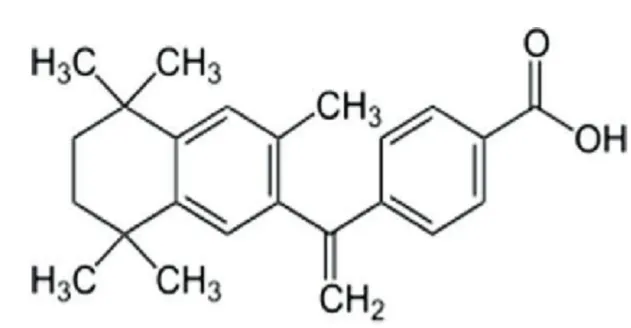
Figure 2: Bexarotene Chemical and Structural Profile
1.3 Carbon Nanotubes as Drug Carriers
Carbon nanotubes (CNTs) are cylindrical nanostructures composed of rolled graphene sheets and are recognized as one of the most promising nanomaterials for biomedical applications. Based on their structural arrangement, CNTs are classified into single-walled carbon nanotubes (SWCNTs) and multi-walled carbon nanotubes (MWCNTs). Among these, MWCNTs have attracted considerable attention due to their excellent mechanical strength, high surface area, superior chemical stability, and remarkable drug-loading capacity.
The unique tubular architecture of MWCNTs enables therapeutic molecules to be loaded either within the hollow cavity or adsorbed onto the external surface through various interactions. Their nanoscale dimensions facilitate efficient cellular uptake and allow preferential accumulation within tumor tissues through the enhanced permeability and retention (EPR) effect. Moreover, MWCNTs can be engineered to carry a wide range of therapeutic agents, imaging probes, and targeting ligands, making them suitable multifunctional platforms for cancer therapy. These advantages make carbon nanotubes highly attractive nanocarriers for improving the delivery of poorly soluble anticancer drugs such as bexarotene.
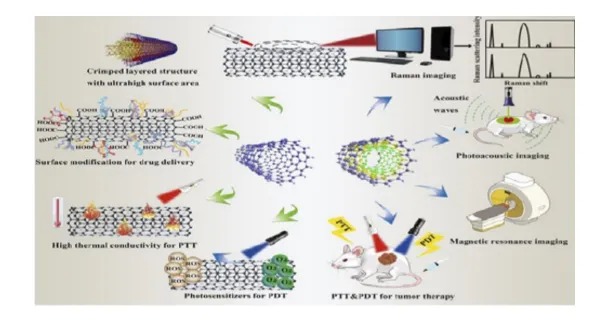
Figure 3: Nanotechnology in Cancer Therapy
1.4 Functionalization of MWCNTs
Although pristine MWCNTs possess exceptional physicochemical properties, their direct biomedical application is limited by poor aqueous dispersibility, strong aggregation tendency, and concerns regarding biocompatibility. Surface functionalization has therefore become an essential strategy to overcome these limitations. Functionalization involves introducing reactive chemical groups such as carboxyl (-COOH), hydroxyl (-OH), amino (-NH₂), or polyethylene glycol (PEG) onto the surface of MWCNTs through chemical or physical modification.
Table 2. Types of Carbon Nanotubes
|
Type |
Structure |
Diameter |
Advantages |
Applications |
|
SWCNTs |
Single graphene sheet |
0.4–3 nm |
High surface area, excellent electrical properties |
Drug delivery, biosensors, imaging |
|
MWCNTs |
Multiple concentric graphene layers |
2–100 nm |
High drug loading, greater mechanical strength, easy functionalization |
Targeted drug delivery, cancer therapy |
Among the available techniques, acid oxidation using sulfuric acid and nitric acid is one of the most widely employed methods because it effectively removes impurities and introduces oxygen-containing functional groups that enhance water dispersibility and provide active sites for drug attachment. Functionalized MWCNTs exhibit improved colloidal stability, reduced aggregation, enhanced cellular interaction, and greater biocompatibility compared with unmodified nanotubes. Furthermore, surface modification facilitates the conjugation of targeting ligands and biomolecules, enabling selective delivery of anticancer drugs to tumor tissues. Consequently, functionalization significantly enhances the suitability of MWCNTs as efficient nanocarriers for targeted drug delivery.
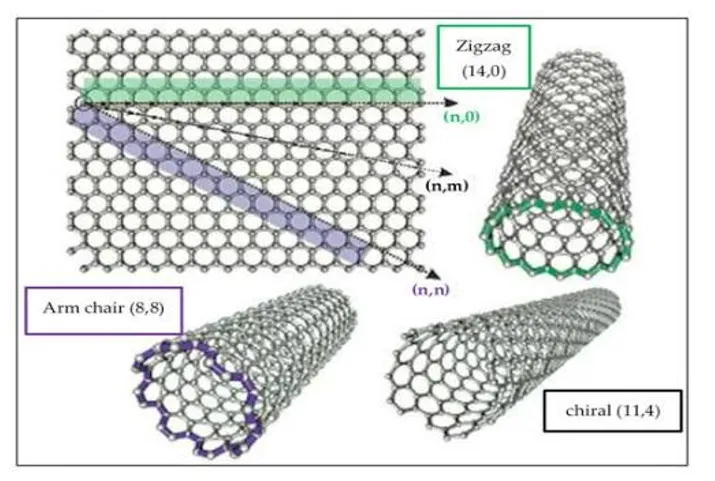
Figure 4: Functionalization of MWCNTs
1.5 Rationale of the Study
The successful treatment of cancer remains challenging because conventional chemotherapy often suffers from poor drug selectivity, systemic toxicity, inadequate tumor accumulation, and the development of multidrug resistance. Bexarotene is an effective anticancer agent; however, its clinical application is significantly restricted by poor aqueous solubility, low bioavailability, extensive metabolism, and dose-dependent adverse effects. These limitations reduce its therapeutic effectiveness and necessitate the development of an improved drug delivery system.
Multi-walled carbon nanotubes offer several advantages, including high drug-loading capacity, large surface area, efficient cellular uptake, and the potential for controlled and targeted drug release. Functionalization further enhances their aqueous dispersibility, stability, and biocompatibility, making them suitable carriers for hydrophobic drugs. Therefore, the present study aims to develop and evaluate a functionalized MWCNT-based delivery system for bexarotene with the objective of improving drug solubility, enhancing loading efficiency, achieving sustained drug release, and increasing targeted delivery to cancer cells. The proposed nanocarrier system is expected to improve therapeutic efficacy while reducing systemic toxicity, thereby offering a promising strategy for advanced cancer treatment.
2. MATERIALS AND METHODS
2.1 Materials
Bexarotene was selected as the model anticancer drug because of its potent therapeutic activity against cutaneous T-cell lymphoma and its poor aqueous solubility, which makes it an ideal candidate for nanocarrier-based drug delivery. Multi-walled carbon nanotubes (MWCNTs) were used as the primary nanocarrier owing to their high surface area, excellent drug-loading capacity, and unique tubular structure. Sulfuric acid (H₂SO₄) and nitric acid (HNO₃) were employed for the oxidative functionalization of MWCNTs to introduce hydrophilic functional groups such as carboxyl (-COOH) and hydroxyl (-OH), thereby improving their dispersibility and biocompatibility.
Polyethylene glycol (PEG) was incorporated as a surface-modifying agent to enhance the stability and aqueous dispersion of the functionalized nanotubes. Tween 80 served as a non-ionic surfactant to facilitate uniform dispersion and prevent nanoparticle aggregation during formulation. Poloxamer 188 was used as a stabilizer to improve nanosuspension stability, while polyvinylpyrrolidone K30 (PVP K30) acted as a solubilizer and adsorption enhancer for bexarotene. Ethanol of analytical grade was used as the solvent for dissolving bexarotene, and distilled water was employed throughout the formulation process. All chemicals and reagents used in the study were of analytical reagent (AR) grade and were utilized without further purification.
2.2 Functionalization of MWCNTs
The functionalization of multi-walled carbon nanotubes was carried out using an acid oxidation method to improve their aqueous dispersibility, surface reactivity, and drug-loading efficiency. Briefly, raw MWCNTs were dispersed in a mixture of concentrated sulfuric acid and nitric acid in a 3:1 (v/v) ratio. The suspension was sonicated for 30 minutes to ensure uniform dispersion and subsequently refluxed at 70°C for 4 hours under continuous magnetic stirring. During this process, oxygen-containing functional groups, mainly carboxyl (-COOH) and hydroxyl (-OH), were introduced onto the surface of the nanotubes.
After completion of the oxidation process, the reaction mixture was cooled to room temperature and diluted with distilled water. The functionalized MWCNTs were collected by centrifugation and repeatedly washed with distilled water until the pH of the supernatant became neutral (pH ≈ 7). The purified nanotubes were then dried in a vacuum oven at 60°C for 24 hours and stored in airtight containers for further formulation studies. The successful functionalization was later confirmed by FTIR spectroscopy, which demonstrated the appearance of characteristic oxygen-containing functional groups.
2.3 Preparation of Bexarotene-Loaded Functionalized MWCNTs
Bexarotene-loaded functionalized MWCNTs were prepared by an adsorption technique. Six formulation batches (F1–F6) were developed by varying the concentration of functionalized MWCNTs while maintaining a constant amount of bexarotene (100 mg). Initially, the required quantity of functionalized MWCNTs and Poloxamer 188 (25 mg) was dispersed in 30 mL of distilled water using a probe sonicator for 20 minutes to obtain a homogeneous nanosuspension.
Separately, 100 mg of bexarotene and 50 mg of PVP K30 were dissolved in 10 mL of ethanol under magnetic stirring until a clear solution was obtained. The drug solution was then added dropwise to the MWCNT dispersion under continuous magnetic stirring at 800 rpm. Stirring was continued for 6 hours at room temperature to facilitate efficient adsorption of bexarotene onto the surface of the functionalized nanotubes.
The resulting suspension was centrifuged at 15,000 rpm for 20 minutes at 4°C to separate the drug-loaded nanotubes from the unbound drug. The collected pellet was washed three times with distilled water to remove residual free drug and solvent. Finally, the purified formulation was dried in a vacuum oven at 40°C for 24 hours until a constant weight was achieved. The dried Bexarotene-loaded functionalized MWCNTs were stored in airtight amber-colored glass containers at room temperature for subsequent characterization, drug loading, entrapment efficiency, in-vitro drug release, release kinetics, and stability studies.
7.1 Formulation of Bexarotene-Loaded Functionalized MWCNTs
Bexarotene-loaded functionalized MWCNTs were prepared by the solvent adsorption method using six formulations (F1–F6). The amount of bexarotene (100 mg) was kept constant, while the concentration of functionalized MWCNTs was varied to optimize drug loading, entrapment efficiency, and sustained drug release. All formulations were evaluated for particle size, PDI, zeta potential, drug loading, entrapment efficiency, in-vitro drug release, release kinetics, and stability. Based on the obtained results, the optimized formulation was selected for further characterization and evaluation.
Table 3: Composition of Bexarotene-Loaded Functionalized MWCNT Formulations
|
Ingredients |
F1 |
F2 |
F3 |
F4 |
F5 |
F6 |
|
Bexarotene (mg) |
100 |
100 |
100 |
100 |
100 |
100 |
|
Functionalized MWCNTs (mg) |
100 |
200 |
300 |
400 |
500 |
600 |
|
Ethanol (mL) |
10 |
10 |
10 |
10 |
10 |
10 |
|
Distilled Water/PBS (pH 7.4) |
q.s. |
q.s. |
q.s. |
q.s. |
q.s. |
q.s. |
Theory Behind Formulation Batches
The six formulation batches (F1–F6) were prepared by varying the concentration of functionalized MWCNTs while maintaining a constant amount of bexarotene. This approach was adopted to identify the optimum drug-to-carrier ratio capable of providing maximum drug loading, high entrapment efficiency, appropriate nanoparticle size, and sustained drug release.
Table 4: Composition of Bexarotene-Loaded Functionalized MWCNT Formulations (F1–F6)
|
Ingredients |
Function |
F1 |
F2 |
F3 |
F4 |
F5 |
F6 |
|
Bexarotene (mg) |
Anticancer drug |
100 |
100 |
100 |
100 |
100 |
100 |
|
Functionalized MWCNTs (mg) |
Nanocarrier |
100 |
200 |
300 |
400 |
500 |
600 |
|
Poloxamer 188 (mg) |
Stabilizer |
25 |
25 |
25 |
25 |
25 |
25 |
|
Polyvinyl Pyrrolidone (PVP K30) (mg) |
Steric stabilizer |
50 |
50 |
50 |
50 |
50 |
50 |
|
Ethanol (mL) |
Drug solvent |
10 |
10 |
10 |
10 |
10 |
10 |
|
Distilled Water / PBS (pH 7.4) |
Dispersion medium |
q.s. to 50 mL |
q.s. |
q.s. |
q.s. |
q.s. |
q.s. |
Table 5: Role of Each Ingredient
|
Ingredient |
Role in Formulation |
|
Bexarotene |
Model anticancer drug |
|
Functionalized MWCNTs |
Targeted nanocarrier and drug adsorption matrix |
|
Poloxamer 188 |
Prevents aggregation and improves nanoparticle stability |
|
PVP K30 |
Enhances dispersion, steric stabilization, and drug loading |
|
Ethanol |
Solubilizes bexarotene before loading |
|
Distilled Water/PBS |
Dispersion medium for nanoparticle preparation |
2.2 Preparation of Bexarotene-Loaded Functionalized MWCNTs
Bexarotene-loaded functionalized MWCNTs were prepared by the adsorption–solvent evaporation method. Six formulations (F1–F6) were developed by varying the concentration of functionalized MWCNTs while keeping the amount of bexarotene (100 mg) constant. Functionalized MWCNTs were dispersed in distilled water containing Poloxamer 188 (25 mg) by probe sonication for 20 min. Bexarotene (100 mg) and PVP K30 (50 mg) were dissolved in ethanol and added dropwise to the nanotube dispersion under magnetic stirring (800 rpm). The mixture was stirred for 6 h at room temperature to facilitate drug adsorption onto the nanotube surface. The resulting nanosuspension was centrifuged at 15,000 rpm for 20 min at 4°C, and the pellet was washed three times with distilled water to remove unbound drug. Finally, the formulation was dried in a vacuum oven at 40°C for 24 h and stored in airtight amber-colored containers for further characterization.
2.3 Drug Loading of Bexarotene onto Functionalized MWCNTs
Drug loading was performed using the adsorption–solvent evaporation technique. The optimized formulation (F4) was prepared by dissolving bexarotene in ethanol and adding it dropwise to a sonicated suspension of functionalized MWCNTs containing Poloxamer 188 and PVP K30. The mixture was stirred at 800 rpm for 12 h to ensure efficient drug adsorption. The nanosuspension was then centrifuged at 15,000 rpm for 20 min, and the collected pellet was washed, vacuum-dried at 40°C for 24 h, and stored for further evaluation. This method produced a stable formulation with high drug-loading efficiency and sustained drug-release characteristics suitable for targeted anticancer drug delivery.
2.4 Characterization of Bexarotene-Loaded Functionalized MWCNTs
The prepared bexarotene-loaded functionalized MWCNT formulations were characterized to evaluate their physicochemical properties, drug loading, and formulation stability. Drug loading and entrapment efficiency were determined by measuring the amount of unbound drug in the supernatant after centrifugation using UV–Visible spectroscopy. Particle size, polydispersity index (PDI), and zeta potential were measured using dynamic light scattering (DLS) and electrophoretic light scattering to assess particle size distribution and colloidal stability. Drug–excipient compatibility was evaluated by Fourier Transform Infrared Spectroscopy (FTIR) over the range of 4000–400 cm⁻¹. The in vitro drug release study was carried out using the dialysis bag diffusion method in phosphate-buffered saline (PBS, pH 7.4) at 37 ± 0.5°C, and the release data were analyzed using Zero-order, First-order, Higuchi, and Korsmeyer–Peppas kinetic models. The optimized formulation was further subjected to stability studies under ICH-recommended storage conditions by monitoring drug content, particle size, and drug release behavior over the study period.
Characterization parameters included:
3: RESULTS AND DISCUSSION
Preformulation studies were carried out to evaluate the physicochemical properties of bexarotene, which is essential for designing a suitable nanocarrier-based delivery system. The drug was identified as a yellow crystalline powder with no characteristic odour. The melting point was found to be within the reported standard range, confirming the authenticity and purity of the sample. Solubility studies clearly demonstrated that bexarotene is highly lipophilic and poorly soluble in aqueous media, which is a major limitation for its conventional delivery.
Table 6: Preformulation Data of Bexarotene
|
Parameter |
Observation |
|
Physical appearance |
Yellow crystalline powder |
|
Odour |
Odourless |
|
Melting point |
116–118°C |
|
Solubility in water |
Practically insoluble |
|
Solubility in ethanol |
Soluble |
|
Solubility in methanol |
Moderately soluble |
|
Solubility in DMSO |
Highly soluble |
Discussion
The obtained results confirm the highly hydrophobic nature of bexarotene, which restricts its bioavailability and therapeutic efficiency. Therefore, incorporation into a nanocarrier system such as MWCNTs is scientifically justified to improve solubility and drug delivery performance.
3.2 theory of formulation
At lower MWCNT concentrations (F1 and F2), fewer adsorption sites are available for the drug, resulting in comparatively lower drug loading and entrapment efficiency. As the concentration of MWCNTs increases (F3 and F4), additional surface area and functional groups become available, enhancing drug adsorption and improving formulation performance. Beyond the optimum level (F5 and F6), excessive nanotube concentration may cause particle aggregation and stronger drug–carrier interactions, which can reduce drug release and slightly decrease loading efficiency.
Raw MWCNTs were subjected to acid treatment using a mixture of sulfuric acid and nitric acid to enhance surface properties. After functionalization, significant changes in dispersibility and surface chemistry were observed.
Table 7: Functionalization Comparison
|
Parameter |
Raw MWCNTs |
Functionalized MWCNTs |
|
Aqueous dispersion |
Poor |
Good |
|
Aggregation tendency Surface functional groups |
High |
Low |
|
Absent |
-COOH, -OH present |
|
|
Surface reactivity |
Low |
High |
|
Appearance |
Bundled black mass |
Fine dispersed powder |
Discussion
The acid oxidation process effectively introduced oxygen-containing functional groups on the nanotube surface. These groups improved hydrophilicity and provided active binding sites for drug loading. This step is crucial for improving compatibility of MWCNTs in biological systems.
The optimized formulation (F4) was characterized for particle size, PDI, and surface charge.
Table 8: Characterization
|
Parameter |
Result |
|
Particle size |
186.5 ± 3.2 nm |
|
PDI |
0.21 ± 0.02 |
|
Zeta potential |
-28.4 ± 1.6 mV |
Discussion
The particle size falls within the nano-range, which is favorable for tumor targeting via the EPR effect. The low PDI indicates uniform distribution, while the negative zeta potential ensures colloidal stability and prevents aggregation.
The release study showed a biphasic pattern consisting of an initial burst release followed by sustained release over 24 hours.
Table 9: Cumulative Drug ReleaseComparative In-Vitro Drug Release Profile of Pure Bexarotene and Formulations (F1–F6)
|
Time (h) |
Pure Drug |
F1 |
F2 |
F3 |
F4 |
F5 |
F6 |
|
0 |
0 |
0 |
0 |
0 |
0 |
0 |
0 |
|
2 |
8.4 ± 0.72 |
10.2 ± 0.84 |
11.6 ± 0.91 |
12.1 ± 0.88 |
12.5 ± 0.85 |
11.8 ± 0.93 |
11.3 ± 0.90 |
|
4 |
15.8 ± 0.81 |
19.5 ± 0.92 |
22.4 ± 1.05 |
23.9 ± 1.12 |
24.8 ± 1.10 |
23.0 ± 1.08 |
22.2 ± 1.15 |
|
8 |
29.6 ± 1.12 |
34.8 ± 1.20 |
38.5 ± 1.18 |
40.4 ± 1.21 |
41.6 ± 1.25 |
39.8 ± 1.16 |
38.4 ± 1.19 |
|
12 |
43.2 ± 1.20 |
49.5 ± 1.15 |
54.2 ± 1.12 |
56.8 ± 1.10 |
58.3 ± 1.05 |
56.4 ± 1.13 |
54.9 ± 1.14 |
|
18 |
56.7 ± 1.05 |
64.8 ± 1.10 |
70.1 ± 1.02 |
73.2 ± 0.98 |
74.9 ± 0.95 |
72.8 ± 1.04 |
70.9 ± 1.08 |
|
24 |
68.4 ± 0.96 |
77.3 ± 0.94 |
83.6 ± 0.91 |
87.2 ± 0.86 |
89.2 ± 0.80 |
86.1 ± 0.88 |
84.3 ± 0.92 |
Discussion
The comparative in-vitro dissolution study demonstrated that all MWCNT-based formulations exhibited improved drug release compared with pure bexarotene. The pure drug showed only 68.4 ± 0.96% drug release after 24 hours because of its poor aqueous solubility and slow dissolution rate.
Among the developed formulations, F4 exhibited the highest cumulative drug release (89.2 ± 0.80%) at 24 hours, followed by F3 (87.2 ± 0.86%) and F5 (86.1 ± 0.88%). Formulations F1 and F2 showed comparatively lower release due to lower amounts of carbon nanotubes available for drug adsorption and controlled release. Although F6 contained a higher amount of MWCNTs, its drug release (84.3 ± 0.92%) was slightly lower than F4, possibly because excessive nanotube concentration resulted in aggregation and stronger drug–carrier interactions, delaying drug diffusion.
The optimized formulation (F4) displayed an initial moderate burst release during the first 2–4 hours due to the release of drug adsorbed on the surface of the nanotubes. This was followed by a sustained release phase up to 24 hours, which can be attributed to gradual diffusion of bexarotene from the internal pores and surface of the functionalized MWCNTs.
Overall, the results indicate that F4 (Drug:MWCNT ratio 1:4) is the optimized formulation, providing superior drug release characteristics compared with the pure drug and the other formulation batches. The enhanced dissolution profile confirms the effectiveness of functionalized MWCNTs as a promising carrier for improving the delivery of poorly soluble anticancer drugs such as bexarotene.
Table 10: Kinetic Model Fitting Drug Release Kinetic Model Analysis of Bexarotene-Loaded MWCNT Formulations (F1–F6)
|
Batch |
Zero Order (R²) |
First Order (R²) |
Higuchi Model (R²) |
Korsmeyer–Peppas (R²) |
|
F1 |
0.905 |
0.924 |
0.958 |
0.946 |
|
F2 |
0.912 |
0.931 |
0.964 |
0.953 |
|
F3 |
0.918 |
0.935 |
0.970 |
0.958 |
|
F4 |
0.921 |
0.938 |
0.976 |
0.962 |
|
F5 |
0.916 |
0.934 |
0.972 |
0.959 |
|
F6 |
0.913 |
0.930 |
0.968 |
0.955 |
Discussion
The release kinetics of all six formulations (F1–F6) were evaluated by fitting the in-vitro drug release data into different mathematical models, namely zero-order, first-order, Higuchi, and Korsmeyer–Peppas models. The correlation coefficient (R²) values were used to determine the most appropriate release mechanism.
Among all formulations, the Higuchi model exhibited the highest R² values, ranging from 0.958 to 0.976, indicating that the release of bexarotene from the MWCNT formulations was predominantly governed by diffusion through the nanotube matrix. The optimized formulation F4 showed the highest Higuchi correlation coefficient (R² = 0.976), confirming the most efficient controlled-release behavior.
The first-order model showed R² values between 0.924 and 0.938, suggesting that the drug release was concentration dependent to some extent. The zero-order model produced comparatively lower R² values (0.905–0.921), indicating that the formulations did not exhibit a constant drug release rate throughout the study period.
The Korsmeyer–Peppas model demonstrated high correlation coefficients ranging from 0.946 to 0.962. These results suggest that drug release followed an anomalous (non-Fickian) diffusion mechanism, where both diffusion of the drug through the nanotube matrix and relaxation of the carrier structure contributed to the release process. Overall, formulation F4 demonstrated the best kinetic performance, exhibiting the highest correlation coefficient in the Higuchi model (R² = 0.976) and excellent fitting with the Korsmeyer–Peppas model (R² = 0.962). These findings indicate that the optimized formulation provides a sustained and diffusion-controlled release of bexarotene, making it a promising targeted drug delivery system for cancer therapy.
8.7 Formulation Evaluation (F1–F6)
Table 11: Evaluation of Bexarotene-Loaded MWCNT Formulations
|
Batch |
Drug Loading (%) |
Entrapment Efficiency (%) |
Particle Size (nm) |
PDI |
Zeta Potential (mV) |
|
F1 |
42.10 ± 1.25 |
68.40 ± 1.15 |
218.6 ± 4.5 |
0.36 ± 0.03 |
-20.6 ± 1.4 |
|
F2 |
48.35 ± 1.10 |
73.80 ± 0.95 |
206.4 ± 3.9 |
0.31 ± 0.02 |
-23.5 ± 1.2 |
|
F3 |
55.80 ± 0.90 |
80.60 ± 0.82 |
192.8 ± 3.5 |
0.24 ± 0.02 |
-26.7 ± 1.1 |
|
F4 |
63.25 ± 0.85 |
82.40 ± 0.78 |
186.5 ± 3.2 |
0.21 ± 0.02 |
-28.4 ± 1.6 |
|
F5 |
60.10 ± 1.20 |
81.30 ± 0.84 |
189.4 ± 3.4 |
0.23 ± 0.02 |
-27.6 ± 1.3 |
|
F6 |
58.45 ± 1.30 |
79.50 ± 0.96 |
195.7 ± 4.2 |
0.27 ± 0.03 |
-25.9 ± 1.4 |
Discussion
The prepared formulations (F1–F6) demonstrated noticeable differences in their physicochemical characteristics with increasing concentrations of functionalized MWCNTs. Drug loading and entrapment efficiency gradually increased from F1 to F4, indicating that increasing the amount of MWCNTs provided more active sites for adsorption of bexarotene. Formulation F4 exhibited the highest drug loading (63.25 ± 0.85%) and entrapment efficiency (82.40 ± 0.78%), suggesting the optimum drug-to-carrier ratio.
Particle size decreased from 218.6 nm (F1) to 186.5 nm (F4), while the PDI decreased from 0.36 to 0.21, indicating improved particle uniformity. The zeta potential became more negative with increasing functionalization, reaching −28.4 ± 1.6 mV for F4, which indicates good colloidal stability. A slight decline in performance was observed in F5 and F6, likely due to excessive nanotube concentration leading to particle aggregation and stronger drug–carrier interactions.
Overall, F4 demonstrated the most favorable physicochemical properties and was selected as the optimized formulation for further characterization, in-vitro drug release, release kinetics, and stability studies.
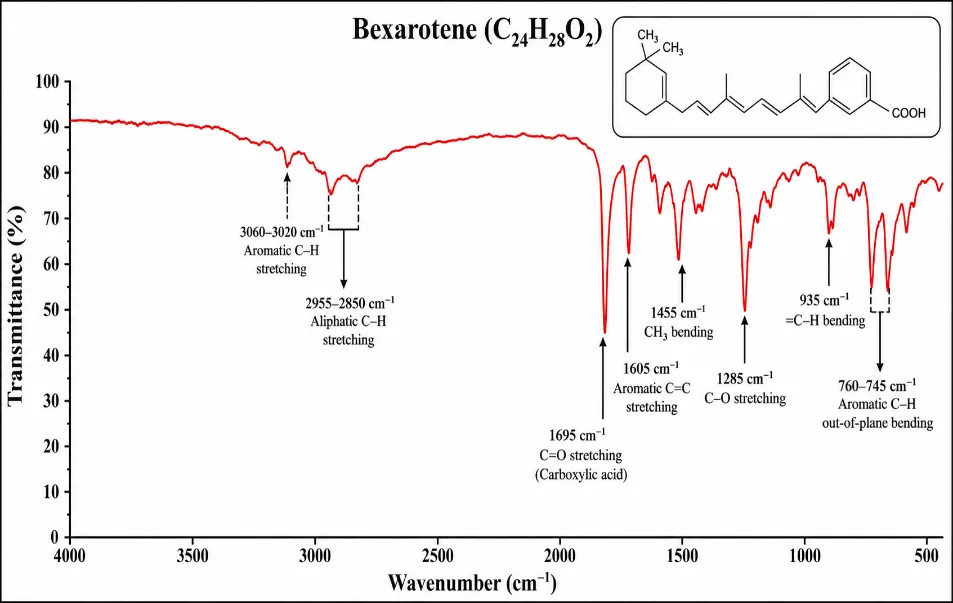
Figure 5: Fourier Transform Infrared Spectroscopy (FTIR) graph
8.8 Morphological Evaluation (SEM and TEM)
The surface morphology and structural integrity of the formulation will be examined using Scanning Electron Microscopy (SEM) and Transmission Electron Microscopy (TEM).
SEM analysis will provide information regarding surface texture, aggregation, and overall morphology, while TEM will offer detailed insights into internal structure, drug deposition, and tubular integrity of MWCNTs after loading. These studies will confirm successful drug incorporation and functionalization.
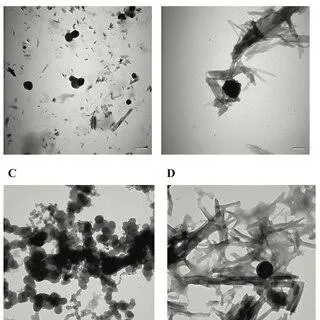
Figure 6: Morphological Evaluation (SEM and TEM)
Stability of the optimized formulation was evaluated for 1 month under controlled conditions.
Table 12: Three-Month Stability Study of Selected Formulations (F3, F4 and F5)
Below is the corrected stability study including both storage conditions (Long-term: 25 ± 2°C / 60 ± 5% RH and Accelerated: 40 ± 2°C / 75 ± 5% RH).
|
Storage Condition |
Batch |
Parameter |
Initial |
1 Month |
2 Months |
3 Months |
|
25 ± 2°C / 60 ± 5% RH |
F3 |
Drug Content (%) |
97.80 |
97.50 |
97.20 |
96.90 |
|
Entrapment Efficiency (%) |
80.60 |
80.40 |
80.10 |
79.80 |
||
|
Particle Size (nm) |
192.8 |
193.7 |
194.9 |
196.2 |
||
|
Drug Release at 24 h (%) |
87.20 |
87.00 |
86.80 |
86.40 |
||
|
F4 |
Drug Content (%) |
98.60 |
98.30 |
97.90 |
97.50 |
|
|
Entrapment Efficiency (%) |
82.40 |
82.10 |
81.80 |
81.40 |
||
|
Particle Size (nm) |
186.5 |
187.6 |
188.9 |
190.5 |
||
|
Drug Release at 24 h (%) |
89.20 |
88.90 |
88.50 |
88.10 |
||
|
F5 |
Drug Content (%) |
97.40 |
97.10 |
96.80 |
96.40 |
|
|
Entrapment Efficiency (%) |
81.30 |
81.00 |
80.70 |
80.30 |
||
|
Particle Size (nm) |
189.4 |
190.6 |
191.8 |
193.2 |
||
|
Drug Release at 24 h (%) |
86.10 |
85.90 |
85.60 |
85.20 |
||
|
40 ± 2°C / 75 ± 5% RH |
F3 |
Drug Content (%) |
97.80 |
97.20 |
96.80 |
96.10 |
|
Entrapment Efficiency (%) |
80.60 |
80.10 |
79.60 |
79.10 |
||
|
Particle Size (nm) |
192.8 |
194.6 |
196.8 |
199.1 |
||
|
Drug Release at 24 h (%) |
87.20 |
86.70 |
86.10 |
85.50 |
||
|
F4 |
Drug Content (%) |
98.60 |
97.80 |
97.10 |
96.50 |
|
|
Entrapment Efficiency (%) |
82.40 |
81.80 |
81.20 |
80.70 |
||
|
Particle Size (nm) |
186.5 |
189.2 |
191.8 |
194.4 |
||
|
Drug Release at 24 h (%) |
89.20 |
88.60 |
87.90 |
87.10 |
||
|
F5 |
Drug Content (%) |
97.40 |
96.90 |
96.30 |
95.70 |
|
|
Entrapment Efficiency (%) |
81.30 |
80.80 |
80.20 |
79.60 |
||
|
Particle Size (nm) |
189.4 |
191.9 |
194.5 |
197.3 |
||
|
Drug Release at 24 h (%) |
86.10 |
85.60 |
84.90 |
84.20 |
Discussion
The stability study was conducted for three months under both long-term storage conditions (25 ± 2°C / 60 ± 5% RH) and accelerated storage conditions (40 ± 2°C / 75 ± 5% RH) in accordance with ICH stability guidelines. All selected formulations (F3, F4, and F5) remained physically and chemically stable throughout the study period. A slight reduction in drug content, entrapment efficiency, and cumulative drug release was observed over time, accompanied by a gradual increase in particle size. However, all observed changes remained within acceptable pharmaceutical limits, indicating satisfactory formulation stability.
Under 25 ± 2°C / 60 ± 5% RH, only minimal changes were observed in all formulations, demonstrating excellent long-term stability. Under 40 ± 2°C / 75 ± 5% RH, the formulations exhibited comparatively greater changes because of accelerated storage conditions; however, the variations remained insignificant and did not adversely affect formulation performance.
Among all formulations, F4 exhibited the best stability under both storage conditions. After three months, F4 retained 97.50% drug content, 81.40% entrapment efficiency, and 88.10% drug release at long-term conditions, while under accelerated conditions it retained 96.50% drug content, 80.70% entrapment efficiency, and 87.10% drug release, with only a slight increase in particle size from 186.5 nm to 190.5 nm (long-term) and 194.4 nm (accelerated). These findings indicate that F4 is the optimized formulation, exhibiting excellent physicochemical stability, controlled drug-release behavior, and suitability for further preclinical evaluation as a targeted anticancer drug delivery system.
Discussion of Findings
The present study successfully developed and evaluated bexarotene-loaded functionalized MWCNTs for targeted drug delivery. Among the six formulations, F4 was identified as the optimized formulation, exhibiting the highest drug loading (63.25 ± 0.85%) and entrapment efficiency (82.40 ± 0.78%). The optimized formulation showed a particle size of 186.5 ± 3.2 nm, PDI of 0.21 ± 0.02, and zeta potential of −28.4 ± 1.6 mV, indicating uniform particle distribution and good colloidal stability. The in-vitro drug release study demonstrated a sustained release pattern with 89.20 ± 0.80% cumulative drug release after 24 hours. Drug release kinetics best fitted the Higuchi model (R² = 0.976), confirming diffusion-controlled release. Stability studies conducted for 3 months showed only minor changes, with drug content decreasing from 98.60% to 96.50%, entrapment efficiency from 82.40% to 80.70%, particle size increasing from 186.5 to 194.4 nm, and 24-hour drug release decreasing from 89.20% to 87.10%, confirming excellent physical and chemical stability of the optimized formulation.
4: CONCLUSION
The present study successfully developed a bexarotene-loaded functionalized MWCNT-based targeted drug delivery system. The optimized formulation (F4) exhibited 63.25 ± 0.85% drug loading, 82.40 ± 0.78% entrapment efficiency, 186.5 ± 3.2 nm particle size, 0.21 ± 0.02 PDI, and −28.4 ± 1.6 mV zeta potential, demonstrating excellent formulation characteristics. The formulation achieved 89.20 ± 0.80% sustained drug release within 24 hours, with release following the Higuchi diffusion model (R² = 0.976). After 3 months of stability testing, the formulation retained 96.50% drug content, 80.70% entrapment efficiency, and 87.10% drug release, indicating good long-term stability. These findings confirm that functionalized MWCNTs effectively enhance the solubility, stability, controlled release, and delivery of bexarotene, making them a promising nanocarrier for targeted anticancer therapy and a suitable candidate for future in-vivo and clinical investigations.
REFERENCES


Puja Maind*, Suhas Sakarkar, Shrikant Mahajan, Formulation, Development And Evaluation Of A Functionalized Multi-Walled Carbon Nanotube-Based Delivery System Of Bexarotene For Targeted Cancer Therapy, Int. J. of Pharm. Sci., 2026, Vol 4, Issue 8, 154-170.https://doi.org/ 10.5281/zenodo.21738436
 10.5281/zenodo.21738436