

We use cookies to ensure our website works properly and to personalise your experience. Cookies policy
SIMS college of pharmacy.
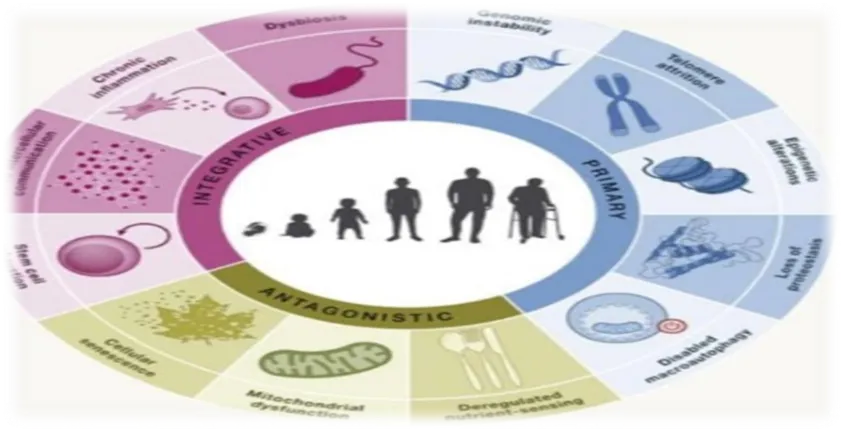
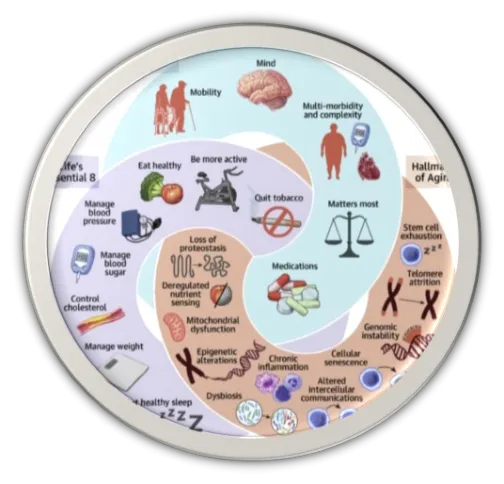
Aging is a complex, progressive biological process characterized by a gradual decline in physiological reserve, impaired ability to maintain homeostasis, and increased susceptibility to disease and death. It results from interacting molecular, cellular, genetic, environmental, and lifestyle factors rather than from a single mechanism. Modern aging biology describes interconnected hallmarks of aging, including genomic instability, telomere attrition, epigenetic alterations, loss of proteostasis, impaired autophagy, mitochondrial dysfunction, deregulated nutrient sensing, cellular senescence, stem-cell exhaustion, altered intercellular communication, chronic inflammation, and microbiome alterations. Age-related disorders include cardiovascular disease, stroke, cancer, osteoporosis, osteoarthritis, sarcopenia, diabetes, chronic respiratory disease, neurodegenerative diseases such as Alzheimer's disease and Parkinson's disease, sensory impairment, depression, frailty, falls, and other geriatric syndromes. Importantly, aging itself is not synonymous with disease: healthy aging focuses on preserving functional ability and quality of life, even when chronic diseases are present.
Aging is a universal and lifelong phenomenon affecting virtually every organ system. At the biological level, it involves the accumulation of molecular and cellular damage together with declining physiological reserve. However, aging is highly heterogeneous: individuals of the same chronological age may have markedly different physical, cognitive, and functional capacities.
Population aging has become a major global health issue. The World Health Organization estimates that the number of people aged 60 years and older will increase from approximately 1 billion in 2020 to 1.4 billion by 2030 and 2.1 billion by 2050. The fastest growth is occurring in low- and middle- income countries.
The importance of aging research therefore extends beyond increasing lifespan. The major objective is increasingly healthspan extension—maintaining physical, cognitive, and social function for as much of life as possible
2. Definition of Aging
Aging can be defined as a time-dependent, progressive deterioration of biological structure and
function that reduces an organism's ability to maintain homeostasis and respond to stress.
Aging should be distinguished from:
• Chronological age: number of years lived.
• Biological age: physiological and molecular state of an individual.
• Healthy aging: preservation of functional ability and well-being.
• Age-related disease: pathological conditions whose incidence or severity increases with age.
The WHO defines healthy aging as the process of developing and maintaining the functional ability
that enables well-being in older age. Importantly, healthy aging does not require complete absence
of disease.
3. Biological Mechanisms of Aging
Modern research views aging as a network of interacting processes rather than a single pathway.
3.1 Genomic instability
DNA is continuously damaged by:
• Reactive oxygen species
• Radiation
• Environmental toxins
• Replication errors
• Spontaneous chemical modifications
DNA repair mechanisms normally correct this damage. With advancing age, accumulated DNA
damage and declining repair efficiency can lead to mutations, cellular dysfunction, senescence, and
cancer.
3.2 Telomere attrition
Telomeres are repetitive DNA sequences at chromosome ends that protect chromosomes from
degradation and inappropriate fusion.
During repeated cell division, telomeres progressively shorten. When they become critically short,
cells may enter:
• Replicative senescence
• Apoptosis
• Genomic instability
Telomere biology is particularly important in tissues requiring continuous cellular renewal.
3.3 Epigenetic alterations
Aging is accompanied by changes in:
• DNA methylation
• Histone modification
• Chromatin organization
• Non-coding RNA regulation
These changes can alter gene expression without changing the DNA sequence itself.
Age-associated epigenetic changes are being investigated as potential biomarkers of biological age.
3.4 Loss of proteostasis
Proteostasis refers to maintenance of properly folded and functional proteins.
With aging, protein quality-control systems become less efficient. Misfolded or damaged proteins
can accumulate, contributing to disorders such as:
• Alzheimer's disease
• Parkinson's disease
• Huntington's disease
• Amyloidosis
The decline involves impaired molecular chaperones, proteasomal degradation, and autophagy.
3.5 Impaired autophagy
Autophagy is a cellular recycling system that removes damaged proteins and organelles.
Reduced autophagic activity may result in accumulation of:
• Damaged mitochondria
• Misfolded proteins
• Cellular debris
Consequently, impaired autophagy is strongly linked with metabolic, neurodegenerative, and age-
related disorders.
3.6 Mitochondrial dysfunction
Mitochondria produce cellular energy in the form of ATP.
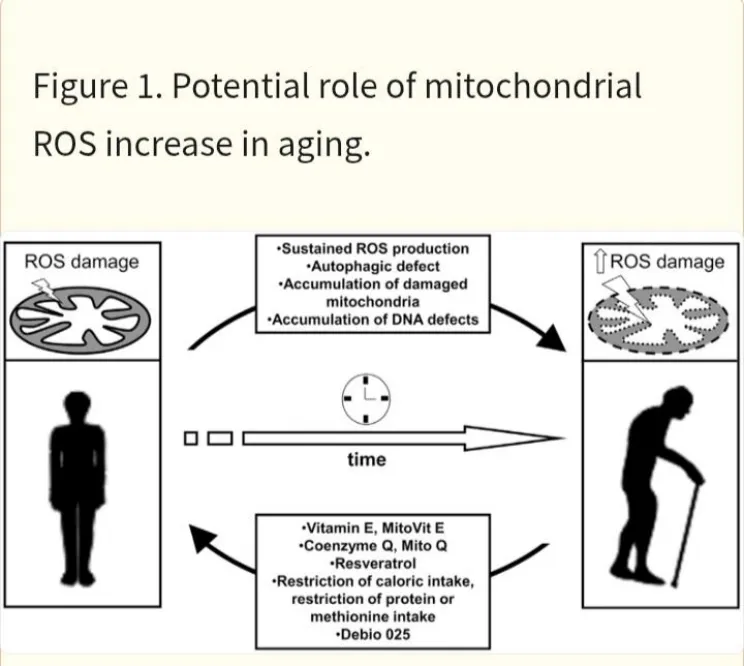
Aging is associated with:
• Reduced mitochondrial efficiency Accumulation of mitochondrial DNA damage
• Abnormal reactive oxygen species production
• Altered mitochondrial dynamics
• Impaired mitophagy
These changes are particularly important in tissues with high energy requirements, including the brain, heart, and skeletal muscle.
3.7 Deregulated nutrient sensing
Several interconnected pathways regulate cellular responses to nutrients and energy:
• Insulin/IGF-1 signaling
• mTOR
• AMPK
• Sirtuins
Abnormal regulation of these pathways can affect metabolism, growth, autophagy, and longevity.
This area has attracted considerable interest because experimental manipulation of nutrient-sensing pathways can influence lifespan in several model organisms. However, translating these findings into safe human anti-aging therapies remains an active research area.
3.8 Cellular senescence
Cellular senescence is a state in which cells permanently stop proliferating but remain metabolically active.
Senescent cells can release inflammatory and tissue-remodeling molecules collectively called the senescence-associated secretory phenotype (SASP).
Accumulation of senescent cells may contribute to:
• Chronic inflammation
• Tissue dysfunction
• Fibrosis
• Impaired regeneration
• Cancer biology
• Age-related diseases
This has led to research into senolytics, drugs designed to selectively eliminate senescent cells.
Human clinical applications remain investigational.
3.9 Stem-cell exhaustion
Stem cells maintain tissue regeneration throughout life.
Aging can reduce:
• Stem-cell number
• Self-renewal capacity
• Differentiation potential
• Tissue regenerative capacity
This contributes to impaired healing, muscle loss, reduced blood-cell production, and degeneration
of several organs.
3.10 Chronic inflammation — "inflammaging"
Low-grade, persistent systemic inflammation increases with age and is often termed inflammaging.
Potential contributors include:
• Cellular senescence
• Damaged cells
• Altered gut microbiota
• Obesity
• Chronic infections
• Immune-system dysregulation
Inflammaging has been associated with cardiovascular disease, neurodegeneration, diabetes, frailty,
and other chronic conditions.
3.11 Altered intercellular communication
As people age, communication between cells and organs becomes altered through changes in:
• Hormones
• Cytokines
• Neurotransmitters
• Immune signaling
• Extracellular vesicles
This can disturb coordination between tissues and contribute to systemic decline.
3.12 Gut microbiome alterations
The intestinal microbiome changes with age.
Factors contributing to dysbiosis include:
• Diet
• Medications
• Reduced physical activity
• Chronic disease
• Changes in immune function
Altered microbiota may influence inflammation, metabolism, immune function, and brain health.
Dysbiosis is now included among the expanded hallmarks of aging.
4. Major Age-Related Disorders
Aging increases vulnerability to multiple chronic diseases. Older adults frequently have
multimorbidity, meaning two or more chronic conditions simultaneously. WHO identifies hearing
loss, cataracts, osteoarthritis, chronic respiratory disease, diabetes, depression, dementia, and other
conditions as common problems in older age.
4.1 Cardiovascular diseases
Major cardiovascular disorders include:
• Hypertension
• Coronary artery disease
• Heart failure
• Atherosclerosis
• Stroke
• Peripheral arterial disease
Mechanisms
Age-related vascular changes include:
• Arterial stiffening
• Endothelial dysfunction
• Atherosclerotic plaque accumulation
• Increased vascular inflammation
• Reduced cardiovascular reserve
Cardiovascular disease remains one of the most important causes of morbidity and mortality in older
adults.
5. Neurodegenerative Disorders
5.1 Alzheimer's disease
Alzheimer's disease is the most common cause of dementia.
Important pathological features include:
• Amyloid-β accumulation
• Tau pathology
• Synaptic dysfunction
• Neuroinflammation
• Neuronal loss
Clinical manifestations include progressive impairment of:
• Memory
• Language
• Executive function
• Orientation
• Activities of daily living
Age is the strongest major risk factor, although genetics, vascular health, education, physical activity,
and other factors also influence risk.
5.2 Parkinson's disease
Parkinson's disease is characterized by degeneration of dopaminergic neurons, particularly in the
substantia nigra.
Typical manifestations include:
• Bradykinesia
• Resting tremor
• Rigidity
• Postural instability
Non-motor symptoms may include:
• Depression
• Sleep disorders
• Constipation
• Autonomic dysfunction
• Cognitive impairment
5.3 Stroke
Stroke occurs when cerebral blood flow is interrupted or a blood vessel ruptures.
Risk factors that become increasingly important with age include:
• Hypertension
• Diabetes
• Atrial fibrillation
• Dyslipidemia
• Smoking
• Atherosclerosis
Stroke may cause permanent disability affecting movement, speech, cognition, and independence.
6. Musculoskeletal Disorders
6.1 Osteoporosis
Osteoporosis is characterized by reduced bone strength and increased fracture risk.
Common consequences include:
• Hip fractures
• Vertebral fractures
• Wrist fractures
Risk increases with aging because of changes in bone remodeling, hormonal changes, reduced
physical activity, nutritional factors, and other influences.
6.2 Sarcopenia
Sarcopenia is age-associated loss of skeletal muscle mass, strength, and/or physical performance.
Contributing mechanisms include:
• Reduced physical activity
• Motor-neuron loss
• Anabolic resistance
• Hormonal changes
• Mitochondrial dysfunction
• Chronic inflammation
• Inadequate protein intake
Sarcopenia contributes to:
• Falls
• Frailty
• Disability
• Loss of independence
• Increased hospitalization risk
6.3 Osteoarthritis
Osteoarthritis is a degenerative joint disorder involving cartilage, bone, synovium, and surrounding
tissues.
Common symptoms include:
• Joint pain
• Stiffness
• Reduced mobility
• Functional limitation
Knee, hip, hand, and spine involvement is common.
7. Metabolic Disorders
7.1 Type 2 diabetes mellitus
Aging is associated with increased risk of insulin resistance and impaired pancreatic β-cell function.
Diabetes can lead to:
• Cardiovascular disease
• Kidney disease
• Neuropathy
• Retinopathy
• Poor wound healing
Lifestyle factors such as physical inactivity, obesity, and unhealthy diet can substantially influence
risk. WHO identifies tobacco, alcohol, unhealthy diet, high BMI, and insufficient physical activity as
important shared risk factors for chronic diseases in older age.
8. Sensory Disorders
8.1 Cataract
A cataract involves progressive opacity of the eye's lens and may cause:
• Blurred vision
• Glare
• Reduced contrast
• Difficulty seeing at night
Cataract is one of the most common causes of visual impairment in older adults.
8.2 Age-related hearing loss
Presbycusis is progressive sensorineural hearing loss associated with aging.
It can contribute to:
• Communication difficulties
• Social isolation
• Reduced quality of life
• Increased functional dependence
WHO identifies hearing loss and visual disorders among common health problems in older age.
9. Cancer and Aging
Cancer incidence generally increases with age because cancer development requires the
accumulation of genetic and epigenetic alterations over time.
Important cancers in older adults include:
• Breast cancer
• Colorectal cancer
• Lung cancer
• Prostate cancer
• Skin cancers
Aging can also influence cancer treatment because older individuals may have:
• Reduced physiological reserve
• Multiple comorbidities
• Polypharmacy
• Increased treatment toxicity
Therefore, cancer management in older adults should consider functional status and individual
goals, not chronological age alone.
10. Geriatric Syndromes
Some important problems in older adults do not fit neatly into a single organ-system diagnosis.
These are known as geriatric syndromes.
Major examples include:
Frailty
A state of increased vulnerability to stressors caused by reduced physiological reserve.
Falls
Multifactorial events associated with:
• Muscle weakness
• Poor vision
• Balance impairment
• Medications
• Neurological disease
• Environmental hazards
Delirium
An acute disturbance of attention and cognition, often triggered by infection, medications, metabolic
abnormalities, surgery, or hospitalization.
Urinary incontinence
Loss of bladder control that can substantially affect quality of life.
Pressure injuries
Localized tissue damage associated particularly with immobility and prolonged pressure.
WHO specifically identifies frailty, urinary incontinence, falls, delirium, and pressure ulcers as
important geriatric syndromes.
11. Psychological and Social Disorders
Aging is also associated with important mental-health challenges.
These include:
• Depression
• Anxiety
• Loneliness
• Social isolation
• Cognitive impairment
• Dementia
• Sleep disorders
However, these should not be considered inevitable consequences of aging.
Social environment, socioeconomic conditions, physical activity, cognitive stimulation, relationships,
and access to health services can substantially influence later-life health.
12. Risk Factors for Age-Related Disorders
Age-related disease results from interactions between biological aging and environmental/lifestyle
factors.
Modifiable factors
• Tobacco use
• Excessive alcohol consumption
• Physical inactivity
• Unhealthy diet
• Obesity
• Poor sleep
• Uncontrolled hypertension
• Diabetes
• Dyslipidemia
• Social isolation
Non-modifiable factors
• Chronological age
• Genetic susceptibility
• Sex
• Early-life exposures
• Family history
Importantly, aging trajectories are influenced throughout the life course, not just during old age.
WHO emphasizes that nutrition, education, living conditions, employment, environment, and health
behaviors can influence health in later life.
13. Prevention and Healthy Aging
The goal should not simply be to increase lifespan but to increase the proportion of life spent in good
health.
Physical activity
Regular exercise should combine:
• Aerobic activity
• Resistance training
• Balance exercises
• Flexibility/mobility work
Resistance exercise is particularly important for preserving muscle strength and functional
independence.
Nutrition
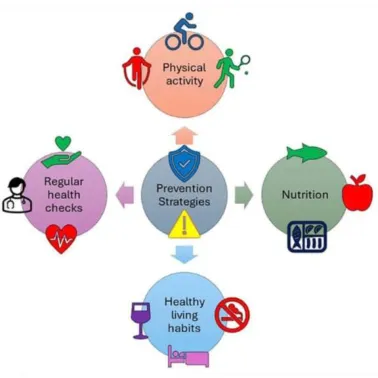
A balanced dietary pattern should provide:
• Adequate protein
• Fruits and vegetables
• Whole grains
• Healthy fats
• Adequate calcium and vitamin D where appropriate
• Sufficient hydration
Nutritional needs should be individualized, particularly in frail or chronically ill adults.
Cardiovascular risk reduction
Control of:
• Blood pressure
• Blood glucose
• Lipids
• Body weight
can reduce the risk of cardiovascular and
cerebrovascular disease.
Cognitive and social engagement
Maintaining social relationships, meaningful
activities, learning, and cognitive stimulation may
support psychological and cognitive health.
Prevention of falls
Interventions include:
• Strength and balance training
• Vision assessment
• Medication review
• Appropriate footwear
• Home safety modifications
• Management of contributing medical conditions
14. Diagnosis and Geriatric Assessment
Traditional disease-specific assessment is often insufficient in older adults because multiple
conditions interact.
A Comprehensive Geriatric Assessment (CGA) evaluates:
1.Medical conditions
2.Medications
3.Functional status
4.Cognitive status
5.Psychological health
6.Nutrition
7.Mobility and falls
8.Social support
9.Living environment
10.Goals and preferences
WHO's Integrated Care for Older People (ICOPE) approach similarly emphasizes maintaining intrinsic
capacity and functional ability through person-centered, coordinated care.
15. Pharmacological Considerations
Older adults are particularly vulnerable to medication-related problems because of age-associated
changes in:
• Renal function
• Hepatic metabolism
• Body composition
• Drug distribution
• Drug sensitivity
Polypharmacy can increase the risk of:
• Drug interactions
• Falls
• Delirium
• Hypotension
• Adverse drug reactions
Therefore, medication review and individualized prescribing are essential components of geriatric
care.
16. Emerging Anti-Aging Strategies
Aging research is increasingly moving from treating individual diseases toward targeting biological
mechanisms shared by multiple age-related conditions.
Research areas include:
Senolytics
Agents intended to remove senescent cells.
mTOR modulation
Targeting nutrient-sensing pathways involved in growth, metabolism, and aging.
NAD⁺ metabolism
Investigating whether restoration of cellular NAD⁺ availability can improve age-associated
dysfunction.
Autophagy enhancement
Strategies aimed at improving removal of damaged cellular components.
Mitochondrial interventions
Approaches designed to improve mitochondrial quality and function.
Epigenetic interventions
Attempts to modify age-associated changes in gene regulation.
Anti-inflammatory strategies
Targeting chronic age-associated inflammation.
Vaccination and immune modulation
An emerging area of research aimed at preventing or modifying age-associated diseases. Recent
reviews have explored vaccines as potential tools for targeting aging-related processes and diseases.
It is important to emphasize that many proposed "anti-aging" interventions remain experimental.
Evidence from animal models does not automatically establish safety or effectiveness in humans.
Reviews have also highlighted limitations in current approaches for determining whether an
intervention truly slows biological aging rather than merely extending lifespan or affecting an
individual disease.
17. Relationship Between Aging and Disease
A useful conceptual model is:
Aging mechanisms → cellular dysfunction → tissue dysfunction → reduced physiological reserve →
increased disease susceptibility → multimorbidity → frailty/disability
For example:
Mitochondrial dysfunction + inflammation + muscle inactivity → muscle loss → sarcopenia → falls
→ fractures → immobility → further muscle loss and frailty
Similarly:
Vascular aging + hypertension + metabolic dysfunction → atherosclerosis → cardiovascular
disease/stroke → disability
Thus, age-related disorders should not always be considered isolated diseases. They frequently share
common biological pathways.
18. Aging, Healthspan and Lifespan
Three concepts should be distinguished:
• Lifespan: total duration of life.
• Healthspan: period of life spent in relatively good health and functional independence.
• Disease burden: period characterized by chronic illness, disability, or dependency.
The ideal outcome is to compress morbidity—maintain function for longer and postpone severe
disability toward the end of life.
WHO similarly emphasizes functional ability rather than simply absence of disease as the central goal
of healthy aging.
19. Future Perspectives
Future aging research is likely to focus on:
1.Biomarkers capable of accurately measuring biological age.
2.Early identification of individuals at risk of frailty and dementia.
3.Personalized interventions based on biological and functional profiles.
4.Combination therapies targeting multiple aging mechanisms.
5.Prevention rather than treatment of advanced age- related disease.
6.Integration of geriatric medicine with precision medicine.
7.Development of interventions that extend healthspan rather than merely lifespan.
CONCLUSION
Aging is a multifactorial biological process involving progressive changes in genomic stability, epigenetic regulation, protein homeostasis, mitochondrial function, nutrient sensing, cellular senescence, stem- cell activity, immune signaling, inflammation, and the microbiome. These interconnected mechanisms progressively reduce physiological reserve and increase susceptibility to chronic diseases.
Age-related disorders encompass cardiovascular, neurological, metabolic, musculoskeletal, sensory, respiratory, oncological, psychological, and geriatric conditions. However, aging should not be equated with inevitable disease or disability. Significant differences exist between individuals of the same chronological age.
The modern approach to aging therefore emphasizes healthy aging, prevention, preservation of functional ability, early detection of frailty and disease, person-centered care, and extension of healthspan. As research into the biology of aging progresses, interventions targeting fundamental aging mechanisms may eventually complement conventional disease-specific treatments. At present, however, the strongest practical strategy remains comprehensive prevention and management of modifiable risk factors combined with appropriate medical, functional, psychological, and social care.
REFERENCES

Sudarsanam Nagarjuna, Dr. B. Thangabalan, K. Sravani, M. Beula, K. Pravallika, Sk. Naziya, J. Dwaraka, Leishangthem. Dibiya Devi, S. Mohan, A Review Article on Aging and Age-Related Disorders, Int. J. of Pharm. Sci., 2026, Vol 4, Issue 11, 1333-1344. https://doi.org/
 10.5281/zenodo.24002939