View Article

Abstract

Peptic ulcer disease (PUD) is a common gastrointestinal disorder characterized by mucosal damage in the stomach or duodenum due to an imbalance between aggressive factors such as gastric acid, pepsin, alcohol consumption, non-steroidal anti-inflammatory drugs (NSAIDs), stress, and Helicobacter pylori infection, and the protective mechanisms of the gastric mucosa. Although conventional antiulcer medications are effective, their long-term use may be associated with adverse effects and recurrence of symptoms. Consequently, medicinal plants have gained considerable attention as alternative therapeutic agents because of their safety, affordability, and diverse pharmacological properties. Numerous medicinal plants have demonstrated significant antiulcer activity through antioxidant, anti-inflammatory, cytoprotective, antisecretory, and ulcer-healing mechanisms. Among these, Cordia obliqua Willd. (Family: Boraginaceae), commonly known as Lasora or Bhokar, has emerged as a promising medicinal plant with potential gastroprotective effects. The plant is rich in bioactive phytoconstituents including flavonoids, tannins, phenolic compounds, alkaloids, glycosides, saponins, and terpenoids, which contribute to its therapeutic activities. This review summarizes the antiulcer potential of various medicinal plants with special emphasis on Cordia obliqua. It discusses the botanical profile, traditional uses, phytochemical composition, pharmacological properties, and possible mechanisms involved in its gastroprotective action. Experimental studies suggest that Cordia obliqua exhibits significant protection against ethanol-induced gastric ulcers by reducing oxidative stress, enhancing mucosal defense, suppressing inflammation, and promoting ulcer healing. The available evidence indicates that Cordia obliqua may serve as a valuable natural source for the development of novel antiulcer agents. However, further preclinical and clinical investigations are necessary to establish its efficacy, safety, and therapeutic applications in the management of peptic ulcer disease.

Keywords

Peptic ulcer disease, Antiulcer activity, Medicinal plants, Cordia obliqua, Ethanol-induced gastric ulcer, Gastroprotection, Phytochemicals, Herbal medicine

Introduction

× Popup Image

Peptic ulcer disease (PUD) is a common gastrointestinal disorder characterized by lesions in the stomach or duodenal mucosa. It occurs when aggressive factors such as gastric acid, pepsin, alcohol, non-steroidal anti-inflammatory drugs (NSAIDs), stress, and Helicobacter pylori infection overwhelm the protective mechanisms of the gastric mucosa. Symptoms include epigastric pain, nausea, vomiting, bloating, and gastrointestinal bleeding.

Although conventional drugs such as proton pump inhibitors (PPIs), H2-receptor antagonists, antacids, and cytoprotective agents are effective, their prolonged use may cause adverse effects, including nutrient malabsorption, rebound acid hypersecretion, and drug interactions. Therefore, medicinal plants have gained increasing attention as safer and cost-effective alternatives for ulcer prevention and treatment.

Medicinal plants contain bioactive compounds such as flavonoids, tannins, alkaloids, terpenoids, and phenolic compounds that exhibit gastroprotective, antioxidant, anti-inflammatory, and ulcer-healing properties. Among these plants, Cordia obliqua has emerged as a promising candidate due to its rich phytochemical profile and diverse pharmacological activities.

Gastric Ulcer: Pathophysiology     

The gastric mucosa is protected by mucus secretion, bicarbonate production, prostaglandins, adequate blood flow, and rapid epithelial regeneration. Ulcers develop when there is an imbalance between aggressive and defensive factors.

Aggressive Factors

  • Hydrochloric acid secretion
  • Pepsin activity
  • Alcohol consumption
  • NSAID administration
  • Helicobacter pylori infection
  • Smoking
  • Stress-induced oxidative damage
  • Defensive Factors
  • Mucus-bicarbonate barrier
  • Prostaglandin synthesis
  • Mucosal blood flow
  • Antioxidant defense systems
  • Cellular regeneration
  • Damage to the gastric mucosa results in inflammation, oxidative stress, erosion, and ulcer formation.

2. PLANT PROFILE

Medicinal Plants with Reported Antiulcer Activity
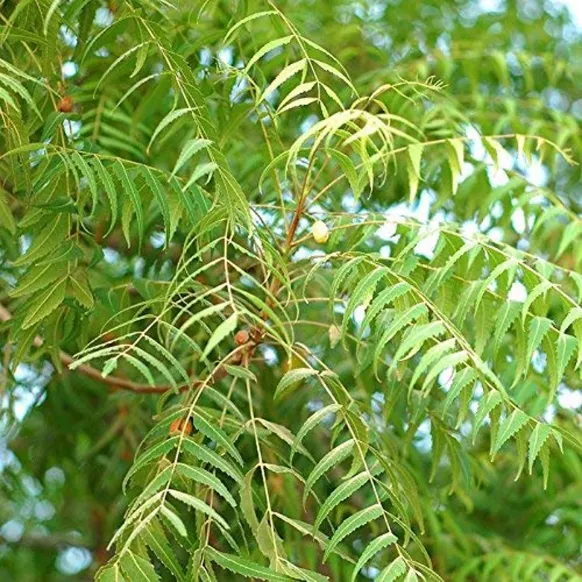
  1. Neem (Azadirachta indica) 

Family: Meliaceae

Active Constituents:

  • Nimbidin
  • Nimbin
  • Quercetin
  • Flavonoids

Antiulcer Activity:

Neem leaf and bark extracts reduce gastric acid secretion and enhance mucus production. Their antioxidant activity protects gastric tissues from oxidative stress and promotes ulcer healing.
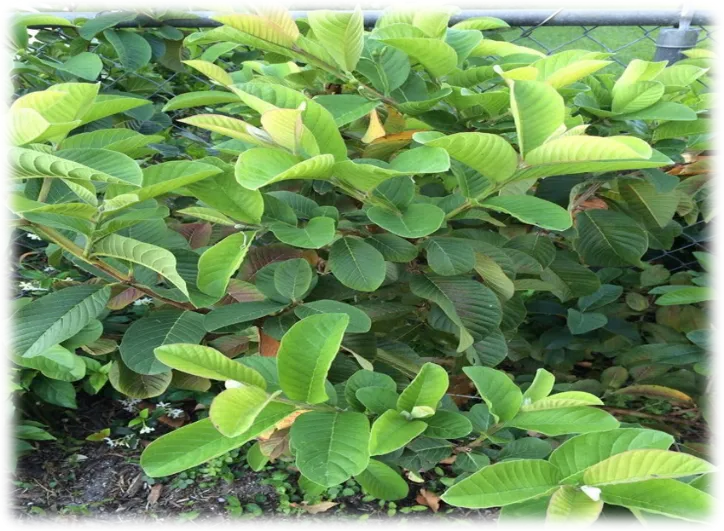
  1. Guava (Psidium guajava)

Family: Myrtaceae

Active Constituents:

  • Quercetin
  • Tannins
  • Flavonoids
  • Vitamin C

Antiulcer Activity

Guava leaf extracts demonstrate gastroprotective effects through antioxidant activity, reduction of gastric lesions, and enhancement of mucosal defense.
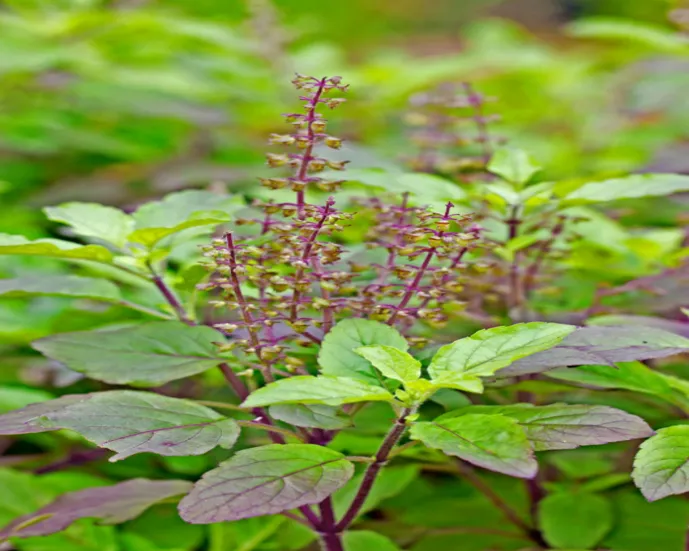
  1. Holy Basil (Ocimum sanctum)

Family: Lamiaceae

Active Constituents

  • Eugenol             
  • Ursolic acid
  • Rosmarinic acid

Antiulcer Activity

The plant exhibits anti-inflammatory and antioxidant properties, reducing gastric acid secretion and improving mucosal resistance.
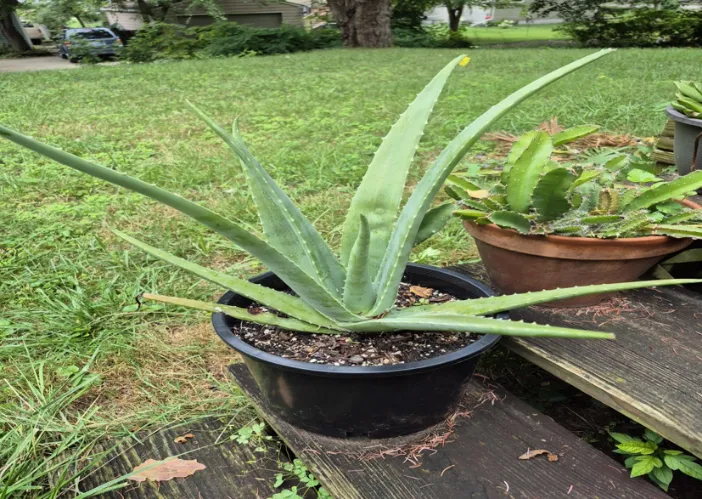
  1. Aloe vera

Family: Asphodelaceae

Active Constituents

  • Aloin
  • Aloe-emodin
  • Polysaccharides

Antiulcer Activity

Aloe vera accelerates ulcer healing by stimulating epithelial regeneration and reducing inflammation.
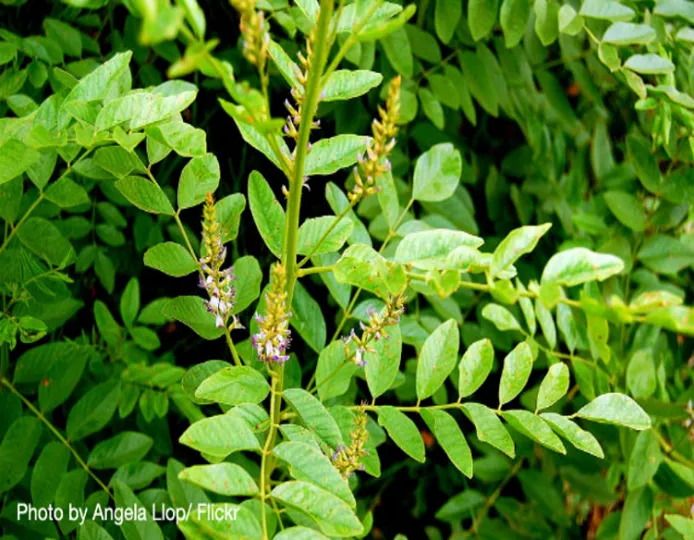
  1. Licorice (Glycyrrhiza glabra)

Family: Fabaceae

Active Constituents

  • Glycyrrhizin
  • Flavonoids
  • Saponins

Antiulcer Activity

Licorice enhances mucus secretion, protects gastric mucosa, and promotes healing of ulcerated tissues.

3. BOTANICAL PROFILE

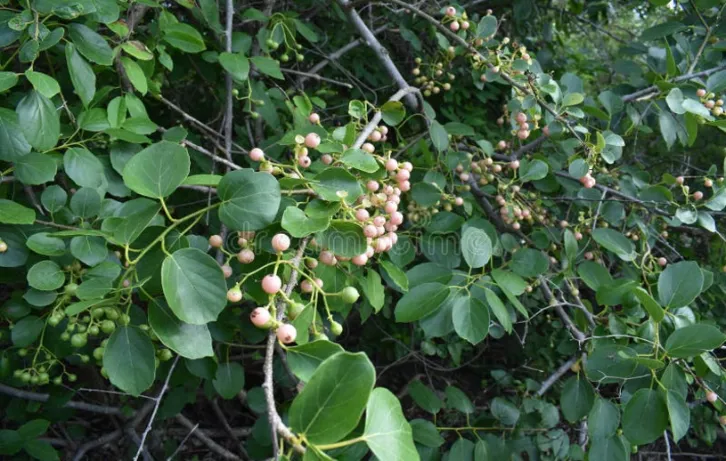
Cordia obliqu
Taxonomy Category Classification

Kingdom: Plantae

Family: Boraginaceae

Genus: Cordia

Species: Cordia obliqua Willd.

Common Names

  • English: Indian Cherry
  • Hindi: Lasora
  • Marathi: Bhokar
  • Sanskrit: Shlesmataka

Distribution

Cordia obliqua is widely distributed throughout India, particularly in Maharashtra, Rajasthan, Madhya Pradesh, Gujarat, and Uttar Pradesh. It is also found in Nepal, Sri Lanka, and tropical regions of Asia.

Traditional Uses of Cordia obliqua

Different parts of the plant have been used in traditional medicine for:

  • Gastric disorders
  • Cough and bronchitis
  • Fever
  • Diarrhea
  • Wound healing
  • Inflammation
  • Liver disorders
  • Urinary tract infections

Traditional practitioners have used fruits and leaves to relieve digestive disturbances and stomach discomfort.

Phytochemical Constituents of Cordia obliqua

Phytochemical investigations have identified numerous bioactive compounds.

  • Flavonoids
  • Quercetin derivatives
  • Kaempferol derivatives
  • Phenolic Compounds
  • Phenolic acids
  • Polyphenols
  • Tannins
  • Condensed tannins
  • Hydrolysable tannins
  • Other Constituents
  • Alkaloids
  • Saponins
  • Terpenoids
  • Glycosides
  • Steroids
  • Carbohydrates

These compounds contribute significantly to antioxidant and gastroprotective activitie

Pharmacological Activities of Cordia obliqua

Antioxidant Activity

The plant scavenges free radicals and reduces lipid peroxidation. Antioxidant activity protects gastric mucosal cells from oxidative damage caused by ethanol and stress.

Anti-inflammatory Activity

Flavonoids and phenolic compounds suppress inflammatory mediators such as TNF-α, IL-1β, and prostaglandins.

Antimicrobial Activity

Extracts inhibit the growth of various pathogenic microorganisms, suggesting potential against ulcer-associated infections.

Wound Healing Activity

The plant promotes tissue regeneration and collagen synthesis, which may aid ulcer healing.

Antiulcer Potential of Cordia obliqua

Possible Mechanisms

1. Antioxidant Effect

The extract neutralizes reactive oxygen species (ROS), reducing oxidative injury to gastric mucosa.

2. Cytoprotective Action

Enhances mucus secretion and strengthens the gastric mucosal barrier.

3. Anti-inflammatory Effect

Reduces inflammatory responses associated with ulcer formation.

4. Reduction of Gastric Acidity

May decrease gastric acid secretion and pepsin activity.

5. Enhancement of Healing

4. SIGNIFICANCE OF CORDIA OBLIQUA IN ANTIULCER RESEARCH

  • Rich source of flavonoids and phenolic compounds.
  • Strong antioxidant and anti-inflammatory properties.
  • Traditional use in digestive disorders.
  • Potential to develop herbal antiulcer formulations.
  • Possibility of fewer adverse effects compared with synthetic drugs.

5. FUTURE PERSPECTIVES

  • Isolation of specific antiulcer phytoconstituents.
  • Standardization of extracts.
  • Mechanistic studies at molecular level.
  • Toxicity evaluation.
  • Clinical trials in human subjects.
  • Development of herbal tablets, capsules, and gastroretentive formulations.
  1. CONCLUSION

Cordia obliqua is a valuable medicinal plant possessing antioxidant, anti-inflammatory, antimicrobial, and wound-healing properties. Its phytochemical constituents, particularly flavonoids, tannins, and phenolic compounds, contribute to its gastroprotective effects. Evidence from experimental studies suggests that Cordia obliqua may significantly reduce ulcer formation and promote healing in ethanol-induced gastric ulcer models. Therefore, the plant represents a promising natural source for the development of novel antiulcer therapies, although further preclinical and clinical investigations are required to establish its therapeutic potential.

REFERENCES

  1. Indian Medicinal Plants Kirtikar KR, Basu BD. Indian Medicinal Plants. 2nd ed. Dehradun: International Book Distributors; Vol. III. p. 1675–1676
  2. Study on phytochemical constituents and medicinal uses of Cordia obliquaSingh R, Sharma PK. Pharmacognostical and phytochemical studies on Cordia obliqua Willd. Journal of Pharmacognosy and Phytochemistry. 2013;2(4):118–122
  3. The gastroprotective effects of Cordia myxa leaf extract against ethanol-induced gastric ulcers in rats. Bulletin of Environment, Pharmacology and Life Sciences. 2018;7(7):68–72.
  4. Gupta R, Gupta GD. Toxicity assessment and evaluation of analgesic, antipyretic and anti-inflammatory activities on Cordia obliqua leaf methanol extract. Pharmacogn J. 2017;9(6):856-861.
  5.  Antioxidant activity referencePatel A, Patel JK. Evaluation of antiulcer activity of Cordia obliqua fruit extract in experimental animals. International Journal of Pharmaceutical Sciences and Research. 2015;6(8):3412–3418.
  6. Traditional medicinal importanceGupta R, Kumar S. Traditional uses, phytochemistry and pharmacological properties of Cordia species: A review. International Journal of Pharmaceutical Sciences Review and Research. 2014;28(2):45–51
  7. Phytochemical review articleMishra A, Kumar A. Phytochemical and pharmacological review of Cordia obliqua. Asian Journal of Pharmaceutical Research. 2016;6(3):150–154.
  8. Antioxidant and antiulcer activitySharma V, Patel R. Evaluation of antiulcer activity of Cordia myxa fruit extract in experimental rats. International Journal of Pharmaceutical Sciences and Research. 2016;7(5):2150–2156.
  9. Hunt, R.H., et al., (1995). Critical issues in the pathophysiology and management of peptic ulcer disease. Eur J Gastroenterol Hepatol,. 7(7): p. 685-99.
  10. Tiwari KP, Srivastava SS. Chemical investigation of the stem bark of Cordia obliqua. Planta Med. 1979;36:191–2. doi: 10.1055/s-0028-1097267
  11. Thirupathi K, Kumar SS, Raju VS, Ravikumar B, Krishna DR, Mohan GK. A review of medicinal plants of the genus Cordia: Their chemistry and pharmacological uses. J Nat Remedies. 2008;8:1–10.
  12.  Agnihotri VK, Srivastava SD, Srivastava SK, Pitre S, Rusia K. Constituents from the seeds of Cordia obliqua as potential anti-inflammatory agents. Indian J Pharm Sci. 1987;49:66–9.
  13. Parmar C, Kaushal MK. Wild Fruits of the Sub-Himalayan Region. New Delhi: Kalyani Publishers; 1982.
  14. Kirtikar KR, Basu BD. Indian Medicinal Plants. Dehradun: International Book Distributors; 1998.
  15. Nadkarni KM. Indian Materia Medica. Mumbai: Popular Prakashan; 2009.
  16. Sharma PC, Yelne MB, Dennis TJ. Database on Medicinal Plants Used in Ayurveda. New Delhi: ICMR; 2001.
  17. Ravikumar S, Uthiraselvam M, Natarajan K, Babuselvam M, Rajabudeen E. Studies on the pharmacognostic properties of Cordia obliqua Willd. Int J Pharm Res Dev. 2011;3:180–184.
  18. Arinathan V, Mohan VR, Britto AJ, Murugan C. Wild edible plants used by Palliyars of the Western Ghats, Tamil Nadu. Indian J Tradit Knowl. 2007;6:163–168.
  19. Alsuliman DR, Al Sultan ZM, Almajhad MK, et al. Profound assessment of phytochemical, botanical and antioxidant characteristics of stem bark of Cordia obliqua. Pharmacogn J. 2022;14(6):753–758.
  20. Wasey AS, Haer V, Ali H, et al. A review of the phytochemical and pharmacological profile of Cordia obliqua: From traditional remedy to a source of modern therapeutics. Front Med Health Res. 2025;3(8):1154–1160
  21. Akhtar AH, Ahmad KU. Anti-ulcerogenic evaluation of methanolic extracts of indigenous medicinal plants in aspirin-ulcerated rats. J Ethnopharmacol. 1995;46:1–6
  22. Roldão EF, Witaicenis A, Seito LN, Hiruma-Lima CA, Di Stasi LC. Evaluation of the antiulcerogenic and analgesic activities of Cordia verbenacea DC. J Ethnopharmacol. 2008;119(1):94–98.
  23. Falcão HS, Leite JA, Barbosa-Filho JM, et al. Gastric and duodenal antiulcer activity of alkaloids: A review. Molecules. 2008;13(12):3198–3223
  24. Jamkhande PG, Barde SR, Patwekar SL, Tidke PS. Plant profile, phytochemistry and pharmacology of Cordia dichotoma (Indian cherry): A review. Asian Pac J Trop Biomed. 2013;3(12):1009–1012. 

Reference

  1. Indian Medicinal Plants Kirtikar KR, Basu BD. Indian Medicinal Plants. 2nd ed. Dehradun: International Book Distributors; Vol. III. p. 1675–1676
  2. Study on phytochemical constituents and medicinal uses of Cordia obliquaSingh R, Sharma PK. Pharmacognostical and phytochemical studies on Cordia obliqua Willd. Journal of Pharmacognosy and Phytochemistry. 2013;2(4):118–122
  3. The gastroprotective effects of Cordia myxa leaf extract against ethanol-induced gastric ulcers in rats. Bulletin of Environment, Pharmacology and Life Sciences. 2018;7(7):68–72.
  4. Gupta R, Gupta GD. Toxicity assessment and evaluation of analgesic, antipyretic and anti-inflammatory activities on Cordia obliqua leaf methanol extract. Pharmacogn J. 2017;9(6):856-861.
  5.  Antioxidant activity referencePatel A, Patel JK. Evaluation of antiulcer activity of Cordia obliqua fruit extract in experimental animals. International Journal of Pharmaceutical Sciences and Research. 2015;6(8):3412–3418.
  6. Traditional medicinal importanceGupta R, Kumar S. Traditional uses, phytochemistry and pharmacological properties of Cordia species: A review. International Journal of Pharmaceutical Sciences Review and Research. 2014;28(2):45–51
  7. Phytochemical review articleMishra A, Kumar A. Phytochemical and pharmacological review of Cordia obliqua. Asian Journal of Pharmaceutical Research. 2016;6(3):150–154.
  8. Antioxidant and antiulcer activitySharma V, Patel R. Evaluation of antiulcer activity of Cordia myxa fruit extract in experimental rats. International Journal of Pharmaceutical Sciences and Research. 2016;7(5):2150–2156.
  9. Hunt, R.H., et al., (1995). Critical issues in the pathophysiology and management of peptic ulcer disease. Eur J Gastroenterol Hepatol,. 7(7): p. 685-99.
  10. Tiwari KP, Srivastava SS. Chemical investigation of the stem bark of Cordia obliqua. Planta Med. 1979;36:191–2. doi: 10.1055/s-0028-1097267
  11. Thirupathi K, Kumar SS, Raju VS, Ravikumar B, Krishna DR, Mohan GK. A review of medicinal plants of the genus Cordia: Their chemistry and pharmacological uses. J Nat Remedies. 2008;8:1–10.
  12.  Agnihotri VK, Srivastava SD, Srivastava SK, Pitre S, Rusia K. Constituents from the seeds of Cordia obliqua as potential anti-inflammatory agents. Indian J Pharm Sci. 1987;49:66–9.
  13. Parmar C, Kaushal MK. Wild Fruits of the Sub-Himalayan Region. New Delhi: Kalyani Publishers; 1982.
  14. Kirtikar KR, Basu BD. Indian Medicinal Plants. Dehradun: International Book Distributors; 1998.
  15. Nadkarni KM. Indian Materia Medica. Mumbai: Popular Prakashan; 2009.
  16. Sharma PC, Yelne MB, Dennis TJ. Database on Medicinal Plants Used in Ayurveda. New Delhi: ICMR; 2001.
  17. Ravikumar S, Uthiraselvam M, Natarajan K, Babuselvam M, Rajabudeen E. Studies on the pharmacognostic properties of Cordia obliqua Willd. Int J Pharm Res Dev. 2011;3:180–184.
  18. Arinathan V, Mohan VR, Britto AJ, Murugan C. Wild edible plants used by Palliyars of the Western Ghats, Tamil Nadu. Indian J Tradit Knowl. 2007;6:163–168.
  19. Alsuliman DR, Al Sultan ZM, Almajhad MK, et al. Profound assessment of phytochemical, botanical and antioxidant characteristics of stem bark of Cordia obliqua. Pharmacogn J. 2022;14(6):753–758.
  20. Wasey AS, Haer V, Ali H, et al. A review of the phytochemical and pharmacological profile of Cordia obliqua: From traditional remedy to a source of modern therapeutics. Front Med Health Res. 2025;3(8):1154–1160
  21. Akhtar AH, Ahmad KU. Anti-ulcerogenic evaluation of methanolic extracts of indigenous medicinal plants in aspirin-ulcerated rats. J Ethnopharmacol. 1995;46:1–6
  22. Roldão EF, Witaicenis A, Seito LN, Hiruma-Lima CA, Di Stasi LC. Evaluation of the antiulcerogenic and analgesic activities of Cordia verbenacea DC. J Ethnopharmacol. 2008;119(1):94–98.
  23. Falcão HS, Leite JA, Barbosa-Filho JM, et al. Gastric and duodenal antiulcer activity of alkaloids: A review. Molecules. 2008;13(12):3198–3223
  24. Jamkhande PG, Barde SR, Patwekar SL, Tidke PS. Plant profile, phytochemistry and pharmacology of Cordia dichotoma (Indian cherry): A review. Asian Pac J Trop Biomed. 2013;3(12):1009–1012. 

Photo
Swapnali Darandale
Corresponding author

Mula Education Society's College of Pharmacy, Sonai, Newasa, Ahilyanagar 414105

Photo
Priyanka Darandale
Co-author

Mula Education Society's College of Pharmacy, Sonai, Newasa, Ahilyanagar 414105

Photo
Dr. R. B Pandhare
Co-author

Mula Education Society's College of Pharmacy, Sonai, Newasa, Ahilyanagar 414105

Swapnali Darandale, Priyanka Darandale, Dr. R. B Pandhare, A Review of Medicinal Plants with Antiulcer Activity: Emphasis on Cordia obliqua, Int. J. of Pharm. Sci., 2026, Vol 4, Issue 6, 4409-4415. https://doi.org/10.5281/zenodo.20736455

More related articles
Gut Microbiota Dysbiosis in Atopic Dermatitis: Mec...
Mridhul Mohan P, G. Babu, Anson Maroky, Huda Yaseen P. C...
Formulation And Performance Evaluation of Tinted S...
Anudeep Kaur, Balwinder Singh, Himanshu Sharma...
Green Analytical Chemistry Approach In RP-HPLC For...
Manish Sharma, Jitendra Banweer, Manish Kumar...
Related Articles
Ceropegiabulbosa: Ethnobotancy, Phytochemistry, Pharmacological Activities and F...
Dr Praveen Kumar R Biradar , Dr.E Gopinath , Neela Madhav S, Shaik Sanjeeda , Sharanya S...
Beyond the Incision: Shoulder Tip Pain and Evolving Analgesic Strategies After C...
Md Farhan , Dr. Jesindha Beyatricks, Dr. Saba Farooqui, Arpita Roy Barman, Deeksha V ...
Formulation and evaluation of herbal hair oil for enhance hair growth activity...
Dr. Aruna B, M. Shafiul Mujnabeen, S. Umar Farooq, V. Mamatha, M. Manasa, G. Pranitha...
Gut Microbiota Dysbiosis in Atopic Dermatitis: Mechanistic Insights into the Gut...
Mridhul Mohan P, G. Babu, Anson Maroky, Huda Yaseen P. C...