

We use cookies to ensure our website works properly and to personalise your experience. Cookies policy
MD Scholar, Deapartment of Dravyagunavigyana, Govt. Ayurveda College, Thiruvananthapuram, Kerala.
Herbal drugs have been used for centuries in traditional medicine to prevent and treat various health conditions and contain active ingredients such as alkaloids, glycosides, and volatile oils, which are responsible for their therapeutic effects. However, they may have varying levels of quality and efficacy depending on their preparation and manufacturing. Thus, ensuring their quality control is of utmost importance. Quality assessment of herbal formulations is an essential requirement for the pharmaceutical industry and other organizations engaged in Ayurvedic and herbal products. Standardization is an essential measure of quality, purity and authenticity. Standardization of herbal raw drugs involves documenting the passport data of the plant materials used, botanical authentication, microscopic & molecular examination, identification of chemical composition by various chromatographic techniques and biological activity of the whole plant. Standardization of raw drugs as per CCRAS general guidelines for drug development includes the quantitative analyses like estimation of foreign matter, moisture content, volatile oil, ash values (total & acid insoluble), extractive values (Water & alcohol), sugar content (Reducing & total); the qualitative analyses like detection of steroids, flavonoids, phenols, alkaloids, tannins and saponins; chromatographic techniques, etc. This article discusses the pharmacognostic standardization and preliminary physicochemical and phytochemical evaluation of the roots of Cayratia trifolia (L.) Domin, an extrapharmacopoeial plant that we encounter in the pages of the 17th century botanical treatise, Hortus Malabaricus.
The standardization and quality control of the crude drugs, ethnomedicinal recipes should be worked out by pharmacognosists and chemists. This endeavour of multidisciplinary approaches of researchers, scientists may lead to the discovery of some potential and safe herbal medicine for human welfare.
Standardisation of raw drugs as well as herbal formulations is essential in order to evaluate the quality of drugs, based on the concentration of their active principles[1]. Quality assessment of herbal formulation is a fundamental requirement of industry and other organizations dealing with ayurvedic and herbal products. Herbal raw drug standardization includes passport data of raw plant drugs, botanical authentication, microscopic & molecular examination, identification of chemical composition by various chromatographic techniques and biological activity of the whole plant[2].
As per the policy of the World Health Organisation (WHO) on traditional drugs, every country has to develop pharmacopoeia/essential drug list/formulary of drugs used in traditional medicines. Work on Ayurvedic drugs has been accelerated in recent past and during the last years. The need of the hour is to incorporate data on medicinal plants which are not mentioned in Ayurvedic Pharmacopoeia of India and thereby enriching it[3].
From time immemorial, in order to bring relief from pain and diseases several herbal medicines were in use[4]. Hortus malabaricus, a 17th century botanical treatise written by Hendrik van Rheede, is one such reserve of knowledge preserved in 12 volumes. Cayratia trifolia is a perennial climber belonging to the family Vitaceae. In Malayalam, the plant bears the name Chorivalli. It has been mentioned in the 7th volume of Hortus Malabaricus and is claimed to possess wound healing activity.
There is a dearth of classical references as well as the physicochemical and phytochemical parameters of the drug and this study can pioneer further research and exploration of this extra-pharmacopoieal drug. Consequently, this contributes to the existing ayurvedic drug database.
Pharmacognostical studies deal with the study of physical, biochemical and biological properties of the drugs or drug substance of natural origin and are crucial for the identification and for determining the quality and purity of crude drugs. Such evaluations are also essential for the standardization of a newly studied plant. Standardization is an essential measure of quality, purity and authenticity. Microscopic method is one of the simplest and cheapest methods to start with establishing the correct identification of the source materials[5].
Standardization of raw drugs as per CCRAS general guidelines for drug development[6] includes the quantitative analyses like estimation of foreign matter, moisture content, volatile oil, ash values (total & acid insoluble), extractive values (Water & alcohol), sugar content (Reducing & total); the qualitative analyses like detection of steroids, flavonoids, phenols, alkaloids, tannins and saponins; chromatographic techniques, etc.
In this study, the pharmacognostic standardization and preliminary physicochemical and phytochemical evaluation of the roots of Cayratia trifolia (L.) Domin are explored.
MATERIALS AND METHODS :
A. Pharmacognostical Evaluation of Root of Cayratia trifolia (L.) Domin
The pharmacognostical evaluation of root of Cayratia trifolia (L.) Domin was done at the Drug Standardisation Unit, Govt. Ayurveda College, Thiruvananthapuram in two stages- macroscopic and microscopic evaluation.
Macroscopic evaluation
The roots of Cayratia trifolia (L.) Domin was collected from Poojappura, Thiruvananthapuram. The samples were authenticated for its botanical identity at the Pharmacognosy Unit, Govt. Ayurveda College, Poojappura. The roots were subjected to macroscopic evaluation whereby the following characters were analysed- Size, shape, colour, surface characters, fracture, odour, taste.
Microscopic evaluation - Histological evaluation
A piece of the sample drug was put in water for taking the sections. Then it was cut into appropriate size with a sharp blade to make the edges even. The blade was moved back and forth from one end to other for obtaining fine slices. The sections were carefully transferred to a petri dish containing water using a fine painting brush for selecting the better sections. A few thin sections that floated in water were selected and moved to a watch glass containing safranin stain using a thin brush. Sections were kept there for 1 minute. The sections were then transferred to pure water to remove the excess stain and thus made ready for mounting on a slide. Using a thin brush the stained section was transferred to a clean glass slide. Two drops of water were added on section using a dropper. And a clean cover slip was placed gently over the section. The excess water was removed and the slide was placed on a digital microscope (Olympus Student's microscope with CCD camera) for histological examination and direct images were taken at 4x, 10x and 40x magnifications.
Microscopic evaluation - Powder microscopy
The sample was dried in shade and stored in air tight container. Sufficient amount of powder was mounted on a glass slide. One drop of glycerine was added. The slide was then examined under Digital microscope. Ocular 10x and 40x objectives was made use of for all observations and diagnostic features were sketched and photographed.
B. Preliminary Physicochemical and Phytochemical Evaluation of Root of Cayratia trifolia (L.) Domin
The preliminary physicochemical and phytochemical evaluations of Cayratia trifolia roots were conducted at the Drug Standardisation Unit, Governmment Ayurveda College, Thiruvananthapuram
Physicochemical evaluation
i) Estimation of Foreign Matter
10g of the powdered plant material was spread out on a clear white surface and observed with the naked eye and by a lens. The foreign matter if detected was separated, weighed and the percentage was calculated[7].
ii) Estimation of Moisture content
About 10 g of the powdered and air-dried sample drug was taken in a round bottomed flask and approximately 100 ml of xylene and few porcelain chips were added. The flask was then fitted into a Dean and Stark's Apparatus, connected to a water condenser (continuous distillation apparatus). It was heated on an electric mantle for about an hour. The heating was continued till the level of water remained constant and was kept undisturbed until room temperature was attained. The moisture evaporated from the drug got condensed and collected in the graduated tube of the apparatus. The level of water content in the graduated tube was directly measured. The percentage of water content was calculated by dividing the water content by the weight of the original sample taken and multiplied by 100[7].
iii) Estimation of Volatile oil content
10g of dried and accurately weighed sample drug was taken in a 1 litre round bottomed flask of Clevenger apparatus and sufficient quantity (about 200 ml) of distilled water and few porcelain chips were added and the flask was then kept on an electric mantle. The mixture was refluxed for one hour and the system was allowed to cool. The volatile oil in the sample got evaporated and then condensed in the graduated receiver. The volume of oil was noted and the percentage of volatile oil was calculated[8].
iv) Estimation of ash value
a) Total Ash value
2g of powdered and accurately weighed sample drug was taken in previously weighed dry silica crucible. It was then scattered in a fine even layer at the bottom of the crucible and incinerated on an electric Bunsen burner by gradually increasing heat, not exceeding 450°C (dull red heat) until it is free from all the carbon. It was then allowed to cool slowly and weighed to a constant weight in an accurate digital weighing machine. The percentage of ash was then calculated[9].
b) Acid insoluble ash
Adhering sand and dirt may be determined by Acid insoluble ash. The total ash obtained in the above procedure was washed out from the crucible into a 100 ml beaker using 25 ml of 2 N HCl and boiled for 5 minutes. The solution obtained was filtered through an ash less filter paper no: 41 and the residue were repeatedly washed with warm distilled water until it is freed from chloride. Together the filter paper and the residue were then placed in a previously weighed dry silica crucible, incinerated gently in an electric Bunsen burner until the vapours ceased and then the heat is increased gradually until the residue was freed from carbon. It was then allowed to cool slowly and weighed to a constant weight in an accurate digital weighing machine to get a constant weight. The percentage of acid insoluble ash was calculated with reference to the sample drug[7].
v) Determination of extractive values :
a) Estimation of Water-soluble extractive
5gm of the coarsely powdered drug was weighed and transferred into a round bottomed flask. To this 100ml of chloroform water was added. The content was shaken for about 24hrs occasionally. It was filtered through ordinary filter paper The filtrate was evaporated to dryness in a previously weighed beaker. The beaker was then dried at 105 ͦ C, allowed to cool and weight was measured repeatedly till a constant weight was obtained. The percentage of cold-water soluble extract was calculated with respect to the sample drug taken[7].
b) Alcohol soluble extractive
5gm of the coarsely powdered drug was weighed and transferred into a round bottomed flask. 100ml of the alcohol of the specified strength was added. The contents were occasionally shaken for first 6 hours and allowed to stand for next 18 hours and rapidly filtered. The filtrate was evaporated to dryness in a previously weighed beaker and dried at 105°C. The beaker was then allowed to cool and weighing was continued till a constant weight was obtained. The percentage of alcohol soluble extractive was calculated with respect to the sample air dried drug powder taken[7].
vi) Estimation of Sugar content
Principle: Reducing sugar reduces Fehling's solution to Cuprous oxide (Cu₂O). Approximately 10g of the sample drug was weighed and transferred into a 250ml round bottomed flask. 100ml of distilled water was added and refluxed for one hour. The solution was filtered hot using an ordinary filter paper into a conical flask and made up to 100ml. The made up 100ml filtrate was then transferred into a standard flask and 2ml of lead acetate solution was added, then a precipitate was formed indicating the presence of tannins. Again, the solution was filtered with Whatman no:41 filter paper into a conical flask. Into this sufficient amount of sodium oxalate crystals were added to remove excess lead acetate. After filtering, the solution was ready for testing sugar content[10].
a) Estimation of Reducing sugar
20ml of filtrate was pipetted out into a 250ml beaker, to which 50ml of Fehling's solution, prepared by mixing 25ml of Fehling's solution A and 25 ml of Fehling's solution B and 30 ml of distilled water were added and the mixture was boiled for 4 minutes on a heating mantle. While boiling, the beaker was covered with watch glass. The hot solution was filtered through a sintered crucible with the help of vacuum pump. A reddish precipitate thus obtained was collected and the filtrate was discarded. A hot solution of 25ml ferric alum and sufficient 4N H2SO4 (20ml) was added into the mantle sintered (G 4) crucible to dissolve the precipitate. The solution was collected in the filtering flask. The crucible was washed with distilled water and the washing was collected along with the filtrate. The resulting solution was titrated against standard KMnO4 solution. From the titre value the weight of cuprous oxide (Cu₂O) in milligrams was calculated. The actual weight of the sugar was obtained from Munson & Walker table of standard value. Thus, the reducing sugar was estimated[10].
b) Estimation of Total sugar
20ml of the filtrate was pipetted out into a 250 ml beaker. To this 2ml of 6N HCl was added for hydrolysing, made just to boil and then cooled. To this, few crystals of anhydrous sodium carbonate (Na2CO3) were added till the solution was neutralized (until the effervescence is stopped) and made up to 100ml by adding 50ml Fehling's solution (prepared by mixing 25ml each of Fehling's solution A & B) and 28ml distilled water. It was heated and boiled for 4 minutes on a heating mantle covered with watch glass and a glass rod to the solution. The hot solution was filtered through a sintered crucible with the help of vacuum pump. The precipitated cuprous oxide (Cu₂O) was collected (and filtrate was discarded) and dissolved in a hot solution of 25ml ferric alum and sufficient 4N H₂SO₄ (20ml) in the G4 crucible. The solution was collected in the filtering flask. The crucible was washed with distilled water and the washing was collected along with the filtrate. The resulting solution was titrated against standard KMnO4 solution. From the titre value the weight of cuprous oxide (Cu₂O) in milligrams was calculated. The actual weight of sugar was obtained from Munson and Walker table of standard value. Thus, the total sugar was estimated[10].
Phytochemical evaluation- Preliminary screening
The alcoholic extractive obtained was subjected to qualitative analysis for identification of various plant constituents. Phytochemical screening is the first step in herbal medicine research to identify bioactive and novel lead compounds[11].
a) Detection of steroids
Steroids were detected by evaporating the methanolic extract in a watch glass and to the residue added acetic anhydride and conc. H₂SO4 through the sides. A play of colours from yellow to brown indicated the presence of steroids[12].
b) Detection of flavonoids
The residue of extract was dissolved in alcohol. Magnesium ribbon and con. HCI were added to it. A reddish-brown colour indicated the presence of flavonoids[12].
c) Detection of phenols
The residue of extract was dissolved in alcohol and neutral FeCl3. A violet colour indicated the presence of phenols[12].
d) Detection of alkaloids
To the residue dil. HCL were added and filtered. To the filtrate Dragendroff's reagent (potassium bismuth iodide solution) was added, an orange brown precipitate which indicated the presence of alkaloids[13].
e) Detection of tannins
10g of the sample drug was weighed and transferred into a 250ml round bottomed flask 100ml of distilled water was added and refluxed for one hour. The solution was filtered hot using an ordinary filter paper into a conical flask and made up to 100ml. The made up 100ml filtrate was then transferred into a standard flask and 2ml of lead acetate solution was added, a precipitate if formed indicates the presence of tannins[13].
f) Detection of saponins
A few drops of sodium bicarbonate solution were added to the alcoholic extractive and shaken well. A honey comb (frothy) appearance indicates the presence of saponins[13]
Phytochemical evaluation - Chromatography
High-Performance Thin Layer Chromatography (HPTLC)
The methanolic extract of the roots of Cayratia trifolia (L.) Domin was used as the test solution for HPTLC analysis. 2µl of each of hydroalcoholic extract solution was applied as 8mm band length in the 10×200 silica gel 60F254 TLC plate using Hamilton syringe and CAMAG LINOMAT 5 instrument. The sample applied plate was kept in TLC twin through developing chamber (after saturated with solvent vapour) with respective mobile phase up to 70mm. To evaporate solvents from the plate, the developed plate was dried by hot air. The plate was kept in photo documentation chamber (CAMAG REPROSTAR 3). Before derivatization, the plate was fixed in scanner stage (CAMAG TLC SCANNER 3) and scanning was done at UV254nm and UV366nm. The peak table and peak densitogram are to be noted. The software WinCATS 1.3.4 version is to be used[14].
RESULTS AND DISCUSSION :
Macroscopic evaluation of roots of Cayratia trifolia (L.) Domin
The macroscopic characters of samples of roots of Cayratia trifolia (L.) Domin were evaluated.
Table 1: Macroscopic Characters of C. Trifolia Roots
| Shape | Cylindrical |
|---|---|
| Size | 20-25 cm in length, 2-4 cm diameter |
| External surface | Dark brown to reddish in colour, Rough with longitudinal fissures, rootlets present |
| Central portion | Fleshy, cream coloured |
| Odour | Non specific |
| Taste | Bitter |
| Fracture | Fibrous |
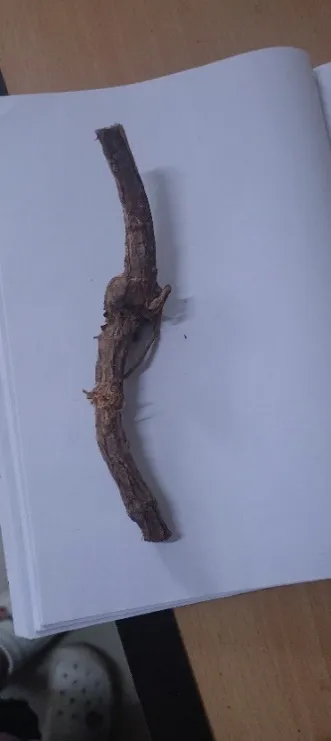
Figure 1: Macroscopic Evaluation of Root of Cayratia trifolia (L.) Domin
Microscopic evaluation – Histological evaluation
The findings are as follows:
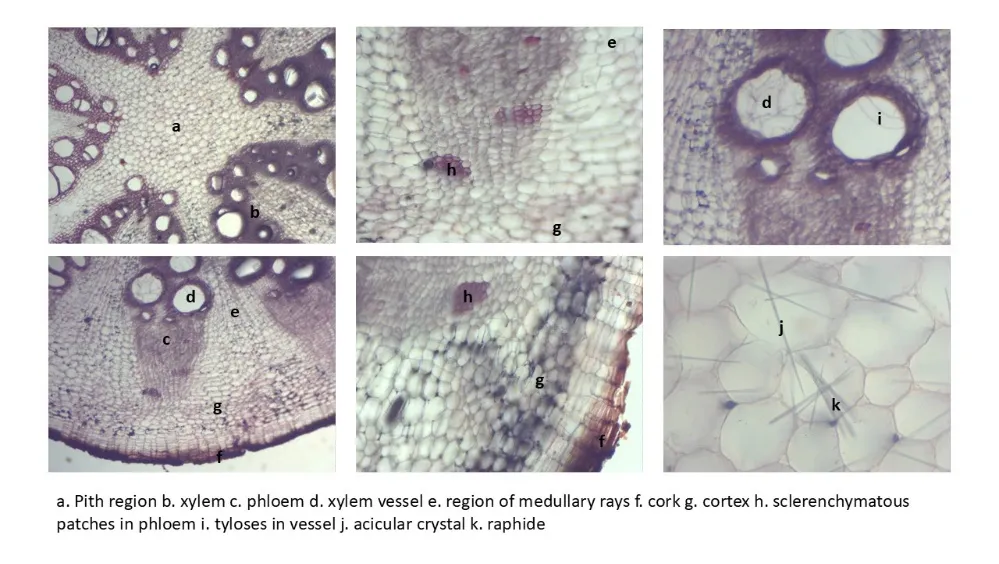
Figure 2: Microscopic Characters of Root of Cayratia trifolia (L.) Domin
Powder microscopy of root of Cayratia trifolia (L.) Domin
Fragments of epidermal tissue, fibre, vascular elements, acicular crystals, raphides, prismatic crystals of calcium oxalate and rosette crystals are observed.
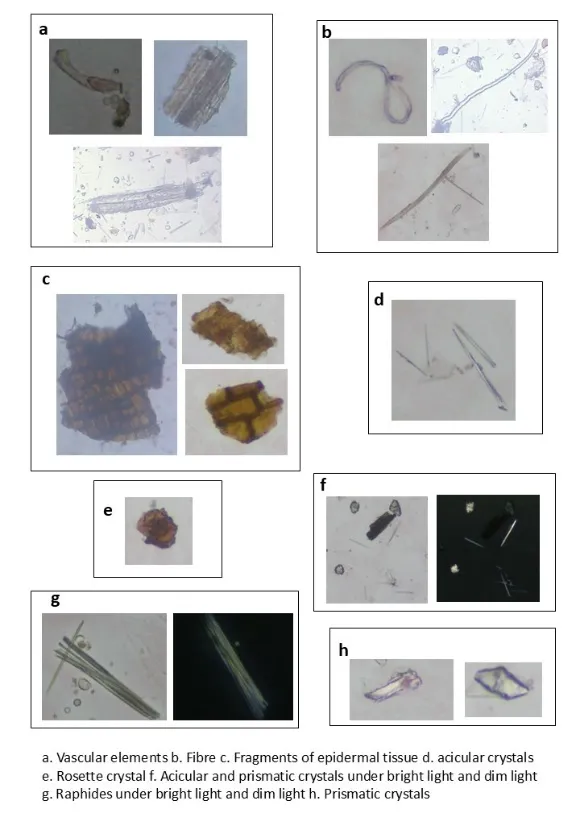
Figure 3: Powder Microscopy of Root of Cayratia trifolia (L.) Domin
Preliminary physicochemical and phytochemical evaluation of Cayratia trifolia (L.) Domin
The details of physicochemical and phytochemical evaluation are as follows.
Physicochemical evaluation of root of Cayratia trifolia (L.) Domin
Table 2: Physicochemical Evaluation of Root of Cayratia trifolia (L.) Domin
| Parameters | Observations |
|---|---|
| Foreign matter | Nil |
| Moisture content (%) | 13.4327 |
| Volatile oil content | Nil |
| Total ash (%) | 2.7 |
| Acid insoluble ash (%) | 0.07 |
| Water soluble extractive (%) | 4.17 |
| Alcohol soluble extractive (%) | 0.434 |
| Total sugar (%) | 1.54 |
| Reducing sugar (%) | Trace amount |
Qualitative analysis
The qualitative analysis for phytochemicals of Cayratia trifolia (L.) Domin root was carried out.
Table 3: Phytochemical Evaluation of Cayratia trifolia (L.) Domin Root
| Constituents | Observations |
|---|---|
| Alkaloids | + |
| Tannins | +++ |
| Flavonoids | ++++ |
| Phenols | ++ |
| Steroids | ++++ |
| Saponins | ++ |
HPTLC Analysis
HPTLC analysis of methanolic extract of Cayratia trifolia (L.) Domin was performed.
Solvent system : Toluene: ethyl acetate: formic acid in the ratio 7: 3: 0.1
Track 1- Cayratia trifolia (L.) Domin (2.0 µl) ; Track 2- Cayratia trifolia (L.) Domin (2.5 µl) ; Track 3- Cayratia trifolia (L.) Domin (3.0 µl)
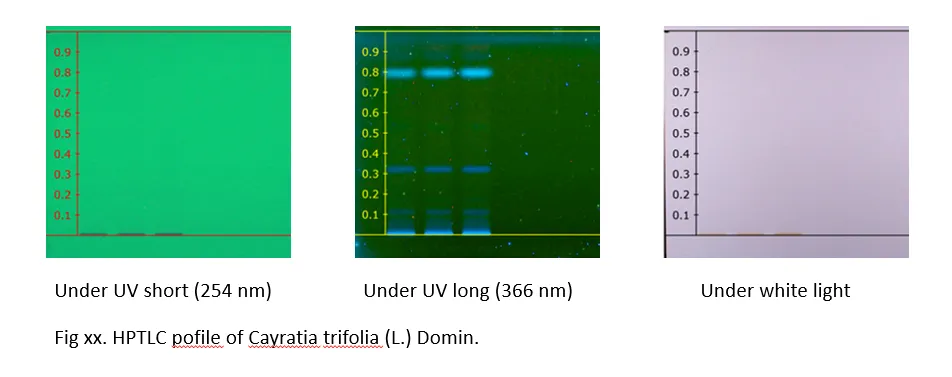
Figure 4: HPTLC Profile of Cayratia trifolia (L.) Domin
Table 4: Maximum Rf Values of HPTLC Analysis
| Track | Samples | Peak No. | Maximum Rf value | |||||
|---|---|---|---|---|---|---|---|---|
| 254 nm | 366 nm | |||||||
| Rf | H | % | Rf | H | % | |||
| Track1 | Cayratia trifolia (L.) Domin (2.0 µl) | 1 | 0.008 | 0.3086 | 84.88 | 0.008 | 0.1462 | 87.20 |
| 2 | 0.979 | 0.0550 | 15.12 | 0.979 | 0.0215 | 12.80 | ||
| Track2 | Cayratia trifolia (L.) Domin (2.5 µl) | 1 | 0.008 | 0.3145 | 93.69 | 0.008 | 0.1453 | 90.43 |
| 2 | 0.984 | 0.0212 | 6.31 | 0.974 | 0.0154 | 9.57 | ||
| Track3 | Cayratia trifolia (L.) Domin (3.0 µl) | 1 | 0.010 | 0.3686 | 96.27 | 0.010 | 0.1932 | 93.82 |
| 2 | 0.190 | 0.0143 | 3.73 | 0.977 | 0.0127 | 6.18 | ||
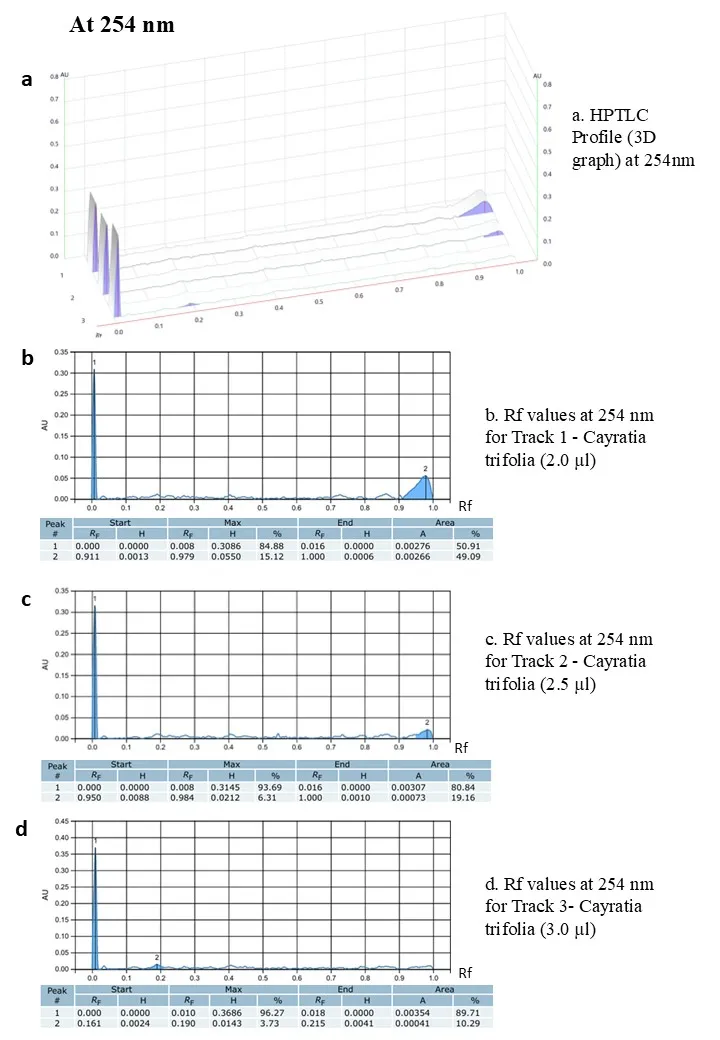
Figure 5: HPTLC Results of Cayratia trifolia (L.) Domin at 254 nm
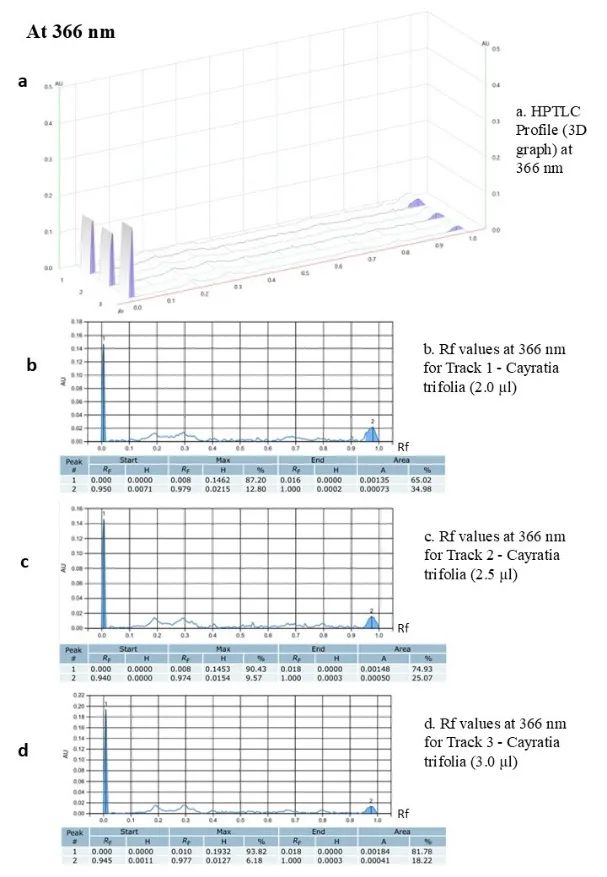
Figure 6: HPTLC Results of Cayratia trifolia (L.) Domin at 366 nm
CONCLUSION :
Throughout history, plants have been an important source of novel drug compounds, making substantial contributions to human health and wellness. Increasing world-wide interest in herbal remedies, expanding reliance of local health care of traditional remedies, and a renewed interest in the development of pharmaceuticals from plant sources have greatly increased trade in medicinal plant materials. The relatively lower incidence of adverse reactions to plant preparations compared to modern conventional pharmaceuticals, coupled with their reduced cost, is encouraging both the consuming public and national health care institutions to consider plant medicines as alternatives to synthetic drugs[15].
The incorporation of extra-pharmacopoeial drugs into mainstream healthcare can reduce the demand on the popular plants that have been labelled as endangered, threatened, vulnerable, etc. Plants having similar pharmacological actions can ease the burden of demand on the depleting ones. Evaluating plants from the traditional system of medicine is helpful to verify the efficiency of herbal drugs using modern parameters and also to elucidate the possible mode of action of drug under trial in a particular clinical condition[16].
This study is an endeavour to collect relevant information on one such drug, namely Cayratia trifolia (L.) Domin. The pharmacognostic findings along with preliminary phytochemical and physicochemical analyses were discussed. The phytochemical analysis revealed significant amounts of tannins, flavonoids and steroids. The presence of alkaloids, phenols and saponins was also detected in appreciable amounts. The results of the physicochemical evaluation were as follows: Foreign matter (nil), Moisture content (13.4%), volatile oil (nil), total ash (2.7%), Acid insoluble ash (0.07%), Water soluble extractive (4.17%), Alcohol soluble extractive (0.43%), Total sugar (1.54%) and trace amounts of reducing sugar.
HPTLC is a simple, rapid and accurate method for analyzing plant material[17]. HPTLC of the extract of roots of Cayratia trifolia (L.) Domin was performed in the solvent system: Toluene: ethyl acetate: formic acid in the ratio 7: 3: 0.1. The plate was observed through UV fluorescence viewing cabinet. At both 254 and 366 nm two peaks were detected in the chromatogram of each of the sample.
ACKNOWLEDGEMENT :
The author is grateful to Dr. Shahul Hameed A., Professor (Retd.) and Dr. M.S. Deepa, Professor & HOD, Dept. of Dravyagunavigyan, Govt. Ayurveda College, Thiruvananthapuram, Kerala, India. There is no conflict of interest related to the work.
REFERENCES

Susmitha Vasanthan, Pharmacognostic Standardization and Preliminary Physicochemical and Phytochemical Evaluation of the Roots of Cayratia Trifolia (L.) Domin, Int. J. of Pharm. Sci., 2026, Vol 4, Issue 11, 3370-3380. https://doi.org/10.5281/zenodo.24387108
 10.5281/zenodo.24387108