

We use cookies to ensure our website works properly and to personalise your experience. Cookies policy
Department of pharmaceutics, Mahatma Gandhi University, Daramdin west sikkim India.
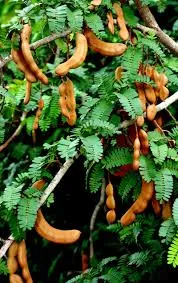
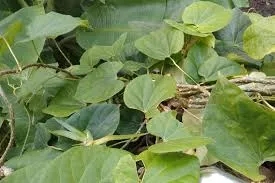
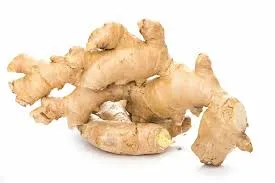
The small state Sikkim have a rich diversity of medicinal plants which is situated in Eastern Himalayan regions of India, from ancient times Sikkimese’s peoples were believed on medicinal plants to treat basic health issues and conveniences in their traditional ways. This study highlights the potential of Sikkim's medicinal plants as antidiabetic. Out of 550 medicine 30 Plants found in Sikkim, plants have shown favourable anti-diabetic activity, considering them by their local Name, parts used, picture and treatment procedure in given table
In the twenty first century, Diabetes has become one the most challenging worldwide diseases. Approximately 62 million patients suffer with diabetes in India. The most significant absolute figure among all countries1. It is approximated that there will be a surge in the disease among the Indian middle class with modern shift of lack of physical activities and the food habits and nutrition. The figure that is reckon is 101.2 million by the year 20302. Traditionally, if we talk about India, there is well developed system of Ayurveda, Unani and Siddha which is fundamentally rest on the idea of plant derived drug which is stupendous. The natural plant-based employment of medicine is found all over the world from ancient time which developed in the regulated framework over time and space. There are many defects in this system, having the rudimentary knowledge however, these are crucial depository of human knowledge which propel the advancement of the knowledge in medicine3. In the present time we have various effective western knowledge of medication for the treatment of diabetes but excessive cost with side effect is a formidable hurdle for its management. The utilization of ayurvedic medicine for the effective treatment of diabetes has been in the practice since thousands of years in the Indian and chines culture and tradition. According to the recent data of WHO it is estimated that approximately 90% of the developing population are using the plant-based product in their traditional medicine practice. The list of plant given by WHO with the estimation of 21,000, it is recorded that around 2500 species are found in the Indian subcontinent. It is documented that 800 plants depict antidiabetic capacity4.
Sikkim is a one of the smallest states of India with total geographical area of 7096 square kilometres, which is located at Eastern Himalayans Region of India containing reach flora and fauna diversity. States that share borders with China-North, Nepal- West, Bhutan-East, West Bengal – south state5.
According to the Biodiversity Board, Government of Sikkim, there are 424 medicinal plants documented and utilized by the local community in their traditional ways. The three ethnic groups of Sikkim - Lepcha, Bhutia and Nepali which they fully believed in medicinal plants for the treatment propose in different diseases and Illness from ancient period of time6.
There are many prospects for alternative treatments with medicinal plants. The development of the clinical medical system is largely attributed to nature products, which are also an essential source of therapeutic substances. Sikkim’s indigenous healing plants have been scientifically investigated and information about them has been strongly dissemination to help people improve their heath and understand more about effective medication treatments7.
|
Sl. No |
Botanical Name and Family |
Common Name (Nepali) |
Part Used |
Traditionally Used For |
Pharmacologically activity reported |
|
1 |
Anthocephalus cadamba Family: Rubiaceae |
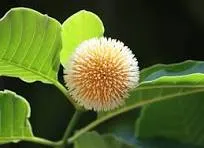
|
Leaves |
Inflammation |
Antioxidant and Antidiabetic [8] |
|
2 |
Asparagus Racemosus Family: Liliaceae |
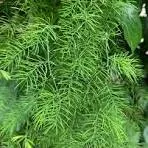
|
Leaves |
Diabetes |
Hypoglycemic, Antioxidant and Hypolilidemic [9] |
|
3 |
Bauhinia vahlii Family: Caesalpiniaceae |
Verla
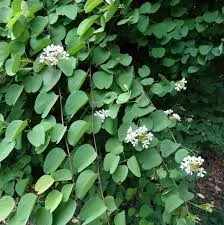
|
Stem Bark |
Diarrhea, Skin Disease |
Antidiabetic [10] |
|
4 |
Berberis aristata Family: |
Chutro
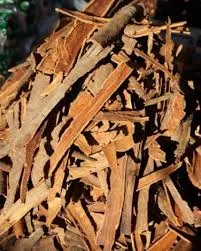
|
Stem Bark |
Inflammation, Wound healing |
Antidiabetic [11] |
|
5 |
Callicarpa arborea Family: |
Guahelo
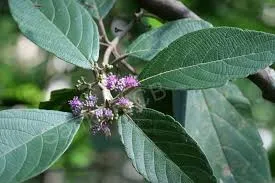
|
Stem Bark |
Fever and boils |
Antidiabetic [12] |
|
|
|
||||
|
6 |
Campylandra aurantiaca Family: Asparagaceae |
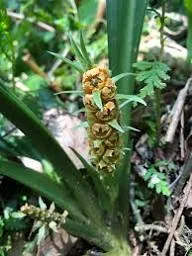
|
Flower, Rhizome |
Diabetes mellitus, antimalarial, analgesic |
Antioxidant and Hypoglycemic [13] |
|
7 |
Cassia fistula Family: Caesalpiniaceae |
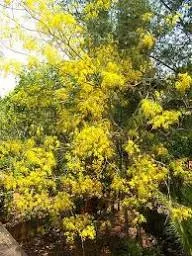
|
Leaves |
Asthma, Diabetes and eczema |
Antidiabetic [14] |
|
8 |
Centella asiatica Family: Mackinlayaceae |
Gora taprey
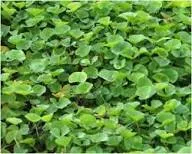
|
Leaves |
Asthma |
Antioxidant, Antidiabetic [15] |
|
9 |
Chenopodium album Family: Chenopodiaceae |
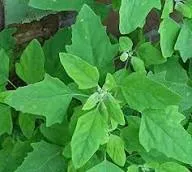
|
Root |
Piles, eye disease |
Antidiabetic Antihyperlipidemic [16] |
|
10 |
Clerodendron infortunatum Family: Verbenaceae |
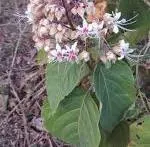
|
Leaves, Flower |
Dysentery |
Antihyperglycemic [17] |
|
11 |
Costus Speciosus Family: Costaceae |
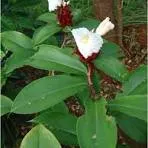
|
Rhizome |
Diabetes |
Antidiabetic Antilipidemic [18] |
|
|
|
||||
|
12 |
Dioscorea alata Family: Dioscoreaceae |
Ghartarul
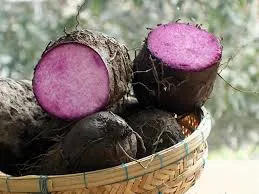
|
Fruit |
Piles, Constipation |
Antioxidant, Antidiabetic [19] |
|
13 |
Drymaria cordata Family: Caryophyllaceae |
Abhijalo
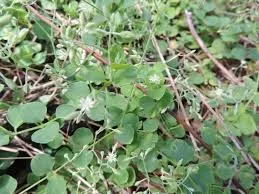
|
Leaves |
Pneumonia, Infant fever, Sinusitis |
Antidiabetic [20] |
|
14 |
Edgewotthia gardener Family: Thymelaeaceae |
Argaily
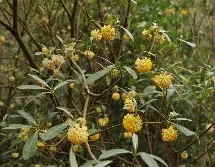
|
Flower, Stem bark |
Fish poison |
Antidiabetic [21] |
|
15 |
Fagopyrum esculentum Family: Polygonaceae |
Mithey phapur
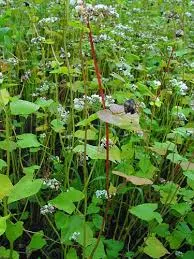
|
Bran |
Haemostasis Ulcer |
Antioxidant Hypolipidemic Antidiabetic [22] |
|
16 |
Ficus semicordata Family: Moraceae |
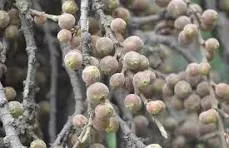
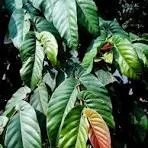
|
Root, Fruit, Leaves |
Bladder Complaints |
Antioxidant Antidiabetic [23] |
|
17 |
Fraxinus floribunda Family: Oleaceae |
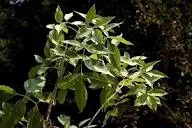
|
Bark |
Diabetes, Gout Boils |
Antihyperlipidemic Antidiabetic [24] |
|
18 |
Garuga pinnata Family: Burseraceae |
Dubdabay
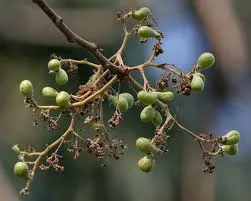
|
Bark |
Dislocation Bone Wound healing |
Antidiabetic [25] |
|
19 |
Gloriosa superb Family: Liliaceae |
Langarey tarul
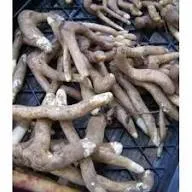
|
Root tuber |
Aarthritis |
Antioxidant Antidiabetic [26] |
|
20 |
Jatropha curcas Family: Euphorbiaceae |
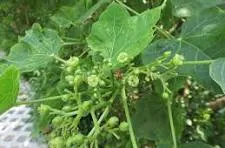
|
Bark |
Dysentery Skin disease |
Antidiabetic [27] |
|
|
|
||||
|
|
|
||||
|
21 |
Oxalis corniculata Family: Oxalidaceae |
Chariamilo
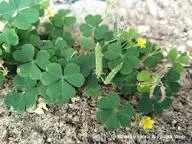
|
Entire Plant |
Dysentery Fever Anemia Appetite |
Antidiabetic Antioxidant [28] |
|
22 |
Oroxylum indicum Family: Bignoniaceae |
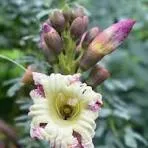
|
Flower |
Asthama Dysentery |
Antioxidant Antidiabetic [29] |
|
23 |
Physalis minima Family: |
Raasbhari
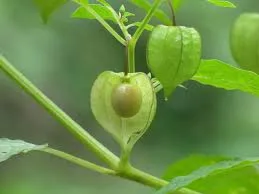
|
Fruit |
Diuretic Inflammation |
Hypoglycemic [30] |
|
24 |
Rubus ellipticus Family: Rosaceae |
Aeiselu
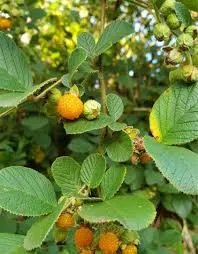
|
Fruit |
Astringent Kidney tonic |
Antidiabetic Antioxidant [31] |
|
|
|
||||
|
25 |
Smilax zeylanica Family: Smilacaceae |
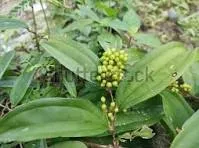
|
Rhizome |
Urinary compliant Dysentery |
Antidiabetic [32] |
|
26 |
Stephania glabra |
Tamarkey
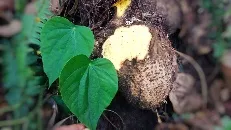
|
Tubers, Root |
Diabetes Tuberculosis Fever |
Antidiabetic [33] |
|
27 |
Syzygium cumini Family: Myrtaceae |
Jyamuna
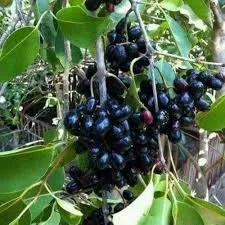
|
Stem bark |
Diabetes |
Antidiabetic [34] |
|
28 |
Tamaarindus indica Family: Caesalpiniaceae |
Teet - teetee
|
Fruit pulp |
Ulcer Inflammation |
Antioxidant Hypolipidemic Antidiabetic [35] |
|
29 |
Tinospora cordifolia Family: Menispermaceae |
Gurjo
|
Root |
Diabetes |
Antidiabetic [36] |
|
30 |
Zingiber officinale Family: |
|
Rhizome |
Fever, Cold |
Antidiabetic [37] |
CONCLUSION
Northeastern India is the habitat to a vast variety of special plant species that are extensively utilized in traditional medical practices. Different parts of various plants such as leaves, Fruit, steam bark, Root, flowers etc shown different therapeutical bioactivity for the treatment for different diseases. Out of 424 medicinal plants species documented by Government of Sikkim, 30 medicinal plants species have discussed in this mini- review which shown Anti-diabetes properties. Further research and studies can be carried out in different medicinal plants which show medicinal value like anti-diabetes. researching the undiscovered plants resources in Sikkim, India, could show the way for the pharmaceutical industry to create novel, lifesaving medication that will improve the health of individuals.
REFERENCES

Diwas manger, Sunita limboo, A Review of The Antidiabetic Properties of The Medicine Plants Found in the Sikkim Himalayas, Int. J. of Pharm. Sci., 2026, Vol 4, Issue 6, 5685-5693, https://doi.org/10.5281/zenodo.20797335
 10.5281/zenodo.20797335