

We use cookies to ensure our website works properly and to personalise your experience. Cookies policy
Nalanda Institute of Pharmaceutical Sciences, Siddharth Nagar, Kantepudi, Sattenapalli, Guntur, Andhra Pradesh, India 522438
Drug repurposing, or repositioning, has emerged as a pivotal strategy in pharmaceutical research, offering a promising approach to uncover new therapeutic uses for existing drugs. While traditional de novo drug discovery typically requires 10–17 years and investments exceeding $2 billion with only 11% of Phase I candidates reaching approval, drug repurposing can reduce development timelines to 3–12 years at substantially lower costs, with approval rates reaching approximately 30% for de-risked compounds. The current review evaluates recent approaches, benefits, challenges and successful examples of drug repurposing. Relevant literature related to the advantages and obstacles associated with drug repurposing were reviewed. Additionally, the review demonstrates computational and data-driven methods, as well as traditional and novel examples of repurposed drugs across different therapeutic fields. Drug repurposing offers a faster and cost-effective approach to new therapies, particularly for critical conditions, such as rare diseases, neurodegenerative disorders and cancer. These advantages overcome the shortcomings of traditional drug development. Successful examples include the repurposing of dimethyl fumarate, chorusing and daptomycin, which addressed a range of medical indications beyond the original drug uses. Collectively, these findings demonstrate that drug repurposing provides a viable solution for accelerating the process of drug discovery and addressing urgent medical needs. The integration of advanced computational methods and enhancing collaborative research projects would allow further expansion of treatment options and supporting timely solutions for critical and rare medical conditions.
Drug repurposing is the technique of using an existing drug or drug candidate for a new treatment or medical condition for which it was not indicated before. It was initially developed to treat a different medical condition. It has been described as a serendipitous process that happens unexpectedly. In this process, the undesired side effects of drug molecules can also be a pointer to exploring the possibility of its effectiveness in an entirely different medical condition . Usually, drugs with established safety in humans and tested and developed for efficacy in a particular disease other than the one for which they were developed. This process brings the drugs directly to preclinical and clinical trials, skipping the drug development process, and thus reducing risk and costs
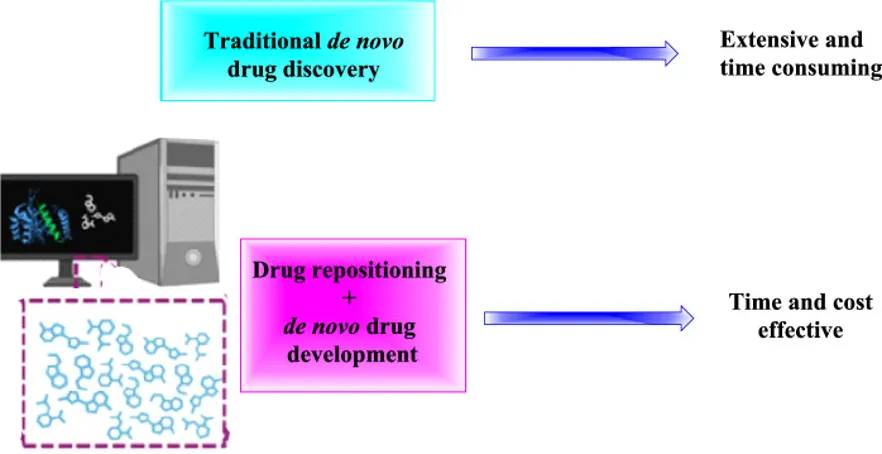
Figure 1:-Drug repositioning through technology
DEFINITION OF DRUG REPURPOSING :
Drug repurposing (or repositioning) is the practice of investigating existing, approved, or shelved medications for entirely new medical conditions. Because these drugs already have established human safety data, the approach drastically cuts development costs and timelines by skipping the early, lengthy phases of drug design.
A well-known example is Sildenafil (Viagra), which was originally studied and prescribed for angina and heart conditions until its side effects revealed its efficacy for erectile dysfunction and pulmonary hypertension.
Why Drug Repurposing Matters :
Faster to Market: Traditional drug discovery often takes over a decade, while repurposed drugs can sometimes reach clinical implementation in just 3 years since their toxicity and dosing parameters are already known.
Lower Risk: Since the safety profile in humans is well-understood, these drugs are less likely to fail in advanced clinical trials due to unexpected toxicity.
Cost-Efficient: Pharmaceutical companies and researchers save millions by bypassing the initial preclinical testing phases.
Historical Context and Evolution of Drug Repurposing:
Throughout history, DRP has often occurred opportunistically and by chance. When a drug exhibited an unintended off‐target effect or a newly discovered on‐target effect, it was then explored for potential commercial use. Notably, many successful instances of DRP were not the result of a systematic approach. For instance, sildenafil citrate, initially developed as an antihypertensive medication, found unexpected success in treating erectile dysfunction after retrospective clinical observations. Similarly, thalidomide, originally introduced as a sedative but later withdrawn due to its association with severe birth defects, was fortuitously repurposed for conditions such as erythema nodosum leprosum (ENL) and multiple myeloma (MM) . Thalidomide, originally withdrawn due to teratogenic effects, received FDA approval in 1998 for ENL and in 2006 for MM, following clinical trials demonstrating significant improvements in progression‐free survival.
Sildenafil, marketed as Viagra for erectile dysfunction treatment by Pfizer, captured a significant market share, generating worldwide sales of $2.05 billion in 2012 [. Thalidomide, despite its initial setbacks, emerged as an effective therapy for ENL in 1964 and later for MM in 1999 . Its success led to the development of derivative drugs like , Celgene), which achieved global sales of $8.2 billion in 2017. While some successful DRP cases stemmed from an understanding of drug pharmacology or retrospective clinical analyses, others resulted from more systematic approaches. These systematic approaches have identified numerous promising candidate drugs, many of which are undergoing advanced clinical trials for various diseases, both common and rare. However, significant technical, regulatory and organizational challenges persist, hindering the progress of DRP efforts. by streamlining compound screening and predicting new indications. Today, repurposing offers a cost-effective, time-efficient approach to drug discovery, promising to address unmet Despite challenges such as regulatory hurdles and intellectual property issues, interdisciplinary collaboration and technological innovation signal a bright future for drug repurposing, with potential improvements in patient care and public health outcomes.
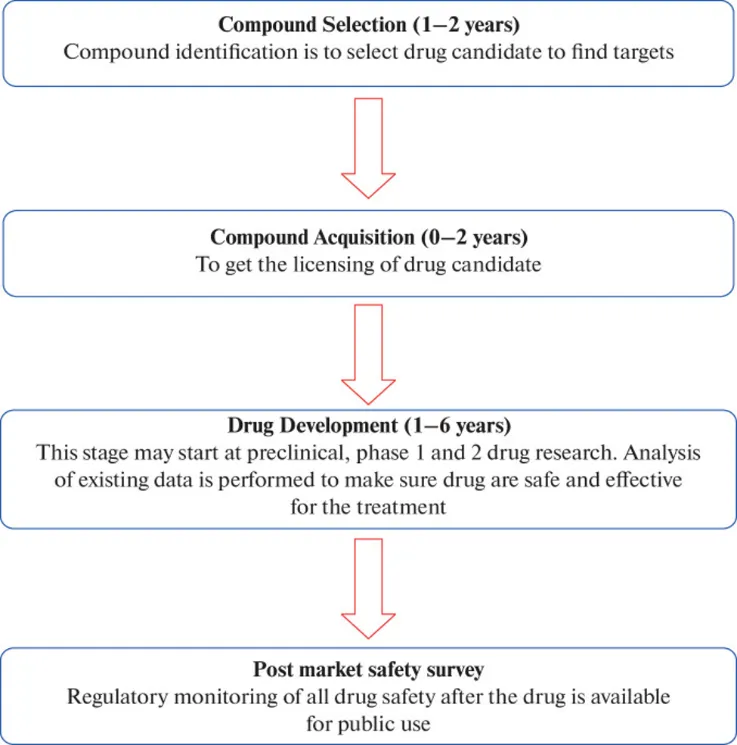
STAGES OF DRUG REPURPOSING :
The stages of repurposing are elucidated
IMPORTANTC OF DRUG REPURPOSING :
Repurposing can identify new compounds based on phenotypic benefits without explicitly defining the mechanism of action. This can be directly tested in preclinical animal models, and these results are more applicable to clinical applications and research. It may progress directly straight to Phase II clinical trials There is a minimum risk of failure with repurposed drugs . The difference between traditional drug discovery and drug repurposing is describe.
Main approaches to drug repurposing:
Pharmaceutical organizations typically take one of three approaches to drug repurposing as part of a systematic strategy: drug, disease and target centric. They each explore the relationships between drugs, diseases and targets in different ways based on the therapeutic action of a drug. Disease- and target-centric approaches are the most commonly used approaches.1
Drug centric
A drug-centric approach expands the application of an existing drug to a new indication. Drug-centric repurposing may begin by:
Discovering off-label use of an approved drug for a new patient population or medical condition outside the scope of a medicine’s existing license or patent
Reviewing investigational or abandoned drugs that initially showed poor efficacy for another indication or did not secure regulatory approval
Identifying new uses for drugs pulled from circulation due to safety or post-market issues that are still efficacious for other medicinal uses
Repositioning drugs that have reached the end of the patent exclusivity period and have generic competitors for new conditions
Disease centric
A disease-centric approach matches diseases with no treatments or with partially effective treatments with approved or failed compounds with therapeutic impact. It is particularly valuable in drug repurposing efforts for rare diseases. It involves identifying diseases with homologous underlying biological mechanisms to the indication the original drug treats. For example, a drug developed to treat cancer could also treat other diseases with uncontrolled cell growth, such as psoriasis.
Target centric
A target-centric approach matches a new indication without a treatment, with an established drug and its known target; the old and new indications typically differ quite significantly. It involves investigating the specific molecular targets that are implicated in the pathology of a disease and using the existing drug proven to modulate those targets. This approach is also particularly useful when seeking to repurpose drugs to treat rare diseases.
Drug repurposing challenges:
A) .Technical challenges to drug repurposing :
There are several technical challenges that pharmaceutical organizations may face when pursuing computational methods to support drug repurposing projects.
B) Data volume and hygiene
Drug repurposing requires access to considerable volumes of data, including compound libraries, patent data, pharmacological data, and published scientific literature. Large datasets are more likely to suffer from poor data hygiene, increasing the likelihood of errors, inconsistencies and duplications. Some datasets may be restricted by privacy and security concerns, regulatory rules, or are inaccessible externally. Yet missing data impacts outcomes.
C) Data heterogeneity
The types of data required to support drug repurposing are varied and originate from multiple sources. Data are often siloes and stored in multiple formats, such as unstructured text files and images, electronic lab notebooks, spreadsheets and databases. Repurposing also uses many data types, such as biology/omics and chemistry data. The heterogeneity of the data poses significant challenges for integration, analysis and management.
D) Tooling and platform barriers
Significant and highly scalable computing power is needed to collect, store, process, manage and analyze data as volumes expand and the number of sources increase. Platforms that can easily connect data via APIs are essential to “serve” data to internal audiences who are not data science experts. Specialist techniques to organize data are also important, for example, expert ontologies, taxonomies, indexing and metadata tagging.
E) Lack of technical expertise
Building a knowledge graph or graph neural network, or creating an in silico model or digital twin, requires cross-domain expertise that spans science and technology. Smaller to medium-sized pharmaceutical organizations may not have teams capable of both integrating and harmonizing fragmented and disparate datasets, and who can parse a drug repurposing research question with access to the full context of the question.
F) Efficacy and safety
A repurposed drug candidate may prove to be less effective for a new indication than it was for the original licensed purpose, or it may not show a marked increase in efficacy over treatments that already exist. In some cases, there may be limited clinical evidence to support the use of the new indication being pursued.
Additionally, drug repurposing candidates may not be as beneficial when newly employed in combination therapies than in their previous usage as a single therapy. Combining drugs also necessitates new clinical trials; expensive and time-consuming clinical studies may then negate the cost savings of a repurposed drug. Where a generic equivalent for the drug exists, the subsequently lower potential profit margin also does not support the business case for clinical trials.
G) Regulatory challenges to drug repurposing
H) Repurposing process
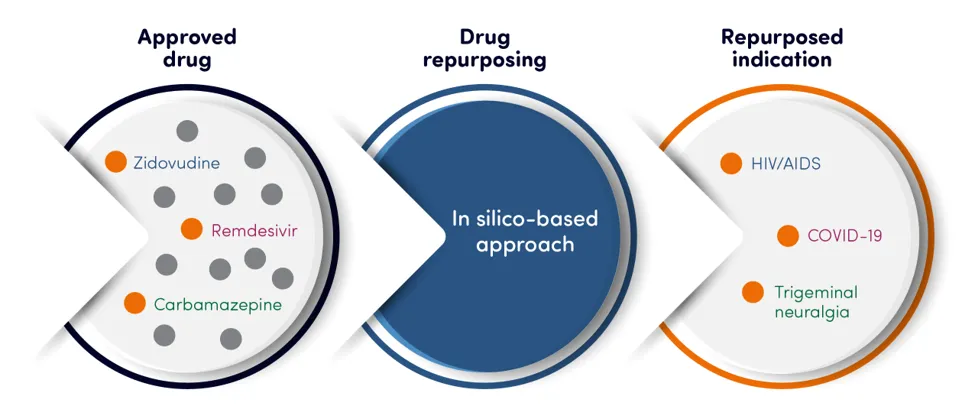
Figure 2:-Process of drug repurposing
APPLICATION IN DEFFERENT DIESASES
Drug repurposing for rare diseases:
Successful examples of repurposing for rare diseases often stem from collaborative approaches that leverage both scientific, data science, computational and technical expertise. For example, a datathon run by Elsevier and The Pistoia Alliance identified four new candidates for drug repurposing to treat chronic pancreatitis. And a demonstration by SciBite and Star dog that took just 40 minutes showed how to build a knowledge graph to identify repurposing candidates for Friedrich’s Ataxia.
Learn more about repurposing for rare diseases through the Elsevier Year of the Zebra initiative.
Oncology: Non-cancer drugs are redirected to treat tumors. For example, thalidomide, originally used for morning sickness, is now a standard treatment for multiple myeloma. Similarly, the diabetes drug metformin is utilized in rare cancer syndromes.
Infectious Diseases: Rapid screening helps address public health emergencies. The antiviral redeliver, initially developed for Ebola, was adapted for COVID
ADVANTAGES OF DRUG REPURPOSING:
Drug repurposing offers several advantages over traditional drug discovery and development processes. One primary advantage is its facilitation of rapid clinical translation. Unlike traditional drug discovery, which entails extensive preclinical research and clinical trials, repurposing utilizes existing clinical data and safety profiles, accelerating candidate progression into human studies. Moreover, repurposing significantly reduces costs and time compared to de novo drug development, bypassing early-stage processes such as compound synthesis and toxicity testing. As a result, development costs are lower, and time to market is faster.Repurposing also boasts lower failure rates in clinical trials, given the drugs’ established safety profiles, minimizing trial failures due to safety concerns.
Computational Methods and Bioinformatics Tools
CTs for DRP encompass a variety of methods such as molecular docking, ML and in silicone approaches. These methodologies are utilized to screen approved drugs or potential candidates for their antiviral properties, which can then be repurposed to address emerging diseases like COVID‐19. This repurposing process is particularly advantageous in combating infectious diseases as it enables the rapid identification of effective antiviral agents without the necessity for extensive preclinical trials [40]. Molecular docking serves as a method to investigate the binding affinity of a drug molecule with a specific target protein, such as the SARS‐CoV‐2 Main Protease. Utilizing software like Auto Dock VINA, this technique predicts the strength of interaction between the drug and the target protein. For instance, in the case of the SARS‐CoV‐2 Main Protease, three drugs (depraver, redelivery and sacrileges) exhibited stronger binding affinity than the active Mpro inhibitor, with depriver and redeliver demonstrating the highest binding affinity . ML methods can be applied to identify analogous drugs capable of treating comparable diseases
In addition to simple docking scores, modern bioinformatics workflows incorporate transcriptome‐wide differential gene expression analysis and integrate it with protein–protein interaction networks. This allows for the identification of hub genes that may be more relevant to disease phenotypes.
Tools like Connectivity Map () and LINCS L1000 can predict drugs that reverse disease‐specific expression profiles . When combined with network pharmacology, such predictions form the basis for prioritizing repurposing candidates.
Examples of Successful Drug Repurposing:
Cancer Drugs in No oncological Conditions
By adopting an alternative technique, which is to repurpose cancer drugs for use in disorders that are not connected to oncology, it is feasible to provide a broader number of alternatives for mitigating the effects of cancer.The significant breakthrough was achieved while undergoing COVID‐19 therapy. Interleukin inhibitors, like IL‐6 or IL‐6 receptor blocking antibodies (Abs), were used in COVID‐19 therapy.These Abs include tocilizumab (Ackerman), sailormen (Kevlar) and siltuximab (Sylvan), all of which have been reviewed and authorized by the FDA for the treatment of a range of conditions.
Castle man’s syndrome, smoldering MM and lymphoproliferative diseases are some of the ailments that fall into this category.Many JAK inhibitors, including routine, have shown promise as possible treatments for COVID‐19. For the treatment of primary myofibrils’ and polycythemias versa, these medications previously been granted a license. Steroids and seiner, a selective nuclear export inhibitor, have been licensed for use in the treatment of MM patients who have had a relapse or who have been resistant to previous treatments . On the other hand, there is a growing body of evidence that shows that XPO‐1 inhibitors may directly reduce the reproduction of some viruses b limiting nuclear transport
CONCLUSION
Drug repurposing provides a rapid, cost-effective pathway for discovering new treatments across multiple disease areas. Notable examples include clementine and amantadine for neurological disorders, digoxin, statins, and aspirin for various cancers, Minoxidil for hair loss, and propranolol for infantile hemangioma (Figure II). These cases highlight the ability of existing drugs to exert novel therapeutic effects through diverse mechanisms. However, translating preclinical and early clinical findings into approved therapies remains challenging due to limitations in assay validity, model relevance, trial design have, and disease complexity. Future strategies should emphasize rigorous clinical validation through large, randomized trials, mechanistic and translational research to confirm drug behavior in humans, and target repurposing using genomics and AI to identify responsive subgroups. Additional priorities include exploring combination therapies, developing advanced delivery systems, addressing regulatory and intellectual property barriers, and ensuring long-term safety monitoring. Therapeutic areas with the greatest repurposing potential include neurology, oncology, cardiovascular disorders, dermatology, and rare diseases, where unmet clinical needs and shared biological pathways create opportunities for innovative treatment approaches. By focusing on these areas, drug repurposing can accelerate treatment development and improve patient outcomes across a broad spectrum of conditions.
ACKNOWLEDGEMENT
I would like to express my sincere gratitude to everyone who supported and guided me in the completion of this article. First and foremost, I am thankful to my respected faculty members for their valuable guidance, encouragement, and continuous support throughout the preparation of this work. I would also like to thank my institution for providing the necessary facilities and resources required to complete this article successfully. I am grateful to my friends and classmates for their valuable suggestions, cooperation, and encouragement. Finally, I express my heartfelt thanks to my parents and family members for their constant support, motivation, and encouragement. Their support helped me complete this article successfully. Thank you to everyone who contributed directly or indirectly to the successful completion of this work.
REFERENCES

K. Malleswari, Dr. D. Rama Brahma Reddy, U. Ajay, A Review on Drug Repurposing a New Approach to Drug Development, Int. J. of Pharm. Sci., 2026, Vol 4, Issue 9, 1710-1718. https://doi.org/10.5281/zenodo.22752709
 10.5281/zenodo.22752709