

We use cookies to ensure our website works properly and to personalise your experience. Cookies policy
1 Department of Pharmacognosy, Priyadarshini J.L. College of Pharmacy, Nagpur, India
2 Department of Pharmacognosy, Priyadarshini J.L. College of Pharmacy, Nagpur, India
3 Assistant Professor, Department of Pharmacognosy, Priyadarshini J.L. College of Pharmacy, Nagpur, India
Leucoderma (vitiligo), known as Shwitra in Ayurveda, is a chronic acquired depigmenting disorder characterized by the selective destruction of melanocytes, resulting in well-defined white patches on the skin. Although conventional treatment modalities, including topical corticosteroids, calcineurin inhibitors, phototherapy, surgical interventions, and targeted immunotherapies, have shown therapeutic benefits, their clinical utility is often limited by variable efficacy, recurrence, prolonged treatment duration, and adverse effects. Ayurveda offers a holistic approach to the management of Shwitra through purification (Shodhana), pacification (Shamana), external applications (Lepa), dietary regulation (Pathya-Apathya), and lifestyle modifications. Several classical Ayurvedic formulations, including Khadirarishta, Arogyavardhini Vati, Pancha Tikta Ghrita Guggulu, Aragwadhadi Lepa, and Gandhak Rasayana, are traditionally employed to restore skin pigmentation and improve overall health. In addition, medicinal plants such as Psoralea corylifolia, Rubia cordifolia, Tinospora cordifolia, Curcuma longa, Azadirachta indica, and Acacia catechu have demonstrated antioxidant, anti-inflammatory, immunomodulatory, and melanocyte-stimulating properties, supporting their potential role in vitiligo management. This review summarizes the Ayurvedic concepts, therapeutic strategies, classical formulations, and List of medicinal plants used in the management of leucoderma while highlighting the available scientific evidence. It also emphasizes the need for well-designed pharmacological and clinical studies to validate the efficacy, safety, and mechanisms of Ayurvedic interventions for evidence-based integration into contemporary dermatological practice.
Fungal infections are considered a global health Leucoderma, commonly known as vitiligo and referred to as Shwitra in Ayurveda, is a chronic acquired depigmenting disorder characterized by the selective destruction of functional melanocytes, resulting in well-defined depigmented macules and patches on the skin. The disorder affects approximately 0.5–2% of the global population and may occur at any age irrespective of sex or ethnicity. Although vitiligo is neither contagious nor life-threatening, its visible appearance often leads to considerable psychological distress, social stigma, reduced self-esteem, anxiety, depression, and impaired quality of life. [1,2]
Clinically, vitiligo presents as well-demarcated depigmented macules and patches that may progressively enlarge or coalesce over time. The lesions commonly involve the face, hands, forearms, feet, and genital regions, and in some patients, the hair within affected lesions also becomes depigmented, a condition known as leukotrichia.[2] Based on clinical distribution, vitiligo is broadly classified into segmental and non-segmental forms, with non-segmental vitiligo representing the most common subtype.[3]
The exact etiology of vitiligo remains incompletely understood; however, it is considered a multifactorial disorder involving genetic predisposition, autoimmune mechanisms, oxidative stress, and environmental influences. The autoimmune hypothesis is the most widely accepted explanation, suggesting that autoreactive cytotoxic T lymphocytes selectively destroy melanocytes, leading to progressive depigmentation.[3] Several susceptibility genes associated with immune regulation and melanocyte function have also been identified, supporting a significant genetic contribution to disease development. Environmental factors including excessive ultraviolet radiation, chemical exposure, physical trauma, infections, and psychological stress may trigger disease onset or exacerbate existing lesions in genetically susceptible individuals.[4]
Current therapeutic strategies primarily aim to arrest disease progression, stimulate repigmentation, prevent the formation of new lesions, and improve cosmetic appearance and quality of life. Conventional treatment modalities include topical corticosteroids, topical calcineurin inhibitors, narrowband ultraviolet B (NB-UVB) phototherapy, psoralen plus ultraviolet A (PUVA), surgical interventions such as melanocyte transplantation, and recently developed targeted immunotherapies including Janus kinase (JAK) inhibitors.[5–7] Although these therapeutic approaches have demonstrated encouraging clinical outcomes, their effectiveness varies considerably among patients, and long-term treatment is often associated with incomplete repigmentation, recurrence, prolonged therapy, and adverse effects.[3,5]
Recent evidence has highlighted oxidative stress as one of the major contributors to vitiligo pathogenesis. Excessive production of reactive oxygen species damages melanocytes, enhances inflammatory responses, and promotes autoimmune-mediated destruction of pigment-producing cells.[8,9] Consequently, antioxidants and immunomodulatory agents have attracted increasing attention as adjunctive therapeutic strategies.[10] Medicinal plants represent an important source of such bioactive compounds because many possess antioxidant, anti-inflammatory, immunomodulatory, and melanocyte-stimulating properties while exhibiting relatively favorable safety profiles.[11]
Ayurveda describes leucoderma as Shwitra, a subtype of Kushtha Roga (skin disorders), resulting from the vitiation of the Tridoshas, particularly Pitta Dosha, with involvement of Rakta, Mamsa, and Meda Dhatus.[12] Classical Ayurvedic management involves Shodhana (purification therapies), Shamana (palliative therapy), external applications (Lepa), dietary regulation (Pathya-Apathya), and lifestyle modifications aimed at restoring doshic balance and promoting repigmentation. Several medicinal plants including Psoralea corylifolia, Rubia cordifolia, Tinospora cordifolia, Curcuma longa, and Azadirachta indica have traditionally been employed in the management of Shwitra because of their antioxidant, immunomodulatory, anti-inflammatory, and melanocyte-stimulating activities.[11,13]
Despite considerable advances in understanding vitiligo pathogenesis and treatment, the disease remains therapeutically challenging because of variable clinical responses, frequent relapse, and the absence of a definitive cure. Therefore, a comprehensive review of ethnomedicinal plants, classical Ayurvedic formulations, and contemporary scientific evidence is warranted to critically evaluate their therapeutic potential and identify future research directions for the evidence-based integration of Ayurvedic interventions into modern dermatological practice.
Treatment Options
Several therapeutic modalities are currently available for the management of leucoderma (vitiligo); however, no treatment offers a definitive cure. The primary goals of therapy are to arrest disease progression, induce repigmentation of depigmented lesions, prevent the development of new lesions, and improve cosmetic appearance and patients' quality of life. The selection of an appropriate treatment strategy depends on various factors, including the clinical subtype of vitiligo, extent and distribution of lesions, disease activity, patient age, duration of illness, and response to previous therapies.[2,3]
Phototherapy remains one of the most effective and widely accepted treatment modalities for vitiligo. Narrowband ultraviolet B (NB-UVB; 311–313 nm) is currently considered the gold-standard phototherapeutic approach because it promotes melanocyte proliferation, migration, and melanogenesis while exerting immunomodulatory effects that suppress autoimmune-mediated melanocyte destruction.[4,5] Compared with psoralen plus ultraviolet A (PUVA) therapy, NB-UVB demonstrates superior efficacy, a more favorable safety profile, and fewer adverse effects, making it the preferred treatment for generalized or progressive vitiligo.[3,4]
Topical corticosteroids and calcineurin inhibitors, including tacrolimus and pimecrolimus, constitute the first-line treatment for localized vitiligo owing to their anti-inflammatory and immunomodulatory properties.[2,3] In patients with rapidly progressive disease, systemic corticosteroids may be administered for short durations to suppress autoimmune activity and stabilize disease progression.[2] Surgical interventions, such as melanocyte transplantation, punch grafting, split-thickness skin grafting, and epidermal cell suspension techniques, are reserved for patients with stable vitiligo who fail to respond adequately to conventional medical therapy.[2,4] Supportive measures including cosmetic camouflage, depigmentation therapy for extensive disease, psychological counselling, and patient education also play an important role in improving self-esteem, treatment adherence, and overall quality of life.[2]
Recent advances in the understanding of vitiligo immunopathogenesis have led to the development of targeted biological therapies. Janus kinase (JAK) inhibitors represent one of the most promising therapeutic innovations, as they inhibit the interferon-γ/Janus kinase-signal transducer and activator of transcription (IFN-γ/JAK-STAT) signaling pathway responsible for melanocyte destruction.[5] Clinical studies have demonstrated encouraging repigmentation outcomes, particularly when JAK inhibitors are used in combination with NB-UVB phototherapy. Nevertheless, long-term safety, durability of repigmentation, treatment cost, and disease recurrence remain important clinical challenges. [3,5]
Despite significant advances in conventional therapy, treatment responses remain variable, and complete, permanent repigmentation is seldom achieved. Furthermore, prolonged treatment may be associated with adverse effects, frequent relapses, and substantial financial burden. These limitations have stimulated growing interest in complementary and alternative therapeutic approaches, particularly medicinal plants possessing antioxidant, anti-inflammatory, immunomodulatory, and melanocyte-stimulating properties. Such plant-based therapies may serve as valuable adjuncts to conventional treatment and have become an important focus of contemporary research. The currently available treatment options for vitiligo are summarized in Figure 1. This growing interest in natural therapies has also renewed scientific attention toward Ayurveda, where Shwitra has been comprehensively described and managed using holistic therapeutic principles for centuries.
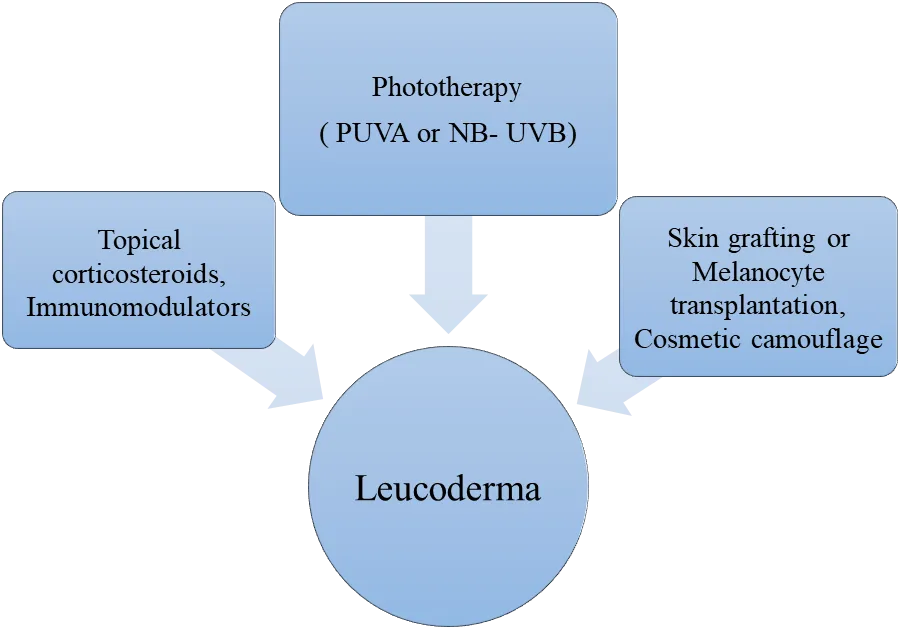
Figure 1. Treatment options for Leucoderma
Ayurvedic Management of Leucoderma (Shwitra)
The Ayurvedic management of Shwitra aims to restore the equilibrium of the Tridoshas, eliminate accumulated toxins, purify the body, stimulate repigmentation, and prevent disease recurrence through a comprehensive and individualized therapeutic approach.[10,11] Treatment is selected according to the patient's constitutional type (Prakriti), disease stage, doshic predominance, and overall health status.
The cornerstone of Ayurvedic treatment is Shodhana Chikitsa (bio-purification therapy), which eliminates aggravated doshas through procedures such as Vamana (therapeutic emesis), Virechana (therapeutic purgation), and Raktamokshana (bloodletting). These purification procedures are followed by Shamana Chikitsa, which involves the administration of herbal and herbo-mineral formulations to restore doshic balance, improve tissue metabolism, and promote repigmentation.[11]
External therapeutic measures (Bahya Chikitsa) including Lepa (topical herbal pastes), medicated oils, and other local applications are frequently employed to stimulate melanocyte activity and enhance pigmentation. Equally important are Pathya-Apathya (dietary recommendations and restrictions) and lifestyle modifications, which emphasize the avoidance of incompatible foods (Viruddha Ahara), maintenance of proper digestive function, and adoption of healthy daily routines to minimize disease recurrence.[10]
Several medicinal plants have been extensively utilized in Ayurvedic practice for the management of Shwitra, including Bakuchi (Psoralea corylifolia), Khadira (Acacia catechu), Manjistha (Rubia cordifolia), and Guduchi (Tinospora cordifolia). These plants possess diverse pharmacological activities, including antioxidant, anti-inflammatory, immunomodulatory, antimicrobial, and melanocyte-stimulating properties, which may contribute to their therapeutic efficacy in vitiligo.[9,11] Recent pharmacological and clinical investigations have provided increasing scientific evidence supporting the potential role of these medicinal plants as complementary therapeutic agents in vitiligo management.
Although considerable advances have been achieved in conventional treatment modalities, Ayurveda continues to offer a holistic approach that integrates purification therapies, herbal medicines, dietary regulation, and lifestyle interventions. These principles complement modern therapeutic strategies and have attracted growing scientific interest because of their potential efficacy, favorable safety profile, and emphasis on long-term disease management. The principal Ayurvedic therapeutic approaches employed in the management of Shwitra are summarized in Table 1.
Table 1: Various Ayurvedic therapies for the treatment of Leucoderma
|
SN |
Therapy |
Mechanism of Action |
Examples |
References |
|
1 |
Shodhana (Bio-purification Therapy) |
Eliminates vitiated doshas and metabolic toxins (Ama), restores doshic balance, and prepares the body for subsequent therapies. |
Virechana (therapeutic purgation) – predominantly for Pitta disorders; Vamana (therapeutic emesis) – indicated in Kapha-dominant conditions; Basti (medicated enema) – beneficial in Vata imbalance; Raktamokshana (bloodletting) – recommended in selected chronic skin disorders. |
[13,14] |
|
2 |
Shamana (Palliative Therapy) |
Utilizes herbal and herbo-mineral formulations to pacify aggravated doshas, improve tissue metabolism, and promote repigmentation. |
Khadirarishta – blood purifier; Arogyavardhini Vati – supports liver function and skin health; Manjistha (Rubia cordifolia) – blood purifier; Bakuchi (Psoralea corylifolia) – stimulates pigmentation; Haridra (Curcuma longa) with Neem (Azadirachta indica) – antioxidant and anti-inflammatory. |
[15,16] |
|
3 |
External Applications (Lepa) |
Topical herbal preparations stimulate melanogenesis, improve local circulation, and support skin healing. |
Bakuchi Taila or Bakuchi Lepa; Aragwadhadi Lepa; Chandana (Santalum album) paste. |
[17,13] |
|
4 |
Pathya–Apathya (Diet and Lifestyle Management) |
Restores doshic equilibrium, improves digestive function (Agni), prevents recurrence, and supports overall treatment outcomes. |
Avoid sour, salty, fermented, and processed foods; avoid Viruddha Ahara (e.g., fish with milk, milk with citrus fruits or salt); follow a Pitta-pacifying diet rich in ghee, bitter vegetables, and cooling herbs. |
[18,11] |
Ayurvedic Preparations for Leucoderma (Shwitra)
Ayurveda describes several classical and proprietary formulations for the management of Shwitra (leucoderma), which have been used traditionally to restore skin pigmentation and prevent disease recurrence. These formulations are primarily composed of medicinal plants possessing Kushthaghna (anti-skin disease), Raktashodhaka (blood-purifying), Rasayana (rejuvenating), antioxidant, anti-inflammatory, and immunomodulatory properties. Such pharmacological activities are believed to promote melanocyte function, improve skin health, and facilitate repigmentation while maintaining overall physiological balance.[10,11]
Among the commonly prescribed Ayurvedic formulations are Bakuchi Churna, Bakuchi Taila, Mahamarichyadi Taila, Somaraji Taila, Pigmento tablets, and Pigmento ointment. The selection of these formulations is based on the patient's constitutional type (Prakriti), doshic predominance, disease stage, and clinical presentation. In addition to herbal medications, these preparations are often administered alongside appropriate dietary regulation (Pathya), lifestyle modifications, and purification therapies (Shodhana) to achieve optimal therapeutic outcomes.[10,11]
Several medicinal ingredients incorporated into these formulations, particularly Psoralea corylifolia (Bakuchi), Rubia cordifolia (Manjistha), Tinospora cordifolia (Guduchi), and Curcuma longa (Haridra), have demonstrated antioxidant, immunomodulatory, anti-inflammatory, and melanocyte-stimulating activities in experimental and clinical studies, supporting their traditional use in the management of vitiligo.[9,19] Nevertheless, although many Ayurvedic formulations have shown encouraging therapeutic potential, robust experimental studies, well-designed randomized controlled trials, and standardized quality-control assessments are still required to establish their efficacy, safety, dosage standardization, and mechanisms of action in evidence-based clinical practice.[20]
The commonly used Ayurvedic formulations for the management of Shwitra, along with their therapeutic applications, benefits, and important precautions, are summarized in Table 2.
Table 2: Various Ayurvedic formulations, and key ingredients for the treatment of Leucoderma
|
SN |
Ayurvedic Formulation |
Major Ingredients |
Dosage Form |
Principal Therapeutic Action |
Typical Adult Dose* |
References |
|
1 |
Khadirarishta |
Acacia catechu (Khadira), Cedrus deodara (Devadaru), Psoralea corylifolia (Bakuchi), Berberis aristata (Daruharidra), Terminalia chebula, Terminalia bellirica, Phyllanthus emblica, Woodfordia fruticosa, nutmeg, cardamom, Piper longum, honey |
Fermented herbal preparation (Arishta) |
Blood purifier, antioxidant, improves skin health |
15–30 mL with an equal quantity of water after meals |
[21,11] |
|
2 |
Arogyavardhini Vati |
Purified Abhraka, Phyllanthus emblica, Terminalia chebula, Terminalia bellirica, Shilajit, Picrorhiza kurroa (Kutaki) |
Classical tablet (Vati) |
Hepatoprotective, detoxifying, supports skin metabolism |
1–2 tablets twice daily or as directed by an Ayurvedic physician |
[21,22] |
|
3 |
Aragwadhadi Lepa |
Cassia fistula (Aragwadha), Solanum nigrum (Kakamachi), Nerium indicum (Kanher) |
Topical herbal paste (Lepa) |
Promotes wound healing, reduces depigmentation, improves skin complexion |
Apply externally to affected areas as directed |
[10,17] |
|
4 |
Pancha Tikta Ghrita Guggulu |
Azadirachta indica, Tinospora cordifolia, Adhatoda vasica, Trichosanthes dioica (Patola), Solanum xanthocarpum (Kantakari), Guggulu, medicated ghee |
Medicated ghee formulation |
Anti-inflammatory, detoxifying, balances Tridosha |
5–10 g/day or as prescribed |
[21,23] |
|
5 |
Gandhak Rasayana |
Purified sulfur (Shuddha Gandhak), sugar, cinnamon, cardamom, bay leaf, Mesua ferrea, Tinospora cordifolia, Terminalia chebula, Terminalia bellirica, Phyllanthus emblica, dry ginger |
Classical Rasayana formulation |
Rejuvenative, antimicrobial, antioxidant, supports skin health |
125–250 mg twice daily or as prescribed |
[21,24] |
Medicinal Plants Used in the Management of Leucoderma (Shwitra)
Medicinal plants have been extensively employed in Ayurveda, Siddha, Unani, and various traditional systems of medicine for the management of leucoderma (Shwitra). These plants are rich in bioactive phytoconstituents exhibiting antioxidant, anti-inflammatory, immunomodulatory, melanocyte-stimulating, and photosensitizing activities that may contribute to melanocyte protection, melanin synthesis, and repigmentation of depigmented skin lesions. Although many of these medicinal plants have been traditionally used for centuries, increasing pharmacological and clinical evidence has begun to support their therapeutic potential in vitiligo management.[17,20]
Bakuchi (Psoralea corylifolia L.)
Bakuchi is regarded as the most important medicinal plant used in Ayurveda for the treatment of Shwitra. Its seeds contain the furocoumarins psoralen and isopsoralen, which enhance melanogenesis and stimulate repigmentation following exposure to ultraviolet radiation. Bakuchi is widely incorporated into classical Ayurvedic formulations and has also been traditionally employed by indigenous communities such as the Gond, Bharia, and Korku tribes of Madhya Pradesh for treating leucoderma and other skin disorders.[20,25]
Eswaramooli (Aristolochia indica L.)
The roots of Aristolochia indica have traditionally been used in several indigenous systems of medicine for chronic dermatological disorders, including leucoderma. Root paste prepared with honey is applied externally to depigmented lesions with the intention of promoting skin pigmentation.[25]
Gunja (Abrus precatorius L.)
In Ayurvedic practice, the fresh leaf juice of Abrus precatorius is traditionally applied in combination with the roots of Plumbago zeylanica (Chitraka) to depigmented patches over prolonged periods to stimulate repigmentation. However, owing to the presence of toxic constituents, its use requires careful processing and professional supervision.[20,25]
Manjistha (Rubia cordifolia L.)
Rubia cordifolia is described by Acharya Charaka under the Varnya Mahakashaya because of its complexion-enhancing and Raktashodhaka (blood-purifying) properties. Experimental studies have demonstrated potent antioxidant, anti-inflammatory, and immunomodulatory activities that may help reduce oxidative stress associated with melanocyte destruction in vitiligo.[11,26]
Neem (Azadirachta indica A. Juss.)
Neem is widely used in Ayurveda for the treatment of various skin disorders because of its antimicrobial, antioxidant, anti-inflammatory, and immunomodulatory properties. It is frequently prescribed as an adjunctive therapy in Shwitra to improve skin health and reduce inflammatory responses.[20,27]
Turmeric (Curcuma longa L.)
Curcumin, the principal bioactive constituent of turmeric, possesses potent antioxidant and anti-inflammatory properties capable of reducing oxidative stress and modulating immune responses implicated in vitiligo pathogenesis. Consequently, turmeric is incorporated into numerous Ayurvedic formulations intended for the management of chronic inflammatory skin disorders.[28,29]
Guduchi (Tinospora cordifolia (Willd.) Hook.f. & Thomson)
Guduchi is a well-recognized Rasayana herb valued for its immunomodulatory, antioxidant, and anti-inflammatory properties. It is commonly included in Ayurvedic formulations prescribed for chronic skin disorders because of its ability to enhance immune regulation and support tissue repair.[30,31]
Chitraka (Plumbago zeylanica L.)
The roots of Plumbago zeylanica are traditionally used, either alone or in combination with Bakuchi or Gunja, for external application on depigmented lesions to stimulate pigmentation. The plant is valued in Ayurveda for its skin-stimulating and rejuvenating properties.[20]
Khadira (Acacia catechu (L.f.) Willd.)
Khadira is one of the principal medicinal plants described for the treatment of Kushtha Roga. It exhibits antioxidant, anti-inflammatory, antimicrobial, and blood-purifying activities and serves as the principal ingredient of Khadirarishta, a classical Ayurvedic formulation extensively prescribed for chronic skin diseases.[11,27]
Other Medicinal Plants
Several additional medicinal plants have been documented in ethnobotanical literature for the management of leucoderma, including Acacia concinna (Shikakai), Clitoria ternatea (Aparajita), Crocus sativus (Kesar), Ocimum sanctum (Tulsi), Hydnocarpus laurifolia (Tuvaraka), Mundulea sericea, and Hesperethusa crenulata. Although these species are traditionally employed by indigenous communities for depigmenting disorders, further phytochemical, pharmacological, and well-designed clinical studies are required to establish their efficacy, safety, and mechanisms of action.[25,32]
Table No. 3 List of Medicinal Plants Used in the Management of Leucoderma
|
SN |
Botanical Name |
Common Name |
References |
|
1 |
Cullen corylifolium (Psoralea corylifolia) |
Bakuchi/Babchi |
[24,11] |
|
2 |
Ammi visnaga |
Khella |
[27,42] |
|
3 |
Rubia cordifolia |
Manjishtha |
[36,13] |
|
4 |
Tinospora cordifolia |
Guduchi |
[39,37] |
|
5 |
Curcuma longa |
Turmeric |
[1,15] |
|
6 |
Azadirachta indica |
Neem |
[21,24] |
|
7 |
Acacia catechu |
Khadira |
[36,21] |
|
8 |
Abrus precatorius |
Gunja |
[24,8] |
|
9 |
Aristolochia indica |
Eswaramooli |
[8,17] |
|
10 |
Plumbago zeylanica |
Chitraka |
[24,36] |
|
11 |
Acacia concinna |
Shikakai |
[17,8] |
|
12 |
Clitoria ternatea |
Aparajita |
[17,21] |
|
13 |
Crocus sativus |
Saffron |
[21,24] |
|
14 |
Ocimum tenuiflorum (O. sanctum) |
Tulsi |
[30,36] |
|
15 |
Hydnocarpus laurifolia |
Tuvaraka |
[24,17] |
|
16 |
Mundulea sericea |
Mundulea |
[17,8] |
|
17 |
Hesperethusa crenulata |
Hesperethusa |
[17,8] |
|
18 |
Ginkgo biloba |
Ginkgo |
[27,42] |
|
19 |
Phlebodium aureum |
Golden Serpent Fern |
[23,10] |
|
20 |
Polypodium leucotomos |
Calaguala Fern |
[23,29] |
|
21 |
Piper nigrum |
Black Pepper |
[21,24] |
|
22 |
Picrorhiza kurroa |
Kutki |
[21,36] |
|
23 |
Baccharoides anthelmintica |
Kalijiri |
[33,11] |
|
24 |
Nigella sativa |
Black Seed |
[2] |
|
25 |
Camellia sinensis |
Green Tea |
[7,25] |
|
26 |
Cucumis melo |
Melon |
[32,10] |
|
27 |
Glycyrrhiza glabra |
Licorice |
[21,24] |
|
28 |
Angelica sinensis |
Dong Quai |
[5,11] |
|
29 |
Ligusticum wallichii |
Chuanxiong |
[5,42] |
|
30 |
Tribulus terrestris |
Gokshura |
[24,36] |
|
31 |
Polygonum multiflorum |
He Shou Wu |
[5,29] |
|
32 |
Rehmannia glutinosa |
Rehmannia |
[5,11] |
|
33 |
Eclipta prostrata |
Bhringraj |
[21,24] |
|
34 |
Salvia miltiorrhiza |
Danshen |
[5,12] |
|
35 |
Glycine max |
Soybean |
[22,25] |
|
36 |
Brassica juncea |
Mustard |
[21,17] |
|
37 |
Lycium barbarum |
Goji Berry |
[5,12] |
|
38 |
Morus alba |
White Mulberry |
[21,37] |
|
39 |
Astragalus membranaceus |
Astragalus |
[5,11] |
|
40 |
Panax ginseng |
Ginseng |
[4,12] |
|
41 |
Cuscuta chinensis |
Dodder Seed |
[5,42] |
|
42 |
Cnidium monnieri |
She Chuang Zi |
[5,29] |
|
43 |
Paeonia lactiflora |
Red Peony |
[5,12] |
|
44 |
Ligustrum lucidum |
Glossy Privet |
[5,11] |
|
45 |
Angelica dahurica |
Bai Zhi |
[5,42] |
|
46 |
Juglans regia |
Walnut |
[21,24] |
|
47 |
Sesamum indicum |
Black Sesame |
[21,36] |
|
48 |
Aloe vera |
Aloe vera |
[40,24] |
|
49 |
Lawsonia inermis |
Henna |
[21,8] |
|
50 |
Cassia fistula |
Aragvadha |
[36,21] |
REFERENCES

Vaishnavi Makode, Simran Shedame*, Shailju Gurunani, A Review On Ethnomedicinal And Natural Products In Leucoderma Therapy, Int. J. of Pharm. Sci., 2026, Vol 4, Issue 7, 2162-2174. https://doi.org/ 10.5281/zenodo.21299410
 10.5281/zenodo.21299410