

We use cookies to ensure our website works properly and to personalise your experience. Cookies policy
Vidyaniketan College of Pharmacy, Takarkheda More Road Anjangaon Surji, Amravati, 444705, Maharashtra, India.
The present study focuses on the development and validation of a simple, accurate, precise, and costeffective analytical method for the estimation of disodium hydrogen citrate in syrup formulation using an acid–base titration technique. Disodium hydrogen citrate is widely used as a urinary alkalizer and buffering agent in pharmaceutical preparations, making its accurate estimation essential for quality control and therapeutic effectiveness. The analytical method is based on a neutralization reaction between disodium hydrogen citrate and a standard hydrochloric acid solution using phenolphthalein as an indicator for endpoint detection. The experimental conditions, including titrant concentration, sample volume, and indicator concentration, were carefully optimized to obtain reliable and reproducible results. The developed method was validated according to ICH guidelines with respect to parameters such as linearity, accuracy, precision, robustness, and specificity. The method exhibited excellent linearity over the selected concentration range with a correlation coefficient close to unity. Accuracy studies showed recovery within acceptable limits, confirming the reliability of the method. Precision studies demonstrated low %RSD values, indicating good repeatability and reproducibility. The robustness of the method was confirmed by small deliberate variations in analytical conditions, which showed no significant impact on results. The method also proved to be specific, as no interference from excipients was observed. The validated method was successfully applied for the estimation of disodium hydrogen citrate in a marketed syrup formulation, and the assay results were found to be within acceptable pharmacopoeial limits. In conclusion, the developed acid–base titration method is simple, economical, accurate, and suitable for routine quality control analysis of disodium hydrogen citrate in pharmaceutical syrup formulations
Analytical chemistry deals with methods for determining the chemical composition of samples of matter [1–4]. It plays an important role in resolving a chemical compound into its proximate or ultimate parts and in determining its elements or any foreign substances present [1,2]. Its application extends across all areas of industrial society. Analytical chemistry is concerned with the chemical characterization of matter, both qualitative and quantitative [3,4].
a. Qualitative Analysis
Qualitative analysis involves the identification of atomic or molecular species or functional groups present in a sample [2,4].
b. Quantitative Analysis
Quantitative analysis determines the amount of one or more constituents present in a sample. It plays a vital role in various research areas such as chemistry, biochemistry, biology, and geology [1,11].
1.1. Method Development
Method development is a complex and time-consuming process requiring experience, logical thinking, and experimentation. Despite advances in automated systems and software, it often involves a trial-anderror approach supported by systematic optimization to achieve the required resolution and performance[1,5].
1.2. Considerations Before Method Development
Developing and validating analytical methods is both costly and time-intensive. Therefore, a comprehensive literature review should be conducted before initiating method development. This includes consulting chemical abstracts, pharmacopeial monographs such as the Indian Pharmacopoeia Commission and British Pharmacopoeia Commission, journal articles, and manufacturer literature [7,8].
Even if an exact method is not available, existing literature provides a valuable starting point for further development.
New analytical methods may be required due to the following reasons: a. Existing methods are unavailable (e.g., new chemical entities).
1.3.Factors Affecting the Choice of Analytical Method
Analytical techniques vary in their degree of sophistication, sensitivity, selectivity, cost, and time requirements. Therefore, selecting the most appropriate analytical procedure is a crucial task for the analyst. This selection requires careful consideration of several important factors [1,2,11]: a) Type of analysis required: elemental or molecular, routine or occasional [1]
1.4.Selection of Analytical Method
The first step in selecting or developing an analytical method is to clearly define what is to be measured and the level of accuracy required. Without a range of suitable analytical methods, the assessment of product quality may be limited.
An ideal analytical method should possess the following characteristics [1,3,9]:
1.5 What is Titration?
Titration is a fundamental laboratory technique used in quantitative chemical analysis to determine the concentration of an unknown substance. It is also known as volumetric analysis because it involves precise measurement of volumes [2,11].
In this method, a standard solution (titrant) of known concentration is gradually added to a solution containing the analyte of unknown concentration until the reaction reaches the endpoint. The volume of titrant used is then utilized to calculate the concentration of the analyte. The procedure is typically carried out using a calibrated burette or pipette to ensure accuracy and reproducibility [2,6].
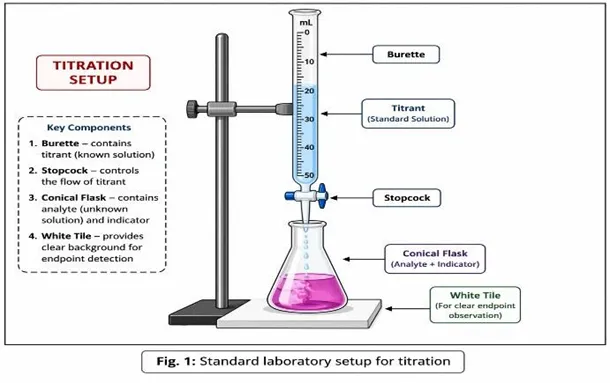
Fig. 1. Representing assembly of procedure of titration.
Types of Volumetric Titrations
Volumetric titrations are classified based on the type of chemical reaction involved between analyte and titrant. The major types are as follows:
1. Acid-Base Titration (Neutralization Titration)
Acid–base titrations are based on the neutralization reaction between an acid and a base. These titrations are used to determine the concentration of acidic or basic substances [2,11].
Reaction Example:
HCl + NaOH → NaCl + H₂O
Indicators such as phenolphthalein or methyl orange are used to detect the endpoint. This type of titration is widely used in pharmaceutical analysis for estimation of drugs such as disodium hydrogen citrate [2,6] .
2. Redox Titration (Oxidation-Reduction Titration)
Redox titrations involve electron transfer between oxidizing and reducing agents. In these reactions, the analyte undergoes oxidation or reduction by the titrant [1,11].
Example:
Fe²⁺ + Ce⁴⁺ → Fe³⁺ + Ce³⁺
Indicators such as starch (in iodometric titrations) or potentiometric methods are used to detect the endpoint. These titrations are commonly applied in the determination of iron, vitamin C, and other redox-active substances [1,11] .
3. Complexometric Titration
Complexometric titrations involve the formation of a stable complex between metal ions and a complexing agent such as EDTA (ethylenediaminetetraacetic acid) [2,11] .
Example:
Ca²⁺ + EDTA → Ca–EDTA complex
This method is widely used for the determination of metal ions such as calcium, magnesium, and zinc in pharmaceutical and environmental samples [2,11] .
4. Precipitation Titration
Precipitation titrations are based on the formation of an insoluble precipitate between the analyte and the titrant [2,11] .
Example (Mohr Method):
Ag⁺ + Cl⁻ → AgCl (white precipitate) At endpoint:
2Ag⁺ + CrO₄²⁻ → Ag₂CrO₄ (reddish brown)
This method is commonly used for the estimation of halides such as chloride and bromide [2,11]
LITERATURE REVIEW:
DRUG PROFILE:
Table 1: Drug Profile of Disodium Hydrogen Citrate [7,8]
|
Sr. No. |
Parameter |
Details |
|
|
Structure |
HOOC–CH2 | HO–C–COO⁻ Na⁺ | CH2–COO⁻ Na⁺ |
|
1 |
Chemical Name |
Disodium Hydrogen Citrate |
|
2 |
Synonyms |
Sodium Acid Citrate, Alkacitron, Neo-Alkacitron |
|
3 |
Molecular Formula |
C₆H₅Na₂O₇ |
|
4 |
Molecular Weight |
236.07 g/mol |
|
5 |
CAS Number |
144-33-2 |
|
6 |
IUPAC Name |
Disodium 2-hydroxy-1,2,3-propanetricarboxylate |
|
7 |
Description |
White crystalline powder |
|
8 |
Solubility |
Freely soluble in water; practically insoluble in ethanol |
|
9 |
pH (1% solution) |
Slightly alkaline (6.5-8.0) |
|
10 |
Category |
Urinary Alkalizer / Buffering Agent |
|
11 |
Therapeutic Use |
Treatment of kidney stones, UTI, metabolic acidosis |
|
12 |
Storage Conditions |
Store in cool, dry place; protect from moisture |
|
13 |
Pharmacopoeial Status |
IP / BP / USP listed |
AIM AND OBJECTIVES:
Aim
The aim of the present study is to develop a simple, accurate, precise, and cost-effective analytical method for the estimation of Disodium Hydrogen Citrate in syrup formulation using acid–base titration. The study also focuses on validation of the developed method as per ICH guidelines and evaluation of the formulation to ensure its quality, stability, and compliance with official pharmacopoeia standards such as IP, BP, and USP. Objectives
Important properties including solubility, pH, stability, and compatibility with excipients will be evaluated, as these parameters play a crucial role in formulation development and analytical performance.
A suitable titrimetric method will be designed based on the neutralization reaction between Disodium Hydrogen Citrate and a standard hydrochloric acid solution using phenolphthalein as an indicator for endpoint detection.
Critical parameters such as concentration of titrant (0.1 N HCl), indicator concentration, sample volume, and titration conditions will be carefully optimized to obtain consistent, accurate, and reproducible results.
The method will be validated by evaluating parameters such as accuracy, precision, linearity, robustness, and specificity to ensure reliability and suitability for routine quality control analysis.
PLAN OF WORK:
5.1. Acid-Base Titration Study
5.2. Method Development
Establishment of titration procedure, e) Reproducibility of readings
5.3. Method Validation (ICH Guidelines)
5.4. Applicability of Developed Method on Marketed Formulation
5.5. Statistical Analysis
RESULT AND DISCUSSION
EXPERIMENTAL WORK:
1 Detail of pure drug
Table no. 2: Detail of API
|
Drug |
Supplied by |
Quantity (g) |
Purity (Assay) % w/w |
|
Disodium Hydrogen Citrate |
Thermosil from (VCOP) |
10.0 |
99.50 - 100.50 |
Table No. 3: Details of Marketed Formulation
|
Brand Name |
Mfd by |
Content |
Quantity (ml) |
|
Alkaleb Syrup |
Leben Laboratories Pvt. Ltd. |
Disodium Hydrogen Citrate |
100 ml |
MATERIALS AND METHOD DEVELOPMENT:
The present study involves the development and estimation of Disodium Hydrogen Citrate in syrup formulation using an acid-base titration method. The marketed formulation selected for analysis was Alkaleb syrup manufactured by Leben Laboratories Pvt. Ltd., which contains disodium hydrogen citrate as the active pharmaceutical ingredient. The materials used in the study included disodium hydrogen citrate syrup as the sample, standard hydrochloric acid solution (0.1 N) as the titrant, phenolphthalein indicator (1% w/v in ethanol) for endpoint detection, and distilled water for dilution and preparation. All reagents employed were of analytical grade to ensure accuracy and reproducibility of results.
The apparatus required for the experiment included a burette (50 mL), pipette (10 mL), conical flask (250 mL), volumetric flask, measuring cylinder, and a pH meter for monitoring pH conditions. These instruments were calibrated prior to use to minimize experimental errors and ensure precise volumetric measurements [8].
The method selected for estimation was acid-base neutralization titration, which is widely used for the quantitative determination of alkaline pharmaceutical substances [2,3]. This method is based on the principle that disodium hydrogen citrate, being a salt of a weak acid (citric acid), reacts stoichiometrically with a strong acid such as hydrochloric acid [3]. During the reaction, the citrate ions are neutralized by hydrogen ions to form citric acid, while sodium chloride is formed as a byproduct.
The endpoint of the titration is detected using phenolphthalein indicator, which changes colour from pink (alkaline medium) to colourless (acidic medium), indicating complete neutralization [2].
During method development, various experimental parameters were carefully optimized to obtain accurate and reproducible results. The concentration of the titrant (0.1 N HCl) was standardized to ensure consistency in analysis [8].The indicator concentration was maintained at 1% w/v to produce a sharp and distinct endpoint. The titration was performed under controlled conditions to avoid errors due to temperature and pH fluctuations. The sample volume was fixed at 10 mL to maintain uniformity and improve precision in repeated trials.
In the experimental procedure, 10 mL of disodium hydrogen citrate syrup was accurately pipetted into a clean conical flask and diluted with approximately 50 mL of distilled water. To this solution, 2–3 drops of phenolphthalein indicator were added, resulting in a pink-coloured solution due to its alkaline nature. The solution was then titrated against 0.1 N hydrochloric acid with continuous swirling until the pink colour disappeared completely, indicating the endpoint of the reaction. The volume of titrant consumed was carefully noted, and the experiment was repeated multiple times to obtain concordant readings.
The concentration of disodium hydrogen citrate present in the syrup formulation was calculated using the standard titrimetric formula based on the volume of hydrochloric acid consumed [8]. The developed method was further evaluated for validation parameters such as accuracy, precision, linearity, robustness, and specificity as per ICH Q2(R1)/Q2(R2) guidelines [7].The results obtained demonstrated that the method is simple, cost-effective, accurate, and highly suitable for routine quality control analysis of disodium hydrogen citrate in pharmaceutical syrup formulations
1. List of Materials
Chemicals
Glassware and Apparatus
Table No.4: List of Chemicals Used
|
Sr. No. |
Chemical / Material |
Grade / Specification |
Purpose |
|
1 |
Disodium Hydrogen Citrate Syrup (Alkaleb) |
Marketed formulation |
Sample / Test preparation |
|
2 |
Disodium Hydrogen Citrate (API) |
Analytical grade |
Reference standard |
|
3 |
Hydrochloric Acid (HCl) |
0.1 N |
Titrant |
|
4 |
Phenolphthalein Indicator |
1% w/v in ethanol |
Endpoint detection |
|
5 |
Distilled / Purified Water |
Analytical grade |
Diluent / Solvent |
Table No.5: List of Glassware and Apparatus Used
|
Sr.No. |
Equipment / Glassware |
Capacity / Specification |
Purpose |
|
1 |
Burette |
50 mL |
Titrant delivery |
|
2 |
Pipette |
10 mL |
Sample measurement |
|
3 |
Conical Flask |
250 mL |
Titration vessel |
|
4 |
Volumetric Flask |
100 mL / 1000 mL |
Solution preparation |
|
5 |
Measuring Cylinder |
50 mL / 100 mL |
Volume measurement |
|
6 |
Beaker |
250 mL |
General use |
|
7 |
Glass Rod |
- |
Mixing |
|
8 |
Funnel |
- |
Transfer of solutions |
|
9 |
pH Meter |
Digital |
pH monitoring |
2 Significance of Disodium Hydrogen Citrate
Disodium hydrogen citrate is a widely used pharmaceutical compound belonging to the class of systemic alkalizers and buffering agents, commonly formulated in oral liquid dosage forms such as syrups [6,11]. Chemically, it is a sodium salt of citric acid that dissociates in aqueous medium to produce sodium ions (Na⁺) and hydrogen citrate ions (HC₆H₅O₇²⁻), which contribute to maintaining acid–base balance in biological systems [3,11] .
The major therapeutic significance of disodium hydrogen citrate lies in its ability to increase urinary pH (alkalinization of urine). Under normal physiological conditions, acidic urine may lead to irritation of the urinary tract and promote the formation of uric acid and calcium oxalate crystals. By increasing urinary pH, the drug reduces crystal formation and facilitates dissolution, making it effective in the management of renal calculi (kidney stones), gout, and hyperuricemia [6,14] .
In the treatment of urinary tract infections (UTIs), disodium hydrogen citrate helps reduce symptoms such as burning sensation during urination by neutralizing the acidic environment. It also creates conditions that are less favourable for bacterial growth, thereby supporting therapeutic outcomes [6,14] .
Another important application of disodium hydrogen citrate is in the management of metabolic acidosis. The citrate ions are metabolized in the liver to bicarbonate, which neutralizes excess hydrogen ions and helps restore normal physiological pH. This buffering action is essential for maintaining enzymatic activity, electrolyte balance, and overall metabolic homeostasis [11,14].
From a pharmaceutical formulation perspective, disodium hydrogen citrate offers excellent aqueous solubility, stability, and compatibility with various excipients. These properties make it highly suitable for syrup formulations, which improve patient compliance, especially in paediatric and geriatric populations. Syrups allow flexible dosing, faster onset of action, and ease of administration [6] .
The importance of this drug is further highlighted by its presence in marketed formulations such as Alkaleb syrup manufactured by Leben Laboratories Pvt. Ltd. Maintaining the correct concentration and pH of the formulation is critical, as deviations may affect therapeutic efficacy or cause gastrointestinal discomfort.
Therefore, accurate analytical estimation and method validation are essential for pharmaceutical quality control. Techniques such as acid–base titration are widely employed due to their simplicity, costeffectiveness, and reliability, making them suitable for routine laboratory and industrial analysis [2,11].
3. Physicochemical Properties
The physicochemical properties of disodium hydrogen citrate play a crucial role in its formulation development, stability, and analytical estimation. A clear understanding of these properties is essential for designing effective and stable pharmaceutical products [3,6,11] .
Solubility
Disodium hydrogen citrate is highly soluble in water due to its ionic nature, dissociating into sodium ions and hydrogen citrate ions in aqueous solution. This property is particularly advantageous for syrup formulations, as it ensures uniform distribution of the drug in the solution medium. High aqueous solubility also supports rapid gastrointestinal absorption, thereby improving oral bioavailability [6,11] .
The compound is practically insoluble in ethanol and most organic solvents [3] .
pH and Buffering Capacity
Disodium hydrogen citrate exhibits significant buffering capacity and helps maintain the pH of formulations within an alkaline range (approximately 6.5–8.0). This buffering action is directly related to its therapeutic effect as a urinary alkalizer, where it increases urinary pH and reduces uric acid crystallization [11,14].
Maintaining the pH of the formulation is also important for ensuring drug stability, preventing degradation, and enhancing patient comfort. Additionally, buffering capacity plays an important role during titration, influencing the sharpness and accuracy of endpoint detection [2,11].
Stability and Hygroscopicity
Disodium hydrogen citrate is chemically stable under normal environmental conditions and does not undergo significant degradation due to heat, light, or oxidation at room temperature [6].
However, it is slightly hygroscopic in nature, meaning it can absorb moisture from the atmosphere. This may affect its concentration and stability; therefore, it should be stored in airtight, moisture-resistant containers under cool and dry conditions to maintain product quality throughout its shelf life [6,11].
Compatibility and Organoleptic Properties
Disodium hydrogen citrate shows good compatibility with commonly used pharmaceutical excipients such as sucrose, sorbitol, sodium benzoate, flavouring agents, and buffering agents. This compatibility allows flexibility in formulation without significant risk of chemical interactions [6]. Organoleptically, the compound has a slightly salty and sour taste. Hence, sweetening agents (e.g., sucrose, sorbitol) and flavouring agents (e.g., lemon, orange) are added to improve palatability and patient compliance, particularly in paediatric formulations [6].
Table No 6: Summary of Physicochemical Properties of Disodium Hydrogen Citrate
|
Sr. No. |
Property |
Description |
|
1 |
Solubility |
Freely soluble in water; practically insoluble in ethanol |
|
2 |
pH (1% solution) |
Slightly alkaline (6.5-8.0) |
|
3 |
Hygroscopicity |
Slightly hygroscopic; requires airtight storage |
|
4 |
Stability |
Stable under normal conditions; protect from moisture and light |
|
5 |
Compatibility |
Compatible with sucrose, sorbitol, sodium benzoate, flavouring agents |
|
6 |
Taste |
Slightly salty and sour; requires taste masking |
|
7 |
Appearance |
Off-white to white crystalline powder |
4. Formulation Considerations
The formulation of disodium hydrogen citrate syrup requires careful optimization of various parameters to ensure stability, efficacy, and patient compliance [6,11] .
1. pH Optimization
Maintaining the pH within the range of 6.5–8.0 is critical for both drug stability and therapeutic effectiveness. Extreme pH conditions may lead to degradation or reduced activity. Buffering agents are often incorporated to maintain consistent pH throughout the product’s shelf life [11,14].
2. Palatability and Taste Masking
Due to its inherent salty and sour taste, taste masking is essential to improve patient compliance. Sweetening agents such as sucrose and sorbitol, along with flavouring agents like citrus or orange, are commonly used to enhance the sensory properties of the formulation [6].
3. Preservatives and Microbial Control
Aqueous syrup formulations are highly susceptible to microbial growth. Therefore, preservatives such as sodium benzoate are incorporated to inhibit bacterial and fungal contamination. This helps ensure product safety and extends shelf life [6,7] .
4. Viscosity and Rheological Properties
The viscosity of the syrup should be optimized to ensure proper flow, ease of administration, and accurate dosing. Appropriate viscosity also improves mouthfeel and contributes to formulation stability
[6] .
5. Compatibility with Excipients
Disodium hydrogen citrate is generally compatible with commonly used pharmaceutical excipients.
However, compatibility studies must be conducted to ensure that no chemical interaction occurs that could affect drug stability or efficacy [6,11] .
6. Packaging and Storage Conditions
Proper packaging is essential to protect the formulation from environmental factors such as moisture, light, and contamination. Amber-coloured bottles are commonly used to enhance stability. The product should be stored in a cool and dry place to maintain its quality throughout shelf life [6,7] .
Table No.7: Formulation Considerations for Disodium Hydrogen Citrate Syrup
|
Sr. No. |
Parameter |
Consideration / Requirement |
|
1 |
pH Optimization |
Maintain pH within 6.5-8.0 using buffering agents |
|
2 |
Palatability / Taste Masking |
Add sucrose, sorbitol, citrus/orange flavouring agents |
|
3 |
Preservatives / Microbial Control |
Use sodium benzoate to prevent microbial growth |
|
4 |
Viscosity / Rheological Properties |
Optimize viscosity for proper flow and uniform dosing |
|
5 |
Compatibility with Excipients |
Conduct compatibility studies to prevent interactions |
|
6 |
Packaging and Storage |
Use amber bottles; store in cool, dry place |
Sample Preparation
The sample preparation method plays a crucial role in ensuring accurate estimation of disodium hydrogen citrate in syrup formulations. The selected method should effectively recover the analyte while minimizing interference from excipients such as sweeteners, preservatives, and flavouring agents present in the syrup matrix [2,11].
In this study, sample preparation involved simple procedures such as dilution, mixing, and pH adjustment, ensuring that the analyte remains stable and suitable for titration analysis. Proper sample preparation is essential to obtain reliable and reproducible results in acid–base titration methods [2].
1. Sampling and Handling
Sampling was carried out using clean, dry, and inert glassware to prevent contamination or interaction with the sample [2] . The marketed formulation (Alkaleb syrup) manufactured by Leben Laboratories Pvt. Ltd. was used as the test sample.
All glassware was thoroughly cleaned with distilled water to remove any ionic impurities that could interfere with the titration process. The sample was handled carefully to avoid contamination and degradation. The syrup samples were stored at controlled room temperature (25°C ± 2°C) and protected from direct light to maintain stability [6].
The analysis was performed immediately after sampling to avoid changes in concentration due to evaporation or microbial contamination. Proper handling ensured consistency and accuracy in analytical results.
2. Dilution and Matrix Adjustment
Disodium hydrogen citrate syrup contains a relatively high concentration of the active ingredient along with excipients such as sucrose and preservatives, which may interfere with direct analysis. Therefore, appropriate dilution of the sample is necessary [11]. A measured volume of the syrup (10 mL) was diluted with distilled water (approximately 50 mL) to reduce viscosity and ensure uniform mixing. This dilution improves interaction between the analyte and titrant during titration.
The pH of the solution was maintained in an alkaline range to ensure proper functioning of the phenolphthalein indicator. Proper dilution and matrix adjustment are essential for obtaining a sharp and clear endpoint and improving analytical accuracy [2,11].
3. Filtration
Filtration was performed, when necessary, to remove particulate matter or undissolved excipients present in the syrup formulation. This step ensures a clear solution, which is essential for accurate endpoint detection during titration [2].
Filtration was carried out using standard filter paper or membrane filters, ensuring no loss of analyte during the process. A clear, particle-free solution improves visibility of the endpoint (colour change) and minimizes analytical errors.
4. Standard Preparation and Calibration
For accurate estimation, a standard solution of hydrochloric acid (0.1 N) was used as the titrant. Standardization of the titrant was carried out using primary standards to ensure accuracy and reliability [2,11] .
The titration method follows a stoichiometric neutralization reaction between disodium hydrogen citrate and hydrochloric acid. Calibration of the method was achieved by performing repeated titrations and obtaining concordant readings.
The volume of titrant consumed was recorded and used for calculation of drug content using standard titrimetric formulas. Regular standardization and calibration ensured consistency, precision, and reproducibility of the analytical method, as recommended by International Council for
Harmonisation of Technical Requirements for Pharmaceuticals for Human Use guidelines [9,10] .
5. Preparation of Solutions [7,8]
1. Preparation of 0.1 N Hydrochloric Acid
Prepare 0.1 N hydrochloric acid by diluting an appropriate quantity of concentrated hydrochloric acid with water. Transfer about 8.5 mL of hydrochloric acid (≥36-38% w/v) into a 1000 mL volumetric flask containing sufficient water, mix, and dilute to volume with water. Mix well. Standardize the solution before use.
2. Standardization of 0.1 N Hydrochloric Acid
Standardize the prepared hydrochloric acid solution against sodium carbonate (primary standard) previously dried at 250°C. Weigh accurately about 0.5 g of sodium carbonate, dissolve in 50 mL of water, add methyl orange indicator, and titrate with the hydrochloric acid solution until the colour changes from yellow to orange. Calculate the exact normality of the hydrochloric acid solution.
3. Preparation of Sample Solution
Take an accurately measured quantity of Disodium Hydrogen Citrate Syrup (Alkaleb) manufactured by Leben Laboratories Pvt. Ltd. equivalent to about 1 g of disodium hydrogen citrate, and transfer to a conical flask. Dilute with about 50 mL of water, add phenolphthalein indicator, and titrate immediately with 0.1 N hydrochloric acid until the pink colour just disappears.
4. Indicator Solution
Phenolphthalein Solution: Dissolve 1 g of phenolphthalein in 100 mL of ethanol (95%). Store in a wellclosed container
5. Reaction (As per Pharmacopeial Principle)
Disodium hydrogen citrate reacts with hydrochloric acid according to the following reaction:
Na₂HC₆H₅O₇ + 2HCl → H₃C₆H₅O₇ + 2NaCl
Table No 8: Results and statistical data for estimation of Disodium hydrogen citrate in marketed formulation
Brand Name: Alkaleb Syrup Average volume: 5ml
|
Sr.no. |
Disodium Hydrogen Citrate |
|
|
Assay (mg) |
Assay % |
|
|
1 |
1.26 |
100.80 |
|
2 |
1.26 |
100.50 |
|
3 |
1.25 |
99.95 |
|
Average |
1.25 |
100.42 |
|
SD |
0.0055 |
0.44 |
|
% RSD |
0.44% |
0.44% |
Method Validation Parameters:
Validation is defined as the process of establishing documented evidence that provides a high degree of assurance that a specific analytical method will consistently produce results meeting its predetermined specifications and quality attributes [9,10]. Method validation is a systematic and scientific approach used to confirm that the developed analytical procedure is suitable for its intended purpose [1,11] .
In pharmaceutical analysis, method validation is an essential requirement as per International Council for Harmonisation of Technical Requirements for Pharmaceuticals for Human Use guidelines (Q2(R1)/Q2(R2)), ensuring that the analytical method used for estimation of drug content is reliable, accurate, and reproducible under specified conditions [9,10]. It involves the evaluation of various performance characteristics of the method to demonstrate its suitability for routine quality control analysis [11].
In the present study, the developed acid–base titration method for estimation of disodium hydrogen citrate in syrup formulation (Alkaleb) manufactured by Leben Laboratories Pvt. Ltd. was validated in accordance with ICH guidelines [9,10].
The significance of method validation lies in ensuring consistent product quality, minimizing batch rejection, improving process reliability, and providing confidence in analytical results. A validated method ensures that the drug content remains within acceptable limits and complies with pharmacopeial standards such as those recommended by the Indian Pharmacopoeia Commission [7].
The following parameters were validated:
1. Accuracy
Accuracy was determined by the standard addition method at three concentration levels: 80%, 100%, and 120% of the nominal concentration. Known quantities of standard disodium hydrogen citrate were added to pre-analysed samples, and percent recovery was calculated.
Table No 9: Accuracy studies by standard addition method
|
|
Di |
sodium hydrogen citr |
ate |
|
|
Levels |
|
|
|
80% |
100% |
120% |
|
|
Amt added (µg/ml) |
8.0 |
10.0 |
12.0 |
|
8.0 |
10.0 |
12.0 |
|
|
8.0 |
10.0 |
12.0 |
|
|
Amt taken (µg/ml) |
10.0 |
10.0 |
10.0 |
|
10.0 |
10.0 |
10.0 |
|
|
10.0 |
10.0 |
10.0 |
|
|
Amt recovered (µg/ml) |
18.14 |
20.16 |
22.08 |
|
18.12 |
20.10 |
22.01 |
|
|
18.11 |
19.99 |
22.12 |
|
|
% Recovery |
100.78 |
100.80 |
100.36 |
|
100.67 |
100.50 |
100.45 |
|
|
100.61 |
99.95 |
100.54 |
|
|
Mean recovery |
100.69 |
100.41 |
100.45 |
|
% RSD |
0.08 |
0.42 |
0.08 |
9.2. Precision
Precision was evaluated as repeatability (intra-day) by performing six replicate titrations of the same sample preparation on the same day under identical conditions. The percent relative standard deviation (%RSD) was calculated.
Table No 10: System precision Showing Repeatability
|
Titration |
|
|
Assay % of Disodium Hydrogen Citrate |
|
|
1 |
100.80 |
|
2 |
100.50 |
|
3 |
99.95 |
|
Average |
100.42 |
|
SD |
0.44 |
|
% RSD |
0.44% |
Table No 11: Method Precision Studies. Set – I
|
Sr.no. |
Disodium Hydrogen Citrate |
|
|
Assay (mg) |
Assay % |
|
|
1 |
1.26 |
100.80 |
|
2 |
1.26 |
100.50 |
|
3 |
1.25 |
99.95 |
|
Average |
1.255g |
100.42 |
|
SD |
0.0055 |
0.44 |
|
% RSD |
0.44% |
0.44% |
Table No 12: SET – II: Intermediate Precision data
|
Sr.no. |
Disodium Hydrogen Citrate |
|
|
Assay (mg) |
Assay % |
|
|
1 |
1.26 |
100.75 |
|
2 |
1.25 |
100.40 |
|
3 |
1.25 |
100.15 |
|
Average |
1.253 |
100.43 |
|
SD |
0.00577 |
0.301 |
|
% RSD |
0.46% |
0.30% |
Acceptance criteria: The % RSD for the three determinations shall be NMT 2.0
2.A Data analysis between method precision and Intermediate precision:
Compared the data obtained in this section verses the data obtained in method precision and evaluate the overall average, overall SD and overall % RSD and recorded the observation into the following table.
Table No 13: Intermediate precision (Ruggedness) evaluation of data
|
|
% Assay |
|
|
Sr.no. |
Disodium hydrogen citrate |
|
|
Set – I |
Set - II |
|
|
1 |
100.80 |
100.75 |
|
2 |
100.50 |
100.40 |
|
3 |
99.95 |
100.15 |
|
Average |
100.42 |
|
|
SD |
0.01 |
|
|
% RSD |
0.01 |
|
3. Linearity
Linearity was assessed by preparing five standard solutions at concentration levels of 5, 10, 15, 20, and 25 mg/mL and performing titration at each level. The volume of HCl consumed was plotted against concentration to generate a calibration curve.
Table no 14: Linearity and Range
|
Sr.no. |
Addition level range labelled claim |
Disodium Hydrogen Citrate |
||
|
Conc. Of Disodium Hydrogen Citrate |
Burette reading |
Amt. recovered (g) |
||
|
1 |
50% |
50% |
12.25ml |
0.575g |
|
2 |
80% |
80% |
19.6ml |
1.00g |
|
3 |
100% |
100% |
24.5 ml |
1.25g |
|
4 |
120% |
120% |
29.4ml |
1.50g |
|
5 |
150% |
150% |
36.75ml |
1.875g |
|
Correlation Coefficient |
1.000 |
|||
|
Slope |
0.245 |
|||
|
Intercept |
0 |
|||
Linearity Graph of Disodium hydrogen citrate
4. Robustness
Robustness is defined as the ability of an analytical method to remain unaffected by small but deliberate variations in method parameters, indicating its reliability during normal usage. In the present study, robustness of the developed titration method was evaluated by introducing small changes in experimental conditions such as: variation in pH (±0.2 units), slight changes in temperature (±2°C), variation in indicator concentration, and change in titration speed (fast and slow addition of titrant).
The effect of these variations on the assay results was carefully observed. It was found that no significant changes occurred in the volume of titrant consumed or in the calculated drug content. The %RSD values remained within acceptable limits (<2%), indicating that the method is robust and reliable. The endpoint detection remained sharp and clear under all conditions.
Table no 15: Robustness
|
Sr.no |
Burette Reading |
||
|
Sample |
0.1M |
0.101M |
0.095 M |
|
1 |
24.5ml |
25.3ml |
23.7ml |
|
2 |
24.7ml |
25.5ml |
23.5ml |
|
3 |
24.6ml |
25.4ml |
23.6ml |
|
Mean |
24.6ml |
25.4ml |
23.6ml |
|
SD |
0.1 |
0.1 |
0.1 |
|
%RSD |
0.41% |
0.39% |
0.42% |
5. Specificity
Specificity is defined as the ability of an analytical method to measure the analyte accurately and specifically in the presence of other components such as excipients, impurities, or degradation products. In this study, specificity of the method was evaluated by analysing the disodium hydrogen citrate syrup formulation containing various excipients such as sucrose (sweetening agent), sorbitol (co-sweetener), sodium benzoate (preservative), and flavouring agents.
The results showed that no interference from any excipient was observed during titration. The endpoint was clearly detected with phenolphthalein indicator, and accurate drug estimation was achieved. This confirms that the developed acid-base titration method is highly specific for disodium hydrogen citrate and can selectively determine the analyte in complex pharmaceutical formulations.
CONCLUSION
The present study was successfully carried out for the development and validation of a simple, accurate, precise, and cost-effective analytical method for the estimation of Disodium Hydrogen Citrate in syrup formulation using acid–base titration.
The developed method was based on a neutralization reaction using 0.1 N hydrochloric acid as titrant and phenolphthalein as an indicator, which provided a sharp and clear endpoint. The method was optimized for various analytical conditions such as sample volume, indicator concentration, and titration procedure to obtain consistent and reliable results.
The method was validated as per ICH Q2(R1) guidelines for parameters including linearity, accuracy, precision, robustness, and specificity. The results obtained demonstrated that the method exhibited excellent linearity (R² = 1.000) over the selected concentration range. The accuracy study showed recovery values within acceptable limits (98–102%), confirming the correctness of the method. The precision study indicated low %RSD values (<2%), demonstrating good repeatability and reproducibility. The robustness study confirmed that small deliberate variations in experimental conditions did not significantly affect the results. The specificity study showed no interference from excipients present in the formulation.
The assay of the marketed formulation (Alkaleb syrup) was found to be within acceptable pharmacopeial limits, indicating that the formulation complies with quality standards.
Therefore, it can be concluded that the developed acid–base titration method is simple, reliable, accurate, and suitable for routine quality control analysis of Disodium Hydrogen Citrate in pharmaceutical syrup formulations.
EXPECTED OUTCOME:
Overall, the method will be suitable for quality control in pharmaceutical laboratories.
RESULT AND DISCUSSION:
The developed analytical method for estimation of Disodium Hydrogen Citrate in syrup formulation (Alkaleb) was validated as per ICH guidelines. The results obtained for various validation parameters are presented below along with discussion.
1. Linearity and Range
Table no 16: Linearity and Range
|
Sr No |
Conc (%) |
Burette (mL) |
Recovered (g) |
|
1 |
50% |
12.25 |
0.575 |
|
2 |
80% |
19.6 |
1.00 |
|
3 |
100% |
24.5 |
1.25 |
|
4 |
120% |
29.4 |
1.50 |
|
5 |
150% |
36.75 |
1.875 |
The calibration curve showed excellent linearity with correlation coefficient (R² = 1.000), slope 0.245 and intercept 0. The method follows Beer’s law in the selected range and is suitable for quantitative analysis.
2. PRECISION
Precision refers to the closeness of agreement between a series of measurements obtained from multiple sampling of the same homogeneous sample under prescribed conditions. It is expressed as % Relative Standard Deviation (%RSD). As per ICH guidelines, %RSD should be NMT 2.0%.
Table no 17. System Precision (Repeatability)
|
Sample |
% Assay |
|
1 |
100.80 |
|
2 |
100.50 |
|
3 |
99.95 |
Mean = 100.42, SD = 0.44, %RSD = 0.44%. The results indicate good system precision.
Table no 18. Method Precision (Set I)
|
Sr. No. |
Assay (g) |
% Assay |
|
1 |
1.26 |
100.80 |
|
2 |
1.26 |
100.50 |
|
3 |
1.25 |
99.95 |
Mean = 100.42, SD = 0.0055, %RSD = 0.44%. The method shows good repeatability.
Table no 19. Intermediate Precision (Set II)
|
Sr. No. |
Assay (g) |
% Assay |
|
1 |
1.26 |
100.75 |
|
2 |
1.25 |
100.40 |
|
3 |
1.25 |
100.15 |
Mean = 100.43, SD = 0.00577, %RSD = 0.30%. The method is reproducible under varied conditions.
Table no 20. Overall Precision
|
Sr. No. |
Set I |
Set II |
|
1 |
100.80 |
100.75 |
|
2 |
100.50 |
100.40 |
|
3 |
99.95 |
100.15 |
Mean = 100.42, SD = 0.01, %RSD = 0.01%. The method shows excellent precision.
Overall, the developed method complies with ICH acceptance criteria for precision (%RSD <
2%), confirming its reliability and suitability for routine analysis
3. Accuracy
Table no 21: Accuracy
|
Level |
Mean Recovery |
%RSD |
|
80% |
100.69 |
0.08 |
|
100% |
100.41 |
0.42 |
|
120% |
100.45 |
0.08 |
The recovery values were within acceptable limits (98–102%), confirming the accuracy of the method with no significant interference.
4. Robustness
Table no 22: Robustness
|
Condition |
Mean |
SD |
%RSD |
|
0.1M |
24.6 |
0.1 |
0.41% |
|
0.101M |
25.4 |
0.1 |
0.39% |
|
0.095M |
23.6 |
0.1 |
0.42% |
The method remained unaffected by small variations in experimental conditions. %RSD values were within acceptable limits, confirming robustness.
5. Assay of Marketed Formulation
Table no 23: Assay Of Market Formulation
|
Parameter |
Value |
|
Average Assay |
100.42% |
|
SD |
0.0055 |
|
%RSD |
0.44% |
The assay value was within pharmacopeial limits (95–105%), indicating the suitability of the method for routine quality control analysis.
REFERENCES

Arpit Shinganjude, Sajeeya Parveen Ashakan, Mahesh Jadhao, Shyamkumar Dabhade, Shrutika Kawane, Nandini Tale, Analytical Method Development and Validation for Quantitative Estimation of Disodium Hydrogen Citrate in Syrup by Acid–Base Titration, Int. J. of Pharm. Sci., 2026, Vol 4, Issue 7, 5762-5781, https://doi.org/10.5281/zenodo.21698692
 10.5281/zenodo.21698692