

We use cookies to ensure our website works properly and to personalise your experience. Cookies policy
1Department of Pharmacy, Dr. D. Y. Patil College of Pharmacy, Akurdi, Savitribai Phule Pune University, Pune – 411044, Maharashtra, India
Background: With the changing landscape of healthcare delivery and the implementation of artificial intelligence (AI) and digital health technologies in medicine, including in the pharmacy, future pharmacists must have the competency in AI-based clinical decision support, electronic health records (EHRs), telepharmacy and medicare management software. Considering the paucity of available quantitative data regarding preparedness of the Indian pharmacy students, no composite validated Readiness Index (RI) has been developed thus far. Objectives: To evaluate the awareness, attitude and readiness of D.Pharm, B.Pharm, Pharm.D, and M.Pharm students towards AI and digital health technologies, to build a programme-specific Readiness Index, and to pinpoint readiness predictors. Methods: Methods: A cross-sectional study was conducted with 175 Pharmacy students from Pune, Maharashtra and a 49 item, 5 point Likert questionnaire was used. The composite RI was obtained by averaging the items related to readiness and was used to determine respondents' readiness level as High (>3.5), Moderate (2.5–3.5), or Low (<2.5). One-way ANOVA, chi-square test and Pearson's correlation (SPSS v23.0; p<0.05) were applied for data analysis. Results: Mean Awareness, Attitude, and Readiness scores were 3.97±0.78, 4.10±0.81, and 4.06±0.81, respectively. High, Moderate, and Low readiness levels were observed in 77.7% (n=136), 20.0% (n=35), and 2.3% (n=4) of participants. Attitude was the most significant predictor of readiness (r=0.755, p<0.001), with 72.0% agreeing to the incorporation of AI into the curriculum, and taking the workshops was associated with higher scores than not taking them (4.17 vs. 3.94). Conclusion: Indian pharmacy students were found to be highly aware of AI and digital health technologies, having positive attitudes and overall readiness for them It is suggested to incorporate structured curricular integration to build digital competency of the future health care professionals.
Artificial Intelligence (AI), simply put, the ability of a computer-based system to learn, reason and recognize patterns—processes that have traditionally been the domain of human intelligence, is now being woven into the fabric of modern healthcare delivery systems. In the context of pharmacy practice, AI-driven solutions are helping to support healthcare practitioners by assisting with drug interaction alerts, automated dispensing systems, AI-driven adherence reminders, and clinical decision support systems. The pharmacist's job responsibilities have transcended the role of a mere dispenser to include electronic health records (EHRs), telemedicine, mobile health (mHealth) applications, telepharmacy services and real time data analysis. The transformation is being accelerated by national initiatives like Ayushman Bharat Digital Mission (ABDM) and the National Digital Health Mission (NDHM) to create a federated digital health infrastructure, which are pushing pharmacists towards working amidst more data-driven systems.3,4 Globally, digital health competence is also officially included in the Education Development Goals for Pharmacy Education (FIP) 2020 and the WHO Governance Framework for AI in Health (2021), which highlight the importance of a digitally competent workforce. 4,5
Review of Literature
To set the present study in the context of the global AI readiness for health care and pharmacy education, a literature review was conducted for the last seven years (2018–2025). The majority of international knowledge-attitude-practice (KAP) studies are from Sub Saharan Africa, the Middle East and Southeast Asia. In Zambia, Mudenda et al. (2024) found that 71.3% of pharmacy students had limited knowledge of AI and negative attitudes towards its use despite reporting frequent self-reported usage.6 In Saudi Arabia, Alhur et al. (2025) indicated that 79.8% of healthcare professionals had received no formal training in AI, with 72.9% stating they considered its impact on health outcomes positive.7 In the Indian context, Tezpal et al. (2024) reported that 79.8% of healthcare professionals had not had any formal training sessions on AI and 72.9% had a positive view on its impact on health outcomes.8
The articles reviewed generally share positive sentiments and awareness of AI, but there are no quantitative measures of readiness validated within this population. This is the first study that (i) has developed a composite Readiness Index for all the pharmacy programmes in India, (ii) has compared the Readiness Index of the programmes across one another D.Pharm, B.Pharm, Pharm.D, and M.Pharm. On the other hand, the second cohort of pharmacy students analysed the association between formal educational AI exposure and preparedness (iii) or the third cohort analysed the association between formal education exposure and readiness in Indian pharmacy students. The present study fills these three gaps by analyzing the readiness of 175 students from four Pharmacy programmes and creating a programme specific composite Readiness Index validated.
Table 1: Summary Of Key Published Studies On Ai Awareness, Attitude, And Readiness Among Pharmacy/Healthcare Students
|
Sr. |
Author(s), Year, Journal |
Study Focus |
Key Finding |
Research Gap |
|
1 |
Mudenda et al., 2024; Creative Education6 |
KAP survey – 262 pharmacy students, Zambia |
71.3% inadequate knowledge; 71.3% negative attitude; 91.6% used AI in studies but only 1.1% attended an AI workshop |
No readiness index; single institution; no programme-wise comparison |
|
2 |
Tezpal et al., 2024; J Marine Med Soc8 |
AI perception & readiness – 402 healthcare professionals, India |
79.8% never attended an AI course; 72.9% believed AI improves health outcomes; preparedness scores low |
No pharmacy-specific analysis; no RI developed |
|
3 |
Alhur et al., 2025; J Pioneering Med Sci7 |
Attitudes toward AI – 501 pharmacy students, Saudi Arabia |
48.6% moderately familiar; 62.95% likely to adopt AI; significant gender and year-of-study differences (p<0.001) |
No readiness index; no Indian data; no awareness section |
|
4 |
Sit et al., 2020; J Med Internet Res13 |
AI attitudes – healthcare professionals, UK |
Moderate awareness, positive attitudes; structured training urgently needed |
No pharmacy students; no RI; qualitative methodology |
|
5 |
Sharma et al., 2021; NPJ Digital Medicine15 |
Digital health technology review – clinical care |
EHRs and AI tools increasingly embedded; readiness gap documented; curriculum integration needed |
No primary data; no pharmacy-specific RI |
|
6 |
Busch et al., 2024; Br J Clin Pharmacol10 |
Multinational – international pharmacy students, AI perceptions |
Generally positive attitudes; limited practical exposure and knowledge of AI applications |
No Indian cohort; no programme-wise RI |
|
7 |
Hasan et al., 2024; PLOS ONE12 |
KAP – pharmacy students & faculty, MENA region |
Positive attitudes prevalent; knowledge of AI applications limited; job-security concerns raised |
No readiness index; different cultural context |
|
8 |
O’Connor & Yan, 2022; Int J Med Informatics14 |
Systematic review – healthcare professionals’ AI perceptions |
Positive attitudes but limited readiness and training; need for readiness assessment among students |
No primary data; no pharmacy-specific findings |
|
9 |
Mesko & Győrffy, 2022; J Med Internet Res16 |
AI in healthcare – education and workforce preparedness |
AI education necessary for digital health workforce; current curricula inadequate |
No primary survey; no RI for students |
|
10 |
Davenport & Kalakota, 2019; Future Healthcare J2 |
AI potential in healthcare |
AI as a transformative healthcare tool; pharmacists must acquire new digital competencies |
Conceptual review only; no empirical student data |
Objectives of the Study
The aims of the study are:
Primary Objective: To assess the awareness, attitude and preparedness of the students in the pharmacy profession regarding AI and DH technologies and to develop a composite Readiness Index (RI) as a quantitative measure of preparedness.
Secondary Objectives:
MATERIALS AND METHODS
Study Design and Setting
The study was observational (cross sectional) with a questionnaire. The data were gathered from the students of the Pharmacy profession from January to March 2026 from various pharmacy institutions in Pune, Maharashtra, India, which are private, autonomous, and government institutions.
Sample Size and Study Population
The students who participated were those in the D.Pharm, B.Pharm, Pharm.D, and M.Pharm programmes. A minimum sample size of 100 was determined using Yamane's formula with a prevalence (awareness) assumed to be 50% (conservative estimate), a 95% confidence interval and a precision of 5%. 175 valid responses were received, which was more than the minimum required, thus providing sufficient power in the statistical analysis.
Inclusion and Exclusion Criteria
Inclusion: Students currently enrolled in the D.Pharm, B.Pharm, Pharm.D, or M.Pharm programmes who provided informed electronic consent and completed the questionnaire in full.
Exclusion: Students from non-pharmacy disciplines, respondents who did not consent or provided incomplete responses, and duplicate entries identified during data cleaning.
Survey Tool and Data Collection
The questionnaire was built de novo, based on published literature and consisted of six sections: (A) Demographic Information (6 items); (B) Awareness (5 Likert items); (C) Attitude (5 Likert items); (D) General Readiness (5 Likert items); and (E1–E4) Programme-Specific Readiness (6 items each for D.Pharm, B.Pharm, Pharm.D, and M.Pharm, respectively). A five-point Likert scale (from Strongly Disagree to Strongly Agree) was used for all the items. The questionnaire was made up on Google Forms and given online. The internal consistency was checked by Cronbach's alpha, and resulted in a value of 0.84, which shows good internal consistency. Some typical items in each domain are shown in Table 2.
Table 2: Domain Questions In The Sample Survey
|
Sr. |
Domain |
Sample Question |
Scale |
|
1 |
Awareness |
I am aware that artificial intelligence is used in healthcare systems |
1(SD)–5(SA) |
|
2 |
Awareness |
I am familiar with electronic health records and digital patient data systems |
1(SD)–5(SA) |
|
3 |
Awareness |
I am aware of telemedicine and telepharmacy services |
1(SD)–5(SA) |
|
4 |
Attitude |
AI and digital health technologies can improve healthcare quality |
1(SD)–5(SA) |
|
5 |
Attitude |
Pharmacists should adapt to emerging healthcare technologies |
1(SD)–5(SA) |
|
6 |
Attitude |
Learning about AI and digital health is important for my career |
1(SD)–5(SA) |
|
7 |
Readiness |
I feel prepared to use digital health tools in my future profession |
1(SD)–5(SA) |
|
8 |
Readiness |
I am confident in adapting to new healthcare technologies |
1(SD)–5(SA) |
|
9 |
Readiness |
I am willing to undergo training related to AI and digital health |
1(SD)–5(SA) |
|
10 |
Programme-Specific (B.Pharm) |
AI can support drug discovery and pharmaceutical research |
1(SD)–5(SA) |
|
11 |
Programme-Specific (Pharm.D) |
AI-based systems help detect drug–drug interactions |
1(SD)–5(SA) |
|
12 |
Programme-Specific (M.Pharm) |
AI, including machine learning, supports formulation development |
1(SD)–5(SA) |
|
13 |
Educational Exposure |
I have received theoretical exposure to AI or digital health |
1(SD)–5(SA) |
|
14 |
Educational Exposure |
AI should be incorporated into the pharmacy syllabus |
1(SD)–5(SA) |
|
15 |
Educational Exposure |
I have received practical exposure to digital health tools |
1(SD)–5(SA) |
SD = Strongly Disagree; SA = Strongly Agree.
Readiness Index (RI)
A composite Readiness Index was determined by taking the average of all the readiness items (D and E) for each respondent for a 1-5 scale. The participants were divided into three readiness groups: High (RI > 3.5), Moderate (RI 2.5 – 3.5) and Low (RI < 2.5). It is a composite measure that allows a single "standardised" measure of preparedness that can be used across programmes and over time. 17
Statistical Analysis
IBM SPSS version 23.0 was used to analyse the data. The scores were derived by averaging the underlying items to the result in domain scores. All variables were subject to descriptive statistics (mean, standard deviation, frequency and percentage). In order to compare the results across the programmes, one-way ANOVA were conducted, gender comparisons were conducted by independent-samples t-test, associations between categorical variables and readiness were conducted using chi-squares and associations between domains were conducted using Pearson’s correlation test. A p value of <0.05 (two-tailed) was considered statistically significant.
Ethical Considerations
Electronic informed consent was obtained from all participants before participation. The study complied with the Declaration of Helsinki. Institutional ethics approval was not required for this anonymous questionnaire-based educational survey as per institutional policy.
RESULTS
Sociodemographic Characteristics
A total of 175 pharmacy students met the inclusion criteria. Table 3 summarises their sociodemographic profile.
Table 3: Sociodemographic Characteristics Of Participants (N=175)
|
Variable |
Category |
n |
% |
Cumulative % |
|
Gender |
Female |
103 |
58.9 |
58.9 |
|
|
Male |
71 |
40.6 |
99.5 |
|
|
Prefer not to say |
1 |
0.6 |
100.0 |
|
Programme |
B.Pharm |
85 |
48.6 |
48.6 |
|
|
D.Pharm |
30 |
17.1 |
65.7 |
|
|
M.Pharm |
30 |
17.1 |
82.8 |
|
|
Pharm.D |
30 |
17.1 |
100.0 |
|
Year of Study |
1st Year |
55 |
31.4 |
31.4 |
|
|
2nd Year |
41 |
23.4 |
54.8 |
|
|
3rd Year |
20 |
11.4 |
66.2 |
|
|
4th Year |
54 |
30.9 |
97.1 |
|
|
5th Year |
5 |
2.9 |
100.0 |
|
Institution Type |
Private |
95 |
54.3 |
54.3 |
|
|
Autonomous |
72 |
41.1 |
95.4 |
|
|
Government |
8 |
4.6 |
100.0 |
|
AI Workshop Attendance |
Yes |
90 |
51.4 |
51.4 |
|
|
No |
85 |
48.6 |
100.0 |
Women had a higher participation rate than men (58.9% vs. 40.6%), which also reflects the global trend of higher female enrolment in pharmacy education. B.Students in the Pharm group were the largest subgroup (48.6%) and the private institutions had the highest percentage of respondents (54.3%). Significantly, 51.4% of respondents said they had already had experience with AI or digital health training prior to the class, showing a high level of engagement with technology-based education outside of the classroom.
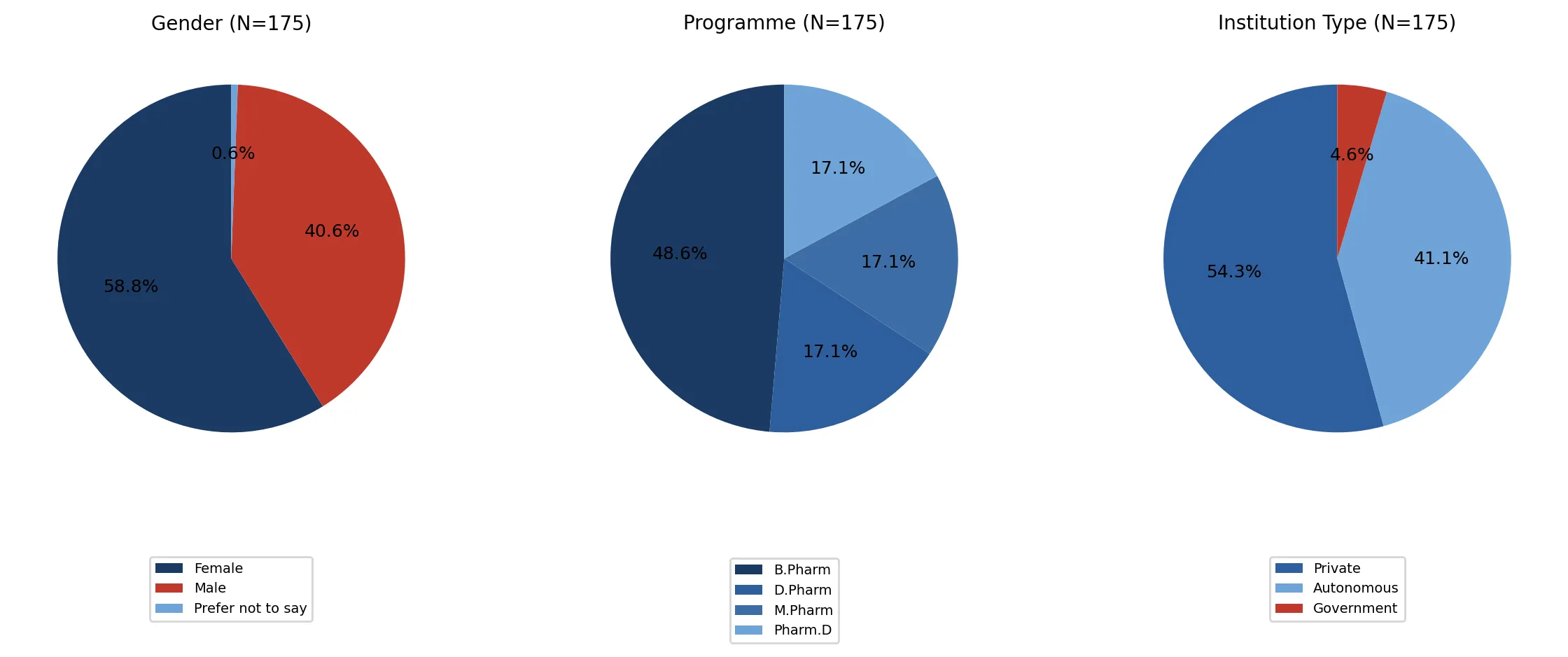
Figure 1: Gender, Programme, and Institution-type Distribution of Participants (N=175)
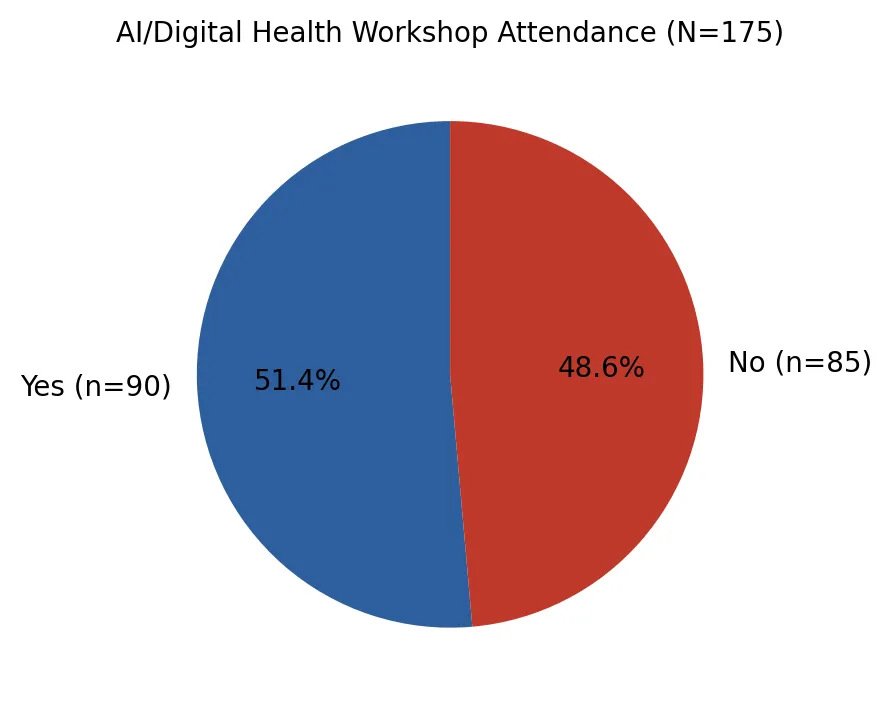
Figure 2: AI/Digital Health Workshop Attendance Among Participants (N=175)
Overall Domain Scores
Table 4 presents the mean scores across the three domains.
Table 4: Overall Mean Domain Scores (N=175)
|
Domain |
Mean Score |
Std. Deviation |
Min |
Max |
|
Awareness Score |
3.97 |
0.78 |
1.0 |
5.0 |
|
Attitude Score |
4.10 |
0.81 |
1.0 |
5.0 |
|
Readiness Score |
4.06 |
0.81 |
1.0 |
5.0 |
|
Readiness Index (Composite) |
4.08 |
0.75 |
1.0 |
5.0 |
The general orientation towards AI and digital health was moderate to high, with all three domain scores being higher than 3.97 out of 5.0 points. Students' scores for the Attitude domain (4.10) were the highest of all the three domains, indicating that they were aware of the significance of AI and had a positive attitude towards its application in practice. The overall composite Readiness Index for the cohort was 4.08±0.75, which is classified as High Readiness
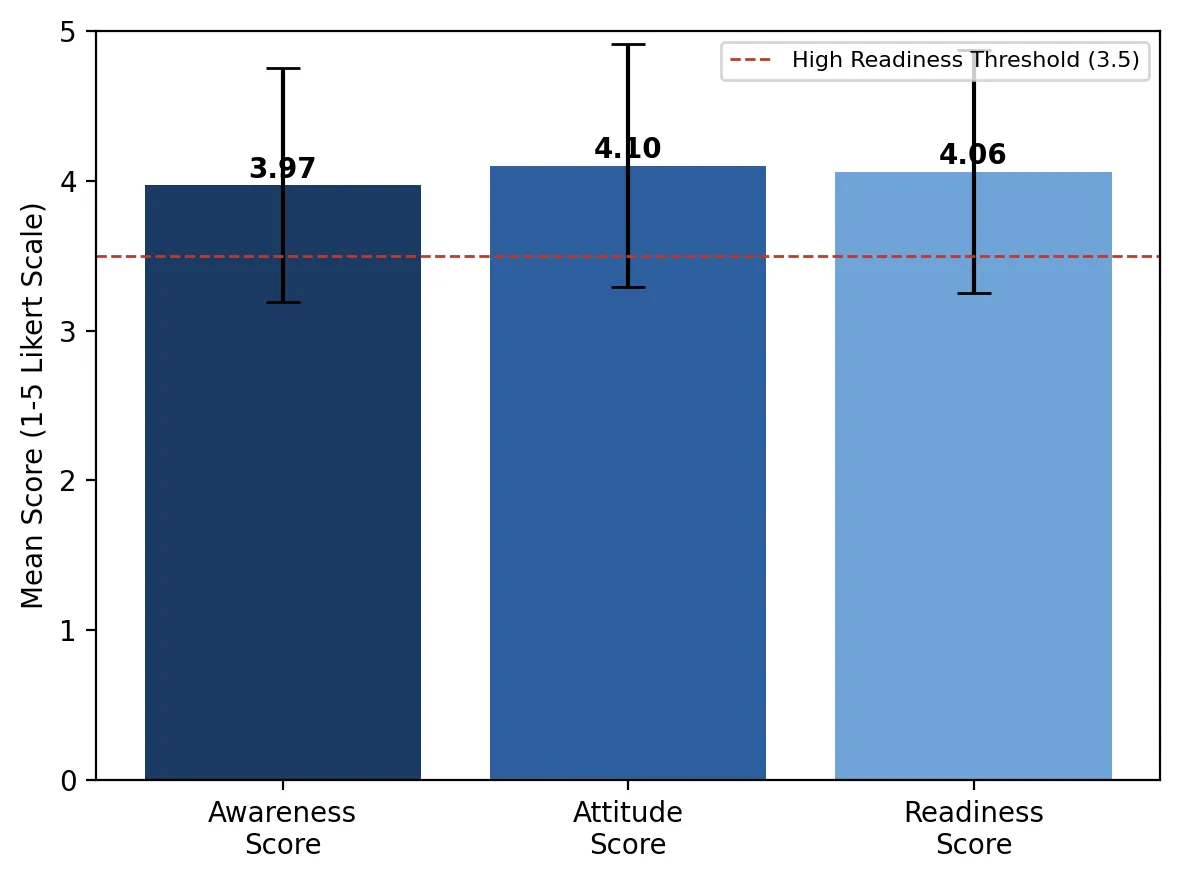
Figure 3: Overall Mean Domain Scores with Standard Deviation Error Bars (N=175). The dashed line marks the High Readiness threshold (3.5).
Item-wise Awareness Scores
Table 5: Item-Wise Awareness Scores (N=175)
|
Sr. |
Awareness Item |
Mean |
SD |
|
1 |
I am aware of the basic concept of digital health in healthcare |
3.87 |
0.91 |
|
2 |
I am aware that artificial intelligence is used in healthcare systems |
4.11 |
0.89 |
|
3 |
I am aware that digital tools are used in pharmacy practice |
4.12 |
0.86 |
|
4 |
I am familiar with electronic health records and digital patient data systems |
3.93 |
0.94 |
|
5 |
I am aware of telemedicine and telepharmacy services |
3.80 |
1.01 |
|
|
Overall Awareness Score |
3.97 |
0.78 |
Items that scored the highest (4.12) relevant to awareness of digital tools in pharmacy practice, and (4.11) applications of AI in healthcare systems, demonstrated good conceptual awareness of the use of digital tools in professional practice. The lowest rated item was related to knowledge about telemedicine and telepharmacy services (3.80), suggesting a curricular deficiency in exposure to patient-facing service delivery via technology.
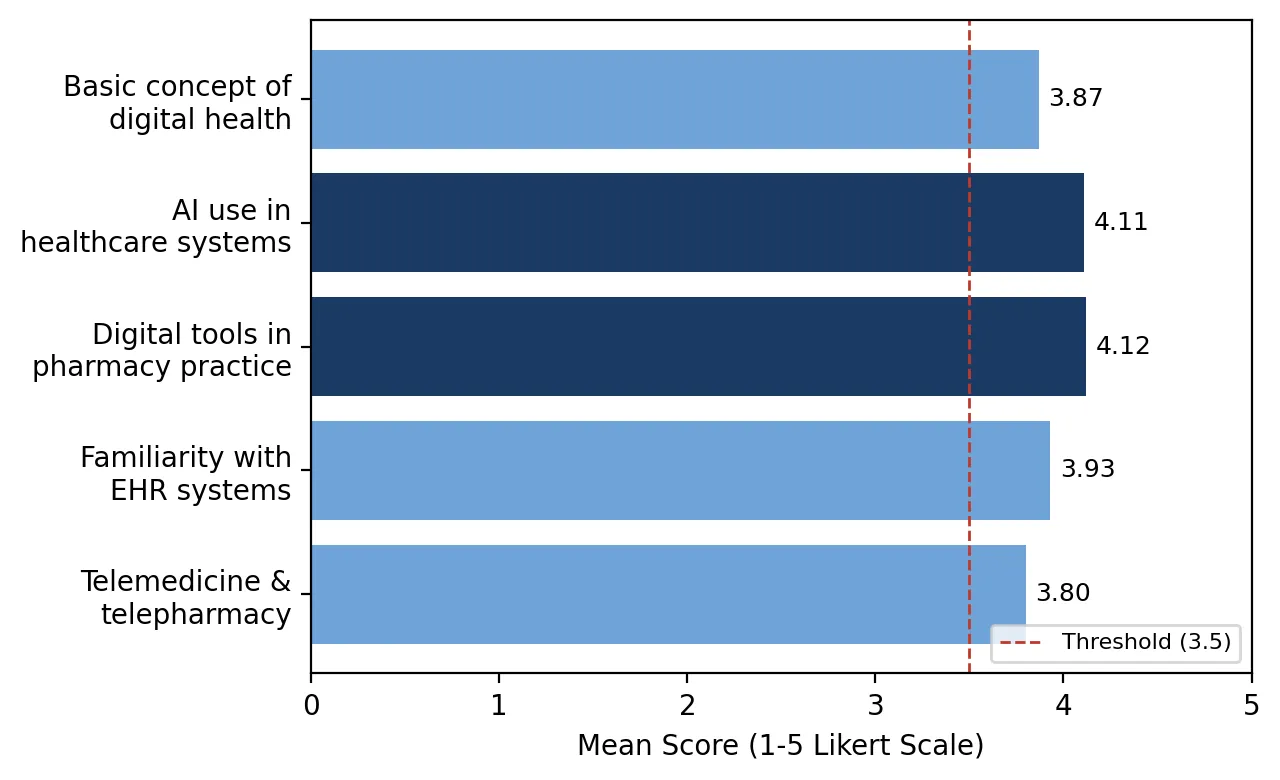
Figure 4: Item-wise Awareness Mean Scores (N=175). Dashed line marks the 3.5 threshold.
Item-wise Attitude Scores
Table 6: Item-Wise Attitude Scores (N=175)
|
Sr. |
Attitude Item |
Mean |
SD |
|
1 |
AI and digital health technologies can improve healthcare quality |
4.02 |
0.92 |
|
2 |
Integration of AI into pharmacy practice is necessary for the future |
4.02 |
0.96 |
|
3 |
Digital technologies can improve efficiency in pharmaceutical care |
4.13 |
0.87 |
|
4 |
Pharmacists should adapt to emerging healthcare technologies |
4.18 |
0.90 |
|
5 |
Learning about AI and digital health is important for my career |
4.14 |
0.91 |
|
|
Overall Attitude Score |
4.10 |
0.81 |
All five attitude items scored above 4.0, reflecting strong overall agreement. The highest-rated item, “Pharmacists should adapt to emerging healthcare technologies” (4.18), underscores students’ sense of professional responsibility toward technological change, while the item on the career relevance of AI learning (4.14) further supports the case for curricular integration.
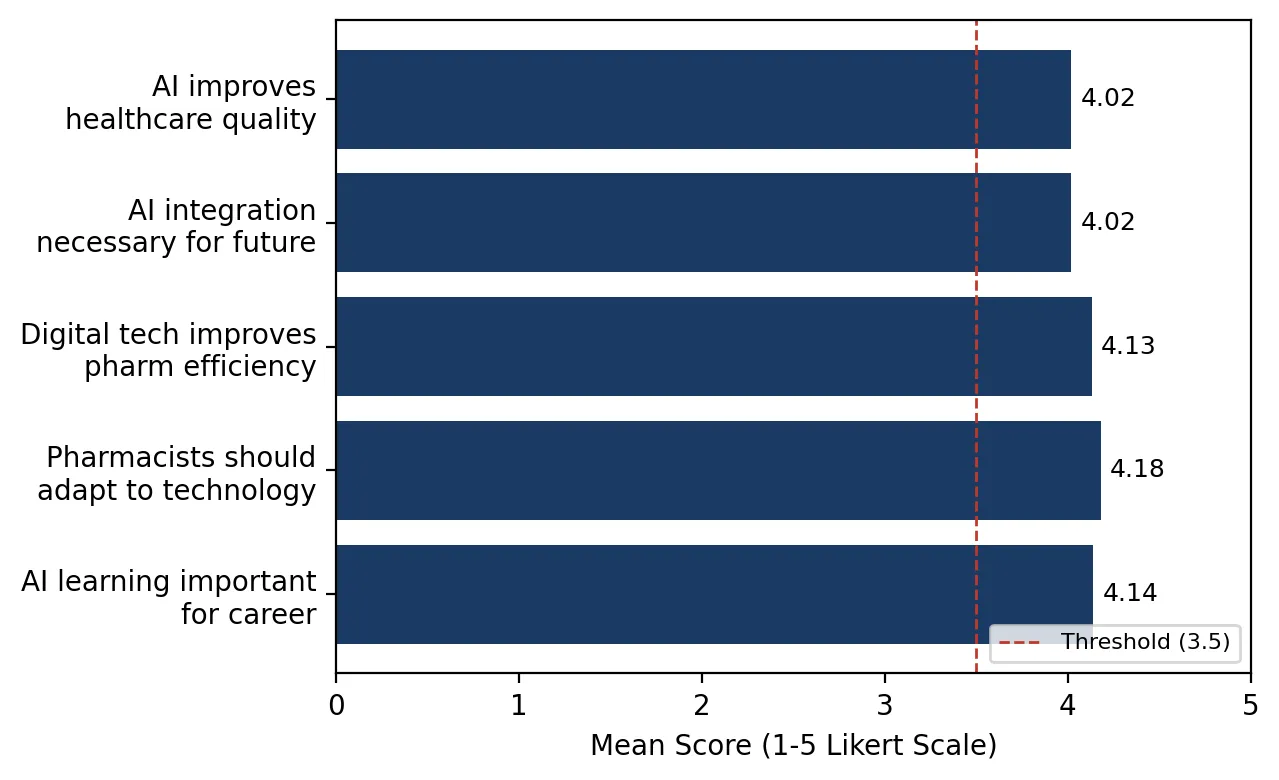
Figure 5: Item-wise Attitude Mean Scores (N=175). All items exceed the High threshold (3.5).
Readiness Level Distribution and Readiness Index
Table 7: Readiness Index Classification By Programme (N=175)
|
Programme |
n |
High Readiness n (%) |
Moderate Readiness n (%) |
Low Readiness n (%) |
Mean RI ± SD |
|
B.Pharm |
85 |
61 (71.8%) |
22 (25.9%) |
2 (2.4%) |
3.94±0.82 |
|
D.Pharm |
30 |
25 (83.3%) |
5 (16.7%) |
0 (0.0%) |
4.13±0.74 |
|
M.Pharm |
30 |
23 (76.7%) |
6 (20.0%) |
1 (3.3%) |
4.14±0.76 |
|
Pharm.D |
30 |
27 (90.0%) |
2 (6.7%) |
1 (3.3%) |
4.24±0.70 |
|
Total |
175 |
136 (77.7%) |
35 (20.0%) |
4 (2.3%) |
4.08±0.75 |
F=1.298, p=0.277 (ANOVA – not significant).
The overall preparedness was strong, with most students (77.7%) being considered as having High Readiness to use AI and digital health technologies in professional practice. Pharm.D students had the greatest percentage of High Readiness (90.0%), followed by B.Pharm. The highest percentage (25.9%) was observed among the Pharm students indicating that undergraduate students were a priority group for targeted curricular interventions. The non-significant result for the ANOVA (p=0.277) is not necessarily a sign of no meaningful differences in readiness between cohorts at the programme level but rather that there are no meaningful programme-level differences across cohorts.
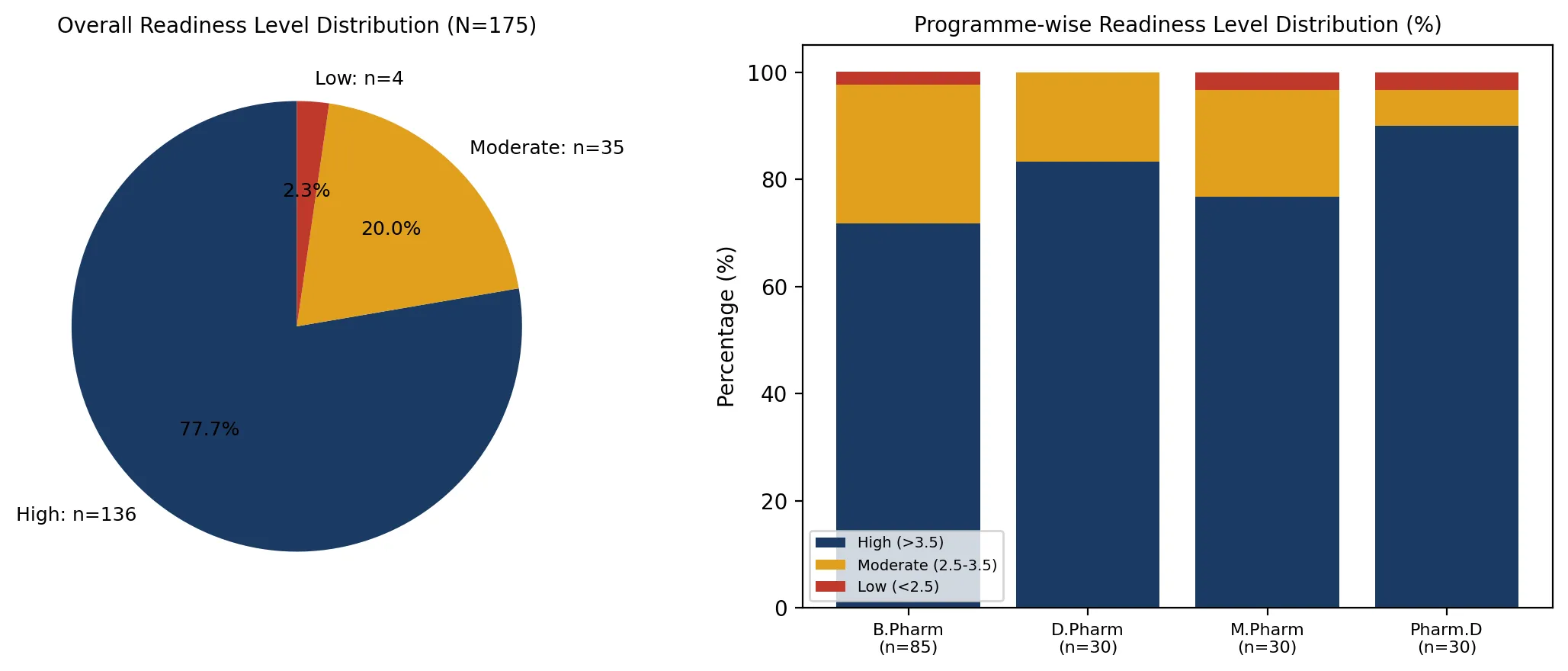
Figure 6: Overall and Programme-wise Readiness Level Distribution (N=175)
Programme-wise Domain Score Comparison
Table 8: Programme-Wise Comparison Of Domain Scores (Mean ± Sd)
|
Programme |
Awareness |
Attitude |
Readiness |
ANOVA p-value |
|
B.Pharm (n=85) |
3.81±0.80 |
4.07±0.83 |
3.94±0.82 |
|
|
D.Pharm (n=30) |
4.05±0.72 |
3.97±0.79 |
4.13±0.74 |
|
|
M.Pharm (n=30) |
3.97±0.76 |
4.08±0.80 |
4.14±0.76 |
|
|
Pharm.D (n=30) |
4.35±0.70 |
4.32±0.75 |
4.24±0.70 |
|
|
Overall (n=175) |
3.97±0.78 |
4.10±0.81 |
4.06±0.81 |
p=0.277 (NS) |
The mean scores for each of the three domains — Awareness, Attitude, and Readiness — were highest for Pharm.D students, which supports their clinically oriented curriculum where EHRs, AI-powered drug-interaction software, and clinical decision-support systems are used regularly. Students in the B.Pharmacy Department had the lowest score in Awareness (3.81) and Readiness (3.94) most likely because they are mostly pre-clinical students of the Pharmacy undergraduate programme.
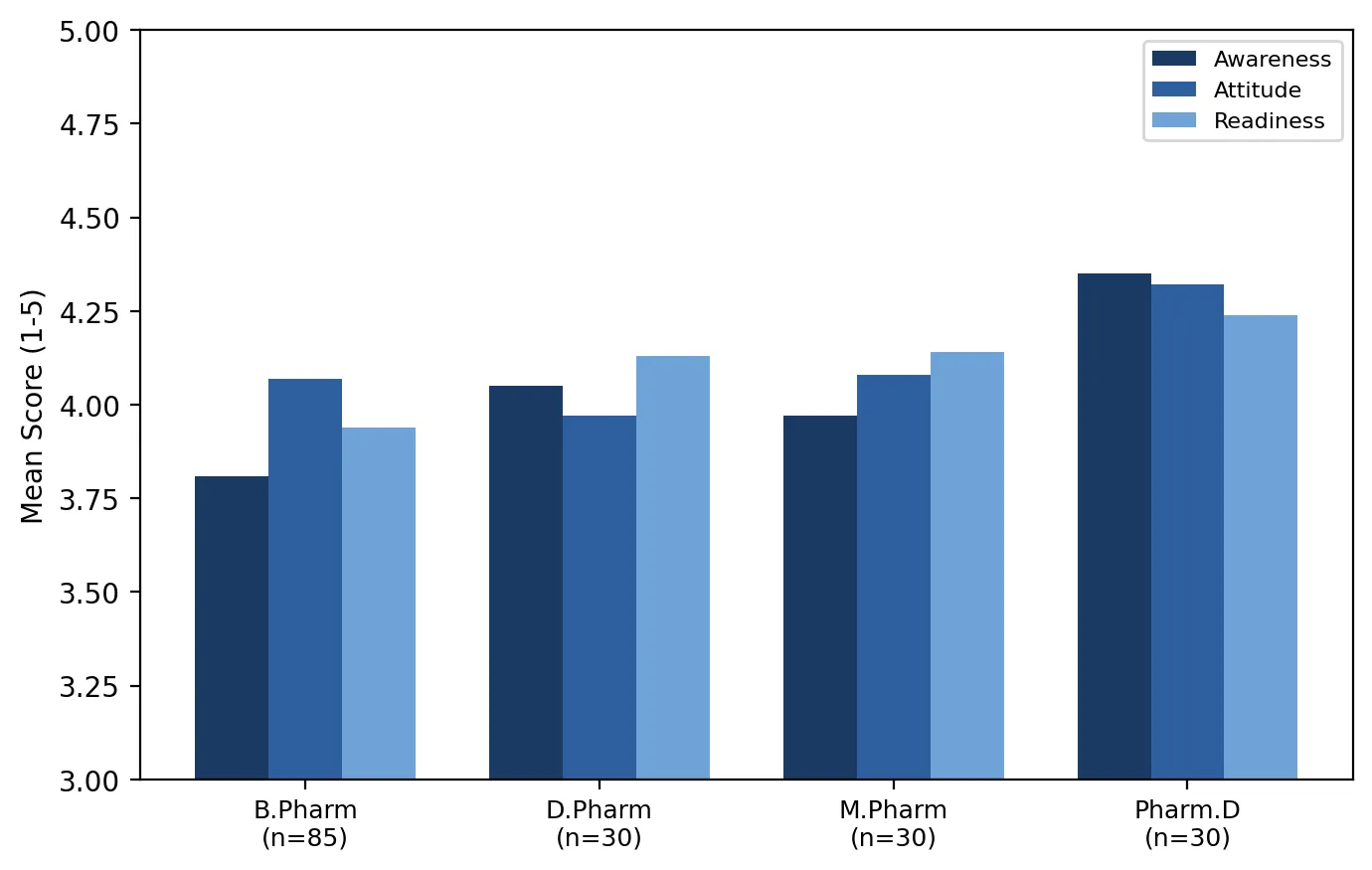
Figure 7: Programme-wise Comparison of Awareness, Attitude, and Readiness Scores (N=175)
Gender-wise Analysis
Table 9: Gender-Wise Domain Score Comparison (N=174*)
|
Domain |
Female (n=103) Mean ± SD |
Male (n=71) Mean ± SD |
p-value (t-test) |
|
Awareness Score |
3.88±0.79 |
4.10±0.75 |
0.072 (NS) |
|
Attitude Score |
4.08±0.82 |
4.13±0.80 |
0.681 (NS) |
|
Readiness Score |
4.06±0.82 |
4.05±0.80 |
0.954 (NS) |
|
χ² (Gender vs. Readiness Level) |
χ²=3.413 |
df=4 |
p=0.491 (NS) |
*One respondent who selected “Prefer not to say” excluded. NS = Not Significant.
There were no significant differences between the sexes in any domain (all p>0.05), suggesting that awareness, attitude and readiness towards digital health is fairly gender balanced throughout Indian pharmacy education. This is in contrast to reports from Zambia and Saudi Arabia where profound gender effects were reported.6,7
Correlation Analysis
Table 10: Pearson’s Correlation Matrix – Awareness, Attitude, And Readiness Scores
|
|
Awareness Score |
Attitude Score |
Readiness Score |
|
Awareness Score |
1.000 |
0.598** |
0.543** |
|
Attitude Score |
0.598** |
1.000 |
0.755** |
|
Readiness Score |
0.543** |
0.755** |
1.000 |
**p<0.001 (two-tailed).
There was a strong positive correlation between Attitude and Readiness (r=0.755, p<0.001), indicating that a positive professional attitude is a key factor to be considered in assessing digital health readiness. The moderate correlation between Awareness and Attitude (r=0.598) and the Awareness with Readiness (r=0.543) further supports the interdependency of these constructs as it is suggested by the TAM that the attitude construct namely perceived usefulness is the major determinant of behavioural intention to adopt new technology. 11
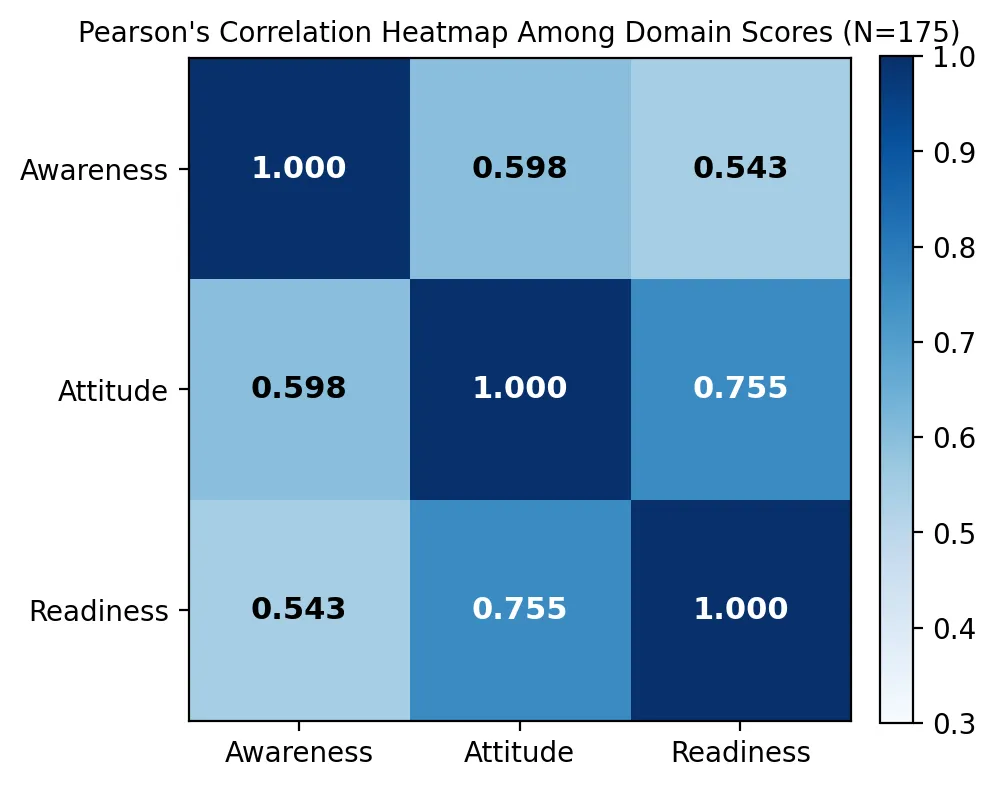
Figure 8: Pearson’s Correlation Heatmap Among Domain Scores. Darker shading indicates stronger correlation.
Educational Exposure Analysis
Table 11: Educational Exposure Distribution And Association With Readiness Scores (N=175)
|
Item |
Agree/SA n (%) |
Neutral n (%) |
Disagree/SD n (%) |
Mean Readiness Score |
|
Theoretical exposure to AI/digital health |
117 (66.9%) |
43 (24.6%) |
15 (8.6%) |
4.19 |
|
AI should be incorporated in syllabus |
126 (72.0%) |
42 (24.0%) |
7 (4.0%) |
4.22 |
|
Practical exposure to digital health tools |
119 (68.0%) |
41 (23.4%) |
15 (8.6%) |
4.21 |
|
Workshop/Training Attendance – Yes |
90 (51.4%) |
— |
— |
4.17 |
|
Workshop/Training Attendance – No |
85 (48.6%) |
— |
— |
3.94 |
SA = Strongly Agree; SD = Strongly Disagree. Mean Readiness Scores shown for students in respective exposure subgroups.
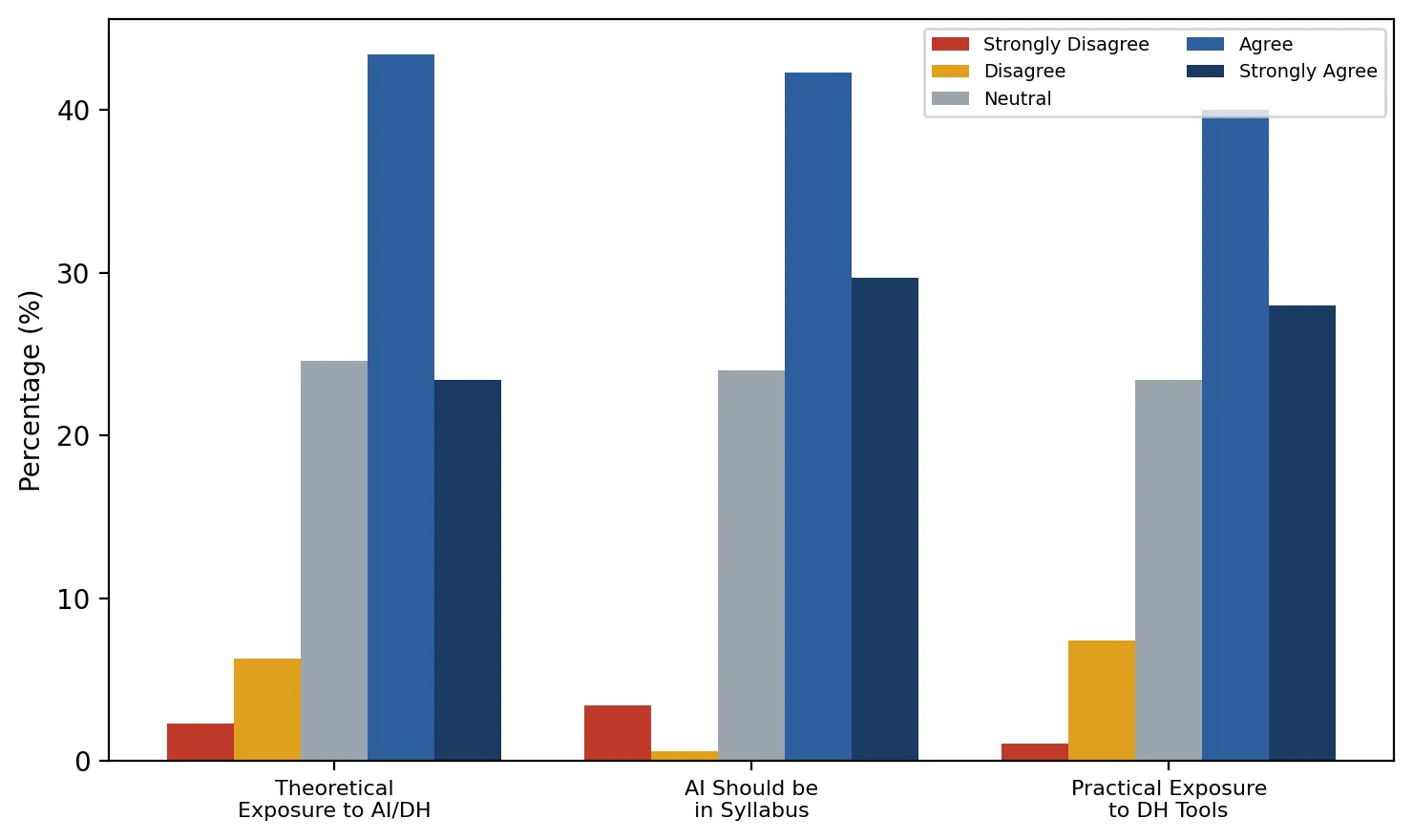
Figure 9: Educational Exposure Response Distribution by Item (N=175). SD=Strongly Disagree, D=Disagree, N=Neutral, A=Agree, SA=Strongly Agree.
DISCUSSION
The study is one of the first studies to measure AI and digital health readiness across four levels of the pharmacy programmes within a single national cohort of 175 Indian pharmacy students. In general, students exhibited moderate to high levels of awareness, positive attitudes and mainly high readiness (77.7%) to the AI and digital health technologies.
The overall Awareness score (3.97±0.78) indicates medium awareness of AI applications in healthcare. The Attitude score (4.10) was the highest of the three domains, suggesting a strong positive attitude towards AI adoption. This is an opposite result to that of Mudenda et al. (2024) that pharmacy students in Zambia (71.3%) have negative attitudes towards technology; this difference could be attributed to the differences in educational infrastructure, access to digital technology, and the socio-technological environment across Sub-Saharan Africa and India. The present results are more consistent with the results of Alhur et al. (2025) in Saudi Arabia, who found mostly positive attitudes towards AI and Busch et al. (2024) in their multinational sample who found mostly positive attitudes towards AI. 7,10
Cross-section analysis of the relationship between attitude and readiness yielded a positive correlation (r=0.755, p<0.001) and it is recommended that attitude-centred educational programs (e.g. case studies, exposure to practising professionals, and AI success stories in the field of Pharmacy) be incorporated alongside knowledge-based education to improve practical readiness. Motivation and fact therefore must be included in the curriculum design.
The observed programme-wise gradient (Pharm.D > M.Pharm > D.Pharm > B.Pharm) is consistent with the clinical orientation of the Pharm.D curriculum, which affords frequent exposure to patient-care systems, drug databases, and EHRs. This pattern parallels the findings of Alhur et al. (2025), who identified year of study as a key determinant of AI familiarity and adoption intention among pharmacy students. The higher proportion of Moderate Readiness among B.Pharm students (25.9%) relative to Pharm.D students (6.7%) strengthens the argument for introducing AI and digital health content earlier in the undergraduate curriculum, prior to the clinical training phase.
Contrary to the results of Mudenda et al. (2024) and Alhur et al. (2025), women and men did not significantly differ in their AI-related knowledge, attitude and practice in the present study, which can be attributed to relatively homogeneous digital environment of Indian pharmacy students where knowledge, attitude and practices related to using smartphones, social media and information seeking is mostly independent of gender.6,7 This result could also be due to selection bias, because those who agree to take part in an AI-literacy survey might already constitute a sub-sample with higher levels of technology engagement. The higher preparedness scores of the workshop participants when compared with those who did not attend the workshop (4.17 vs. 3.94) confirms the findings of Tezpal et al.2014 who reported a similar association between the exposure to structured AI-course and preparedness (r=0.426, p<0.001)8 thereby reinforcing the importance of implementing AI and digital health workshops, seminars, or short courses as a complementary part of the pharmacy curriculum, which was strongly supported by 72.0% of the surveyed students, compared to the formal incorporation of these courses.
In addition to the empirical results, this study contributes to the methodology as the composite Readiness Index can be used as a standardised, reusable tool to measure programme and institutional-level readiness and to monitor progress after educational interventions.
CONCLUSION
The study, which was cross-sectional, included 175 students from four levels of pharmacy programmes across India and evaluated their awareness, attitude and preparedness to AI and digital health technologies using a newly created composite Readiness Index. The key findings are: (i) awareness was moderate to high, with the highest scores in healthcare and pharmacy practice with digital tools (mean, 3.97±0.78); (ii) a strong endorsement of attitudes at all programme levels (mean, 4.10±0.81); and (iii) a strong positive association between workshop attendance and readiness (4.17 vs. 3.94). The overall findings show a positive outlook of the Indian pharmacy students towards incorporating AI and digital health into their education. There are still areas lacking in knowledge, however, such as telepharmacy, EHRs and more sophisticated applications of AI, most prominently among B.Pharm students, with focus on priority areas of curricular intervention. The created Readiness Index in this study is a legitimate and reusable indicator to be used in long term evaluation and institutional comparison of educational programs on AI in Pharmacy programs.
Recommendations
1. The Pharmacy Council of India (PCI) should promote curricular integration of a dedicated course on AI and digital health technologies across the B.Pharm, D.Pharm, Pharm.D, and M.Pharm curricula, incorporating programme-specific content such as dispensing automation for D.Pharm, AI applications in drug discovery for B.Pharm, clinical decision support for Pharm.D, and pharmacovigilance analytics for M.Pharm.
2. Institutions should introduce a foundational AI and Digital Health Literacy course for first-year students across all programmes, covering AI fundamentals, EHRs, telemedicine, telepharmacy, and AI ethics.
3. Faculty should be encouraged to collaborate across disciplines — pharmacy, computer science, and health informatics — to develop blended-learning modules incorporating AI simulations and case-based digital health instruction.
4. Institutions should invest in dedicated digital-health laboratories equipped with EHR simulation platforms, AI-based drug-interaction tools, and telepharmacy practice modules.
5. Faculty development programmes should be implemented to strengthen educator competency in AI applications relevant to pharmacy practice.
6. AI-related workshops, webinars, hackathons, and industry–academia collaborative projects should be incorporated into the academic calendar as a complement to formal coursework
Limitations
Because of the cross-sectional design, it is not possible to draw causal conclusions about the relationship between readiness and educational exposure; factors other than those examined may be acting as confounding factors. The results may not be generalisable to other parts of India because the sampling was done from a convenience sample and the study was conducted in a geographically limited area of Pune, Maharashtra. The data is self-reported, which can lead to social-desirability bias, causing people to report their attitudes and willingness to adopt AI to be higher than they truly are. Construct validation of the Readiness Index with objective measures of clinical or research use of AI-tools is warranted, as the Readiness Index showed good internal consistency (α=0.84). Finally, the relatively small subgroup sizes for D.Pharm, M.Pharm, and Pharm.D (n=30 each) constrain the statistical power of inter-programme comparisons.
Future Scope:
Causal evidence for the effectiveness of educational interventions on changes in Awareness, Attitude, and Readiness Index scores would come from structured curricular interventions focused on AI and followed up with longitudinal studies. The study would be more generalizable to the larger, more diverse sample of Indian students in their pharmacy studies if performed in multi-institutional and multi-state studies. Qualitative research would be useful to understand the reasons for reduced preparedness within sub groups and could be complementary. Faculty readiness assessment and aptitude assessment of the students in AI and digital health can be conducted in parallel to find further gaps in the educational system. Additional construct validation with objective behavioral measures (e.g. frequency and confidence of using the EHR or interaction with clinical decision support systems) would increase the construct validity of the Readiness Index. A comparative analysis of the knowledge and practice gap in this could be further illumination between the knowledge and practice gap by comparing pharmacy students with practising pharmacists.
FUNDING
No external funding was received. This study was conducted as part of the Final Year B.Pharm Project at Dr. D. Y. Patil College of Pharmacy, Akurdi, Pune.
AI DECLARATION
Generative artificial intelligence tools, including ChatGPT (OpenAI), were used during manuscript preparation for language refinement, grammar correction, formatting assistance, and organisation of content. All aspects of study design, data collection, statistical analysis, interpretation of results, and scientific conclusions were performed and verified by the authors, who take full responsibility for the accuracy, originality, and integrity of the manuscript.
CONFLICT OF INTEREST
The authors declare no conflicts of interest.
ACKNOWLEDGEMENT
The authors gratefully acknowledge the participation of all pharmacy students who took part in this study.
REFERENCES


Sakshi Mandekar 1*, T. Deokule, Awareness, Attitude, And Readiness Toward Artificial Intelligence And Digital Health Technologies Among Pharmacy Students As Future Healthcare Professionals: A Cross-Sectional Study , Int. J. of Pharm. Sci., 2026, Vol 4, Issue 7, 5866-5883.https://doi.org/10.5281/zenodo.21705879
 10.5281/zenodo.21705879