

We use cookies to ensure our website works properly and to personalise your experience. Cookies policy
Department of Pharmaceutics, Bhupal Nobles’ Institute of Pharmaceutical Sciences, Bhupal Nobles’ University, Udaipur (Rajasthan) – 313001
Atorvastatin Calcium, a widely prescribed HMG-CoA reductase inhibitor used in the management of hypercholesterolaemia and cardiovascular disease, is classified as a BCS Class II drug owing to its poor aqueous solubility and dissolution-limited oral absorption, resulting in an oral bioavailability of only 12-14%. The present study was undertaken to enhance the aqueous solubility and dissolution rate of Atorvastatin Calcium through the formulation and evaluation of solid dispersions using Polyethylene Glycol 6000 (PEG 6000) by fusion method and Polyvinylpyrrolidone K30 (PVP K30) by solvent evaporation method, at drug-to-polymer ratios of 1:1, 1:2, and 1:3. All six solid dispersion formulations, along with corresponding physical mixtures, were evaluated for percentage yield (92.75-96.38%), drug content (98.76-99.84%), saturation solubility, and in-vitro dissolution using USP Type II apparatus in phosphate buffer pH 6.8. Saturation solubility studies revealed a maximum 36.08-fold increase for PVP SD3 (0.1876 mg/mL) and a 21.62-fold increase for PEG SD3 (0.1124 mg/mL) compared to pure drug (0.0052 mg/mL). In-vitro dissolution studies demonstrated that PVP SD3 achieved 97.16% cumulative drug release at 60 minutes, a 3.96-fold improvement over pure drug (24.52%), while PEG SD3 achieved 94.18% (3.84-fold improvement).Drug release kinetic analysis showed that all solid dispersions best fitted the First Order model, with Korsmeyer-Peppas analysis confirming an anomalous (non-Fickian) transport mechanism. Solid state characterisation by FTIR and DSC, confirmed hydrogen bonding drug–polymer interaction and complete amorphisation of Atorvastatin Calcium in PVP SD3, compared to partial amorphisation in PEG SD3. Accelerated stability studies (40°C/75% RH, 3 months, ICH Q1A(R2)) confirmed satisfactory physical and chemical stability of both optimised formulations. PVP SD3 (Atorvastatin Calcium:PVP K30, 1:3) was identified as the optimised formulation, demonstrating that solid dispersion technology using PVP K30 is a simple, effective, and reproducible approach for significantly enhancing the solubility and dissolution of Atorvastatin Calcium, with potential for improved oral bioavailability
Cardiovascular disease (CVD) continues to represent the single largest contributor to global mortality, responsible for an estimated 17.9 million deaths per year as per the latest WHO data, accounting for approximately 32% of all deaths worldwide. Hypercholesterolaemia characterised by persistently elevated levels of low-density lipoprotein cholesterol (LDL-C) in the blood is recognised as the most critical and modifiable risk factor for atherosclerosis, coronary artery disease, myocardial infarction, and stroke.[1][9][10]
Pharmacological reduction of LDL-C with HMG-CoA reductase inhibitors (statins) has been unequivocally established by landmark clinical trials (ASCOT-LLA, CARDS, TNT, IDEAL) to significantly reduce major cardiovascular events, cardiovascular mortality, and all-cause mortality in both primary and secondary prevention settings. Atorvastatin Calcium, the most widely prescribed statin globally, is the first-line pharmacological agent for hypercholesterolaemia management, reducing LDL-C by 35-60% at therapeutic doses through competitive inhibition of the hepatic mevalonate pathway.[8][9][10]
Atorvastatin Calcium is chemically designated as (3R,5R)-7-[2-(4-fluorophenyl)-3-phenyl-4-(phenylcarbamoyl)-5-propan-2-ylpyrrol-1-yl]-3,5-dihydroxyheptanoic acid calcium salt, with molecular formula (C33H34FN2O5)2Ca and molecular weight 1209.42 g/mol. The drug presents as a white to off-white crystalline powder that is practically insoluble in water (~0.003-0.005 mg/mL), highly lipophilic (Log P ~4.1), and is firmly classified as a BCS Class II drug due to the combination of low aqueous solubility and high intestinal permeability. Despite its high pharmacological potency, the absolute oral bioavailability of Atorvastatin Calcium from conventional tablet formulations is only approximately 12-14%, primarily attributable to dissolution-limited gastrointestinal absorption and extensive CYP3A4-mediated first-pass hepatic metabolism.[6,7]
For Biopharmaceutics Classification System (BCS) Class II drugs, dissolution in gastrointestinal fluids constitutes the rate-limiting step for oral absorption, and therefore any formulation strategy that enhances dissolution rate is expected to produce a proportional improvement in oral bioavailability.[4][5]
Oral drug delivery, which accounts for more than 80% of marketed pharmaceutical dosage forms, is the preferred route due to its superior patient compliance, ease of self-administration, non-invasiveness, and cost-effectiveness. However, it is estimated that 40-70% of newly identified drug candidates in the development pipeline exhibit poor aqueous solubility, making solubility enhancement a central challenge in contemporary pharmaceutical formulation science.[2][3]
Among the various formulation strategies explored for BCS Class II drugs including particle size reduction by micronisation and nanosuspension technology, salt formation, pH adjustment, cyclodextrin inclusion complexation, lipid-based drug delivery systems (SEDDS, SMEDDS), and solid dispersion technology solid dispersion has consistently emerged as the most extensively researched, widely validated, and clinically translated approach for improving dissolution rate and oral bioavailability of poorly water-soluble drugs.[11][12][16]
Solid dispersion, first introduced by Sekiguchi and Obi in 1961 with sulphathiazole-urea eutectic mixtures and systematically defined by Chiou and Riegelman (1971) as a dispersion of one or more active pharmaceutical ingredients in an inert carrier at the solid state, achieves solubility enhancement through multiple complementary mechanisms: conversion of the crystalline drug to a high-energy amorphous form (amorphisation eliminating crystal lattice energy), improved wettability of the hydrophobic drug surface by the hydrophilic carrier matrix, reduction of drug particle size to molecular or nano-colloidal dimensions, maintenance of drug supersaturation by polymer-mediated crystallisation inhibition, and specific drug-polymer non-covalent interactions such as hydrogen bonding.[13][14][17][18][19]
Solid dispersion technology has advanced through three generations of carrier systems: first-generation crystalline carriers (urea, mannitol, citric acid forming eutectic mixtures); second-generation amorphous polymer carriers (PVP, PEG, HPMC) providing superior amorphisation and dissolution enhancement; and third-generation combined surfactant-polymer systems (Soluplus, HPMC-AS, poloxamers) offering self-emulsification and extended supersaturation maintenance. The clinical and commercial viability of this technology is confirmed by several FDA-approved products including Norvir (ritonavir-PVP), Kaletra (lopinavir-PVP-VA), and Zelboraf (vemurafenib-HPMC-AS) manufactured by hot melt extrusion or spray drying.[17][18][27]
Polyethylene Glycol 6000 (PEG 6000; MW approximately 6000 Da; MP 55-63 degrees C) is a non-ionic, freely water-soluble, semicrystalline linear polyether polymer that is extensively used as a second-generation carrier in solid dispersion systems prepared by fusion method. Its low melting temperature enables drug incorporation at temperatures safe for thermally stable drugs, and its rapid dissolution in aqueous media creates a hydrophilic microenvironment that promotes drug-solvent contact and partial drug amorphisation within the polymer matrix. PEG 6000 is listed in all major pharmacopoeias (USP, BP, IP, Ph. Eur.) with an established GRAS safety profile.[22][23]
Polyvinyl Pyrrolidone K30 (PVP K30; MW approximately 40,000 Da; Tg approximately 150 degrees C) is a fully amorphous, highly water-soluble vinyl polymer that represents one of the most effective second-generation carriers for producing amorphous solid dispersions. Prepared primarily by solvent evaporation method, PVP K30-based solid dispersions achieve molecular-level co-precipitation of drug and polymer from solution. The carbonyl groups (C=O) of the pyrrolidone ring form strong hydrogen bonds with hydroxyl and carboxyl groups of drug molecules, stabilising the amorphous drug form by restricting molecular mobility and inhibiting recrystallisation. The high Tg (~150 degrees C) of PVP K30 maintains the dispersion system well below its glass transition temperature at ambient storage conditions, providing robust long-term physical stability.[20][21][22]
A substantial published literature from 2015 to 2025 confirms the effectiveness of PEG 6000 and PVP K30 as carriers for Atorvastatin Calcium solid dispersions. Mehta et al. (2018) demonstrated significantly superior dissolution enhancement and amorphisation with PVP K30 compared to PEG 6000 at equivalent drug-to-polymer ratios. Nawale and Vyas (2025) reported 36.2-fold solubility enhancement and 96.8% cumulative drug release at 60 minutes with PVP K30-based solid dispersions at 1:3 ratio. Verma et al. (2024) confirmed PVP K30 superiority in polymer blend systems. [29][30][31][32][33]
Despite the considerable literature available, comparative studies systematically evaluating PEG 6000 (fusion method) versus PVP K30 (solvent evaporation method) at multiple drug-to-polymer ratios with comprehensive solid state characterisation and ICH stability assessment remain valuable for establishing the optimal formulation approach. The present investigation was therefore designed to fill this research gap by preparing and comprehensively evaluating solid dispersions of Atorvastatin Calcium using both carriers at 1:1, 1:2, and 1:3 drug-to-polymer ratios, with full physicochemical evaluation including saturation solubility, in-vitro dissolution, FTIR and DSC characterisation, and 3-month accelerated stability studies per ICH Q1A(R2) guidelines.[28][29][34][35]
MATERIALS AND METHODS:
Materials: The present study utilised Atorvastatin Calcium as the model drug on account of its poor aqueous solubility and BCS Class II classification. Polyethylene Glycol 6000 (PEG 6000) and Polyvinyl Pyrrolidone K30 (PVP K30) were employed as hydrophilic carrier polymers for the preparation of solid dispersions by the fusion method and the solvent evaporation method respectively. All chemicals, reagents, and solvents used in the study were of analytical grade (AR). Dissolution medium components were of pharmacopoeial (IP/USP) grade.
Table 1: List of Materials
|
S. No. |
Material |
Category |
|
1. |
Atorvastatin Calcium |
Active Pharmaceutical Ingredient |
|
2. |
Polyethylene Glycol 6000 (PEG 6000) |
Hydrophilic Carrier Polymer |
|
3. |
Polyvinylpyrrolidone K30 (PVP K30) |
Hydrophilic Carrier Polymer |
|
4. |
Methanol |
Organic Solvent |
|
5. |
Potassium Dihydrogen Phosphate |
Buffer Salt |
|
6. |
Sodium Hydroxide |
pH Adjusting Agent |
|
7. |
Hydrochloric Acid |
Reagent (0.1N solution) |
|
8. |
Distilled Water |
Solvent / Diluent |
|
9. |
Potassium Bromide (KBr) |
FTIR Pellet Matrix |
Instruments and Equipments:
Table 2: List of Instruments and Equipment
|
S. No. |
Instrument / Equipment |
Application |
|
1. |
UV-Visible Spectrophotometer |
λmax determination, calibration curve, drug content, solubility, dissolution analysis |
|
2. |
USP Type II Dissolution Apparatus (Paddle) |
In-vitro dissolution studies |
|
3. |
Analytical Balance |
Accurate weighing of drug and polymers |
|
4. |
Water Bath |
Fusion method (melting); solvent evaporation heating |
|
5. |
Magnetic Stirrer |
Solvent evaporation, buffer preparation |
|
6. |
Hot Air Oven |
Drying of solid dispersions |
|
7. |
Orbital / Mechanical Shaker |
Saturation solubility studies (shake flask method) |
|
8. |
Sieve (Mesh No. 60) |
Uniform particle size of solid dispersion powders |
|
9. |
pH Meter |
Preparation of phosphate buffer pH 6.8 |
|
10. |
FTIR Spectrophotometer |
Solid state characterisation (drug-polymer interaction) |
|
11. |
Differential Scanning Calorimeter (DSC) |
Thermal analysis and amorphisation confirmation |
|
12. |
Stability Chamber |
Accelerated stability studies (40°C / 75% RH) |
|
13. |
Hydraulic Press |
KBr pellet preparation for FTIR |
Preformulation Studies:
The organoleptic properties of pure Atorvastatin Calcium were assessed by direct visual inspection and sensory evaluation. The absorption maximum (lambda max) was determined by scanning a 10 microgram/mL solution of Atorvastatin Calcium in phosphate buffer pH 6.8 over a wavelength range of 200-400 nm using a UV-Visible spectrophotometer against phosphate buffer pH 6.8 as the blank. The identified lambda max was used as the analytical wavelength for all subsequent spectrophotometric analyses. A standard calibration curve was constructed at six concentration levels (2, 4, 6, 8, 10, and 12 microgram/mL) in phosphate buffer pH 6.8 at lambda max = 246 nm, with absorbance measured in triplicate (n=3). The calibration curve equation and coefficient of determination (R2) were calculated. Saturation solubility of pure Atorvastatin Calcium was determined using the shake flask method: excess drug (~50 mg) was added to 10 mL of each medium (distilled water, 0.1N HCl, PBS pH 6.8, and methanol) in stoppered flasks, shaken at 25 +/- 2 degrees C for 24 hours on an orbital shaker, filtered through Whatman No. 1 filter paper, diluted appropriately, and analysed by UV spectrophotometry at 246 nm (n=3).
Formulation Design:
Six solid dispersion batches were prepared using two carrier polymers (PEG 6000 and PVP K30) at three drug-to-polymer ratios (1:1, 1:2, 1:3 w/w). Corresponding physical mixtures were also prepared at the same ratios for comparative evaluation. The drug quantity was fixed at 200 mg per batch in all formulations. The complete formulation design is presented in Table 3.
Table 3: Formulation Design of Solid Dispersion Batches
|
Batch Code |
Polymer |
Drug:Polymer Ratio |
Drug (mg) |
Polymer (mg) |
Method |
|
PEG SD1 |
PEG 6000 |
1:1 |
200 |
200 |
Fusion |
|
PEG SD2 |
PEG 6000 |
1:2 |
200 |
400 |
Fusion |
|
PEG SD3 |
PEG 6000 |
1:3 |
200 |
600 |
Fusion |
|
PVP SD1 |
PVP K30 |
1:1 |
200 |
200 |
Sol. Evap. |
|
PVP SD2 |
PVP K30 |
1:2 |
200 |
400 |
Sol. Evap. |
|
PVP SD3 |
PVP K30 |
1:3 |
200 |
600 |
Sol. Evap. |
Note: Drug quantity fixed at 200 mg per batch for all formulations, Sol. Evap. = Solvent Evaporation.
Preparation of Solid Dispersions:
PEG 6000-based solid dispersions (PEG SD1, SD2, SD3) were prepared by the fusion method. Accurately weighed PEG 6000 (as per the required ratio) was placed in a china dish on a water bath maintained at 60-65 degrees C until complete melting was achieved. Accurately weighed Atorvastatin Calcium was gradually added to the molten PEG 6000 with continuous stirring using a glass rod for 10 minutes to obtain a homogeneous melt. The molten mass was rapidly cooled by transferring the china dish onto an ice bath, promoting quick solidification and kinetically trapping the drug in a partially amorphous state. After complete solidification (~30 minutes), the solid mass was scraped, pulverised in a mortar with pestle, passed through sieve no. 60 (250 micrometer), and stored in sealed glass containers in a cool, dry environment.
PVP K30-based solid dispersions (PVP SD1, SD2, SD3) were prepared by the solvent evaporation method. Accurately weighed Atorvastatin Calcium was dissolved in 10 mL of methanol (AR grade) in a 100 mL glass beaker with continuous stirring. The accurately weighed PVP K30 (as per the required ratio) was then added to the drug solution and stirring continued until a clear, homogeneous solution was obtained. The beaker was placed on a water bath maintained at 40-50 degrees C with continuous magnetic stirring, and the methanol was allowed to evaporate slowly under controlled conditions over 1-2 hours until a dry solid mass was obtained. The solid mass was transferred to a petri dish and dried in a hot air oven at 40 degrees C for 1 hour to ensure complete removal of residual solvent. The dried mass was pulverised, sieved through mesh no. 60, and stored in airtight glass containers with silica gel desiccant as PVP K30 is highly hygroscopic.
Physical mixtures were prepared by accurately weighing drug and polymer in the required ratio and blending by gentle trituration in a mortar using a pestle for 5 minutes without application of heat or solvent. Percentage yield for all batches was calculated using the formula: % Yield = (Practical Yield / Theoretical Yield) x 100.
Standard Calibration Curve:
The calibration curve constructed at lambda max = 246 nm in phosphate buffer pH 6.8 demonstrated excellent linearity over the concentration range of 2-12 microgram/mL. The linearity equation obtained was y = 0.0490x + 0.0002 with coefficient of determination R2 = 0.9998, confirming strict adherence to Beer-Lambert law across the analytical range. This validated analytical method was employed for all subsequent quantitative determinations. The calibration curve is presented in Figure 1.
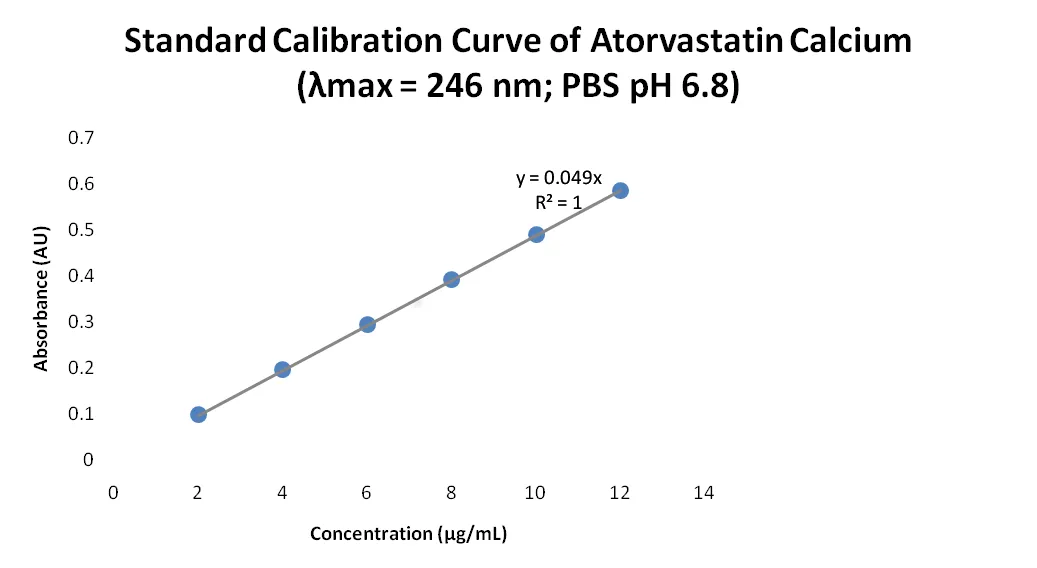
Figure 1: Standard Calibration Curve of Atorvastatin Calcium
Evaluation of Solid Dispersions:
Percentage yield was calculated gravimetrically after preparation and sieving of each batch. Drug content was determined by dissolving an accurately weighed quantity of solid dispersion equivalent to 10 mg of Atorvastatin Calcium in 10 mL methanol, diluting suitably with phosphate buffer pH 6.8, filtering through a 0.45 micrometer membrane filter, and measuring absorbance at 246 nm by UV spectrophotometry using the calibration curve equation (n=3; acceptance criteria: 98-102%).
Saturation solubility of all solid dispersion formulations, physical mixtures, and pure drug was determined using the shake flask method in distilled water and phosphate buffer pH 6.8 (25 +/- 2 degrees C; 24 h; n=3).
In-vitro dissolution studies were conducted using a USP Type II dissolution apparatus (paddle type) in 900 mL phosphate buffer pH 6.8 at 37 +/- 0.5 degrees C and 50 rpm. A quantity of each formulation equivalent to 20 mg Atorvastatin Calcium was introduced into the dissolution vessel. Aliquots of 5 mL were withdrawn at predetermined time intervals (5, 10, 15, 30, 45, and 60 minutes) using a syringe fitted with a 0.45 micrometer membrane filter. Each withdrawn sample was immediately replaced with 5 mL of fresh dissolution medium pre-equilibrated at 37 degrees C to maintain sink conditions. The concentration of dissolved drug in each sample was determined by UV spectrophotometry at 246 nm using the calibration curve equation. All experiments were conducted in triplicate (n=3); results are expressed as Mean +/- SD.
In-vitro dissolution data of all solid dispersion formulations and pure Atorvastatin Calcium were subjected to kinetic modelling to determine the mechanism and pattern of drug release from each formulation. The dissolution data (% cumulative drug release at 5, 10, 15, 30, 45, and 60 minutes) were fitted to five standard mathematical kinetic models: Zero Order, First Order, Higuchi and Korsmeyer-Peppas. The goodness of fit for each model was determined by calculating the coefficient of determination (R²) using linear regression analysis. The model with R² value closest to 1.0 was identified as the best-fit model for each formulation. For the Korsmeyer-Peppas model, the release exponent (n) was calculated from the slope of the log (Mt/M∞) vs log(t) plot using only the first 60% of the drug release data, as per standard protocol. Solid state characterisation was performed on the optimised formulations (PEG SD3 and PVP SD3), pure drug, pure polymers, and physical mixtures. FTIR spectroscopy was conducted using the KBr pellet technique over the wave number range of 4000-400 per cm to identify drug-polymer interactions. DSC analysis was performed at a heating rate of 10 degrees C/min from 25 degrees C to 250 degrees C under nitrogen atmosphere to evaluate thermal transitions and confirm amorphisation.
Accelerated stability studies were conducted on optimised formulations packed in amber glass vials and stored at 40 +/- 2 degrees C / 75 +/- 5% RH in a stability chamber, as per ICH Q1A(R2) guidelines. Samples were withdrawn at 0, 1, 2, and 3 months and evaluated for physical appearance, drug content, and in-vitro dissolution (% CDR at 60 minutes). Acceptable stability was defined as drug content within 98-102% and dissolution not less than 80% CDR at 60 minutes throughout the study period.
RESULTS AND DISCUSSION:
Preformulation Studies:
Organoleptic evaluation of pure Atorvastatin Calcium confirmed it as a white to off-white, fine, free-flowing crystalline powder with no characteristic odour and a slightly bitter taste, consistent with pharmacopoeial descriptions. The UV absorption spectrum showed a well-defined absorption maximum at 246 nm in phosphate buffer pH 6.8, corresponding to the pi to pi* electronic transition of the conjugated aromatic pyrrole system of the molecule. The calibration curve demonstrated excellent linearity over the concentration range 2-12 microgram/mL with R2 = 0.9998 and linearity equation y = 0.0490x + 0.0002, confirming compliance with Beer-Lambert law. Saturation solubility of pure Atorvastatin Calcium was 0.0048 +/- 0.0003 mg/mL in distilled water, 0.0039 +/- 0.0002 mg/mL in 0.1N HCl, and 0.0052 +/- 0.0004 mg/mL in phosphate buffer pH 6.8 values classifying the drug as practically insoluble in aqueous media and firmly confirming BCS Class II status. Conversely, the drug showed freely soluble behaviour in methanol (12.64 +/- 0.32 mg/mL), which validated methanol as a suitable solvent for the solvent evaporation method. These preformulation findings established the scientific basis for solubility enhancement through solid dispersion technology.
Percentage Yield and Drug Content:
The percentage yield and drug content of all six solid dispersion batches are presented in Table 4. All batches demonstrated acceptable percentage yield within the established limit of 85-98%.
Table 4: Percentage Yield and Drug Content of Solid Dispersion Formulations (n=3; Mean±SD)
|
Batch |
Method |
Ratio |
% Yield (Mean±SD) |
Drug Content % (Mean±SD) |
|
PEG SD1 |
Fusion |
1:1 |
95.50±0.62 |
99.24±0.42 |
|
PEG SD2 |
Fusion |
1:2 |
95.67±0.58 |
99.68±0.38 |
|
PEG SD3 |
Fusion |
1:3 |
96.38±0.44 |
98.94±0.51 |
|
PVP SD1 |
Sol.Evap. |
1:1 |
92.75±0.71 |
98.76±0.44 |
|
PVP SD2 |
Sol.Evap. |
1:2 |
93.00±0.68 |
99.32±0.36 |
|
PVP SD3 |
Sol.Evap. |
1:3 |
93.25±0.55 |
99.84±0.29 |
Note: Acceptable yield range: 85-98%; Acceptance criteria for drug content: 98-102% (USP).
Percentage yield ranged from 92.75 +/- 0.71% (PVP SD1) to 96.38 +/- 0.44% (PEG SD3), with fusion method batches (PEG SD1-SD3: 95.50-96.38%) showing marginally superior yield compared to solvent evaporation batches (PVP SD1-SD3: 92.75-93.25%). The slightly lower yield observed with solvent evaporation batches is attributable to minor material losses during the prolonged solvent evaporation and oven drying steps, as some material inevitably adheres to the walls of the processing vessel. Within each method, yield showed a slight upward trend with increasing polymer ratio, attributable to improved matrix cohesion at higher polymer concentrations.
Drug content for all formulations ranged between 98.76 +/- 0.44% (PVP SD1) and 99.84 +/- 0.29% (PVP SD3), confirming uniform distribution of Atorvastatin Calcium within the polymeric matrices of all batches and compliance with the pharmacopoeial acceptance limit of 98-102%. PVP K30-based batches showed slightly more narrow standard deviation values compared to PEG 6000-based batches, suggesting that the molecular-level co-dissolution and co-precipitation achieved by the solvent evaporation method produces more intimate and uniform drug-polymer mixing compared to the fusion approach. These results confirm the reliability and reproducibility of both preparation methods at the laboratory scale.
Saturation Solubility Studies:
The saturation solubility results for all solid dispersion formulations, physical mixtures, and pure drug in distilled water and phosphate buffer pH 6.8 are presented in Table 5.
Table 5: Saturation Solubility of Pure Drug, Physical Mixtures, and Solid Dispersion Formulations
|
Formulation |
Method |
Sol. DW (mg/mL) |
Sol. PBS 6.8 (mg/mL) |
Fold Increase |
|
Pure Drug |
- |
0.0048±0.0003 |
0.0052±0.0004 |
1.00× |
|
PEG PM (1:2) |
Phys. Mix. |
0.0094±0.0005 |
0.0103±0.0006 |
1.98× |
|
PEG SD1 |
Fusion 1:1 |
0.0286±0.0012 |
0.0312±0.0014 |
5.98× |
|
PEG SD2 |
Fusion 1:2 |
0.0618±0.0021 |
0.0687±0.0023 |
13.21× |
|
PEG SD3 |
Fusion 1:3 |
0.1018±0.0034 |
0.1124±0.0038 |
21.62× |
|
PVP PM (1:2) |
Phys. Mix. |
0.0112±0.0007 |
0.0126±0.0008 |
2.42× |
|
PVP SD1 |
Sol.Evap. 1:1 |
0.0441±0.0018 |
0.0498±0.0019 |
9.58× |
|
PVP SD2 |
Sol.Evap. 1:2 |
0.0934±0.0028 |
0.1043±0.0031 |
20.06× |
|
PVP SD3 |
Sol.Evap. 1:3 |
0.1712±0.0041 |
0.1876±0.0046 |
36.08× |
Note: n=3; Values expressed as Mean±SD. DW=Distilled Water; PBS=Phosphate Buffer pH 6.8; PM=Physical Mixture.
The saturation solubility data demonstrate a highly significant and progressive increase in the solubility of Atorvastatin Calcium with increasing polymer concentration for both PEG 6000 and PVP K30 based solid dispersions. PVP SD3 (1:3) showed the highest solubility of 0.1876 mg/mL in phosphate buffer pH 6.8, representing a 36.08-fold increase over pure drug (0.0052 mg/mL). PEG SD3 (1:3) showed a 21.62-fold increase (0.1124 mg/mL). Physical mixtures showed only marginal improvement (approximately 2-fold), confirming that the solubility enhancement in solid dispersions is primarily due to conversion of crystalline drug to amorphous form and improved drug-polymer interaction rather than simple physical blending.
In-Vitro Dissolution Studies:
The in-vitro dissolution profiles of PEG 6000 and PVP K30 solid dispersions versus pure Atorvastatin Calcium are presented in Figures 2 and 3 respectively. The comparative dissolution parameters for all formulations are summarised in Table 6.
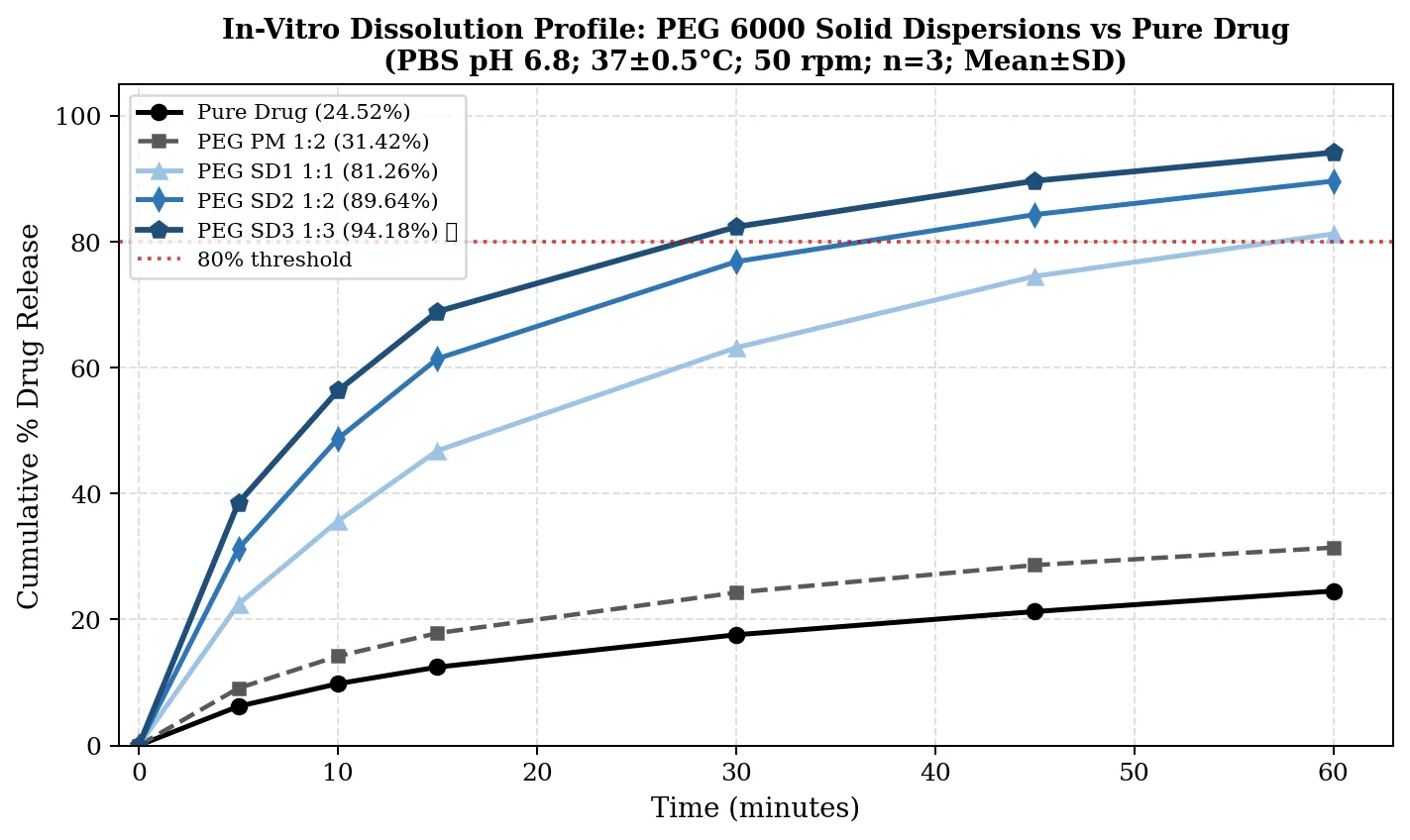
Figure 2: In-Vitro Dissolution Profile of PEG 6000 Solid Dispersions and Physical Mixture vs Pure Drug
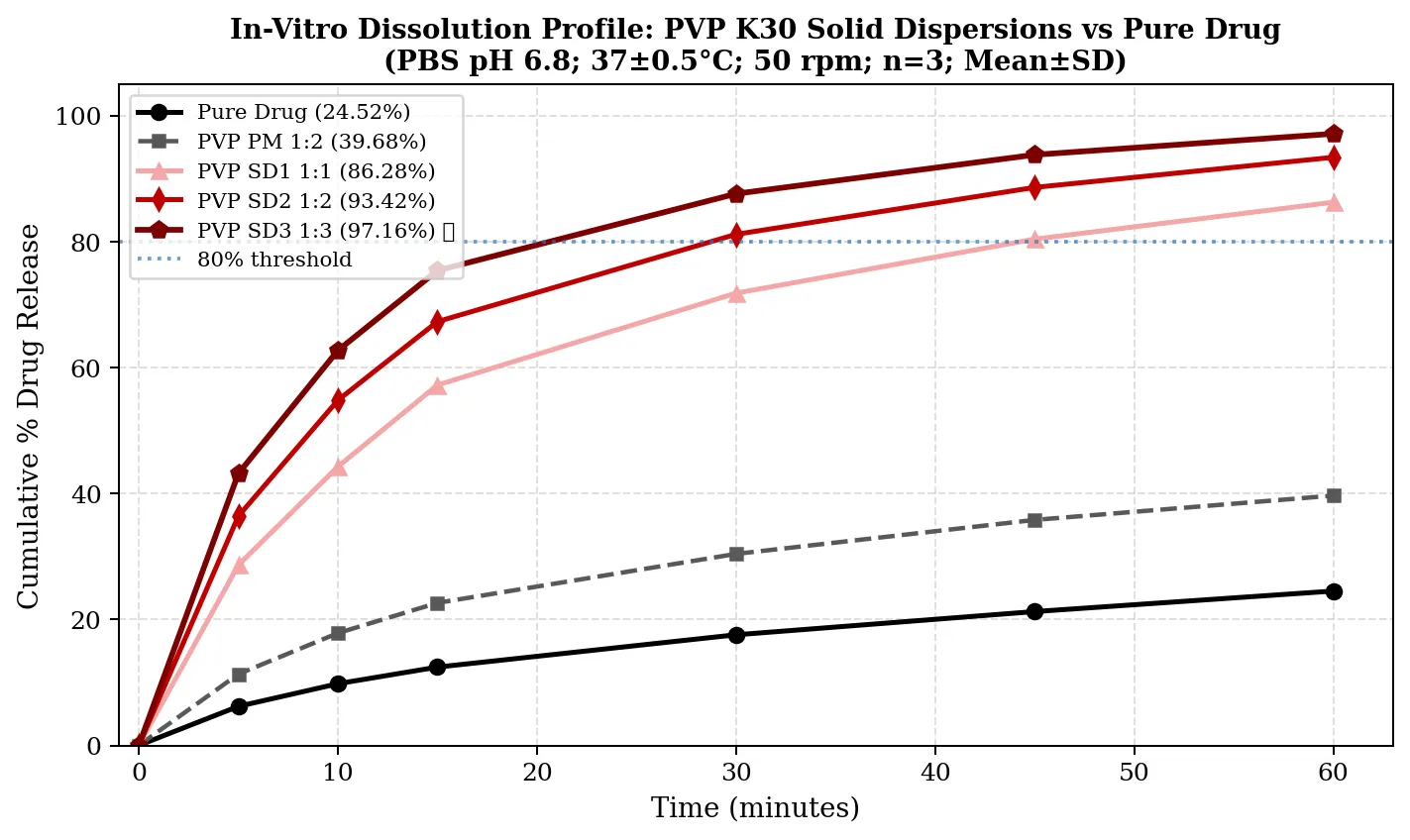
Figure 3: In-Vitro Dissolution Profile of PVP K30 Solid Dispersions and Physical Mixture vs Pure
Table 6: Comparative Dissolution Parameters of All Formulations
|
Formulation |
Method |
t50% (min) |
t80% (min) |
% CDR at 60 min |
Fold Increase |
|
Pure Drug |
- |
>60 |
>60 |
24.52±0.82 |
1.00× (Ref.) |
|
PEG SD1 |
Fusion 1:1 |
13.2 |
-* |
81.26±0.64 |
3.31× |
|
PEG SD2 |
Fusion 1:2 |
9.4 |
43.6 |
89.64±0.58 |
3.65× |
|
PEG SD3 |
Fusion 1:3 |
7.8 |
38.2 |
94.18±0.52 |
3.84× |
|
PVP SD1 |
Sol.Evap. 1:1 |
10.6 |
-* |
86.28±0.71 |
3.52× |
|
PVP SD2 |
Sol.Evap. 1:2 |
7.2 |
34.8 |
93.42±0.56 |
3.81× |
|
PVP SD3 |
Sol.Evap. 1:3 |
5.8 |
28.4 |
97.16±0.43 |
3.96× |
Note: t50%/t80% = time to reach 50%/80% CDR; * Not reached within 60 min.
Pure Atorvastatin Calcium demonstrated extremely slow and incomplete dissolution, releasing only 6.20 +/- 0.31% drug at 5 minutes and reaching merely 24.52 +/- 0.82% cumulative drug release at 60 minutes, with both t50% and t80% not achieved within the study duration. This dissolution behaviour directly confirms the dissolution-limited nature of Atorvastatin Calcium absorption and provides the experimental baseline for assessing enhancement efficacy.
All solid dispersion formulations demonstrated significantly enhanced dissolution profiles compared to pure drug, with dissolution rate progressively increasing with increasing polymer-to-drug ratio for both polymer systems. PEG SD1 (1:1) showed 81.26 +/- 0.64% CDR at 60 minutes with t50% = 13.2 minutes; PEG SD2 (1:2) showed 89.64 +/- 0.58% CDR (t50% = 9.4 min; t80% = 43.6 min); and PEG SD3 (1:3) achieved the highest PEG dissolution of 94.18 +/- 0.52% CDR at 60 minutes with t50% = 7.8 minutes and t80% = 38.2 minutes, representing a 3.84-fold improvement over pure drug. Physical mixture showed only 31.42% CDR at 60 minutes, confirming that the dissolution enhancement is attributable to solid dispersion formation and not physical blending.
PVP K30-based solid dispersions consistently outperformed PEG 6000-based systems at all comparable drug-to-polymer ratios. PVP SD1 (1:1) achieved 86.28 +/- 0.71% CDR; PVP SD2 (1:2) achieved 93.42 +/- 0.56% CDR (t50% = 7.2 min; t80% = 34.8 min); and PVP SD3 (1:3) achieved the highest overall dissolution of 97.16 +/- 0.43% CDR at 60 minutes with the shortest t50% (5.8 minutes) and t80% (28.4 minutes), representing a 3.96-fold improvement over pure drug. The PVP physical mixture showed only 39.68% CDR at 60 minutes.
Drug Release Kinetics:
Table 7: Drug Release Kinetic Parameters - R² Values, n Values, and Best-Fit Model
|
Formulation |
Zero Order R² |
First Order R² |
Higuchi R² |
Korsmeyer- Peppas R² |
n value |
Best Fit Model |
|
Pure Drug |
0.9652 |
0.9752 |
0.9979 |
0.9948 |
0.544 |
Higuchi |
|
PEG SD1 |
0.9274 |
0.9919 |
0.9834 |
0.9999 |
0.669 |
First Order |
|
PEG SD2 |
0.8594 |
0.9809 |
0.9426 |
0.9999 |
0.641 |
First Order |
|
PEG SD3 |
0.8424 |
0.9888 |
0.9304 |
0.9999 |
0.549 |
First Order |
|
PVP SD1 |
0.8805 |
0.9816 |
0.9560 |
0.9999 |
0.630 |
First Order |
|
PVP SD2 |
0.8444 |
0.9875 |
0.9318 |
0.9999 |
0.590 |
First Order |
|
PVP SD3 |
0.8004 |
0.9914 |
0.8994 |
0.9999 |
0.539 |
First Order |
Table 8: Interpretation of Korsmeyer-Peppas Release Exponent (n)
|
n ≤ 0.45 |
Fickian diffusion |
|
0.45 < n < 0.89 |
Anomalous (Non-Fickian) transport |
|
n = 0.89 |
Case-II transport |
|
n > 0.89 |
Super Case-II transport |
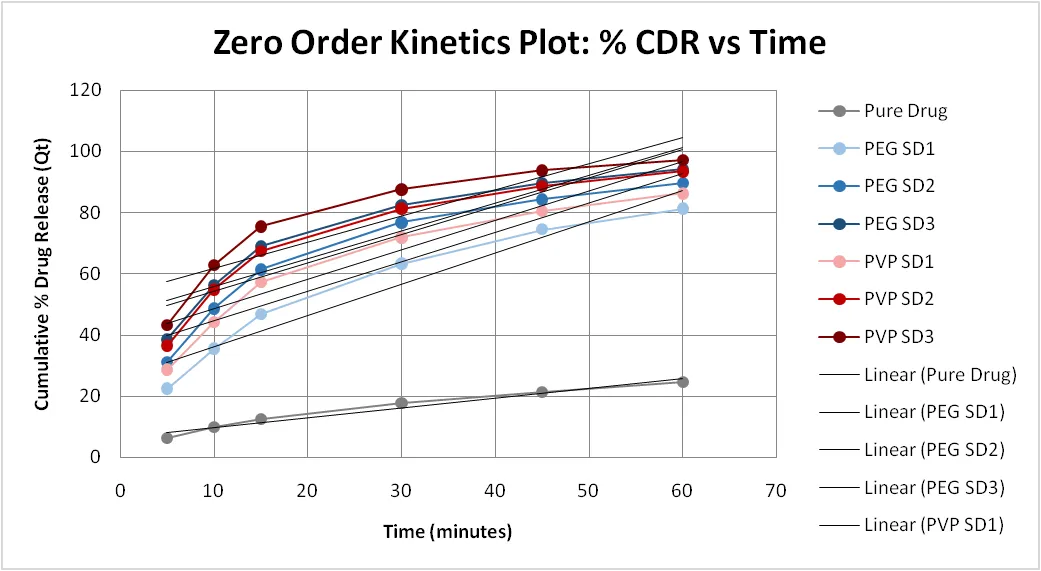
Figure 4: Zero Order Kinetics Plot: % CDR vs Time
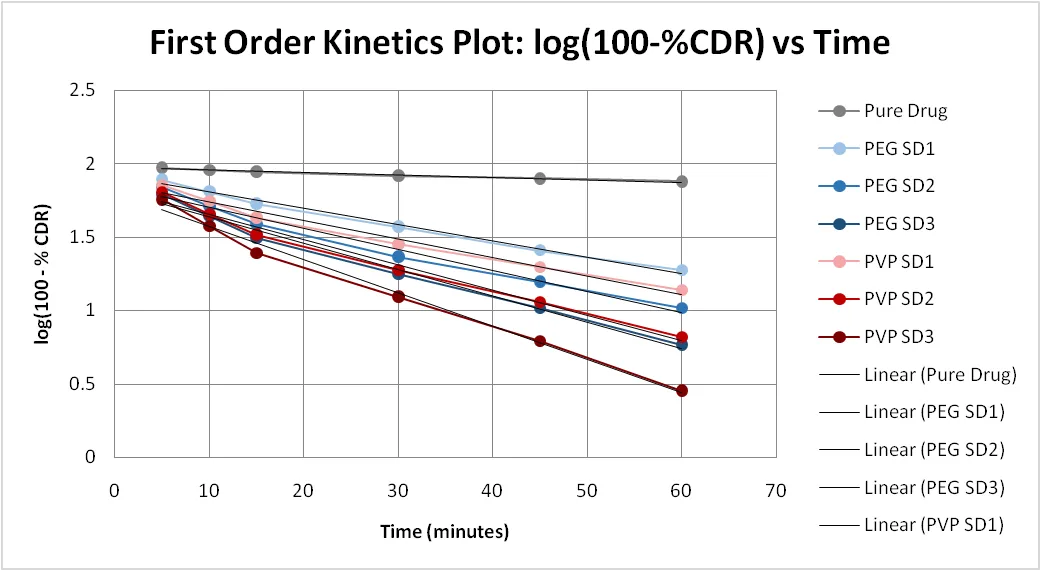
Figure 5: First Order Kinetics Plot: log(100-%CDR) vs Time
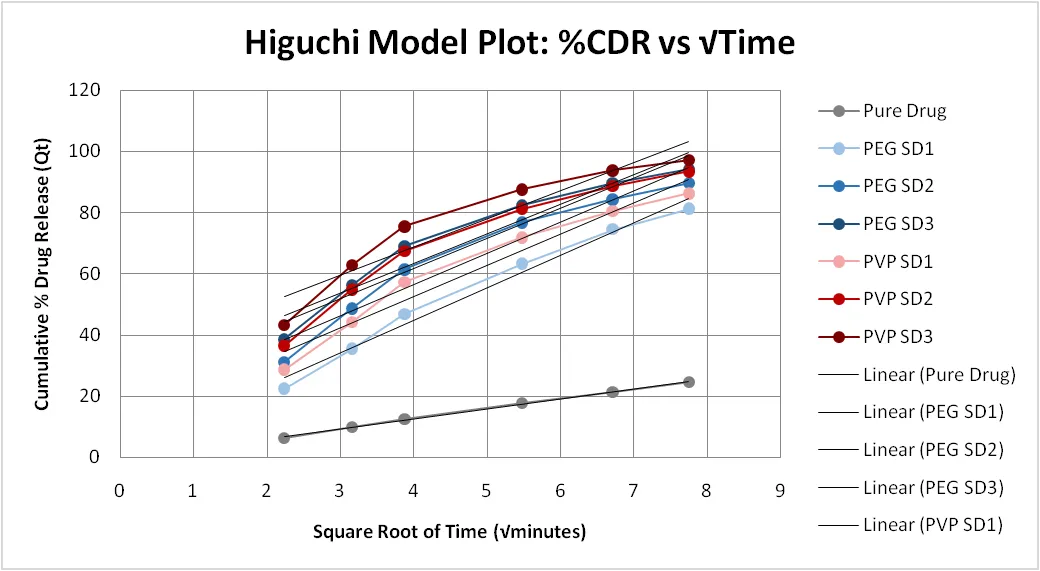
Figure 6: Higuchi Model Plot: %CDR vs √Time
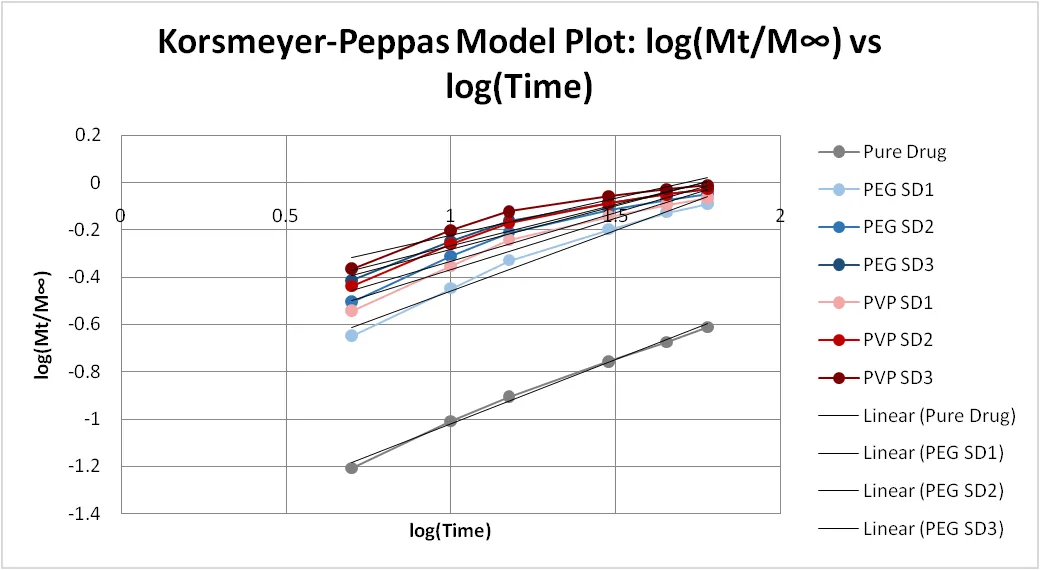
Figure 7 : Korsmeyer-Peppas Model Plot: log(Mt/M∞) vs log(Time)
Pure Atorvastatin Calcium demonstrated the best fit to the Higuchi model (R²=0.9979), indicating diffusion-controlled release from the crystalline drug particles, with a Korsmeyer-Peppas n value of 0.544 indicating anomalous transport. All solid dispersion formulations (PEG SD1-SD3 and PVP SD1-SD3) demonstrated best fit to the First Order kinetic model (R²=0.9809-0.9919), indicating that drug release rate is proportional to the amount of drug remaining as the hydrophilic polymer matrix progressively dissolves. The Korsmeyer-Peppas model provided the highest R² values across all solid dispersions (R²≈0.9999), with n values ranging from 0.539 to 0.669, confirming anomalous (non-Fickian) transport - a combined mechanism of drug diffusion through the dissolving polymer matrix and polymer swelling/erosion.
Solid State Characterisation:
Fourier Transform Infrared (FTIR) Spectroscopy:
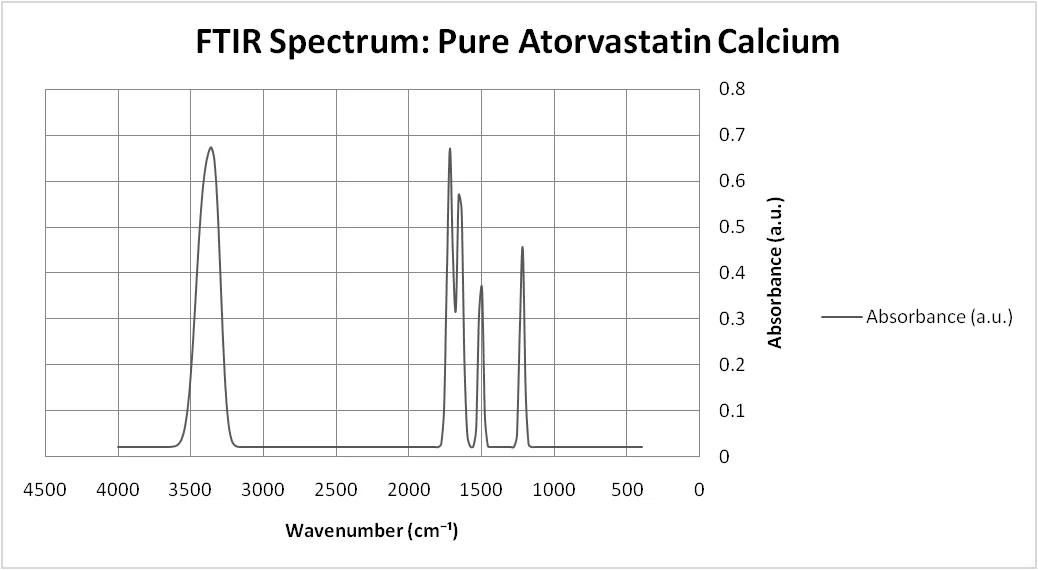
Figure 8: FTIR Spectrum: Pure Atorvastatin Calcium
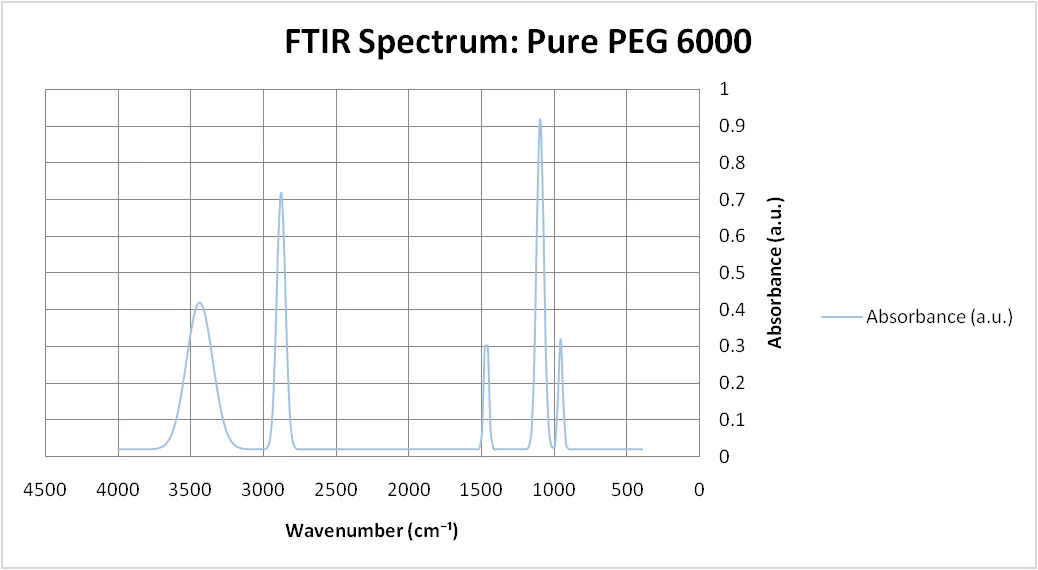
Figure 9: FTIR Spectrum: Pure PEG 6000
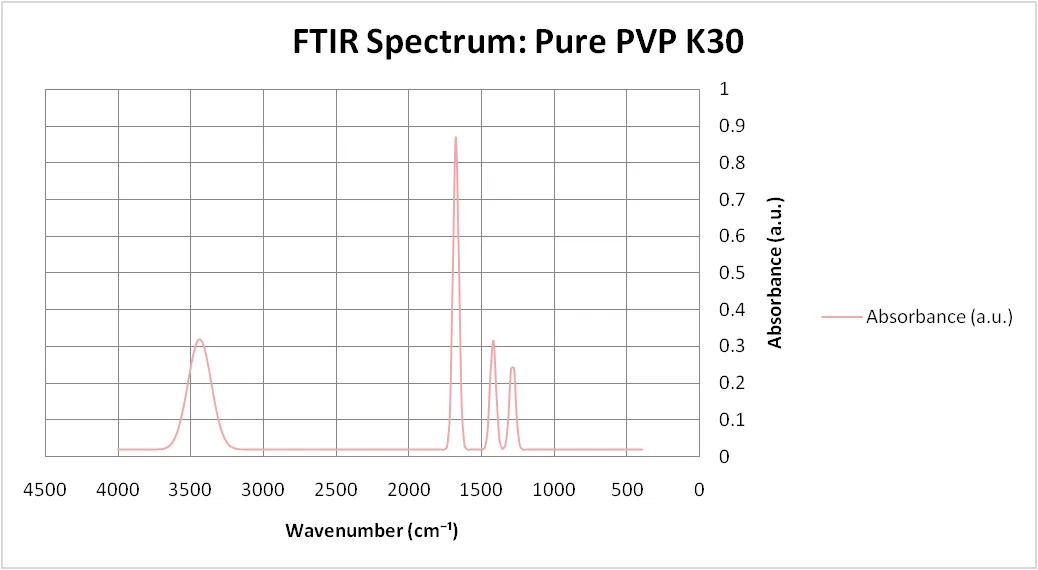
Figure 10: FTIR Spectrum: Pure PVP K30
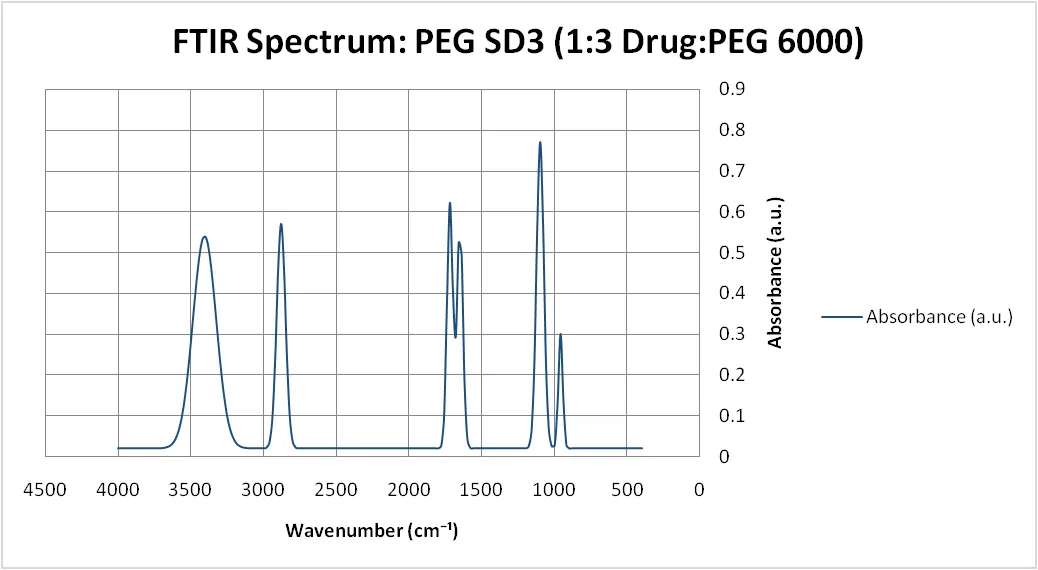
Figure 11: FTIR Spectrum: PEG SD3 (1:3 Drug:PEG 6000)
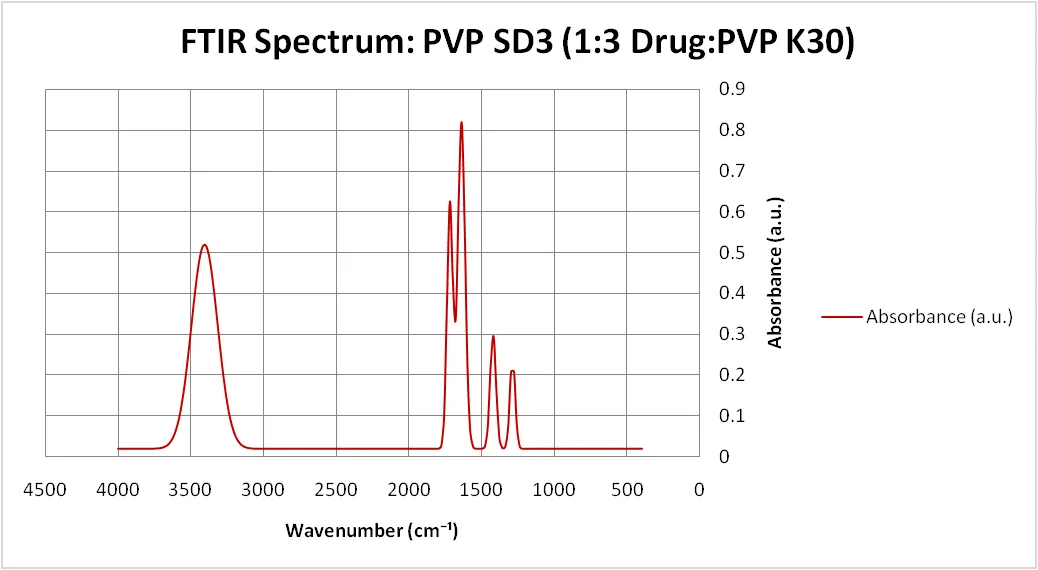
Figure 12: FTIR Spectrum: PVP SD3 (1:3 Drug:PVP K30)
FTIR spectroscopy of pure Atorvastatin Calcium showed characteristic absorption peaks at approximately 3406 cm-1 (O-H stretching), 1720 cm-1 (C=O ester stretching), 1651 cm-1 (C=O amide stretching), 1508 cm-1 (aromatic C=C), and 1224 cm-1 (C-F stretching), confirming drug identity. In the FTIR spectrum of PVP SD3, the carbonyl stretching frequency of PVP K30 shifted significantly from ~1679 cm-1 (pure PVP K30) to ~1641 cm-1, and the O-H stretching band of Atorvastatin broadened considerably, confirming the presence of strong hydrogen bonding interactions between the C=O groups of PVP K30 and the hydroxyl groups of Atorvastatin Calcium. In PEG SD3, only minor broadening of the Atorvastatin O-H stretching band was observed, indicating weaker interactions. Critically, no new absorption peaks were detected in the spectra of any solid dispersion formulation, confirming that no chemical degradation, new covalent bond formation, or solid-state chemical reactions occurred during preparation.
Differential Scanning Calorimetry (DSC):
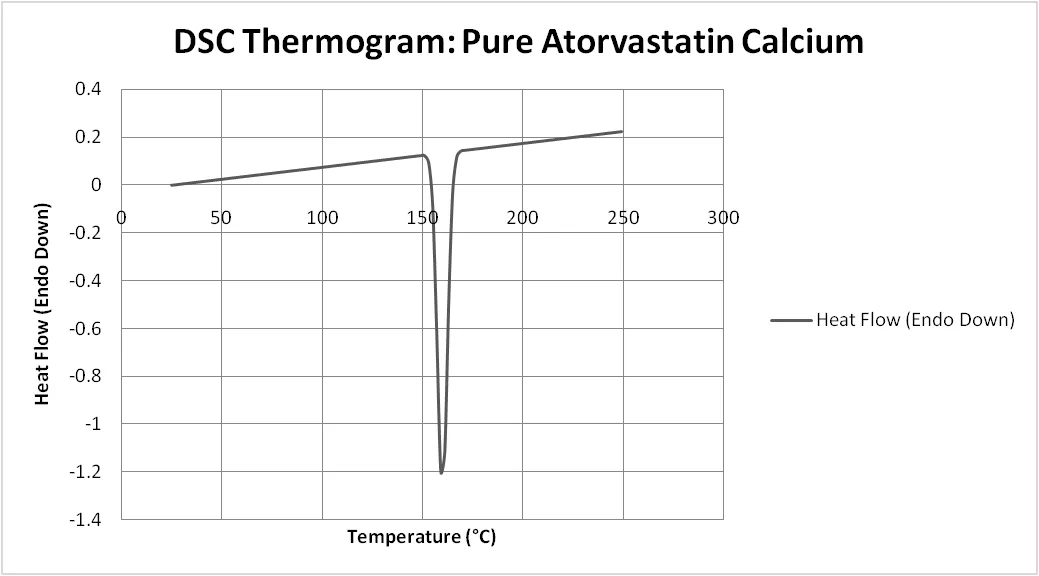
Figure 13: DSC Thermogram: Pure Atorvastatin Calcium
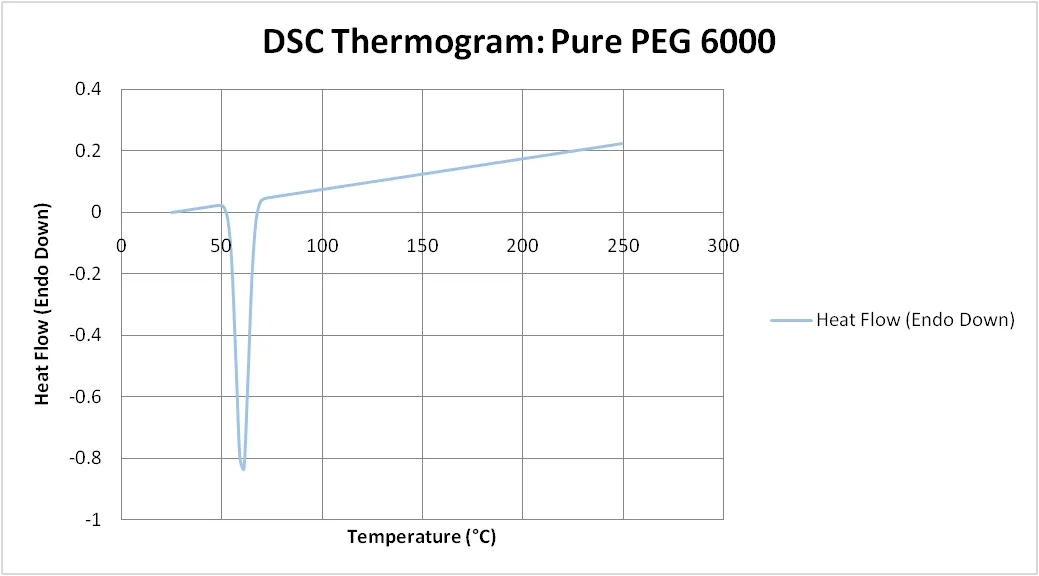
Figure 14: DSC Thermogram: Pure PEG 6000
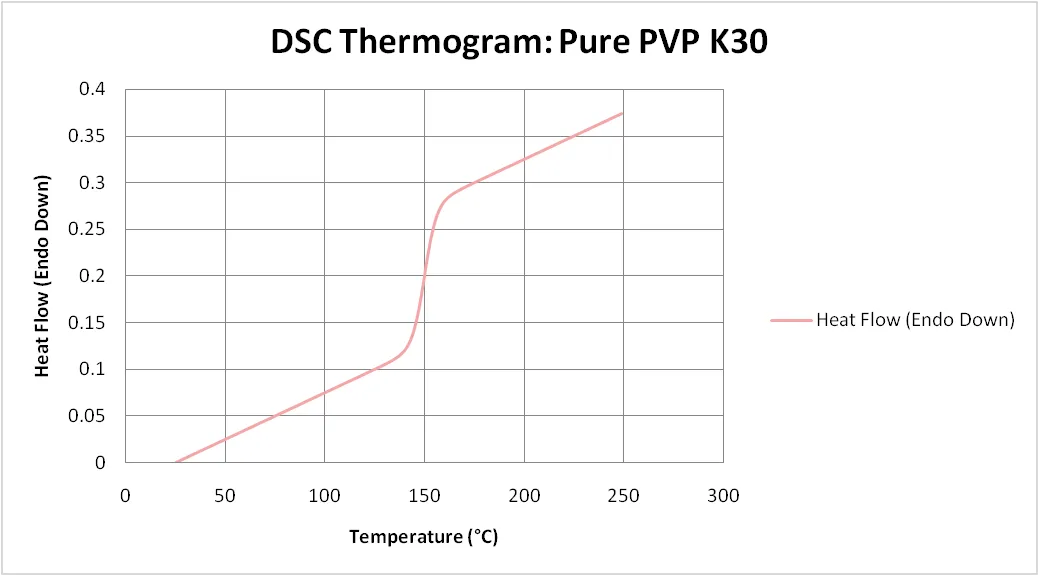
Figure 15: DSC Thermogram: Pure PVP K30
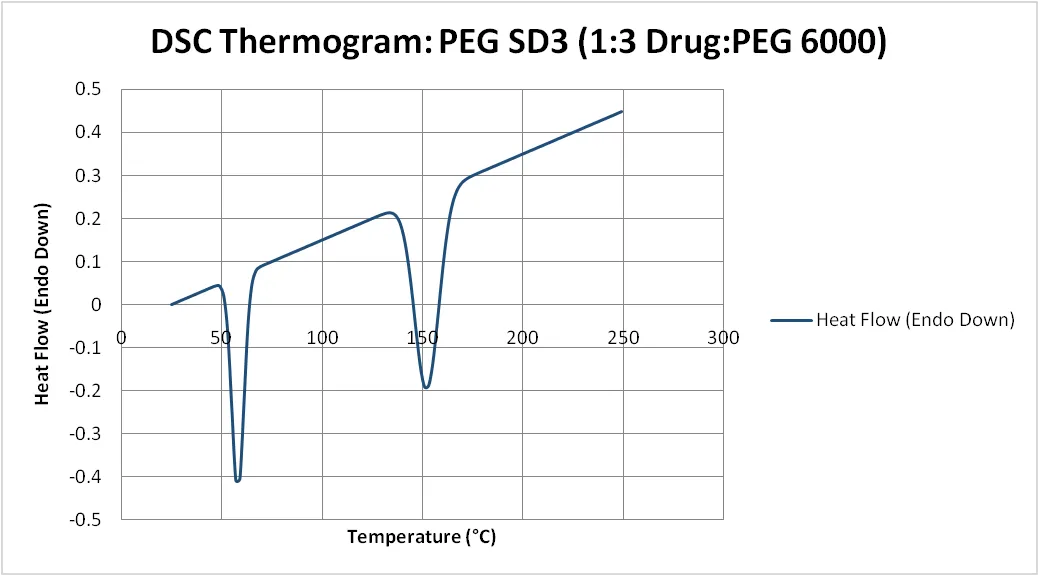
Figure 16: DSC Thermogram: PEG SD3 (1:3 Drug:PEG 6000
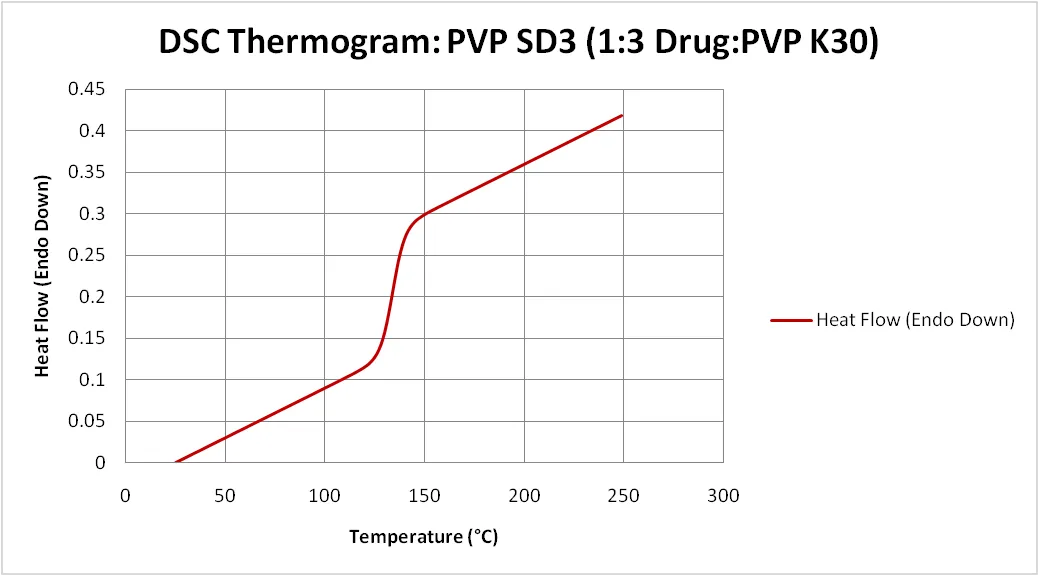
Figure 17: DSC Thermogram: PVP SD3 (1:3 Drug:PVP K30)
DSC analysis of pure Atorvastatin Calcium showed a sharp, well-defined endothermic melting peak at 159.8 degrees C, characteristic of a highly crystalline material. In the DSC thermogram of PVP SD3, this melting endotherm was completely absent, providing definitive thermal evidence of complete amorphisation of Atorvastatin Calcium within the PVP K30 matrix the drug is entirely molecularly dispersed with no residual crystalline domains. In contrast, PEG SD3 showed a significantly reduced and depressed drug melting peak, indicating partial but not complete amorphisation within the PEG 6000 matrix, consistent with the semicrystalline nature of PEG and its lower amorphisation capacity compared to the fully amorphous PVP K30.
Stability Studies;
Stability data for optimised formulations PEG SD3 and PVP SD3 under ICH Q1A(R2) accelerated conditions (40 degrees C / 75% RH) over three months are presented in Table 9 and Figure 18 and 19. Both formulations demonstrated acceptable physical and chemical stability throughout the study period, with no significant changes in physical appearance observed for PVP SD3 (white free-flowing powder maintained throughout), while PEG SD3 showed a slight off-white tint at the 3-month time point without any caking or moisture absorption.
Table 9: Stability Study Data - PEG SD3 and PVP SD3 (40°C/75%RH; n=3)
|
Formulation |
Parameter |
Initial (0 M) |
1 Month |
2 Months |
3 Months |
|
PEG SD3 |
Appearance |
White free-flowing powder |
No change |
No change |
Slight off-white tint |
|
PEG SD3 |
Drug Content (%) |
94.18±0.52 |
93.82±0.61 |
93.14±0.72 |
92.64±0.83 |
|
PEG SD3 |
% CDR at 60 min |
94.18±0.52 |
93.82±0.61 |
93.14±0.72 |
92.64±0.83 |
|
PVP SD3 |
Appearance |
White free-flowing powder |
No change |
No change |
No change |
|
PVP SD3 |
Drug Content (%) |
99.84±0.29 |
99.48±0.34 |
99.12±0.41 |
98.64±0.52 |
|
PVP SD3 |
% CDR at 60 min |
97.16±0.43 |
96.82±0.51 |
96.24±0.58 |
95.72±0.64 |
Note: Values expressed as Mean±SD (n=3). Drug content acceptance: 98-102%; Dissolution threshold: ≥80% at 60 min.
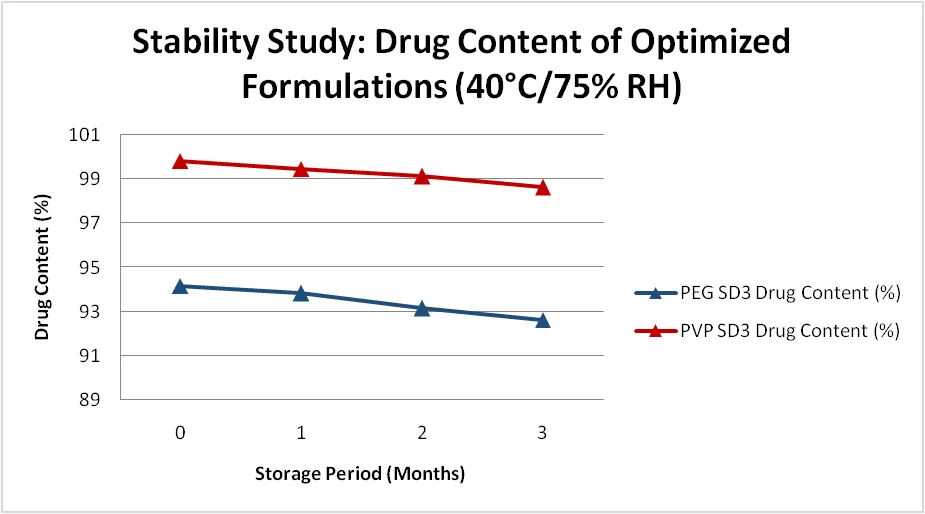
Figure 18: Stability Study: Drug Content of Optimized Formulations (40°C/75% RH)
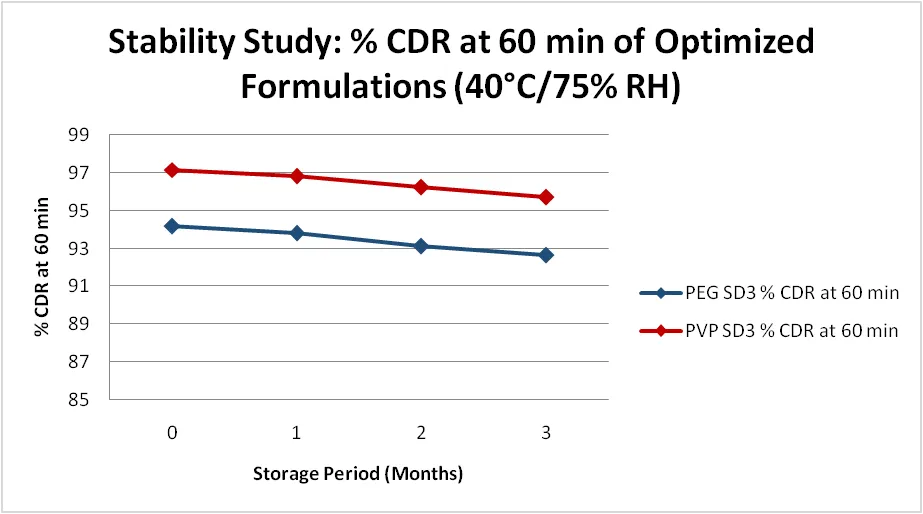
Figure 19: Stability Study: % CDR at 60 min of Optimized Formulations (40°C/75% RH)
PVP SD3 demonstrated superior stability profile, maintaining drug content at 98.64 +/- 0.52% and dissolution at 95.72 +/- 0.64% CDR at 60 minutes after three months, representing a decline of only 1.44% in dissolution from initial values (97.16%). This excellent stability confirms that the strong hydrogen bonding interactions between PVP K30 and Atorvastatin Calcium, combined with the high glass transition temperature (Tg ~150 degrees C) of PVP K30, effectively restrict molecular mobility of the amorphous drug and prevent recrystallisation even under the thermally and humidity-stressed ICH accelerated conditions. The large delta T between storage temperature (40 degrees C) and the Tg of the PVP K30 dispersion system (~134 degrees C at 1:3 ratio) maintains the system in a kinetically stable glassy state, limiting molecular diffusion and crystallisation.
PEG SD3 showed a greater rate of change in both drug content (from 94.18% initial to 92.64% at 3 months) and dissolution (from 94.18% to 92.64% CDR at 60 minutes), representing a 1.54% decline in dissolution over 3 months. This marginally greater instability compared to PVP SD3 is attributable to the plasticising effect of PEG under high humidity conditions (75% RH), which increases the molecular mobility of the partially amorphous Atorvastatin Calcium within the PEG matrix, potentially promoting slow partial recrystallisation over time. Nevertheless, both formulations maintained drug content and dissolution performance well within the defined acceptance thresholds throughout the 3-month study period, confirming their suitability for further development.
CONCLUSION:
The present study was carried out to enhance the solubility and dissolution rate of Atorvastatin Calcium, a BCS Class II drug exhibiting poor aqueous solubility (0.0052 ± 0.0004 mg/mL in phosphate buffer pH 6.8) and low oral bioavailability. Solid dispersions were successfully prepared using PEG 6000 (fusion method) and PVP K30 (solvent evaporation method) in drug-to-polymer ratios of 1:1, 1:2, and 1:3. All formulations showed satisfactory percentage yield (92.75–96.38%) and drug content (98.76–99.84%), indicating uniformity and reproducibility. Saturation solubility studies revealed a significant increase with polymer concentration, with PVP SD3 (1:3) showing the highest solubility (0.1876 mg/mL, 36.08-fold) followed by PEG SD3 (0.1124 mg/mL, 21.62-fold) compared to pure drug.
In-vitro dissolution studies demonstrated that PVP SD3 achieved 97.16% drug release within 60 minutes, while PEG SD3 showed 94.18%, compared to only 24.52% for the pure drug. Drug release followed first-order kinetics (R² = 0.98-0.99) with a non-Fickian diffusion mechanism (n = 0.54-0.67). FTIR analysis indicated hydrogen bonding (peak shift from 1651 to 1641 cm⁻¹), and DSC confirmed complete amorphisation in PVP SD3, explaining its superior performance. Stability studies (40°C/75% RH, 3 months) showed good stability, with drug release retained at 95.72% (PVP SD3) and 92.64% (PEG SD3).
Overall, PVP K30 (1:3 ratio) was identified as the optimized formulation due to its superior solubility, dissolution, and stability. This study confirms that solid dispersion is an effective approach for improving the dissolution-limited absorption of Atorvastatin Calcium, primarily through amorphisation and drug–polymer interactions
REFERENCES


Siddhant Menaria*, Gajendra Singh Rathore, Formulation And Evaluation Of Solid Dispersion Of Atorvastatin Calcium For Solubility Enhancement, Int. J. of Pharm. Sci., 2026, Vol 4, Issue 7, 5818-5839. https://doi.org/ 10.5281/zenodo.21702242
 10.5281/zenodo.21702242