

We use cookies to ensure our website works properly and to personalise your experience. Cookies policy
Nalanda Institute of Pharmaceutical Sciences, Siddharth Nagar, kantepudi, (V) Sattenapallli (M), Guntur (DIST)522438, Ap India.
Neurological diseases are characterized by complex etiology, heterogeneity, and significant differences in therapeutic responses, which severely constrain the efficiency of new drug development and the success rate of clinical translation. In recent years, micro- and nanotechnology (micro/nanotechnology) technologies have made breakthroughs in vitro disease modeling, drug delivery, and high-throughput screening, while artificial intelligence (AI) has shown strong advantages in big data analysis, pattern recognition, and predictive modeling, and the deep integration of the two has provided a new technological paradigm for neuropharmacology research. In this review, we systematically review the key applications of micro- and nanotechnology in neuropharmacology, including microfluidic brain chips, nanodelivery systems, and multiscale biosensing platforms, and focus on the central role of AI in drug screening, efficacy assessment, and personalized therapeutic decision-making
Neurological disease burden analysis shows that 3.4 billion people will suffer from neurological disorders globally in 2021, affecting 43% of the global population. Different types of neurological disorders ranging from migraine to stroke, and parkinsonism and dementia are now the number one cause of the global burden of disease (. However, due to the highly complex structural and functional properties of the nervous system, the success rate of traditional drug development models in the neurological field is significantly lower than in other disease areas. The blood-brain barrier (BBB) strictly restricts drugs from entering the brain, and more than 98% of small molecules and the majority of macromolecular therapies cannot be effectively delivered to the target , animal models are difficult to simulate the complex pathology and advanced cognitive functions of human neurological disorders, which leads to a disconnect between preclinical data and the results of human trials , and the huge differences in the patient’s response to drugs due to genetic, environmental, and disease heterogeneity make clinical trial design difficult and efficacy difficult to generalize These bottlenecks not only result in a higher failure rate of clinical trials, but also prevent many promising therapeutic strategies from reaching the laboratory stage. Confronted with this dilemma, the revolution of research paradigm is imminent. In vitro biomimetic models represented by microfluidic organ chips (the research pathway from both disease simulation and treatment implementation. Microfluidics is revolutionizing the drug discovery and development process with its advantages of miniaturization, high throughput, and precise fluid manipulation, providing the pharmaceutical industry with an efficient platform from target screening to formulation development.
In the technological evolution from microfluidics to nano-delivery, the role of AI has been upgraded from an auxiliary tool to a core decision engine. At the model construction side, AI drives the intelligent microfluidic system to transcend static culture (,On the drug delivery side, AI is reshaping the rational design process of nanocarriers, with molecular dynamics simulations and deep learning predictions that can accurately plan the optimal path of nanoparticles across the BBB (Rostami et Using generative modeling, novel nanomaterials with ideal intracerebral distribution, controlled release properties and low immunogenicity can be designed from scratch (). In addition, AI builds a bridge between model prediction and in vivo efficacy by integrating efficacy data from organ microarrays, animal experimental images, and patient genomic information to build interpretable computational pharmacology models, which dramatically improves the credibility of efficacy prediction from in vitro to the clinic. Overall, AI is profoundly transforming pharmaceutical sciences by integrating machine learning, data-driven modeling, and algorithmic optimization, demonstrating tremendous clinical impact and application potential in areas such as drug design, delivery system development, clinical trial optimization, and personalized medicine .
The triple fusion of AI, microfluidics and nanotechnology marked the birth of a new paradigm, moving away from linear research and development relying on trial and error to an intelligent, closed-loop system that is data-driven and can be iteratively optimized. It is expected to accelerate the breakthrough of the BBB and realize precise nerve repair, and more likely to promote neuropharmacology from the single target concept to the system regulation time, and to promote the paradigm shift of neuropharmacology from experience-driven to data- and model-driven. It could also push neuropharmacology from single target thinking to system regulation time, and push neuropharmacology from experience-driven to data- and model-driven paradigm shift.[1]
Driven Microfluidic Model Construction: Show the role of AI in optimizing microfluidic systems for simulating neuroinflammation and blood-brain barrier (BBB) transport. AI-Enhanced Nanocarrier Design: Depict the use of AI in the rational design of nanocarriers, with a focus on molecular dynamics simulations and deep learning predictions to optimize nanoparticle paths across the BBB. Integration of Multi-Source Data for Efficacy Prediction: Show the integration of organ microarrays, animal experimental images, and patient genomic information to build computational pharmacology models. New Paradigm of Neuropharmacology: Illustrate the fusion of AI, microfluidics, and nanotechnology, transitioning from linear trial-and-error research to an intelligent, data-driven system. The figures in this study were made using the Bio GDP online platform.
AI-Driven Microfluidic Model Construction: Show the role of AI in optimizing microfluidic systems for simulating neuroinflammation and blood-brain barrier (BBB) transport. AI-Enhanced Nanocarrier Design: Depict the use of AI in the rational design of nanocarriers, with a focus on molecular dynamics simulations and deep learning predictions to optimize nanoparticle paths across the BBB. Integration of Multi-Source Data for Efficacy Prediction: Show the integration of organ microarrays, animal experimental images, and patient genomic information to build computational pharmacology models. New Paradigm of Neuropharmacology: Illustrate the fusion of AI, microfluidics, and nanotechnology, transitioning from linear trial-and-error research to an intelligent, data-driven system. The figures in this study were made using the BioGDP online platform.[2]
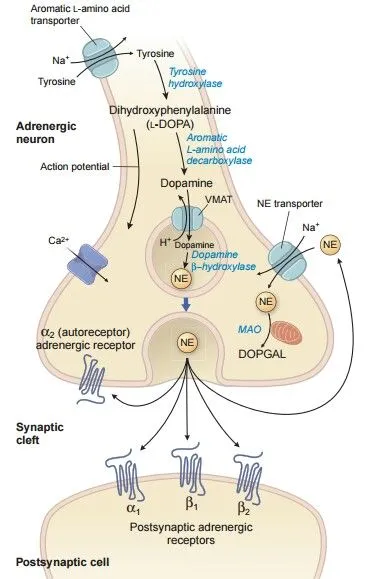
Fig:1 Neuropharmacology
2 A new paradigm for neuropathology modeling and drug screening
2.1 Precise construction of bionic neural microenvironments
The combination of AI and microfluidics realizes the leap from structural simulation to functional replication of neural models. The precise construction of bionic neural microenvironments is able to simulate the key processes of neuron-glia interaction, axon guidance and synaptic plasticity by integrating biomaterials, microfluidic technology and cell engineering (). This highly simulated microenvironment not only provides a more physiologically relevant model for studying the pathogenesis of neurodegenerative diseases, such as Alzheimer’s disease (AD) and Parkinson’s disease (PD) (but also reveals the effects of microenvironmental changes, such as gradients of inflammatory factors and alterations in matrix stiffness, on the survival and function of neurons in the course of the pathological process (reproducing disease-specific pathological features in vitro.
For the simulation of dynamic pathological processes, a recently developed machine learning-driven microfluidic electrophysiology platform provides a breakthrough tool for dynamic simulation of neuropathological processes (). The platform deeply combines a high-throughput microfluidic chip with a multi-electrode array (MEA), and introduces a dual-channel long short-term memory (LSTM) deep learning network, which realizes dynamic, real-time decoding of electrical signal interactions between glioma cells and neurons. This study also successfully captured the key electrophysiological features of nerve-tumor crosstalk in the tumor microenvironment, and the system was able to automatically identify the “hijacking” patterns of glioma cells on nerve signals. For the first time, the system has revealed the specific electrical activity patterns of tumor-affected neural circuits in vitro, which establishes a high-precision and intelligent research methodology platform for the in-depth analysis of the dynamic mechanisms of neural-related diseases. In addition, by constructing disease-specific neural microenvironments, researchers were able to assess the regulatory effects of drugs on neuronal protection, synaptic function repair, and glial cell activation in vitro, as well as to examine the permeability and distribution patterns of drugs in complex three-dimensional environments.[3]
2.2 Microfluidics and brain-like models in drug screening
Microfluidic chips can precisely regulate cell growth conditions and chemical gradients in a micro-scale environment, providing a highly controllable platform for modeling neurological diseases (. Microfluidic-based brain-on-a-chip can reconstruct neuron-glia interactions, synaptic connections, and blood-brain barrier structure, which significantly improves the prediction of clinical efficacy of in vitro models (Combined with patient-derived induced pluripotent stem cells (iPSCs), the microfluidic platform can be used to construct individualized neurological disease models, laying the foundation for precise drug administration and efficacy assessment.
The neurovascular-unit-on-a-chip, which integrates the BBB function, allows real-time assessment of the efficiency of drug candidates in penetrating the BBB and the impact on the barrier integrity, and effectively screens out compounds that are effective in vitro but do not enter the brain With the help of HCI, microelectrode arrays and multi-omics analysis of supernatants, researchers can assess the effects of drugs on multidimensional functional indicators of neuronal survival, axon guidance, synaptic transmission, glial inflammatory response, and network oscillatory activity in parallel on the same platform (For example, in a brain chip model of amyotrophic lateral sclerosis (ALS), multiple modulatory effects of drugs on motor neuron survival, astrocyte toxicity, and neuromuscular junction function can be observed simultaneously (. This multi-parameter, functional screening in an approximate in vivo physiological environment generates richer and more predictive datasets (, which can more reliably identify promising lead compounds at the preclinical stage, optimize dosing strategies, and dramatically reduce costly late-stage drug depletion due to preclinical model failures.[4]
2.3Multi-scale biosensing and neural signal monitoring
By integrating advanced sensing technologies such as high-density microelectrode arrays, fiber-optic calcium imaging, and wearable neural probes (AI is able to collect massive spatiotemporal dynamic data in real time, ranging from single neuron discharges to large-scale network oscillations. Deep learning models, in particular convolutional neural networks and recurrent neural networks, are able to automatically identify specific neural coding patterns in response to pharmacological interventions (), such as temporal features of dopaminergic signals (power changes of gamma oscillations or reconstruction of synchronization across brain regions Unsupervised learning allows for the discovery of changes in neural representations outside the predefined framework of human researchers, revealing unknown mechanistic pathways of drug action This data-driven research strategy makes it possible to achieve dynamic resolution of drug effects with millisecond precision in freely behaving animals and even in patients in the future, greatly expanding the dimension and depth of neuropharmacological observations.
AI-driven multimodal data fusion is building a complete chain of pharmacodynamic assessment from molecular to behavioral. While there are inherent limitations in the data generated by a single technology platform, AI is able to integrate electrophysiological signals, neurochemical sensor data, behavioral video traces, and genomic information to build a unified pharmacodynamic response map. The dynamic coupling between neuronal activity, local field potentials and the concentration of specific neurotransmitter release can be established by graph neural network (GNN), which can accurately quantify the intensity of drug modulation of neural circuit function (Migration learning can enhance the predictive value of preclinical models by migrating effective features obtained in animal models to the MEA data parsing of human-derived organoids or brain microarrays (. Ultimately, these multi-scale biomarkers mined and correlated by AI can not only distinguish the therapeutic effects and side effects of drugs more accurately, but also provide an objective typing basis based on neurophysiological characteristics for individualized medication, and promote a paradigm shift in the treatment of neuropsychiatric disorders from symptomatic relief to loop repair.[5]
Precise Construction of Bionic Neural Microenvironments:
Visualize the integration of AI, microfluidics, and cell engineering to create bionic neural microenvironments that simulate neuron-glia interactions, axon guidance, and synaptic plasticity. Machine Learning-Driven Microfluidic Electrophysiology Platform: Illustrate a microfluidic electrophysiology platform integrated with a multi-electrode array (MEA) and a dual-channel LSTM deep learning network. Microfluidic Brain-on-a-Chip for Drug Screening: Visualize a microfluidic brain-on-a-chip that mimics neuron-glia interactions, synaptic connections, and blood-brain barrier (BBB) structure. Neurovascular-Unit-on-a-Chip for BBB Functionality and Drug Penetration: Create a schematic showing a neurovascular-unit-on-a-chip model for assessing drug candidates’ ability to cross the BBB and impact barrier integrity.
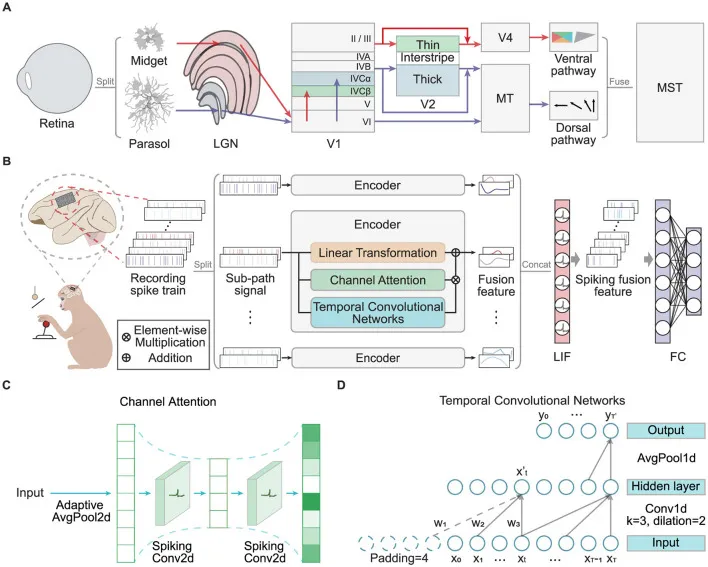
Fig:2 Multi-scale biosensing and neural signal monitoring
Neuropharmacology is the branch of pharmacology that studies how drugs affect the central nervous system (CNS) and peripheral nervous system (PNS). It focuses on neurotransmitters such as: Acetylcholine, Dopamine, Serotonin (5-HT), Norepinephrine, GABA, Glutamate.[6]
Major Therapeutic Drug Classes Include:
Antidepressants, Antipsychotics, Antiepileptics, Anxiolytics and sedative-hypnotics,
Antiparkinsonian drugs, Drugs for Alzheimer's disease, Opioid analgesics.
Clinical applications include the treatment of:
Depression, Schizophrenia, Anxiety disorders, Epilepsy, Parkinson's disease, Alzheimer's disease.
Because neuropharmacology is an expansive field bridging molecular neuroscience and clinical therapeutics, recent review articles tend to group into distinct thematic focus areas.
A breakdown of recent, highly relevant review articles across different subfields of neuropharmacology provides insights into clinical applications, translational models, and macro-level literature trends.[7]
Clinical Systematic Reviews:
Neuropathic pain treatment managing neuropathic pain remains incredibly complex due to the maladaptive responses of the somatosensory nervous system. A comprehensive systematic review synthesizes clinical data on front-line pharmacological agents. The review highlights the mechanism of action, efficacy, and neurotransmitter pathways involved in standard therapies, providing a clear map for clinical stratification:
First-Line Agents: Gabapentinoids, Tricyclic Antidepressants (TCAs like amitriptyline), and Serotonin-Norepinephrine Reuptake Inhibitors (SNRIs). TCAs and SNRIs operate primarily by blocking the reuptake of norepinephrine and serotonin to enhance descending inhibitory pain pathways.
Targeted Anticonvulsants: Carbamazepine remains the benchmark for specific neuropathic conditions like trigeminal neuralgia.
Second-Line Restrictions: Due to high risks of physical dependence and adverse side effects, opioids are strictly designated as second-line interventions.
Translational Neuropharmacology: Novel animal models traditional drug discovery heavily relies on rodent models, which carry high maintenance costs and lower throughput.) published a major methodological review tracking the transition toward non-traditional model organisms—specifically the ze—in translational pain research.
The review establishes that zebrafish possess a high degree of genetic and physiological homology to mammals, featuring orthologs for classical human opioid receptors (\mu, \kappa, and \delta). The transparency of their embryos allows researchers to visually track fluorescent gene-expression probes during in vivo nociception (pain response) assays. This makes them highly cost-effective tools for rapid, high-throughput screening of novel neuroactive compounds before they transition to mammalian testing.
Macro Literature Analyses: Cross-roads of CNS drug discovery for a broad overview of how neuropharmacology has evolved over the decades, a landmark bibliometric analysis) maps out the structural trends of thousands of published papers. The analysis highlights that the field is expanding rapidly due to a global aging population and the subsequent rise in neurodegenerative disorders like Alzheimer's and Parkinson's disease.
The review points out a historic bottleneck: despite massive research output, the translational success rate of central nervous system (CNS) clinical trials has been historically low (). The most heavily cited clusters in modern neuropharmacology literature center around cannabis derivatives, antipsychotic innovations, anti-epilepsy mechanisms, and target-selective memory enhancers.[8]
Clinical Systematic Reviews: Neuropathic pain treatment managing neuropathic pain remains incredibly complex due to the maladaptive responses of the somatosensory nervous system. A synthesizes clinical data on front-line pharmacological agents. The review highlights the mechanism of action, efficacy, and neurotransmitter pathways involved in standard therapies.
Providing a Clear Map for Clinical Stratification:
First-Line Agents: Tricyclic Antidepressants (TCAs like amitriptyline), and Serotonin-Norepinephrine Reuptake Inhibitors (SNRIs). TCAs and SNRIs operate primarily by blocking the reuptake of norepinephrine and serotonin to enhance descending inhibitory pain pathways.
Targeted Anticonvulsants: Carbamazepine remains the benchmark for specific neuropathic conditions like trigeminal neuralgia.
Second-Line Restrictions: Due to high risks of physical dependence and adverse side effects, opioids are strictly designated as second-line interventions. For a broad overview of how neuropharmacology has evolved over the decades, a maps out the structural trends of thousands of published papers. The analysis highlights that the field is expanding rapidly due to a global aging population and the subsequent rise in neurodegenerative disorders like Alzheimer’s and Parkinson’s disease.
The review points out a historic bottleneck: Despite massive research output, the translational success rate of central nervous system (CNS) clinical trials has been the most heavily cited clusters in modern neuropharmacology literature center around cannabis derivatives, antipsychotic innovations, anti-epilepsy mechanisms, and target-selective memory enhancers.[9]
The sites of action:
Neuropharmacology deals with drugs that influence processes that are regulated by the nervous system. These correct various imbalances in the body’s functioning via neural control.
Various divisions of the nervous system include the central nervous system, comprising the brain and the spinal cord, and the peripheral nervous system, which includes somatic, sympathetic, and parasympathetic nerves and ganglia. Neurotransmitters act at the synapses, or neural junctions, to activate or deactivate nerve impulse transmission, or to activate effector processes at neural-effector cell junctions.
Drugs that can act at these sites may block the actions of various naturally occurring chemicals or modify effector organ responses. This may be in the form of skeletal muscle or cardiac muscle excitation or inhibition, increase or decrease in cardiac output, alterations of vascular tone, and functional modifications of respiratory, gastric, and central nervous systems. The regulate appetite, temperature, and mood abnormalities, among others. Most of these drug’s act at the synapses, which allows for selective nerve action by acting on only one or a few nerve receptors.
Since the type of neurotransmitter and receptor differs at various types of synapses, the action of a drug may be diverse depending upon where it localizes. There are more than a dozen neurotransmitters in the brain
The action of a neuropharmacological agent depends also upon the number of receptors, which improves its selectivity, receptor affinity, and effectiveness.
Research in the field of neuropharmacology concentrates on the development of new drugs that can correct chemical imbalances within the nervous system, as well as assesses their level of safety and potency for clinical use. Studies regarding the effects of such drugs on different neurologic functions, including behavior, memory, emotions, and cognition, are also included in this field.[10]
Target of drug actions
To cross the blood-brain barrier, drugs acting on the central nervous system are highly lipid-soluble. In most cases, psychotropic drugs must be taken for weeks to produce significant stable action. The effects may be due to long-term adaptive responses rather than direct ones, a phenomenon known as neuroplasticity. These drugs may cause tolerance and physical dependence.
Neuropharmacology itself came into existence only five decades ago, prior to which there were only four drugs available for nerve disorders: morphine, caffeine, nitrous oxide, and aspirin. In the next 50 years, a new set of drugs such as antihistamines, barbiturates, and opioid analogs have emerged.
With modern insights into the molecular basis of action of many drugs and the availability of current research methods, work is ongoing to understand how the brain works at molecular and cellular levels. This includes drug delivery to the brain and understanding the role of genetic variation in drug effects between individual patients to achieve personalized treatment of nervous system illness.
The sites of action
Neuropharmacology deals with drugs that influence processes that are regulated by the nervous system; these correct various imbalances in the body’s functioning via neural control.
Various divisions of the nervous system include the central nervous system, comprising the brain and the spinal cord, and the peripheral nervous system, which includes somatic, sympathetic, and parasympathetic nerves and ganglia. Neurotransmitters act at the synapses, or neural junctions, to activate or deactivate nerve impulse transmission, or to activate effector processes at neural-effector cell junctions.
Drugs that can act at these sites may block the actions of various naturally occurring chemicals or modify effector organ responses. This may be in the form of skeletal muscle or cardiac muscle excitation or inhibition, increase or decrease in cardiac output, alterations of vascular tone, and functional modifications of respiratory, gastric, and central nervous systems to regulate appetite, temperature, and mood abnormalities, among others. Most of these drug’s act as the synapses, which allows for selective nerve action by acting on only one or a few nerve receptors.
Since the type of neurotransmitter and receptor differs at various types of synapses, the action of a drug may be diverse depending upon where it localizes. There are more than a dozen neurotransmitters in the brain.[11]
Human iPSCs: A Full Guide to Advanced inVitro Models and Applications eBook Discover how human iPSC-derived cells are advancing research and drug discovery in this free Guide from Axol Bioscience.
The action of a neuropharmacological agent depends also upon the number of receptors, which improves its selectivity, receptor affinity, and effectiveness.
Research in the field of neuropharmacology concentrates on the development of new drugs that can correct chemical imbalances within the nervous system, as well as assesses their level of safety and potency for clinical use. Studies regarding the effects of such drugs on different neurologic functions, including behavior, memory, emotions, and cognition, are also included in this field.[12]
Neuropharmacology
Targets of drug action: To cross the blood-brain barrier, drugs acting on the central nervous system are highly lipid-soluble. In most cases, psychotropic drugs must be taken for weeks to produce significant stable action. The effects may be due to long-term adaptive responses rather than direct ones, a phenomenon known as neuroplasticity. These drugs may cause tolerance and physical dependence.
On the receptor
Some drugs activate the receptor and promote or inhibit the release of chemicals; for example, receptor activation by adrenaline and acetylcholine leads to speeding up and slowing of cardiac contraction, respectively.
Others may cause short-term or long-term inhibition of receptor activity by downregulating the synthesis of the receptor.
Agonist drugs mimic the molecular structure of the neurotransmitter and bind directly to the receptors. Antagonists do not have any shape constraints and block the receptor from binding to the neurotransmitter.[13]
CONCLUSION
Neuropharmacology reviews consistently conclude that while we have made vast strides in understanding molecular and cellular mechanisms, the field is transitioning from single-target drug design to complex, multi-target network approaches to better address highly polygenic and multi-mechanistic central nervous system (CNS) disorders.
REFERENCES


D. Rama Brahma Reddy, K. Malleswari, Cheruvu Yashwanth. A Review on Neuro Pharmacology, Int. J. of Pharm. Sci., 2026, Vol 4, Issue 8, 3289-3298, https://doi.org/10.5281/zenodo.22044718
 10.5281/zenodo.22044718