

We use cookies to ensure our website works properly and to personalise your experience. Cookies policy
Gandhi Natha Rangji College of Pharmacy, Balives, Solapur 413004
Polycystic Ovarian Disease (PCOD) is a hormonal disorder in women diagnosed through a comprehensive approach including medical history, pelvic exams, blood tests to measure hormone levels, and ultrasounds to detect cysts in the ovaries. This condition leads to various complications, such as irregular periods, weight gain, excessive hair growth, and can increase the risk of serious health issues like hypertension, diabetes, and ovarian cancer. Management involves a multifaceted strategy: lifestyle modifications like diet and exercise, plant-based remedies such as spearmint tea and cinnamon which show promising results in regulating hormone and insulin levels, and conventional treatments like birth control pills and insulin-sensitizing agents to control symptoms. Additionally, nutritional supplements like inositol, omega-3 fatty acids, and magnesium play a vital role in supporting metabolic health and hormonal balance. The future of PCOS treatment is focusing on personalized medicine and evidence-based herbal formulations.
The prevalence of PCOD (5%–15%) is rising quickly these days as a result of stress and lifestyle changes. The female reproductive system’s ductless reproductive gland is the ovary. In addition to producing ovum monthly, it also produces hormones that support early pregnancy maintenance, ovulation, menstruation, and graafian follicle maturation. Numerous illnesses can affect the ovaries.
These conditions include ovarian endometriosis, polycystic ovaries, neoplastic disorders, and functional cysts. Of all of these, PCOD is a prevalent issue that affects teenagers in their reproductive years and shortly after puberty. Because PCOD causes infertility, irregular menstruation, and hirsutism in women of reproductive age, this illness is gaining a lot of attention.
Since PCOD’s etiology is poorly understood, and modern gynecologists find it challenging to manage. Thus, an Ayurvedic approach is required.[1]
What is PCOD?
PCOD, which stands for Polycystic Ovarian Disease, It is a metabolic illness and multisystem endocrinopathy that affects women in their teens, shortly after puberty and reproductive age. Multiple little cysts smaller than 1 cm or 10 mm in size can form on one or both ovaries in PCOD.[1]
Infertility problems, irregular periods, and other bothersome symptoms can result from PCOD, a hormonal condition that affects the ovaries. Polycystic ovarian disease is the term used to describe the development of several small cysts, or fluid-filled sacs, in the ovaries. The disturbance of the ovulation process changes the amounts of hormones such testosterone, progesterone, FSH, and LH.[2]
The main difference between polycystic and normal ovaries is that, although polycystic ovaries produce many little antral follicles that contain eggs, ovulation is prevented because the follicles do not develop and enlarge regularly.
Because their ovaries do not ovulate regularly, women with polycystic ovaries have irregular menstrual cycles. The male hormones testosterone and androstenedione are frequently overproduced in women with polycystic ovaries, which raises blood testosterone levels and promotes the growth of facial and body hair.
The two primary features of PCOD are an overabundance of male hormone production and a large number of ovarian cysts. However, the following are some common problems that women with PCOD may encounter:
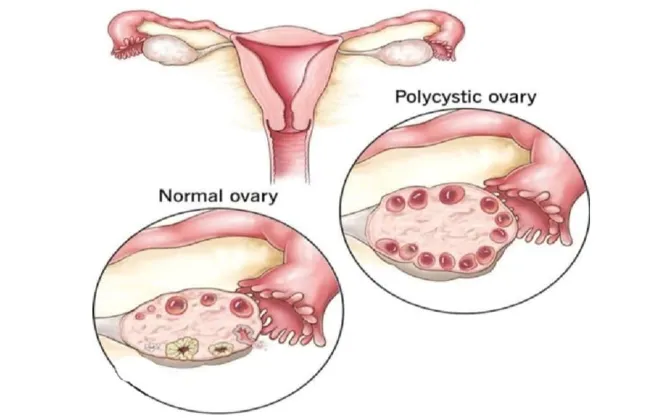
Figure 1: Difference between Normal ovary and polycystic ovary[3]
HISTORICAL BACKGROUND
Despite being discovered in the 19th century, PCOD wasn’t formally recognized as a separate medical illness until the 1935. Our knowledge of PCOD has expanded since then, and it is now acknowledged as a complicated condition that affects cardiovascular, metabolic, and reproductive health.[4]
In the year 1935 that Stein and Leventhal were honored when the syndrome was identified and given its name. During these early years, PCOD syndrome was known as Stein-Leventhal syndrome since it was associated with amenorrhea, obesity, and hirsutism in seven patients. Young married women who were infertile and slightly obese had larger-than-normal ovaries that were thicker than typical prior to their investigation, which began in 1721.
However, this was eventually overlooked. It wasn’t until Stein and Leventhal carried out in-depth research on the topic that Chereau’s 1844 description of the sclerotic changes in ovaries was recognized. In 1985, Adams and his colleagues carried out a follow-up investigation and found polycystic ovaries with an excessive number of follicles.
This condition was dubbed multifollicularity. Ovaries having more than ten peripherally arranged cysts that are 2-3 mm in diameter are described as polycystic ovaries.[3]
IMPACT ON QUALITY OF LIFE
In the areas of women’s health, the impact of lifestyle variables on PCOD may is a subject of increasing significance and attention. A woman’s reproductive system, metabolism, and general well-being are all impacted by PCOD, a complicated endocrine condition. Lifestyle factors that have been identified as important determinants in the development and progression of PCOD include body mass index (BMI), levels of physical activity, dietary habits, stress levels, and family history of the condition. Because being overweight might throw off hormonal balance and make symptoms worse, research has indicated that women with higher BMIs are more likely to develop PCOD/PCOS. By increasing insulin sensitivity, lowering inflammation, and enhancing general health, physical activity has been shown to benefit PCOD. In order to manage PCOD symptoms and maximize fertility, dietary factors—such as the type and amount of food consumed—are crucial. Due to its impact on inflammation and hormone control, physical and emotional stress can also play a role in the development of PCOS. Additionally, a family history of PCOS can make a person more susceptible to the ailment, underscoring the complicated disorder’s hereditary component. HealthCare professionals can create individualized treatment programs that meet the specific requirements of each patient by knowing how these lifestyle factors interact with PCOS. This all-encompassing strategy for PCOS management emphasizes how crucial lifestyle changes are to bettering results and raising the standard of living for women with the disorder.[2]
A woman's quality of life can be greatly impacted by PCOD, which affects both her mental and physical health. In addition to putting stress on interpersonal connections, the illness can cause feelings of worry, despair, and low self-esteem.[4]
Additional complications include;
IMPORTANCE OF PCOD
To reduce long-term consequences and enhance a woman’s general health, PCOD must be identified and treated early. In addition to improving fertility and lowering the risk of cardiovascular disease, insulin resistance, type 2 diabetes mellitus a comprehensive treatment strategy that takes into account metabolic variables, hormonal problems, and lifestyle modifications can help control symptoms.[4]
ETIOLOGY OF PCOD
The cause of PCOD (Polycystic Ovary Syndrome) is not yet fully understood, but several factors are believed to play a role in its development. These include:
A) NON-GENETIC FACTOR
Hormonal dysregulation
Hormonal dysregulation represents a core feature of PCOD, deeply influencing its pathophysiology. Elevated levels of luteinizing hormone (LH) relative to follicle-stimulating hormone (FSH) disrupt normal ovarian follicular development, causing a failure to ovulate and the subsequent formation of cysts.[6] Normal level of LH hormone in early follicular stage is 2-8 IU/L, in mid cycle peak is 10-75 IU/L. But this LH secretion raised due to insulin which causes infertility, miscarriage through improper oocyte maturation.[1]
Hyperandrogenism
Hyperandrogenism driven by increased androgen production in ovarian theca cells, leads to clinical symptoms such as acne, hirsutism, and alopecia. Anti-mullerian hormone (AMH), often elevated in PCOD patients, plays an inhibitory role in follicular maturation, worsening ovulatory dysfunction. Research also highlights that hyperandrogenism exacerbates insulin resistance, further complicating the metabolic profile of PCOD patients. These findings underscore the interdependent nature of hormonal disturbances in perpetuating the cycle of reproductive and metabolic abnormalities observed in PCOD.[6]
Insulin resistance
Insulin resistance is one of the major characteristics of PCOD that is responsible for the metabolic and reproductive symptoms of the disorder.[6] Insulin is a hormone that helps control blood sugar levels. Some women with PCOD have a condition called insulin resistance, where their body's cells don't react normally to insulin. This can cause too much insulin to be in the blood, which may lead to higher levels of androgens and can mess up the menstrual cycle.[7]
B) GENETIC FACTOR
There appears to be a genetic component to PCOD, as it tends to run in families. Women who have family members with PCOD are more likely to get it themselves.[7] Genetic factors play a big role in causing PCOD, as shown by family patterns and studies on twins. Research has found that certain genes connected to hormones and how the body uses them are linked to PCOD, based on genetic markers up to October 2023. These genes are also affected by changes in the way DNA and proteins are controlled, like chemical modifications to DNA and proteins in cells. These changes can be influenced by the environment and things that happen before birth, which can make someone more likely to develop PCOD. In family studies, people who have a close relative with PCOD are 20% to 40% more likely to develop it themselves, supporting the idea that PCOD can run in families.[6]
C) LIFESTYLE FACTOR
Obesity
Obesity is connected to PCOD. Over 60 to 70 percent of people with PCOD are obese. Fat tissue, which is also known as adipose tissue, acts like an endocrine and immune-related organ. It produces hormones such as leptin, adiponectin, and proteins like cytokines. These substances can affect how insulin works in the liver and muscles, leading to insulin resistance and high levels of insulin in the blood.[1]
D) PATHOPHYSIOLOGICAL FACTOR
Inflammation
Chronic low-grade inflammation in the body may contribute to the development of PCOD and its associated symptoms.[7] Inflammation happens when there is an imbalance between the body's pro-inflammatory and anti-inflammatory chemicals, and changes in the genes that make these chemicals. This imbalance may play a role in causing PCOD. Inflammation helps drive the development and worsening of the metabolic problems seen in PCOD. Fat cells can produce more pro-inflammatory substances, leading to long-term inflammation. This inflammation can cause the ovaries to make too many male hormones, called androgens. The amount of androgens can affect how much fat is stored around the abdomen, which in turn increases inflammation in PCOS. Studies have shown that high levels of androgens are connected to inflammation.[9]
Gut dysbiosis
Gut dysbiosis, characterized by an imbalance in microbial composition, has emerged as a significant factor in PCOD pathophysiology. Disruptions in gut microbiota are associated with increased intestinal permeability, systemic inflammation, and insulin resistance. Studies suggest that women with PCOD exhibit reduced diversity in gut microbiota, accompanied by elevated levels of inflammatory markers. Intervention strategies targeting gut health, including the use of probiotics, prebiotics, and dietary modifications, have shown promise in restoring microbial diversity and alleviating PCOD symptoms. These findings highlight the gut-ovary axis as a potential therapeutic target for managing PCOD.[6]
E) ENVIRONMENTAL FACTOR
Environmental exposures, especially endocrine-disrupting chemicals (EDCs), are gaining recognition as relevant factors in the pathogenesis of PCOD. Chemicals including bisphenol A (BPA), phthalates and pesticides act as analogs or disruptors of native hormone signaling pathways, leading to impaired ovarian function and worsening metabolic dysfunction. Studies have shown that women with PCOD have significantly higher urine levels of BPA, which has been linked to increased androgen levels and poor insulin sensitivity. When combined with long term exposure through dietary patterns, plastic usage, industrial pollutants, and other environmental sources, these variable effects can be augmented, underscoring the importance of preventive action for environmental determinants in vulnerable populations.[6]
Stress
Women with PCODs experiences an increase in the risk of mental health issues associated with anxiety, depression, stress and low self-esteem .The risk of mental health issues is considered to be significantly higher in women with PCOD.[8]
Fast Food Diet Habit
There is a link between hormonal imbalance and unhealthy food habits. Diet with fats and proteins from a person’s diet may form advanced glycation end products (AGEs) when subjected to sugar in the blood stream. These compounds are likely to increase bodily stress and inflammation which is linked to diabetes and cardiovascular issues. PCODs already possess the chances of metabolic syndrome (Diabetes and cardiovascular issues) Along with diet factor, lack of Physical Activity have enormous effect on the development of PCOD.[4] A diet rich in fat, mainly saturated fatty acids and intake of foods with a high glycemic index increases the risk of insulin resistance and its related complications including obesity and PCOS.[9]
PATHOPHYSIOLOGY OF PCOD
The pathophysiology of PCOD is intricate and still not fully understood. PCOD is a long-term condition. Stein and Leventhal first described it in 1935. PCOD is a metabolic, heterogeneous, and reproductive condition. The diverse pathogenic mechanisms of PCOD encompass Insulin resistance, Gonadotropin Release, and Ovulatory Dysfunction. In PCOD, Luteinizing Hormone levels are elevated, being three times higher than Follicle Stimulating Hormone, resulting in increased testosterone production by the ovaries, which contributes to the development of facial hair and acne. Women having PCOD are at high risk of developing diabetes, cardiovascular diseases, infertility, and endometrial cancer.[10]
A. Ovary, Adrenal, and Androgen Excess
PCOD occurs when the ovaries or adrenal glands generate excessive male hormones. More than 50% of individuals with polycystic ovary syndrome (PCOS) exhibit elevated adrenal androgen levels, especially dehydroepiandrosterone sulphate (DHS). However, the process behind the surplus of adrenal androgens is not yet understood.[8]
B. Insulin Resistance
Insulin resistance is the primary pathogenic factor in PCOD. Women with PCOD often exhibit insulin resistance and elevated insulin levels. Excess androgen levels result in heightened insulin resistance in peripheral tissues; in PCOD, insulin resistance in adipocytes is identified by a post-binding defect in insulin receptor-mediated signal transduction within skeletal muscle. Obesity amplifies hyperandrogenism, hirsutism, infertility, and menstrual irregularities, both on its own and by worsening the insulin resistance associated with PCOD. Obesity is found in 30-60% of individuals with PCOD who have a BMI over 30 Kg/m2 and is linked to hyperinsulinemia. Even slim women with PCOD exhibit insulin resistance; higher body mass index (BMI) worsens insulin resistance.[8]
C. Neuroendocrine Disorder
Neuroendocrine disorder impacting 5% to 20% of women of reproductive age is the primary cause of infertility. [1] In PCOD, the gonadotropins TH and FSH, which manage ovulation, follicular dynamics, and ovarian steroid production, are abnormally present and released. [11] Women with PCOD are noted to exhibit elevated levels of follicle-stimulating hormone and luteinizing hormone, along with increased pulse frequency and amplitude of luteinizing hormone. The elevated LH pulses and their increased frequency in PCOS are likely due to heightened pulsatile GnRH secretion. GnRH neurons have estrogen receptor-β but lack AR and progesterone receptors. Negative feedback from steroids is indirect and occurs through the hypothalamic neuronal network that is upstream of the GnRH neuron.[8]
D. Gonadotropin Release and Hyperandrogenism
In PCOD, the heightened stimulatory effect of Luteinizing hormone on the ovarian theca cells is amplified; these cells enhance the production of androgens, chiefly androstenedione and testosterone. Women with PCOS need elevated progesterone levels to reduce GnRH pulse secretion frequency, leading to insufficient follicle stimulating hormone production and ongoing Luteinizing hormone stimulation of ovarian androgens. The reduced reactivity of the GnRH pulse generator might clarify the development of PCOD in adolescence. Approximately 60%-80% of women with PCOD experience elevated androgen levels.[8]
Hyperandrogenism is a condition characterized by the excessive production of androgens in the body, which may result in symptoms such as acne, increased hair growth, or hair thinning at the front of the scalp. Androgens belong to a category of hormones within the steroid family, primarily produced by the adrenal glands and ovaries. This condition occurs when the adrenal glands and ovaries generate excessive androgens, typically due to improper functioning of these organs.[9]
E. Ovulatory Dysfunction
In PCOD, the disruption of follicular function in ovaries elevates the production of AMH (Anti-Mullerian Hormone) by granulose cells. Anovulation reduces progesterone secretion while raising estrogen levels, subsequently elevating the risk of endometrial carcinoma through endometrial hyperplasia. A decreased FSH level disrupts ovarian follicular growth, resulting in amenorrhea and anovulation.[8]
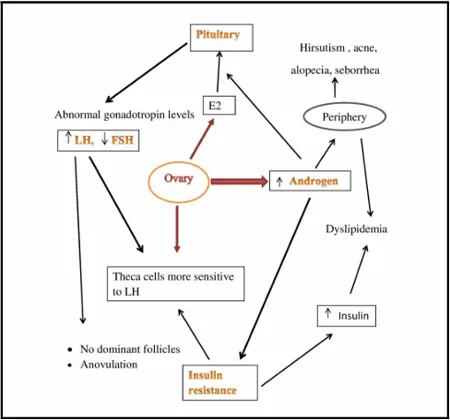
Figure 2: Summarized scheme regarding the pathophysiology of PCOD[11]
CLINICAL FEATURES OF PCOD
The clinical characteristics of PCOD include high levels of male hormones and the presence of numerous cysts in the ovaries. Nonetheless, several typical issues are that women receive a diagnosis of PCOD could encompass the subsequent:

Figure 3: Clinical features of PCOD[14]
DIAGNOSIS OF PCOD
The initial step in avoiding severe outcomes associated with PCOD is obtaining an accurate diagnosis. The following steps are performed to ascertain if a woman has PCOD or if different factors are responsible for the symptoms.[14]
1) Medical Background: Physicians usually ask about the patient's menstrual pattern, fluctuations in weight, allergies, family health issues, family medical history, among other factors.
2) Pelvic Test: In the pelvic examination, the physician will check for indications of menstruation, growths, or other irregularities in the reproductive system.
3) Blood Test: A blood test is conducted to assess the levels of various hormones to exclude possible reasons for menstrual issues or elevated androgen that resemble PCOS. Moreover, blood tests measure glucose and triglyceride levels.
4) Ultrasound Test: This examination evaluates the appearance of the ovary and the thickness of the uterine lining. If multiple small cysts are seen in the ovaries, there is a possibility that PCOS is present. A transducer is a device placed within the vagina. Sound waves emitted by the transducer are transformed into images on the display.[14]
COMPLICATIONS OF PCOD
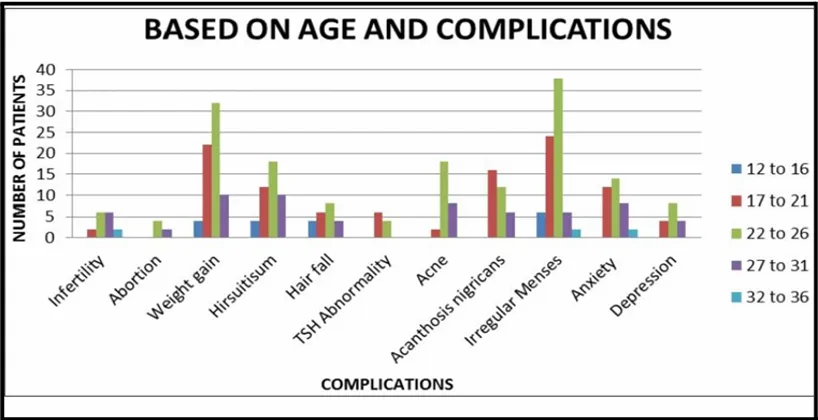
Figure 4: Based on Age Complications[5]
Examining the challenges encountered by women with PCOD reveals that 78% suffer from irregular menstruation, 68% have experienced weight gain, 44% have excessive hair growth, 36% report feelings of anxiety, 32% have acne or dark skin patches, 22% deal with hair loss, 16% face difficulties in conceiving or experience depression, 10% have thyroid problems, and 6% have undergone miscarriages. The information indicates that women between the ages of 22 and 26 are more prone to encounter these issues.[5]
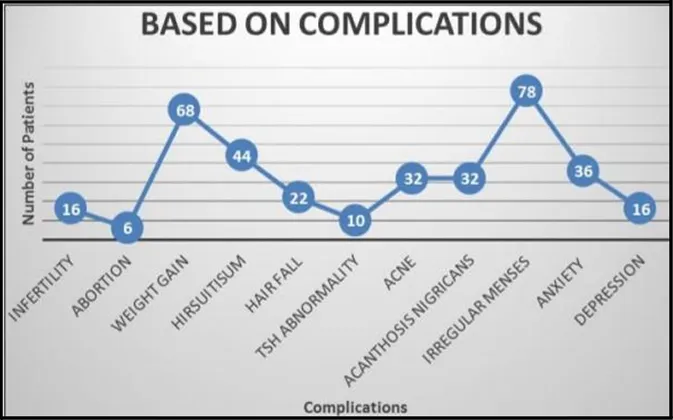
Figure 5: Based on Complications[5]
The Hospital Anxiety and Depression Scale (HADS) was utilized to assess anxiety and depression levels in 100 patients with PCOD. The findings indicated that 52% of the patients scored between 11 and 21, which is deemed abnormal. Among them, 36% experienced anxiety while 16% suffered from depression. In the meantime, 48% of the patients scored between 8 and 11, signaling borderline results. Of these, 26% exhibited borderline anxiety and 22% exhibited borderline depression.[5]
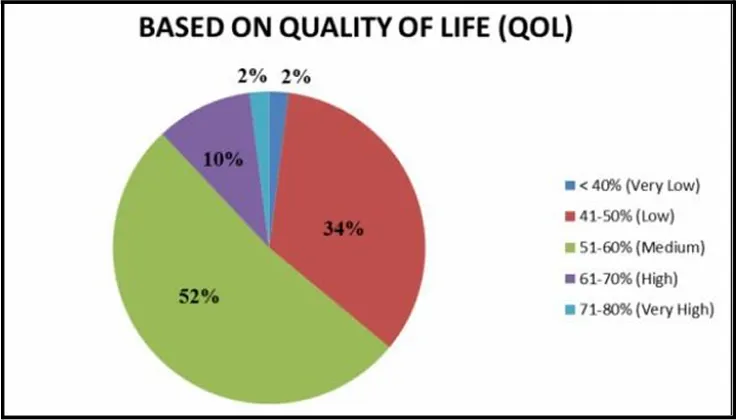
Figure 6: Based on Quality of Life[5]
Assessment of Quality of Life in PCOD patients shows that among 100 patients, 52% scored between 51-60%, reflecting a medium quality of life, while 34% scored between 41-50%, indicating a low quality of life.[5]
DISORDERS ASSOCIATED WITH PCOD
1) Hypertension
Research indicates that women with PCOS are at a higher risk of hypertension than others. A recent analysis of various studies revealed that women with PCOD are more likely to experience high blood pressure compared to those without the disorder. This was only observed in women who remain of reproductive age. Women with PCOD who were post-menopause did not exhibit this heightened risk during the study period. Women with PCOD are at a greater likelihood of developing hypertension. Additional research is necessary to address the hypertension risk in older women who had PCOD prior to menopause.[13]
2) Ovarian Cancer
Women with anovulation and polycystic ovaries, particularly those who have early menarche and late menopause, face an increased risk of ovarian cancer. The widespread use of medications such as clomiphene for ovulation induction in PCOD women may also contribute to the risk of ovarian cancer. Women with PCOD are at double the risk for ovarian cancer compared to those who do not have the condition.[12]
3) Metabolic Syndrome
Postmenopausal women are at a greater risk of developing metabolic syndrome, characterized by insulin resistance, central obesity, and elevated blood pressure. Women with PCOD who are approaching the conclusion of their reproductive years exhibited the highest prevalence. Women with PCOD are at a higher risk of developing metabolic syndrome during pregnancy. However, post-menopause, women without PCOS face a comparable risk of developing metabolic syndrome.[13]
4) Diabetes Mellitus
Numerous long-term studies have associated PCOD with a higher likelihood of developing diabetes mellitus. Women with PCOD frequently face metabolic issues, including insulin resistance, that continue past menopause, increasing their risk of diabetes. Certain data indicates that women with PCOD experienced an increased likelihood of IGT during pregnancy and a greater risk of diabetes mellitus during the perimenopausal phase.[13]
5) Infertility
Women with PCOD have an increased risk of infertility, commonly attributed to irregular or absent ovulation as well as metabolic changes. Miscarriage rates are thought to be elevated in women with PCOS compared to those without. Furthermore, infants born to women with PCOS were more frequently admitted to a neonatal intensive care unit, and prenatal mortality rates were higher, irrespective of multiple pregnancies.[12]
6) Effect on Thyroid Gland
Certain research indicates that elevated levels of TSH, the hormone that signals the thyroid gland to function, are more prevalent in females with PCOD. A link exists between hypothyroidism, a condition where the thyroid functions inadequately, and PCOD. Hypothyroidism is believed to be more prevalent in women with PCOD due to the connection between thyroid issues and irregular menstruation, increased BMI, and hormone responsiveness problems, even among women without PCOD. Nonetheless, there is a lack of sufficient research examining thyroid problems in women with PCOD over time.[12]
7) Dyslipidemia
Approximately 70% of women with PCOD experienced dyslipidemia, a common metabolic disorder associated with the condition, and no significant variation in its prevalence was observed. In postmenopausal women, a comparison between those with PCOD and BMI-matched controls indicated no statistically significant difference in the risk of developing dyslipidemia after the age of 40. Research shows that high triglyceride (TG) levels are the sole consistent lipid abnormality in postmenopausal women suffering from PCOD.[13]
MANAGEMENT AND TREATMENT OF PCOD
MANAGEMENT OF PCOD
Modern management of PCOD necessitates a comprehensive strategy, incorporating lifestyle changes, traditional medical interventions, and alternative therapies. The approach to treatment must be tailored to each patient's unique symptoms, reproductive goals, and metabolic condition.[15]
1. Changes in Lifestyle
Lifestyle changes are fundamental to managing PCOD, especially in individuals who are overweight or obese. A systematic method to nutrition and physical activity can greatly enhance both metabolic and reproductive results. Research indicates that a slight weight loss of 5-10% can reinstate ovulatory function, enhance insulin sensitivity, and lower androgen levels.[15]
2. Dietary Control
Dietary changes focus on balanced nutrition, considering glycemic load and anti-inflammatory effects. A diet high in whole grains, lean proteins, and vegetables, while reducing refined carbohydrates and processed foods, aids in managing insulin resistance. Eating patterns typical of the Mediterranean diet have demonstrated notable potential in enhancing PCOD symptoms and metabolic factors.[15]
3. Exercise
Consistent exercise is vital for controlling PCOD symptoms. Organized exercise routines that integrate aerobic and strength training enhance insulin sensitivity, decrease inflammation, and aid in weight control. Present guidelines advocate for a minimum of 150 minutes of moderate-intensity exercise each week, spread over several sessions.[15]
4. Plant-Based Remedies
Traditional herbal remedies present encouraging therapeutic possibilities for managing PCOD.[15] The involvement of medicinal plants in polycystic ovarian syndrome indicated that herbal extracts were beneficial for treating PCOD and enhanced the levels of sex hormones, insulin resistance, hyperandrogenism, ovulation, and symptoms of PCOD.[8]
Table 1: Management of PCOD[8]
|
- |
Manifestation addressed |
Gestation or ovulation induction desired? |
|
|
- |
- |
Yes |
No |
|
Oligomenorrhea |
Second line treatment |
Glucophage |
Glucophage |
|
Hyperinsulinemia |
Primary therapy |
Glucophage |
Glucophage |
|
Adiposity |
Primary therapy |
Lifestyle overhaul |
Lifestyle overhaul |
|
Pimples |
Primary therapy |
Topical emollients (eg. Dibenzoyl peroxide) |
Hormonal birth control, topical emollients including dibenzoyl peroxide |
a. Spearmint Tea (Mentha spicata)

Figure 7: Spearmint tea[16]
Clinical studies on Spearmint tea have shown its anti-androgenic effects, with consistent intake resulting in marked decreases in both free and total testosterone levels. The suggested mechanisms involve blocking 5α-reductase activity, decreasing ovarian androgen synthesis, and enhancing hirsutism score outcomes.[15]
b. Cinnamon (Cinnamomum zeylanicum)
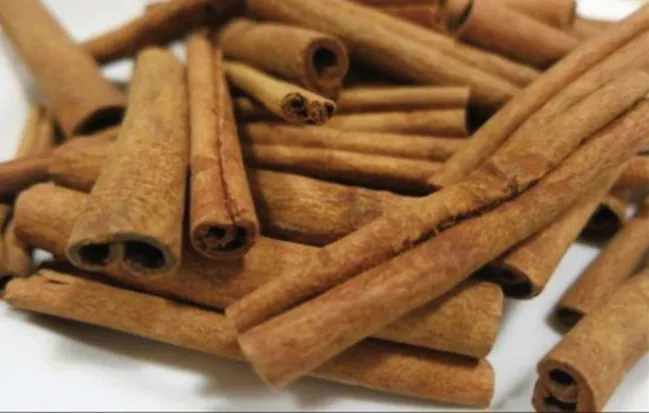
Figure 8: Cinnamon[17]
Cinnamon is a member of the Lauraceae family. It is utilized in various food products, for aroma, and for medical applications. Cinnamon's active components include cinnamaldehyde, essential oils, polyphenols, and procyanidins, all of which have antioxidant, anti-inflammatory, antimicrobial, and hypoglycemic properties. Research indicates that cinnamon extract's polyphenols and procyanidins enhance insulin sensitivity and lower low-density lipoprotein levels in women suffering from PCOD. It enhances the effectiveness of insulin. It indicates that cinnamon may aid in the treatment of PCOD. Cinnamon supplementation notably regulates the menstrual cycle and is highly effective for polycystic ovary disorder.[15]
The active substances, especially methyl-hydroxy-chalcone polymer (MHCP), exhibit insulin-like characteristics. Clinical studies employing cinnamon extract (1-6g daily) have demonstrated significant metabolic effects. Prolonged supplementation shows increased translocation of glucose transporter-4 (GLUT4), better phosphorylation of insulin receptor substrate-1 (IRS-1), lower fasting glucose and insulin concentrations, and improved glycemic control with reduced HbA1c levels.[8]
c. Berberina
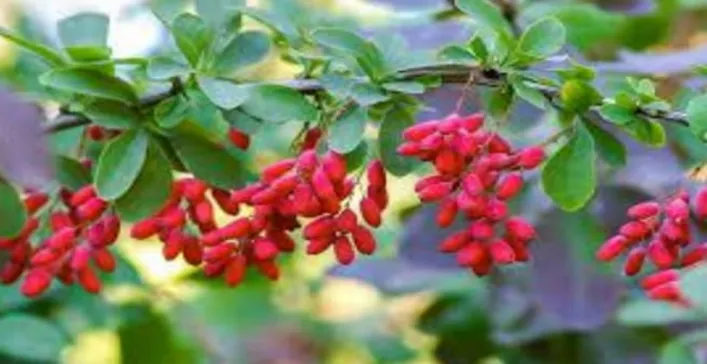
Figure 9: Berberina[18]
This bioactive substance, used for centuries in Chinese medicine, has become a potent treatment option for PCOD. Berberine operates through various mechanisms, such as regulating metabolism by activating AMP-activated protein kinase (AMPK), boosting mitochondrial function, and altering the composition of gut microbiota. Its reproductive impact includes decreased androgen production by the theca cells in the ovaries, enhanced function of granulosa cells, and improved quality of oocytes through diminished oxidative stress.[15]
d. Ginger (Zingiber officinale)

Figure 10: Ginger[18]
Zingiber officinale, known as ginger, is part of the Zingiberaceae family. Ginger rhizomes possess healing qualities and are widely utilized for various applications. It is primarily utilized for pharmacological activities such as antimicrobial, anticancer, antiviral, analgesic, antidiabetic, antioxidant, nephroprotective, sedative, hepatoprotective, anti-inflammatory, and antiemetic. Various biological effects stem from ginger's active components, including 6-gingerol, shogaol, zingiberene, zingeberone, and gingerenone. Insulin sensitivity and obesity are significant issues in PCOD. Ginger plays a notable role in type 2 diabetes management; it enhances insulin sensitivity and lowers body weight by boosting High Density Lipoproteins. Ginger may serve as a beneficial adjunct treatment for individuals with insulin resistance. A few studies have also shown that the anti-inflammatory and antioxidant properties of 6-gingerol lower sex hormone levels and enhance ovulation in Wistar rats induced with PCOD. Ginger may serve as an adjunct therapy for managing PCOD.[8]
e. Coconut tree (Cocos nucifera)
Cocos nucifera is part of the Arecaceae family, commonly referred to as nariyal in Hindi and naral in Marathi. The active components of C. nucifera demonstrate antimicrobial, antihypertensive, and antioxidant properties. The blossoms of Cocos nucifera aid in alleviating significant symptoms of Letrozole-induced PCOD in female rats. Monitoring revealed that it elevates ovarian weight, indicating an estrogenic effect, raises High Density Lipoprotein levels, and, thanks to its strong antioxidant properties, aids in treating polycystic ovaries. The C. nucifera extract reduces the increased levels of hormones like FSH and LH to normal, and flavonoids such as 3, 5-Dihydroxy-6-methyl-2, 3-dihydro-4H-pyran-4-one contribute to the hypoglycemic effect. Consequently, Cocos nucifera may serve as an adjunctive treatment for PCOD.[8]
f. Turmeric (Curcumin longa)
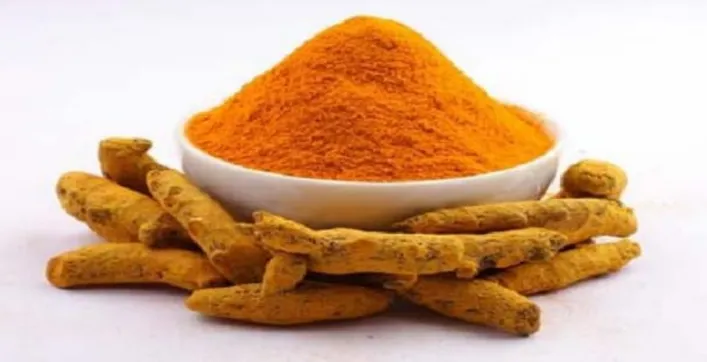
Figure 11: Turmeric[18]
Curcumin longa is found in rhizomes of plants and traditionally used as a medicinal plant in India. Curcumin belongs to the family zingiberaceae and is used as an additive in food in daily life. Curcumin contains some flavonoids, volatile oils, turmerone etc. which possess antioxidant, and anti-inflammatory, anti-hyperlipidemic and hypoglycemic activities. Curcumin significantly decreases or prevents increase of blood sugar level, decreases elevated levels of hormones and improves lipid profile in letrozole induced wistar rat. It also improves ovulation. So, due to powerful antioxidants, antihyperlipidemic and hypoglycemic activities can be used in management of PCOD.[8]
g. Liquorice (Glycyrrhiza glabra)

Figure 12: Liquorice[19]
Liquorice is part of the leguminosae family and is utilized for treating different ailments. The pharmacological effects associated with liquorice include anti-ulcer, antiviral, antifungal, anticancer, anti-allergenic, anti-diabetic, antioxidant, anti-thrombotic, antimalarial, antibacterial, and immune-stimulant properties. Glycyrrhizic acid is a key compound found in liquorice, along with flavonoids such as liquiritin, isoliquiritin, liquiritigenin, and rhamnoliquirilin. Additionally, glabrene and glabridin, chemical compounds present in liquorice, exhibit estrogen-like activity and help reduce low-density lipoproteins. A study discovered that liquorice greatly enhances the fertilization rate of oocytes and boosts embryo development in mice with PCOD. When liquorice is combined with spironolactone, it is highly effective for women experiencing PCOD.[8]
h. Peppermint (Mentha piperita)
Mentha piperita, known as Peppermint, is part of the Lamiaceae family and has numerous therapeutic applications. Peppermint consists of essential oils like acetaldehyde, amyl alcohol, limonene, citronellol, menthol, along with various flavonoids and phenolic acids. In animal model research, peppermint oil decreases weight and testosterone levels in PCOD conditions. Infertility is a significant issue linked to PCOD that results in anovulation. Consuming peppermint might enhance ovulation. The mixture of peppermint and flaxseed extract in animals with PCOD significantly enhanced endocrine hormone secretions and repaired ovarian structure. Antioxidant effects Peppermint supplementation led to a reduction in ovarian cysts, necrosis of hyperplastic luminal epithelial cells, and stromal mesenchymal cell improvement.[8]
i. Pomegranate (Punica granatum L)
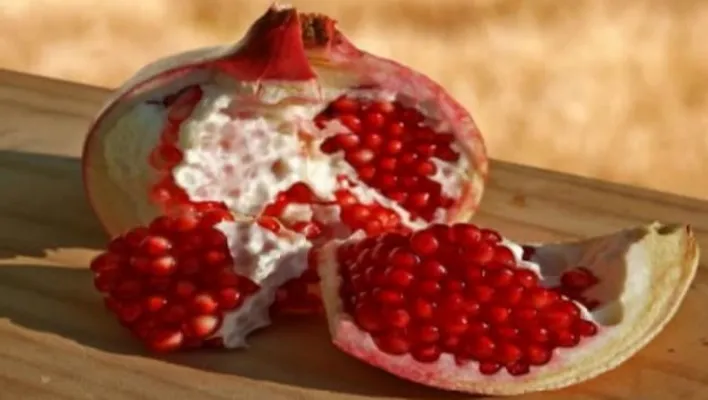
Figure 13: Pomegranate[18]
Pomegranates offer various health advantages and have been commonly utilized to treat various ailments since ancient times. It includes flavonoids, hydrolysable tannins like ellagitannin and ellagic acid, as well as minerals and vitamins. It has potent antioxidant, anti-inflammatory, hepatoprotective, antimicrobial, antiviral, antidiarrheal, and anti-diabetic properties. Obesity is a significant risk element for PCOD. Pomegranate leaf extract markedly decreases body weight and triglyceride levels. Several studies found that pomegranate extract lowers the levels of estrogen and free testosterone hormones in female Wistar rats induced with PCOD. The addition of ethanolic extract of pomegranate leaves aids in lowering glucose levels, which is a significant issue in PCOD. Pomegranate can be incorporated into our daily routine as an adjunct treatment to help alleviate polycystic ovarian disorder.[8]
j. Aloe vera (Aloe Barbados aloe)
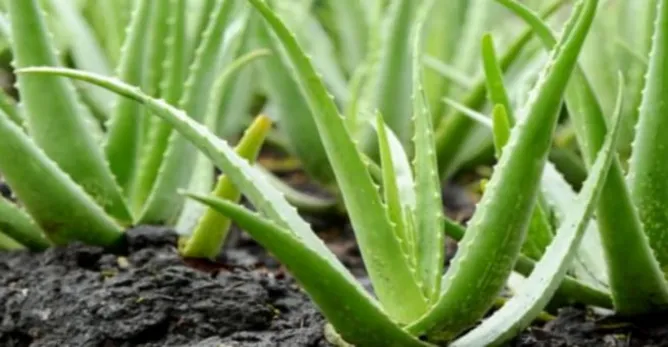
Figure 14: Aloe vera[18]
Aloe vera is the most commonly utilized plant due to its healing properties. Phytosterols found in aloe vera effectively recovered steroidogenesis. The primary phytoconstituents include anthraquinones, chromones, polysaccharides, and enzymes that exhibit antioxidant, anti-inflammatory, and hypoglycemic properties. A woman with PCOD often experiences insulin resistance; aloe vera effectively improves insulin sensitivity. A female rat with PCOD induced by the aromatase inhibitor letrozole. The rat received oral treatment with a formulation of aloe vera gel at a dosage of 1ml each day for 45 days. It was discovered that rats restore the estrus cycle and steroid production. It lowers triglycerides and boosts high-density lipoprotein levels.[8]
k. Bamboo (Bambusa bambos)
Bambus bambos is part of the poaceae family, commonly known as Indian thorny bamboo. It is commonly utilized in ayurvedic treatments for its laxative, diuretic, and anti-inflammatory effects. It demonstrates a decrease in blood glucose levels and reduces low-density lipoprotein and triglyceride levels in rats. The powerful antioxidant properties of bamboo seeds aid in the treatment of PCOD by reinstating estrus cyclicity. It was said that when rats consume bamboo seeds, they become sexually active to the point where each female rat can have up to 800 offspring in the bamboo flowering season.[8]
l. Fenugreek (Trigonella foenum-graecum)
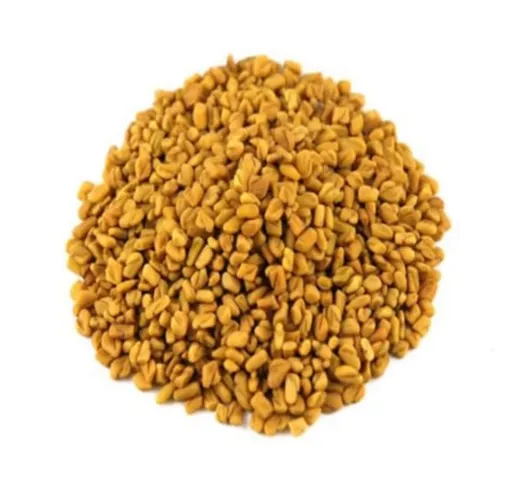
Figure 15: Fenugreek[19]
The fenugreek plant is found globally and belongs to the Fabaceae family. It is a remarkable herb in Ayurveda. Several studies have indicated that Fenugreek enhances testosterone and estrogen levels. The plant possesses anti-inflammatory, antioxidant, and carminative effects, and has been effectively utilized in reducing blood glucose and exhibiting hypolipidemic characteristics. Menstrual cramps that cause pain are a result of elevated pro-inflammatory cytokine levels. Non-steroidal anti-inflammatory drugs (NSAIDs) serve as the main therapeutic approach for PCOD but are linked to specific negative side effects. Fenugreek has been traditionally utilized for alleviating pain associated with menstruation studies.[8]
TREATMENT OF PCOD
Medication that is artificially produced.
PCOD is a complex disorder that impacts various organ systems. Therapy must be tailored according to the patient's condition and wishes regarding pregnancy. Therapies encompass contraceptive pills to normalize menstrual cycles, while devices and drugs for addressing PCOD symptoms and their adverse drug reactions are outlined in Table 1.[8]
Table 2: Synthetic treatment for PCOD[8]
|
Medicine |
Description |
Manifestation addressed |
|
Glucophage |
Insulin sensitizer |
Primary therapy-Hyperinsulinemia Second line treatment-(included in hormonal contraceptives) Oligomenorrhea Tertiary treatment-(included with hormonal contraceptives and spironolactone) Pilosity |
|
Spiroctan |
Androgen antagonists mineralocorticoid antagonists |
Second line treatment-(added after 6 months of oral contraceptive treatment if no improvement) Pilosity |
|
Clomifene |
FDA approved for female infertility due to PCOD. Ovulation induction drug, selective estrogen receptor modulator |
Primary therapy-Sterility |
|
Eflornithine hydrochloride |
Suppress hair growth |
Second line treatment-Slight hirsutism |
|
Letrozole |
Non-steroidal competing inhibitor of aromatase blocks the transformation of adrenal androgens |
Primary therapy-Sterility |
|
LNG-IUS |
IUD |
Uterus hyperplasia |
|
Proscar |
DTH blockers |
Pilosity |
|
Eulexin |
Non-steroidal antiandrogen primarily employed for prostate cancer |
Pilosity |
|
Hormonal birth control |
Based on mostly unscientific evidence |
Primary treatment-Oligomenorrhea, pimples |
Medical management usually targets particular symptoms and hormonal imbalances at their root:
1. Hormonal Treatment
Combined oral contraceptives continue to be a key treatment method, successfully managing menstrual cycles and lower testosterone levels. These drugs inhibit ovarian androgen synthesis while elevating sex hormone-binding globulin, which lowers free testosterone levels.[15]
2. Agents that Enhance Insulin Sensitivity
Metformin, the most extensively researched insulin sensitizer for PCOD, enhances insulin resistance and metabolic factors. Its application frequently results in slight weight loss and might improve ovulation rates. Additional insulin sensitizing agents appear encouraging but need more studies.[15]
Table 3: Comparative evaluation of treatment methods in PCOD[15]
|
Therapy |
Main objective |
Rate of success |
Side effects |
Time span |
|
Glucophage |
Hyperinsulinemia |
60-70% |
Average |
Long lasting |
|
Clomifene |
Ovulation |
70-80% |
Lenient |
Cyclic duration |
|
Spiroctan |
Hyperandrogenism |
60-75% |
Lenient |
Long lasting |
|
Lifestyle overhaul |
Multiple systems |
40-60% |
None |
Ongoing |
|
Birth control pills |
Menstrual induction |
80-90% |
Average |
Varying |
3. Anti-Androgen Treatment
Certain anti-androgen drugs might be recommended for intense hyperandrogenic symptoms. These agents inhibit androgen receptors or block 5α-reductase activity, effectively decreasing hirsutism and acne. Nonetheless, their utilization necessitates thoughtful evaluation of contraceptive requirements because of possible teratogenic impacts.[15]
4. Reproductive Control
Women trying to conceive may require ovulation induction. Clomiphene citrate continues to be the primary treatment, whereas gonadotropins or letrozole offer alternative choices. In cases that are resistant, laparoscopic ovarian drilling might be an option. The method must be tailored considering elements like age, body mass index, and length of infertility.[15]
5. Assistance for Mental Well-Being
Acknowledgment and handling of psychological factors are essential. Professional counseling, support groups, and stress-relief methods assist in managing the emotional effects of PCOD. Consistent evaluation for anxiety and depression guarantees thorough support.[15]
6. Nutritional supplements for PCOD
a. Inositols
Myo-inositol (MI) and D-chiro-inositol (DCI) have become essential agents in the process of insulin signaling. These stereoisomers display unique tissue-specific functions in glucose metabolism and ovarian activity. Myo-inositol mainly affects glucose absorption and follicle-stimulating hormone (FSH) signaling, whereas D-chiro-inositol chiefly influences insulin-driven androgen production. The physiological MI:DCI ratio of 40:1 in the ovary seems essential for proper ovarian performance.[15]
Clinical research has shown that myo-inositol supplementation (2-4g daily) notably enhances insulin sensitivity, lowers serum androgen levels, and reinstates ovulatory function in numerous PCOD patients. The mixture of MI and DCI, preserving the natural 40:1 ratio, has demonstrated better outcomes than individual isomer supplementation. This combination treatment has shown increased ovulation rates and better oocyte quality, decreased insulin resistance markers, normalization of LH:FSH ratios, enhanced regularity of menstrual cycles, and lowered serum androgen levels.[15]
Table 4: Nutritional approaches in PCOD[15]
|
Supplement |
Dosage |
Main benefits |
|
Berberina |
500-1500mg |
Metabolic factors |
|
Vitamin D |
2000-4000 IU |
Hormonal balance |
|
Chromium |
200-400mcg |
Glycolysis |
|
Omega-3 |
1-2g |
Anti-inflammatory |
|
Zinc |
15-30mg |
Hormonal regulation |
b. Omega-3 Fatty Acids and Their Anti-inflammatory Properties
Long-chain omega-3 polyunsaturated fatty acids, especially EPA (eicosapentaenoic acid) and DHA (docosahexaenoic acid), exhibit considerable anti-inflammatory effects related to the pathophysiology of PCOD. These crucial fatty acids regulate inflammatory factors and enhance insulin sensitivity via various mechanisms. The anti-inflammatory effects result from the inhibition of nuclear factor-κB (NF-κB) signaling and a decrease in pro-inflammatory cytokine production. Clinical research using daily doses of 1.5-3g of combined EPA/DHA has demonstrated significant enhancements in insulin sensitivity metrics, adiponectin levels, inflammatory markers, lipid profiles, and hormonal indicators.[15]
c. Antioxidant Support
Oxidative stress is a key factor in the development of PCOD, influencing metabolic and reproductive processes. Different antioxidant substances have shown positive effects.[15]
d. Vitamin D
A significant relationship exists between vitamin D deficiency and the severity of PCOD. In addition to its traditional role in calcium balance, vitamin D acts as a steroid hormone that notably impacts glucose metabolism by increasing insulin receptor expression, enhancing insulin sensitivity, and modulating calcium-dependent insulin release. In reproductive processes, it affects the modulation of anti-Mullerian hormone (AMH) levels, the regulation of follicular development, and the improvement of oocyte quality. Concerning the inflammatory response, it helps decrease chronic low-grade inflammation, regulate cytokine production, and improve immune system performance.[15]
e. Chromium and Metabolic Activity
Chromium supplementation has attracted interest due to its insulin-sensitizing effects. This crucial trace mineral improves insulin signaling through molecular processes such as activating insulin receptor kinase, boosting GLUT4 translocation, and increasing the quantity and binding of insulin receptors. Clinical effects encompass a decrease in fasting insulin levels, improvement in glucose tolerance, enhancement of lipid metabolism, and a reduction in cravings for carbohydrates. Research involving chromium picolinate (200-1000 mcg daily) has shown notable enhancements in insulin sensitivity and glucose regulation in PCOD patients.[15]
f. Micronutrients
i. Magnesium
This vital mineral is significant in insulin signaling and glucose metabolism via mechanisms such as boosting tyrosine kinase activity at insulin receptors, controlling glucose transport systems, and adjusting intracellular calcium balance. Magnesium supplementation (300-600mg daily) shows clinical benefits such as improved insulin sensitivity, increased glucose utilization, decreased inflammatory markers, and improved hormonal balance.[15]
ii. Zinc
Recent studies emphasize the crucial function of zinc in reproductive health and metabolic control. Its reproductive impacts encompass the regulation of aromatase function, stimulation of follicular growth, and advancement in oocyte maturation. The metabolic effect includes increased insulin receptor production, better glucose transport, and decreased inflammatory cytokines.[15]
g. Probiotics and Regulation of Gut Microbiota
Recent studies have identified the essential role of gut microbiota in the pathophysiology of PCOD. The processes involve the modulation of inflammation via the reduction of lipopolysaccharides, the strengthening of intestinal barrier function, and the enhancement of metabolic endotoxemia. Specific probiotic strains show clinical advantages, including improved insulin sensitivity, decreased inflammatory markers, enhanced hormonal levels, and more effective weight management results.[15]
h. Resveratrol
This polyphenolic compound displays encouraging outcomes in managing PCOD by activating SIRT1 pathways, improving mitochondrial function, and decreasing oxidative stress. Clinical effects from research involving resveratrol (500-1500mg daily) demonstrate improved insulin sensitivity, decreased androgen levels, enhanced ovarian function, and improved metabolic parameters.[15]
FUTURE ASPECTS
Herbal medicine shows promise in managing PCOD, with plants like spearmint, cinnamon, ginger, turmeric, and fenugreek demonstrating beneficial effects. Developing standardized, evidence-based formulations and personalized treatments could enhance their safety and efficacy. Targeting specific pathways such as spearmint for lowering androgen levels and cinnamon for improving insulin sensitivity may offer more focused therapies. Herbal treatments generally have fewer side effects, lower toxicity, and added antioxidant benefits, making them a cost-effective complementary option for PCOD management.
CONCLUSION
Multiple small cysts on the ovaries and hormonal imbalances are the hallmarks of Polycystic Ovarian Disease (PCOD), a complex, common endocrine and metabolic disorder that causes irregular menstrual cycles, infertility, and a host of other symptoms like obesity, hirsutism, acne, and hair loss. Genetic predisposition, hormonal dysregulation (particularly hyperandrogenism and insulin resistance), and a variety of environmental and lifestyle factors all contribute to PCOD, which is a complex disorder. Between 5 and 20% of women who are of reproductive age are affected, and it manifests as a variety of clinical symptoms, chief among them being irregular menstruation and infertility. The diagnosis is based on criteria such as those from Rotterdam, which emphasize the presence of two of the three characteristics: polycystic ovarian morphology, ovulatory failure, and hyperandrogenism. Although the etiology is still not fully understood, new research emphasizes the roles of intricate neuroendocrine connections, metabolic disorders, and inflammation. Relieving symptoms, preventing long-term issues (including diabetes and cardiovascular disease), and enhancing quality of life are the main goals of management. Treatment is based on lifestyle changes, such as eating a balanced diet, exercising frequently, and controlling weight. Certain symptoms may be treated with medications, including as oral contraceptives, insulin, and anti-androgens. A customized strategy, patient education, and early diagnosis are still essential for enhancing results and averting related morbidities.
ACKNOWLEDGMENT
I sincerely thank my guide and mentors for their valuable guidance and support throughout this work on PCOD. I also express my gratitude to the authors and researchers whose studies provided essential insights into the condition. Their contributions have helped in understanding the complex nature of PCOD.
REFERENCES


Bhakti Pawar, Avinash Birajdar, Shifa Kakhandkikar, Srushti Bhosale, Ifranam Patel, Ruba Bagban, Gulam Rasool Shaikh, Swapnil Shivasharan, A Review on: The Herbal Approach to PCOD, Int. J. of Pharm. Sci., 2026, Vol 4, Issue 7, 6221-6241. https://doi.org/10.5281/zenodo.21727458
 10.5281/zenodo.21727458