

We use cookies to ensure our website works properly and to personalise your experience. Cookies policy
Department of Pharmaceutical Quality Assurance, Aditya Bangalore Institute of Pharmacy Education and Research, Bengaluru, Karnataka, India
Heating, Ventilation, and Air Conditioning (HVAC) systems are critical components of pharmaceutical manufacturing facilities, where they ensure product quality, patient safety, and regulatory compliance by maintaining controlled environmental conditions. HVAC systems regulate temperature, relative humidity, airflow, pressure differentials, and particulate contamination to create suitable manufacturing environments, particularly for sterile and non-sterile pharmaceutical products. The design and operation of pharmaceutical HVAC systems must comply with international regulatory requirements, including Good Manufacturing Practices (GMP), ISO 14644 cleanroom standards, EU GMP Annex 1, and United States Food and Drug Administration (US FDA) guidelines. Recent technological developments such as Building Management Systems (BMS), Internet of Things (IoT)-based monitoring, artificial intelligence (AI), predictive maintenance, digital twins, and energy-efficient HVAC solutions have significantly enhanced system performance, operational reliability, and sustainability. This review provides a comprehensive overview of HVAC system fundamentals, design principles, instrumentation, simulation tools, qualification and validation practices, regulatory requirements, and recent technological advancements, with particular emphasis on pharmaceutical manufacturing applications. Furthermore, the review discusses HVAC qualification through Design Qualification (DQ), Installation Qualification (IQ), Operational Qualification (OQ), and Performance Qualification (PQ), highlighting their importance in ensuring consistent environmental control and compliance throughout the lifecycle of pharmaceutical facilities. The article concludes by discussing future trends in intelligent HVAC systems, sustainable technologies, and risk-based environmental monitoring that will shape next-generation pharmaceutical manufacturing.
Heating, Ventilation, and Air Conditioning (HVAC) systems play a pivotal role in maintaining indoor environmental quality by regulating temperature, humidity, and airflow within residential, commercial, and industrial spaces. Over the years, HVAC technology has advanced from basic mechanical ventilation to sophisticated systems that integrate energy efficiency, air purification, and smart automation. These systems are not only essential for human comfort but also for protecting sensitive equipment, ensuring occupational health, and maintaining controlled environments in sectors such as pharmaceuticals, healthcare, and manufacturing.
With growing concerns about energy consumption and sustainability, modern HVAC research emphasizes energy-efficient design, renewable energy integration, and environmentally friendly refrigerants. Additionally, the emergence of smart technologies, such as Internet of Things (IoT)–enabled monitoring and artificial intelligence–driven optimization, has expanded the scope of HVAC beyond simple climate control.
This review aims to provide a comprehensive overview of HVAC systems, highlighting their working principles, design considerations, applications, technological innovations, and future trends. By examining both traditional and modern approaches, the article seeks to underline the importance of HVAC in sustainable development and improved quality of life (1-2).

Fig.1.HVAC System
2. TOOLS FOR HVAC SYSTEM DESIGN AND ANALYSIS:
2.1. Tools for Pipe and Duct Sizing
These are system design applications used to calculate flow distribution and determine the dimensions of liquid and air distribution networks. Examples include AFT Fathom, DOLPHIN, Duct Calculator, DUCTSIZE, Pipe-Flo, and Python-based models.
2.2. Tools for Equipment Sizing and Selection
These programs help determine the correct size and selection of HVAC equipment. Widely used examples are Carrier HAP, Trane TRACE 700, and EnergyPlus. Such tools are generally based on ASHRAE guidelines and established algorithms, though many are proprietary products offered by manufacturers. Digital catalogues supplied by equipment vendors also provide suitable component models and can be linked with sizing tools—for instance, Carrier’s HAP can connect with chiller selection tools by importing actual performance data.
2.3. Tools for Energy Performance Analysis
These software solutions estimate the annual energy consumption of HVAC systems by simulating building thermal behavior under defined boundary conditions, operating strategies, and control schemes. They can run hourly or sub-hourly simulations to evaluate system efficiency, part-load behavior, and design alternatives. Commonly used tools include Carrier HAP, Trane TRACE 700, DOE-2, eQUEST, EnergyPlus, ESP-r, IDA ICE, TRNSYS, HVACSIM+, VA114, and SIMBAD.
2.4. Tools for System Optimization
Often used alongside performance analysis tools, optimization software performs multiple simulations to adjust parameters toward an objective function. A notable example is the generic optimization package GenOpt.
2.5. Tools for Control Analysis and Optimization
Control-related tools differ in the way HVAC controllers are modeled:
2.6. Tools for Real-Time Performance Simulation
Simulation tools can also support the operational stage of buildings, though this area remains underutilized. Potential applications include:
For real-time use, models must accurately reflect actual system behavior, including control interactions and dynamic responses. While detailed first-principle models are effective if properly calibrated, simpler data-driven models such as neural networks can also provide accurate and efficient alternatives (3,4,5).
3. FUNDAMENTALS OF HVAC SYSTEM:
3.1. Heating
Heating ensures indoor spaces remain warm during cold conditions.
3.2. Ventilation
Ventilation involves the exchange of indoor and outdoor air to maintain acceptable indoor air quality. It removes pollutants, odors, carbon dioxide, and excess humidity.
3.3. Air Conditioning (Cooling)
Air conditioning provides cooling and dehumidification, ensuring comfortable indoor environments in warm or humid climates.
3.4. Humidity Control
Maintaining relative humidity (RH) between 40–60% is important for comfort, health, and equipment performance.
3.5. Air Distribution
The distribution system ensures conditioned air is delivered uniformly across a space.
3.6. Controls and Automation
Modern HVAC relies on control systems to maintain set conditions efficiently.
3.7. Energy and Environmental Considerations
Energy efficiency measures include insulation, variable speed drives, energy recovery ventilators, and zoning systems.
4. INSTRUMENTATION OF HVAC SYSTEM:
Instrumentation in HVAC (Heating, Ventilation, and Air Conditioning) systems refers to the use of sensors, controllers, and actuators to monitor and regulate environmental parameters such as temperature, humidity, pressure, air quality, and energy consumption. A well-instrumented HVAC system ensures thermal comfort, healthy indoor air, operational safety, and optimal energy usage. Modern systems integrate advanced instrumentation with Building Management Systems (BMS) and IoT-based controls to enhance efficiency and automation(16).
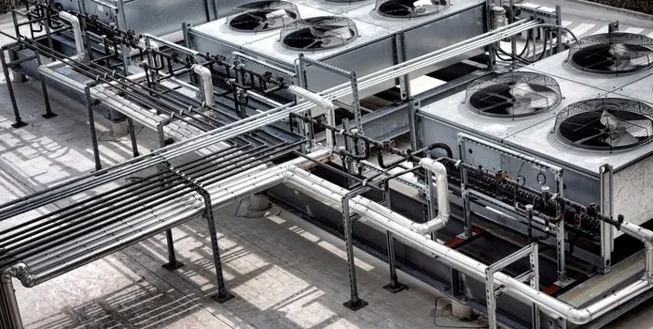
Fig 2- Instrumentation of HVAC System
4.1. Measured Parameters in HVAC
The effectiveness of an HVAC system depends on precise measurement of several physical variables. Temperature is measured at different points such as supply air, return air, chilled water, and refrigerant lines to regulate heating and cooling functions. Pressure measurements are essential for monitoring duct static pressure, refrigerant cycle pressures, and boiler or steam systems. Flow instruments measure air velocity in ducts and water or steam flow in piping systems, ensuring proper circulation and distribution. Humidity sensors maintain indoor comfort by preventing dryness or excessive moisture, while air quality instruments detect carbon dioxide (CO₂), volatile organic compounds (VOCs), particulate matter, and harmful gases. In addition, energy monitoring devices track electrical consumption and thermal loads, supporting energy management strategies (5,6,7,8).
4.2. Temperature and Pressure Instrumentation
Temperature measurement in HVAC is carried out using thermocouples, resistance temperature detectors (RTDs), and thermistors. These devices are installed in ducts, water lines, and refrigeration circuits to maintain desired setpoints. Infrared temperature sensors are sometimes used for non-contact applications. Pressure instrumentation includes manometers, electronic pressure transducers, and differential pressure sensors. They are critical for ensuring proper airflow in ducts, maintaining safe boiler operation, detecting clogged filters, and regulating refrigerant cycle pressures. These measurements are typically converted into electrical signals and fed into controllers for automated regulation (1,3,14).
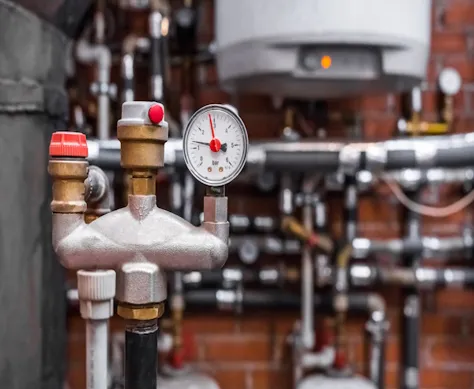
Fig 3 - Resistance temperature detectors (RTDs)
4.3. Flow and Humidity Instrumentation
Airflow is measured using instruments such as anemometers, Pitot tubes, and Venturi meters, which ensure balanced distribution of conditioned air across different zones. For water and steam systems, flow is monitored by ultrasonic, vortex, or orifice plate flow meters. Humidity control, equally vital for comfort and health, is achieved through hygrometers, capacitive humidity sensors, and psychrometers. These sensors are commonly installed in air handling units (AHUs) and indoor zones to regulate humidifiers and dehumidifiers, maintaining relative humidity within the recommended range of 40–60% (2,10,13).
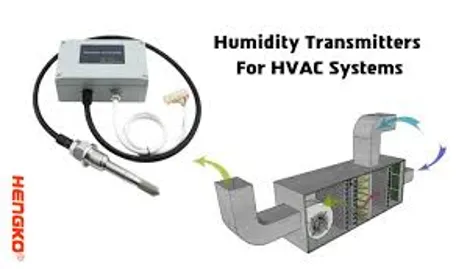
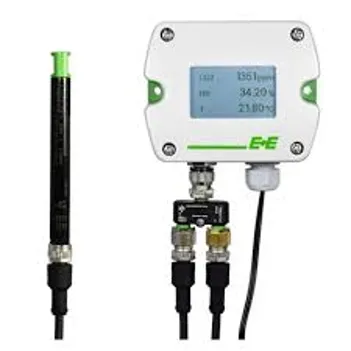
Fig.4 – Humidity Transmitters for HVAC Systems
4.4. Air Quality and Energy Monitoring
Indoor air quality is a growing concern in HVAC design, and instrumentation plays a vital role in maintaining safe environments. Carbon dioxide sensors help in demand-controlled ventilation, ensuring that fresh air is supplied in proportion to occupancy levels. Gas detectors identify refrigerant leaks and harmful gases such as carbon monoxide, while particulate matter sensors measure dust levels. Energy consumption is tracked using BTU meters for chilled and hot water systems, along with electrical power meters for HVAC equipment such as compressors, pumps, and fans. These instruments support energy audits and help in achieving green building standards.
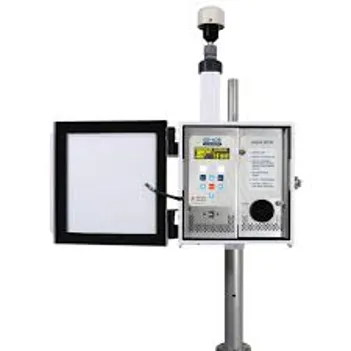
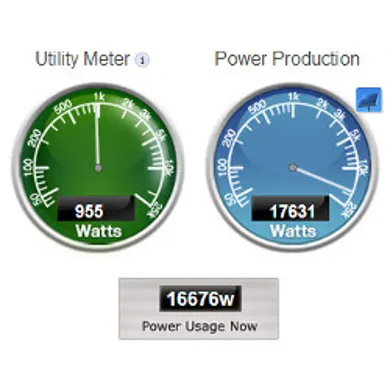
Fig.5.- BTU meters
4.5. Controllers and Actuators
Measured parameters are regulated through controllers and actuators. Thermostats provide local temperature control, while advanced systems use Direct Digital Controllers (DDCs) and Programmable Logic Controllers (PLCs) for precise operation. These controllers process input signals from sensors and issue corrective commands. Actuators such as motorized dampers, control valves, and variable frequency drives (VFDs) respond by adjusting airflow, water flow, and equipment speed. This closed-loop control mechanism ensures stability and efficiency in HVAC operation.
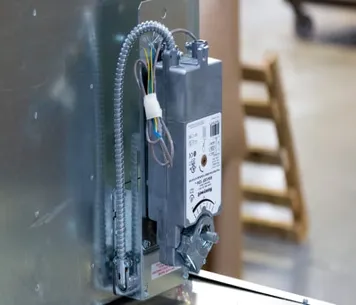
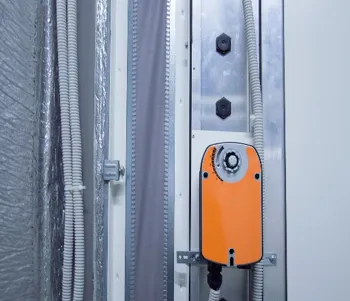
Fig.6-Thermostats
4.6. Integration with Building Management Systems
Modern HVAC instrumentation is closely tied to Building Management Systems (BMS). Through standardized communication protocols such as BACnet, Modbus, and LonWorks, sensors and controllers interact with a central system that supervises the entire building. The BMS performs real-time monitoring, fault detection, alarm management, and optimization strategies such as demand-based ventilation, night setback, and free cooling. Cloud-based and IoT-enabled BMS further allow remote monitoring, predictive maintenance, and AI-driven energy optimization.
4.7. Advanced Trends in HVAC Instrumentation
Recent advancements in HVAC instrumentation include the use of wireless IoT sensors, which reduce installation complexity and cost. Smart thermostats with adaptive learning capabilities adjust setpoints automatically based on occupancy and user behavior. Artificial intelligence and machine learning techniques are increasingly used for predictive maintenance, detecting anomalies in equipment before failure occurs. Energy recovery ventilation systems employ specialized sensors to optimize the exchange of heat between exhaust and supply air streams, enhancing sustainability. These trends point toward a future where HVAC systems are more intelligent, efficient, and environmentally friendly.
5. ADVANCEMENTS IN HVAC SYSTEM:
5.1. Energy Efficiency & Sustainability
5.2. Smart & Automated HVAC
5.3. Indoor Air Quality (IAQ) Enhancements
5.4. Green & Renewable HVAC Solutions
5.5. Innovations in System Design
6.6.Maintenance & Reliability
6. Applications of HVAC Systems
6.1. Residential Applications
In homes and apartments, HVAC systems provide heating in winter, cooling in summer, and ventilation throughout the year. They maintain indoor comfort by regulating temperature and humidity, while also filtering dust and allergens from the air. Ducted split systems, ductless mini-splits, and heat pumps are commonly used in residential buildings. Modern smart thermostats and zoning systems allow homeowners to optimize energy consumption and reduce utility bills.
6.2. Commercial Applications
Commercial buildings such as offices, shopping malls, hotels, and educational institutions rely heavily on HVAC systems to ensure a comfortable and healthy environment for occupants. Air handling units (AHUs) and centralized systems maintain uniform temperature and air distribution across large spaces. In hotels and hospitals, HVAC plays an additional role in controlling air pressure and maintaining hygiene by filtering contaminants. Energy efficiency is particularly important in this sector due to long operating hours and large cooling/heating demands.
6.3. Industrial Applications
In industries, HVAC systems go beyond comfort to support production processes. Manufacturing plants, pharmaceutical industries, food processing units, and chemical plants require strict control of temperature, humidity, and air quality to ensure product quality and safety. Cleanrooms in pharmaceutical and semiconductor industries, for instance, use specialized HVAC instrumentation to maintain ultra-low particulate levels. Ventilation systems are also vital in removing fumes, gases, and excess heat from industrial operations, protecting both workers and equipment.
6.4. Healthcare Applications
Hospitals, clinics, and laboratories require highly specialized HVAC systems to maintain sterile environments. They ensure proper air filtration using HEPA filters, control humidity to prevent bacterial growth, and maintain differential pressure between rooms to control infection spread. For example, operating theatres require positive pressure to keep contaminants out, while isolation rooms for infectious patients need negative pressure. The reliability of HVAC in healthcare directly impacts patient safety and recovery.
6.5. Data Centers and IT Facilities
HVAC systems play a critical role in data centers, where servers and IT equipment generate high heat loads. Precision cooling systems maintain tight temperature and humidity ranges to prevent overheating and equipment failure. Redundancy is essential in such applications, as even a minor cooling failure can cause downtime and massive financial losses. Modern data centers use advanced cooling methods like liquid cooling, hot/cold aisle containment, and energy-efficient free cooling systems.
6.6. Transportation Applications
HVAC systems are widely used in vehicles, trains, ships, and aircraft. In automobiles, they provide passenger comfort and defogging of windshields. Aircraft HVAC systems maintain cabin pressure, oxygen levels, and temperature at high altitudes. In ships and submarines, they regulate air quality and temperature in closed environments. Railways also use HVAC for passenger comfort, especially in long-distance and high-speed trains.
6.7. Public Infrastructure Applications
Airports, railway stations, auditoriums, stadiums, and museums use HVAC systems to manage large crowds while maintaining comfort and air quality. In museums and art galleries, HVAC systems also help preserve sensitive artifacts and artworks by controlling temperature, humidity, and air purity. Similarly, in auditoriums and theatres, HVAC ensures quiet and efficient air distribution without disturbing the audience.
6.8. Specialized Applications
Certain specialized environments require tailor-made HVAC systems. In laboratories, controlled airflows and fume hoods protect researchers from hazardous chemicals. In agriculture, HVAC systems are used in greenhouses to optimize temperature and humidity for plant growth. Cold storage warehouses use refrigeration-based HVAC systems to preserve perishable goods like fruits, vegetables, meat, and pharmaceuticals. Military applications include maintaining livable conditions in bunkers, shelters, and submarines (21,22,23,24,25).
7. Advantages of HVAC System:
8. Limitations:
9. HVAC Qualification and Validation
9.1 Introduction
HVAC qualification and validation are essential components of pharmaceutical quality systems. Since HVAC systems directly influence product quality by controlling environmental conditions, they must be demonstrated to consistently perform according to predetermined specifications. Regulatory agencies require documented evidence that HVAC systems are properly designed, installed, operated, and maintained throughout their lifecycle. Qualification activities follow a risk-based approach and comply with Good Manufacturing Practices (GMP), ensuring that the system continuously provides suitable environmental conditions for pharmaceutical manufacturing.
9.2 Design Qualification (DQ)
Design Qualification (DQ) is the documented verification that the proposed HVAC system design is suitable for its intended pharmaceutical application. During DQ, engineering specifications, user requirements, cleanroom classifications, airflow patterns, pressure cascades, filtration systems, temperature and humidity control, and applicable regulatory requirements are evaluated before installation begins. The objective is to ensure that the system design complies with GMP requirements and will be capable of maintaining the desired environmental conditions throughout operation.
9.3 Installation Qualification (IQ)
Installation Qualification (IQ) demonstrates and documents that the HVAC system has been installed according to approved engineering drawings, equipment specifications, manufacturer's recommendations, and design documents. IQ activities include verification of equipment identification, ductwork installation, HEPA filter installation, piping, electrical wiring, calibration certificates, instrument identification, and documentation review. Any deviations observed during installation are documented and corrected before proceeding to operational testing.
9.4 Operational Qualification (OQ)
Operational Qualification (OQ) verifies that the installed HVAC system performs according to predetermined operating limits under normal operating conditions. During OQ, parameters such as airflow volume, airflow velocity, air changes per hour (ACH), pressure differentials, temperature, humidity, alarm systems, and control sequences are evaluated. Functional testing of Building Management Systems (BMS), sensors, dampers, and control devices is also performed to confirm proper operation.
9.5 Performance Qualification (PQ)
Performance Qualification (PQ) confirms that the HVAC system consistently performs as intended under actual manufacturing conditions. Environmental monitoring is conducted over an extended period to verify compliance with cleanroom classification requirements. Parameters evaluated during PQ include airborne particle counts, microbial monitoring, recovery time, pressure differentials, temperature, humidity, and operator activities. Successful PQ demonstrates that the HVAC system can reliably maintain environmental conditions during routine pharmaceutical production.
9.6 HEPA Filter Integrity Testing
High-Efficiency Particulate Air (HEPA) filters are the primary contamination control components of pharmaceutical HVAC systems. HEPA filter integrity testing, commonly referred to as leak testing, is performed using aerosol challenge methods to verify that filters effectively remove at least 99.97% of particles measuring 0.3 μm. Any leakage around the filter frame or media is identified and corrected to ensure proper cleanroom performance.
9.7 Airflow Visualization (Smoke Studies)
Smoke visualization studies are conducted to demonstrate airflow patterns within cleanrooms and critical processing areas. A visible, non-toxic smoke is introduced into the airflow to evaluate the movement of air around equipment, operators, and product exposure zones. Smoke studies help identify turbulence, dead zones, and airflow disruptions that could compromise contamination control.
9.8 Recovery Test
Recovery testing measures the ability of the HVAC system to restore the cleanroom to its specified cleanliness level after intentional particle generation or operational disturbance. This test confirms that the HVAC system can rapidly remove contaminants and maintain the required ISO cleanroom classification.
9.9 Air Change Rate Verification
Air Changes per Hour (ACH) indicate the number of times the air within a room is replaced each hour. Verification of ACH ensures adequate dilution and removal of airborne contaminants. Appropriate air change rates vary according to cleanroom classification and manufacturing activity.
9.10 Differential Pressure Verification
Differential pressure measurements verify that the required pressure cascade is maintained between adjacent rooms. Positive pressure prevents ingress of contaminants into clean areas, whereas negative pressure is used for containment of hazardous materials. Continuous monitoring ensures stable pressure relationships during manufacturing.
10. GMP, ISO 14644 and Regulatory Requirements
Pharmaceutical HVAC systems must comply with international regulatory requirements to ensure product quality, contamination control, and patient safety. Good Manufacturing Practices (GMP) require pharmaceutical facilities to maintain controlled environmental conditions appropriate for the products being manufactured. HVAC systems are therefore designed to regulate temperature, humidity, airflow, pressure differentials, and particulate contamination while minimizing the risk of cross-contamination.
The World Health Organization (WHO) GMP guidelines provide recommendations for HVAC system design, cleanroom classification, filtration efficiency, pressure differentials, and environmental monitoring in pharmaceutical facilities. Similarly, the United States Food and Drug Administration (US FDA) emphasizes the validation and continuous monitoring of HVAC systems as part of current Good Manufacturing Practices (cGMP), ensuring that manufacturing environments remain suitable for producing safe and effective pharmaceutical products.
The European Union Good Manufacturing Practice (EU GMP) Annex 1 (2022) provides detailed requirements for sterile medicinal product manufacturing. It introduces a comprehensive Contamination Control Strategy (CCS) and emphasizes the importance of proper HVAC system design, airflow visualization studies, environmental monitoring, and cleanroom qualification. The guideline requires manufacturers to adopt a scientific and risk-based approach to contamination control throughout the facility lifecycle.
The ISO 14644 series of standards establishes internationally recognized requirements for cleanroom classification, testing, monitoring, and operational performance. ISO 14644-1 specifies airborne particle concentration limits for different cleanroom classes, while subsequent parts describe testing procedures for airflow, pressure differentials, filter integrity, and cleanroom operation.
In addition, ASHRAE standards provide engineering guidance for ventilation rates, thermal comfort, indoor air quality, and HVAC system design. Together, these international standards ensure that pharmaceutical HVAC systems consistently maintain controlled manufacturing environments while complying with global regulatory expectations.
REFERENCES


Ruthu G. K., Bhavana B., Advancements in HVAC Design and Validation for Pharmaceutical Applications, Int. J. of Pharm. Sci., 2026, Vol 4, Issue 7, 3981-3995. https://doi.org/10.5281/zenodo.21460470
 10.5281/zenodo.21460470