

We use cookies to ensure our website works properly and to personalise your experience. Cookies policy
Department of Pharmacy Practice, Visveswarapura Institute of Pharmaceutical Sciences, Bengaluru-560070, Karnataka, India.
Background: Urinary tract infection (UTI) is a common bacterial infection affecting the urinary system. Antibiotics are widely used for its treatment, however, their use may be associated with adverse drug reactions (ADRs), drug interactions, and antimicrobial resistance. Pharmacovigilance plays an important role in monitoring drug safety and promoting rational drug use. Objectives: The study aimed to evaluate the prescribing pattern of antibiotics, identify suspected adverse drug reactions, assess drug–disease interactions, and promote safe medication practices among patients diagnosed with UTI. Methodology: A prospective observational study was conducted among 70 patients diagnosed with UTI in the Department of General Medicine at Kempegowda Institute of Medical Sciences (KIMS) Hospital and Research Centre, Bengaluru. Patient information was collected from inpatient case records, medication histories, laboratory investigations, and follow-up records. The collected data were analysed using descriptive statistics, tables, charts, and graphs prepared in Microsoft Excel. Results: Among the 70 patients, females constituted 65.71% (46 patients), while males accounted for 34.28% (24 patients). The 61–70 years age group represented the highest proportion of patients (32.85%). Uncomplicated UTI was the most common type, affecting 41 patients (58.57%), followed by complicated UTI in 17 patients (24.28%). Diabetes mellitus was the most frequently recorded comorbid condition, affecting 49 patients, followed by hypertension in 27 patients. A total of 90 antibiotic prescriptions were recorded, of which 78 (86.66%) were administered intravenously and 12 (13.33%) orally. Meropenem was the most frequently prescribed individual intravenous antibiotic, while cefixime and fosfomycin trometamol were the most frequently prescribed oral antibiotics.
Urinary tract Infection (UTI) is one of the common diseases caused mainly by bacteria affecting any part of the urinary system, including the kidney, Ureters, urinary bladder, and urethra. In the elderly population, UTIs are Particularly important because physiological changes, chronic diseases, and other conditions can increase the risk of infection. UTI may be more difficult to diagnose in elderly patients because symptoms Can be non-specific or absent, which may lead to under diagnosis and it is Delayed treatment. ¹
UTI is one of the most common syndrome encountered in general and gynaecological practice. It is most often caused by bacterial infection and May lead to serious complications is left untreated. UTI is a major public Problem, with an estimated worldwide incidence of approximately 150 million cases per year. Although UTI can occur in both males and females Its overall prevalence is higher among women.² The major microorganisms responsible for UTI include Escherichia coli, Klebsiella pneumoniae, Proteus mirabilis, Enterococcus faecalis and other Gram-negative and Gram positive organisms.3 Among these pathogens, Escherichia coli is generally the most frequently isolated causative organism in urinary tract infections.2,3 The increasing prevalence of antimicrobial resistance among urinary pathogens has become a major challenge in the treatment of UTI and may limit the effectiveness of commonly used antibiotics.3,4 Urinary tract infection (UTI) is an infection involving the urinary tract and is One of the conditions for which antibacterial therapy may be required. Antibiotics are medicines that kill bacteria or inhibit their growth and are Therefore used to treat bacterial infections. They may be classified as bactericidal Which eliminate bacteria, or bacteriostatic, which suppress bacterial growth.5 UTI can be classified as upper urinary tract infections and lower urinary tract infections. Upper UTIs involve the kidney and ureters, whereas lower UTIs mainly involve bladder and urethra.6
Signs and Symptoms of UTI’S are Burning or pain during urination (dysuria), Increased frequency of urination, Urgent need to urinate, Lower abdominal or pelvic discomfort, Cloudy or foul-smelling urine, Blood in urine (hematuria), Fever and chills, particularly when the infection involves the kidneys, Pain in the back or flank, Nausea and vomiting may occur in upper UTI.7
MATERIALS AND METHODS
Study design and setting
A prospective, hospital-based observational study was conducted in the Department of General Medicine at Kempegowda Institute of Medical Sciences (KIMS) Hospital and Research Centre, Bengaluru.
Study duration and sample size
The study was conducted over six months after obtaining institutional ethical approval. A total of 70 patients diagnosed with UTI were included.
Inclusion criteria
Exclusion criteria
Ethical considerations
The study received approval from the Institutional Ethics Committee of KIMS. The project file records approval reference number KIMS/IEC/D798/P/2026 dated 12 August 2026. Informed consent was obtained from participants as described in the project methodology. Patient confidentiality was maintained.
Data collection and monitoring
An observational, follow-up-based study was conducted in the General Medicine units of Kempegowda Institute of Medical Sciences (KIMS) Hospital and Research Centre, Bengaluru. All in-patients of either gender who were admitted to the Department of General Medicine, with or without comorbidities, were included in the study as per the study criteria. A well-designed data collection form was prepared, and the required information was extracted from the in-patient case records. The collected information included patient demographics such as name, age, sex, and weight, personal history, medication history, present complaints, with past medical history, laboratory investigations, medications administered during the hospital stay and medications prescribed at discharge.
Statistical analysis
The charts and graphs presented in the results were constructed using MS Excel. Descriptive statistics and simple calculations were used to represent demographic, categorical, and qualitative variables.
RESULTS
Table 1: Age Based Distribution.
| SL.NO | Age in years | No of patients | Percentage (%) |
|---|---|---|---|
| 1. | 31-40 | 04 | 5.71% |
| 2. | 41-50 | 09 | 12.85% |
| 3. | 51-60 | 21 | 30% |
| 4. | 61-70 | 23 | 32.85% |
| 5. | 71-80 | 11 | 15.71% |
| 6. | 81-90 | 02 | 2.85% |
| Total | 70 | 100% |
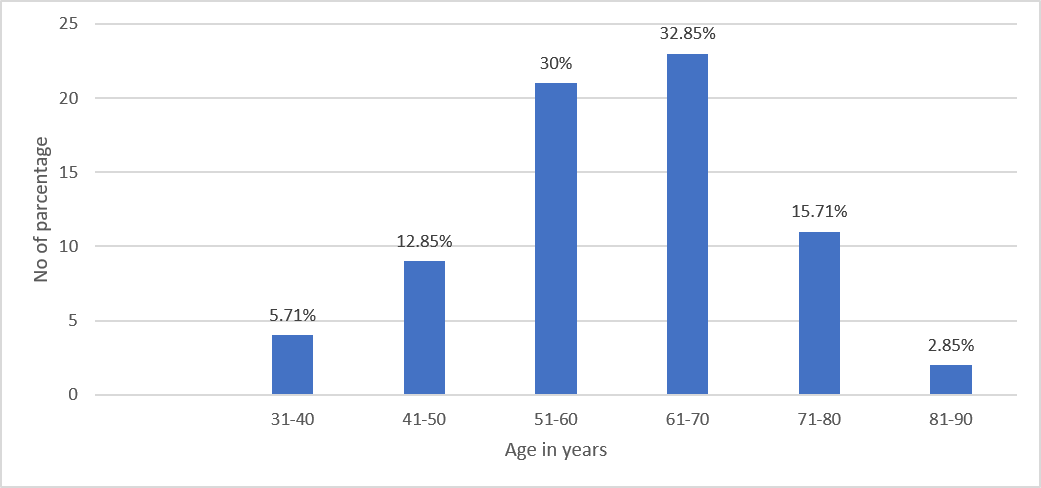
Figure 1: Age Based Distribution
The age-based distribution of the study population included a total of 70 patients. Among them, 23 patients (32.85%) belonged to the 61–70 years age group, which represented the highest proportion. A total of 21 patients (30%) were in the 51–60 years age group, followed by 11 patients (15.71%) in the 71–80 years age group. 9 patients (12.85%) belonged to the 41–50 years age group, while 4 patients (5.71%) were in the 31–40 years age group. Finally, 2 patients (2.85%) belonged to the 81–90 years age group. Overall, the 61–70 years age group had the highest representation among the study participants.
Table 2: Gender Based Distribution
| SL.NO | Gender | No of patients | Percentage (%) |
|---|---|---|---|
| 1. | Male | 24 | 34.28% |
| 2. | Female | 46 | 65.71% |
| 3. | Total | 70 | 100% |
[Figure - see the formatted PDF]
Figure 2: Gender Based Distribution
The gender-based distribution of patients shows that female patients constituted the majority, accounting for 65.71% (46 patients), while male patients comprised 34.28% (24 patients). Thus, the study population had a higher proportion of females compared to males.
Table 3: Type of UTI Based Distribution
| SL.NO | Type of UTI | No of patients | Female | Male |
|---|---|---|---|---|
| 1. | Complicated UTI | 17 | 11 | 06 |
| 2. | Uncomplicated UTI | 41 | 28 | 13 |
| 3. | Pyelonephritis UTI | 04 | 03 | 01 |
| 4. | Recurrent UTI | 01 | 01 | 00 |
| 5. | Cystitis+ Uncomplicated UTI | 03 | 01 | 02 |
| 6. | Cystitis + Complicated UTI | 01 | 00 | 01 |
| 7. | Pyelonephritis+ Recurrent UTI | 03 | 02 | 01 |
| Total | 70 | 46 | 24 |
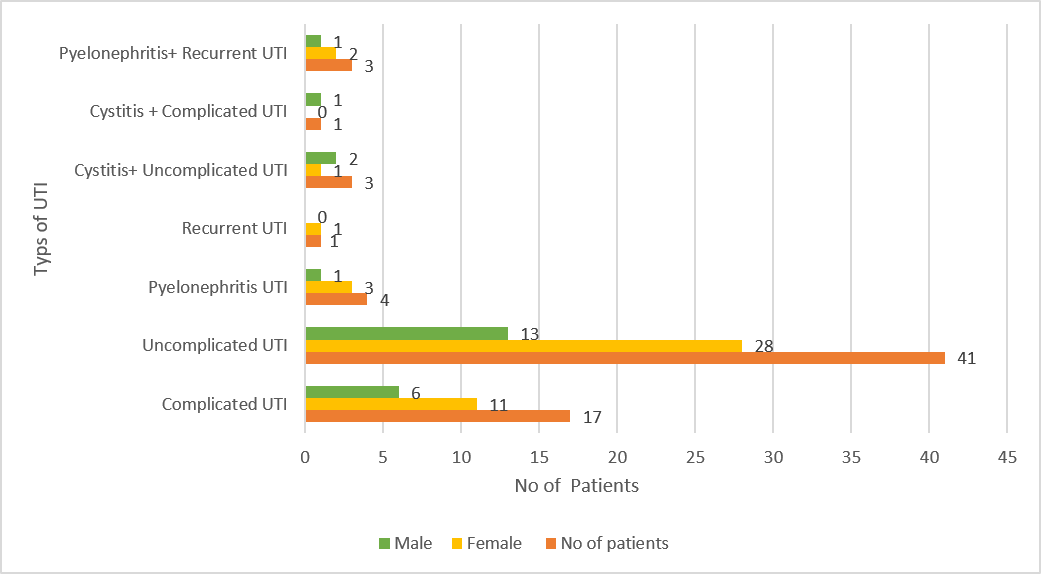
Figure 3: Type of UTI Based Distribution
The distribution of different types of urinary tract infections (UTIs) among the 70 study patients. The highest number of patients had uncomplicated UTI, observed in 41 patients (58.6%), comprising 28 females and 13 males. The next most common type was complicated UTI, identified in 17 patients (24.3%), including 11 females and 6 males. Pyelonephritis was observed in 4 patients (5.7%), consisting of 3 females and 1 male.
Cystitis with uncomplicated UTI was reported in 3 patients (4.3%), including 1 female and 2 males. Similarly, pyelonephritis with recurrent UTI was observed in 3 patients (4.3%), comprising 2 females and 1 male. Recurrent UTI was observed in 1 female patient (1.4%), while cystitis with complicated UTI was reported in 1 male patient (1.4%). Overall, females constituted the majority of the study population, with 46 (65.7%) patients, whereas males accounted for 24 (34.3%) patients. Thus, uncomplicated UTI was the predominant type observed in the study, followed by complicated UTI, with females representing the majority of patients in most categories.
Table 4: Comorbidities
| SL.NO | Diseases | No of patients | Female | Male |
|---|---|---|---|---|
| 1. | Diabetes Mellitus | 49 | 36 | 13 |
| 2. | Hypertension | 27 | 18 | 9 |
| 3. | Hypothyroidism | 06 | 06 | 00 |
| 4. | CKD | 08 | 06 | 02 |
| 5. | COPD | 03 | 01 | 02 |
| 6. | Pneumonia | 01 | 01 | 00 |
| 7. | Anaemia | 06 | 02 | 04 |
| 8. | Alcohol dependence syndrome | 01 | 00 | 01 |
| 9. | Papillary Thyroid Carcinoma | 01 | 01 | 00 |
| Total | 102 | 71 | 31 |
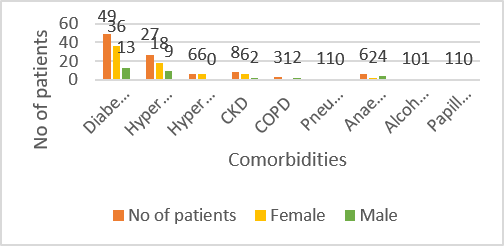
Figure 4: Comorbidities
The disease conditions among the patients. The most prevalent disease condition was Diabetes Mellitus, affecting 49 patients (48.04%), including 36 females and 13 males. The next most common condition was hypertension, observed in 27 patients (26.47%), comprising 18 females and 9 males. Chronic kidney disease (CKD) was reported in 8 patients (7.84%), including 6 females and 2 males.
Hypothyroidism and anaemia were each observed in 6 patients (5.88%). Hypothyroidism was seen exclusively among females, while anaemia affected 2 females and 4 males. Chronic obstructive pulmonary disease (COPD) was reported in 3 patients (2.94%), comprising 1 female and 2 males. Pneumonia was observed in 1 patient (0.98%), who was female.
Finally, alcohol dependence syndrome and papillary thyroid carcinoma were among the least common conditions, each affecting 1 patient (0.98%). Alcohol dependence syndrome was reported in a male, whereas papillary thyroid carcinoma was reported in a female. Overall, diabetes mellitus and hypertension were the predominant comorbid conditions, with a higher proportion of females observed across the study population.
Table 5: Prescribing Pattern of Antibiotics by Intravenous (IV)Route
| SL.NO | Class of drug | Name of drug | Frequency(n) | Percentage (%) |
|---|---|---|---|---|
| 1. | Cephalosporins | Ceftriaxone Ceftazidime Cefepime Cefoperazone Cefotaxime |
13 3 3 1 2 |
16.67% 3.85% 3.85% 1.28% 2.56% |
| 2. | Carbapenems | Meropenem Doripenem |
14 2 |
17.95% 2.56% |
| 3. | Fluroquinolones | Ciprofloxacin | 6 | 7.65% |
| 4. | Nitroimidazole | Metronidazole | 5 | 6.41% |
| 5. | Monobactams | Aztreonam | 1 | 1.28% |
| 6. | Oxazolidinones | Linezolid | 1 | 1.28% |
| 7. | Glycopeptides | Vancomycin | 1 | 1.28% |
| 8. | Combination of Antibiotics | Cefoperazone+ Tazobactam Cefoperazone+ Sulbactam Cefoperazone+ Avibactam Piperacillin+ Tazobactam |
1 11 1 13 |
1.28% 14.10% 1.28% 16.67% |
| TOTAL | 78 | 100% |
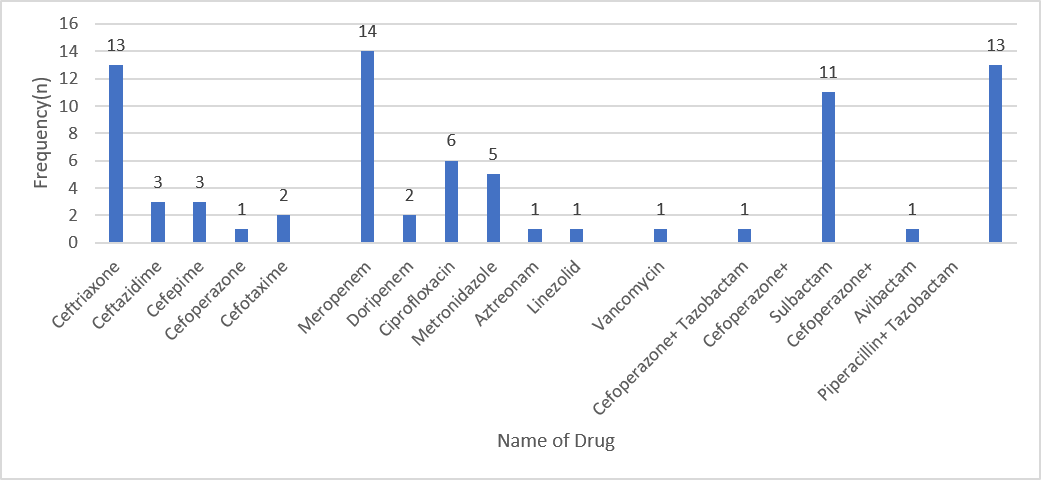
Figure 5: Prescribing Pattern of Antibiotics by Intravenous (IV) Route of Administration
The prescribing pattern of antibiotics administered through the intravenous (IV) route of Administration. A total of 78 antibiotic prescriptions were recorded. Among the individual antibiotics, meropenem was the most frequently prescribed, accounting for 14 prescriptions (17.95%), followed by ceftriaxone with 13 prescriptions (16.67%) and piperacillin–tazobactam with 13 prescriptions. Cefoperazone+sulbactam was prescribed 11 times (14.10%), while ciprofloxacin accounted for 6 prescriptions (7.65%) and metronidazole for 5 prescriptions (6.41%).
Among the antibiotic classes, cephalosporins included ceftriaxone, ceftazidime, cefepime, cefoperazone, and cefotaxime. Carbapenems included meropenem and doripenem. Other antibiotics prescribed were aztreonam, linezolid, vancomycin, and various antibiotic combinations. Less frequently prescribed antibiotics included cefoperazone+tazobactam, cefoperazone+avibactam, aztreonam, linezolid, and vancomycin.
Overall, the findings indicate that carbapenems and broad-spectrum antibiotic combinations were commonly used among the recorded IV antibiotic prescriptions. This pattern may reflect the need for broad-spectrum coverage in hospitalized patients with urinary tract infections, particularly in complicated cases. However, the appropriateness of antibiotic selection should be evaluated based on clinical condition, urine culture and sensitivity results, and antimicrobial stewardship guidelines.
Table 6: Prescribing Pattern of Antibiotics by Oral Route
| Sl. No | Class of drug | Name of drug | Frequency (n) | Percentage (%) |
|---|---|---|---|---|
| 1. | Cephalosporins | Cefixime Cefopodoxime |
4 3 |
33.33% 25% |
| 2. | Tetracycline | Doxycycline | 1 | 8.33% |
| 3. | Phosphonic acid derivative | Fosfomycin trometamol | 4 | 33.33% |
| TOTAL | 12 | 100% |
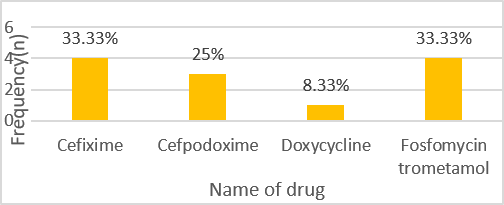
Figure 6: Prescribing Pattern of Antibiotics by Oral Route
The prescribing pattern of antibiotics administered through the oral route among 12 prescriptions in the study. Fosfomycin trometamol and cefixime were the most frequently prescribed antibiotics, each accounting for 4 prescriptions (33.33%). Cefpodoxime was prescribed in 3 cases (25%), while doxycycline was prescribed in 1 case (8.33%), representing the lowest frequency. Cephalosporins were commonly prescribed, with cefixime and cefpodoxime together accounting for 7 out of 12 prescriptions (58.33%). Fosfomycin trometamol also accounted for a substantial proportion of oral antibiotic prescriptions. Overall, the findings indicate that cephalosporins and fosfomycin trometamol were the predominant oral antibiotics used in the study. However, the appropriateness of antibiotic selection should be assessed based on urine culture and sensitivity results, clinical presentation, and relevant treatment guidelines. However, the appropriateness of antibiotic selection should be assessed based on urine culture and sensitivity results, clinical presentation, and relevant treatment guidelines.
Table 7: Distribution of Antibiotics by Route of Administration
| Sl. No | Route | Frequency(n) | Percentage (%) |
|---|---|---|---|
| 1. | IV | 78 | 86.66% |
| 2. | Oral | 12 | 13.33% |
| TOTAL | 90 | 100% |
[Figure - see the formatted PDF]
Figure 7: Distribution of Antibiotics by Route of Administration
The distribution of antibiotic by route of Administration according to the route of administration showed that intravenous (IV) antibiotics were the most frequently prescribed, accounting for 78 prescriptions (86.66%), whereas oral antibiotics accounted for 12 prescriptions (13.33%), out of a total of 90 prescriptions. The higher proportion of IV antibiotic use may be attributed to the need for rapid therapeutic action and the management of severe or complicated urinary tract infections (UTIs) among hospitalized patients. In contrast, the lower percentage of oral antibiotic prescriptions may reflect their use in patients with less severe infections or as step-down therapy, depending on clinical improvement. Overall, the findings indicate a clear predominance of intravenous antibiotic administration in the study population.
Table 8: Treatment Distribution Pattern by Parenteral Route of Administration
| Sl. No | Name of Drug | Route | Frequency | Percentage (%) |
|---|---|---|---|---|
| 01. | Ondansetron | I.V | 30 | 23.25 % |
| 02. | Pantoprazole | I.V | 15 | 11.62% |
| 03. | Esomeprazole | I.V | 19 | 14.72% |
| 04. | Omeprazole | I.V | 8 | 6.20% |
| 05. | Furosemide | I.V | 11 | 8.52% |
| 06. | Paracetamol | I.V | 11 | 8.52% |
| 07. | Tramadol hydrochloride | I.V | 4 | 3.10% |
| 08. | Ferric carboxy maltose | I.V | 2 | 1.55% |
| 09. | Pheniramine maleate | I.V | 3 | 2.32% |
| 10. | Hydrocortisone | I.V | 2 | 1.55% |
| 11. | Human Insulin | S.C | 20 | 15.50% |
| 12. | Insulin glargine | S.C | 3 | 2.32% |
| 13. | Erythropoietin | S.C | 1 | 0.77% |
| TOTAL | 129 | 100% |
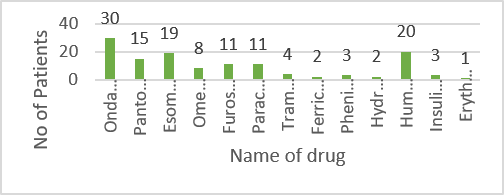
Figure 8: Treatment Distribution Pattern by Parenteral Route of Administration
The treatment distribution pattern by the parenteral route of Administration among patients with urinary tract infection (UTI), with a total of 129 drug administrations recorded. Ondansetron was the most frequently used drug, accounting for 30 administrations (23.25%), followed by human insulin with 20 (15.50%) and esomeprazole with 19 (14.72%). Pantoprazole accounted for 15 administrations (11.62%), while furosemide and paracetamol were each recorded 11 times (8.52%). Omeprazole was administered 8 times (6.20%), followed by tramadol hydrochloride 4 times (3.10%) and pheniramine maleate 3 times (2.32%). Insulin glargine was also recorded 3 times (2.32%). Ferric carboxy maltose and hydrocortisone were each administered twice (1.55%), while epoetin alfa was recorded once (0.77%).
Overall, intravenous (I.V.) administration was the predominant parenteral route, while subcutaneous (S.C.) administration was used for human insulin, insulin glargine, and epoetin alfa. The findings indicate the use of supportive medications for symptoms and coexisting conditions in hospitalized UTI patients. However, these drugs should not all be interpreted as direct treatments for UTI, as several are used for associated symptoms.
Table 09: Treatment Distribution Pattern by Oral Route of Administration
| Sl. No. | Name of Drug | Route | Frequency | Percentage (%) |
|---|---|---|---|---|
| 01. | Acetazolamide | Oral | 3 | 3% |
| 02. | Amlodipine | Oral | 9 | 9% |
| 03. | Metformin | Oral | 12 | 12% |
| 04. | Telmisartan | Oral | 11 | 11% |
| 05. | Cilnidipine | Oral | 12 | 12% |
| 06. | Losartan | Oral | 3 | 3% |
| 07. | Aspirin | Oral | 9 | 9% |
| 08. | Paracetamol | Oral | 7 | 7% |
| 09. | Levothyroxine | Oral | 5 | 5% |
| 10. | Linagliptin | Oral | 2 | 2% |
| 11. | Atorvastatin | Oral | 5 | 5% |
| 12. | Clopidogrel | Oral | 2 | 2% |
| 13. | Febuxostat | Oral | 3 | 3% |
| 14. | Nitroglycerine | Oral | 3 | 3% |
| 15. | Dapagliflozin | Oral | 3 | 3% |
| 16. | Hydrochlorothiazide | Oral | 1 | 1% |
| 17. | Dabigatran Etexilate | Oral | 1 | 1% |
| 18. | Ticagrelor | Oral | 1 | 1% |
| 19. | Carvedilol | Oral | 1 | 1% |
| 20. | Disodium Hydrogen | Oral | 7 | 7% |
| TOTAL | 100 | 100% |
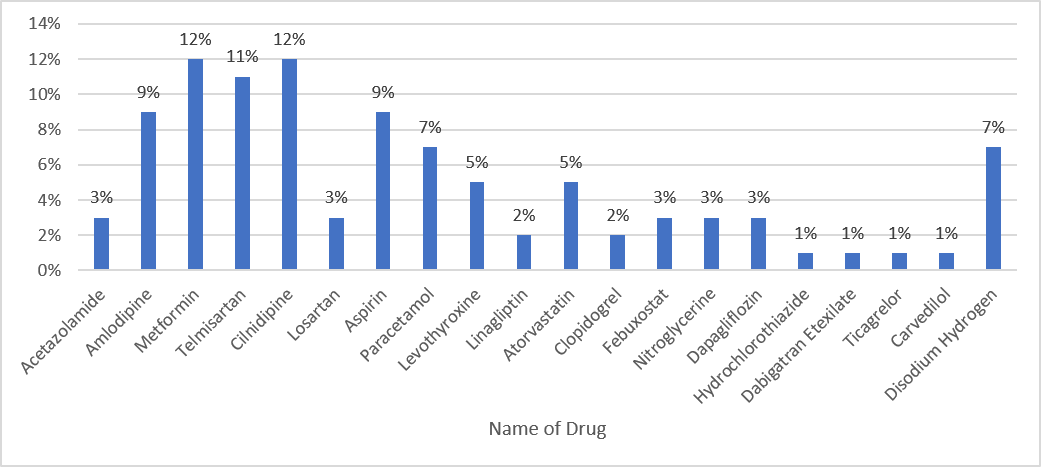
Figure 9: Treatment Distribution Pattern by Oral Route of Administration
The treatment distribution pattern by the oral route of Administration among patients with urinary tract infection (UTI), with a total of 100 drug prescriptions recorded. Metformin and cilnidipine were the most frequently recorded drugs, accounting for 12 prescriptions (12%) each, followed by telmisartan with 11 prescriptions (11%). Amlodipine and aspirin were recorded in 9 prescriptions (9%) each, while paracetamol and disodium hydrogen phosphate accounted for 7 prescriptions (7%) each. Levothyroxine and atorvastatin were recorded in 5 prescriptions (5%) each. Acetazolamide, losartan, febuxostat, Nitroglycerine, and dapagliflozin were each recorded in 3 prescriptions (3%). Linagliptin and clopidogrel accounted for 2 prescriptions (2%) each. Hydrochlorothiazide, dabigatran Etexilate, ticagrelor, and carvedilol were recorded in 1 prescription (1%) each.
Overall, the findings indicate that oral medications were used for the management of coexisting conditions such as diabetes, hypertension, cardiovascular disorders, and pain, in addition to UTI-related treatment. The distribution highlights the importance of considering comorbidities and concomitant medications when evaluating prescribing patterns in UTI patient.
Table 10: Distribution of Drug – Disease Interaction
| Sl. No | Drug | Disease condition | Frequency(n) | Percentage (%) |
|---|---|---|---|---|
| 1. | Telmisartan+ Hydrochlorothiazide (40mg/12.5mg) |
Hyponatremia | 1 | 100 |
| TOTAL | 1 | 100 |
The distribution of drug–disease interactions observed in the study. Hydrochlorothiazide, present in the combination drug Telmisartan+ Hydrochlorothiazide (40mg/12.5 mg,) was associated with hyponatremia in one case. Hydrochlorothiazide is a thiazide diuretic that can increase sodium loss through urine, potentially leading to decreased serum sodium levels. This finding highlights the importance of monitoring serum electrolytes, particularly sodium levels, in patients receiving hydrochlorothiazide. However, further clinical assessment is required to establish whether the drug contributed to the observed condition.
DISCUSSION
The present study entitled “Pharmacovigilance Study of Urinary Tract Infection in a Tertiary Care Hospital” was conducted among 70 patients admitted to the Department of General Medicine at Kempegowda Institute of Medical Sciences (KIMS) Hospital and Research Centre, Bengaluru. The study aimed to evaluate patient characteristics, types of urinary tract infections (UTIs), associated diseases, antibiotic prescribing patterns, medication use, and potential drug related problems. The age-wise distribution showed that the majority of patients belonged to the 61–70 years age group (32.85%), followed by the 51–60 years age group (30%). This indicates that UTIs were frequently observed among middle-aged and older adults in the study population. Age-related physiological changes and the presence of chronic diseases may contribute to the increased risk of infection in these patients. The gender-wise distribution showed that females accounted for 65.71% (46 patients), whereas males accounted for 34.28% (24 patients). This indicates a higher proportion of female patients in the study. Anatomical differences and other risk factors may contribute to the increased occurrence of UTIs among females. Regarding the types of UTI, uncomplicated UTI was the most frequently observed, accounting for 41 patients (58.6%), followed by complicated UTI in 17 patients (24.3%). Pyelonephritis was observed in four patients (5.7%). The remaining patients had recurrent UTI or combinations involving cystitis and pyelonephritis. These findings demonstrate variation in the clinical presentation of UTI among the study participants. The assessment of associated diseases revealed that diabetes mellitus was the most common comorbidity, with 49 recorded cases, followed by hypertension with 27 cases. Chronic kidney disease was observed in eight cases, while hypothyroidism and anaemia were each recorded in six cases. The presence of these comorbidities is important because they may influence treatment selection, medication requirements, and patient monitoring. As some patients had more than one associated disease, the total number of recorded comorbid conditions was 102, which was higher than the total sample size of 70 patients. The antibiotic prescribing pattern showed that intravenous antibiotics accounted for 78 prescriptions (86.66%), whereas oral antibiotics accounted for 12 prescriptions (13.33%), out of 90 antibiotic prescriptions.
Among intravenous antibiotics, meropenem was the most frequently prescribed individual drug, with 14 prescriptions (17.95%), followed by ceftriaxone and piperacillin+tazobactam, each with 13 prescriptions. Cefoperazone+sulbactam was prescribed 11 times. The frequent use of intravenous antibiotics may reflect the need for treatment in hospitalized patients. However, the appropriateness of antibiotic selection should be evaluated according to the patient's clinical condition, culture and sensitivity results, and relevant treatment guidelines. Among oral antibiotics, cefixime and fosfomycin trometamol were the most frequently prescribed, with four prescriptions each (33.33%). Cefpodoxime accounted for three prescriptions (25%), while doxycycline was prescribed once (8.33%). These findings indicate that both cephalosporins and fosfomycin were used for oral treatment. The choice of antibiotic should depend on the type and severity of infection, patient characteristics, and antimicrobial susceptibility whenever available. In addition to antibiotics, other medications were prescribed to manage associated symptoms and comorbid conditions. Among the recorded parenteral medications, ondansetron was the most frequently administered, with 30 administrations (23.25%), followed by human insulin with 20 administrations (15.50%) and esomeprazole with 19 administrations (14.72%). Oral medications included metformin and cilnidipine, each accounting for 12 prescriptions (12%), followed by telmisartan with 11 prescriptions (11%). This prescribing pattern reflects the need to manage coexisting conditions such as diabetes mellitus, hypertension, and other cardiovascular disorders alongside UTI.
The evaluation of potential drug–disease interactions identified one case involving Telmisartan+Hydrochlorothizide 40mg/12.5mg, and hyponatremia. Hydrochlorothiazide is a thiazide diuretic that can increase sodium loss through urine and may contribute to decreased serum sodium levels. This finding emphasizes the importance of monitoring electrolyte levels, particularly in patients with comorbidities and those receiving multiple medications. However, the available findings do not establish that hydrochlorothiazide was the definite cause of hyponatremia, and further clinical assessment would be required. No confirmed adverse drug reactions (ADRs) were identified during the study. This finding should be interpreted in the context of the study population and available patient records; it does not necessarily mean that the prescribed medications were entirely free from adverse effects. Continued monitoring, proper documentation, and reporting of suspected ADRs remain important components of pharmacovigilance. Overall, the study highlights the importance of evaluating Prescribing pattern of drugs, antibiotic use, associated diseases, concomitant medications, and potential drug-related problems among hospitalized UTI patients. Appropriate antibiotic selection, regular monitoring of laboratory parameters, assessment of possible drug interactions, and effective pharmacovigilance practices may help promote rational drug use and improve patient safety.
CONCLUSION
The present study, titled “Pharmacovigilance Study of Urinary Tract Infection in a Tertiary Care Hospital,” was conducted to evaluate the demographic characteristics, prescribing patterns, treatment distribution, and potential drug-related problems among 70 patients diagnosed with urinary tract infections (UTIs) at KIMS Hospital and Research Centre, Bengaluru. The study revealed that UTI was more prevalent among females (65.71%) than males (34.28%). The highest proportion of patients belonged to the 61–70 years age group (32.85%), followed by the 51–60 years age group (30%). Uncomplicated UTI was the most frequently observed type, accounting for 41 patients (58.6%), followed by complicated UTI in 17 patients (24.3%). Diabetes mellitus (49 patients) and hypertension (27 patients) were the most common associated comorbidities, highlighting the importance of considering underlying medical conditions during UTI management. Regarding antibiotic prescribing patterns, intravenous antibiotics accounted for 78 prescriptions (86.66%), while oral antibiotics accounted for 12 prescriptions (13.33%), out of 90 antibiotic prescriptions. Meropenem was the most frequently prescribed individual intravenous antibiotic, with 14 prescriptions (17.95%), whereas cefixime and fosfomycin trometamol were the most frequently prescribed oral antibiotics, with four prescriptions each (33.33%). The use of various concomitant medications for diabetes, hypertension, cardiovascular disorders, and other conditions further emphasizes the need for careful medication review in hospitalized patients.
The study also identified one drug–disease interaction involving hydrochlorothiazide, present in Telmisartan + Hydrochlorothiazide 40mg/12.5 mg, in a patient with hyponatremia. This finding emphasizes the importance of monitoring serum electrolytes and assessing the clinical significance of potential drug–disease interactions. However, the available results do not establish a causal relationship between the drug and the condition. In conclusion, this study highlights the importance of continuous pharmacovigilance, rational antibiotic prescribing, appropriate monitoring of concomitant medications, and early identification of potential drug-related problems in patients with UTI. Urine culture and antimicrobial susceptibility testing, when clinically indicated, can support appropriate antibiotic selection and help minimize antimicrobial resistance. Regular monitoring of adverse drug reactions (ADRs), assessment of drug interactions, and active participation of clinical pharmacists in patient care can contribute to safer medication use, improved treatment outcomes, and better quality of healthcare. Further studies with larger sample sizes and systematic ADR assessment are recommended to provide a more comprehensive understanding of medication safety in patients with UTI.
ACKNOWLEDGMENT
The authors sincerely thank Visveswarapura Institute of Pharmaceutical Sciences, Department of Pharmacy Practice, KIMS Hospital, Bengaluru, for their cooperation and assistance during the data collection process. We also extend our gratitude to the doctors, postgraduate doctors, nursing staff and other healthcare professionals of KIMS Hospital for their valuable cooperation and support throughout the study
FUNDING
None
CONFLICT OF INTEREST
The authors declare that there is no conflict of interest.
REFERENCES






Shirisha D. S., Dr. Shekar H. S., Nayana G. N., Chaithanya K. N., Pratistha Saha, Ullas Gowda N., Dr. Prasanna Babu K. S., Pharmacovigilance Study of Urinary Tract Infections in a Tertiary Care Hospital, Int. J. of Pharm. Sci., 2026, Vol 4, Issue 11, 3212-3223. https://doi.org/10.5281/zenodo.24361689
 10.5281/zenodo.24361689