

We use cookies to ensure our website works properly and to personalise your experience. Cookies policy
¹,2,3,4 Pharm.D Scholars, Abhinav Education Society’s College of Pharmacy, Pune, Maharashtra, India
5Assistant Professor and Research Guide, Abhinav Education Society’s College of Pharmacy, Pune, Maharashtra, India
6Clinical Pharmacologist and Co-Guide, Sahyadri Super Speciality Hospital, Hadapsar, Pune, Maharashtra, India.
Background: Antibiotics are essential in the management of bacterial infections, but excessive empirical and broad-spectrum use in tertiary care hospitals can accelerate antimicrobial resistance. Objective: To study the utilization pattern and prescribing trends of antibiotics in a tertiary care hospital. Methods: A prospective observational study was conducted for six months, from October 2024 to March 2025, among 300 hospitalized patients who received at least one antibiotic. Patient demographics, diagnosis, route of administration, antibiotic name and class, number of antibiotics, culture and sensitivity testing, type of therapy, WHO AWaRe category, and discharge prescriptions were evaluated using descriptive statistics. Results: Of 300 patients, 53% were male and 47% were female; adults constituted 56% of the study population. A total of 520 antibiotic prescriptions were recorded. Intravenous administration predominated (78%). Ceftriaxone was the most frequently prescribed antibiotic (31.10%), and cephalosporins were the leading class (49%). Two-antibiotic therapy was used in 45% of patients and single-antibiotic therapy in 42%. Under the WHO AWaRe classification, 75% of prescriptions were in the Watch group, 20% in Access, and 5% in Reserve. Culture testing was performed in 46% of patients, and 19 positive cultures were reported. Empirical therapy accounted for 96% of prescriptions, whereas definitive therapy accounted for 4%. At discharge, 259 antibiotic prescriptions were issued, most commonly cefuroxime axetil (22%), cefixime (14%), and cefpodoxime proxetil (11%). Conclusion: The study demonstrated substantial reliance on intravenous, broad-spectrum, Watch-group, and empirically selected antibiotics. Greater use of microbiological testing, timely de-escalation, and strengthened antibiotic stewardship are required to support rational prescribing and reduce the risk of antimicrobial resistance.
Antibiotics are medicines that kill bacteria or inhibit their growth and are central to the treatment of bacterial infections. Tertiary care hospitals manage complex and severe conditions using advanced diagnostic and therapeutic facilities; consequently, these hospitals are major centers of antibiotic use. The same clinical complexity can also promote excessive or inappropriate prescribing, prolonged hospitalization, adverse treatment outcomes, and the emergence of multidrug-resistant organisms [1-7].
Antibiotics may be classified as bactericidal or bacteriostatic according to their in-vitro effect. Bactericidal agents directly kill susceptible bacteria, whereas bacteriostatic agents suppress bacterial multiplication. They may also be categorized as broad-spectrum or narrow-spectrum agents according to the range of organisms against which they are active. The minimum inhibitory concentration represents the lowest antibiotic concentration that prevents visible growth, whereas the minimum bactericidal concentration represents the concentration associated with a 1000-fold reduction in bacterial density at 24 hours.
Common bacteriostatic groups include glycylcyclines, tetracyclines, lincosamides, macrolides, oxazolidinones, and sulfonamides. Bactericidal groups include aminoglycosides, beta-lactams, fluoroquinolones, glycopeptides, cyclic lipopeptides, and nitroimidazoles. Rational selection requires consideration of the probable pathogen, site and severity of infection, local resistance patterns, patient characteristics, microbiological evidence, safety, and the need for broad- or narrow-spectrum coverage.
The need for this study arose from the rising burden of antimicrobial resistance, the importance of optimizing hospital antibiotic use, the need to improve patient outcomes and reduce complications, the requirement to support public-health efforts, and the need to strengthen and update clinical guidance for antibiotic prescribing. The investigation was therefore designed to describe actual inpatient prescribing practice and identify areas requiring antibiotic-stewardship intervention.
1.1 Aim
To evaluate the utilization pattern of antibiotics in a tertiary care hospital in order to assess prescribing trends, identify areas of irrational use, and promote rational antibiotic therapy.
1.2 Objectives
To analyze the frequency and pattern of antibiotic prescriptions across patient demographics.
To assess the appropriateness of antibiotic use based on the hospital antibiotic policy.
To identify the most commonly prescribed antibiotic classes and individual agents.
To examine the prevalence of empirical versus culture-based antibiotic prescribing.
2. MATERIALS AND METHODS
2.1 Study design and setting
This was a prospective observational study conducted at Sahyadri Super Speciality Hospital, Pune, a tertiary care hospital. The study covered six months, from October 2024 to March 2025, and included 300 hospitalized patients.
2.2 Eligibility criteria
Hospitalized patients of all age groups and genders who received at least one antibiotic during their inpatient stay and had complete medical records, including prescription details, diagnosis, and laboratory findings where applicable, were included. Outpatient-department patients, surgery patients, and critical-care-department patients were excluded.
2.3 Data collection and study procedure
After institutional ethics approval, eligible patients receiving systemic antibiotics were identified. Data were collected through a structured data collection form from medical records, medication charts, and laboratory reports. The recorded variables included age, gender, clinical diagnosis, medical history, clinical presentation, vital signs, laboratory investigations, antibiotic name, dose, frequency, route, duration, pharmacological class, culture and sensitivity results, empirical or definitive indication, length of hospital stay, and discharge antibiotics.
Antibiotics were classified using the Anatomical Therapeutic Chemical system and the WHO Access, Watch, and Reserve framework. Prescription appropriateness was assessed against the hospital antibiotic policy and available clinical guidance. Patient outcomes, adverse effects or complications, and microbiological evidence of resistance were considered where available.
2.4 Statistical analysis
The collected data were compiled and analyzed using descriptive statistics. Frequencies and percentages were calculated for demographic characteristics, route of administration, individual antibiotics and classes, number of antibiotics per patient, AWaRe groups, culture testing, culture samples, bacterial isolates, empirical or definitive therapy, and discharge prescriptions.
3. RESULTS
A total of 300 hospitalized patients and 520 antibiotic prescriptions were evaluated during the study period. The principal findings are presented below.
3.1 Gender-wise distribution
Among the 300 patients, 159 (53%) were male and 141 (47%) were female, showing a slightly higher proportion of male patients receiving antibiotic therapy.
|
Gender |
Number of patients |
Percentage |
|
Male |
159 |
53% |
|
Female |
141 |
47% |
|
Total |
300 |
100% |
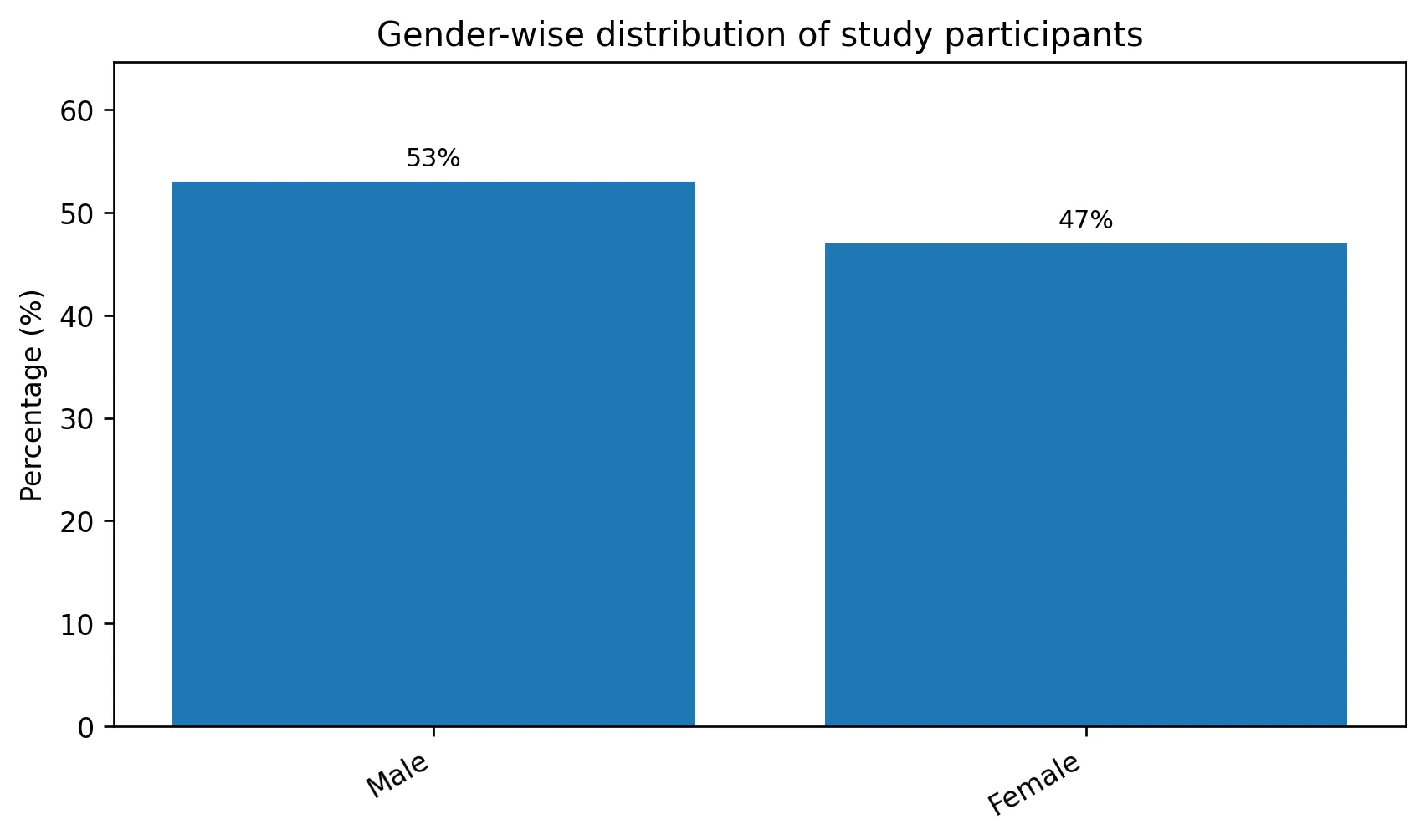
Figure 1. Gender-wise distribution of study participants.
3.2 Age-wise distribution
Adults formed the largest group with 169 patients (56%), followed by pediatric patients with 72 (24%), geriatric patients with 57 (19%), and neonates with 2 patients (reported as approximately 1%).
|
Age group |
Number of patients |
Percentage |
|
Neonates |
2 |
1% |
|
Pediatric |
72 |
24% |
|
Adult |
169 |
56% |
|
Geriatric |
57 |
19% |
|
Total |
300 |
100% |
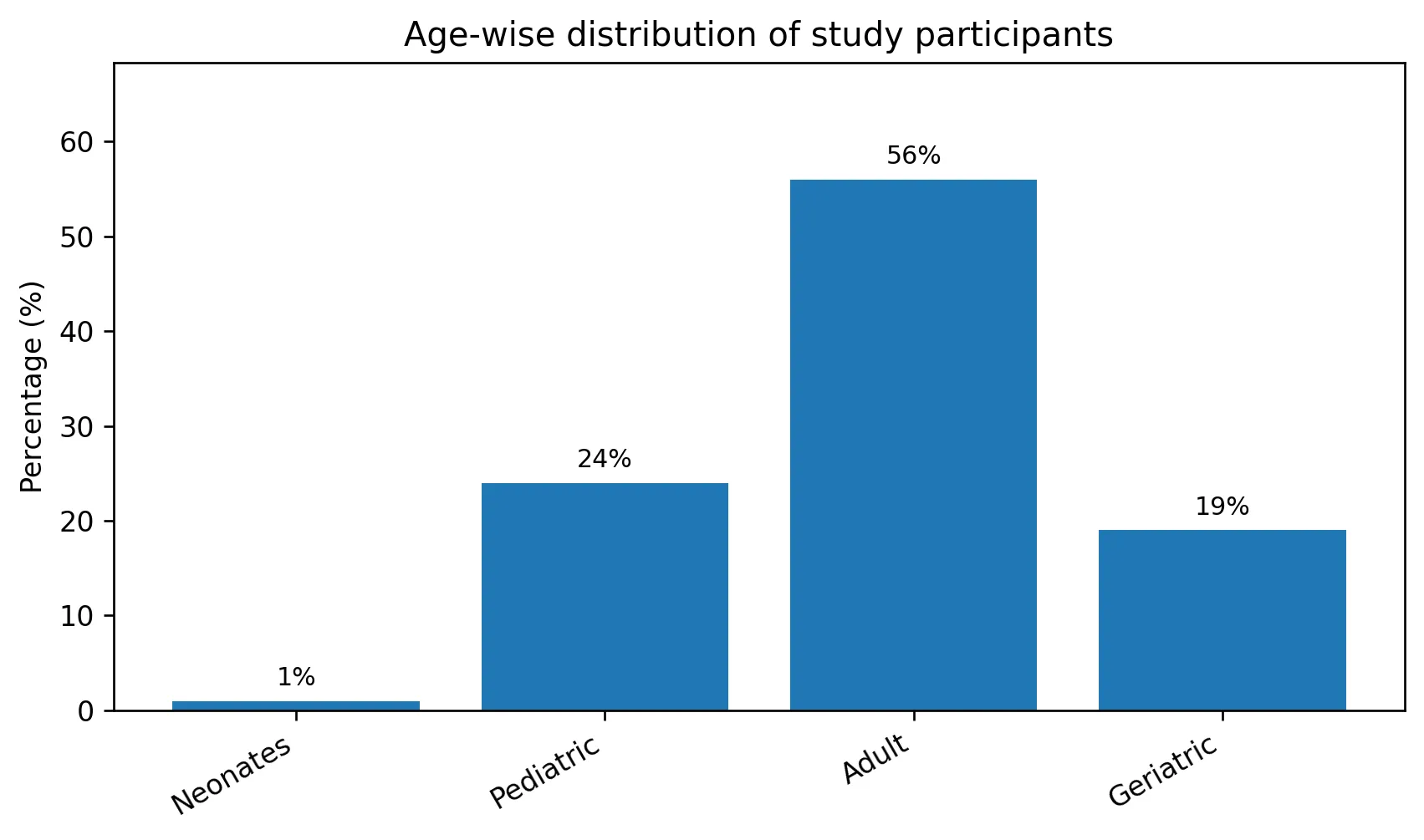
Figure 2. Age-wise distribution of study participants.
3.3 Route of antibiotic administration
Intravenous administration predominated, with 408 prescriptions reported as 78% of antibiotic use. Oral administration accounted for 103 prescriptions (20%), and topical administration accounted for 7 prescriptions, reported as 2% in the study figure. The predominance of the intravenous route reflects the need for rapid therapy in hospitalized patients.
|
Route |
Number of prescriptions |
Reported percentage |
|
Intravenous |
408 |
78% |
|
Oral |
103 |
20% |
|
Topical |
7 |
2% |
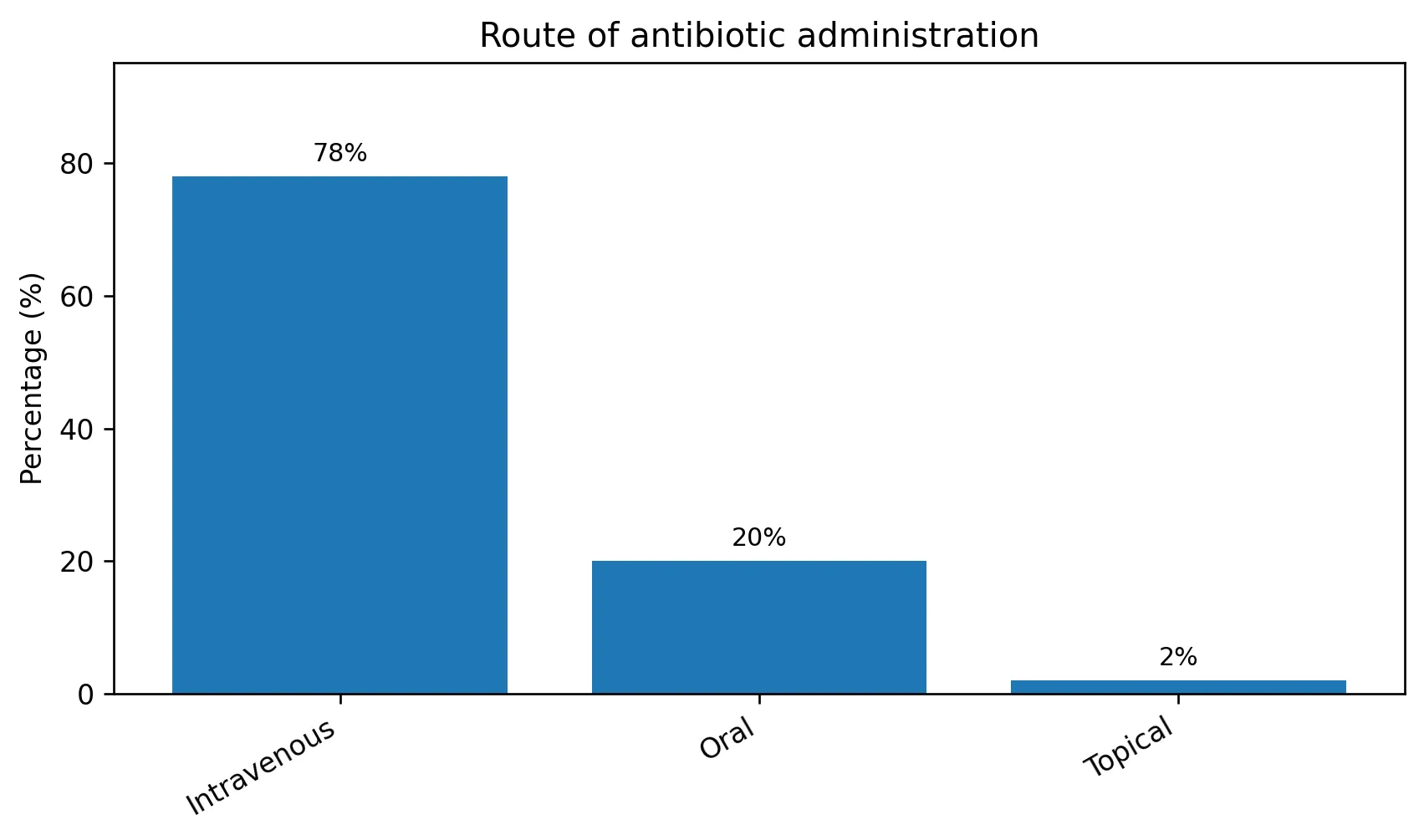
Figure 3. Route of antibiotic administration.
3.4 Individual antibiotics used during treatment
Ceftriaxone was the most frequently prescribed antibiotic and represented 31.10% of all prescriptions. It was followed by azithromycin (12.5%), piperacillin-tazobactam (8.2%), metronidazole (7.0%), doxycycline (6.1%), and cefoperazone sodium (6.1%). The remaining 28.84% included amikacin, amoxicillin-potassium clavulanate, ampicillin-sulbactam, cefoperazone-sulbactam, meropenem, meropenem-sulbactam, vancomycin, aztreonam, linezolid, moxifloxacin, ceftazidime-avibactam, ciprofloxacin, cefepime-sulbactam, and cefuroxime.
|
Antibiotic |
Percentage of prescriptions |
|
Ceftriaxone |
31.10% |
|
Azithromycin |
12.5% |
|
Piperacillin-tazobactam |
8.2% |
|
Metronidazole |
7.0% |
|
Doxycycline |
6.1% |
|
Cefoperazone sodium |
6.1% |
|
Other antibiotics |
28.84% |
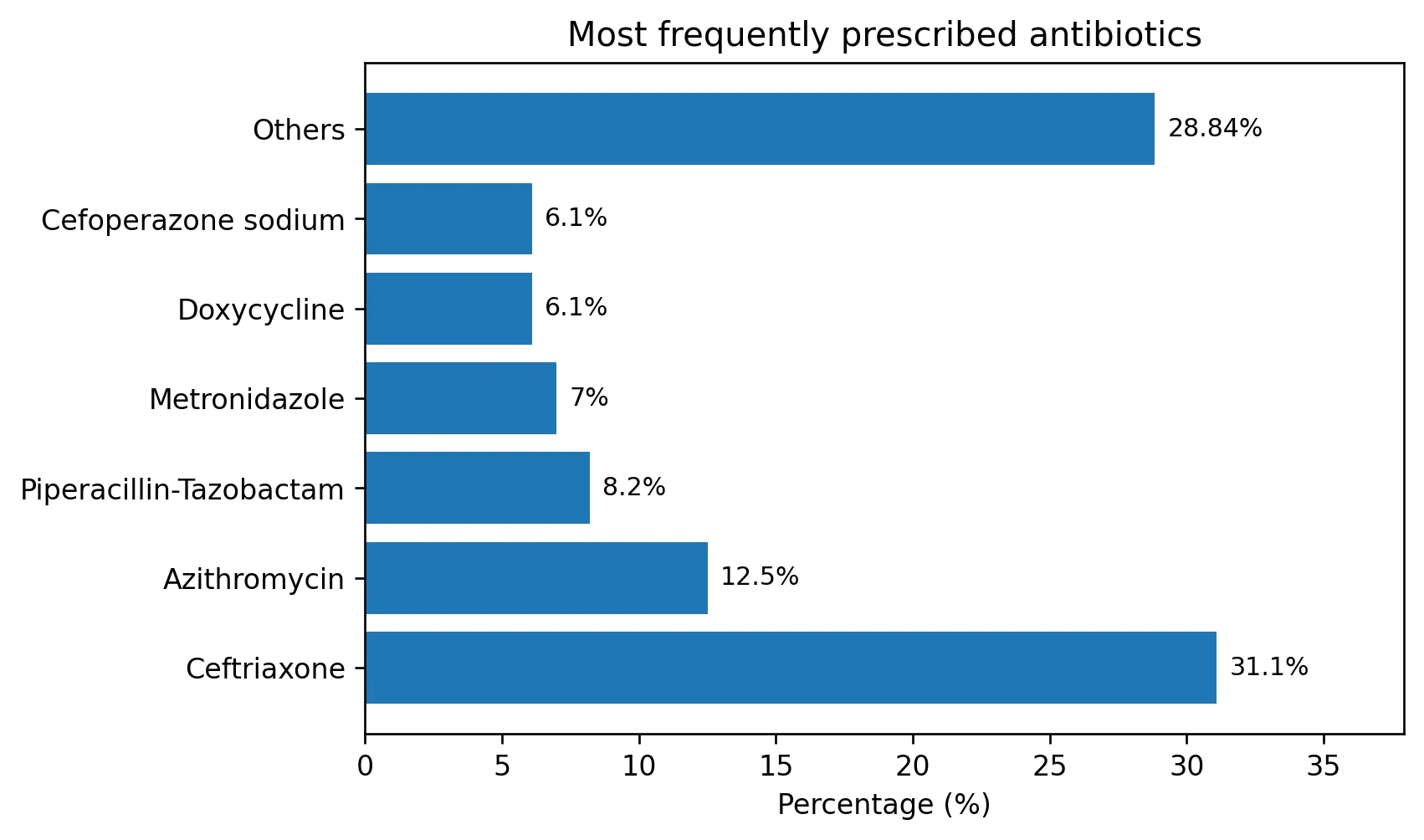
Figure 4. Most frequently prescribed individual antibiotics.
3.5 Antibiotic classes used during treatment
Cephalosporins were the leading class, accounting for 253 prescriptions (49%). Macrolides accounted for 65 (12%), penicillins for 56 (11%), nitroimidazoles for 36 (7%), and tetracyclines for 32 (6%). Other agents accounted for 78 prescriptions (15%) and included aminoglycosides, non-cephalosporin beta-lactams, carbapenems, fluoroquinolones, sulfonamides, glycopeptides, monobactams, oxazolidinones, monoxycarbolics, rifamycins, nitrofuran derivatives, and related agents.
|
Antibiotic class |
Number of prescriptions |
Percentage |
|
Cephalosporins |
253 |
49% |
|
Macrolides |
65 |
12% |
|
Penicillins |
56 |
11% |
|
Nitroimidazoles |
36 |
7% |
|
Tetracyclines |
32 |
6% |
|
Other agents |
78 |
15% |
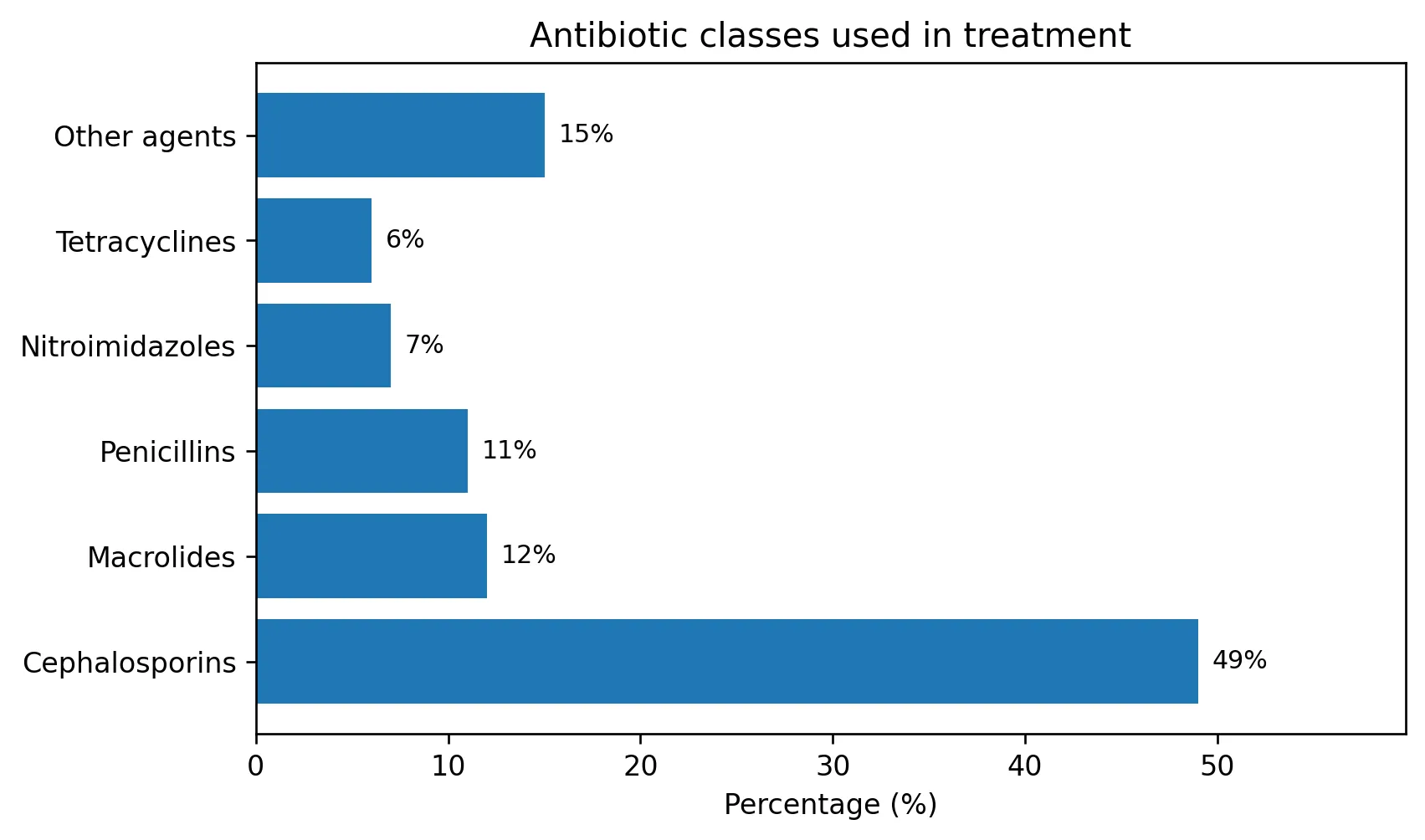
Figure 5. Pharmacological classes of antibiotics used during treatment.
3.6 Number of antibiotics administered per patient
Single-antibiotic therapy was used in 126 patients (42%), whereas 134 patients (45%) received two antibiotics. Three antibiotics were used in 28 patients (9%), four in 10 patients (3%), and five in 2 patients (1%). Thus, more than half of the study population received two or more antibiotics during hospitalization.
|
Number of antibiotics per patient |
Number of patients |
Percentage |
|
One |
126 |
42% |
|
Two |
134 |
45% |
|
Three |
28 |
9% |
|
Four |
10 |
3% |
|
Five |
2 |
1% |
|
Total |
300 |
100% |
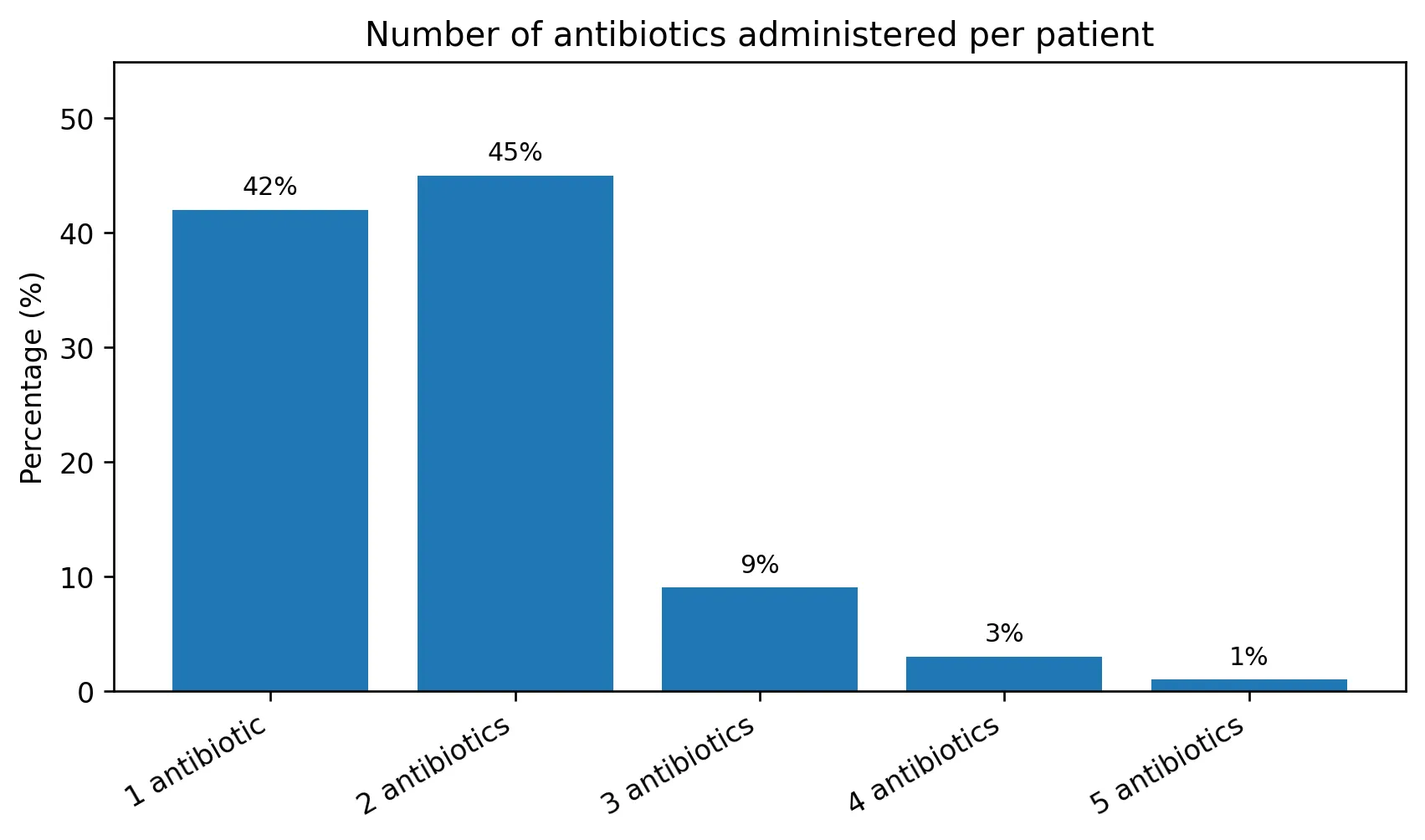
Figure 6. Number of antibiotics administered per patient.
3.7 WHO AWaRe classification
Among the 520 prescriptions, 106 (20%) belonged to the Access group, 389 (75%) to the Watch group, and 25 (5%) to the Reserve group. The high proportion of Watch antibiotics indicates substantial dependence on agents with greater resistance potential, while the limited use of Reserve agents was consistent with their restricted role in resistant infections.
|
WHO AWaRe group |
Number of prescriptions |
Percentage |
|
Access |
106 |
20% |
|
Watch |
389 |
75% |
|
Reserve |
25 |
5% |
|
Total |
520 |
100% |
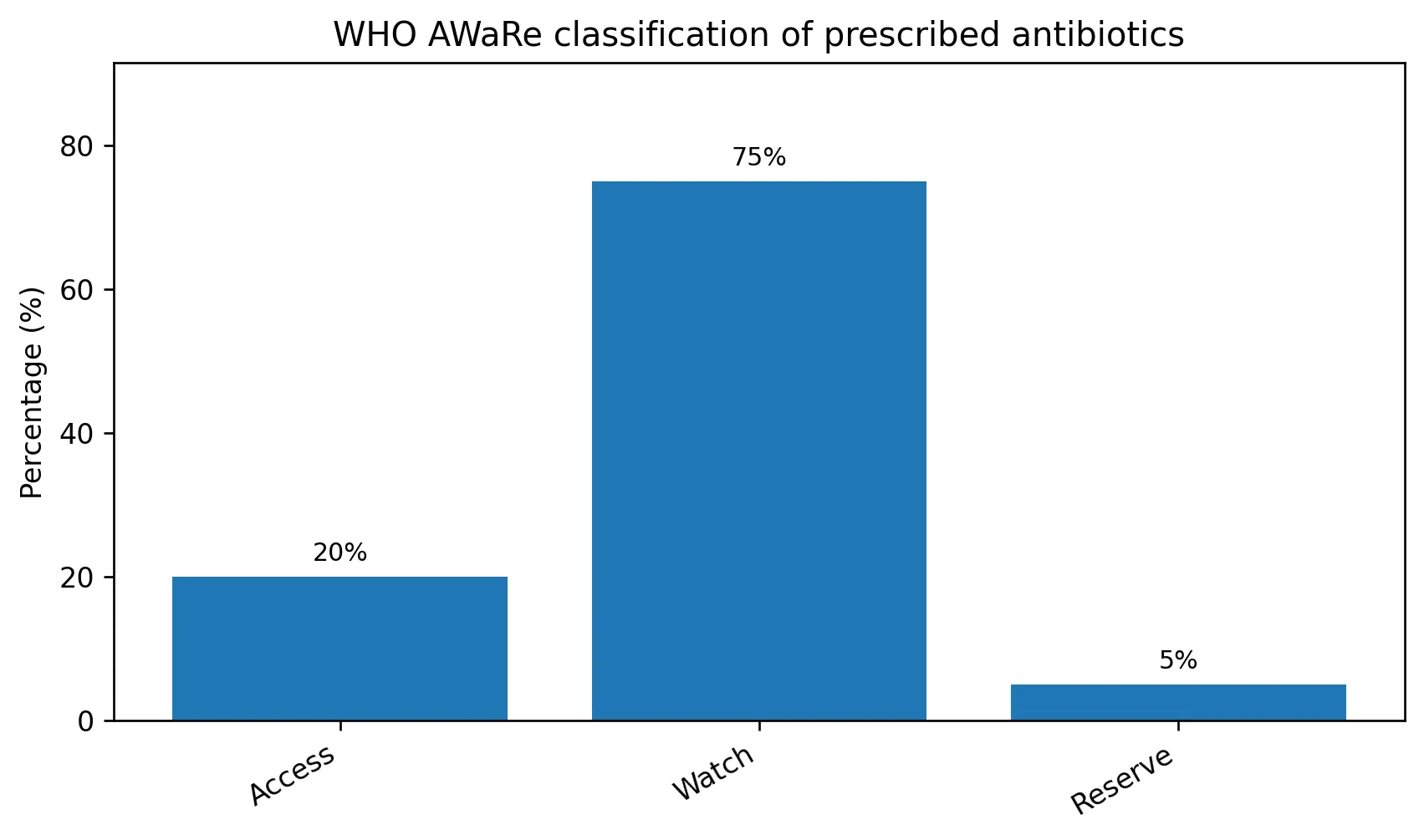
Figure 7. Distribution of antibiotics according to the WHO AWaRe classification.
3.8 Culture testing and types of samples
Culture and sensitivity testing was performed in 137 patients (46%), while 163 patients (54%) were managed without culture confirmation. Blood was the leading sample type (46% of cultures), followed by urine (26%), pus (7%), sputum (7%), other samples (5%), ascitic fluid (4%), and stool (4%). The study text reported 62 blood cultures, 37 urine cultures, 10 sputum cultures, 9 pus or wound cultures, and 7 stool cultures.
|
Culture-testing status |
Number of patients |
Percentage |
|
Culture performed |
137 |
46% |
|
Culture not performed |
163 |
54% |
|
Total |
300 |
100% |
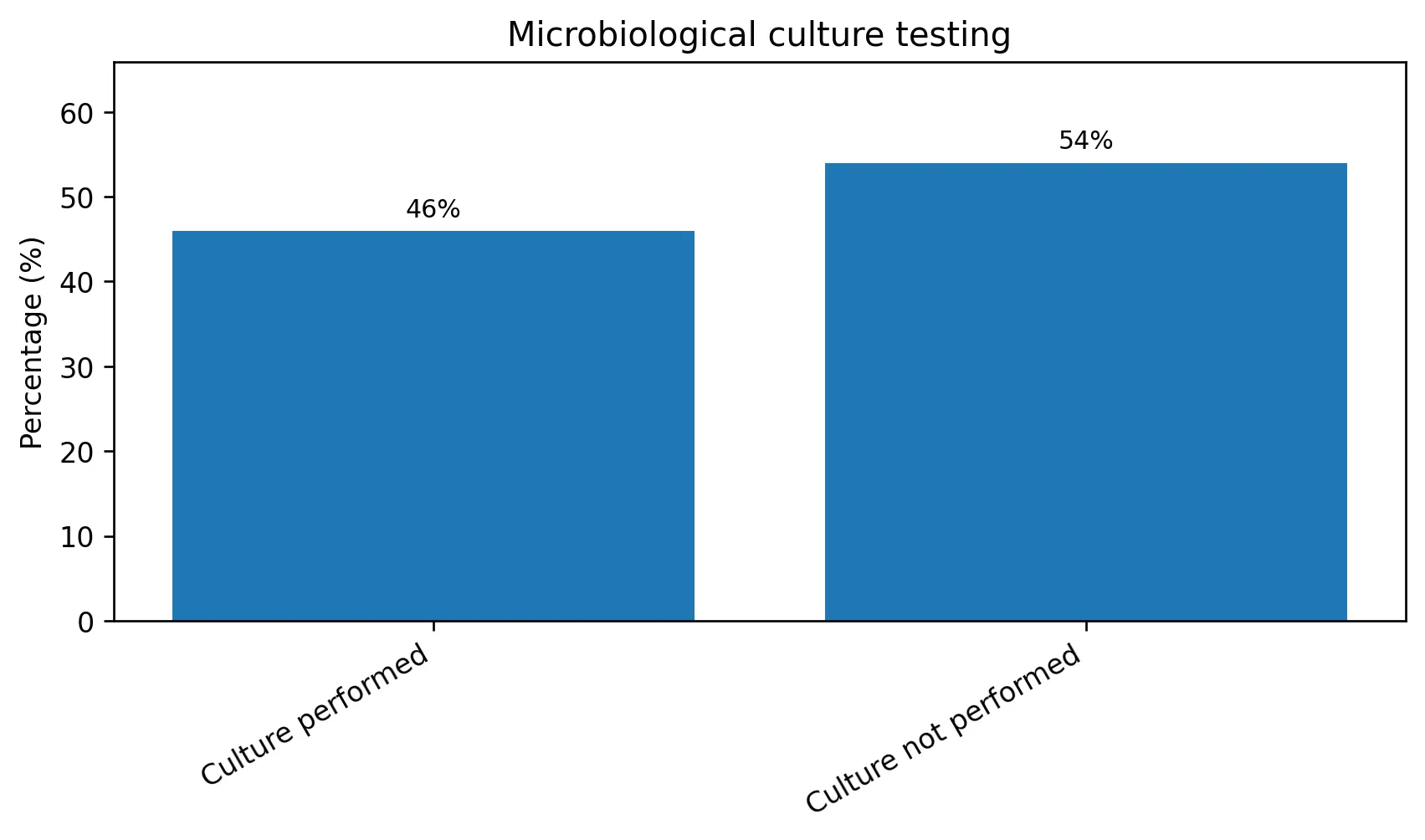
Figure 8. Proportion of patients who underwent culture and sensitivity testing.
|
Sample type |
Reported percentage |
|
Ascitic fluid |
4% |
|
Blood |
46% |
|
Pus/wound |
7% |
|
Sputum |
7% |
|
Stool |
4% |
|
Urine |
26% |
|
Other |
5% |
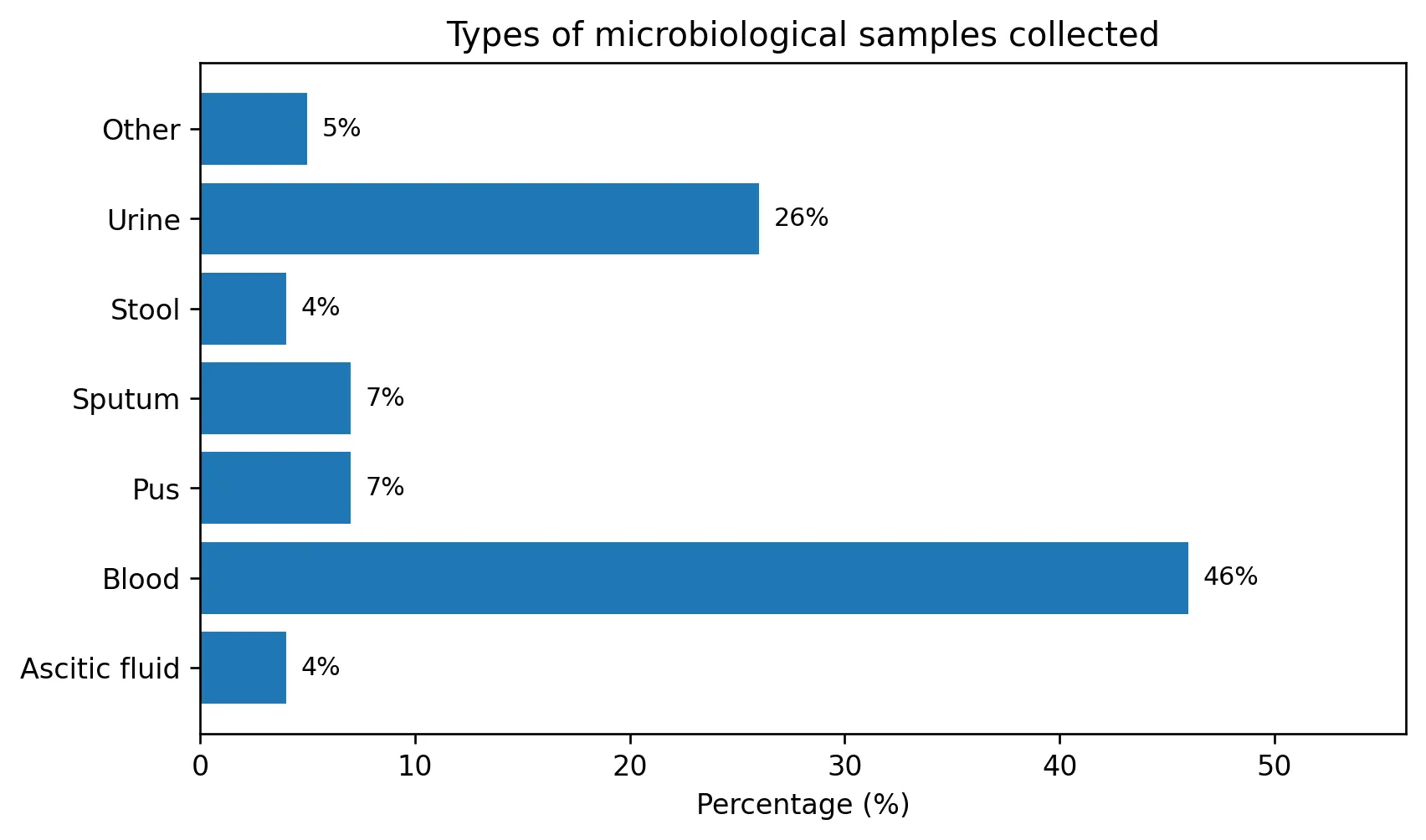
Figure 9. Types of microbiological samples collected.
3.9 Bacterial isolates from positive cultures
Bacterial growth was reported in 19 samples, corresponding to a culture-positivity rate of approximately 14%. Escherichia coli was the most frequent isolate with 6 cases, followed by Staphylococcus aureus with 3 cases. Streptococcus pneumoniae and Pseudomonas aeruginosa were identified in 2 cases each. Enterococcus species, Klebsiella pneumoniae, Haemophilus influenzae, Salmonella Typhi, Mycobacterium tuberculosis, and Mycoplasma pneumoniae were each reported once.
|
Bacterial isolate |
Number of isolates |
|
Escherichia coli |
6 |
|
Staphylococcus aureus |
3 |
|
Streptococcus pneumoniae |
2 |
|
Pseudomonas aeruginosa |
2 |
|
Enterococcus spp. |
1 |
|
Klebsiella pneumoniae |
1 |
|
Haemophilus influenzae |
1 |
|
Salmonella Typhi |
1 |
|
Mycobacterium tuberculosis |
1 |
|
Mycoplasma pneumoniae |
1 |
|
Total |
19 |
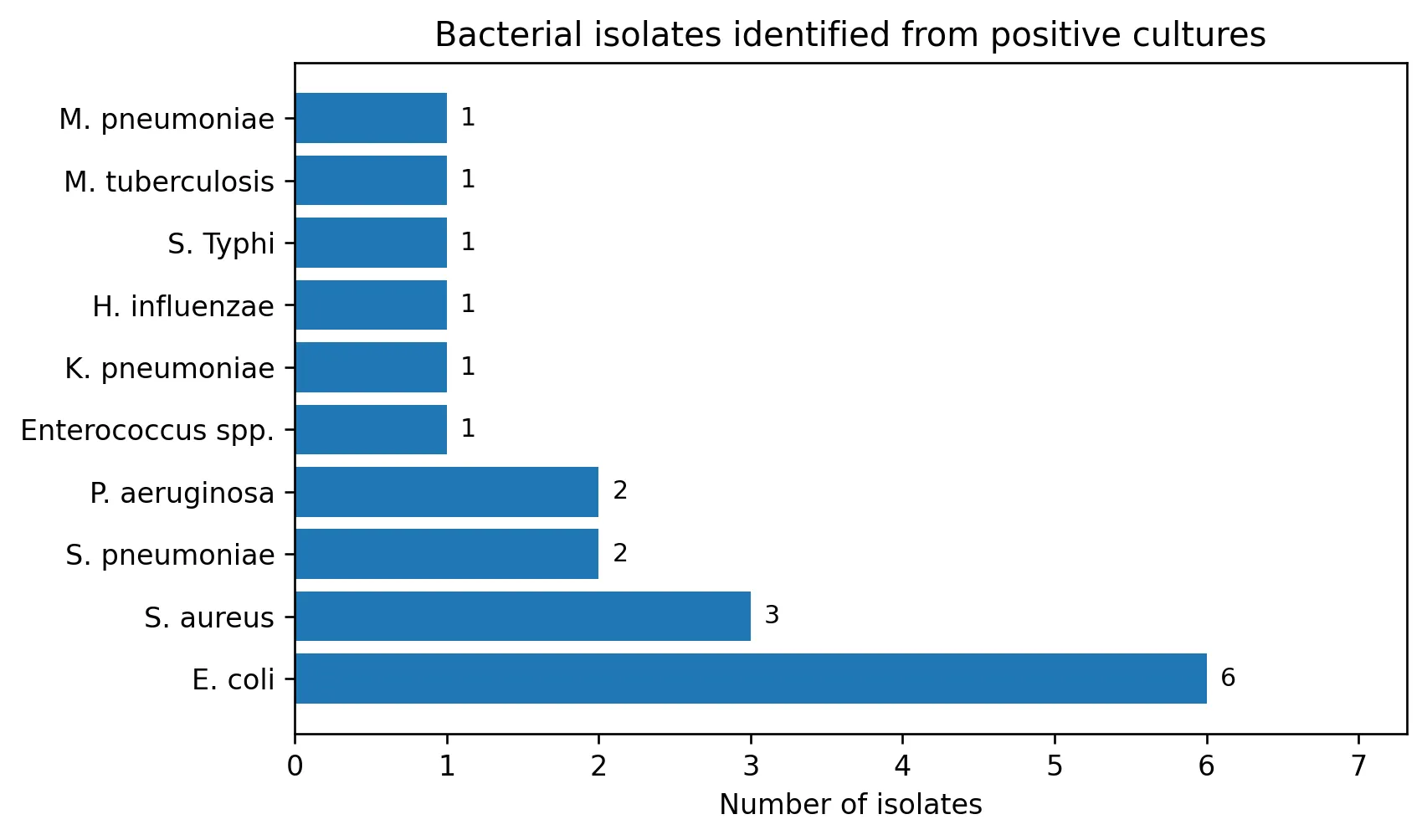
Figure 10. Bacterial isolates identified from positive microbiological tests.
3.10 Empiric and definitive therapy
Of the 520 antimicrobial prescriptions, 501 (96%) were initiated empirically and only 19 (4%) were definitive prescriptions guided by culture and sensitivity findings. This marked predominance of empiric therapy demonstrates the limited conversion from initial broad treatment to microbiologically targeted therapy.
|
Type of therapy |
Number of prescriptions |
Percentage |
|
Empiric |
501 |
96% |
|
Definitive |
19 |
4% |
|
Total |
520 |
100% |
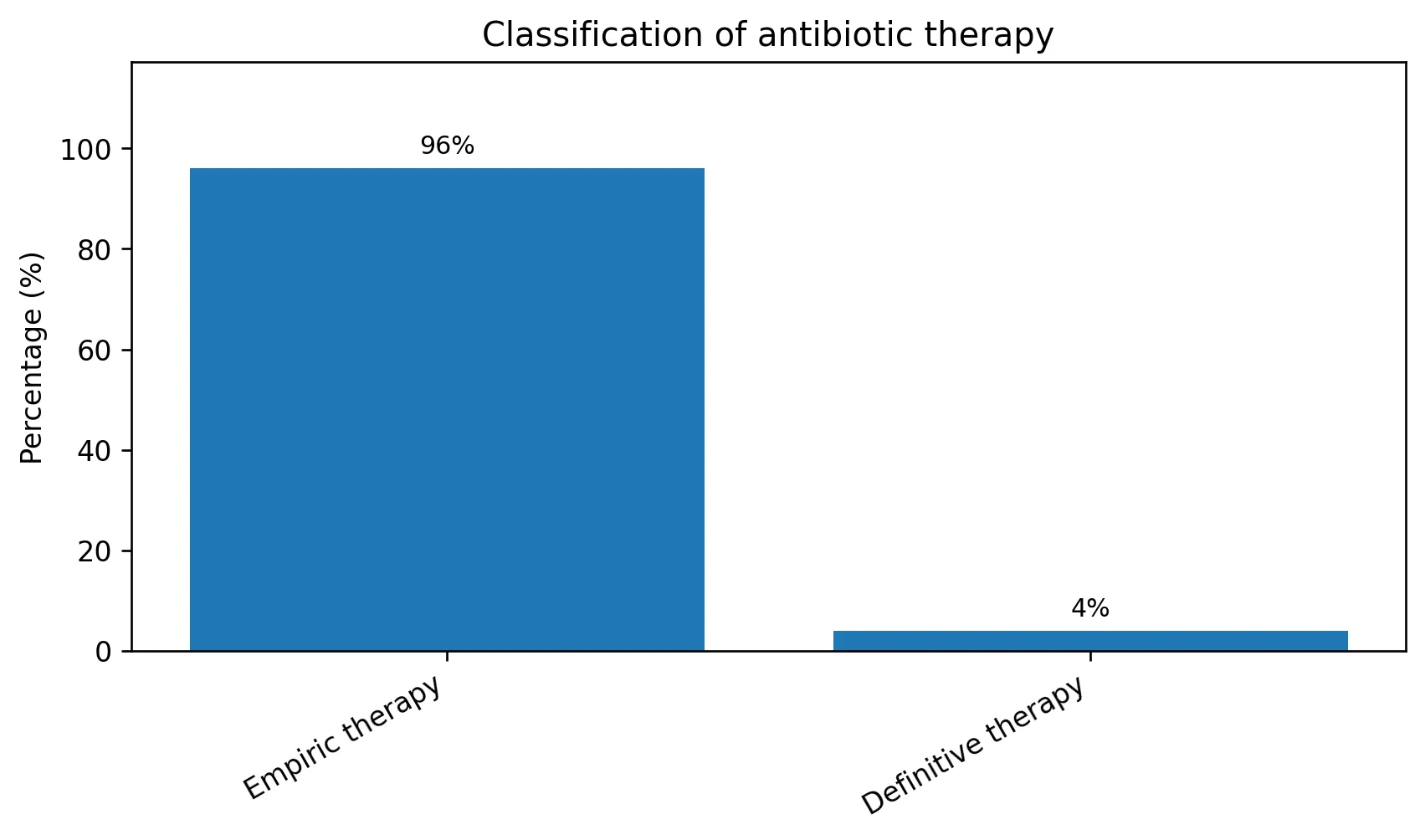
Figure 11. Classification of antibiotic therapy as empiric or definitive.
3.11 Antibiotics prescribed at discharge
At hospital discharge, 259 antibiotic prescriptions were issued to the 300 patients, representing 86%. Cefuroxime axetil was the most common discharge antibiotic with 58 prescriptions (22%), followed by cefixime with 37 (14%), cefpodoxime proxetil with 28 (11%), azithromycin with 24 (9%), doxycycline with 18 (7%), and amoxicillin-potassium clavulanate with 17 (7%). The remaining 77 prescriptions (30%) included other agents and combinations such as cefixime-clavulanate, cefpodoxime-clavulanate, and cefuroxime-clavulanate.
|
Discharge antibiotic |
Number of prescriptions |
Percentage |
|
Cefuroxime axetil |
58 |
22% |
|
Cefixime |
37 |
14% |
|
Cefpodoxime proxetil |
28 |
11% |
|
Azithromycin |
24 |
9% |
|
Doxycycline |
18 |
7% |
|
Amoxicillin-potassium clavulanate |
17 |
7% |
|
Other antibiotics |
77 |
30% |
|
Total |
259 |
100% |
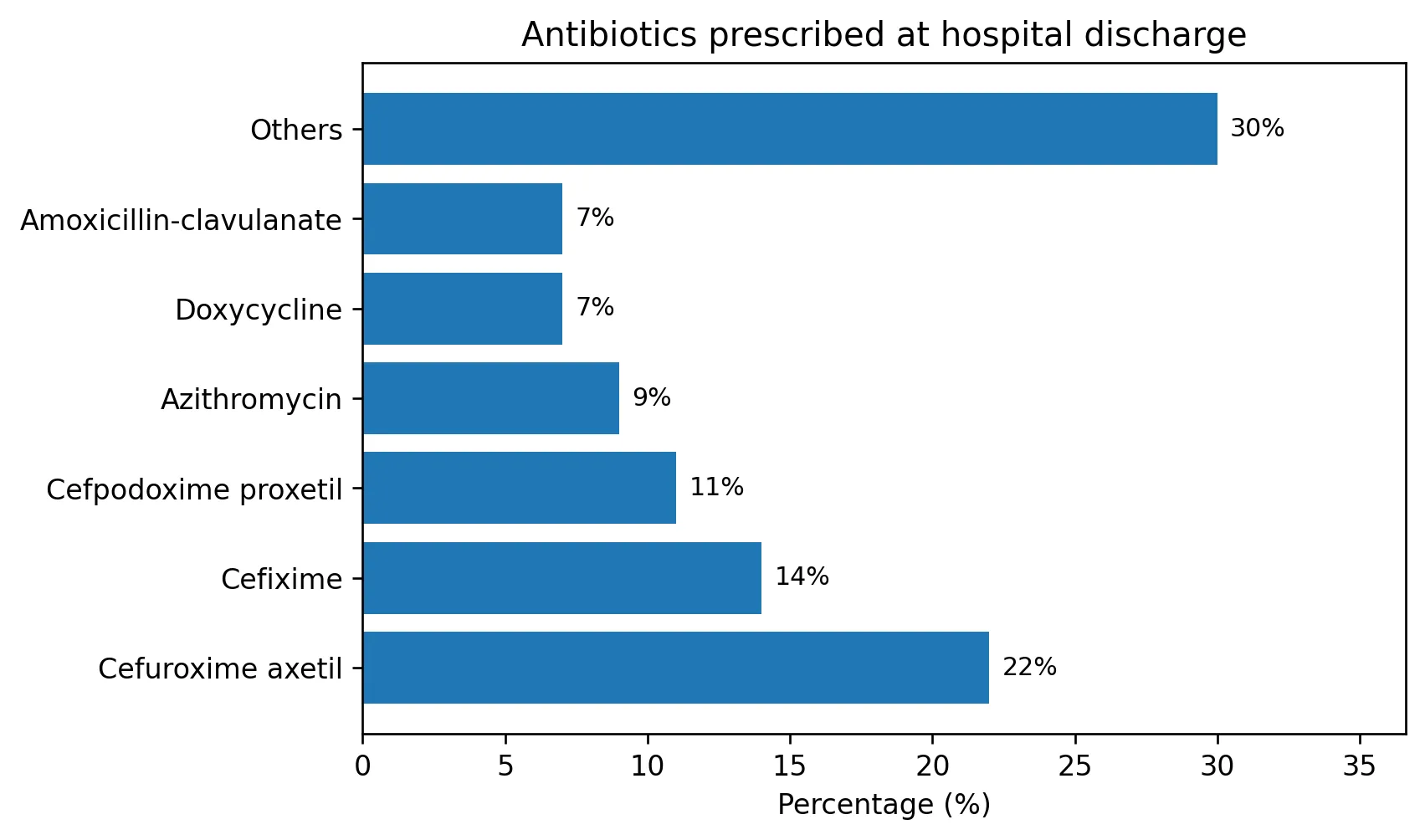
Figure 12. Antibiotics prescribed at the time of hospital discharge.
DISCUSSION
The study describes a prescribing environment dominated by empiric, intravenous, broad-spectrum antibiotic use. Ceftriaxone and cephalosporins were the leading individual agent and class, respectively. Similar patterns were described in the thesis literature review. Deewan and colleagues reported that beta-lactams accounted for 79% of antimicrobial use and ceftriaxone was used in 30% of cases in a tertiary care hospital, closely resembling the present ceftriaxone proportion of 31.10% [6]. Studies from Bangladesh and Tanzania also documented frequent empiric prescribing, extensive use of Watch antibiotics, and insufficient microbiological testing [2,3].
Intravenous therapy represented 78% of the prescriptions in the present study. The predominance of injectable antibiotics is consistent with hospital and critical-care prescribing patterns described in the reviewed studies, where rapid therapeutic action and the severity of illness favored parenteral treatment [3,5]. The discharge data nevertheless demonstrate step-down to oral therapy, particularly cefuroxime axetil, cefixime, cefpodoxime proxetil, azithromycin, doxycycline, and amoxicillin-clavulanate.
The high use of multiple antibiotics is another important finding. Two-antibiotic therapy was slightly more common than single-antibiotic therapy, and 13% of patients received three or more agents. This may reflect treatment of severe, polymicrobial, or uncertain infections, but it also increases the importance of reassessment, de-escalation, duration review, adverse-effect monitoring, and documentation. The surgical-department study summarized in the thesis similarly reported an average of 2.4 antibiotics per prescription and frequent empiric use [7].
Culture testing was performed in 46% of patients, while positive organisms were identified in 19 samples. The present rate of culture testing was higher than the 34.71% described by Deewan and colleagues but still left more than half of the patients without microbiological confirmation [6]. The Tanzania study likewise identified inadequate culture use and frequent empiric therapy as areas requiring improvement [3]. Increased sampling before antibiotic initiation, timely microbiology reporting, and active review of results could improve targeted prescribing.
The WHO AWaRe analysis is particularly relevant to stewardship. Watch antibiotics accounted for 75% of prescriptions, while Access agents represented only 20%. This is consistent with the Bangladesh review, which described extensive empirical Watch-group use, and the surgical study, in which Watch antibiotics such as cefoperazone-sulbactam predominated [2,7]. Although Reserve agents accounted for only 5%, the high reliance on Watch antibiotics indicates a need to promote Access agents for common infections whenever clinically appropriate.
The distribution of bacterial isolates included gram-negative, gram-positive, atypical, and mycobacterial organisms. Escherichia coli was the most common isolate, followed by Staphylococcus aureus. Although the number of positive cultures was limited, the diversity of organisms supports the need for local surveillance and periodic antibiogram development. Better diagnostic integration could reduce unnecessary broad-spectrum exposure and enable earlier transition from empiric to definitive therapy.
CONCLUSION
This prospective observational study provides a detailed overview of antibiotic utilization in a tertiary care hospital. Antibiotic prescribing was characterized by high use of cephalosporins and ceftriaxone, predominant intravenous administration, frequent combination therapy, extensive empirical treatment, and major dependence on the WHO Watch group. Culture-guided therapy was underutilized, and positive cultures were obtained in a limited proportion of tested patients.
The findings support the need for robust antibiotic-stewardship programs that promote appropriate sampling before therapy, timely review of culture results, de-escalation from empiric to definitive treatment, preference for Access antibiotics when suitable, review of intravenous duration, rational combination therapy, and careful discharge prescribing. Continued surveillance, healthcare-provider education, and integration of hospital antibiotic guidelines into routine clinical practice are essential to improve patient outcomes and reduce antimicrobial resistance.
ACKNOWLEDGMENT
The authors acknowledge Dr. Trupti Tuse, Principal, Abhinav Education Society’s College of Pharmacy, Pune; Dr. Kumudini Pawar, research guide; Dr. Rahul Surve, clinical co-guide; Sahyadri Super Speciality Hospital, Hadapsar, Pune; and the patients who participated in the study.
REFERENCES

Dr. Shraddha Divekar, Dr.Aditya Shedge, Kiran Gunjal Dr.Sanjeet Chaurasia, Dr.Kumudini Pawar, Dr.Rahul Surve, An Observational Study of The Utilization Pattern of Antibiotics in A Tertiary Care Hospital, Int. J. of Pharm. Sci., 2026, Vol 4, Issue 8, 667-678, https://doi.org/10.5281/zenodo.21801730
 10.5281/zenodo.21801730