

We use cookies to ensure our website works properly and to personalise your experience. Cookies policy
1,2,3,4Student ,Department of pharmacology , Harsha college of pharmacy Bengaluru, orcid 0009-0001-5575-1149.
5Asisstant professor ,department of pharmacology , Harsha college of pharmacy Bengaluru orcid ID- 0009-0005-8867-0782.
6Principal,Hod ,professor -Department of pharmacognosy, Harsha college of pharmacy Bengaluru.
Animal venoms are complex biological secretions that contain peptides, proteins, enzymes and other low-molecular-weight constituents evolved to act with high potency and selectivity on physiological targets. Their toxicity, once viewed primarily as a limitation, has increasingly become a pharmacological advantage when individual molecules are isolated, structurally characterized and redesigned to retain therapeutic activity while reducing unwanted effects. The original manuscript highlighted anticancer, cardiovascular, antimicrobial, analgesic and antiparasitic activities of snake, spider, scorpion and stonefish venoms. This revised review retains those core themes and expands them to include venom composition, mechanisms of action, clinically established venom-inspired medicines, translational barriers, peptide engineering, venomics and emerging computational approaches. Snake venom has contributed to the discovery of bradykinin-potentiating peptides and the development of captopril, while disintegrin-inspired pharmacophores contributed to antiplatelet agents such as eptifibatide and tirofiban. Experimental anticancer research has identified cytotoxins, disintegrins, phospholipases and other components capable of affecting apoptosis, integrin signaling, matrix metalloproteinases, angiogenesis and tumor-cell migration. Spider venom peptides such as lycosin-II demonstrate activity against clinically isolated multidrug-resistant bacteria, although such findings remain preclinical. Scorpion venoms provide ion-channel modulators and analgesic peptide leads; the recently described
Natural products remain an important source of pharmacologically active molecules and drug-discovery concepts. Although plant-derived products have historically received major attention, animal venoms represent a distinct and highly specialized natural-product resource. Venomous animals use their secretions for predation, defence or competition, and the molecules present in venom have consequently evolved to interact efficiently with ion channels, receptors, enzymes, membranes and signaling pathways. This evolutionary selection can provide chemical scaffolds with high potency and target selectivity that are difficult to reproduce through conventional random screening.
Venoms are not single compounds. They are dynamic mixtures containing peptides, proteins, enzymes, disintegrins, phospholipases, serine proteases, metalloproteases, lectins, ion-channel modulators and, in some species, small organic molecules. Composition varies with species, geographic origin, age, sex, diet and other biological factors. Modern venomics integrates transcriptomics, proteomics, peptidomics and bioinformatics to characterize this diversity and has substantially increased the number of molecules available for pharmacological investigation [1-4].
The therapeutic history of venom research demonstrates that toxicity and therapeutic potential are not mutually exclusive. The best-known example is the development of captopril from research on bradykinin-potentiating peptides in Bothrops jararaca venom. The discovery of these peptides helped define angiotensin-converting enzyme inhibition as a pharmacological strategy and contributed to the design of an orally active antihypertensive drug [5-8]. Similarly, the venom disintegrin pharmacophore inspired development of GP IIb/IIIa antagonists, while cone-snail venom provided the structural basis for ziconotide, a non-opioid analgesic used for severe chronic pain [9-12].
The original manuscript focused on five major pharmacological themes: anticancer activity of snake venom, cardiovascular applications of snake venom, antimicrobial activity of spider venom, analgesic activity of scorpion venom and antiparasitic activity of stonefish ichthyocrinotoxins. These themes are retained here but reorganized around the strength of evidence and the transition from venom component to drug candidate. This distinction is important because most venom research remains exploratory. A cytotoxic effect in cultured cancer cells, an antibacterial minimum inhibitory concentration, or analgesia in a rodent model demonstrates biological activity but does not by itself establish clinical utility.
The present review therefore has two objectives: first, to consolidate the pharmacological evidence represented in the original manuscript; and second, to place those findings within the broader venom-to-drug development pathway. Recent literature emphasizes that venom-derived peptides are now being investigated with synthetic biology, high-throughput screening, computational modeling, peptide cyclization, conjugation and targeted delivery [2,3].
2. Venom Composition and Pharmacological Rationale
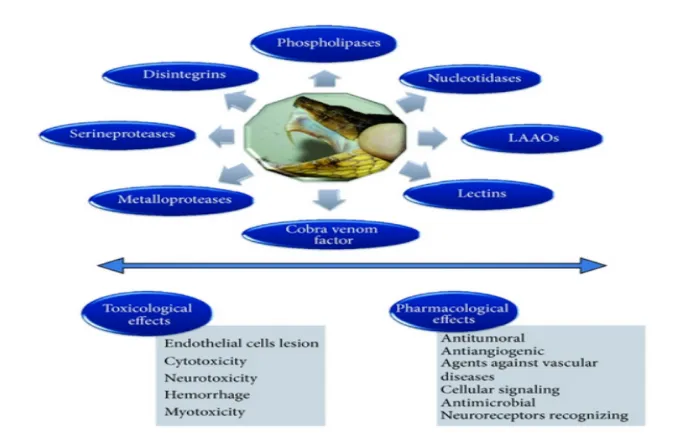
Figure 1: Original figure retained from the submitted manuscript showing major snake-venom components and their toxicological and pharmacological effects.
Snake venoms contain multiple functional classes of molecules. Serine proteases and metalloproteases can alter coagulation and extracellular-matrix proteins; phospholipases A2 can affect membrane phospholipids and inflammatory signaling; disintegrins interact with integrins; C-type lectin-like proteins affect platelet receptors and coagulation; and small peptides may modulate ion channels or the renin-angiotensin system. These activities explain why the same venom can produce apparently opposite effects—hemorrhage and thrombosis, neurotoxicity and analgesia, tissue destruction and selective molecular recognition—depending on the component and dose [2,13,14].
From a drug-discovery perspective, crude venom is rarely an appropriate therapeutic preparation. Its complexity increases toxicity and makes dose standardization difficult. The objective is instead to identify the active molecule, define its molecular target, determine its structure-function relationship, and then optimize the molecule. Optimization can involve truncation, amino-acid substitution, cyclization, PEGylation, lipidation, conjugation to targeting groups, nanoparticle encapsulation or conversion of a toxin pharmacophore into a non-peptide small molecule [2,3].
3. Venomics and the Modern Venom-to-Drug Pipeline
Traditional venom discovery depended on extraction, chromatographic separation and bioassay-guided purification. Contemporary venomics has expanded this approach by combining venom-gland transcriptomics, proteomics, mass spectrometry, peptide sequencing and computational annotation. Transcriptomic data can reveal toxin precursor sequences even when a peptide is present in very low abundance, while high-resolution mass spectrometry can identify post-translational modifications and peptide variants. Functional screening then connects sequence information with biological activity [1-4].
The modern pipeline can be divided into six linked stages: (1) venom collection and standardized sample preparation; (2) molecular characterization; (3) target identification and functional screening; (4) lead optimization; (5) preclinical pharmacology and toxicology; and (6) clinical development and manufacturing. Failure at any stage can prevent translation. For example, a peptide may have excellent target affinity but poor plasma stability, or strong cytotoxicity but insufficient selectivity for diseased cells.
4. Clinically Established and Translationally Important Venom-Derived Medicines
A strong review should distinguish between compounds that have reached routine clinical use and molecules that remain experimental. Venom research has already generated clinically useful drug classes, providing proof that the venom-to-drug concept is pharmacologically valid. Examples include captopril, eptifibatide, tirofiban, ziconotide and exenatide. Importantly, these products are not necessarily unchanged venom toxins; several are synthetic molecules that reproduce a pharmacophore or structural principle discovered in venom [2,9-12,15].
| Example | Animal source | Core pharmacological principle | Therapeutic area | Development status |
|---|---|---|---|---|
| Captopril | Bothrops jararaca | Bradykinin-potentiating peptides/ACE inhibition | Antihypertensive; heart failure | Approved clinical drug |
| Eptifibatide | Southeastern pigmy rattlesnake | Barbourin-like KGD pharmacophore; GP IIb/IIIa blockade | Antiplatelet therapy | Approved clinical drug |
| Tirofiban | Echis carinatus venom disintegrin/echistatin-inspired | RGD pharmacophore; GP IIb/IIIa blockade | Antiplatelet therapy | Approved clinical drug |
| Ziconotide | Conus magus | ω-conotoxin MVIIA; N-type calcium-channel blockade | Severe chronic pain | Approved clinical drug |
| Exenatide | Heloderma suspectum saliva/venom | Exendin-4; GLP-1 receptor agonism | Type 2 diabetes | Approved clinical drug |
| Batroxobin/related thrombin-like enzymes | Bothrops species | Fibrinogenolytic/procoagulant or defibrinogenating activity | Haemostatic/thrombotic research and regional use | Regional/limited clinical applications |
This table deliberately separates established drugs from regional products and experimental candidates. The literature contains different definitions of “venom-derived,” and some drugs are better described as venom-inspired rather than direct venom isolates. Such terminology should be stated explicitly in a publication to avoid overstating natural-product provenance [2,3].
5. Anticancer Activity of Snake Venom
5.1 Composition and general mechanisms
The original manuscript identifies snake-venom components including acetylcholinesterase, L-amino-acid oxidase, serine proteases, metalloproteases and phospholipase A2 and describes their cytotoxic effects [16]. These components can influence cancer biology through several mechanisms: direct membrane disruption; oxidative stress; mitochondrial dysfunction; apoptosis; inhibition of proliferation; interference with integrin-mediated adhesion; inhibition of migration and invasion; modulation of matrix metalloproteinases; and effects on angiogenic signaling.
The major translational issue is selectivity. A molecule that kills tumor cells because it is generally membrane-disruptive or cytotoxic may also damage normal cells. Therefore, the therapeutic value of a venom-derived anticancer agent depends not only on potency but also on therapeutic index, tumor targeting, pharmacokinetics and delivery. Recent reviews emphasize that much of the snake-venom anticancer literature remains dominated by in-vitro studies, with comparatively fewer candidates receiving robust in-vivo and clinical validation [17,18].
5.2 Cytotoxins and apoptosis
Cobra venom cytotoxins and related three-finger toxins have historically been investigated for their ability to damage tumor cells. Experimental studies reported cytotoxicity against leukemia, melanoma and other cancer models. Mechanistically, toxin-induced cell injury can involve membrane perturbation, lysosomal damage, mitochondrial dysfunction and downstream apoptotic pathways [19-22]. The original manuscript appropriately highlighted cardiotoxins and cytotoxins from Naja species, but the revised interpretation is that these findings establish preclinical mechanisms rather than clinical efficacy.
The distinction between cytotoxicity and selective anticancer activity is particularly important. If a toxin interacts with a receptor or membrane feature preferentially expressed by malignant cells, it may offer a basis for targeted therapy. Conversely, non-selective membrane disruption can produce a narrow therapeutic window. Modern approaches therefore attempt to convert cytotoxic peptides into targeted constructs, for example by linking them to antibodies, tumor-homing peptides or nanoparticles.
5.3 Disintegrins, integrins and metastasis
Disintegrins are among the most pharmacologically interesting snake-venom proteins because they bind integrins involved in platelet aggregation, cell adhesion and tumor-cell migration. Contortrostatin, isolated from Agkistrodon contortrix contortrix venom, was reported to inhibit β1-integrin-mediated adhesion of metastatic melanoma cells and to reduce experimental metastasis [23]. Such findings are significant because metastasis depends on coordinated adhesion, extracellular-matrix interaction, migration, invasion and survival in a new tissue environment.
The anticancer potential of disintegrins is therefore mechanistically different from simple cytolysis. Instead of killing cells directly, a disintegrin may interfere with the physical interactions required for tumor progression. However, integrins are also important in normal vascular and immune biology, so specificity remains a major challenge.
5.4 Matrix metalloproteinases and signaling pathways
The original manuscript describes cardiotoxin III from Naja naja atra and its reported effects on MMP-9, p38 MAPK, PI3K/Akt and NF-κB signaling [24]. These pathways are relevant to proliferation, invasion, inflammation and survival. The evidence supports the concept that venom-derived molecules can act at multiple points within a tumor signaling network. Nevertheless, pathway changes measured in cell culture should be interpreted cautiously because pharmacological concentrations may exceed achievable systemic concentrations in vivo.
5.5 Recent perspective on snake-venom anticancer research
A 2025 scoping review of snake venom against breast cancer summarized experimental evidence from crude venoms and purified components and emphasized the diversity of mechanisms but also the predominance of in-vitro and animal studies [18]. This supports a more critical conclusion than the original manuscript: snake venom is a promising discovery platform, but no crude snake venom preparation should be described as an established anticancer medicine on the basis of laboratory evidence alone.
6. Cardiovascular and Haemostatic Applications of Snake Venom
Cardiovascular pharmacology is the strongest demonstration of successful venom-to-drug translation. Snake venoms contain peptides and proteins that affect blood pressure, platelet aggregation, coagulation and fibrinolysis. Research on these molecules has generated both direct therapeutic agents and pharmacological templates [7,8,25].
6.1 Captopril and ACE inhibition
The discovery pathway for captopril began with bradykinin-potentiating factors in Bothrops jararaca venom. Ferreira described a bradykinin-potentiating factor in 1965, and subsequent work isolated bradykinin-potentiating peptides [5,6]. Ondetti and colleagues subsequently reported ACE inhibitors from B. jararaca venom and used their structural information to develop synthetic inhibitors [7]. Captopril was therefore venom-inspired rather than a simple purified venom toxin.
ACE inhibition lowers angiotensin II formation and reduces bradykinin degradation. The combined reduction in vasoconstrictor signaling and preservation of vasodilatory bradykinin contributes to blood-pressure lowering. This historical example demonstrates the value of studying venom not only for molecules that can become drugs themselves but also for molecules that reveal a druggable physiological pathway [7,8].
6.2 Eptifibatide
Eptifibatide is a cyclic heptapeptide developed by mimicking barbourin, a GP IIb/IIIa-blocking peptide found in southeastern pigmy rattlesnake venom. The venom peptide contains a KGD motif that provided a structural clue for platelet-receptor antagonism. Eptifibatide selectively inhibits the platelet GP IIb/IIIa receptor and prevents fibrinogen-mediated platelet aggregation. Its development illustrates conversion of a venom peptide pharmacophore into a synthetically optimized medicine [9].
6.3 Tirofiban
Tirofiban is a synthetic non-peptide GP IIb/IIIa antagonist developed from knowledge of snake-venom disintegrins such as echistatin. Unlike eptifibatide, tirofiban is not a peptide copy of the venom protein; it is a small-molecule pharmacophore mimic. This distinction should be preserved in scientific writing because “derived from venom” can otherwise imply direct extraction when the actual relationship is structure-guided drug design [10].
6.4 Defibrinating and fibrinolytic venom proteins
Snake-venom serine proteases and metalloproteases have also been investigated as defibrinating or fibrinolytic agents. Ancrod, derived from Malayan pit-viper venom, was evaluated for fibrinogen depletion and stroke. Clinical trials did not establish a favorable benefit-risk profile for routine stroke treatment, illustrating an important lesson: strong biochemical activity does not guarantee clinical efficacy [26,27]. Alfimeprase, a recombinant form related to fibrolase from Agkistrodon contortrix contortrix venom, also progressed into clinical development but did not achieve the expected clinical endpoints [28].
7. Antimicrobial Activity of Spider Venom
Antimicrobial peptides are an important class of venom-derived molecules because their activity can be directed against microbial membranes rather than classical intracellular antibiotic targets. This creates interest in the context of antimicrobial resistance. However, venom peptides must be optimized for selectivity because membrane-active molecules may also cause hemolysis or toxicity to mammalian cells.
7.1 Lycosin-II
The original manuscript describes lycosin-II from Lycosa singoriensis venom and reports activity against clinically isolated multidrug-resistant bacteria. The primary study characterized lycosin-II as a 21-amino-acid, cysteine-free, linear, amphipathic and cationic α-helical peptide. Its activity was demonstrated against multiple clinically isolated strains, including multidrug-resistant Acinetobacter baumannii [29].
The proposed mechanism is primarily associated with interaction with the bacterial membrane. The cationic peptide is attracted to negatively charged microbial surfaces, and amphipathic α-helical structure can facilitate membrane perturbation. The original manuscript reported MIC values ranging from low micromolar concentrations for several susceptible organisms to higher concentrations for less susceptible strains. These values should be presented as experimental MICs rather than as evidence of clinical antibiotic efficacy.
| Bacterial strain | Reported MIC of lycosin-II |
|---|---|
| Escherichia coli | 12.5 μM |
| Klebsiella pneumoniae | 50 μM |
| Streptococcus pyogenes | 50 μM |
| Staphylococcus saprophyticus | 3.1 μM |
| Staphylococcus epidermidis | 3.1 μM |
| Pseudomonas aeruginosa | 12.5 μM |
| Viridans streptococci | 3.1 μM |
| Staphylococcus aureus | 3.1 μM |
| Acinetobacter baumannii | 3.1–6.3 μM |
The primary lycosin-II study further reported rapid bactericidal effects at concentrations above the MIC and suggested that Mg2+ competition could reduce activity, supporting a membrane-associated mechanism [29]. Further development would require assessment of serum stability, proteolysis, hemolysis, pharmacokinetics, resistance selection and in-vivo efficacy.
8. Analgesic Potential of Scorpion Venom
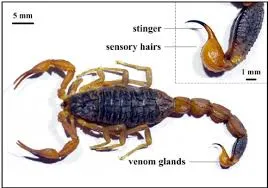
Figure 2: Original scorpion image retained from the submitted manuscript, illustrating venom apparatus and venom glands.
Scorpion venoms contain a large repertoire of ion-channel-modulating peptides. Because pain transmission depends on voltage-gated sodium, potassium and calcium channels as well as opioid receptors and other signaling proteins, venom peptides can provide useful molecular probes and analgesic leads. Some venom-derived analgesic candidates act without relying on the classical opioid pathway, while others can be engineered to interact with opioid receptors [30,31].
8.1 Buthicyclin
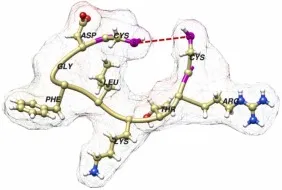
Figure 3: Original structural image retained from the submitted manuscript showing the peptide framework associated with Buthicyclin research.
The original manuscript discussed BmKDfsin4 and a cyclic peptide named Buthicyclin. The 2025 primary study provides a clearer basis for this section. Buthicyclin is a nine-amino-acid cyclic peptide designed from Defensin 4 of Mesobuthus martensii Karsch venom using computational methods including molecular docking, molecular dynamics and peptide-property prediction. The peptide was synthesized with a disulfide bond and evaluated for cytotoxicity, hemolysis, acute toxicity and analgesic activity in animal models [32].
In tail-flick, hot-plate and formalin-induced paw-licking tests, Buthicyclin showed analgesic activity at 1 and 2 mg/kg and was reported to be more potent and longer lasting than 2 mg/kg morphine in the experimental conditions used. The reported LD50 was greater than 20 mg/kg. Importantly, the authors themselves indicate that additional preclinical and clinical studies are necessary. Therefore, Buthicyclin should be described as a promising preclinical candidate, not as a replacement for morphine in clinical practice [32].
8.2 Ion channels and non-opioid analgesic discovery
A major opportunity in scorpion venom research is selective modulation of ion channels. Sodium-channel toxins can alter action-potential generation, while potassium- and calcium-channel modulators can influence neuronal excitability and transmitter release. The high selectivity of disulfide-rich venom peptides can be advantageous, but channel expression in multiple tissues can also create off-target toxicity. Consequently, the objective of peptide engineering is increasingly to improve target selectivity and reduce interactions with cardiac and central nervous system channels outside the desired site.
9. Antiparasitic Potential of Stonefish Ichthyocrinotoxins
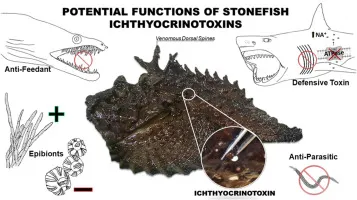
Figure 4: Original stonefish illustration retained from the submitted manuscript showing proposed functions of ichthyocrinotoxins.
Stonefish (Synanceia spp.) possess a defensive venom associated with dorsal spines and also produce skin-associated secretions known as ichthyocrinotoxins. The ecological role of these compounds is distinct from the classical injection venom and has attracted interest because of observations concerning parasite burden and toxicity to invertebrates [33-35].
The original manuscript proposed that ichthyocrinotoxins could contribute to parasite defence and described effects on invertebrate cilia, protozoan movement and muscle preparations. More recent work has directly investigated the anthelmintic potential of stonefish ichthyocrinotoxins against Nippostrongylus brasiliensis L3 larvae and evaluated mammalian-cell toxicity [36]. This work strengthens the rationale for the section, but it remains an early-stage biodiscovery field rather than a clinically established antiparasitic therapy.
An important methodological consideration is that crude ichthyocrinotoxin contains multiple components. Future studies should identify the individual active molecules, determine whether activity is selective for helminths, establish a therapeutic window and examine stability, metabolism and host toxicity. If active components are identified, recombinant production or chemical synthesis could overcome the limitations of harvesting toxin from fish.
10. Bee Venom: Anticancer, Anti-inflammatory and Antiviral Opportunities
Bee venom was mentioned in the original abstract but was not developed as a full section. This is a significant gap because bee venom provides an important example of a non-snake venom with substantial biomedical research. Honeybee venom contains melittin, phospholipase A2, apamin, mast-cell-degranulating peptide and other components. Melittin is a membrane-active peptide and one of the dominant functional constituents of bee venom [37-40].
10.1 Melittin and cancer
Experimental studies have reported that melittin can inhibit proliferation and induce apoptosis in multiple cancer models. Proposed mechanisms include membrane disruption, mitochondrial injury, activation of caspases, modulation of PI3K/Akt and MAPK signaling, oxidative stress and effects on inflammatory pathways. Recent reviews also describe efforts to improve selectivity using nanoparticles, liposomes, hydrogels, fusion proteins, conjugates and other delivery systems [37,38].
The main limitation of melittin is the same property that makes it pharmacologically potent: membrane activity. Systemic exposure can cause hemolysis and tissue injury. Therefore, targeted delivery is not merely an optional formulation strategy but a central requirement for translating melittin into a safe anticancer agent. Current evidence remains predominantly preclinical.
10.2 Anti-inflammatory and antiviral potential
Bee venom and melittin have also been investigated for immunomodulatory and anti-inflammatory effects. Earlier experimental work reported suppression of inflammatory mediator generation through NF-κB-related pathways, while more recent reviews describe antiviral activity of melittin and phospholipase A2 against several enveloped viruses [39,40]. These observations should be interpreted as mechanistic and preclinical evidence; therapeutic dosing and systemic safety remain unresolved.
11. Other Important Venom-Inspired Therapeutic Areas
The original manuscript would be strengthened by acknowledging that venom-derived drug discovery extends beyond the five principal activities initially discussed.
11.1 Cone-snail venom and ziconotide
Ziconotide is a synthetic form of ω-conotoxin MVIIA, originally identified from the venom of the cone snail Conus magus. It blocks N-type voltage-gated calcium channels and reduces neurotransmitter release in pain pathways. Ziconotide was approved by the FDA in 2004 for severe chronic pain in patients requiring intrathecal therapy [11,12]. Its clinical use demonstrates both the strength and the limitation of venom peptides: high target selectivity can provide powerful pharmacology, but peptide delivery may require specialized administration.
11.2 Gila-monster venom and exenatide
Exendin-4, identified from the saliva/venom system of the Gila monster Heloderma suspectum, is a stable agonist of the GLP-1 receptor. Synthetic exendin-4 became exenatide, providing a clinically useful treatment for type 2 diabetes. The discovery illustrates a different venom-to-drug pathway in which the venom peptide mimics an endogenous hormone rather than acting as a toxin [41,42].
11.3 Anti-inflammatory and immunomodulatory peptides
Venom-derived proteins and peptides are increasingly investigated as modulators of inflammatory signaling. This includes phospholipases, disintegrins, defensins and other peptides from snakes, bees, scorpions and marine organisms. A 2024 review highlighted anti-inflammatory mechanisms involving cytokine modulation, NF-κB signaling and other inflammatory pathways, while emphasizing delivery and safety challenges [40].
12. Comparative Pharmacological Mechanisms
| Target/mechanism | Venom source | Representative molecule/class | Principal effect | Example |
|---|---|---|---|---|
| ACE inhibition | Snake | Bradykinin-potentiating peptides | Reduced angiotensin II; increased bradykinin | Captopril |
| GP IIb/IIIa blockade | Snake | Disintegrin/barbourin pharmacophores | Reduced fibrinogen-mediated platelet aggregation | Eptifibatide, tirofiban |
| N-type Ca2+ channel blockade | Cone snail | ω-Conotoxin | Reduced neurotransmitter release | Ziconotide |
| GLP-1 receptor agonism | Gila monster | Exendin-4 | Glucose-dependent insulin secretion; reduced glucagon | Exenatide |
| Membrane disruption | Spider/bee | Cationic amphipathic peptides | Membrane permeabilization | Lycosin-II, melittin |
| Ion-channel modulation | Scorpion | Disulfide-rich peptides | Altered neuronal excitability | Multiple experimental candidates |
| Integrin inhibition | Snake | Disintegrins | Reduced adhesion/migration | Contortrostatin and related candidates |
| Fibrinogenolysis | Snake | Serine proteases | Altered clot formation/fibrinogen depletion | Ancrod and related enzymes |
| Anthelmintic activity | Stonefish | Ichthyocrinotoxins | Invertebrate toxicity/larval impairment | Experimental |
13. Major Challenges in Venom-Based Drug Development
Despite impressive pharmacological diversity, venom-derived molecules face substantial barriers before clinical translation. These barriers should form a central part of a high-quality review because they determine whether biological activity can become a therapeutic product.
13.1 Toxicity and therapeutic index
Venoms evolved to disrupt physiology rapidly. Therapeutic development therefore requires separation of desired activity from systemic toxicity. A peptide may have a low concentration required for target inhibition but also bind homologous targets in the heart, brain or vascular system. Selectivity must be demonstrated experimentally rather than inferred from potency.
13.2 Proteolytic instability and pharmacokinetics
Many venom peptides are susceptible to proteolytic degradation and may have short plasma half-lives. Common strategies include cyclization, incorporation of non-natural amino acids, terminal modification, PEGylation, lipidation, albumin-binding approaches and formulation within protective delivery systems. However, every modification can alter receptor affinity, distribution and immunogenicity.
13.3 Immunogenicity
Protein and peptide therapeutics can provoke immune responses. Repeated administration may produce anti-drug antibodies that reduce exposure or cause adverse reactions. This is particularly relevant for large venom proteins and recombinant toxin-derived products.
13.4 Manufacturing and standardization
Natural venom extraction is affected by animal availability, season, diet, age and collection procedure. Pharmaceutical production therefore generally favors synthetic peptide chemistry or recombinant expression once the active sequence is known. Analytical characterization must demonstrate identity, purity, aggregation state, potency and batch-to-batch consistency.
13.5 Delivery
The route of administration can determine clinical feasibility. Ziconotide demonstrates that intrathecal administration may be acceptable when the therapeutic need is substantial, but systemic delivery is usually preferred. Nanoparticles, liposomes, hydrogels and receptor-targeted conjugates are being explored to deliver membrane-active or otherwise unstable venom peptides to selected tissues [2,3,37].
14. Role of Peptide Engineering and Drug Design
The modern goal is not necessarily to use a toxin unchanged. Instead, venom peptides can be regarded as starting scaffolds. Structural biology can identify residues responsible for receptor binding, while molecular dynamics and docking can suggest stabilizing substitutions. Cyclization can reduce conformational flexibility and proteolysis; amino-acid substitution can improve selectivity; and conjugation can redirect a peptide to a specific cell type.
Buthicyclin provides a recent example of this strategy. Rather than administering crude scorpion venom or the parent defensin, investigators used computational analysis to identify a shorter cyclic peptide and then synthesized it for experimental testing [32]. Similar principles are being applied to anticancer peptides and antimicrobial peptides, where the objective is to preserve target activity while reducing hemolysis and off-target toxicity.
15. Venomics, Artificial Intelligence and Emerging Technologies
Recent developments are changing the speed at which venom molecules can be discovered. Proteogenomics can connect venom-gland transcripts to mature peptides, while high-resolution mass spectrometry can identify post-translationally modified toxins. Structural biology, including cryo-electron microscopy, can provide detailed information about venom-peptide interactions with receptors and ion channels. Computational methods can then prioritize sequences for synthesis and testing [2-4,43].
Artificial intelligence is increasingly relevant because the number of potential venom sequences is much larger than the number that can be experimentally tested. Machine-learning models can assist with prediction of antimicrobial activity, toxicity, receptor binding, stability and other properties. Importantly, computational predictions should be treated as prioritization tools rather than substitutes for experimental validation.
16. Critical Appraisal of the Evidence
The evidence base across venom pharmacology is heterogeneous. Cardiovascular applications have the strongest clinical validation because several venom-inspired pharmacological concepts have produced approved drugs. In contrast, anticancer and antimicrobial claims are often supported primarily by cell-culture experiments. Analgesic research includes both established clinical translation, such as ziconotide, and early-stage candidates such as Buthicyclin. Stonefish anthelmintic research is currently exploratory.
| Area | Evidence level | Typical evidence | Main interpretation |
|---|---|---|---|
| Cardiovascular/haemostatic | High for selected venom-inspired drugs | Clinical trials and approved medicines exist | Strongest translational evidence |
| Analgesic | High for ziconotide; emerging for other peptides | Approved drug plus preclinical candidates | Delivery and selectivity remain important |
| Metabolic | High for exenatide | Approved GLP-1 therapy | Venom peptide served as hormonal scaffold |
| Anticancer | Mostly preclinical | Cell and animal studies; limited clinical translation | Selectivity and delivery are major barriers |
| Antimicrobial | Mostly preclinical | MIC and membrane studies | Systemic toxicity and stability require optimization |
| Antiparasitic | Early/preclinical | Laboratory and ecological evidence | Active molecules and therapeutic window remain to be defined |
| Anti-inflammatory/antiviral | Mostly preclinical | Mechanistic and cell/animal evidence | Clinical efficacy not established for most venom components |
This evidence hierarchy should be preserved in future versions of the manuscript. It prevents overstatement and makes the review more credible to pharmacology and pharmaceutical journals.
17. Future Perspectives
Future venom drug discovery is likely to move from crude-venom screening toward sequence-guided and target-guided discovery. The combination of venomics, single-cell or spatial transcriptomics, proteomics, high-throughput functional screening, AI-assisted sequence prioritization and structural biology can shorten the path from venom collection to lead identification. The next generation of venom-derived medicines will probably consist less often of unmodified toxins and more often of engineered peptides, small-molecule mimetics, conjugates and targeted delivery systems [2,3,43].
For anticancer applications, future studies should prioritize tumor-selective targeting and rigorous in-vivo pharmacology rather than simply reporting additional cytotoxicity against cell lines. For antimicrobial applications, researchers should examine activity in physiologically relevant environments, serum stability, resistance development and toxicity to host cells. For analgesic applications, selectivity for peripheral or disease-relevant targets may help reduce central adverse effects. For antiparasitic applications, purified active molecules and host-selectivity studies are needed.
CONCLUSION
Animal venoms represent highly diverse molecular libraries with proven value for pharmacology and drug discovery. The historical development of captopril demonstrates how venom research can reveal a therapeutic pathway, while eptifibatide and tirofiban illustrate pharmacophore-based conversion of venom protein recognition into antiplatelet medicines. Ziconotide and exenatide further demonstrate that venom peptides can provide clinically useful scaffolds for neurological and metabolic disease.
The original manuscript’s anticancer, antimicrobial, analgesic and antiparasitic sections remain scientifically relevant, but their evidence must be presented according to developmental stage. Snake-venom cytotoxins and disintegrins are promising experimental anticancer tools; lycosin-II is a preclinical antimicrobial lead; Buthicyclin is a newly described preclinical analgesic candidate; and stonefish ichthyocrinotoxins represent an emerging antiparasitic research area. Bee venom, particularly melittin and phospholipase A2, adds an important dimension to the review but similarly remains largely preclinical for systemic therapeutic applications.
The future of venom pharmacology will depend on converting potency into selectivity, stability, safety and manufacturability. Advances in venomics, structural biology, peptide engineering, targeted delivery and computational design are helping to address these limitations. Consequently, animal venoms should be regarded not simply as sources of toxins but as evolutionary libraries of pharmacological information that can guide the development of next-generation therapeutics.
REFERENCES


Soniya Acharya, Sahidul Islam, Ankitha A. H., Sahana R. G., Sindhu S., Dr. G. C. Mamatha, Animal Venoms as a Source of Therapeutics: Insights into Anticancer, Cardiovascular, Antimicrobial, Analgesic, Antiparasitic and Emerging Applications, Int. J. of Pharm. Sci., 2026, Vol 4, Issue 10, 4482-4496. https://doi.org/10.5281/zenodo.23727411
 10.5281/zenodo.23727411
Severity: 8192
Message: substr(): Passing null to parameter #1 ($string) of type string is deprecated
Filename: frontend/article.php
Line Number: 890