

We use cookies to ensure our website works properly and to personalise your experience. Cookies policy
P.S.G.V.P. Mandal's College of Pharmacy, Shahada.
Trigeminal neuralgia (TN) is a severely incapacitating condition marked by recurring bouts of intense, short-lived, electric shock-like face pain. In order to better characterize patients and aid in the decision-making process regarding medicinal and surgical therapies, new diagnostic criteria that subclassify TN based on the existence of trigeminal neurovascular conflict or an underlying neurological condition should be implemented. The diagnostic work-up should include MR imaging, especially high-resolution trigeminal sequences. The preferred medications are oxcarbazepine and carbamazepine. Botulinum toxin type A, baclofen, gabapentin, pregabalin, and lamotrigine can be taken either on their own or in combination with other medications. If the medicinal therapies are not well accepted or the pain is not well managed, surgery should be considered. For patients with trigeminal neurovascular conflict, trigeminal microvascular decompression is the first-line surgical procedure. If MR imaging reveals no neurovascular contact, or if patients are deemed too weak for microvascular decompression or do not want to take the risk, neuroablative surgical treatments may be available.
Trigeminal neuralgia (TN) is characterized by short pain episodes that are described as acute, stabbing, or electric shock-like. It is caused by a lesion or illness of the trigeminal nerve that affects at least one branch of the nerve. Many individuals with severe facial discomfort who have no apparent underlying reason are mistakenly diagnosed with TN despite the availability of established diagnostic criteria. On the other hand, TN is frequently misdiagnosed as dental discomfort, which results in needless tests and therapies.
The fifth and biggest cranial nerve, the trigeminal nerve (V), is in charge of identifying sensory inputs originating from the craniofacial region. The ocular (V1), maxillary (V2), and mandibular (V3) branches make up the nerve; They link to second-order neurons in the trigeminal brainstem sensory nuclear complex, and their cell bodies are found in the trigeminal ganglia. The thalamus and other brain areas in charge of processing sensory data receive information from ascending projections via the trigeminothalamic tract. Trigeminal neuralgia is one of the most prevalent types of craniofacial pain. Patients with trigeminal neuralgia have abrupt, short, and intense bouts of face pain in one or more of the V branches, which significantly lowers their quality of life.[1]
Development :
A panel of neurologists with expertise in headaches wrote this text using the International Headache Society's language. We established useful guidelines with varying degrees of proof after analyzing the existing scientific data on the diagnosis and management of TN.
1.Anatomy Of The Trigeminal Nerve :
Although sensory fibers are obviously predominate, the trigeminal nerve is a mixed nerve. From the midbrain to the initial cervical spinal segments, nuclei are found throughout the brainstem. The middle pons contains the motor nucleus and principal sensory nucleus, whereas the spinal nucleus extends from the pons to the upper spinal cord and receives pain and temperature data. The motor root emerges from the lateral pons, anteromedial to the sensory root, and joins the third branch of the nerve after starting in the masticator motor nucleus. In order to innervate the muscles of mastication (masseter, temporalis, and medial and lateral pterygoid muscles) as well as other muscle groups with distinct functions (mylohyoid, anterior belly of the digastric, tensor veli palatini, and tensor tympani), it then passes thru the foramen ovale in the skull. The Gasserian ganglion, which houses the somas of sensory neurons, is formed as the sensory root thickens.[2]
The ocular (V1), maxillary (V2), and mandibular branches (V3) comprise the three divisions of the sensory component. The skin of the upper nose (bridge, sides, septum, and lateral wall of the nasal cavity), forehead, top eyelid, orbit, and lacrimal gland are all innervated by the ophthalmic branch. The zygomatic region, nasal wings, upper lip, palate, nasopharynx, posterior nasal cavity, gums of the upper dental arch, and meninges of the anterior and middle cranial fossa are all innervated by the maxillary branch. The buccal mucosa, temple and lateral scalp, external auditory meatus, tympanic membrane, temporomandibular joint, mandible and lower dental arch, the two anterior thirds of the tongue, lower lip, and chin are all innervated by the mandibular branch.(Fig.1).[2,3]
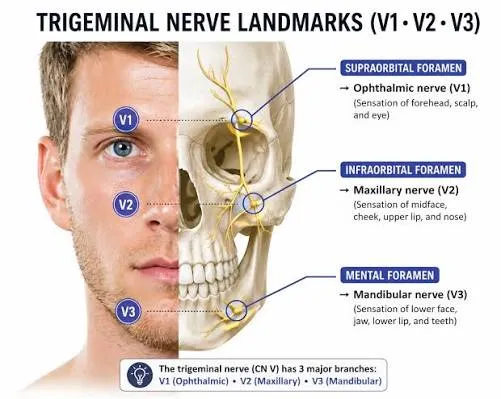
Figure 1: Dermatomes of Each Branch of the Trigeminal Nerve.
V1: first branch (ophthalmic); V2: second branch (maxillary); V3: third branch (mandibular).
2.1.Pathophysiology Of Classical Trigeminal Nerve :
The International Classification of Headache Disorder-3 states that NVC, most commonly the superior cerebellar artery of the trigeminal nerve roots into the pons, is the source of classical TN. Usually, this compression causes nerve fibers to demyelinate, which causes them to fire ectopically (Fig.1). Evidence that most patients have long-lasting pain alleviation following surgical treatments that result in microvascular decompression supports the NVC concept. Despite this data, asymptomatic individuals can also have NVC. The vascular compression has been linked to a number of changes, including as injury to Schwann cells and peripheral myelin, atrophy or hypertrophy of peripheral axons, and localized demyelination at the trigeminal nerve's entrance zone. Devor et al.'s "ignition hypothesis" seeks to link the structural alterations to the condition's hallmark paroxysmal pain episodes. It claims that following trigeminal root injury, partly injured neurons cause a stimulus-induced burst of activity, which makes them hyperexcitable and vulnerable to cross-excitation due to the neurons' close proximity to the root compression site. Because the myelin sheath is damaged and nerve fibers maintain close contact among neurons, the sharp increase in posttrigger neuronal activity recruits additional nearby neurons, resulting in a rapid accumulation of electrical activity that can be amplified by ephaptic interaction among neurons.[4]
There is growing evidence that voltage-gated sodium channels (VGSCs) play a critical role in the production of ectopic activity in trigeminal afferents. Several preclinical investigations utilizing a TN model based on infraorbital nerve constriction have previously shown dysregulation in VGSCs, including an increase in Nav1.3 and a decrease in Nav1.7.[5,6] These findings are consistent with clinical investigations that have found that individuals with TN had the same dysregulation profile in VGSCs.[7,8] Furthermore, a TN patient has been shown to have a mutation in the SCN8A gene, which codes for Nav1.6.[9] The substitution of a valine (M136V) for a methionine at position 136 resulted in an increase in peak current while leaving the channel's biophysical parameters intact. Because the Nav1.6 channel is critical for activating resurgent currents, this gain of function mutation allows neurons to fire action potentials more often. As a result, VGSCs have been identified as the primary target for pain reduction in TN.
2.2.Epidemiology :
Epidemiological studies are infrequent and often include small samples. The prevalence of TN is approximated as 0.3%,[10] With an incidence rate of 12.6 cases/100 000 person-years, the incidence rate rises with age, reaching 17.5 cases/100 000 person-years in the 60-69 age group and 25.6 cases in the 70-year-old age group.[11] The average age of onset is 53.9 years, with women accounting for 60% of cases.[12] No racial or regional variations in incidence have been found, yet several disorders, such as multiple sclerosis (MS), tend to enhance the risk of TN.[13]
Familial instances are uncommon, accounting for 1% to 2% of patients. Studies on familial instances show an autosomal dominant inheritance pattern with a genetic anticipatory phenomena.[14] Due to the form and severity of the pain, TN has a significant influence on patients' quality of life. These patients suffer as a result of diagnostic delays, the dread of a sudden attack, medication side effects, and a lack of psychological support.[15] Anxiety and sadness are roughly three times as common among TN patients compared to the general population,[16] due to the disease's severity and longevity. The condition may also result in poor performance in everyday tasks, social isolation, sleep disturbances, weariness, and anorexia. Given all of the foregoing, it is critical that these individuals be managed using a multidisciplinary approach that includes mental health experts.
3. Conventional Topical Therapy for Trigeminal Neuralgia (TN) :
Conventional topical treatment is the application of medicinal substances directly to the skin or mucosal surfaces in order to elicit localized therapeutic effects. Topical therapies for trigeminal neuralgia (TN) have been studied as viable supporting choices for treating face pain, particularly when systemic drugs induce side effects or are poorly tolerated. However, their therapeutic use is restricted since the damaged trigeminal nerve components are situated deeper than the superficial skin layers [54,55].
3.1 Topical Lidocaine :
Lidocaine is a local anesthetic that works by blocking voltage-gated sodium channels in neuronal membranes, preventing nerve impulse initiation and transmission. Topical lidocaine formulations, including gels, creams, and patches, have been studied for localized neuropathic pain. They may lower peripheral nerve excitability and give transient pain relief in some situations. However, the evidence for their efficacy in trigeminal neuralgia is weak, and they are not regarded conventional first-line therapy [55,56].
3.2 Topical Capsaicin :
Capsaicin is a naturally occurring chemical derived from chili peppers. It operates on TRPV1 receptors found in sensory neurons. Initial activation may provide a burning sensation, which is followed by decreased sensory nerve activity following repeated exposure or adequate high-concentration therapy. Although topical capsaicin has uses in some neuropathic pain syndromes, its use in trigeminal neuralgia is restricted due to face sensitivity, irritation, and the danger of accidentally exposing the eyes and mucous membranes [57].
3.3 Topical Anti-inflammatory Agents :
Topical nonsteroidal anti-inflammatory medications (NSAIDs), such as diclofenac, are frequently used to treat localized musculoskeletal and inflammatory pain. They inhibit cyclooxygenase (COX) enzymes, which reduces prostaglandin production. However, trigeminal neuralgia is predominantly a neuropathic pain problem, not an inflammatory one. As a result, topical NSAIDs have no demonstrated therapeutic function in addressing the underlying cause of TN [54].
3.4 Limitations of Conventional Topical Therapy :
Despite their potential benefits, traditional topical formulations have many limitations in TN management:
3.5 Scope for Nanotechnology-Based Topical Delivery :
Nanotechnology-based drug delivery systems may assist to overcome some of the limitations of traditional topical formulations by enhancing drug solubility, stability, controlled release, and interaction with biological barriers. Liposomes, nanoemulsions, solid lipid nanoparticles, and polymeric nanoparticles are being studied for topical and transdermal drug delivery [58,59]. Their potential utility in TN necessitates more research, particularly to evaluate if therapeutically appropriate medication concentrations can reach the afflicted trigeminal nerve structures.
4.Role Of Nanotechnology :
Opioids are effective in producing analgesia, but they are not always well-tolerated by patients and cannot provide focused pain relief [17]. The development of nanoparticulate systems that address the issue of patient tolerance and dependence/addiction to opioids has been a top goal. NSAIDs have a number of undesirable side effects, such as hepatoxicity, gastrointestinal bleeding, myocardial infarction, stroke, peptic ulcers, and kidney damage, in addition to the possibility for addiction linked to opiate usage [18]. The NSAID's mode of action, cyclooxygenase inhibition, is directly responsible for these adverse effects; cyclooxygenases are essential for maximizing a number of bodily physiological processes [19].
Topical nanomaterials like NeuroCupleTM have been developed as analgesic substitutes with the aim of avoiding the systemic adverse effects that come with cyclooxygenase inhibition. NeuroCupleTM is a nanocapacitor-based patch that doesn't need an energy source or include any chemicals. Following unilateral total hip and knee arthroplasty, 69 patients were randomized to receive either NeuroCupleTM or the standard of care. The results showed that patients in the NeuroCupleTM group had a significant 34% reduction in pain at rest, a 9% reduction in in-hospital opioid consumption, and a significantly lower likelihood (26% vs. 55%) of requesting an opioid prescription upon hospital discharge [20]. This work shows the potential significance of nanotechnology in avoiding postoperative opioid addiction in addition to providing efficient analgesia, which is a crucial part of high-quality post-operative treatment. Following low-risk surgery, more than 80% of patients are prescribed opioids, and more than 80% of those prescriptions contain hydrocodone or oxycodone, the two narcotics most commonly linked to overdose deaths [21]. As a result, surgical patients are a crucial demographic that has to be taken into consideration while looking for safer, more efficient analgesic techniques. Nanotechnology shows great promise in meeting these patients' post-operative demands.
4.1. Physiology Of Pain :
A basic but intricate feature of human physiology, pain is ingrained in our evolutionary history as a necessary element for both survival and environmental adaptability [22].Fig.2 illustrates how pain physiology shows a complex web of biological processes involving several bodily systems. One of the most prevalent complaints in medicine is pain, and the way it manifests might provide hints about the underlying illness process that is causing it [22]. Determining the pathophysiology of pain is essential for assessing its importance in a patient's health and for identifying potential new pain management strategies.
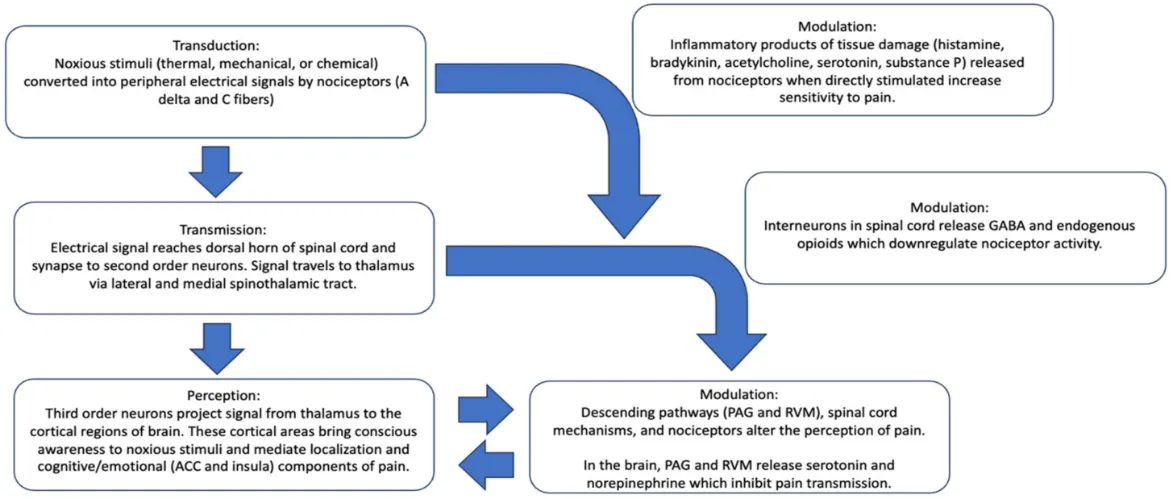
Figure 2: Pain Physiology and the Four Phases of Nociception.
Nociception is the term used to describe the process by which pain becomes a conscious sensation.Pain is recognized throughout the body by highly specialized sensory neurons that were created to be sensitive to harmful stimuli, much as there are numerous nerve endings in our skin, viscera, muscles, and organs to detect changes in homeostasis. The free nerve terminals known as nociceptors are responsible for receiving and transforming unpleasant sensations into nerve impulses that are sent to the brain via the spinal cord [23].
Transduction, transmission, perception, and modulation are the four stages of nociception. Nociceptors transduce noxious stimuli, such as thermal, mechanical, or chemical stimuli, into peripheral electrical activity that is then centrally conveyed to the spinal cord, brainstem, thalamus, and cortex. The two main types of nociceptors, A delta and C fibers, each have unique properties that aid in distinguishing the range of pain impulses that are presented to conscious consciousness. Sharp, instantaneous pain is caused by myelinated, big, fast-conducting fibers of the A delta type, which react to heat and mechanical disturbance. These fibers are linked to the withdrawal of the spinal reflex prior to the perception of pain. The most prevalent peripheral nociceptors are C fibers, which are smaller and unmyelinated and found in the skin, organs, and tendons. They are in charge of the spread of dull, aching pain that is felt after the first damage and is frequently poorly localizable and persistent [24]. The primary transmission mechanism in nociceptors is fast sodium channels, also known as voltage-gated sodium channels. They permit the quick entry of sodium ions, which causes depolarization and the production of action potentials that carry pain signals from the periphery to the central nervous system. These channels are the target of local anesthetics like lidocaine and bupivacaine, which prevent sodium from entering the neuron. This produces the very efficient analgesia that local anesthetics are known for by preventing depolarization and the propagation of action potentials, which results in the loss of feeling in the targeted location [25].
Both fibers' transmission terminates in the spinal cord's dorsal horn and proceeds to various regions of the thalamus via second-order neurons via the lateral and medial spinothalamic tract. The location, perception, and cognitive/emotional aspects of pain are then mediated by third order neurons that transmit to various cortical regions of the brain [26].
The cerebral interpretation of these afferent sensations, known as perception, is the third mechanism of nociception that gives pain conscious knowledge. Pain interpretation is a very personal and diverse process that is impacted by a number of variables, including age, culture, gender roles, prior pain experiences, physical and mental health, and genetics [27]. The anterior cingulate cortex (ACC) and the insula are two regions that handle the emotional and cognitive elements of pain. These areas influence how pain is perceived by contributing to its emotional and evaluative components [28]. For example, the insula is essential for integrating pain with emotional and cognitive processes, whereas the ACC is engaged in the emotional response to pain, such as discomfort or worry [29].
The body's capacity to change how pain is perceived is known as pain modulation. Both local spinal cord processes and descending routes from the brain to the spinal cord are involved in this process. The rostroventral medulla (RVM) and the periaqueductal gray matter (PAG) are two locations where the descending pathways begin. These regions emit neurotransmitters including norepinephrine and serotonin, which prevent the spinal cord from transmitting pain [30]. Numerous inhibitory interneurons in the spinal cord have the ability to suppress pain impulses. Pain-transmitting neurons become less active when these interneurons produce neurotransmitters including endogenous opioids and gamma-aminobutyric acid (GABA) [31]. The ultimate feeling of pain is determined by the ratio of excitatory to inhibitory impulses. Products of inflammation and tissue damage, referred to as "inflammatory soup," are peripherally involved in the regulation of pain. Direct stimulation of nociceptors causes them to produce substances that can activate more nociceptors, enhancing pain sensitivity. Histamine, bradykinin, acetylcholine, serotonin, and substance P are some of these substances [24, 32]. In chronic, pathological pain syndromes that develop after an acute injury, central sensitization may also play a modulatory function. Increased responsiveness in spinal cord transmission neurons during central sensitization may frequently be replicated by stimulating non-nociceptive primary sensory fibers [32].
5.Why Nanotechnology :
A major obstacle to obtaining long-term pain relief is the incapacity for target therapy, in addition to the previously mentioned negative side effects of traditional analgesic techniques [33]. Because they have design features that standard medications do not, nanoparticles are in a unique position to solve this issue. For instance, size, shape, and surface charge may all be modified to generate nanomaterials that can target certain tissues or subcellular organelles [34]. The pathophysiology of chronic pain depends critically on changes in NMDA receptor activation. The NMDA receptor's NR2B subunit is activated, which modifies ion permeability and causes more NMDA receptor activation through long-term glutamate release and the excitatory postsynaptic potentials (EPSPs) that follow [35]. Mg2+ is further separated from the NR2B subunit of NMDA receptors by EPSPs, which exacerbates chronic pain [35]. Gu and associates successfully encapsulated and administered NR2B-siRNA into mice by intrathecal injection using hydroxyapatite nanoparticles, which are biocompatible and authorized for use in bone-related illnesses. The capacity of nanoparticles to aid in the suppression of NR2B expression was demonstrated by the reduction in the number of cells expressing the NR2B protein in spinal cord segments stained with immunohistochemistry [36]. Therefore, nanoparticles provide a chance to specifically address the molecular plasticity processes that underlie chronic pain.
Conventional delivery of opioids causes the medication to leak uncontrollably, which is another problem related to long-term opioid usage [37]. Drug plasma concentration fluctuates significantly as a result, ranging from sub-therapeutic quantities to potentially fatal dosages [37]. To solve this issue, nanoparticulate systems have been created. By offering a constant concentration of analgesia over the duration of therapy, DepoFoamTM is a nanotechnology that enables a decrease in dose frequency [38]. It accomplishes this by encasing medications in multivesicular liposomes, which can enable targeted administration and enhance the stability and bioavailability of therapeutic molecules in the body [38]. For patients with chronic kidney disease (CKD), maintaining steady medication concentrations in the body is essential for both lowering the danger of overdosing and enabling more precise dosing. Although the majority of opioids are eliminated through the urine, it is unclear how age-related declines in GFR and renal failure affect safe and efficient opioid dosage [39]. Nanoparticles offer enormous promise in the development of precise dose modifications for patients with renal impairment since they can enable the more reliable and constant release of analgesic drugs.
6.Nanotechnology-Based Topical Drug Delivery System :
Nanoparticles have the potential to be effective medication delivery and transport systems because cells absorb them more readily than larger macromolecules. For medicinal purposes, drugs can be incorporated within the particles' matrix or affixed to their surface. A drug targeting mechanism should direct a drug's path when it enters a biological system. For the delivery of drugs and genes, a variety of nanosystems with unique compositions and biological characteristics have been thoroughly studied. The biological environment, targeted cell populations, cell-surface receptors on the target cells, alterations in these receptors linked to disease progression, the mechanism and site of drug action, and drug retention must all be taken into consideration when designing nanosystems. Administration To enable appropriate medication administration, it would be beneficial to comprehend the pathobiology and molecular processes of the relevant illness. A tailored drug delivery system should control how a medicine enters the biological environment.
For medication and gene delivery applications, nanosystems with a variety of compositions and biological characteristics have been thoroughly studied. The interactions of nanosystems with the biological environment, the target cell populations, the receptors on target cells, the changes in cell receptors linked to disease progression, the mechanisms and sites of drug action, drug retention, the administration of multiple drugs, and the molecular mechanisms and pathobiology of the relevant disease should all be carefully considered when developing nanosystems.It is crucial to comprehend the obstacles to medicine, such as the stability of medicinal substances in live cells. Drug degradation, changes in the genetic composition of cell-surface receptors, overexpression of efflux pumps, changes in signaling pathways as the disease progresses, or the drug's incapacity to penetrate the cell can all result in reduced drug effectiveness. For example, increased DNA methylation that occurs when cancer progresses renders two anti-cancer drugs, doxorubicin and cisplatin, useless. The drug delivery components of nanomedicine are covered in this study, including how nanoparticles interact with cell-surface receptors, the biological reactions and cellular signaling involved, and the research required for the widespread use of nanodelivery systems in healthcare. The drug delivery components of nanomedicine are covered in this study, including how nanoparticles interact with cell-surface receptors, the biological reactions and cellular signaling involved, and the research required for the widespread use of nanodelivery systems in healthcare [40].
7.Drugs Suitable For Nano-Topical Delivery :
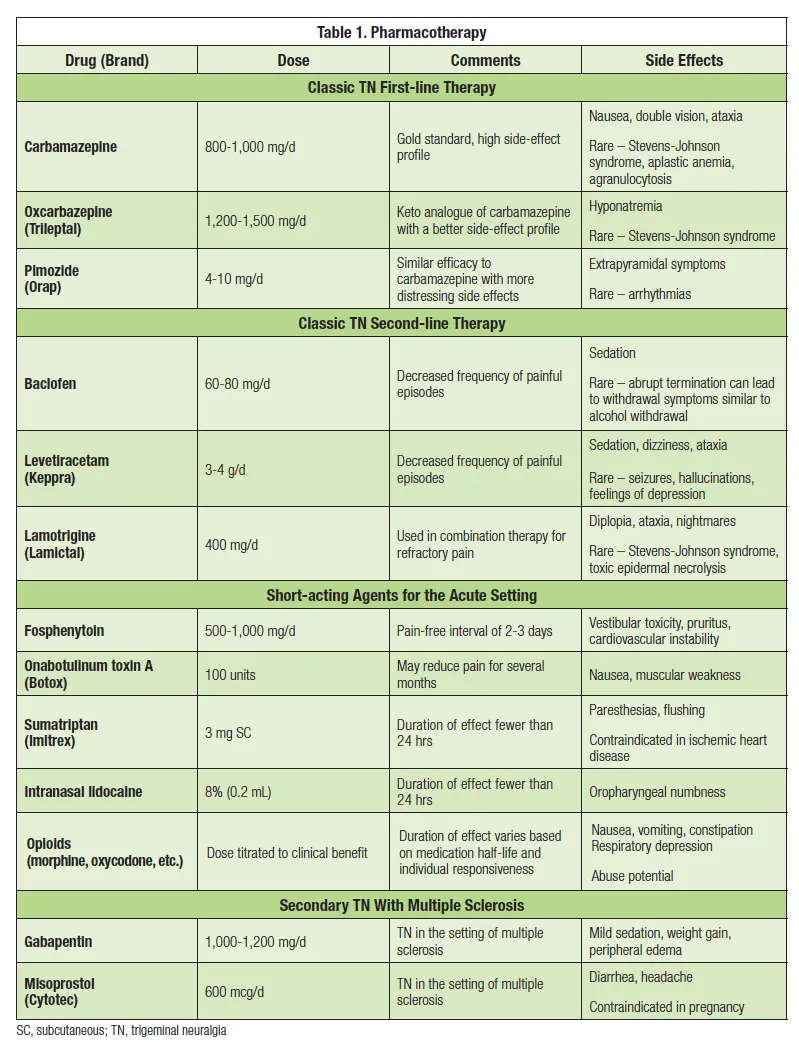
Table 1: Drugs Used in Trigeminal Neuralgia Which Have Been Evaluated in Randomized Controlled Trials (RCTs).
7.1.Carbamazepine and Oxcarbazepine :
Carbamazepine has been the gold standard for treating TN after a number of clinical trials were analyzed. The mechanism of action of carbamazepine, which is mostly employed as a broad-spectrum antiepileptic, seems to be blockage of voltage-sensitive sodium channels, which results in a significant reduction in neuronal activity potentials. Additionally, carbamazepine has been demonstrated to be an excellent mood enhancer, which makes it especially helpful for TN patients who experience depressive symptoms. More than 60% of patients with TN experience good pain control with carbamazepine, according to Gronseth et al.'s review of many randomized controlled trials. These encouraging outcomes should be examined in conjunction with the drug's side effects, though. Carbamazepine can change the levels of other drugs that are processed along the same pathway since it is metabolized by cytochrome P450-3A4. Furthermore, vestibular toxicity from carbamazepine might result in ataxia and nystagmus. Aplastic anemia and agranulocytosis are two more less frequent side effects that necessitate ongoing total blood count monitoring. Women who are taken this medication should be advised that carbamazepine has been linked to a number of birth problems, including congenital heart disease and neural-tube disorders.
Oxcarbazepine (Trileptal), a keto variant of carbamazepine, was created to prevent these side effects. When treating TN, this drug seems to provide comparable amounts of pain relief with a less upsetting side effect profile.³ Patients on oxcarbazepine are more likely to experience hyponatremia, although medication interactions and vestibular toxicity are less frequent. Additionally, using either carbamazepine or oxcarbazepine increases the risk of Stevens-Johnson syndrome in those with specific genetic predispositions [41].
7.2. Baclofen and Levetiracetam :
Many drugs have been suggested to be helpful for patients with carbamazepine-resistant pain, but there hasn't been much clinical evidence of their efficacy. One such drug is baclofen, an analog of GABA that activates GABAB receptors to produce spasmolytic effects. Fromm et al. found that when baclofen was added to the treatment regimens of 50 patients with TN who were refractory to carbamazepine, 74% of the patients experienced fewer painful episodes, and these results persisted after one to five years.
Levetiracetam (Keppra) is an alternate drug that has been shown to be helpful in reducing the frequency of daily attacks in refractory TN. Levetiracetam is a broad-spectrum antiepileptic that has been demonstrated to be helpful in treating TN, bipolar disorder, and migraine prevention through an unidentified mechanism [41].
7.3. Fosphenytoin :
Medications that offer acute alleviation of painful crises have been shown to be essential in the treatment of TN due to the sudden onset of pain. The water-soluble prodrug of phenytoin, fosphenytoin, is one of the most well-known drugs that meets this criteria. Phenytoin, like carbamazepine, prolongs the refractory time of voltage-sensitive sodium channels to produce its antiepileptic actions. Fosphenytoin was developed as a result of phenytoin's uneven intravenous bioavailability, despite the drug's well-known use in partial and generalized tonic-clonic seizures. Intravenous fosphenytoin has been shown to provide a pain-free interval of two days during a TN pain crisis, allowing other long-term medications to take effect. Fosphenytoin is usually used in the acute setting, but doctors should be aware that it is associated with similar side effects as phenytoin, such as vestibular toxicity and cardiovascular instability [41].
Injections of sumatriptan (Imitrex) and onabotulinum toxin A (Botox) are further choices for patients who need immediate pain relief in the context of TN; however, the latter should not be administered to patients who have coronary artery disease or are susceptible to hypertensive episodes. For those experiencing a paroxysm of pain, intranasal lidocaine may also offer a window of pain relief for a few hours [41].
7.4. Gabapentin and Misoprostol :
TN is categorized as either classic or secondary to other systemic diseases, like multiple sclerosis. A number of drugs, most notably gabapentin, have been shown to be especially effective when TN is secondary to multiple sclerosis. Gabapentin was originally intended to be a GABA receptor agonist, but it has been discovered to act primarily on presynaptic calcium channels of neurons to inhibit the release of excitatory neurotransmitters. Its interference with substance P, a neuropeptide involved in nociception. Gabapentin's benign side-effect profile is particularly noteworthy; the most common ones are peripheral edema and mild drowsiness.
An analog of prostaglandin E1, misoprostol (Cytotec), has also been shown to alleviate TN symptoms brought on by multiple sclerosis. Researchers from the University of Chicago gave misoprostol to seven patients with refractory TN due to multiple sclerosis. Misoprostol is typically used as a uterine stimulant and to prevent gastric ulcers caused by non-steroidal anti-inflammatory drugs. Six (86%) of the seven individuals said their symptoms had at least somewhat subsided [41].
8.Characterization of Nanoformulations :
Characterization is an important phase in the development and evaluation of nanoformulations since it reveals information about their physicochemical qualities, structural traits, stability, and performance. Various analytical approaches are used to assess particle size, polydispersity index (PDI), zeta potential, surface morphology, drug entrapment effectiveness, drug loading, and in-vitro drug release behavior. These characteristics assist define the quality, reproducibility, stability, and usefulness of a nanoformulation for its intended use [42,43].
A. Particle size and polydispersity index (PDI): Particle size is a crucial factor that affects nanoformulations' biological performance, drug-release behavior, and physical stability. The hydrodynamic diameter and particle-size distribution are frequently ascertained via dynamic light scattering (DLS). PDI helps evaluate the regularity of the particle-size distribution by showing its width [43,44].
B. Zeta potential: The electrical potential at the sliding plane of particles scattered in a liquid medium is represented by the zeta potential. Surface charge and possible electrostatic stabilization against aggregation are assessed using it. The dispersion medium's composition, pH, and ionic strength are some of the variables that affect how it should be interpreted [43,44].
C. Entrapment efficiency and drug loading: These factors establish the amount of drug in relation to the carrier mass and the percentage of the active component integrated into the nanocarrier. They are crucial for assessing the uniformity and effectiveness of formulations. [44]
D. Skin permeation and retention studies: Relevant in-vitro or ex-vivo studies can quantify medication penetration and skin retention for topical preparations. Franz diffusion cells are widely used. Nevertheless, transport to the trigeminal nerve and therapeutic effectiveness in trigeminal neuralgia cannot be confirmed by successful skin administration alone.
E. Stability studies: Particle size, PDI, medication content, appearance, and other pertinent factors are assessed during storage using stability testing. These investigations aid in determining the physical and chemical stability of the formulation. [44, 45]
9.Evaluation Of Topical Nanoformulations :
To assess topical nanoformulations potential for delivering therapeutic substances, a number of physicochemical, pharmacological, and biological studies are conducted. In the treatment of neuropathic pain, these tests are crucial for evaluating formulation consistency, drug-release properties, skin penetration, safety, and possible therapeutic efficacy [46,44,47].
A. In-vitro drug-release study: A suitably validated approach is used to assess drug release over a predetermined length of time. The resulting release profile aids in determining whether the active component is released by the formulation quickly, continuously, or under control [46,47].
B. Ex-vivo skin permeation and retention studies: Drug penetration into the skin and retention within skin layers can be studied using Franz diffusion cells with appropriate skin tissue. These investigations are especially pertinent to topical nanoformulations. Nevertheless, greater skin penetration does not always indicate clinical pain alleviation or delivery to the trigeminal nerve [46].
10.Challenges :
10.1. Limited Evidence Specific to Trigeminal Neuralgia:
The scarcity of clinical research that explicitly assess topical formulations based on nanotechnology for trigeminal neuralgia (TN) is one of the main obstacles. While medication solubility, stability, local retention, and topical distribution have all been shown to be enhanced by nanocarriers, these advantages cannot always be applied to TN. To determine whether these formulations can deliver therapeutically relevant drug concentrations to the proper anatomical regions and result in significant pain alleviation, more investigation is needed. To prove their effectiveness and safety, carefully planned preclinical research and clinical studies are required [48,49].
10.2. Anatomical Barriers and Target-Site Delivery :
The face and mouth cavity get sensory innervation from the trigeminal nerve. For a formulation to reach deeper tissues on the skin of the face, it must pass through the stratum corneum, the skin's outermost layer. Nevertheless, improved skin penetration does not always signify effective delivery to the afflicted trigeminal nerve branches. In a similar vein, medication deposition in the oral mucosa does not prove that adequate amounts penetrate deeper brain areas. Thus, a significant formulation problem continues to be establishing localized drug delivery while maintaining sufficient concentrations at the pertinent target site [48,49].
10.3. Skin Irritation and Nanocarrier Safety :
While nanocarriers can enhance topical medication delivery, their safety is contingent upon their composition, particle properties, concentration, and exposure length. The skin barrier may be disrupted or irritated by surfactants, polymers, and penetration enhancers. Additionally, certain nanomaterials may spread beyond of the intended application site or have undesirable biological consequences. As a result, evaluation of skin irritation, cytotoxicity, sensitization, and systemic exposure is necessary for topical formulations meant for facial application. Instead of assuming safety from the usage of nanoscale materials, safety should be established by suitable experimental research [48,49,50].
10.4. Patient Acceptability :
Patient acceptability is an important consideration when creating topical formulations. Facial formulations should have a suitable appearance, minimal irritation, suitable spreadability, and qualities that make application simple. They should also retain enough stability and enable reproducible dose. Taste, swallowing, mucosal adhesion, saliva dilution, and inadvertent formulation removal are additional challenges with intraoral or buccal formulations. These characteristics may affect patient adherence as well as the practical usability of the final dosage form [48,49].
11. Future Directions :
Nanotechnology-enabled topical medication delivery has the potential to improve localized treatment techniques for trigeminal neuralgia (TN). Future research should focus on creating safe, stable, and patient-friendly formulations that increase medication delivery to target tissues while minimizing systemic exposure. However, the clinical efficacy of topical nanocarriers for TN remains to be determined.
11.1. Development of Advanced Nanocarriers :
Future research may look into liposomes, nanoemulsions, solid lipid nanoparticles (SLNs), nanostructured lipid carriers (NLCs), and polymeric nanoparticles for localized delivery of analgesic or neuropathic pain medicines. These systems could assist increase medication solubility, safeguard unstable pharmaceuticals, and regulate drug release. The formulation should be chosen based on the drug's physicochemical qualities and the desired application site. Comparative studies are needed to determine whether nanocarrier, if any, provides significant benefits for TN treatment [51, 49, 50].
11.2. Mucoadhesive and Nanogel-Based Formulations :
Depending on the targeted therapeutic goal, mucoadhesive gels and hydrogels loaded with nanoparticles may be studied for application to appropriate oral or facial mucosal locations. While nanocarriers added to gels may aid in controlling medication release, mucoadhesive polymers may extend formulation residence time. When examining localized orofacial pain, these methods may be especially pertinent. However, increased superficial drug penetration or extended mucosal contact do not always indicate delivery to the afflicted trigeminal nerve branches; this needs particular experimental confirmation [51,49].
11.3. Stimuli-Responsive and Smart Nanocarriers :
A possible future strategy for localized medicine delivery could be stimuli-responsive nanocarriers. These systems are made to alter the release of drugs in response to particular environmental factors, such temperature, pH, or enzyme activity. Their use in topical medication delivery may lessen needless exposure to neighboring tissues and enhance control over drug-release patterns. However, more research is needed to determine their applicability for TN, especially in terms of formulation stability, treatment efficacy, and the identification of pertinent biological triggers [51,49,50].
11.4. Improved Targeting and Local Drug Retention :
Future studies should look for ways to minimize undesired systemic absorption while increasing drug retention at the intended application site. Tissue contact and drug distribution may be impacted by carrier composition, surface characteristics, particle size, and formulation viscosity. However, focusing on superficial facial tissues is not the same as focusing on deeper trigeminal nerve components. To determine if localized administration offers a significant benefit in TN therapy, studies integrating tissue-distribution analysis with pharmacological effects are required [51,49,50].
11.5. Artificial Intelligence and Quality-by-Design Approaches :
Quality-by-Design (QbD), machine learning, and artificial intelligence (AI) techniques might hasten the development of nanopharmaceuticals. The impact of formulation factors, such as polymer content, lipid composition, surfactant concentration, and manufacturing circumstances, on particle size, drug entrapment, stability, and release properties may be predicted using these techniques. To verify model predictions and guaranty repeatable formulation performance, experimental validation is still crucial. Future formulation development and scale-up might be enhanced by combining data-driven optimization with standardized characterisation techniques [52-53].
CONCLUSIONS :
Nanotechnology-based topical medication delivery is an emerging area of pharmaceutical research for investigating alternate localized therapy options for trigeminal neuralgia (TN). Drug solubility, stability, controlled release, and localized drug delivery can be enhanced using nanocarriers such as liposomes, nanoemulsions, solid lipid nanoparticles, nanostructured lipid carriers, and polymeric nanoparticles. However, the major problem is still to cross the epidermal and mucosal barriers and to reach therapeutically relevant concentrations of drugs at the afflicted trigeminal nerve regions. Furthermore, formulation stability, safety, reproducibility of production and regulatory requirements should be carefully addressed. While the development of novel topical formulations is made possible by breakthroughs in nanotechnology, their precise effectiveness in treating TN has not yet been satisfactorily demonstrated. To confirm their safety, therapeutic efficacy, and possible benefits over traditional treatments, more preclinical research and well planned clinical studies are required. For the treatment of trigeminal neuralgia in the future, more study in this area may help create efficient, patient-centered medication delivery systems.
REFERENCES




Sanket Patil, Mrunal Pendharkar, Neha Patil, Dr. S. P. Pawar, Nanotechnology-Enabled Topical Drug Delivery for Trigeminal Neuralgia: Current Status and Future Directions, Int. J. of Pharm. Sci., 2026, Vol 4, Issue 11, 2972-2986. https://doi.org/10.5281/zenodo.24333843
 10.5281/zenodo.24333843