

We use cookies to ensure our website works properly and to personalise your experience. Cookies policy
Department of Pharmaceutical Chemistry, Appasaheb Birnale College of Pharmacy, South Shivajinagar, Sangli-Miraj Road, Sangli, Maharashtra, India, 416416
The development of safer and more potent antioxidant medicines is critically needed since the term "oxidative stress" fundamental component of the development of many chronic and neurological illnesses. The current study uses integrated in vitro and in silico methods to examine the antioxidant potential of imidazole-based Schiff base derivatives that target the NRF2 receptor. A number of new Schiff base compounds containing imidazoles were created, and their interactions with the NRF2 receptor—a crucial regulator of cellular antioxidant defence mechanisms—were assessed. With docking scores of (-8.8, -8.6, -8.8, and -8.7) kcal/mol, respectively, research using molecular docking using Tools for AutoDock 1.5.7 revealed significant binding affinities and stable interactions of selected compounds with B5, B6, B10, and B14. significant NRF2 receptor active-site amino acid residues, suggesting favourable receptor modulation potential. Structure–activity relationship studies indicated that electron-donating substituents on the aromatic ring increased both antioxidant activity and receptor binding affinity. In vitro antioxidant evaluation using DPPH free radical scavenging and hydrogen peroxide scavenging assays revealed significant antioxidant activity for several derivatives, comparable to standard antioxidant agents. Overall, the combined in vitro and in silico results show that imidazole-based Schiff base derivatives have promising antioxidant potential and may be useful NRF2 receptor modulators with the purpose of treating disorders in connection with oxidative stress, offering a solid foundation for additional pharmacological and therapeutic research.
Many chronic illnesses like cancer, neurological problems, cardiovascular conditions, and inflammatory ailments, are largely brought on by oxidative stress. excessive generation of free radicals and ROS, or reactive oxygen species can harm macromolecules found in cells, including proteins, lipids, and DNA, resulting in tissue damage and cellular malfunction.(1,3) As a result, the creation of potent antioxidants that can improve cellular defence systems and neutralize free radicals has grown in importance as a field of pharmacological study.(4,7) The nuclear factor linked to erythroid 2 (NRF2) signalling pathway is among the many biological pathways involved in antioxidant defence, and it is essential for controlling The manifestation of cytoprotective as well as antioxidant enzymes. By encouraging the transcription of genes regulated by antioxidant response elements (AREs), activation of the NRF2 receptor increases cellular resistance to oxidative stress. (8–10)
Imidazole is a significant heterocyclic scaffold with a variety of pharmacological actions, including as antioxidant, anti-inflammatory, anticancer, and antibacterial qualities. Similarly, the amazing biological and therapeutic applications of Schiff base derivatives with the azomethine (-C=N-) functional group have garnered significant attention. (11, 13) It is anticipated that the combination of Schiff base and imidazole moieties within a single chemical framework will increase the compounds' antioxidant potential by strengthening their interaction with biological targets like the NRF2 receptor and improving their capacity to donate electrons.(14, 15) The current investigation is predicated on the idea that Schiff base compounds based on imidazoles may function as strong NRF2 receptor modulators, strengthening the cellular antioxidant defence mechanism and lowering damage caused by oxidative stress.(16, 18)Previous studies emphasizing the biological significance of Schiff bases and imidazole derivatives as promising antioxidant agents with therapeutic potential against oxidative stress-related illnesses lend credence to this idea.(19, 20)
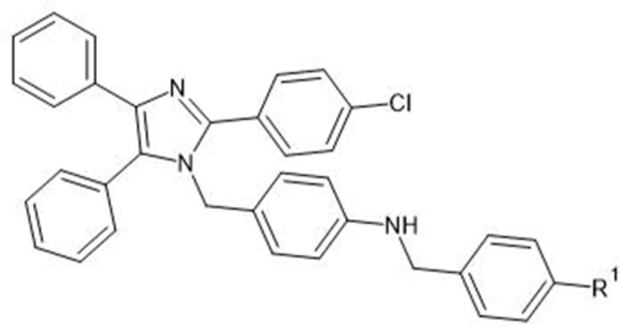
Figure 1: General Structure of selected series of compound imidazole.
2. MATERIAL AND METHODS:
1.1) Ligand Preparation: B5 and B10 are promising possibilities for the development of safer and more potent treatments for therapeutic potential against oxidative stress–related disorders. To validate and enhance their therapeutic potential, Future studies will focus on thorough mechanistic evaluations and optimization of the structure-activity relationship (SAR).(21,23)
1.2) Receptor Preparation: The estrogen receptor's crystal structure is supplied by the Protein Data Bank (PDB ID: 6MVY). Auto Dock Water was removed using Tools 1.5.7. molecules, include polar hydrogens., and calculate the Gasteiger and Kollman accusations related to the receptor. To allow enough space for ligand binding, the active site residues were contained within a grid box. The PDBQT format was used to store the receptor for usage in the docking simulation. (24,26)
1.3) Validation of Docking Protocol: The ligand that is co-crystallized from the estrogen receptor structure was put back into its binding location using the same grid and docking parameters in order to verify the docking procedure. We computed the root-mean-square deviation, or RMSD, between the docked posture and the initial ligand placement. In the correctness and dependability of the docking configuration were verified by an RMSD value. To ensure that the docking results were physiologically significant, significant chemical interactions, such as hydrophobic contacts and hydrogen bonds, were further examined and verified using Biovia Discovery Studio 2024 Visualizer. (27,29)
2. In vitro DPPH assay:
Preparation of Solutions
1. DPPH Solution (0.1 mM)
2. Ascorbic Acid Standard
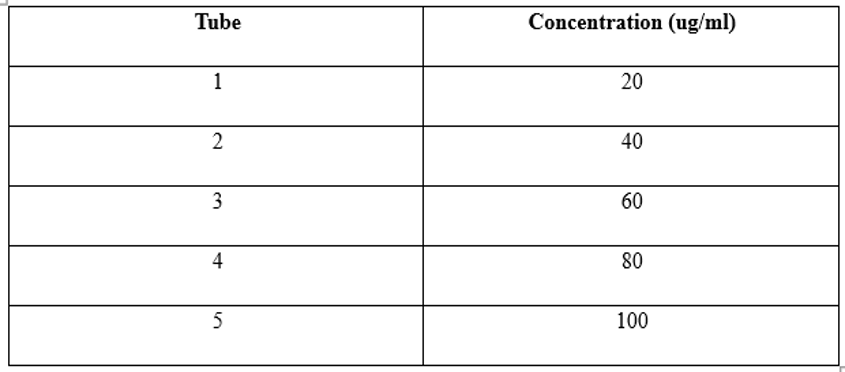
3.Synthesized compound
4. Control
5. Blank
Assay Procedure (Simple Steps)
1. Take 1 mL of compound (each concentration).
2. Add 1 mL of 0.1 mM DPPH solution.
3. Shake gently or vortex.
4. Incubate in dark for 30 minutes at room temperature.
5. Measure absorbance at 517 nm.
6. Repeat for ascorbic acid standard at same concentrations.
7. Compare % inhibition of plant extract with ascorbic acid.
Calculation
%Inhibition= A control - A sample / A control X 100
Where:
A control = absorbance of DPPH + methanol
A sample = absorbance of DPPH + Synthesized compound (or standard) (29,32)
3. RESULTS AND DISCUSSION:
Table 1: Docking Scores of Imidazole-Based Schiff base Derivatives with NRF2 Receptor.
|
Sr. No |
Compound Name |
VR1 |
Binding Score (Kcal/ Mol) |
|
1 |
B 1 |
2,4,6 Trimethoxy Benzaldehyde |
-7.0 |
|
2 |
B 2 |
4-fluro benzaldehyde |
-6.8 |
|
3 |
B 3 |
Anisa-aldehyde |
-7.1 |
|
4 |
B 4 |
Benzaldehyde |
-6.2 |
|
5 |
B 5 |
4-Bromobenzaldehyde |
-8.8 |
|
6 |
B 6 |
4-Chlorobenzaldehyde |
-8.6 |
|
7 |
B 7 |
Cinnamaldehyde |
-7.3 |
|
8 |
B 8 |
Furfural |
-7.1 |
|
9 |
B 9 |
Glutaraldehyde |
-7.3 |
|
10 |
B 10 |
4-Nitrobenzaldehyde |
-8.8 |
|
11 |
B 11 |
P-isopropyl Alcohol |
-7.2 |
|
12 |
B 12 |
P-tolu aldehyde |
-6.2 |
|
13 |
B 13 |
Salicylaldehyde |
-7.0 |
|
14 |
B 14 |
Vanillin |
-8.7 |
|
15 |
B 15 |
Varata Aldehyde |
-6.1 |
Table 2: The compounds that can cross the BBB are chosen to synthesise various derivatives
|
Sr. No |
Compounds |
Breast cancer Docking score |
|
1. |
B 5 |
-8.8 |
|
2. |
B 6 |
-8.6 |
|
3. |
B 10 |
-8.8 |
|
4. |
B 14 |
-8.7 |
Docking values ranging from -8.6 to -8.8 kcal/mol were obtained from fifteen molecular docking studies. Schiff base compounds based on imidazole’s and NRF2 receptors (PDB ID: 6MVY). The highest binding affinities for 4-Bromobezaldehyde,4-chlorobezaldehyde,4-Nitobenzaldehyde and vanillin (B5, B6, B10, and B14) were -8.8, -8.6, -8.8, and -8.7 kcal/mol. These compounds formed strong hydrogen bonds through hydrophobic contacts containing crucial residues in the active region of the receptor. Visual assessment in Discovery Studio confirmed that the ligand fit comfortably in the binding pocket.

Figure 2:2D&3D Representation of compound B5 with PDBID: 6MVY
Table 3: Docking interaction of receptor (6MVY) with compound B5
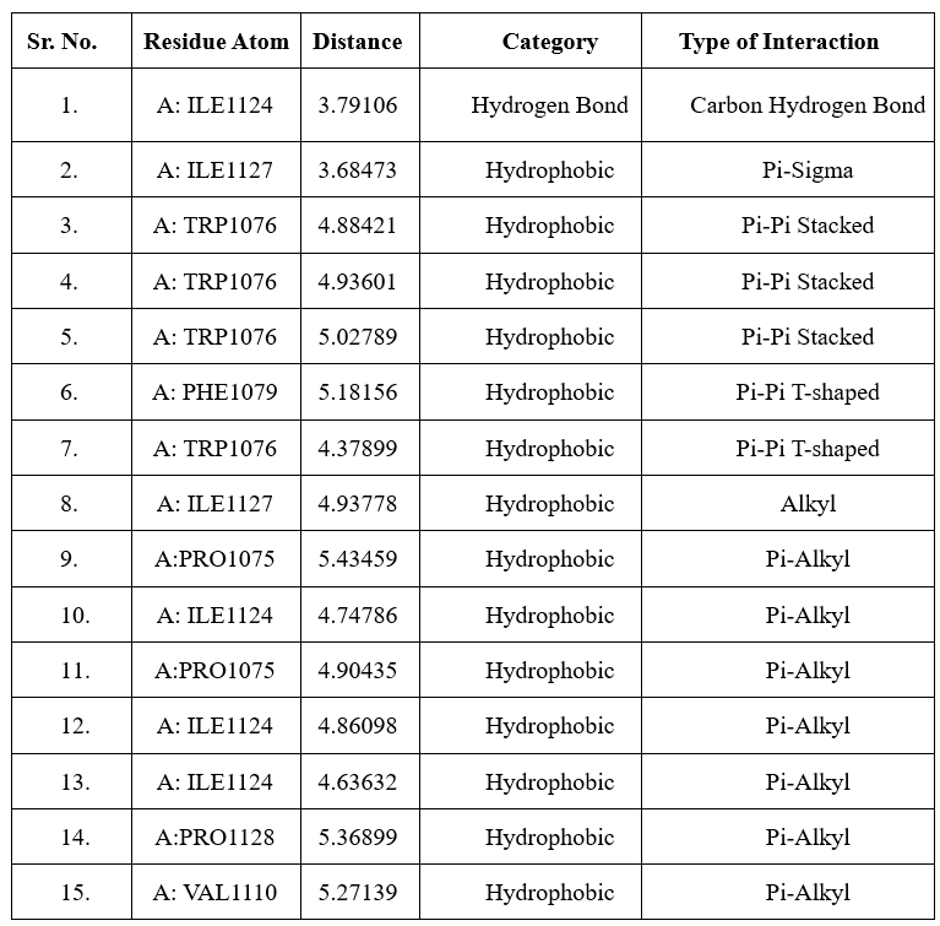
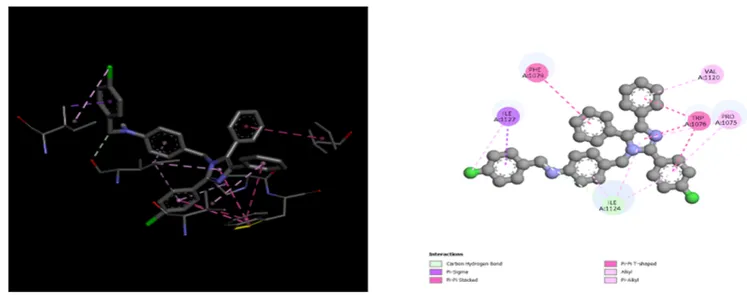
Figure 3: 2D&3D Representation of compound B6 with PDBID: 6MVY
Table 4: Docking interaction of receptor (6MVY) with compound B6
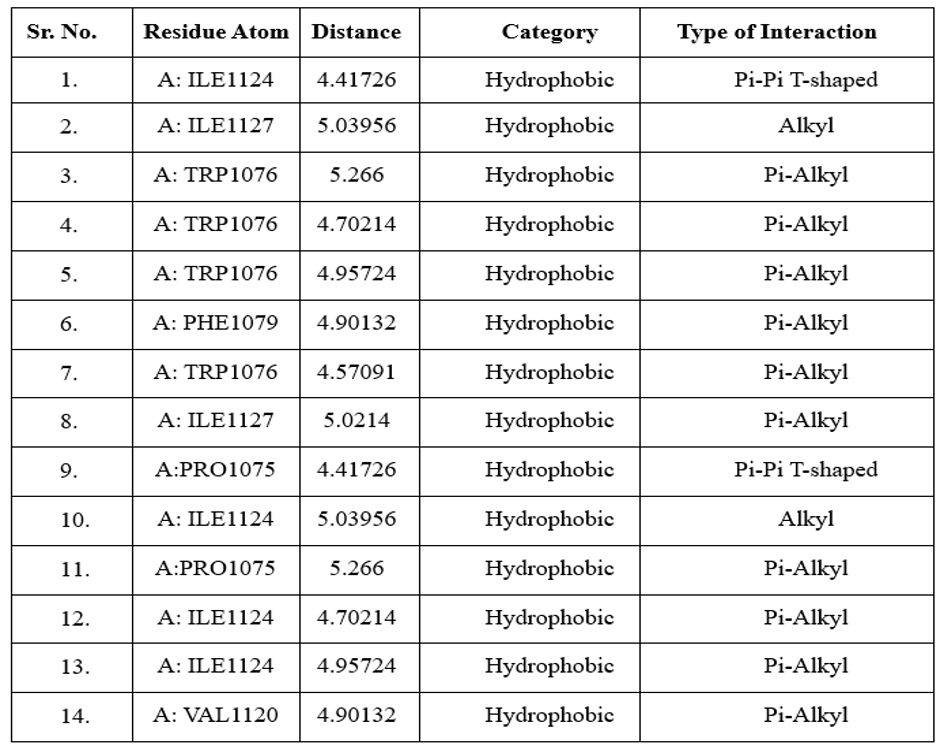

Figure 4: 2D&3D Representation of compound B10 with PDBID: 6MVY
Table 5: Docking interaction of receptor (6MVY) with compound B10
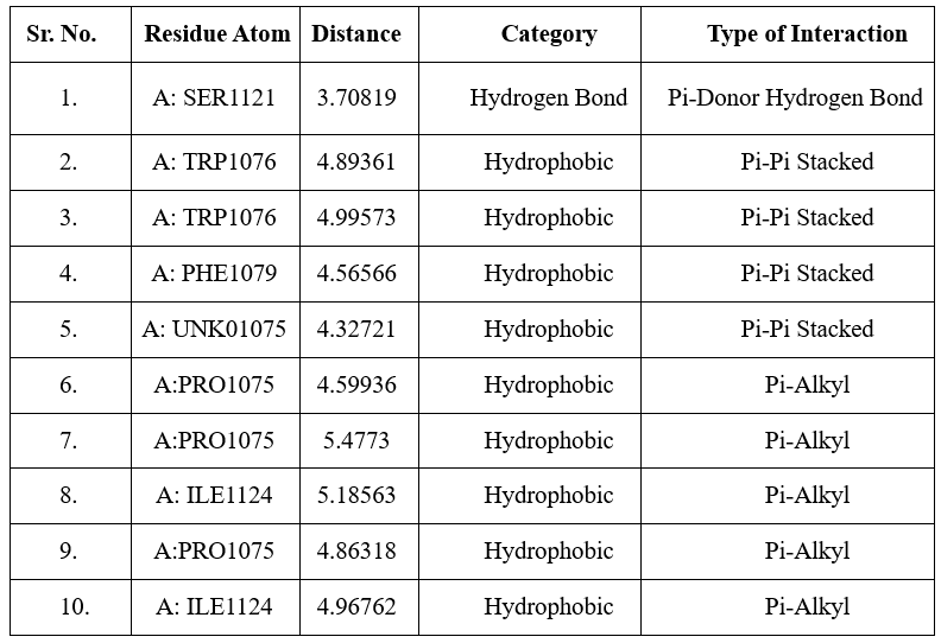
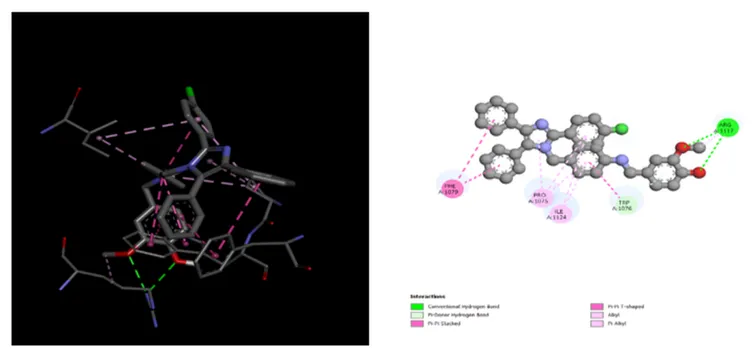
Figure 5:2D&3D Representation of compound B14 with PDBID: 6MVY
Table 6 :Docking interaction of receptor (6MVY) with compound B14
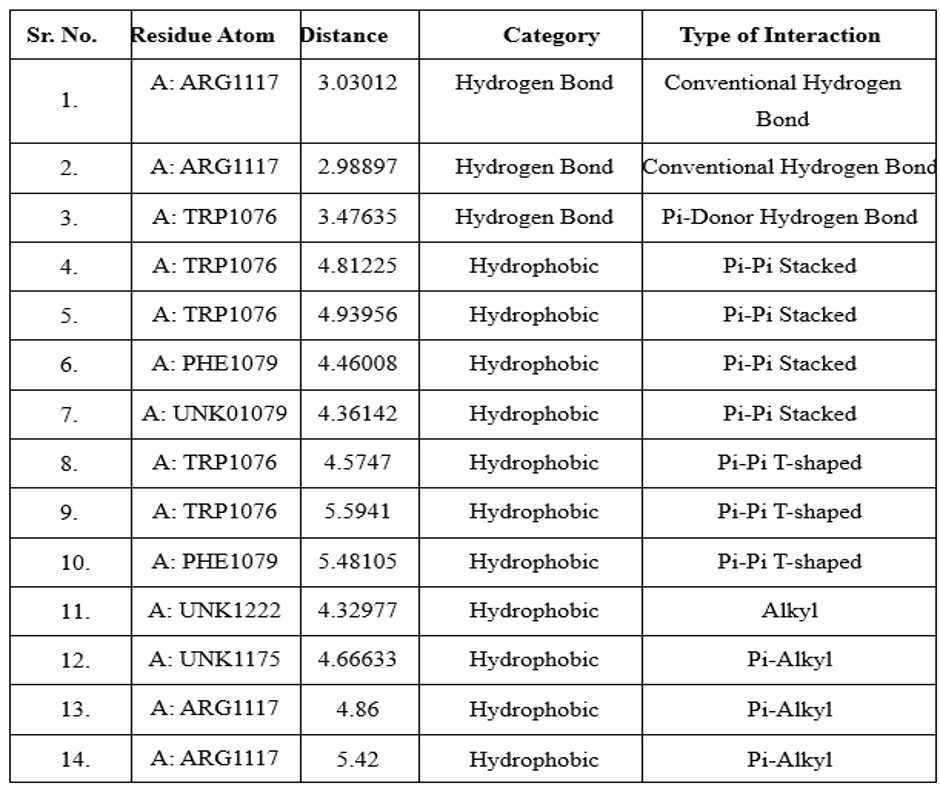
Table 7: Results of validation process of 4-Chlorobenzaldehyde (B6) Ascorbic acid and (Standard)
|
Parameters |
Ligand (B6) |
Standard |
|
PDB ID |
6CHZ |
6MVY |
|
Co-crystal ligand |
4-Chlorobenzaldehyde |
Ascorbic acid |
|
Grid box position |
X: -31.789892, Y: -2.537676, Z: -24.037568 |
X: -31.789892, Y: -2.537676, Z: -24.037568 |
|
ΔG (kcal/mol) |
-9.3 |
-7.3 |
|
Amino Acid Residues 1) Hydrophobic |
A: LEU536 |
A: LEU346 |
|
|
A: LEU536 |
A: LEU387 |
|
A: TRP 383 |
A: LEU428 |
|
|
A: HIS 524 |
A: LEU524 |
|
|
A: LEU 525 |
A: TRP383 |
|
|
A: LEU 525 |
A: PHE404 |
|
|
A: ALA 350 |
A: ALA350 |
|
|
A: THR 347 |
|
|
|
2)Hydrogen-Bond |
A: ASP 351 |
|
|
|
A: CYS 530 |
|
|
3) other |
A: MET 528 |
A: MET421 |
|
|
A: MET 528 |
|
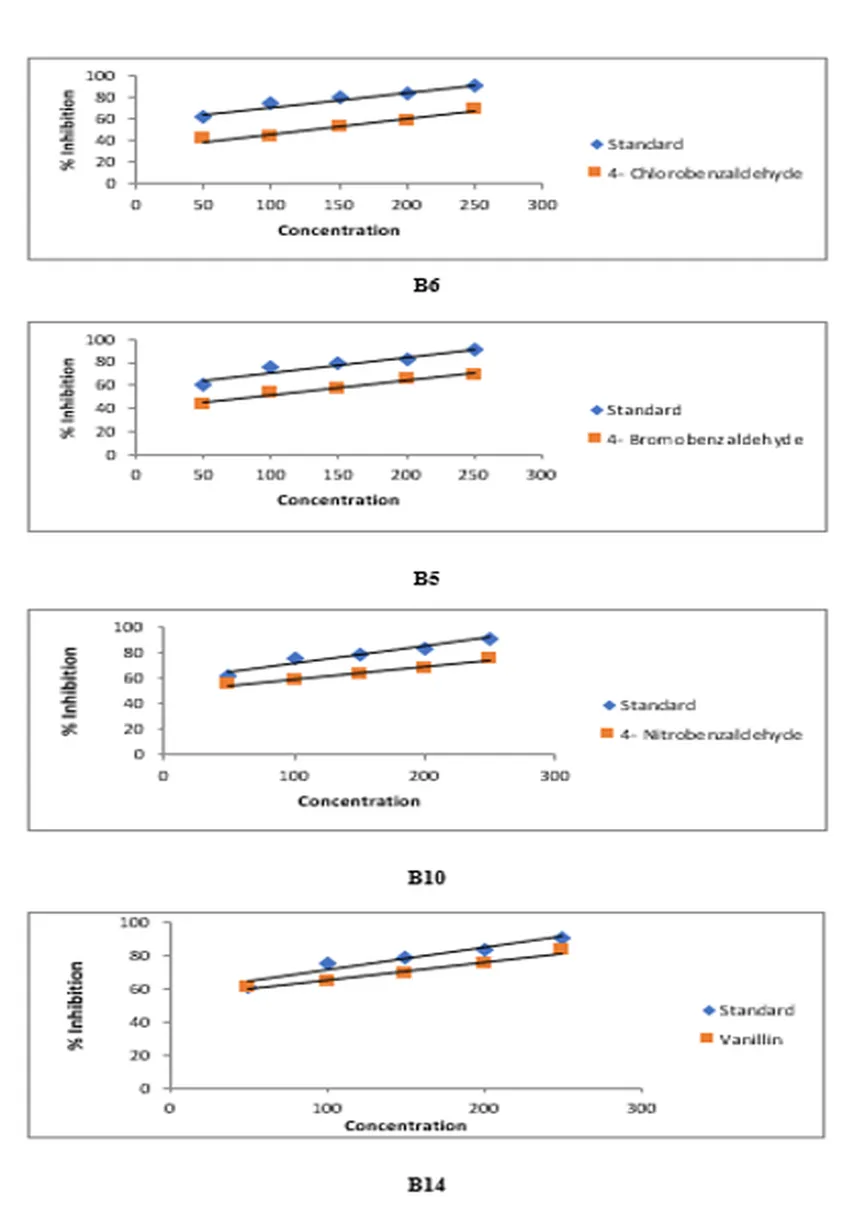
Figure 6: the graph of in vitro Anti-oxidant Activity of Derivative vs % inhibition at different\ concentration
By calculating percentage inhibition at various concentrations, the synthetic material's antioxidant properties imidazole derivatives were evaluated; all compounds shown an increase in activity that was concentration-dependent. Because of the existence of electron-donating hydroxyl and methoxy groups that improve free radical scavenging ability, the vanillin-substituted imidazole (B14) showed the highest antioxidant potential among the tested derivatives, exhibiting inhibition values closest to the standard compound at higher concentrations. The antioxidant activity of the 4-nitrobenzaldehyde derivative (B10) was moderate, whereas that of the 4-chloro (B6) and 4-bromo (B5) derivatives was rather low. Overall, the findings demonstrated that imidazole derivatives' antioxidant capability is greatly influenced by substitution on the aromatic ring, and the derivative based on vanillin was shown to be the most promising antioxidant candidate.
4. CONCLUSION
The current study shows how powerful antioxidant drugs that target the NRF2 receptor can be found using computer-assisted drug design. The produced imidazole-based Schiff base compounds showed strong binding affinity for the NRF2 receptor, which is essential for controlling cellular antioxidant defence and protection against oxidative stress, according to molecular docking experiments. Selected derivatives (B14) demonstrated the highest antioxidant potential favourable (-8.7) docking scores and significant contacts with key active site residues among the synthesized compounds, suggesting their potential to activate NRF2-mediated signalling pathways. Additionally, significant free radical scavenging activity and cytoprotective benefits of the active compounds were validated by in vitro antioxidant investigations, together with appropriate cell survival profiles indicating low cytotoxicity. These imidazole-based Schiff base compounds appear to possess promising antioxidant characteristics and could be beneficial lead candidates for the creation of novel therapeutic medicines against oxidative stress-associated illnesses, according to the combined in vitro and in silico studies.
REFERENCES

Vrushali Jagadalea, Krushna Pathadeb, Dr. Manish Kondwarc, Anti-Oxidant Evaluation of Imidazole-Based Schiff Base Derivatives Targeting the NRF2 Receptor: In Silico, In Vitro Studies, Int. J. of Pharm. Sci., 2026, Vol 4, Issue 6, 2831-2840. https://doi.org/10.5281/zenodo.20629864
 10.5281/zenodo.20629864