

We use cookies to ensure our website works properly and to personalise your experience. Cookies policy
Shri Jagdishprasad Jhabarmal Tibrewala university, Vidyanagiri, Jhunjhunu – Churu road, Rajasthan- 6333010.
Diabetes mellitus and dyslipidemia are closely associated metabolic disorders characterized by hyperglycemia, insulin resistance and abnormal lipid metabolism. Cordyceps militaris is a medicinal fungus containing cordycepin, adenosine, polysaccharides, sterols and other bioactive constituents, while Garcinia cambogia fruit rind is a major source of (-)-hydroxycitric acid (HCA). Experimental studies suggest that C. militaris polysaccharides and cordycepin can influence glucose homeostasis, insulin sensitivity, oxidative stress, inflammation and lipid metabolism. HCA inhibits ATP-citrate lyase and therefore has a biochemical basis for reducing de novo lipogenesis. Clinical evidence for G. cambogia is mixed: a 2024 meta-analysis of 14 randomized trials reported reductions in total cholesterol and triglycerides and an increase in HDL cholesterol, whereas LDL cholesterol was not significantly altered. The proposed combination is therefore scientifically interesting because the two extracts may influence complementary metabolic pathways. A hydrophilic matrix tablet based on polymers such as hydroxypropyl methylcellulose (HPMC) may provide controlled release of standardized marker compounds and improve dosing convenience. This review summarizes the botanical and phytochemical characteristics of both ingredients, mechanisms underlying antidiabetic and antilipidemic activity, extraction and standardization approaches, rationale for combination therapy, matrix-tablet design, evaluation parameters, safety issues, research gaps and future prospects. Importantly, the combined C. militaris–G. cambogia matrix tablet remains a proposed formulation concept and has not been established as a clinically validated product. Direct formulation, pharmacological, pharmacokinetic and clinical studies are required to confirm efficacy, safety and optimal dose.
Diabetes mellitus is a chronic metabolic disease in which persistent elevation of blood glucose results from impaired insulin secretion, insulin resistance, or both. Type 2 diabetes mellitus is commonly accompanied by obesity, dyslipidemia, oxidative stress, chronic low-grade inflammation and progressive cardiovascular risk. The coexistence of hyperglycemia and dyslipidemia requires long-term management and frequently involves more than one pharmacological class. This has stimulated continuing interest in multifunctional natural products that may influence several metabolic pathways.
Medicinal fungi and plants provide chemically diverse compounds with potential metabolic activity. Cordyceps militaris has attracted pharmaceutical and nutraceutical interest because of its nucleosides, polysaccharides, sterols, pigments and other secondary metabolites. Recent reviews describe C. militaris polysaccharides as having hypoglycemic, hypolipidemic, antioxidant, anti-inflammatory and anti-atherosclerotic potential.¹,² Cordycepin, a characteristic nucleoside, has also been investigated for effects on AMPK signaling, lipid metabolism, adipogenesis and inflammation.³
Garcinia cambogia (synonym/commonly used name for Garcinia gummi-gutta) is a tropical fruit whose rind contains hydroxycitric acid. HCA is a competitive inhibitor of ATP-citrate lyase, an enzyme connecting citrate metabolism with cytosolic acetyl-CoA production and lipogenesis.⁴ The mechanism provides a rationale for investigating HCA-containing extracts in lipid-management strategies. Nevertheless, clinical outcomes are heterogeneous and should not be overstated.
A 2024 systematic review and meta-analysis of 14 randomized controlled trials involving 623 adults reported that G. cambogia significantly reduced total cholesterol and triglycerides and increased HDL cholesterol, while LDL cholesterol was not significantly changed.⁵ In contrast, a separate meta-analysis of randomized trials did not demonstrate a significant overall effect of G. cambogia on fasting blood glucose or insulin.⁶ These findings suggest that the most defensible role of G. cambogia in a proposed combined formulation is as a lipid-metabolism-focused ingredient rather than a proven antidiabetic medicine.
The pharmaceutical dosage form can strongly influence the performance of herbal extracts. Immediate-release powders or tablets may expose the gastrointestinal tract to rapidly changing concentrations and may provide limited control over release of chemically diverse constituents. Matrix tablets, particularly hydrophilic polymer matrices containing HPMC, can hydrate after administration and form a gel layer that controls diffusion and erosion.⁷ A standardized dual-extract matrix tablet may therefore provide a rational platform for investigating prolonged oral delivery.
The objective of this review is to critically summarize the scientific basis for combining C. militaris and G. cambogia extracts in an antidiabetic and antilipidemic matrix tablet, with emphasis on phytochemistry, mechanisms of action, standardization, formulation design, evaluation, safety and future research needs.
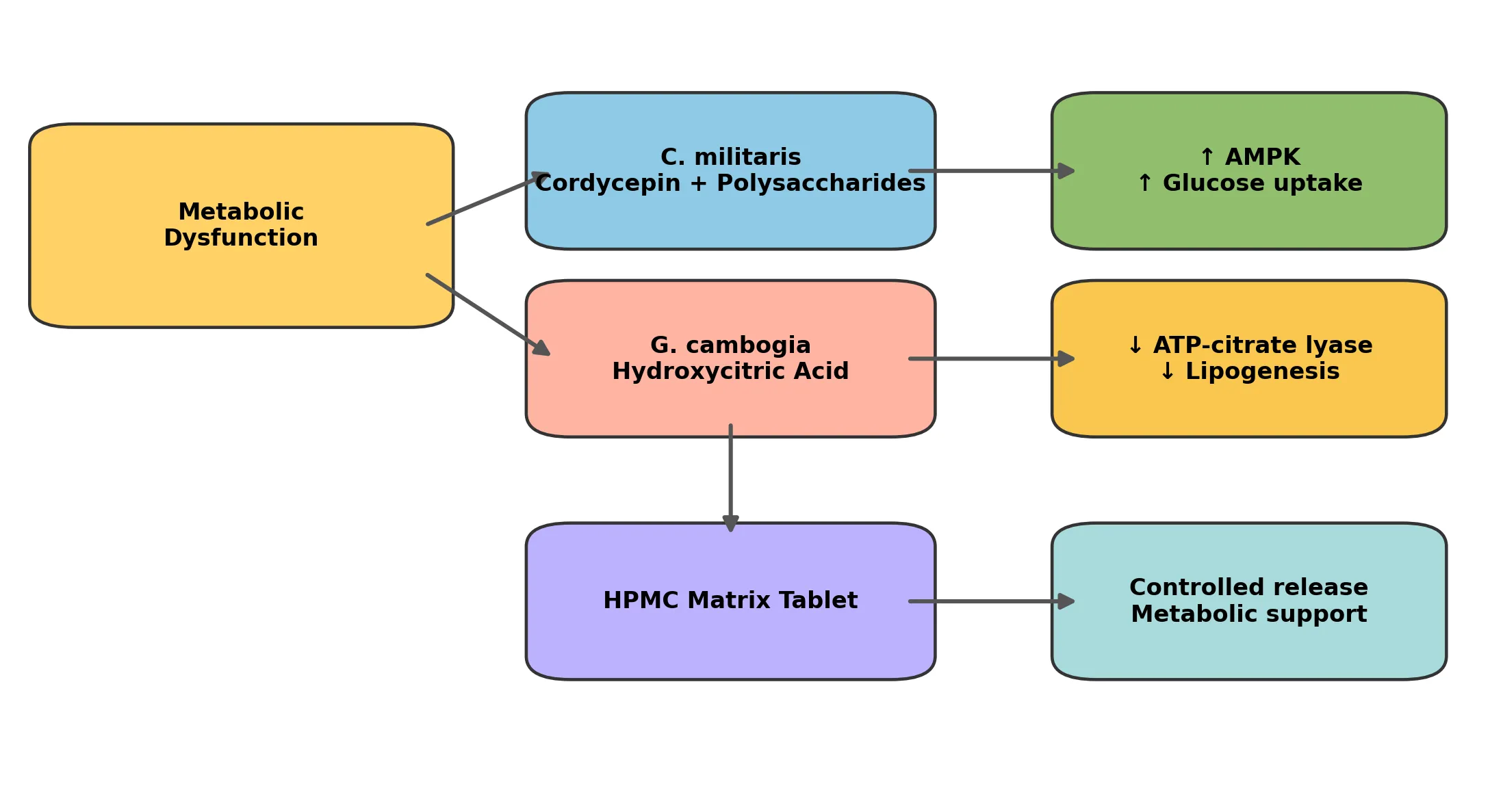
Figure 1. Conceptual rationale for combining standardized C. militaris and G. cambogia extracts in a controlled-release matrix tablet.
BOTANICAL PROFILE OF CORDYCEPS MILITARIS
Cordyceps militaris is an edible medicinal entomopathogenic fungus belonging to the family Cordycipitaceae. It is characterized by elongated orange to reddish fruiting bodies and is now widely investigated using controlled cultivation systems. Artificial cultivation and fermentation have become important because metabolite production can vary with strain, substrate, temperature, illumination, aeration and other culture conditions.⁸,⁹
The medicinal importance of C. militaris is associated with a broad spectrum of bioactive constituents rather than a single compound. Cordycepin, adenosine, polysaccharides, ergosterol, carotenoids, D-mannitol and phenolic compounds are among the constituents commonly discussed in the literature.⁸,⁹
Table 1. Botanical classification of *Cordyceps militaris.
|
Taxonomic category |
Classification |
|
Kingdom |
Fungi |
|
Phylum |
Ascomycota |
|
Class |
Sordariomycetes |
|
Order |
Hypocreales |
|
Family |
Cordycipitaceae |
|
Genus |
Cordyceps |
|
Species |
Cordyceps militaris |
PHYTOCHEMICAL CONSTITUENTS OF CORDYCEPS MILITARIS
The chemical profile of C. militaris is influenced by genotype and cultivation conditions. Cordycepin and adenosine are important nucleoside constituents, whereas polysaccharides form a chemically diverse group that may differ in molecular weight, monosaccharide composition, branching pattern and protein association.⁸,¹⁰ Ergosterol and carotenoid pigments contribute additional biological activities, while phenolics may contribute to antioxidant effects.
Table 2. Major constituents of Cordyceps militaris and their proposed relevance.
|
Constituent/group |
Representative role |
Relevance to metabolic research |
|
Cordycepin |
Nucleoside metabolite |
AMPK-related signaling, lipid metabolism, anti-inflammatory effects |
|
Polysaccharides |
High-molecular-weight carbohydrates |
Hypoglycemic, antioxidant, hypolipidemic and gut-microbiota-related effects |
|
Adenosine |
Nucleoside |
Potential metabolic and vascular signaling |
|
Ergosterol/sterols |
Steroidal constituents |
Membrane and metabolic relevance |
|
Phenolics/flavonoid-like compounds |
Secondary metabolites |
Antioxidant contribution |
|
Carotenoids |
Pigments |
Antioxidant potential |
|
D-mannitol/cordycepic acid |
Low-molecular-weight metabolites |
Traditional and biochemical relevance |
ANTIDIABETIC POTENTIAL OF CORDYCEPS MILITARIS
Evidence for the antidiabetic activity of C. militaris is predominantly preclinical. A review of C. militaris polysaccharides describes hypoglycemic activity together with antioxidant and hypolipidemic actions.² In a diabetic animal model, acidic-extractable polysaccharides reduced diabetic symptoms and improved glucose and lipid parameters.¹⁰ Another study indicated that a C. militaris polysaccharide fraction could alleviate diabetic symptoms through regulation of gut microbiota and suppression of the TLR4/NF-κB pathway, suggesting a relationship between intestinal barrier function, inflammation and metabolic control.¹¹
Cordycepin has also received attention because AMPK is a central energy-sensing pathway. Activation of AMPK can enhance glucose utilization, promote fatty-acid oxidation and suppress anabolic lipid synthesis. The available evidence supports investigation of cordycepin-rich C. militaris preparations, but it does not establish a clinically effective dose for diabetes in humans.
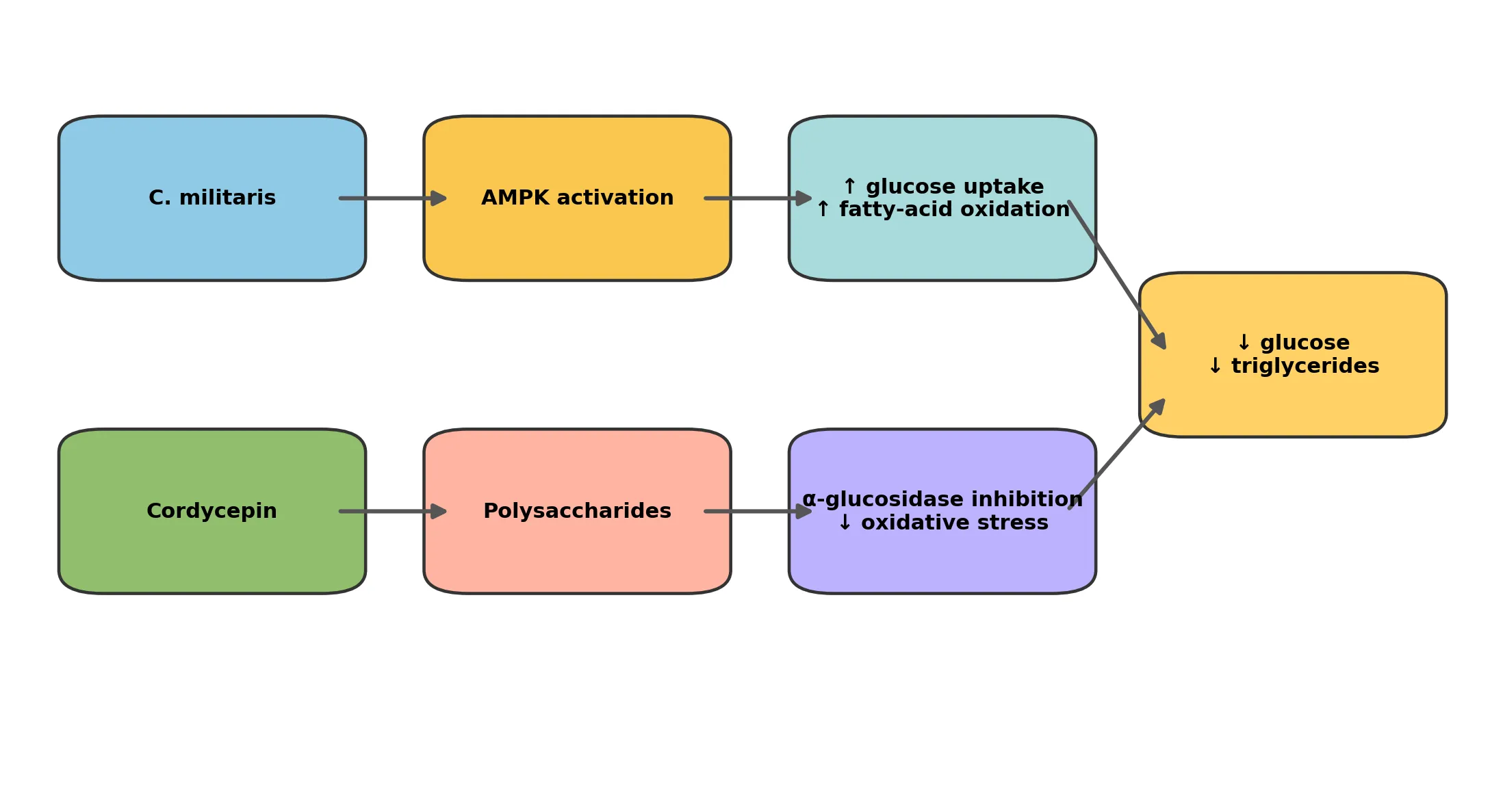
Figure 2. Proposed antidiabetic mechanisms associated with C. militaris constituents.
ANTILIPIDEMIC POTENTIAL OF CORDYCEPS MILITARIS
Lipid-modulating effects of C. militaris have been observed in experimental systems. Polysaccharide fractions have been associated with reductions in serum triglycerides, total cholesterol and LDL cholesterol, while cordycepin has been investigated for suppression of adipogenesis and stimulation of lipolysis.²,³ A 2024 study using C. militaris extract and cordycepin reported reduced lipid droplets and increased hormone-sensitive lipase activation in adipocytes; in a diabetic-obese mouse model, treatment lowered LDL/VLDL and oxidative-stress markers.¹²
The possible convergence of AMPK activation, enhanced fatty-acid oxidation, reduced adipocyte differentiation and antioxidant activity makes C. militaris a useful candidate for a dual metabolic formulation. However, human clinical evidence remains much less developed than the preclinical literature.
BOTANICAL PROFILE OF GARCINIA CAMBOGIA
Garcinia cambogia is the commonly used name for the tropical Garcinia fruit used in traditional foods and commercial nutraceutical preparations. The fruit rind is particularly rich in hydroxycitric acid, and commercial extracts are frequently standardized according to HCA content. The chemical profile can vary with species, maturity, geography and processing.
Table 3. Botanical classification and marker information for Garcinia.
|
Taxonomic category |
Classification |
|
Kingdom |
Plantae |
|
Order |
Malpighiales |
|
Family |
Clusiaceae |
|
Genus |
Garcinia |
|
Species commonly associated with the product |
Garcinia gummi-gutta |
|
Major marker |
(-)-Hydroxycitric acid |
PHYTOCHEMICAL PROFILE OF GARCINIA CAMBOGIA
Hydroxycitric acid is the principal constituent of interest for metabolic formulations. Other reported phytochemical classes include xanthones, benzophenones, phenolic compounds and related organic acids.⁴,¹³ For pharmaceutical development, HCA should be quantified using a validated analytical method, because the actual HCA content determines the active-marker dose.
Table 4. Major phytochemical groups reported for *Garcinia* fruit rind.
|
Constituent/group |
Pharmaceutical relevance |
|
(-)-Hydroxycitric acid (HCA) |
Primary marker; ATP-citrate lyase inhibition |
|
Xanthones |
Secondary bioactive constituents |
|
Benzophenones |
Potential antioxidant/biological contribution |
|
Polyphenols |
Antioxidant contribution |
|
Organic acids |
Contribution to extract acidity and composition |
HYDROXYCITRIC ACID AND LIPID METABOLISM
ATP-citrate lyase catalyzes the conversion of citrate to oxaloacetate and acetyl-CoA. Cytosolic acetyl-CoA is an important precursor for fatty-acid and cholesterol synthesis. HCA can inhibit ATP-citrate lyase and therefore provides a mechanistic explanation for reduced de novo lipogenesis.⁴
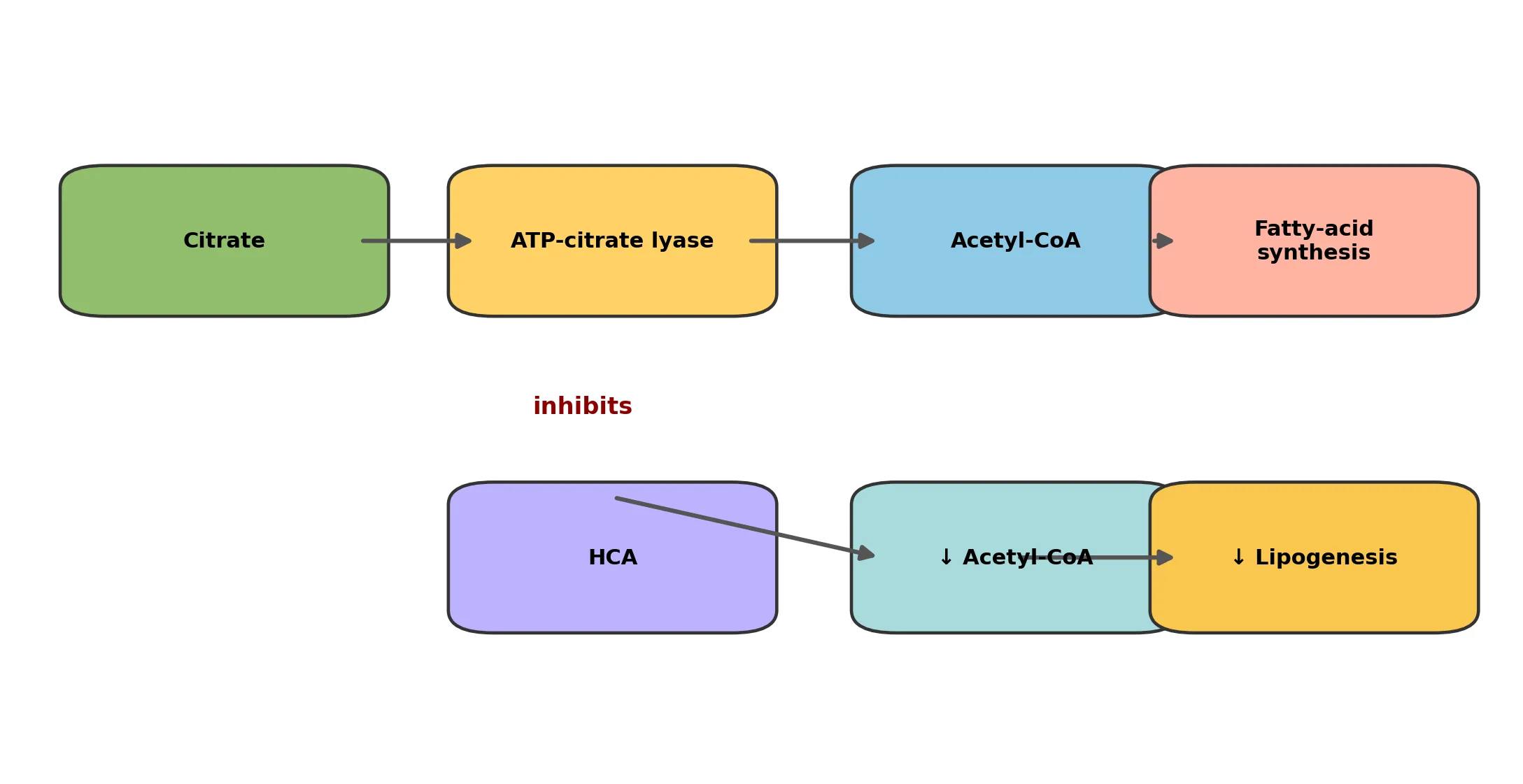
Figure 3. Simplified biochemical pathway illustrating HCA-mediated inhibition of ATP-citrate lyase.
CLINICAL EVIDENCE FOR THE LIPID EFFECTS OF GARCINIA CAMBOGIA
The clinical evidence should be considered alongside the limitations of the available trials. A 2024 systematic review and meta-analysis included 14 randomized trials and 623 participants. G. cambogia supplementation was associated with lower total cholesterol and triglycerides and higher HDL cholesterol, but LDL cholesterol did not change significantly. The authors highlighted short intervention periods and substantial heterogeneity.⁵
These results support further investigation but do not justify describing G. cambogia as a proven lipid-lowering medicine equivalent to established pharmacotherapy. A proposed matrix tablet should therefore be evaluated experimentally against appropriate standards rather than relying solely on mechanistic assumptions.
ANTIDIABETIC EVIDENCE FOR GARCINIA CAMBOGIA
The glycemic evidence for G. cambogia is weaker and less consistent than its mechanistic rationale for lipid metabolism. A meta-analysis of randomized controlled trials reported no significant overall effect on fasting blood glucose or insulin.⁶ Thus, any antidiabetic effect in a combined formulation should be regarded as a hypothesis to be tested rather than a confirmed clinical effect.
The potential metabolic contribution of HCA may nevertheless be relevant indirectly through effects on hepatic lipid synthesis and energy metabolism. Future studies should determine whether HCA produces additive, independent or negligible effects when combined with C. militaris constituents.
RATIONALE FOR COMBINATION THERAPY
The proposed combination is based on complementary pharmacological targets. C. militaris provides cordycepin and polysaccharides that may influence AMPK, glucose utilization, lipid oxidation, oxidative stress, inflammatory pathways and intestinal metabolic signaling. Garcinia provides HCA, which targets ATP-citrate lyase and lipogenesis. The combination therefore provides a conceptual framework for addressing both glucose and lipid abnormalities.
Table 5. Comparative Pharmacological rationale for the proposed combination.
|
Ingredient |
Principal marker/active group |
Main proposed target |
Expected metabolic outcome |
|
C. militaris |
Cordycepin |
AMPK-related signaling |
Improved glucose utilization; increased lipid oxidation |
|
C. militaris |
Polysaccharides |
α-glucosidase, antioxidant and gut-related pathways |
Reduced postprandial glucose; metabolic support |
|
G. cambogia |
HCA |
ATP-citrate lyase |
Reduced de novo lipogenesis |
|
Combination |
Multiple constituents |
Complementary pathways |
Potential combined glucose/lipid benefit |
The term synergistic should be reserved for situations in which a combination produces a quantitatively greater-than-additive effect under a defined experimental design. Until such studies are completed, the formulation should be described as a potentially complementary combination rather than a proven synergistic therapy.
MATRIX TABLETS FOR CONTROLLED DELIVERY
Matrix tablets contain the active ingredient dispersed within a polymeric network. In hydrophilic systems, water penetrates the matrix after administration and hydrates the polymer. A gel layer develops at the tablet surface and controls movement of dissolved drug from the interior. Drug release can occur through diffusion, polymer relaxation and erosion.⁷
HPMC is one of the most widely used hydrophilic matrix polymers because its viscosity grade and concentration can be adjusted to obtain different release profiles. The choice of polymer must consider the molecular size, solubility and dose of the marker compounds as well as the desired duration of release.
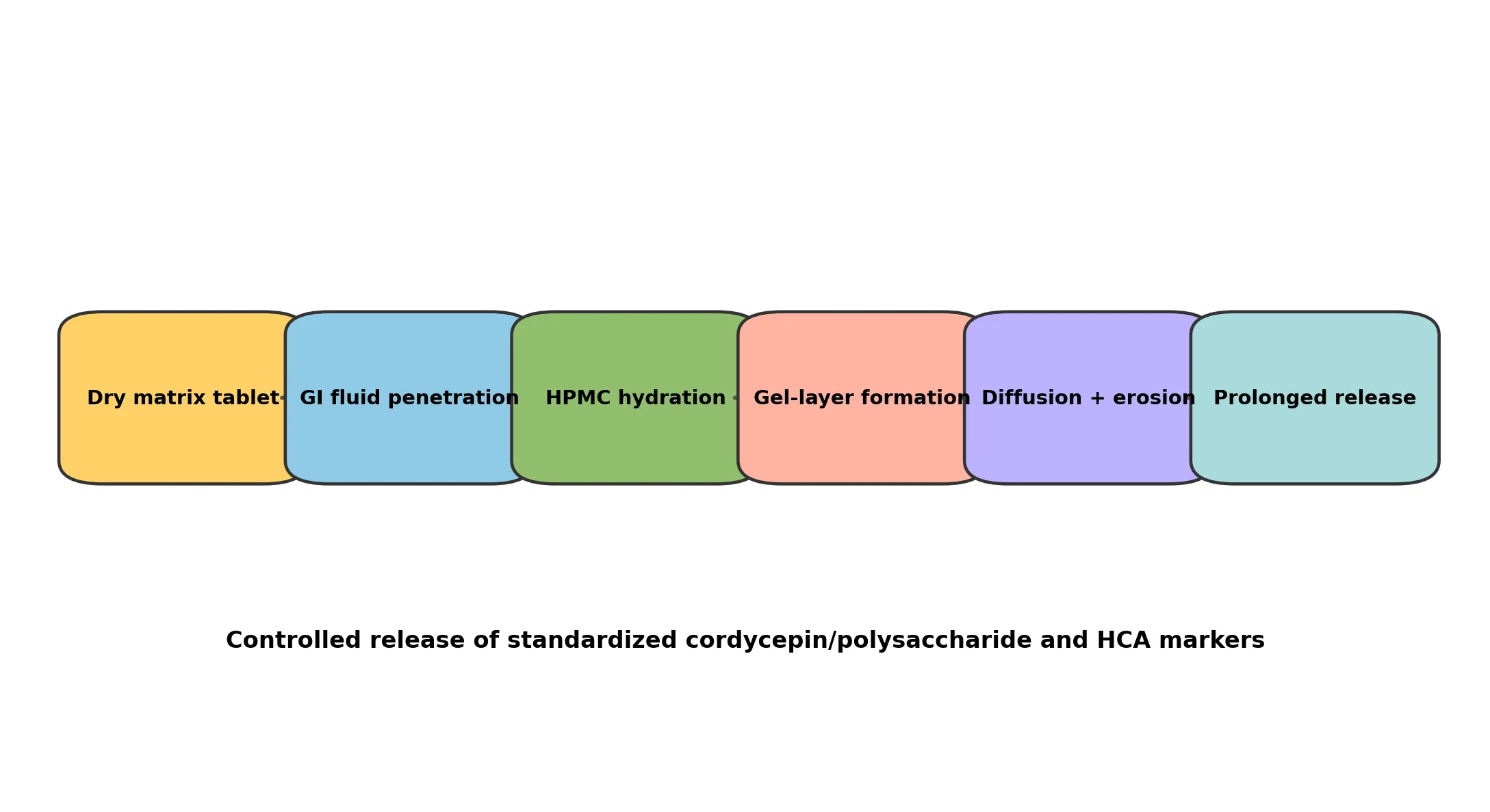
Figure 4. Generalized mechanism of controlled release from a hydrophilic HPMC matrix tablet.
PROPOSED FORMULATION DESIGN
A research formulation may contain standardized C. militaris extract, standardized Garcinia extract, HPMC as the principal matrix former, a suitable diluent, binder where necessary, glidant and lubricant. The exact extract ratio and polymer concentration should be determined experimentally through a design-of-experiments approach.
Table 6. Suggested formulation components for experimental matrix-tablet development.
|
Component |
Possible function |
|
Standardized C. militaris extract |
Primary fungal active |
|
Standardized G. cambogia extract |
HCA source |
|
HPMC K4M/K15M/K100M |
Matrix-forming controlled-release polymer |
|
Microcrystalline cellulose |
Diluent and compression aid |
|
Lactose or suitable diluent |
Bulk adjustment |
|
PVP K30 |
Binder where required |
|
Colloidal silicon dioxide |
Glidant |
|
Magnesium stearate |
Lubricant |
|
Talc |
Anti-adherent/glidant |
EXTRACTION AND STANDARDIZATION
Extraction should be designed around the intended marker profile. For C. militaris, aqueous or hydroalcoholic extraction may be considered for polysaccharides and polar constituents, while chromatographic methods can be used to quantify cordycepin and adenosine. Recent reviews emphasize that strain, culture conditions and fermentation parameters can substantially influence metabolite production.⁸,⁹
For Garcinia, the fruit rind should be authenticated and extracted using a validated process capable of recovering HCA. The final extract should be standardized by a validated assay. Batch-to-batch consistency is essential because an apparently identical mass of extract may contain different amounts of HCA or cordycepin.
Table 7. Suggested quality-control and standardization strategy.
|
Material |
Suggested standardization parameter |
Possible analytical approach |
|
C. militaris extract |
Cordycepin |
HPLC/HPTLC/LC-MS |
|
C. militaris extract |
Total polysaccharides |
Validated colorimetric assay |
|
G. cambogia extract |
HCA |
HPLC or other validated chromatographic method |
|
Both extracts |
Moisture, contaminants, identity |
Pharmacognostic/quality-control methods |
PRE-FORMULATION STUDIES
Pre-formulation studies should characterize the powders before compression. Bulk density, tapped density, angle of repose, Carr's index and Hausner's ratio provide information on flow and packing. Moisture content should also be assessed because excessive moisture can alter powder flow, compression and chemical stability.
Drug–excipient compatibility should be examined using FTIR and differential scanning calorimetry where appropriate. Microscopic examination and particle-size analysis can help identify aggregation and differences between the two standardized extracts.
FORMULATION DEVELOPMENT AND OPTIMIZATION
A rational development strategy should vary the HPMC concentration, viscosity grade, extract ratio and compression parameters. A factorial or response-surface design can be used to minimize trial-and-error experimentation. Critical quality attributes may include hardness, friability, assay, content uniformity, swelling and cumulative release.
The optimized formulation should demonstrate acceptable mechanical strength without excessive compaction that could produce an undesirably slow release. Conversely, insufficient polymer content may cause rapid release and loss of the intended controlled-release function.
EVALUATION OF MATRIX TABLETS
Table 8. Evaluation parameters for the proposed matrix tablets.
|
Parameter |
Purpose |
|
Appearance |
Visual quality and batch consistency |
|
Weight variation |
Dose uniformity |
|
Thickness/diameter |
Dimensional consistency |
|
Hardness |
Mechanical strength |
|
Friability |
Resistance to abrasion |
|
Drug/marker assay |
Potency |
|
Content uniformity |
Unit-to-unit consistency |
|
Swelling index |
Matrix hydration behavior |
|
In-vitro dissolution |
Release performance |
|
Release kinetics |
Mechanistic interpretation |
|
Stability |
Shelf-life assessment |
IN-VITRO DISSOLUTION AND RELEASE KINETICS
Dissolution testing should quantify the selected marker compounds rather than relying only on total extract mass. Samples should be withdrawn at predetermined intervals and analyzed using validated assays. Zero-order, first-order, Higuchi and Korsmeyer–Peppas models can be compared to determine the most appropriate mathematical description.
Because the formulation contains two chemically different extracts, it is possible that the marker compounds will not exhibit identical release rates. The formulation should therefore be evaluated for both HCA and a selected C. militaris marker such as cordycepin. A successful matrix should provide reproducible, controlled release without unacceptable dose dumping.
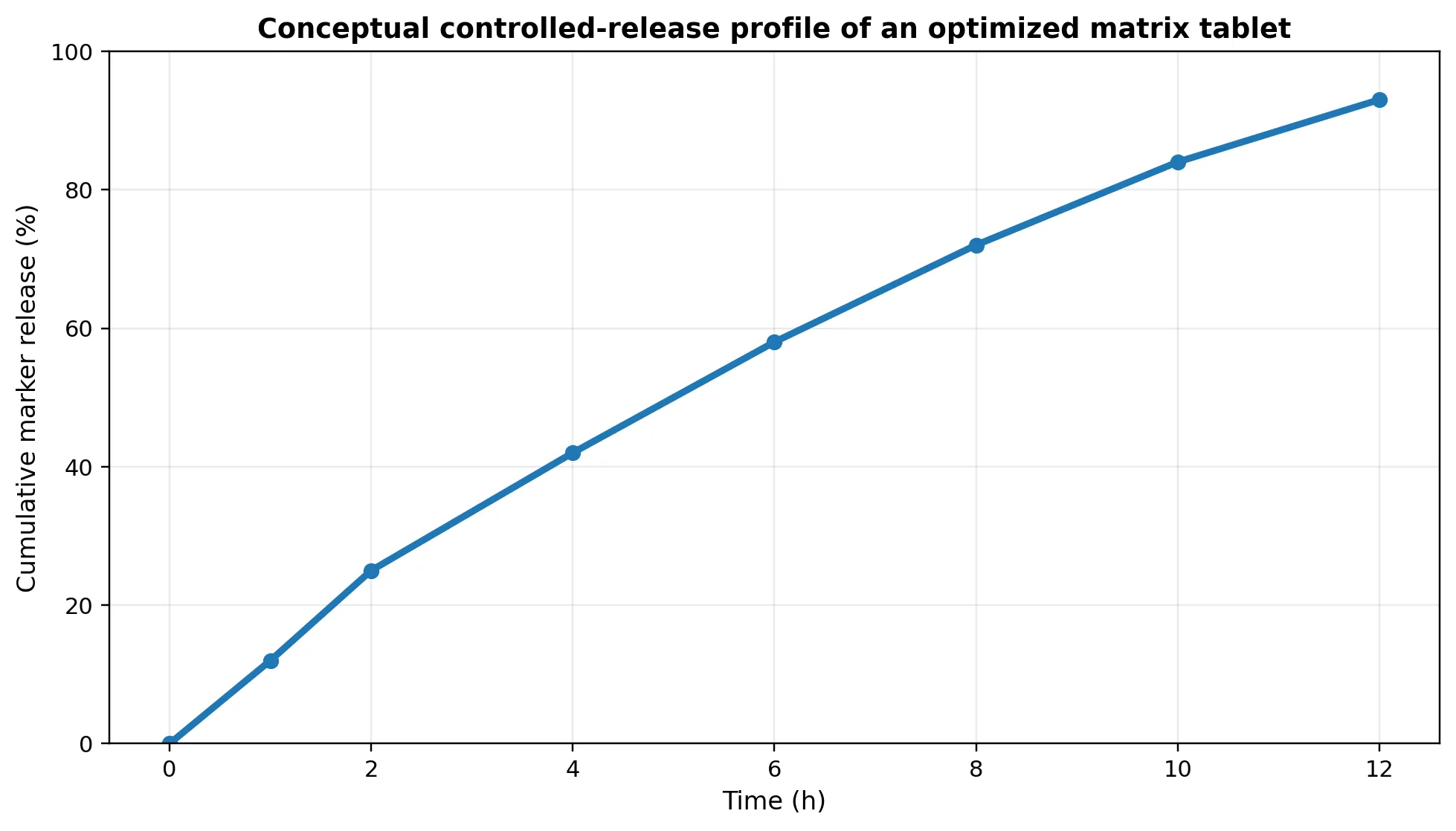
Figure 5. Conceptual—not experimental—release profile for an optimized controlled-release matrix tablet.
PROPOSED PHARMACOLOGICAL EVALUATION
The optimized formulation should first be evaluated using in-vitro assays. α-Amylase and α-glucosidase inhibition can provide preliminary evidence of carbohydrate-digestive enzyme effects, while cellular glucose uptake assays may provide information on insulin-independent or insulin-sensitizing pathways. Antioxidant assays can be included as supportive rather than definitive evidence of antidiabetic efficacy.
For lipid-related evaluation, cellular lipid-accumulation assays, adipocyte differentiation models and appropriate enzyme or molecular assays can be used. The combination should be compared with each extract alone to determine whether the effect is additive, synergistic or simply attributable to one component.
If preclinical evidence is adequate, an appropriately powered animal study can compare normal control, disease control, standard treatment, each extract, the extract combination and the optimized matrix tablet. Blood glucose, oral glucose tolerance, insulin sensitivity, total cholesterol, triglycerides, HDL, LDL, liver enzymes, oxidative-stress markers and histopathology may be assessed.
SAFETY CONSIDERATIONS
Natural origin does not guarantee safety. Safety assessment should include acute and repeated-dose toxicity, hematological and biochemical investigations, liver and kidney function, histopathology and, where justified, genotoxicity. Particular attention is warranted for Garcinia products because reports of liver injury have been associated with some preparations.¹³
Potential herb–drug interactions are also important because individuals with diabetes and dyslipidemia may receive metformin, sulfonylureas, insulin, statins, antihypertensive agents and other chronic medicines. The proposed formulation should not be recommended as a substitute for established therapy without clinical evidence.
RESEARCH GAPS
The most important limitation in the current literature is the absence of convincing direct evidence for a combined C. militaris–Garcinia matrix tablet. Evidence exists separately for C. militaris metabolic activity and for selected effects of HCA-containing Garcinia preparations, but these findings cannot automatically be extrapolated to a combined dosage form.
Additional gaps include variability in fungal strain and cultivation conditions, differences in extract preparation, inconsistent HCA standardization, limited human pharmacokinetic data, uncertainty about the optimal extract ratio and lack of long-term clinical trials. Controlled-release formulation introduces another variable because polymer hydration may alter the exposure of chemically diverse constituents.
FUTURE PERSPECTIVES
Future work should integrate pharmacognosy, phytochemistry, pharmaceutical technology and metabolic pharmacology. Standardized raw materials should be produced under controlled conditions and characterized using validated chromatographic methods. Design-of-experiments approaches can optimize extract ratio and polymer concentration. In-vitro dissolution should quantify multiple markers, and pharmacokinetic studies should compare immediate-release and matrix formulations.
If the optimized formulation demonstrates reproducible physicochemical quality and pharmacological activity, subsequent studies should address chronic toxicity, herb–drug interactions and well-designed clinical trials. Clinical studies should use validated metabolic endpoints rather than surrogate claims alone. The final therapeutic positioning should be determined by the strength of clinical evidence.
METABOLIC BASIS OF DIABETES AND DYSLIPIDEMIA
Type 2 diabetes and dyslipidemia are biologically interconnected rather than isolated abnormalities. Insulin resistance increases hepatic glucose production and alters adipose-tissue lipolysis, resulting in an increased delivery of free fatty acids to the liver. Hepatic lipid synthesis and very-low-density lipoprotein production may consequently increase, while HDL metabolism and LDL particle characteristics become unfavorable. This metabolic pattern is commonly described as diabetic dyslipidemia and is strongly associated with cardiovascular risk. A formulation intended to address both glucose and lipid metabolism therefore has a logical pharmacological basis, provided that each component contributes measurable activity.
Oxidative stress and chronic low-grade inflammation further connect these abnormalities. Excess glucose and fatty acids can increase reactive oxygen species, activate inflammatory transcription factors and impair insulin signaling. The AMPK pathway is particularly relevant because it functions as a cellular energy sensor and coordinates glucose uptake, fatty-acid oxidation and inhibition of energy-consuming anabolic pathways. This provides one reason why AMPK-modulating natural products have been investigated for metabolic disorders.
The formulation concept discussed in this review should therefore be understood as a multi-target approach: C. militaris may provide constituents acting on energy sensing, inflammation, oxidative stress and carbohydrate/lipid metabolism, while HCA from Garcinia provides a more specific biochemical target related to ATP-citrate lyase and lipogenesis.
PHARMACOLOGICAL SIGNIFICANCE OF CORDYCEPIN
Cordycepin (3'-deoxyadenosine) is one of the best-known characteristic metabolites of *C. militaris*. Its structural relationship with adenosine has stimulated extensive investigation of its cellular actions. Reported activities include modulation of AMP/AMPK-related signaling, inhibition of inflammatory pathways, effects on lipid metabolism and regulation of cell proliferation. The precise response depends on dose, cell type, exposure time and experimental system.
From a formulation perspective, cordycepin is an attractive marker because it can be quantified chromatographically and can provide a chemically defined quality-control parameter for a complex fungal extract. Nevertheless, cordycepin alone should not be treated as synonymous with the biological activity of the whole extract because polysaccharides, sterols and other metabolites may contribute to the overall effect.
Recent adipocyte research is particularly relevant to the proposed antilipidemic objective. *C. militaris* extract and cordycepin reduced lipid-droplet accumulation in cultured 3T3-L1 cells and increased hormone-sensitive lipase activity. In a diabetic-obese mouse model, treatment reduced LDL/VLDL-related parameters and oxidative-stress markers. These observations support further investigation but remain preclinical and cannot be directly converted into a human therapeutic dose.
ROLE OF CORDYCEPS POLYSACCHARIDES
Polysaccharides from C. militaris are structurally heterogeneous. Their molecular weight, monosaccharide composition, degree of branching and protein association can vary with strain and extraction conditions. Such variation is important because different polysaccharide fractions may display different biological effects.
Hypoglycemic mechanisms proposed for C. militaris polysaccharides include inhibition of carbohydrate-digesting enzymes, improvement of insulin sensitivity, reduction of oxidative stress and modulation of inflammatory signaling. Some studies have also identified effects on gut microbiota and intestinal-barrier pathways. These findings are important because the metabolic activity of high-molecular-weight polysaccharides may not depend on systemic absorption in the same way as small molecules.
For pharmaceutical standardization, total polysaccharide content alone may be insufficient. A robust quality system should combine a quantitative marker such as cordycepin with a validated total-polysaccharide assay and, where feasible, a chromatographic fingerprint. This approach can reduce the risk of treating chemically different fungal extracts as equivalent.
ROLE OF HYDROXYCITRIC ACID
Hydroxycitric acid is the principal metabolic marker associated with Garcinia fruit rind. The mechanistic interest of HCA derives mainly from ATP-citrate lyase inhibition. By limiting the conversion of citrate into acetyl-CoA, HCA may reduce substrate availability for fatty-acid synthesis. The magnitude of the biological effect, however, depends on dose, exposure, formulation, food intake, metabolic status and the actual HCA content of the product.
An important formulation consideration is that HCA is a small organic acid, whereas C. militaris polysaccharides are much larger and chemically heterogeneous. Their dissolution and diffusion through an HPMC matrix may therefore differ substantially. A formulation optimized only for one marker may produce inadequate control of the other. Simultaneous dissolution analysis of HCA and cordycepin is consequently recommended during development.
EXTRACTION TECHNOLOGY AND QUALITY STANDARDIZATION
Extraction is a critical determinant of the final biological profile. Conventional maceration, percolation and reflux extraction are simple but may require long processing times and large solvent volumes. Ultrasound-assisted extraction, microwave-assisted extraction, enzyme-assisted extraction and optimized aqueous extraction can improve recovery of selected constituents. The method should be selected according to the desired marker rather than maximizing crude extract yield alone.
For C. militaris, cultivation conditions should be recorded because strain, substrate composition, illumination, temperature, pH and fermentation duration can influence cordycepin, polysaccharide and carotenoid production. A pharmaceutical specification should therefore include authenticated strain/source information, identity testing, moisture, microbial quality, contaminant limits and marker assays.
For Garcinia, authentication of the fruit material and quantitative determination of HCA are essential. The extraction procedure should be validated for recovery, repeatability, specificity and stability. Chromatographic fingerprints can complement the HCA assay and help identify adulteration or major compositional changes.
Good Agricultural and Collection Practice principles, appropriate fungal-cultivation controls, validated extraction procedures and Good Manufacturing Practice are important for reproducible herbal products. A matrix tablet cannot compensate for poor-quality starting material; formulation quality begins with raw-material quality.
ANALYTICAL STANDARDIZATION OF THE PROPOSED TABLET
A dual-marker analytical strategy is recommended. Cordycepin may serve as the principal low-molecular-weight marker for C. militaris, while HCA may serve as the principal marker for Garcinia. Total polysaccharide content can be used as an additional quality attribute for the fungal extract. HPLC, HPTLC or LC-MS methods may be selected depending on the required sensitivity and laboratory resources.
Method validation should address specificity, linearity, accuracy, precision, range, limit of detection, limit of quantification, robustness and solution stability where applicable. The analytical method should be able to distinguish the markers from excipient peaks and degradation products.
FORMULATION VARIABLES AFFECTING MATRIX RELEASE
The release performance of an HPMC matrix is controlled by polymer viscosity grade, polymer concentration, tablet porosity, compression force, active dose, particle size and dissolution conditions. Higher polymer concentration generally increases the diffusion path and gel strength and may prolong release. However, excessive polymer can produce incomplete release or a very slow initial phase.
Compression force is also important. Increasing compression can reduce porosity and slow penetration of dissolution medium, whereas insufficient compression may produce fragile tablets and variable release. Lubrication time should be controlled because excessive hydrophobic lubricant coating can adversely influence wetting and dissolution.
Because the formulation contains two extracts, a design-of-experiments approach is preferable to changing one factor at a time. Candidate independent variables may include HPMC concentration, HPMC viscosity grade, extract ratio, diluent ratio and compression force. Responses can include hardness, friability, swelling, assay, HCA release at selected times, cordycepin release at selected times and similarity between dissolution profiles.
QUALITY-BY-DESIGN FRAMEWORK
A quality-by-design approach begins with a quality target product profile. For the proposed formulation, the target could be an immediate oral matrix tablet containing standardized amounts of HCA and cordycepin, acceptable mechanical strength, controlled release over a predefined period and adequate stability. Risk assessment can then identify the material and process variables most likely to affect critical quality attributes.
A response-surface design may be used to determine an optimum region rather than a single formulation point. The optimized formulation should be confirmed by preparing independent batches and comparing observed responses with model predictions. Such confirmation improves the scientific robustness of formulation development and provides a clearer path toward scale-up.
BIOPHARMACEUTIC CONSIDERATIONS
Controlled release does not automatically increase bioavailability. If a marker has poor permeability or undergoes extensive metabolism, slowing its release may not improve systemic exposure. Conversely, controlled release can reduce high local concentrations and may improve exposure consistency. Therefore, dissolution data should ultimately be linked to pharmacokinetic information.
The proposed formulation also contains constituents with potentially different absorption pathways. Cordycepin is a small nucleoside-related molecule, HCA is a small organic acid, and polysaccharides may exert local intestinal or microbiota-related effects. A single release profile may therefore not fully describe the biological behavior of the complete extract.
PROPOSED IN-VITRO AND IN-VIVO STUDY DESIGN
An appropriate development program should compare the individual extracts with the combination. In-vitro experiments may include α-amylase and α-glucosidase inhibition, glucose-uptake assays, antioxidant assays and lipid-accumulation models. The combination should be tested over a concentration matrix so that additive, synergistic or antagonistic interactions can be distinguished.
In animal studies, a metabolically relevant model such as high-fat diet plus low-dose streptozotocin may be considered. Groups should include normal control, diabetic control, standard treatment, *C. militaris*, *Garcinia*, combination, and optimized matrix tablet. Endpoints should include fasting glucose, oral glucose tolerance, insulin resistance, triglycerides, total cholesterol, HDL, LDL, liver enzymes, oxidative-stress markers and histopathology.
Pharmacokinetic studies should compare the immediate-release extract combination with the optimized matrix tablet. Key parameters include maximum concentration, time to maximum concentration, exposure and apparent elimination behavior of measurable markers. For polysaccharides, systemic pharmacokinetics may not be appropriate, and local intestinal effects should also be considered.
STABILITY AND PACKAGING
Stability testing should evaluate marker content, dissolution, physical appearance, hardness, moisture and microbial quality over time. Because both extracts may contain oxidation-sensitive constituents, protection from excessive humidity, light and oxygen may be required. Packaging should be selected after moisture-sensitivity and compatibility studies.
Accelerated and long-term stability studies should follow the applicable regulatory framework used for the intended market. Any change in HCA or cordycepin content should be correlated with dissolution and physical changes so that a meaningful shelf-life specification can be established.
REGULATORY AND TRANSLATIONAL CONSIDERATIONS
The regulatory status of a product containing standardized fungal and botanical extracts depends on its intended claims, composition, manufacturing process and jurisdiction. A product positioned as a food or nutraceutical may be subject to different requirements from a product making therapeutic claims. The evidence required for antidiabetic or antilipidemic therapeutic claims is substantially stronger than evidence supporting general nutritional use.
For pharmaceutical development, authentication, standardization, contaminant control, stability, validated analytical methods and reproducible manufacturing are essential. If clinical therapeutic claims are intended, controlled clinical trials should establish efficacy and safety. The existence of preclinical literature should not be interpreted as sufficient evidence for human treatment.
LIMITATIONS OF THE CURRENT EVIDENCE
Several limitations should be considered when interpreting the literature. First, a large proportion of C. militaris metabolic evidence is preclinical. Second, the chemical composition of fungal preparations varies with strain and cultivation. Third, Garcinia clinical trials are heterogeneous in dose, duration and product standardization. Fourth, the proposed combination has not been adequately studied as a matrix tablet. Fifth, long-term safety and herb–drug interactions require further evaluation.Accordingly, the present review supports a research hypothesis rather than a therapeutic conclusion. The proposed matrix tablet should be investigated through a staged program of authentication, extraction, standardization, formulation optimization, dissolution testing, pharmacological evaluation, safety assessment and clinical translation.Table 9. Proposed staged development pathway for the dual-extract matrix tablet.
CONCLUSION
The combination of Cordyceps militaris and Garcinia cambogia represents a scientifically plausible research concept for a multifunctional antidiabetic and antilipidemic matrix tablet. C. militaris provides cordycepin and polysaccharides with preclinical evidence for effects on glucose metabolism, insulin sensitivity, lipid metabolism, inflammation and oxidative stress. Garcinia provides HCA, a mechanistically relevant inhibitor of ATP-citrate lyase with clinical evidence suggesting modest improvements in selected lipid parameters but inconsistent glycemic effects.
A hydrophilic HPMC matrix can provide a practical platform for prolonged oral delivery of standardized extracts. However, the proposed combined tablet should be regarded as an experimental formulation rather than a clinically established product. Direct comparison of individual extracts, the combination and the optimized matrix formulation is essential to determine whether meaningful additive or synergistic effects occur. Standardization, controlled release, pharmacological validation, safety testing and clinical investigation will be necessary before therapeutic claims can be made.
ACKNOWLEDGEMENT
The authors acknowledge the academic and institutional support provided for preparation of this review.
CONFLICT OF INTEREST
The authors declare no conflict of interest.
REFERENCES


Saranya K G, Dr Ankit Singh, Dr Raslamol K, Antidiabetic And Antilipidemic Matrix Tablet Containing Cordyceps Militaris and Garcinia Cambogia Extracts: A Comprehensive Review of Phytochemistry, Pharmacological Potential and Controlled-Release Formulation Strategies, Int. J. of Pharm. Sci., 2026, Vol 4, Issue 8, 4094-40, https://doi.org/Saranya K G, Dr Ankit Singh, Dr Raslamol K, Antidiabetic And Antilipidemic Matrix Tablet Containing Cordyceps Militaris and Garcinia Cambogia Extracts: A Comprehensive Review of Phytochemistry, Pharmacological Potential and Controlled-Release Formulation Strategies, Int. J. of Pharm. Sci., 2026, Vol 4, Issue 8, 4094-40, https://doi.org/10.5281/zenodo.22130936
 10.5281/zenodo.22130936